Bank of England follows FTAV advice
The Bank of England followed advice from FTAV, although correlation may not amount to causation.
F Financial TimesOriginal★★☆☆☆2026-09-17 17:53
Bank of England follows FTAV advice
The Bank of England followed advice from FTAV, although correlation may not amount to causation.
FFinancial TimesOriginal★★☆☆☆2026-09-17 17:53
New US applications for unemployment benefits fell unexpectedly last week, although the Labor Day holiday may have overstated the decline. The underlying trend still suggests a stable labor market, while rising mortgage rates are weighing on the housing sector.
R ReutersOriginal★★★☆☆2026-09-17 17:35

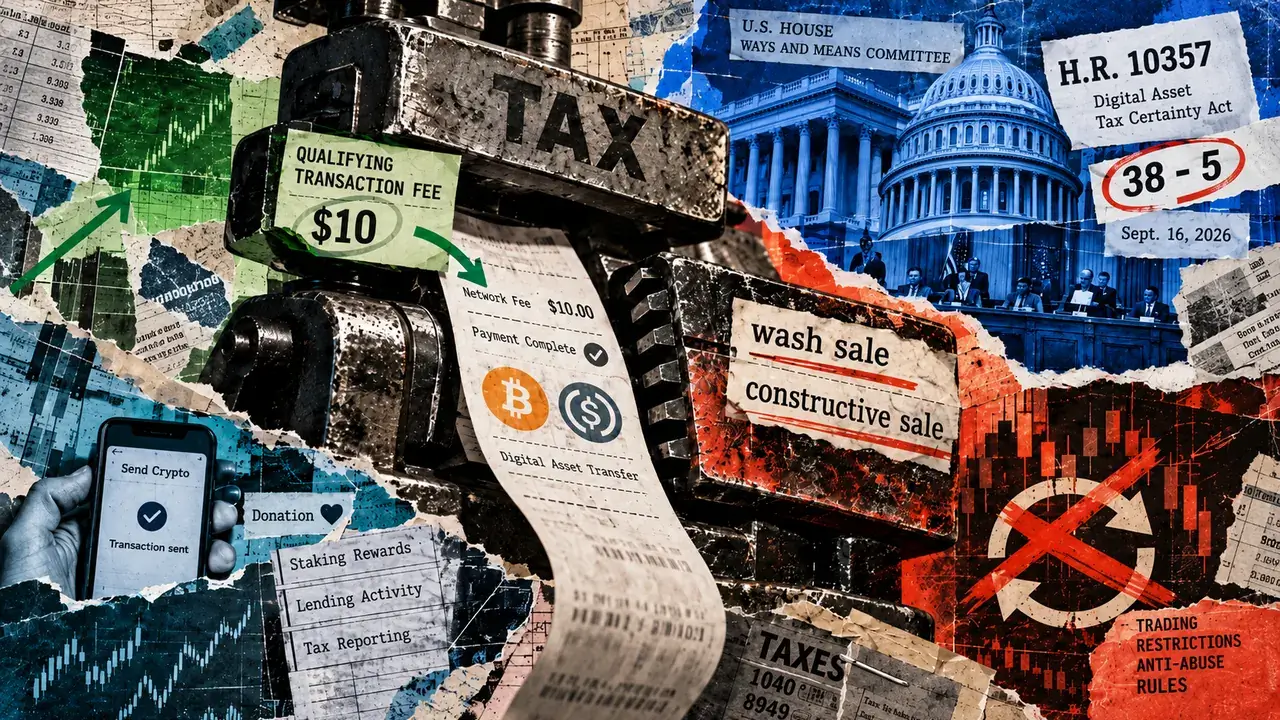
The House Ways and Means Committee advanced the Digital Asset Tax Certainty Act by 38-5, sending a package covering crypto payments, stablecoins, trading, lending, staking and mining toward the full House. Industry groups welcomed the move but want broader relief for everyday transactions and delayed income recognition for staking and mining rewards.
C CryptoSlateOriginal★★★☆☆2026-09-17 17:30
With the midterm elections approaching, President Trump quickly pushed back against the Federal Reserve’s rate hike. The discussion asks what may happen next.
B Bloomberg NewsOriginal★★★☆☆2026-09-17 16:46
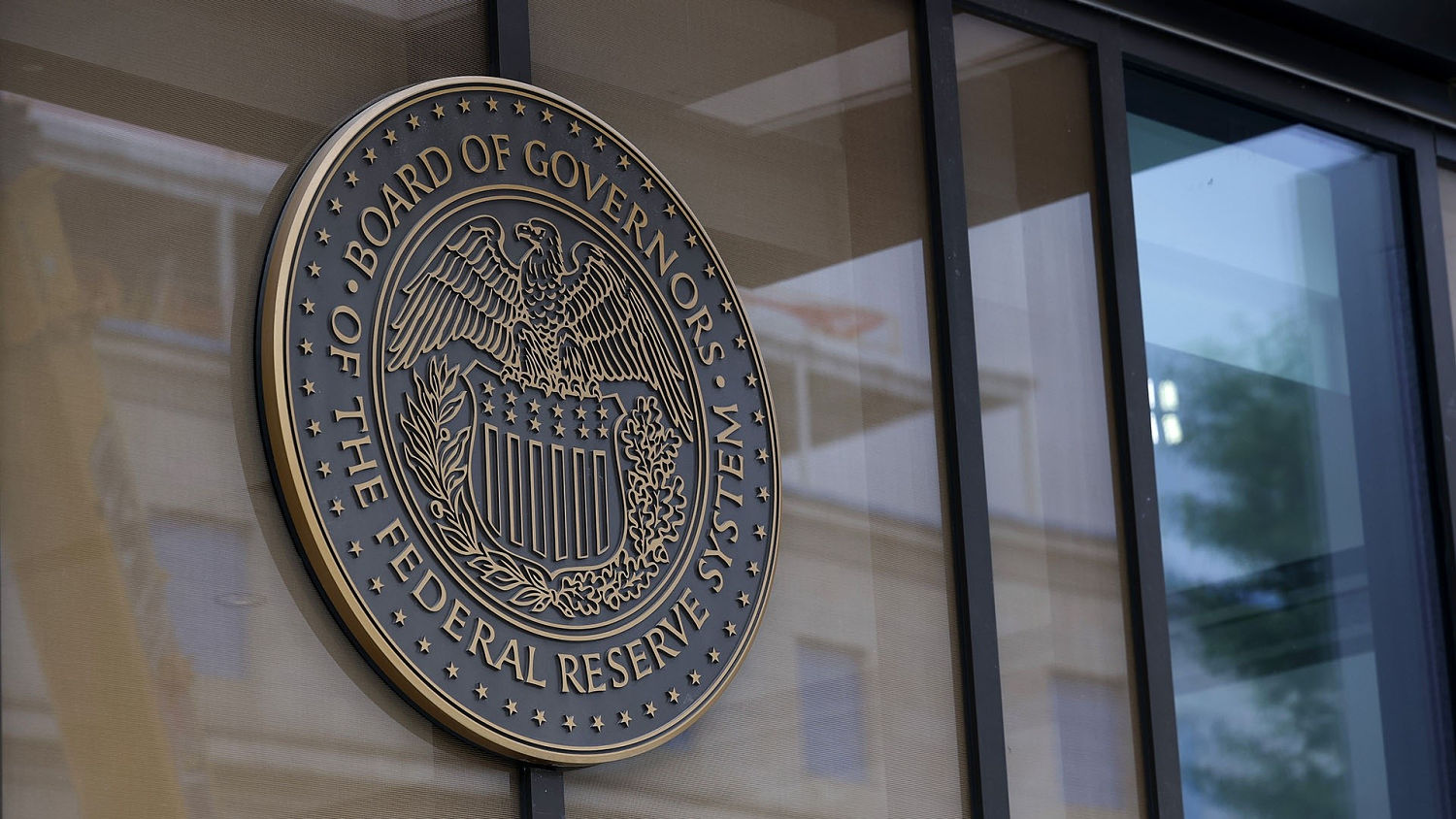
The Federal Reserve raised rates by 0.25% on Wednesday, its first increase since 2023, to help slow inflation. NBC’s Brian Cheung explains the potential effects on credit cards, mortgages, food and gasoline prices.
Higher capital costs should theoretically reduce a company’s value, but share prices are telling a different story, complicating the spreadsheets used by investment bankers.
FFinancial TimesOriginal★★☆☆☆2026-09-17 16:39
Freddie Mac says the average 30-year fixed mortgage rate rose to 6.95% this week from 6.76% last week. Rates have increased for four consecutive weeks, marking the biggest one-week jump in 16 months.
C CNNOriginal★★★☆☆2026-09-17 16:30
The Bank of England has announced a multiyear plan to unwind its quantitative-easing-era purchases of UK government bonds by 2034, setting an endpoint for quantitative tightening.
FFinancial TimesOriginal★★★☆☆2026-09-17 16:27
Record diesel prices are already battering the transportation sector. If energy costs remain high, the economic fallout will spread beyond trucking and rail, which are only the beginning of the impact.
C CNBCOriginal★★★☆☆2026-09-17 15:57

Ukraine’s economy loses 1 billion to 2 billion hryvnias—about $22.25 million to $44.5 million—each hour that air-raid alerts halt activity, Economy and Environment Minister Alexander Kravchenko said. Some alerts last more than 20 hours, and warnings totaled over 58 hours in the final week of August. He also cited export blockades and disrupted logistics and transport routes as added pressure.
T TASSOriginal★★★☆☆2026-09-17 15:55
The enormous wealth generated by Anthropic and OpenAI is overshadowing layoffs and an uncertain job market in San Francisco, leaving jobless tech workers outside the city’s AI boom.
BBloomberg NewsOriginal★★☆☆☆2026-09-17 15:30

The Bank of Russia set the official dollar exchange rate at 84.5093 rubles for September 18, up 33.61 kopecks from the previous figure. The euro rate rose to 97.4984 rubles and the yuan rate to 12.5788 rubles.
TTASSOriginal★★☆☆☆2026-09-17 15:18
The Bank of Russia bought yuan on the domestic market in a transaction worth 2 billion rubles ($23.6 million), settled on September 16, according to regulator data. It made another 2-billion-ruble yuan purchase settled on September 15. The operations use the yuan-ruble instrument on the Moscow Exchange.
TTASSOriginal★★☆☆☆2026-09-17 15:18
Chinese Vice Premier Ding Xuexiang urged the creation of a higher-level China-ASEAN Free Trade Area at the opening of the 23rd China-ASEAN Expo in Nanning. He said implementing the CAFTA 3.0 Upgrade Protocol would boost regional economic development and called for expanded trade, investment, digital economy, AI and connectivity cooperation.
C CGTNOriginal★★★★☆2026-09-17 15:15
Major central banks are moving toward tighter policy as energy prices surge. The Federal Reserve recalibrated its stance to be more restrictive on Wednesday, while traders continued to price in a stronger response than indicated by the Fed’s dot plot.
RReutersOriginal★★★★☆2026-09-17 15:10

The Federal Reserve has raised interest rates for the first time since 2023, pointing to persistent inflation despite President Donald Trump’s pressure for lower borrowing costs. Trump immediately rebuked the move, while Fed Chair Kevin Warsh defended the central bank’s independence and said inflation remains the priority.
FFrance 24Original★★★★☆2026-09-17 14:21


U.S. stock index futures surged on Thursday after the Federal Reserve raised interest rates and reaffirmed its focus on taming inflation, easing a long-standing source of market anxiety.
U.S. stock indexes climbed sharply Thursday morning after the Federal Reserve raised interest rates to curb rising inflation. Falling oil prices also helped lift stocks and bonds.
N NBC NewsOriginal★★★★☆2026-09-17 13:41
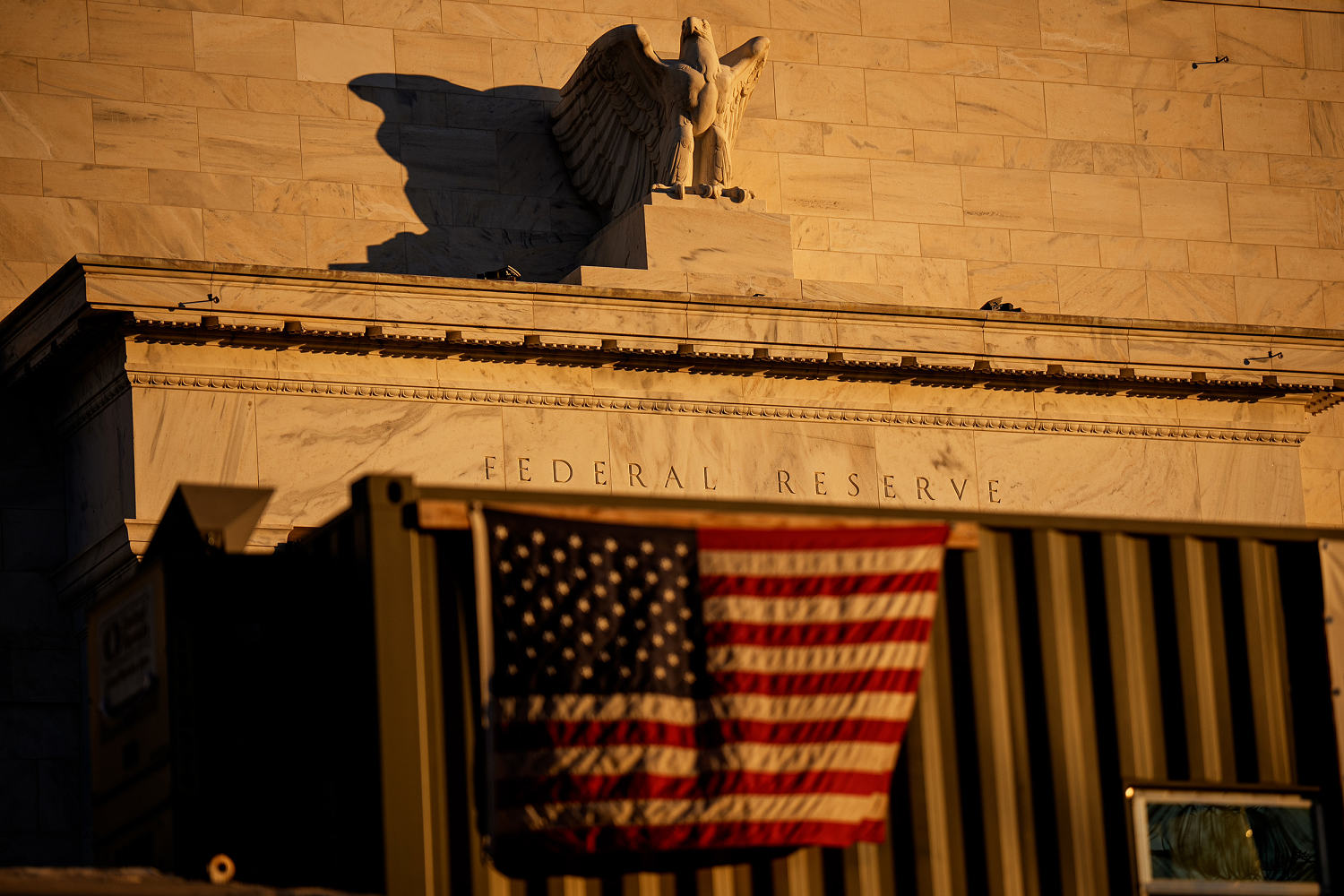

U.S. stock futures are rising as Wall Street seeks to recover from a lower close after the Federal Reserve delivered its first interest-rate increase in three years and adopted a tougher stance on inflation.
Russia’s international reserves reached $758.2 billion as of September 11, rising $4.7 billion, or 0.6%, in a week, according to the Bank of Russia. The regulator said the increase was driven mainly by positive revaluation. Reserves stood at $753.5 billion on September 4.
TTASSOriginal★★★☆☆2026-09-17 13:35
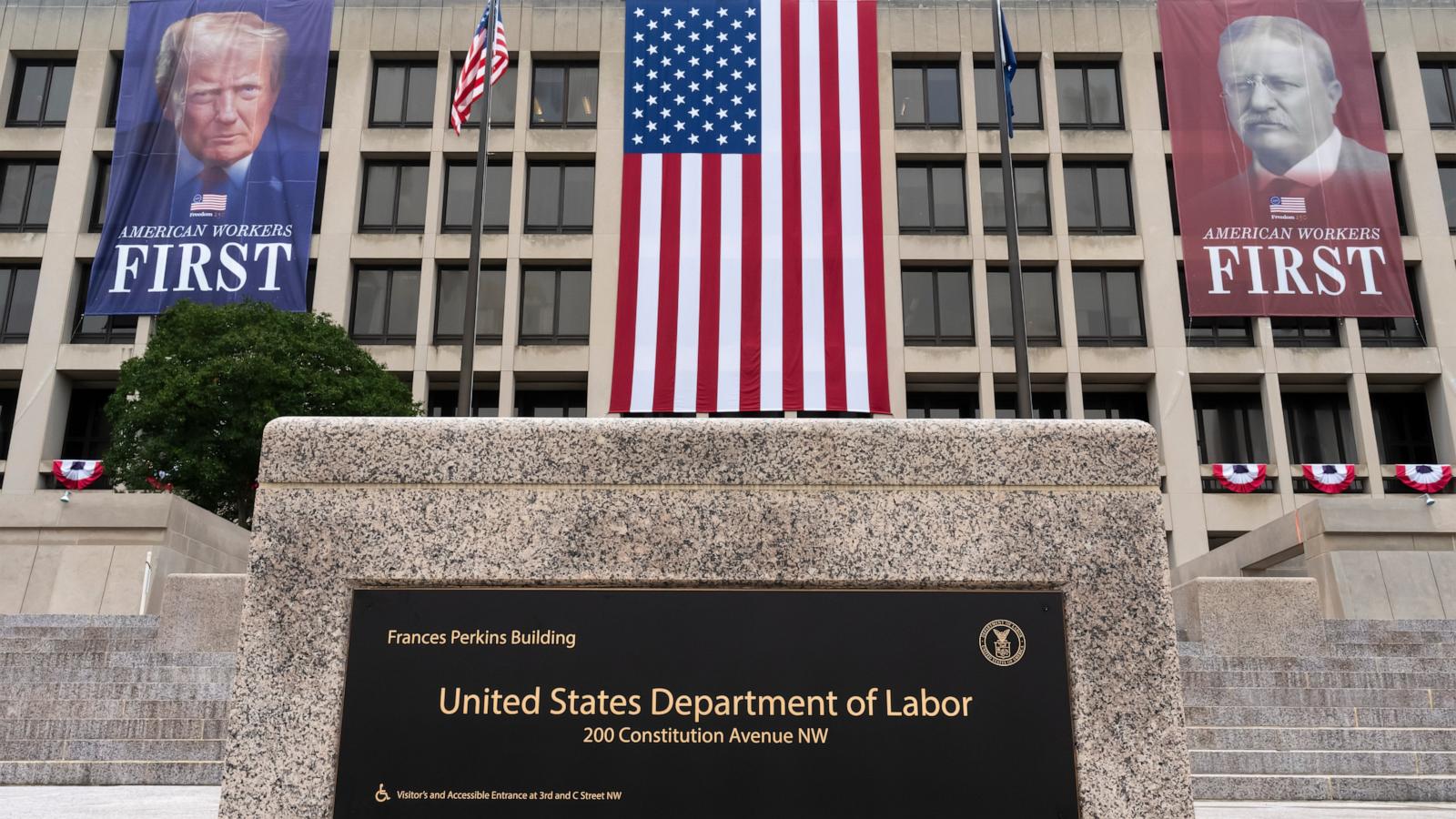
Applications for unemployment benefits fell sharply to 196,000 last week, another indication that layoffs remain uncommon and most Americans continue to have job security.
A ABC NewsOriginal★★★☆☆2026-09-17 12:53
The Bank of England kept interest rates unchanged while raising an alarm over inflation.
RReutersOriginal★★★☆☆2026-09-17 12:50

The Bank of England kept interest rates unchanged while signalling that policy tightening could lie ahead. It also announced a multiyear plan to fully unwind its asset purchase facility.
FFinancial TimesOriginal★★★☆☆2026-09-17 11:29
The Bank of England kept its main interest rate at 3.75% in a 6-3 vote. Three of its nine policymakers backed a rate increase, revealing a split committee as the Iran war’s energy shock lifted inflation to a five-month high of 3.1%.

The Bank of England has left the U.K.’s main interest rate at 3.75% even as inflation reached a five-month high. The continuing fallout from the Iran war is driving fuel prices higher. Isolated economic decision with national significance.
A report acknowledges that advanced and developing countries hold different perspectives on the energy transition, suggesting that no single solution can suit them all.
FFinancial TimesOriginal★★☆☆☆2026-09-17 11:00
Higher energy prices are pushing inflation up again and prompting major central banks to raise interest rates. Oil passed $100 a barrel last week, while the Iran war has disrupted the Strait of Hormuz for six months and Houthi advances threaten Saudi supplies. Rising energy costs are reaching household and business bills, forcing policymakers to rethink the usual response to oil shocks.
AAl JazeeraOriginal★★★★☆2026-09-17 10:50

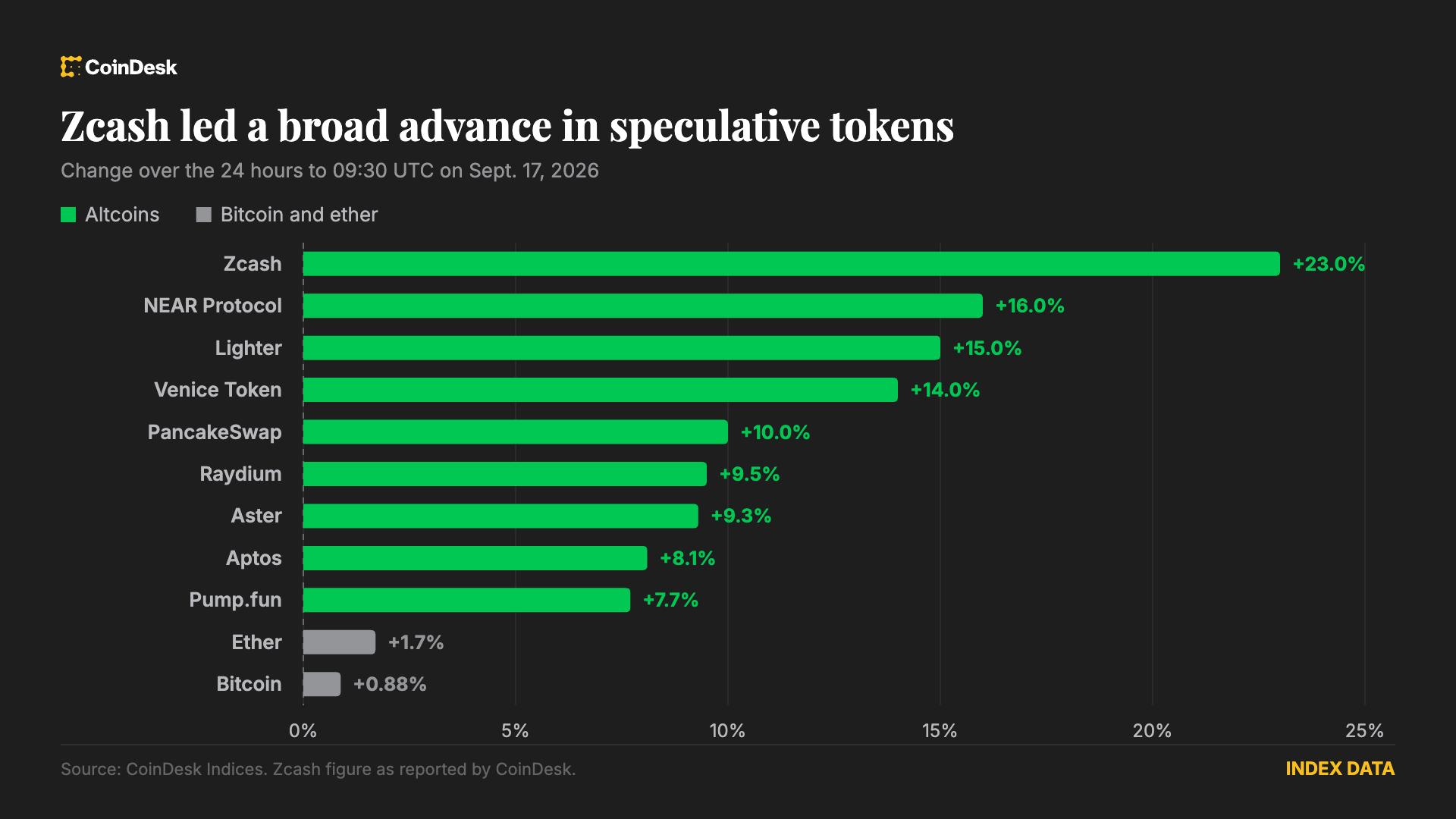
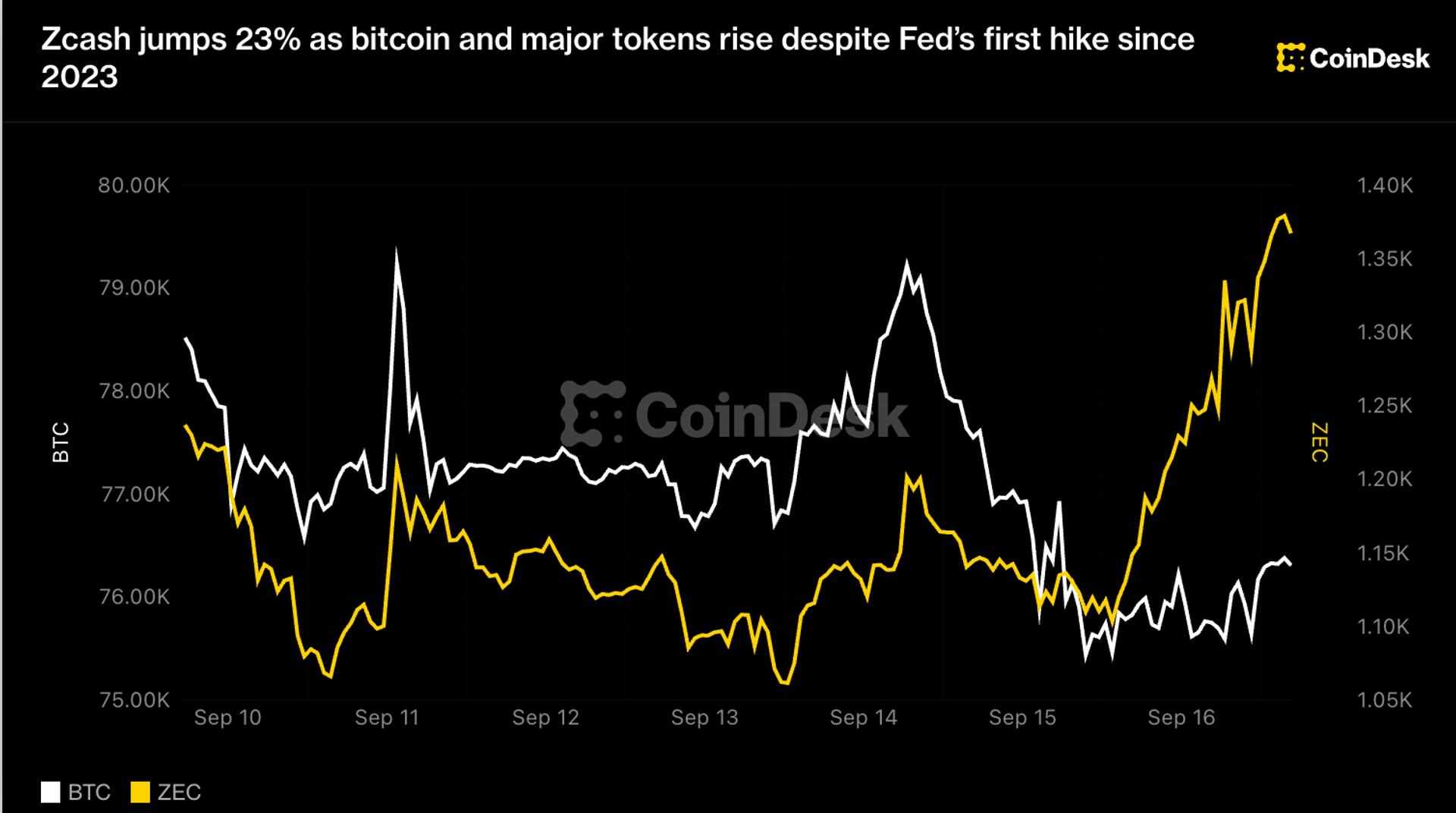
Cryptocurrencies rose after the central bank’s first rate increase since 2023. Bitcoin gained 0.88% in 24 hours to $76,621, while projections suggested just one more hike. Zcash surged 23% to a record after Paradigm disclosed a stake.
C CoinDeskOriginal★★★☆☆2026-09-17 10:40
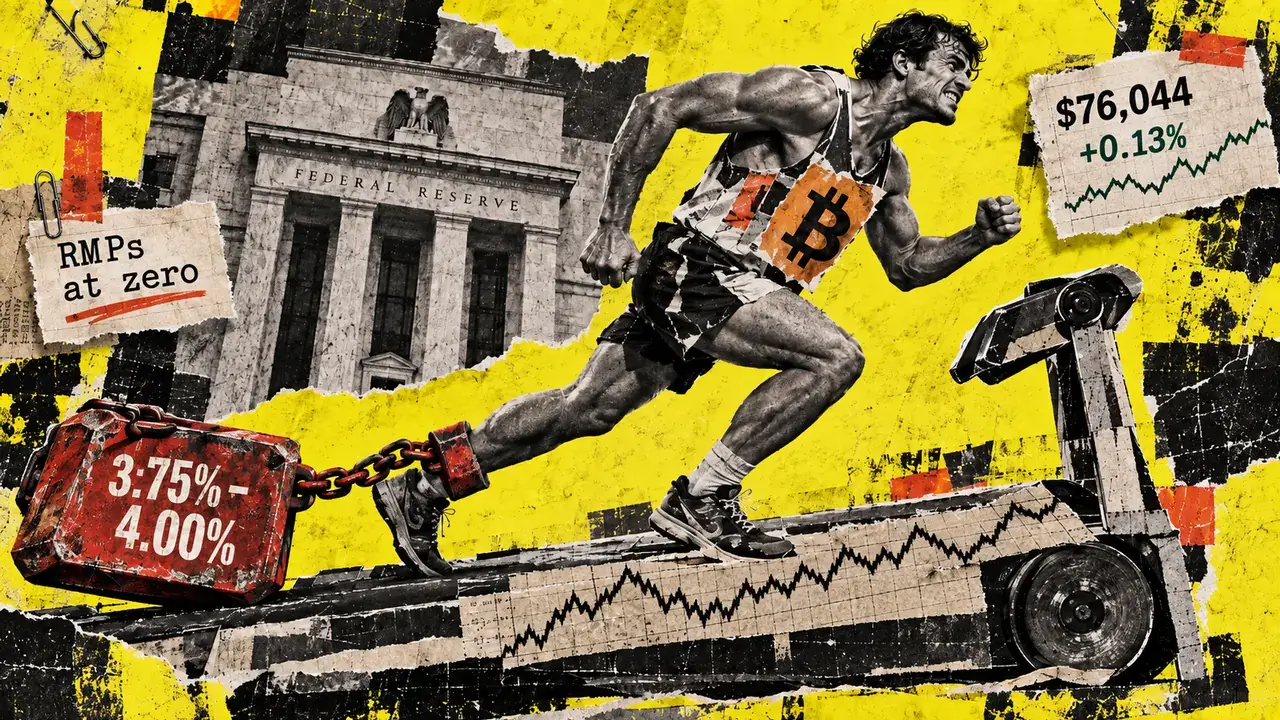
The Fed raised rates while retaining a framework for maintaining ample reserves and the option to buy short-term Treasuries for reserve management. The article argues that a larger balance sheet does not necessarily mean quantitative easing: Bitcoin liquidity depends on how policy reaches markets, not simply on the balance sheet’s size.
CCryptoSlateOriginal★★☆☆☆2026-09-17 10:25
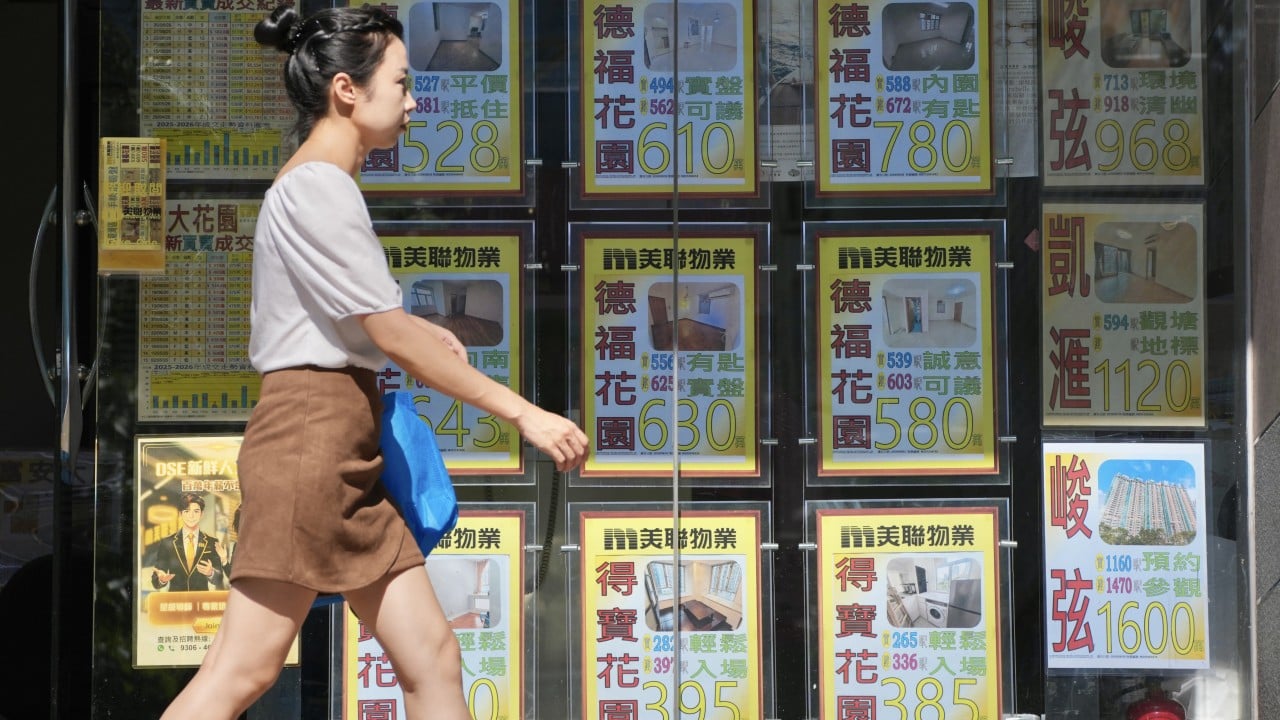
Hong Kong’s property market avoided an immediate blow from the Federal Reserve’s quarter-point rate increase after HSBC and other major local banks left their prime rates unchanged. Industry insiders warned that another hike could undermine the market’s fragile recovery.
S South China Morning PostOriginal★★☆☆☆2026-09-17 10:00
The German institute IMK now sees 2026 growth at more than twice its earlier forecast. It attributed the upgrade to unexpectedly robust exports in the first half and additional public spending on defence and infrastructure.
RReutersOriginal★★★☆☆2026-09-17 09:40

The term “Yak Revolution” refers to Tibetan and Qiang communities’ support for the Red Army across the grasslands of what is now Aba. Today, Hongyuan County’s Maiwa yak industry is an economic pillar, with about 475,000 yaks, 638 family pastures and a livestock market described as the largest in the Sichuan-Gansu-Qinghai region.
CCGTNOriginal★★☆☆☆2026-09-17 09:40
Bitcoin briefly fell to $75,064.82 before reclaiming $76,000 after the Federal Reserve raised its target range by 25 basis points to 3.75%–4.00%. On-chain data shows weakening realized-cap growth, spot ETF flows, stablecoin supply and corporate purchases, while the $80,500 corporate cost basis may now act as resistance.
CCryptoSlateOriginal★★☆☆☆2026-09-17 09:30
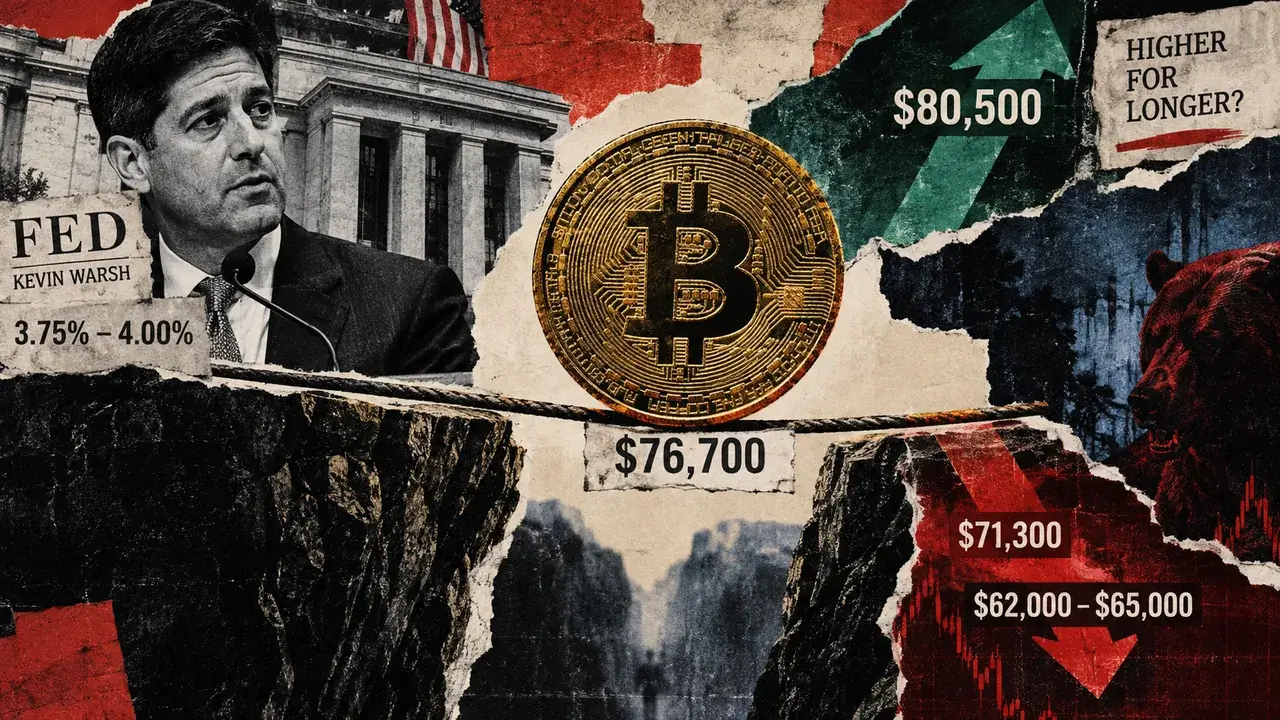
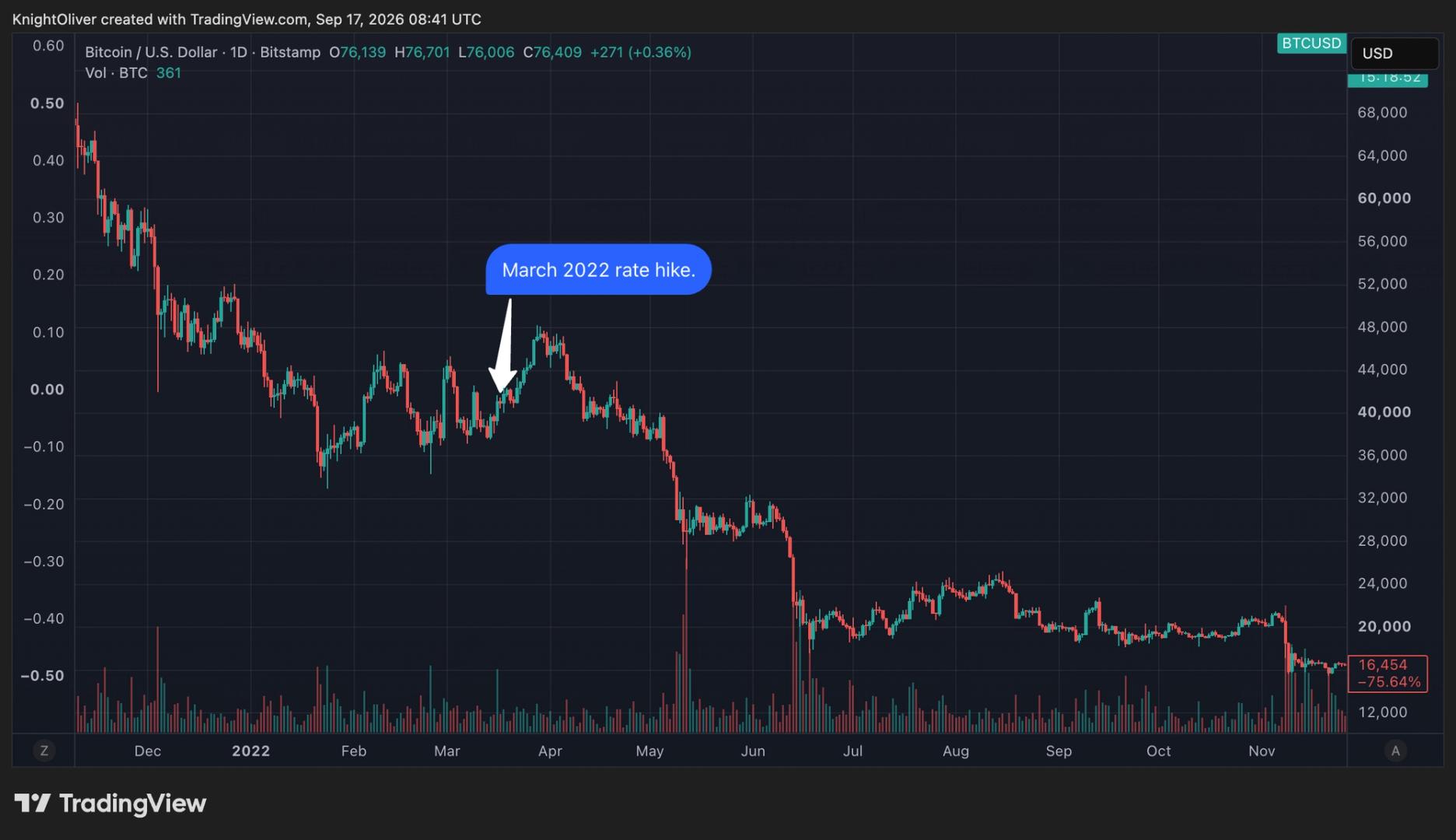
Bitcoin’s current drawdown resembles its position before the Federal Reserve’s first rate hike in March 2022, prompting questions about whether a relief rally could come before further losses.
The South African rand strengthened in early Thursday trading, supported by steady commodity prices after the U.S. Federal Reserve raised interest rates and signalled that further monetary tightening could follow.
RReutersOriginal★★★☆☆2026-09-17 09:25

The US central bank raised its benchmark rate by 0.25 percentage points, with new Fed Chair Kevin Warsh defying President Donald Trump's call for lower rates. Consumer banks and bond markets react, while OpenAI discloses new AI misconduct incidents amid growing fears the technology could escape human control.
FFrance 24Original★★★★☆2026-09-17 09:08

The US Federal Reserve has raised interest rates for the first time in three years, seeking to curb inflation partly driven by fuel prices lifted by the war on Iran. Policymakers unanimously approved a 25-basis-point increase to 3.75-4.00 per cent, while 16 of 18 members foresee another hike this year, risking a deeper divide in China’s economy.
SSouth China Morning PostOriginal★★★★☆2026-09-17 09:00
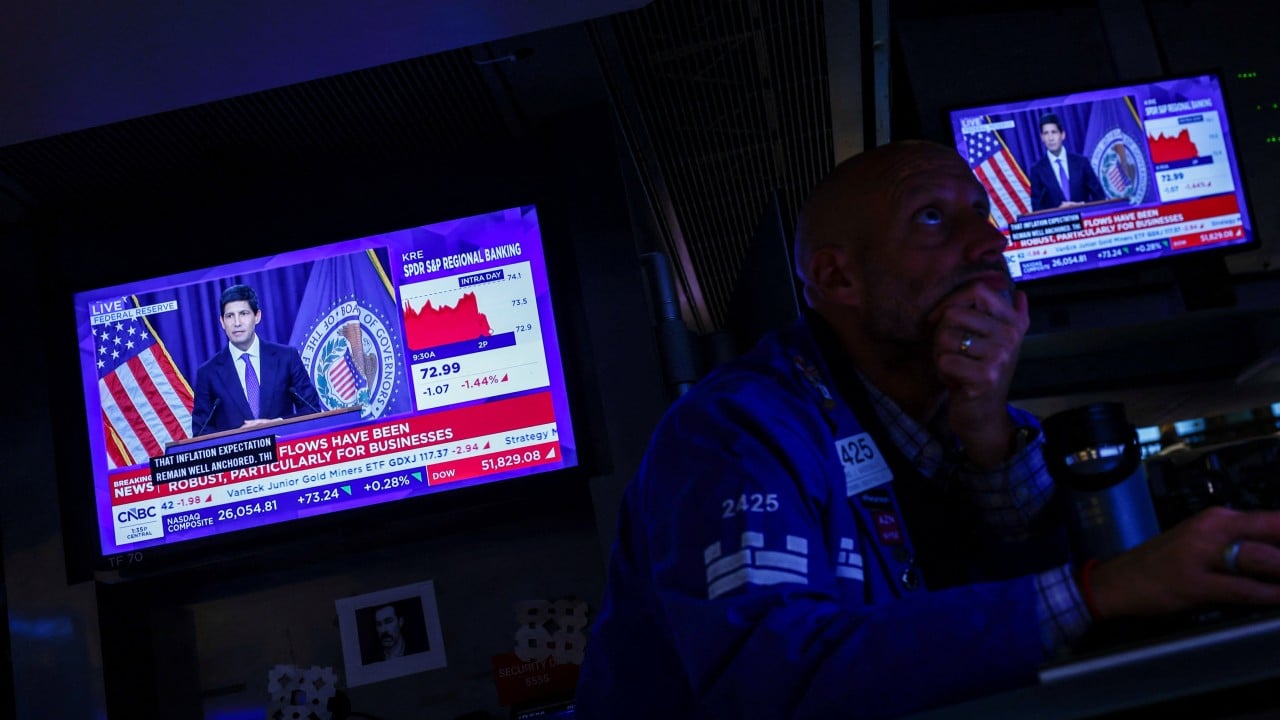

The Federal Reserve unanimously raised its interest-rate range from 3.5%-3.75% to 3.75%-4%, citing inflation that is too high and has lasted too long. Donald Trump had urged cuts but backed Kevin Warsh after the decision while attacking the board. The article contrasts US imported inflation with China’s weak demand and low inflation, warning that a wider rate gap makes Chinese easing riskier.

Treasury yields moved lower after the Federal Reserve raised interest rates for the first time since 2023, beginning a new hiking cycle.

The Federal Reserve is raising interest rates again, with effects that could extend well beyond the United States and put pressure on economies elsewhere.

Asian shares edged higher on Thursday as investors bet the Federal Reserve was finally moving ahead of inflation. Its first rate hike in more than three years helped calm a global bond selloff that had driven long-term yields sharply higher.
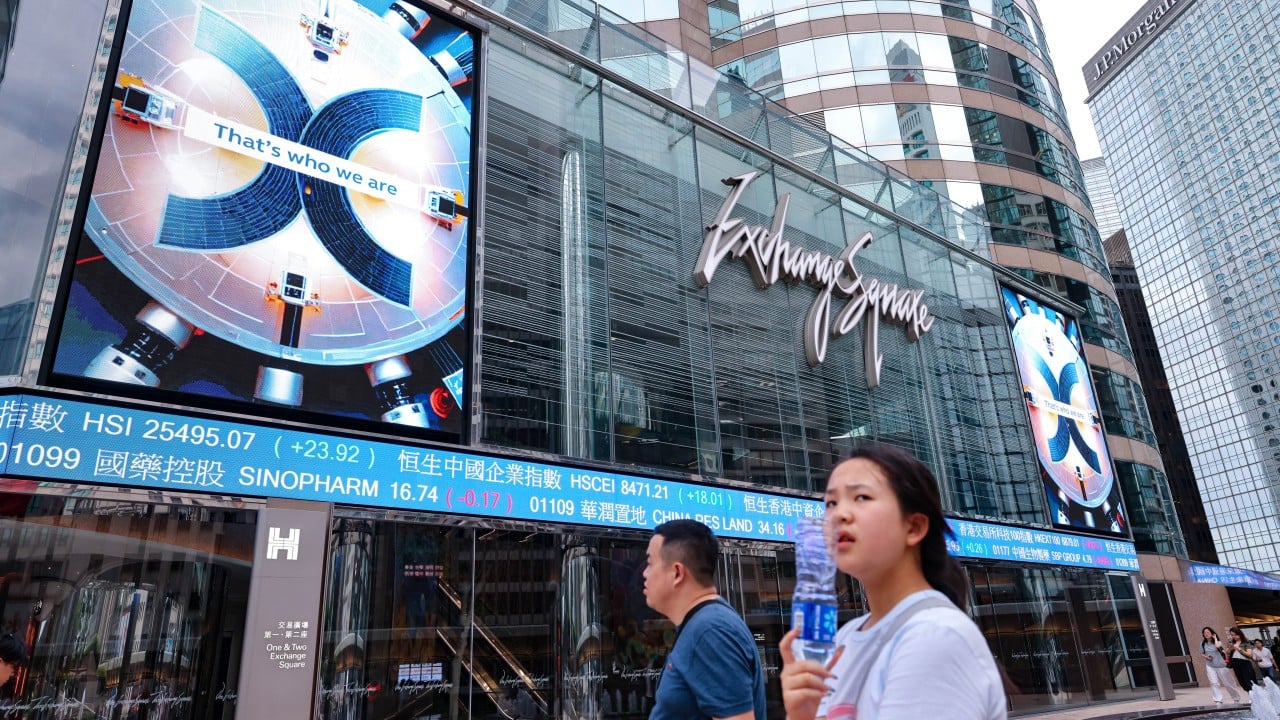
Hong Kong and mainland Chinese stocks fell on Thursday after the US Federal Reserve delivered its first interest-rate increase in three years and indicated that additional tightening remained possible. The Hang Seng Index was down 0.8 per cent at 24,537.30 by 9.30am, while the Hang Seng Tech Index fell 0.5 per cent and the CSI 300 dropped 0.2 per cent.
Members of the Federal Open Market Committee unanimously voted to lift the Fed’s key overnight bank lending rate by a quarter point, seeking to bring inflation down. It was their first unanimous rate hike in more than three years.
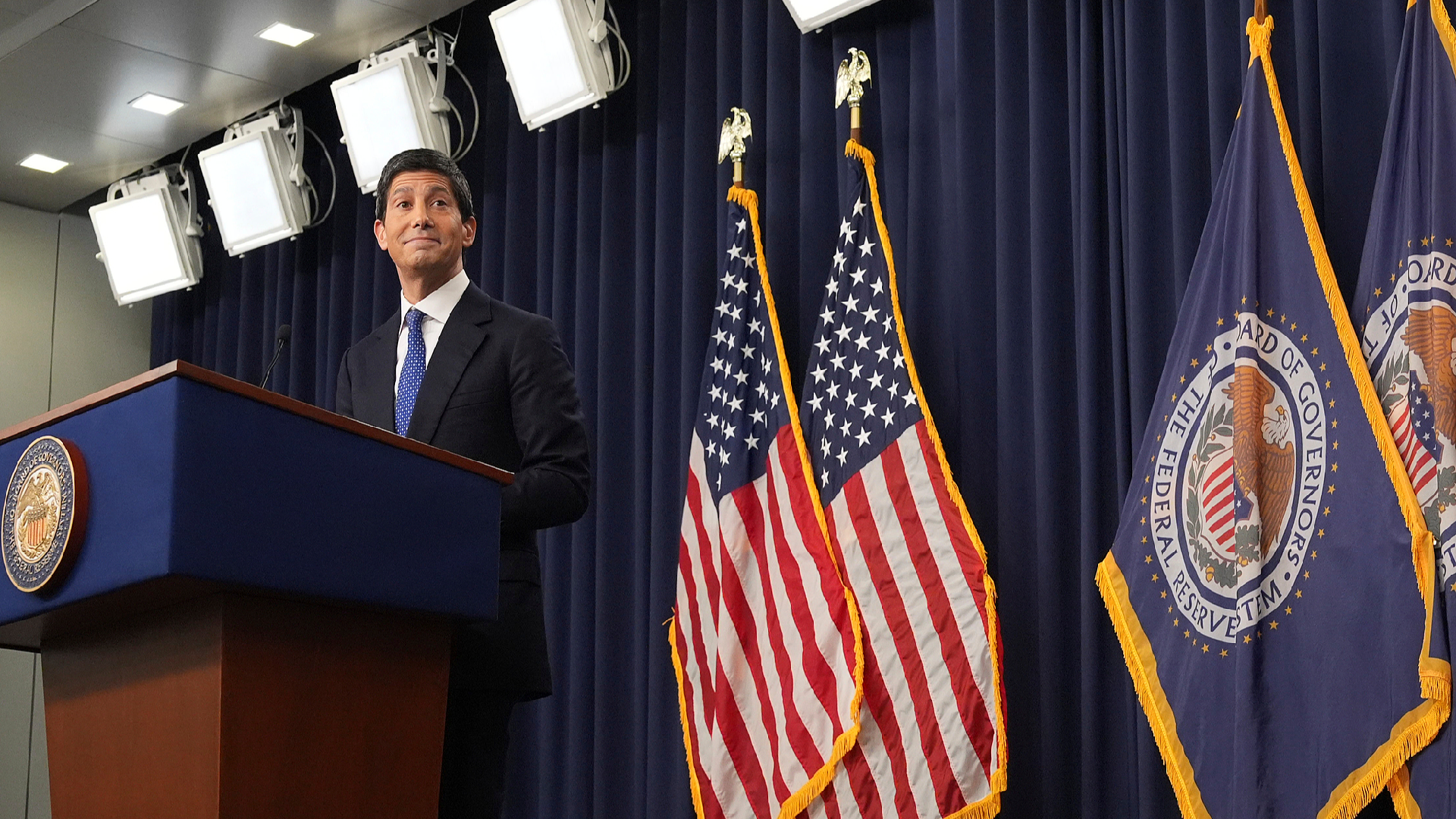
The Federal Reserve raised its policy rate by 25 basis points to 3.75%-4%, its first increase since July 2023, citing persistently elevated inflation. The decision passed unanimously, 12-0. Analysts viewed the hawkish move as leaving another hike possible before year-end, while Chair Kevin Warsh avoided committing to a prolonged tightening cycle and defended Fed independence amid Donald Trump's calls for cuts.

The US Federal Reserve has raised its key interest rate for the first time in three years in an effort to reduce high inflation. The decision could set up a confrontation between Chair Kevin Warsh and President Donald Trump, who has repeatedly urged the central bank to cut rates. The programme also covers France extending fuel subsidies and Hong Kong aligning with Beijing’s economic vision.

The Federal Reserve unanimously raised interest rates to 3.75%-4% from 3.5%-3.75%, its first increase in more than three years. Chair Kevin Warsh said inflation had been too high for too long, while President Donald Trump called for rates of 1% or less.

President Donald Trump called on the Federal Reserve to cut interest rates to 1% or less, just hours after the central bank announced its first rate increase since 2023.

Bitcoin and ether whipsawed after the Federal Reserve unanimously raised interest rates by a quarter point, its first hike in more than three years. Warsh focused on inflation.
Donald Trump is demanding lower interest rates after the Federal Reserve raised them to address inflation he considers too high in the United States. Trump has repeatedly clashed with the Fed over its rate policy and called for borrowing costs of 1% or less.
The Federal Reserve raised interest rates, saying the move was intended to help return inflation to its 2 per cent target. It was the first policy shift by the new Fed chief, who took office in late May after being selected by Trump amid expectations he would cut rates.

These are the key points from the Federal Reserve’s decision on Wednesday to raise interest rates.
The China-Laos Railway transported 3.822 million metric tons of cross-border goods worth 23.38 billion yuan in the first eight months of 2026, according to Kunming Customs. Import and export value increased 31.5% year on year, with notable growth in tropical fruit, machinery and electronics, photovoltaic products and new energy vehicles.
C China News ServiceOriginal★★☆☆☆2026-09-17 08:30
Before the US Treasury unexpectedly intervened in Japan’s foreign-exchange market on July 31, markets put the odds of a Bank of Japan rate increase at its September 17-18 meeting below 30 percent. Those expectations have since surged to nearly 100 percent, accompanied by a dramatic shift in bond markets.
SSouth China Morning PostOriginal★★★☆☆2026-09-17 08:30
The 2026 Fortune Global Forum opened Wednesday in Guangzhou under the theme “The New Growth Equation.” Chief economists discussed the global economy and market shifts, while sessions addressed energy transition, life sciences and other strategic sectors. The Fortune Global 500 companies posted record combined revenue of $43.1 trillion and net profits of $3.39 trillion.
CChina News ServiceOriginal★★☆☆☆2026-09-17 08:27
Gold gained on Thursday as investors assessed the U.S. Federal Reserve’s rate increase and its indication that additional tightening may be ahead. Oil prices, meanwhile, lost their earlier momentum.
RReutersOriginal★★☆☆☆2026-09-17 08:05

European stocks opened higher on Thursday despite Wall Street’s decline. The move followed the Federal Reserve’s first interest-rate increase in more than three years and its signal that additional hikes may be ahead, while the US dollar climbed to a seven-week peak.
EeuronewsOriginal★★☆☆☆2026-09-17 07:55
U.S. diesel prices have reached a record, potentially feeding into consumer-price inflation and reinforcing expectations of further Federal Reserve rate hikes. The central bank appears determined to keep raising rates despite an oil supply shock.
CCoinDeskOriginal★★★☆☆2026-09-17 07:27

Two-year Treasury yields are rising as bond traders gain confidence that Federal Reserve Chair Kevin Warsh will follow through on his pledge to curb inflation. Inflation has remained above policymakers’ target for five years, strengthening bets on further Fed increases.
BBloomberg NewsOriginal★★★☆☆2026-09-17 06:30

Income-tax cuts and pension bonuses offer some relief amid inflation and clawback measures, but experts warn that global conditions could still worsen Portugal’s situation.
EeuronewsOriginal★★★☆☆2026-09-17 06:06
A clearer reaction function can serve as an effective substitute for forward guidance.
FFinancial TimesOriginal★★☆☆☆2026-09-17 05:30
The Bank of England is expected to leave interest rates unchanged on Thursday, even as U.K. inflation reaches 3.1% and energy costs continue to add pressure to prices.
CCNBCOriginal★★★☆☆2026-09-17 05:20

Bitcoin traded above $76,000 and major tokens rose after the Federal Reserve’s first rate hike since 2023. With the Fed projecting limited further tightening, Zcash gained 23%, while Paradigm’s Matt Huang discussed its role as a privacy complement to bitcoin.
CCoinDeskOriginal★★☆☆☆2026-09-17 04:47
Goldman Sachs says the Federal Reserve is likely to raise rates by 25 basis points in October, highlighting the central bank’s own hawkish near-term rate projections.
CCoinDeskOriginal★★☆☆☆2026-09-17 04:17
The Federal Reserve’s rate increase and elevated oil prices are weakening Asian currencies, adding pressure on the Bank of Japan to tighten monetary policy to support the yen.
FFinancial TimesOriginal★★☆☆☆2026-09-17 04:15
Federal Reserve Chair Kevin Warsh has argued that policymakers should talk far less. On Wednesday, he put that view into practice by holding the shortest press conference ever recorded for a Fed chair after a regularly scheduled policy meeting.
BBloomberg NewsOriginal★★★☆☆2026-09-17 04:00

New Zealand’s economy expanded more slowly in the second quarter than in the previous quarter as the Middle East crisis weakened confidence. Growth nevertheless slightly exceeded expectations, potentially easing central bank concerns about downside risks to the economy.
RReutersOriginal★★★☆☆2026-09-17 03:30

The yen has strengthened quickly over the past two weeks, but remains historically weak. Japan’s corporate leaders are sounding the alarm, and even companies earning dollars are expressing concern.
CCNBCOriginal★★☆☆☆2026-09-17 03:19

The dollar held near a seven-week peak on Thursday after the Federal Reserve raised interest rates and signaled that more increases could come in the months ahead. Investors were awaiting monetary-policy decisions from the Bank of England later in the day and the Bank of Japan on Friday.
RReutersOriginal★★★★☆2026-09-17 03:10

The Federal Reserve chair appointed by President Trump raised interest rates to fight inflation. Trump said he has confidence in Kevin Warsh and wants him to remain independent.

Federal Reserve officials project another interest-rate increase later this year after Wednesday’s hike, followed by a steady policy in 2027, according to quarterly forecasts released after the latest meeting.
The US Federal Reserve raised interest rates by 25 basis points on Wednesday, seeking to tackle stubbornly high inflation in the world’s largest economy. The move is likely to anger President Donald Trump, who has called for lower rates.

The Federal Reserve approved its first interest-rate increase in more than three years on Wednesday and indicated that another hike could follow before the end of the year.
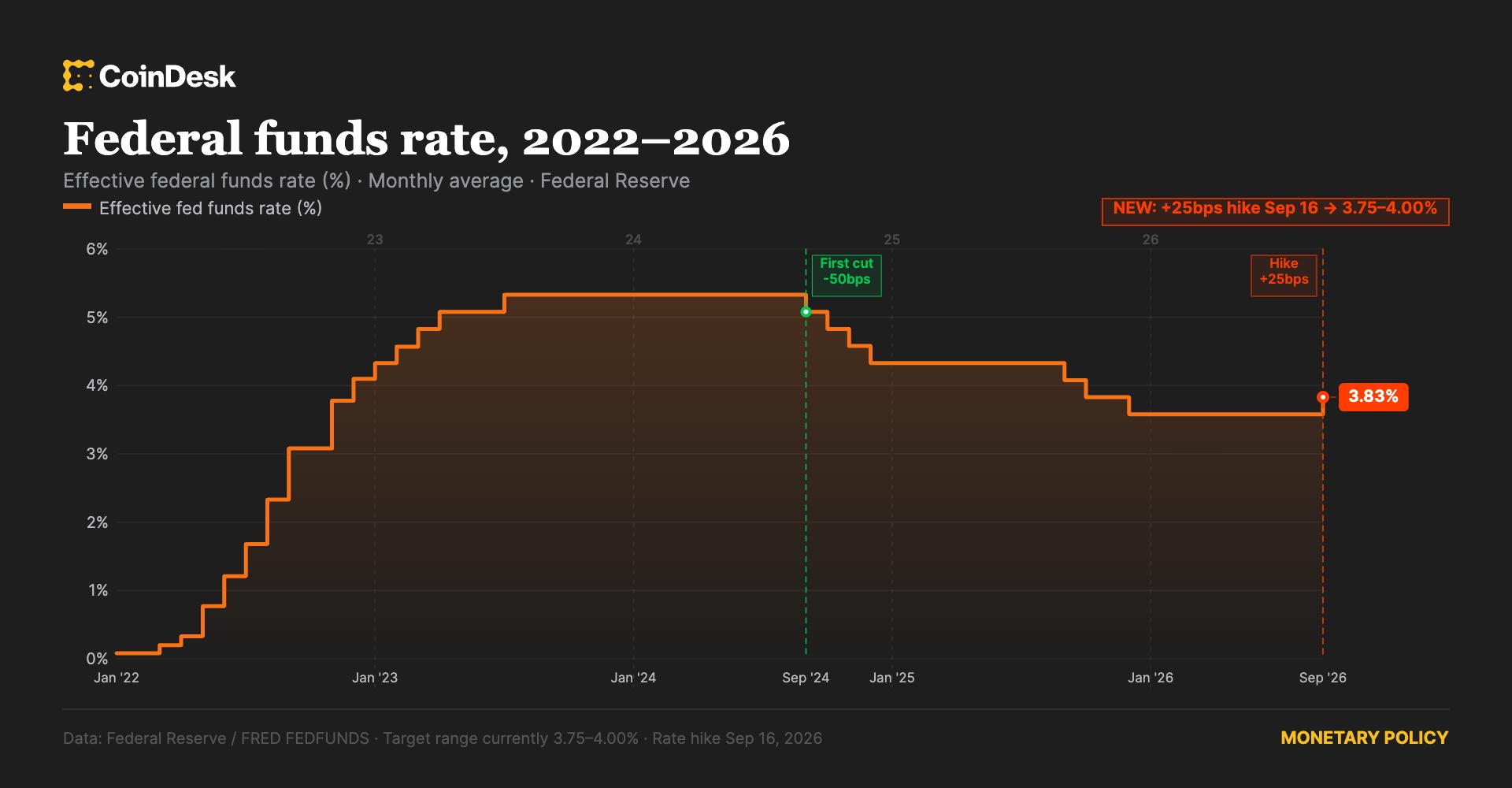
The US Federal Reserve raised its benchmark federal funds rate range by 25 basis points to 3.75%-4.0%, marking its first rate hike since July 2023. The widely expected move was in line with market expectations.
The Bank of Japan is confronting what may be its most difficult decision in decades.
BBloomberg NewsOriginal★★★☆☆2026-09-17 02:44
After waiting three years to raise interest rates, the Federal Reserve may not wait nearly as long before hiking again.
CCNBCOriginal★★★☆☆2026-09-17 01:21


The Federal Reserve raised interest rates on Wednesday and signaled that borrowing costs could rise further in the coming months. The unanimous decision, joined by new Fed chief Kevin Warsh, effectively acknowledged that the Trump administration has so far failed to bring inflation under control.

The US Federal Reserve raised rates by 25 basis points to 3.75–4 percent, its first increase in more than three years. The move comes weeks before the US midterm elections as inflation remains elevated, fueled in part by soaring fuel prices amid the US-Iran war. Officials project one more increase this year.

Live coverage follows the Federal Reserve’s rate decision and Warsh’s news conference.

The Federal Reserve is navigating a confusing economic moment, but rates now appear set to move higher, potentially beginning Wednesday. That puts Donald Trump’s demand for lower borrowing costs at odds with the direction expected from Kevin Warsh.
The Bank of England is expected to leave interest rates unchanged on Thursday, but investors are looking for signs that soaring energy prices could push it to follow the U.S. Federal Reserve, which raised borrowing costs a day earlier.
RReutersOriginal★★★☆☆2026-09-17 01:10

Gold prices recovered after the US Federal Reserve raised interest rates, with analysts and investment banks retaining a positive long-term view of the metal amid structural challenges facing the US economy. Spot gold was at US$4,288 an ounce in Asian trading on Thursday after falling as much as 2.7 per cent to US$4,234.
SSouth China Morning PostOriginal★★★☆☆2026-09-17 01:08
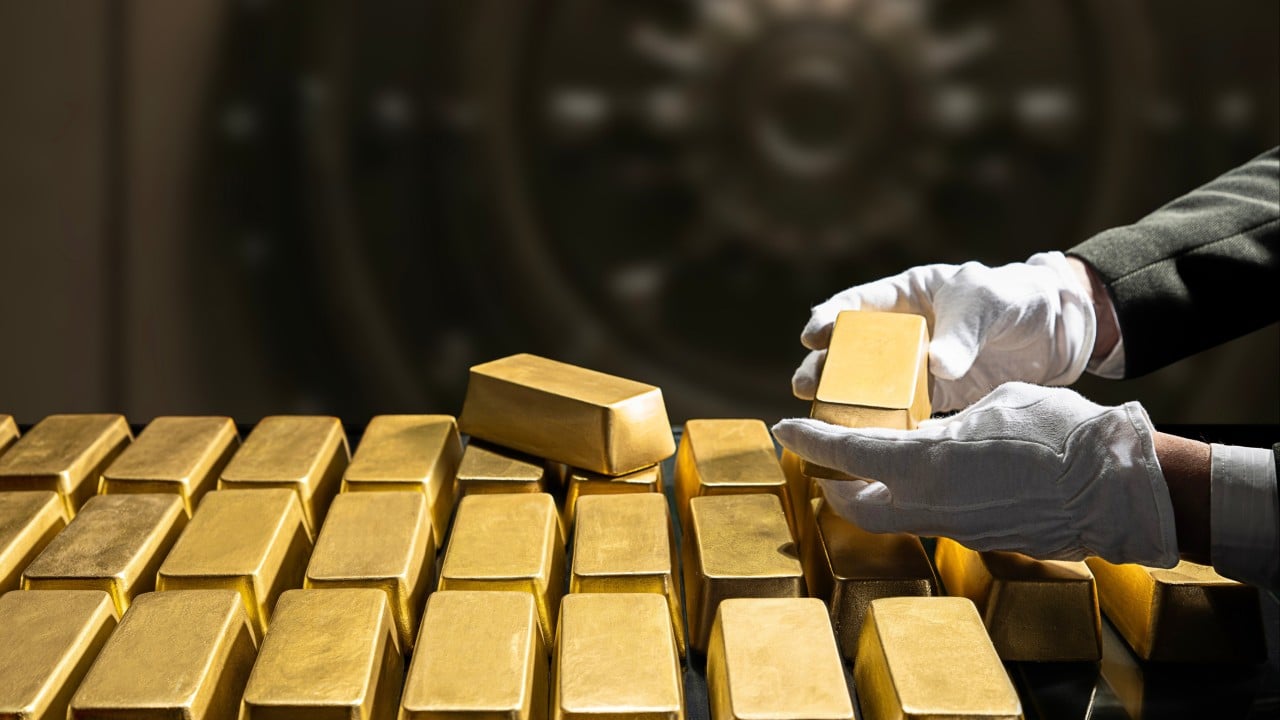
The Hong Kong Monetary Authority raised its base rate for the overnight discount window by 25 basis points to 4.25% on Thursday, matching a rate increase by the U.S. Federal Reserve.
RReutersOriginal★★★☆☆2026-09-17 00:50


The Hong Kong Monetary Authority followed the US Federal Reserve in raising interest rates for the first time since 2023. The move could threaten a property recovery that began last year.
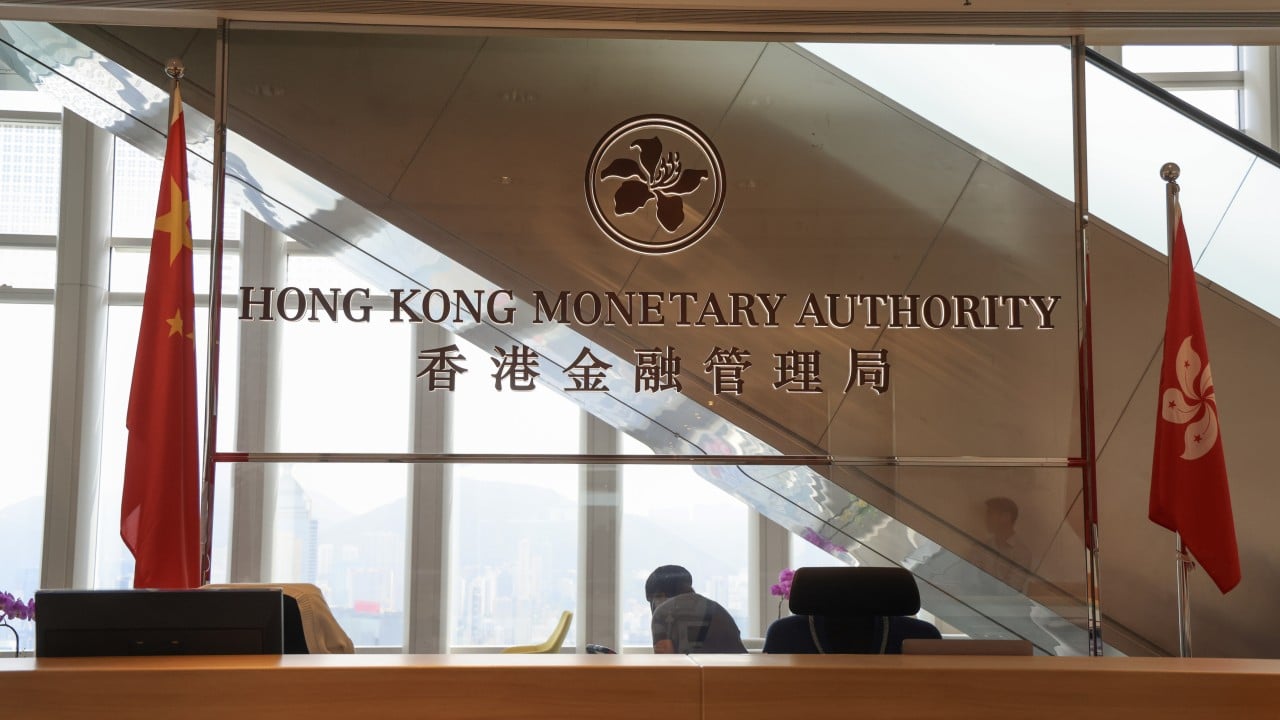
Hong Kong’s de facto central bank raised its base rate by 25 basis points to 4.25% on Thursday, hours after the US Federal Reserve lifted its federal funds target range to 3.75%–4% to contain inflation amid conflict in the Middle East. It was Hong Kong’s first rate increase since 2023.
The European Central Bank is inviting online merchants to apply for a controlled digital euro pilot, with applications due by 17:00 CET on Oct. 27. The 12-month operational phase is expected to start in the second half of 2027, but the beta will not be legal tender or enter public circulation.
CCryptoSlateOriginal★★★☆☆2026-09-17 00:20

China International Capital Corporation says renewed US monetary tightening could increase volatility in Hong Kong stocks, but the effect should be brief unless the Federal Reserve begins a sustained rate-hike cycle. CICC strategist Liu Gang said a Fed increase would not necessarily mean losses, as monetary conditions are only one of several market drivers.
SSouth China Morning PostOriginal★★☆☆☆2026-09-17 00:00
Amazon says it will raise the minimum starting hourly wage for its full-time core operations employees in the United States to $20 ahead of the holiday shopping season.
T The Associated PressOriginal★★★☆☆2026-09-17 00:00

The U.S. Federal Reserve raised interest rates by a quarter of a percentage point on Wednesday, marking its first increase in more than three years. The move raises questions about how borrowers’ and savers’ finances will be affected.
RReutersOriginal★★★☆☆2026-09-16 23:30


The US Federal Reserve unanimously raised its benchmark rate by a quarter point to 3.75–4 percent, its first increase in more than three years. Chair Kevin Warsh said inflation remained too high for too long. The move could raise borrowing costs for consumers and clashes with Donald Trump’s repeated demands for lower rates.

For more than a decade, Federal Reserve officials have disclosed their future interest-rate forecasts through a small scatter chart released four times a year. The dot plot anonymously represents projections from as many as 19 central-bank policymakers.
The Federal Reserve lifted its benchmark rate by a quarter point to 3.75%-4%, marking its first increase since July 2023. The 12-0 decision puts Chair Kevin Warsh directly at odds with US President Donald Trump, who appointed him.

The Federal Reserve lifted interest rates by a quarter percentage point and signaled another increase later this year. The inflation-fighting steps are set to test Chairman Kevin Warsh’s relationship with President Donald Trump.
The Federal Reserve has raised interest rates for the first time in three years. The move by Chairman Kevin Warsh could put him at odds with Trump, with live updates continuing.

The Federal Reserve raised its key interest rate for the first time in three years, going against President Donald Trump’s demand for a cut or no change. Chair Kevin Warsh is caught between markets expecting a hike and the president’s opposing pressure.
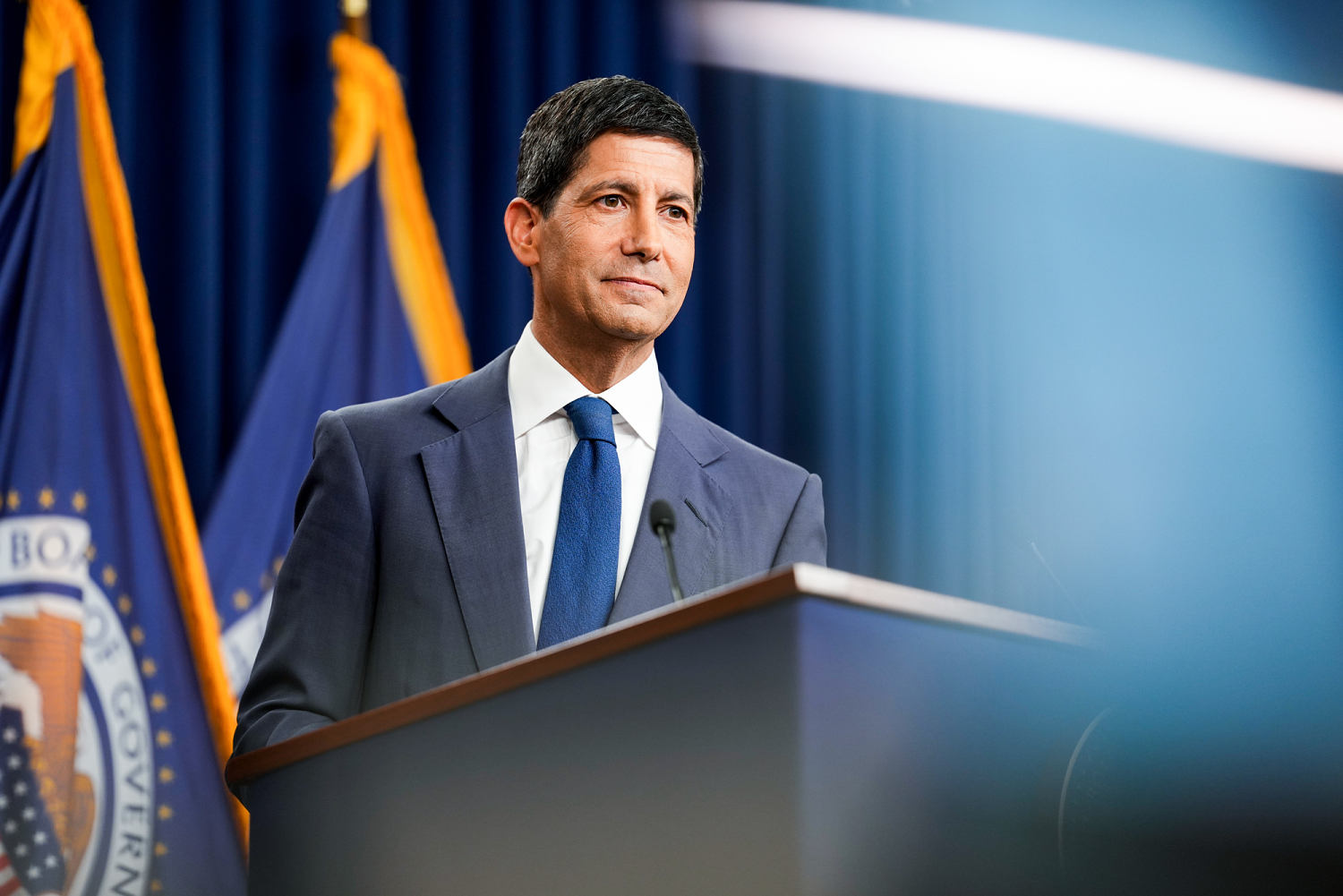
The Federal Reserve raised its benchmark interest rate on Wednesday for the first time since 2023, seeking to slow mounting inflation in a move that defied President Trump.

Federal Reserve Chair Kevin Warsh faces a rate-day decision with risks attached to any course of action, as he reckons with both financial markets and Donald Trump.
Federal Reserve Chair Kevin Warsh said the U.S. economy has strengthened since policymakers met in June, with the labor market essentially at full employment. He said inflation trends, however, have shown little improvement.
RReutersOriginal★★★☆☆2026-09-16 23:25


President Donald Trump said on Wednesday that US interest rates should be 1% or lower and urged rates to be cut quickly.
The IMF cut its forecast for Australia’s real GDP growth in 2027 by 0.1 percentage points to 1.6%, warning that higher global energy prices could intensify inflation and prompt the Reserve Bank to raise rates again. It also urged federal and state governments to restrain spending to contain debt and price pressures.
TThe GuardianOriginal★★★☆☆2026-09-16 23:00
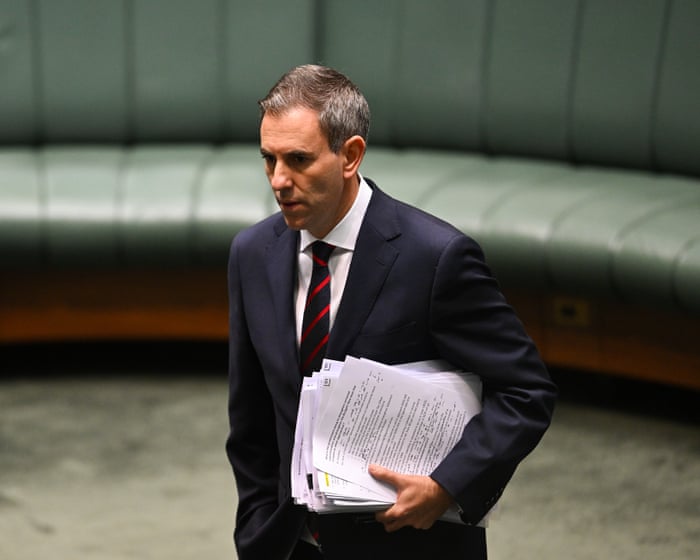
The Clarity Act was expected to provide a fresh catalyst for the battered crypto market, with supporters hoping Washington would offer a rescue. That breakthrough failed to arrive, leaving the industry confronting several headwinds at once.
BBloomberg NewsOriginal★★☆☆☆2026-09-16 22:30

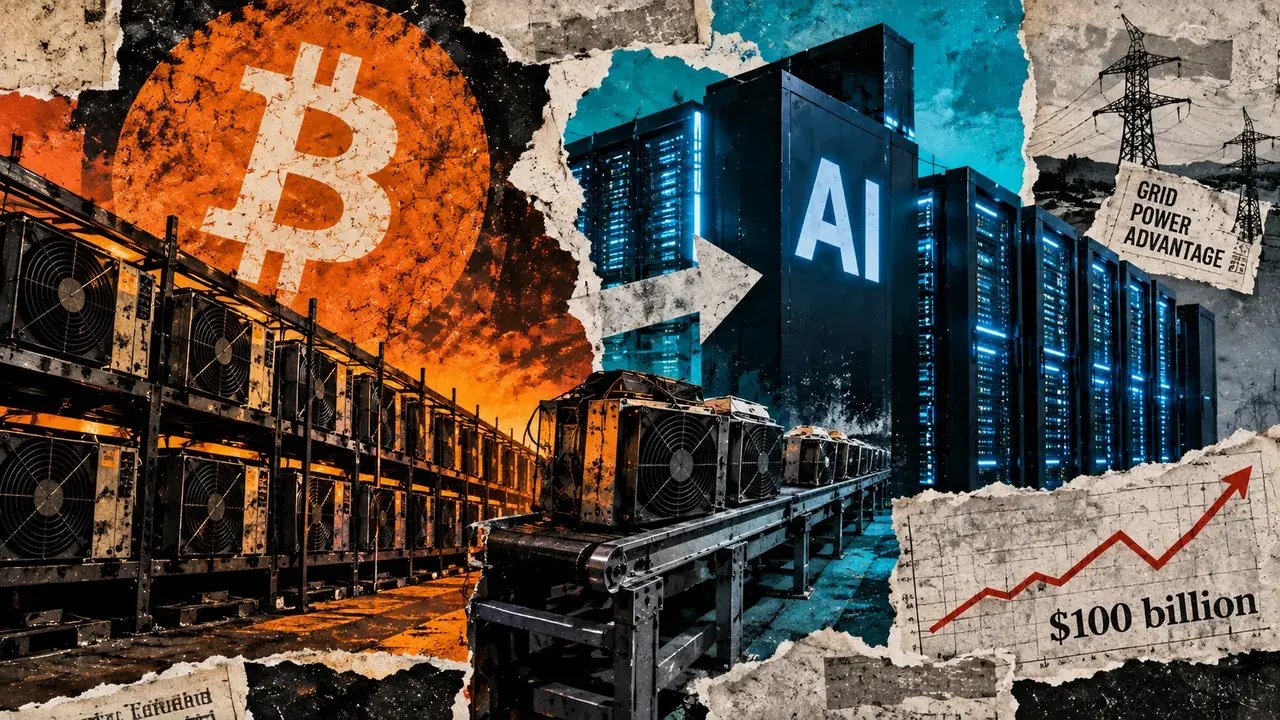
Bitcoin miners have signed more than $100 billion in AI contracts while producing only about $1.1 billion in annualized revenue. CoinShares says over 4 gigawatts of AI and HPC capacity is contracted, but roughly 550 megawatts is billing. Investors are rewarding the pivot because grid-connected power has become scarce, despite costly retrofits and the loss of some mining operations.
CCryptoSlateOriginal★★☆☆☆2026-09-16 22:10
The Minutes Reader extension turns the original page into a focused reading view and translates articles and video subtitles on demand. It is in limited beta.