Deutsche Bank plans bitcoin and ether custody for European institutions
Deutsche Bank plans to launch a digital-asset custody service in Europe this year, initially covering bitcoin, ether and selected stablecoins for institutional clients.

Deutsche Bank plans to launch a digital-asset custody service in Europe this year, initially covering bitcoin, ether and selected stablecoins for institutional clients.

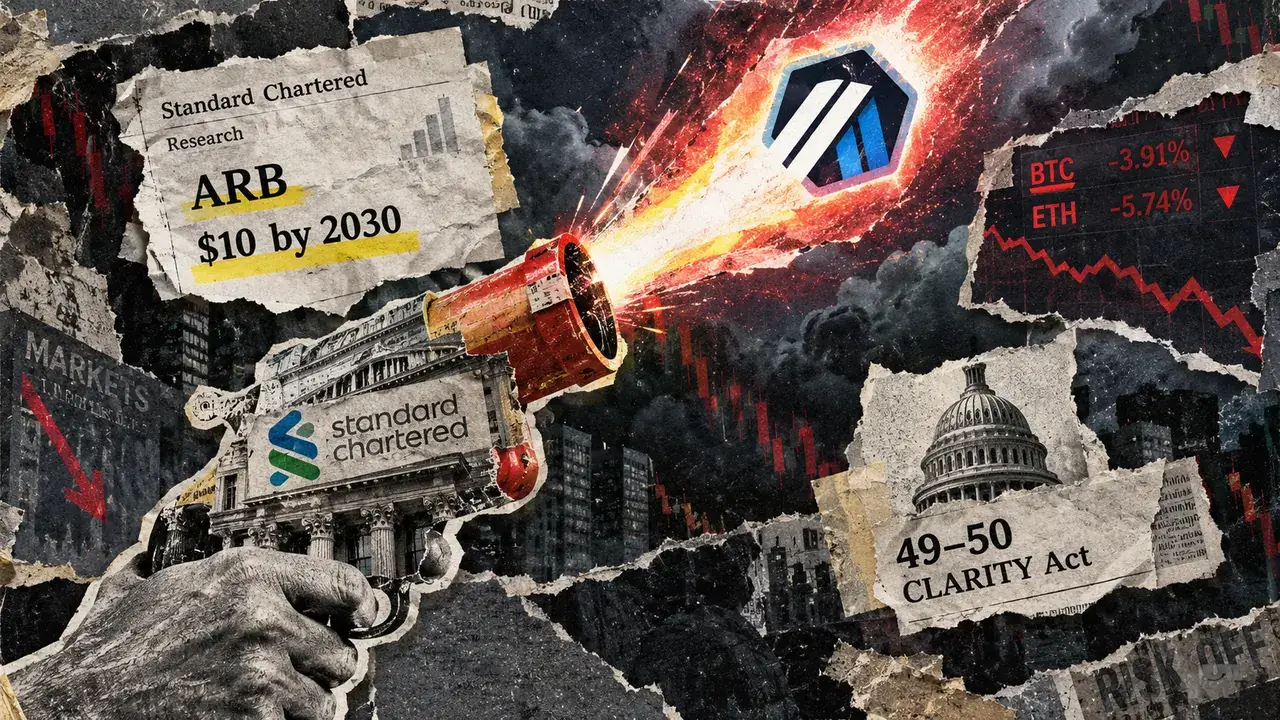
Standard Chartered initiated coverage of Arbitrum’s ARB token with a $10 target for 2030. ARB rose as much as 9% that session while Bitcoin and Ethereum fell, creating an unusually large gap against market and layer-2 benchmarks. The analysis examines whether the bank’s digital-asset research has itself become a tradable event, while noting mixed results for UNI, MORPHO, AAVE and LINK.

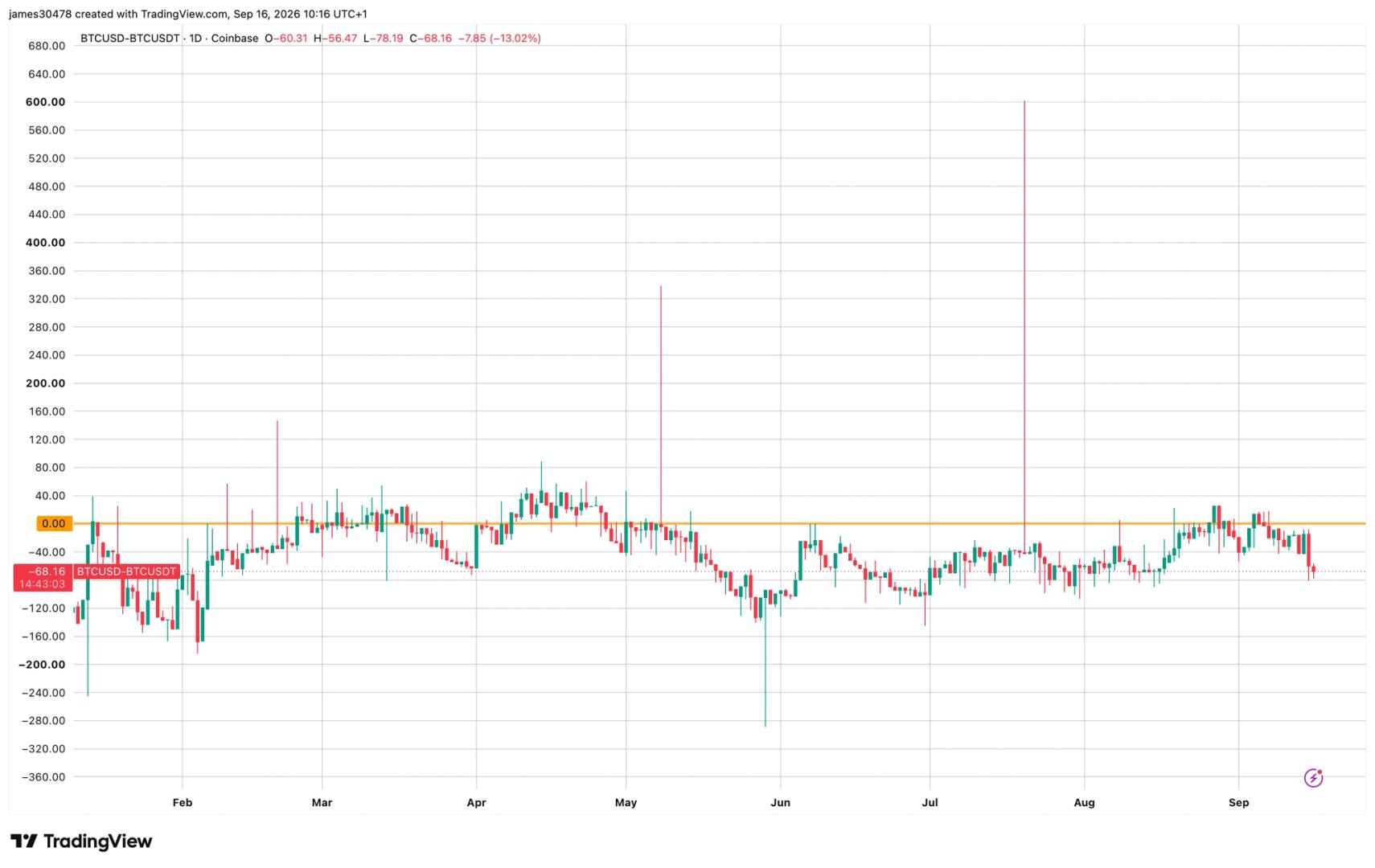
Bitcoin’s Coinbase premium has dropped to its lowest level in a month as weaker U.S. demand, a setback for the Clarity Act and expectations of a Federal Reserve rate hike weigh on the cryptocurrency.

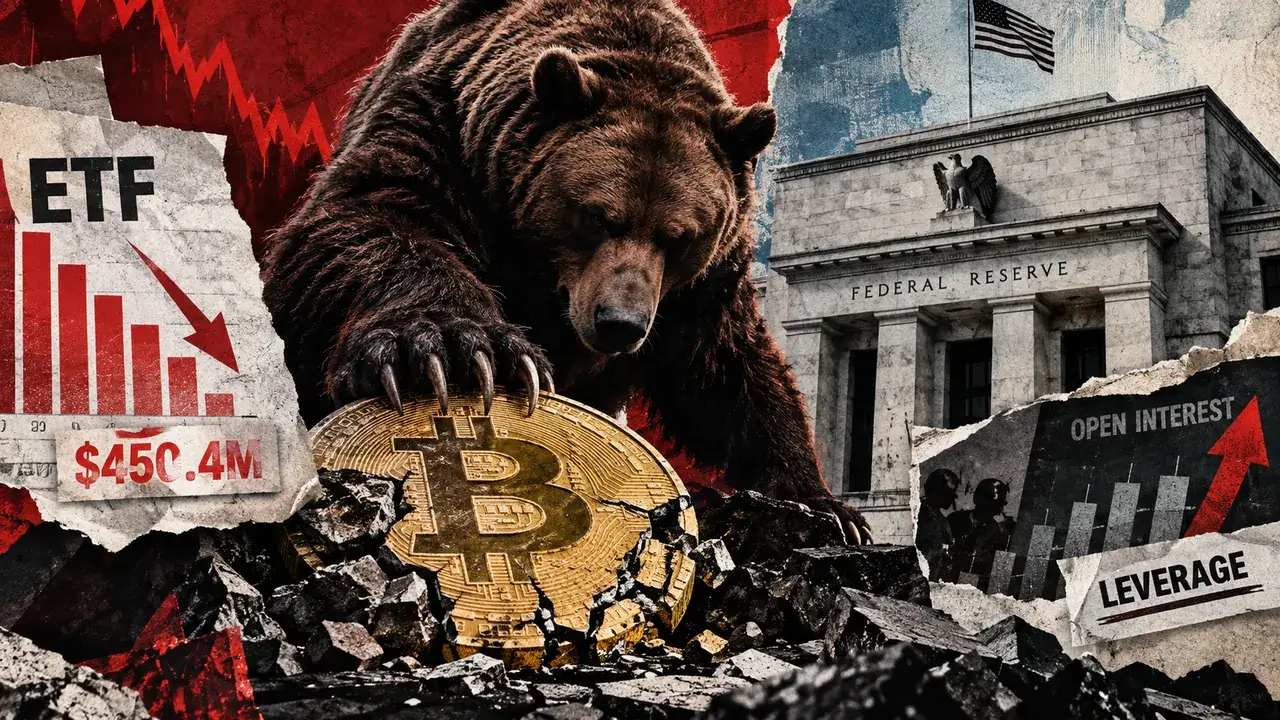
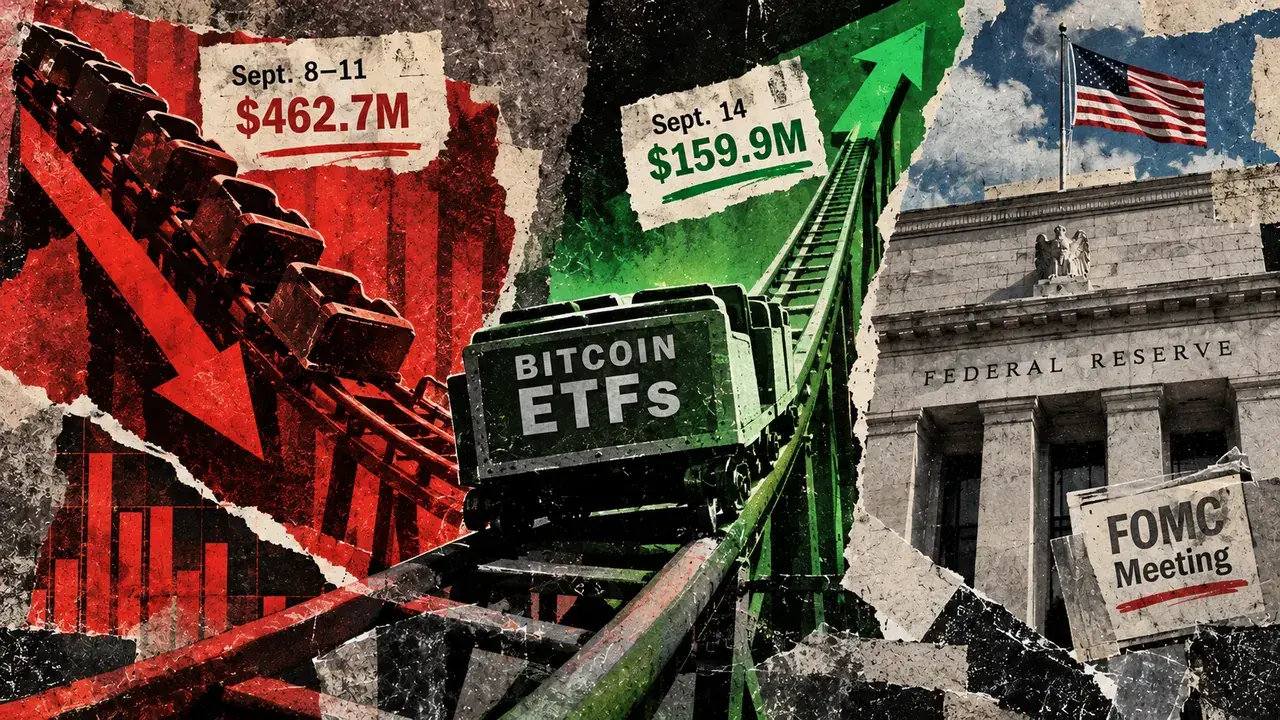
U.S. spot Bitcoin ETFs saw $450 million in net outflows on Sept. 15, more than reversing the previous session’s $159 million inflow and bringing withdrawals across six completed sessions since Sept. 8 to $753 million. Bitcoin traded near $75,900 as spot and perpetual sellers dominated, while the causal link between ETF redemptions and exchange selling remained unresolved.

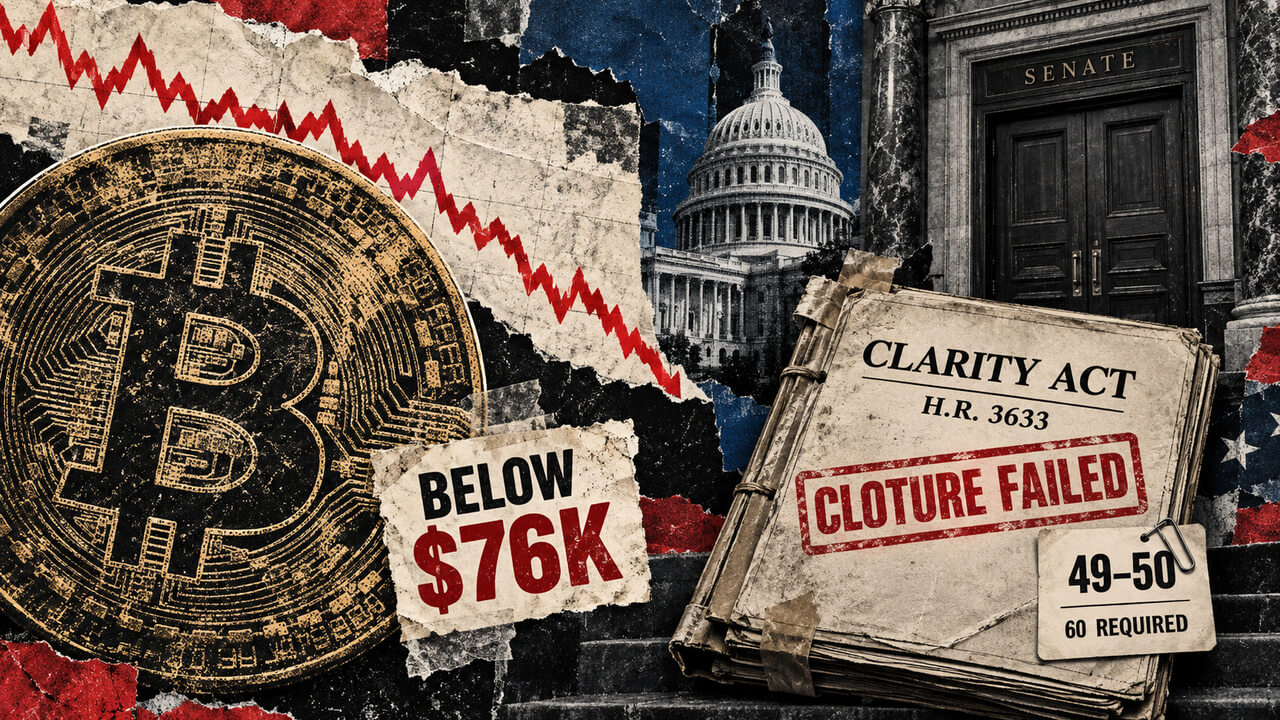
Bitcoin fell nearly 4% in 24 hours to below $76,000 after the US Senate blocked the CLARITY Act late Tuesday. The move derailed more than a year of bipartisan negotiations and left the crypto industry without the federal rulebook it has pursued for years.

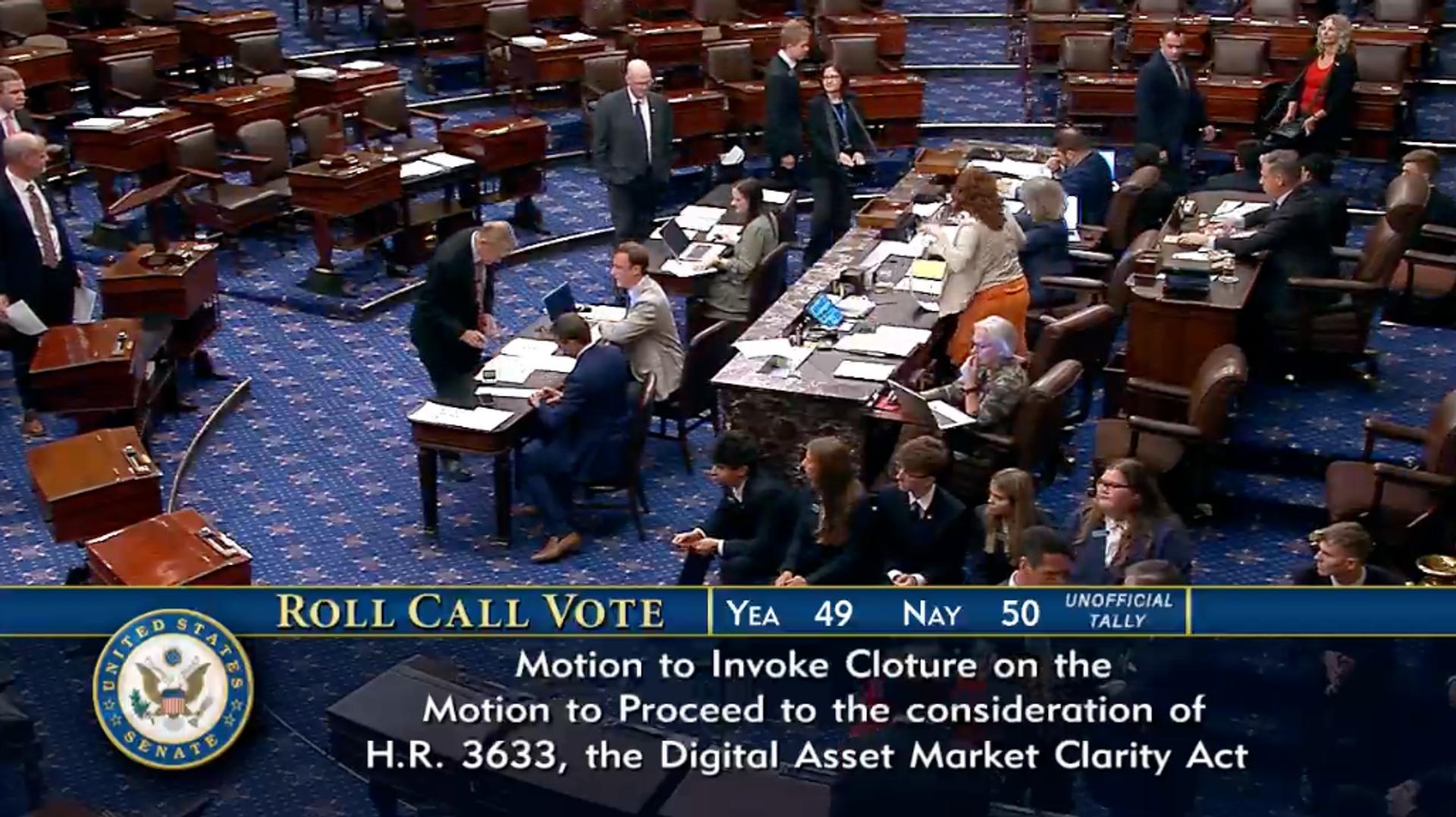
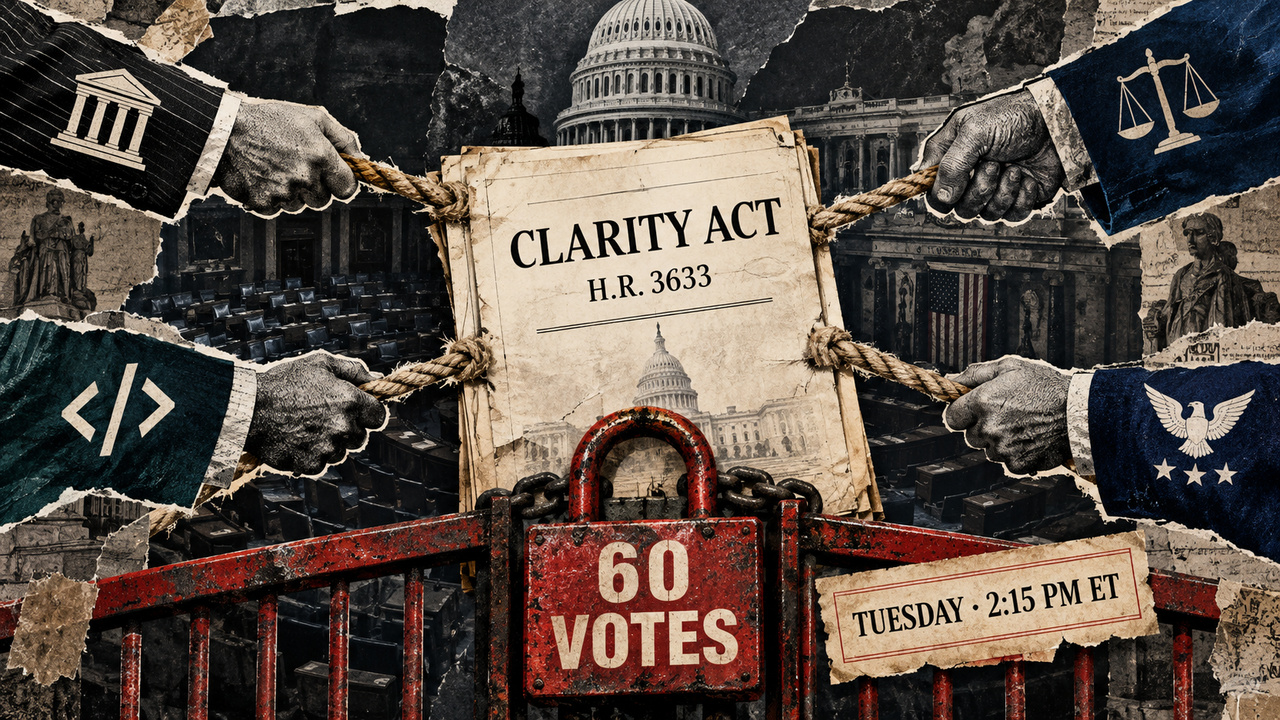
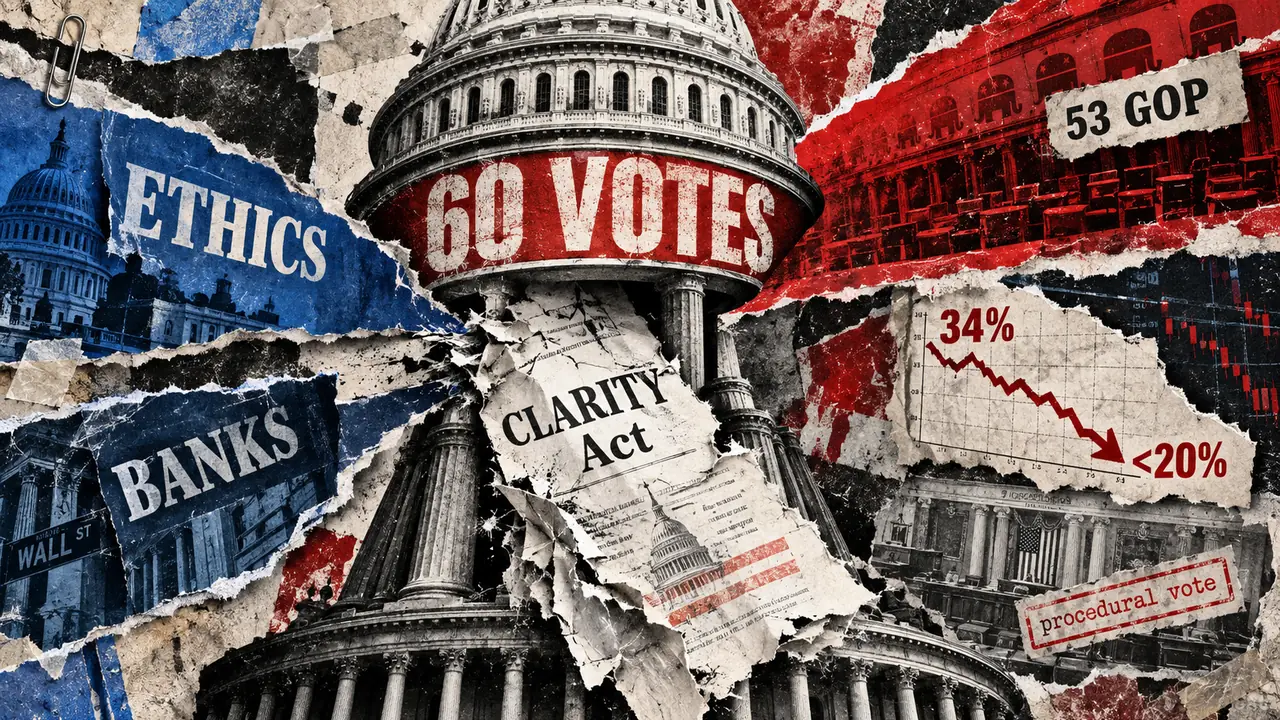
The US Senate failed on Sept. 15 to advance the Digital Asset Market Clarity Act, as a 49-50 cloture vote fell short of the 60 votes needed to begin debate. Bitcoin had already been declining before the vote and reached an intraday low of $74,967.97. The procedural defeat leaves the push for uniform federal crypto-market rules unresolved.

The US Senate’s rejection of the Clarity Act, a landmark proposal to regulate cryptocurrency market structure, has prompted industry calls for Hong Kong to accelerate its digital-asset ambitions. The sector remains in a slump after a brief rally, while mainland China’s crypto ban stays in force and Hong Kong has approval to develop as a digital-asset hub.
Crypto exchange Binance is expanding its wealth-management platform to court wealthy investors. It is opening Capital Connect to qualified individual investors for the first time.

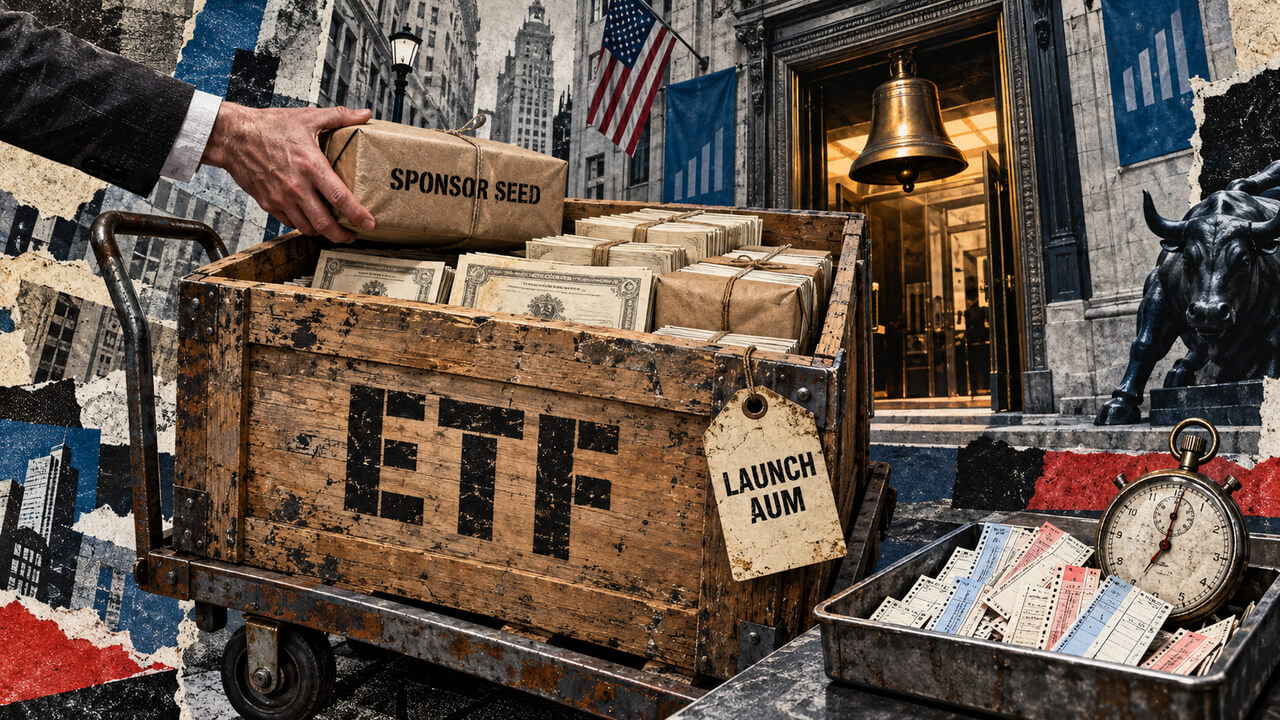
A crypto ETF can begin trading with substantial assets supplied through sponsor or affiliate seed capital, so a $100 million launch benchmark is easy to mistake for evidence of outside demand. Examples involving TKNZ, FSOL, SOEZ and BWOW show how seed funding, creations and redemptions, secondary trading and crypto prices can produce very different readings of launch size and later assets.

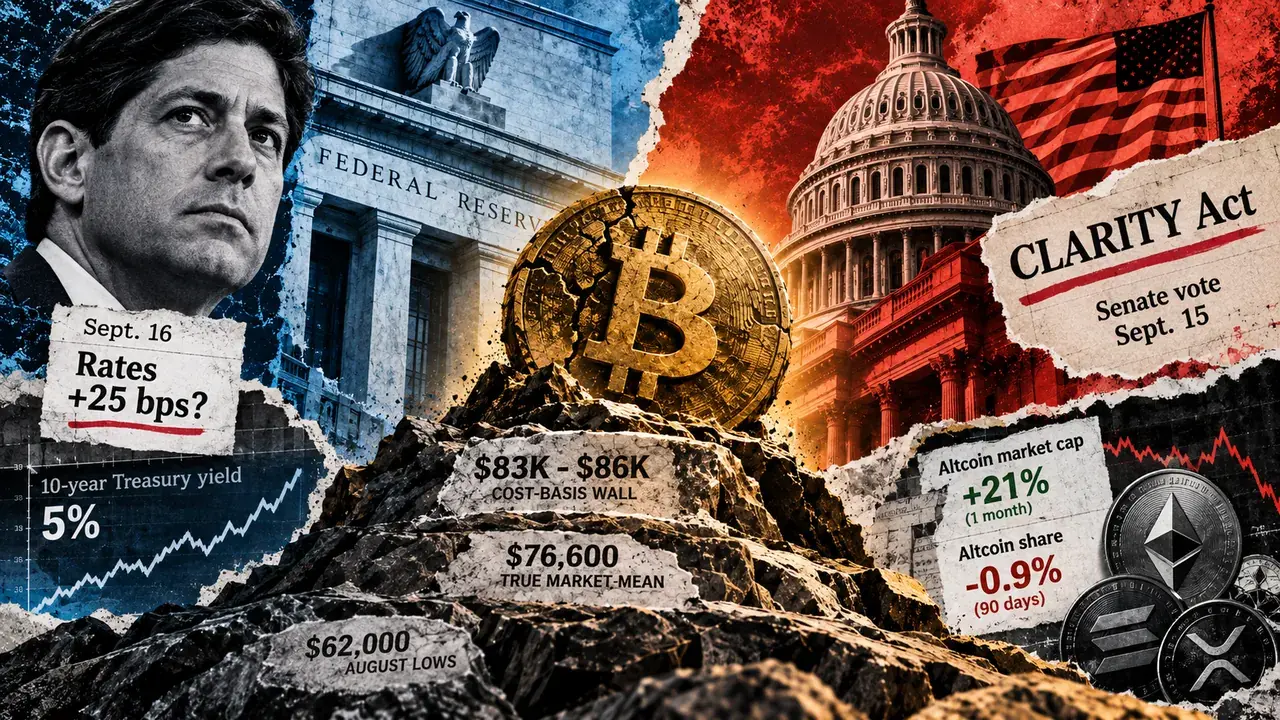
Aggressive market expectations and the Fed’s strict reluctance to offer forward guidance have left Chair Warsh cornered. Failing to deliver a hawkish message could damage the central bank’s credibility in fighting inflation, while Bitcoin may still perform strongly.

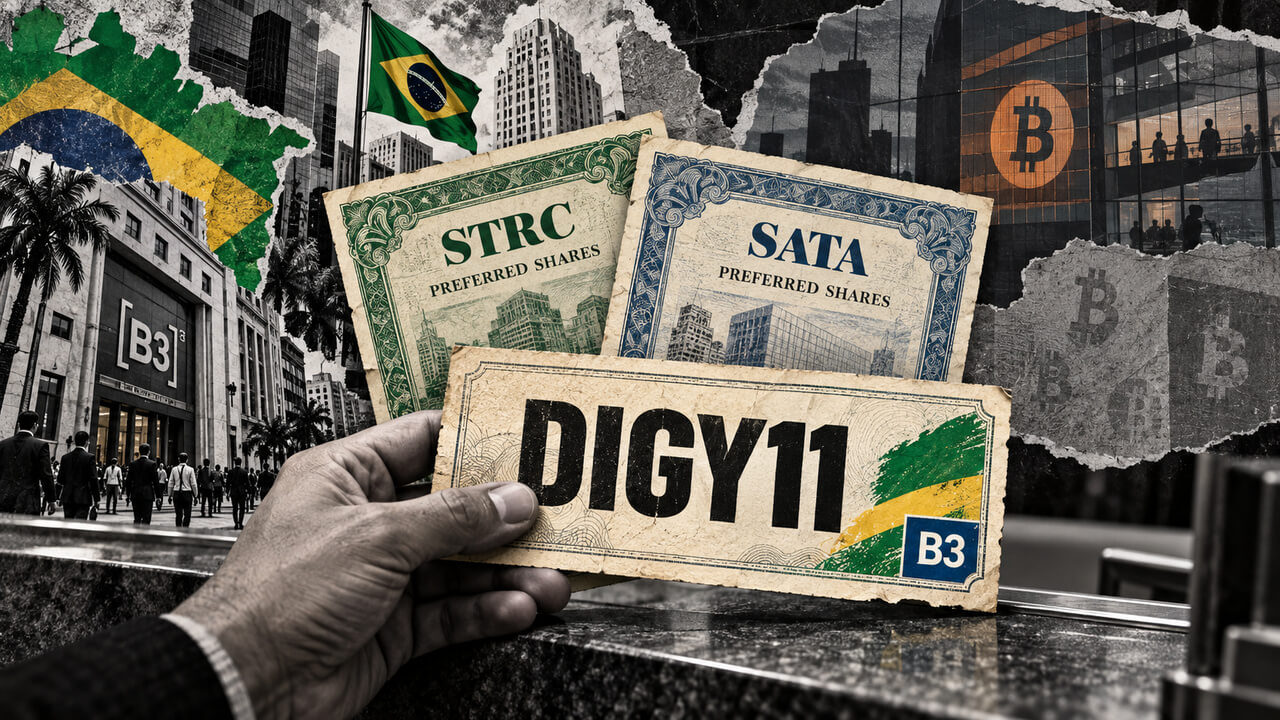
OranjeBTC’s DIGY11 is now listed on Brazil’s B3, giving investors exposure to preferred shares issued by companies with substantial Bitcoin holdings without directly buying Bitcoin. The fund is not a spot Bitcoin ETF; its portfolio is led by Strategy’s STRC and includes Strive’s SATA, with a Brazilian real hedge. Returns and distributions are not guaranteed.
Crypto long positions worth $570 million were liquidated after the Clarity Act failed. Bullish futures bets worth millions of dollars were wiped out over 24 hours, with bitcoin and ether longs suffering the largest losses.


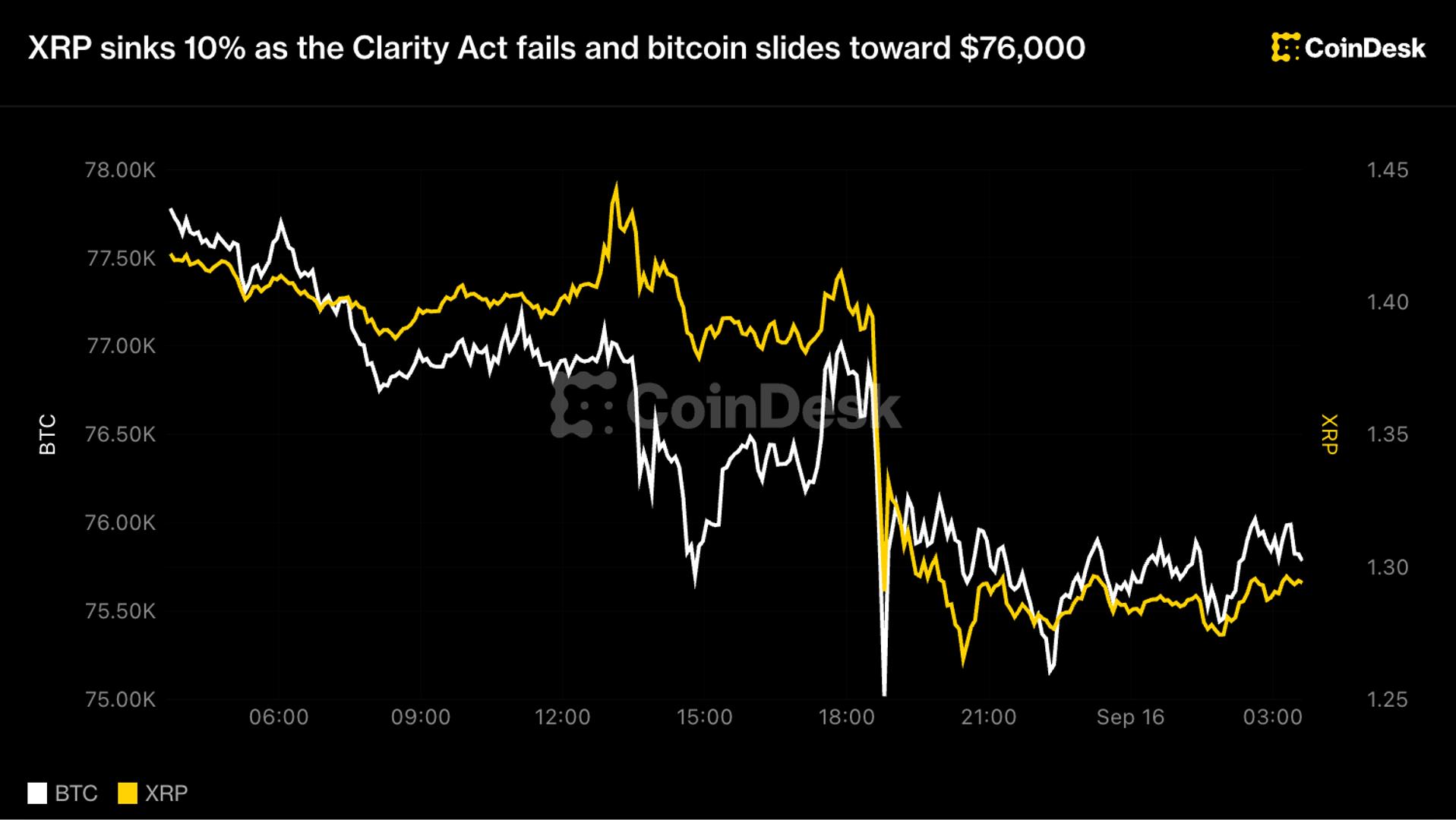
A 49-50 procedural vote in the Senate left the crypto market structure bill 11 votes short of the threshold needed to advance. The setback sent every major token lower, with bitcoin moving toward $76,000 and XRP falling 10%.

Analysts told The Block that the defeat of the Clarity Act is not a truly structural setback for crypto. They said the market will continue to move with interest rates and the broader monetary environment, as bitcoin and major crypto stocks dipped.
Ripple is taking its XRP marketing campaign further into US college sports through a new partnership with Louisville Athletics, including branding on Denny Crum Court. The deal is the company’s third major college-sports agreement in about 10 weeks, following Kansas jersey patches and Florida football-field branding. The campaign grows out of Ripple’s university blockchain research network, but the sports deals so far mainly provide distribution and visibility rather than demonstrated XRP utility.

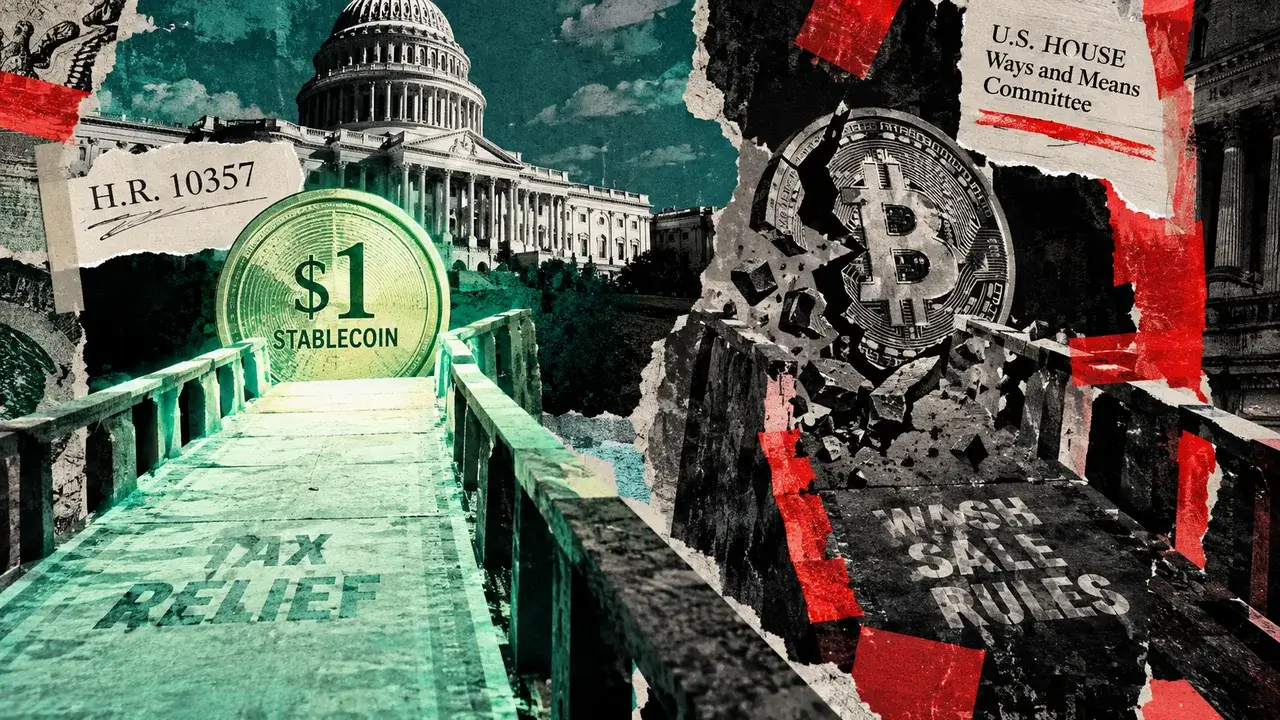
The House Ways and Means Committee is set to consider the Digital Asset Tax Certainty Act, a broad rewrite of crypto taxation. The bill would ease tax treatment for qualifying stablecoin transactions and fees of up to $10, while extending wash-sale limits and mark-to-market rules to parts of the digital-asset market. The Joint Committee on Taxation estimates a net $500 million increase in federal receipts from fiscal 2027 through 2036.

US prosecutors are seeking civil forfeiture of about $61.2 million in USDT allegedly linked to black-market Iranian oil sales. They describe a wider network that moved more than $1.5 billion in alleged proceeds through crypto addresses, Iran-based exchanges and Binance. Binance is not accused of wrongdoing and says it cooperated with investigators.

Behind-the-scenes disputes in the final stretch produced a dismal outcome for the market-structure legislation on which the crypto industry had placed its greatest hopes.


The US Senate failed to advance the Digital Asset Market Clarity Act, backed by President Donald Trump, after it received 50 votes in favour and 49 against—short of the 60 needed. Concerns over Trump’s crypto interests, stablecoin rewards and the impact on community banks blocked progress, sending bitcoin and crypto-related shares lower.


A landmark US cryptocurrency bill failed after senators divided over concerns about Donald Trump’s ethics. The defeat is a major setback for an industry that has spent record sums lobbying for a favourable market structure.

A procedural vote on Tuesday to advance landmark digital-asset legislation failed spectacularly, leaving the cryptocurrency industry crushed and raising doubts about whether its biggest regulatory push is now dead.

Crypto stocks broadly sold off after the U.S. Senate failed to advance the long-awaited market structure bill, with Coinbase, Circle and Galaxy leading the decline.

The CLARITY Act failed to win the 60 votes needed to advance in the Senate after final bipartisan negotiations over ethics rules collapsed. Several Democrats who helped shape the bill opposed moving forward, saying restrictions on crypto interests held by Trump, his family and officials were too weak. The setback keeps the major crypto market-structure proposal off the Senate floor.

The U.S. Senate voted Tuesday to stop the Clarity Act from moving forward, dealing a setback to the crypto industry’s effort to secure a comprehensive framework for market regulation.

One of the most consequential U.S. regulations for crypto markets failed to secure enough support to clear the Senate’s final 60-vote hurdle, prompting reactions across the industry.

An initial Senate vote aimed at moving the Clarity Act closer to becoming law failed amid opposition to President Trump’s crypto wealth.

The years-long push to establish U.S. rules for crypto markets failed to secure enough support to clear the Senate’s final 60-vote threshold.

With both parties digging in, the crypto market-structure bill still lacks the votes needed to clear the Senate’s first hurdle scheduled for Tuesday.

Hours before an initial vote on the Clarity Act, Senate Republicans rejected a counterproposal put forward by fellow Democrats.

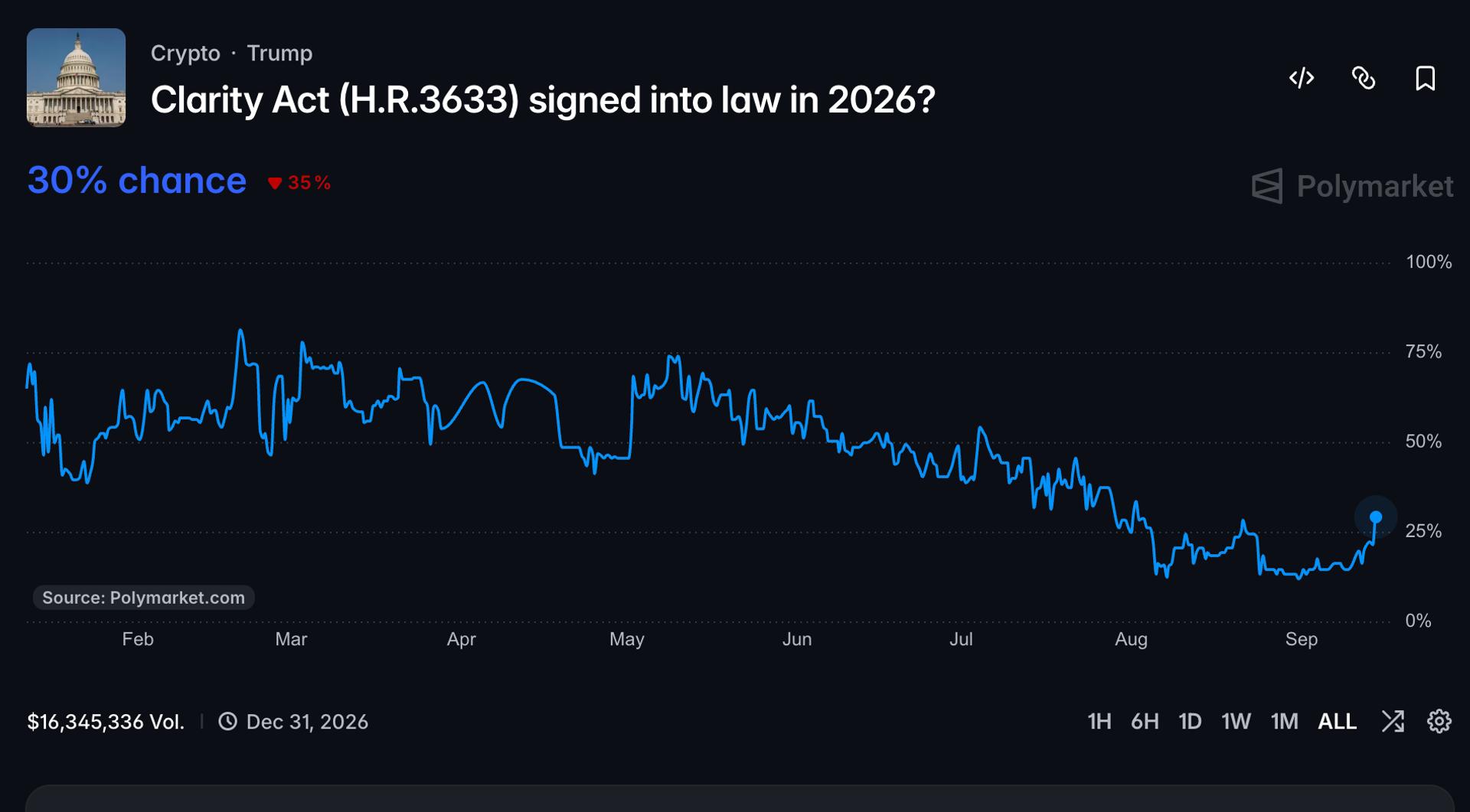
Prediction markets sharply cut the near-term chances of the crypto market structure bill passing, as negotiations remained deadlocked just hours before a key Senate vote.

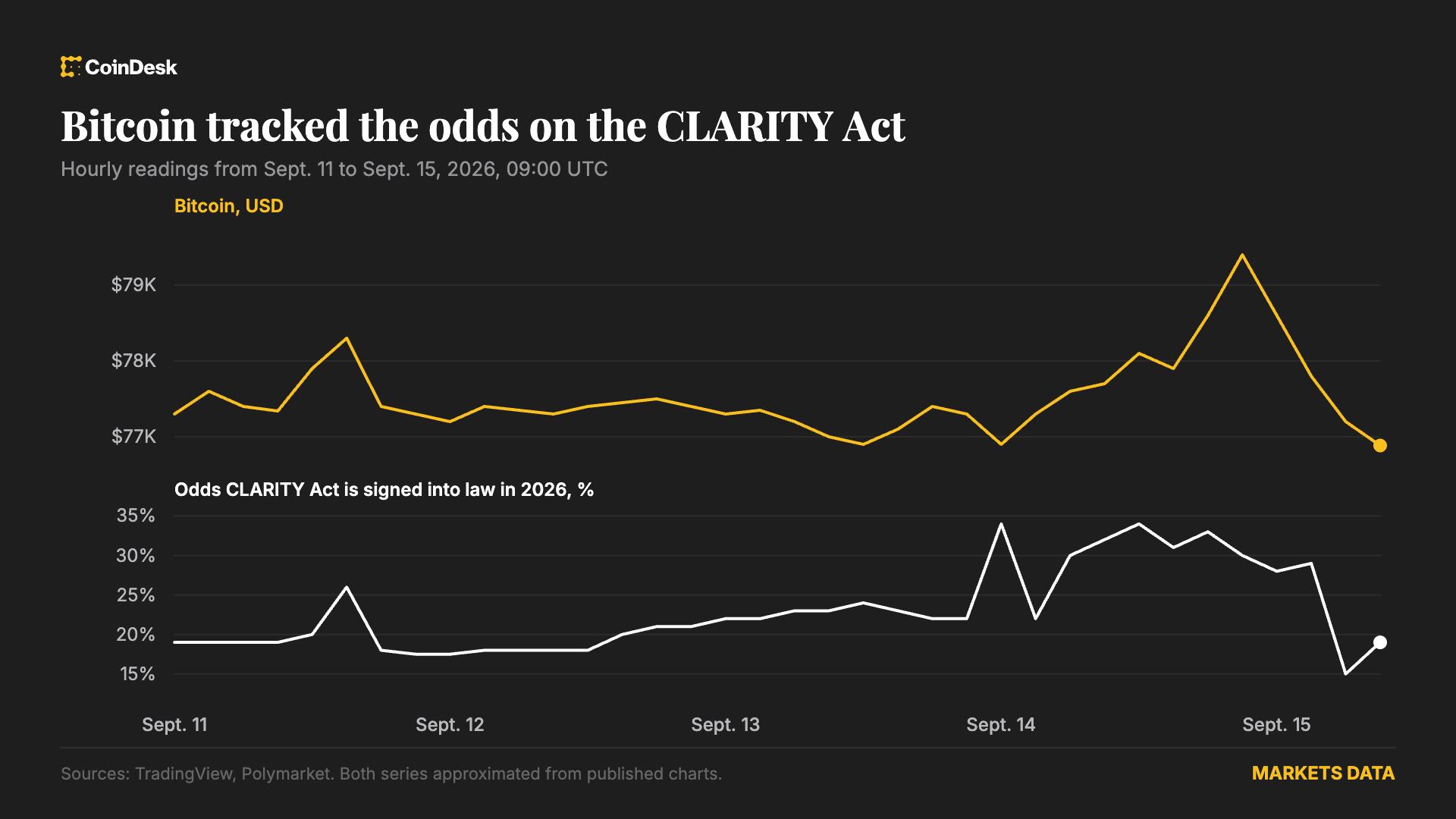
The CLARITY Act is approaching a critical Senate vote without a clear coalition for the 60 votes required to advance it. Polymarket odds of enactment fell below 20% from about 34% in the prior 24 hours as Republican leaders struggled to secure their conference and Democrats sought further concessions. Banking concerns and ethics rules tied to Donald Trump’s crypto interests remain key obstacles.
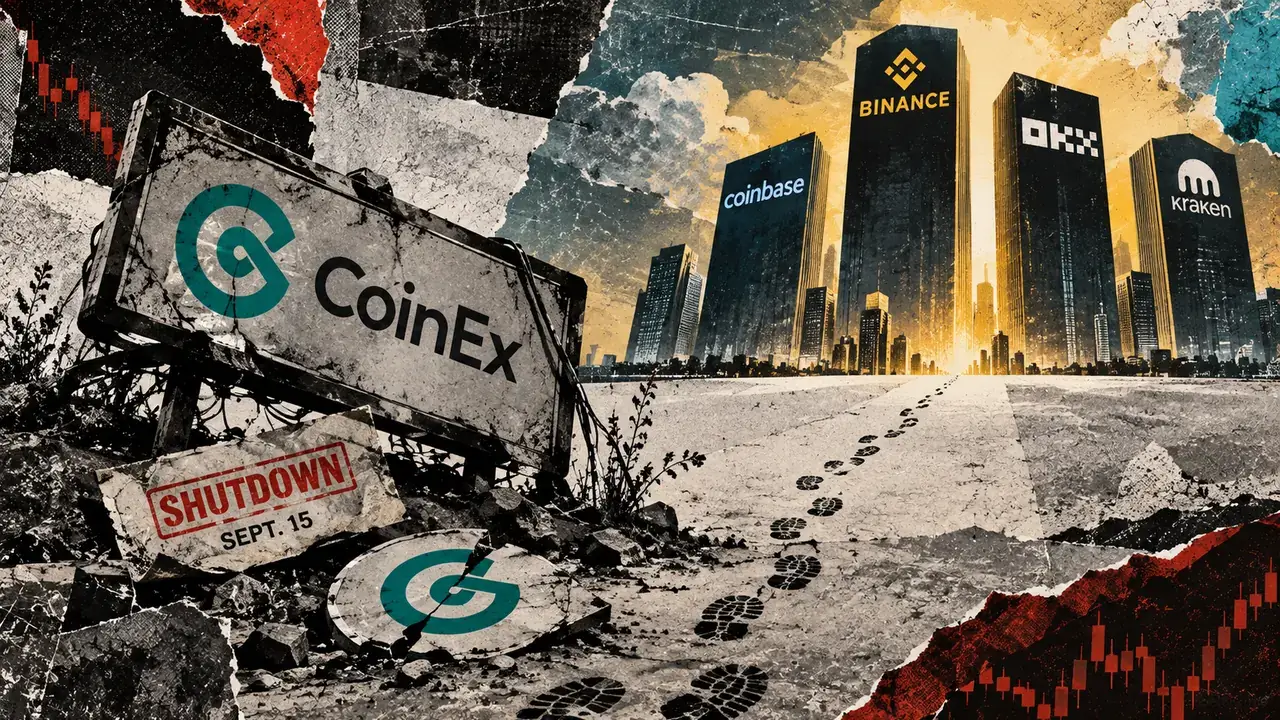
Crypto exchange CoinEx will wind down in stages, ending spot trading on Sept. 29 and withdrawals on Dec. 22. Founder Haipo Yang cited falling revenue, rising compliance costs and the difficulty of carrying security risks at limited scale. Trading volume has rebounded, but activity is increasingly concentrated among the largest platforms, led by Binance.

Senators from both parties blocked a landmark digital-asset market-structure bill in a procedural vote Tuesday, dealing the cryptocurrency industry a major setback and sending crypto-related stocks tumbling.
DeFi TVL rose 21.38% on Ethereum and 22.94% on Solana over 30 days through Sept. 15, while stablecoin market caps grew only 0.68% and 5.51%. ETH and SOL prices climbed 32.80% and 34.67%, respectively, making asset repricing the strongest explanation for the TVL rebound; the shares from fresh deposits and capital reuse remain unproven.

Solana-based decentralized finance lender Kamino has appointed Yieldstreet co-founder Michael Weisz as its CEO. He will lead the company from a new New York headquarters as it expands into tokenized assets.

Sen. Elizabeth Warren says she remains determined to have a cryptocurrency bill become law, even though she does not support the current Clarity Act.


Bitcoin is caught between possible progress on U.S. crypto rules and pressure from costly energy and elevated bond yields. It traded near $76,000 on September 15, down 3.22% in 24 hours but up 20.43% over 30 days. The Senate’s coming CLARITY Act procedural step and the Federal Reserve’s September meeting could determine whether regulatory optimism meets relief in financing costs, renewed selling or months of volatile consolidation.
Japan’s latest 20-year government bond auction showed higher long-term borrowing costs, not collapsing demand. The average accepted yield rose to 3.856%, while bid coverage improved slightly and the yield tail narrowed, indicating orderly absorption. The auction alone does not show that a carry unwind has begun, but leveraged positions could face pressure if higher borrowing costs or a stronger yen coincide with weaker equities and crypto. The next test is the BOJ’s Sept. 17–18 meeting.

The US Justice Department has filed a forfeiture lawsuit seeking to seize $61mn in alleged proceeds processed through Binance. Prosecutors say Chinese groups used the cryptocurrency platform to launder money from Iranian oil deals.
CoinShares says a recovery in bitcoin’s price is unlikely to bring miners focused on artificial intelligence back to bitcoin mining. Publicly listed BTC miners produced bitcoin at an average pre-tax cash cost of about $75,500 in the second quarter.

US spot Bitcoin ETFs drew a net $159.9 million on Sept. 14, ending four straight sessions of withdrawals. The rebound was concentrated in BlackRock’s IBIT and Fidelity’s FBTC, while ARKB lost assets and most other funds were flat. The Federal Reserve’s Sept. 15–16 meeting will test whether demand can keep recovering.

Standard Chartered expects tokenization to make Arbitrum a preferred network for traditional finance and projects ARB could rise 70-fold to $10, citing Robinhood Chain revenue. ARB holders currently have no direct claim on network fees.

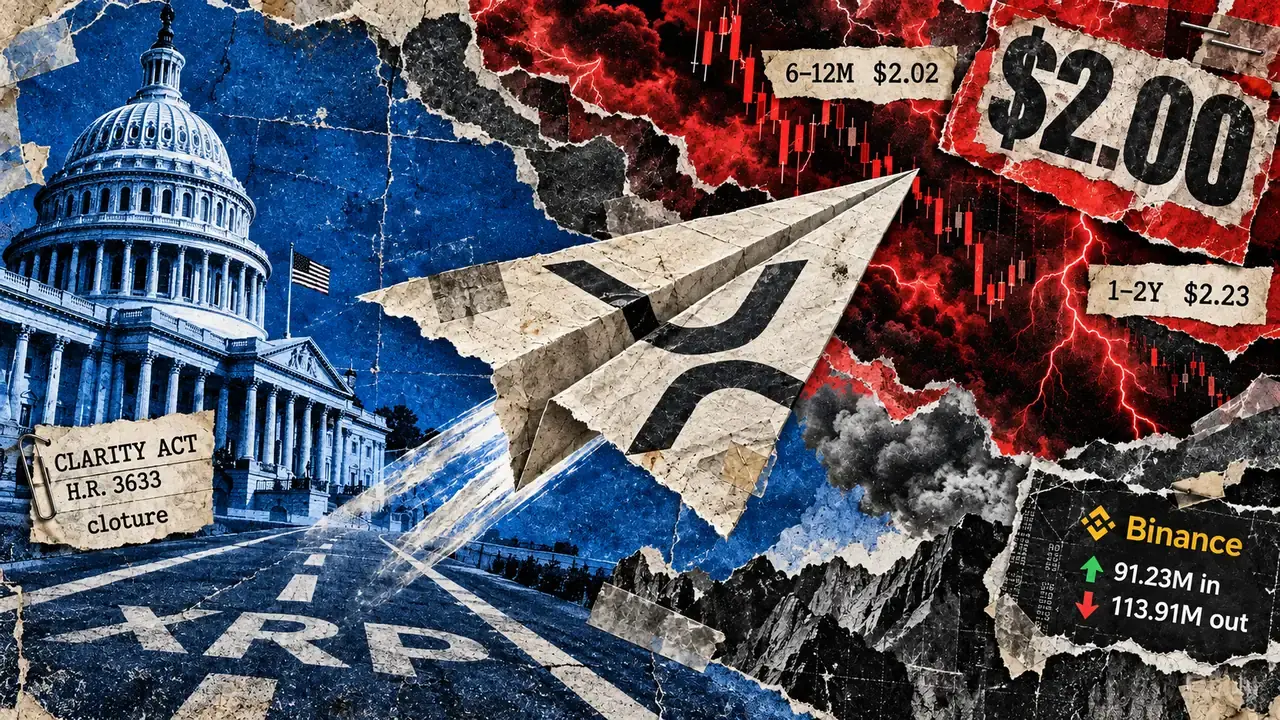
About 75% of XRP’s realized capitalization is held in coins last moved six months to two years ago, whose average realized prices exceed $2. With XRP trading in the mid-$1.40s, a Senate procedural vote on advancing the Digital Asset Market CLARITY Act is the next potential policy catalyst.

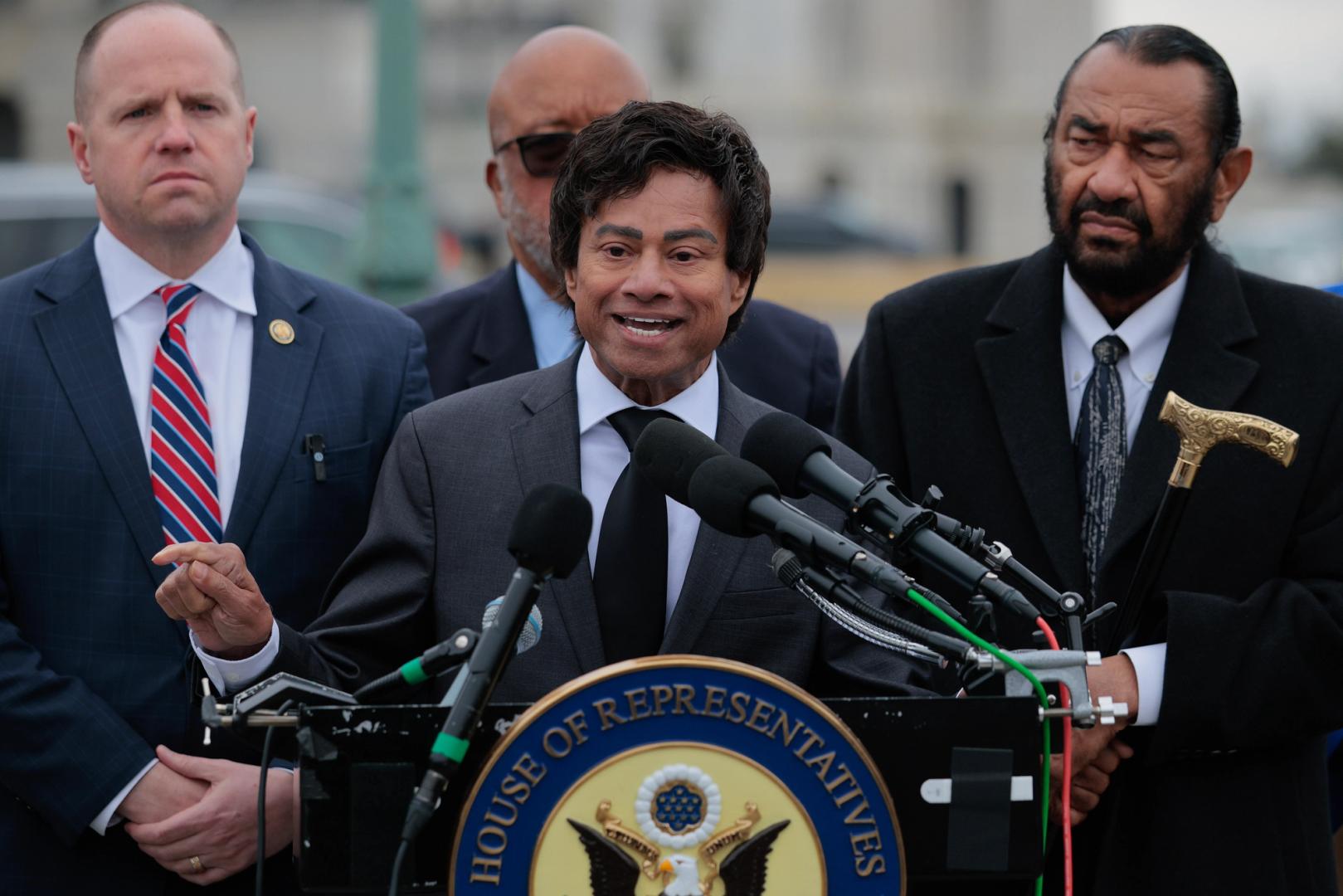
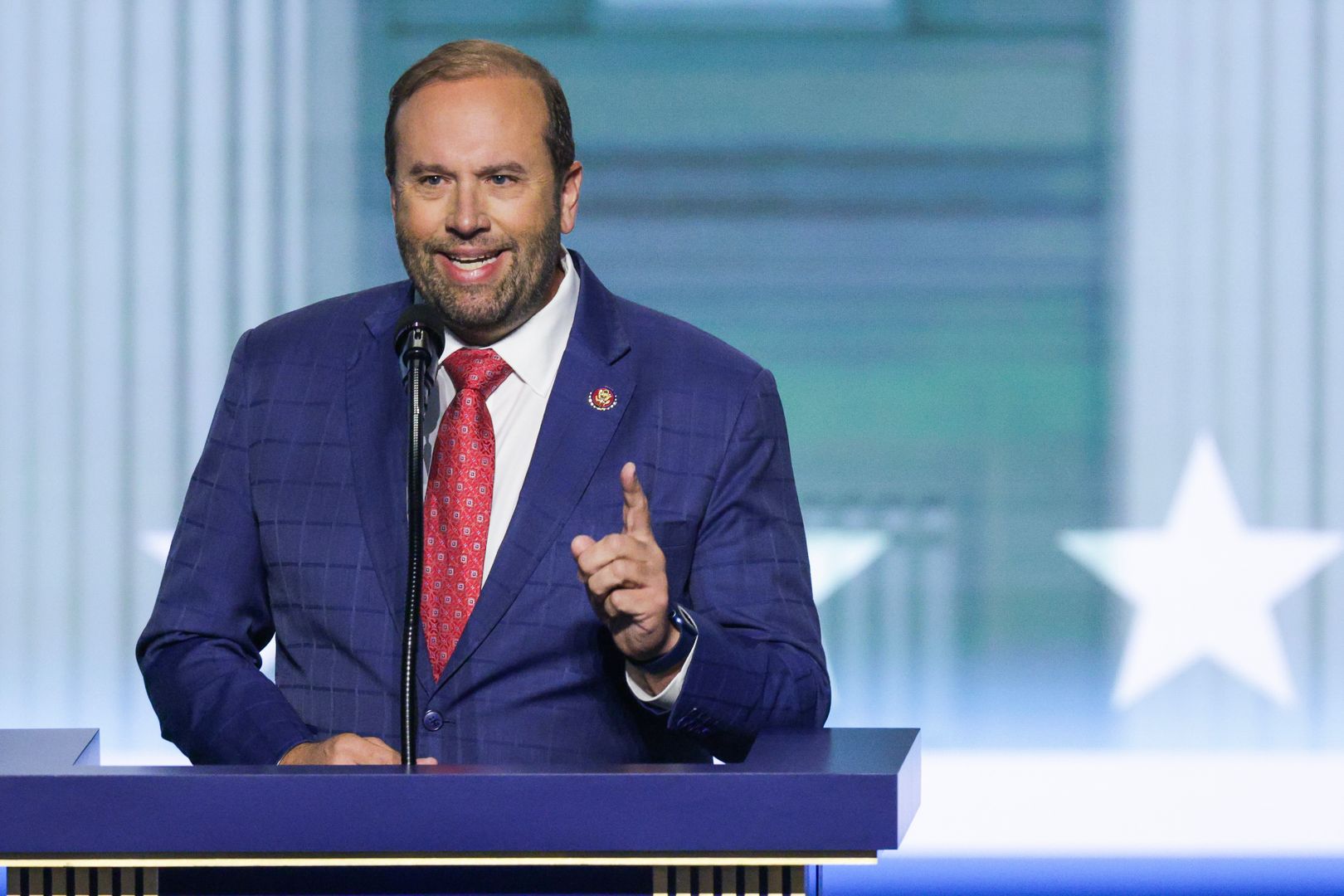
Rep. Shri Thanedar argues that Congress needs 60 senators willing to put innovation first and pass the Clarity Act to provide critical relief to the digital asset industry.

A House committee has released a broad cryptocurrency tax bill ahead of a Wednesday markup. The proposal includes a $10 exception for certain fees paid in crypto and provisions covering stablecoins, mining and staking.

Standard Chartered projects that Arbitrum could reach $10 by 2030, roughly 70 times higher, as tokenization expands and traditional finance firms shift activity onchain.

Bitcoin’s August recovery lifted mining revenue, but the network is projected to raise difficulty by about 4.6976% around Sept. 19. With fees and other inputs unchanged, BTC would need to reach roughly $82,900 to offset the effect on dollar hashprice. The eventual squeeze depends on the final adjustment.

Ether, Solana and XRP are likely to benefit if the Clarity Act moves forward, according to a Sept. 15 day-ahead outlook.


Banks could be among the biggest beneficiaries of clearer regulation, argues Alex Tapscott, CEO of CMCC Global Capital Markets.

Bitcoin dropped 1.7% since midnight UTC to $76,862, reversing a late-Monday rally. Polymarket odds that the Clarity Act will become law this year fell by half overnight.
London-based payments infrastructure firm Velocity has expanded its Series A funding to $48 million and reached a $200 million valuation with backing from Visa, Circle and Ripple, CEO Eric Queathem said.

Glassnode says altcoin market capitalization rose 21% in a month, yet its share of the combined Bitcoin-and-altcoin market fell 0.9 percentage points over 90 days. Capital lifted the crypto market broadly, but Bitcoin captured most of the gains. This week’s Federal Reserve decision and a Senate vote on the CLARITY Act could test whether altcoins can catch up.

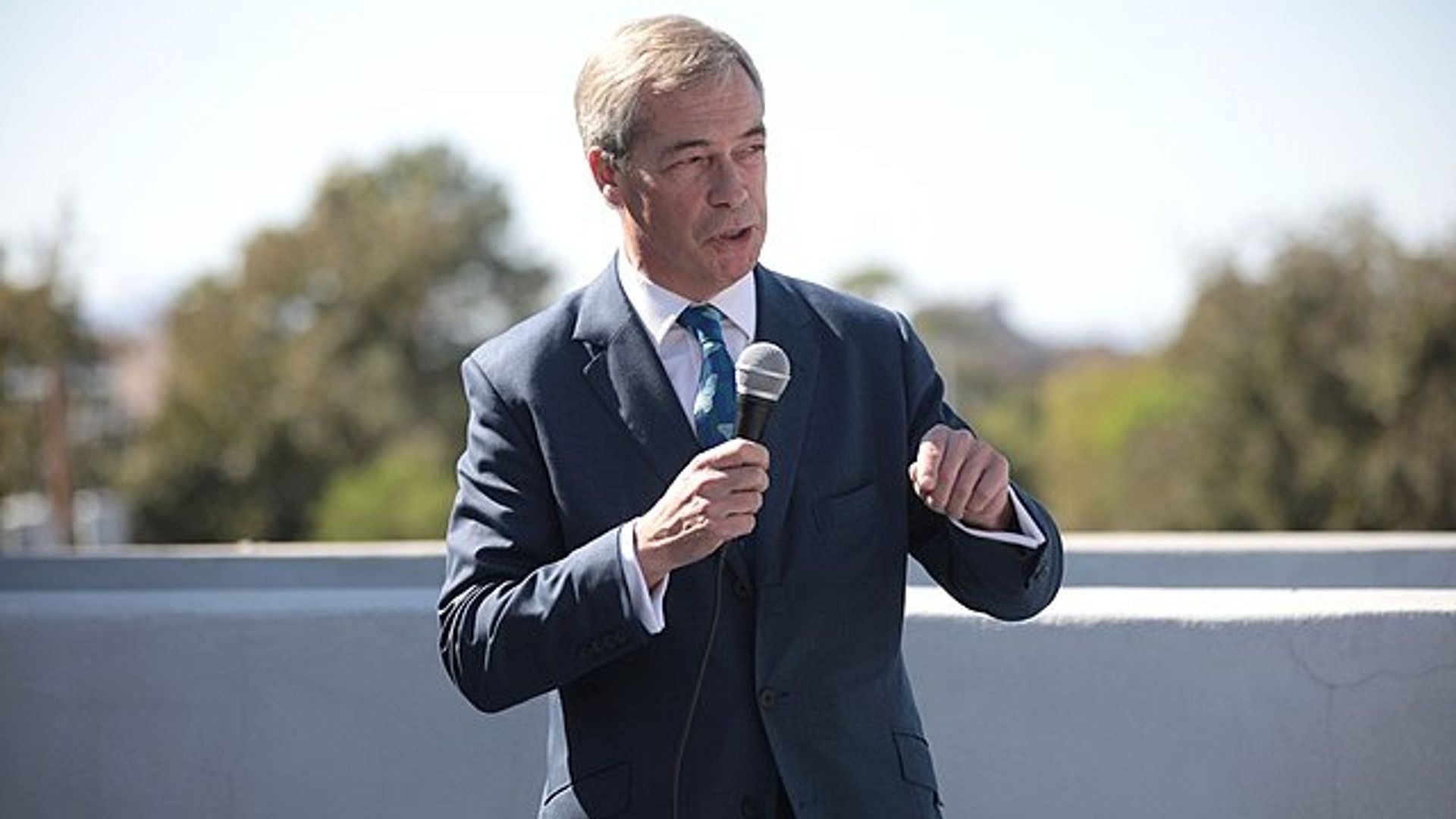
Stack BTC, backed by Nigel Farage, is considering a $16 million acquisition of a gold dealer. The proposed deal would use cash flow from precious-metals sales to expand the company’s bitcoin holdings.

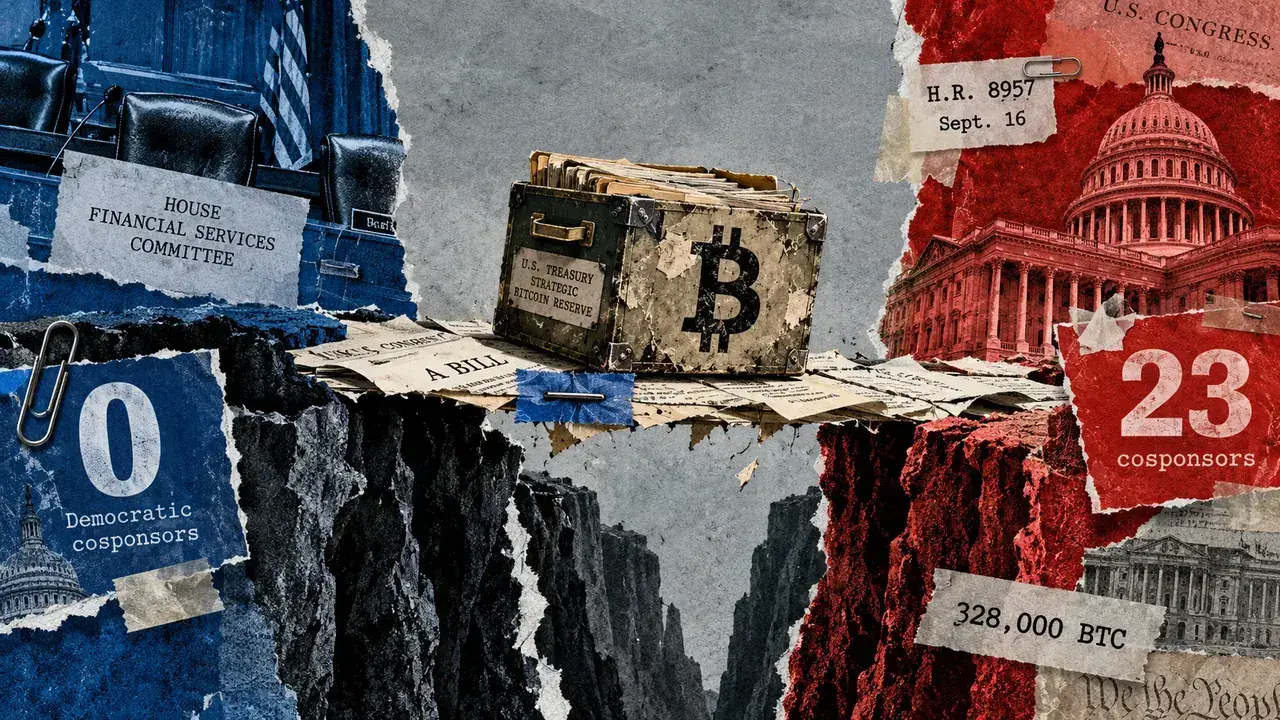
The American Reserve Modernization Act will receive its first House committee vote on Sept. 16. It would establish the federal Bitcoin reserve in law, but has 23 cosponsors—22 Republicans and only one Democrat, who is not on the committee—raising doubts about whether bipartisan support for crypto-market rules extends to a government Bitcoin reserve.

Cathie Wood-led Ark Invest sold $14 million worth of Circle shares and reduced its Coinbase holdings as cryptocurrency stocks rallied. The investment firm routinely adds to and trims its crypto stock positions throughout the year.

Hong Kong-based crypto exchange CoinEx will shut down after nine years in business. Founder and CEO Haipo Yang said rising security and compliance risks led him to reject a sale and choose what he called a “clean ending.”

For the 2026 US reporting year, moving Bitcoin from an exchange to a personally owned wallet and back can leave the asset noncovered for mandatory cost-basis reporting when sold. Brokers may still report proceeds, but basis reporting can be voluntary. The transfer itself is generally nontaxable, while investors must retain records to calculate gains.

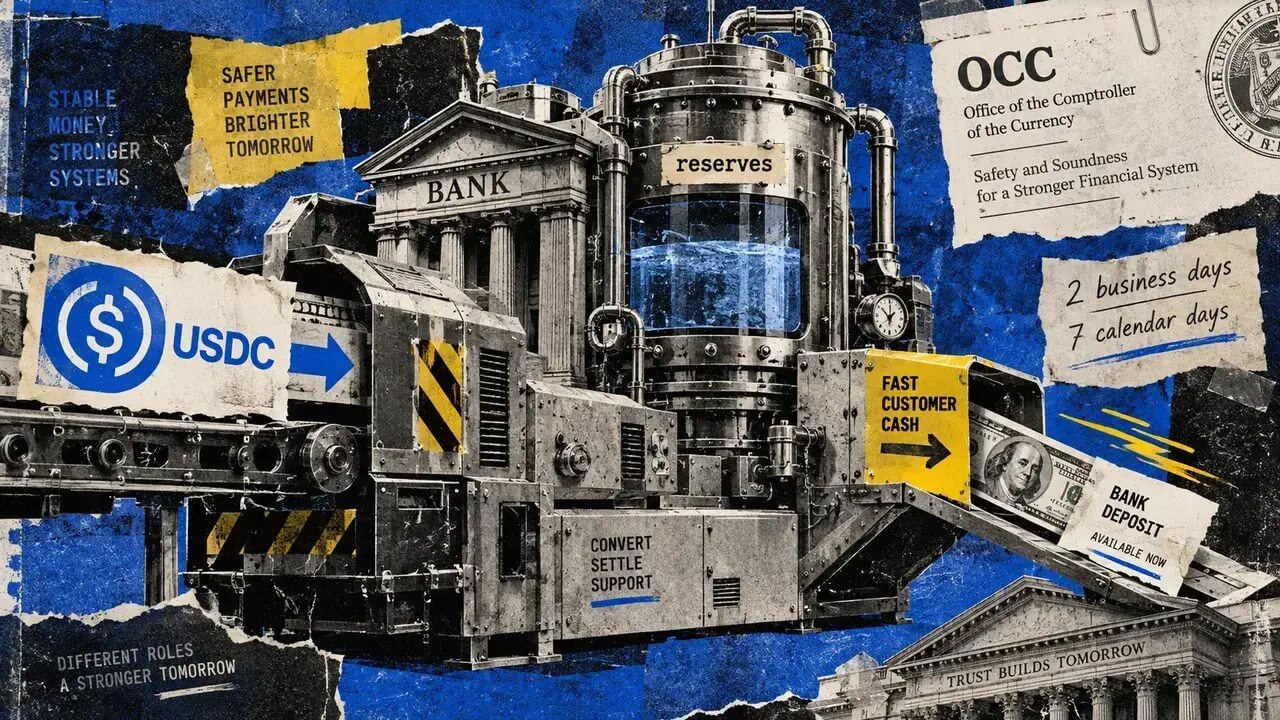
The OCC’s proposed framework would generally give issuers two business days to redeem stablecoins, but a 24-hour redemption surge above 10% of outstanding issuance could extend the period to seven calendar days. Secondary-market trading could continue, while conversion providers may have to fund customers’ earlier exits and bear the waiting exposure.

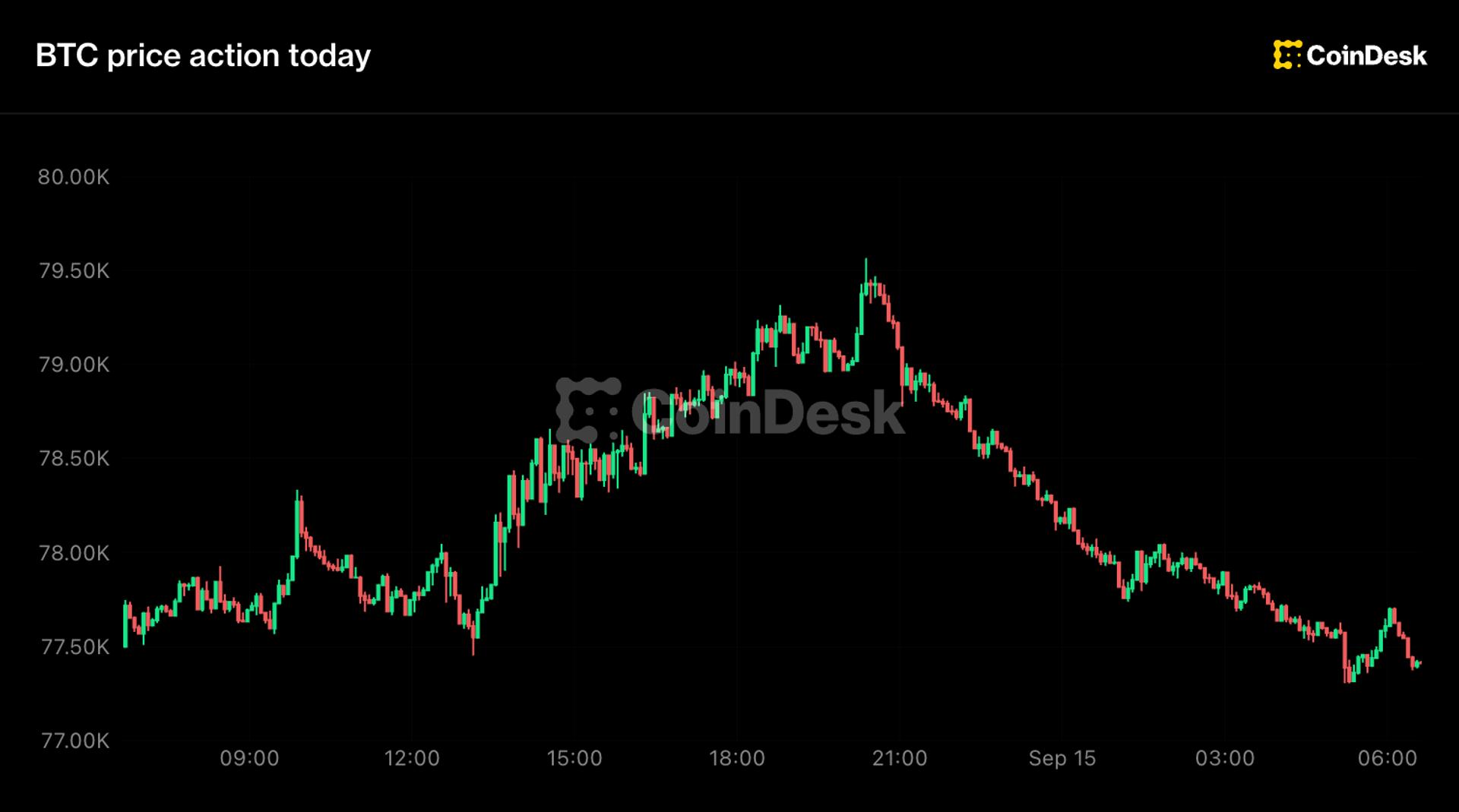
Senators are due to hold a procedural vote later Tuesday on the crypto market structure bill. Bitcoin has surrendered 3% since reaching $79,530 overnight, while XRP and zcash are the only major cryptocurrencies to post gains.

Crypto exchange CoinEx says it will shut down after nine years, blaming a prolonged market slump, declining trading volume and liquidity, and rising regulatory and compliance costs.

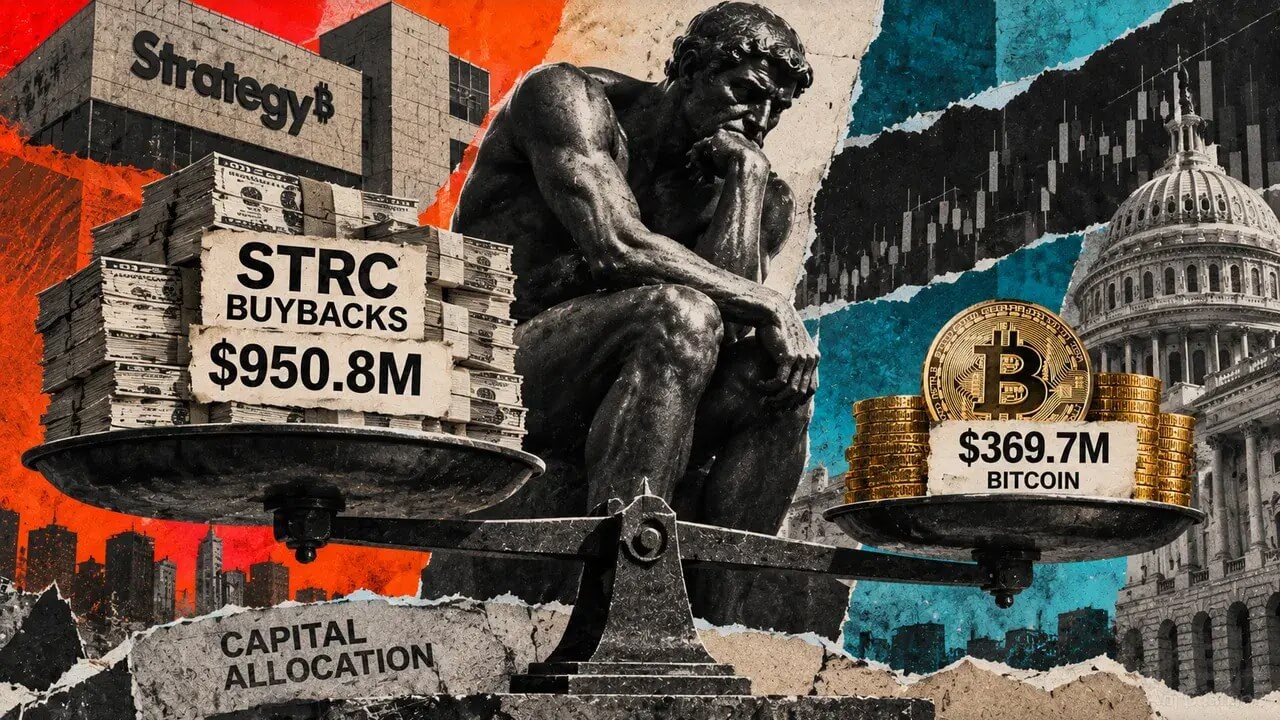
Strategy’s latest $139.3 million STRC repurchase brought its buyback spending since July 20 to about $950.8 million, more than twice its Bitcoin purchases over the same period. The company held 845,050 BTC as of Sept. 13 and has room to keep supporting its preferred shares, while Bitcoin purchases remain intermittent.

Poland’s attempt to use digital currencies in an ambitious Venezuelan oil deal cost the country $230mn and became one of its biggest scandals.
The House Ways and Means Committee published a crypto tax bill ahead of a hearing later this week. It addresses de minimis transactions, staking and other areas where the industry has pressed for policy guidance.

Bitcoin retreats from $79,000 to $77,800 as the U.S. Senate prepares to vote on the Clarity Act while rising oil prices add pressure.

The Clarity Act could provide banks, brokers and asset managers with clearer rules, but financial firms are already deeply involved in digital assets. If the legislation fails, adoption may slow, yet Wall Street’s crypto expansion is unlikely to end.


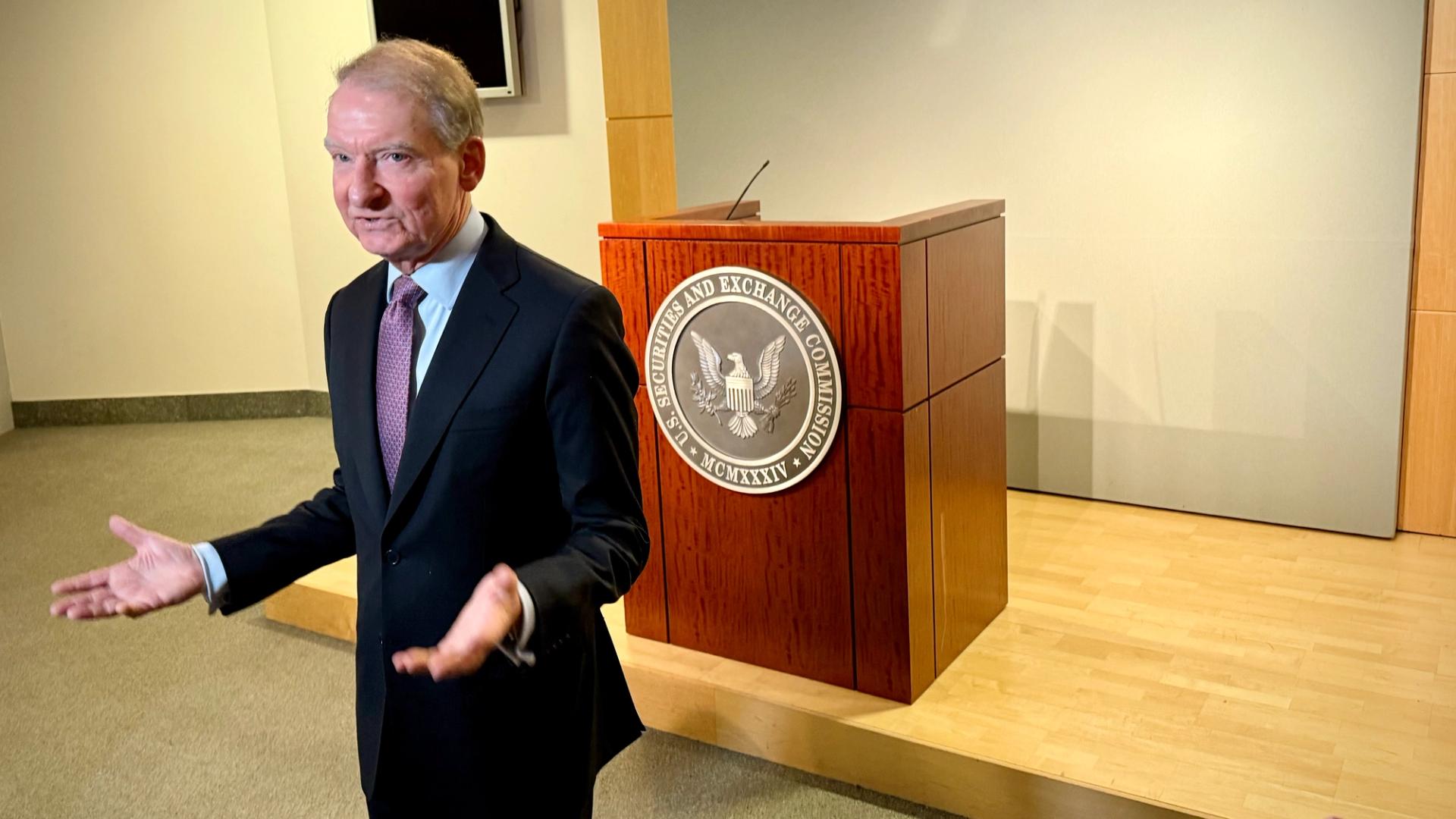
SEC Chair Paul Atkins supports the Clarity Act but says the agency will continue advancing crypto regulation even without the legislation. He identified crypto issuance, transfer-agent modernization and custody as the foundation of that regulatory effort.
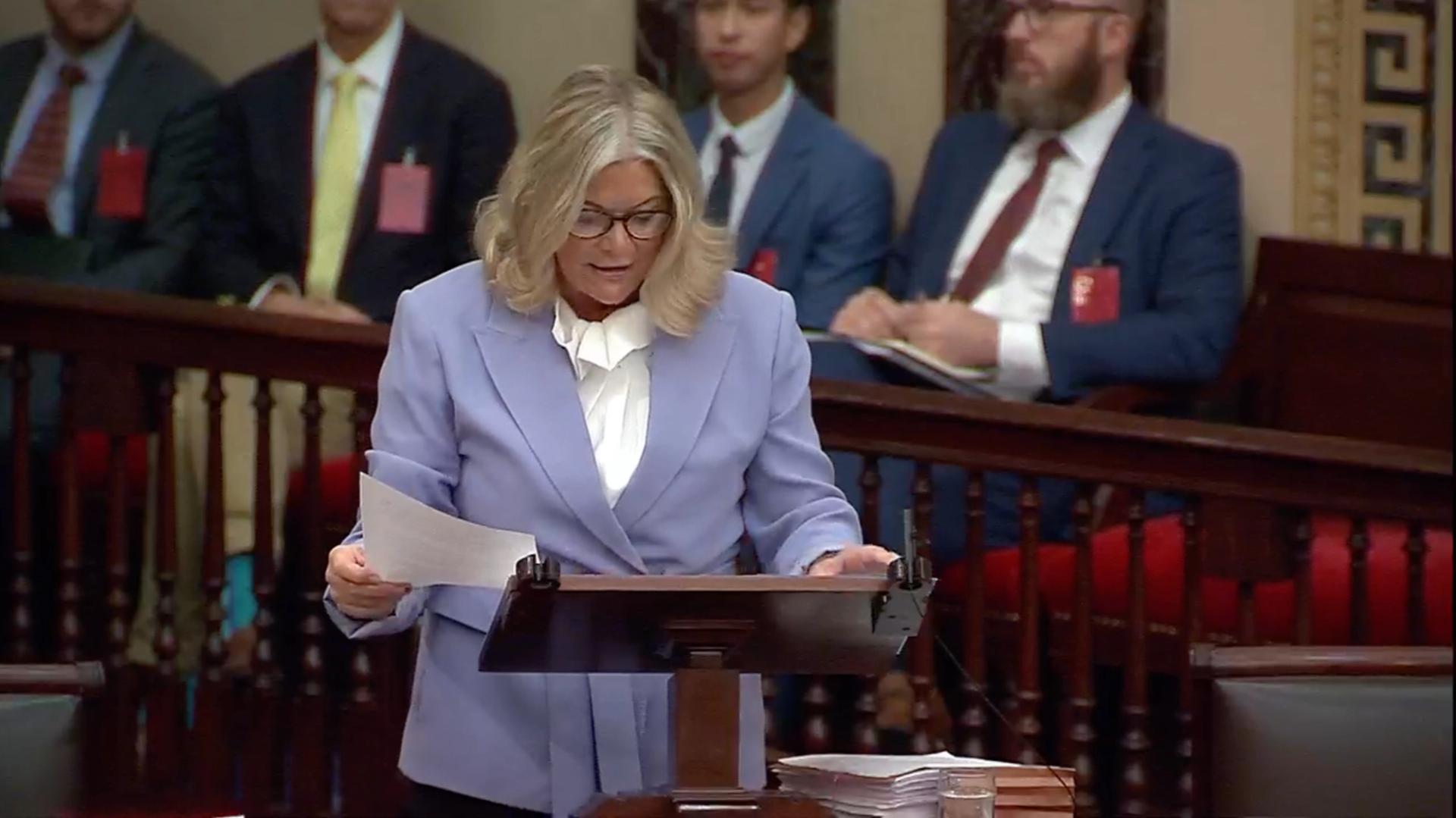
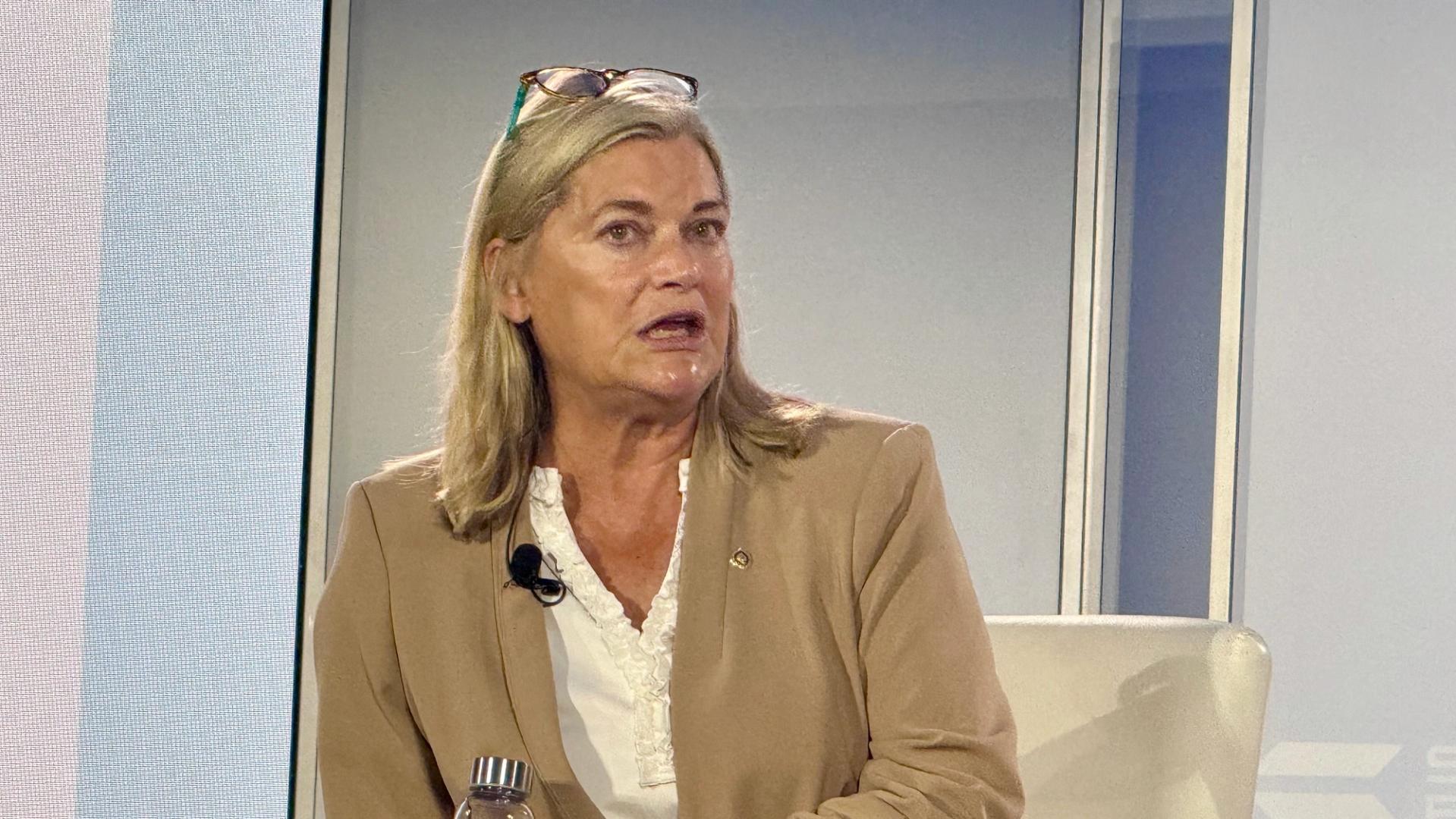
Sen. Cynthia Lummis, one of Washington’s leading negotiators on crypto market structure, says Democrats will keep pressing for additional revisions to the Clarity Act. She says she has run out of energy for new changes to the bill, which she has worked on for more than five years.


The Senate is set for a consequential Tuesday vote on sweeping cryptocurrency legislation, with the bill’s chances of securing enough support to pass still uncertain.
Firelight plans to use FXRP deposited in its Flare vault as collateral for protection sold to DeFi protocols, with premiums generating yield for depositors. The trade-off is reduced liquidity: withdrawals could take just over 30 days or nearly 60 days once 30-day coverage periods begin. Rewards stop when unstaking starts, and eligible claims may reduce the final payout.

Robinhood CEO Vlad Tenev said the company plans to add shareholder features, including redemptions and voting rights, to its stock tokens. The platform’s offshore stock tokens have drawn scrutiny over ownership rights.

The White House’s top crypto adviser says he feels “very good” about the Senate’s initial vote on cryptocurrency legislation scheduled for Tuesday.


President Donald Trump's digital assets adviser spoke at a Washington event one day after new compromise language was released for the Clarity Act, saying Trump had surrendered what were described as historic ethics powers in the deal.
Donald Trump is pressing a crypto bill as the industry’s conflict with banks intensifies. At a White House gathering last month, he praised Coinbase CEO Brian Armstrong as “one of the greats” and called Gemini Space Station co-founders Cameron and Tyler Winklevoss “tremendous investors, brilliant people.”

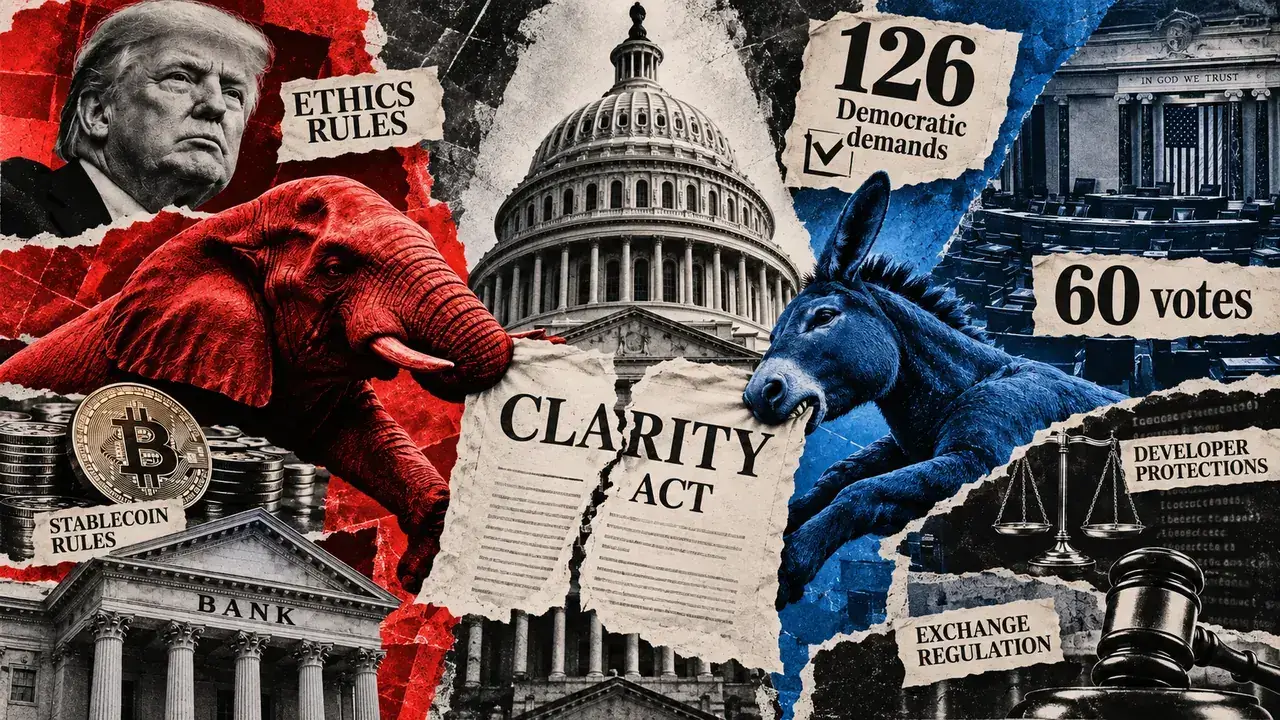
Opposition to the CLARITY Act continued to grow ahead of Tuesday’s Senate cloture vote, despite Republicans releasing a version they called final that incorporated 126 Democratic requests. Banking groups, Democrats, state attorneys general and developer advocates still objected to provisions on ethics, stablecoin rewards, state enforcement and deposit flight, putting the 60-vote threshold at risk.

Eight banking groups said Monday that they want stricter limits on stablecoin rewards, keeping the dispute between banks and the crypto industry alive in Congress as the Senate prepares to vote on the Clarity Act.
Onchain records show that an $800 million cryptocurrency stake matching Donald Trump’s holding was placed in a vesting contract. Sales are locked until 2028 after a mandatory 10% token burn.

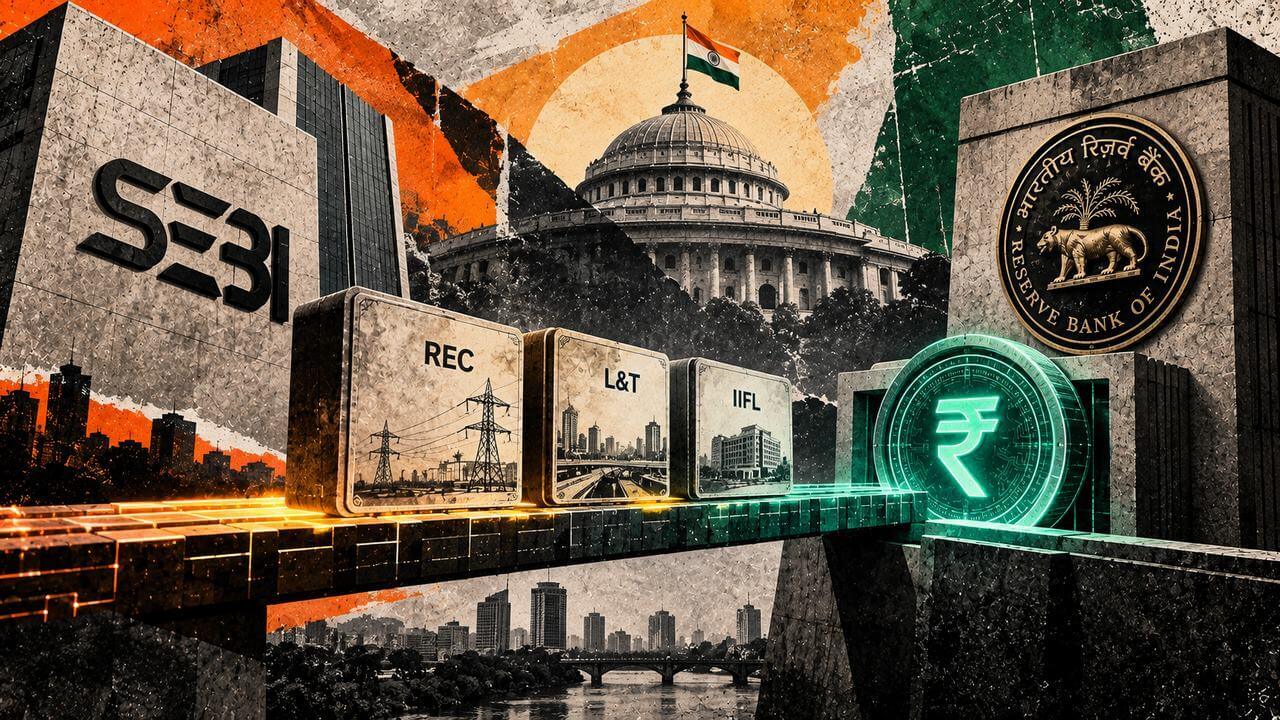
India’s securities regulator has launched a tokenized bond pilot linking corporate bonds with cash settlement on digital rails. The first three issuances by REC, L&T and IIFL moved ₹1,025 crore. Institutional issuance is covered in Stage I, while tokenized secondary trading and retail participation are planned for Stage II.

BitFuFu’s Bitcoin production recovered in August, while CleanSpark posted a modest increase and Canaan declined. Canaan sold its entire ETH position and 54 BTC, using part of the proceeds to buy back 13.6 million shares.

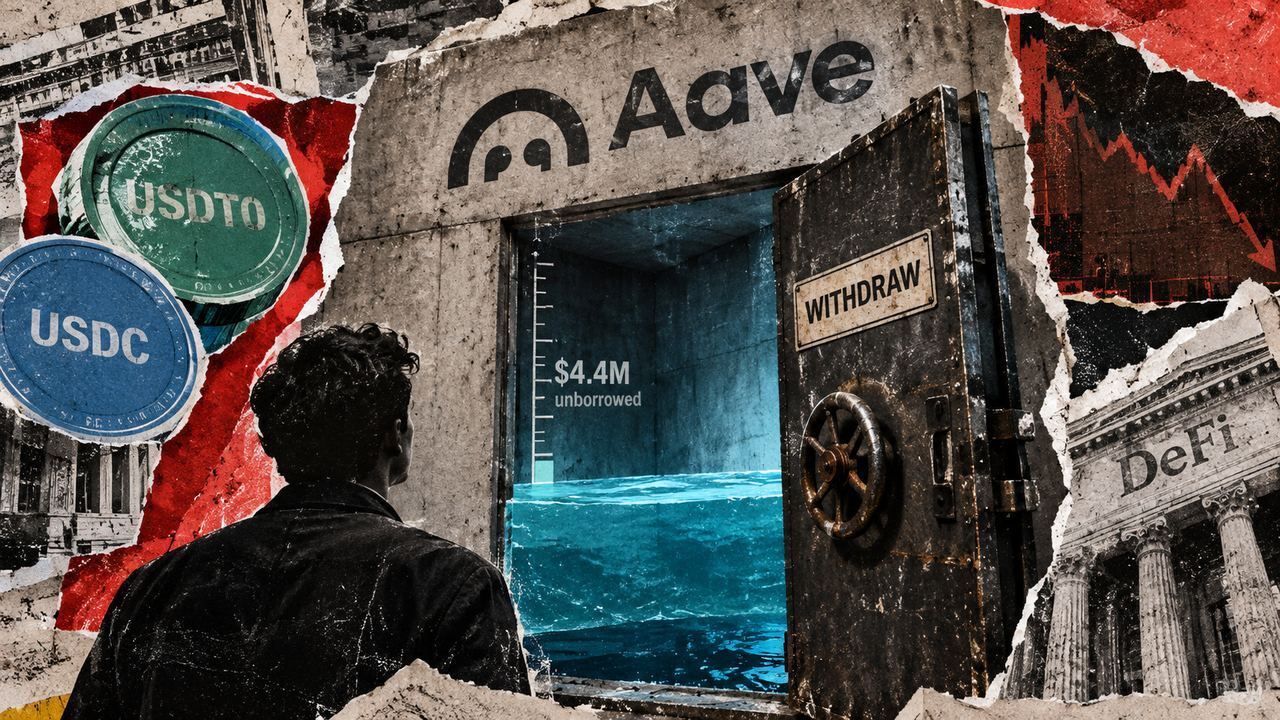
Aave’s USDT0 lending pool on Monad showed a 6.10% annual percentage rate, but about $51.5 million of its $55.9 million supplied balance was borrowed, leaving an estimated $4.4 million unborrowed. The figure indicates limited pool-wide withdrawal liquidity for large exits, but does not show that any withdrawal was attempted or failed.

A bipartisan group of state attorneys general opposed the Clarity Act, saying they worry the cryptocurrency legislation could limit their ability to bring securities and commodities cases linked to online scams.


Senate Republicans revised key sections of the CLARITY Act in a bid to win Democratic votes. The final draft focuses on four unresolved disputes: crypto ethics rules for federal officials, a stablecoin deposit-flight safeguard for community banks, the scope of developer protections and tighter oversight of digital-commodity intermediaries. It faces a 60-vote procedural test Tuesday.

Bettors on Kalshi and Polymarket sharply increased the odds that U.S. legislation establishing a crypto market structure will advance. Tuesday’s Senate vote is the next test, though the bill still has a lengthy path ahead.

New York Attorney General Letitia James led 17 bipartisan attorneys general in urging lawmakers to reject the Clarity Act, a piece of cryptocurrency legislation, ahead of the Senate’s initial vote.

Blockchain Association executive Summer Mersinger writes that the Senate can show on September 15 that it is capable of addressing issues within a reasonable timeframe, rather than waiting for the next market failure before acting.

The revised Clarity Act draft would require divestiture and allow state attorneys general to sue to enforce its ethics provision, which Donald Trump has agreed to.

President Donald Trump agreed to broader conflict-of-interest rules and state-level enforcement powers to secure the key Senate votes needed for the Clarity Act.
By agreeing to ethics limits he had opposed for a long time, U.S. President Donald Trump has enabled the CLARITY Act to move past its final barrier. The Senate is due to hold a pivotal vote Tuesday on the proposal, described as the most consequential cryptocurrency lawmaking effort ever attempted in the country.
Strive has reached a holding of 25,000 bitcoin after its latest $36.6 million purchase. The acquisition represents a slowdown from the previous week, when the company bought 1,375 BTC for about $109 million.

The Minutes Reader extension turns the original page into a focused reading view and translates articles and video subtitles on demand. It is in limited beta.