Robinhood CEO says companies shouldn’t have veto over stock tokens in AMC feud
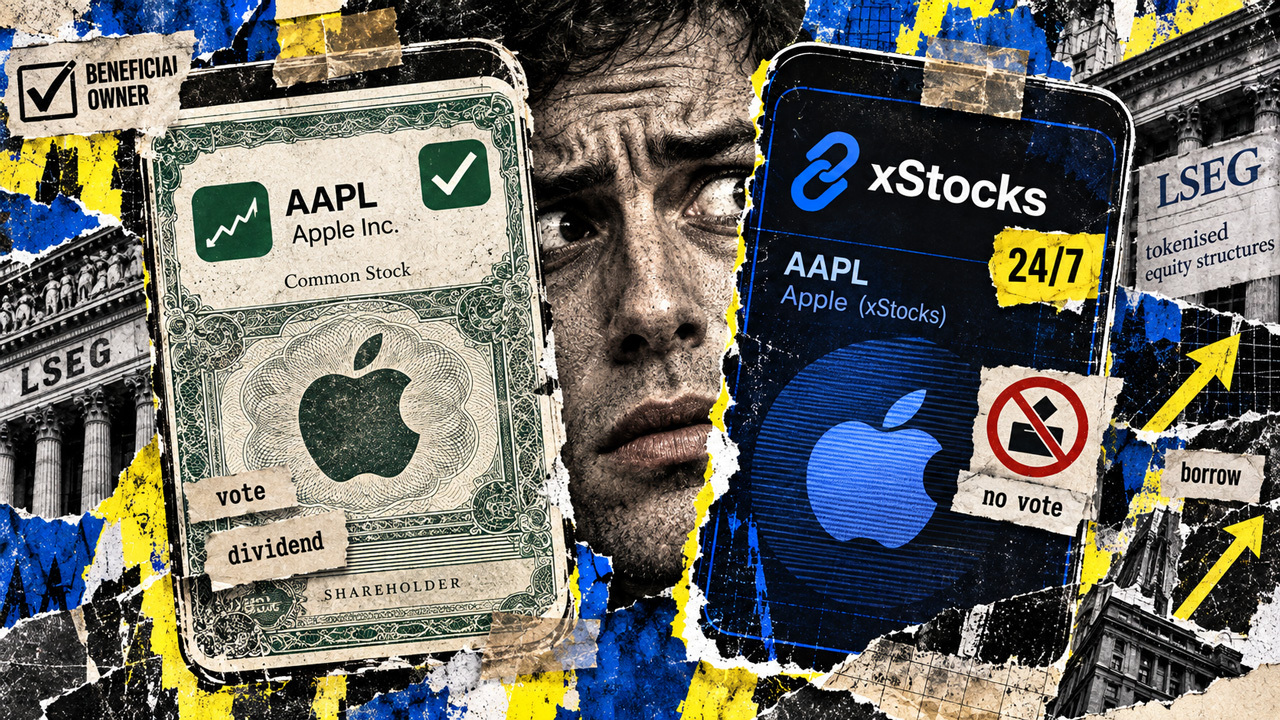
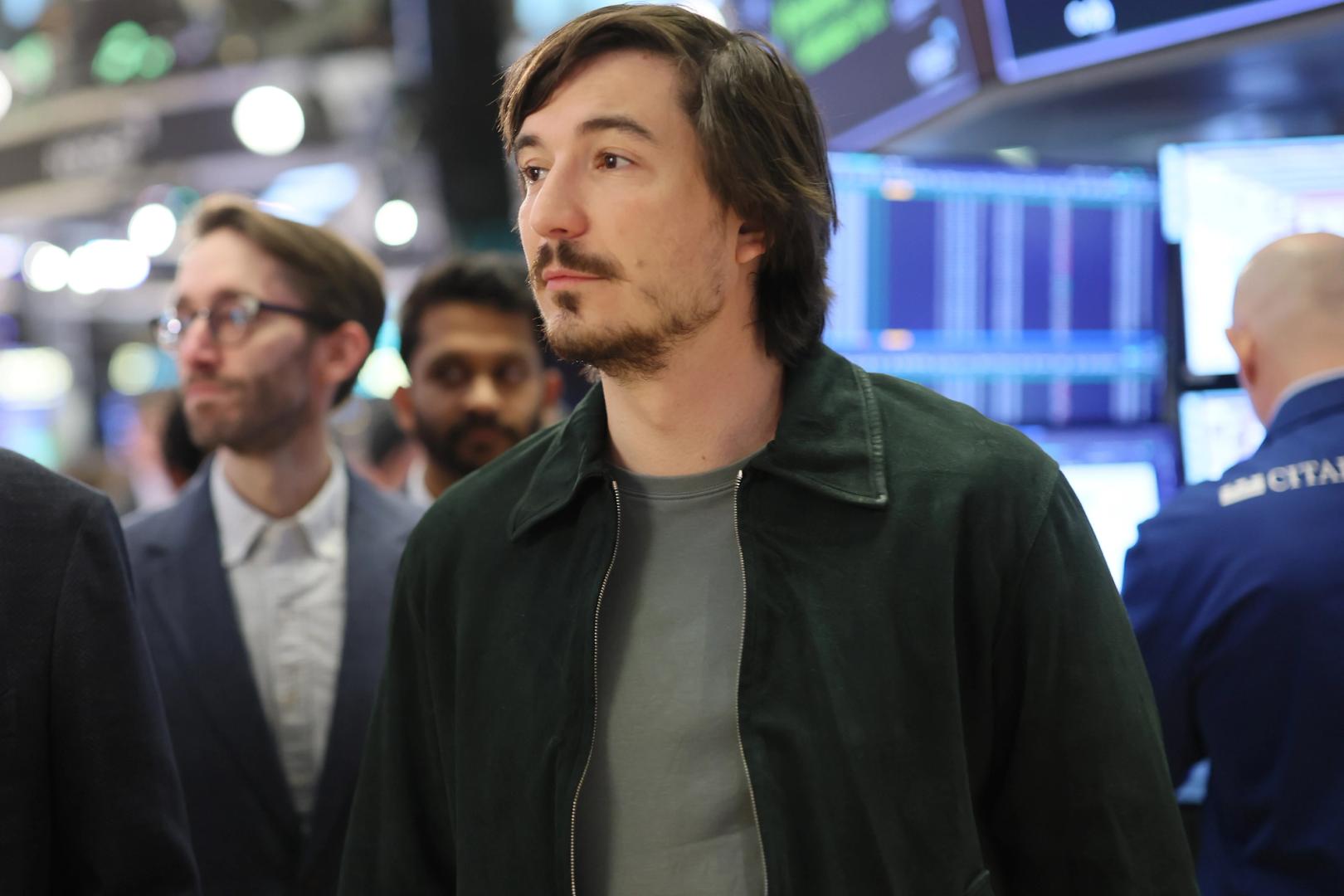
Robinhood CEO Vlad Tenev said in a Friday post that securities issuers should control shareholder rights, but not separate products tracking their publicly traded shares.

Robinhood CEO Vlad Tenev said in a Friday post that securities issuers should control shareholder rights, but not separate products tracking their publicly traded shares.

Canada’s banking regulator finalized a narrow 2027 rule change allowing qualifying Group 2a crypto positions on regulated exchanges to receive full capital recognition across venues when maturities match and hedging conditions are met. The measure does not broadly relax digital-asset risk treatment, and the 5% aggregate exposure cap remains.

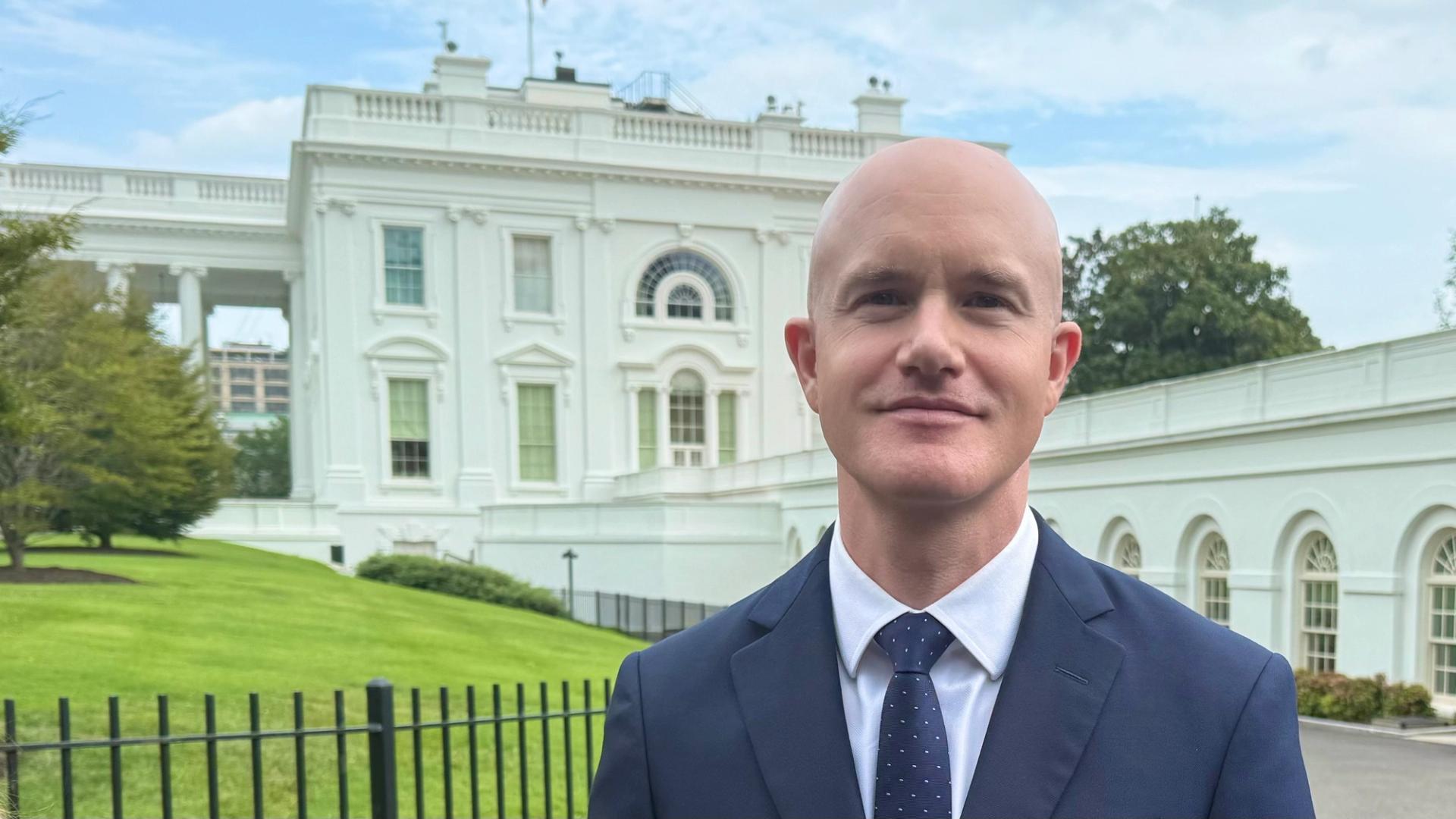
Coinbase CEO Brian Armstrong said Bitcoin’s bottom for the current cycle is likely in and called $400,000 by 2030 a reasonable personal target, not a company forecast. With Bitcoin near $77,000, the market still needs to break above roughly $81,000, its 50-week moving average, for a historically stronger recovery signal.

A Philadelphia Fed working paper found that public alerts about large crypto transfers produced sharply different reactions on Bitcoin and Ethereum. Non-whale Bitcoin wallets traded most strongly in the whale’s direction during the first 15 minutes, while Ethereum participation stayed comparatively stable. The observational study does not establish that alerts caused every response.

Circle has proposed acquiring cross-border payments operator Tazapay for $400 million in Circle Class A stock. Tazapay’s banking and fintech connections, local payout rails and currency-conversion capabilities would help connect USDC and Circle’s payments network to recipients who need usable local money.

Bitcoin and ether advanced as the latest inflation data had little effect on expectations for the Federal Reserve’s interest-rate outlook. Bitget analyst Lewis Huang pointed to a divergence between headline inflation accelerating on energy costs and core inflation continuing to ease.

Nasdaq has agreed to propose a $100 million investment in Kraken parent Payward through Nasdaq Ventures, while Payward plans to deploy Nasdaq market-surveillance technology across its crypto, equity, tokenized-equity, futures and options venues. The companies will continue developing Nasdaq Equity Tokens, which they expect to launch in the second quarter of 2027. The investment has not yet closed.

Standard Chartered has begun covering Sky, describing it as “DeFi’s federal bank” and forecasting that the SKY token will reach $0.325 by 2028.

U.S. consumer prices accelerated in August, with CPI up 0.4% from July and 3.4% year over year. Core CPI rose 0.3% monthly, while PPI increased 0.4% monthly and 5.4% annually. Energy drove much of the gains, but faster core inflation may help the Federal Reserve keep policy restrictive, prolonging costly borrowing for Bitcoin investors.

Maharashtra is drafting a policy to tokenize state assets, including electricity transmission infrastructure, as a way to fund new infrastructure projects.

The U.S. Treasury bought $5.187 billion of long-dated government bonds in its first operation under an expanded buyback program. Yet 10-year nominal and real yields rose, while U.S. spot Bitcoin ETFs recorded a $282.7 million net outflow, offering no sign that easier liquidity was reaching Bitcoin funds.

A decade of data suggests Bitcoin’s volatility is increasingly concentrated in US stock-market hours. From 2022 to 2025, the 13:00–21:59 UTC window generated 50.6% of daily realized variance, and the volatility peak shifted with New York daylight-saving time while weakening notably on NYSE holidays. The study leaves ETFs, futures, hedging and other institutional flows as possible drivers.

The bitcoin treasury firm reduced its potential Series 10 share pool to 188.2 million, extinguishing $220 million in value.

Julian Sawyer is stepping down as CEO of Zodia Custody and will serve as a strategic adviser instead of leading Zodia Solutions, as previously announced.

Bitcoin declined into Deribit’s options settlement, rebounded in the first hour afterward and then gave up the move before the two-hour window ended. About $2.24 billion in options expired, including roughly $1.40 billion in calls. Bitcoin briefly fell to $76,000, and the reversal pattern described in a recent study did not fully materialize.

The British recruitment firm SThree said Friday it had unanimously turned down a cash-only bid from U.S.-based Circle8 Group, which had approached it without invitation. SThree said the bid placed far too low a value on the company and its future prospects.
India’s SEBI Demat 2.0 pilot has seen three issuers raise more than $100 million through tokenized corporate bonds, with settlement conducted using a wholesale central bank digital currency.

Higher yields and oil prices are leaving bitcoin exposed ahead of the US inflation report due Sept. 11, 2026.

Major cryptocurrencies are broadly lower ahead of the August inflation report. Bitcoin has fallen 5% this week, while Zcash is down 10% on the day.

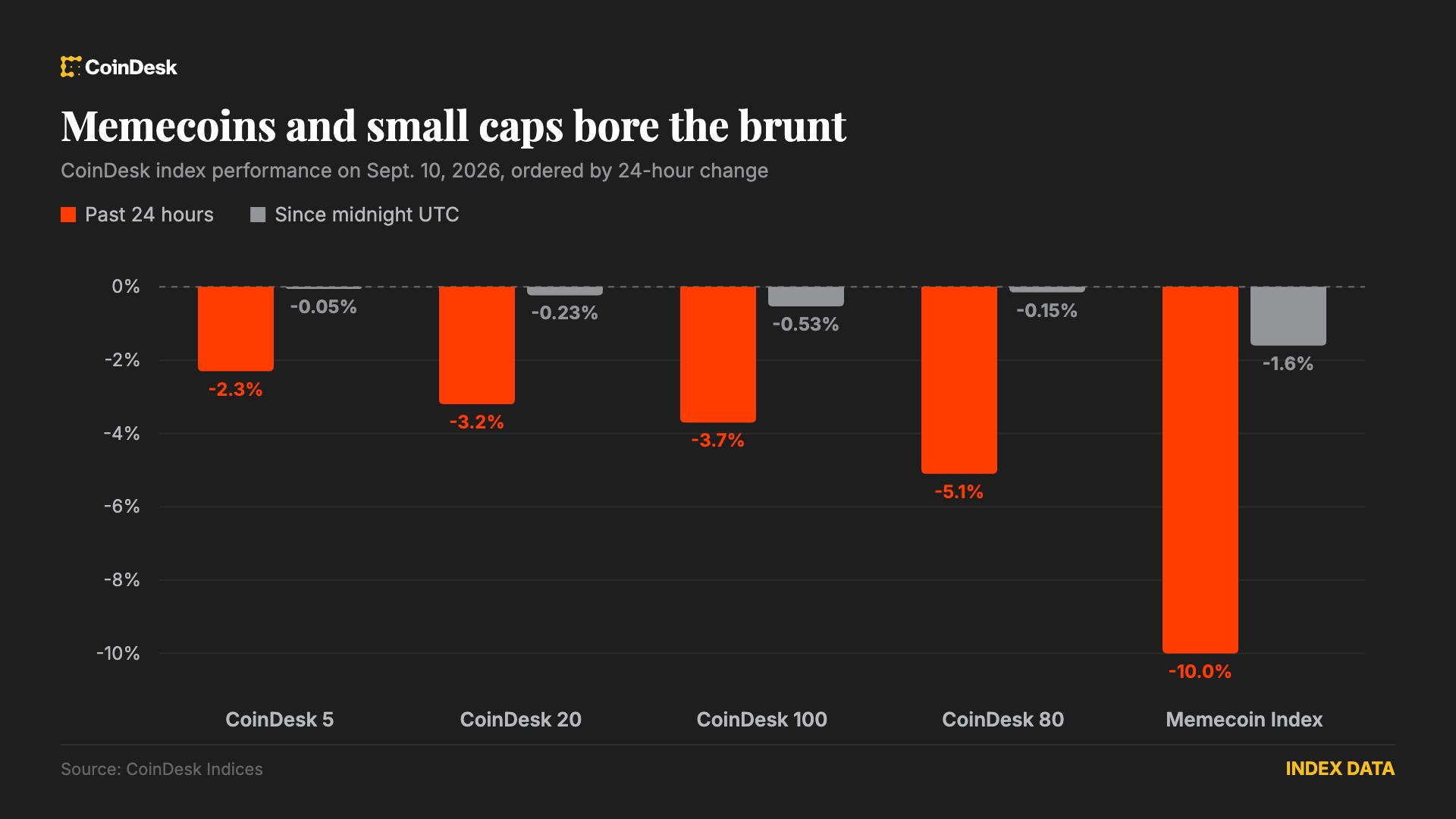
Bitcoin gained 0.7% since midnight UTC to trade around $77,200. Although 68 constituents of the CoinDesk 100 advanced, the index remained down 1.4% over the past 24 hours.

Bitcoin retreats as another golden-cross signal fails to produce the expected gains. While the pattern may support the cryptocurrency’s longer-term outlook, history indicates that much of the upside often comes before the signal appears.

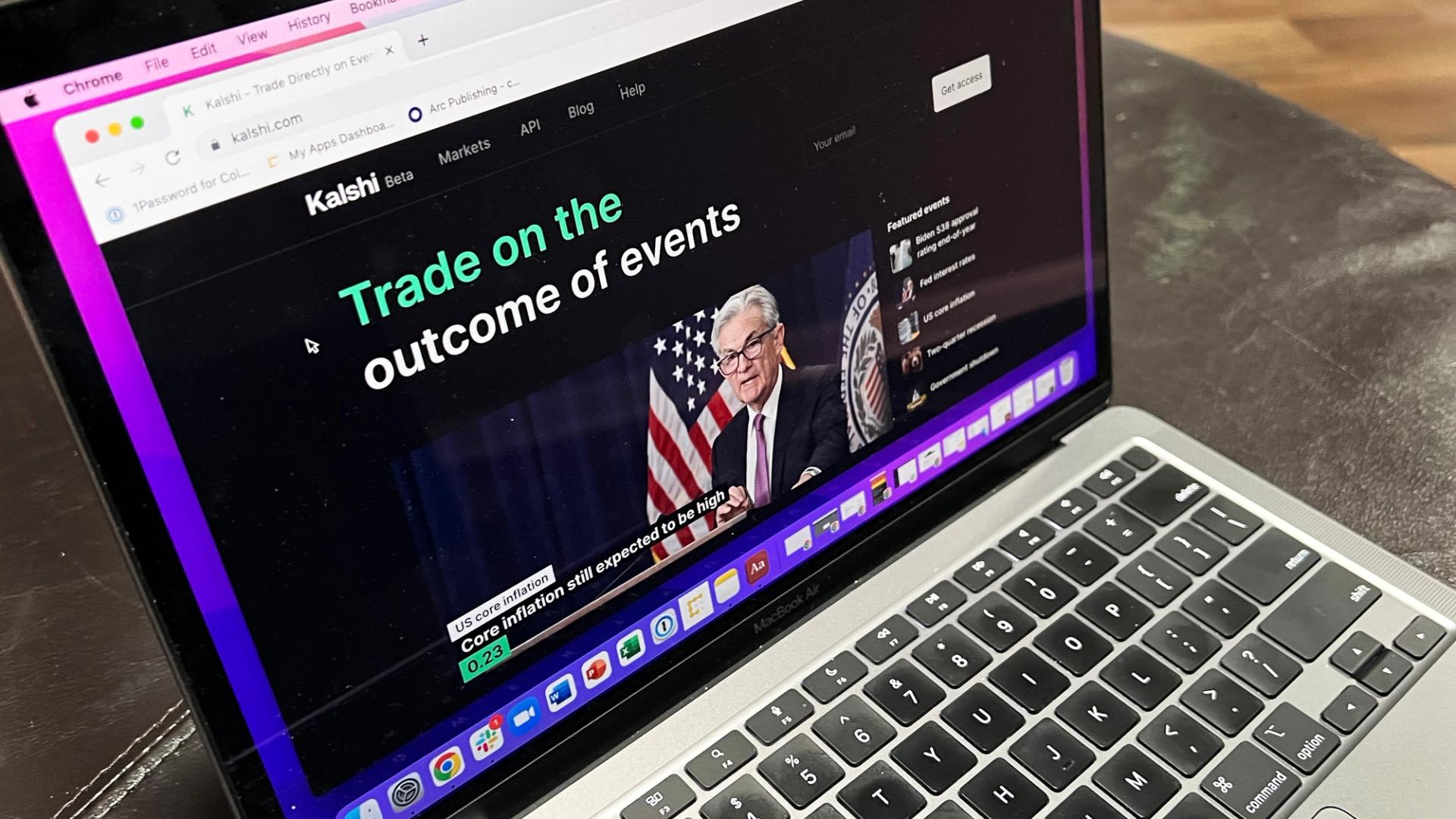
The European Securities and Markets Authority says major prediction platforms do not have EU authorization and questions the geographic restrictions imposed by Polymarket and Kalshi.

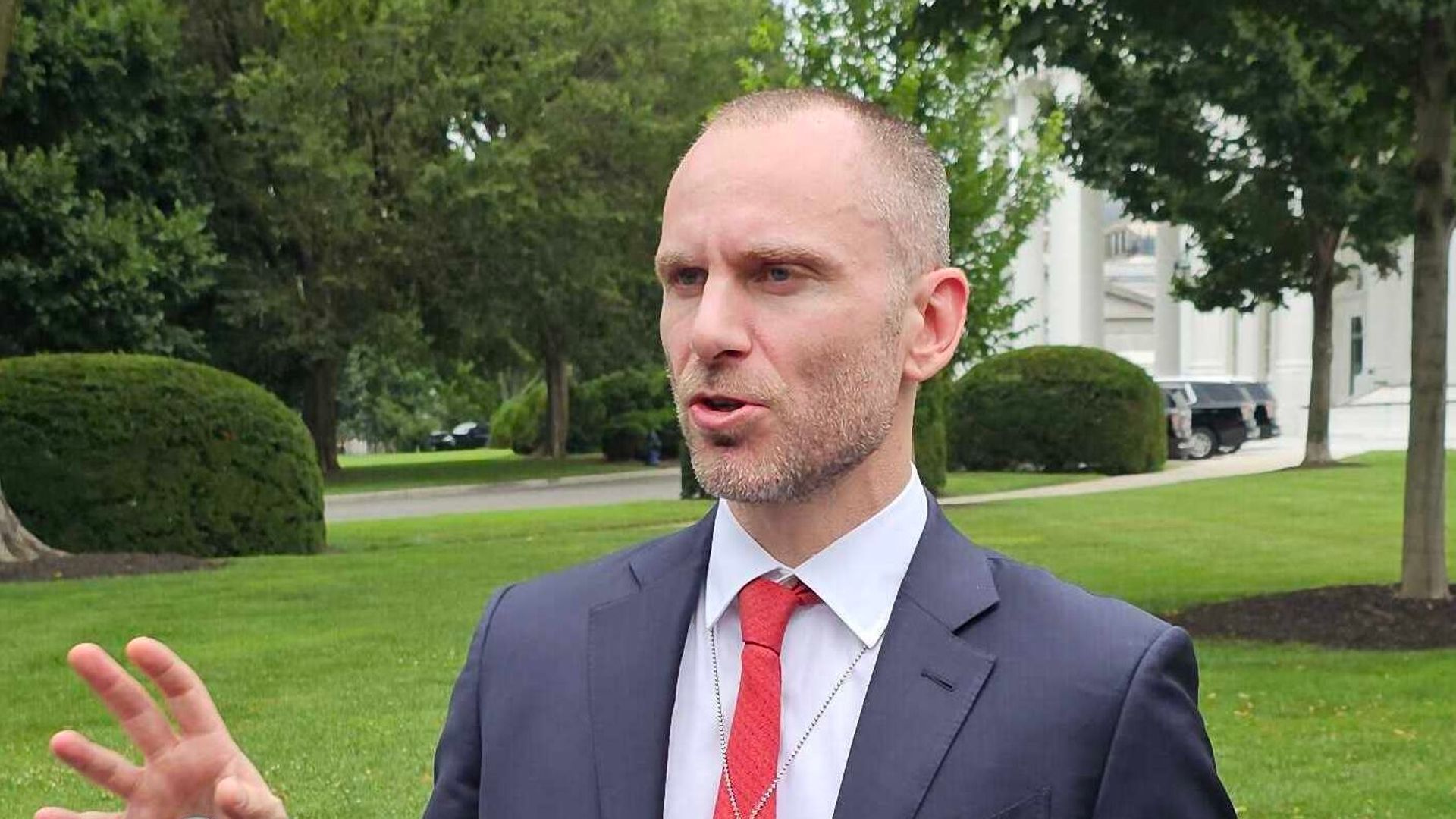
White House digital assets adviser Patrick Witt framed the Senate’s immediate choice on the CLARITY Act as supporting the bill while continuing negotiations. A Sept. 15 procedural vote needs 60 votes to begin debate and amendments. Republicans have proposed substitute text adding a CFTC framework for nominally decentralized protocols controlled by an identifiable party, but disputes over prediction markets, Tribal sovereignty, crypto ethics and stablecoin rewards remain unresolved.

Average U.S. diesel prices have set another record by climbing above $6 a gallon. Washington’s war with Iran is disrupting the global flow of fuel and putting greater pressure on the transport of everyday goods.
Diesel, the workhorse fuel powering the global economy, has surpassed $6 a gallon for the first time ever.
The price of diesel, a fuel vital to agriculture and industry, has surged to a record $6 a gallon amid an Iran-related supply shock, adding to price pressures as Americans face an affordability crunch.

U.S. diesel prices have reached a record high of more than $6 per gallon. Fuel supply disruptions linked to the wars in Ukraine and Iran are increasing transportation costs.

Diesel has reached a record $6 per gallon, threatening to raise costs across the economy. Fourth-generation Iowa farmer Mark Mueller said the trend is endangering one of the country’s strongest economic pillars.
Prediction-market operator Kalshi plans to seek U.S. approval for roughly 60 perpetual contracts tied to stocks and ETFs, bringing one of crypto’s biggest trading products into equities.

India’s SEBI has launched the Demat 2.0 pilot, converting corporate bonds into digital tokens and settling payments through the Reserve Bank of India’s wholesale digital rupee. Secondary trading and retail participation are expected in later phases.

Anthropic’s Binance pre-IPO perpetual contract rose above $2,100 on Sept. 9, implying a valuation above $2.1 trillion when multiplied by Binance’s estimated one-billion-share denominator. The figure reflects a leveraged derivative and provisional share count, not a public equity-market valuation. Anthropic’s May financing valued it at $965 billion.

Ninety-five assets in the CoinDesk 100 declined over the past 24 hours. Bitcoin is down more than 5% this week, while Zcash posted the steepest losses as traders wagered on a Federal Reserve rate increase.

Houthi advances have pushed oil prices higher as markets await Friday’s inflation data, while fears of a US rate increase spread through global bond markets.
HIVE Digital Technologies said Bitcoin mining and GPU-cloud operations generated more than $1 million in average daily revenue from Aug. 21 to Sept. 10. GPU cloud contributed about $100,000 a day, leaving mining responsible for more than 90%. The figures are preliminary, unaudited management estimates, while HIVE’s larger AI contract pipeline is not yet recognized as revenue.

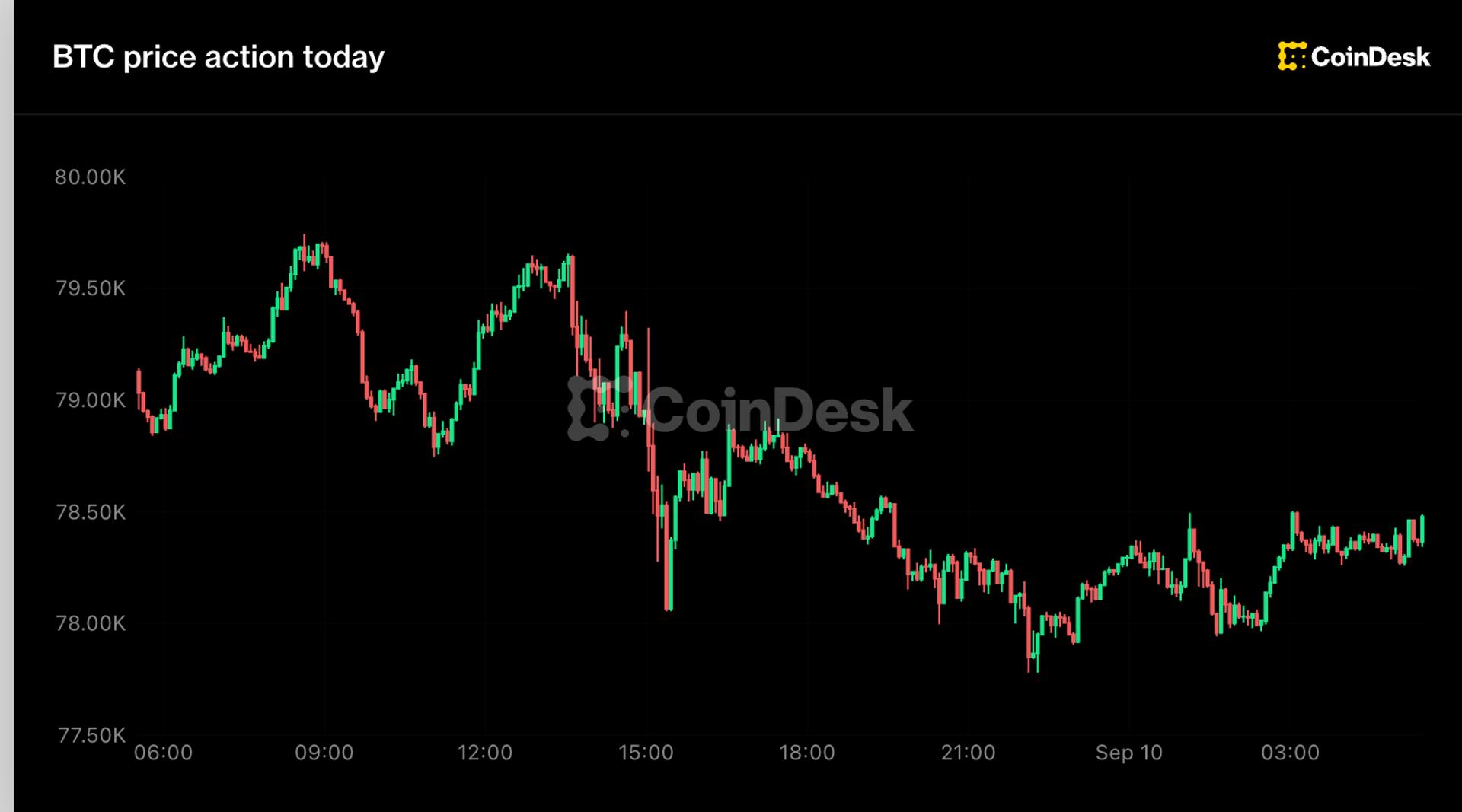
Bitcoin fell below $77,000 on Sept. 10 and reached an intraday low of $76,676.07 as oil moved above $100 a barrel and a global bond selloff lifted expectations for another Federal Reserve rate increase. Treasury yields climbed sharply, while traders priced in about a 76% chance of a quarter-point hike next week as the latest inflation data lagged the renewed energy surge.

Bitcoin treasury firm Strategy says dollar liquidity rose from $54 million to $6.54 billion by Sept. 7, while convertible debt fell to $6.71 billion. The company said net debt dropped to about $174 million and that it continued raising equity during a period of Bitcoin price stress, strengthening its case for a possible S&P rating upgrade.

Prediction market Polymarket named veteran finance executive Warren Jenson as its first CFO on Thursday. The appointment is part of a broader effort to recover ground lost to rival Kalshi and grow the company’s U.S. and international operations.

Prediction market Polymarket has appointed former Amazon finance chief Warren Jenson as its first chief financial officer as it develops a regulated U.S. exchange and a global platform.
Senate Republicans circulated a new Clarity Act draft on Thursday that modifies provisions covering decentralized finance and credit unions. The bill will need 60 votes when the Senate returns from recess next week, leaving its prospects uncertain.


Senate Republicans released a revised version of landmark cryptocurrency legislation ahead of a pivotal initial vote on the bill next week.
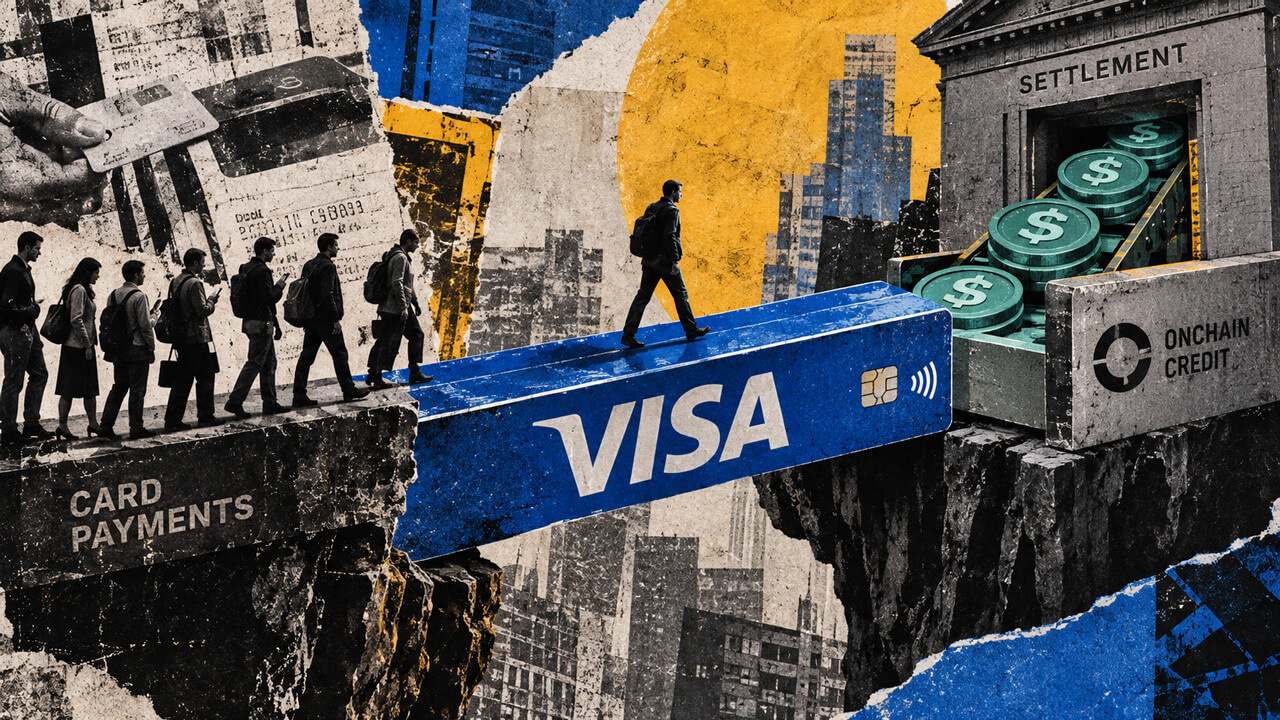
Visa is working with onchain credit protocol Credit Coop to use revolving stablecoin facilities to cover the recurring gap between card-program settlement obligations and later customer payments. Smart contracts manage draws and repayments, while Visa’s authorized settlement files support underwriting and facility sizing. Visa says the model has financed more than $2.5 billion in cumulative settlement volume since 2023 with no defaults.

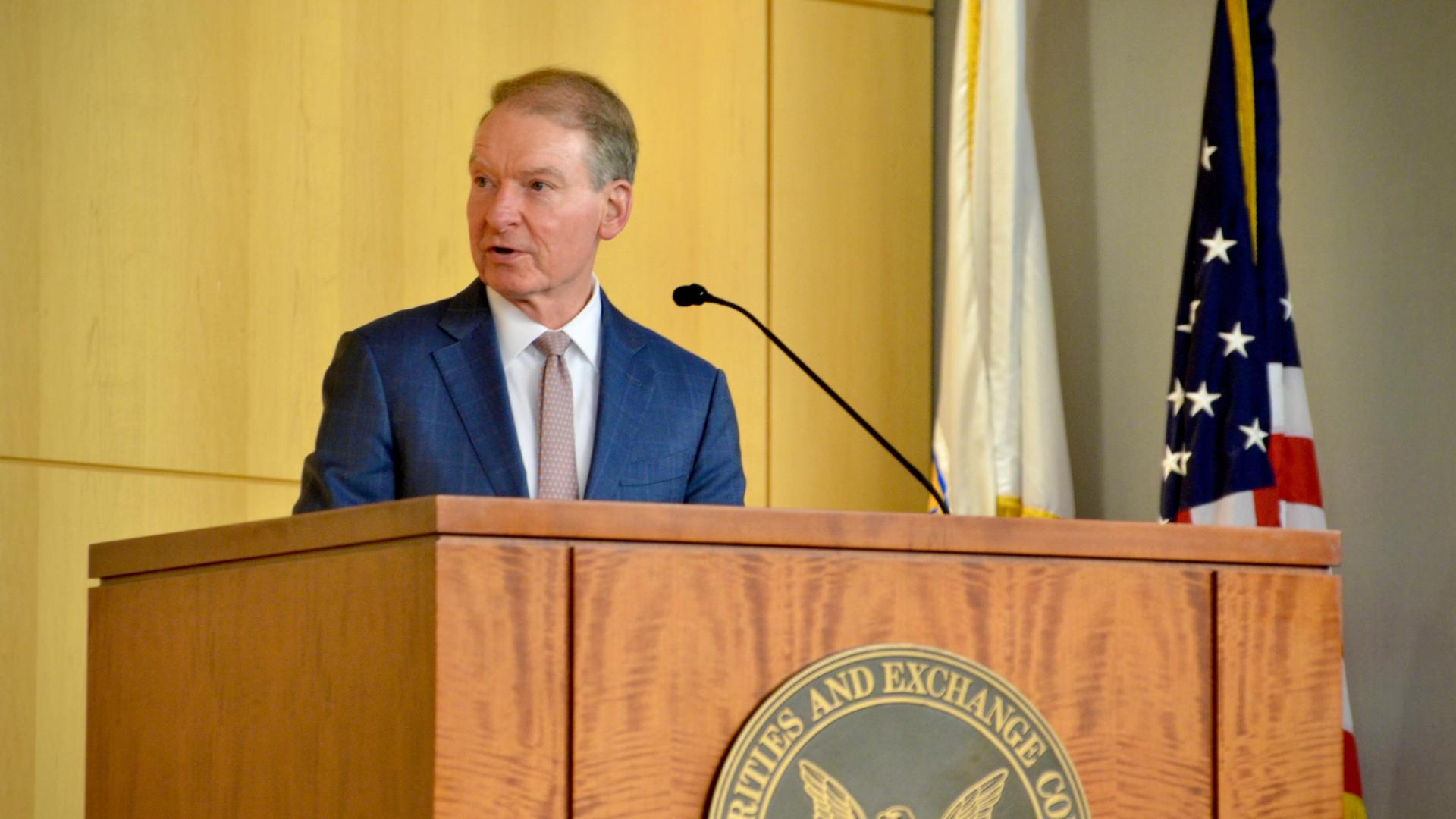
A proposed overhaul of SEC transfer-agent rules could remove duplicate off-chain shareholder records, cutting reconciliation costs and reducing legal uncertainty for tokenized securities.

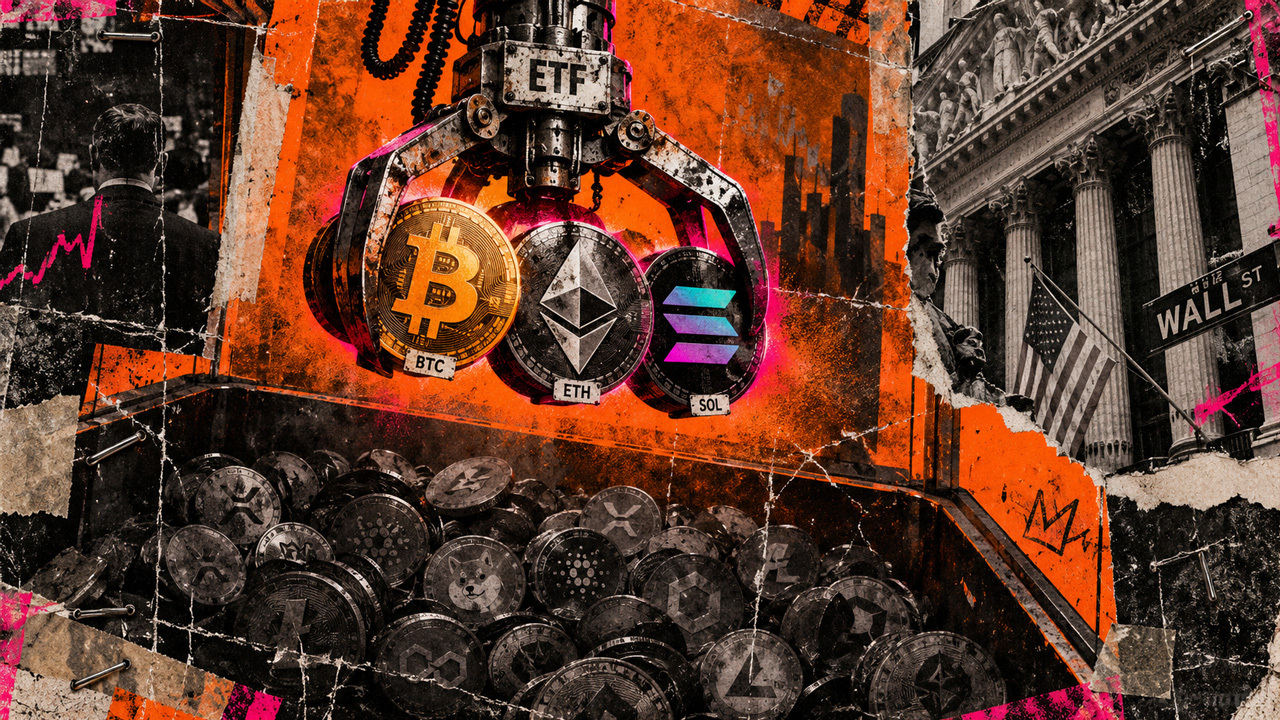
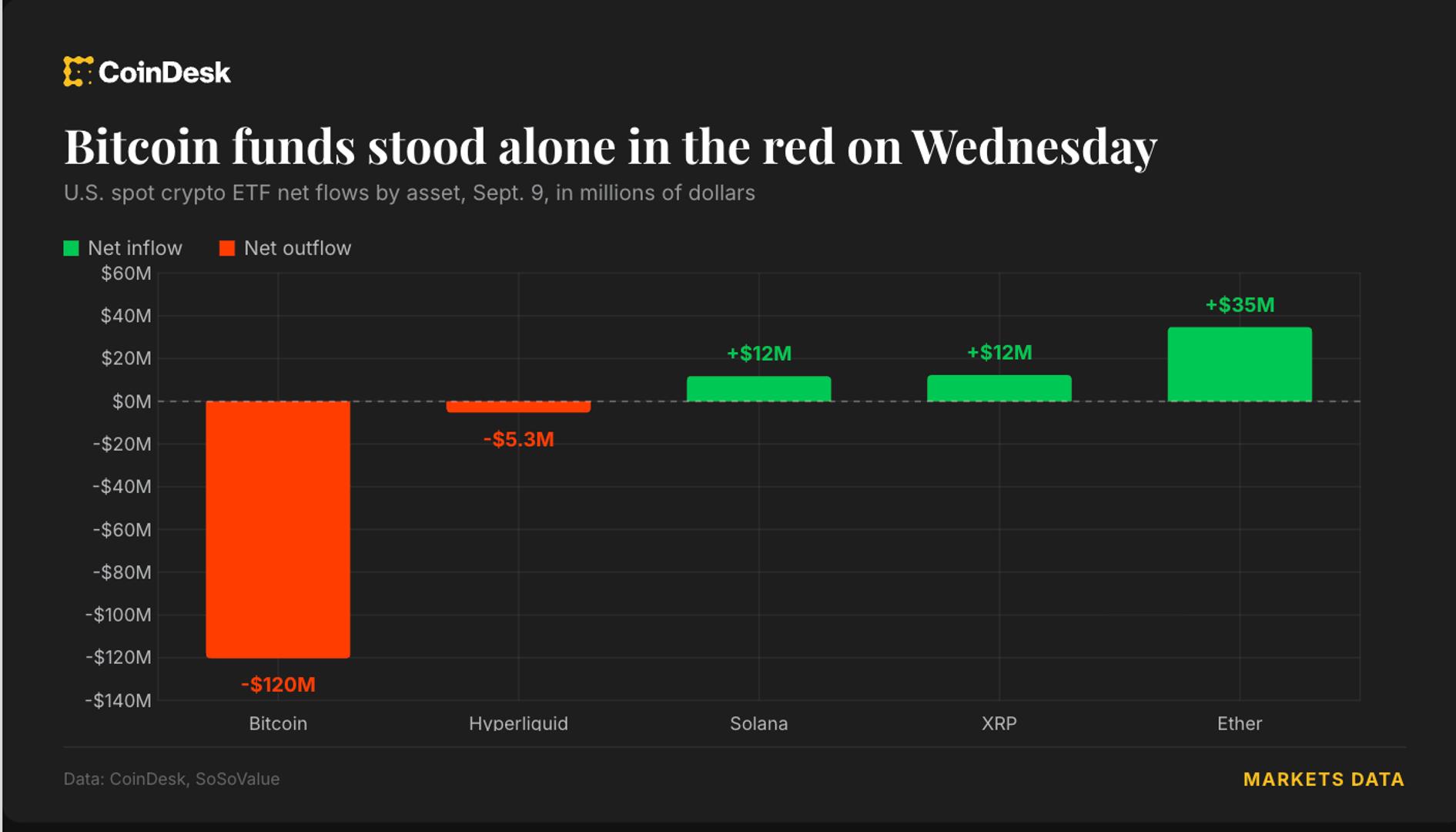
US ETFs tied to Ethereum, XRP and Solana drew nearly $59 million on Sept. 9 while Bitcoin products lost $120.24 million. Yet the broader market barely moved: BlockchainCenter’s Altcoin Season Index was 37, far below the 75 threshold. Capital remains concentrated in a few large assets rather than spreading across the wider token market.

The European Securities and Markets Authority said event contracts could be covered by existing EU bans on binary options, crypto-asset rules such as MiCA or national gambling laws, warning that authorization gaps may exist for Polymarket and Kalshi in the bloc.

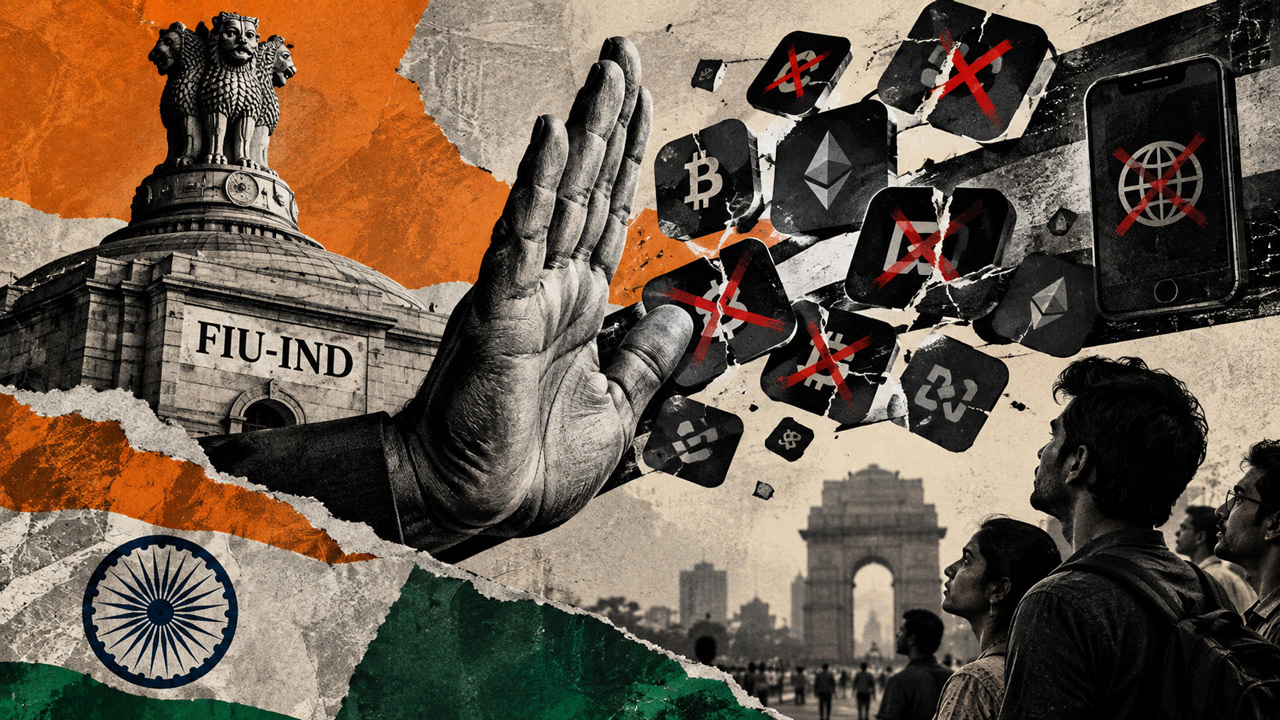
India’s Financial Intelligence Unit issued non-compliance notices to 15 crypto service providers and separately requested the removal of their public apps and URLs under the country’s information technology rules. The announcement confirms notices and takedown requests, but does not say all services are blocked or that customer accounts, balances or withdrawals have been frozen.

London-based challenger bank Monument Bank has delayed the launch of retail tokenized deposits, citing regulatory issues in the UK. It hired a Canadian custodian to meet Financial Conduct Authority requirements and now expects to roll out the product by November.

Bitcoin Bancorp has acquired thousands of Bitcoin Depot kiosks for $620,000. Court records show that just over a quarter of the company’s more than 9,200 kiosks were sold for less than $1 million.

The piece examines Hyperliquid and the potential future role of crypto in finance.

MoneyGram is rolling out a Visa card that allows customers to hold dollars and spend from a balance backed by stablecoins, bringing digital dollars into routine purchases.


MoneyGram has launched its first Visa card backed by stablecoins. Developed with Rain, the card is initially available in Colombia.
Prediction market company Kalshi has launched perpetual contracts for gold and silver after receiving approval from the Commodity Futures Trading Commission. The move is the latest step in diversifying the assets available for users to trade.

A coalition including Nasdaq and Boerse Stuttgart is calling on the European Union to remove or increase the cap in its tokenization trial, warning that the current limit is too low and that some existing European projects already exceed it.

Digital arrest scams falsely claim law-enforcement authority to pressure victims into making rapid digital payments, including cryptocurrency transactions, writes Moody’s Rich Graham.

Nasdaq Ventures agreed to invest $100 million in Payward, the parent company of Kraken, as the firms expand their partnership on tokenized equity infrastructure.


Nasdaq is investing $100 million in Payward, the parent company of Kraken, at a $21 billion valuation. The deal expands a strategic partnership aimed at bringing tokenized equities with voting rights to crypto exchange users.
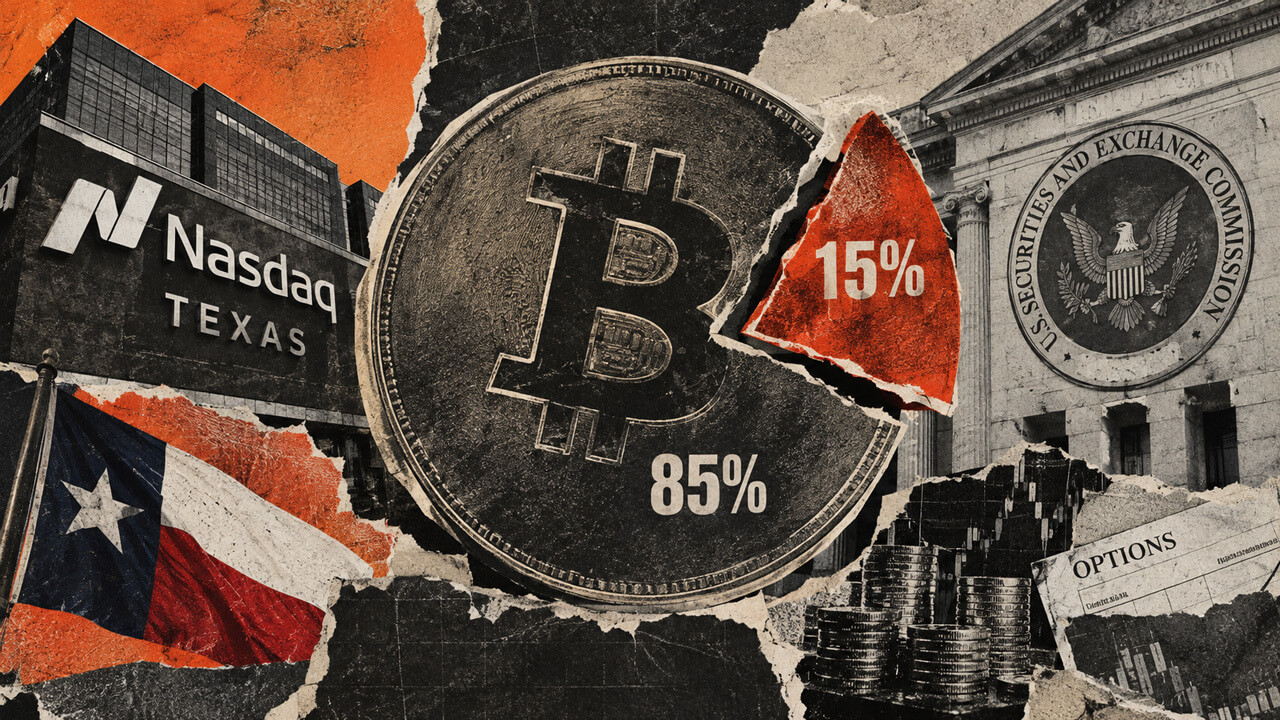
The SEC approved a Nasdaq Texas rule allowing qualifying commodity-linked trusts to place up to 15% of their exposure in specified digital commodities or securities that fail existing eligibility tests, while permitting active management. At least 85% must remain in cash, commodities or other qualifying assets, and sponsors must check compliance daily. The change streamlines listings but does not approve any particular fund.

Pump.fun announced Custom Pairs on Sept. 9, allowing new memecoins to trade against tokenized stocks, major crypto assets and other quote assets rather than only SOL and stablecoins. The article argues that retail speculation could create demand and inventory for stock tokens, while stressing that any path from meme trading to lending liquidity or institutional use remains hypothetical.

Crypto exchange giant Bybit plans to offer a European “super-app” covering stocks and derivatives. CEO Ben Zhou said the company holds an electronic money institution license in Austria and is about to secure a MiFID license as well.

Bitcoin traders are reducing bullish positions ahead of the release of U.S. inflation data.

Bitcoin is holding near $78,000 as traders assess inflation, Federal Reserve policy, oil prices and disruption around the Strait of Hormuz. Glassnode identifies $83,000–$86,000 as a dense overhead supply zone, while $76,600 is the first key support and $62,000–$65,000 the deeper structural failure band.


Bitcoin dropped 2% in 24 hours to $78,111, while 95 of the 100 CoinDesk 100 constituents declined. Most of the losses occurred overnight.
Coinbase CEO Brian Armstrong expects bitcoin to trend higher over the next two years, saying the current cycle may have reached its bottom.

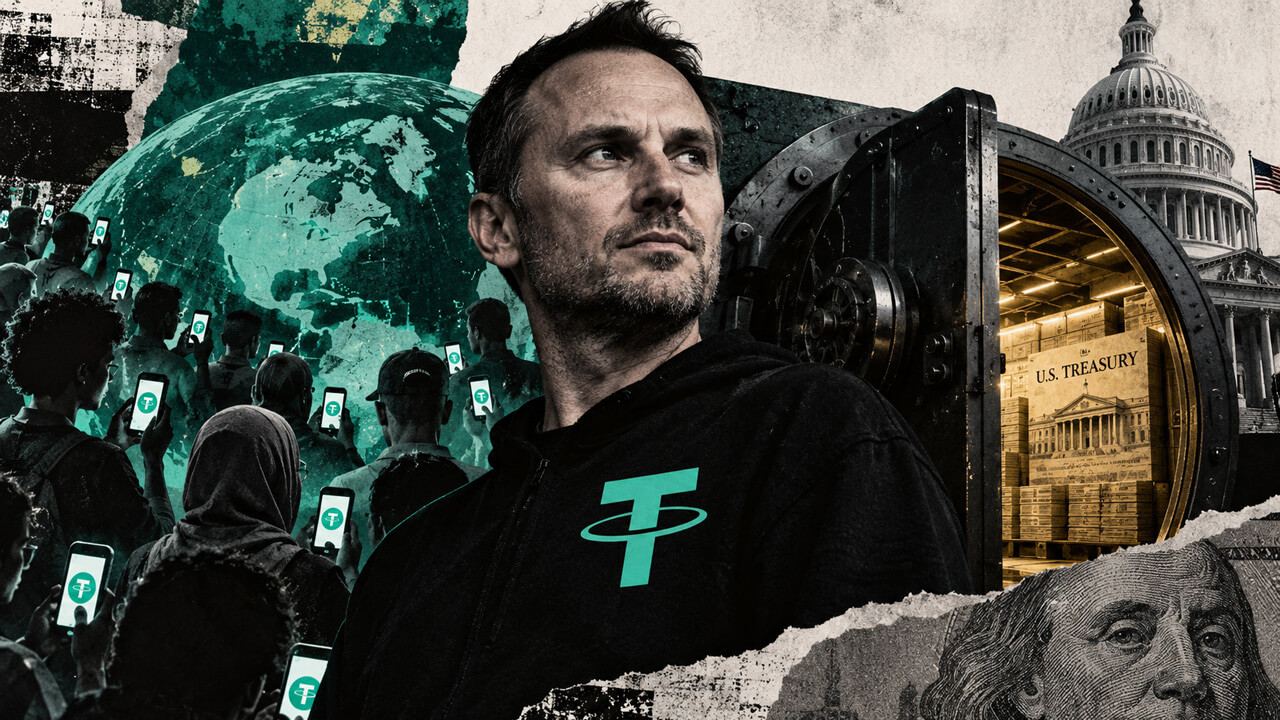
Tether CEO Paolo Ardoino said 650 million users holding USDT had created the “decentralized ownership of US debt.” Tether’s own documents, however, say holders own transferable tokens and certain contractual redemption rights, while Tether International owns and manages the reserves. Holders are not entitled to Treasury investment gains, and the 650 million figure lacks an independently published methodology.

Esma warns that the fast-growing prediction-market sector carries risks of being rife with insider trading, contrasting with the more welcoming stance in the US.
US Treasury yields surged after a $6 billion bond buyback disappointed markets. The sell-off threatens to raise borrowing costs for American households and businesses.
Treasury Secretary Scott Bessent’s unusual effort to substantially enlarge the department’s debt-buyback program faltered Wednesday. Announcing the size of the first expanded operation was not enough to stop markets from falling.

The US Treasury has raised the ceiling for its Sept. 10 buyback of older 10- to 20-year bonds to $6 billion, triple the prior limit. The operation could ease dealers’ inventory burden, but the amount alone does not create net liquidity or amount to Federal Reserve quantitative easing. Whether any benefit reaches Bitcoin depends on sustained improvement in bond trading and funding conditions, which remains unproven.
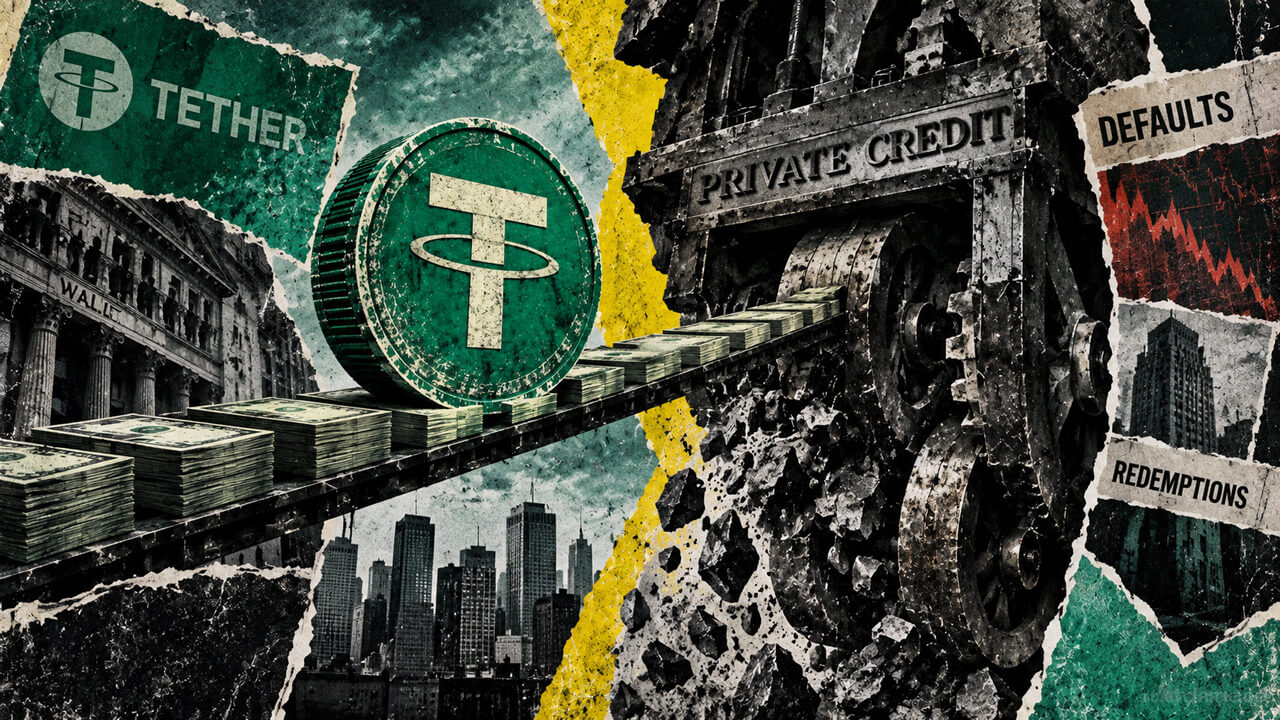
Tether and Fasanara Capital have launched StableFund with $400 million in combined sponsor capital and plans to raise up to $3 billion more. The evergreen vehicle will invest in short-duration, asset-backed loans, while private credit faces rising defaults, redemption pressure and scrutiny over liquidity and borrower quality.

Bitcoin funds recorded $120 million in outflows on Wednesday, more than twice Tuesday’s loss. Funds tied to ether, XRP and solana all attracted inflows.

The Singapore Exchange says U.S. institutions can now trade its bitcoin and ether perpetual futures, marking a milestone that connects U.S. trading desks with Asian liquidity.

The LAPTOP team blamed thin liquidity and automated traders for distorting the memecoin’s launch. Nansen data showed some early buyers were left with six-figure losses after the debut.


The LAPTOP project attributed a 99% launch-day crash to sniper bots and thin liquidity. It said it would add pool incentives and expects early prediction-market burns to reduce supply.
Dogecoin led declines among major cryptocurrencies, falling 5%, while BNB dropped about 4% and XRP lost 3%. Bitcoin held around $78,000 as higher oil prices pushed Treasury yields to their highest level since late 2023.

Brian Armstrong says work on U.S. cryptocurrency regulation need not hinge on the Clarity Act’s final vote.


Coinbase CEO Brian Armstrong told CNBC that the crypto industry will gain regulatory clarity whether or not the Senate passes the Clarity Act on Sept. 15.
Traditionally conservative trustees are turning away wealthy cryptocurrency holders, saying they are uncomfortable with digital assets because of their volatility, opacity and lack of regulation.
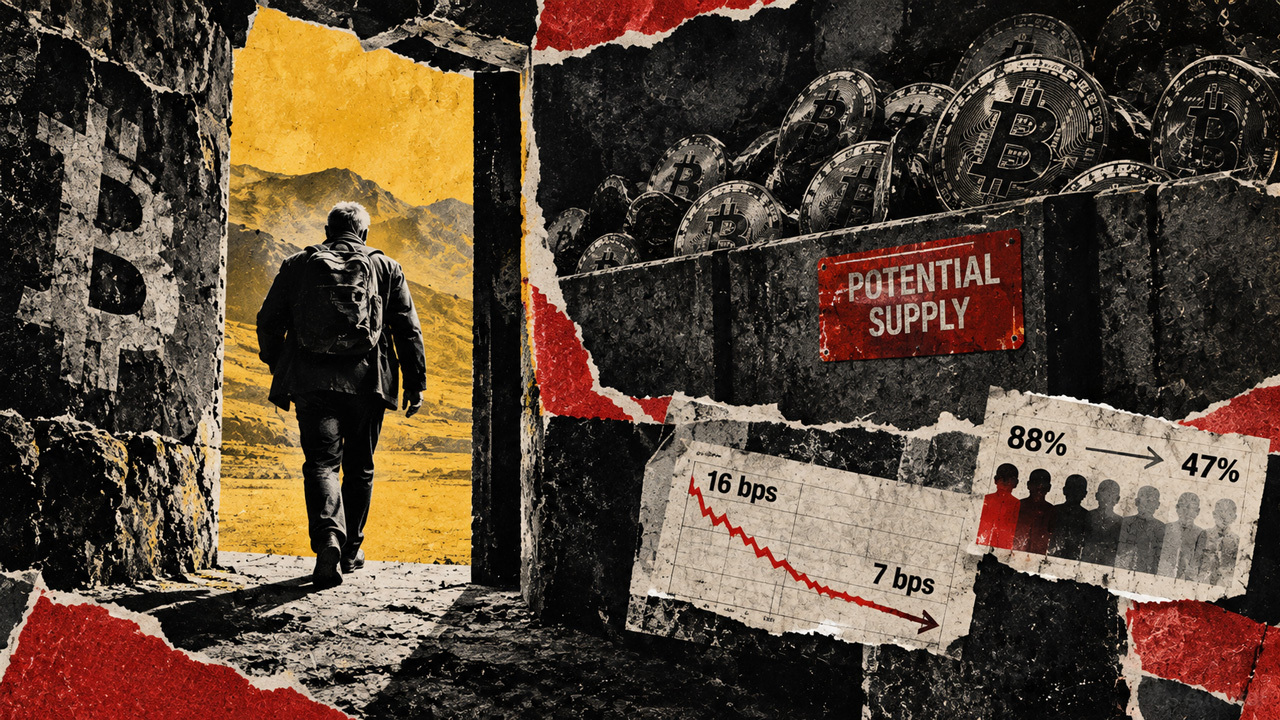
Glassnode says Bitcoin’s seven-day Sell-Side Risk Ratio has dropped to 7 basis points per day from 16 at August’s peak. Long-term holders’ share of realized profit fell from 88% to 47%, while roughly 1.07 million BTC bought between $83,000 and $86,000 remained largely unchanged over 30 days. Exchange spot selling still outweighed buying.

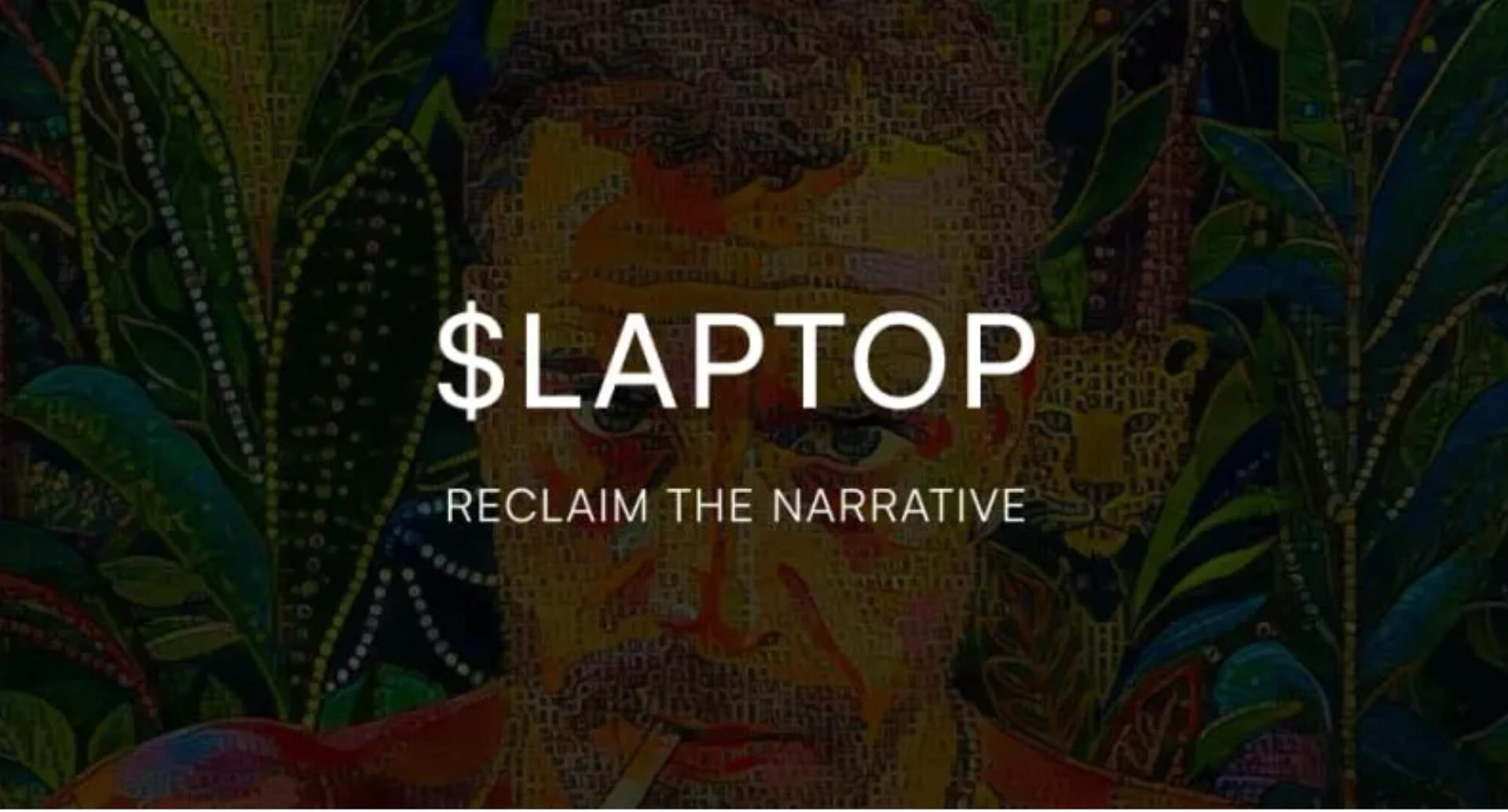
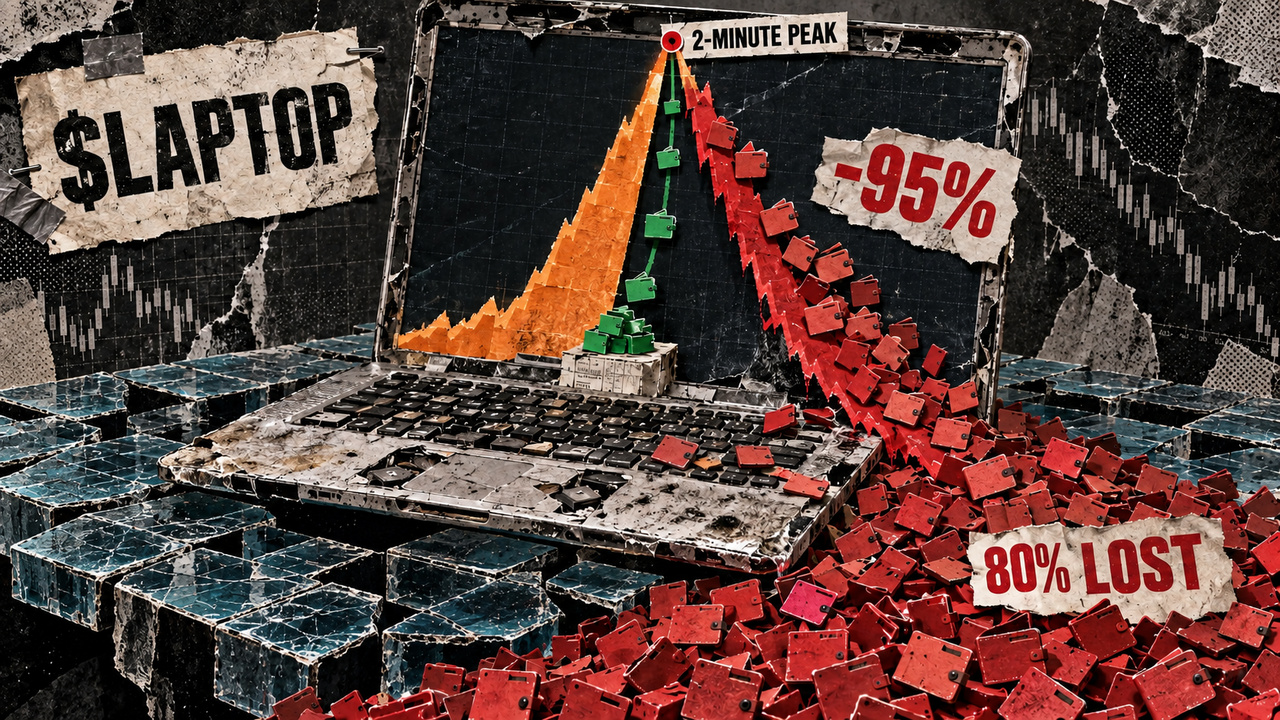
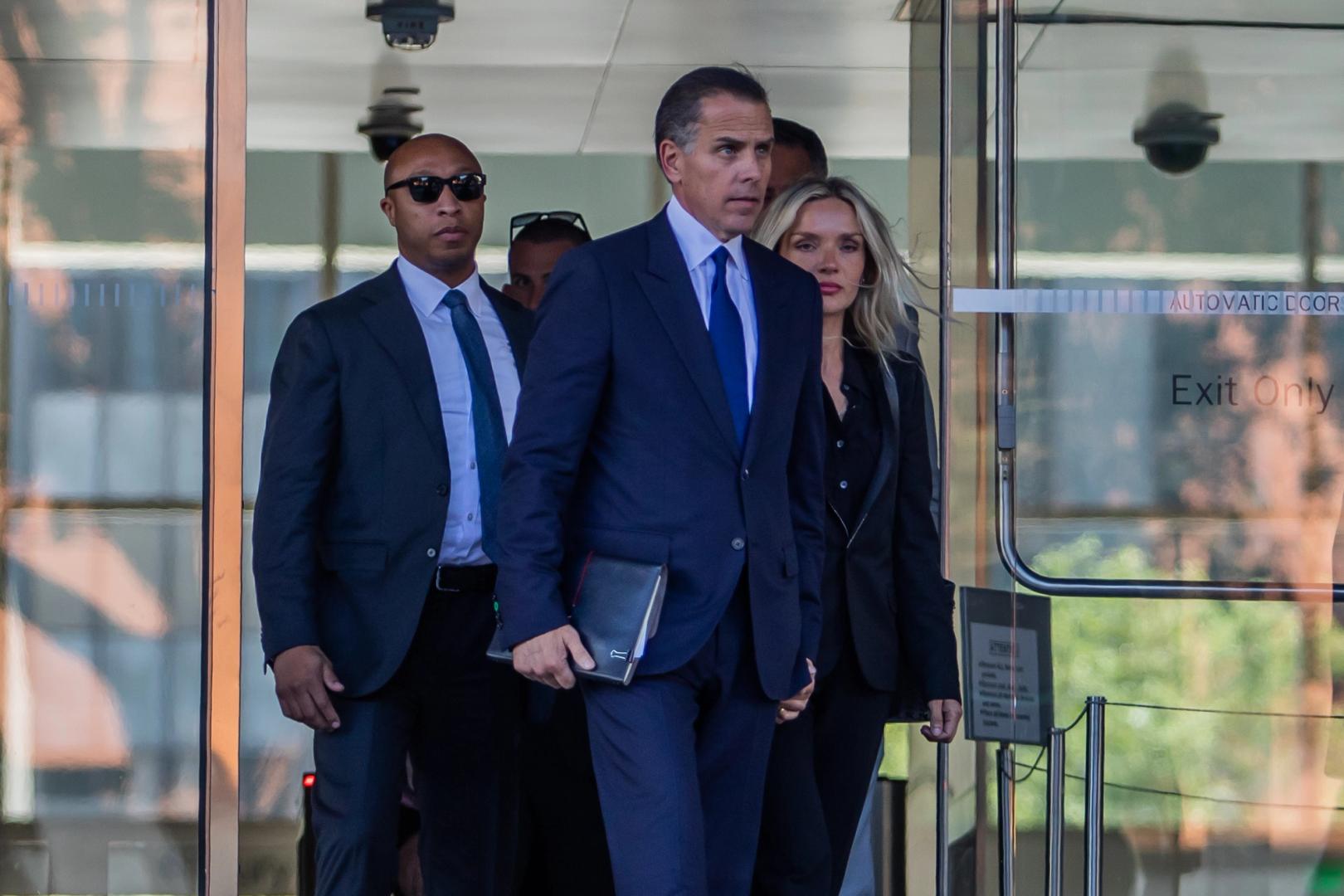
Hunter Biden launched the LAPTOP memecoin as an answer to what he called memecoin grift, but Bubblemaps data showed that 12,151 of 15,206 traders lost money. The token peaked about two minutes after launching on Base before dropping more than 95% in the next half-hour, while a small number of wallets captured millions in gains.

A cryptocurrency named after the computer linked to two criminal prosecutions involving former US president’s son Hunter Biden plunged shortly after it was launched.
Tokenized stocks may lower trading costs and broaden access, but some products only track share prices without granting shareholder rights. The London Stock Exchange is exploring blockchain-based shares that preserve those rights and separately plans to list xStocks on LSE 24 in 2027, subject to regulatory approval.

Kalshi’s election and politics markets went live on DoubleZero Edge, the market data delivery platform, on Wednesday ahead of the November midterm elections.

Solana treasury firm SkyAI is facing a board challenge from would-be acquirer Forward Industries and a shareholder group. SkyAI’s proposed equity plan would authorize 5.145 million shares for stock-based compensation, amounting to roughly 7.2% additional dilution.

Bitcoin mining companies are failing to keep pace with the cryptocurrency rally while exchanges and stablecoins surge. Among the companies tracked, only Canaan, traded under the ticker CAN, has outperformed bitcoin.

Robinhood CEO Vlad Tenev pushed back at AMC’s CEO in an intensifying dispute over stock tokens. Speaking to CNBC’s “Squawk Box” on Wednesday, Tenev said public companies should not be able to veto third-party securities that reference their shares.

Tether, the world’s largest stablecoin issuer, has launched a private credit fund in an effort to expand stablecoin use as the market faces challenging conditions.

USDT issuer Tether is moving into private credit through a $400 million fund with Fasanara. It will help identify lending opportunities and provide stablecoin payment infrastructure for Fasanara’s private credit network.

Tether and Fasanara have launched a $400 million fund for stablecoin-enabled private credit. The firms are seeking up to $3 billion from institutional investors to deploy through Fasanara’s global fintech lending network.
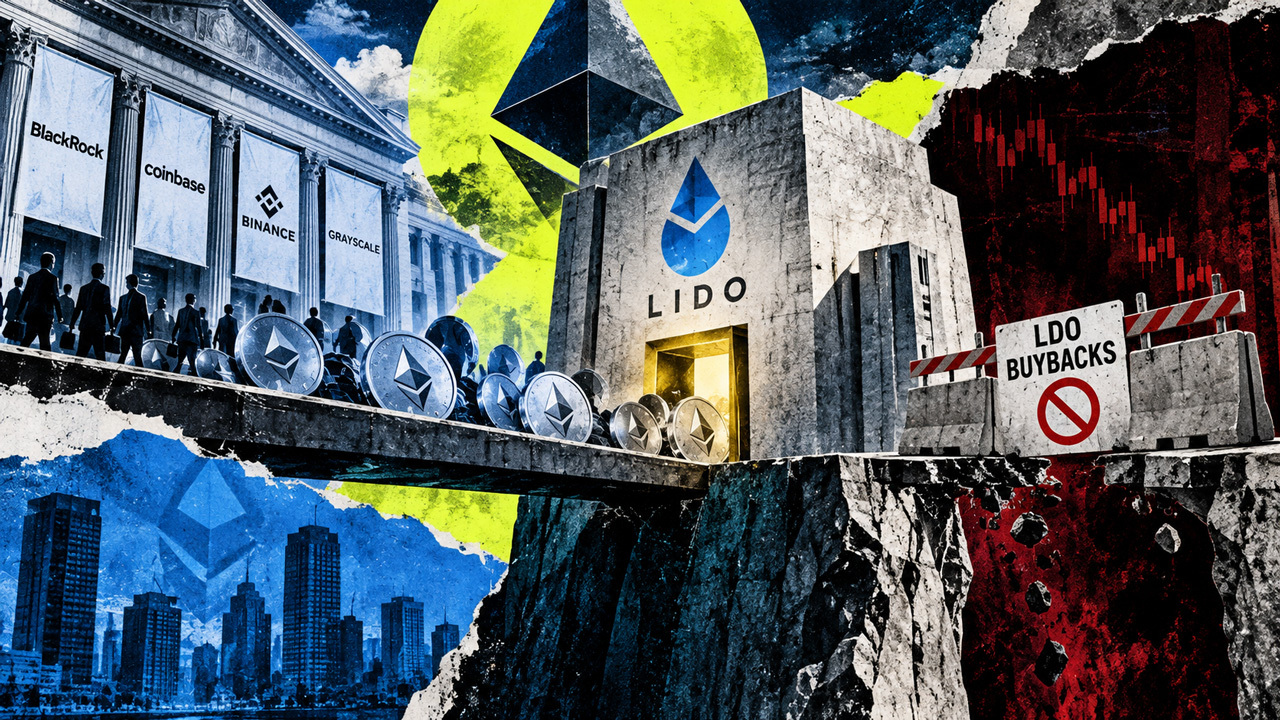
Ethereum’s total staked ETH rose from 36.3 million to 43.1 million in the first half of 2026, while Lido captured only 5.7% of the network’s net growth. Its market share fell from 23.93% to 21.18% as institutions used other routes. Fee waivers may support adoption but limit immediate DAO income, and Lido’s automated buyback mechanism recorded a roughly $517,024 negative cumulative budget.

Substack subscribers were reportedly eligible to claim 4,276 LAPTOP tokens each, and some quickly sold their allocations. The airdrops briefly reached values above $1 million per allocation before plunging 99%.


Hunter Biden’s new LAPTOP token fell from $190 to below $4 within minutes of opening on Base, wiping out 98% of its value after a debut valued at $1.6 billion. Onchain records indicate that market makers received the tokens a week before trading started.
The Minutes Reader extension turns the original page into a focused reading view and translates articles and video subtitles on demand. It is in limited beta.