China’s state-owned oil companies have led Beijing’s growing emphasis on energy security over the past decade. Their investments have helped cushion the impact of the Strait of Hormuz’s closure.
US tariff troubles are bringing South Africa and Canada together. In an Aug. 27 TikTok video, President Donald Trump intensified his trade confrontation with Canada by crossing Lake Ontario off a map and declaring, “Now we have Lake America.”
China-backed MMG is urging Brussels to approve a $500 million transaction as European regulators prepare to issue a formal warning, putting the EU’s resolve over Chinese control of resources to the test.
Italy adopted measures on Thursday to boost domestic oil and gas production, Prime Minister Giorgia Meloni said. The steps seek to cut red tape around drilling licenses and reduce the country’s dependence on imported fossil fuels.
China has capped increases in retail transportation-fuel prices for the third time since the Iran war began, the state planner said Friday, seeking to cushion the domestic market from rising international oil prices.
Oil production by OPEC+ countries participating in the output-cut agreement fell by 980,000 barrels per day in August, the IEA said. Their target was 34.27 million bpd, but actual output was 27 million bpd, leaving production about 7.26 million bpd below plan. Total OPEC+ output fell by 1.46 million bpd to 33.11 million bpd.
Demand on the Netherlands’ power grid is growing faster than the network can be expanded, putting the town of Moerdijk at risk of being razed to make way for new infrastructure.
The International Energy Agency said global oil supply and demand will contract more than previously expected this year. With no progress toward ending the Iran war, normal Middle East flows may not return until 2027, driving fuel prices sharply higher.
White House digital assets adviser Patrick Witt framed the Senate’s immediate choice on the CLARITY Act as supporting the bill while continuing negotiations. A Sept. 15 procedural vote needs 60 votes to begin debate and amendments. Republicans have proposed substitute text adding a CFTC framework for nominally decentralized protocols controlled by an identifiable party, but disputes over prediction markets, Tribal sovereignty, crypto ethics and stablecoin rewards remain unresolved.
KPMG, PKF Littlejohn and an unnamed individual are set to face an investigation by the Financial Reporting Council into audits for Prax’s State Oil arm.
Water levels on Germany’s Rhine have fallen again this week following mostly dry weather, according to the country’s inland navigation agency. Commodity traders said the decline was driving up cargo shipping costs.
A NewNew Shipping Line container ship reached Murmansk from China via the Northern Sea Route in late August with more than 500 containers of automotive components, then began a return trip carrying 26,400 tons of potash fertilizer. An expert said the trial voyage is elevating Murmansk and its port into a major transit and logistics hub in northwestern Russia.
Russia’s oil and petroleum-product exports declined by 410,000 barrels per day in August to 6.44 million bpd, the IEA reported. Export revenue rose by $330 million month-on-month to $13.87 billion as oil and petroleum-product prices increased, exceeding last August’s figure by $320 million.
Copper is on track for its first weekly decline since June as concerns grow that the US is pushing back a decision on whether to impose import tariffs.
Hong Kong banks expect mainland Chinese investors to contribute an increasing share of the city’s wealth-management business through 2030, despite Beijing’s tighter cross-border tax rules. A Hong Kong Association of Banks and Deloitte China report projects mainland investors’ share of local assets under management will rise from 59% to 68% within five years.
Friday’s August inflation report could prove pivotal for the direction of interest rates, affordability and Kevin Warsh, President Donald Trump’s new Federal Reserve chair.
Canadian maple syrup exports are getting a boost as some consumers seek to support Canada or find alternatives to refined sugar. Hutchinson Acres in Nova Scotia has recently seen increased activity.
Hong Kong’s securities watchdog advised investment banks at an industry meeting on how to cooperate during regulatory raids, according to two people familiar with the discussion. The guidance points to closer scrutiny, particularly of the booming share-sales market.
Average U.S. diesel prices have set another record by climbing above $6 a gallon. Washington’s war with Iran is disrupting the global flow of fuel and putting greater pressure on the transport of everyday goods.
The price of diesel, a fuel vital to agriculture and industry, has surged to a record $6 a gallon amid an Iran-related supply shock, adding to price pressures as Americans face an affordability crunch.
U.S. diesel prices have reached a record high of more than $6 per gallon. Fuel supply disruptions linked to the wars in Ukraine and Iran are increasing transportation costs.
U.S. diesel pricesfuel supplytransportation costsUkraine warIran war
Diesel has reached a record $6 per gallon, threatening to raise costs across the economy. Fourth-generation Iowa farmer Mark Mueller said the trend is endangering one of the country’s strongest economic pillars.
The International Energy Agency has again lowered its forecast for Russia’s oil production, citing ongoing Ukrainian drone attacks on energy infrastructure.
Russian stocks moved lower at the start of Friday’s main trading session. By 10:00 a.m. Moscow time, the MOEX and RTS indices had each lost 0.37%, while the yuan rose against the ruble; by 10:30 a.m., both indices were down 0.35%.
Fast-fashion giant Inditex is treating the United States as a key growth market, CEO Oscar Garcia Maceiras told Reuters. The Zara owner is opening new stores and upgrading existing ones to attract more aspirational shoppers.
Ken Griffin’s hedge fund is combining divisions and putting Elliott veteran Nabeel Bhanji in charge of international equities as it seeks to deploy more resources outside the US.
Hong Kong’s wealth management landscape has moved beyond single-product investing, with more families adopting integrated planning to strengthen financial resilience, maintain lifestyle continuity and support long-term stewardship across generations. Hang Seng Bank is responding with five wealth strategies, including optimising its service network and focusing more on family wealth planning.
Québec Solidaire is proposing a $20 minimum wage to ease pressure on low-income workers. Coalition Avenir Québec Leader Christine Fréchette warns that raising it too quickly could have harmful ripple effects, while others question that assessment.
Mukesh Ambani’s Reliance Industries is returning to India’s rupee bond market after nearly three years. Five bankers said the company aims to raise 125 billion Indian rupees ($1.31 billion) through five-year bonds.
Insee has sharply lowered its 2026 growth forecast from 0.7% to 0.4%. After a subdued first half, weak consumption, declining investment and rising inflation are worsening the outlook for the end of the year.
Bundesbank President Joachim Nagel said any move to take interest rates into restrictive territory would be “very much dependent” on how energy prices develop.
The European Central Bank is lifting borrowing costs in an effort to prevent high energy prices from turning into persistent inflation. Economists disagree over how high rates need to go and how much damage they could do to growth.
The Bank of Japan is expected to raise rates by 25 basis points next week, four sources say. It could signal faster future tightening if rising price pressures increase the risk of inflation overshooting.
Bankers, including Jamie Dimon, are pressing the British government ahead of its Autumn Budget. The newly installed leadership is expected to set out Britain’s fiscal plans in the budget, prompting concern among the banking community.
Rising fuel and energy bills are putting severe pressure on Europeans, with some taking extreme steps to manage the higher costs, including forgoing medical care. The impact is not evenly distributed, however.
China’s buoyant stock market lifted brokers’ first-half earnings, while Hong Kong continued to see growth in retirement assets. A stronger yen and Washington’s Treasury buy-back programme also pointed to changing conditions in global currency and bond markets. Chinese brokerages reported core-business revenue growth of more than 50 per cent.
MarketsUS TreasuriesJapanese yenChina stocksHong Kong retirement assets
SSouth China Morning PostOriginal★★☆☆☆2026-09-11 07:00
US Treasury yield hits 19-year high, Japanese yen strengthens: the numbers moving markets
Brazil’s ambassador to the EU says Brussels’ suspension of Brazilian meat imports is undermining the main benefits of the EU-Mercosur trade deal, which Brazil paid a high price to secure.
Hong Kong is attracting professionals back as a booming IPO market helps the city regain ground as a global financial hub, reversing the talent exodus that followed the political and social unrest of 2019 and some of the world’s strictest COVID restrictions.
LlamaRisk has proposed raising USDe borrowing costs across five Aave V3 markets, lifting the base variable rate from 5% to 6% while lowering Slope1. At Sept. 9 utilization levels, modeled borrower APRs would rise by 13 to 89 basis points, putting leveraged strategies that recycle borrowed USDe into sUSDe at risk of negative carry.
Prediction-market operator Kalshi plans to seek U.S. approval for roughly 60 perpetual contracts tied to stocks and ETFs, bringing one of crypto’s biggest trading products into equities.
A worldwide bond selloff sent the U.S. 10-year Treasury yield close to the closely watched 5% threshold on Friday. Investors were rattled by inflation fears after oil prices surged well above $100 a barrel and by growing expectations of a near-term U.S. rate hike.
The dollar stayed near its highest level of the past week in Asian trading on Friday, while the yen weakened. Renewed fears of disruptions to Middle East energy supplies lifted bond yields and oil prices.
Australian petrol and diesel prices could rise by 20 to 30 cents a litre in coming weeks after the escalating Middle East conflict pushed Brent crude above $108 a barrel. Investors sold stocks and bonds amid concerns over high energy costs, Donald Trump’s proposed $5,000 dividend and the prospect of further US and Australian interest-rate rises.
Australian fuel pricesoil pricesMiddle East conflictinterest rates
Turmoil at Chinese hotpot operator Haidilao International may warn investors about risks from Beijing’s new tax regime for wealthy individuals’ overseas assets. A planned sale of 259 million shares, or 4.65 per cent, by co-founder Shu Ping, wife of chairman Zhang Yong, sent the stock down 10 per cent in Hong Kong this week.
Bankers warn that US Treasury Secretary Scott Bessent’s claims of insider knowledge could erode market perceptions of the Bank of Japan’s independence.
Berlin will press Commerzbank to preserve its German identity through a domestic stock-market listing and to protect jobs, two people familiar with the matter said, as Italy’s UniCredit prepares to take over the bank.
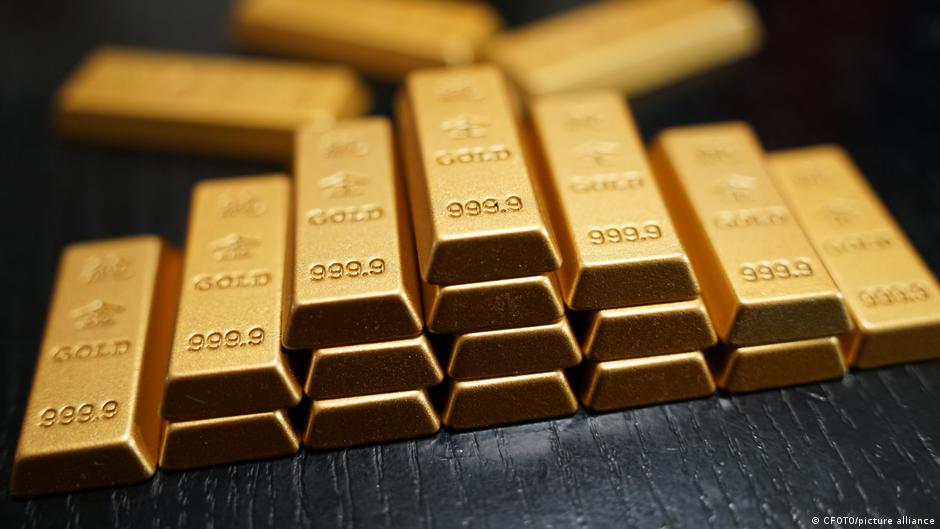
The Netherlands and France have shifted gold out of US vaults amid concerns about access during a crisis and confidence in US reliability. The Dutch central bank cited geopolitical unrest and crisis preparedness, while France said its move was not politically motivated. Central banks are increasingly weighing where reserves are stored as well as what they hold.
India’s SEBI has launched the Demat 2.0 pilot, converting corporate bonds into digital tokens and settling payments through the Reserve Bank of India’s wholesale digital rupee. Secondary trading and retail participation are expected in later phases.
Anthropic’s Binance pre-IPO perpetual contract rose above $2,100 on Sept. 9, implying a valuation above $2.1 trillion when multiplied by Binance’s estimated one-billion-share denominator. The figure reflects a leveraged derivative and provisional share count, not a public equity-market valuation. Anthropic’s May financing valued it at $965 billion.
Belgium imported no Russian LNG in August, helping drive a 46% month-on-month drop in EU imports to their lowest monthly level since Russia’s full-scale invasion began, CREA reported. France, Spain and the Netherlands remain importers, while an EU ban is set to take effect in January 2027.
Beijing’s recent drive to tax offshore wealth may represent only the first stage of a wider campaign that could eventually extend to overseas property and inheritances.
Ninety-five assets in the CoinDesk 100 declined over the past 24 hours. Bitcoin is down more than 5% this week, while Zcash posted the steepest losses as traders wagered on a Federal Reserve rate increase.
U.S. consumer prices were likely to accelerate in August as gasoline costs rebounded after two consecutive monthly declines, reinforcing market expectations that the Federal Reserve could raise interest rates next week.
The US bond-market selloff intensified on Thursday as surging oil prices stoked inflation concerns. The Treasury Department also purchased fewer bonds than expected in its first expanded buyback operation, adding to the pressure on yields.
Sam Bankman-Fried is asking the Supreme Court to overturn his fraud conviction and an $11 billion forfeiture. He says he was unfairly barred from presenting evidence that FTX had sufficient assets to cover losses from its collapse.
The former crypto mogul is seeking a fresh trial from the Supreme Court after his conviction for secretly diverting billions of dollars from investors.
Sam Bankman-FriedSupreme Courtcryptocurrencyfraud conviction
Houthi advances have pushed oil prices higher as markets await Friday’s inflation data, while fears of a US rate increase spread through global bond markets.
Saudi Arabia reported to OPEC that its crude production plunged again last month to the lowest level since 1990. Renewed US-Iran hostilities squeezed the kingdom’s export routes.
During a tour of Doha’s Hamad International Airport, Qatar Airways’ CEO and management discussed the airline’s recovery from regional disruption and preparations for the winter season, new aircraft and the next generation of Qsuites.
HIVE Digital Technologies said Bitcoin mining and GPU-cloud operations generated more than $1 million in average daily revenue from Aug. 21 to Sept. 10. GPU cloud contributed about $100,000 a day, leaving mining responsible for more than 90%. The figures are preliminary, unaudited management estimates, while HIVE’s larger AI contract pipeline is not yet recognized as revenue.
Gold prices edged higher on Friday but were headed for a third straight weekly decline as expectations for a U.S. rate hike grew. Traders awaited consumer price index data for more clues about the Federal Reserve’s policy path.
The company behind the Philippines’ largest mobile wallet, GCash, has begun testing investor demand for an IPO that could raise as much as 92.3 billion pesos ($1.5 billion), potentially making it the country’s biggest-ever listing.
A 150-kilogram shipment of 30 boxes of Shine Muscat grapes from Cixi, Ningbo, cleared customs and was exported to Belgium on Sept. 10, marking Zhejiang’s first fresh-grape export to the country. Cixi Customs helped the farm meet EU requirements and provided expedited clearance for the perishable produce.
Trade & sanctionsShine Muscat grapesZhejiangBelgiumagricultural exports
The Bank of Russia’s Board of Directors will decide the key rate on Friday. Eighteen of 19 experts polled by TASS expect the benchmark to stay at 14%, as persistent inflation, fuel-supply pressures, a weaker ruble and uncertain budget parameters constrain further easing.
Yuen Kee Food Group, which owns the Yuen Kee Dumpling restaurant brand, has passed its listing hearing with the Hong Kong Exchanges and Clearing, according to people familiar with the matter. The company aims to raise HK$300 million to HK$400 million and plans to begin the offering in October, they said.
Lianyungang in Jiangsu launched its first full Trans-Caspian freight train service. The train leaves China through Khorgos, crosses Kazakhstan, transfers to a vessel at Aktau Port and reaches Baku via the Caspian Sea, reducing total transit time by about five days compared with earlier routes.
Bitcoin fell below $77,000 on Sept. 10 and reached an intraday low of $76,676.07 as oil moved above $100 a barrel and a global bond selloff lifted expectations for another Federal Reserve rate increase. Treasury yields climbed sharply, while traders priced in about a 76% chance of a quarter-point hike next week as the latest inflation data lagged the renewed energy surge.
Foreign automakers are cutting prices on petrol-powered cars made in China by more than 20% as weak consumer demand intensifies competition. CPCA data showed Volkswagen, Toyota and other major international brands offered average discounts of 23.4% last month, compared with 23.7% in July.
Bitcoin treasury firm Strategy says dollar liquidity rose from $54 million to $6.54 billion by Sept. 7, while convertible debt fell to $6.71 billion. The company said net debt dropped to about $174 million and that it continued raising equity during a period of Bitcoin price stress, strengthening its case for a possible S&P rating upgrade.
The Minutes Reader extension turns the original page into a focused reading view and translates articles and video subtitles on demand. It is in limited beta.