China says it hopes to agree with US on tariff reductions soon
A Chinese government spokesperson says China and the United States hope to reach an agreement soon on reducing import taxes.

A Chinese government spokesperson says China and the United States hope to reach an agreement soon on reducing import taxes.

Trade between Russia and China surpassed $185 billion in the first eight months of 2026, rising 28% from the same period in 2025, Russian presidential special representative Boris Titov said. He said the figure shows Russia’s economy has definitively pivoted toward China in its economic relations.
Russia’s trade with Asia-Pacific countries increased 24.5% year-on-year to $157.5 billion in the first half of 2026, Deputy Industry and Trade Minister Roman Chekushov told TASS. Exports grew 35%, while imports rose 15.3%.
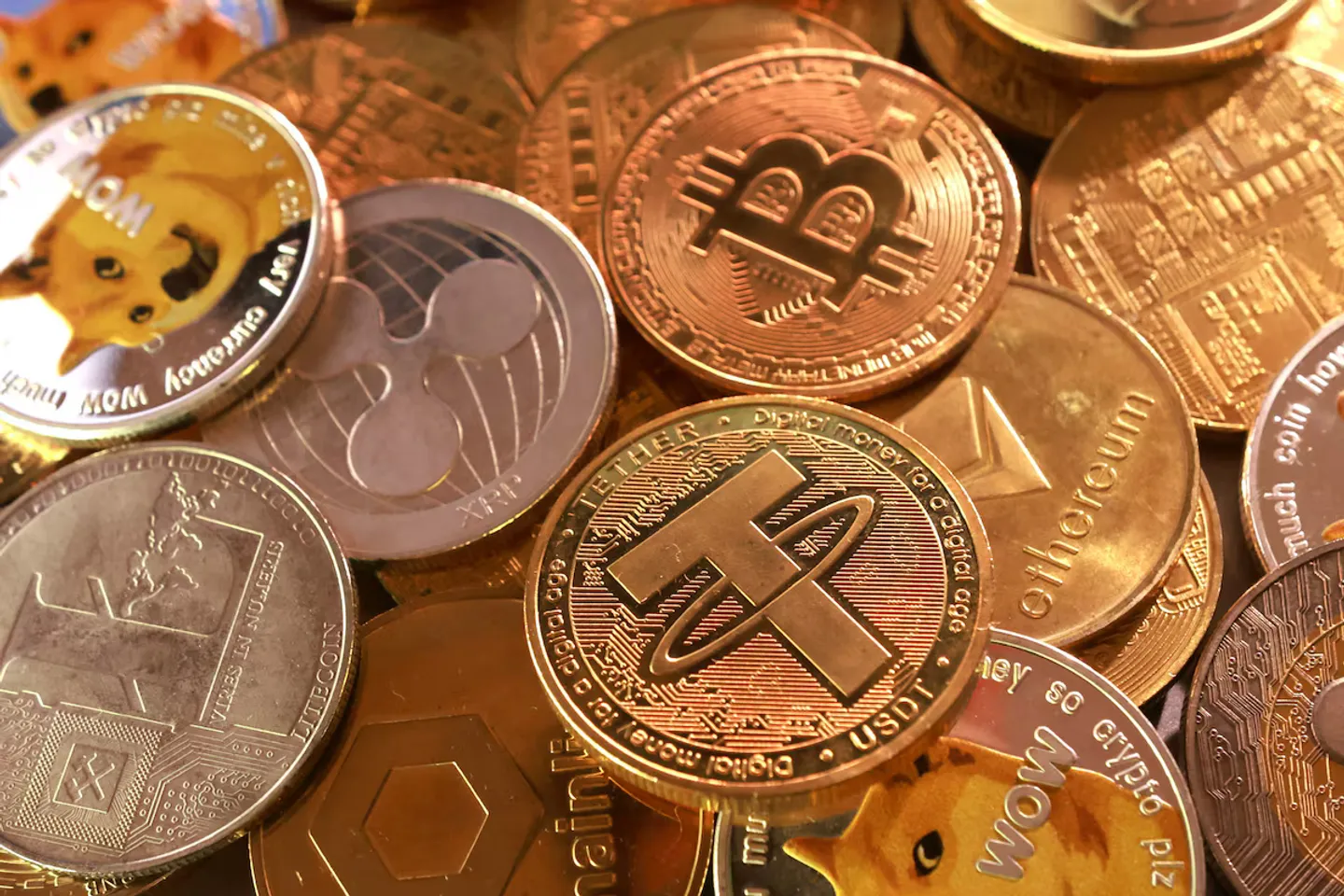
India is expected to advocate a digital-currency payment system at the BRICS summit, according to sources. BRICS countries have previously explored alternatives to dollar-based payments.

The White House has yet to decide whether to impose tariffs on refined copper, two people familiar with the matter said. Officials are weighing fears that higher copper prices could increase manufacturing costs against the possible benefit of encouraging more domestic mining.
The IMF dropped Portuguese economist Ricardo Reis after he warned that tariffs could raise prices in the United States and potentially trigger a new wave of inflation.
Portuguese economist Ricardo Reis was dropped by the IMF after warning that tariffs could raise prices in the United States and potentially trigger a new wave of inflation.
India plans to advocate linking central bank digital currencies across BRICS countries for cross-border payments at a summit later this week, two people familiar with the discussions said. They cautioned that political and technical obstacles could constrain progress.
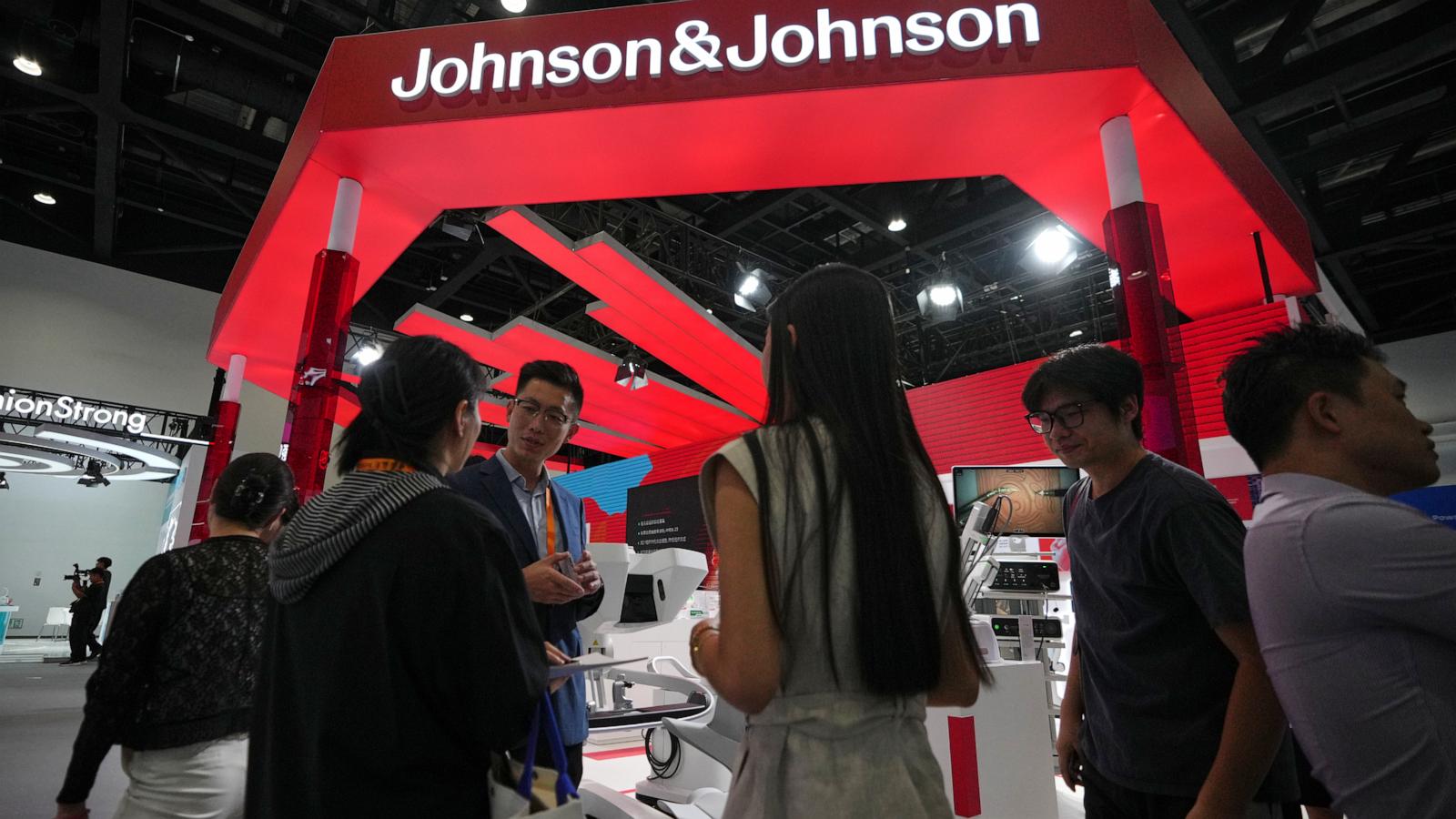
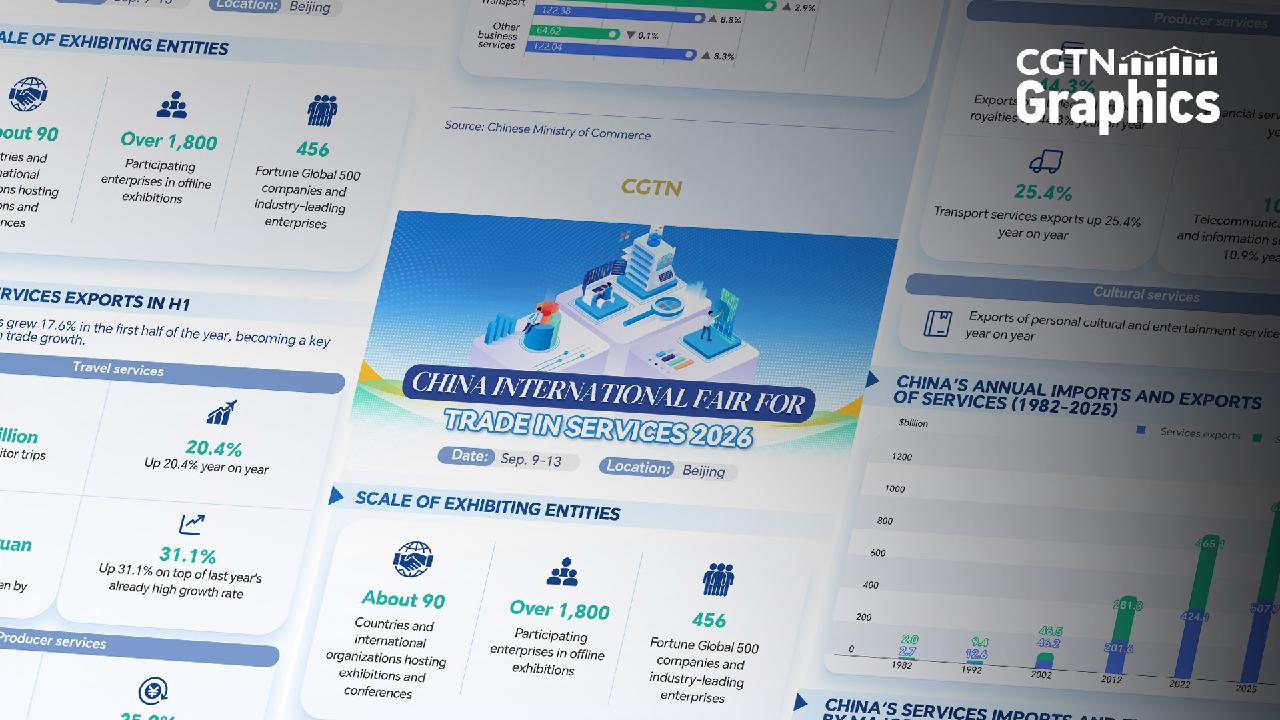
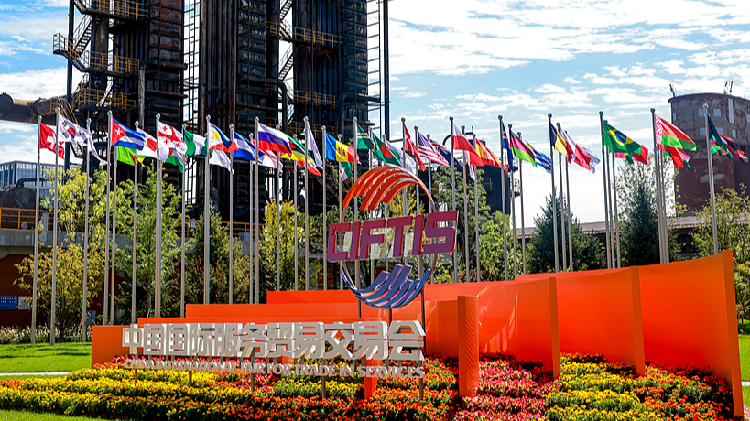
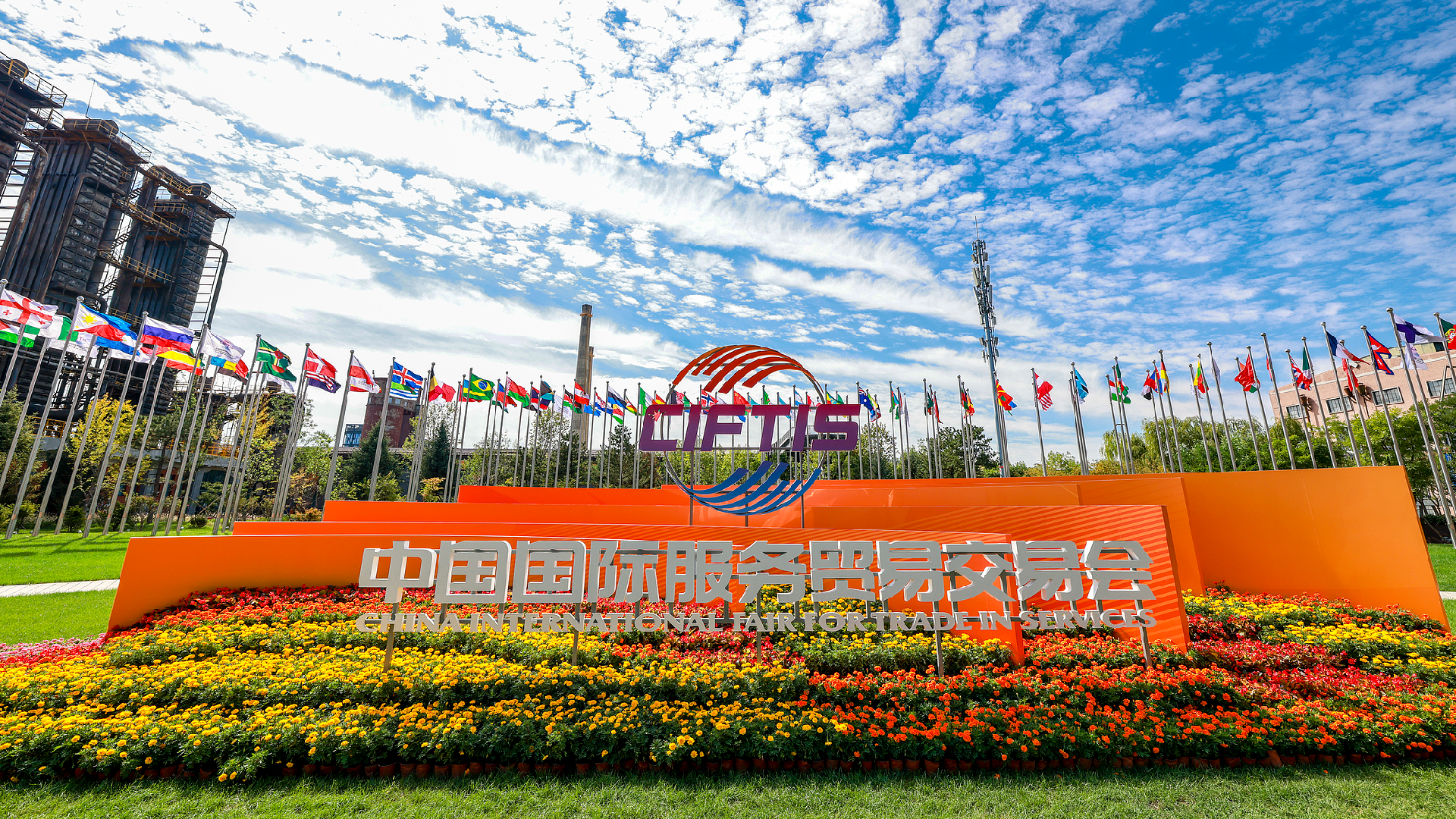
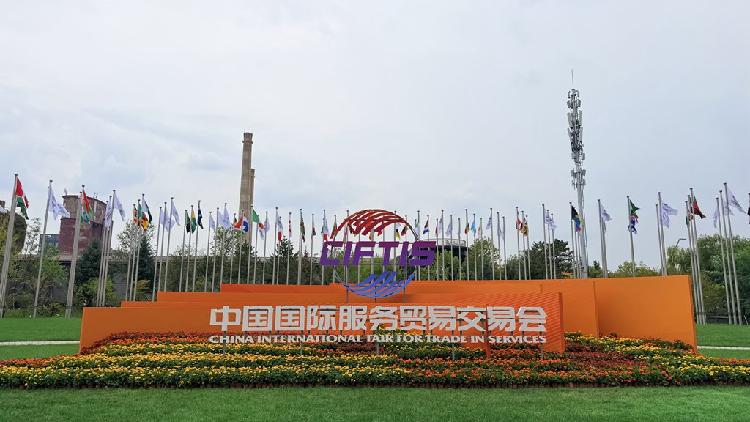
The 2026 China International Fair for Trade in Services opened in Beijing on Wednesday, highlighting services that support companies expanding overseas and technological upgrades in services trade.

China placed second in the 2026 Trade in Services 100 ranking, with 21 brands worth a combined $876.77 billion, or 19.08% of the total, a report released at CIFTIS said. The United States led with 46 brands valued at $2.854 trillion, while Microsoft topped the individual rankings.

The 2026 China International Fair for Trade in Services in Beijing has attracted exhibitors from 90 countries, regions and international organizations, as well as more than 1,800 offline companies. China’s services trade totaled nearly 3.8 trillion yuan in the first half of the year, up 8.3 percent, while knowledge-intensive services accounted for 44 percent, signaling an upgrade toward higher-value segments.
China’s Commerce Ministry says China and the United States are consulting on a reciprocal tariff reduction framework covering $30 billion in products from each side. Their economic and trade teams are implementing the consensus reached by the two leaders in Beijing, with the goal of reaching an arrangement as soon as possible, spokesperson Huang Ling said.

At the 11th BRICS Energy Ministers’ Meeting in Gurugram, members outlined cooperation on energy security and sustainability, access and equity, and technology and innovation. They launched a digital center for smart grids and energy storage and adopted guiding principles to support knowledge sharing, capacity building and renewable-energy integration.

China purchased 14 to 15 cargoes of U.S. soybeans this week, totaling about 1 million metric tons, according to four traders. The buying comes as the world’s biggest oilseed buyer increases purchases ahead of President Xi Jinping’s visit to Washington later this month.
Norway is using the China International Fair for Trade in Services in Beijing to pursue long-term cooperation with China in maritime industries, energy, sustainable development and digital technology. Norwegian companies want to shift from selling individual products to comprehensive solutions, while DNV is helping Chinese shipbuilders assess alternative-fuel vessels and emissions-cutting technologies.

Brent crude rose above $100 after fresh attacks in the Strait of Hormuz. Eurostat data shows which European countries purchase the most oil and which face the greatest exposure.
The Port of Los Angeles set a new three-month volume record from June through August, its executive director said, after retailers rushed goods into the country to avoid new tariffs and higher fuel costs.
Economists expect the tariffs added and removed under the latest changes to roughly cancel each other out across Canada’s economy. They warn, however, that some industries will be hit hard and that the tit-for-tat measures will undermine business owners’ confidence.
Vietnamese President and Communist Party General Secretary To Lam says Vietnam and Russia will expand defense, security and military-technical cooperation while coordinating against non-traditional threats. The two sides also plan to make science, innovation and digital transformation a central driver of relations, with joint work in AI, quantum, space and other advanced technologies, alongside broader humanitarian and transport links.
Vietnamese President and Communist Party General Secretary To Lam said his talks with Russian President Vladimir Putin were “highly successful,” held in an atmosphere of openness, friendship and strong mutual trust. The sides reported positive, practical and comprehensive progress in their strategic partnership, with trade, security, energy, science, technology and education among the priority areas.
Seventeen documents were signed during Vietnamese President To Lam’s state visit to Russia and talks with Vladimir Putin. They include an agreement on nuclear and radiation safety regulation, along with oil and gas agreements covering Vietnamese offshore blocks, a strategic oil reserve in Dung Quat and geological exploration.
Russian President Vladimir Putin said the current volume of trade with Vietnam remains below the two countries’ potential. Trade grew 5.7% in 2025 and another 13.8% in the first half of this year, with the Russia-EAEU free trade agreement helping boost mutual investment and technology exchanges.
Russian President Vladimir Putin and Vietnamese President To Lam adopted a joint statement in Moscow to further strengthen their comprehensive strategic partnership in a new phase. Its 50 provisions cover bilateral ties, including politics, defense, trade, energy, science, healthcare and humanitarian cooperation, as well as international cooperation.
Vietnam and Russia will provide strong political support to each other, protect their legitimate interests and follow their respective foreign policies in line with international law and the UN Charter, President To Lam said. He added that he consistently supports Russia’s stable development and growing role in regional and global affairs.
Russia and Vietnam opposed illegal unilateral sanctions and actions violating the immunity of sovereign state assets, including seizure, in a joint statement issued after Presidents Vladimir Putin and To Lam held talks. They also rejected ideological dividing lines and called for respect for sovereign equality and related international obligations.
Russia and Vietnam said in a joint statement that their defense and security cooperation is not directed against third countries and complies strictly with international law. After talks between Vladimir Putin and To Lam, they agreed to expand mainly high-level delegation exchanges and cooperation in military branches, humanitarian demining, maritime security, safe navigation, personnel training, science and technology, including emerging defense technologies.
Russian and Vietnamese delegations signed a range of documents after a top-level Kremlin meeting attended by Vladimir Putin and To Lam. The two presidents discussed the current state and future development of their comprehensive strategic partnership, and joined the opening of an infectious-disease research and prevention laboratory.
Russian President Vladimir Putin said the talks with Vietnamese President To Lam were substantive and productive, with the two sides signing a substantial package of important, mutually beneficial bilateral agreements. Putin said Russia was pleased to host To Lam on a state visit.
Russian President Vladimir Putin said Russia and Vietnam are strategic partners whose ties are based on equality, respect and regard for each other’s interests, as well as longstanding friendship and combat comradeship dating to the Soviet era. He said major joint projects and regular dialogue through several channels are continuing.
Russian President Vladimir Putin said Moscow and Hanoi have identical or closely aligned positions on many pressing international issues. He said both countries defend international law, sovereignty and non-interference, while stressing coordination at multilateral forums including the Russia-ASEAN dialogue.
Russian President Vladimir Putin and Vietnamese President To Lam, who is also general secretary of the Communist Party of Vietnam’s Central Committee, held talks with an expanded group of delegates at the Kremlin. The sides signed several documents. Earlier, the leaders met in a restricted format, following an official welcome ceremony for the Vietnamese delegation.
Russian President Vladimir Putin said he and Vietnamese counterpart To Lam had begun negotiations in Moscow and held highly productive talks in a restricted format, covering key bilateral and international issues.
Vietnamese President and Communist Party General Secretary To Lam said Hanoi and Moscow aim to lift annual bilateral trade to $15 billion by 2030, making trade, economic and investment cooperation a central priority. Vietnam welcomes more Russian investment in renewable energy, oil and gas, and deep-sea resource exploration, while both sides plan broader cooperation in agriculture, transport and other sectors.
President Donald Trump says oil prices pushed higher by the Iran war probably will not decline until after the U.S. midterm elections. Prices rose more than 3% today, sending international Brent crude above $100 for the first time since July as the U.S. and Iran exchanged salvos.

President Donald Trump said energy prices, which have risen because of the Iran war, will not decline until after the midterm elections.

Brent crude rose above $100 a barrel for the first time since July as the Middle East conflict threatens oil shipments and reduces exports. Attacks near the Red Sea and Strait of Hormuz are adding to supply concerns, while some countries draw on reserves. US reserves have fallen to their lowest level since 1982.
Brent crude rose above $100 a barrel on Wednesday for the first time in six weeks. Intensifying fighting involving U.S. and Iranian forces has heightened concerns about regional supplies, while also raising fears of inflation and higher energy costs for consumers and businesses.
Oil reaches $100 a barrel as concerns about global supplies intensify. The newsletter also reports that an Anthropic researcher resigned, warning that AI labs are “gambling” with humanity’s future, while Bessent cautioned traders against betting on the Treasury’s failure.

Brent crude, a benchmark for global trading, rose on Wednesday and climbed above $100 a barrel as the US war in Iran continued.

The yield on the U.S. two-year Treasury note rose 2 basis points early Wednesday while oil prices hovered above $100 a barrel.
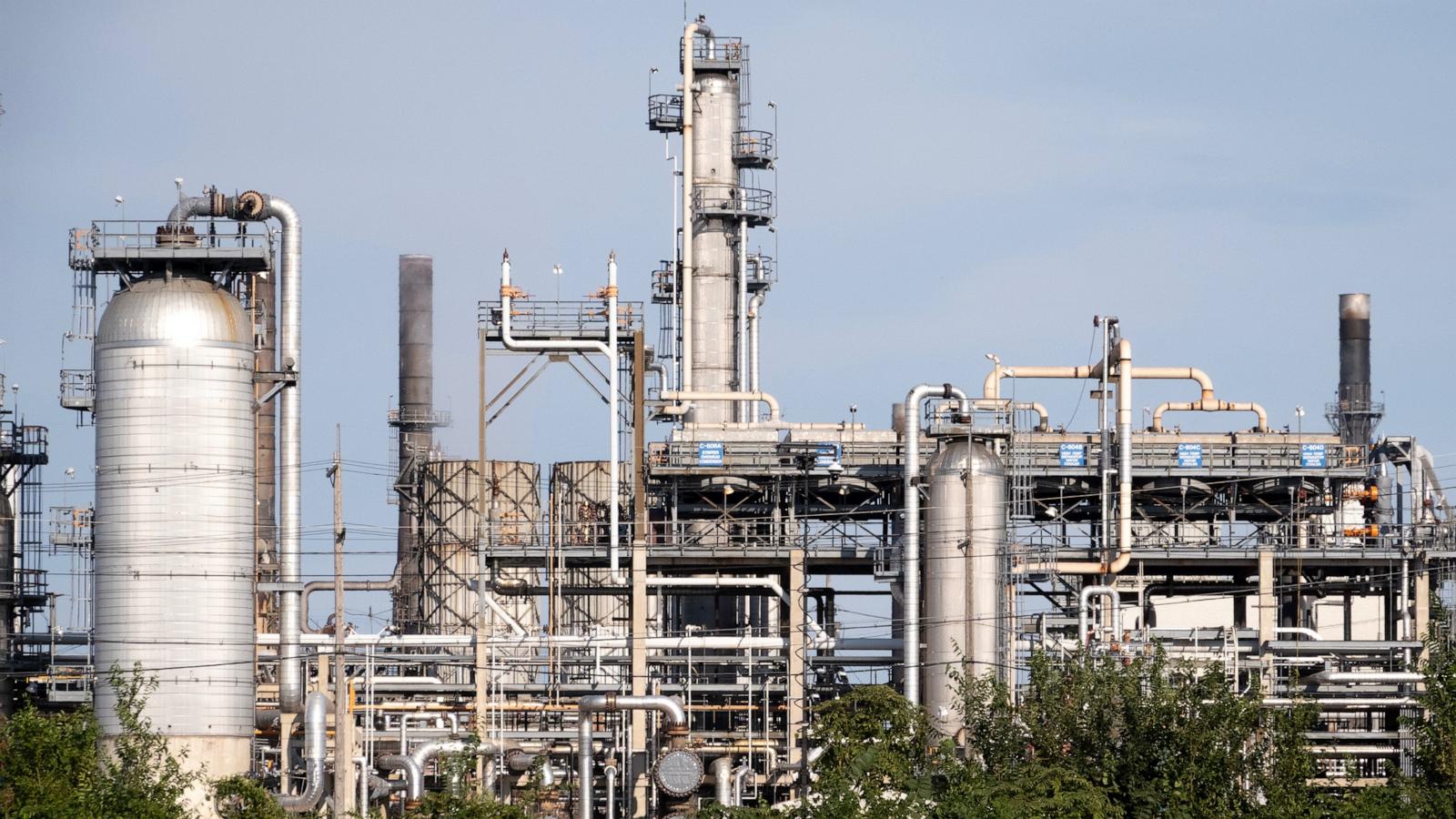
Oil prices have topped $100 a barrel for the first time in nearly six weeks after attacks on Middle Eastern oil facilities and ships threatened to further cripple an already weakened supply chain.
Benchmark Brent crude futures climbed above the symbolic $100-a-barrel mark on Wednesday for the first time since July 24. The escalation of conflict in the Middle East heightened concern over oil flows from the region.
Brent crude rises as fears grow that a renewed global supply crunch could emerge.
Canadian aircraft maker Bombardier says it is recruiting 500 workers in the United States, including for a new service centre in Fort Wayne, Indiana. Donald Trump has threatened restrictions and possible sales limits, arguing the company lacks a substantial US footprint, while Republican lawmakers defend its jobs and economic contribution.

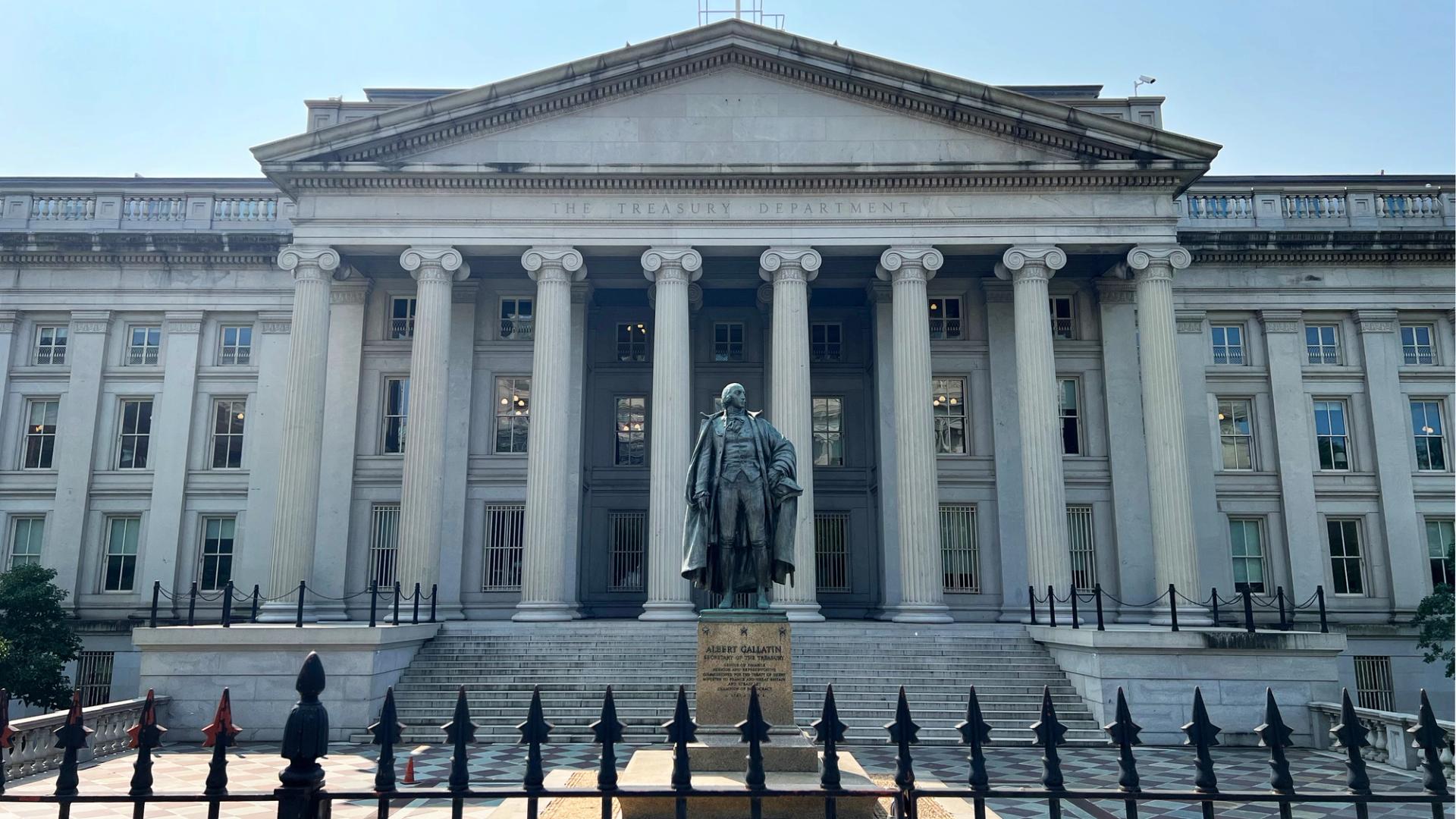
The U.S. Treasury has sanctioned Xinbi Guarantee, a Chinese-language platform accused of operating through crypto transactions while providing services to other criminal networks.

A monthly report by Rentals.ca and Urbanation says average asking rents fell 4.8% year over year in August, marking the steepest annual decline since March. It also points to fresh uncertainty from the trade war.
President Vladimir Putin said Russia-Vietnam trade turnover rose by nearly 6% last year, while its growth rate effectively doubled in the first half of this year. Opening talks with To Lam in Moscow, Putin said trade growth and the signing of relevant documents would support further development of their special strategic relations.
The 13th CIFTIS in Beijing brings together participants from more than 90 countries and international organizations and over 1,800 companies. The fair highlights China’s effort to take financial, digital, AI and professional services overseas, while China-Latin America cooperation expands beyond goods trade toward digital services, technology applications and joint creation.


The 2026 China International Fair for Trade in Services opened in Beijing with participants from 90 countries, regions and international organizations and more than 1,800 exhibitors. The fair will debut over 100 products and services and feature innovation cases involving artificial intelligence, large language models and intelligent agents as China seeks to expand services-trade opening.
FRANCE 24 speaks with Stéphane Layani, head of Europe’s largest wholesale food market at Rungis and chairman of the World Union of Wholesale Markets. He discusses how France’s food system may change in coming years and the global challenge of feeding people, a theme explored in his book “The World is Hungry.”

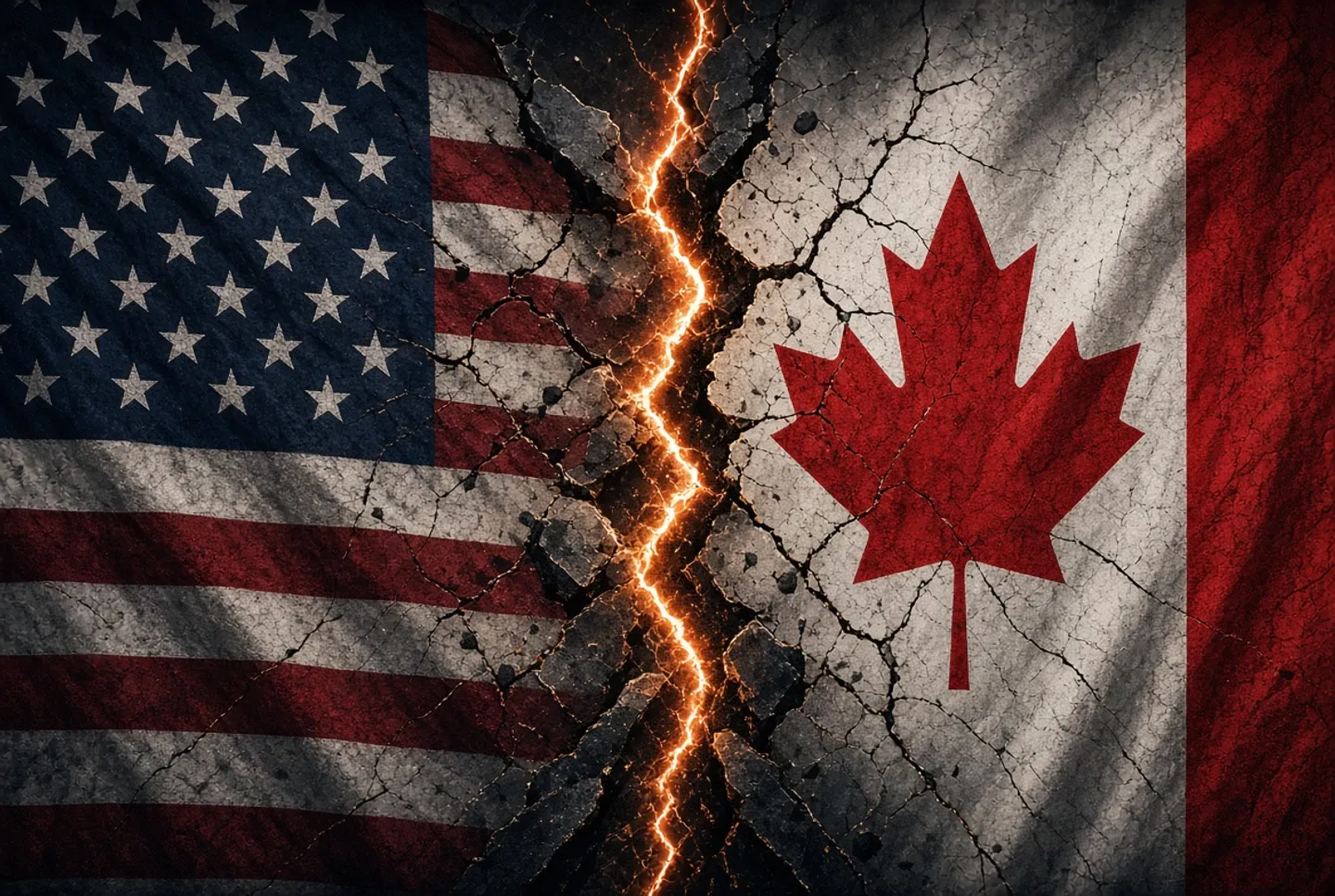
The sudden collapse of trade talks between the US and Canada in August sharply intensified tensions between the two countries. It even led President Donald Trump to order Lake Ontario to be labeled “Lake America” on US maps.
Umesh Chowdhary of the Confederation of Indian Industry said Russia and India could expand their existing trade and economic cooperation into a comprehensive economic, technological and innovation partnership. He cited progress on trade, logistics, payments and insurance, and pointed to LPG, mining, joint manufacturing, AI and connectivity as promising areas.
Russian Chamber of Commerce Vice President Vladimir Padalko said cooperation with India is moving beyond simple trade toward deeper industrial collaboration and joint production. Bilateral trade is nearing $70 billion, while the sides are discussing high technology and digital projects and aim to reach $100 billion by 2030.
India Commerce and Industry Secretary Amardeep Singh Bhatia said Russia-India cooperation has endured over time and will continue to expand. He cited technology, joint manufacturing, critical minerals, AI and innovation as priority areas, while expressing hope that the Innoprom exhibition would lead to new projects.
The head of Italian auto suppliers lobby Anfia urged the European Union to impose an 80% tariff on Chinese-made vehicles and parts above a specified threshold, saying the measure would protect Europe’s car industry.
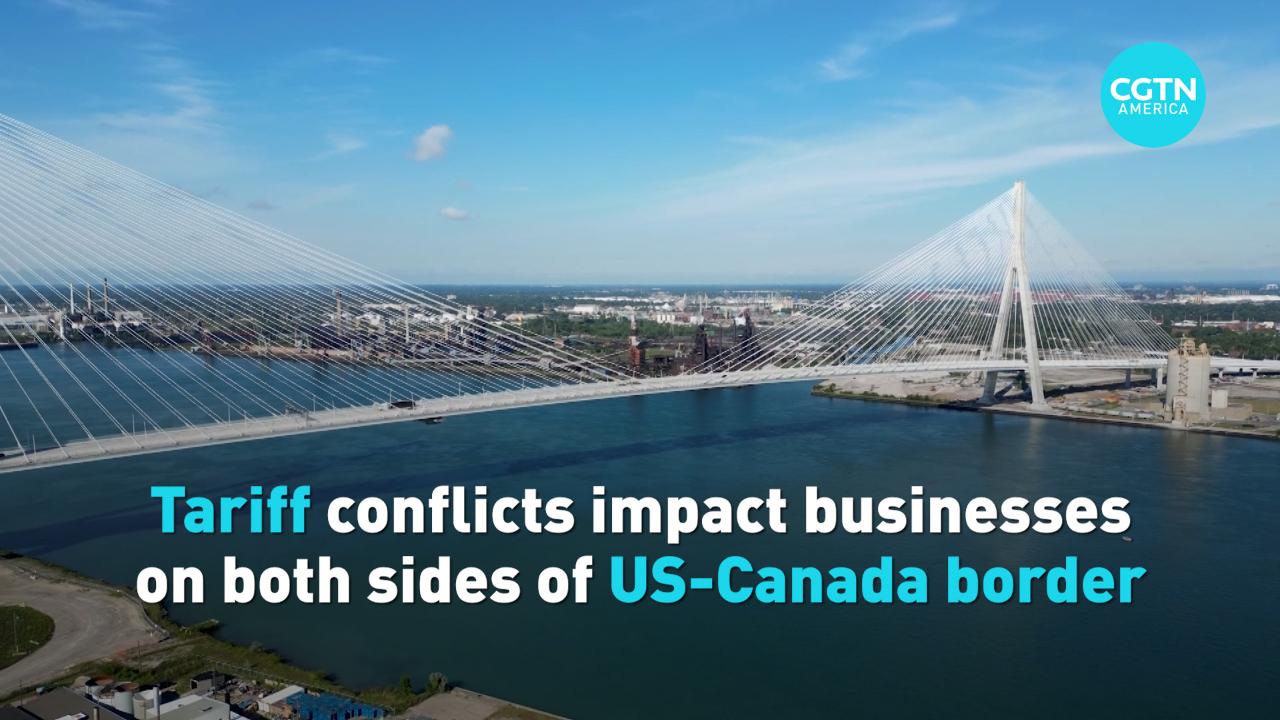
The US-Canada trade war is producing losers.

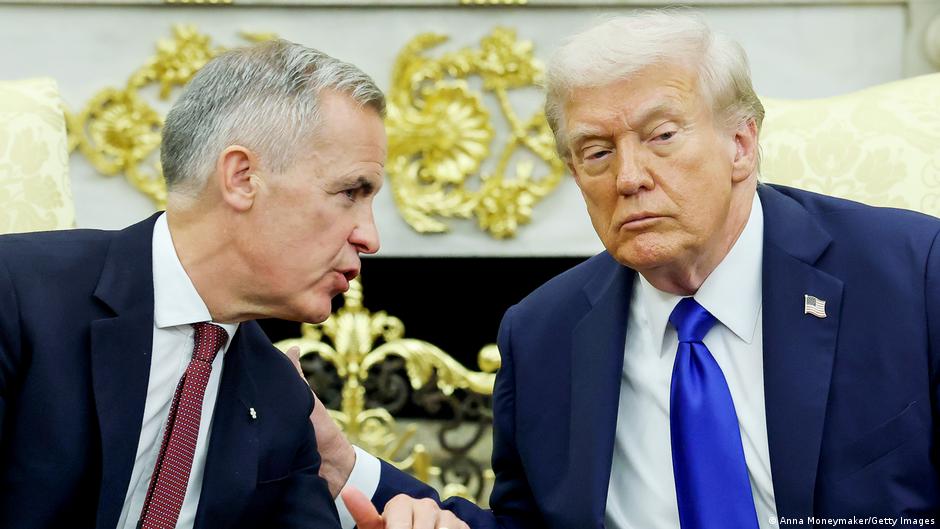
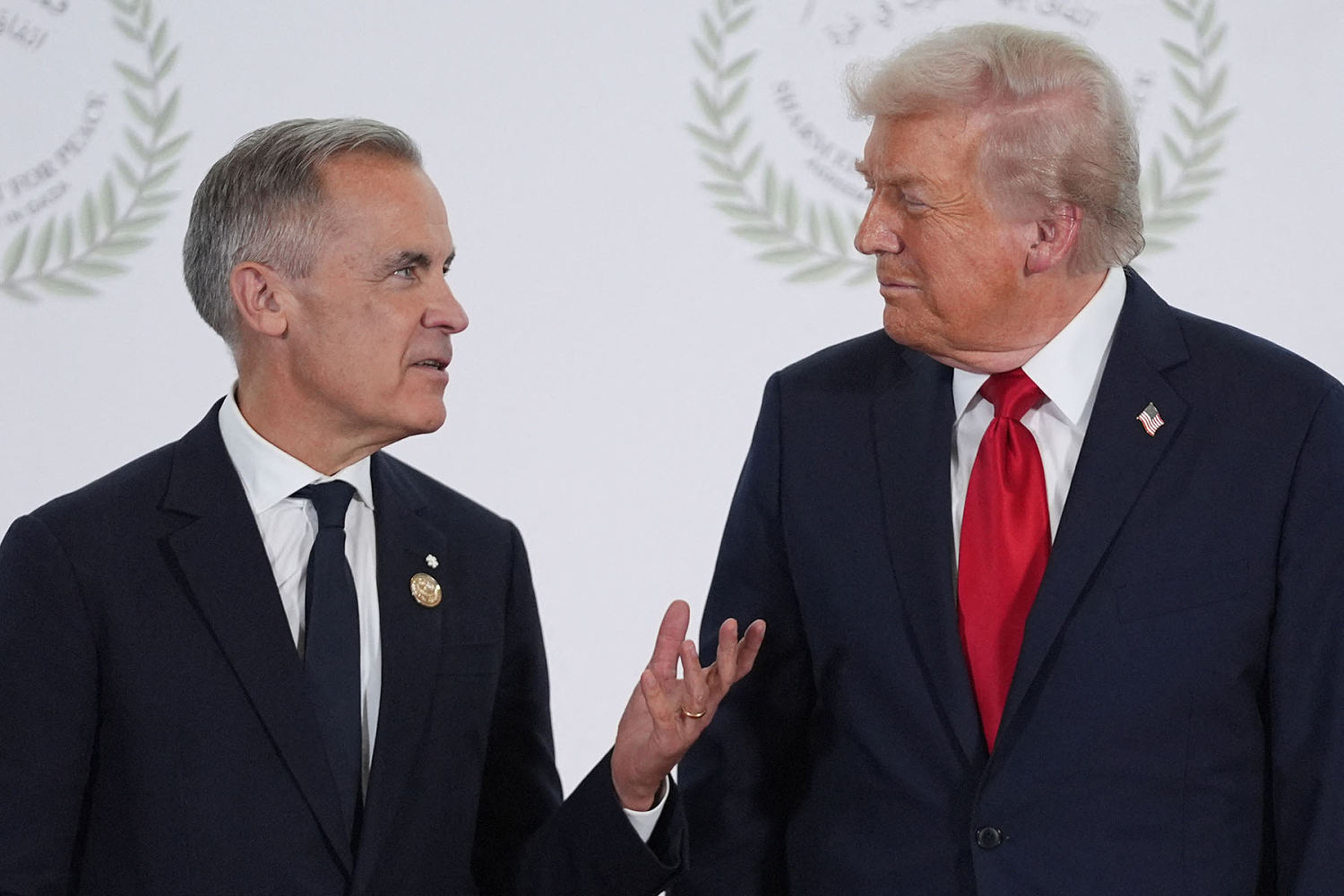
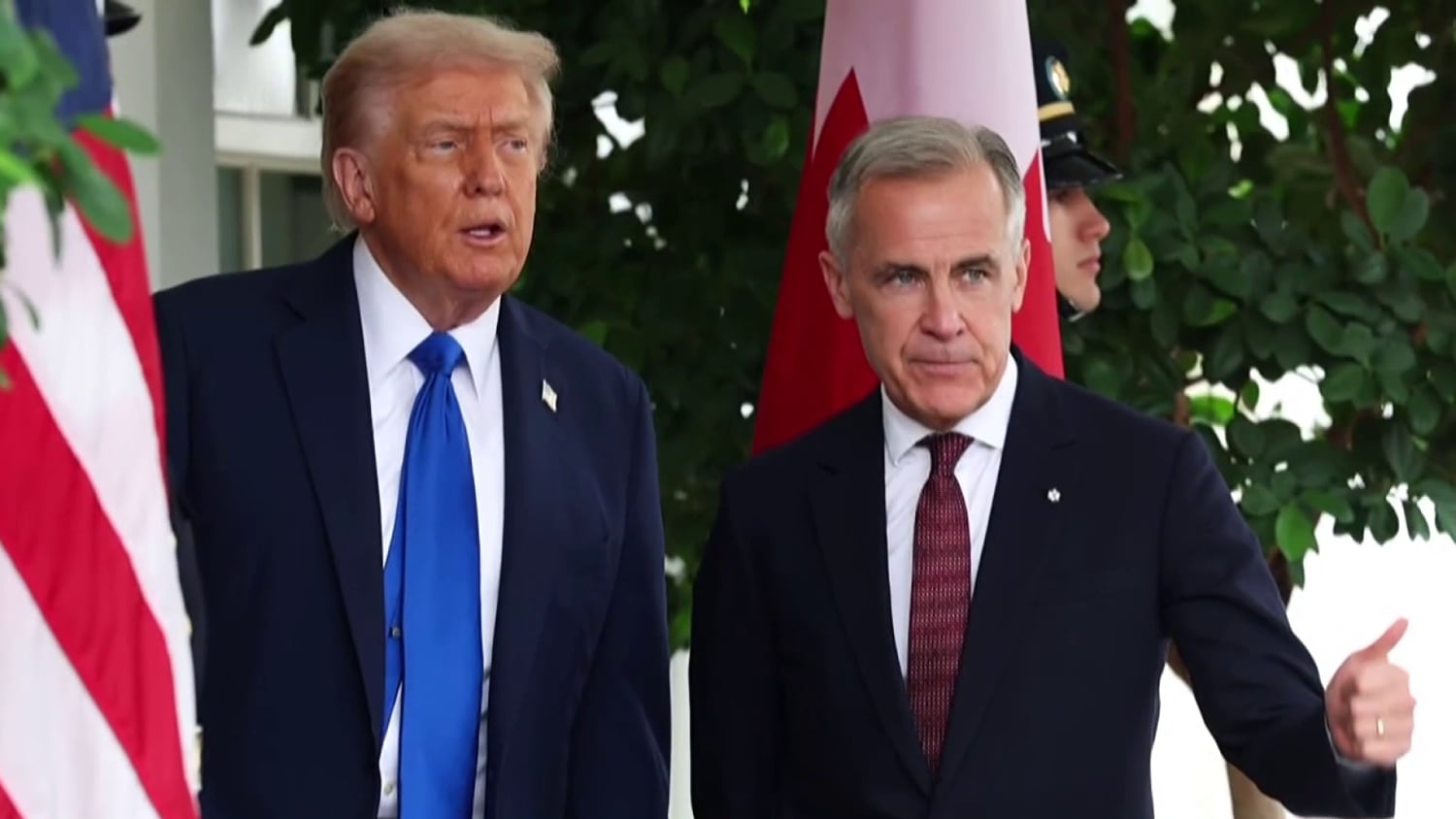
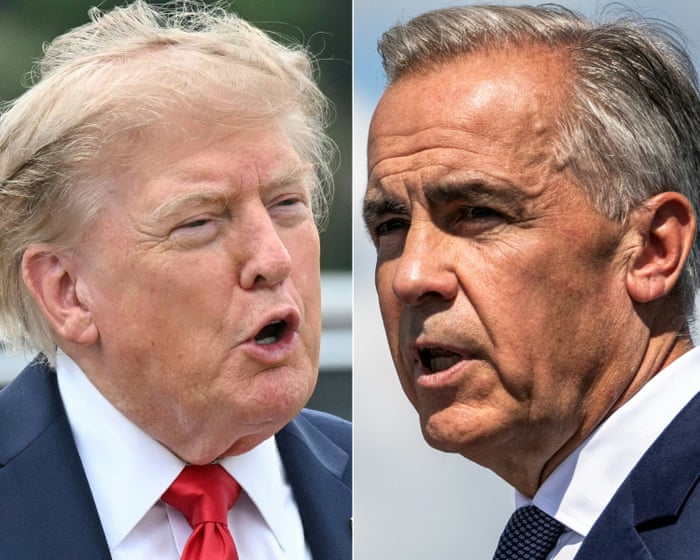
Prime Minister Mark Carney said he does not favor escalating the trade war with the US, but argued that retaliation against the latest US tariffs was necessary. He warned Canadians to prepare for turbulent times ahead.
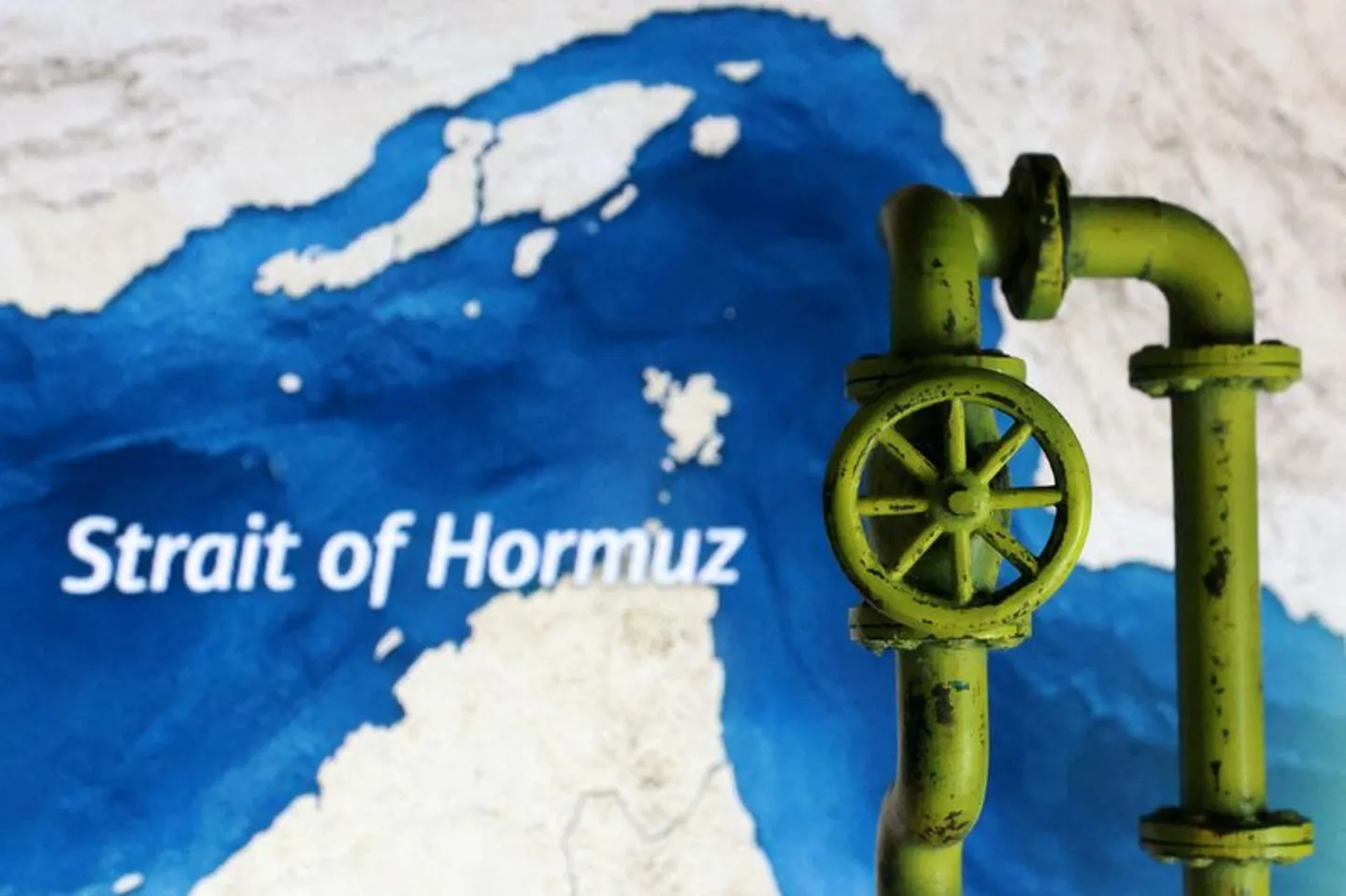
An Emirates National Oil Company executive said Wednesday that oil vessel transit costs through the Strait of Hormuz rose sharply after the Iran war, driven by steep increases in war-risk premiums and cargo insurance costs.
Several merchant vessels in the northern Gulf and Gulf of Oman were struck by fire that disabled them during overnight military activity in the region, the United Kingdom Maritime Trade Operations agency said on Wednesday.
Import pressure, including from Chinese and Kazakh products, continues on Russia’s rolled steel market, Severstal Distribution director Viktor Romanovsky said. Competition in finished products has worsened as large volumes of low-quality goods enter the market and price-sensitive customers prioritize cost. Severstal is assessing the situation and may seek anti-dumping duties.
Iranian exporters can use earnings held overseas to finance imports directly, bypassing the official foreign-exchange system, the Financial Times reported.

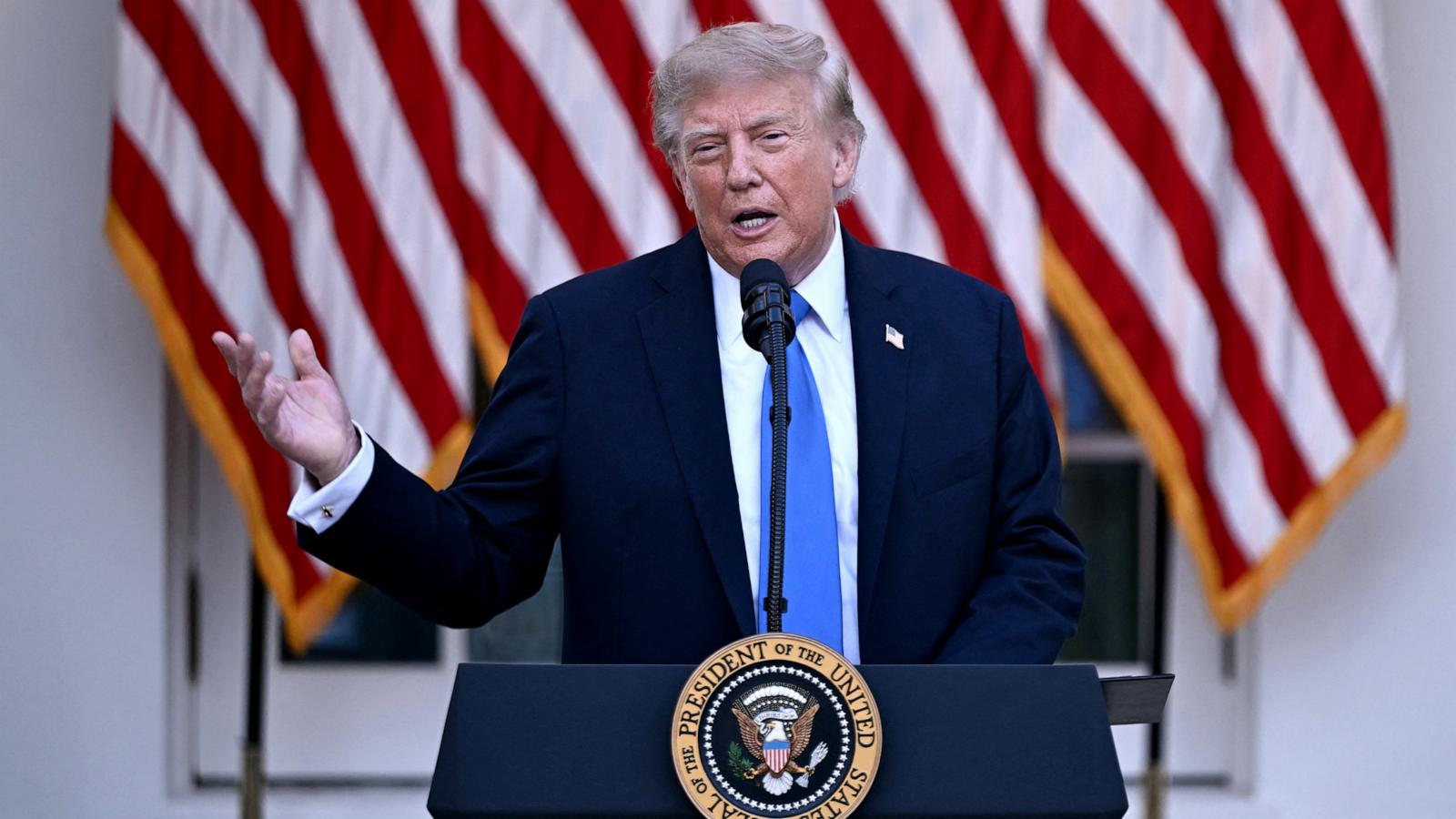
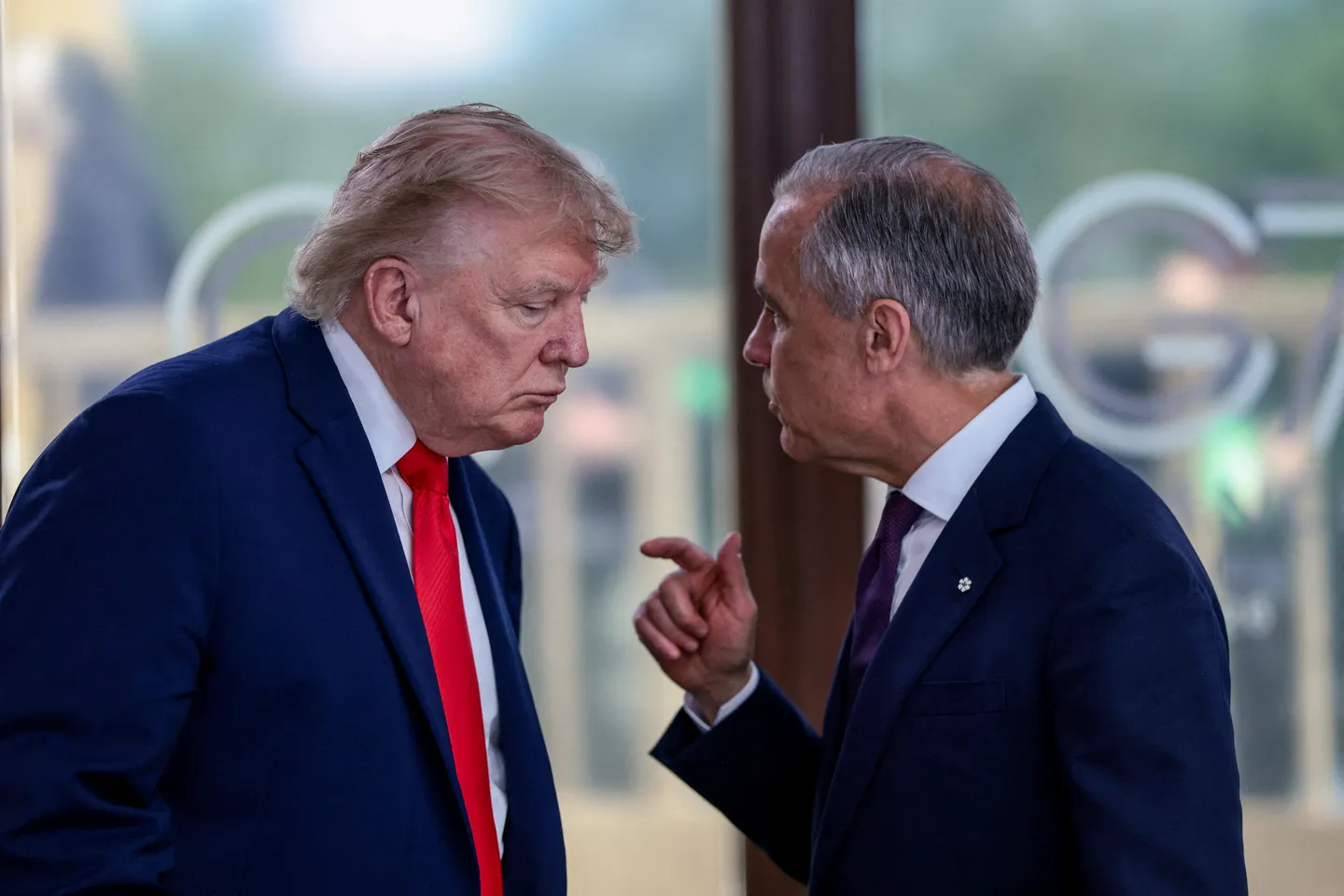
President Donald Trump has intensified economic pressure on Canada after Ottawa imposed retaliatory tariffs against the United States, moving to block many Canadian goods from entering the US.

Agricultural trade between Russia and Turkey increased by nearly 30% year on year in January-July 2026, Russia’s Agriculture Ministry said. Russian exports grew by over 40%, while imports of Turkish goods rose more than 10%. The two ministries also signed a memorandum on mineral fertilizer supplies.
Analysts said tit-for-tat tariffs risk causing outsized economic harm in Michigan, Ohio and Maine, three key midterm states.

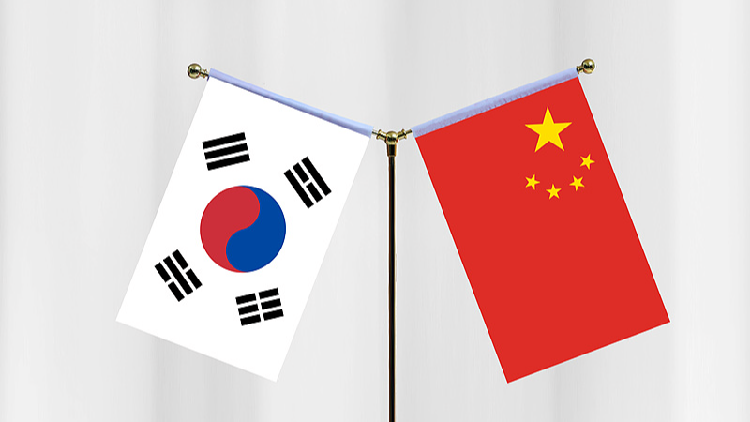
China and South Korea made positive progress on cross-border services trade and negative-list market access during the 16th round of talks on the second phase of their bilateral free trade agreement. Both sides agreed to speed up the remaining negotiations and seek an early conclusion to improve openness in services and investment.

After Donald Trump threatened higher tariffs on Canadian vehicles, trucks and parts, Mark Carney imposed retaliatory duties on several US goods. The measures could raise costs for cars, building materials, furniture and alcohol, while adding uncertainty for business investment and jobs. The US has also announced import bans on some Canadian products.

The US president has intensified his confrontation with Ottawa by imposing new tariffs and banning Canadian alcohol. Carney warned that standing firm would come at a cost.
Mark Carney is leaning further into a pivot toward Europe by imposing counter-tariffs on US goods. Separately, Republican senators are pushing back against Donald Trump’s threat toward Bombardier.

President Donald Trump announced US import bans on Canadian dairy products, motorcycles and alcoholic beverages, along with 50% tariffs on other goods including mattresses, motorboats and golf carts. The measures followed Canada’s tariffs of up to 50% on about $20 billion of US goods and threaten the future of the USMCA trade pact.

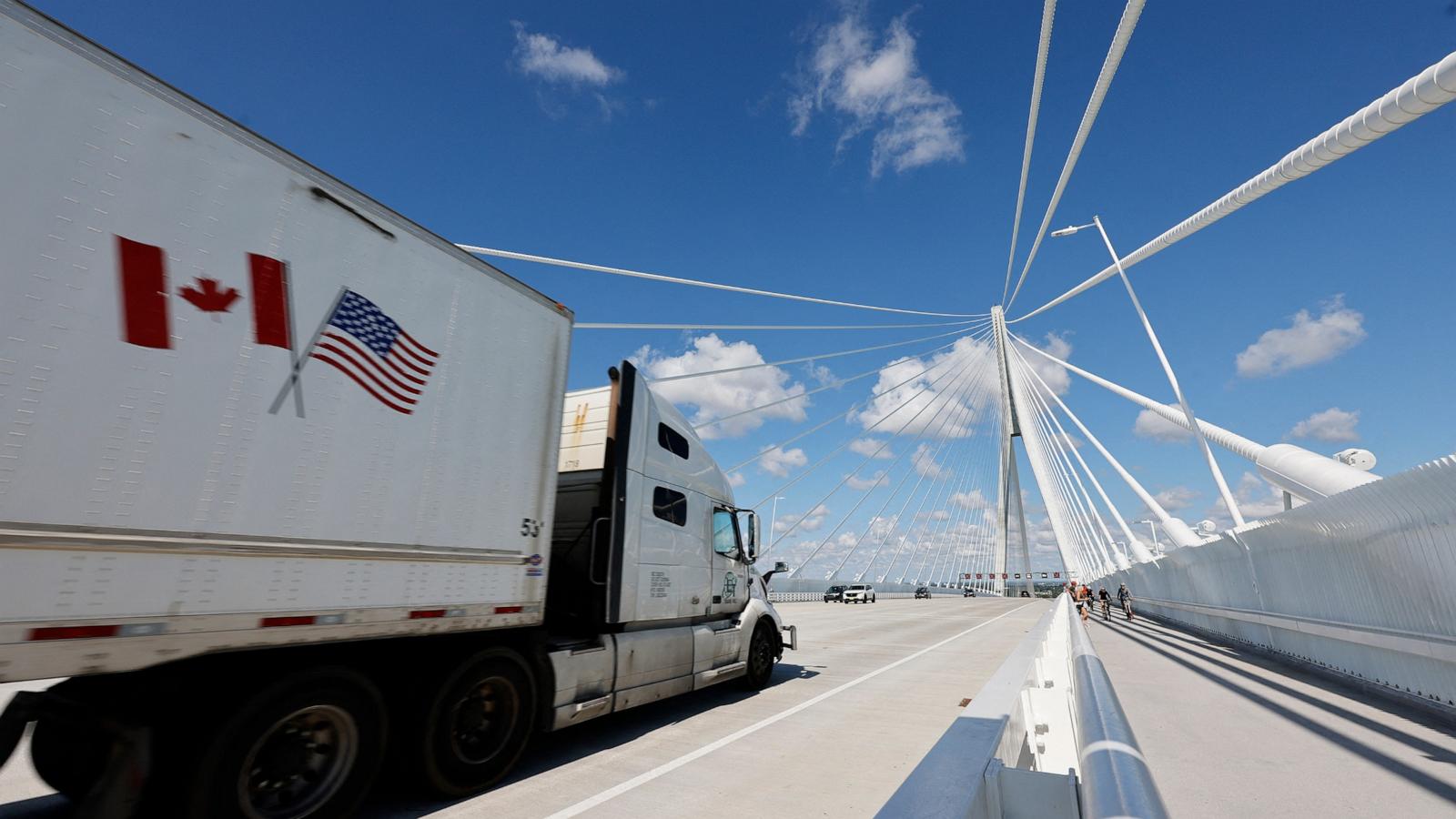
The United States and Canada intensified a bitter trade dispute on Tuesday. Washington imposed new bans on imports of Canadian alcohol, motorcycles and dairy products as Ottawa’s retaliatory tariffs on US goods took effect.
Taiwan Affairs Office spokesperson Chen Binhua said the Chinese mainland remains the best destination for Taiwan business people and enterprises, offering fertile ground for innovation and a reliable buffer against risks. Cross-Strait trade reached $221.8 billion in January-July, up 26.5% year on year, demonstrating close economic ties and resilient supply chains. Chen also dismissed DPP authorities’ smear campaigns and pessimistic predictions.
The U.S. has announced import bans on a range of Canadian goods, set to take effect Sept. 29 as the rift between the two countries deepens and the trade war escalates.

A shipment of 8.5 metric tons of fresh pomegranates from Yunnan’s Wenshan Zhuang and Miao Autonomous Prefecture has been exported to Vietnam for the first time. Kunming Customs said streamlined inspections and online quarantine certificates helped speed clearance and reduce storage, logistics and product losses.
The 2026 China International Fair for Trade in Services opened at Beijing’s Shougang Park, with participation from 90 countries, regions and international organizations. More than 1,830 companies are exhibiting onsite, including 473 Fortune Global 500 or industry-leading firms. The fair will feature nearly 100 forums and more than 100 business-matching and promotion events.
Hashimoto said sharp swings in the yen could create a “confused situation” in financial and global markets.

Iranian authorities have quietly eased foreign-exchange controls to encourage traders to bring urgently needed funds back into the country, as the authorities turn to cryptocurrency to bypass sanctions.
Cross-border payments and interoperability among national payment systems are expected to be central at the 18th BRICS Summit in New Delhi on September 12-13. India says it supports linking existing fast-payment systems and central bank digital currencies, not creating a common BRICS currency. Russia says about 90% of its BRICS transactions use national currencies, while UnionPay and Brazilian partners are piloting links between Chinese QR payments and Pix.

A senior Deutsche Bank executive says the renminbi’s expanding role in global trade is being driven by shifting supply chains, not a campaign against the US dollar. The yuan’s use has grown steadily over the past five years, following the bank’s appointment as Europe’s first non-Chinese renminbi clearing house.

As the trade war widens, Donald Trump is moving to shut Canadian goods out of US government contracts. The United States has also banned Canadian dairy and other products.
The US is widening its trade war with Canada through proposed barriers to selected alcohol, dairy and motorcycle imports. It is also seeking to bar Canadian companies from selling to US government contractors.
Notices posted on the White House website on Tuesday show that the Trump administration will prohibit imports of certain Canadian alcoholic beverages, motor vehicles and dairy products beginning September 29.

President Donald Trump moved Tuesday to sharply escalate the trade war with Canada by seeking to block imports of some automobiles, dairy products and alcohol.

The US is banning Canadian imports including alcohol, dairy and motor vehicles as Canada’s retaliatory tariffs on American goods take effect. Donald Trump said Canada was discriminating against US commerce and ordered the ban to begin on 29 September. Mark Carney warned that shifting away from the US as Canada’s biggest trading partner would carry a cost.

President Donald Trump signed a proclamation adding a 50% additional tariff on some Canadian products while removing the existing 50% tariff on others. The measure is intended to offset burdens on U.S. commerce and will take effect September 15, covering products including mattresses, motorboats and golf carts.

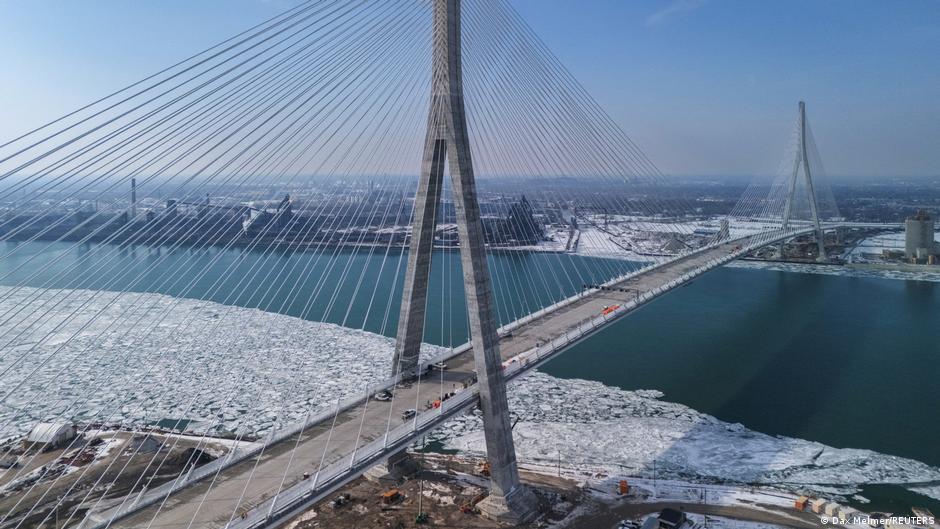
The escalating U.S.-Canada trade dispute is increasing pressure on companies across the border, especially in autos, steel and manufacturing. Michigan businesses say tariffs have driven up the cost of imported parts and Canadian lumber, leaving some to raise prices or risk losing contracts. Auto components can cross the border repeatedly during production.

Canadian Prime Minister Mark Carney called the collapse of trade talks with the US a shame but said he would keep fighting to protect Canada’s sovereignty. His government’s promised counter-tariffs on $20 billion in US exports have now taken effect. Cuba also says decades of the US trade embargo have caused a record $8 billion in economic damage.

Canadian Prime Minister Mark Carney said Tuesday that Canada would accelerate efforts to reduce its economic dependence on the United States. The statement came as retaliatory tariffs on roughly $20 billion in US goods took effect and Ottawa awaited President Donald Trump’s response.

Canada’s retaliatory tariffs have taken effect, with Carney promoting a shift away from the United States. Canada is among the few countries to respond to US tariffs despite relying on US buyers for roughly 70% of its exports.

Canada’s dollar-for-dollar retaliatory tariffs on the United States are now in force, covering $20 billion worth of American goods. The measures could affect everyday products, according to NBC News’ report.
Across Canada, businesses are losing orders, considering job cuts and absorbing higher costs as they reel from the shock of US tariffs.

Canada’s retaliatory tariffs on billions of dollars in US goods took effect Tuesday, intensifying the trade war between the two North American neighbors. A day earlier, Trump threatened to block Bombardier Aviation from selling in the US unless the Quebec-based aircraft maker moves manufacturing there.

Canada’s retaliatory tariffs on roughly 700 U.S. products are taking effect as the trade war intensifies. With less than two months before the November midterms, the war with Iran, tariffs and surging gas prices are weighing on American voters.
Retaliatory Canadian duties reaching 50% on billions of dollars in US goods began on Tuesday, deepening the 18-month commercial confrontation between the neighbouring North American countries.

As Canada’s retaliatory tariffs take effect, automakers and businesses on both sides of the border warn that the escalating trade war will raise costs, disrupt supply chains and threaten jobs. The measures are particularly concerning for the closely linked auto industries in Ontario and Michigan, while Canadians are also cutting back on travel.
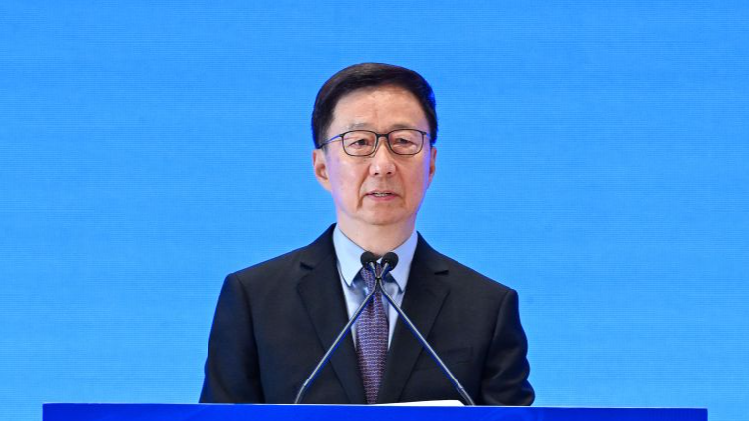
Chinese Vice President Han Zheng said at the opening of the 26th China International Fair for Investment and Trade in Xiamen that China will expand voluntary opening-up and introduce more concrete steps to facilitate international investment. He also called for cooperation on innovation and more stable, smooth and inclusive global industrial and supply chains. The event registered delegations from 129 countries and regions and 30 international organizations.

The White House says the US will ban Canadian dairy products, most alcoholic beverages and motorcycles in three weeks, after Canada imposed retaliatory tariffs on $20bn of US imports. Donald Trump also ordered Canadian goods excluded from major, long-term US government contracts until Ottawa provides what he called full and fair reciprocity.

The US Department of Transportation has warned Ford CEO Jim Farley that partnerships with CATL, Geely and BYD raise national security concerns. Secretary Sean Duffy said the relationships deepen reliance on Chinese manufacturing and technology. Ford shares fell 4.2 percent after the letter became public.

Jean Simard, president and CEO of the Aluminum Association of Canada, describes the US-Canada aluminum dispute as more than a conventional trade disagreement, calling it a “Trump posture that makes no sense.” He says tariffs cannot curb Canadian aluminum imports because US industrial demand exceeds domestic capacity; protectionism instead makes interdependence far more costly.

U.S. Secretary of State Marco Rubio said Washington hoped to conclude “good, solid” trade deals with Colombia, Peru and Ecuador in the foreseeable future. He spoke as he began a tour of the three Latin American countries, whose leaders are closely aligned with President Donald Trump’s administration.
Bombardier rejected Donald Trump’s threat to block its aircraft sales in the United States unless it builds planes there, saying it already makes wings in Texas and flight-control components in California. The company employs 3,500 US workers, works with suppliers in 47 states and spends $2.5bn annually on suppliers, as US-Canada trade tensions escalate.

A senior Equinor executive said Germany can attract enough natural gas for this winter despite historically low storage levels, but should be ready for high prices.
Egypt aims to increase annual exports from about $48 billion to $100 billion by 2030 to narrow its trade deficit and boost foreign-currency earnings. The government’s Egypt Export Initiative seeks to diversify the export base by supporting smaller producers outside Cairo with market information, financial assistance and guidance on overseas markets, quality standards and pricing.

The UN trade agency warns that major disruptions in the Strait of Hormuz, a vital waterway between Iran and Oman for global oil trade, are threatening small businesses most amid the war.

As the 2026 China International Fair for Trade in Services begins, a CGTN global poll finds 89.6% of respondents view it as an important platform for high-level opening-up in China’s services industries. The fair has introduced a “China Services” area and attracted participants from 90 countries and international organizations, with more than 1,800 companies attending offline.


The 2026 China International Fair for Trade in Services will run from September 9 to 13 at Beijing’s Shougang Park, with participants from 90 countries, regions and international organizations and more than 1,830 companies. The fair highlights the shift toward knowledge-intensive, high-value and technology-driven services, along with digitalization, intelligent technologies and green development.
European Trade Commissioner Maros Sefcovic said on Tuesday that the European Commission would seek commitments from China to address the widening trade gap with the EU and wants Beijing to take some initial steps by early October.
Sandoz CEO Richard Saynor warns that steep U.S. tariffs on imported generic drugs could force manufacturers to raise prices or reduce supply, leaving patients to bear the cost.

Uzbek companies in fashion, traditional crafts, electronics and manufactured goods are increasingly focusing on building brands that can compete domestically while reaching consumers abroad.
The Russian Transport Ministry said sea freight between Russian and Chinese ports reached 109.5 million metric tons in the first half of 2026, up 19.2% from a year earlier. The two sides also noted strong cooperation in implementing state port-control procedures.
Road freight between Russia and China rose 35% in the first five months of 2026, Russia’s Transport Ministry said. The countries agreed to exchange an additional 65,000 transport permits each this year. Russian airlines carried over 1.3 million passengers, while weekly flights rose to 309. Rail and sea freight also increased.
Copper has rallied sharply since the beginning of last year, reaching a new intraday record above $14,600 per metric ton on the London Metal Exchange in early September.
The Minutes Reader extension turns the original page into a focused reading view and translates articles and video subtitles on demand. It is in limited beta.