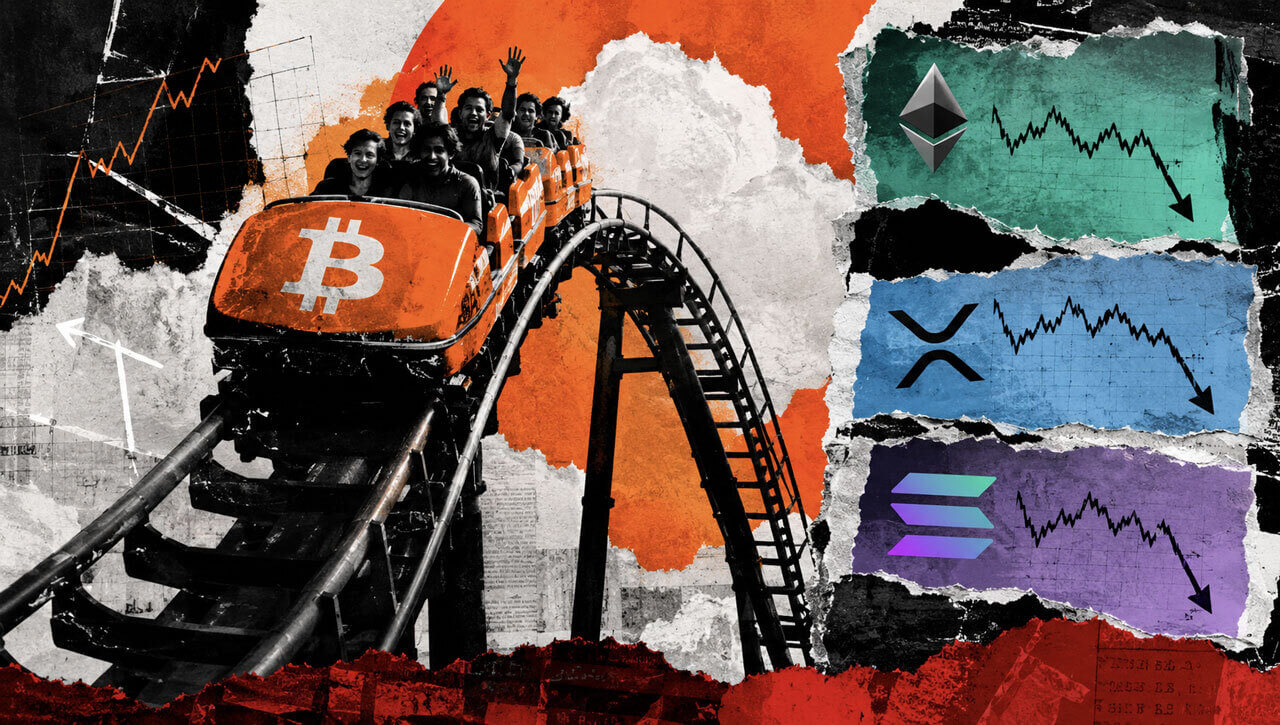
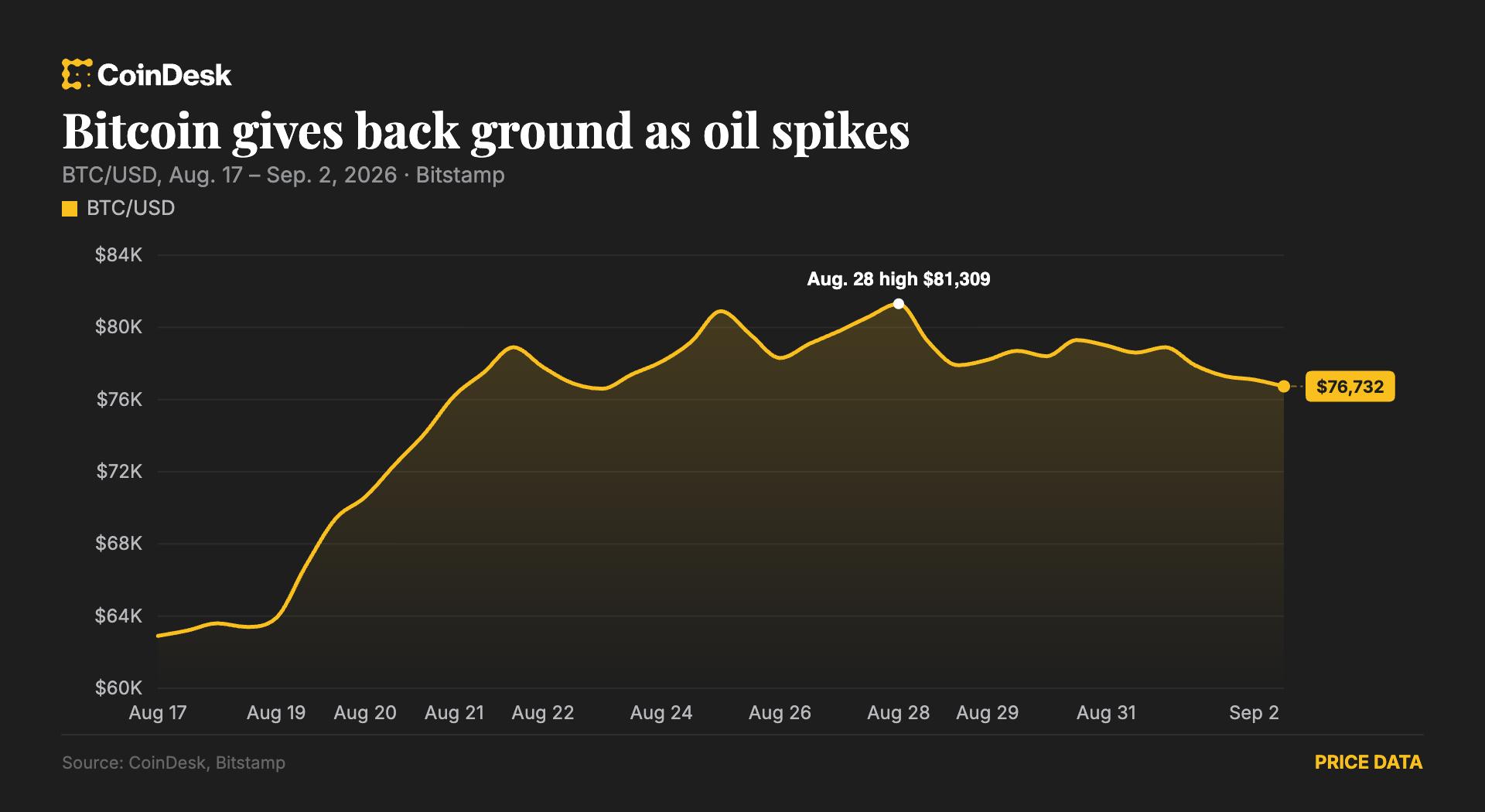
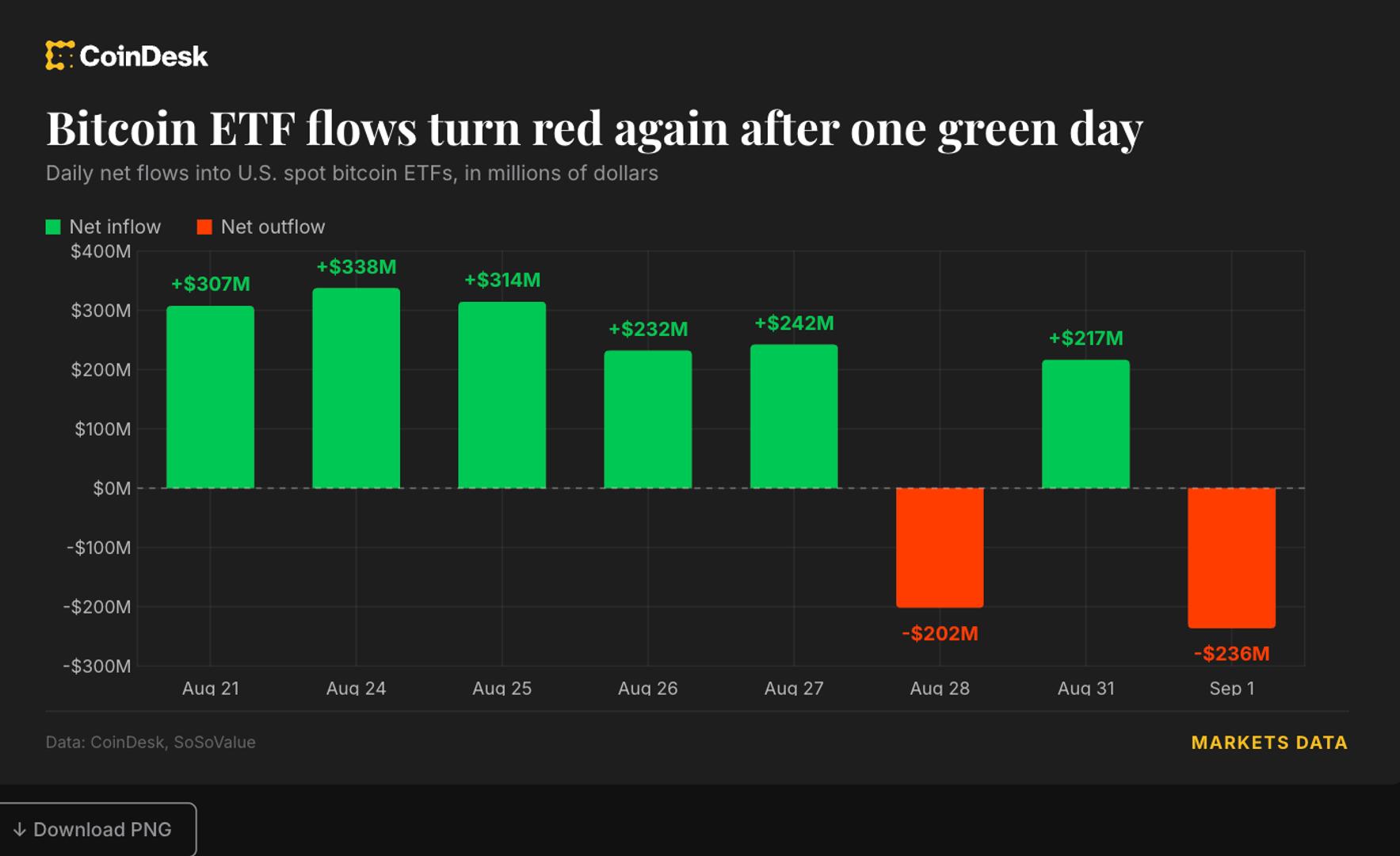
US spot Bitcoin ETFs drew $101.2 million on Wednesday after losing $236.5 million the previous day, extending four sessions of alternating inflows and outflows as BTC hovered near $77,000. Ethereum, XRP and Solana ETFs also reversed on Wednesday, ending nearly two-week inflow streaks with outflows of about $48 million, $7.2 million and $6 million, respectively.
Bitget is in talks with major Wall Street firms, including BlackRock, to help expand distribution of tokenized ETFs in Asia. Gracy Chen cited the world’s largest asset manager as an example of a firm seeking greater regional distribution.
MarketsCryptoBitgetBlackRocktokenized ETFsAsia distribution
Kraken will join SoFi’s settlement network and list SoFiUSD, linking traditional banking with crypto markets as the two companies expand into each other’s businesses.
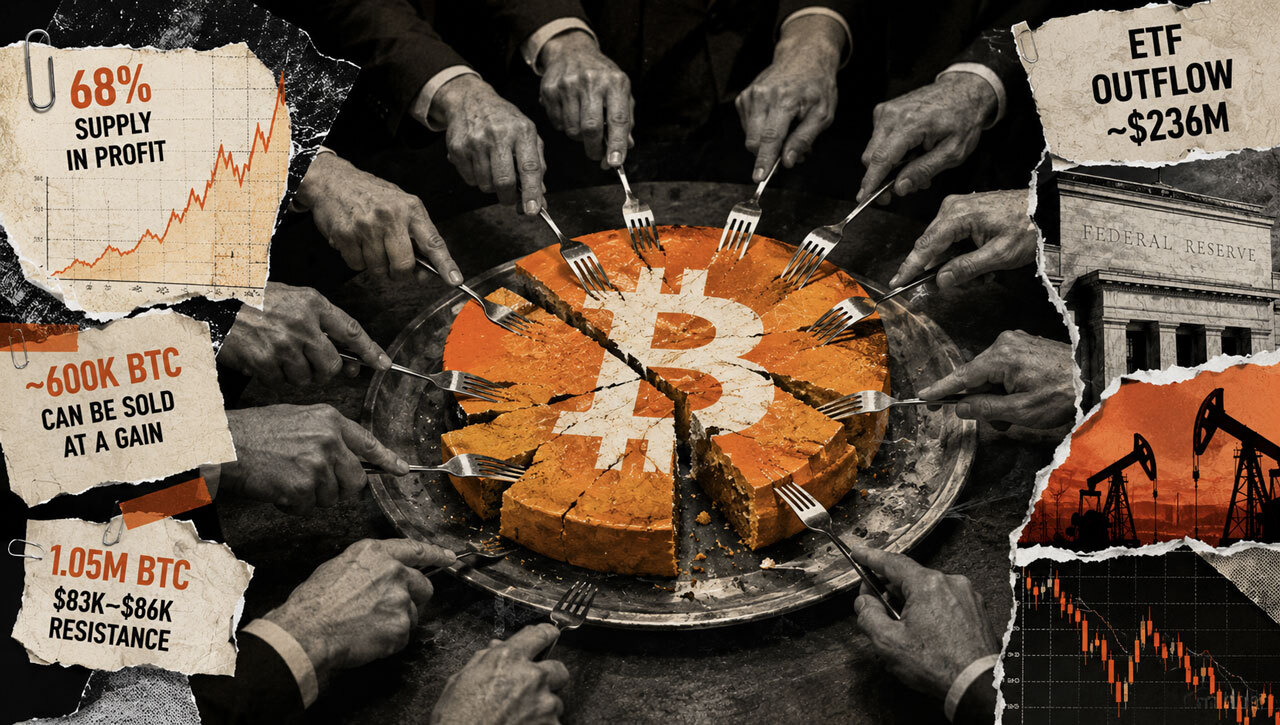
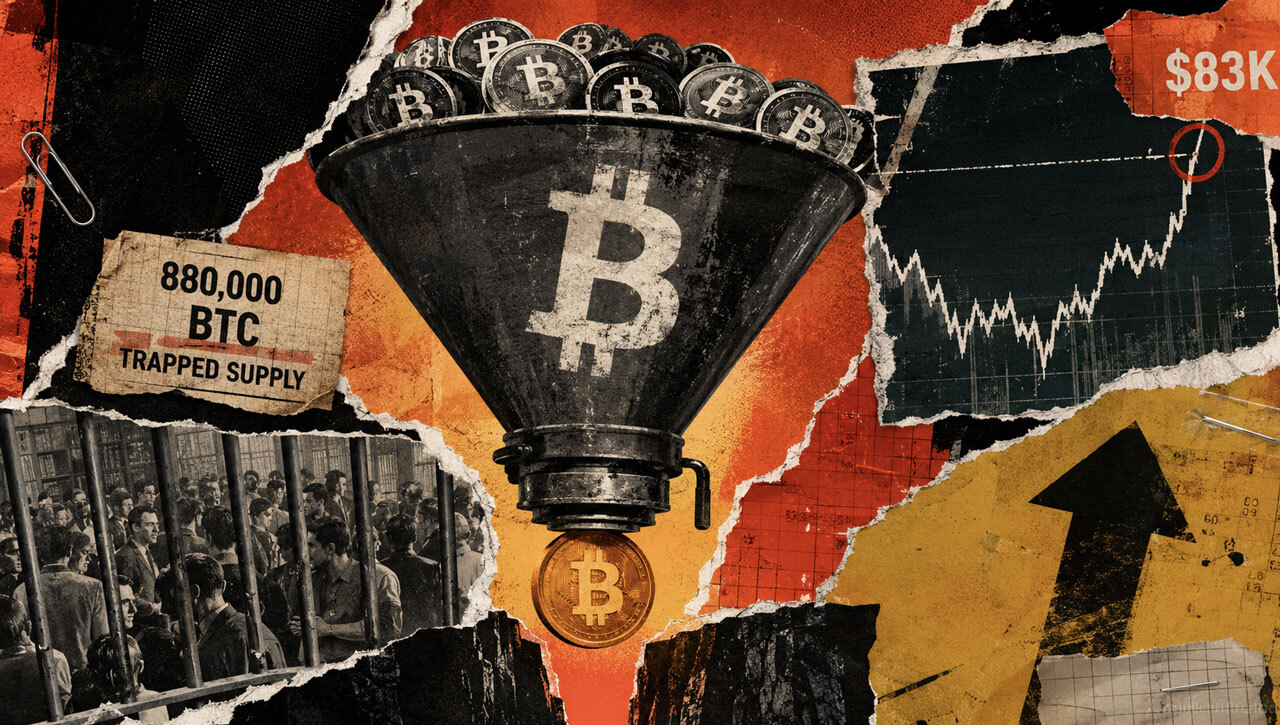
With Bitcoin near $77,381, Glassnode estimates that 68% of circulating supply is profitable, up from 65% at the same price in May. That represents about 600,000 additional BTC, worth roughly $47 billion, that could be sold for gains. Short-term holders have a cost basis near $71,000, while long-term supply is concentrated around $83,000-$86,000. US spot Bitcoin ETFs recorded about $236 million in outflows this week, testing whether demand can absorb the potential selling.
A Sept. 3 market preview argues that foreign exchange markets have stopped interpreting bond yields in the traditional way, and that bitcoin should follow suit.
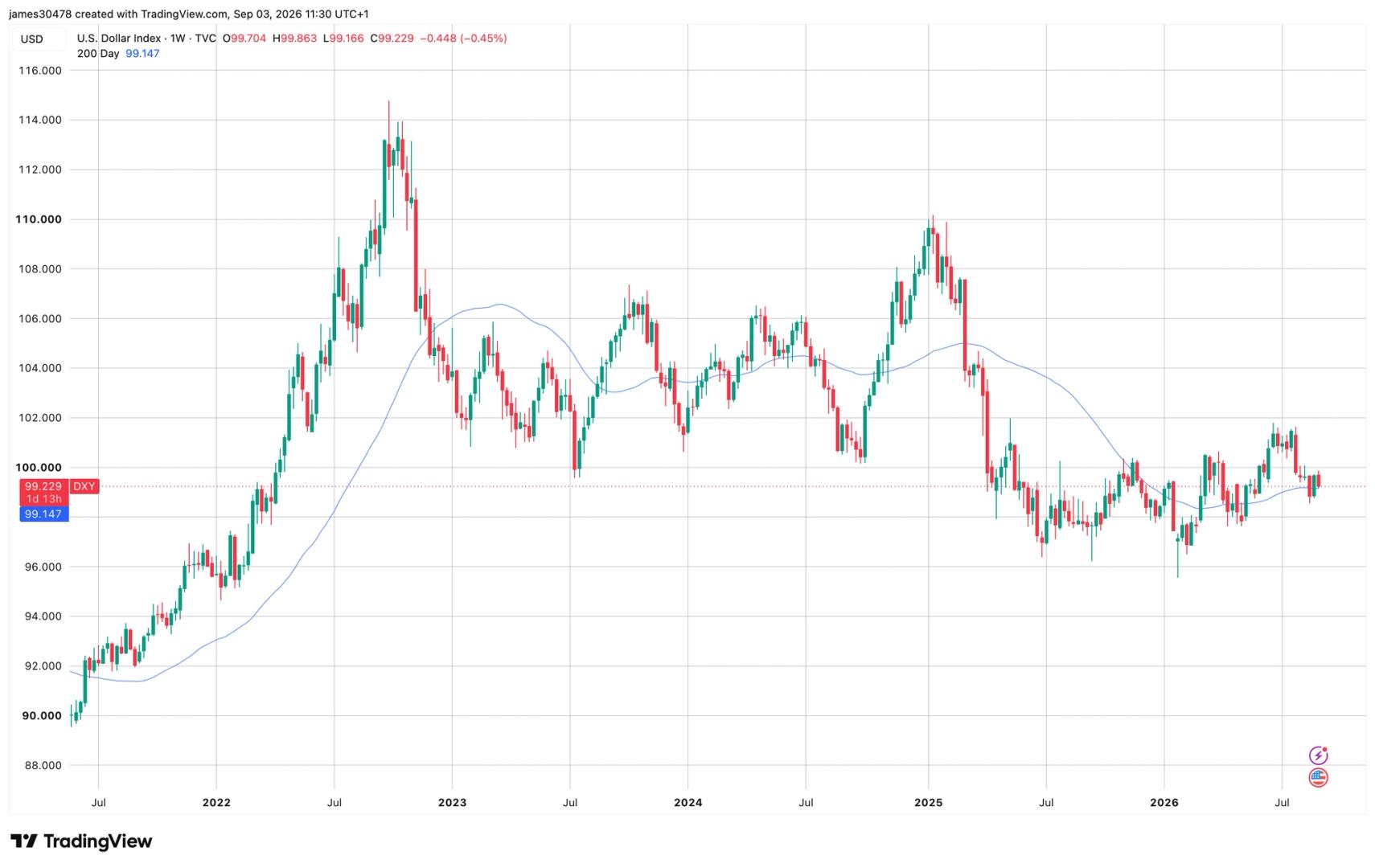
The yen’s rise has contributed to broad weakness in the U.S. dollar, pushing the Dollar Index lower. Bitcoin and gold are benefiting from the move for now.
Bitcoin’s correlation with gold has climbed to its highest level in six years. Glassnode is skeptical that bitcoin’s recent divergence from U.S. equities will persist, noting that similar moves in the past have tended to be short-lived.
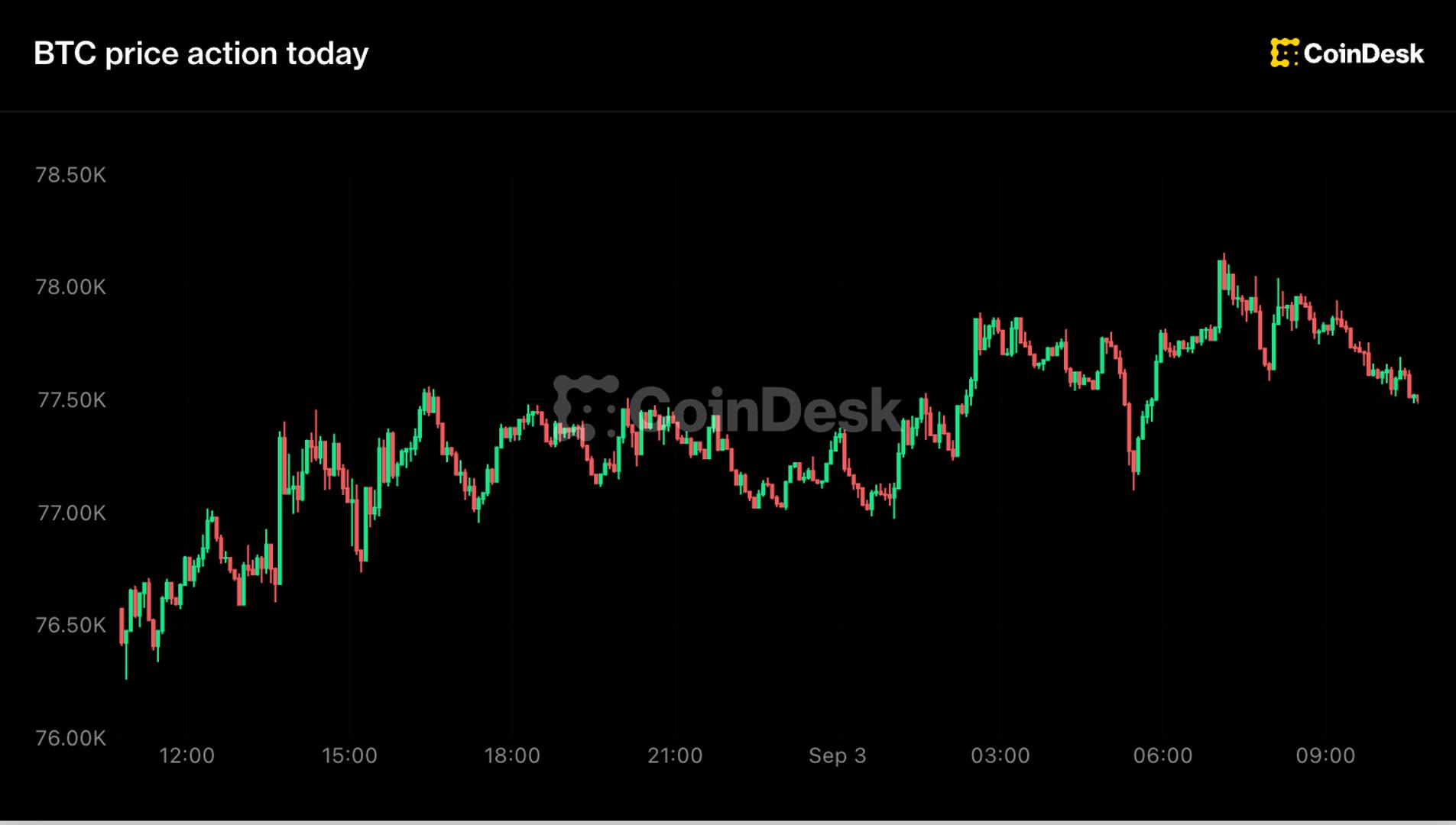
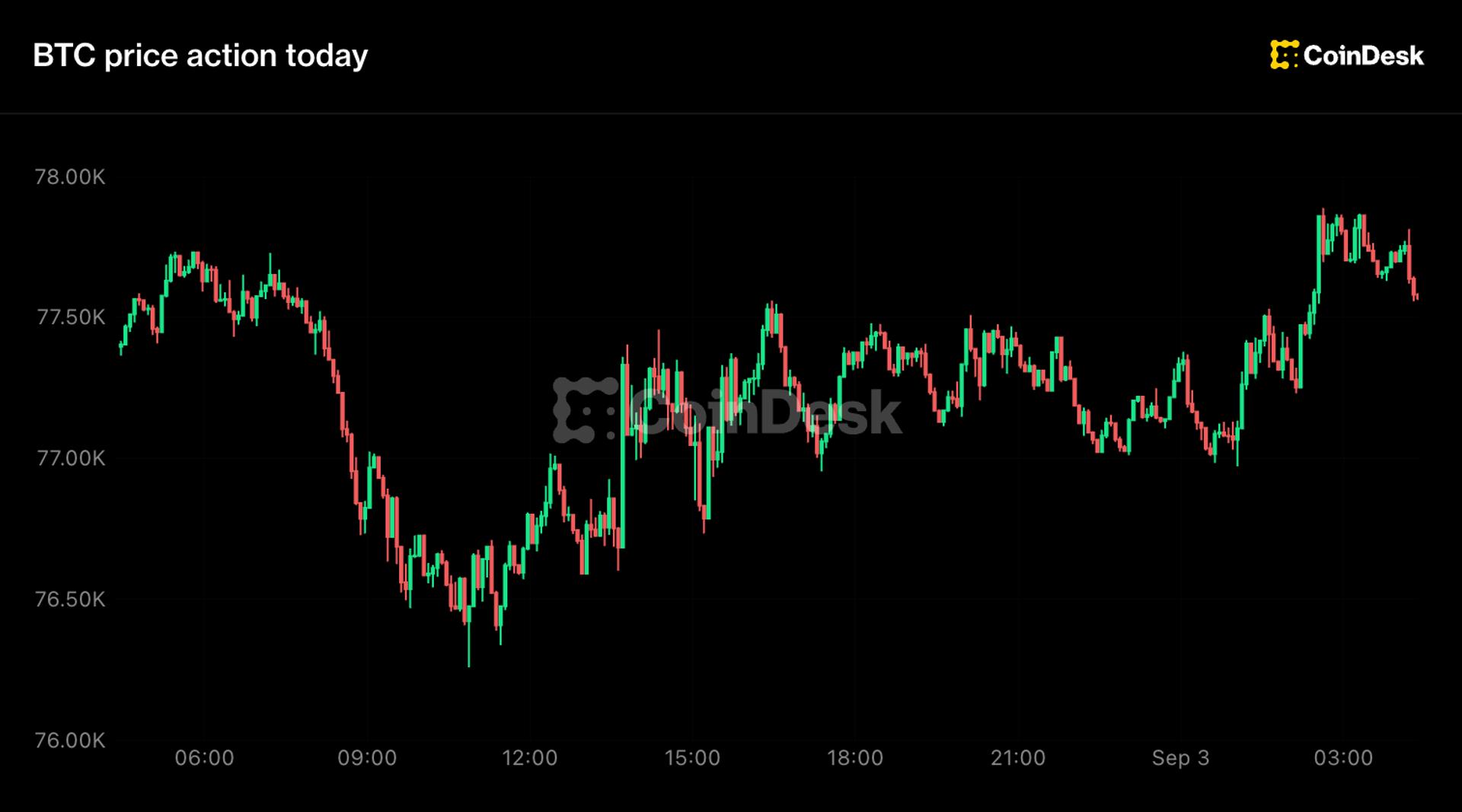
Bitcoin has climbed back above $77,500, with every major cryptocurrency in positive territory for the day, although the week remains negative. Global investors are maintaining their smallest level of currency protection on U.S. assets in a decade.
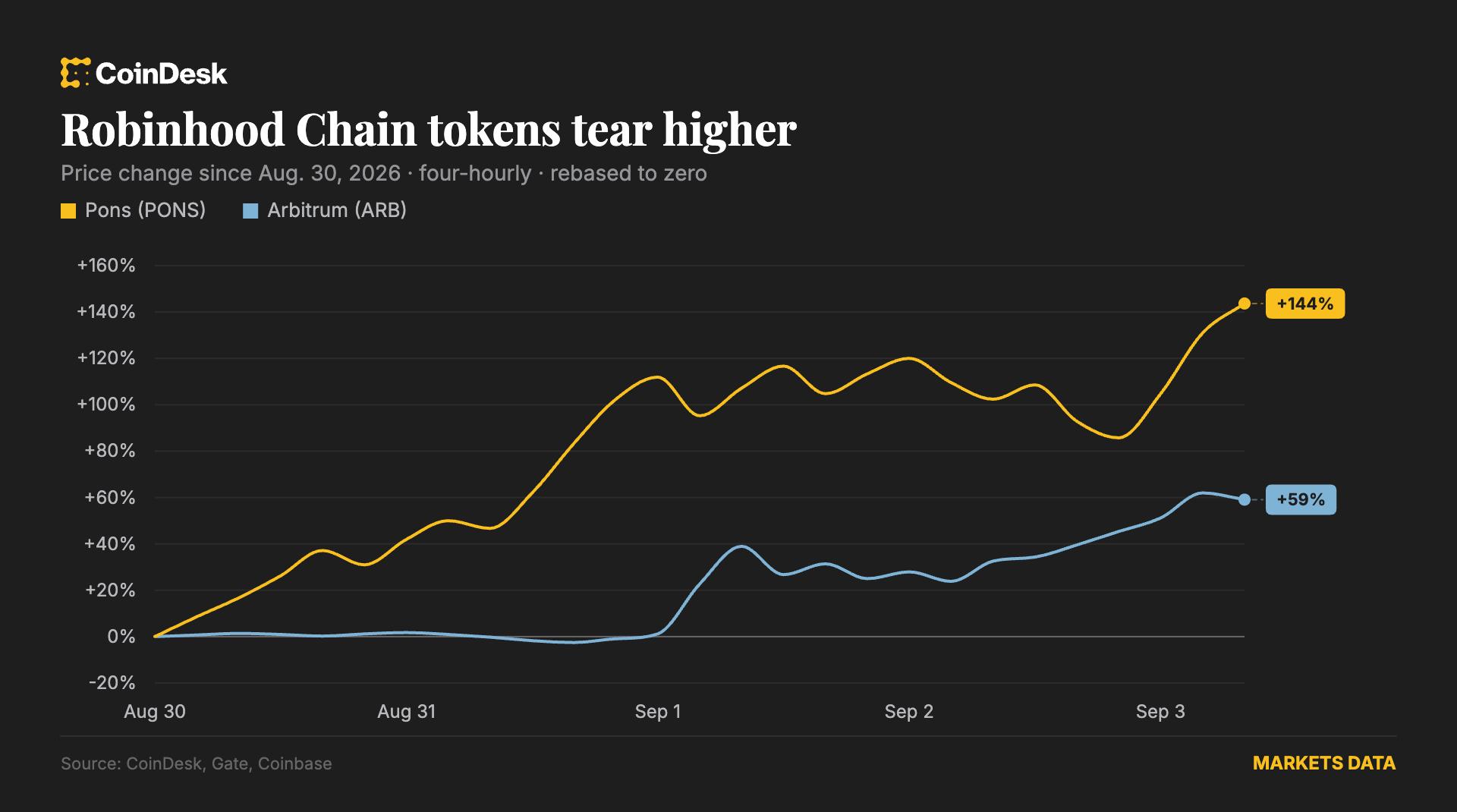
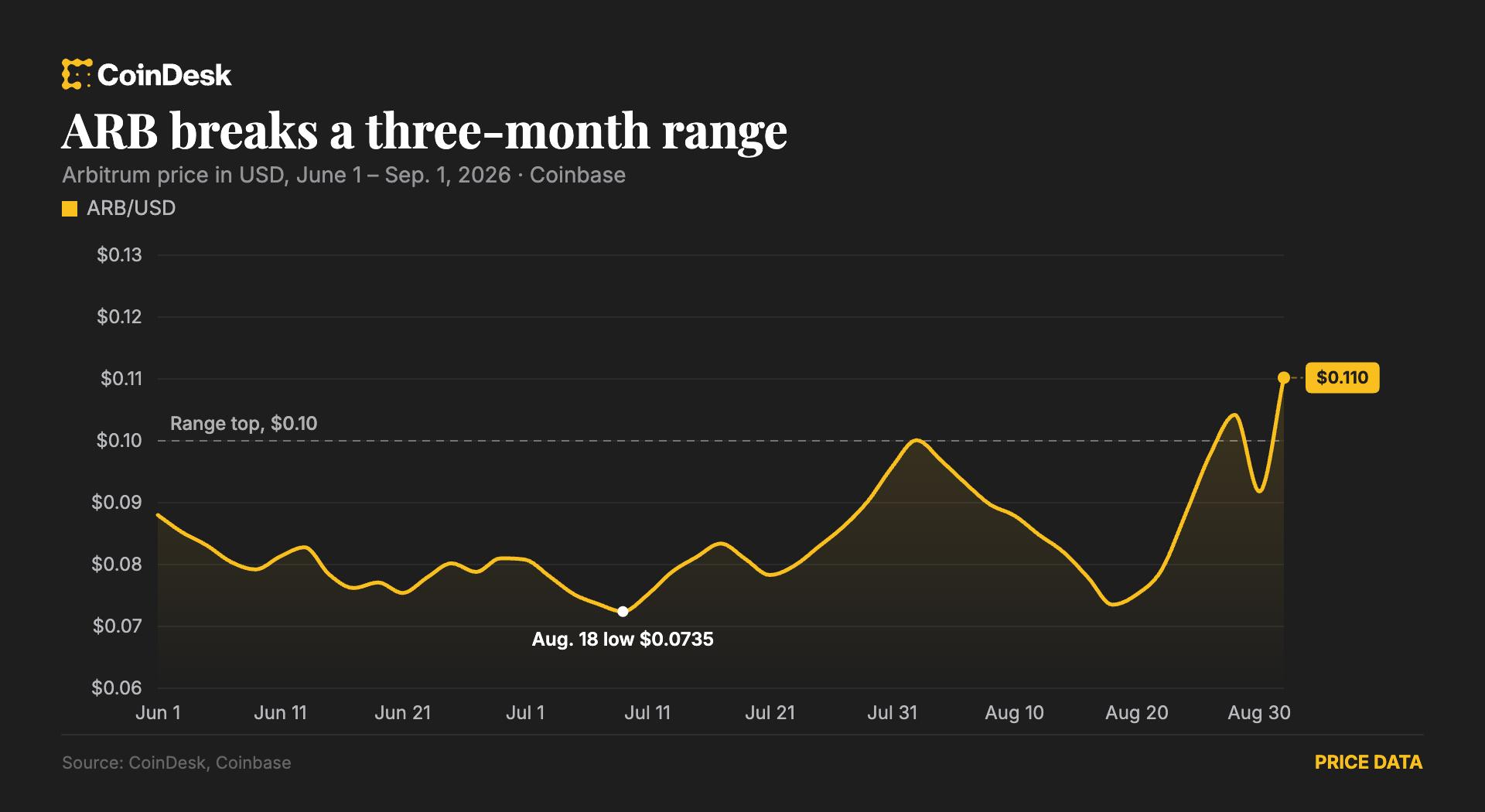
Bitcoin rose 0.76% since midnight, recovering toward $78,000 as a softer dollar lifted equities, metals and cryptocurrencies. PONS and Arbitrum advanced for a third consecutive session, extending the Robinhood Chain rally.
Investment platform Hargreaves Lansdown is offering crypto exchange-traded notes nearly a year after the ban was lifted. The platform had previously told customers that “bitcoin is not an asset class.”
Australia is intensifying its crackdown on crypto businesses as a strict new regulatory deadline approaches. Firms that miss it could breach financial services law from Oct. 1 and face civil or criminal penalties.
Bitcoin is testing an estimated $68 billion cost-basis zone between roughly $77,500 and $80,300, where about 880,000 BTC could create repeated selling pressure near breakeven. Buyers have so far absorbed the supply. Strategy resumed purchases with 4,603 BTC, while US spot Bitcoin ETF demand became less consistent.
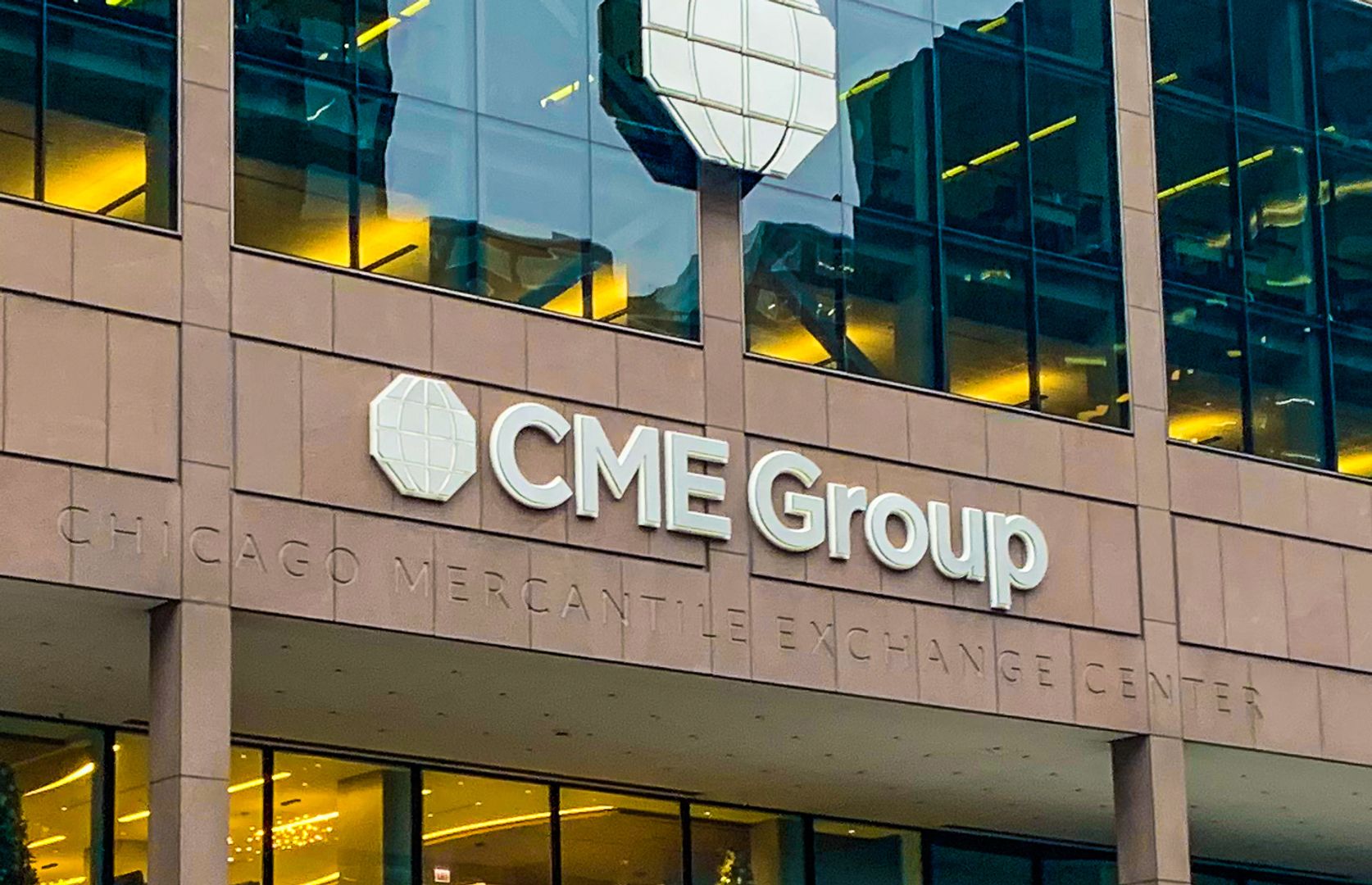
The CFTC has asked a judge to dismiss CME’s lawsuit over crypto perpetual futures. The regulator calls the dispute “much ado about nothing,” saying the order permits any designated contract market, including CME, to list the products.
The CFTC asked a court to dismiss CME’s lawsuit, arguing that the exchange lacks standing to pursue its competitive-injury claims. The agency said CME is free to list perpetual futures as a designated contract market.
A law firm and a tokenization platform say their proposed structure would give investors legal ownership of catastrophe bonds onchain and could reduce the minimum investment.
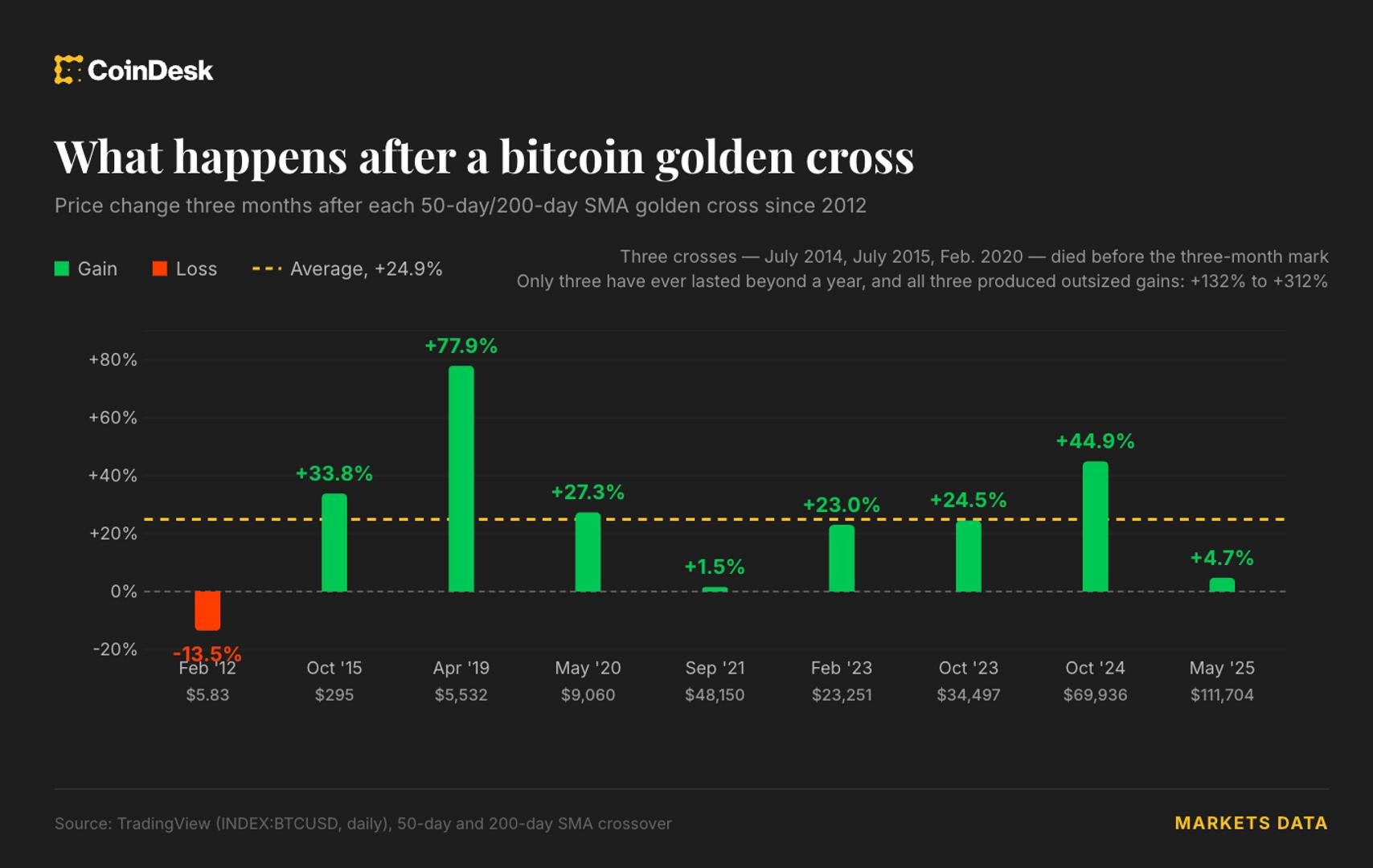
Bitcoin is approaching a bullish golden cross, a closely watched indicator with a mixed track record in crypto markets. This time, however, USDT is reinforcing the bullish interpretation.
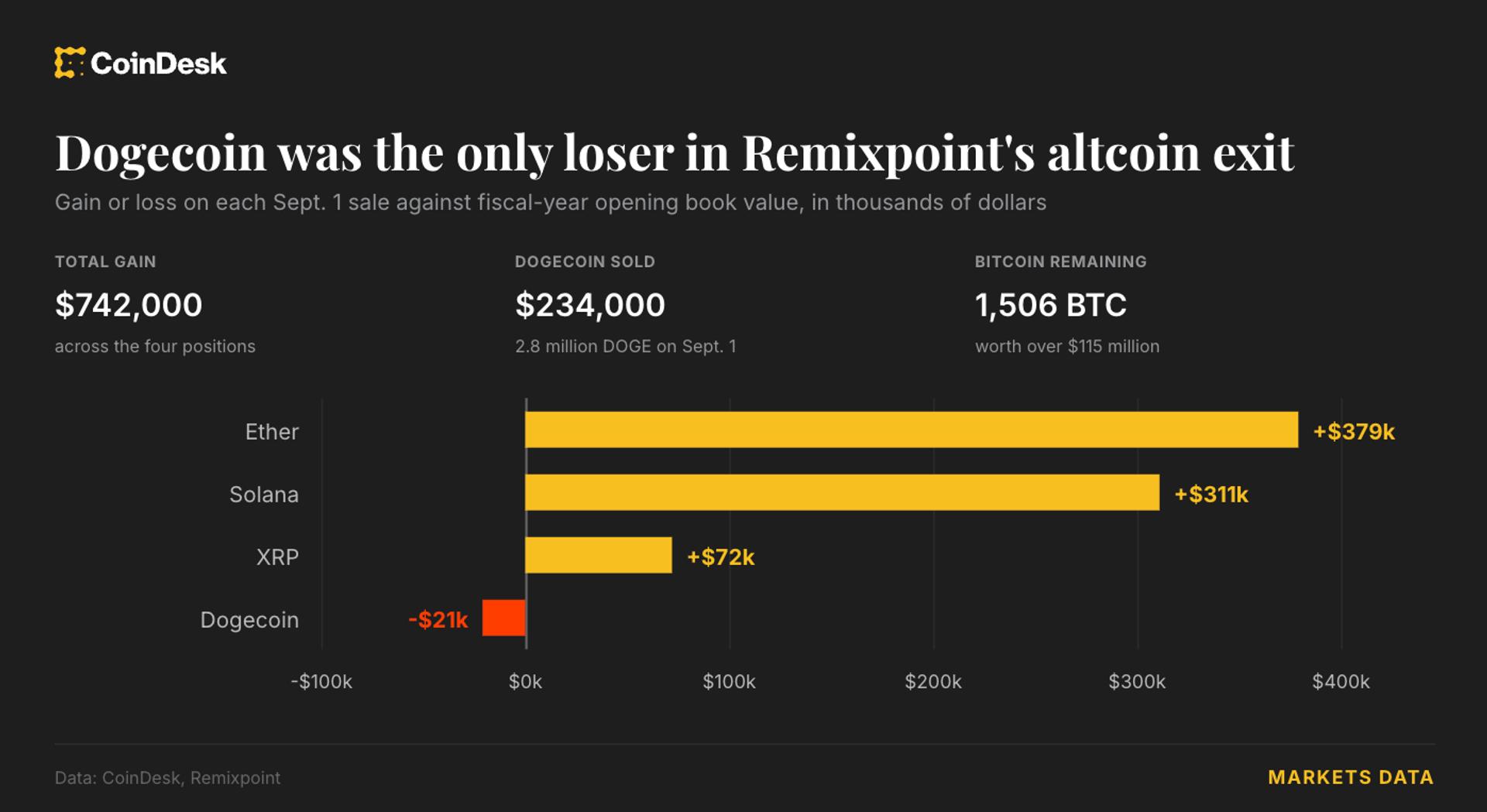
Remixpoint recorded gains on ether, Solana and XRP, but sold Dogecoin below its fiscal-year opening value as it focused its crypto holdings on bitcoin, making DOGE its only losing bet.
Bitcoin has climbed back above $77,500, while XRP is leading gains among major tokens as bets on a Federal Reserve rate hike approach 66%. Every major token is higher over the past 24 hours, although only zcash and Hyperliquid remain up for the week.
Anthony Armstrong has joined Coinbase’s board. He is not related to Coinbase CEO Brian Armstrong and most recently served as CFO of xAI, X.AI Corp. and X Corp.
Coinbase co-founder Fred Ehrsam’s separate investment firm, Primavera, is reportedly seeking control of at least three Venezuelan oil assets in the Orinoco Belt. Talks reportedly involve the Boca, Guico and Guara blocks, but no agreement or final terms have been established.
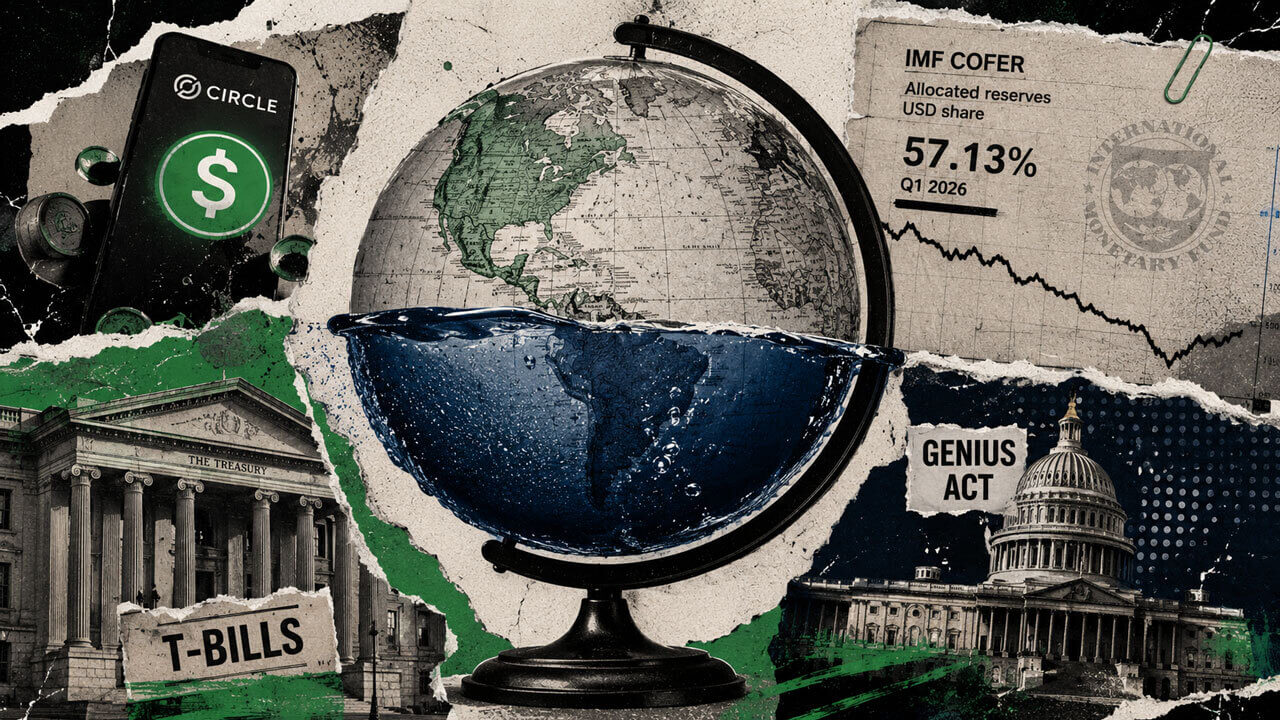
Circle President Heath Tarbert told Congress that bringing digital-dollar infrastructure under U.S. rules could reinforce the network effects behind the dollar’s global role. The article says regulated stablecoins may broaden private use of dollar tokens, steer issuer reserves toward short-term Treasuries and extend the dollar’s digital reach, while leaving official reserve choices to central banks.
Bitcoin Asia’s arrival at the Hong Kong Convention and Exhibition Centre last week is presented as more than a major digital-asset gathering. It reflects a broader shift in which digital assets are moving from finance’s margins into a more regulated and institutionally relevant part of the market.
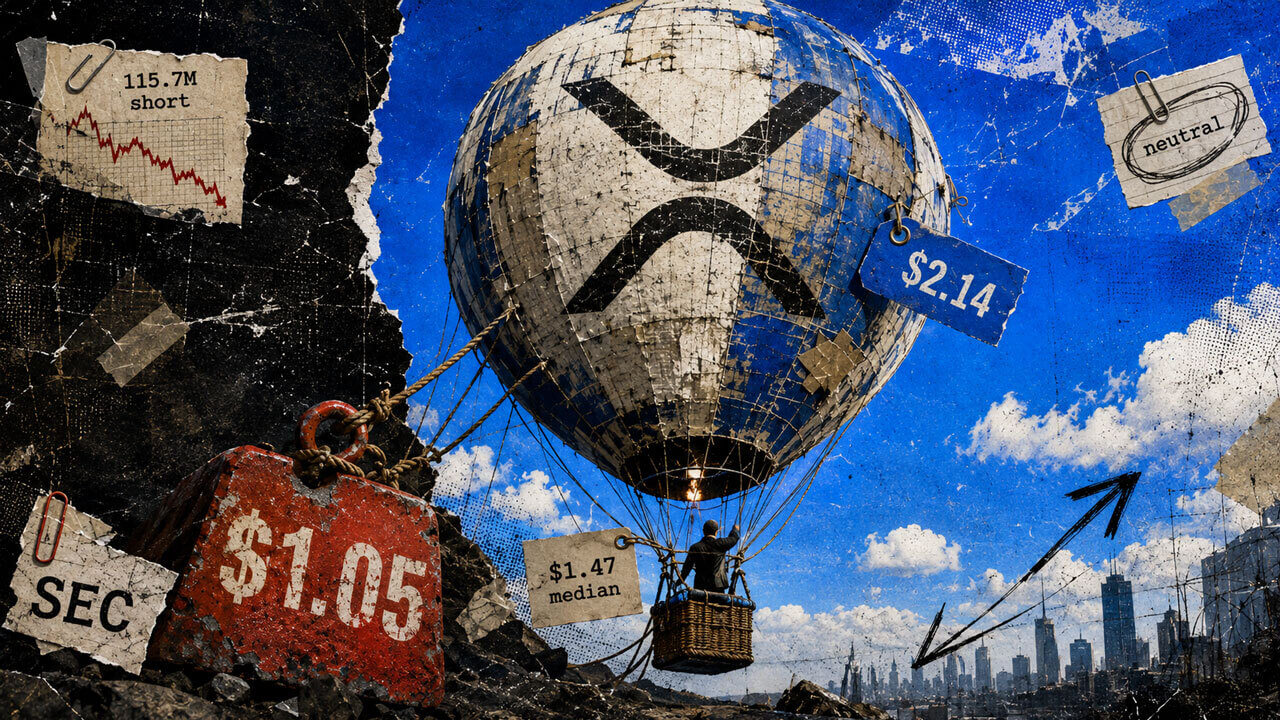
CryptoSlate’s model puts a move above $2.14 by late November in an optimistic forecast scenario, supported by six straight months of net inflows into U.S. XRP ETFs totaling about $474 million. The model’s median target is $1.47, while leveraged funds hold net shorts equivalent to 115.7 million XRP, potentially amplifying future moves.
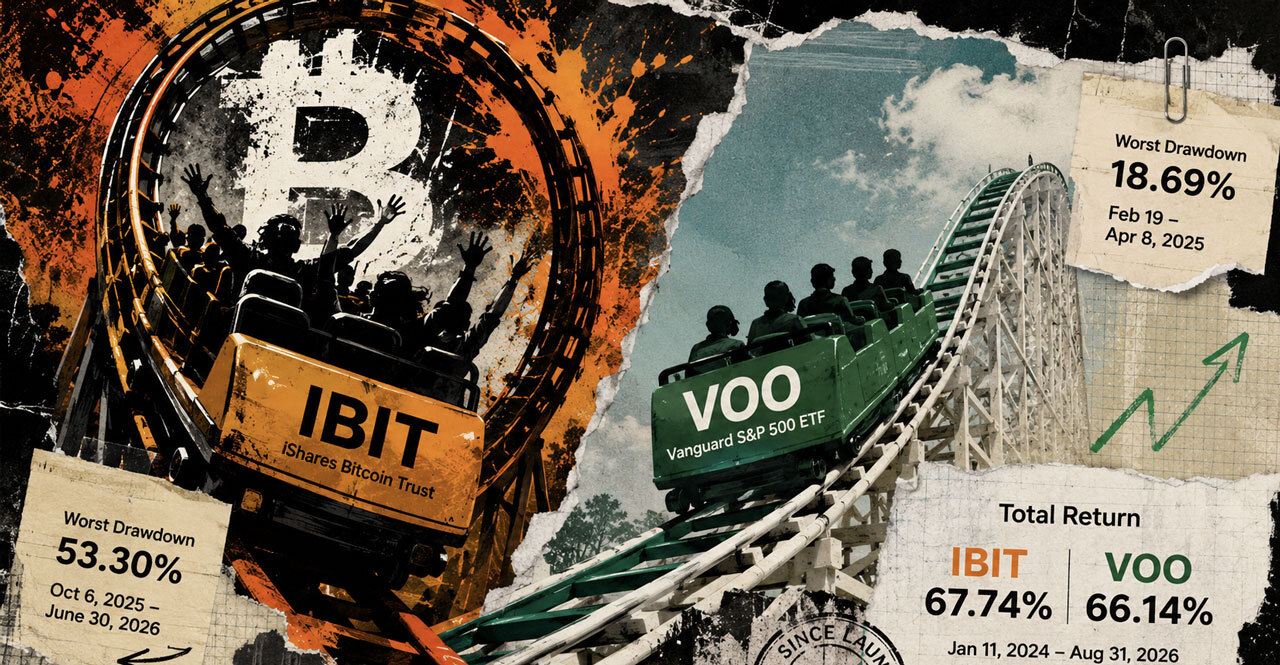
BlackRock’s iShares Bitcoin Trust (IBIT) returned 67.74% from its January 2024 launch through Aug. 31, narrowly ahead of Vanguard’s S&P 500 ETF at 66.14%. The lead came despite IBIT suffering a 53.30% peak-to-trough drawdown, nearly three times VOO’s 18.69% decline.
Payward, the operator of the Kraken crypto exchange, has delayed its initial public offering until at least the second quarter of 2027. The company confidentially filed for a U.S. listing last November but had already paused the plan amid challenging market conditions.
Arbitrum DAO reported $6.2 million in income for the first half of the year. Licensing fees made up 35% of the DAO’s July income, the first month Robinhood Chain was live on mainnet.
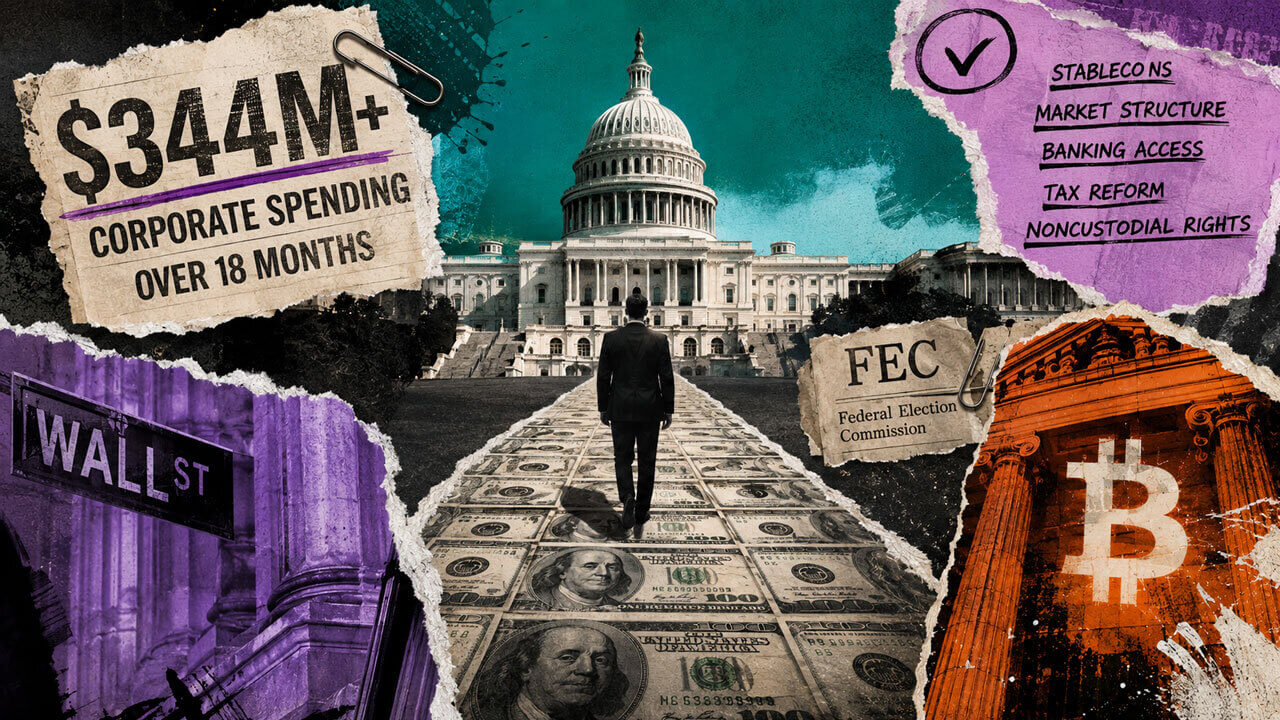
Corporate political donations reached a record $646 million in the 18 months through June, with crypto accounting for $206 million, according to Public Citizen’s analysis of FEC filings. The industry is now seeking durable statutory rules rather than temporary regulatory wins. A Sept. 15 Senate cloture vote on the CLARITY Act could determine whether market-structure legislation advances and what issues come next.
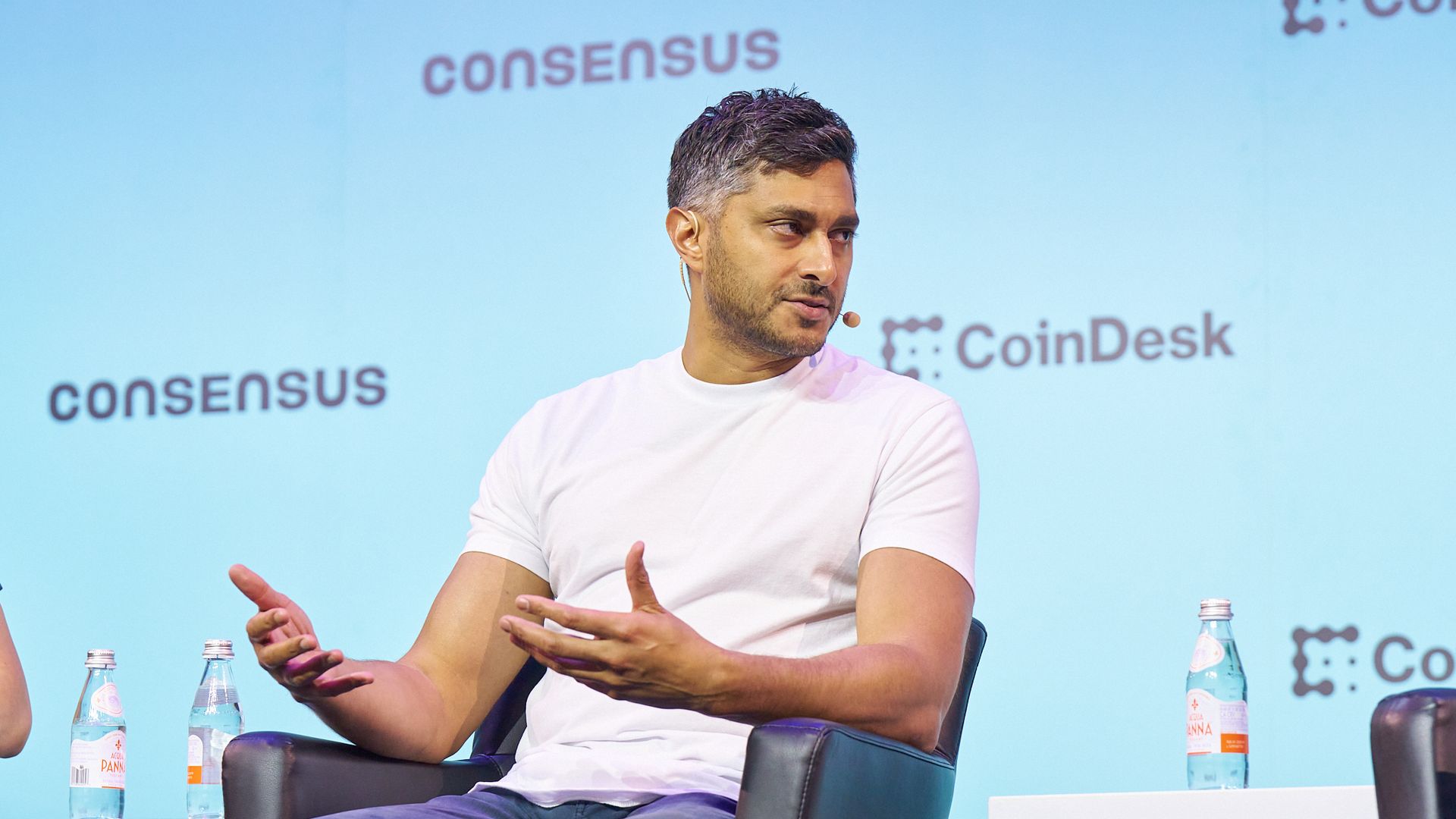
Varun Datta of Truth Ventures argues that crypto venture capital’s shift toward later-stage deals is a consensus trade disguised as discipline. Proven companies received 57% of last quarter’s funding, while he sees the founding-stage gap as the source of returns and identifies three things to watch.
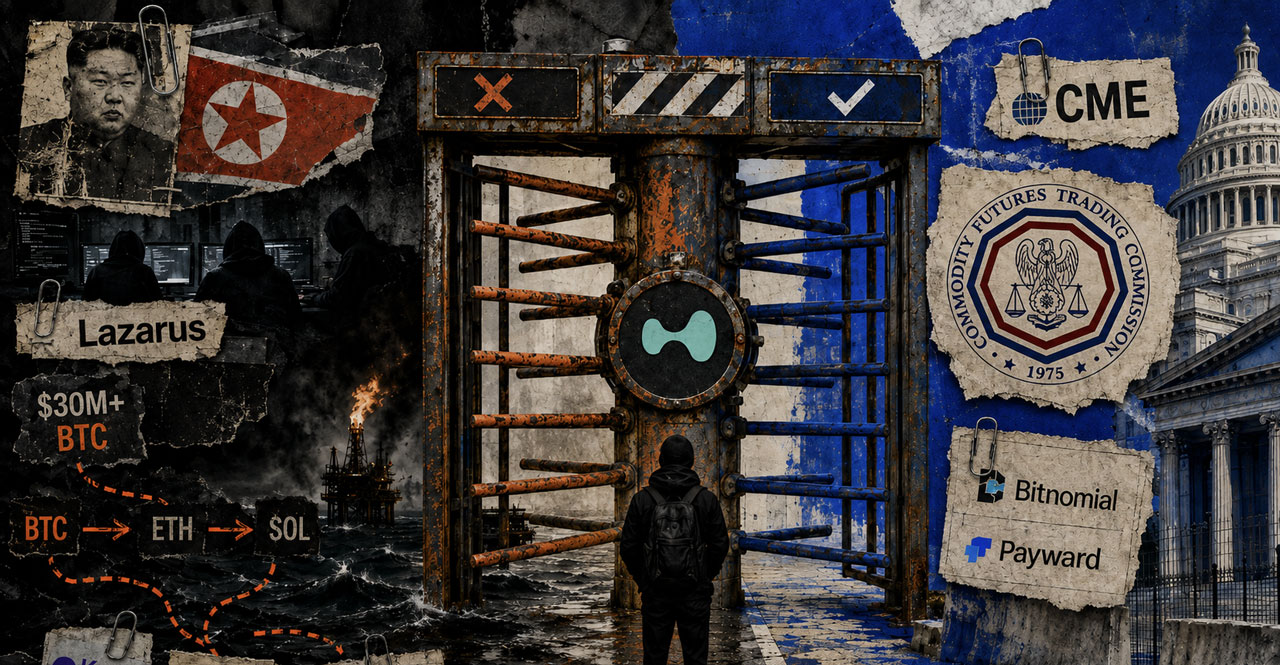
An Arkham analysis reviewed on Aug. 31 found that wallets linked to North Korea’s Lazarus Group sold more than $30 million in Bitcoin through Hyperliquid over three weeks, converting the proceeds to ETH and SOL before transfers to Kraken, LBank and KuCoin. The finding gives force to earlier CME and ICE warnings about sanctions evasion and complicates Hyperliquid’s proposed US entry through Payward and Bitnomial. CME is separately challenging the regulatory framework for crypto perpetuals in court.
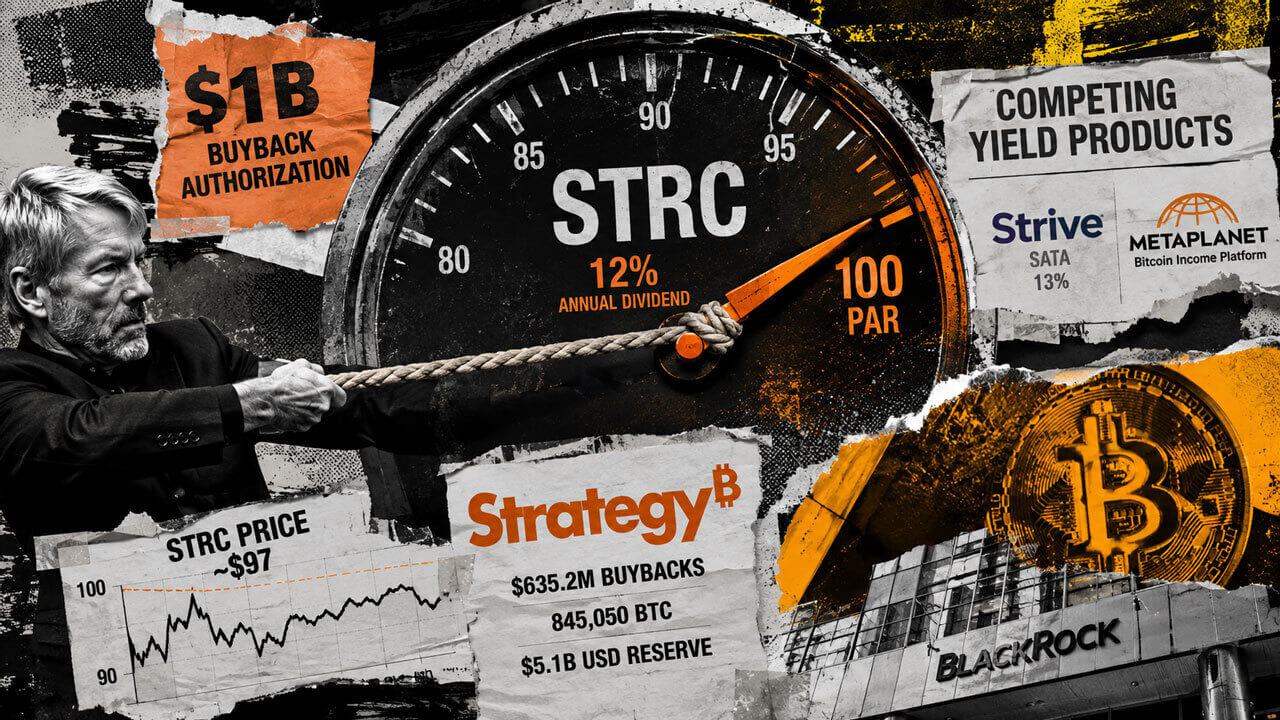
Michael Saylor has roughly a week to bring STRC back to its $100 par value. Strategy has spent $635.2 million on buybacks, yet the preferred security remains near $97. The company has also resumed Bitcoin purchases, signaling confidence that its balance sheet can support both efforts, while the final $3 recovery becomes increasingly expensive.
A year ago, crypto entrepreneur David Bailey seemed to have the Midas touch. After helping win Donald Trump over to Bitcoin, he raised about $760 million for a public company designed to accumulate the cryptocurrency, while his hedge fund returned 640% on similar bets.
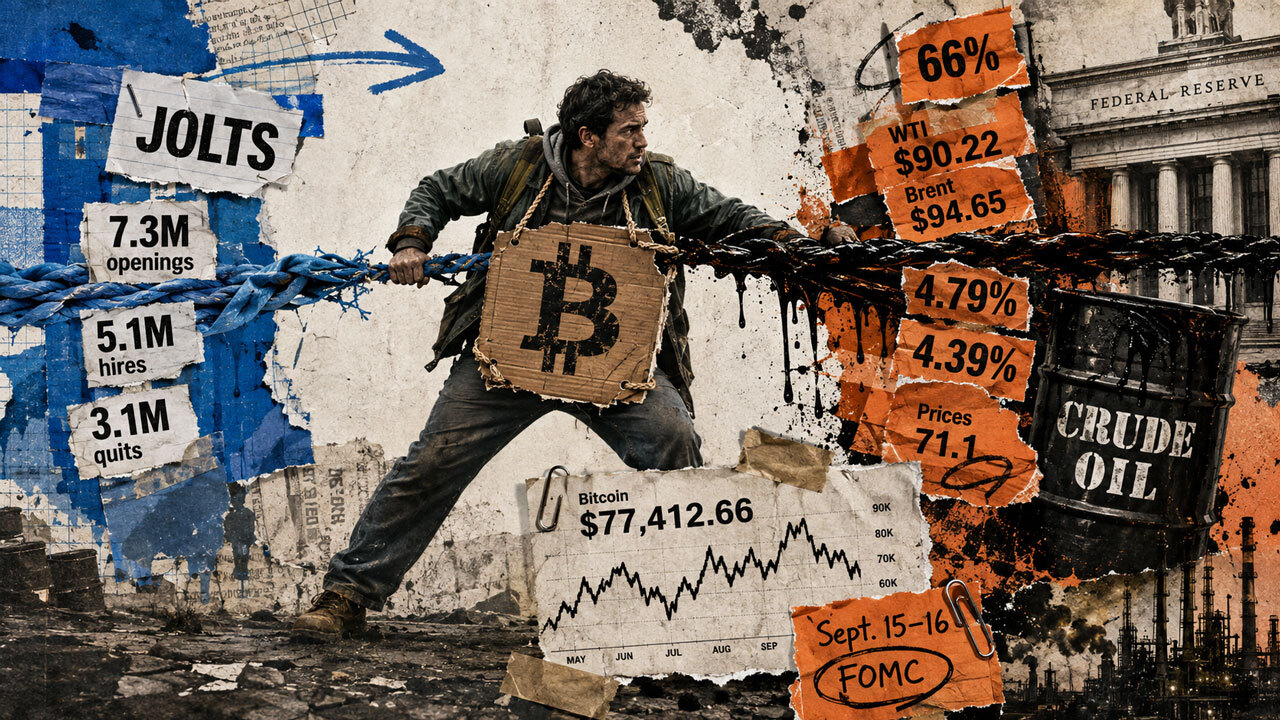
Bitcoin fell below $77,000 as softer US labor data failed to overturn expectations of another Federal Reserve rate increase. With oil near $90, Treasury yields rising and September hike odds reaching 66%, the cryptocurrency faces mounting macro pressure. US spot Bitcoin ETFs also saw $236.46 million in net outflows on Sept. 1.
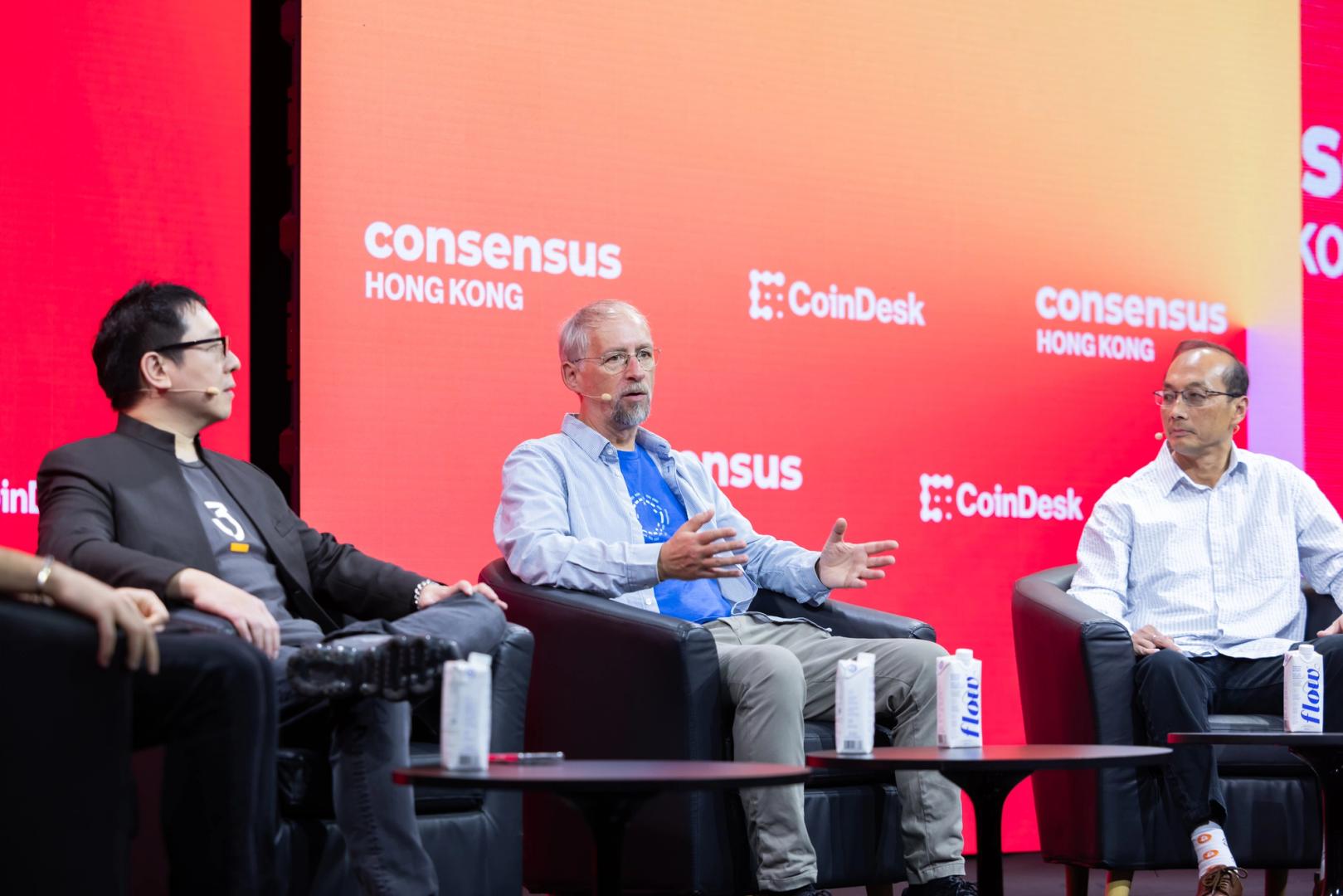
Euronext Growth Paris-listed Capital B plans to add 376 BTC to its bitcoin treasury following an $8.8 million investment from Adam Back. The company issued 13,181,030 shares at 58 euro cents each, with four warrants attached to every share, according to a Wednesday filing.
Japan-listed Remixpoint has sold its entire holdings of Ethereum, Solana, XRP and Dogecoin, making bitcoin its sole cryptocurrency holding. The company now holds about 1,506 BTC, valued at roughly $115 million.
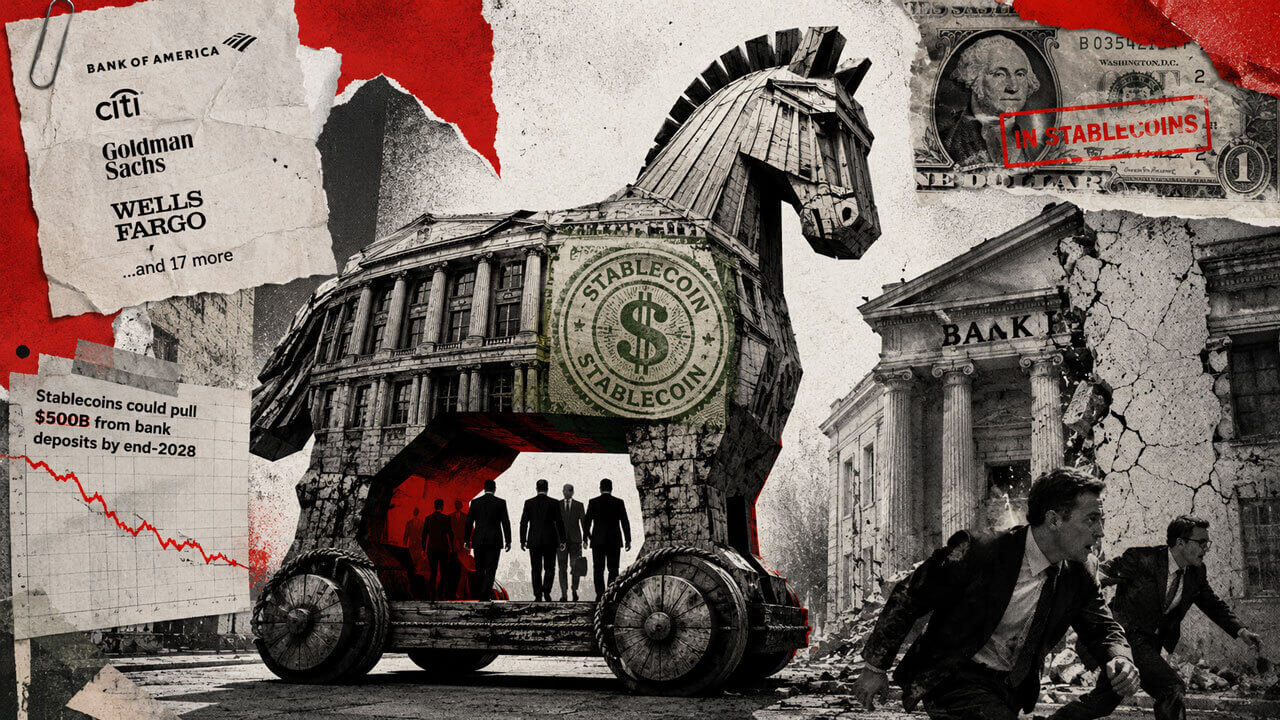
Standard Chartered estimates stablecoins could draw about $500 billion from U.S. bank deposits by the end of 2028. Twenty-one financial institutions, including Bank of America, Citi, Goldman Sachs and Wells Fargo, have committed to form a company and launch a dollar-denominated stablecoin in the first half of 2027, seeking to retain payment, settlement and customer relationships.
A day-ahead look for Sept. 2, 2026, says some observers believe a Federal Reserve rate increase would be a mistake as bitcoin, gold and stocks decline.
Plaintiffs allege that Tether froze $42.4 million in USDT after an informal request from U.S. law enforcement, more than three months before a seizure warrant was issued. The claim is now being challenged in court.
Binance is adding physically settled call and put options on more than 1,000 U.S. stocks and ETFs for eligible users outside the U.S. Nest Trading will introduce orders to Alpaca Securities, which will execute, clear and settle trades and custody shares delivered after exercise.
Strategy CEO Phong Le defended the company’s decision to sell bitcoin at $60,000 and later buy it back at $80,000, pointing to corporate capital costs.
Bitcoin is hovering near $77,000 as surging global bond yields test its resilience after a rally. Renewed tensions between the United States and Iran are also pushing oil prices higher.
Bitcoin fell below $77,500 as all major cryptocurrencies traded lower for the day. Smaller crypto ETFs continued to attract money, while bitcoin funds gave some of it back, recording a $236 million outflow led by BlackRock’s IBIT.
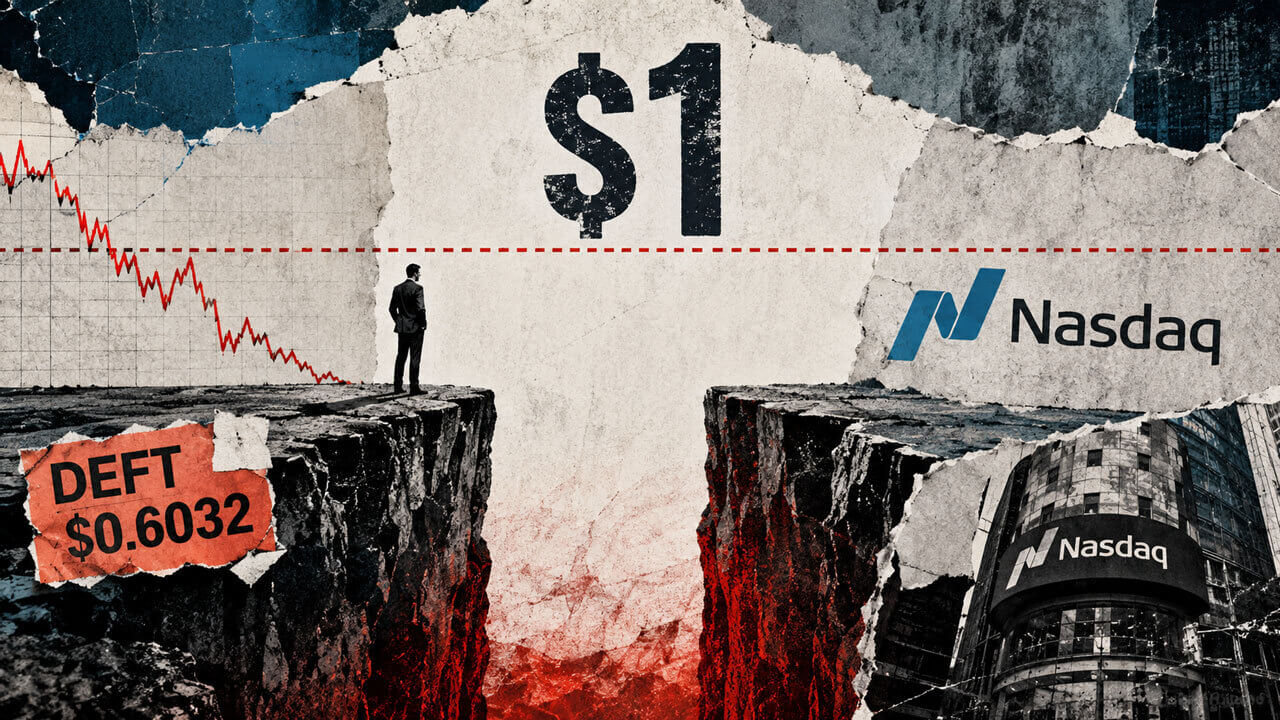
DeFi Technologies failed to meet Nasdaq’s minimum-bid requirement after its U.S.-listed DEFT shares closed at $0.6032 on Aug. 31, preventing the company from completing the required 10-business-day streak above $1 by the Sept. 1 deadline. Nasdaq may grant a second compliance period or issue a written delisting determination. Shareholders have authorized a share consolidation of up to 12-for-1, but none had been executed by Sept. 1.
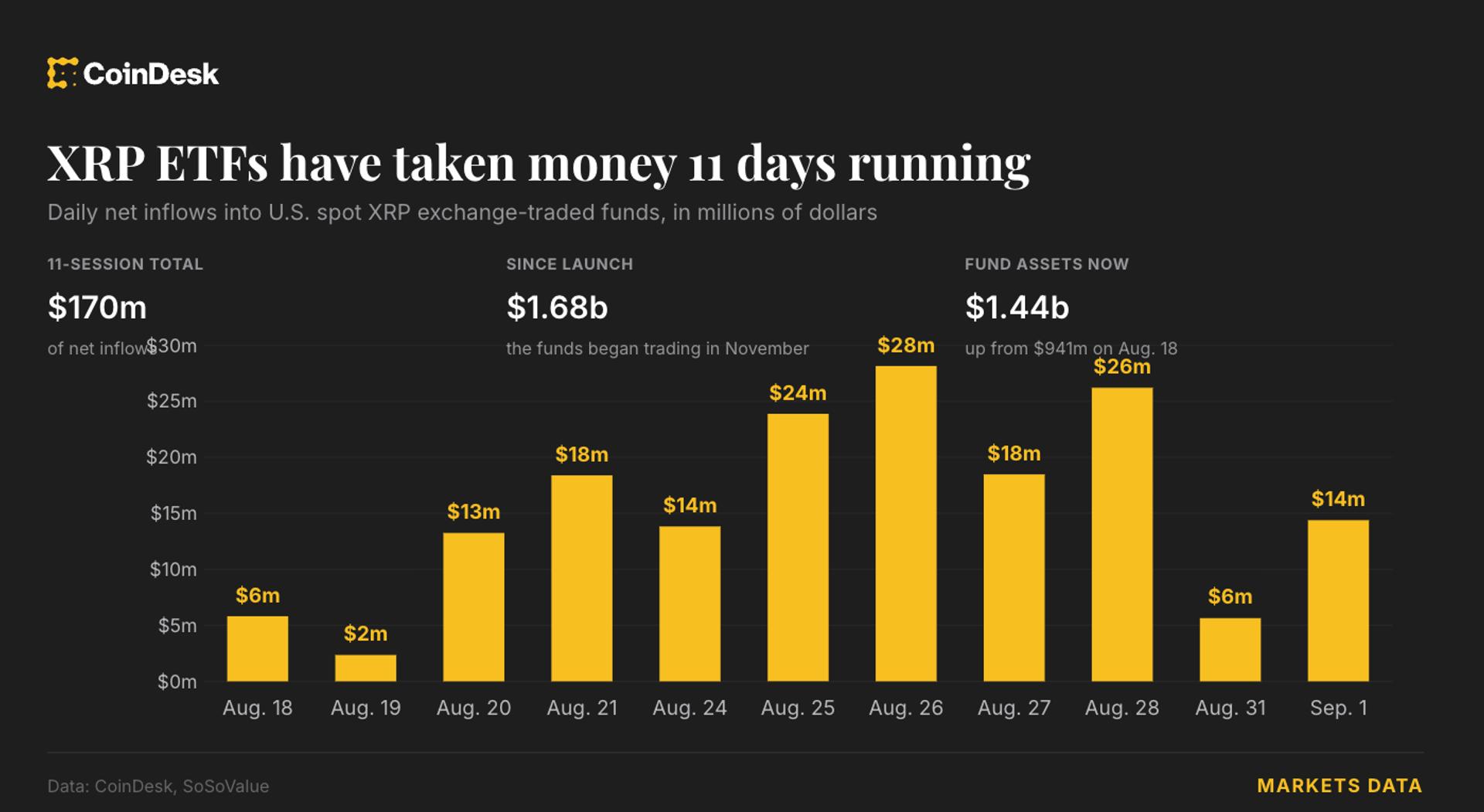
Spot XRP funds have recorded inflows for nine consecutive sessions and attracted $170 million over 11 days. Second-quarter filings identify Goldman Sachs, Jane Street and Millennium among their largest professional holders.
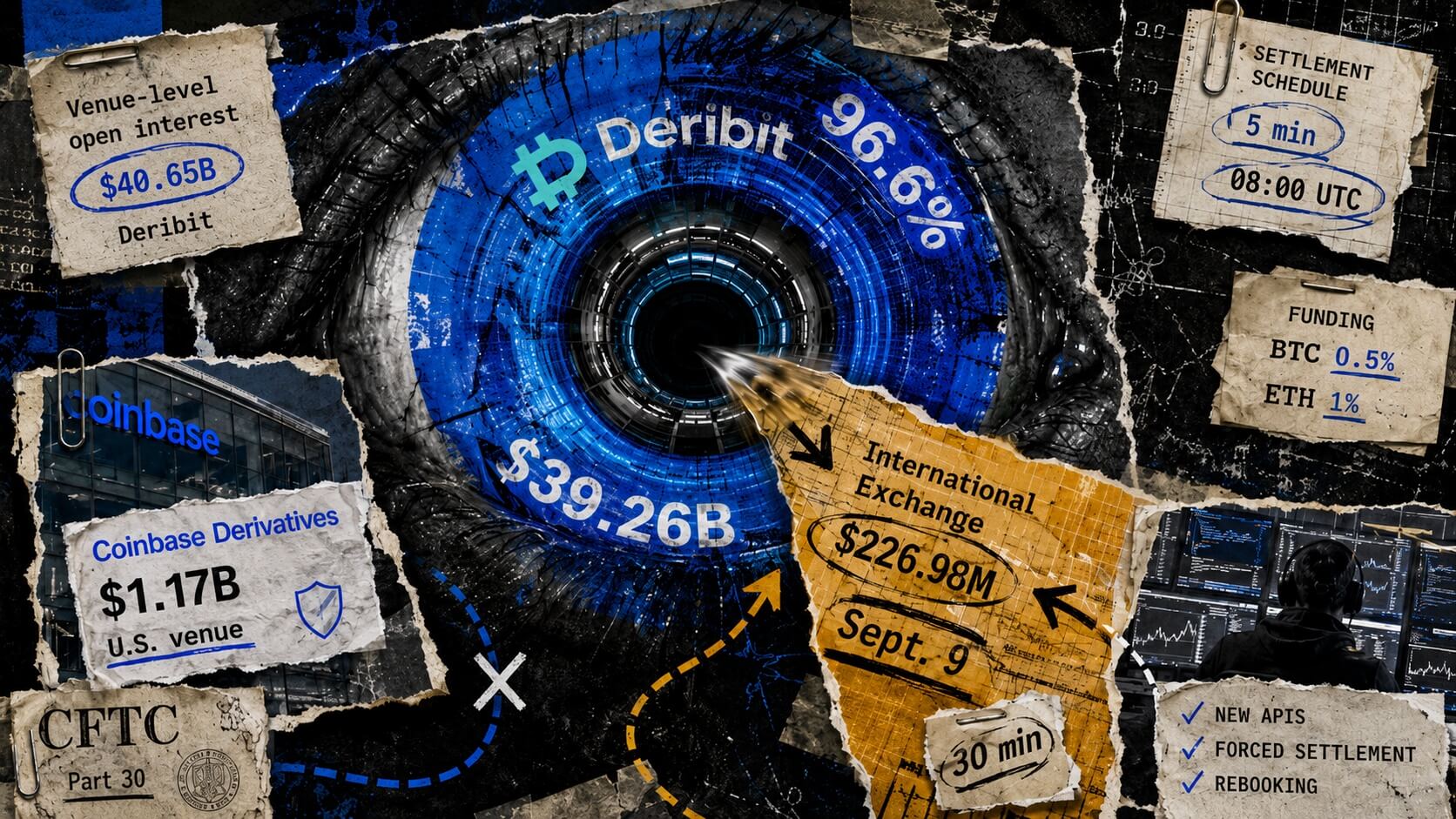
A Sept. 1 snapshot of Coinbase’s derivatives dashboard showed Deribit holding $39.26 billion of the $40.65 billion in displayed open interest, or 96.6%. Coinbase’s institutional International Exchange accounts, positions and balances are scheduled to move to Deribit on Sept. 9, with an expected 30-minute outage; the date remains subject to client readiness and regulatory approval.
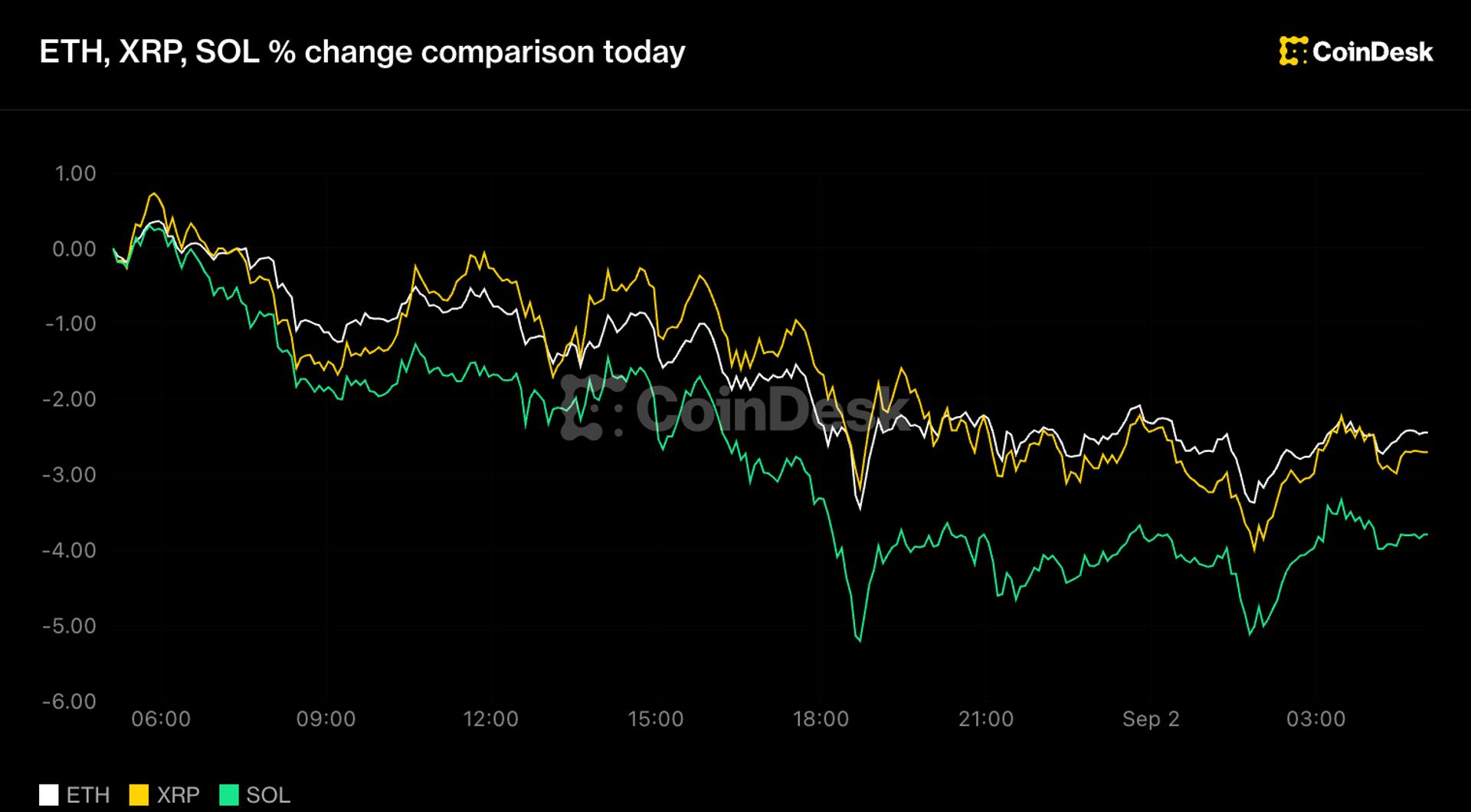
Iran strikes triggered a broad risk selloff, sending every large-cap token lower over the past 24 hours. High-beta majors lost roughly three times as much as bitcoin.
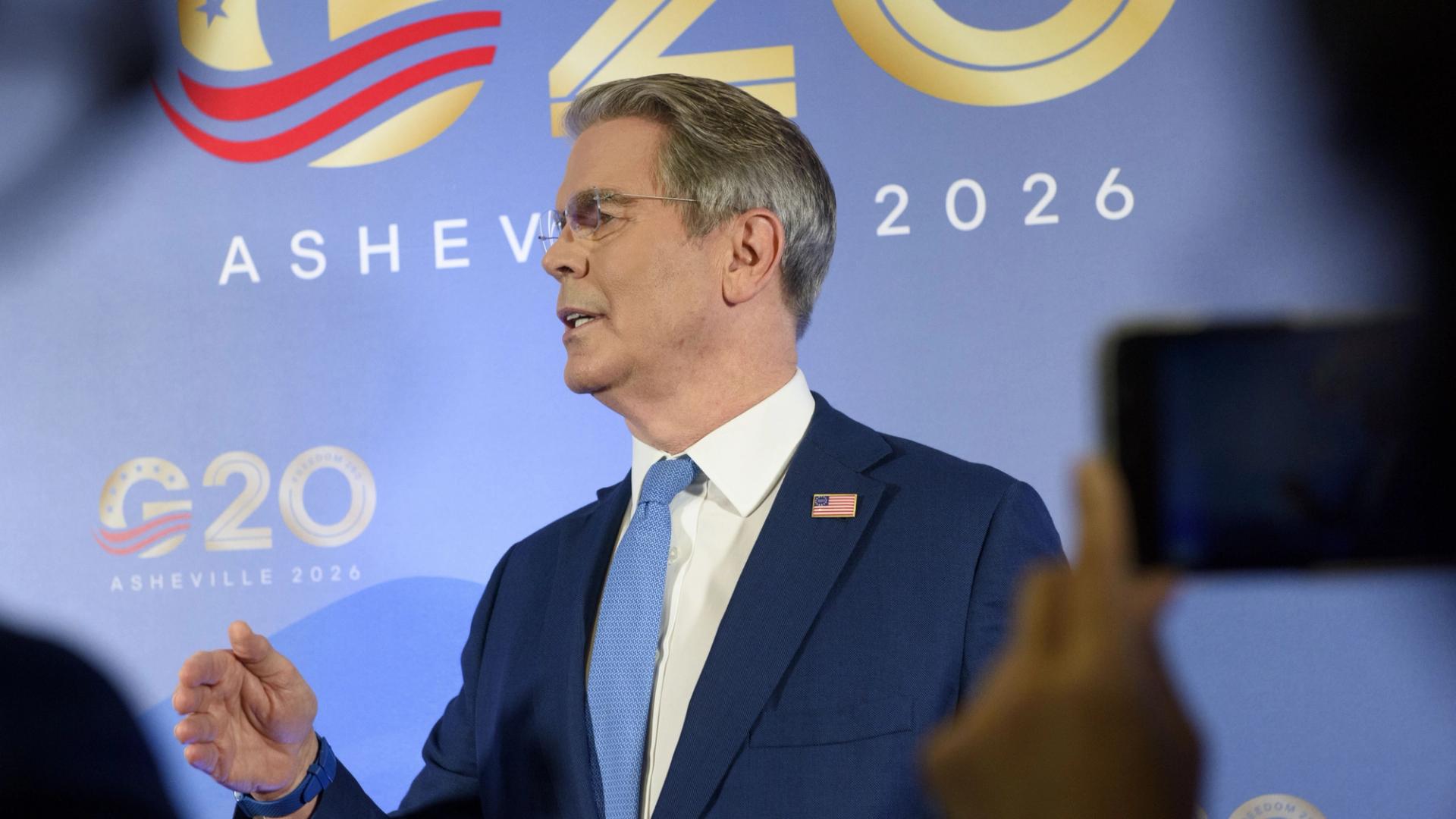
G20 officials acknowledged that digital assets can support economic growth and private-sector innovation, and pledged to create clear pathways for innovation in the sector.
Kalshi recorded $37.17 billion in August volume, while Polymarket and its US platform together posted $8.16 billion. Combined volume at the two platforms fell 15%, marking the first monthly decline in a year.
VTB CEO Andrey Kostin said cryptocurrencies are certain to be part of the future, but private, non-state versions face understandable resistance from countries and their central banks. He said the key question is which cryptocurrencies will ultimately prevail.
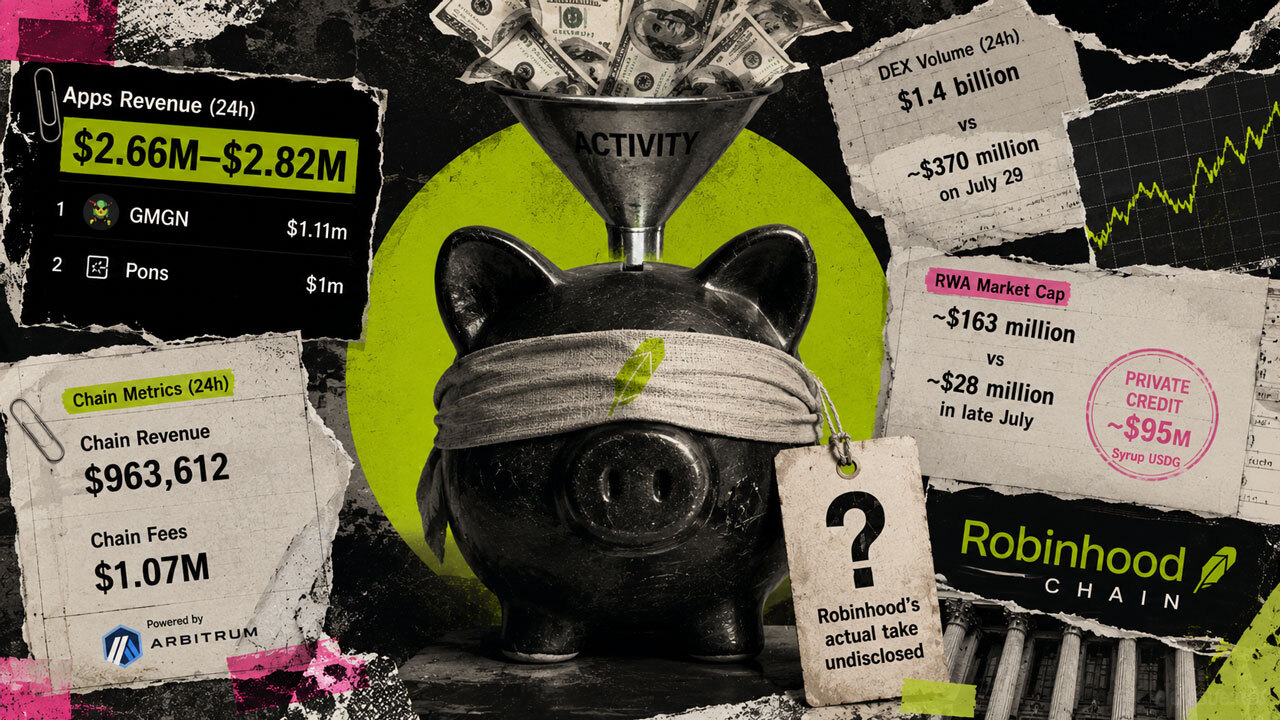
Robinhood Chain applications generated roughly $2.66 million to $2.82 million over a rolling 24-hour period early Sept. 1, led by trading bot GMGN and launchpad Pons. The disclosures show significant fee activity but provide no formula linking it to Robinhood’s corporate revenue, leaving the company’s eventual recurring take unresolved.
Hyperliquid Strategies has increased its equity facility from $1 billion to $2.5 billion. Recent filings show the company had sold about $647 million worth of shares as of June 30.
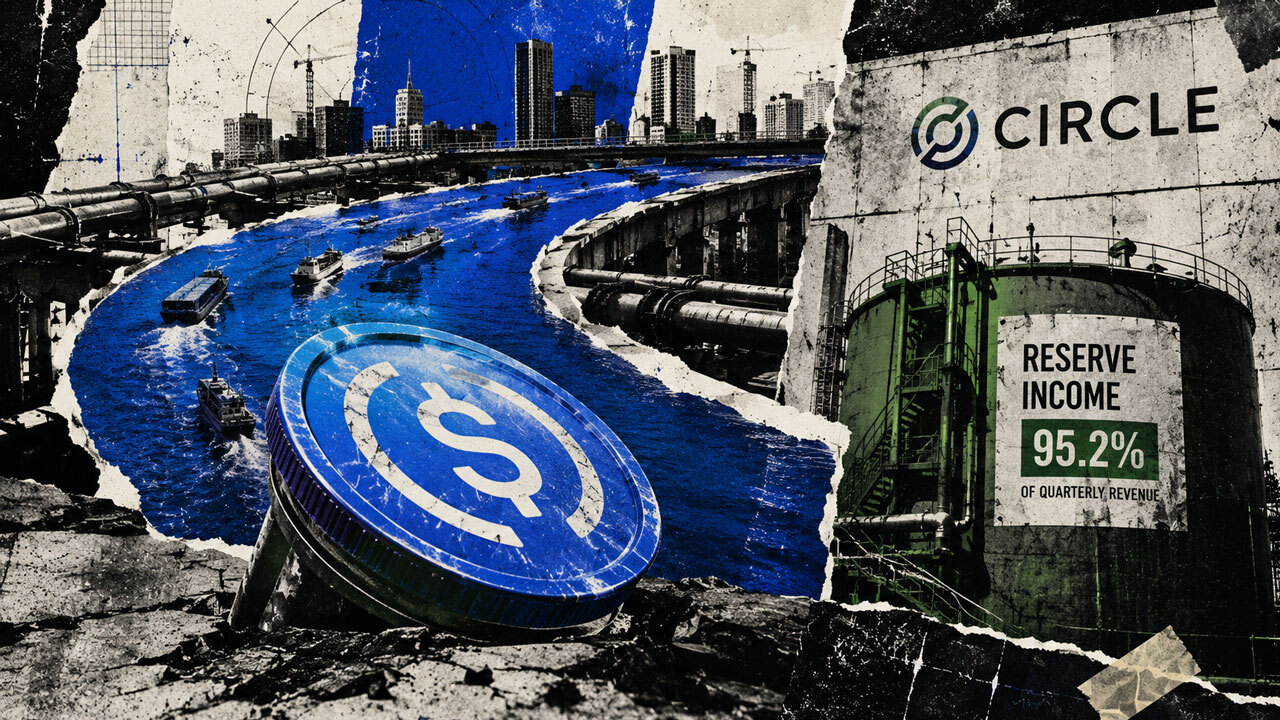
Coin Metrics measured $32 trillion in adjusted USDC transfer volume through August 2026, a figure that reflects onchain movement rather than consumer payments or net settlement. Circle reported $701.3 million in second-quarter revenue and reserve income, with $667.7 million, or 95.2%, coming from reserve assets; transaction revenue was only $5.3 million. The figures show crypto-market usage, but not a toll collected on every transfer.
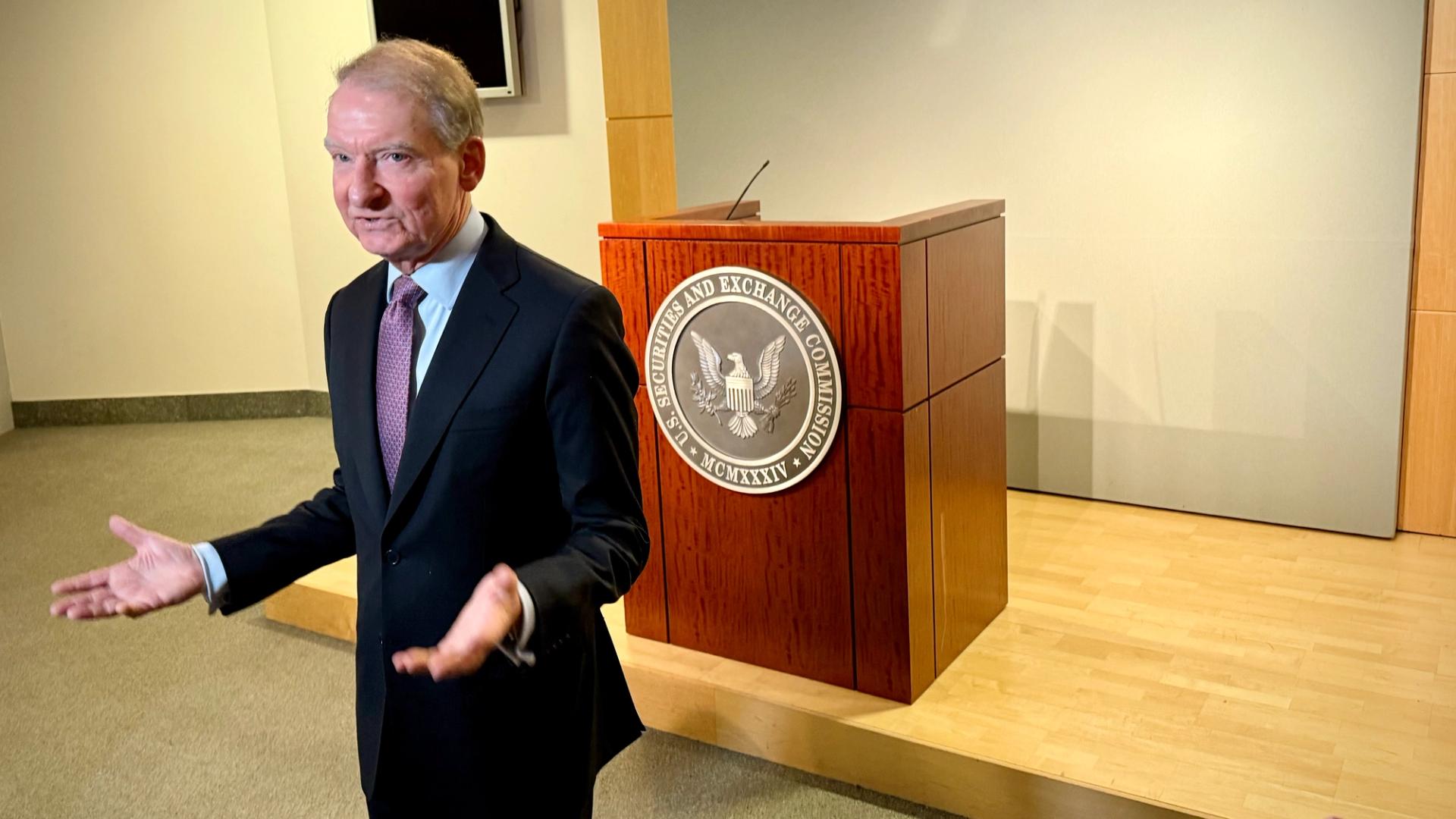
The U.S. Securities and Exchange Commission released an agenda for its 24-trading roundtable and proposed a new transfer-agent rule with potential blockchain implications.
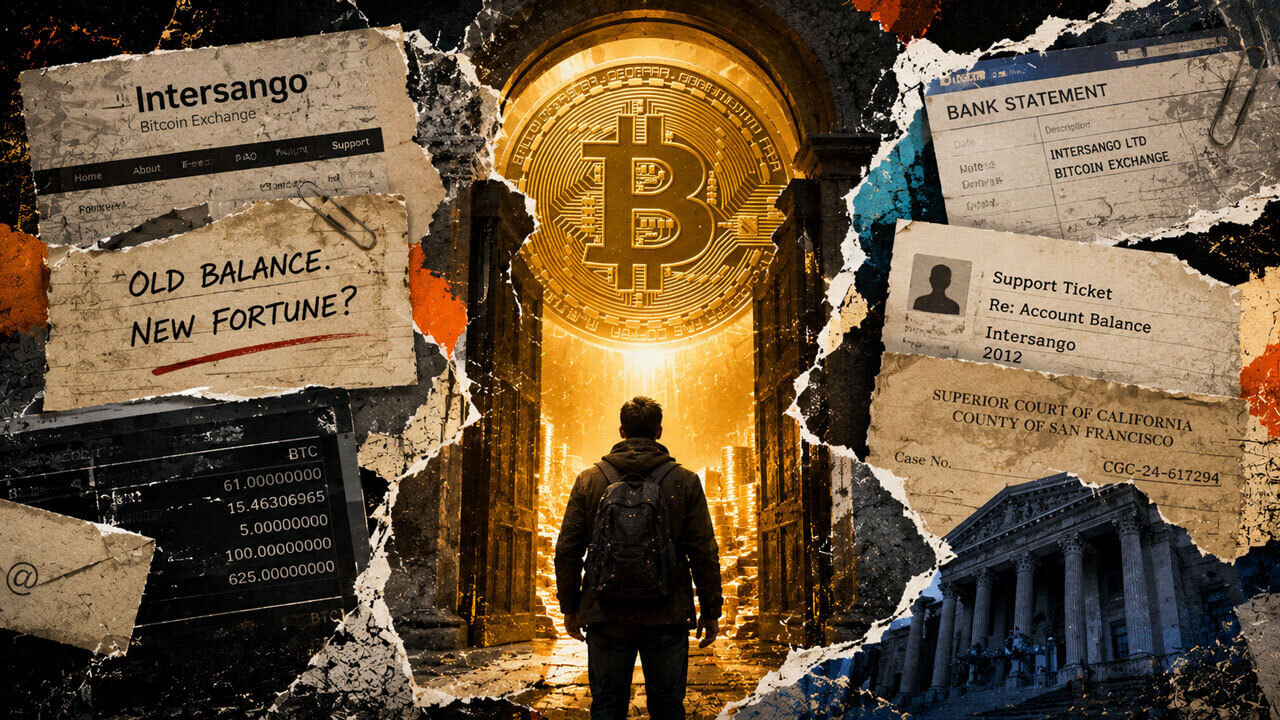
CEL Solicitors says it has traced more than 5,500 BTC it believes belonged to former users of the defunct early exchange Intersango. A UK customer recovered 61 BTC, now worth about $4.81 million, while other claimants must link historical account balances to the assets through records such as emails, bank statements and account files.
Tests found that memecoin purchases on Robinhood Wallet and Fomo were coded as “digital media” rather than cryptocurrency, allowing buyers to earn credit-card points despite restrictions imposed by card networks.
The combined market value of crypto treasury companies has risen 10% since mid-August and is hovering near $340 billion, with altcoin DATs outperforming.
Comprehensive legislation for the cryptocurrency industry is on the brink of failure as doubts grow over whether the bill can make it across the finish line.
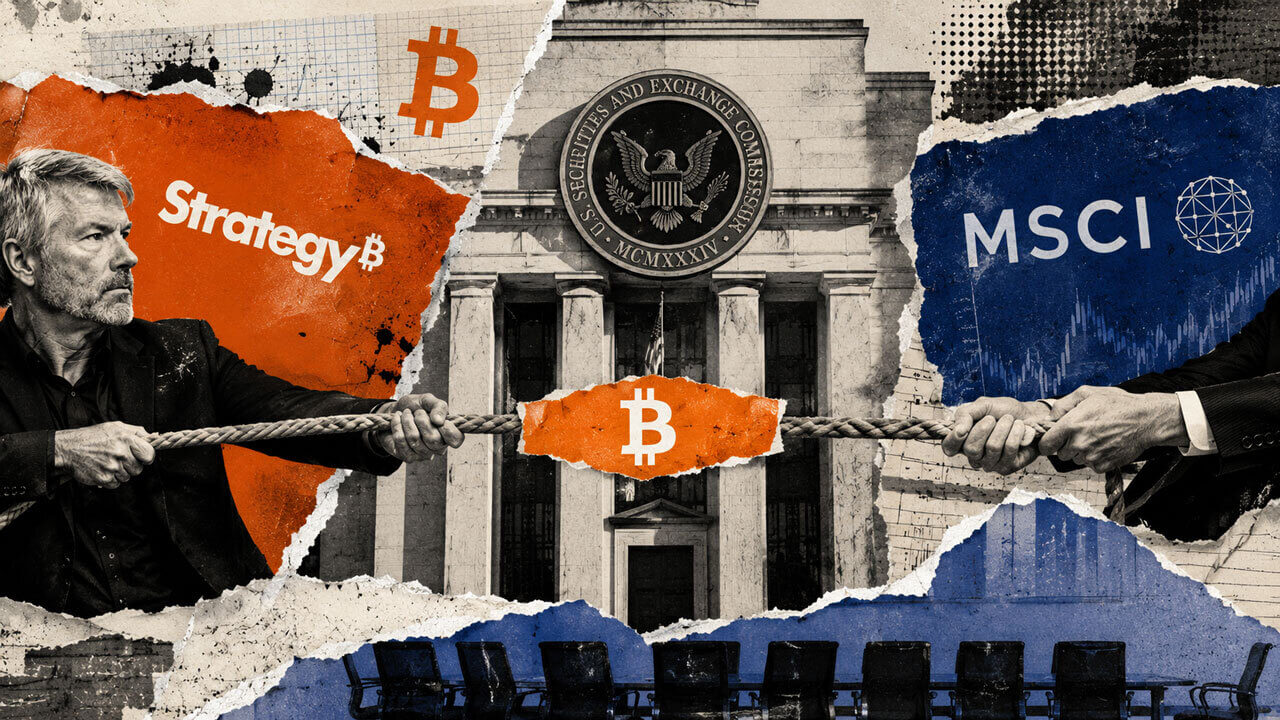
Strategy is challenging MSCI’s proposed “non-operating company” screen by citing the index provider’s 2022 SEC arguments that index providers are neutral and do not judge investments. Strategy says the methodology would nevertheless require MSCI to decide whether Bitcoin is an operating asset, potentially creating regulatory and reputational risks for MSCI.
Cango reduced the size of its mining fleet in the second quarter as revenue declined and the company concentrated on improving efficiency. Its shares plunged 20% after it reported an $81.6 million quarterly loss.
Citi, Goldman Sachs and other global banks and asset managers are joining forces on a stablecoin venture. The group will initially develop a U.S. dollar stablecoin for payments and digital-asset settlement, with a euro token prioritized for expansion.
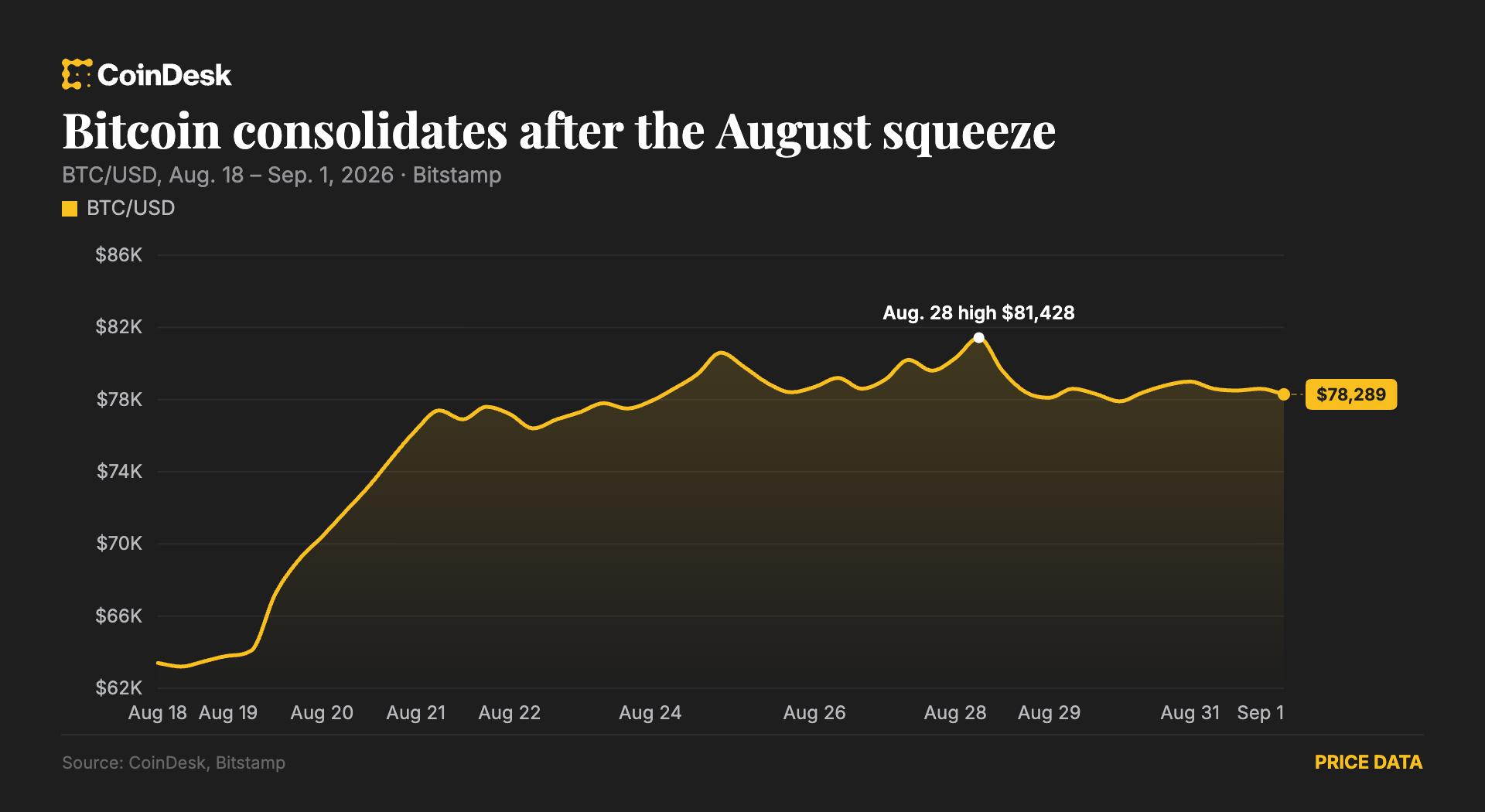
Bitcoin eased after last week’s rally to $81,428 and consolidated near $78,000. Arbitrum led gains in decentralized finance, jumping 30% as daily fees on Robinhood Chain exceeded $2 million.
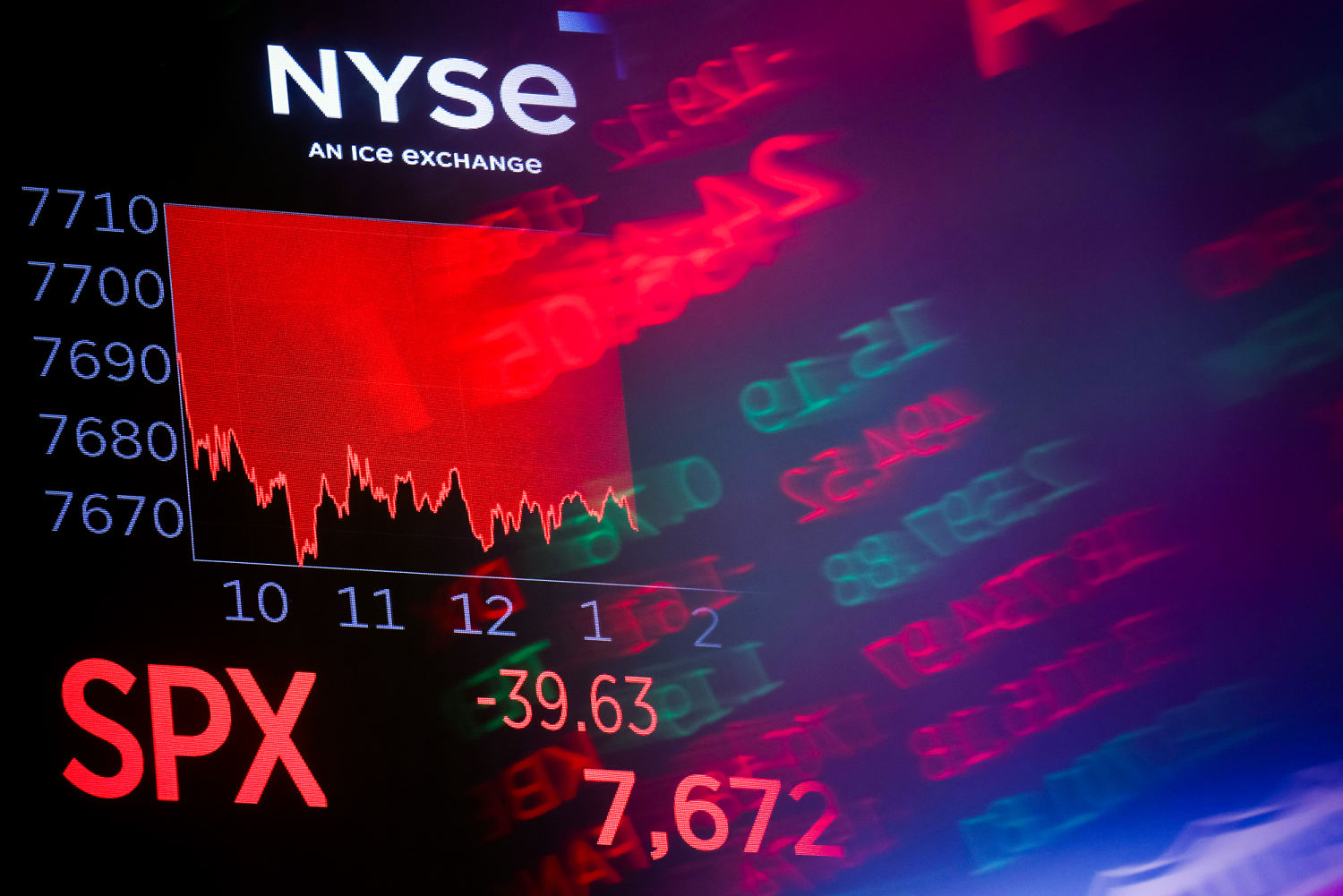
Bond yields jumped and stocks opened lower as mounting concerns that the Federal Reserve could raise interest rates this month to contain persistent inflation unsettled markets.
Bitcoin and gold are moving increasingly in tandem as the debasement trade gathers momentum. Bitcoin’s 90-day Pearson correlation with gold has reached an all-time high, while the Fear and Greed Index stands at 68.
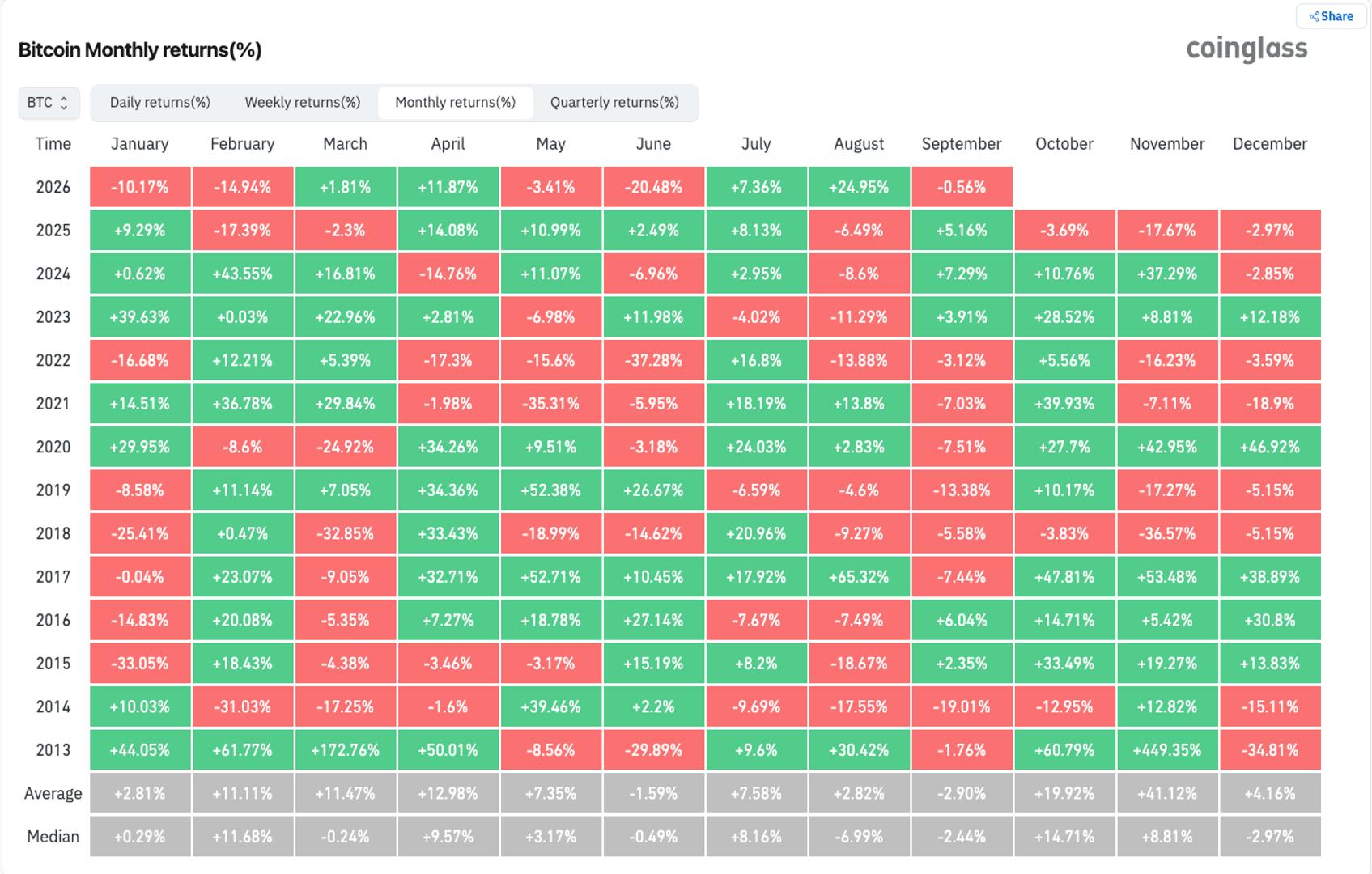
September has historically been a poor month for risk assets overall, with bitcoin particularly vulnerable. The prospect of interest-rate hikes now threatens bitcoin’s August rally.
Britain is broadening enforcement of Russia sanctions to the payment routes used by sanctioned networks. The National Crime Agency issued its first nationwide alert on the A7 network, urging financial and crypto firms to scrutinize intermediary wallets, cross-border infrastructure and other evasion signals. A proposed law would raise civil penalties to £2 million or 100% of a breach’s value, but legislation is still required.
Silhouette has launched request-for-quote trading for xStocks on Hyperliquid, enabling market makers to compete for tokenized equity trades that settle onchain.
Ethena Pay offers a 6% dollar savings rate and 5% card cashback, using Avalanche for settlement as it brings stablecoins into everyday banking services.
Russia’s new crypto law took effect on September 1, creating a supervised framework for investment and cross-border settlements. But key rules and trading channels are unfinished, while crypto payments for goods and services remain banned. Retail investors will face testing and a ₽300,000 annual limit per intermediary once access expands.
Bitcoin has remained resilient despite higher oil prices and stronger expectations of a September Federal Reserve rate hike. Attention now turns to Friday’s jobs report.
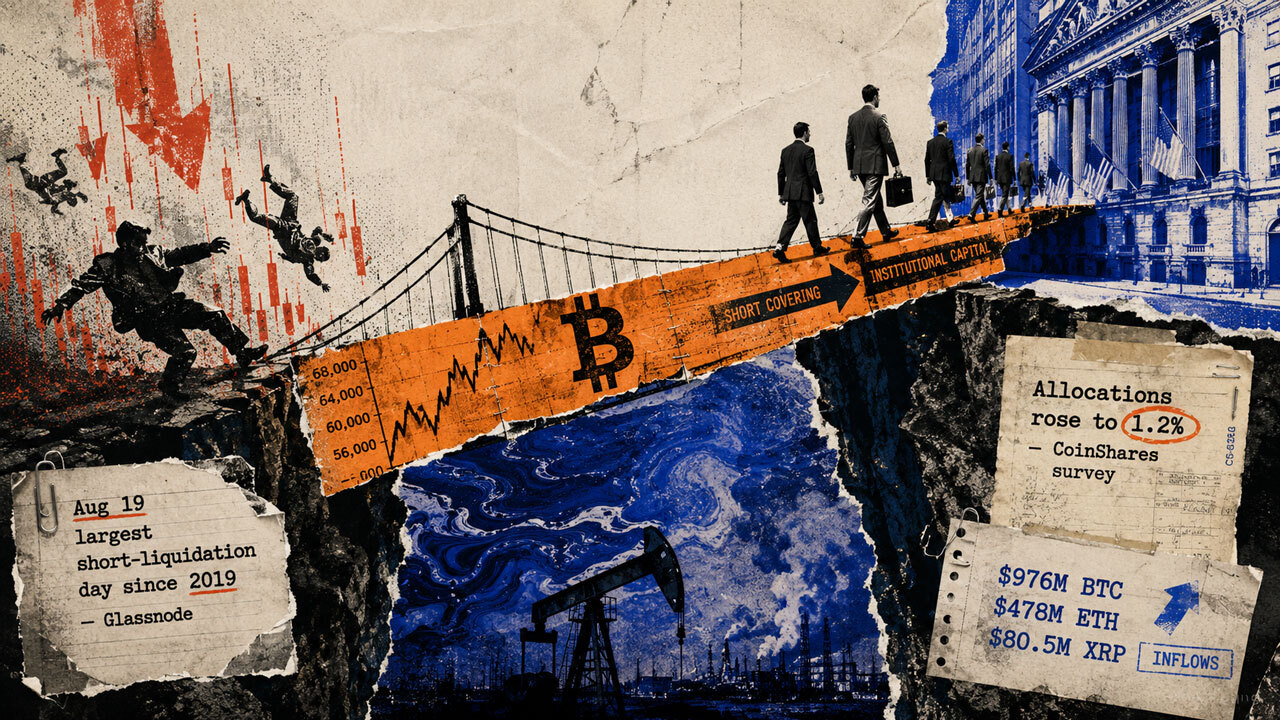
Bitcoin climbed from roughly $63,500 toward $80,000 last week, adding about $500 billion to crypto’s market value. Forced short covering drove the early rally, while regulated investment products later brought in fresh capital. CoinShares reported more than $2.9 billion in weekly inflows through Aug. 20, followed by another $1.65 billion in the next week’s first three trading days.
Singapore’s financial watchdog has proposed rules requiring stablecoin issuers to hold 100% reserves and banning them from offering yields. It says the framework aligns with U.S. and EU rules and could enable recognition of foreign stablecoins.
Binance has added options covering 1,000 US stocks and ETFs. Trading volume for TradFi perpetual futures on the exchange reached about $433.4 billion in August, roughly 15 times January’s level.
The Minutes Reader extension turns the original page into a focused reading view and translates articles and video subtitles on demand. It is in limited beta.
 CoinDeskOriginal★★☆☆☆2026-09-03 15:00