Bitcoin withstands $90 oil and rising yields as gold slides; firm dollar is the catch
Bitcoin trades choppily as $90 oil and rising bond yields pressure stocks and gold. The firm dollar remains a constraint for the market.

Bitcoin trades choppily as $90 oil and rising bond yields pressure stocks and gold. The firm dollar remains a constraint for the market.

Freight traffic along Russia’s Northern Sea Route reached 12.9 million metric tons in the first five months of 2026, up 13% from previous years, Deputy Minister Anton Basansky said. He added that transit freight traffic had also increased.
Cuba’s tourism industry has plunged as the United States intensifies pressure on the island this year. Official figures show visitor numbers fell 62% from January through July compared with the same period in 2025.
Bessent’s supposed ‘yentervention’ may have been smaller than many had imagined.
Kalshi recorded $37.17 billion in August volume, while Polymarket and its US platform together posted $8.16 billion. Combined volume at the two platforms fell 15%, marking the first monthly decline in a year.

Moskvich plans to produce more than 20,000 vehicles in 2026, including 5,000-6,000 M70 and M90 cars, CEO Elena Frolova said. She expects September sales to reach 1,200-1,500 vehicles after about 1,200 in August, while production continues to rise steadily.
Russian Finance Minister Anton Siluanov said sovereign bonds issued by advanced economies reached a record $59 trillion in 2025, while gross borrowing totaled $17 trillion, with about 80% used to refinance existing debt. He said persistent budget deficits have driven up debt in major advanced economies and called for a return to fiscal discipline.
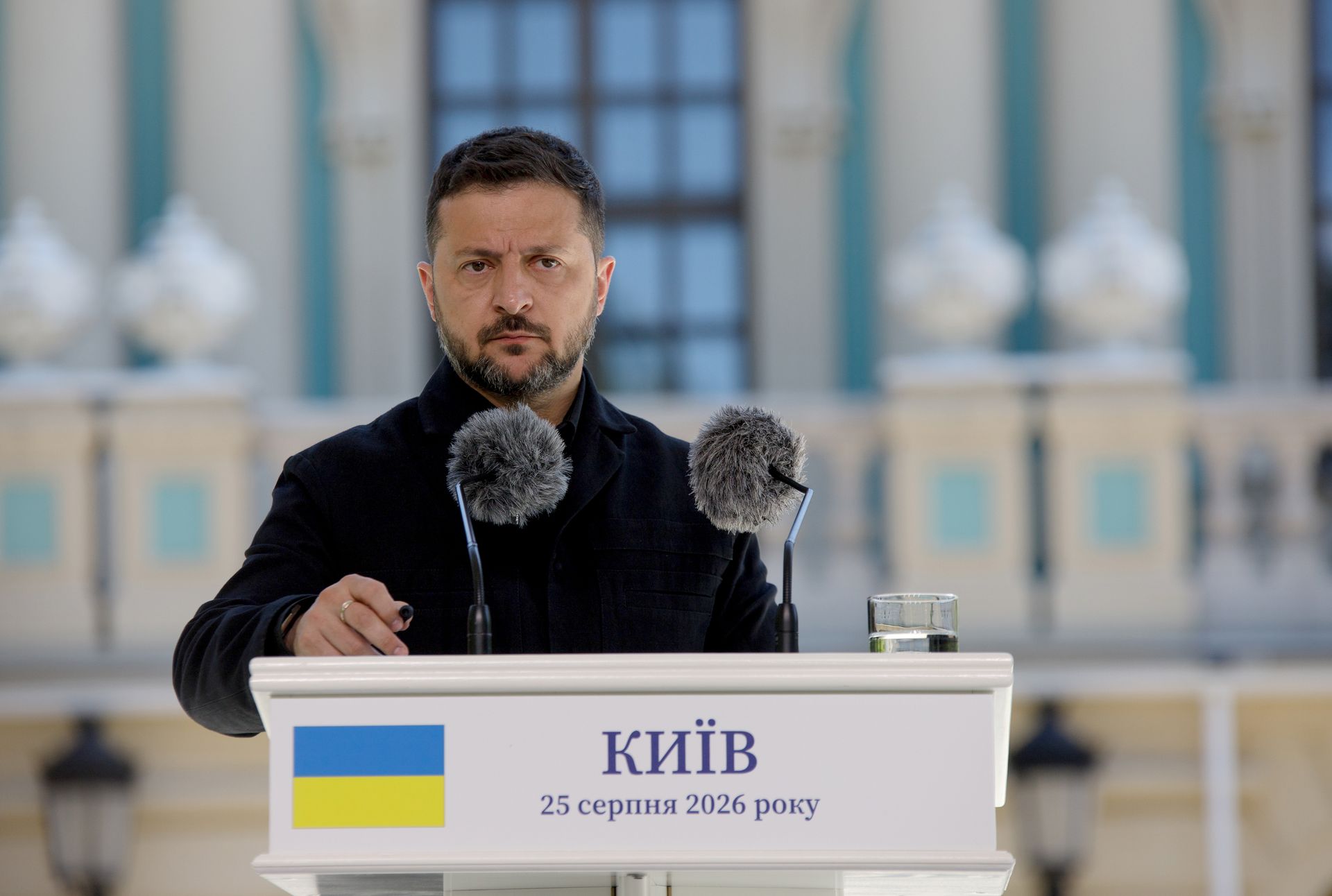
Volodymyr Zelensky warns airlines, insurers and operators serving Russian airports that the country’s airspace is becoming extremely dangerous as Ukraine intensifies drone strikes. Vladimir Putin calls the warning a “declaration of state terrorism” and says Russia will continue escalating its attacks on Ukraine.


President Volodymyr Zelenskyy warned that Ukrainian drones will keep operating over Russia, making its airspace increasingly unsafe for civilian aviation. He said Ukraine is targeting military infrastructure that supports Russia’s war effort.
Russian President Vladimir Putin described Volodymyr Zelensky’s warning that Russia’s airspace is becoming unsafe as a “bid for state terrorism.” Zelensky said airlines should leave, while Putin warned that Russia would respond to any resulting tragedies and said its forces had orders to prepare massive strikes on Ukraine’s energy facilities.
Ukraine’s president issued a warning to carriers, insurers and governments abroad: as Kyiv expands its drone campaign, flying through Russian airspace will become progressively less safe.
Aeroflot shares dropped more than 5% after Ukrainian President Volodymyr Zelensky warned airlines using Russian airspace. At around 8:40 p.m. Moscow time, the stock reached 30.36 rubles, down 5.11%. Zelensky said the airspace was becoming “completely unsafe” because drones would appear in Russia’s skies on a scale airlines must consider, adding that its safe days were over.
Ukrainian President Volodymyr Zelensky warned airlines, insurers, and others using Russia’s airspace or key airports that Ukrainian drone attacks are making the airspace completely unsafe and will effectively close it. He said Ukraine is not targeting civilian aviation and wants to prevent innocent deaths, while reiterating that he had ordered 1,000 drones a day against Russia.

President Volodymyr Zelensky warned airlines, insurers and foreign governments that Russian airspace will be “de facto closed” because of Ukrainian drones. He said carriers serving Moscow, St. Petersburg and other major Russian hubs must account for the danger, while insisting Ukraine does not threaten civil aviation.
Russia’s Defense Ministry says air defenses intercepted and destroyed 109 Ukrainian fixed-wing drones between 8 a.m. and 8 p.m. Moscow time on September 1. The ministry said the UAVs were downed over seven Russian regions, Crimea and the Black Sea.
Russia’s Far East and Arctic Development Minister Alexey Chekunkov said the Transarctic Transport Corridor and Arctic Zone development project will need private investment alongside government infrastructure support. He said the state should build infrastructure, reduce risks, provide stable rules and help make complex, long-term projects economically viable rather than replace business funding.
More than 35 international container voyages are expected on the Northern Sea Route in 2026, up from 24 in 2025, Russian Far East and Arctic Development Minister Alexey Chekunkov said. Freight traffic is projected to reach about 40 million metric tons, with international carriers’ share continuing to grow as infrastructure develops.
People across Taiwan are taking out loans and even remortgaging their homes to chase gains in an AI-driven stock boom, but not everyone is profiting.
Coal output in Russia’s Yakutia has grown 2.6-fold over five years to nearly 52 million metric tons, regional head Aysen Nikolayev said. Gold production rose 1.3-fold, while oil and gas output also increased significantly and electricity generation climbed 10%.
VTB CEO Andrey Kostin said the digital ruble will gradually develop and become part of everyday life in Russia. He described it as a more convenient, transparent and faster means of payment.
VTB CEO Andrey Kostin said cryptocurrencies are certain to be part of the future, but private, non-state versions face understandable resistance from countries and their central banks. He said the key question is which cryptocurrencies will ultimately prevail.
Russian Deputy Industry and Trade Minister Roman Chekushov said online sales could account for about 33% to 35% of the country’s retail trade by 2030. E-commerce turnover reached 13.2 trillion rubles in 2025, or 21% of retail sales. He added that the ministry plans to develop all forms of trade, while brick-and-mortar outlets grew by 80,000 over five years.
China’s National Social Security Fund more than doubled its offshore investments over the past three years to a record 580.02 billion yuan, or US$86 billion. Offshore assets accounted for 15.23 per cent of the fund’s total assets at the end of 2025 as it pursued higher returns through diversification beyond domestic holdings.

A new cohort of leaders is taking the helm at leading European private-capital firms.
Interpath’s new owners are seeking a foothold in the US, the leading market for restructuring and other consulting work.
Honda aims to reduce costs by more than $9 billion over the next four years and has directed suppliers to sharply lower their prices, according to internal documents and a person familiar with the matter, as it seeks to counter competition from China.
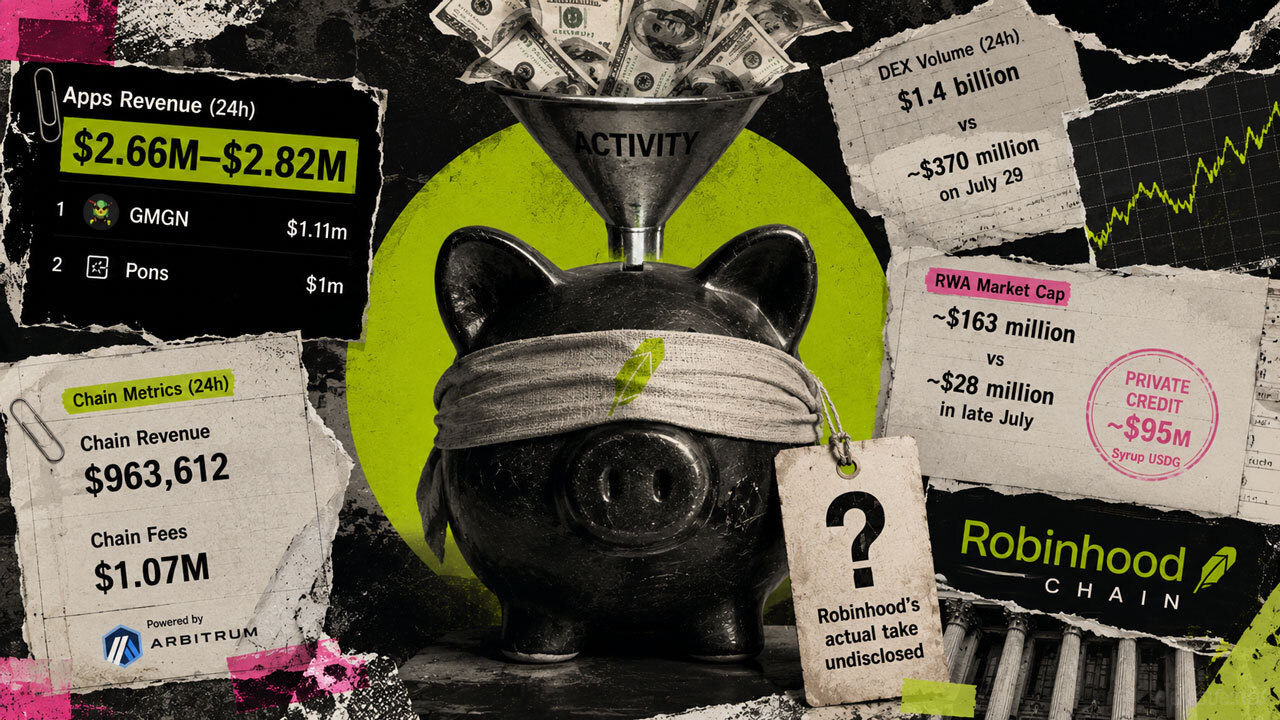
Robinhood Chain applications generated roughly $2.66 million to $2.82 million over a rolling 24-hour period early Sept. 1, led by trading bot GMGN and launchpad Pons. The disclosures show significant fee activity but provide no formula linking it to Robinhood’s corporate revenue, leaving the company’s eventual recurring take unresolved.

The ultra-fast-fashion retailer has launched its IPO at a discounted price and is set to prioritise its third-party marketplace as it seeks to drive growth.
Hyperliquid Strategies has increased its equity facility from $1 billion to $2.5 billion. Recent filings show the company had sold about $647 million worth of shares as of June 30.

Global bonds fell sharply on Wednesday, extending a rout that is pushing borrowing costs to multi-decade highs. Higher energy prices linked to the Middle East conflict are intensifying investor fears over inflation and swelling government debt.
Government bond interest rates are rising again worldwide, increasing borrowing costs for consumers and businesses. The move is also fueling concern that governments may be issuing more debt than financial markets can absorb.
Sweater-making hubs in Jiaxing, Zhejiang, are strengthening their international reach amid rising exports. Honghe produces 400 million sweaters a year for more than 50 countries and regions, while Puyuan is upgrading toward high-end knitwear and expanding overseas sales through an international trading platform.
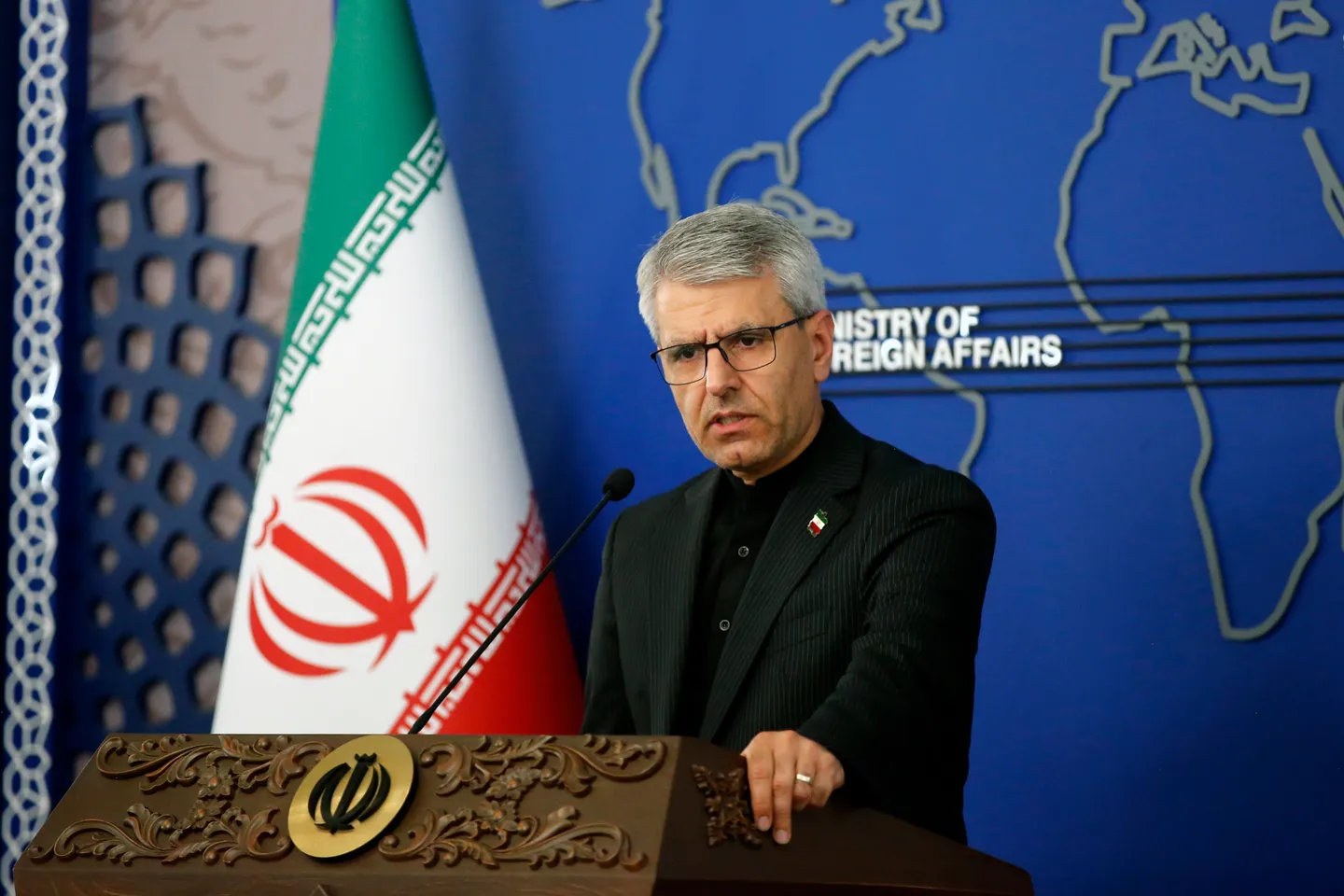
The United States and Iran returned to a wartime footing after their most significant exchange in weeks. Washington threatened even more devastating strikes, while Iran protested an attack it said killed five people and wounded dozens of civilians at a wedding.
The U.S. military said Tuesday night that it had completed its latest strikes on Iran, targeting Islamic Revolutionary Guard Corps positions. The action followed a weekend exchange of fire as the war with Iran escalated.

The latest U.S.-Iran strikes sent oil prices and bond yields sharply higher, shifted expectations toward a Federal Reserve rate hike rather than a cut, and prompted Vladimir Putin to publicly back Tehran.

Oil prices rose Wednesday as tensions in the Middle East continued to escalate after the U.S. attacked Iran and Tehran reportedly struck back at U.S. allies. Brent crude gained more than 2%.

Iranian state media says US strikes in two separate incidents killed 11 people, including four at a wedding in southern Iran. The attacks followed US strikes on what Washington described as Iranian military targets and Iranian missile and drone fire at sites across the Middle East, ending a month-long lull and escalating hostilities.
Asian stocks fell sharply at the start of Wednesday trading as panic sparked by the bond market spread into the region. Renewed U.S. attacks on Iran also drove oil prices higher.

Iran says a series of US strikes near the southern port city of Sirik killed at least four people, including a child at a wedding party. Iran’s health ministry says 50 others were injured in the attacks.

U.S. forces completed another wave of strikes inside Iran on Tuesday, hitting multiple sites linked to the Islamic Revolutionary Guard Corps as tensions in the Middle East flared again.

Iran says a US strike hit a wedding in Sirik as attacks targeted sites across the country. Tehran vows a “firm response.”

Tehran has promised “severe punishment” and retaliation against Washington after a new wave of US attacks, while striking back at Gulf neighbours and Jordan.
China’s State Council Information Office held a press conference on China-ASEAN economic and trade cooperation and the upcoming expo and business summit. The 23rd China-ASEAN Expo will take place in Nanning from September 17 to 21, highlighting trade above $1 trillion and new cooperation opportunities created by AI.
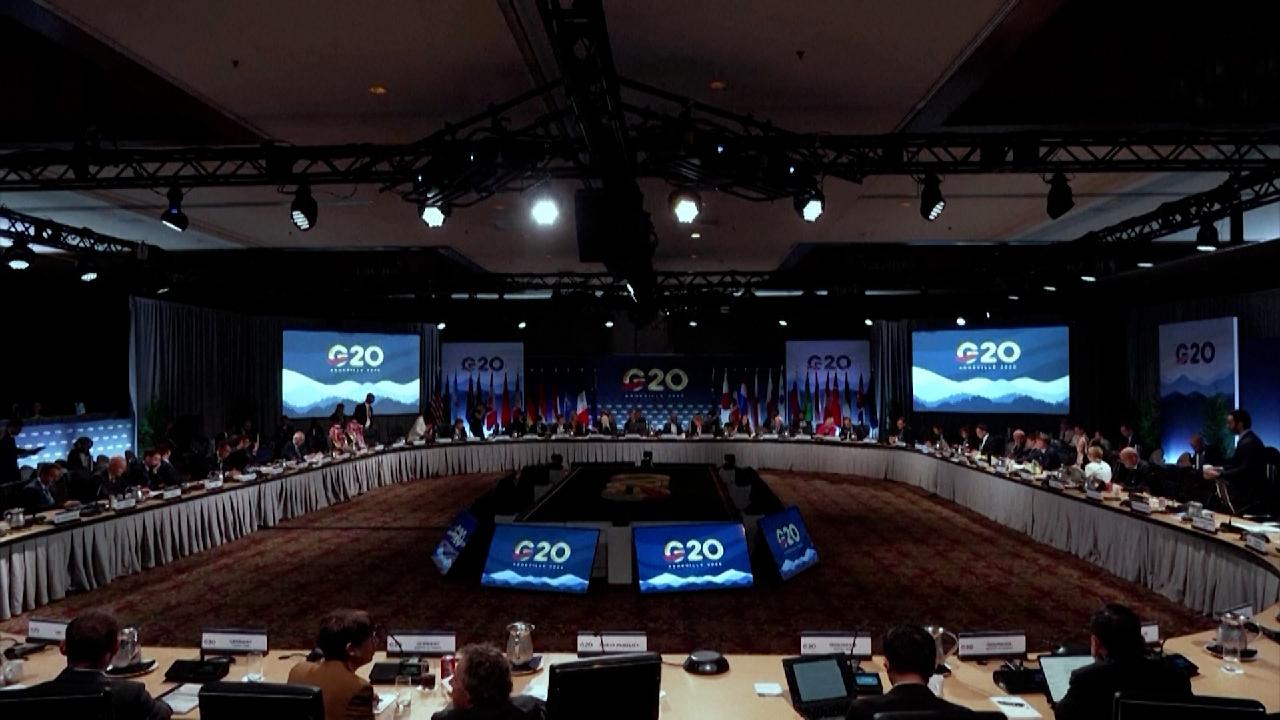
US President Donald Trump described the G20 finance ministers’ meeting in Asheville, North Carolina, as useful and positive, saying the discussions were “very productive and positive.” The meeting of finance ministers and central bank governors took place on August 31 and September 1. Trump also urged countries to follow the US lead by cutting taxes and regulations and boosting oil production.
US Treasury Secretary Scott Bessent said G20 finance ministers and central bank governors meeting in Asheville, North Carolina, failed to reach agreement on a joint communique. He attributed the lack of consensus to China’s position and said the United States, as chair, had prepared a final statement.

G20 finance leaders ended two days of talks in Asheville, North Carolina, with broad support for a final statement despite tensions over Russia’s participation and disagreements with China. US Treasury Secretary Scott Bessent said Moscow’s presence did not disrupt the discussions, which also covered the Middle East war, tariffs, global trade imbalances and continued support for Ukraine.

Scott Bessent said China dissented from language in a G20 statement opposing markets being flooded with “cheap exports.” He is leading the Trump administration’s plan to choke off Iran’s economy by threatening its business partners with secondary sanctions.

The two-day G20 Finance Ministers Meeting has ended in North Carolina, where participants sought broad agreement on global economic policies. A separate G20 technology forum held in the state at the same time focused particularly on artificial intelligence.

US Treasury Secretary Scott Bessent urged G20 members to follow the Trump administration’s approach of using tariffs and other measures to protect domestic industries and jobs from Chinese imports. He said trade distortions were draining global growth, while officials also discussed uncertainty from debt, inflation and tariff disputes. Economists and politicians have criticised US tariffs for raising consumer costs and straining allies.
BHP Chief Commercial Officer Rag Udd will leave at the end of January to pursue an opportunity outside the company, according to an internal staff memo. His departure leaves vacant one of the miner’s most challenging roles: negotiating iron ore deals with China.
Ito En shares jumped 8% after the green tea company reported its fiscal first-quarter results, bucking a broad sell-off in Japanese stocks.

Australia recorded 2.1% economic growth in the second quarter, surpassing expectations.

Tyson Foods has rejected Agriculture Secretary Brooke Rollins’ assertion that its recently closed beef plants would be sold only to American-owned companies or producers, including cooperatives. The meatpacker says the facilities could be sold to any buyer.
Political risk is influencing market movements and increasing the value of gold companies. The item also calls on the prime minister to stop the insults.
The dollar remained firm on Wednesday as renewed hostilities in the Middle East drove oil prices higher and brought inflation worries back into focus.
President Donald Trump urged U.S. oil refiners at a closed-door meeting Tuesday to increase domestic gasoline and diesel production. He is confronting high prices and growing cost-of-living concerns ahead of November’s midterm elections.
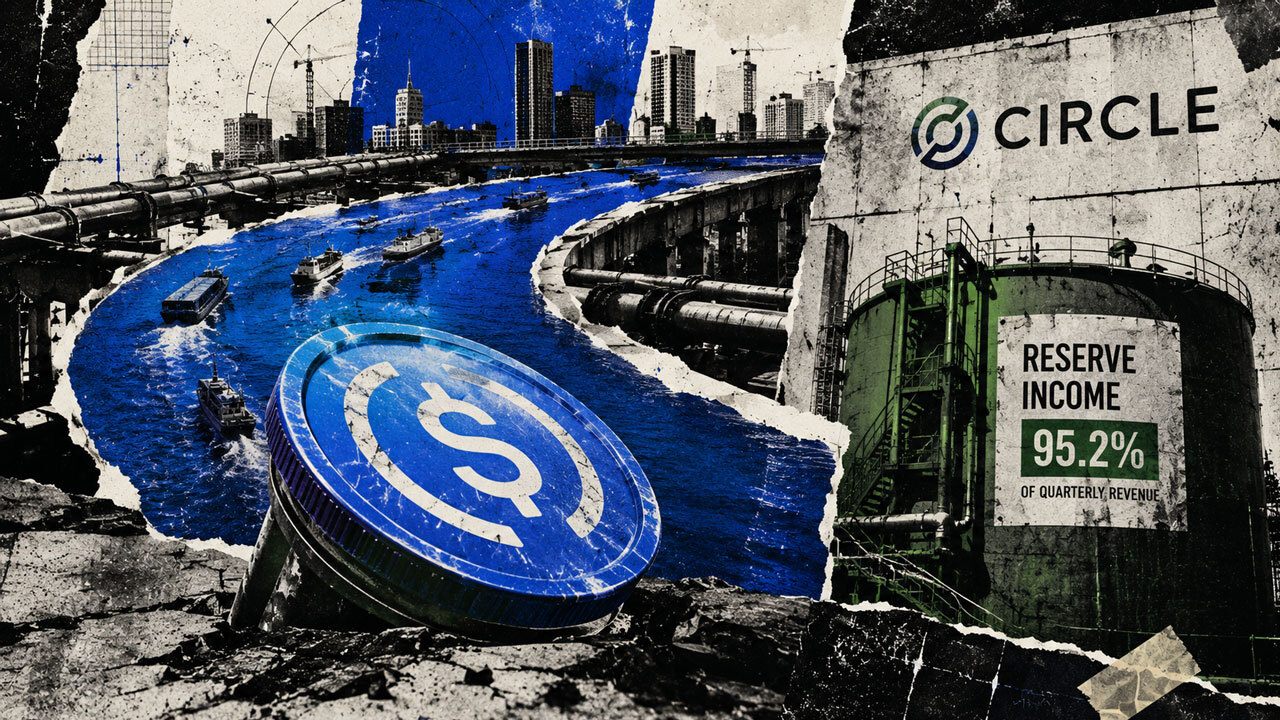
Coin Metrics measured $32 trillion in adjusted USDC transfer volume through August 2026, a figure that reflects onchain movement rather than consumer payments or net settlement. Circle reported $701.3 million in second-quarter revenue and reserve income, with $667.7 million, or 95.2%, coming from reserve assets; transaction revenue was only $5.3 million. The figures show crypto-market usage, but not a toll collected on every transfer.

Japanese companies are expanding in India as their domestic market shrinks and risks linked to China grow. Consumer brands are widening their presence, Japanese banks are buying Indian financial assets, and more than 100 Japanese firms have set up global capability centres there. About 120 agreements announced $12.5 billion in investment, though tax uncertainty, bureaucracy and approval delays remain obstacles.

Finance Minister Francois-Philippe Champagne says favorable investor sentiment is helping keep Canada’s borrowing costs under control despite a global bond selloff. He argues the country’s finances are strong enough to withstand the volatility.
Demand for artificial intelligence and domestic technology substitution drove Chinese listed companies’ profits to their fastest growth in four years during the first half, highlighting a K-shaped economy as the country moves away from credit-fuelled expansion. Profits on Shanghai’s chip-heavy Star Market more than quadrupled year on year, while Shenzhen’s ChiNext rose 33%.

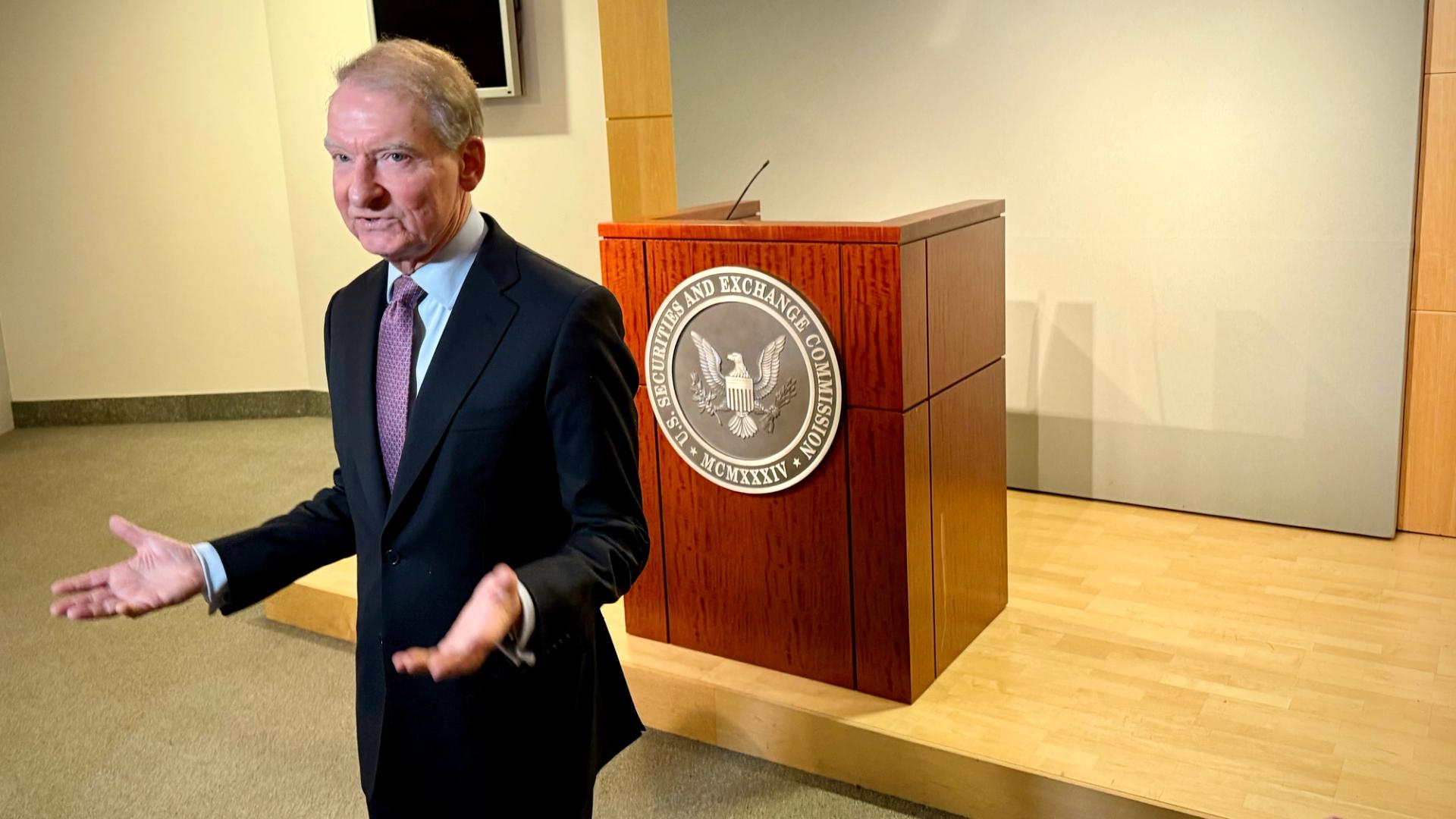
The U.S. Securities and Exchange Commission released an agenda for its 24-trading roundtable and proposed a new transfer-agent rule with potential blockchain implications.

A 139-unit residential project at 1 Ki Lung Street in Mong Kok, previously known as Upper Prince and managed by troubled developer Lofter Group, has returned to the market as One Edward. Its ownership group is offering competitive prices to attract mainland Chinese buyers and longer-term investors, aiming to sell the flats quickly.

Venezuela’s ruling party-dominated National Assembly voted on Tuesday to support the country’s oil deal with the Trump administration, ahead of a visit to Caracas by the U.S. energy secretary.

Venezuela’s National Assembly approved a 65-billion-barrel oil arrangement even though its terms have not been published. US Energy Secretary Chris Wright is expected to visit Venezuela as the Trump administration advances the controversial deal, which would give the US access to part of the country’s proven reserves and involve a partnership to develop 17 oil fields. Critics liken it to agreements imposed by colonial powers.

The US and Venezuela have signed a Caracas agreement giving a US-led company 100-year concessions over 17 oilfields containing 65 billion barrels of crude. Donald Trump and interim President Delcy Rodríguez hailed it as historic, but critics called the terms one-sided and colonialist, while experts questioned the proposed timetable and how the oil revenue would be managed.
The Trump administration is defending an agreement with Venezuela as a means of pushing Chinese and Russian rivals out of oilfields in “our hemisphere”. Chevron is preparing to expand its operations in the country.

The White House said it is partnering with North American Blue Energy Partners as Donald Trump seeks greater access to Venezuela’s oil industry. The arrangement would give the Pentagon a stake in fields representing about one-fifth of the country’s vast oil reserves. Venezuela’s ruling-party-dominated National Assembly approved the oil deal with the Trump administration on Tuesday.

US President Donald Trump announced a new deal with Venezuela on Friday, calling it “the biggest oil deal in world history” and saying it involved “65 billion barrels of oil”. Washington is rumoured to be partnering with controversial Venezuelan oil tycoon Alejandro Betancourt, who built his fortune under the Chavista regime.

Controversial Venezuelan businessman Alejandro Betancourt, who built his fortune through contracts awarded during Hugo Chavez’s presidency and has faced alleged money-laundering investigations, has been chosen by the Trump administration to lead a new US-backed oil venture. Washington plans to take a 35 percent passive stake in his North American Blue Energy Partners as it seeks to expand Venezuelan production.
Comstock Resources said Tuesday it plans to sell stakes in its Haynesville shale assets and related midstream business to Azerbaijan’s SOCAR for $1.65 billion in cash, aiming to reduce its debt.
Yum Brands said in a regulatory filing on Tuesday that Pizza Hut CEO Aaron Powell resigned as chief executive and from other company positions after the chain’s sale was completed.
The global bond sell-off is intensifying. Today’s newsletter also highlights a slide in Shein shares during its Hong Kong debut and South Korea’s announcement of a record budget increase.
A federation of European textile associations has called for a 10-euro import fee on fashion goods, seeking to curb ultra-cheap competition largely from China. University of Delaware professor Sheng Lu says it is unclear whether such measures would make companies like Shein change their business models, while retailers may also have to confront “consumer fatigue.”

Russian online marketplace Ozon is offering sellers storage in warehouses in Almaty and Astana, saying the arrangement will support deliveries to Russia and boost sales in Kazakhstan and Kyrgyzstan. The move follows Ukrainian drone strikes on Ozon logistics centers in Samara and other Russian regions. Ozon also says more than 80,000 pickup points can operate as small logistics hubs.
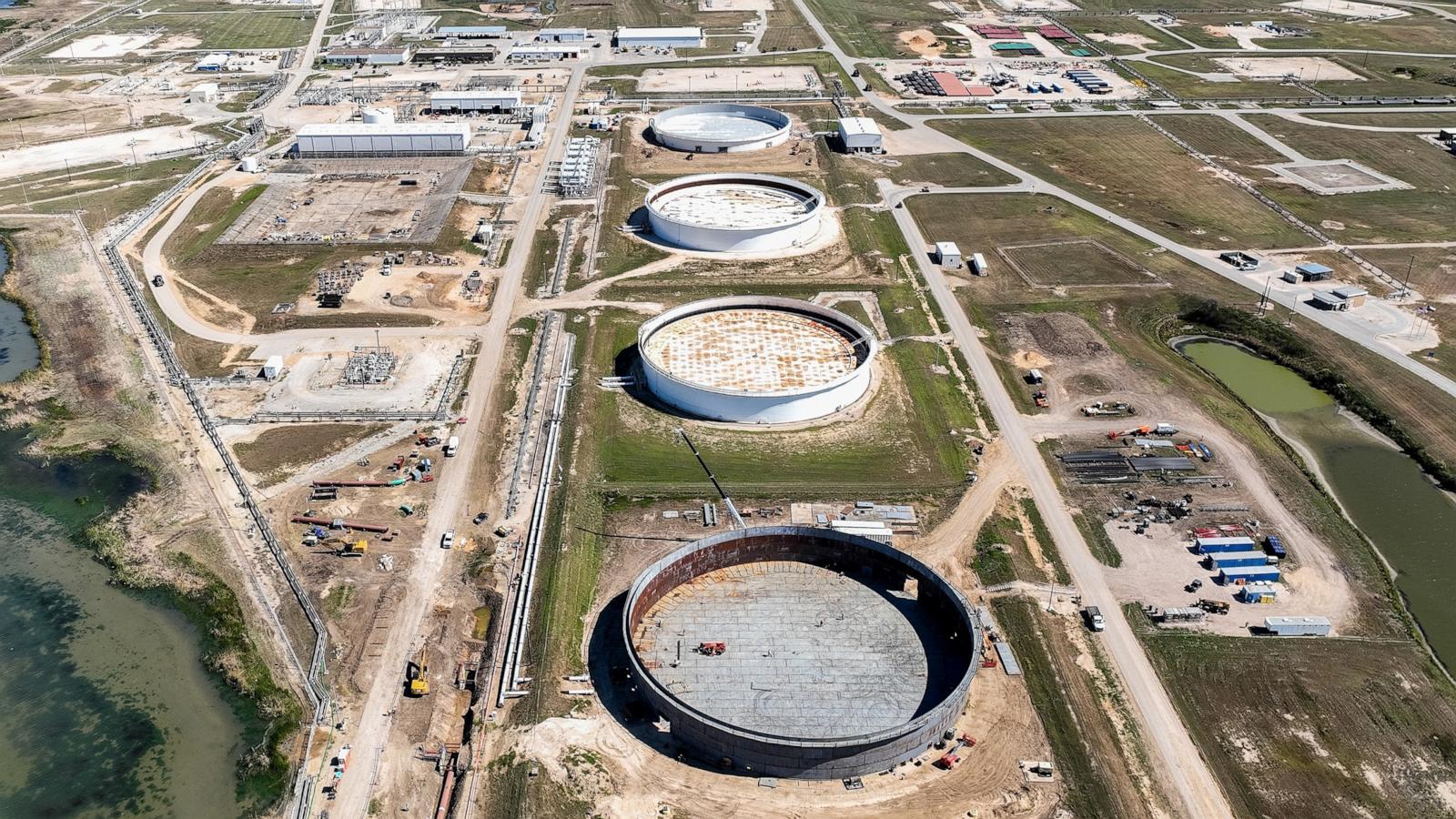
The United States released millions of barrels of oil after the Iran war triggered a historic energy shock and a global energy shortage. Its oil reserve has fallen to a 44-year low.

Oil prices climbed, equities retreated and bond yields surged after the United States launched fresh attacks on Iranian targets. Japan’s 10-year bond yield reached 3% for the first time since 1996. Inflation fears and swelling government debt, above $40 trillion in the US, are deepening the selloff, while eurozone inflation hit a three-year high in August as energy costs rose.

Bond yields continue to rise after the Fed chair’s speech at Jackson Hole.
A G20 joint statement reflecting U.S. priorities on reducing global imbalances and restructuring sovereign debt may not be reached because differences over its wording remain, U.S. Treasury Undersecretary for International Affairs Erin Browne told Reuters on Tuesday.
CEL Solicitors says it has traced more than 5,500 BTC it believes belonged to former users of the defunct early exchange Intersango. A UK customer recovered 61 BTC, now worth about $4.81 million, while other claimants must link historical account balances to the assets through records such as emails, bank statements and account files.

The IMF said it and Senegal reached a staff-level agreement on a three-year, $2.2 billion loan package. The arrangement requires Senegal to restore “debt sustainability” in return for the programme.
Government borrowing costs in the United States, Germany and Japan have reached or approached multi-decade highs as concerns grow over inflation and higher interest rates, while persistent anxiety about heavy debt burdens adds to the pressure.

The global bond sell-off is deepening as investors contend with concerns over the US-Iran war and inflation.
Government borrowing costs are rising worldwide as investors seek greater compensation for holding longer-term debt. Thirty-year Japanese government bond yields are close to a record at 4.19%, while equivalent UK yields are the highest since 1998. A Bloomberg measure of G7 government debt has reached its highest average yield since September 2000.
A Tuesday report by German business publication WirtschaftsWoche says the Volkswagen board is readying a proposal to stop production at four of its German facilities over the 2031–34 period.
Tests found that memecoin purchases on Robinhood Wallet and Fomo were coded as “digital media” rather than cryptocurrency, allowing buyers to earn credit-card points despite restrictions imposed by card networks.

The combined market value of crypto treasury companies has risen 10% since mid-August and is hovering near $340 billion, with altcoin DATs outperforming.

Armenian Prime Minister Nikol Pashinyan told Russian President Vladimir Putin that many Russian companies are operating very successfully in Armenia, earning high profits and paying taxes regularly. He said they fall into two groups: profitable, growing businesses and those that are neither profitable nor expanding, which he called a challenge for both countries.
Russian used-car marketplace CarPrice has temporarily restricted payments to individuals and businesses, saying the measure follows a change in its corporate structure and should end within a week. The move follows a Moscow court’s designation of investor Alexander Galitsky and his fund, Almaz Capital Partners, as an “extremist association” over alleged aid to Ukraine’s Armed Forces. CarPrice was later nationalized and transferred to Rostec.
Shein’s debut was lackluster as concerns about the fast-fashion giant’s growth prospects weighed on its IPO.
North American Blue Energy Partners (NABEP) will take operational control of several Venezuelan oil fields previously run by Chinese companies and a Russian firm, according to two U.S. officials. The company will receive 14 production contracts, while the U.S. government will hold rights to a 35% stake and preferential access to 20% of its oil at cost. Officials said the deal could help Venezuela attract about $100 billion in private investment to rebuild its economy.
The Bank of Russia has prolonged limits on foreign-currency cash withdrawals for six months, through March 9, 2027. It attributed the measure to sanctions that prevent domestic financial institutions from obtaining Western cash currencies. For accounts opened before March 9, 2022, the ceiling remains the balance then held, capped at $10,000 or the euro equivalent; remaining funds may be withdrawn in rubles.
Treasury Secretary Scott Bessent brushed aside short-term bond movements as the 10-year Treasury yield surged, while praising the U.S. market. He said that what happens over a month does not matter.

Using financial repression to manage rising borrowing costs is not a sustainable approach, the bond market is warning governments.
Russia’s stock market ended Tuesday mixed: the ruble-denominated MOEX Index rose 0.39% to 2,187.33 points, while the dollar-denominated RTS Index fell 0.05% to 794.27. The yuan gained 17 kopecks against the ruble to 12.92 rubles. Analysts expect the MOEX to consolidate in the near term, with the yuan potentially testing 13 rubles.
The IMF has agreed to a $2.2bn bailout for Senegal. The West African country plans to seek a restructuring of its external debt after extensive misreported borrowing was revealed last year.
A U.S. official says oil giant Chevron is expected to announce soon that it will expand its operations in Venezuela.
Brent crude futures for November 2026 delivery rose above $94 per barrel on London’s ICE for the first time since August 21, according to trading data. At 7:24 p.m. Moscow time, Brent was up 4.17% at $94.26, while WTI futures gained 4.63% to $89.73.
Data from auto research firm Edmunds shows that just over a decade ago, most new cars sold in the United States cost less than $30,000.
Russia expanded access to its central bank digital currency on Sept. 1, allowing customers of connected banks to open digital-ruble wallets through mobile apps. Twelve systemically significant banks are ready to provide the service, while covered retailers must accept digital rubles. Consumer participation remains voluntary and banks cannot open wallets automatically.

European stocks remain in America’s shadow as bloc policymakers typically favor protecting consumers and taxpayers at investors’ expense.
The Minutes Reader extension turns the original page into a focused reading view and translates articles and video subtitles on demand. It is in limited beta.