Spain breaks tourism record with 58.1 million visitors by July

Spain received 58.1 million international visitors from January through July, a 4.6% increase from the same period last year. Tourist spending climbed 7.8% to a record €82.05 billion.
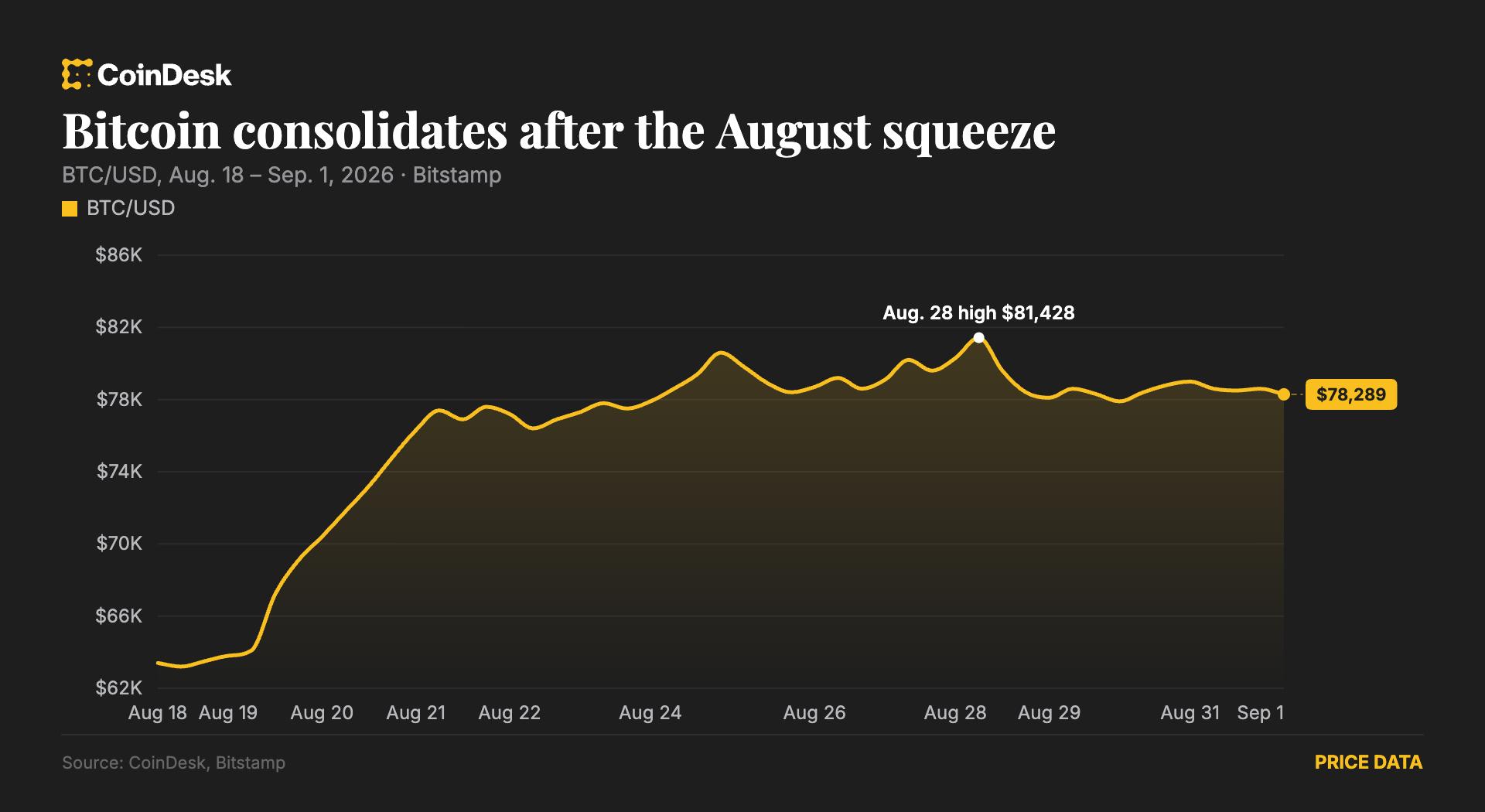
Bitcoin eased after last week’s rally to $81,428 and consolidated near $78,000. Arbitrum led gains in decentralized finance, jumping 30% as daily fees on Robinhood Chain exceeded $2 million.

S&P Global’s survey showed Russia’s manufacturing PMI fell from 50.7 in July to 48.8 in August 2026, marking the sector’s first deterioration in operating conditions in three months. Weaker consumer demand and tighter buyer liquidity reduced new orders, while export orders and output also contracted.
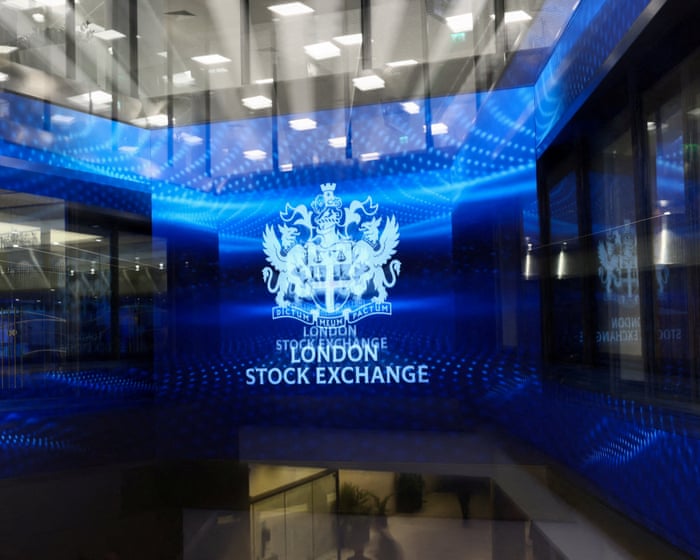
Bodycote has agreed to a £1.84bn takeover by US private equity group Veritas, while Gamma Communications recommended Epiris’s £1.1bn offer and Capricorn agreed to a $396m deal with DNO. The transactions push the value of companies leaving London’s stock market this year above $100bn, adding to pressure on the exchange.

Chinese electric vehicle maker BYD posted higher global sales for a fourth consecutive month, with robust exports continuing to offset the effects of weak domestic demand.
The digital ruble’s development will benefit Russia’s creative industries by attracting new investors, PSB Bank executive Maxim Bykovets said at the Eastern Economic Forum. He said the highly specialized market requires substantial expertise and may need specialized funds to manage portfolios of digital financial assets issued by companies and individual creators.
Air Liquide shares climbed as much as 4.2% on Tuesday after people familiar with the matter said activist investor Elliott Investment Management had taken a stake in the French industrial gases company and was pressing for higher margins.
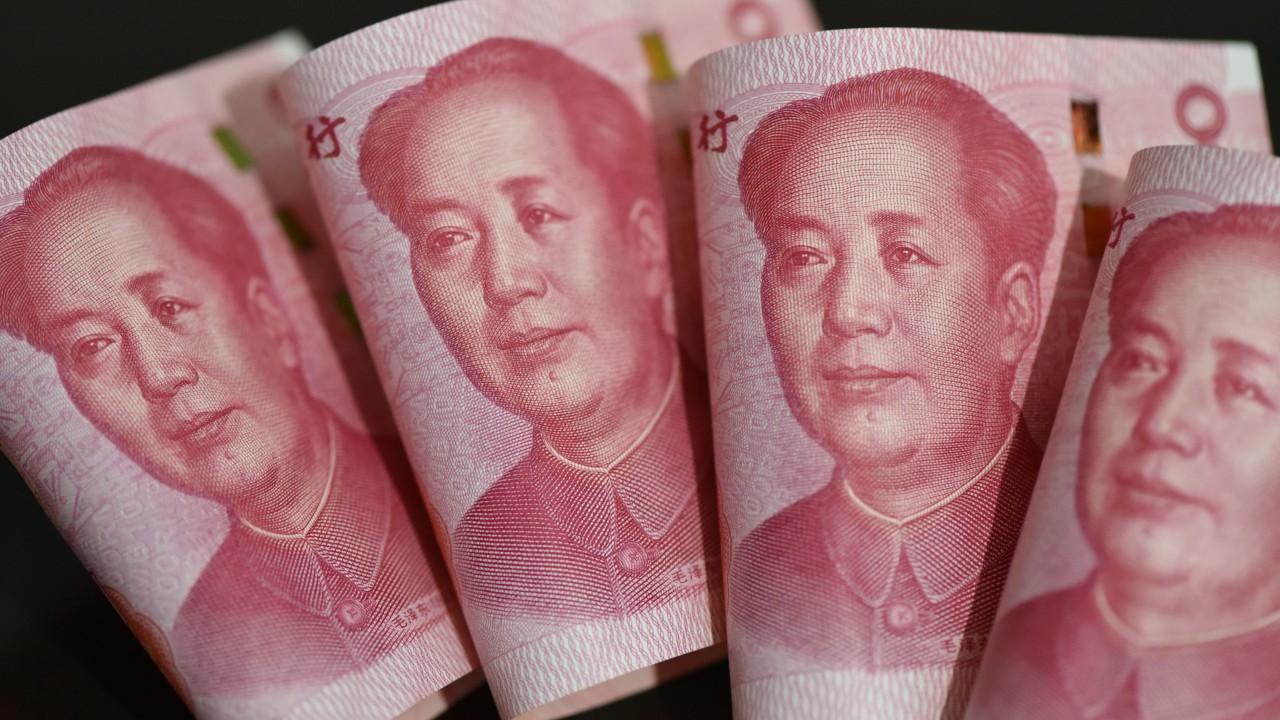
China’s tax authorities said on Tuesday that expatriates receiving dividends from foreign-funded firms would no longer qualify for a tax exemption. A 20 per cent rate takes effect immediately, with Xinhua describing the change as an effort to unify the tax system.

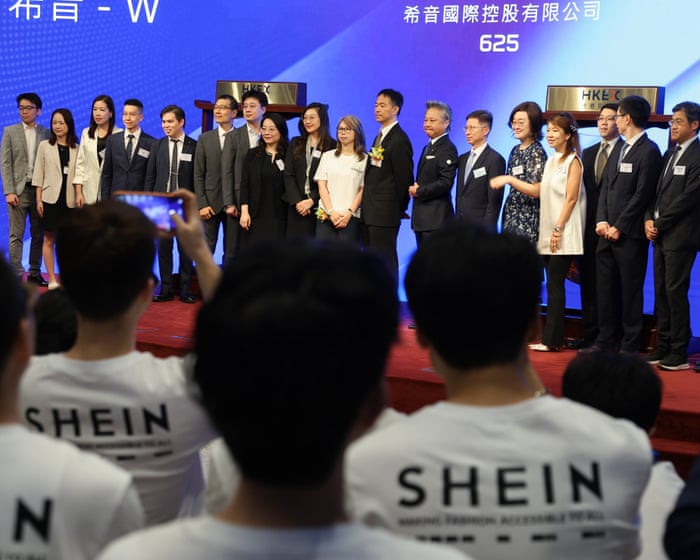
Fast-fashion retailer Shein fell on its Hong Kong trading debut as it faces stronger competition and the removal of tax breaks in key markets. Its shares briefly dropped as much as 10% before closing 0.1% below the IPO price at HK$48.50. The offering raised HK$13.6 billion and valued the company at about US$26 billion.


Shein shares fell as much as 10% after the China-founded, Singapore-headquartered fast-fashion retailer began trading in Hong Kong. Its HK$48.56 offer price valued the company at just over $26bn; shares ended at HK$46.62, down 4%. The weak debut followed failed US and UK listing plans amid forced-labour and supply-chain concerns, while regulatory changes threaten its low-value parcel business model.
Shein’s shares fell on their Hong Kong debut after the company’s unsuccessful attempts to list in New York and London. US tariffs and rising shipping costs are squeezing profits at the fast-fashion giant.
Shares in fast-fashion online retailer Shein fell after the company began trading on the Hong Kong stock exchange following a lengthy delay, with the debut spotlighting its China roots.

Fast-fashion giant Shein fell nearly 8% on its first trading day in Hong Kong on September 1. After unsuccessful attempts to list in the US and UK, the company is now valued at about a quarter of its peak and faces higher trade costs, tighter scrutiny and stronger competition.
China-founded global online fashion giant Shein made an underwhelming debut on the Hong Kong Stock Exchange, with its shares falling after a years-long effort to enter capital markets.

Fast-fashion giant Shein fell almost 8% on its first day of trading in Hong Kong after unsuccessful efforts to list in the US and UK. The offering raised HK$13.6bn and valued the company at $26.3bn, as labour, environmental and regulatory concerns, competition and trade tensions weigh on its prospects.
Fast-fashion retailer Shein’s shares fell 10% on their Hong Kong trading debut after the company completed its long-delayed initial public offering at a bargain-basement valuation.
Shein Global Holdings Ltd. shares dropped as much as 10% in their Hong Kong debut. The initial public offering had raised HK$13.6 billion, or $1.7 billion.

Fast-fashion giant Shein’s shares fell 7% as the company made its Hong Kong market debut on Tuesday, following years of attempts to go public.
The South African rand held steady in early Tuesday trading as markets awaited the release of the country’s manufacturing purchasing managers’ index and August vehicle sales figures.
The Trump administration says the US will form a private joint venture with North American Blue Energy Partners, owned by Venezuelan businessman Alejandro Betancourt. The Pentagon’s Office of Strategic Capital will hold 35 percent, while the US will be able to buy 20 percent of output at cost. Acting President Delcy Rodriguez is granting the company 100-year rights to 17 fields, and Betancourt has pledged $100bn for new oil infrastructure.

Analysts warn that the agreement involving 65bn barrels may fail to attract investment from US groups and could destabilise Venezuela’s interim president.
Analysts warn that the agreement may fail to attract investment from US companies and could destabilise Venezuela’s interim government.
An unprecedented arrangement giving the United States access to one-fifth of Venezuela’s oil reserves, along with a central role for a Venezuelan businessman, is causing questions and hesitation among some oil companies considering investments in the country, people familiar with the matter told Reuters.
The White House released on Monday the terms of a U.S.-Venezuela oil deal involving North American Blue Energy Partners.

The White House says Venezuela's interim authorities awarded North American Blue Energy Partners, which is backed by the United States, 100-year concessions covering 17 oil fields.
Venezuelan crude exports rebounded in August as US President Donald Trump’s administration moved to seek greater control over the country’s oil sector.

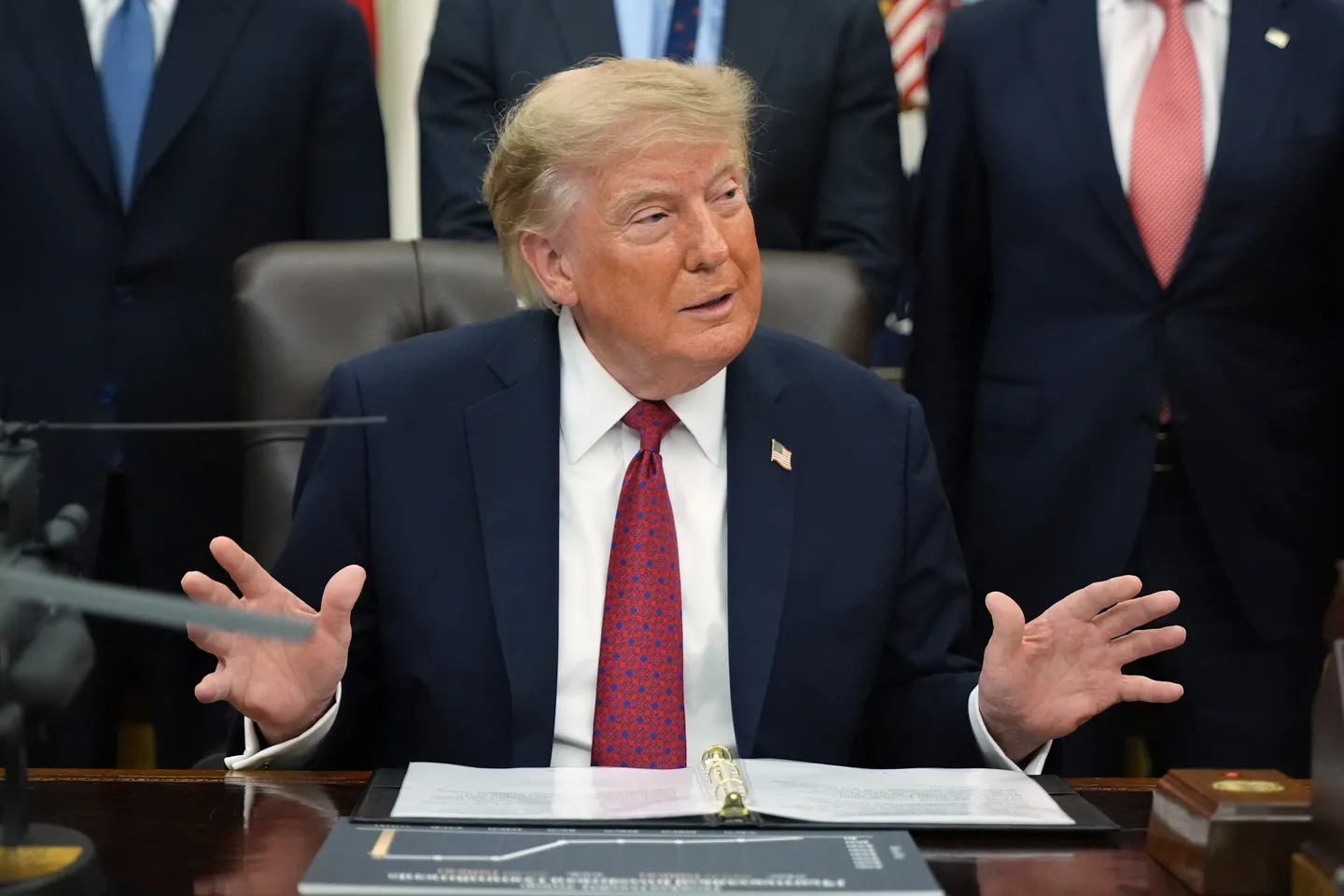
Donald Trump says Venezuela’s oil wealth, which he describes as being of “unbelievable value,” had remained dormant before a deal with the United States. He adds that US refineries are designed for Venezuelan heavy oil, calling heavy oil a good thing rather than a bad one.
Bodycote has agreed to a £1.84bn takeover by US buyout firm Veritas. The deal is the latest in a flurry of transactions taking UK companies off the London market.
China’s manufacturing sector expanded at a faster pace in August, with output, new orders and exports all accelerating, according to a private-sector survey.
David Layton will step down as chief executive of Swiss private equity manager Partners Group after a surge in redemption requests hit the company’s share price.
India’s manufacturing sector grew at its slowest pace in five years in August as weak demand led to the first job losses in more than two years, according to a survey.
Dashiqiao in Liaoning, known as China’s “Magnesium Capital,” is shifting from exporting raw materials to producing high-end magnesium products based on independent core technologies. Local firms now export specialized fertilizers, feed additives and premium refractory materials to numerous countries, while smart manufacturing supports more consistent quality.
Gold prices edged lower on Tuesday as traders weighed tensions in the Middle East and awaited key US labor-market data due this week. The figures could influence expectations for Federal Reserve monetary policy.
China’s state-owned and state-controlled enterprises recorded combined profits of 2.509 trillion yuan in the first seven months of 2026, up 0.6% year on year, Ministry of Finance data showed. Operating revenue fell 2.4% to 46.447 trillion yuan, while taxes payable rose 5% and the end-July asset-liability ratio reached 65.6%.
Tom Westbrook looks ahead to the day’s trading in European and global markets.
The OPEC+ seven will raise their September oil production quota by 188,000 barrels per day from August to 31.01 million bpd. The group is completing the phaseout of its voluntary 1.65 million-bpd cut and will continue monthly market reviews, with the next meeting set for September 6.
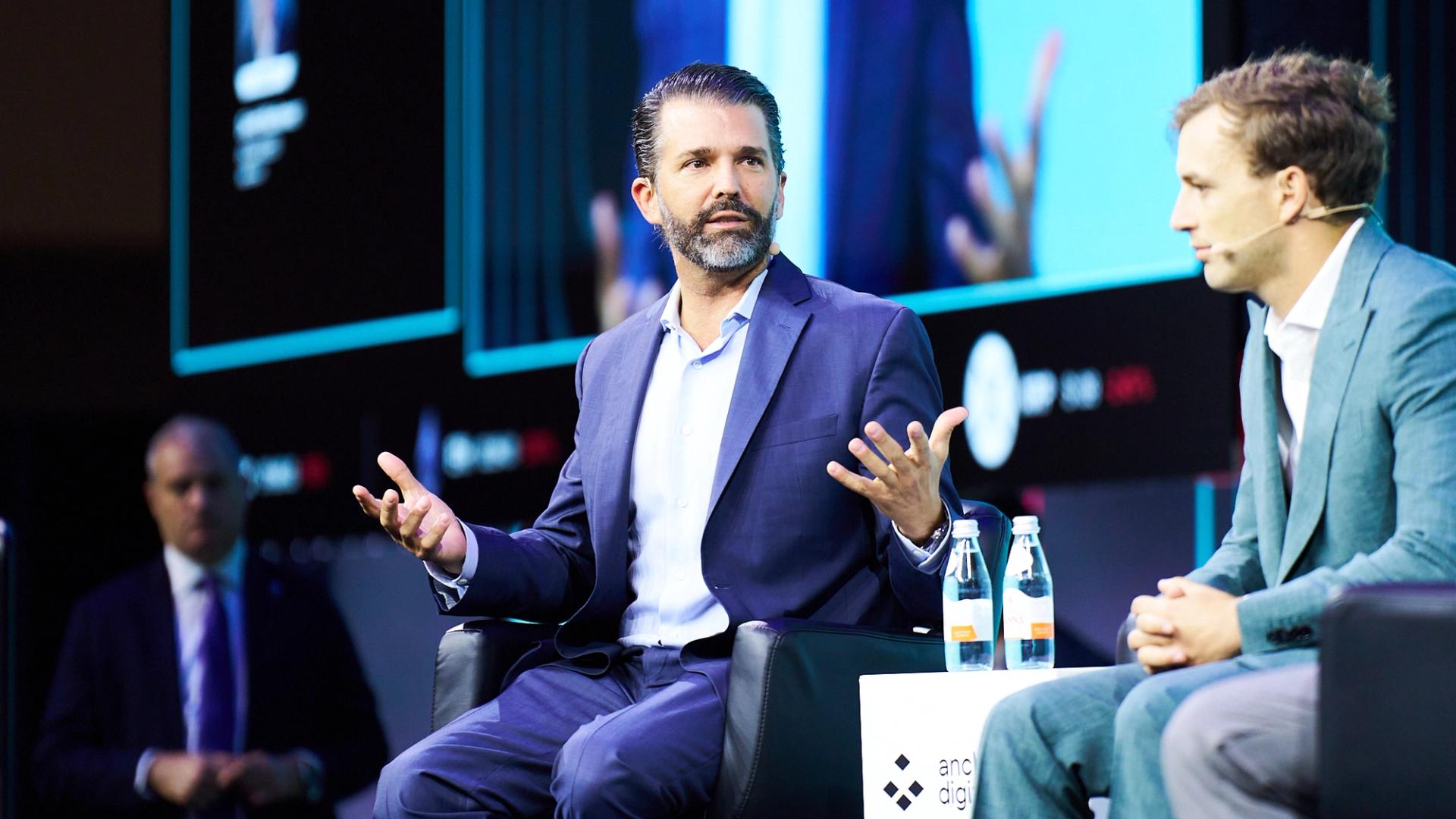
Trump Jr.’s 1789 Capital is reportedly leading a $1 billion funding round for Polymarket, contributing about $300 million in addition to an existing stake worth roughly $200 million. The prediction market’s valuation has risen from $15 billion to $21 billion.

A mayor in Toronto’s suburbs is wondering whether anyone can rescue an auto plant. An analyst says metals tariffs are merely “symbolic.”
Private surveys showed that a surge in worldwide demand for AI hardware kept Asian factories busy in August, improving the outlook for the export-dependent region. The prolonged war in the Middle East continued to drive uncertainty and higher costs.
China’s leading brokerages are intensifying their overseas expansion, investing billions of yuan in international operations as cross-border deals increase and overseas profits rise. Citic Securities reported a 45.5 per cent year-on-year increase in revenue from outside mainland China to 15.86 billion yuan in the first half of the year.

Yili recorded growth in both revenue and core operating profit in the first half of 2026.
Japan’s manufacturing sector strengthened in August, with new business expanding at its fastest rate since January 2018, a business survey showed. Robust demand for semiconductors and AI-related products supported the increase.
Young consumers are increasingly choosing customizable cold beverages over traditional hot coffee. Starbucks says three out of every four drinks it sells are now cold, while analysts describe the category as central to the company’s recovery from a sales slump and its return-to-profit strategy.

UK retailers increased prices last month by the most in over two years. Higher energy costs raised the price of some processed foods, while the artificial intelligence boom increased costs for consumer electronics using similar components.
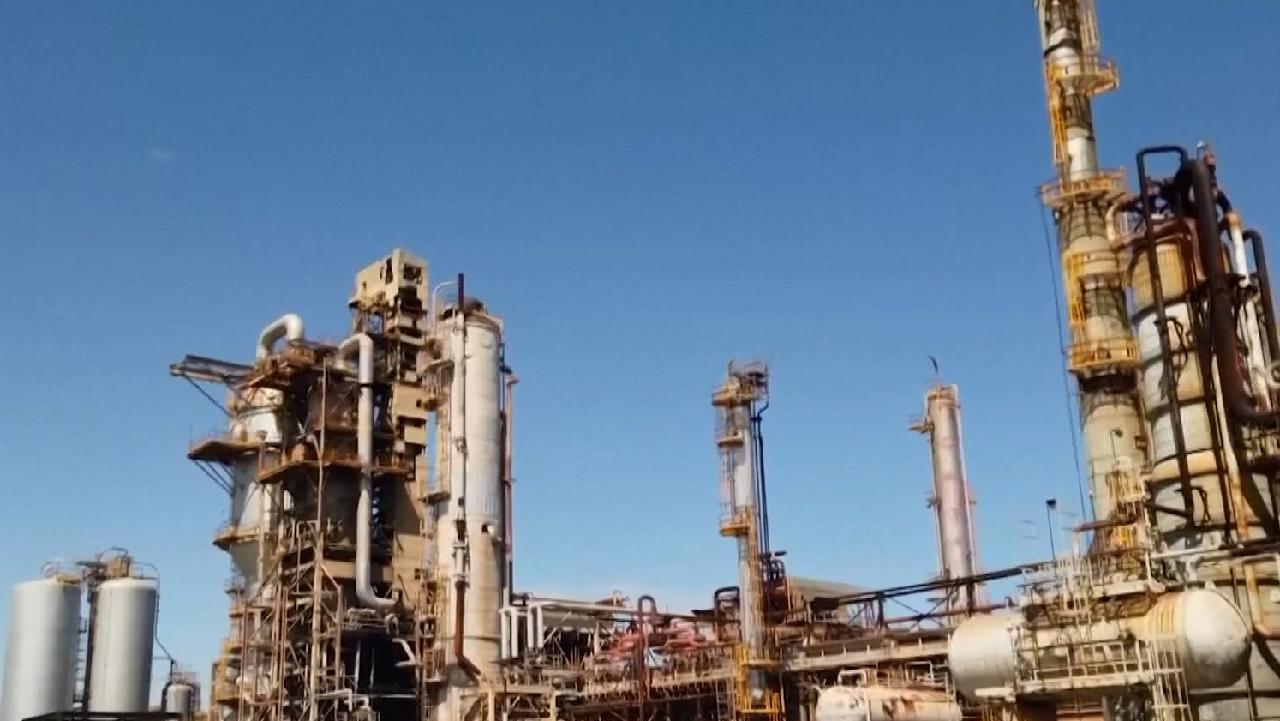
The large-scale oil production agreement disclosed by Venezuela and the United States last week uses a complex three-layer structure to develop at least part of the proved reserves in the 17 oilfields covered by the deal. Together, they contain 64 billion barrels of proved reserves.

US President Donald Trump and Venezuela’s acting president, Delcy Rodríguez, announced an agreement giving the United States majority control of more than 65 billion barrels of Venezuela’s proven oil reserves. Both governments say it will benefit their populations, while some Venezuelans have voiced concern.
Wells Fargo analyst Timna Tanners called Canada’s latest retaliatory tariffs on U.S. steel and aluminum largely symbolic, arguing that the trade war has already made American metals too expensive to import.
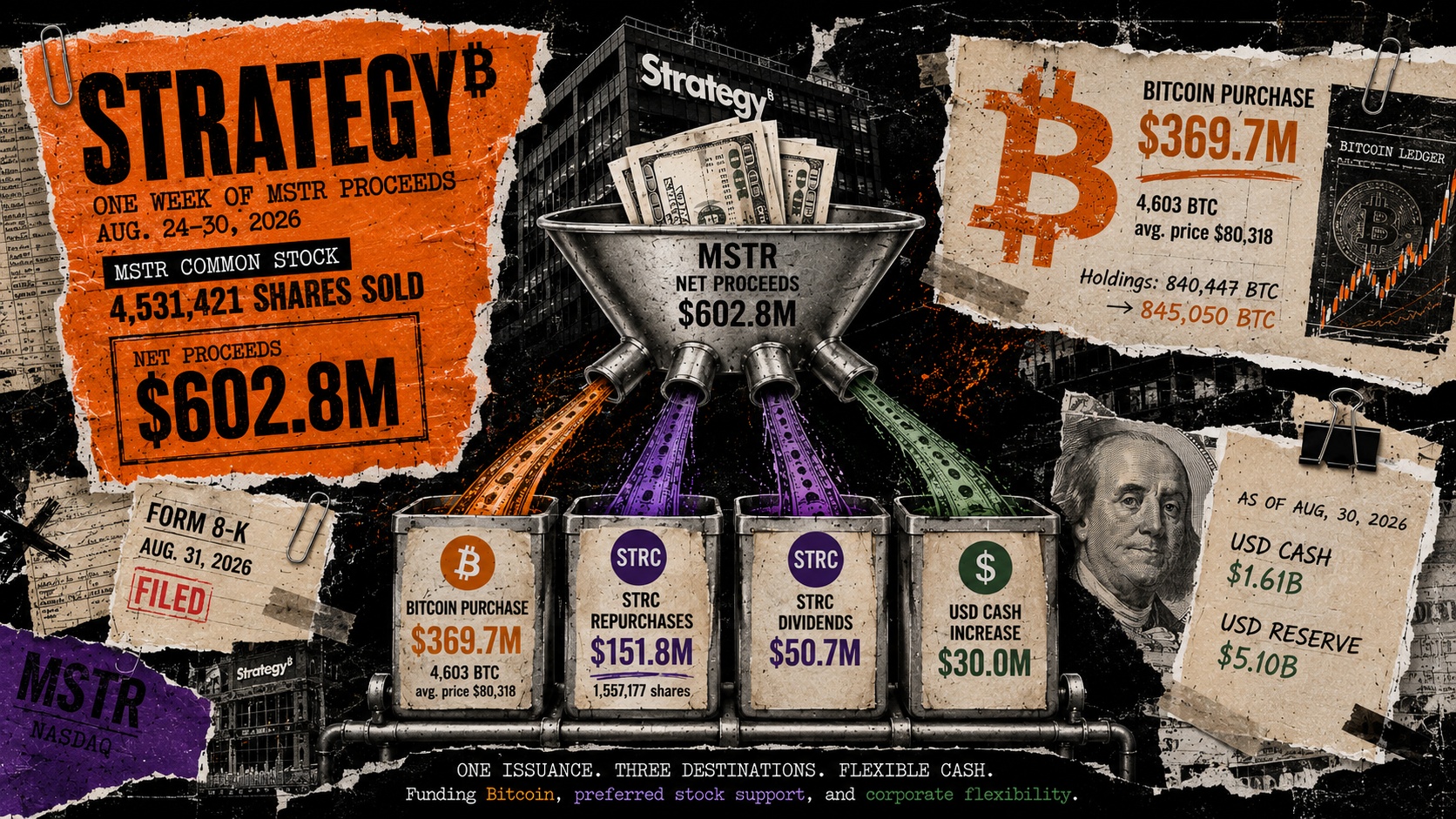
Strategy raised $602.8 million by selling 4,531,421 MSTR shares in a week. It allocated $369.7 million to buy 4,603 Bitcoin, $151.8 million to repurchase STRC preferred shares, $50.7 million to STRC dividends, and $30 million to USD Cash. The filing shows common-stock proceeds supporting both Bitcoin accumulation and preferred-stock obligations.

North American Blue Energy Partners, a U.S. oil company, will take over some Venezuelan oilfields previously controlled by five Chinese companies and one Russian firm, two U.S. officials told Reuters on Monday.
U.S. President Donald Trump said Monday that ExxonMobil, the country’s largest oil major, was among a group of companies planning to do business in Venezuela.
Chevron and GE Vernova of the United States, India’s ONGC, Italy’s Eni and Colombia’s GeoPark are preparing to sign final agreements in Venezuela, five people close to the preparations said. The deals follow months of negotiations to advance energy projects in the OPEC member state.
The Federal Trade Commission and 22 states accused retail giant Amazon of deceiving businesses by charging excessive prices for advertising on its vast retail platform, allegedly pocketing billions of dollars for the company.

The FTC and 22 state attorneys general are suing Amazon, alleging it used a “secret ad surcharge” to raise advertising prices on its website and app. The complaint says Amazon manipulated ad auctions and may have unlawfully extracted more than $20 billion from advertisers. Amazon calls the case misguided and says the FTC misunderstands advertiser behavior.

The US Federal Trade Commission and 22 states accuse Amazon of manipulating online advertising auctions, allegedly overcharging more than a million advertisers and making about $20bn since 2019. Amazon strongly rejects the claim and says the FTC misunderstands its advertising market.
The US Federal Trade Commission is preparing to sue Amazon over allegations that the e-commerce giant misled advertisers about prices, according to a person familiar with the matter.
The Federal Trade Commission alleges that Amazon manipulated advertising prices and overcharged about 1.2mn businesses seeking to promote their products.

The Federal Trade Commission sued Amazon, alleging that the ecommerce giant misled advertisers through a deceptive auction system.
Chinese automaker BYD Co. inquired about taking over an idled Stellantis NV plant in the Toronto suburbs, according to a local politician. The move signals possible global interest in Canadian auto hubs amid a trade battle with the US.
In many respects, the party appears to be over for U.S. and European companies that once held a major advantage in China.

Negotiators for Boeing and the union representing engineers and technical workers in Washington and other states will resume contract negotiations on Sept. 8, the union said Monday.
Japanese companies are expanding aggressively in India as their domestic market shrinks and investment in China becomes less attractive amid geopolitical tensions. Retail brands such as Uniqlo and Muji are growing, while Japanese banks pursue Indian financial assets. Firms announced $12.5bn in India investments through about 120 agreements, including in semiconductors and green energy.

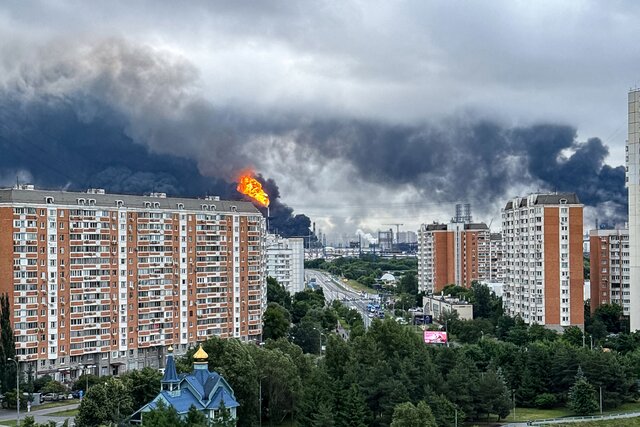
Economists Sergey Vakulenko and Vyacheslav Shiryaev debated the scale of Russia’s fuel crisis after strikes on oil refineries. Vakulenko estimated refining had declined by 25–28%, while Shiryaev said 65–70% of capacity had been knocked out and accused optimistic assessments of prolonging the war. They also disputed gasoline, diesel, and gas-station supply figures.
President Donald Trump said Friday that the United States had secured majority control of Venezuela’s 65 billion barrels of proven oil reserves, but the deal is not expected to bring down gasoline prices soon.

Gold miner Polyus reported a 59% year-on-year decline in adjusted IFRS net profit to $829 million in the first half of 2026. Revenue rose 27% to $4.7 billion, partly supported by higher realized gold prices despite lower sales volumes. Capital spending reached $946 million, while total cash cost increased 64% to $1,069 per ounce.
Payward has reportedly submitted an outline of the proposed structure to the CFTC, while regulatory approval remains pending.

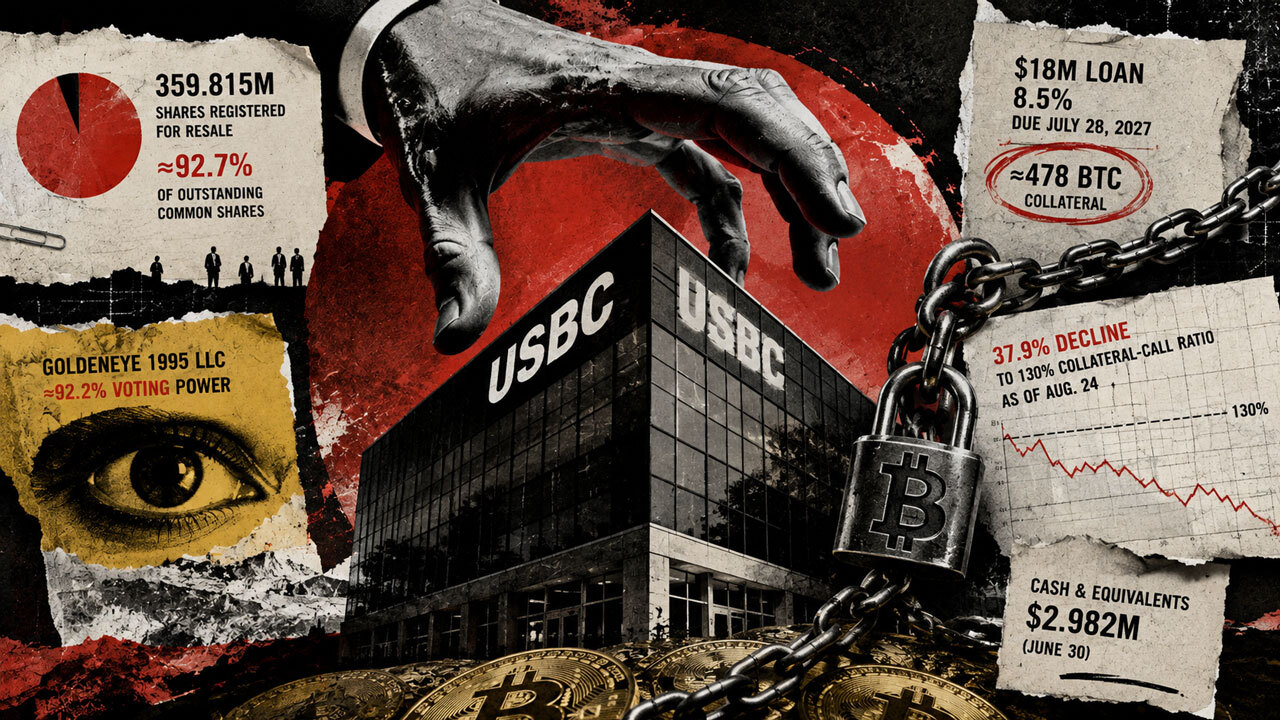
Corporate Bitcoin holdings can obscure rights created by options, collars and secured loans. Disclosures from CleanSpark, PowerCompute and USBC show that Bitcoin may be delivered, used to cover debt, have its upside capped or remain under lender control, while figures from different companies and structures cannot be combined into one exposure total.

As buyout groups reach middle age, relying solely on other people’s money takes them only so far. KKR is a rare private equity firm willing to bet on itself.
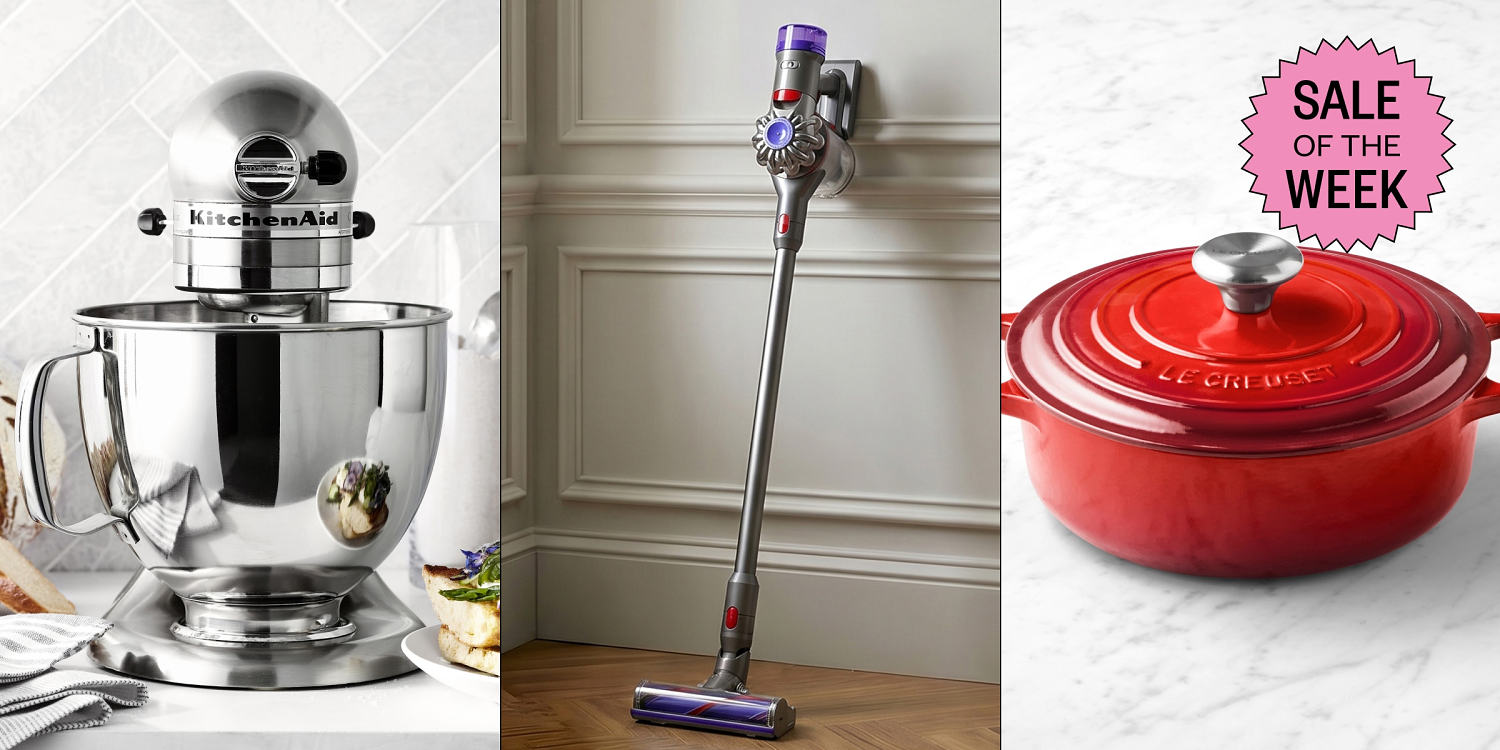
Williams Sonoma’s Labor Day Warehouse Sale offers discounts of up to 75% on bestselling cookware, vacuums, appliances and more, including products from KitchenAid, Le Creuset and Dyson.

Mike Khouw says the stakes are high heading into Broadcom’s earnings report, while pointing to a trade he believes could be a winner.

Sberbank expects its 2026 profit to be well above the 2025 level, although growth may come in just under 20%, finance head Taras Skvortsov said. He noted that economic conditions, particularly in the second half of the year, are more difficult than last year, but not severe enough to produce negative growth.
India’s economy expanded 7.8% in the April-June quarter, government data showed, comfortably exceeding expectations as stronger investment and manufacturing activity offset weakness in mining and consumer-facing services.
India’s economy expanded 7.8% in the April-June quarter, government data showed, surpassing forecasts by a wide margin. A surge in investment and manufacturing activity added to robust consumer demand and supported growth in the South Asian economy.
SLB said Monday it will buy cooling equipment maker Kelvion from Apollo Global and funds managed by Triton for $3.4 billion in cash. The acquisition expands SLB’s data center business as rapid AI adoption boosts demand for power and cooling infrastructure.
India’s government said in its monthly economic report on Monday that rising food inflation could take up a larger share of household disposable income and squeeze spending on discretionary non-food items.
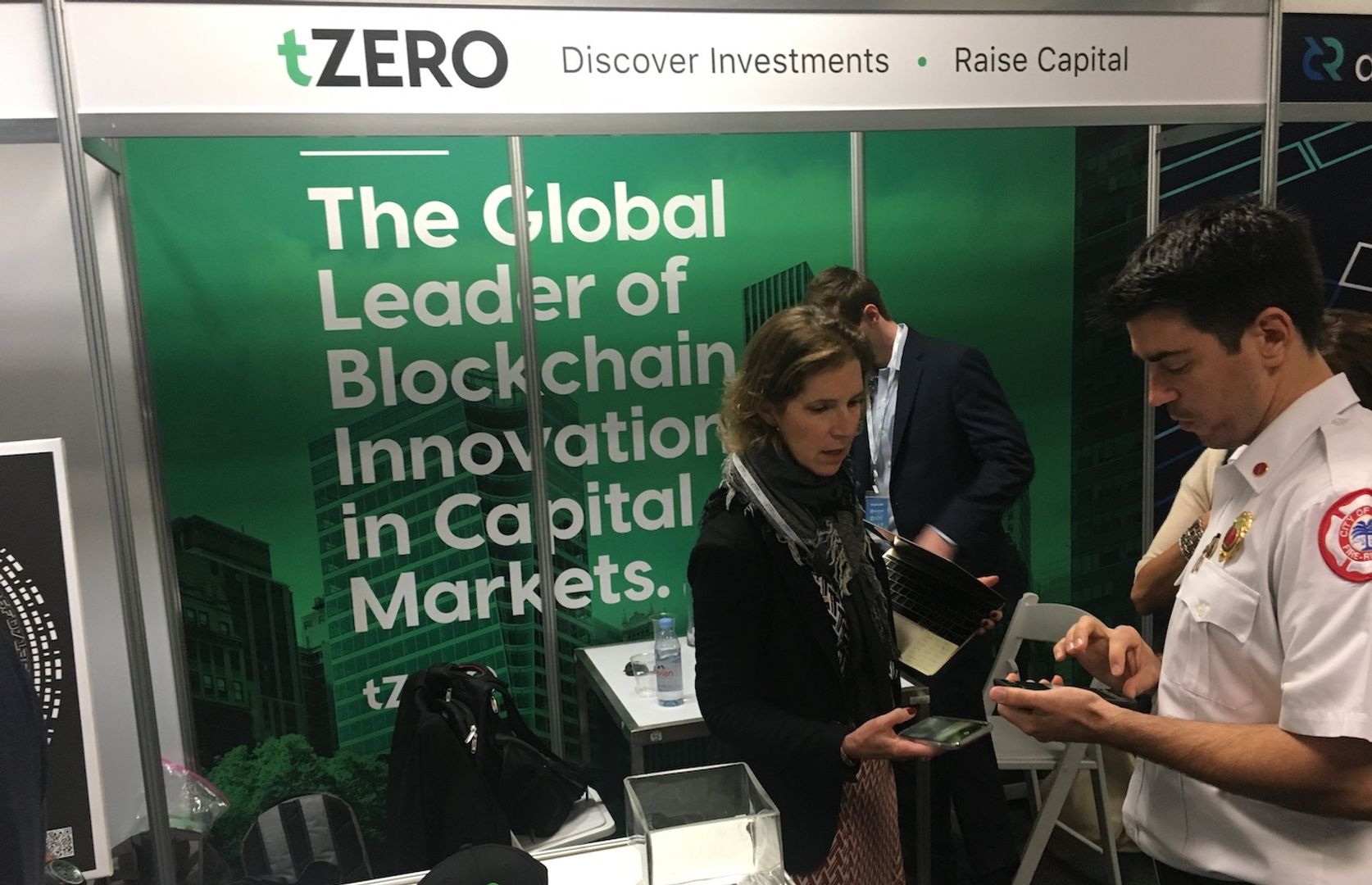
Intercontinental Exchange, the parent of the NYSE, is partnering with tZERO on infrastructure for an upcoming tokenized securities platform. tZERO will serve as a design partner, while ICE will invest in tZERO’s latest financing round.


Intercontinental Exchange, the owner of the New York Stock Exchange, has struck a deal with tZERO and taken a stake in the firm. tZERO said the agreement adds transfer-agent and settlement infrastructure to ICE’s plans for an NYSE-affiliated market for tokenized stocks.
Hollywood’s outlook is more uncertain than usual as production shifts away from Los Angeles, driven or attracted by high costs and tax incentives elsewhere. Paramount’s potential departure from California over an antitrust lawsuit may be unlikely, but the fact that it can be contemplated reflects how dramatically the industry’s economics have changed.
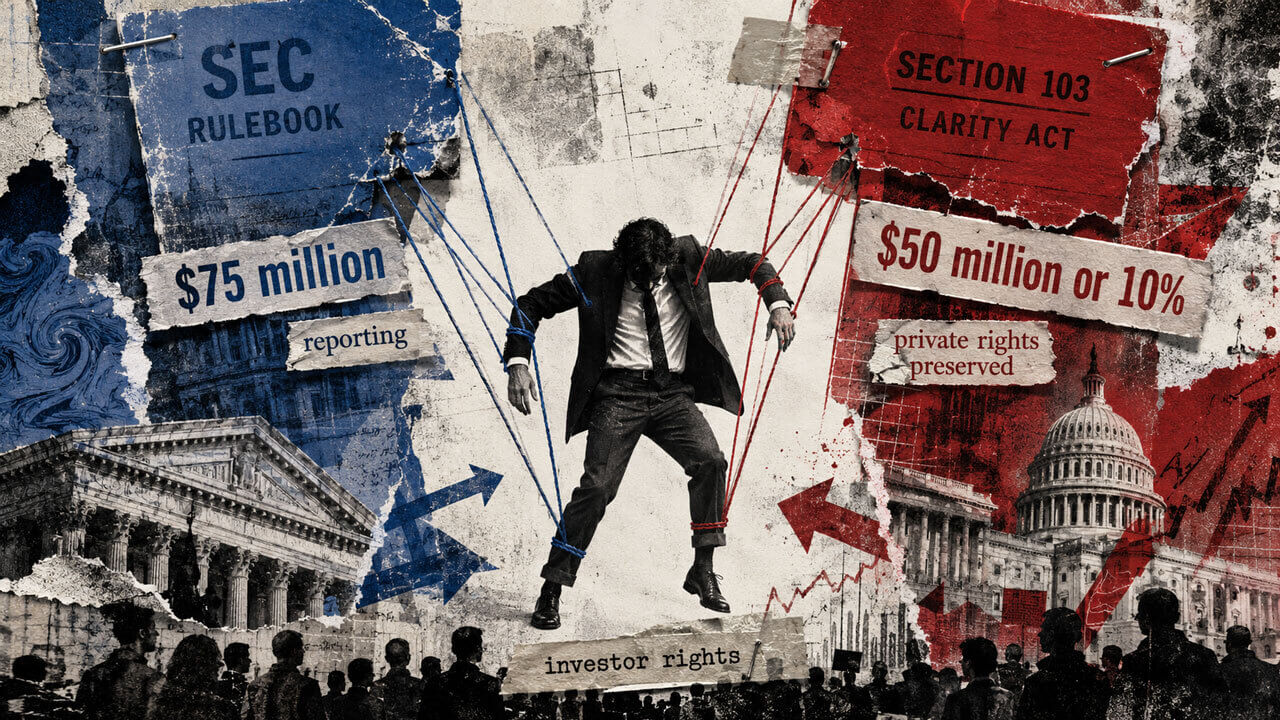
The SEC’s proposal would create rule-based exemptions for certain crypto-asset offerings, including a route allowing up to $75 million over 12 months. Senate Section 103 of the CLARITY Act instead proposes a statutory exemption for qualifying ancillary-asset transactions under an investment contract, capped at the greater of $50 million or 10% of outstanding asset value annually, with a $200 million aggregate limit. The mechanisms, eligible assets, purchaser rules, resale conditions and timing differ, and neither route is currently available.

Germany’s largest union, IG Metall, warned on Monday that any attempt by Volkswagen to reverse an already agreed restructuring package would meet maximum resistance. It stopped short of threatening strikes before a crucial board meeting scheduled for the end of the week.
Shein priced its Hong Kong initial public offering at the midpoint of the marketed range on Monday, raising HK$13.60 billion, or $1.74 billion, through the share sale.
USBC has registered up to 359.815 million already-issued shares for possible resale by current holders, equal to about 92.7% of its outstanding common stock, without proceeds going to the company. Most are held by Goldeneye 1995 LLC. USBC also disclosed that 34.1% of its Bitcoin treasury is committed to options trading, while about 478 BTC secure an $18 million loan.

Qatar’s economy contracted 7% year on year in the first quarter of 2026, official figures showed, as the ongoing Middle East conflict sharply reduced energy production.
The two-month-old Robinhood Chain processed a record 5.52 million transactions on Aug. 30. Users launched 22,600 tokens, while memecoin trading tools generated most of the network’s $2.66 million in revenue, putting it ahead of Ethereum for the day.

Unionized Canadian General Motors workers have ratified three-year collective agreements. The contracts raise wages to $50.20 an hour for full-rate production workers and $62.71 for skilled trades workers, while the Oshawa plant adds truck production.
PetroChina said it is gradually restoring operations at its Middle Eastern projects after the US-Israeli war in Iran severely disrupted global energy flows. The company reported first-half net profit of 103.9 billion yuan, up 22 per cent, with higher crude prices supporting upstream earnings and natural gas offsetting weaker oil output.

Private equity groups face a $40bn maturity wall in 2028 as they seek to refinance software buyouts made during the Covid era, while companies pay heavily for time to respond to the threat from artificial intelligence.
KKR is set to reap a giant gain from the $17bn sale of USI to Aon. The proceeds rank among the largest earned by a publicly listed private equity firm on a single deal.
Tinned sardines can be difficult to find for several reasons, including strong demand and warmer ocean temperatures. The shortage cannot be blamed entirely on Gen Z.

US oil and gas production and profits are rising strongly, but employment in the industry has declined since Donald Trump came to power.
Russia plans to produce about 2.8 million vehicles a year by 2035 under the target scenario of its automotive industry development strategy, First Deputy Prime Minister Denis Manturov said. The share of Russian products in the domestic new-vehicle market is expected to rise to 80%.
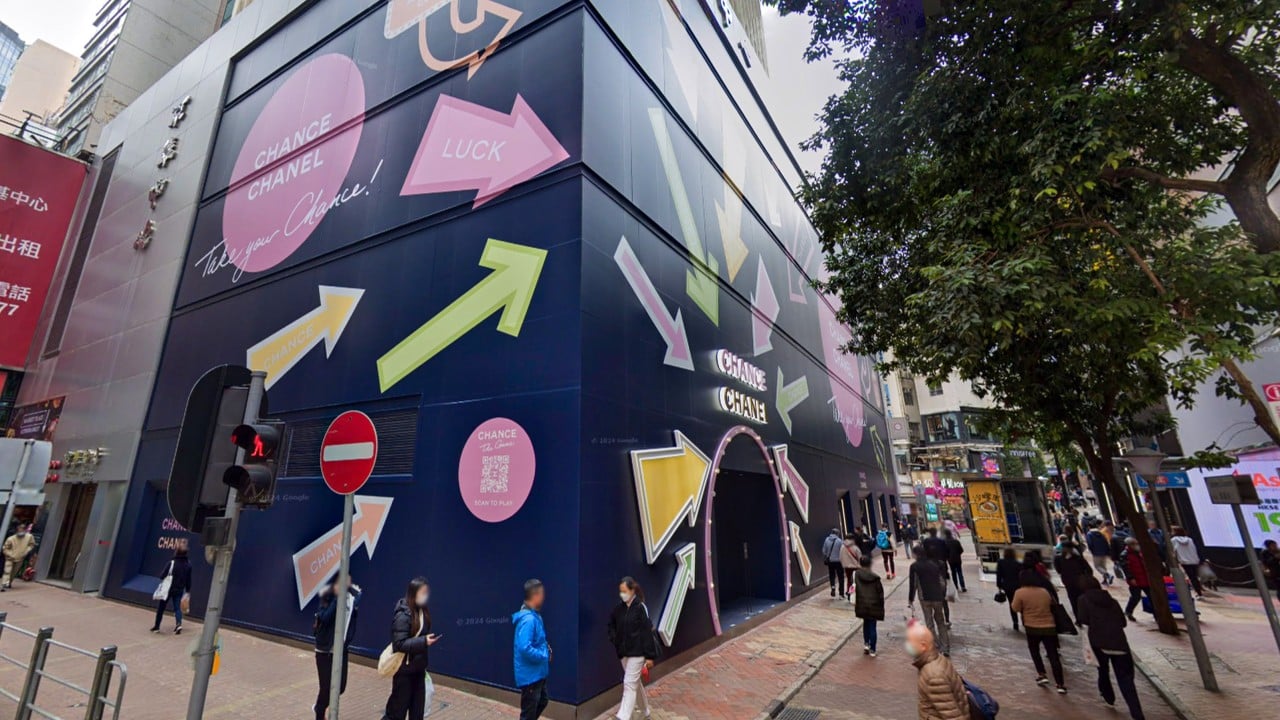
Tenants ranging from major banks to fashion brands are taking advantage of potentially lower rents in prime Hong Kong retail areas, using prominent sites to increase customer visibility, agents say. HSBC is opening its first flagship branch at Capitol Centre, formerly occupied by Chanel, Victoria’s Secret and Forever 21, while preparing to close two branches in Causeway Bay.

A look at what is coming in the week beginning Aug. 31, including the U.S. jobs report and Russia’s digital ruble rollout.

TAP posted a net loss of almost €100 million in the first half as fuel costs rose. Revenue nevertheless increased by 4%, while passenger numbers reached a record for the period.
An official survey indicates that China’s factory activity contracted in August, even as export demand improved and remained strong.

China’s manufacturing activity contracted for a second consecutive month, though the decline was smaller than expected. The data adds pressure on Beijing to support an economy that is losing momentum.
China’s data industry reached 6.78 trillion yuan, or about $1 trillion, in 2025, growing 15.7% from the previous year. The 2026 development report said the country had 482,000 data enterprises by the end of the year, up 17.9% year on year.
Yili Group reported first-half 2026 revenue of 64.49 billion yuan, up 4.13% year on year, while core operating profit rose 10% to 8.38 billion yuan. The company plans to repurchase and cancel up to 2 billion yuan of shares and expects overseas business to grow at a double-digit rate for the full year.
The Minutes Reader extension turns the original page into a focused reading view and translates articles and video subtitles on demand. It is in limited beta.