Eurozone inflation jumps to 3.3% in August as energy prices surge

Eurozone inflation climbed sharply to 3.3% in August, with energy prices rising by more than 14% from a year earlier, according to Eurostat.
The global debt selloff intensified as Japan’s benchmark 10-year bond yield reached the key 3% level for the first time since 1996. Traders are concerned about oil-driven inflation, tighter monetary policy and deteriorating fiscal conditions.

Bond yields jumped across major markets on Tuesday as hostilities between the U.S. and Iran renewed concerns over energy costs and inflation. Yields in Japan and the U.K. reached multi-decade highs.
Japan’s benchmark bond yield reached 3% on Tuesday for the first time since 1996 as bonds sold off broadly around the world. The move highlights how inflation, fiscal worries and rate increases are reshaping markets that once anchored global borrowing costs.
November Brent crude futures on London’s ICE exchange moved above $92 per barrel for the first time since August 25, according to market data. At 11:05 a.m. Moscow time, Brent was up 1.92% at $92.23, while WTI futures rose 1.97% to $87.45. Brent later eased to $92.20, up 1.89%.
Strategy has spent $635 million repurchasing STRC, yet the perpetual preferred stock trades at $97.34, below its $100 par value. SATA’s higher dividend rate, by contrast, has helped it remain at par.

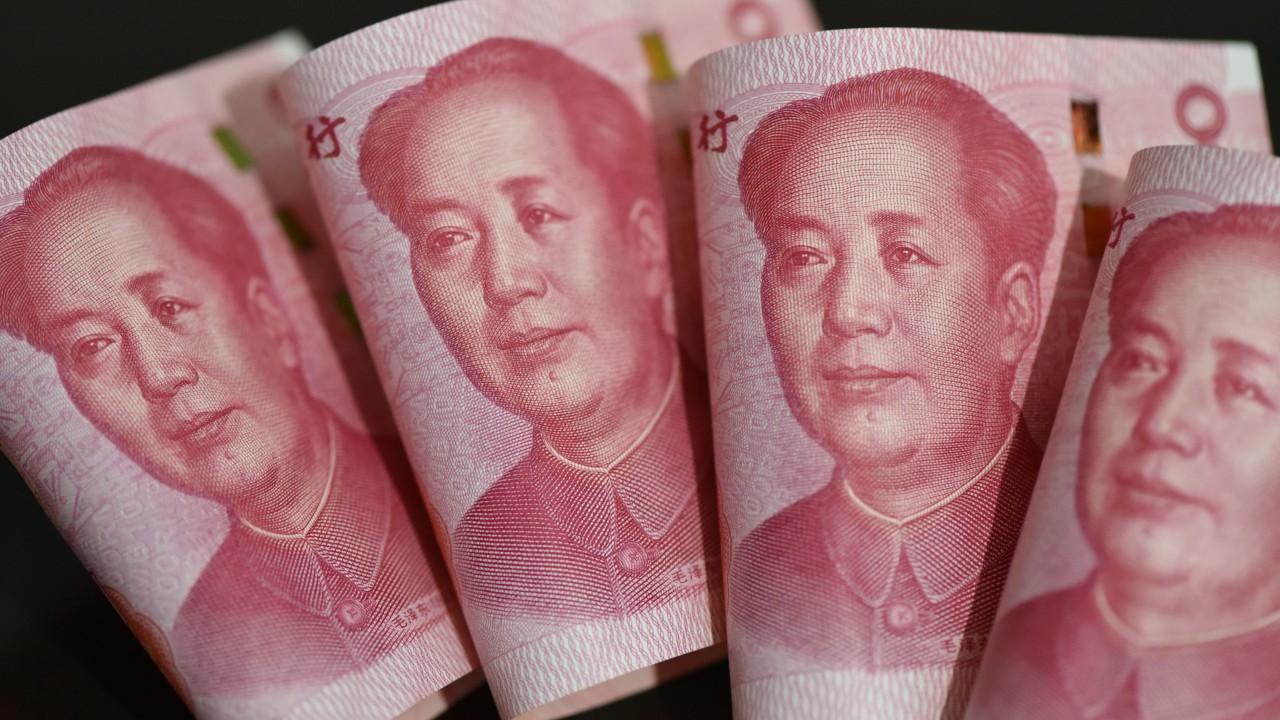
The Bank of Russia bought 5.9 billion rubles ($68.09 million) worth of yuan on the domestic market, with settlement on August 31, according to regulator data. Purchases settled on August 28 totaled 6 billion rubles ($69.24 million). The transactions use the yuan-ruble instrument on the Moscow Exchange.
Air Liquide shares climbed as much as 4.2% on Tuesday after people familiar with the matter said activist investor Elliott Investment Management had taken a stake in the French industrial gases company and was pressing for higher margins.
China’s tax authorities said on Tuesday that expatriates receiving dividends from foreign-funded firms would no longer qualify for a tax exemption. A 20 per cent rate takes effect immediately, with Xinhua describing the change as an effort to unify the tax system.

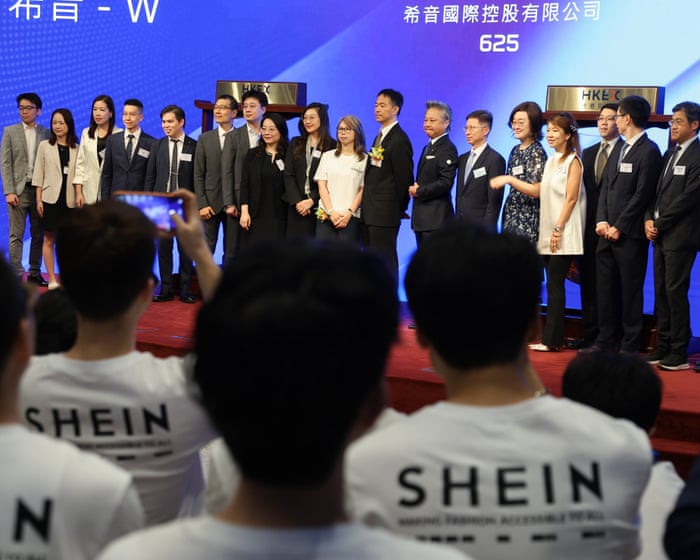
Fast-fashion retailer Shein fell on its Hong Kong trading debut as it faces stronger competition and the removal of tax breaks in key markets. Its shares briefly dropped as much as 10% before closing 0.1% below the IPO price at HK$48.50. The offering raised HK$13.6 billion and valued the company at about US$26 billion.


Shein shares fell as much as 10% after the China-founded, Singapore-headquartered fast-fashion retailer began trading in Hong Kong. Its HK$48.56 offer price valued the company at just over $26bn; shares ended at HK$46.62, down 4%. The weak debut followed failed US and UK listing plans amid forced-labour and supply-chain concerns, while regulatory changes threaten its low-value parcel business model.
Shein’s shares fell on their Hong Kong debut after the company’s unsuccessful attempts to list in New York and London. US tariffs and rising shipping costs are squeezing profits at the fast-fashion giant.
Shares in fast-fashion online retailer Shein fell after the company began trading on the Hong Kong stock exchange following a lengthy delay, with the debut spotlighting its China roots.

Fast-fashion giant Shein fell nearly 8% on its first trading day in Hong Kong on September 1. After unsuccessful attempts to list in the US and UK, the company is now valued at about a quarter of its peak and faces higher trade costs, tighter scrutiny and stronger competition.
China-founded global online fashion giant Shein made an underwhelming debut on the Hong Kong Stock Exchange, with its shares falling after a years-long effort to enter capital markets.

Fast-fashion giant Shein fell almost 8% on its first day of trading in Hong Kong after unsuccessful efforts to list in the US and UK. The offering raised HK$13.6bn and valued the company at $26.3bn, as labour, environmental and regulatory concerns, competition and trade tensions weigh on its prospects.
Fast-fashion retailer Shein’s shares fell 10% on their Hong Kong trading debut after the company completed its long-delayed initial public offering at a bargain-basement valuation.
Shein Global Holdings Ltd. shares dropped as much as 10% in their Hong Kong debut. The initial public offering had raised HK$13.6 billion, or $1.7 billion.

Fast-fashion giant Shein’s shares fell 7% as the company made its Hong Kong market debut on Tuesday, following years of attempts to go public.
Swiss Finance Minister Karin Keller-Sutter said she was disappointed after a parliamentary committee moved to ease stricter capital rules the government proposed for UBS following Credit Suisse’s collapse in 2023.
French rail start-up Velvet has secured the first approval required to launch high-speed services from Paris to cities including Bordeaux, Nantes and Angers. The move could introduce more choice and competition on some of the country’s busiest routes.
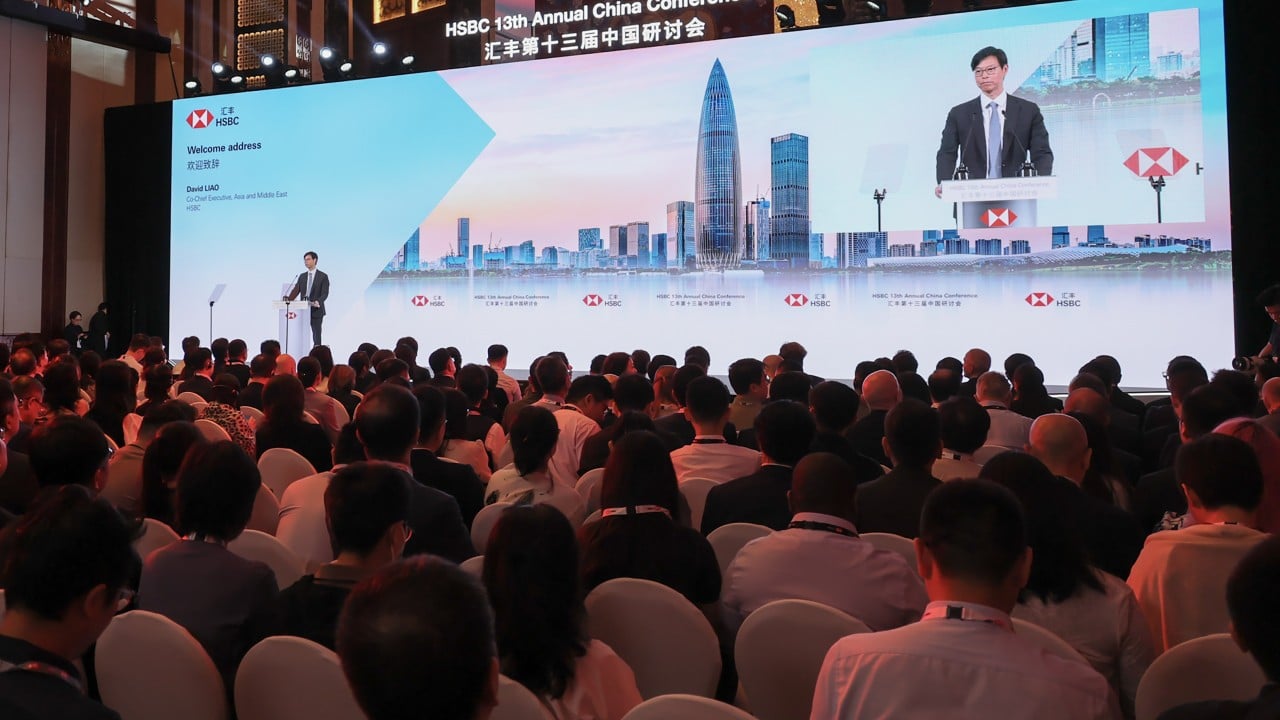
Investors and business leaders are arriving in Shenzhen as global interest in China’s artificial intelligence and robotics industries grows. HSBC, UBS and Nomura each held investor conferences in the technology hub on Tuesday, with AI, robotics and other emerging technologies high on their agendas.

Japan’s 10-year government bond yield reached 3% on Tuesday for the first time since 1996, amid a worsening global sell-off in sovereign debt. US Treasury Secretary Scott Bessent used the G20 finance meeting to urge Tokyo to raise rates faster.
Japan’s benchmark bond yield has reached 3% for the first time in 30 years. The 10-year Japanese government bond yield has more than tripled over two years.
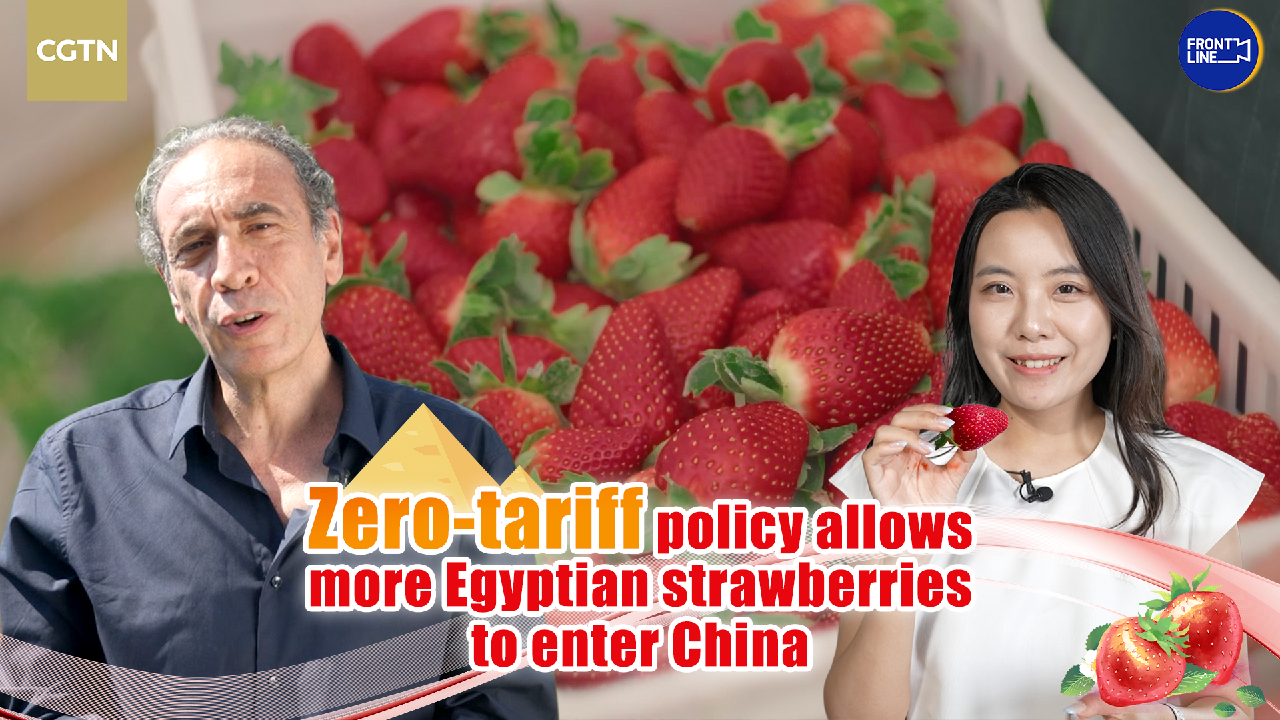
Egypt is a major exporter of frozen strawberries, and China is becoming an important buyer. Since May 1, 2026, China has eliminated tariffs on imports from Egypt, reducing the cost of accessing its market.

The South African rand held steady in early Tuesday trading as markets awaited the release of the country’s manufacturing purchasing managers’ index and August vehicle sales figures.
British house prices rose in August, data from mortgage lender Nationwide Building Society showed on Tuesday, suggesting housing demand held up despite an uncertain economic outlook and the impact of the war in Iran.
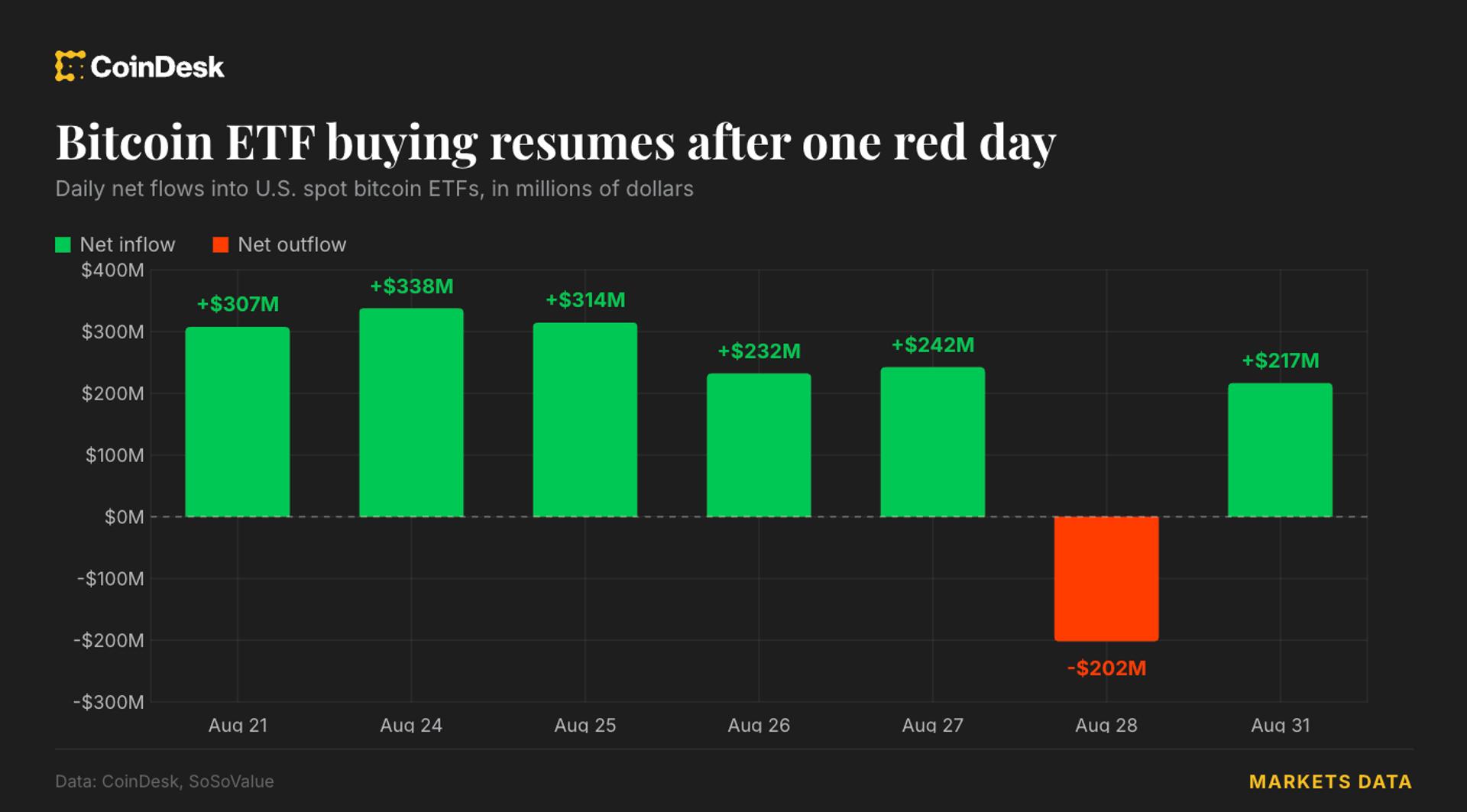
Bitcoin funds attracted $217 million on Monday, one session after an outflow ended their nine-day inflow streak. Ether ETFs have continued to avoid net outflows since mid-August, extending the run to 11 days.

Labour unions representing two-thirds of Micron Technology’s workforce in Taiwan say they are moving toward a possible strike unless the US memory-chip maker reforms its bonus system and shares its profits adequately.
A Sydney home has been Australia’s most dependable housing bet throughout the last 30 years.
Ofgem will raise the UK energy price cap by 4 percent from October 1, 2026, after wholesale gas prices surged amid the US-Israel war on Iran. A typical household is expected to pay about £60 more annually. A government electricity-tax cut may provide some relief, but experts warn geopolitical volatility and import dependence will continue to weigh on costs.

Luxembourg has allowed the authorisation for Israel bonds to expire, leaving Israel’s future borrowing through European investors uncertain. To keep issuing bonds in the EU market, Israel must find another member state willing to approve the prospectus.

The London Stock Exchange is working with Payward, the owner of Kraken and developer of the xStocks tokenized-equities framework, to put leading U.K.-listed stocks onchain.

Former New Zealand agriculture minister and current National Patron of the New Zealand–China Friendship Society David Carter said China is New Zealand’s major market and that the relationship must be fostered and strengthened. He credited the free trade agreement with delivering immense benefits and is seeking to involve more young New Zealanders in engagement with China.
The 23rd China-ASEAN Expo will run from September 17 to 21 in Nanning, Guangxi, Vice Minister of Commerce Yan Dong said. It will promote development of the China-ASEAN Free Trade Area and showcase new bilateral economic and trade achievements. China-ASEAN trade exceeded $1 trillion in 2025, reaching $1.05 trillion.
The Trump administration says the US will form a private joint venture with North American Blue Energy Partners, owned by Venezuelan businessman Alejandro Betancourt. The Pentagon’s Office of Strategic Capital will hold 35 percent, while the US will be able to buy 20 percent of output at cost. Acting President Delcy Rodriguez is granting the company 100-year rights to 17 fields, and Betancourt has pledged $100bn for new oil infrastructure.

Analysts warn that the agreement involving 65bn barrels may fail to attract investment from US groups and could destabilise Venezuela’s interim president.
Analysts warn that the agreement may fail to attract investment from US companies and could destabilise Venezuela’s interim government.
An unprecedented arrangement giving the United States access to one-fifth of Venezuela’s oil reserves, along with a central role for a Venezuelan businessman, is causing questions and hesitation among some oil companies considering investments in the country, people familiar with the matter told Reuters.
The White House released on Monday the terms of a U.S.-Venezuela oil deal involving North American Blue Energy Partners.

The White House says Venezuela's interim authorities awarded North American Blue Energy Partners, which is backed by the United States, 100-year concessions covering 17 oil fields.
Venezuelan crude exports rebounded in August as US President Donald Trump’s administration moved to seek greater control over the country’s oil sector.

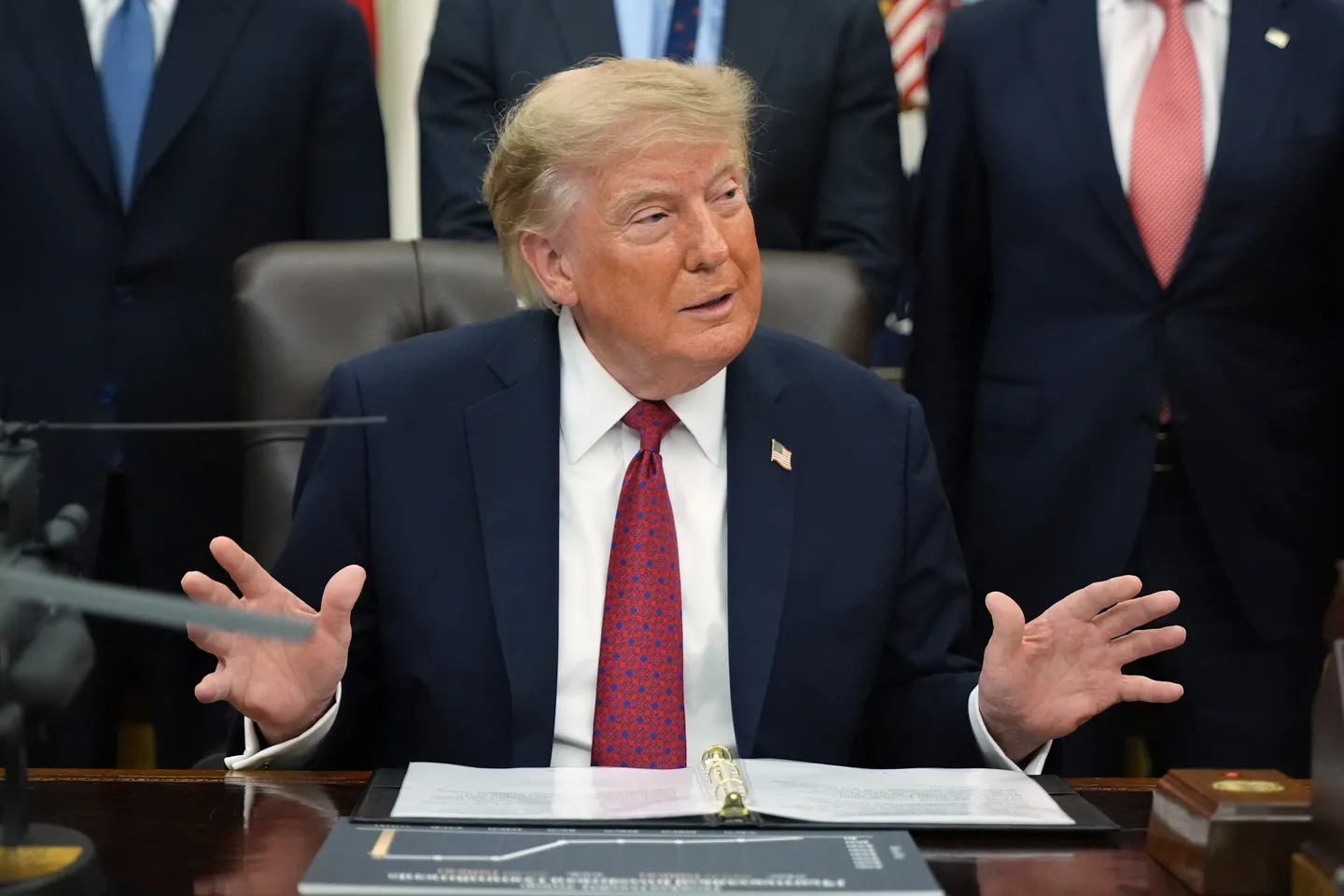
Donald Trump says Venezuela’s oil wealth, which he describes as being of “unbelievable value,” had remained dormant before a deal with the United States. He adds that US refineries are designed for Venezuelan heavy oil, calling heavy oil a good thing rather than a bad one.
Japanese borrowing costs reached a 30-year high as the yen weakened to 160 per dollar on Tuesday and bond yields came under pressure. Traders were watching for a possible Japanese rate hike and potential intervention by Tokyo to support the yen, as mentioned by Bessent.

Carlos Brito, known for spending decades at AB InBev, is preparing to take global vehicle-glass replacement company Belron public.
Foreign investors are expected to continue adding to China A-share holdings, although UBS says the pace of buying will likely ease from the surge seen in the first half of the year. UBS Securities China equity strategist Meng Lei still expects net inflows in the second half, but at a slower rate.

Russian stock indices fell at the opening of the main trading session while the yuan strengthened against the ruble. The MOEX and RTS declined 0.33% to 2,171.78 and 792.04 points, with both losses widening to 0.39% by 10:15 a.m. Moscow time.
China’s photovoltaic capacity reached 1.286 billion kilowatts by the end of July, edging past coal-fired power at 1.285 billion kilowatts and becoming the country’s largest power source by installed capacity, the National Energy Administration said. Solar generation rose 15.5% in the first seven months, providing 13% of electricity consumption.
China’s installed photovoltaic capacity reached 1.286 billion kilowatts by the end of July, overtaking coal-fired power for the first time and becoming the country’s largest power source by installed capacity, the National Energy Administration said Tuesday.
Solar panels have overtaken coal as China’s largest source of power capacity, marking a key milestone in the country’s green-energy expansion.
The United States has expanded sanctions on Iran and indefinitely suspended education-related licences that allowed limited cooperation between US universities, individuals and Iranians. The measures affect academic exchanges, education services and overseas study testing, prompting many Iranians to say ordinary civilians are being unjustly cut off from the international community.

Iran’s central bank governor, Abdolnaser Hemmati, said on Tuesday that the country has adequate foreign-currency reserves despite U.S. sanctions. His comments followed Treasury Secretary Scott Bessent’s claim that Tehran was striking back because it was losing the economic war.
The Youyi-Baoqing Railway in northeast China’s Heilongjiang Province has begun trial operations after its tracks and station lines were upgraded. The roughly 60-kilometer route links major grain-producing areas on the Sanjiang Plain with markets across China, strengthening a vital freight corridor without interrupting regular grain shipments.
South Korea unveiled its most aggressive fiscal spending plan on record, proposing 821 trillion won ($596.92 billion) in total government expenditure for 2027 to strengthen its technological edge in the global AI race.
Strategy has pushed back against a new MSCI consultation targeting companies whose operating assets account for less than 50% of total assets, calling the proposal discriminatory toward digital asset treasury companies.

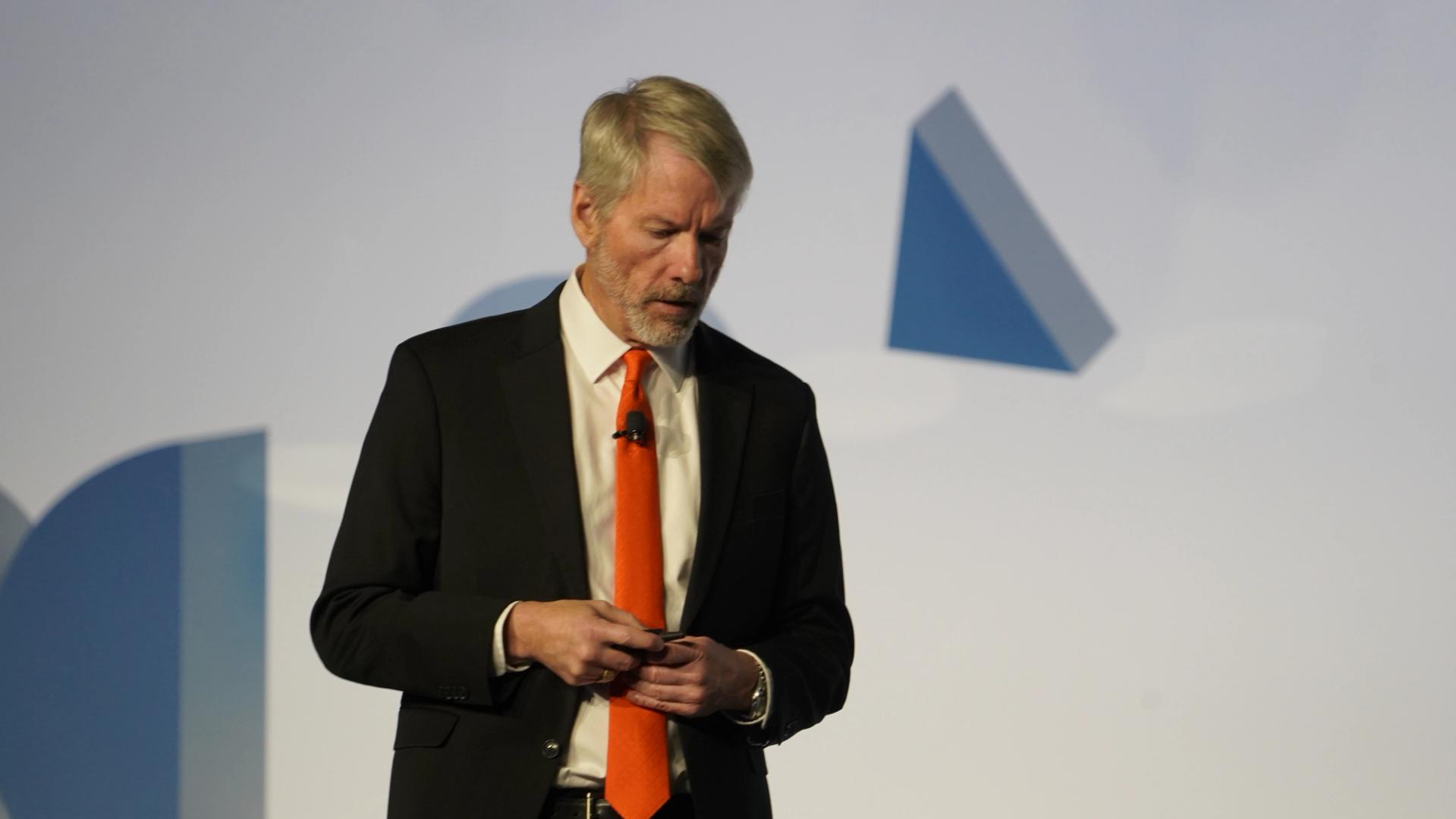
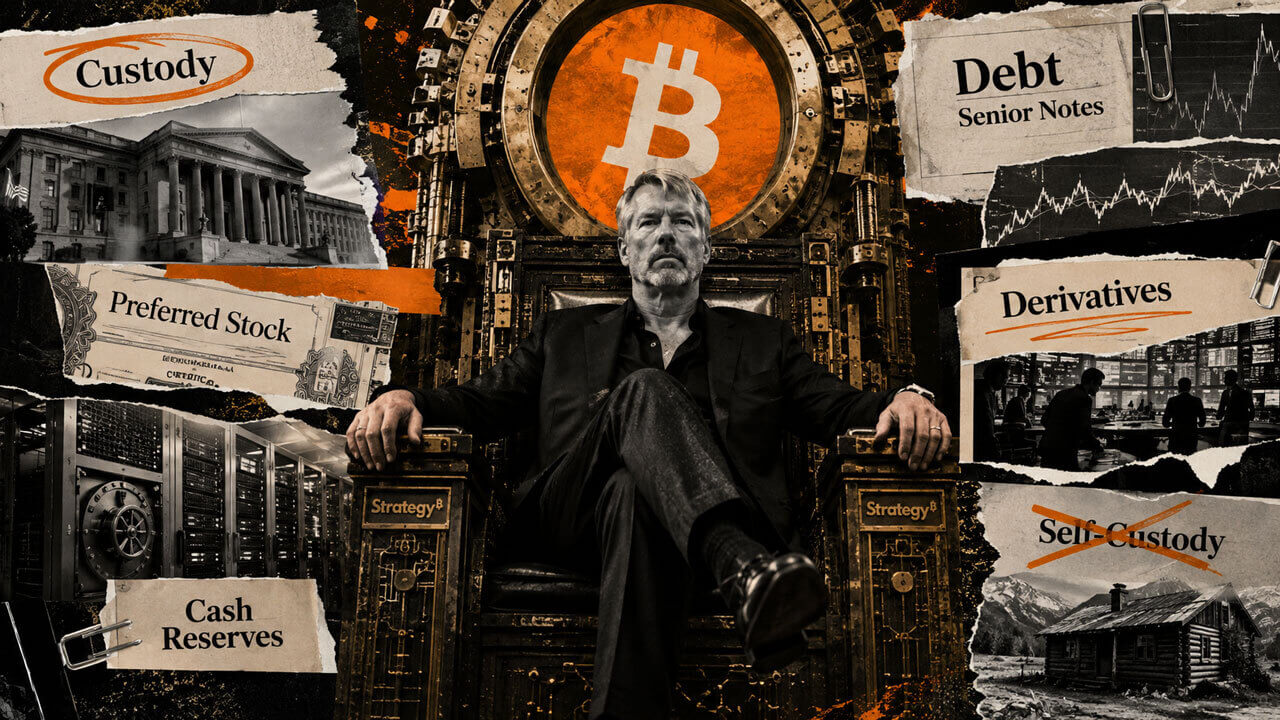
Michael Saylor argues that institutional custody and securities can broaden Bitcoin access without removing self-custody. At the same time, Strategy reported $2.0065 billion in net MSTR sale proceeds, $5.10 billion in its USD Reserve and holdings of 840,447 BTC. It expanded dollar liquidity and repurchased preferred stock while making no Bitcoin trades that week.

Bodycote has agreed to a £1.84bn takeover by US buyout firm Veritas. The deal is the latest in a flurry of transactions taking UK companies off the London market.
Citigroup said it will increase staffing across its North Asia and Japan corporate banking desk network by 25% after client activity grew by double digits. Invesco has also announced plans to keep expanding in Asia and appointed a new head for the Asia-Pacific region.

China’s manufacturing sector expanded at a faster pace in August, with output, new orders and exports all accelerating, according to a private-sector survey.
Al Jazeera compares the prices of everyday food in Tunisia with their levels before the 2010 revolution. The dinar has lost half its dollar value, raising import costs, while unsubsidised food prices surged: tomatoes rose 113 percent, chicken 118 percent, cooking oil 129 percent and carrots 428 percent. Subsidised staples have remained fixed, creating a two-tier food basket.

The London Stock Exchange is preparing to launch tokenised stocks. Its partnership with Kraken’s owner is the latest indication of the UK’s effort to become a hub for crypto-asset trading.
David Layton will step down as chief executive of Swiss private equity manager Partners Group after a surge in redemption requests hit the company’s share price.
The United States did not join Japan’s efforts to shore up the yen without conditions. This week, Treasury Secretary Scott Bessent spelled out the terms, putting Japan under pressure to reassess its policy stance.
India’s manufacturing sector grew at its slowest pace in five years in August as weak demand led to the first job losses in more than two years, according to a survey.
Oil prices rose after the United States and Iran exchanged fire for the first time in more than a month, raising fears that the Middle East conflict could escalate. Brent crude topped $91 a barrel, while shipping through the Strait of Hormuz remained heavily constrained. A tanker was struck by unidentified projectiles, with no casualties or claim of responsibility reported.

France began imposing penalties on the most extreme end of fast fashion on Tuesday, seeking to curb a surge in cheap clothing sales through e-commerce platforms including Shein and Temu.

Dashiqiao in Liaoning, known as China’s “Magnesium Capital,” is shifting from exporting raw materials to producing high-end magnesium products based on independent core technologies. Local firms now export specialized fertilizers, feed additives and premium refractory materials to numerous countries, while smart manufacturing supports more consistent quality.
Gold prices edged lower on Tuesday as traders weighed tensions in the Middle East and awaited key US labor-market data due this week. The figures could influence expectations for Federal Reserve monetary policy.
China’s state-owned and state-controlled enterprises recorded combined profits of 2.509 trillion yuan in the first seven months of 2026, up 0.6% year on year, Ministry of Finance data showed. Operating revenue fell 2.4% to 46.447 trillion yuan, while taxes payable rose 5% and the end-July asset-liability ratio reached 65.6%.
Tom Westbrook looks ahead to the day’s trading in European and global markets.
The piece examines Kevin Warsh’s mysterious monetarism and his relationship with the Treasury.
The yen steadied near 160 per dollar on Tuesday after U.S. Treasury Secretary Scott Bessent intensified pressure on the Bank of Japan to raise rates this month. Investors remained cautious as bonds sold off following renewed attacks in the Gulf.
Mixed-load public-block trains on the Chengdu southern route of the China-Europe Railway Express now run regularly, with three to four departures a month. The service crosses Kazakhstan and the Caspian Sea after leaving China through Khorgos, reaches Georgia, and links with cities including Baku and Izmir.
Preliminary ship-tracking data indicates that about five vessels passed through the Strait of Hormuz on Monday, little different from the weekend and well below the roughly 14-vessel 10-day average.
Oil prices climbed about $1 on Tuesday after fighting between the United States and Iran resumed in the Middle East, rekindling concerns that supplies could be disrupted in the world’s key crude-producing region.

Oil prices climbed further on Tuesday as renewed military exchanges between the United States and Iran, along with Donald Trump’s vow to hit Tehran “hard,” raised fears of a wider escalation after weeks of relative calm.
The Iran war has changed how cooking gas reaches millions across Asia and Africa. India has kept LPG flowing by reshaping supply routes and increasing domestic output, but the disruption has carried a cost.
Analysts say emerging markets could attract more capital as Treasury bond buyback plans weaken the dollar and support carry trades.

Ark Invest bought $37 million worth of shares in Block. Last month, the investment firm had already purchased a large stake after Block’s second-quarter results prompted it to raise its full-year profit forecast to $12.5 billion.

The OPEC+ seven will raise their September oil production quota by 188,000 barrels per day from August to 31.01 million bpd. The group is completing the phaseout of its voluntary 1.65 million-bpd cut and will continue monthly market reviews, with the next meeting set for September 6.
Indian shares opened little changed on Tuesday as stronger-than-expected domestic growth data offset concerns over rising crude oil prices driven by a fresh escalation in Middle East tensions.
The combined wealth of Russia’s richest businesspeople has fallen by $19.77 billion since the start of 2026, according to the Bloomberg Billionaires Index. Mikhail Prokhorov posted the biggest decline, losing $6.45 billion to reach $10.1 billion, while Severstal founder Alexey Mordashov recorded the largest gain, adding $1.43 billion to $27.7 billion.
Individuals familiar with the facilities said Monday that Motiva Enterprises and Exxon Mobil were taking precautions at their East Texas refineries as a developing tropical storm moved toward the U.S. Gulf Coast, posing risks from powerful winds and flooding.
Europe’s average gas price rose to $744 per 1,000 cubic meters in August, its highest August level since late 2022, as inventories ahead of winter fell to record lows and the Middle East conflict continued. Futures closed at about $840 at month-end, up 18.5% from July 31. The closure of the Strait of Hormuz intensified competition with Asia for LNG supplies.
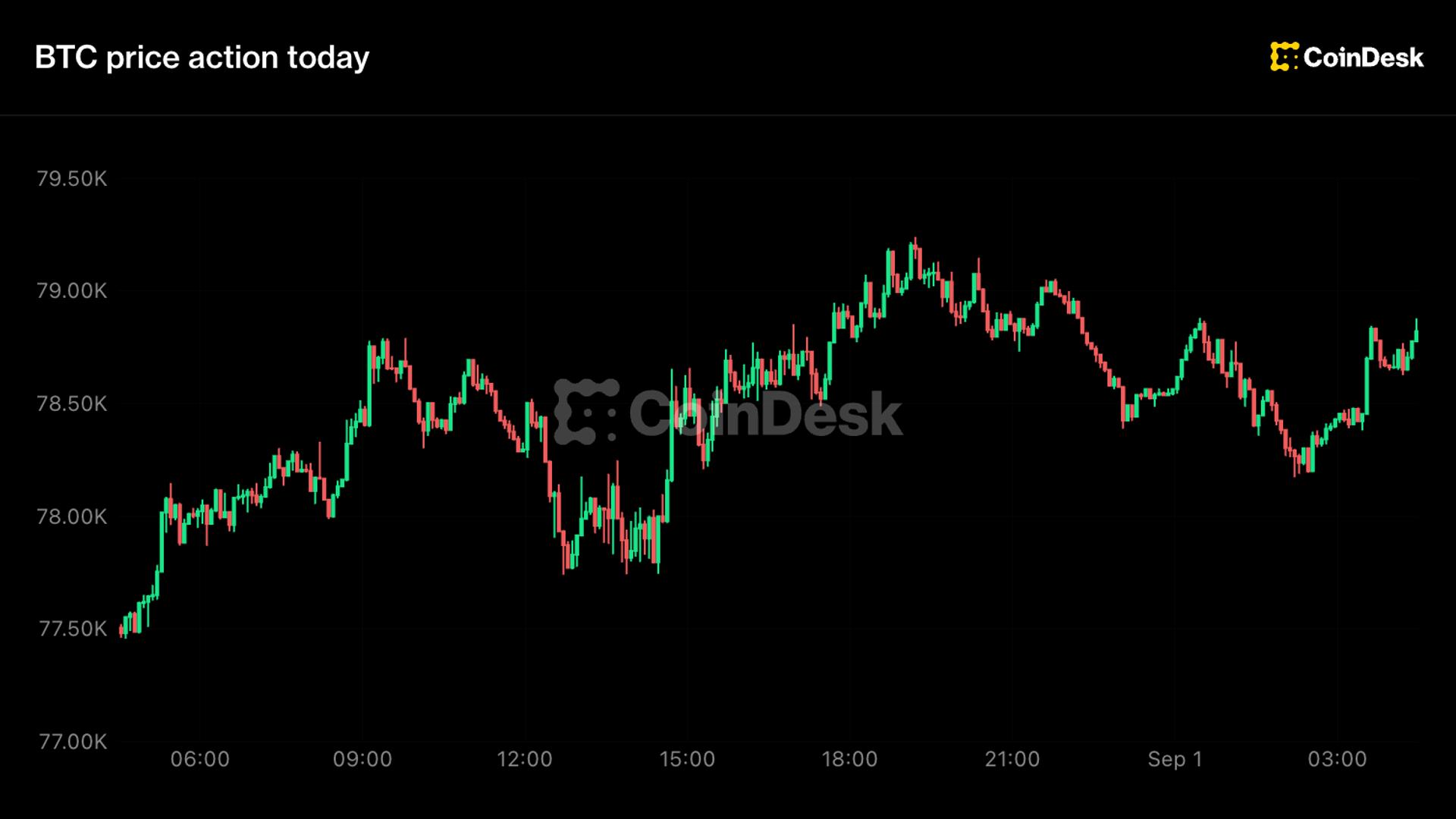
Bitcoin remained above $78,000 as Ether, Solana, Tron and Dogecoin lost ground over 24 hours amid bets on a hawkish Federal Reserve. HYPE gained about 4%, while Bitcoin was flat for the week after rising 24% in August.

A selloff in the Treasury market sent the 10-year yield sharply higher.
A fresh look at why 2022–23 differed from 1982–83.
Trump Jr.’s 1789 Capital is reportedly leading a $1 billion funding round for Polymarket, contributing about $300 million in addition to an existing stake worth roughly $200 million. The prediction market’s valuation has risen from $15 billion to $21 billion.

Russia has begun the mass rollout of its digital ruble, with major banks and retailers opening infrastructure for transactions and individuals able to choose the new currency format. The system will expand in stages, with all credit institutions joining by September 2028. Individual payments and transfers are free, while businesses are exempt from fees through the end of this year.
After years of struggling to secure a banking licence, Revolut now aims to shake up the industry with an “everything app.”
A controversial financing deal between luxury carmaker Aston Martin and BlackRock-owned credit firm HPS has triggered opposition from bondholders and set up a high-stakes legal battle.
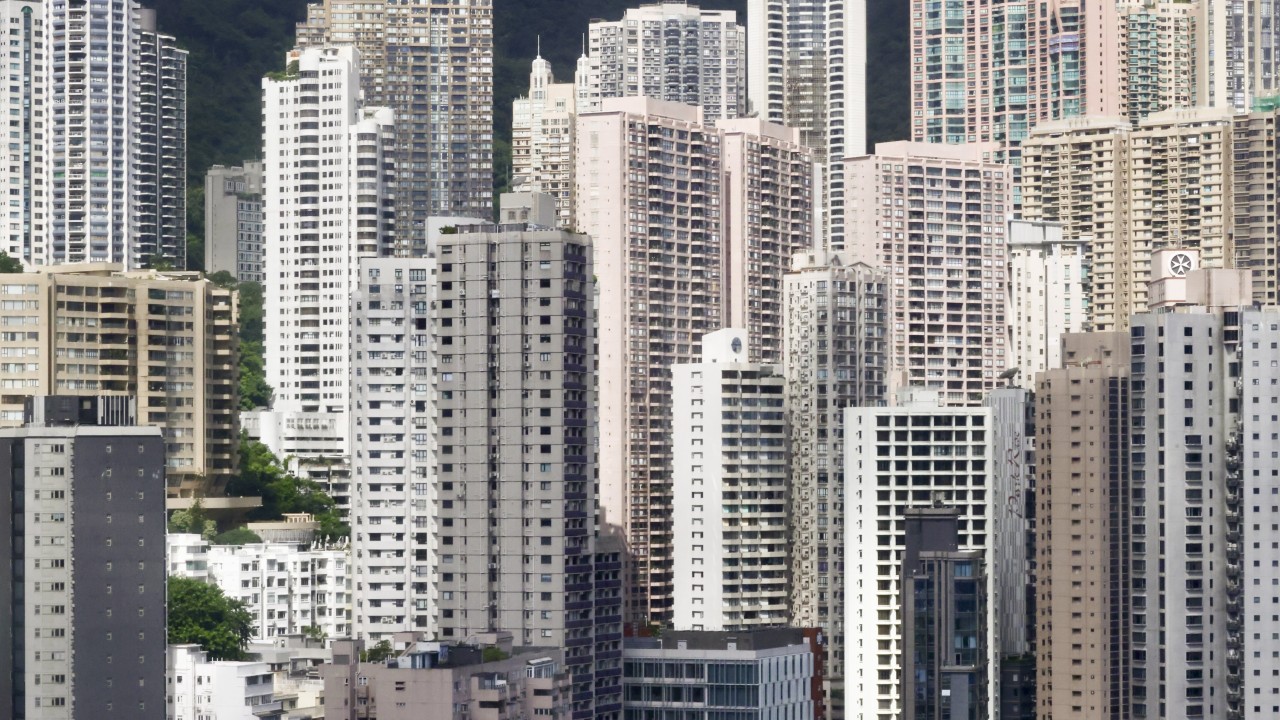
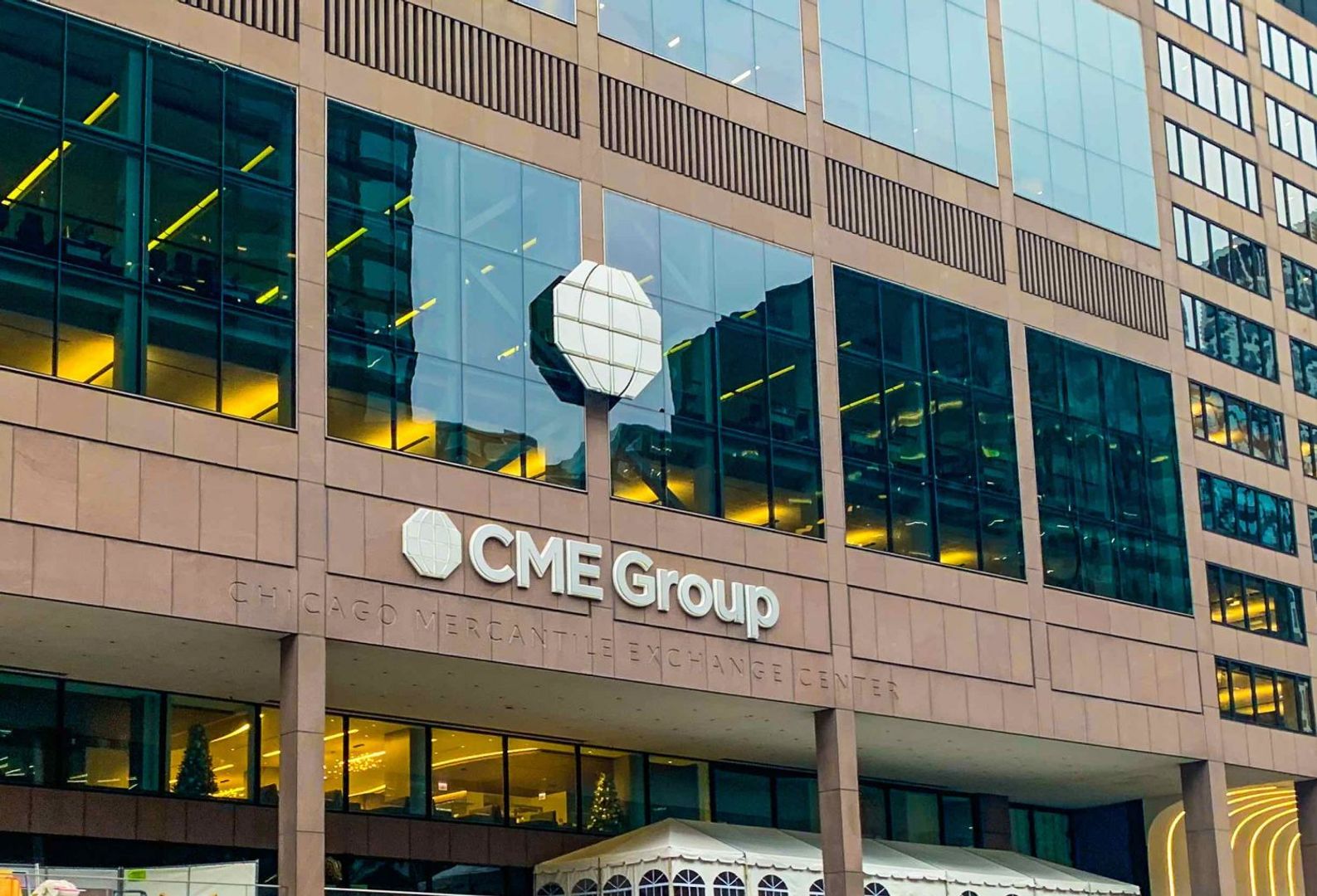
Expectations that the US Federal Reserve will raise its target interest rate by a quarter percentage point this month have grown after Fed chairman Kevin Warsh spoke last week. CME’s FedWatch tool showed the implied probability had doubled, with markets pricing in a 60% chance, prompting Hong Kong’s property market to prepare for the possible impact.

As XRP rallied 40% toward $1.40, outstanding futures positions outside CME dropped by more than 500 million tokens over two weeks. Exposure on the regulated U.S. exchange rose by about 36%.

The Minutes Reader extension turns the original page into a focused reading view and translates articles and video subtitles on demand. It is in limited beta.