CNBC Daily Open: Tariffs in the spotlight, and Trump has a new name for a lake
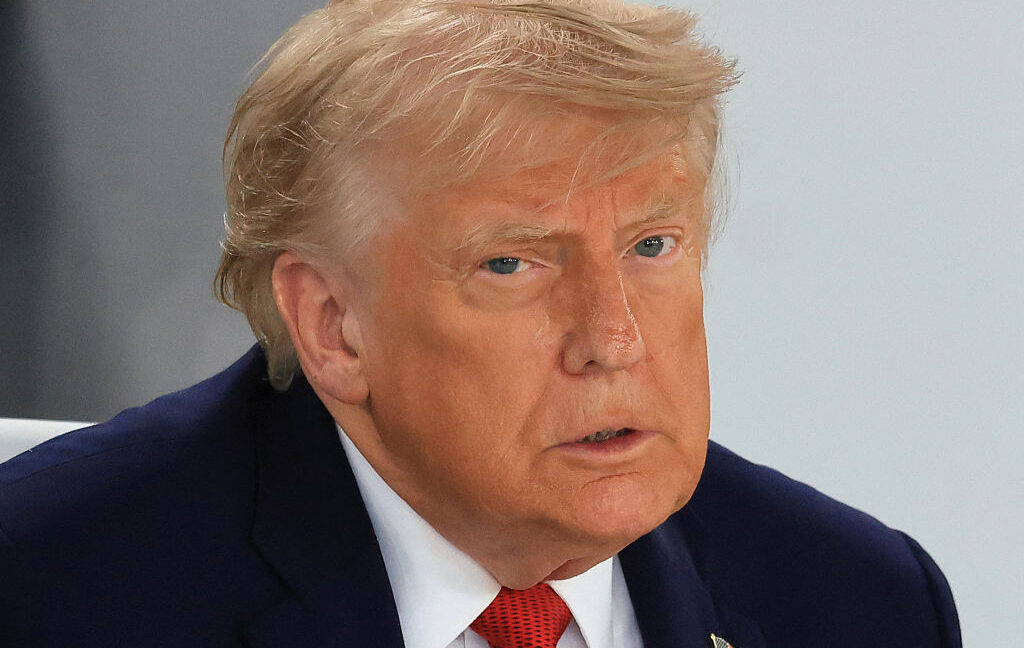
President Donald Trump’s administration is reportedly considering new tariffs on chips, while Nvidia is increasing its support for Chinese AI models.

President Donald Trump’s administration is reportedly considering new tariffs on chips, while Nvidia is increasing its support for Chinese AI models.

Workday reported a 12.8% rise in second-quarter revenue as enterprises subscribed to its AI-powered finance and human resources software. Its outlook met estimates, but the shares slipped.
The technology industry fears Donald Trump could announce sweeping semiconductor tariffs within weeks or months, potentially “dooming” US AI innovation. People familiar with the plans say the framework may still change, with duties possibly extending beyond chips to products such as gaming consoles and data-center servers.

The Trump administration is considering another round of semiconductor tariffs and may expand them beyond chips to products such as laptops, gaming consoles and data-center servers. Commerce Secretary Howard Lutnick reportedly favors linking foreign companies’ tariff relief to investment in US chipmaking, with a possible phase-in period. US tech companies warn the move could undermine hopes of dominating artificial intelligence, while Nvidia and Apple would bear much of the impact.

The U.S. is reportedly considering imposing another round of semiconductor tariffs as technology giants race to outpace China in building AI infrastructure.
Salesforce significantly exceeded expectations with its second-quarter earnings and announced an expanded artificial-intelligence partnership with Anthropic. Its shares surged 20%, putting them on course for the company’s second-best day on record.

Politico said Thursday that the Trump administration was evaluating another broad tariff package for semiconductors, citing accounts from eight people familiar with the deliberations.
Nvidia’s better-than-expected earnings and strong outlook lifted technology stocks, bitcoin and companies tied to AI infrastructure.


Nvidia shares rose 6% in premarket trading after blockbuster earnings strengthened confidence in artificial intelligence.
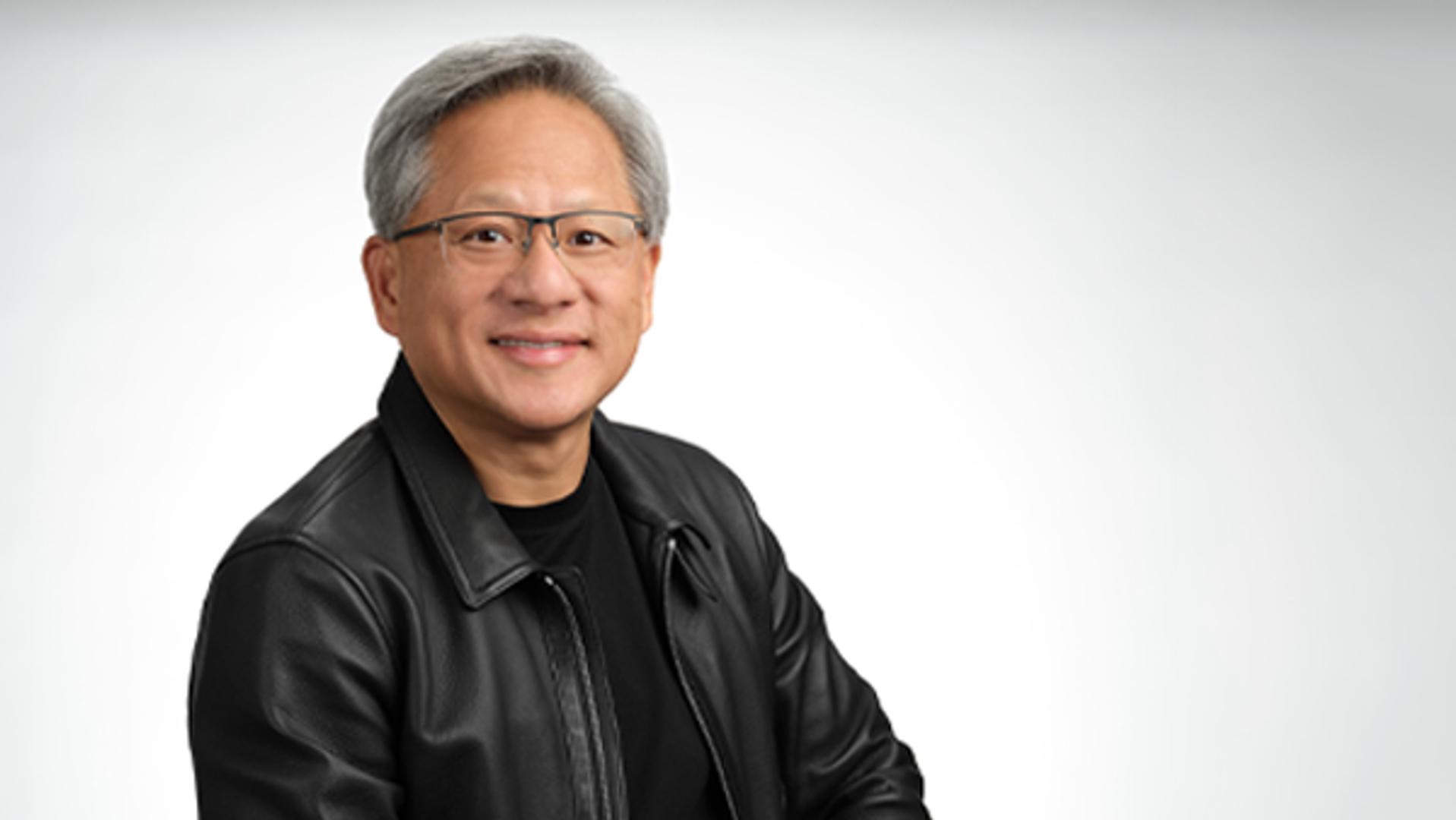
Nvidia reported second-quarter revenue of $96.2 billion for the period ended July 26, up 18% from the previous quarter and 106% year on year. The US technology company expects about $108 billion in revenue next quarter, while CEO Jensen Huang pointed to the rapid development of artificial intelligence.
Asian-Pacific stocks rose at Thursday’s open for a third straight session after Nvidia reported better-than-expected earnings. The result lifted technology hardware makers and renewed investor confidence, despite overnight data showing the Federal Reserve’s preferred US inflation gauge remains elevated.

Nvidia reported better-than-expected results and said it expects revenue to grow another 70% in fiscal 2028.
Nvidia shares initially fell after the company released its quarterly results on Wednesday, then surged, giving investors a roller-coaster ride. The move underscored Wall Street’s lofty expectations for its favored AI chip designer.

Nvidia expects to generate $108 billion in revenue within a few months, following a record $96.2 billion quarter. Data center revenue more than doubled year over year to $89 billion, while profits reached $59.7 billion. Consumer business growth was tempered by slower PC sales, higher prices, and component shortages.
Nvidia’s sales outlook beat expectations but failed to satisfy all investors, deepening worries about whether artificial-intelligence spending can maintain its momentum.
Nvidia projected quarterly revenue above Wall Street expectations on Wednesday, but the forecast did little to calm investor concerns about the company’s long-term dominance of the AI chip market.

Nvidia, a bellwether for the technology sector, reported fiscal second-quarter results after Wednesday’s close that exceeded estimates. The company projected $108 billion in revenue for the following quarter.
Vietnamese Prime Minister Le Minh Hung has urged Chinese companies investing in Vietnam to move toward higher-quality, technology-driven projects, including artificial intelligence, 5G and semiconductors.
The 17th Dongguan Taiwan Famous Products Fair, scheduled for Sept. 3–6, will for the first time include all 22 counties and cities from China's Taiwan Province. Organized around industrial chains, the event will cover semiconductors, AI and new energy, with project signings, supply-chain matchmaking and participation by more than 150 major buyers.
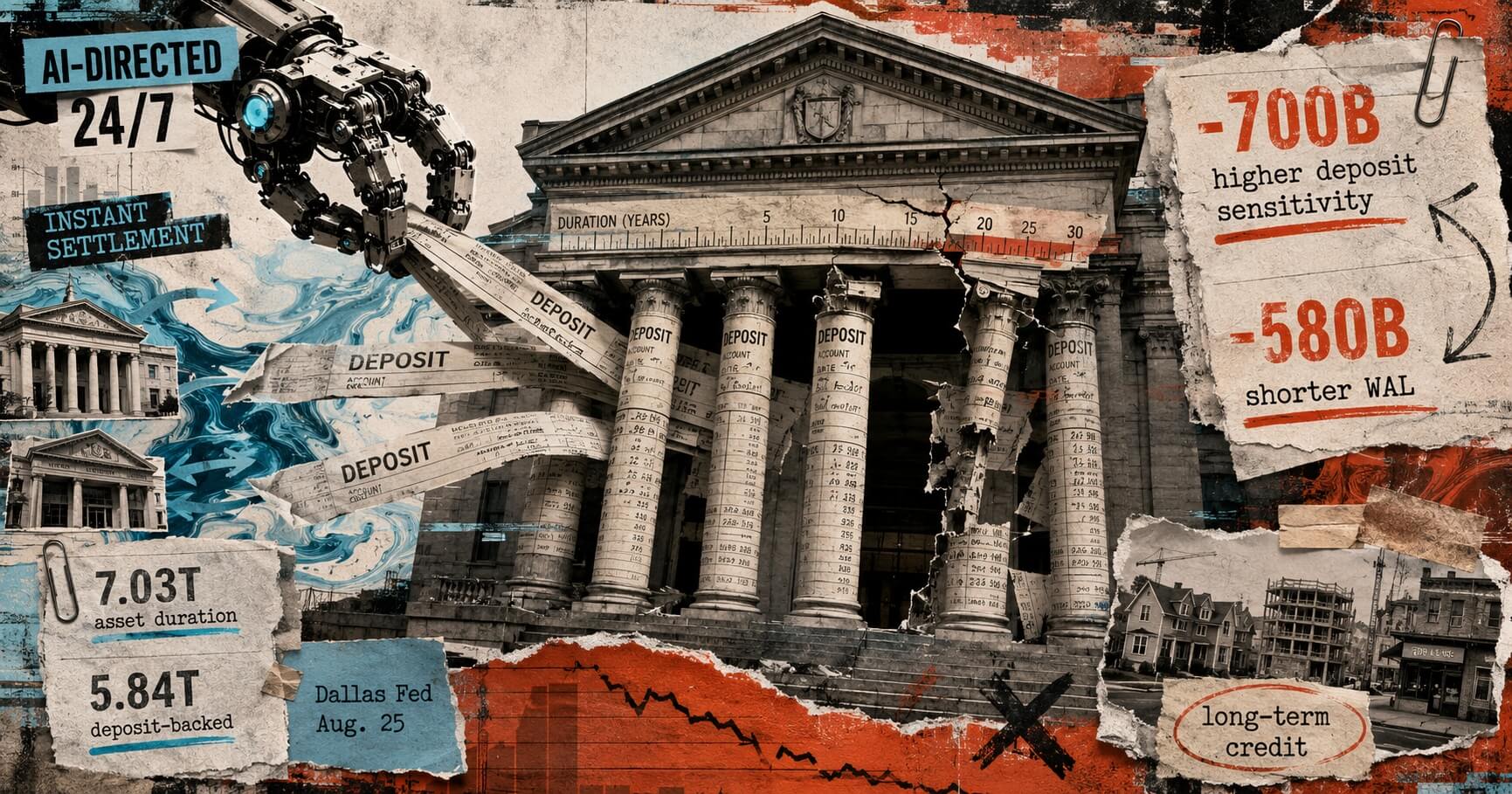
A Dallas Fed analysis says AI-directed accounts could let customers move deposits rapidly between banks, weakening the stable funding that supports long-term lending. Greater deposit sensitivity could push banks toward wholesale funding or more liquid assets, raising borrowing costs for consumers and businesses. Tokenized deposits are still early, and the scale of the effect remains uncertain.

Indian shares opened higher on Thursday as oil prices fell on expectations that Iran-Oman talks could reopen the key Strait of Hormuz. Strong earnings from Nvidia also lifted other Asian markets.
China’s private funds expanded their managed assets last month as mutual funds contracted, with investors diversifying during a sell-off in semiconductor shares. Domestic mutual funds lost 560 billion yuan (US$83.3 billion), or 1.4 per cent month on month, in July, bringing net assets to 39.11 trillion yuan and ending a four-month growth streak.

Manchester-based cinema software group Unique X is exploring a London listing and could command a valuation of £300mn in an IPO next year.
The Japanese regulator’s registration of a new platform for trading unlisted shares could create a more favorable capital-raising environment for the country’s IPO ecosystem and give startups a boost.

HP said Wednesday that third-quarter PC shipments and margins fell. Price increases intended to offset rising memory-chip costs were not enough, sending the company’s shares down 9% in extended trading.
Puck confirmed it is in advanced talks to receive an investment from RedBird Capital Partners. The deal would help fund growth at the newsletter startup, which is valued at $250 million.
Salesforce increased its full-year revenue forecast and said Wednesday that it was broadening its partnership with AI company Anthropic. The announcements sent shares of the enterprise software maker 14% higher in extended trading.
Salesforce shares jumped 11% after gains from the company’s stake in Anthropic helped lift profit in the latest quarter.
London's FTSE 100 was subdued on Wednesday as falling oil prices weighed on energy stocks and offset broader gains. Investors awaited key U.S. inflation data and Nvidia's quarterly earnings.
Data centers draw attention for their heavy water and energy use, but nearby residents are also protesting the constant noise they produce. That has created more work for acousticians.
European shares were broadly unchanged on Wednesday as investors awaited Nvidia’s earnings report. Oil prices fell as hopes grew that the Strait of Hormuz could reopen soon.
Wall Street is eagerly awaiting Nvidia’s earnings on Wednesday afternoon. Investors are focused less on the chipmaker’s figures than on what they may signal about AI investors and the broader market.
Sentiment among Germany’s exporters improved sharply to its strongest level since February 2022, the Ifo Institute said. Government-backed investment and greater use of artificial intelligence helped lift expectations.
A South Korean fund financed by record tax windfalls from the semiconductor boom will support projects over three to four years rather than recurring outlays such as welfare programs, a presidential official said Wednesday.
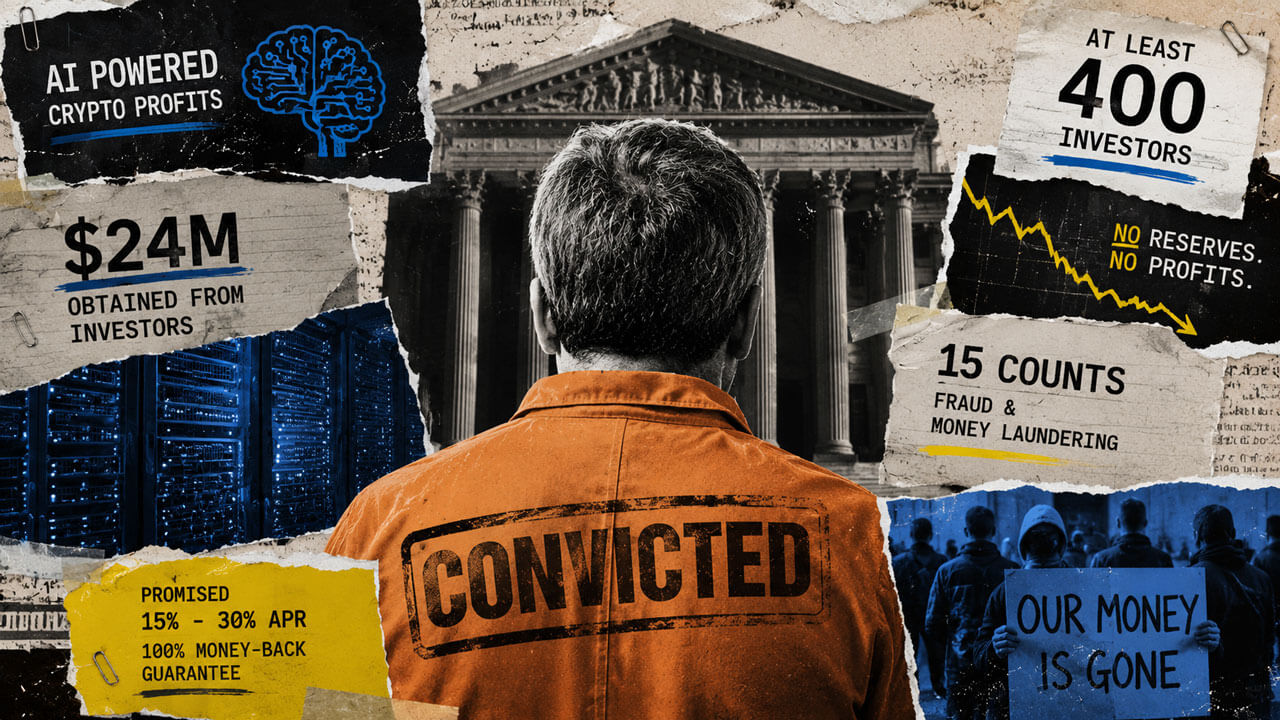
A federal jury convicted Profit Connect owner Brent C. Kovar on 15 fraud and money-laundering counts. Prosecutors said he raised $24 million from at least 400 investors by falsely claiming an AI-powered crypto business generated profits and guaranteed returns. Sentencing is scheduled for Nov. 30.

China’s digital industry recorded 20.71 trillion yuan in revenue in the first half of the year, up 13.6% year on year, MIIT data showed. Strong domestic demand for artificial intelligence and exports helped lift total profits 19.3% to 1.79 trillion yuan, while the sector remained concentrated in eastern provinces.
Investors are waiting for Nvidia to set the tone for the biggest market trend in a generation, with the company’s earnings expected to determine the direction of the AI trade.

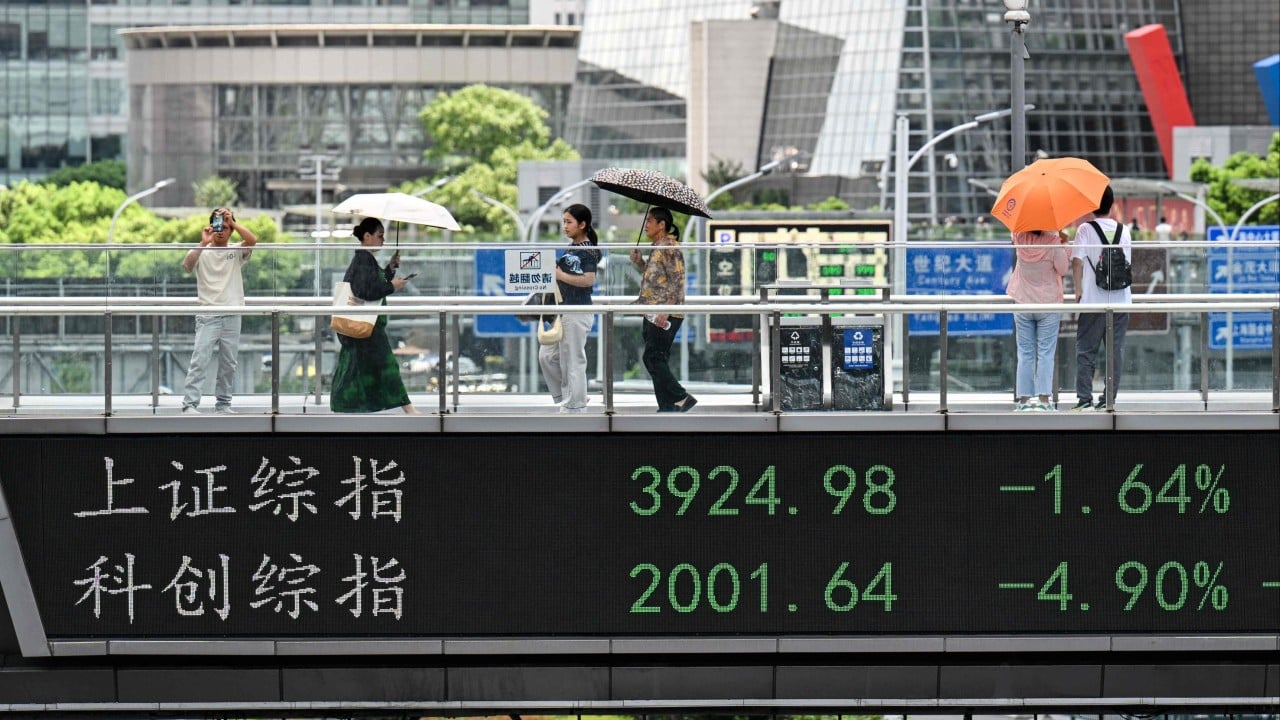
Chinese investors are turning to dividend stocks for shelter after a global sell-off in technology shares. The Shanghai Stock Exchange Dividend Index, comprising 50 high-yield companies in energy, banking and transport, has gained 3.8% this month, far outperforming the chip-heavy Star Market 50’s 0.2% rise.

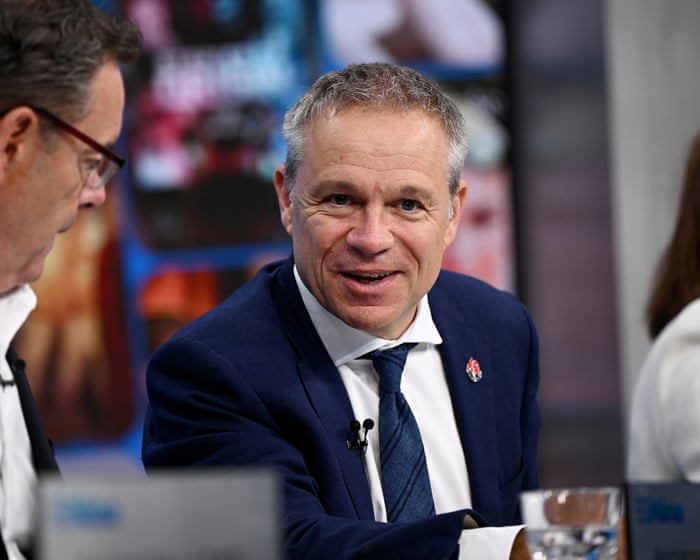
Nine Entertainment CEO Matt Stanton says revamped Australian media bargaining laws could create major publishing growth by encouraging Google, Meta and other platforms to pay for news content. He also cites a strong pipeline of AI deals, while Nine cuts more than $160m over three years and reduces newsroom staff.

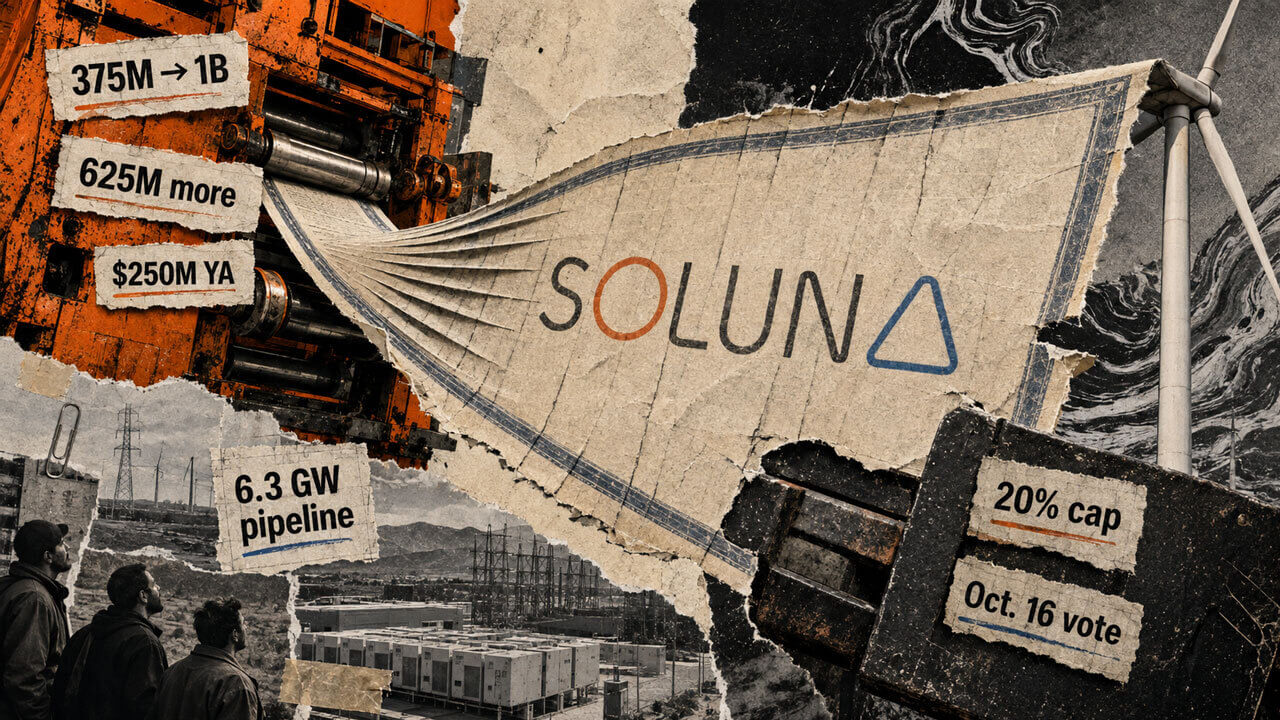
Soluna Holdings is asking shareholders to raise its authorized common stock to 1 billion shares from 375 million as it seeks capital for a largely unbuilt 6.3-gigawatt data-center pipeline. A separate vote would permit larger stock sales under a YA II PN agreement. Approval would expand financing flexibility but could dilute existing investors. The company is also developing Project Dorothy 3 in Texas and sharing Bitcoin-mining revenue with Bitdeer at Project Kati 1.

Asian stocks wavered on Wednesday as falling oil prices pulled bond yields lower amid hopes that the strategically important Strait of Hormuz could reopen. Investors also awaited another potentially decisive earnings report from AI bellwether Nvidia.
IMF managing director Kristalina Georgieva expects investment in artificial intelligence to spread beyond the US and fuel global growth. She also forecasts that the world economy will withstand the energy crisis triggered by the war in Iran.
Crypto ETF issuer Bitwise is moving further into onchain asset management by using Coinbase’s tokenized stocks to create and manage automated portfolios focused on artificial intelligence, robotics and technology.


Bitwise has launched automated tokenized stock portfolios, initially targeting themes such as the Mag 7, artificial intelligence and robotics. The portfolios are powered by Coinbase and implemented through Glider.
Nvidia is seeking to broaden its customer base by offering new financing options that could help more clients afford its expensive systems.

Axis Bank, India’s third-largest private bank by assets, expects its credit growth to exceed the industry average by 300 basis points this fiscal year, Chief Executive said, citing strong corporate and retail demand.
The SEC is reportedly seeking information from major Wall Street banks about trading and financing connected to AI-focused hedge fund Situational Awareness, which nearly collapsed.

Brent Kovar was convicted of operating a cryptocurrency Ponzi scheme that defrauded at least 400 investors of $24 million.

Wall Street futures recovered on Tuesday as technology stocks rebounded ahead of Nvidia’s results and an inflation report that could shape expectations for interest rates.
With fewer open roles, one-click applications, and the rise of artificial intelligence, applying for a job has become easier than ever. The story argues that everyone is paying the price for that convenience.

Only 22% of Russian gas stations had AI-95 gasoline in stock on August 24, according to Infotek citing Benzonavt data. Availability was highest in St. Petersburg at 42% and stood at 20% in Moscow, while it was just 1% in occupied Sevastopol and 2% elsewhere in Crimea. Russia’s fuel crisis worsened in August as shortages spread and gasoline and diesel prices rose.
Options traders expect Nvidia’s market value to swing by $280 billion after the company reports second-quarter earnings on Wednesday afternoon. Investors are looking for fresh clues about the demand driving the technology sector.
Rae Wee looks ahead to the next day in European and global markets, with investors watching Nvidia for the next phase of the artificial-intelligence rally.
Xpeng shares fell after the company issued weak delivery guidance. The decline came despite its nascent robotics business securing a valuation of nearly $6.3 billion, close to the value of its core electric-vehicle business.

The US bank has shortened the time horizon for SpaceX employees and investors to borrow against their stock holdings, and may do the same for Anthropic.
Private equity growth funds drew record inflows in the first half as the sector recovered. The fundraising revival is being driven by the artificial intelligence boom and by some valuations that remain below their 2021 peak.
Shares of Unitree, China’s best-known humanoid robot maker, have fallen roughly 45% after soaring more than fivefold on their Shanghai debut. The plunge has raised concerns about bubble risk, losses for retail investors and weaknesses in the IPO system.
The 10th China International Elderly Care and Health Industry Expo ended in Guangzhou with intended cooperation deals exceeding 760 million yuan ($106 million). The three-day event brought together 433 companies from 17 countries and regions, drew 91,000 visitors and showcased technologies including elderly-care AI, rehabilitation devices and smart mobility aids.
Bond traders have increased measures of credit risk tied to Broadcom as the chipmaker backs massive financing packages for artificial-intelligence infrastructure construction.
AI hedge fund Situational Awareness went from being the talk of Wall Street to facing federal subpoenas after nearly imploding, prompting an SEC probe.

The SEC has subpoenaed Wall Street banks over Situational Awareness. Leopold Aschenbrenner’s AI-focused hedge fund nearly collapsed in July before reaching a deal with Citadel.
Iranians are preparing for greater economic hardship as Washington readies another round of sanctions intended to squeeze Iran’s economy and government. Analysts doubt the penalties will alter Tehran’s conduct, while the rial has fallen to a record low. Iranian commanders have threatened to halt oil exports through the Strait of Hormuz and the Persian Gulf if the economic war continues.

U.S. threats to impose what it calls “the toughest sanctions in history” to force Iran to accept its demands after nearly six months of war have raised the prospect of another escalation in the Gulf.
The S&P 500 and tech-heavy Nasdaq edged lower on Monday as investors assessed the possible fallout from the U.S. pledge of an “economic D-Day” against Iran. Markets are also awaiting Nvidia’s results and a key inflation report due later this week.
Employers are trying to identify genuine candidates in an era of AI-generated resumes, giving greater priority to networking, live assessments and phone calls.
Ampere research says subscribers to Netflix, Disney+ and Amazon Prime Video in western Europe have faced average monthly increases of $1.86 over the past three years, more than in the US or any other region. Streaming companies have added cheaper ad-supported tiers while raising premium prices, but average increases fell from 24% in 2023-24 to 14% in 2025-26 as consumers’ willingness to pay reached its limits.

Businesses invested more than £11 billion ($15 billion) in Britain’s digital infrastructure last year as they raced to build data centers for artificial intelligence.
Artificial intelligence is beginning to transform China’s job market, with workers worried about being replaced. State-backed policies support the shift, though some economists believe they could weaken the economy’s overall strength.
Alibaba raised HK$80 billion (US$10.2 billion) through a record Hong Kong secondary share sale. The shares were priced at HK$112.70 each, an 8.4% discount to Friday’s close, with all proceeds earmarked for its artificial-intelligence drive and planned spending of more than 380...

Alibaba shares fell sharply in Hong Kong on Monday after the Chinese company launched a $10.2 billion share sale at a steep discount to fund its AI ambitions. Investors focused on dilution and execution risks.
Alibaba shares dropped 8% in early Hong Kong trading on Monday after the technology company completed an HK$80 billion ($10.21 billion) share placement at HK$112.70 per share. The deal is intended to finance artificial intelligence-related development.
Alibaba raised HK$80 billion ($10.2 billion) in Hong Kong’s largest secondary share sale, highlighting its readiness to accumulate and deploy huge sums in an effort to lead globally in artificial intelligence.
Samsung Electronics shares dropped more than 8% in early Monday trading after its record $79 billion shareholder-return plan disappointed investors. They had expected a larger share of the cash generated by Samsung’s AI boom and clearer details on potential buybacks.
China is preparing a potential record-setting semiconductor listing. CCSH Corporation, the parent of NAND flash maker Yangtze Memory Technologies Corporation, plans to sell 1.98 billion to 2.43 billion shares on Shanghai’s Star Market, representing 10 to 12 per cent of its enlarged share capital.

Iranian Foreign Minister Abbas Araghchi likened a new US sanctions package, expected to be unveiled Monday, to watching the same film repeatedly. He said what he called Trump’s “bullying” was no different from that of earlier US administrations.
Brent crude futures fell to $93.45 as markets awaited a US announcement on new sanctions against Iran.
Asian share markets were little changed on Monday and oil prices slipped as investors awaited details of threatened U.S. sanctions on Iran expected later in the day. The Canadian dollar also weakened as the prospect of a trade war with its southern neighbour loomed.

After nearly six months of war with Iran, the United States appears to be changing course. Donald Trump says Washington will launch a “crushing economic operation” and is urging other countries to join what it calls the greatest coordinated economic isolation in history. Iran says participants will be treated as enemies.
A major private bank says wealthy investors should prepare for elevated volatility for years, as uncertainty over artificial intelligence and geopolitical risks is likely to persist. Asset prices have endured repeated roller-coaster swings in recent years, with volatility reflecting structural changes in markets over decades.

Alibaba’s two top executives bought a combined HK$120 million (US$15.3 million) of the company’s ordinary shares on Monday, signaling confidence after the tech giant announced one of China’s largest AI-focused fundraising rounds. The placement was reportedly oversubscribed three times amid strong investor sentiment.

Software companies are facing a crisis of confidence on Wall Street and are turning to increasingly aggressive strategies to address investor concerns.
Ken Griffin’s Citadel has sold more than 80% of the aggregate risk tied to the Situational Awareness stock portfolio it acquired from the troubled AI hedge fund.
Nvidia’s earnings report and the Federal Reserve’s Jackson Hole symposium will challenge the assumptions underpinning this year’s stock-market rally and offer clues about whether the AI-driven equity surge can withstand growing uncertainty around economic growth and interest rates.
On Everybody’s Business, the discussion turns to national debt, bonds and diesel prices, as well as whether the United States is heading toward a bright AI future or a smoldering landfill.
South Korea plans to establish a fund that would use unexpected tax gains from the semiconductor boom to support younger generations and invest in future growth industries such as artificial intelligence, the budget ministry said Friday.
Broadcom is negotiating with a group of lenders to raise more than $60 billion in debt for an AI-chip financing transaction, according to people familiar with the matter. Anthropic and other companies would benefit from the deal.
Anthropic PBC expects its initial public offering to match or exceed SpaceX’s record-setting size, according to people familiar with the matter, as preparations for the AI company’s debut accelerate.
Investors seeking to follow China’s hottest companies are shifting their attention away from the country’s traditional stock indexes and toward the Star 50 index.
China’s international air-cargo market continued to expand in July 2026 while domestic volumes edged down, with cross-border e-commerce remaining the main support. More than 41 weekly round-trip flights are expected to be added nationwide, carrying e-commerce shipments, clothing, fresh seafood, electronic components and other high-value goods.
International markets remained a key growth engine for China’s air cargo sector in July, with strong cross-border e-commerce and AI hardware demand. Five listed airport operators handled 860,100 metric tons of cargo, of which international routes accounted for 576,000 metric tons, or 66.97 percent.
South Korea’s AI-driven chip rally drew millions of first-time investors into stocks. When the KOSPI plunged nearly 40 percent from its June peak, many saw their gains disappear, while heavy borrowing deepened losses. The volatility has also fueled scrutiny of President Lee Jae Myung’s efforts to broaden market participation and promote leveraged products.

Tom Westbrook looks ahead to the day in European and global markets, highlighting dancing robots and bond dumping.
The Minutes Reader extension turns the original page into a focused reading view and translates articles and video subtitles on demand. It is in limited beta.