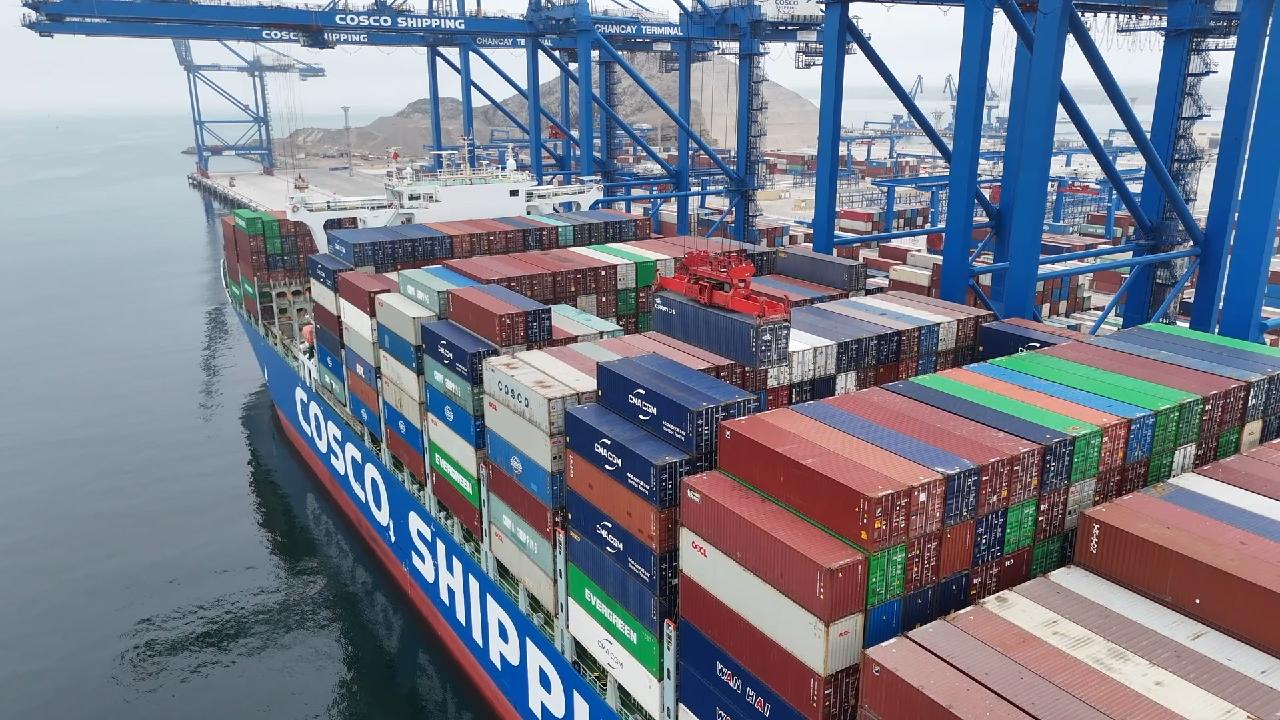
Trump Laments Lack of US Aluminum Amid Trade Row With Canada
President Donald Trump, who has argued that the US does not need Canada, said Monday that the northern neighbor does have something he wants: aluminum.
Oil prices regained some ground on Tuesday after falling more than 2% in the previous session, as investors assessed the effects of the latest U.S. sanctions against Iran.
China has ample spare capacity and could help rescue the oil market again if it chose to do so.
The conflict in the Middle East is driving up costs for US grain farmers, adding to strains in America’s heartland just months before the midterm elections.
Brazil’s first facility for rare earth minerals is located in an old asbestos town and is a key part of US efforts to break free from Chinese dominance.
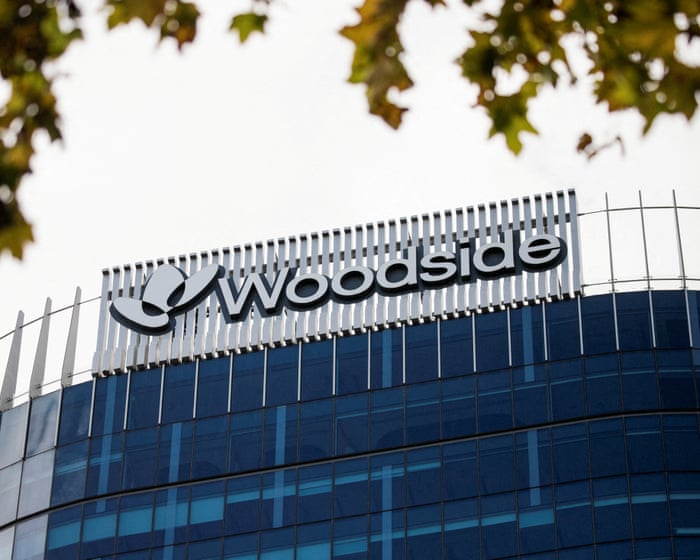
Australia’s biggest oil and gas company, Woodside Energy, has abandoned its long-term emissions and clean energy targets after its sales profit rose 27% to $1.67bn amid an oil-price surge linked to the Iran conflict. It is also dropping a commitment to invest $5bn in new energy products by 2030 and is refocusing on fossil fuels under CEO Liz Westcott.

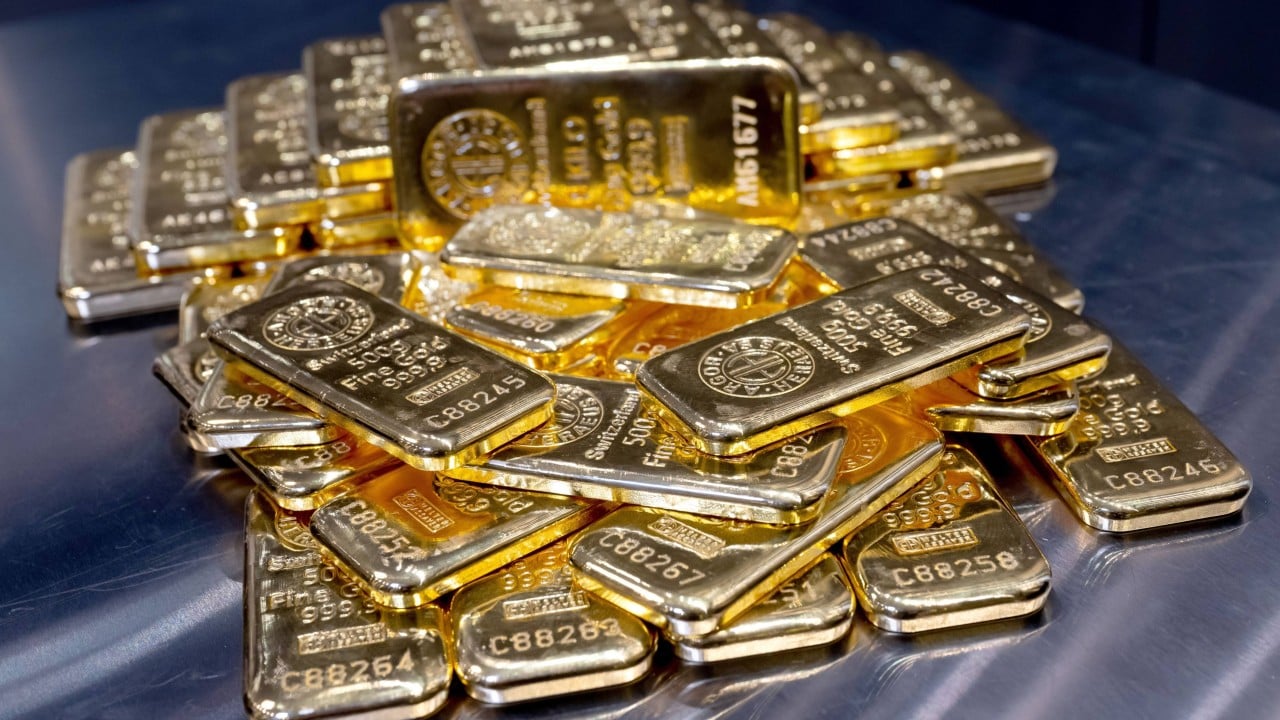
China is developing a worldwide network of gold vaults and speeding up central-bank purchases to strengthen the yuan’s role in international trade, according to an S&P Global Ratings report. Zijin Mining and Shandong Gold Mining are expected to expand faster than most global peers after Beijing classified gold as a “strategic mineral” in 2025.

The 10th China International Elderly Care and Health Industry Expo ended in Guangzhou with intended cooperation deals exceeding 760 million yuan ($106 million). The three-day event brought together 433 companies from 17 countries and regions, drew 91,000 visitors and showcased technologies including elderly-care AI, rehabilitation devices and smart mobility aids.
Asian shares fell on Tuesday and oil prices extended their declines after U.S. threats of an “economic D-Day” through sanctions on Iran produced little impact.
Large Indian corporations are seeking a foothold in the rapidly growing gold-backed loan business. The newsletter also says a JPMorgan Chase entity has drawn the ire of Sebi.
The US Treasury’s larger buyback programme for long-maturity bonds is bolstering bets that gold will benefit from currency debasement. With the Federal Reserve’s Jackson Hole meeting approaching, gold reached a three-month high of US$4,698 an ounce on Tuesday after gaining 5.1 per cent the previous week following Scott Bessent’s announcement of the repurchases.

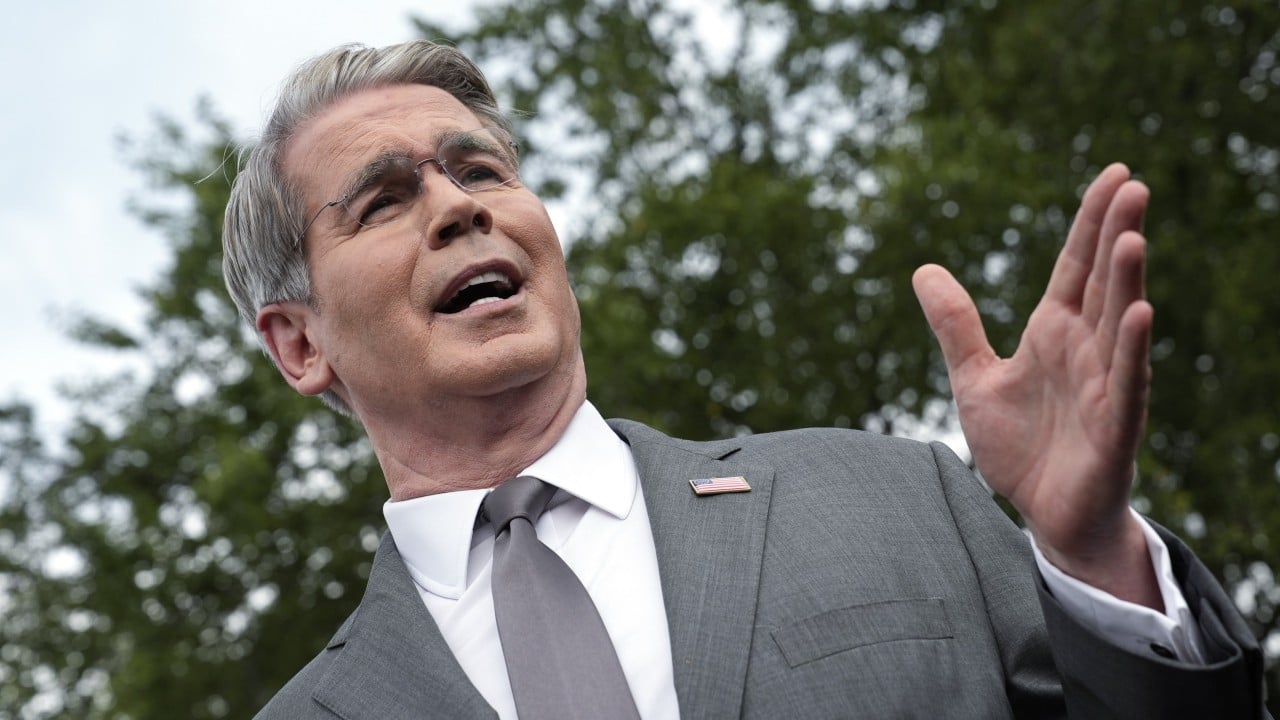
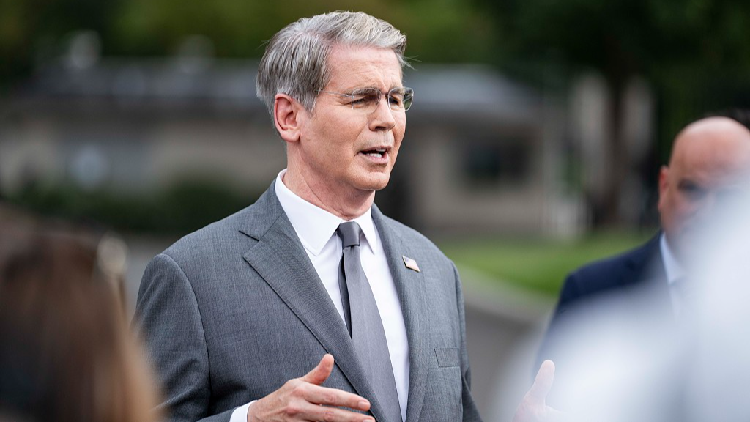
US Treasury Secretary Scott Bessent announced a new sanctions campaign against Iran, calling it an “economic D-Day” aimed at severing the country’s global financial lifelines. The measures target digital assets, technology, gold, aviation and shipping, while nearly 60 entities, people and vessels were sanctioned. Iranian officials dismissed the threats and said Tehran was preparing countermeasures.


The United States has imposed new sanctions on Iran’s aviation, digital assets, gold, technology and shipping sectors, targeting 60 individuals and vessels while announcing a naval blockade of Iranian ports. Treasury Secretary Scott Bessent called the measures an “economic D-Day”; they also expose Tehran’s trading partners to secondary penalties and add pressure to global markets and energy prices.
The U.S. Treasury is set to broaden the scope of secondary sanctions on Iran, a source says. The move is intended as a final warning to countries to end their business ties with Tehran.

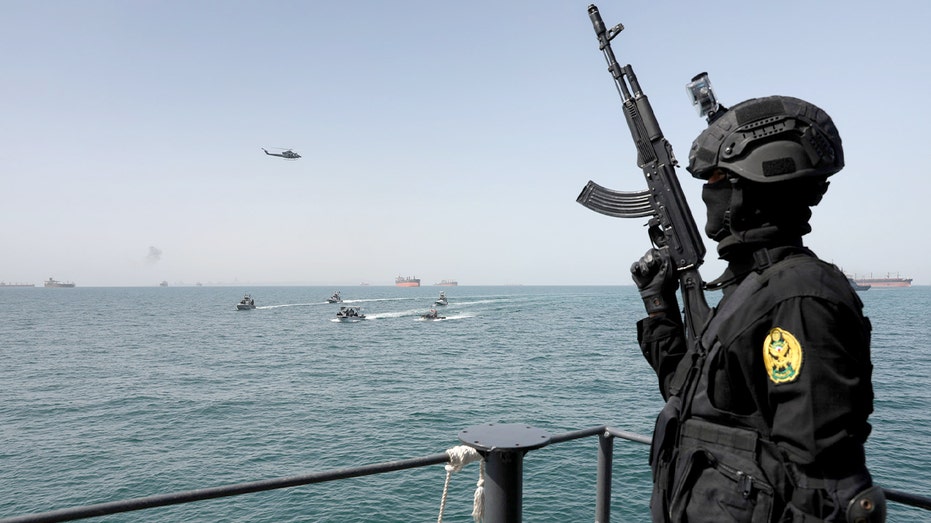
Iran’s foreign ministry spokesperson warned on Monday that Tehran would respond harshly to expanded US sanctions, including measures targeting countries it considers to be cooperating with Washington. The prospect of broader sanctions follows weeks of deadlock, with the United States still unable to dislodge Iran’s grip on shipping through the Strait of Hormuz.

Iran has warned it will respond harshly to expanded US sanctions, including measures against countries it considers aligned with Washington. The move follows weeks of deadlock, while the United States has failed to loosen Iran’s grip on the Strait of Hormuz and now hopes further sanctions will force change.
Saudi Aramco, the world’s largest oil exporter, said on Monday it had signed agreements with French companies that could be worth more than $3.7 billion in total.
Political and fiscal uncertainty in the US is making investors wary of the dollar again. As some sell the currency, alternative assets including Bitcoin and gold have surged in value.
Germany’s finance minister said President Donald Trump’s war in Iran disrupted global energy supplies and was responsible for a surge in bond yields across markets worldwide.
Italy’s competition authority said on Monday it had approved energy group Ludoil’s acquisition of Sicily-based oil refiner ISAB, clearing the way for a local company to control one-fifth of the country’s refining capacity.
Norway will continue developing oil and gas reserves in the Barents Sea despite EU support for halting new Arctic drilling on environmental grounds. Energy Minister Terje Aasland said the region’s continued development serves Norwegian and European interests as energy-security concerns prompt the EU to review its policy. Equinor and Total also see opportunities to expand Arctic supply.

Indian Foreign Minister Subrahmanyam Jaishankar said Russia-India cooperation remains adaptable, flexible and strong, with bilateral trade reaching $60 billion in 2025 and substantial room for further growth. He cited cooperation in railways, space, fertilizers, energy and engineering, while saying the two sides are working to address trade imbalances and target $100 billion by 2030.
Indian Foreign Minister Subrahmanyam Jaishankar told Russian President Vladimir Putin at the Kremlin that economic cooperation between Russia and India had grown significantly, including in nuclear energy and fertilizers. Jaishankar is visiting Russia on August 23-24 at the invitation of First Deputy Prime Minister Denis Manturov.
Trade between Russia and India grew 8% in the first half of the year, Russian First Deputy Prime Minister Denis Manturov said. Both exports and imports gained momentum, while the two countries are broadening trade in agricultural goods, machinery, metals and other products. Negotiations on a free trade agreement between the Eurasian Economic Union and India are advancing.
Russian President Vladimir Putin said trade between Russia and India, which fell slightly last year, has grown this year. During a Kremlin meeting with Indian Foreign Minister Subrahmanyam Jaishankar, Putin said the visit reflected the strength of ties built over decades, with cooperation spanning virtually all areas and involving governments, parliaments and businesses.
Russia sees energy cooperation with India as a priority, First Deputy Prime Minister Denis Manturov said. He cited oil, petroleum product and coal supplies, joint investment in hydrocarbon production and processing, and potential cooperation on nonferrous, rare and rare-earth metals. India will be the partner country of this year’s Russian Energy Week forum.
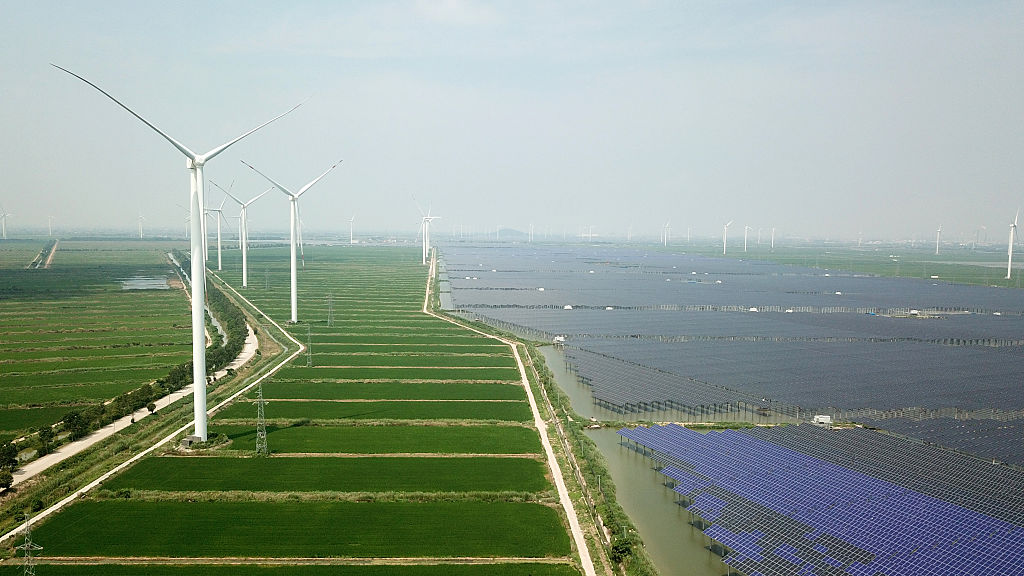
Despite the Trump administration’s efforts to slow solar and wind development, rising US electricity demand is driving a clean energy investment boom. S&P Global Energy forecasts a record 45 gigawatts of additions this year, propelled by higher energy prices, power-hungry AI data centers and a rush to use expiring tax credits.

Finance ministers from six European Union countries want the 27-member bloc to discuss in September a mechanism for taxing oil companies’ windfall profits arising from Iran’s blockade of the Strait of Hormuz, according to a letter released on Monday.
The United States says it is preparing new sanctions on Iran, billed as an economic D-day. The measures are expected to intensify pressure on an economy already battered by earlier sanctions and a US naval blockade, continuing Washington’s use of economic tools to corner Tehran.

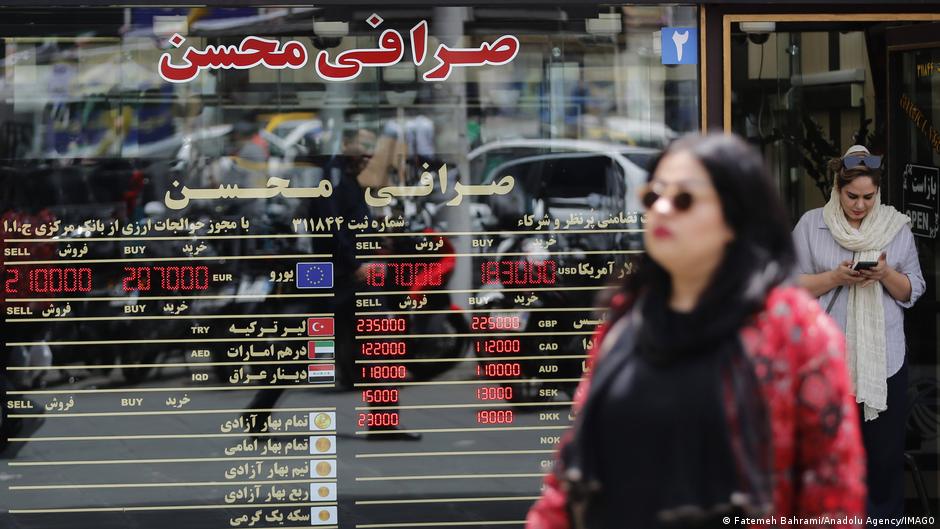
Iran’s currency has fallen to a record low against the dollar. The US is expected to disclose details of the administration’s sanctions plans later today, with developments being followed live.

The US is preparing sweeping economic measures against Iran and its trade partners, which Treasury Secretary Scott Bessent calls the greatest financial offensive ever mounted against an adversary. Tehran says countries supporting the measures will commit an “act of war” and threatens retaliation against oil-shipping routes in the Persian Gulf.
China has been Iran’s biggest oil buyer for several years, placing its purchases under scrutiny as the United States threatens Tehran with severe economic sanctions.

US Treasury Secretary Scott Bessent warned that Washington would sever all economic ties with Iran and isolate countries that partner with it financially, calling the planned pressure the “single greatest financial offensive ever”. Iran dismissed the threat, saying it could halt regional oil exports if the war continues, and warned shipping not to cross the Strait of Hormuz without permission.
US Treasury Secretary Scott Bessent said the administration expects to launch a “financial offensive” against Iran on Monday, declaring that the conflict is entering its “endgame.” President Donald Trump had earlier announced an unprecedented economic war and isolation campaign against Tehran, warning that entities supporting it would face serious US economic consequences.
Rosatom is discussing mutually beneficial cooperation with India on developing the Northern Sea Route, Russian First Deputy Prime Minister Denis Manturov said. He said the Arctic route could lower transport costs, while existing nuclear-energy cooperation may expand to small-scale facilities and localized equipment and fuel production.
Russia is increasing fertilizer deliveries to India and is prepared to keep doing so, President Vladimir Putin said. He added that Moscow is doing everything possible to fully meet the needs of Indian farmers and the agricultural sector. Cooperation on energy, nuclear power and high-tech sectors is also progressing steadily.
Capstone Energy+ CEO Vince Canino said businesses struggling to secure capacity from strained U.S. utilities are increasingly seeking onsite power, driving orders for larger generation blocks.
Iranian Foreign Ministry spokesman Esmail Baghaei compared the country’s current foreign policy to playing chess and poker simultaneously, saying Tehran must pursue long-term strategies while also taking high-risk policies. He described Iran as having recently begun playing a mixed game.

Iran has threatened retaliation against any country cooperating with new US sanctions, which Washington says will target states and entities trading with Tehran. Iran warned Gulf neighbours that joining the campaign could halt oil exports through the Persian Gulf and Strait of Hormuz. The credibility of US threats toward India, China and Russia will be a key test.
Iranian Foreign Ministry spokesman Esmail Baghaei warned that countries participating in the US naval blockade of Iran or supporting other US actions deemed illegal would face serious repercussions. He called the blockade an act of aggression. The United States resumed it on July 14 and has repositioned 70 vessels, while announcing plans for a “financial offensive” against Tehran.
European Central Bank policymaker Piero Cipollone said the Strait of Hormuz crisis is unlikely to cause economic stagnation alongside a sharp rise in inflation, describing that risk as rather remote in an interview published Monday by Italian website ilsussidiario.net.
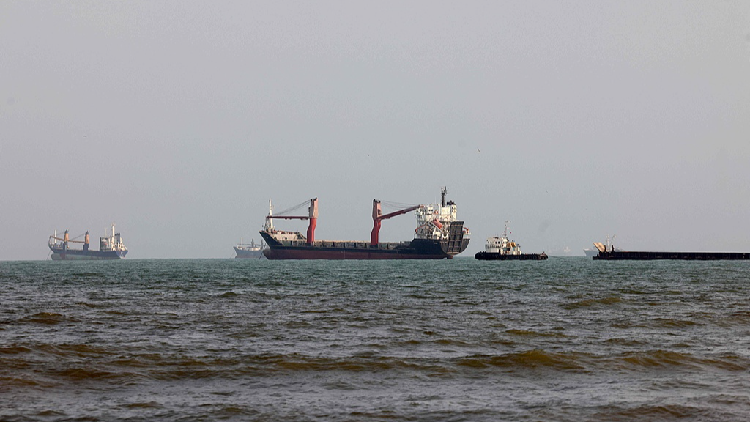
Fewer than two dozen vessels crossed the Strait of Hormuz over the weekend amid US and Iranian actions restricting traffic through the waterway, Reuters reported, citing Kpler. Preliminary figures showed 13 crossings on August 22 and four on August 23, though the count may change because some vessels had their transponders switched off.
In rural west Texas, an ExxonMobil contractor operates robotic equipment from a small rig office, using a screen to move tall steel pipes weighing about 2,000 pounds. The company is turning to automated drilling in the Permian Basin as it seeks to increase oil production.
Shell’s US chemicals unit is attracting potential buyers, according to a report.
At least 145 countries have reported higher petrol prices since the United States and Israel began their war on Iran on February 28. GlobalPetrolPrices data show Myanmar had the largest increase, at 56%, while the US average for regular petrol rose 39%, from $2.94 to $4.09 per gallon. Higher oil costs are also feeding into food, transport and everyday products.

Unimot SA, one of Poland’s biggest fuel companies, is calling for Europe to accelerate its green-energy transition. It warns that renewed tensions in the Middle East have again highlighted the continent’s heavy dependence on imported fossil fuels.
Electric vehicle sales accelerated across much of Europe in July, according to data provided to Reuters. High oil prices, subsidies and the availability of more affordable models encouraged consumers to move away from combustion-engine cars.
Gold futures for October 2026 delivery on Comex rose above $4,700 per troy ounce for the first time since May 14, 2026. At 2:30 a.m. GMT, the price was up 0.77% at $4,713.8 per ounce.
Iranian Foreign Minister Abbas Araghchi likened a new US sanctions package, expected to be unveiled Monday, to watching the same film repeatedly. He said what he called Trump’s “bullying” was no different from that of earlier US administrations.
Brent crude futures fell to $93.45 as markets awaited a US announcement on new sanctions against Iran.
Asian share markets were little changed on Monday and oil prices slipped as investors awaited details of threatened U.S. sanctions on Iran expected later in the day. The Canadian dollar also weakened as the prospect of a trade war with its southern neighbour loomed.

After nearly six months of war with Iran, the United States appears to be changing course. Donald Trump says Washington will launch a “crushing economic operation” and is urging other countries to join what it calls the greatest coordinated economic isolation in history. Iran says participants will be treated as enemies.
Industry insiders expect China’s auto exports to exceed 10 million units this year. Customs data shows 6.399 million vehicles were exported in January-July 2026, up 53.7% year on year. Experts say Chinese automakers must strengthen local industrial capabilities and pursue deeper localization as they expand overseas.
Russian Deputy Prime Minister Yury Trutnev said energy-sector diversification will be a key topic at the Eastern Economic Forum in Vladivostok on September 1-4, alongside production modernization, unmanned systems and new investment projects. Business dialogues with representatives from China, India, the UAE, Mongolia, Vietnam and ASEAN are also planned.
Iran said Sunday that it had found more than 200 billion cubic metres of natural gas in southern Fars province, including over 160 billion cubic metres that could potentially be recovered. The discovery comes as months of US-Israeli strikes on gas facilities, oil depots and transport routes disrupt Iran’s energy sector.

Iran has discovered a gas field in southern Fars province containing more than 212 billion cubic meters of gas, Oil Minister Mohsen Paknejad said. With an estimated recovery rate of 73–75%, around 161 billion cubic meters could be produced. The field also contains gas condensate, and authorities are urgently preparing its development.
Iranian Parliament Speaker Mohammad Bagher Ghalibaf warned that the United States’ new “economic warfare” against Iran would rebound on the US economy. He said pressure on Iran and disruptions in energy markets would ultimately harm Washington. Donald Trump had announced an unprecedented campaign of economic warfare and isolation, while Iran’s Foreign Ministry called the policy “economic terrorism and a crime against humanity.”
IRGC spokesman Hossein Mohebi says Iran has prepared responses to every hostile US move and a plan to limit the effects of Washington’s new sanctions while expanding economic ties with other countries. He called Trump’s announced “economic warfare” an acknowledgment of US defeat on the military front; Iran’s Foreign Ministry branded the policy “economic terrorism and a crime against humanity.”

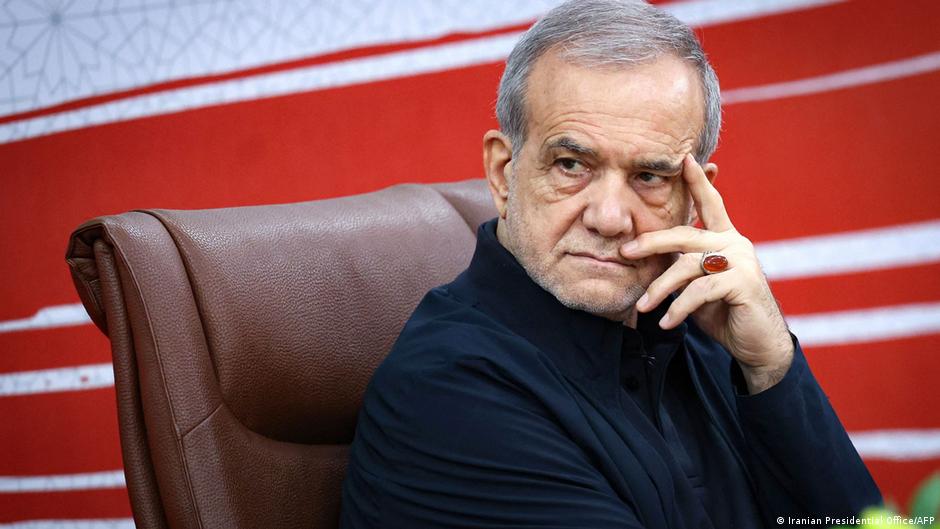
Iranian President Masoud Pezeshkian defended the expired memorandum with the United States as the best way to end hostilities, saying Iran must remove risks to attract foreign investment. Tehran also said Pakistan’s top military leader, Asim Munir, will visit as Islamabad seeks to help mediate a resolution.
Iranian Foreign Minister Abbas Araghchi says President Donald Trump’s new sanctions repeat a familiar scenario that Iran knows how to withstand. He calls Washington’s anti-Iranian course doomed to fail and urges respectful dialogue, while Iran’s Foreign Ministry condemns the policy as “economic terrorism and a crime against humanity.”
Iran says new sanctions threatened by what it calls a “desperate” United States will fail. Its economy is under severe pressure from sanctions, while thousands have died in airstrikes since February.

Petroleum geologist Art Berman warns that about 8 million barrels per day of Persian Gulf production remains shut in, and restarting the wells is far more complicated than reopening the Strait of Hormuz. Some wells could need weeks or months to recover, while others may never fully regain their former output.

Iranian President Masoud Pezeshkian said Sunday that the country was dealing with “many problems,” including inflation, livelihood difficulties and unemployment, while authorities work to secure the people’s future. His remarks followed a US pledge to seek the regime’s “collapse” through a newly announced sanctions campaign.

Tensions between Iran and the United States are continuing to rise. Tehran says it may consider any country joining US sanctions an enemy, in response to Washington’s drive to isolate Iran’s economy. The US is due to outline its strategy at a press conference on Monday.
Nigeria’s Minister of State for Petroleum Resources, Ekperikpe Ekpo, says the US-Israel war on Iran has strained global gas markets and created an opening for Nigeria to expand production and attract investment. Plans include advancing the Nigeria-Morocco gas pipeline and LNG exports, while lowering domestic LPG prices, reducing gas flaring and moving 20 projects toward final investment decisions before 2030.

Iran’s government is preparing the public for another fuel-price increase as war and US pressure deepen economic strain. Food and other prices are already soaring, while past petrol hikes have sparked unrest, prompting authorities to proceed cautiously before an expected decision in the coming weeks.

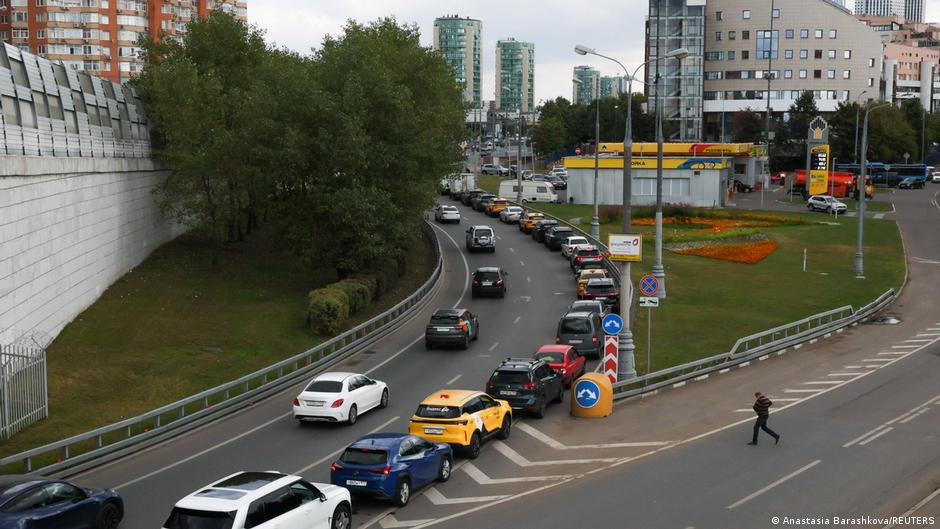
Ukrainian attacks on Russian oil refineries have left at least 30 regions facing fuel shortages, with Moscow and nearby areas particularly affected. Rationing, long queues and declining fuel quality are hurting taxi, courier and construction businesses. Dissident economists warn the problems could develop into a broader economic and systemic crisis, while a Russian lawmaker expects supplies to normalize within two to three weeks.

Russian President Vladimir Putin said fuel problems have not all been resolved, but work to settle them is underway and Prime Minister Mikhail Mishustin is keeping the situation under control. A special commission has been established to address the issues.
Russian President Vladimir Putin said the country’s fuel issue must remain under government control. He acknowledged that people are facing certain inconveniences but said the government must keep the situation under control.
Ukraine had about 9.6 bcm of gas in underground storage by the end of August, or 72% of the minimum 13.2 bcm considered necessary for winter. At the current pace, storage could reach no more than 12.1 bcm by November 1, below the planned 14.6 bcm reserve. The country is relying on domestic production after largely halting European imports because of high prices.
Bitcoin and gold surged this week after a few days of frantic activity in the bond market gave both assets a boost. Bitcoin also benefited from activity in Washington.
Russian President Vladimir Putin said the country’s grain export potential is at least 60 million metric tons, calling it a “good cushion” for global markets. He said export difficulties and logistical problems affecting Ukrainian wheat shipments after Russia’s retaliatory strikes would not cause a global shortage.
Russia expects to tackle its fuel shortage by increasing imports and producing K-2, K-3 and K-4 fuel, Deputy Prime Minister Alexander Novak said. He added that fuel imports have already begun to meet demand in the domestic market.
Wealth managers are turning to a broader mix of assets, including commodities and infrastructure, to help protect portfolios from inflation.
The trade war between Washington and Ottawa has escalated again. The United States imposed 50% tariffs on certain Canadian goods on Saturday, only hours after Donald Trump said he had a good relationship with his Canadian counterpart and believed a deal was possible.


A new 50% US tariff on roughly $20bn of Canadian imports took effect after last-minute trade talks collapsed. Prime Minister Mark Carney said Canada would impose reciprocal tariffs on US goods dollar for dollar, calling late changes to Washington’s proposed terms unfair and uneconomic.
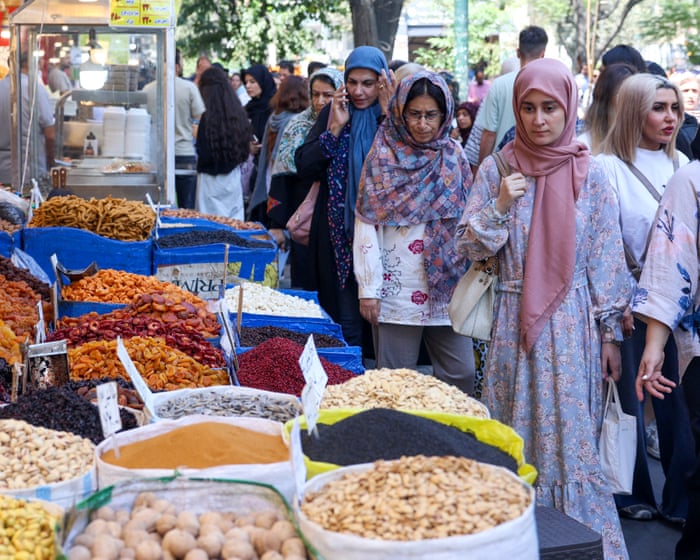
US and Canadian negotiators bargained Friday over a trade agreement that would reduce tariffs and retaliatory measures between the two major trading partners. Optimism emerged that they could finalize a deal before Washington’s midnight deadline.

Canadian Prime Minister Mark Carney vowed to match US tariffs “dollar for dollar” to protect Canadian workers and businesses. The pledge came after hefty US duties on some Canadian products took effect Saturday following days of unsuccessful negotiations.

Canadian Prime Minister Mark Carney says Canada will match US tariffs “dollar for dollar” after three extra days of negotiations failed to produce a trade deal. He called last-minute changes proposed by Washington unfair and uneconomic. The US is imposing 50% tariffs on $20bn of Canadian goods.
The United States plans to begin imposing 50% tariffs on $20 billion worth of Canadian products early Saturday after last-minute negotiations failed to ease the latest tension between the historic allies.

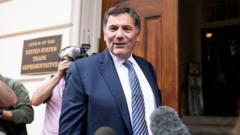
The United States has imposed 50 percent tariffs on more than $20bn of Canadian goods after negotiators failed to finalise a trade agreement. Canadian Prime Minister Mark Carney vowed to respond with tariffs “dollar for dollar”, while US Trade Representative Jamieson Greer blamed Canada for abandoning terms reached earlier in the week.

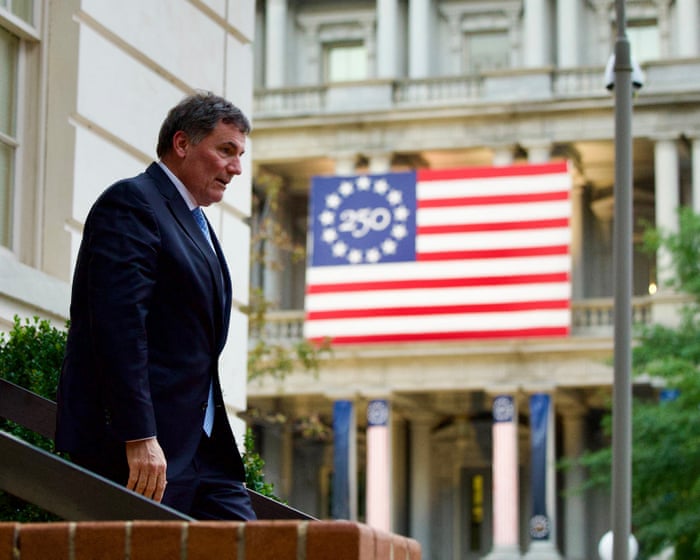
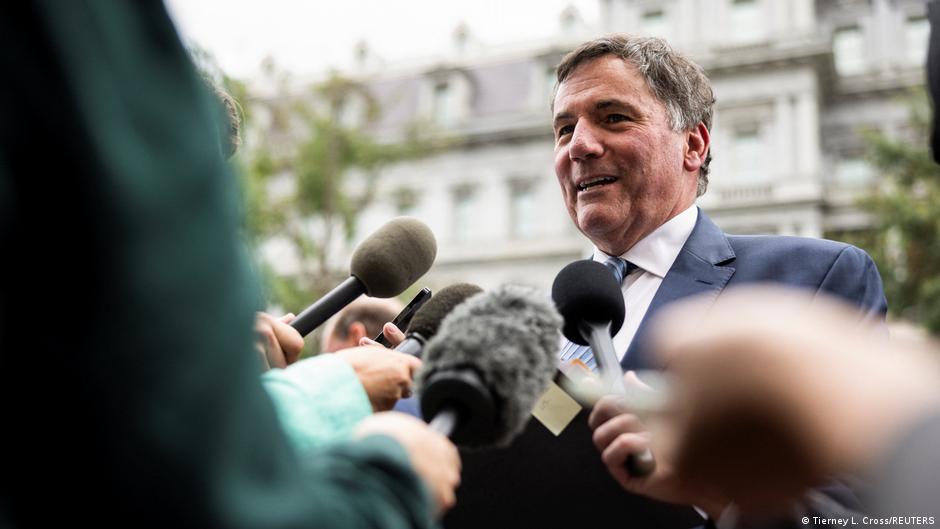
The United States and Canada are rushing to finalize a trade agreement before steep new US tariffs take effect. Canadian trade minister Dominic LeBlanc said late Friday that the deal was not yet complete and that negotiations would continue until the last minute. If no agreement is reached, the tariffs are due to begin Saturday.

Canadian Trade Minister Dominic LeBlanc says negotiators still have work to complete as they race to finalise a tentative deal with the Trump administration by Friday’s midnight deadline. Failure could bring another wave of US tariffs on Canadian goods, while the emerging framework faces criticism from Canadian opposition and provincial leaders.
The United States and Canada are racing to reach a deal before the 12:01 a.m. ET deadline on Saturday. The outcome could determine whether steep US tariffs are imposed on billions of dollars’ worth of Canadian goods.
Billionaire Ray Dalio said investors should cut their bond holdings and place up to 15% of their money in gold to hedge against the risk of a US debt crisis, which he warns could arrive within three years.
US refiners face an impending supply decline from their largest foreign crude supplier at a time when demand for that oil is especially high.
Congestion costs at PJM, the largest U.S. power grid, rose 43% to $6 billion in the first half of the year, according to the grid’s independent watchdog. Overloads on high-voltage transmission lines intensified during the period.
By the evening of August 21, the only station still selling gasoline in Gelendzhik — a Lukoil outlet in Arkhipo-Osipovka — had run out. Tuapse faced a similar shortage: just one of its 14 operating stations sold 95-octane gasoline, while two sold 92-octane.
Experts surveyed by TASS say gold could reach $5,000 per ounce by the end of 2026, citing inflation expectations, geopolitical tensions and strong central-bank demand. The ongoing US-Iran conflict is pushing up oil prices and adding to inflationary pressure, while concerns over debt-market stability support gold’s safe-haven appeal.
Russian authorities aim to optimize planned refinery maintenance to reduce the risk of fuel shortages. A meeting chaired by Deputy Prime Minister Alexander Novak also covered fuel distribution, quality control, pricing and labeling, while officials urged higher domestic gasoline and diesel supplies, fair prices and greater sales transparency.
Russian authorities have ordered oil refineries to optimize planned maintenance schedules to reduce the risk of fuel shortages and distribute available supplies more evenly across regions. The cabinet also discussed measures to secure domestic supplies, maintain fair prices and improve transparency in fuel sales.
Iraq has sent a delegation to Saudi Arabia to seek a higher OPEC production quota as it plans to raise oil output to between 8 million and 10 million barrels per day over the next six years, the prime minister said on Friday.
The Environmental Protection Agency plans to extend the September 1 deadline for oil refiners to demonstrate compliance with U.S. biofuel blending laws. The move could give the industry more flexibility as it faces elevated compliance costs.
Eurostat data shows fuel prices in Romania rose 24.2% over the past 12 months, the highest increase in the European Union. Germany and Lithuania followed at 22.9%, while the EU average was 16.9%; Hungary was the only member to record a decline, at 0.1%.
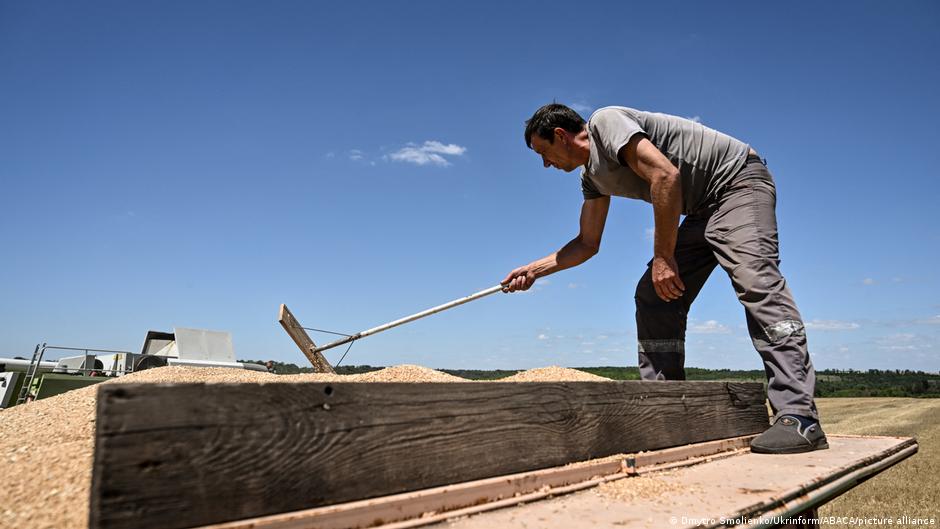
Russian attacks on ships and ports have brought ports in the Odesa region largely to a standstill, severely restricting Ukraine’s grain exports. Farmers have harvested more than 28 million tons of grain and pulses, but much of it cannot be sold, leaving them short of cash for harvesting and autumn planting. Alternative rail, road and Danube routes are constrained by capacity, cost and drought.

Outdated infrastructure is forcing oil tankers to wait as long as 30 days to load at Venezuelan ports amid increased fuel volumes bound for export. About half of Venezuela’s output, roughly 500,000 barrels, is currently shipped to the US, and the delays are hindering Washington’s plan to rapidly expand the country’s hydrocarbon exports.
Ukraine’s agricultural market is entering a critical phase described as a perfect storm for producers. Agricultural exports through the Greater Odessa ports have been fully blocked during the harvest, while grain prices of about $230 per metric ton mean higher logistics costs make exports unprofitable. Farmers are also struggling to secure funds for planting and bank debt payments.
En+ said its energy business posted IFRS net profit of $490 million in January-June 2026, up 8.9% year on year. Adjusted EBITDA climbed 35.5% to $1.1 billion, while revenue rose 22.9% to $2.9 billion, mainly on higher electricity prices and increased generation.
En+ generated 41.1 billion kWh of electricity in January-June 2026, up 5.1% year on year. Hydropower output rose 8.2% to 31.8 billion kWh, including a 5.4% increase at the Angara cascade. Thermal generation fell 3.1% to 9.3 billion kWh, while Abakan solar output declined 12.5%. Heat supply grew 7% to 15.3 million Gcal.
Germany’s gas storage facilities are only 49% full, down from 67% at the same time last year, the Association of Gas Storage Operators said. It called the level the lowest recorded for this time of year since 2011 and warned that even booked capacity might not cover demand during an exceptionally cold winter. The Economy Ministry does not expect a shortage but is preparing options if conditions worsen.
Venezuela’s dilapidated oil terminals are effectively capping crude exports as production recovers. Shipping data, sources and documents indicate that ageing infrastructure, power outages and quality problems are forcing tankers to wait as long as 30 days to load.
Russian newspapers report that the United States is threatening broad sanctions against Iran, while Donald Trump seeks renewed contact with Kim Jong Un as US-South Korean military drills are scaled back. Experts say Washington has limited room for fundamentally new Iran sanctions but could expand secondary measures against third-country entities and pressure Iran’s neighbors to restrict ties with Tehran.
US President Donald Trump said the deaths of a significant portion of Iran’s leadership are complicating efforts to reach an agreement between Washington and Tehran, adding that no one knows who is leading the country. He said Washington is achieving its goals in the conflict, particularly preventing Tehran from obtaining nuclear weapons.
Trade sources say Iranian crude offers to Chinese buyers have fallen and prices have risen this week. A U.S. blockade has reduced Tehran’s shipments, while Washington’s threat of further sanctions hangs over the trade.
Iranian parliament speaker Mohammed Baqer Qalibaf said Friday that Tehran must devise a plan to overcome what he called “unjust sanctions.” His remarks came a day after U.S. Treasury Secretary Scott Bessent announced sanctions he described as the toughest ever imposed on Iran.
European gas prices rose above $800 per 1,000 cubic meters in exchange trading for the first time since March 19, according to ICE data. September futures at the Dutch TTF hub reached about $800.8, or 66.2 euros per MWh, up more than 1.4% on the day.
Global equity funds posted their biggest weekly inflows in three weeks through August 19 as investors wagered on a strong earnings season. Rising bond yields and oil prices nevertheless began weighing on markets, followed by a late selloff.
Russia sent a third shipment of grain to Armenia through Azerbaijan this week, consisting of 1,108 tonnes of wheat and 273 tonnes of barley. Two earlier consignments of Russian wheat, weighing 1,820 and 2,725 tonnes, crossed the same route on Wednesday and Thursday.
German authorities revoked carbon credits from a project funded by ExxonMobil Holdings Corp. after finding it among dozens deemed “suspicious,” accused of overstating environmental benefits or identified as fake.
A key regional benchmark for aluminum delivered to the US market fell sharply after the Trump administration indicated it would reduce tariffs on some Canadian aluminum exports.
The Indian rupee was unchanged on Friday as continued central-bank intervention anchored the currency. Higher crude prices and steady dollar demand from importers hedging their foreign-exchange exposure kept pressure on the rupee, which was heading for a weekly decline.
Gas is expected to begin flowing next month from Australia’s expansive Beetaloo basin to Darwin, 500 km north. Developers hope the project will launch an Australian version of the US shale revolution.
Oil prices edged lower on Friday but remained on track for a second straight weekly gain as the stalemated U.S.-Iran war continued to disrupt supply from the key Middle East producing region.
US President Donald Trump said some American allies in the Middle East adopted a “semi-neutral” position in the armed conflict between the United States and Iran. He said Iranian missiles unexpectedly struck countries including Saudi Arabia, Qatar, the UAE, Kuwait and Bahrain after the conflict began. Iranian authorities have repeatedly said Tehran targeted only US military bases, not regional countries.

The United States urged its allies and China on Thursday to participate in efforts to isolate Iran’s economy. President Donald Trump is seeking to intensify pressure on Tehran amid a wartime stalemate and mounting criticism at home.

US Treasury Secretary Scott Bessent said Washington will impose “the toughest sanctions in history” on Iran, with the economic pressure likely to prevent a kinetic restart on the battlefield. Iranian Foreign Minister Abbas Araghchi called the strategy a doubling down on failed policies. Brent crude climbed sharply, closing at $93.78 a barrel.
US Vice President J.D. Vance acknowledged that Washington cannot predict how long its economic pressure on Iran will last. He said Iran is facing intense pressure and that the US goal is to prevent it from obtaining a nuclear weapon. Trump previously announced the “most crushing economic operation” against Iran and warned entities supporting Tehran of serious consequences.

Nearly six months into the conflict, the US and Iran appear locked in a stalemate. Donald Trump has threatened an “economic D-Day” against any country doing business with Iran, while Tehran’s experience evading sanctions raises doubts about whether greater economic pressure will work. Treasury Secretary Scott Bessent is due to detail the campaign on 24 August.
Iran’s Foreign Ministry said the United States’ tighter sanctions amounted to “economic terrorism” and a crime against humanity, warning that those who devised or enforced them would face appropriate punishment. It called the measures a continuation of failed US policy and said they would not weaken Iran’s resolve to defend its independence and sovereignty.
Iranian Consul General in Mumbai Saeid Reza Mosayeb Motlagh said Donald Trump’s appeal to US allies over Iran demonstrates Washington’s weakness. He accused Trump of seeking to isolate and pressure Iran to make up for a military defeat, while saying the Iranian people would continue resisting. He added that countries trading with Tehran would coordinate to prevent disruption.
U.S. Treasury Secretary Scott Bessent said Thursday that he will hold a press conference on Monday to explain exactly what the United States plans to do regarding Iran.
Australia’s main power grid is splitting from one national market into multiple smaller and distinct markets as renewable generation and batteries become more important, according to the national regulator.
December gold futures on the Comex exchange rose above $4,600 per troy ounce for the first time since May 29, 2026, according to trading data. Gold was up 1.21% at $4,600.3 at 4:35 a.m. Moscow time, before easing to a 0.84% gain at $4,583.5 ten minutes later. September silver futures rose 0.57% to $68.49 per ounce.
Most Asian stock indexes were set for weekly declines on Friday as pressure in global bond markets showed little sign of easing. A diplomatic deadlock in the Gulf pushed oil prices to one-month highs, keeping inflation risks in focus.
Brazil is emerging as a key global battleground for rare earth minerals, which are vital to renewable energy and technology. The growing focus on Brazilian resources is raising environmental concerns.
Peruvian exports reached a record high in the first half of the year, driven by elevated commodity prices and Chinese demand linked to the green energy transition.

The Minutes Reader extension turns the original page into a focused reading view and translates articles and video subtitles on demand. It is in limited beta.