Indian farmers protest proposed US trade deal

Indian farmers have taken to the streets to oppose a proposed trade deal with the United States. The protest centers on concerns over the agreement’s possible effects on farming interests.

Indian farmers have taken to the streets to oppose a proposed trade deal with the United States. The protest centers on concerns over the agreement’s possible effects on farming interests.

The yen moved unevenly near the key 160 level on Tuesday. A joint intervention by the United States and Japan had failed to provide a durable lift, leaving its market impact to fade. The Australian dollar, by contrast, stayed firm near an eight-week high. That followed the Reserve Bank of Australia’s decision to leave interest rates unchanged, as markets had expected.
Foreign investors were net sellers of Asian equities for the ninth month in a row in July. Taiwan and South Korea saw particularly heavy selling during the month. Concerns about spending on artificial intelligence and demand for chips weighed on the region’s technology-heavy stock markets. The outflows highlight continued investor caution toward Asian technology shares.
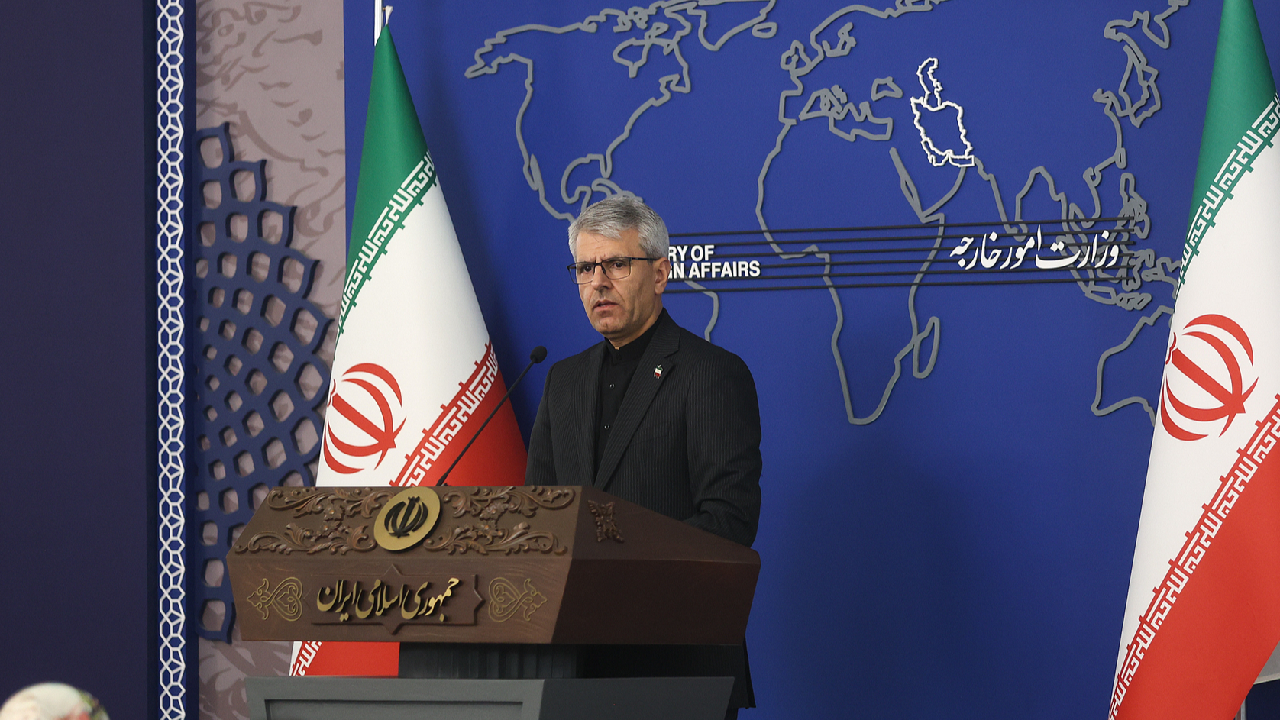
Iranian lawmaker Abolfazl Zohrevand says the bill concerning the Strait of Hormuz does not name any specific countries. He describes the proposed legislation as comprehensive.
Iranian lawmaker Abolfazl Zohrevand says parliament will consider a new law concerning the Strait of Hormuz within two weeks. The bill is currently being drafted. He said it is designed with a long-term outlook to prevent aggression against Iran. The proposed legislation would also seek to consolidate Tehran’s position in the Persian Gulf region.

Donald Trump reportedly left the NATO summit in Turkey using an elaborate ruse. The reported departure came amid what was described as a credible assassination threat linked to Iran. At the same time, oil prices moved higher as expectations of a deal concerning the Strait of Hormuz weakened. DW reports on the security concerns and the fading hopes for an agreement.
Oil prices held near their highest level in more than a week on Tuesday. Hopes are fading for an agreement between the United States and Iran that would end their war and reopen the Strait of Hormuz. President Donald Trump has demanded compensation for damage incurred by the United States. His demand has added to doubts about whether a deal can be reached and the waterway reopened.
Shipping traffic through the Strait of Hormuz dropped to six vessels on Monday. Shipping data put the figure below the roughly 11-vessel average recorded over the previous 10 days. The decline came as hopes for a peace agreement between the United States and Iran faded. The change highlights reduced movement through the strategic waterway amid weakening expectations of a diplomatic breakthrough.

The US president is seeking payment from Iran for what he describes as damages accumulated over “50 years”. Iran has tied any reopening of the Strait of Hormuz to the payment of war reparations. Talks over the strait’s future are continuing, with compensation now a central condition in the dispute. The negotiations remain unresolved as both sides press their demands.
Oil prices moved higher on Tuesday after negotiations between the United States and Iran reached an impasse. The discussions concern a peace agreement and reopening the Strait of Hormuz. Asian shares remained directionless as prolonged uncertainty over the outlook for global inflation weighed on markets. The stalemate has added to concerns surrounding energy and broader economic conditions.

US President Donald Trump said the Strait of Hormuz remains open. He also said he would seek compensation from Iran for casualties caused by the war. His remarks address both the reported status of passage through the strait and a demand for payment from Tehran over wartime deaths and injuries.
US President Donald Trump claims that the Strait of Hormuz has been completely cleared of mines. He says the waterway is open to all ships, with the exception of vessels heading to Iranian ports. The statement concerns access through the strategic strait. Ships bound for Iran remain excluded under his description.

President Donald Trump says he is taking a “low-key” approach toward Iran. At the same time, sanctions and a naval blockade are intensifying Tehran’s financial crisis and inflation. The report portrays economic pressure as compounding difficulties created by the Iranian regime itself. Together, those forces are described as deepening the pain facing Iran.
US President Donald Trump lashed out Monday at Iran’s demand for compensation for war-related losses. The demand is part of talks intended to wind down the conflict. As expectations for a swift agreement weaken, prospects for reopening the vital Strait of Hormuz also recede. Oil prices rose amid the uncertainty surrounding the negotiations and the strategic waterway.
InterContinental Hotels Group said on Tuesday that revenue per available room increased in the second quarter from a year earlier. The hotel group attributed the improvement to solid demand from high-spending travellers and stronger business during the soccer World Cup. The figures cover the owner of the Holiday Inn brand.
Indian shares moved lower in early Tuesday trading, led by declines in heavyweight financial stocks. Elevated crude prices weakened investors’ appetite for risk and outweighed several sources of support. Gains in IT stocks, strong quarterly earnings and renewed foreign buying helped cushion the market, but did not prevent the broader decline led by financials.
Gold climbed above $4,400 an ounce to reach a two-month high. The advance came ahead of a key US inflation report. Traders are looking to the data for fresh indications of the Federal Reserve’s willingness to raise interest rates. The report could therefore offer new clues about the direction of US monetary policy.
Gold prices climbed for a third consecutive session on Tuesday, reaching their highest level in more than two months. Investors are turning their attention to inflation reports due soon. The data may offer indications about the outlook for U.S. interest rates. Markets are watching for clues about how inflation will shape expectations for future rate decisions.
A new international service linking Yinchuan, Guangzhou and Singapore began operations on Monday. The route creates a new air corridor between northwest China and Southeast Asia, expanding direct aviation links among the three locations.
Malaysia’s industrial production index increased 6.5% year on year in June, according to government data released on Tuesday. The result fell short of expectations. It indicates continued growth in industrial activity, although the expansion was weaker than forecast.
Trump Media & Technology Group reported a loss of $238m. The company earned less than $2m in the second quarter. Its results highlight a sharp gap between the reported loss and quarterly earnings.

The president’s media company reported a massive loss in its latest quarter. It plans to abandon newly added business lines as part of a fresh turnaround effort. The company instead intends to refocus as a forum where users can post their views. The shift puts user expression back at the center of its business direction.
Rae Wee previews the day ahead for European and global markets. The market outlook is framed around a deadlock in the Middle East.
Brazilian police have identified two Goldman Sachs Group employees as suspects in an investigation involving Oncoclinicas do Brasil Serviços Médicos SA. Investigators are examining whether the bank misrepresented ownership details related to a stake in the cancer-treatment company. The development has intensified an existing dispute over Oncoclinicas’ shareholder structure.
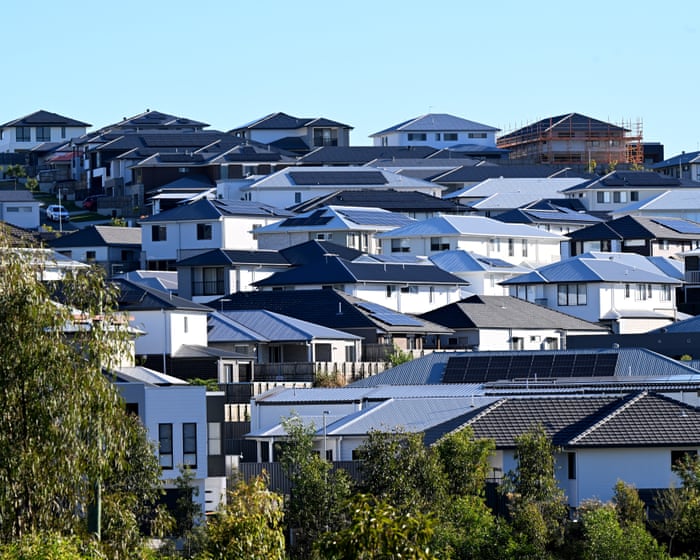
The Reserve Bank of Australia has left its cash rate unchanged at 4.35%, in a decision that was widely expected. The move comes despite persistent concerns about elevated inflation. Sydney and Melbourne property prices have undergone a steep decline following three rate increases earlier this year and major reforms to taxes affecting investors. The decision keeps attention focused on the tension between inflation worries and weakening housing markets.

Government bonds across Asia Pacific moved lower alongside Treasuries. Oil’s four-day advance brought inflation worries back into focus ahead of key US consumer price figures due later this week. Gold continued to rise as well. Asian equities were heading toward a subdued opening amid the shifting market outlook.
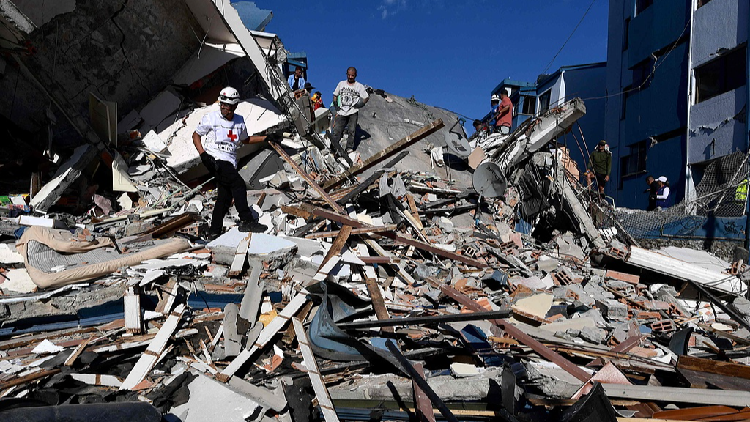
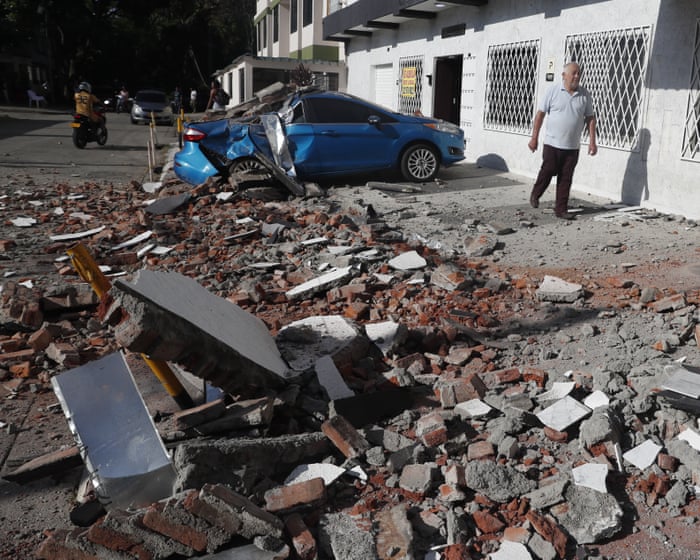
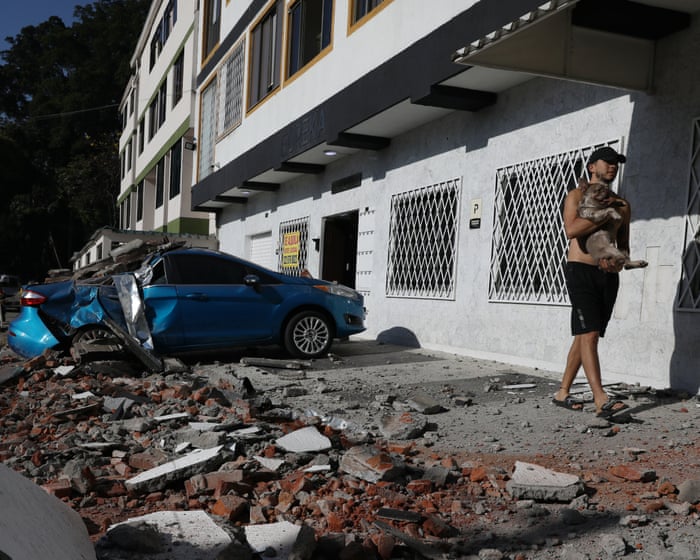
At least 132 people have died in Colombia’s biggest earthquake in years. The tremor measured 7.4 in magnitude, with its epicentre near the Pacific coast in Chocó province. Cities hundreds of kilometres away also felt the shaking.


A magnitude-7.5 earthquake that hit western Colombia on Monday has killed 132 people and injured more than 570, according to the Colombian government’s latest update. China’s embassy in Colombia said it had received no reports of Chinese citizens killed or hurt.

Colombia’s government says at least 132 people nationwide have died after a magnitude-7.5 earthquake struck the country’s western region on Monday. More than 570 others were injured, according to the latest official update. The figures reflect the reported national toll from the quake and its continuing assessment.
Colombia’s president, Abelardo de la Espriella, said the earthquake death toll has climbed to 111. He added that 87 people were injured.

A powerful 7.4 earthquake struck western Colombia, shaking the area violently and causing buildings to crumble. Local officials say at least 111 people have died, while dozens more were injured. Footage shows the force of the temblor and the damage inflicted on structures. Rescue efforts and casualty assessments are continuing after the deadly event.

A magnitude 7.4 earthquake has struck near Bogota in Colombia. Officials say at least 69 people have been killed in the disaster. Some people remain trapped beneath rubble, as rescue efforts continue amid the destruction. The death toll could change as emergency teams reach affected areas.
Colombian equities moved lower after a major earthquake struck on Monday. The disaster killed at least 20 people and caused widespread damage across the country. Latin American assets were otherwise muted as investors remained concerned that the conflict in the Middle East could drag on. The market reaction combined the immediate impact of the earthquake with broader regional caution over the prolonged conflict.
A powerful earthquake struck western Colombia and neighboring Ecuador, prompting people to leave homes and buildings. The United States Geological Survey measured the quake at magnitude 7.4. It placed the epicenter in San Jose Del Palmar, roughly 250 miles west of Bogota. The shaking affected communities across the border region and led to evacuations as residents responded to the tremor.
Colombia’s geological service reported that an earthquake in the country reached magnitude 7.4. The tremor occurred near the city of San Jose del Palmar in Choco Department. No further details were provided in the report.

A powerful 7.4-magnitude earthquake struck western Colombia, shaking the country and neighbouring Ecuador. At least 20 buildings collapsed in the Colombian city of Cali, with people reportedly trapped inside. The quake also prompted residents to leave homes and other buildings. Cali mayor Alejandro Eder said the city had asked teams from Bogota and Medellin to support rescue operations. The disaster has triggered an urgent search for those caught in the wreckage.

A powerful 7.4-magnitude earthquake has struck western Colombia, with buildings reportedly collapsing or suffering severe damage in several major cities. Cali and Pereira are among the places affected by the reported destruction. US and Colombian geological surveys said the earthquake occurred at 7.34am local time on Monday. They placed its epicentre in the western department of Chocó. Tremors were also felt in neighbouring Venezuela.

A powerful earthquake struck Colombia on Monday, leaving people injured and buildings damaged. The tremor prompted evacuations in the capital, Bogota. Colombia’s geological service recorded the event at magnitude 6.6, while the US Geological Survey assessed it at 7.4. Shaking was felt in parts of Latin America, including Ecuador and Panama.

A powerful 7.4-magnitude earthquake struck western Colombia on Monday. The shaking was felt across the South American country and in neighbouring Ecuador. People responded by leaving homes and other buildings. The quake prompted evacuations as residents sought to move away from structures during the shaking and its immediate aftermath.

A powerful earthquake struck western Colombia, with its magnitude initially measured at 7.4. The tremors were felt beyond Colombia’s borders in neighboring Ecuador, as well as in Panama and Venezuela. The earthquake caused damage in the affected area.
A powerful earthquake struck Colombia on Monday morning. Buildings across the western part of the country suffered severe damage, according to the report. The tremor also shook Bogotá, the capital. The incident has affected both western areas and the national capital.
A powerful earthquake struck western Colombia and neighboring Ecuador, leading people to leave homes and buildings. The United States Geological Survey recorded the quake at magnitude 7.4. Its epicenter was reported in San Jose Del Palmar, roughly 250 miles west of Bogota. The shaking prompted evacuations in affected areas.

The Japan Meteorological Agency says a powerful magnitude 7.1 earthquake occurred in Colombia. It struck at around 9:34 p.m. Japan time on the 10th. The depth of the focus was 120 kilometers. Information from the Pacific Tsunami Warning Center in Hawaii indicated that there was no concern about a tsunami.
A magnitude 6.8 earthquake struck Colombia, according to the European Mediterranean Seismological Centre.
Datong City in northern China’s Shanxi Province recorded more than 250 million yuan in agricultural imports and exports during the first half of this year. The figure is equivalent to about 35.7 million US dollars. Both the city’s trade volume and the quality of its agricultural products showed notable growth.
Argentina’s state oil company YPF reported net profit of $1.21 billion for the second quarter of 2026. That compared with $58 million in the same period a year earlier. The company attributed the sharp increase to stronger shale production, record processing levels and higher international prices.
Australian shipbuilder Austal says Hanwha Group has offered as much as $1.20 billion to acquire its US operations. The South Korean conglomerate is seeking to broaden its presence in the American defence market. The proposal centres on Austal’s activities in the United States and represents a potential expansion for Hanwha there.
A group of major US investment firms is reportedly close to forming a partnership with Nvidia. The proposed arrangement would involve $500 billion in funding. The money would support the construction of artificial-intelligence infrastructure. The Financial Times attributed the information to people familiar with the matter.

Nvidia has secured $500bn from major investors for artificial-intelligence infrastructure. The funding is intended for new data centres. These facilities will house and operate vast arrays of stacked computer chips. They will also provide the cooling needed for chips that process AI data and actions.
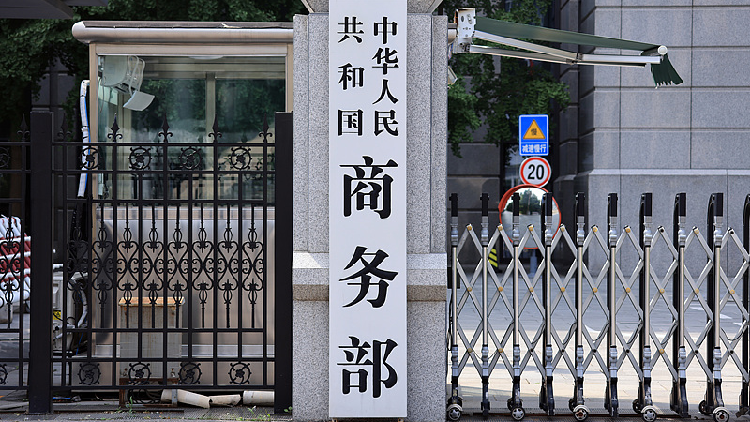
China’s Ministry of Commerce has issued a preliminary ruling in its anti-dumping investigation into pecans imported from Mexico and the United States. The ruling introduces provisional anti-dumping measures against the imports. They will be applied through cash deposits, with the requirement taking effect on Tuesday. The decision concerns pecan shipments from both named countries.
China is targeting more than 100 million metric tons of annual coal production reserve capacity by 2030. The plan sets a long-term benchmark for the country’s coal sector. The proposed capacity would be measured by annual production capability. The target signals an effort to strengthen coal supply reserves.
The People’s Bank of China has renewed its bilateral currency swap agreement with Argentina’s central bank. The renewed arrangement will run for five years. China’s central bank announced the agreement last Thursday. The move maintains a bilateral financial mechanism between the two countries.
Singapore has lifted its forecast for economic growth in 2026. The government said stronger-than-expected global investment in artificial intelligence should help sustain activity during the second half of the year. It also expects the Middle East war to have a milder economic impact than previously anticipated. The revision follows robust gross domestic product performance in the second quarter.
Brent crude traded on ICE moved above $88 per barrel for the first time since July 31. At 1:42 a.m. GMT, the benchmark was up 0.41%, reaching $88.08 per barrel.
The Securities and Exchange Commission has eased the requirements for data-center owners selling asset-backed securities. The move could create room for additional debt offerings. Technology companies are searching Wall Street for financing methods to cover artificial-intelligence spending, and the regulatory change may support those efforts.
Intel plans to issue $15 billion worth of new stock. The offering could be the chipmaker’s first public share sale since it listed in 1971. The company is seeking to extend its comeback. It also aims to capitalize on demand created by the artificial-intelligence boom.
Intel is reportedly close to expanding the size of a planned share sale. People familiar with the matter say the company is aiming to raise about $20 billion. That would be roughly one-third more than the target announced when the transaction was disclosed Monday morning. The size of the offering has not been presented as final.
Shenzhen is deepening its links with economies participating in the Asia-Pacific Economic Cooperation forum.
Donald Trump’s social media company reported deeper losses totaling $238 million. The firm is shifting away from a major cryptocurrency bet toward a controversial new business. That operation sells faster access to posts from the US president that could move financial markets. The pivot reflects a change in the company’s commercial focus as it seeks a new path beyond its crypto venture.
Packaged food company Flowers Foods is seeking to divest its Tastykake baked goods business, according to people familiar with the matter. The potential transaction would involve the company’s Tastykake operation. The information comes from sources who have knowledge of the situation, while no further details about the proposed divestiture were provided.
The U.S. Securities and Exchange Commission charged fintech company Netcapital with securities fraud on Monday. The regulator alleges that Netcapital carried out a scheme to overstate its revenue. The case centers on the company’s reported income and the alleged deception tied to those figures. The charges represent an enforcement action by the SEC, while the allegations remain claims in the case.
Brazilian meatpacker JBS has appointed Wesley Batista Filho as chief executive, with the change taking effect in January 2027. The move will be the company’s first CEO transition in eight years. It also returns a member of the founding Batista family to JBS’s top operating role. The company described the appointment as a change at the group’s highest executive level.
Global pharmaceutical companies are enlarging their operations in the United States. They have pledged investments worth billions of dollars. The spending is intended to increase manufacturing capacity in the country. It will also support broader research activity across the US.
Gautam Adani secured the dismissal of securities fraud charges in the United States. The decision brings to an end a blockbuster case that had threatened the expansion of the Indian billionaire’s vast conglomerate. The legal outcome removes the immediate challenge posed by the prosecution to the group’s growth plans. The case had drawn attention because of its potential consequences for Adani’s business empire.
JPMorgan Chase strategists have lifted their forecast for the S&P 500 for the second time in two months. They point to strong corporate earnings as one reason for the change. They also say massive spending on artificial intelligence is beginning to produce returns, supporting a more optimistic view of the benchmark index.
European countries have put themselves in a difficult position by restricting supplies of Russian agricultural products through sanctions, according to Anatoly Tikhonov. The head of the Center for International Agribusiness and Food Security said they are now trying to organize imports through third countries. His assessment portrays the restrictions as creating a need for indirect supply routes.
Armenia imported 20,000 tonnes of oil products from Azerbaijan during the past year, according to the Armenian Foreign Ministry. The ministry said the two countries are continuing efforts to expand bilateral trade. The statement points to ongoing commercial ties between the neighboring states, with petroleum products forming part of that exchange.
Kazakhstan is considering alternative routes for some oil exports because of disruption affecting the CPC. The republic’s Energy Ministry said options beyond existing operational channels include sending crude through the Baku-Tbilisi-Ceyhan pipeline. Officials are also weighing shipments across the Caspian Sea via Azerbaijan. The Baku-Supsa route is another prospective option under consideration.
Russian stock benchmarks ended mixed when trading on the Moscow Exchange closed. The ruble-denominated MOEX Index gained 0.53%. The dollar-denominated RTS Index moved in the opposite direction, slipping 0.01%.
Vladimir Putin signaled the launch of the Yermakovsky Mining and Processing Plant through a video link. The facility is expected to have an ore-processing capacity of 30,000 tons.
Brent crude traded on ICE rose above $87 per barrel for the first time since July 31. By 7:31 p.m. Moscow time, the benchmark had gained 4.3%, reaching $87.14 per barrel.
Brent crude on ICE rose 3.39% to $86.38 a barrel by 4:59 p.m. Moscow time. The move took the benchmark above $86 for the first time since August 4.
Russia’s central bank has recommended that banks help small and medium-sized businesses affected by what it describes as “terrorist attacks.” The wording refers to Ukrainian drone strikes on warehouses and logistics centers. Lenders are being urged to support companies whose operations were hit by those attacks. The recommendation concerns financial terms for the affected businesses.
Bloomberg is promoting the latest edition of its Money newsletter. The newsletter offers insights, ideas and tools aimed at helping readers do more with their money. Readers are invited to access the edition through the provided link and subscribe for future issues.
Germany’s inland waterways continue to carry roughly 5% of the country’s goods. The Rhine has now fallen to a critically low level, putting pressure on a key transport route. DW examines how the drought is affecting the economy at a vulnerable point and why that threatens Germany’s recovery.

Oil prices and stock markets have risen sharply as the closure of the Strait of Hormuz continues. Analysts warn that US petrol prices, which fell by nine cents last week, could climb again if the disruption persists. The warning links a prolonged closure with renewed pressure on fuel costs.


Donald Trump says the United States is only “semi-negotiating” with Iran as the war enters the 30th day of its second phase.
Iranian President Masoud Pezeshkian said Washington failed to bring down Iran in the way it had wanted. He said forecasts made by Iran’s “enemy” using artificial-intelligence data and information obtained through spy networks and agents failed one after another. Pezeshkian offered no further details in the statement described here about which forecasts he meant.

Iran has gained leverage in the Strait of Hormuz. Its Gulf neighbours are responding by reshaping regional security arrangements. Their aim is to constrain what Tehran can do with the influence it has acquired. The contest around Hormuz is therefore driving a broader realignment of security in the region.

Iranian Foreign Ministry spokesman Esmaeil Baghaei said on Monday that fees should be collected for maritime services provided in the Strait of Hormuz. His statement links payment to services connected with passage through the strategic waterway. The remarks address how maritime passage and related services should be charged.

Iran’s Revolutionary Guards said on Sunday that the Strait of Hormuz would remain closed until the United States met a list of demands. Those demands include compensation for war damages. The central question is whether the conditions amount to a surrender document for Washington. Dr H.A. Hellyer, a senior fellow in geopolitics, international security and Middle East studies at RUSI, joins the discussion to assess the position.
President Donald Trump indicated that the United States is prepared to allow economic pressure on Iran to intensify instead of ordering new military strikes. He described the US position toward Tehran over the Strait of Hormuz as only “semi-negotiating.” His remarks point to an emphasis on economic leverage rather than an immediate fresh attack. The approach leaves pressure building while contact with Iran remains limited.
Wayne Cole surveys the day ahead for European and global markets. The item highlights a sudden shift in how the United States views the Strait of Hormuz, describing the waterway as having become “irrelevant” to Washington. It frames that change as the central market-related development under consideration.

Donald Trump signals that the United States is shifting toward economic pressure on Iran following new military strikes. Washington is relying on sanctions and a naval blockade as key tools in the approach. Oil prices have stabilised, easing the economic burden on American consumers. The change points to a greater emphasis on restricting Iran through economic measures rather than relying solely on military action.

The United States and Iran appear to be modifying their respective positions as uncertainty persists over the future of their confrontation. Reopening the Strait of Hormuz remains a central obstacle in the negotiations. Iran is also reshuffling important security posts. The US is meanwhile pursuing a deliberately low-key approach to the talks.
Deutsche Bank said China has appointed it as a clearing bank for the renminbi. The bank said the designation marks a first for a European lender. The appointment gives Deutsche Bank a formal role in clearing transactions involving China’s currency. It highlights the bank’s expanded position in renminbi services.
Australia’s declining house prices could offer mortgage holders an unexpected benefit. Reserve Bank governor Michele Bullock has made clear that the easing property market is on her mind. Lower prices reduce the likelihood that the central bank will raise interest rates again. The RBA board will not be meeting on Monday and Tuesday to discuss ways of supporting Sydney’s house values, underscoring that policymakers are not focused on propping up the market.

High-oleic soybeans are gaining ground as an ingredient in dairy feed. The shift is giving US growers a new outlet for their crops. It comes as exports are being caught up in the trade war, creating pressure to find additional demand at home. The development links changes in cattle diets with broader changes in agricultural markets.
London’s stock indexes were subdued on Monday after advancing last week. Investors paused as they assessed corporate earnings and waited for upcoming economic figures. The reports are being watched for indications of the British economy’s health. Market attention therefore remained focused on fresh clues about economic conditions.
India is diversifying the sources of its crude oil purchases as markets remain volatile, according to an agency report. Local media outlets say Russia continues to be India’s largest oil supplier. The report highlights both India’s effort to broaden sourcing and Russia’s continuing leading position in the country’s oil imports.
Short-term snapshots of US factory employment obscure deeper, longer-term difficulties. A closer examination of manufacturing jobs indicates that the revival promised by Trump is taking shape slowly and has yet to materialize fully.
Russia’s Finance Ministry reported that the National Wealth Fund stood at $159.3 billion as of August 1. Its accounts with the Bank of Russia held 189.7 billion Chinese yuan. The same accounts contained 141.2 metric tons of gold. The figures describe the fund’s reported holdings on that date.
Russia’s grain harvest has surpassed 72 million tonnes since the beginning of 2026, according to the Agriculture Ministry. Wheat, the country’s key agricultural crop, has now passed the halfway point in harvesting. The figures indicate that this year’s grain collection is continuing to advance. The ministry provided the update without further details on the harvest breakdown.
Australia’s corporate regulator is urging car owners to push back against sharp increases in motor insurance premiums and seek better offers. The Australian Securities and Investments Commission found that many insurers were lifting prices faster than inflation. Its review of eight insurers found none adequately explained how premiums were calculated or why prices had changed in quote and renewal documents. The regulator advised customers to challenge insurers rather than simply accept the increases.

The US has introduced a new tactic aimed at challenging China’s dominance in solar energy. Fresh trade measures reach further into the global solar supply chain, extending the focus beyond a single point in the industry.
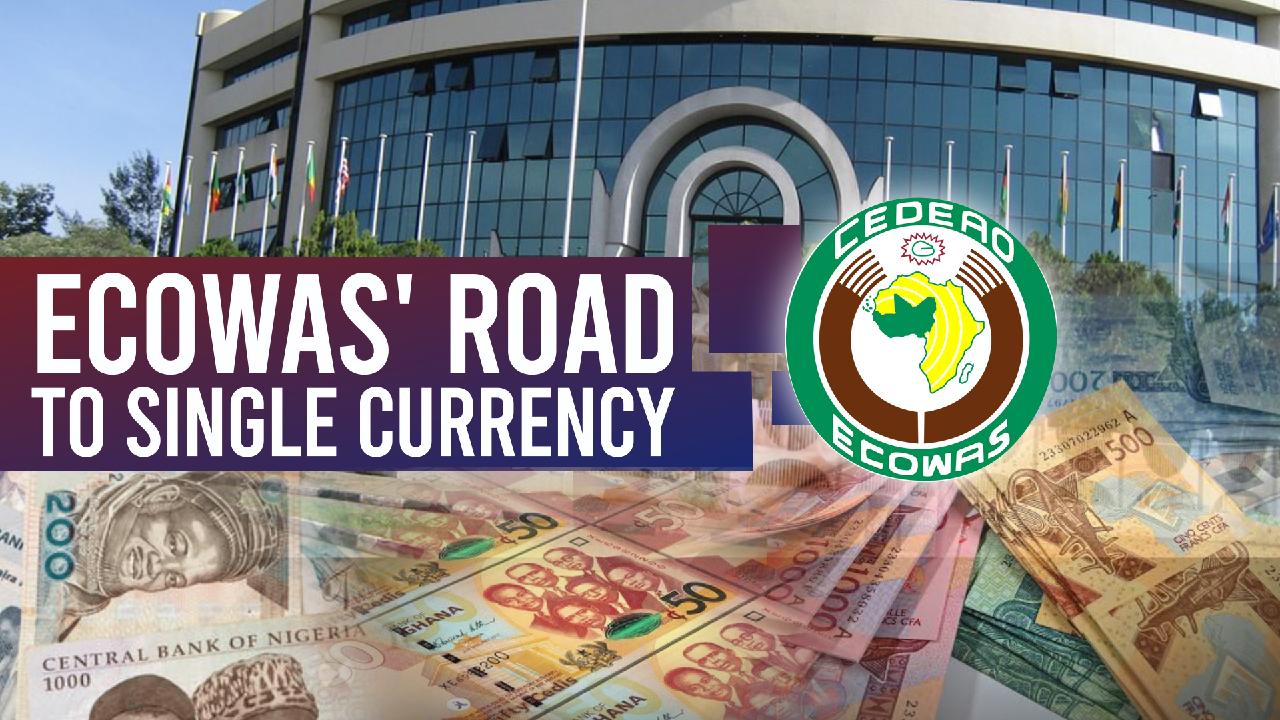
West Africa’s drive toward economic integration has reached a historic crossroads. The Economic Community of West African States, known as ECOWAS, has reaffirmed its goal of launching the Eco as a single currency by 2027. The plan is presented as a central step in deepening economic ties across the region. Whether the currency can be introduced on schedule remains the key question surrounding the bloc’s integration effort.

The Bank of Russia is advising lenders to assist entrepreneurs affected by terrorist attacks. The regulator says banks should not impose fines or penalties when those borrowers fall behind on payments. It also urges lenders not to demand that the loans be repaid ahead of schedule. The guidance is aimed at easing the financial pressure on the affected business owners.
A court in Omsk has appointed an interim manager for Russia’s only producer of glass noodles. The company will remain under Vladislav Andreev’s supervision for four months.
India is weighing limits on the amount of sugarcane diverted to ethanol production in the season starting in October. The potential restriction is intended to increase sugar output and help ease prices that have reached record levels. The consideration was described by two government sources and two industry sources.
Russia’s foreign trade surplus reached $73.4 billion in the first half of 2026. Total trade turnover during January–June grew 11.4% from a year earlier. The figure for overall trade reached $365.6 billion. The reported data show an expansion in Russia’s external trade activity during the period.
Spain reduced its purchases of liquefied natural gas from Russia in July. Russia nevertheless remained Spain’s fourth-largest gas supplier.
Shipping giant MSC and buyout fund BlackRock have withdrawn their request for European Union antitrust approval of a planned purchase. The proposed deal concerned a stake in the Barcelona port terminal owned by CK Hutchison. A regulatory filing disclosed the withdrawal. The filing did not state why the companies decided to remove their request. The transaction therefore remains without the requested EU competition clearance.
GameStop Corp., led by Chief Executive Officer Ryan Cohen, is considering pulling its $56 billion offer for eBay Inc., people familiar with the matter said. The possible move concerns a major proposed corporate transaction. The people did not provide a reason for the consideration, and no final decision was indicated. The bid remains under consideration by the company.
The price of Brent crude on London’s ICE rose above $85 per barrel. At 1:54 p.m. Moscow time, the benchmark was up 1.9% at $85.14 a barrel. It was the first time since August 4 that the price had crossed the $85 threshold.
Blackstone Infrastructure’s Safe Harbor Marinas is close to reaching a $1.5 billion agreement to acquire MarineMax, according to people familiar with the matter. Safe Harbor is described as the world’s largest owner and operator of marinas. The potential transaction would bring MarineMax under Safe Harbor’s ownership. The sources characterized the deal as nearing completion, rather than finalized.
The Eastern Economic Forum is set to discuss the prospects of launching a low-altitude economy. The forum will take place from September 1 to 4 in Vladivostok. Its venue will be the campus of Far Eastern Federal University. The discussion is part of the forum’s scheduled programme.
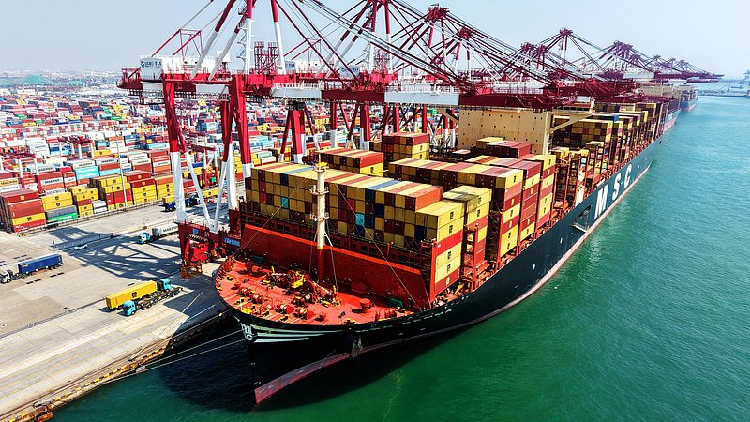
Statistics show that 182,000 tons of grain and milled products were transported by rail during the first five days of August. That volume was 44.1% below the figure recorded during the same period in July. The headline reports an 84% decline in grain shipments to the Greater Odessa ports at the start of August.
China has made a preliminary finding that pecan imports originating in the United States and Mexico are being dumped. The Ministry of Commerce said the products, also identified as Carya illinoensis, will face interim anti-dumping measures. The move follows the ministry’s determination announced on Monday. It applies to imports from both named countries. China described the action as an interim response while the dumping finding remains preliminary.


China’s Ministry of Commerce has preliminarily found that pecan imports from the United States and Mexico were dumped and materially harmed China’s domestic industry. It will impose interim anti-dumping measures through security deposits from August 11, 2026. Margins range from 17.8% to 51.6% for Mexican firms and stand at 54.3% for US firms.
China has ordered steep anti-dumping deposits on pecan imports from the United States and Mexico. The measure adds another point of friction to trade relations between Washington and Beijing. It comes only weeks before an expected summit involving President Donald Trump and Chinese leader Xi Jinping. The action could therefore weigh on the atmosphere surrounding the anticipated meeting.
A notable pattern has emerged in Bank of America accounts over the past several months. The difference between wealthy and poor Americans appears to be getting smaller. The trend is described as surprising because it points toward a possible narrowing of the country’s wealth divide. The account data has drawn attention to a potential shift in the distribution of financial resources across the United States.
Statistics show that Ukraine’s agricultural exports fell by 60% in early August. Export revenue dropped 38.4%, declining from $326.9 million to $201.5 million.
Several Chinese companies listed on stock exchanges say they have received refunds of US tariffs along with interest since early July. The payments come as the United States moves to return duties imposed under the International Emergency Economic Powers Act. The reports point to refunds tied to tariffs collected under that law.

Egypt’s annual urban consumer inflation rose to 14.9% in July, according to the state statistics agency CAPMAS. The agency said the rate stood at 14.3% in June. The figures indicate that price growth in Egypt’s urban consumer market accelerated compared with the previous month.
Fear of missing out is fueling a rush of buying across Wall Street. Measures from the options market are flashing some of their most bullish signals in years. Traders are piling into the market, helping drive a powerful breakout rally. The surge reflects rising concern among investors that they could miss further gains.
Beishan yellow peaches from Qingtian County in Zhejiang Province were shipped to Serbia on Friday. The shipment marks the first time yellow peaches grown in Zhejiang have been exported to the European country. The move opens a new overseas destination for the county’s fruit and highlights expanding agricultural trade between China and Serbia.
The Minutes Reader extension turns the original page into a focused reading view and translates articles and video subtitles on demand. It is in limited beta.