UAE non-oil firms raise prices at record pace in October, PMI shows
The UAE's non-oil private sector expanded strongly in October as new orders accelerated, while firms passed on surging costs at a record pace, a business survey showed.
Global stocks and the dollar fell as Democratic victories heightened fears about AI. Traders bet the party could slow the infrastructure build-out seen as central to economic growth.
The ruling party leader said South Korea should first enact the Digital Asset Basic Act, a comprehensive legal framework for crypto.

A private-sector survey found that China’s services activity expanded at its slowest pace since July in October. Business confidence eased as firms contended with intense competition and rising costs.
Australia’s high court rejected Uber’s appeal and ruled, by six votes to one, that its drivers are employees and their payments count as wages under New South Wales law. Uber owes $81m for 2015–2020, and liabilities for later years could push the total above $100m.

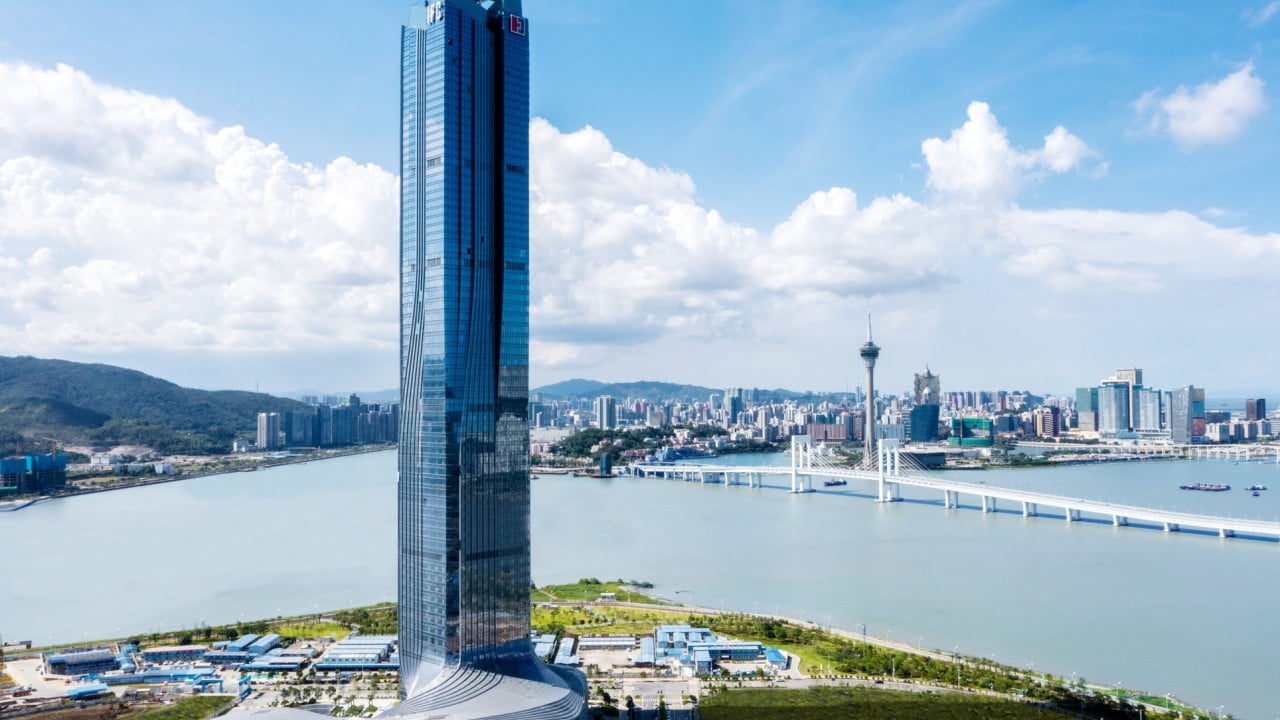
Concerns about a state-owned conglomerate’s financial health rattled China’s bond market over the past week. Analysts said its difficulties reflect the lasting damage of the prolonged property crisis, as local governments struggle to find sustainable economic support beyond real estate. The company at the centre is Zhuhai Huafa Group, Zhuhai’s largest locally owned state enterprise.

Meta Platforms said Tuesday it is raising $15 billion in a five-part U.S. dollar bond offering. The Facebook parent is turning to debt markets to help pay for faster-growing investment in AI infrastructure.

Meta is seeking to raise $20 billion to $25 billion through a bond sale as it increases spending on infrastructure, AI models and services.
New Zealand’s jobless rate climbed to 5.7% in the third quarter, its highest since 2015, while employment declined 0.1% from the previous quarter, Statistics New Zealand said in data released Wednesday.
Hong Kong’s primary and secondary private residential sales declined in October from the previous month as expectations of a year-end interest rate increase grew. Centaline Property’s research recorded 1,410 first-hand transactions worth HK$18.66 billion (US$2.38 billion).

The Canadian dollar continued to retreat against the US dollar on Tuesday from a six-week high. Oil prices fell, while Canadian jobs data due later this week could shape expectations for further Bank of Canada rate hikes.
After President Santiago Peña sought his departure, Paraguay’s central bank chief turned in a resignation on Tuesday. Officials also set resolution proceedings in motion for digital lender ueno.
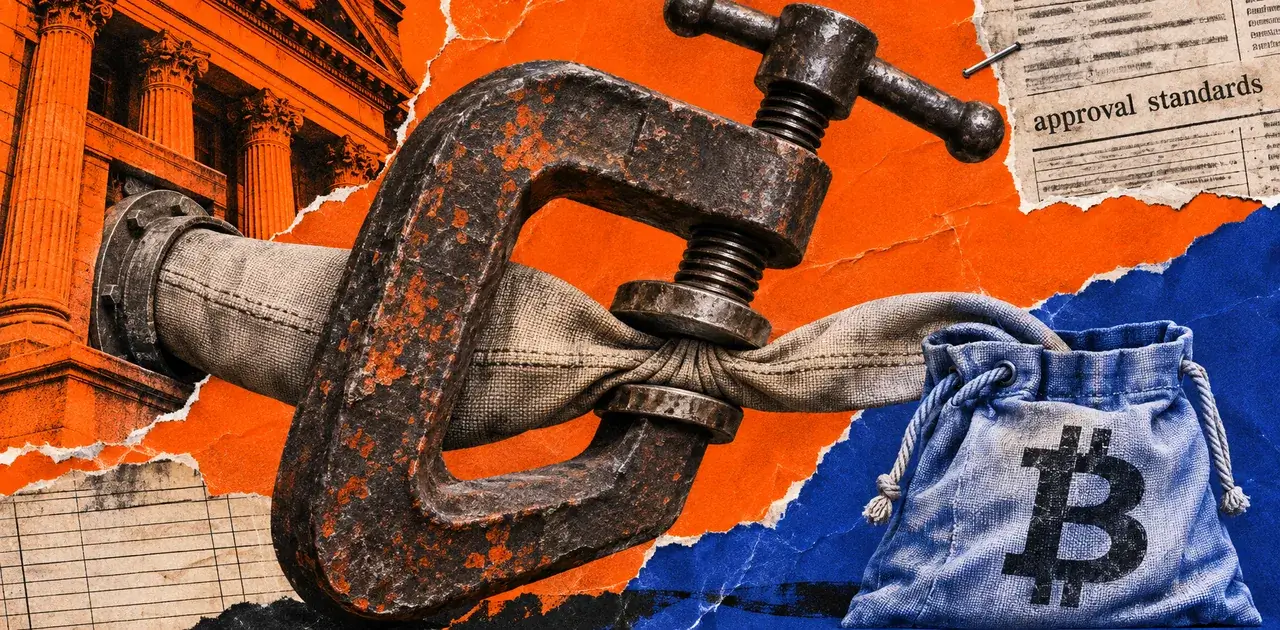
The Fed’s November 2 survey found stricter loan approvals alongside stronger demand from nonbanks. It found no evidence of forced Bitcoin sales.

After deeming SpaceX an unacceptable governance risk, Anders Schelde says the $25 billion pension fund he oversees is ready to invest in Anthropic’s IPO.
The $6.3 billion incident at Binance may inform future choices across the crypto-infrastructure business, with custody in the spotlight.

High consumer costs are motivating voters, particularly the unprecedented gas prices on an Election Day. NBC News’ Allie Canal explains how this “gas price election” differs from previous voting dates.

Ukraine borrowed $18.48 billion from various sources between January and October 2026 and is seeking about $10 billion more for November and December, according to Finance Ministry documents. It met only 65.8% of its borrowing target, leaving $10 billion in planned financing unsecured.
As Moscow continues strikes across Ukraine, Russian citizens are under growing financial pressure. Utility bills have risen by more than 50% since the war began in 2022, including a rise of over 13% this year, while Russia grapples with ongoing drone attacks originating from Ukraine.

Private-sector analysts surveyed by Mexico’s central bank slightly raised their headline inflation forecasts for this year and 2027, while also making modest upward revisions to growth expectations for both years, the bank said Tuesday.
US factory orders rose more than expected in September, driven by bookings for aircraft and a range of other goods, government data showed Tuesday.
The Bank of Russia set the official dollar rate for November 4-5 at 81.6699 rubles, up 69.65 kopecks. The euro rate rose 113.75 kopecks to 91.601 rubles, while the yuan rate edged up 1.02 kopecks to 12.1816 rubles.
In its first survey of this kind, the Bank of Korea asked the country’s biggest banks about the impact of a major crypto hack or price crash, losses at another firm, and their crypto teams, budgets and investments.

China will expand policy, fiscal and financial support for emerging pillar industries, whose output value is projected to exceed 10 trillion yuan by the end of the 2026-2030 plan period. Priorities include semiconductors, biomedicine, AI applications and marine industries. The economy grew 4.5% year on year in the third quarter of 2026.

The ISM production index rose to 59.0 as factory price increases became less widespread, putting growth and funding signals at odds.

Borrowers using Aave’s frozen reserves continued to pay interest, while restrictions barred new deposits, including extra collateral they might ordinarily add to protect a loan. Suppliers could still seek withdrawals if enough tokens were available, and those withdrawals could raise borrowing costs despite the ban on new borrowing.

Britain plans to make guaranteed lifetime income the default retirement option for private-sector workers, aiming to spare millions from managing their pension savings on their own.
People’s Bank of China governor Pan Gongsheng reaffirmed support for the beleaguered stock market in a report to the National People’s Congress Standing Committee, pledging further steps to ease financial risks in areas including capital markets and property. Earlier rescue measures have failed to halt the steep share-price decline.

JPMorgan sees Europe’s planned grid overhaul as a major opening for infrastructure deals, extending the bank’s ambition to lead grid financing in the United States.
The IMF expects sub-Saharan Africa to grow 4.5% in both 2026 and 2027, but warns that mounting pressures could weaken the recovery. Higher inflation, debt-servicing costs, declining aid and severe weather risks linked to El Niño may add to the strain. It urged governments to strengthen public finances and invest in resilience.

Russia’s Defense Ministry said Russian forces struck port facilities used by Ukraine’s military, drone launch and storage sites, and temporary deployment locations of Ukrainian formations and foreign mercenaries at 144 locations over the past day. It claimed Ukrainian forces lost about 1,105 troops across the front lines.
Ukraine’s economy is struggling as Russia’s air campaign targets industries, logistics networks and ports that are needed for exports.
The World Bank says India’s extreme poverty rate fell from 27.1 percent in 2011 to 2.6 percent in 2023, while nearly 500 million people moved out of poverty. It attributes the progress mainly to stronger consumption, rising employment—especially among women—and expanded social transfers. Income and wealth inequality has nevertheless widened significantly.

Eurozone countries have until Friday to nominate candidates to succeed European Central Bank President Christine Lagarde. Finance ministers are due to review the nominations on 9 November, a Eurogroup spokesperson told Euronews.
Executives from global asset managers warned at a Hong Kong summit that AI’s unprecedented demand for capital and infrastructure raises doubts about whether debt markets, power grids and corporate productivity can keep pace. Pimco CEO Emmanuel Roman said AI infrastructure investment could reach US$10 trillion over five years, nearing the US$12 trillion size of the US bond market.

Indian farmer Amarsingh Gushinge hopes to plant wheat and chickpeas in the coming weeks to benefit from attractive prices. But water supplies have dwindled after below-average monsoon rains, preventing him from planting either crop.
Historical estimates show no detectable decline in dollar stablecoin use after restrictions were lifted. The consequences for monetary policy remain unresolved.

The Bank of Russia bought yuan worth 12.1 billion rubles ($143.5 million) on the domestic market, with settlement on November 2, 2025, the regulator said. Domestic currency sales settled on October 30 also amounted to 12.1 billion rubles.
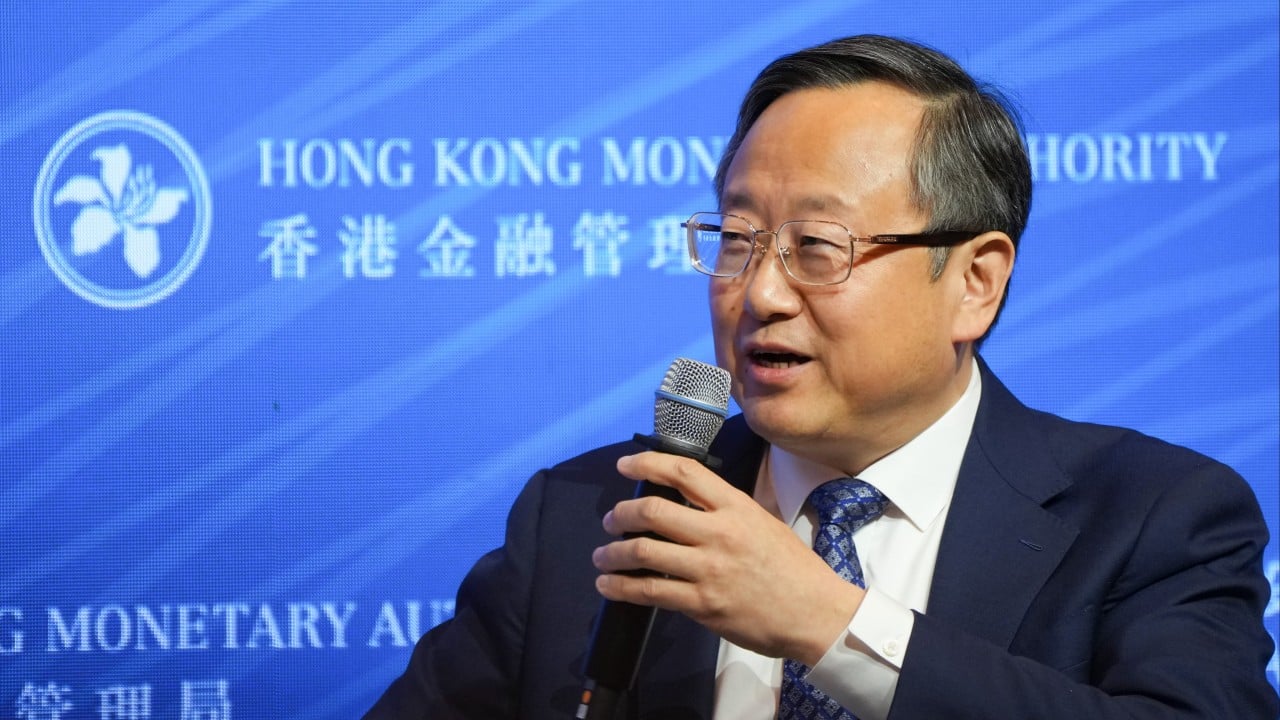
A senior Bank of China executive said on Tuesday that geopolitical uncertainty is reshaping capital flows and increasing demand for alternative markets and asset classes. Hong Kong is poised to help global investors diversify, with its financial-centre status, links between mainland China and global markets, and offshore yuan market making it a key gateway for cross-border investment.

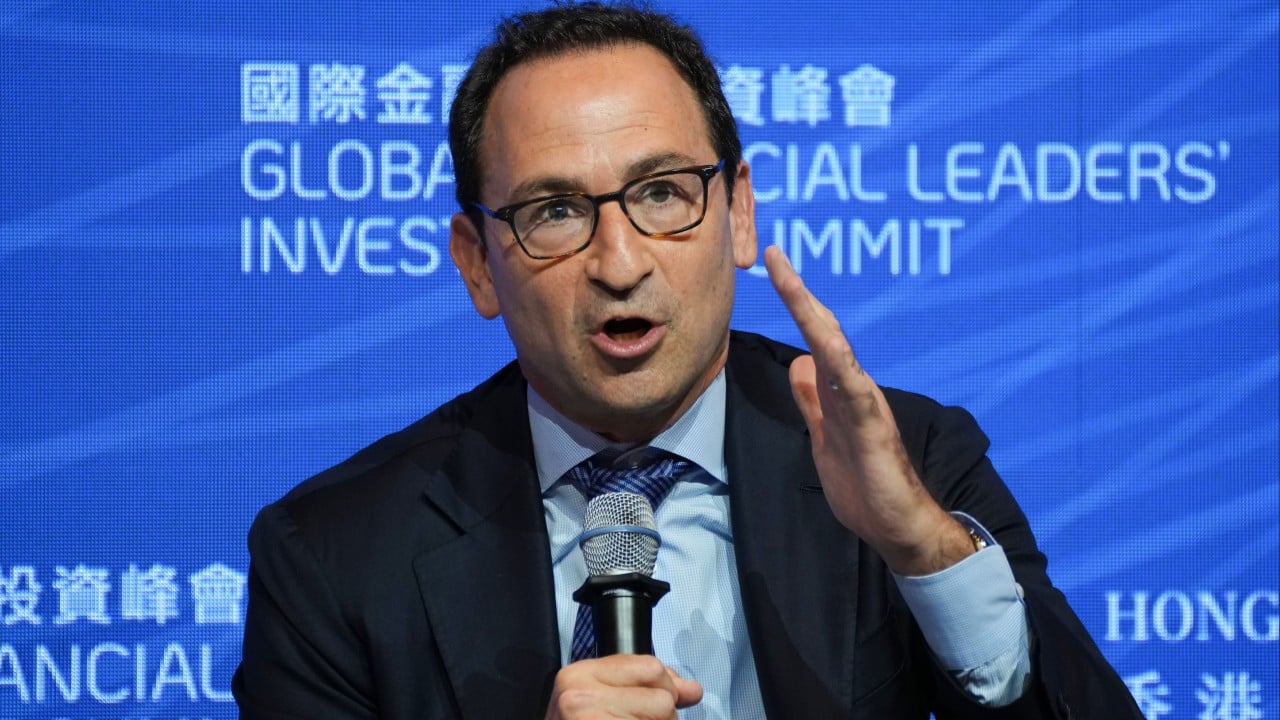
Blackstone President Jon Gray says AI infrastructure requires more equity financing, as debt investors face concentration risks amid massive spending plans.

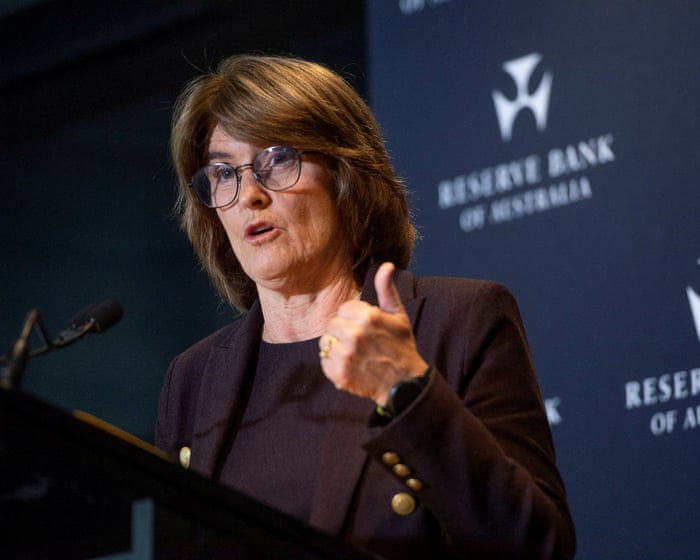
Australia’s central bank lifted its cash rate to its highest level in 18 years on Tuesday, marking the fifth increase this year. But a narrower-than-expected 6-3 vote suggests policymakers may be nearing the end of their tightening campaign.
Australia’s central bank has raised rates for the fifth time this year, taking them to their highest level since the 2008 financial crisis as inflation remains above target.

The Reserve Bank of Australia lifted rates to their highest level in 18 years to combat inflation. The move matched expectations among economists polled by Reuters and was the bank’s fifth rate increase this year.

The Reserve Bank of Australia lifted its cash rate from 4.6% to 4.85%, its highest level since 2008, seeking to curb surging inflation. The move adds pressure on more than 3.3 million households with home loans; monthly interest on a $700,000 mortgage is expected to rise by $107.

The Reserve Bank of Australia is expected to raise rates on Tuesday, its fifth hike this year, potentially lifting the cash rate to 4.85%—an 18-year high. Treasurer Jim Chalmers said Australians were bracing for a “difficult decision” and that a rise would worsen pressure on households. He said more work was needed to tighten the budget regardless of the bank’s independent decision.
European bond markets face a new headwind as US technology companies increasingly seek financing from European investors for AI spending. The added corporate debt supply could raise borrowing costs for other companies and governments.
China’s National Development and Reform Commission said output from emerging pillar industries is expected to more than double, topping 10 trillion yuan (about $1.5 trillion) by the end of the 2026–2030 Five-Year Plan. Their combined output was nearly 6 trillion yuan last year.
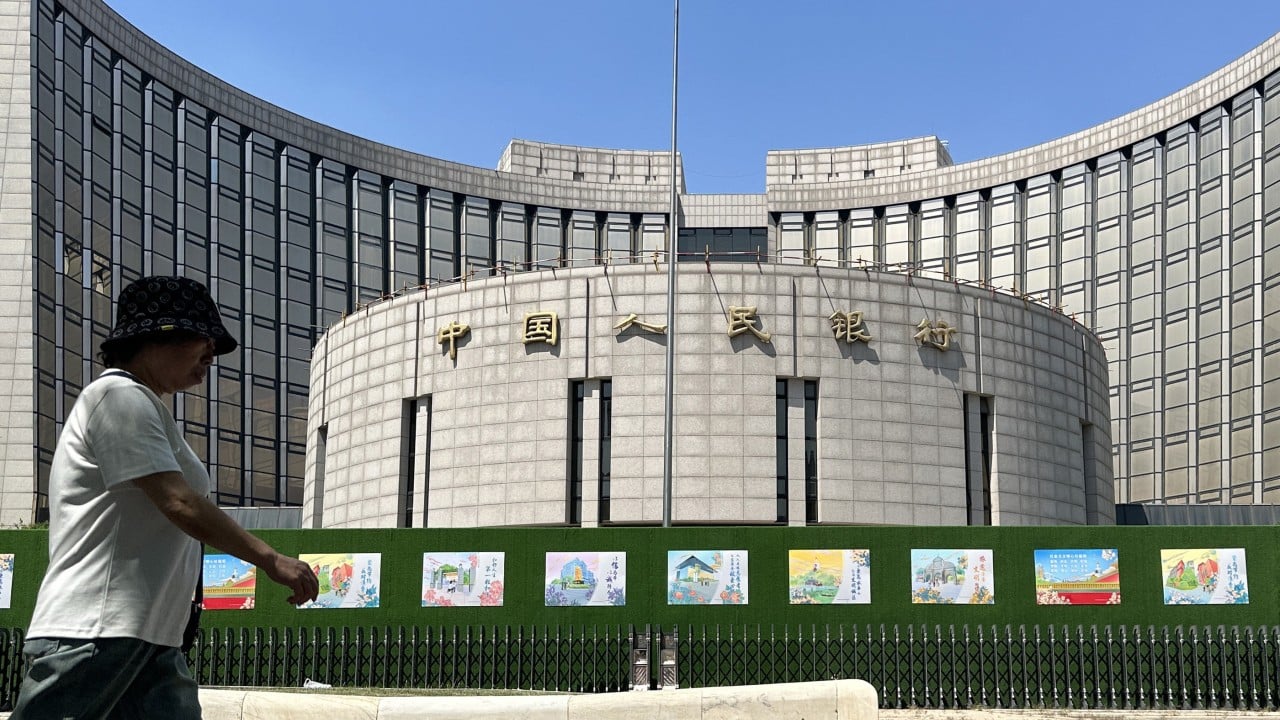
The People’s Bank of China said Tuesday that it will raise financial institutions’ foreign exchange reserve requirement ratio by 2 percentage points to 6% starting November 15, aiming to strengthen management of forex liquidity.

The People’s Bank of China said Tuesday it will raise the reserve requirement ratio on foreign-exchange deposits by 2 percentage points to 6%, effective November 15. It said the move is intended to strengthen liquidity management at financial institutions.

US inflation remains too high, but millions of data points tracked by Bloomberg Economics show signs that underlying price pressures are already easing.
Business demand for bank loans weakened last quarter for the first time in more than a year, a Federal Reserve survey showed Monday. Banks said some borrowers were seeking less expensive financing elsewhere.
Experts say investment opportunities include infrastructure that keeps AI and the economy running.
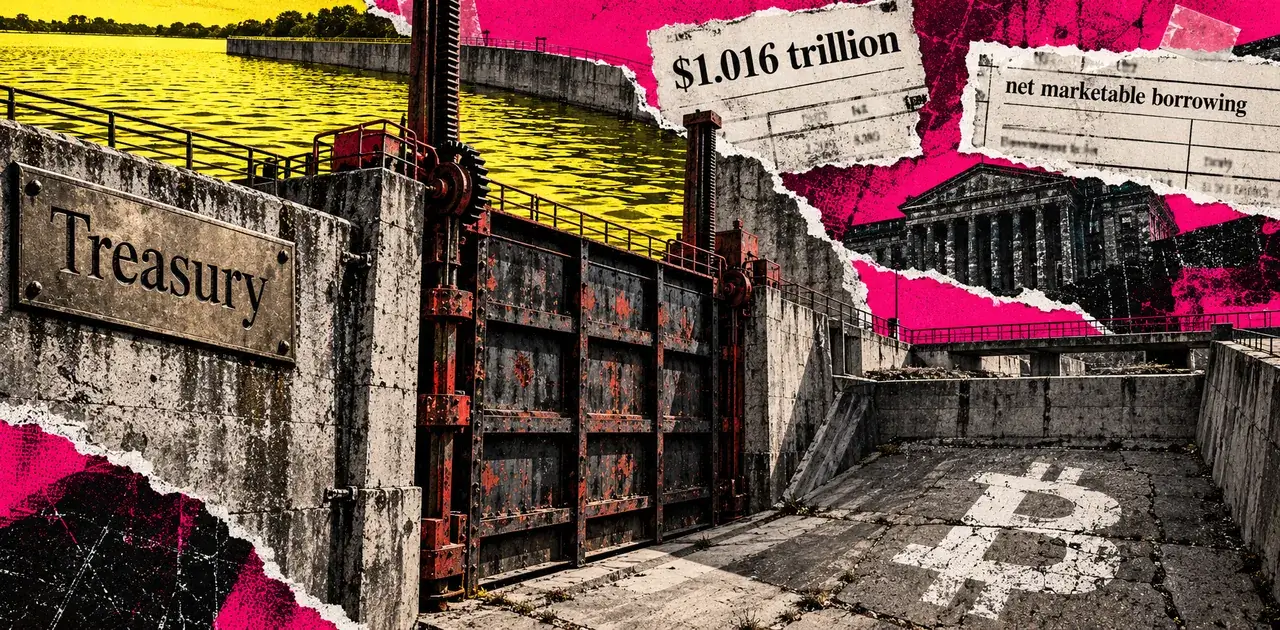
The Treasury’s November financing decisions will test whether a potential cash drawdown can ease funding conditions as debt issuance competes for cash.

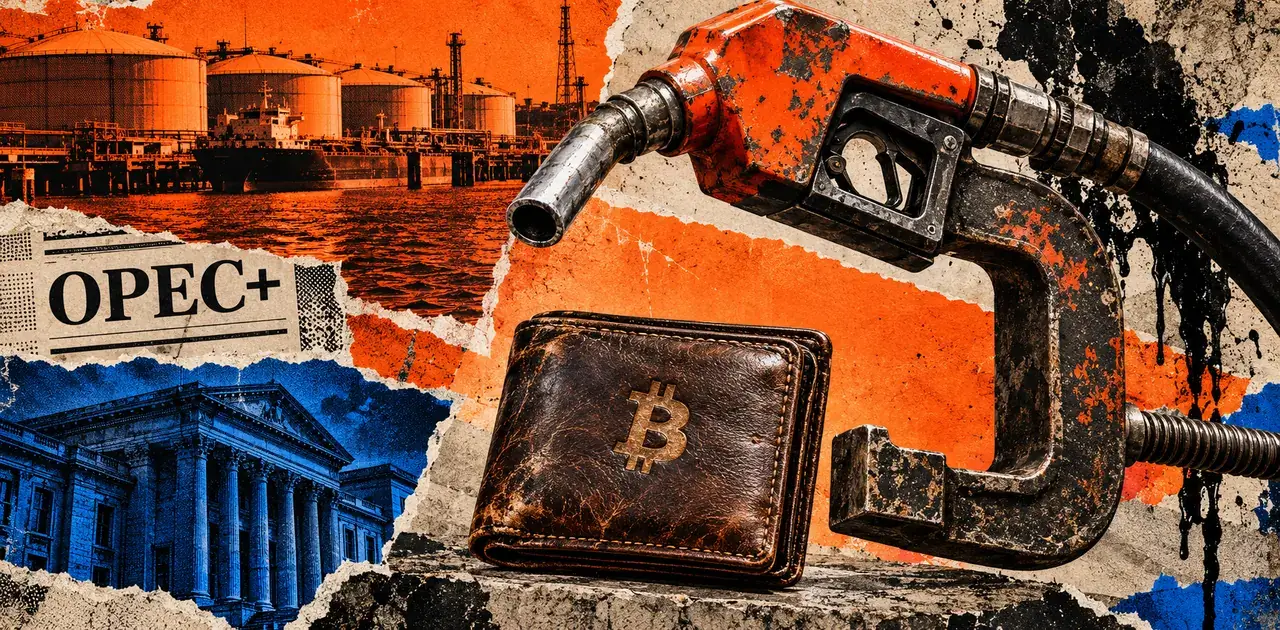
US petrol prices have fallen but remain high a day before the midterm elections. The average price for regular petrol was $4.17 per gallon on Monday, down 12 cents from a week earlier, while diesel averaged $6.29. Oil prices also declined as diplomatic efforts to end the US-Israeli war on Iran continued. Cost of living remains a key concern for voters.

The credit chief at Canada’s largest pension fund sees bubble-like exuberance in the drive to finance AI and urges investors to examine their exposure to the emerging technology closely.
Sterling was broadly steady against the dollar and euro on Monday. Investors shifted their focus from last week's UK budget to an expected Bank of England rate hike on Thursday, which would be its first since August 2023.
The Bank of Russia set the official dollar rate for November 3 at 80.9734 rubles, up 41.61 kopecks. The euro rate rose 80.32 kopecks to 90.4635 rubles, while the yuan rate gained 8.41 kopecks to 12.1714 rubles.
Air raid alerts disrupted Ukrainian shopping centers for 32.5% of their scheduled operating hours in October, a record and 1.7% more than in September, the Ukrainian Council of Shopping Centers said. The share was nearly three times that of October 2025. Malls nationwide lost an average of 9.8 working days.

Canada’s manufacturing sector contracted in October for the first time this year, weighed down by tariffs and geopolitical uncertainty as inflation pressures intensified.
Marvell’s CEO says the company sees an enormous opportunity in its AI connectivity bet on Lumentum. The AI infrastructure deal is expected to close in the first half of 2028.

US households spent an average of $1,988 more on housing and groceries last year than in 2024.
US manufacturing activity rose in October amid solid domestic demand, keeping inflation at the factory gate elevated.
Google parent Alphabet is selling €6 billion ($6.7 billion) in bonds on Monday, according to a memo from a deal manager. The sale will gauge investor appetite after concerns about the AI trade contributed to a recent selloff in tech stocks and debt.
Britain’s FTSE 100 was little changed on Monday as declines in heavyweight energy and healthcare shares offset gains elsewhere. Investors were awaiting the Bank of England’s interest rate decision this week.
Despite weak charging infrastructure, an unreliable grid and the risk that renewed conflict could derail progress, a major shift toward electric vehicles is underway in Ethiopia.
Regulatory filings showed on Monday that Oracle plans to raise $20 billion through bond and share sales to finance its costly expansion of AI and cloud infrastructure.
South African manufacturing sentiment improved for a second straight month in October, though weak domestic demand and logistics bottlenecks limited the gain, a purchasing managers’ index survey showed.
In a Monday announcement, China's central bank set out a Tuesday liquidity swap involving finance firms; the operation could channel more than 100 billion yuan ($15.04 billion) into the country's weak equity market.
A Bloomberg Economics report says Russian strikes have expanded from energy facilities to business infrastructure and civilian transport, disrupting production, logistics and exports. Ukraine’s central bank cut its 2026 outlook from 1.8% growth to a 0.4% contraction. The report says sustaining Ukraine’s defense and state functions will increasingly depend on timely, reliable and adequate Western funding.

A survey found British manufacturers began the final quarter of 2026 with their strongest output growth in more than two years. Rapidly rising costs could concern the Bank of England, which is expected to raise interest rates this week.
Gasoline accounted for most of September’s monthly CPI increase, while continuing oil constraints could delay financing relief for Bitcoin.

A live Q&A examines what Christine Lagarde’s exit from the European Central Bank means for Europe and markets.
Global manufacturing activity held firm in October, surveys released on Monday showed, while higher energy costs and supply-chain disruptions squeezed margins and increasingly strained factories.
President Javier Milei is seeking investment in AI data centres in Patagonia, offering light regulation and tax breaks.
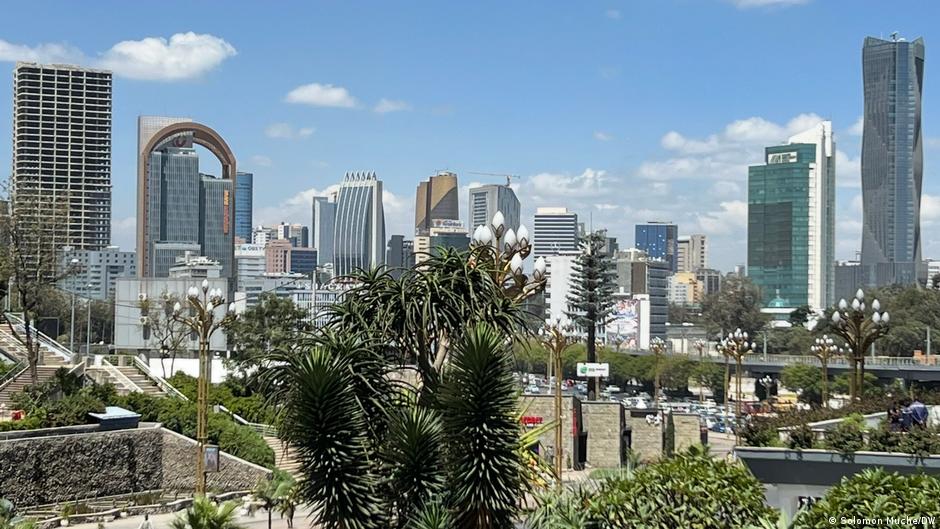
Ethiopia is growing rapidly, with the IMF forecasting 9.2% real growth for the 2025–26 fiscal year. But renewed fighting in the north, costly reconstruction and climate-related crop problems threaten the recovery. Escalation could also deter investment, strain public finances and raise living costs.

Kremlin spokesman Dmitry Peskov said at a briefing that economic growth centers are not in Europe but in the collective South. He added that the natural gas market is much larger than the European market.
Euro zone manufacturing continued to grow at a healthy pace in October, though new orders expanded more slowly. Higher costs from energy and supply-chain disruptions squeezed margins, a survey released on Monday showed.
Argentina’s economy, battered by austerity, is edging toward recession, posing a test for Milei ahead of the 2027 vote. At a family-run factory in Buenos Aires, a machine for wrapping packets of colorful socks stands idle.
The Bank of Russia bought yuan worth 12.1 billion rubles ($149.2 million) in the domestic market, with settlement on October 30, 2026, the regulator said. Currency sales settled on October 29 also totaled 12.1 billion rubles. The bank conducts domestic foreign-exchange transactions using the yuan-ruble instrument on the Moscow Exchange.
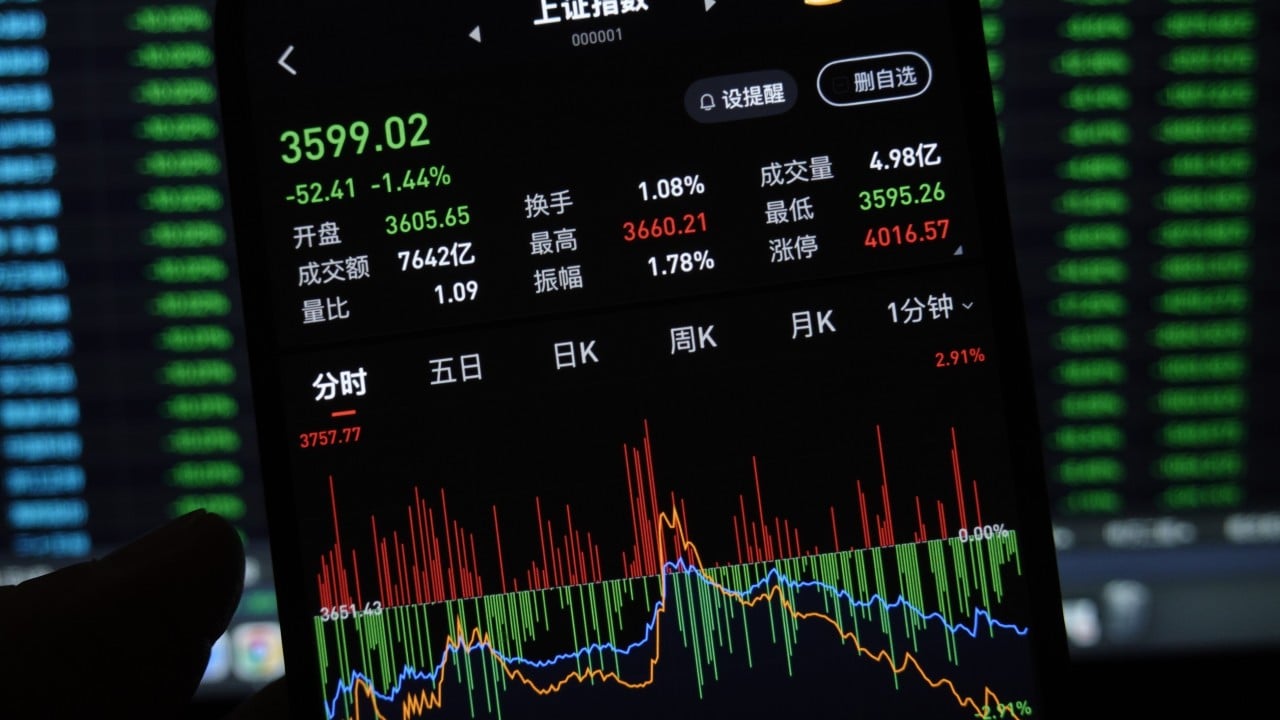
China’s central bank said on Monday it would begin a new swap-facility round to support the struggling A-share market after its worst sell-off in nearly a decade battered investor confidence and raised concerns about financial-system risks. The one-year facility lets institutional investors exchange illiquid assets for liquid ones with the central bank to buy stocks.

India’s markets regulator has recommended that the government scrap the long-term capital gains tax on foreign investors, two sources with direct knowledge said. India is seeking to boost its underperforming equity markets.
Russian Railways said its network loaded 95.6 million metric tons in October, a 1.4% year-on-year decline. Loading for January-October totaled 920 million metric tons, down 0.8%, while freight turnover rose 2.5% in October.
A look at the week beginning Nov. 2, with Binance hack fallout, the U.S. midterms and the jobs report on the agenda.

The Minutes Reader extension turns the original page into a focused reading view and translates articles and video subtitles on demand. It is in limited beta.