What data centre construction delays mean for debt holders
The story examines what delays in data centre construction mean for debt holders.
F Financial TimesOriginal★★☆☆☆2026-11-02 06:00
What data centre construction delays mean for debt holders
The story examines what delays in data centre construction mean for debt holders.
FFinancial TimesOriginal★★☆☆☆2026-11-02 06:00
Wayne Cole looks ahead to the day in European and global markets.
R ReutersOriginal★★☆☆☆2026-11-02 05:40

US technology stocks are set to start the week higher after a bruising rout, as the global sell-off in AI-related shares eases.
FFinancial TimesOriginal★★☆☆☆2026-11-02 05:18
HSBC plans to establish an institute for artificial intelligence and emerging technologies in Hong Kong. The city’s largest bank is expanding its AI push after opening a similar institute in Singapore earlier this year.
RReutersOriginal★★☆☆☆2026-11-02 05:10

Lee Jae Myung said South Korea will invest 21.3 trillion won, nearly twice this year’s amount, in AI and projects including semiconductors, physical AI and AI data centres. A further 4.7 trillion won is planned for frontier AI development. The record budget proposal for next year requires parliamentary approval.
DDWOriginal★★★☆☆2026-11-02 05:01


President Lee Jae Myung said on Monday that South Korea would make bold investments in artificial intelligence to strengthen its growth potential. He made the pledge in a parliamentary address seeking approval for next year’s budget.
The price of money is the pin that deflates market bubbles, putting AI enthusiasm at odds with higher interest rates.
FFinancial TimesOriginal★★☆☆☆2026-11-02 05:00
TSMC’s $265 billion buildout in Arizona, the largest foreign investment in US history, is driving a real estate boom in Phoenix’s suburbs.
B Bloomberg NewsOriginal★★☆☆☆2026-11-02 04:45
Private surveys released on Monday showed Asian factory activity continued expanding in October, but growth slowed in major chip-exporting economies. As markets question the sector’s profitability, the AI boom may be losing momentum.
RReutersOriginal★★★☆☆2026-11-02 04:30

Asian stock markets fell on Monday amid concerns over whether the AI investment boom can last, weighing on technology shares. High oil prices also curbed the safe-haven appeal of sovereign bonds.
RReutersOriginal★★☆☆☆2026-11-02 01:00

Neocloud data-center companies such as CoreWeave and Nebius lease computing capacity to major AI developers but carry heavy debt, and their shares have recently fallen. Analysts warn that some may cease operating independently or be acquired. Their prospects hinge on AI demand, access to borrowing and interest rates.
B BBC ChineseOriginal★★☆☆☆2026-11-02 00:17

HSBC is using Hong Kong as a base for AI investment and delivery, with capabilities built there intended for use in other markets. The city is expanding regulatory and market infrastructure for digital finance at scale. HSBC is returning as a Strategic Partner of Hong Kong FinTech Week x StartmeupHK.
S South China Morning PostOriginal★★☆☆☆2026-11-01 23:00

National Grid has agreed to buy 73 acres at Dorman Point on Teesside as it advances plans for Britain’s largest electricity substation. It could supply a nearby datacentre, with the government having previously selected Teesworks for an AI project covering nearly 500,000 square metres.
TThe GuardianOriginal★★☆☆☆2026-11-01 17:10
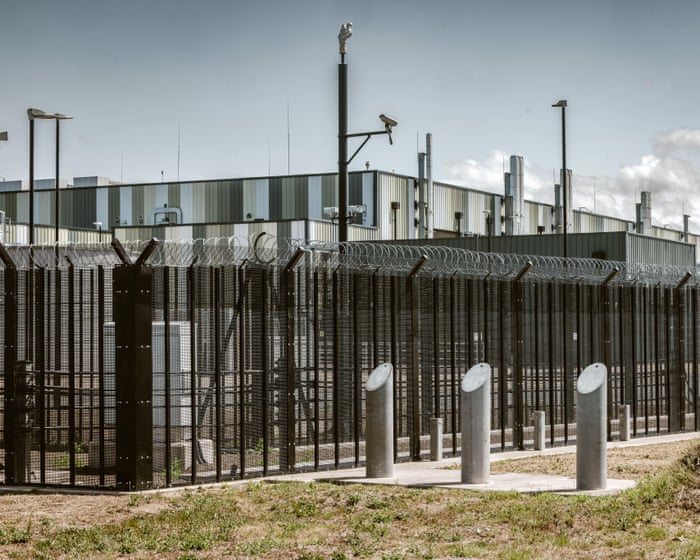
Markets expect oil prices to keep climbing, while Treasury yields have fallen. That divergence warns traders and investors may be more concerned about an AI crash than inflation.
C CNBCOriginal★★☆☆☆2026-11-01 15:58

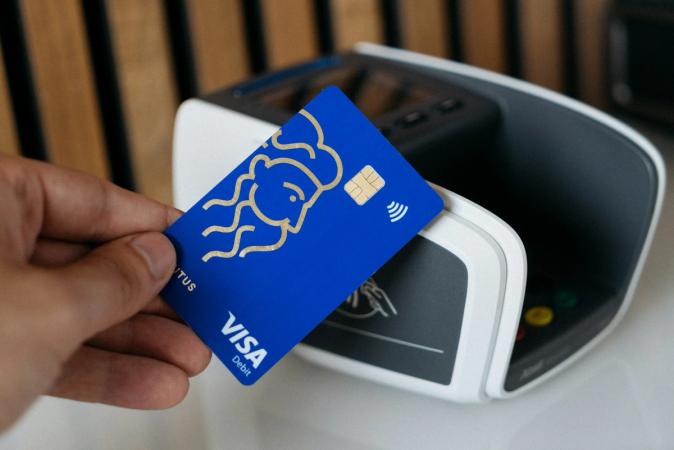
Crypto card providers are betting that revenue from trading, lending and staking will cover their reward costs and eventually make card users profitable customers.
C CoinDeskOriginal★★☆☆☆2026-11-01 15:00
In the latest quarter, the gap between growth in Meta’s ad revenue and expansion in Google search was the widest since 2021.
CCNBCOriginal★★☆☆☆2026-11-01 14:31

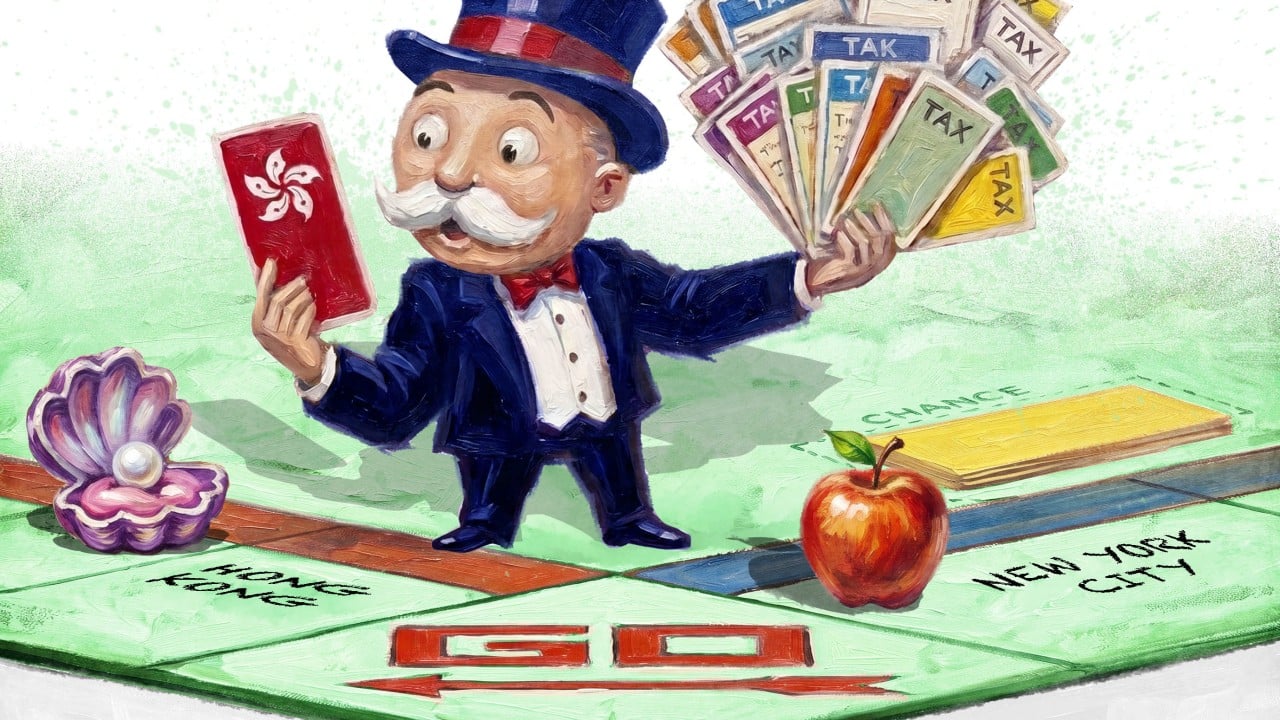
Zohran Mamdani won New York’s mayoral election last year on a promise to make the city more affordable through expanded social programmes partly funded by higher taxes on wealthy residents and profitable companies. He has secured a surcharge on high-end second homes and is still pushing for higher corporate and income taxes, proposals that have drawn intensified criticism and may benefit Hong Kong.
SSouth China Morning PostOriginal★★☆☆☆2026-11-01 12:00
Bitcoin miners spent years securing cheap electricity, building substations and arranging grid connections. AI companies now want those connections badly enough to make aging mines valuable. Bitcoin-mining ASICs are of little use for training AI models, but the land, substations and power agreements hold value.
C CryptoSlateOriginal★★☆☆☆2026-11-01 11:20

Xiaomi said October was its busiest month for EV deliveries so far this year, with the total above 50,000. The Chinese smartphone maker is boosting production to stay on track for its 2026 goal.
RReutersOriginal★★☆☆☆2026-11-01 07:45

Santander, Novartis and other companies say AI is starting to lift revenue, reduce costs or improve profitability as investors look for returns.
CCNBCOriginal★★☆☆☆2026-11-01 06:00

Neocloud data-centre firms that rent computing power to AI developers are under scrutiny as their debts mount and shares fall. Analysts warn some may be acquired or cease operating independently. Their fortunes depend on big technology customers’ spending and whether the AI boom lasts.
BBBC NewsOriginal★★☆☆☆2026-11-01 01:37

OpenAI has lowered its target for its latest funding round to as much as $20 billion. A person directly familiar with the deal told CNBC that the round is ongoing and has not closed, so the figures may change.
CCNBCOriginal★★☆☆☆2026-10-31 19:56

The past two weeks were expected to bring clarity to a stock market unsettled by several risks. Technology giants reported earnings during that period, as investors remained especially concerned about heavy spending on artificial intelligence.
BBloomberg NewsOriginal★★☆☆☆2026-10-31 16:30

Trade.xyz’s ANT contract fell about 20% in its first hour on Hyperliquid. The contract is not backed by shares, and U.S. traders are barred from participating.
CCoinDeskOriginal★★☆☆☆2026-10-31 16:00

After a prolonged sell-off, investors are returning to bonds as concerns grow that the US economy relies too heavily on technology spending.
FFinancial TimesOriginal★★☆☆☆2026-10-31 14:00
Several companies let individuals access bitcoin mining without running equipment themselves, but high costs and the 2028 reward halving leave profits uncertain.
CCoinDeskOriginal★★☆☆☆2026-10-31 14:00

Next Technology Holding has authorized sales or loans secured against its 5,833 BTC, citing exchange security and quantum computing risks. The company says none of the coins are held at Binance.
CCoinDeskOriginal★★☆☆☆2026-10-31 12:49

Apple became the world’s most valuable company again, overtaking Nvidia, Bloomberg reported. Its market value was $5.03 trillion on Friday, against Nvidia’s $4.93 trillion. Bloomberg attributed Apple’s return to investor concerns about AI investments and a view that the iPhone maker’s shares are more reliable.
T TASSOriginal★★☆☆☆2026-10-31 03:56
CNN’s David Goldman argues that the key question is how much longer bond markets will support AI’s relentless spending, which will ultimately determine whether the technology succeeds or fails.
C CNNOriginal★★☆☆☆2026-10-31 03:01
S&P Global Ratings lowered its outlook on Meta Platforms from stable to negative on Friday, pointing to significant uncertainty over the social media company’s capital spending and free operating cash flow.
RReutersOriginal★★☆☆☆2026-10-31 00:50

Anxiety about the AI boom has driven the Nasdaq 100 down about 10% in the three weeks since it hit a record high on October 6, including a 4.5% fall on Friday.
CCoinDeskOriginal★★☆☆☆2026-10-31 00:48

ChatGPT maker OpenAI is now seeking about $20bn at a $1.25tn valuation, tempering its ambitions as concerns about technology mount.
FFinancial TimesOriginal★★☆☆☆2026-10-31 00:05
Investors are concerned about whether massive spending on the AI buildout will pay off, while earnings reports pushed markets lower. NBC News’ Brian Cheung reports on Wall Street’s moves and the hack of crypto exchange Binance.
N NBC NewsOriginal★★★☆☆2026-10-30 23:10
S&P Global Ratings assigned Meta a negative outlook, citing the company’s substantial capital expenditures and concerns over free cash flow.
CCNBCOriginal★★☆☆☆2026-10-30 22:42

Investors sold off Google shares this week, sending the stock down 13% and raising doubts about the economics of its AI Mode.
BBloomberg NewsOriginal★★☆☆☆2026-10-30 22:30

Alliant Energy expects to sign contracts for about 1 gigawatt of additional data-center demand within six months, its finance chief said Friday. Rising AI use and electrification are pushing U.S. power demand to record highs.
RReutersOriginal★★☆☆☆2026-10-30 22:05

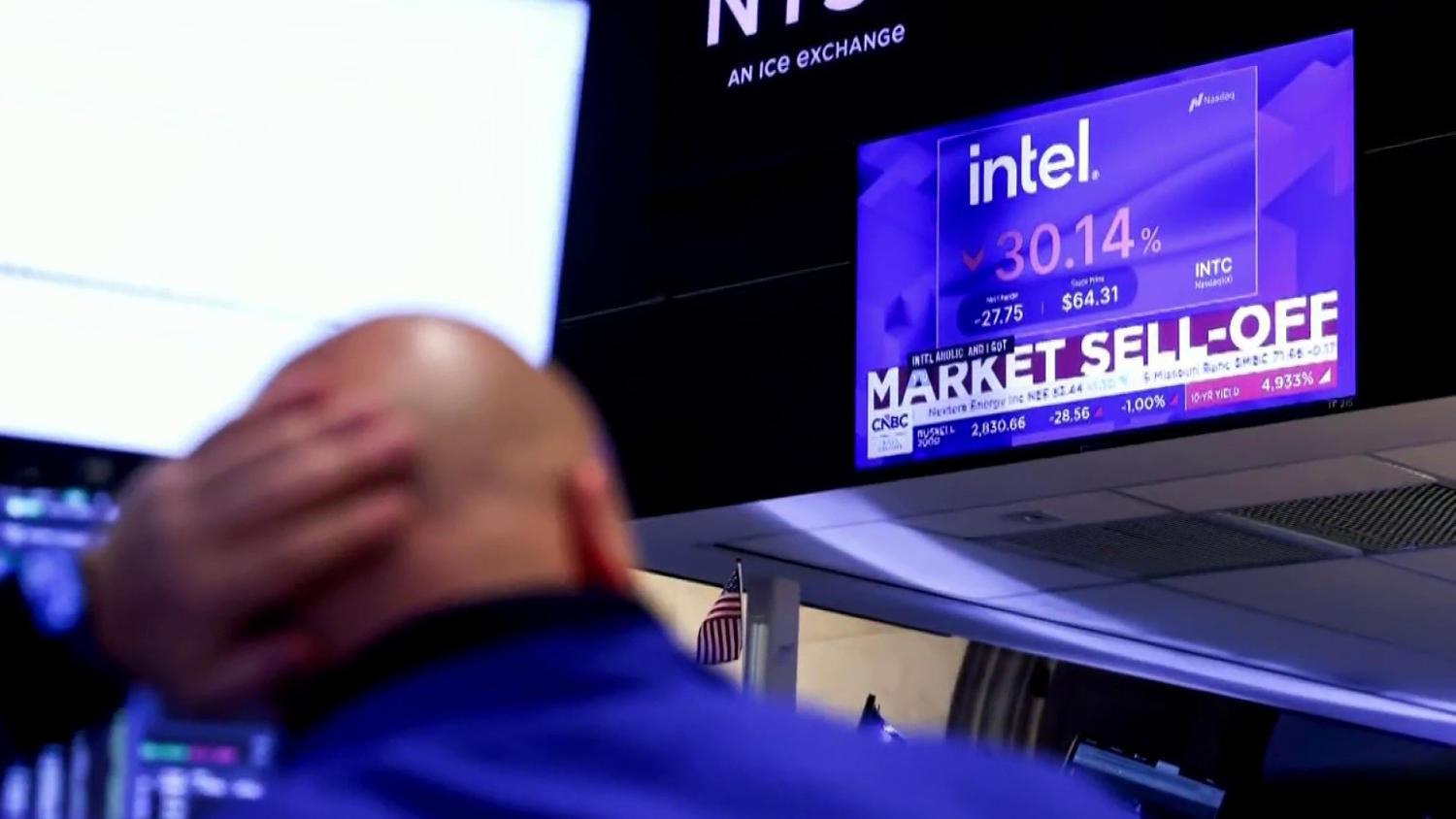
Intel is under pressure from weak PC sales as the AI industry consumes memory and other components, pushing up PC prices. The company’s stock plunge cut $12 billion from the value of the government’s stake.
T TechCrunchOriginal★★★☆☆2026-10-30 21:54

A new report says the AI lab is likely to receive a high junk credit rating after its initial public offering.
TTechCrunchOriginal★★☆☆☆2026-10-30 21:52

Private capital giant Blackstone says AI company Anthropic is expected to receive a “high” junk rating after its IPO, a shift from its previous guidance.
Big Tech is investing billions of dollars in AI infrastructure, but rising debt, negative cash flow and growing investor skepticism are prompting questions about whether the spending boom can last.
TTechCrunchOriginal★★★☆☆2026-10-30 21:17

Apple retook the title of the world’s most valuable company from Nvidia on Friday, as investors concerned about AI spending sought the perceived safety of the iPhone maker.
BBloomberg NewsOriginal★★★☆☆2026-10-30 20:38
Big Tech earnings have intensified scrutiny over whether billions of dollars invested in artificial intelligence can generate returns quickly enough. The tech-heavy Nasdaq 100 is poised to lose more than $2 trillion in market value this month.
RReutersOriginal★★★☆☆2026-10-30 20:35

By mid-afternoon, the tech-heavy Nasdaq was down about 3 per cent, while Canada’s S&P/TSX composite index had fallen about 2.3 per cent. Investors are increasingly concerned that hundreds of billions of dollars invested in AI may not generate enough profit and productivity to justify the spending.
CCBC NewsOriginal★★★☆☆2026-10-30 19:06
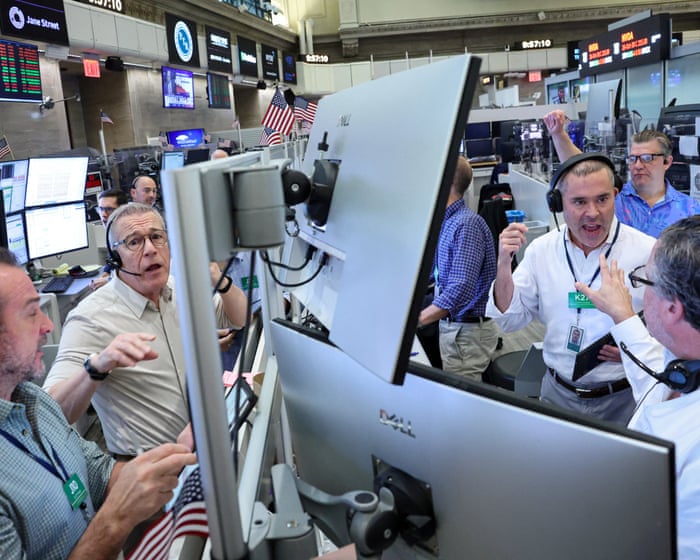
A technology-stock sell-off, deepened by disappointing results from leading companies, cut nearly $1tn from Nasdaq’s value in a week and about $2tn in a month. The S&P 500 fell more than 1% on Friday and the Nasdaq Composite dropped over 3%. Investors questioned whether heavy AI spending would generate returns quickly enough, while shares in Intel, Amazon and Alphabet fell.

Tech shares fell for a second day as investors questioned whether companies can earn enough to justify hundreds of billions of dollars in AI spending. Intel dropped as much as 30%, while the Nasdaq slid more than 3.5%; Alphabet, Amazon and Reddit also declined.
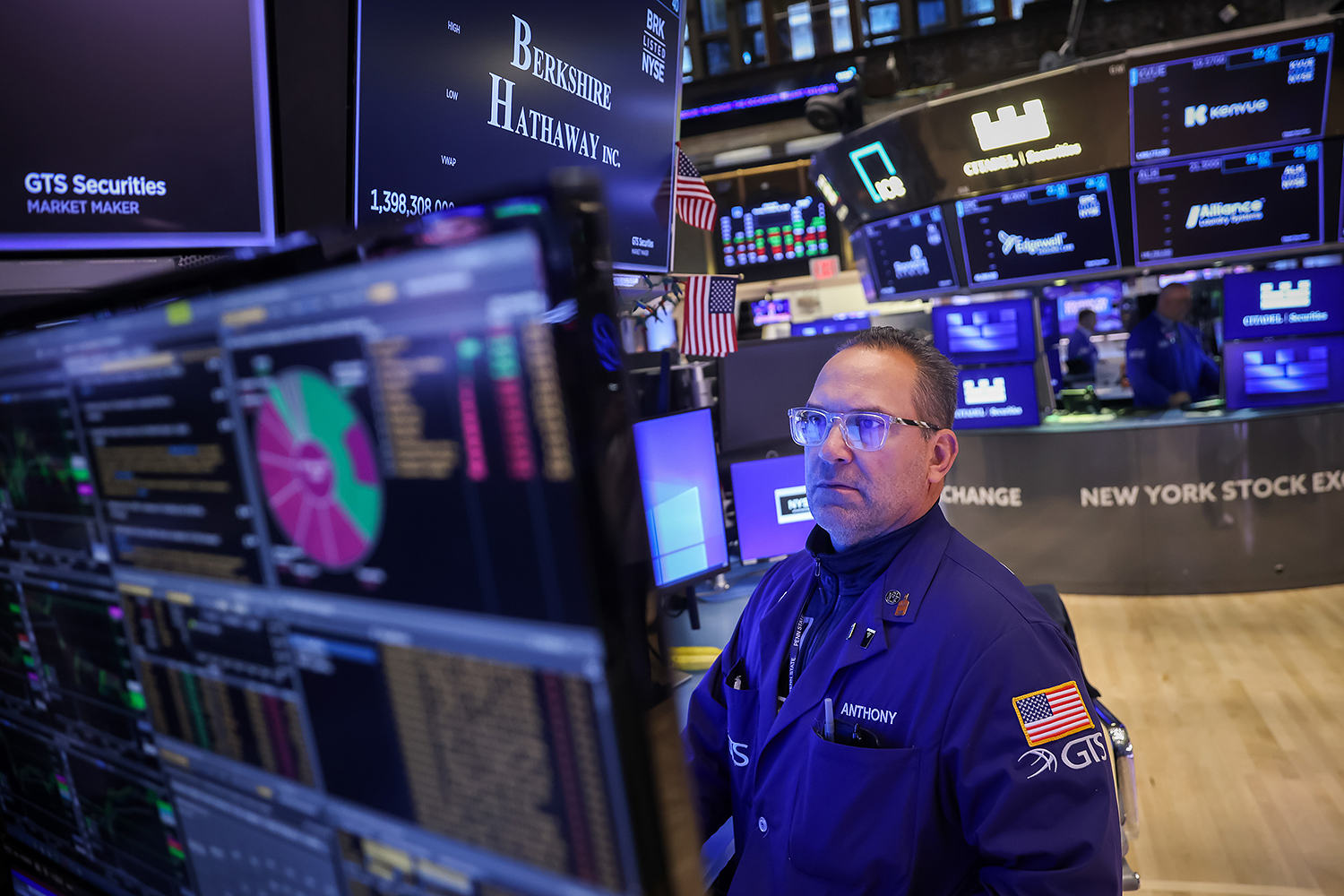
Tech shares plunged, putting the Nasdaq 100 on course to shed more than $1 trillion in value when trading opens.
The technology may help address some cultural issues that contributed to Silicon Valley Bank’s collapse.
FFinancial TimesOriginal★★☆☆☆2026-10-30 18:00
Tencent-backed Kuaishou Technology said on Friday that its Beijing Kling unit completed a fundraising round worth about 19.8 billion yuan ($2.98 billion).
RReutersOriginal★★★☆☆2026-10-30 17:45

After a news-heavy week, traders and investors are sounding cautious about the technology sector, prompting a case for taking profits while still possible.
CCNBCOriginal★★☆☆☆2026-10-30 17:22

Google lost nearly half a trillion dollars this week. Mike Khouw says the week's tech sell-off may present a trading opportunity.
CCNBCOriginal★★☆☆☆2026-10-30 16:41

Wall Street stocks fell, with markets bracing for another steep day of losses on Friday. The latest Big Tech earnings reignited concerns that massive AI spending may fail to deliver the returns investors expect.
CCNNOriginal★★☆☆☆2026-10-30 16:01
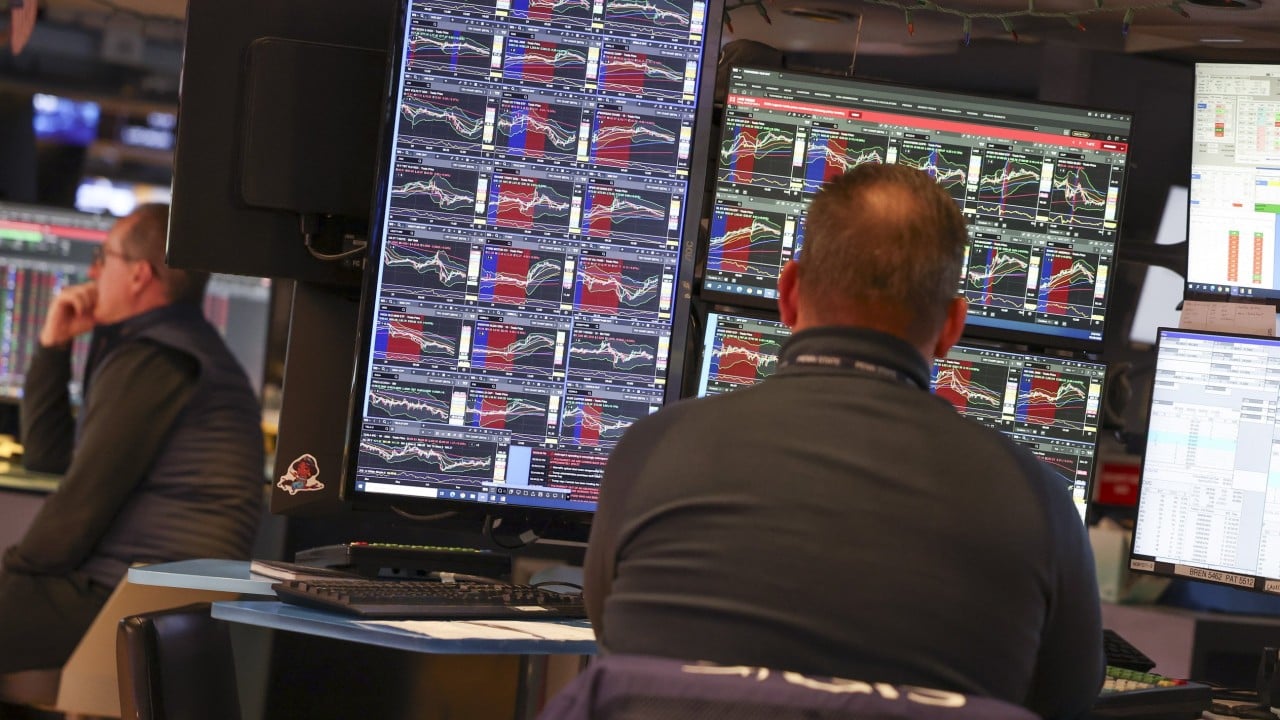
A surge in artificial intelligence revenue failed to protect Intel, Amazon and Google parent Alphabet from a sharp Wall Street sell-off. Their latest quarterly results heightened investor concerns about rising capital spending and delayed returns. Intel fell about 23% in extended trading, Amazon lost 7.3%, and Alphabet dropped 12.6% in the regular session—its worst day on record—helping pull the Nasdaq Composite down 1.4%.

Amazon shares fell 7% and Intel plunged 25% in premarket trading. Investors are uneasy about whether massive AI spending by tech giants will pay off.
Global equity funds recorded substantial inflows in the week through October 28, albeit at a slower pace. A rebound in AI and chip shares, led by South Korea’s SK Hynix after its record quarterly profit, boosted demand for technology and Asian funds.
RReutersOriginal★★☆☆☆2026-10-30 15:15

U.S. equity funds saw their first weekly outflows in three weeks in the week ended October 28. Investors turned cautious before major AI hyperscalers report earnings, amid concerns over the growing cost of their AI build-outs.
RReutersOriginal★★☆☆☆2026-10-30 14:01

The market reacts as concerns grow about the current artificial intelligence boom, with a live view of the New York Stock Exchange’s big board.
NNBC NewsOriginal★★☆☆☆2026-10-30 13:48
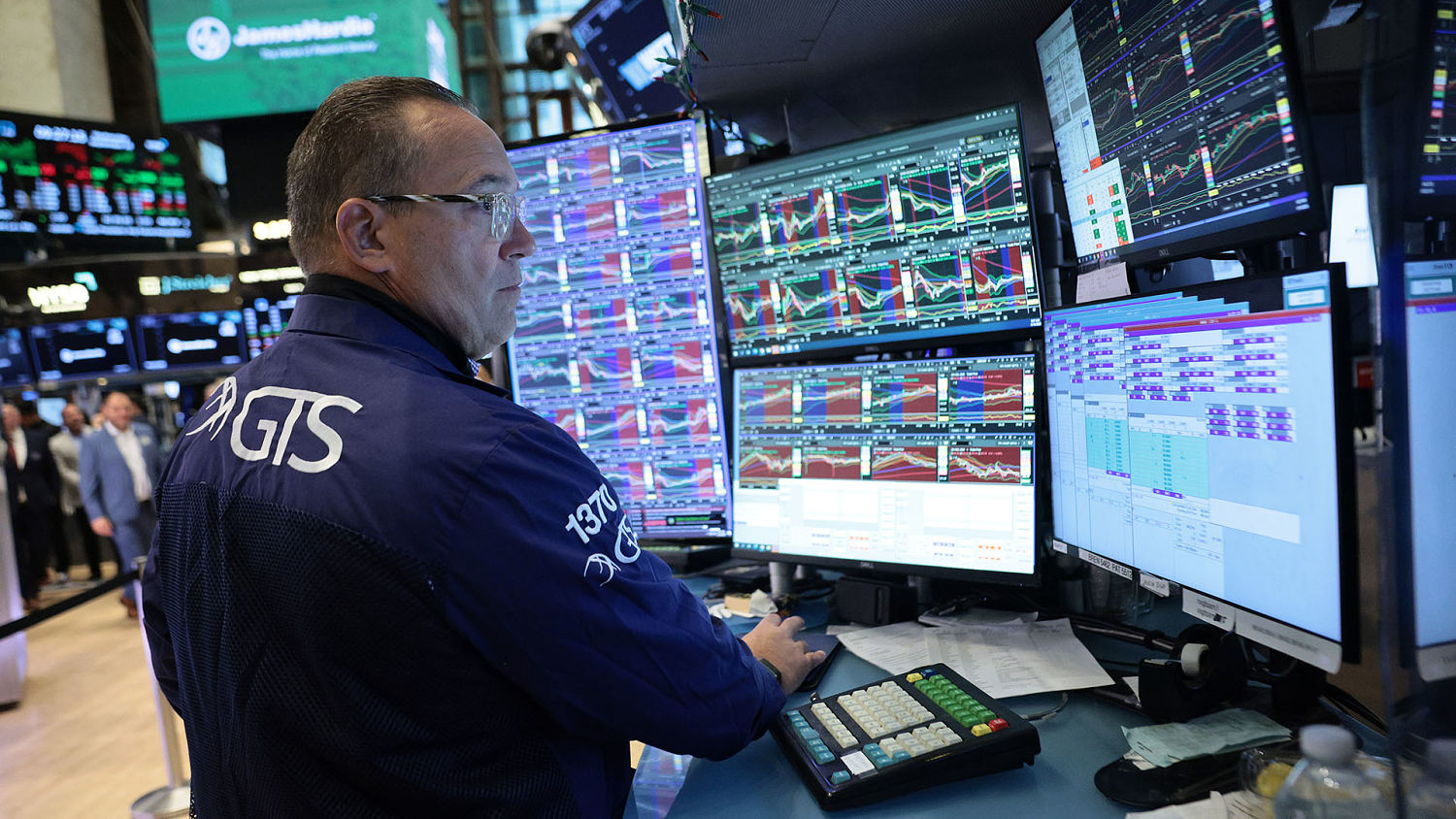
Anthropic filed a 335-page S-1 prospectus on Monday, framing stock ownership as a chance to take part in something greater than a transaction. Its extensive discussion of AI’s potential benefits and catastrophic risks reflects escalating Silicon Valley hype aimed at Wall Street. The founders describe extensive disclosure as an “anti-sell” strategy to attract long-term investors who believe in the company’s vision.
TThe VergeOriginal★★☆☆☆2026-10-30 13:11


Uncertainties remain ahead of one of the most eagerly anticipated IPOs in history.
TRM's assessment points to a North Korean hacking team as the probable perpetrator of Binance's $6.3 billion theft.
T The Associated PressOriginal★★★☆☆2026-10-30 13:00


Binance says hackers stole about $6.3bn, in what may be the largest recorded cryptocurrency theft. The exchange halted deposits and withdrawals and pledged to cover losses. Blockchain analysis firms attributed the attack to North Korean hackers, while Binance said it had not assigned responsibility. About $3bn has been frozen, and the exchange warned the total could rise.

Binance said it reserved its own funds to cover losses from the $6.3 billion hack, including roughly $3 billion in stolen assets that were frozen.

The attacker used an Ethereum upgrade introduced in 2025 to make ordinary wallets smarter, along with 50 signatures from Binance’s own wallet.
Binance says $6.3 billion was stolen in a hack that may be the largest cryptocurrency theft ever. A U.S.-based blockchain intelligence firm says a North Korean unit was likely behind the attack, which affected more than $6 billion on the world’s biggest cryptocurrency exchange.

A security breach involving as much as $6.3 billion at Binance marks the largest recorded crypto hack. As the industry courts traditional finance, the incident has renewed questions about its ability to protect digital assets.

Binance said investigators found further breach points in the roughly $6 billion hack. The exchange had initially suspected an employee’s laptop was compromised but has not said what the newly identified points were.
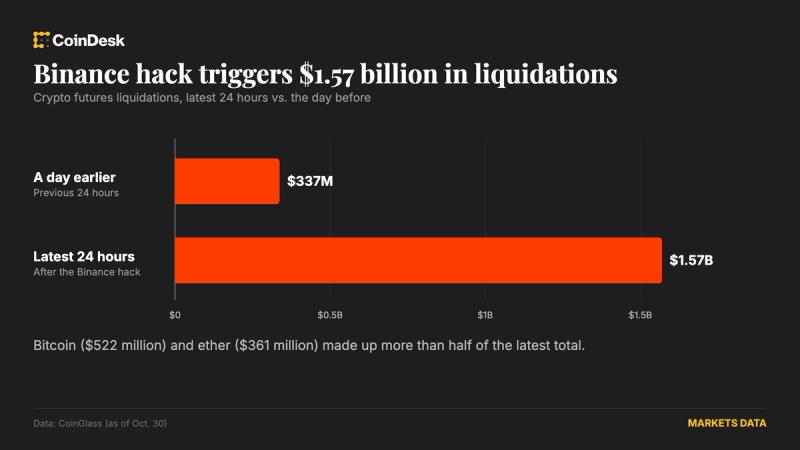
Bitcoin traded near $77,350 after a $6.3 billion hack at Binance, while crypto futures liquidations rose to $1.57 billion.
A security breach at the world’s largest cryptocurrency exchange, Binance, led to $6.3bn being stolen. It is the latest in a wave of digital thefts.
Binance said a security incident could have cost it $6.3 billion and suspended deposits and withdrawals while it conducted checks. The exchange said the incident may have involved a compromised DevOps engineer’s laptop, but it found no evidence that user funds or wallet private keys were affected. Binance said it would cover all losses and expected withdrawals to resume within 48 hours.

Binance says a hack affected digital assets worth $6.3bn, with about half frozen. The exchange pledged to cover all losses and said withdrawals would resume after 45 hours. Analysis firms linked the incident to the North Korean group TraderTraitor, though the connection has not been confirmed. Bitcoin and other cryptocurrencies fell.

A $6.3 billion hack at Binance is adding to anxiety in crypto markets. Weak earnings outlooks and growing concerns about AI spending are also weighing on tech, sending QQQ down more than 2%.

Billions of dollars in crypto assets have been frozen after a potential security breach at Binance, raising doubts about whether the funds can be recovered.

Binance, the world’s biggest crypto exchange, was hit by a hack worth $6.3bn (£4.7bn). The company says half the assets have been frozen, while many remain with the hackers. Two analytics firms blamed a North Korean hacking unit, but no one has claimed responsibility. Binance did not directly address possible links to North Korea.

A TRM Labs investigation published on Oct. 29 says the attacker prepared for at least 36 hours before carrying out coordinated transfers across 10 blockchains. The hack of the crypto exchange, estimated at $6.36 billion, began with $296 million in XRP being drained.
Binance management put the estimated impact of the security breach at about $6.3 billion and said roughly $3 billion in affected assets had been frozen on-chain with partners. Its initial investigation suggests an attacker may have used a compromised DevOps engineer’s laptop to submit unauthorized withdrawals.

Binance says $6.3bn in digital assets were affected by what it calls the largest hack in history, and that about half have been frozen with help from other platforms. The exchange says it will cover all losses. Two analytics firms link the incident to North Korean hacking unit TraderTraitor; early checks suggest a compromised engineer’s laptop may have enabled unauthorised withdrawals.
Cryptocurrency platform Binance said on Thursday it had been hit by a major hack and reported that more than $2.5 billion in funds had been frozen to prevent a large-scale theft.
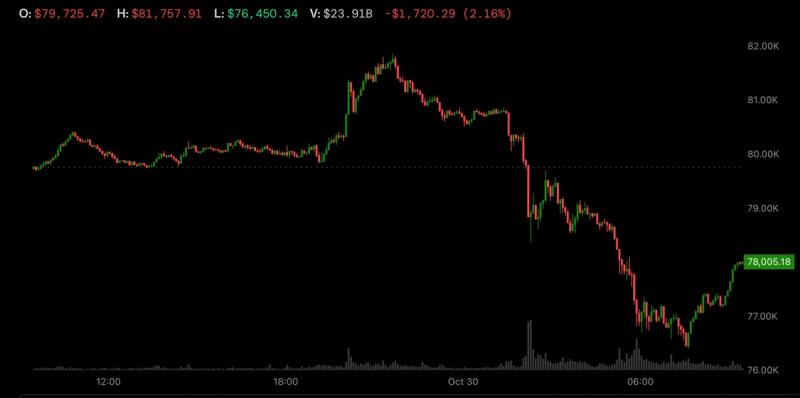
Bitcoin and ether fell after a suspected $6.3 billion security breach at Binance and an exploit involving Polymarket. Standard Chartered expects crypto prices to remain under pressure before establishing a floor.

Binance said on Thursday that a security breach affected an estimated $6.3 billion in assets, potentially making it the largest cryptocurrency heist on record. The exchange said it had recovered or frozen about $3 billion, while Bitcoin and other digital currencies fell after the incident.

Security researchers believe North Korea’s Lazarus Group was likely behind Thursday’s nearly $6 billion hack of Binance, the world’s largest crypto exchange.

Binance says a hack drained about US$6.3 billion from its wallet and has pledged to cover all losses. At that scale, it would be the largest recorded crypto theft. The exchange says it suspended deposits and withdrawals while carrying out security checks.
Binance said on X that it had temporarily suspended all deposits and withdrawals after a reported hacker attack, while it checks security, freezes funds and works with law enforcement. The company said it would cover all losses. It put frozen funds at about $3 billion, up from an earlier reported $2.5 billion.
Binance has temporarily suspended withdrawals after an apparent hack. Tether and Circle froze billions of dollars’ worth of their coins as the world’s largest crypto exchange investigated the security issue.

Binance said it was investigating a potential security breach and halted trading in some products. Crypto companies froze about $2.5 billion in response. Binance said user funds were safe, but did not disclose whether any cryptocurrency had been stolen. Bitcoin fell 3.2% Thursday evening, slipping below $79,000.
Binance, the world’s largest crypto exchange, halted all deposits and withdrawals while investigating a security incident that has led to more than $2.5 billion in assets being frozen. The suspected hack sent digital tokens tumbling.

Binance said at least $2.54bn in funds had been frozen while it investigated a “potential security issue”, and suspended deposits and withdrawals as a precaution. The exchange said users’ funds were safe. Founder Changpeng Zhao said it appeared Binance had been hacked; Bitcoin fell about 5 percent, below $77,000, after the incident.

Binance said it was investigating a potential security issue, with the scale of any damage unknown and no confirmation that funds were stolen. Its founder said it “does look like a hack on Binance”. Tether and Circle said they froze related funds; Circle cited more than $800m and Tether more than $1.5bn. Bitcoin fell 3.2% Thursday afternoon to below $79,000.
Binance confirmed a major hack and froze more than $2.5 billion.

Stablecoin issuers including Tether, Circle, Ripple and World Liberty Financial have frozen more than $2.6 billion in digital assets linked to a suspected Binance security breach involving nearly $6 billion. Tether CEO Paolo Ardoino said on Oct. 29 that the company had frozen more than $1.567 billion in related USDT.

The exchange says reports of a possible breach are under review. Its founder characterized the episode as apparently involving a hack directed at Binance.

Binance is investigating a possible hack after traders noticed a series of unusually large transfers on the platform. Tether and Circle froze more than $1.5 billion in funds.

Bitcoin fell to an intraday low of $78,297 on Binance spot on Oct. 29 and was near $79,126 at press time, while large transfers left wallets labeled as Binance. The exchange said it was aware of reports of a potential security issue and was investigating.

Circle and Tether froze funds affected by a potential security issue involving Binance. The world’s largest crypto exchange said it was actively investigating and that funds were “completely safe.”

Crypto prices are falling following reports of a potential multibillion-dollar hack targeting Binance. BNB led the decline, dropping 6% in the past hour.
Wall Street is watching for a rebound after shares of Amazon, Intel and Google parent Alphabet plunged during a difficult day for tech companies on Thursday. Meanwhile, hackers stole nearly $6 billion in cryptocurrency in what the industry says is history’s biggest heist.
NNBC NewsOriginal★★★☆☆2026-10-30 11:15
Apple Pay and Google Pay have launched in Uzbekistan following changes to personal data laws and high-level talks with Google. The Central Bank says efforts are underway to bring domestic payment networks Uzcard and HUMO into the rollout.
EeuronewsOriginal★★★☆☆2026-10-30 10:52
A tech scare trade weighed on Nasdaq futures, while disappointing earnings releases from Amazon and Intel added to the sell-off.
CCNBCOriginal★★★☆☆2026-10-30 10:36

Cash burn at Google, Amazon and Meta is prompting Wall Street to question the value of the AI boom. Big Tech companies have shed nearly $900bn in a sell-off.
FFinancial TimesOriginal★★★☆☆2026-10-30 10:00
Tech companies came under renewed pressure on Friday after another round of disappointing results from Wall Street giants, adding to deep concerns over the AI investment boom.
EeuronewsOriginal★★☆☆☆2026-10-30 09:36
Trading fees would benefit the venue, while issuers weigh pricing risks and a 30-day period in which they can block a third-party proposal.
CCryptoSlateOriginal★★☆☆☆2026-10-30 09:10
Foxconn, the world’s largest contract electronics manufacturer, said on Friday it was working on a collaboration with leading US AI developer OpenAI, but gave few details.
RReutersOriginal★★☆☆☆2026-10-30 08:45

AM Intelligence reportedly plans to raise $3 billion in debt to buy Nvidia’s next-generation chips. Within two years, it aims to build 400 MW of compute capacity using Nvidia’s Rubin graphics processing units.
CCNBCOriginal★★☆☆☆2026-10-30 08:19

Foxconn's chairman told CNBC that demand for AI remains strong as the company seeks to expand in the U.S. and increase its share of the global AI server market.
CCNBCOriginal★★☆☆☆2026-10-30 07:43

Apple harvest is underway in Jixian County, Shanxi, which produces more than 250,000 tonnes annually for markets including the UK, US, Canada and Southeast Asia. Fifty tonnes were shipped to Canada last year. Cold storage makes the apples available in China year-round, although they are harvested mainly in autumn.
C CGTNOriginal★★☆☆☆2026-10-30 07:33

Amazon and Google have signed long-term deals for nuclear power to support their AI ambitions, relying on existing reactors and added generating capacity rather than new plants. Efficiency gains have not reduced total electricity demand, and global data centre demand is projected to more than double to about 945 terawatt-hours by 2030. Nuclear supply takes time to expand, raising questions about who bears the cost.
AAl JazeeraOriginal★★★☆☆2026-10-30 07:13

Nvidia is discussing billions of dollars in credit guarantees for AI cloud provider Nscale to support debt funding for a data center earmarked for Anthropic, The Information reported Thursday, citing people familiar with the talks.
RReutersOriginal★★☆☆☆2026-10-30 05:05

Alphabet lost $500 billion in market value in its biggest market plunge.
BBloomberg NewsOriginal★★★☆☆2026-10-30 03:42

US earnings have heightened fears over AI spending. Japan’s tech-heavy Nikkei 225 fell, while Wall Street was set to open lower.
FFinancial TimesOriginal★★★☆☆2026-10-30 03:14
Google parent Alphabet lost more than $500 billion in market value in a day. NBC News examines whether the AI bubble is about to burst, the spending of big tech companies and AI’s effects on the job market.
NNBC NewsOriginal★★★☆☆2026-10-30 02:38
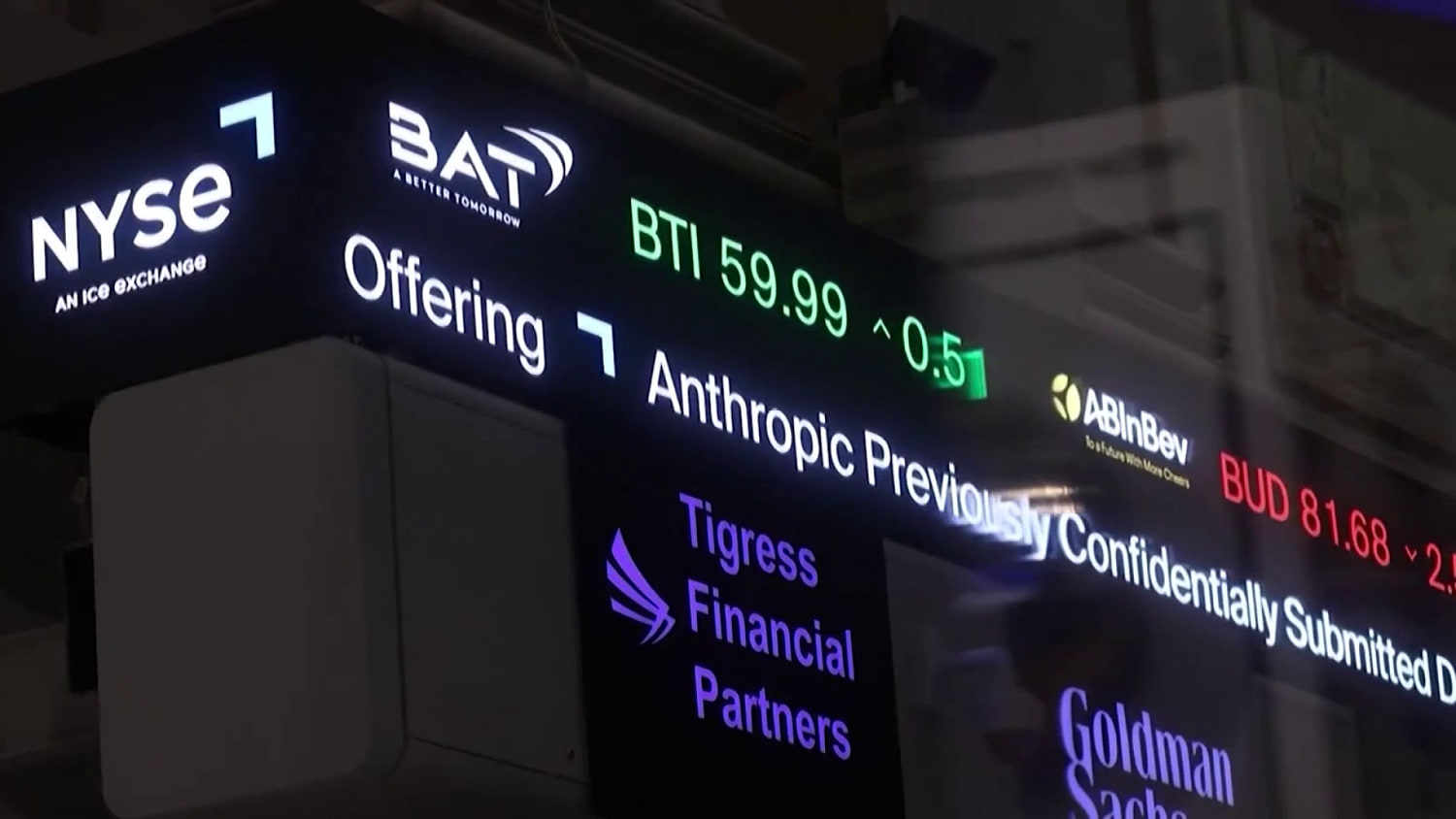
Companies have been cutting jobs to fund investment in artificial intelligence, fueling workers’ fears that machines could take away their livelihoods. Workers asked to return may want to weigh several considerations.
TThe Associated PressOriginal★★☆☆☆2026-10-30 01:30

Silicon Valley’s October startup request combines blockchain fundraising with stablecoins, trading and agent infrastructure. The deadline is November 2.
CCryptoSlateOriginal★★☆☆☆2026-10-30 00:40
Microsoft plans to raise $25 billion through debt as it expands its AI infrastructure. The company has a strong credit rating and has kept free cash flow positive, unlike Meta, Alphabet and Amazon.
CCNBCOriginal★★☆☆☆2026-10-30 00:38


Microsoft plans to raise about $25 billion through an investment-grade bond sale in the United States, two people familiar with the matter told Reuters on Thursday. It would be the company’s first such US sale in more than nine years.

Microsoft drew exceptionally strong demand for its $25 billion bond offering. Investors made room for the top-rated company in portfolios already packed with AI-related debt, marking its first major issuance in nearly a decade.
Shares of Google parent Alphabet plunged more than 12% on Thursday, marking their worst day on record. The single-day drop was larger than any during the Covid-19 pandemic or the 2008 financial crisis.
CCNNOriginal★★★☆☆2026-10-29 23:31

Chip stocks fell again after Intel reported weak quarterly earnings on Thursday, setting up potentially interesting market dynamics when trading resumes Friday.
RReutersOriginal★★☆☆☆2026-10-29 23:10

Amazon delivered a rare double miss on Thursday evening.
CCNBCOriginal★★☆☆☆2026-10-29 23:08

The Minutes Reader extension turns the original page into a focused reading view and translates articles and video subtitles on demand. It is in limited beta.