Hanwha signs $269 million contract to build ship for US Navy
Hanwha Defense USA said on Sunday it had signed a $269 million deal with Tote Services to build a medium landing ship for the US Navy.
Hundreds of adult gaming centres in England hold bingo licences that may preserve their business-rates discounts despite a tax increase on slot-machine takings. Guardian reporting found venues that appeared focused on slots while offering bingo only minimally. A Labour MP urged the government to prevent operators using the licences to bypass the new rules.

Santander, Novartis and other companies say AI is starting to lift revenue, reduce costs or improve profitability as investors look for returns.

Xantium plans to separate next year from the company controlled by billionaire Paul Tudor Jones II, in a launch expected to raise a record $9bn.
Neocloud data-centre firms that rent computing power to AI developers are under scrutiny as their debts mount and shares fall. Analysts warn some may be acquired or cease operating independently. Their fortunes depend on big technology customers’ spending and whether the AI boom lasts.

Three people familiar with the matter told Reuters that OPEC+ oil-producing countries agreed in principle at a Sunday meeting to leave their December output targets unchanged. The move aligns with expectations that further policy adjustments will wait until next year.
OpenAI has lowered its target for its latest funding round to as much as $20 billion. A person directly familiar with the deal told CNBC that the round is ongoing and has not closed, so the figures may change.

Chinese electric-vehicle maker Geely says it has assembled a local team and begun developing a retail and service network ahead of its Canadian entry in 2027. Canada and China earlier agreed to allow 49,000 Chinese EV exports to Canada as Mark Carney’s government seeks new partners amid the Canada-US trade war.

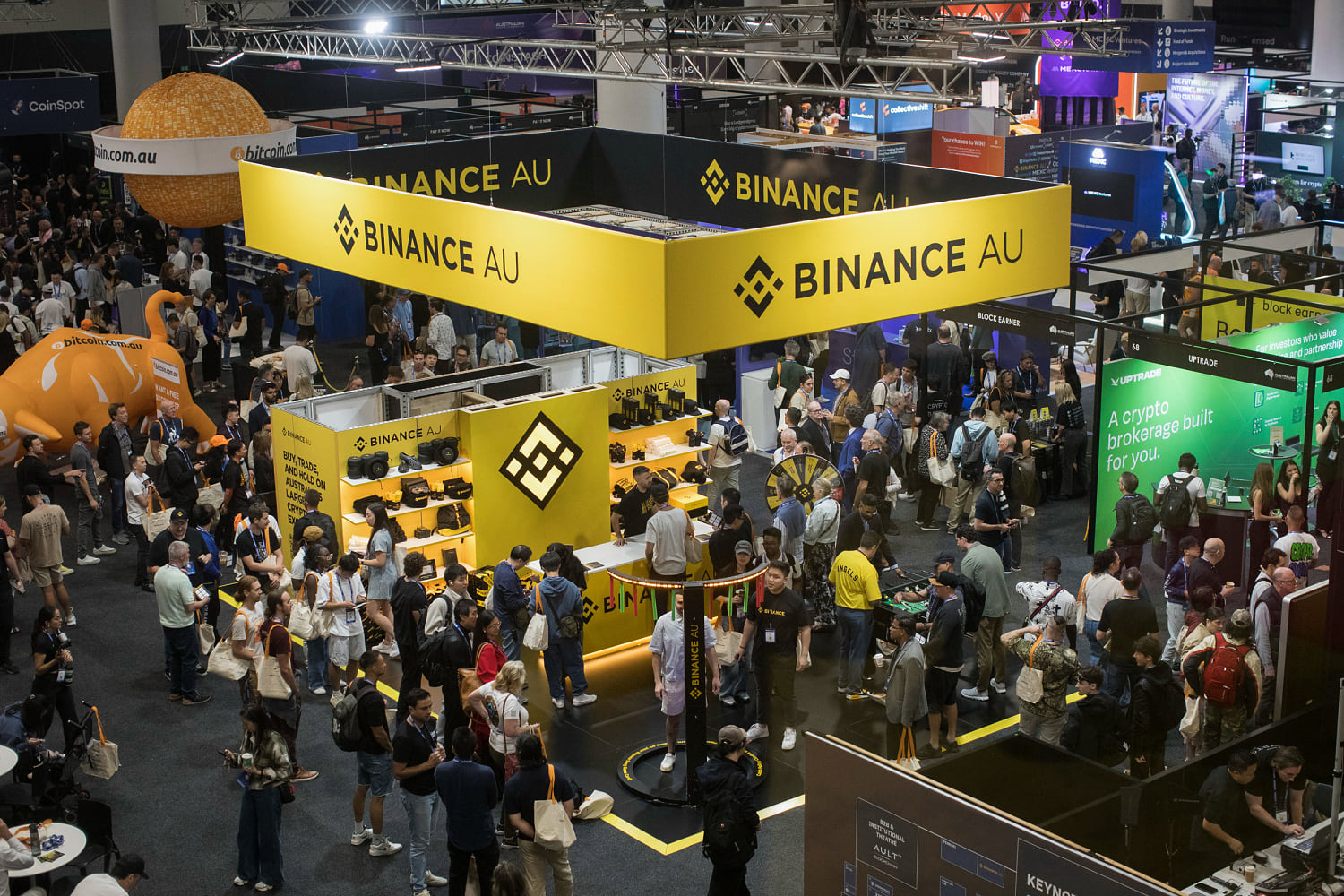
After hackers stole $6.3 billion in crypto from Binance customers, the company’s CEO said 90 percent of the funds had been replaced and Binance would cover the remainder. The outstanding portion consists of less-liquid tokens that may take longer to acquire. Withdrawals remain paused, with the company targeting a restart on November 1.

Binance said it has covered about 90% of the $6.3 billion in cryptocurrency stolen by hackers earlier this week. It plans to resume withdrawals by Sunday as it works toward fully reimbursing customers.

Binance says it has replaced 90% of the $6.3bn in assets stolen on Thursday, with the remaining amount potentially taking longer to source. The company says it will bear the financial impact and remains on track to resume withdrawals on 1 November. Two blockchain analytics firms say North Korea-backed Lazarus Group is the likely culprit.
The biggest crypto hack in history began with a rehearsal. Binance’s war room worked through sleepless nights to contain it.

Binance says it has replaced 90% of the stolen crypto and is covering all losses with corporate funds, futures reserves and SAFU, leaving user balances intact.
Eighteen years after Satoshi published the Bitcoin white paper, business owners are still bearing the cost of a system built on bailouts. Onramp CEO Michael Tanguma argues they can protect some of their surplus by holding it in bitcoin.

Chainalysis is urging vigilance for unexpected authentication prompts while it investigates which customer records were accessed.


Chainalysis says a hacker accessed its customers’ names and email addresses using “offensive agentic techniques.” The firm is also tracking a separate multibillion-dollar Binance hack, saying the attackers are using a Tron protocol to evade stablecoin freezes.
The past two weeks were expected to bring clarity to a stock market unsettled by several risks. Technology giants reported earnings during that period, as investors remained especially concerned about heavy spending on artificial intelligence.

Trade.xyz’s ANT contract fell about 20% in its first hour on Hyperliquid. The contract is not backed by shares, and U.S. traders are barred from participating.

Strategy reported record third-quarter operating income of $20.9 billion as Michael Saylor declared a new Bitcoin bull market. Its Oct. 29 results showed net income of $19.5 billion, up from about $2.8 billion a year earlier; nearly all operating income came from a $20.9 billion gain.

Profits at prominent UK charity retailers are under pressure from online resale platforms, costs and lower-quality donations. Oxfam’s retail profit fell 23% to £4.9m, while the British Heart Foundation plans to close 150 loss-making shops over two years. UK spending on secondhand clothing has nevertheless quadrupled in a decade to £8.8bn annually.

The pilot enabled Uber to keep money invested in money market products while still accessing cash for payments, including on weekends.

Several companies let individuals access bitcoin mining without running equipment themselves, but high costs and the 2028 reward halving leave profits uncertain.

India’s market regulator fined the founder of carbon-credit trading firm EKI Energy Services and barred him from equity markets for a year over misrepresented financial statements and diverted funds.
Cryptocurrency-linked interest groups are spending millions of dollars to influence the midterm elections and press Congress for favorable rules. They had mixed results in 2024.

Robinhood’s quarterly event-related revenue, Coinbase’s annualized milestone and Gemini’s smaller second-quarter business illustrate how uneven companies’ efforts to diversify remain.

Next Technology Holding has authorized sales or loans secured against its 5,833 BTC, citing exchange security and quantum computing risks. The company says none of the coins are held at Binance.

The chocolate industry is unlikely to get a much-needed boost this Halloween.
Jio Platforms raised $3.2bn in India’s largest-ever IPO. Its shares jumped 21 percent on debut, valuing the company at $131.5bn and making it India’s second most valuable company, behind parent Reliance Industries. Jio disrupted the telecoms market with free data and now serves more than 530 million customers while expanding into digital services.

The National Retail Federation estimates that consumers will spend $13.5 billion on Halloween this year, about $400 million more than last year.
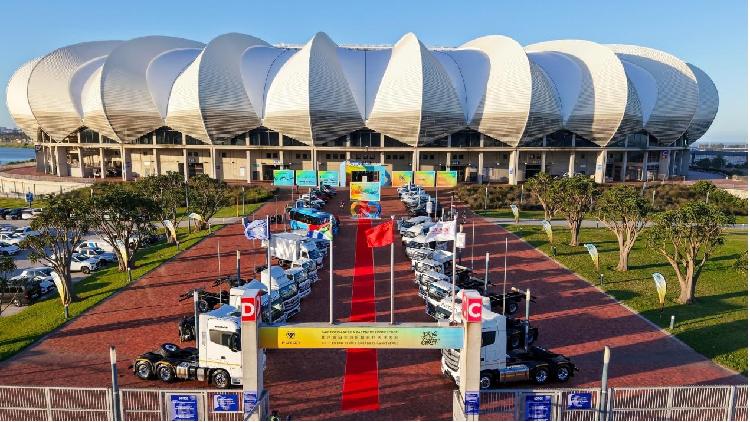
More than 700 delegates from over 20 African countries gathered in Gqeberha, South Africa, for an automotive partnership conference on local manufacturing, greener transport and cross-border connectivity. Outcomes included cooperation on localized production, automotive finance, spare-parts supply and new-energy vehicles with Mozambique, Ethiopia, Kenya and Zambia.

Kärcher, best known for its pressure washers, recorded €3.5 billion in sales in 2025 and employs 17,000 people worldwide. Its CEO warns of a “perfect storm” and calls for a plan to make Germany and Europe fit again.
CATL, the world’s largest battery maker, is expanding into battery swapping and energy storage to find new growth drivers as price wars intensify and profitability faces mounting pressure. The path is challenging: Nio already has a strong foothold in swapping, while BYD has reinforced its position in energy-storage systems.

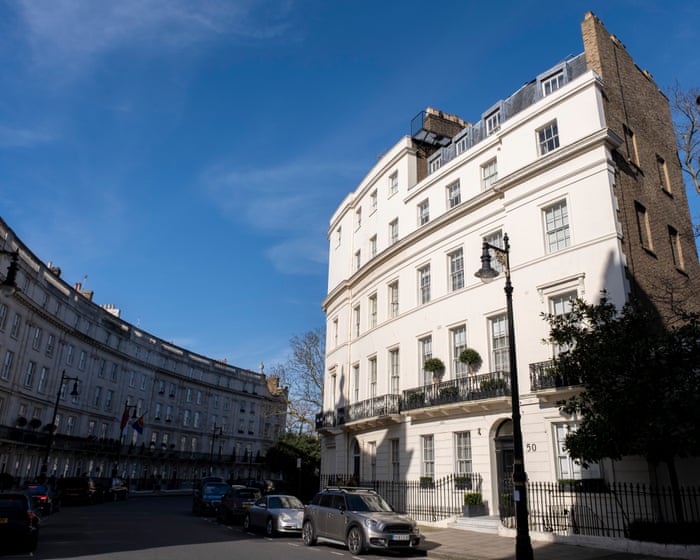
Coutts says eight in 10 homes in exclusive London districts such as Mayfair, Belgravia and Knightsbridge sold below asking price. Prime central London prices fell 5% in the third quarter of 2026, with an average 10% discount, while transactions were down 9.1%.

After Trump objected to oil companies’ high profits, major producers disclosed a marked increase in refinery earnings as fuel became harder to obtain.

The 18,270 BTC stolen are worth about $1.4 billion, just 442 coins fewer than SpaceX’s disclosed holdings. Blockchain investigators link the attack to North Korea.

Apple became the world’s most valuable company again, overtaking Nvidia, Bloomberg reported. Its market value was $5.03 trillion on Friday, against Nvidia’s $4.93 trillion. Bloomberg attributed Apple’s return to investor concerns about AI investments and a view that the iPhone maker’s shares are more reliable.
A century-old paper mill in Témiscaming, Quebec, has shut indefinitely after the US imposed 50% tariffs on its products, leaving most of its 360 workers out of work. Residents hope to buy the plant back from US owner RYAM and say they need help from Canada’s federal and Quebec governments.

Two blockchain analytics firms say intelligence points to a North Korean state-backed group as the likely culprit in the $6.3bn Binance theft. Both identified the Lazarus Group with high confidence. Binance says about 80% of the stolen assets have been secured, while the remainder is unaccounted for.

Trump said the US was investigating whether North Korean hackers carried out a $6.3 billion heist targeting Binance, an incident that has shaken the cryptocurrency world.

Investigators link the roughly $6 billion Binance hack to North Korea. The report examines how attackers compromised hot-wallet signing infrastructure and where the funds went.

After a $6.3 billion hack of Binance, the world’s largest crypto exchange, calls for legislation are growing. President Trump says the incident is being investigated.
The largest cryptocurrency hack on record has renewed doubts about whether the industry can safeguard digital assets and join mainstream financial infrastructure. Binance, the world’s largest crypto exchange, suspended withdrawals after a security breach affected an estimated $6.3 billion in funds.

Hackers behind Binance’s $6.3 billion breach are using previously unseen laundering methods while quickly converting stolen assets into other cryptocurrencies. Chainalysis said on Oct. 30 that investigators found thousands of transactions within short periods, suggesting automation was used to hide the funds’ movement.
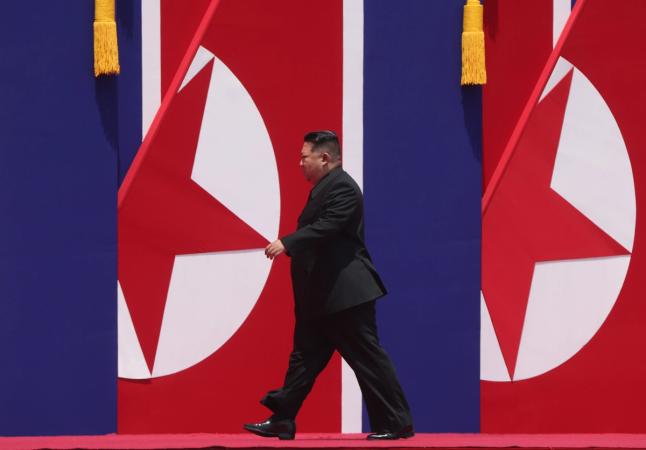
The record $6.3 billion hack of Binance has been blamed on alleged North Korean hackers, who are notorious for targeting the digital-asset industry.

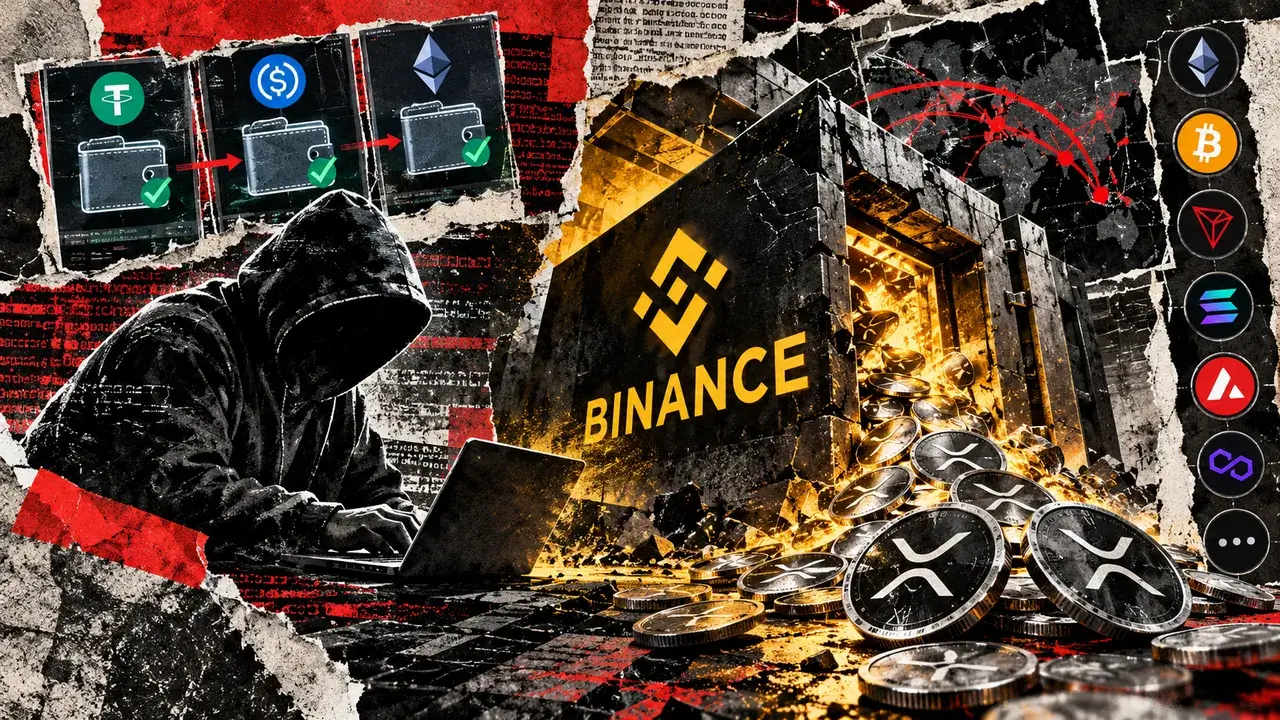
Tether, Circle and other companies moved within hours to freeze billions of dollars in stolen crypto. Legal experts question whether smaller victims would receive the same protection.

Binance is targeting a return of withdrawals within 48 hours, while Bitcoin deposits remain available. The practical test will be whether customer transfers are completed and a separate reserve update is provided.
Hackers drained more than $6 billion from crypto exchange Binance in what was described as the largest cyber theft on record. US law enforcement has joined the search for those responsible.
An attack on Binance by North Korean hackers resulted in crypto theft on an unprecedented scale.

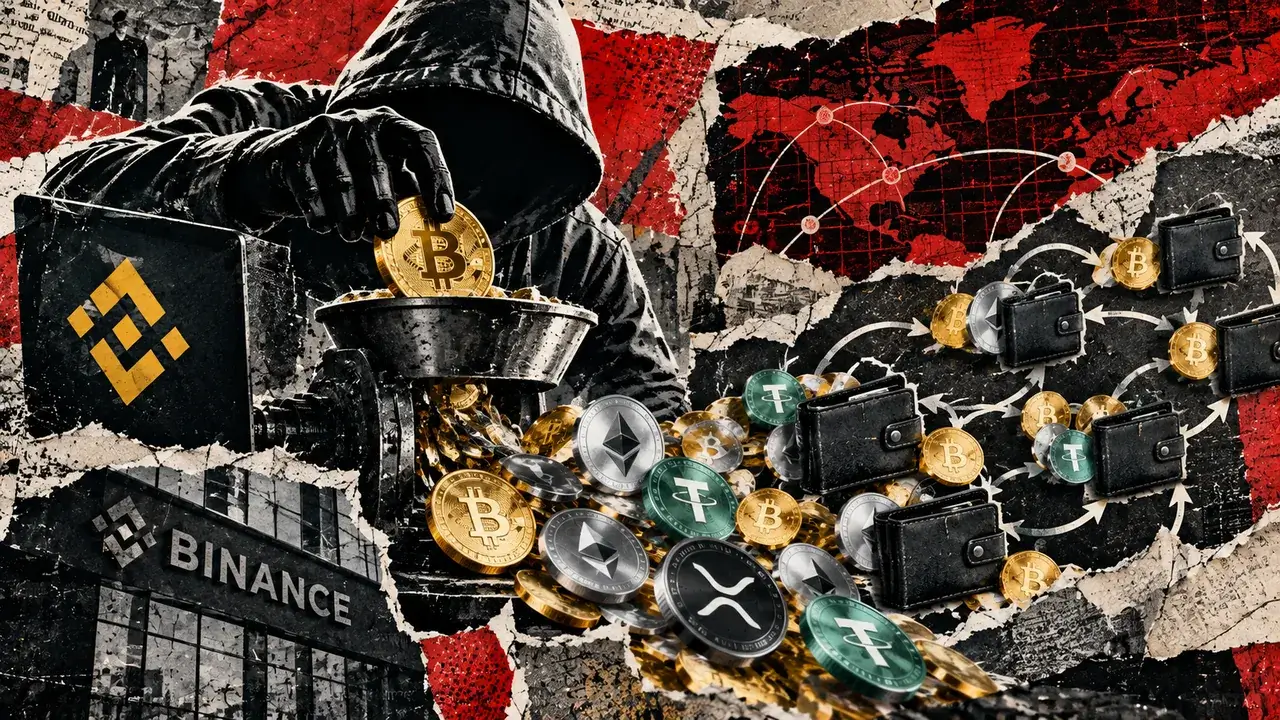
More than $6 billion in cryptocurrency was stolen from Binance, prompting a race to retrieve the funds before hackers linked to North Korea can launder them into cash.

Hackers reportedly stole $6.3 billion from Binance, completing most transfers within minutes. The theft ranks among the largest cryptocurrency heists on record.

Binance says it has secured about half of the $6.3bn in digital assets stolen in a complex hack believed to be the largest of its kind. Analytics firms have linked the attack to North Korean hackers, while the US Secret Service and FBI are helping trace and recover the funds.
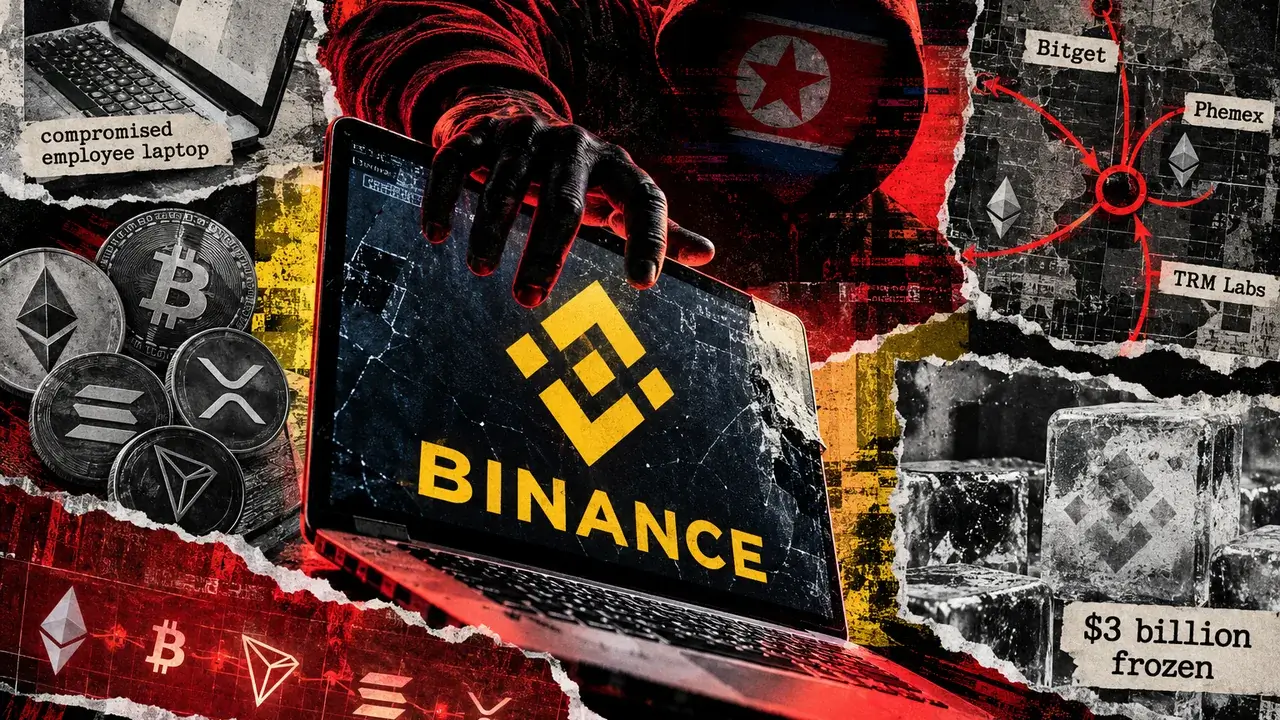
Olga Goncharova of the Association of Banks of Russia said the roughly $6.3 billion taken from Binance exceeded crypto-market hacking losses over the prior two years, with most funds siphoned off in 20 minutes. She said it was too early to call the incident a critical security failure and suggested social engineering was more likely. Binance said attackers may have entered its internal infrastructure through an engineer’s compromised work laptop and plans to cover losses with its SAFU fund and corporate resources.

CEO Richard Teng said the intruders concealed traces of their activity and got past security safeguards. Binance aims to resume withdrawals Sunday and release its proof of reserves Monday.

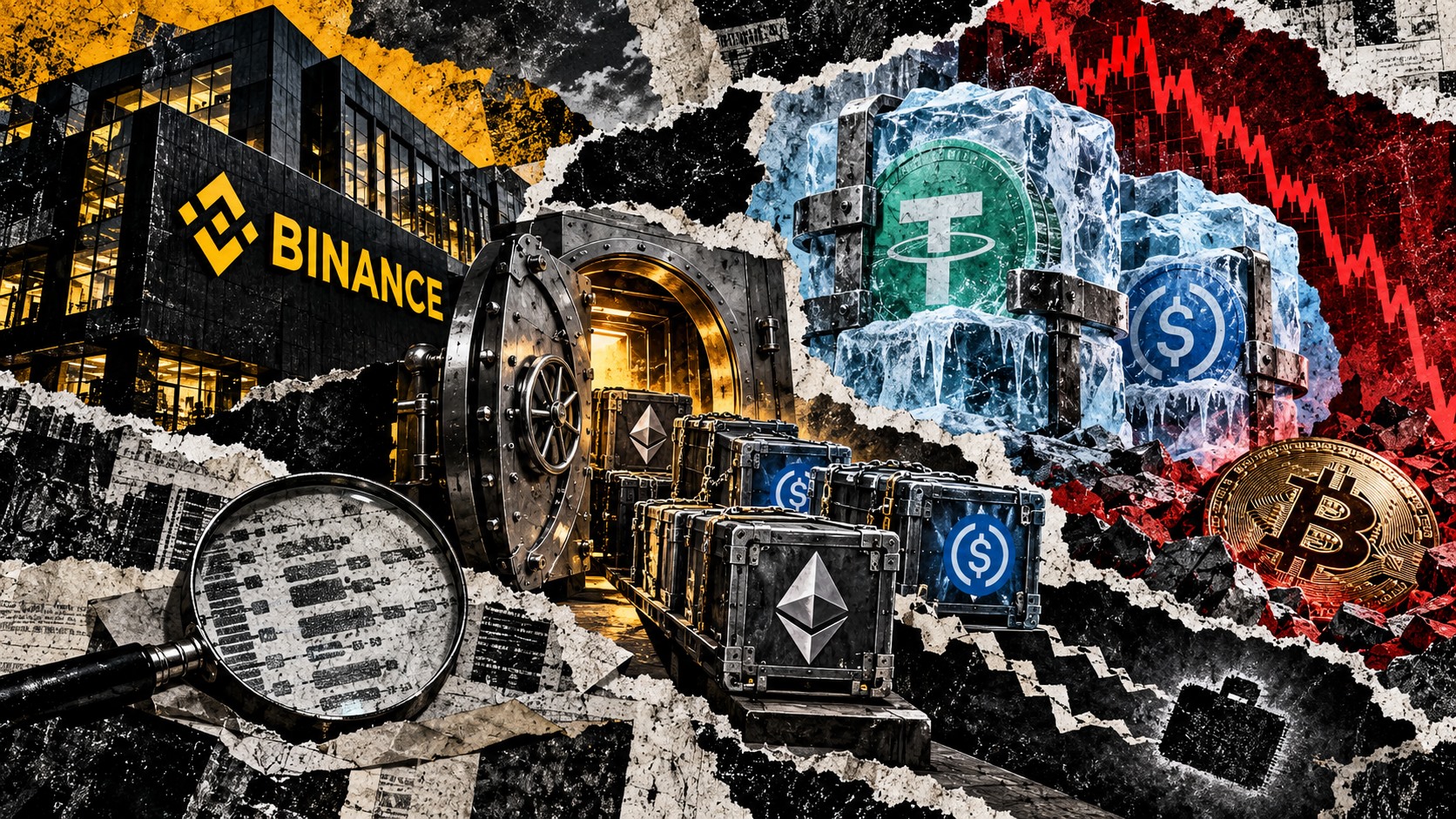
Cryptocurrency exchange Binance was hit by a record $6.3 billion cyber heist, which blockchain intelligence firms linked to North Korea. By Thursday night in the US, major crypto platforms had coordinated to freeze roughly $3 billion in stolen assets as they raced to track and secure the funds.
The unprecedented $6.3 billion crypto theft unfolded on Thursday evening. Containing its fallout hinges on a commitment to fully compensate traders.
Binance says it has begun recovering assets for affected users and set aside more than $6.34 billion of company funds for the incident, including $5 billion in the exact tokens affected. The figures exclude frozen or protected assets still undergoing recovery and verification. Binance had earlier reported a hack, with some deposits and withdrawals suspended.
Analytics firms TRM Labs and Chainalysis say the North Korean group TraderTraitor, also known as Lazarus Group, may have stolen more than $6 billion from Binance. The group may have links to Russia. Binance says about half the funds are frozen and has pledged to reimburse customers, setting aside $6.34 billion and beginning to return assets. Experts call it the largest cryptocurrency theft in history.

Binance says it will cover billions of dollars in stolen assets after a record-setting cyberattack targeting the world’s largest cryptocurrency exchange shook the digital assets industry and revived fears about crypto.

Analysts at Cantor Fitzgerald, TD Cowen and Compass Point say the $6.3 billion hack of Binance is unlikely to derail the crypto market’s recovery, and urge investors to buy crypto stocks.

Hackers stole $6.3 billion in cryptocurrency from Binance in a record-breaking theft, leading issuers to freeze about half of the stolen assets. US analysts suspect North Korean hackers were responsible, and the breach has shaken confidence in the crypto market.

Binance suspended all withdrawals after a hack it estimates affected about $6.3 billion. The exchange said it had frozen around $3 billion in affected assets, mostly stablecoins. Elliptic analysts said the attacker converted about $3.3 billion into assets that cannot be frozen and was trying to cash them out as traditional currency.

Binance says it has set aside $6.34 billion to cover losses from the hack, while industry partners have frozen another $3 billion in affected assets.

Binance says $6.3 billion in crypto was stolen from its platform, with about $3 billion of the affected assets frozen so far. It has pledged to cover all losses, suspended deposits and withdrawals, and says investigators have found no evidence of a wallet private-key leak. Blockchain analysis firms attribute the attack to North Korean hacking group TraderTraitor.
S&P Global Ratings lowered its outlook on Meta Platforms from stable to negative on Friday, pointing to significant uncertainty over the social media company’s capital spending and free operating cash flow.
ChatGPT maker OpenAI is now seeking about $20bn at a $1.25tn valuation, tempering its ambitions as concerns about technology mount.
S&P Global Ratings assigned Meta a negative outlook, citing the company’s substantial capital expenditures and concerns over free cash flow.

Investors sold off Google shares this week, sending the stock down 13% and raising doubts about the economics of its AI Mode.
Alliant Energy expects to sign contracts for about 1 gigawatt of additional data-center demand within six months, its finance chief said Friday. Rising AI use and electrification are pushing U.S. power demand to record highs.
Shareholders of Brazilian sugar and ethanol producer Raizen voted on Friday to approve the implementation of its out-of-court restructuring plan, the company said in a filing.
Intel is under pressure from weak PC sales as the AI industry consumes memory and other components, pushing up PC prices. The company’s stock plunge cut $12 billion from the value of the government’s stake.

A new report says the AI lab is likely to receive a high junk credit rating after its initial public offering.

Private capital giant Blackstone says AI company Anthropic is expected to receive a “high” junk rating after its IPO, a shift from its previous guidance.
Banco Santander and BBVA are intensifying efforts to win US corporate and investment banking business. The division, once a relatively minor focus for analysts, is now a subject on the banks’ earnings calls.
Blue Lagoon, a geothermal seawater spa near an active volcano and Iceland’s main tourist attraction, is planning an initial public offering.
Arini Capital Management, which has suffered losses this month, has received bids for some of its high-yield debt holdings from asset managers including Pacific Investment Management Co. and Oaktree Capital Management, according to people familiar with the matter.
Apple retook the title of the world’s most valuable company from Nvidia on Friday, as investors concerned about AI spending sought the perceived safety of the iPhone maker.
As the US-Iran war drags on, global oil prices are surging, bringing blockbuster profits to oil companies and higher gas prices for drivers.
Equity investors are imposing some of their harshest penalties ever on companies that fall short of expectations, as strategists warn that earnings growth may have peaked.
Reddit shares fell 30% on Friday after the company gave weak fourth-quarter sales guidance and said it would test requiring users to log in to view content, putting the stock on course for its worst day ever.

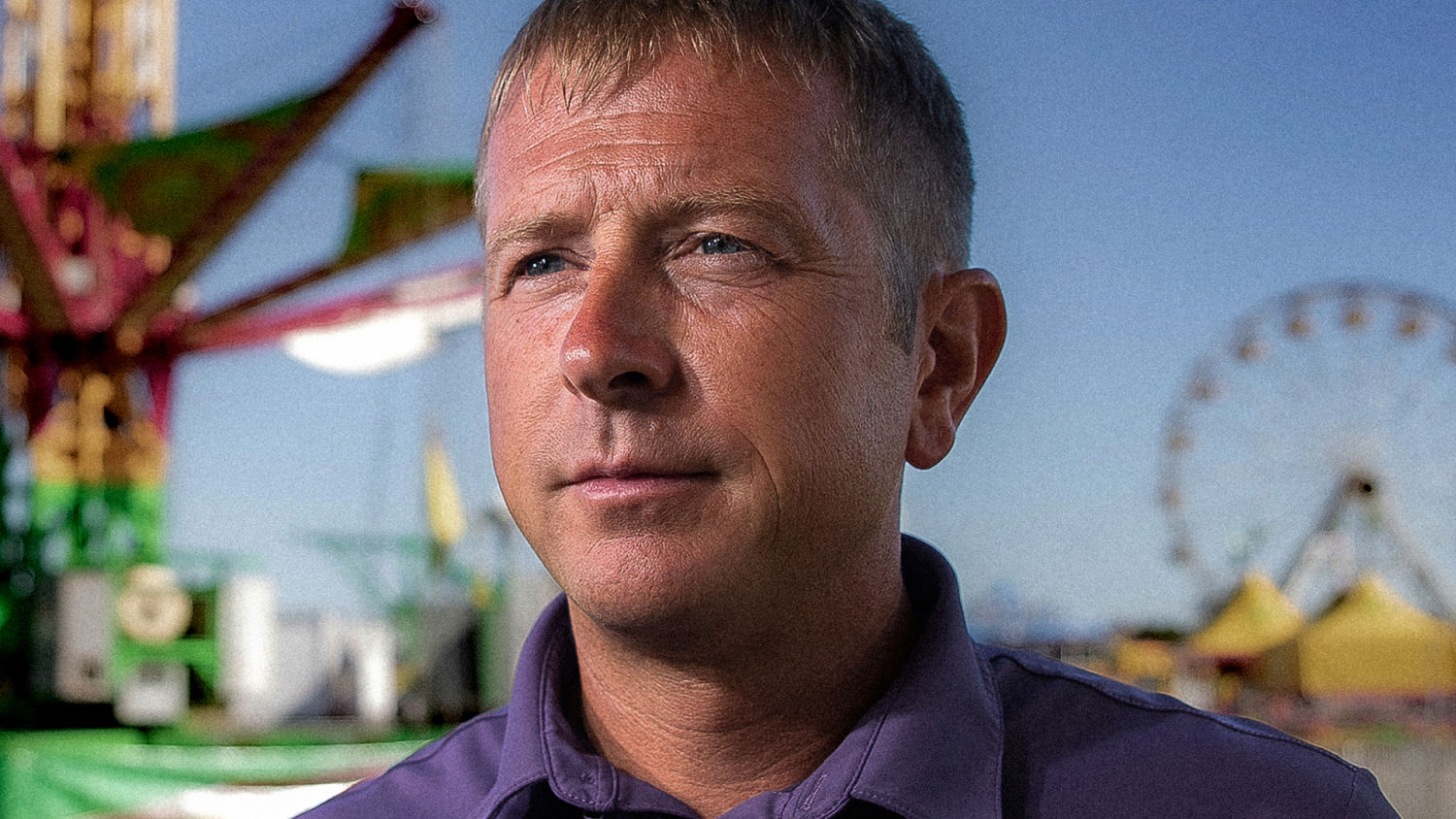
Blake Huston, a third-generation carnival operator who has spent his life in the business, says rising fuel, labor and insurance costs are eroding his bottom line and threatening an industry he considers a way of life.

By mid-afternoon, the tech-heavy Nasdaq was down about 3 per cent, while Canada’s S&P/TSX composite index had fallen about 2.3 per cent. Investors are increasingly concerned that hundreds of billions of dollars invested in AI may not generate enough profit and productivity to justify the spending.
A technology-stock sell-off, deepened by disappointing results from leading companies, cut nearly $1tn from Nasdaq’s value in a week and about $2tn in a month. The S&P 500 fell more than 1% on Friday and the Nasdaq Composite dropped over 3%. Investors questioned whether heavy AI spending would generate returns quickly enough, while shares in Intel, Amazon and Alphabet fell.

Tech shares fell for a second day as investors questioned whether companies can earn enough to justify hundreds of billions of dollars in AI spending. Intel dropped as much as 30%, while the Nasdaq slid more than 3.5%; Alphabet, Amazon and Reddit also declined.

Tech shares plunged, putting the Nasdaq 100 on course to shed more than $1 trillion in value when trading opens.
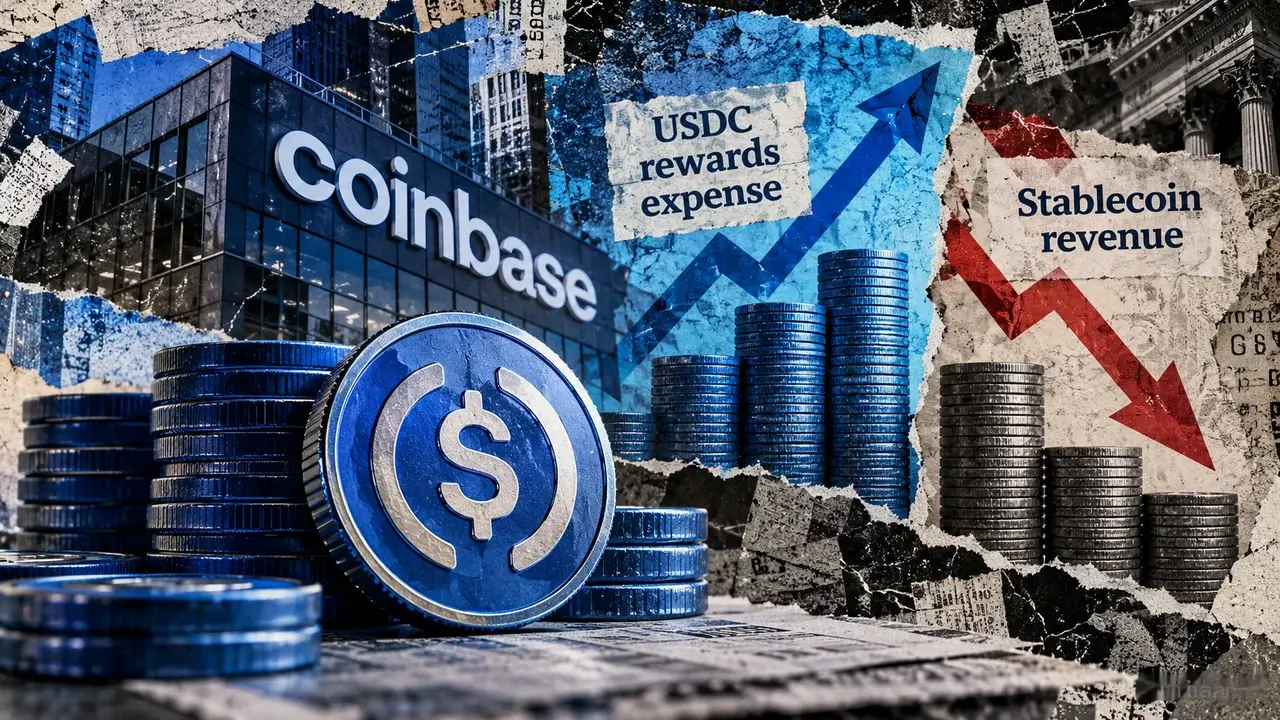
Coinbase reported a $719 million profit. A calculation that excludes other costs and income found the Q3 gap between stablecoin revenue and disclosed holder-rewards expense narrowed by 16.6%.

Facing financial pressure, video-game publisher Electronic Arts chose Star Wars over Mass Effect.
Vail Resorts won backing from its largest investor on Friday as activist Oasis Management increased pressure for operational changes, including the possible sale of some mountain assets.
France has recorded no growth since the start of the year, with GDP declining 0.1% from July to September. The government is urging political parties to pass the 2027 budget, while its ability to reassure markets is in question.
Canadian energy company Imperial Oil reported third-quarter profit above estimates on Friday. Stronger refining margins sharply lifted downstream earnings, offsetting lower oil production.
Tencent-backed Kuaishou Technology said on Friday that its Beijing Kling unit completed a fundraising round worth about 19.8 billion yuan ($2.98 billion).
By taking on a larger role as debt financiers, established players Apollo and Thrive retain a lucrative position in the new financial order.
After a news-heavy week, traders and investors are sounding cautious about the technology sector, prompting a case for taking profits while still possible.
The US Treasury’s Office of Foreign Assets Control extended the operating license of sanctioned Serbian oil company NIS until December 11, Serbian public broadcaster RTS reported. NIS sought an extension on October 24; its current license was due to expire on October 30.
CD&R is pursuing a buyout of US company Global Payments, in a deal that would rank among the largest acquisitions in history.
The Bank of Japan will raise annual equity ETF sales from about ¥330 billion to ¥860 billion at book value starting in January 2027. Safeguards are intended to limit immediate market shocks.

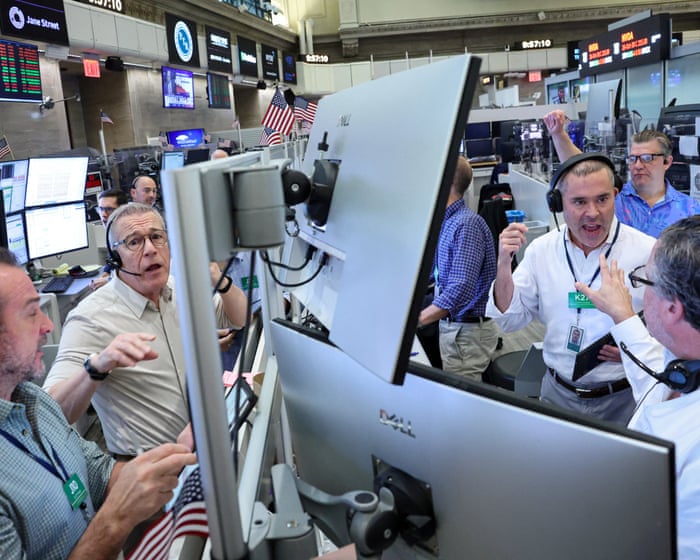
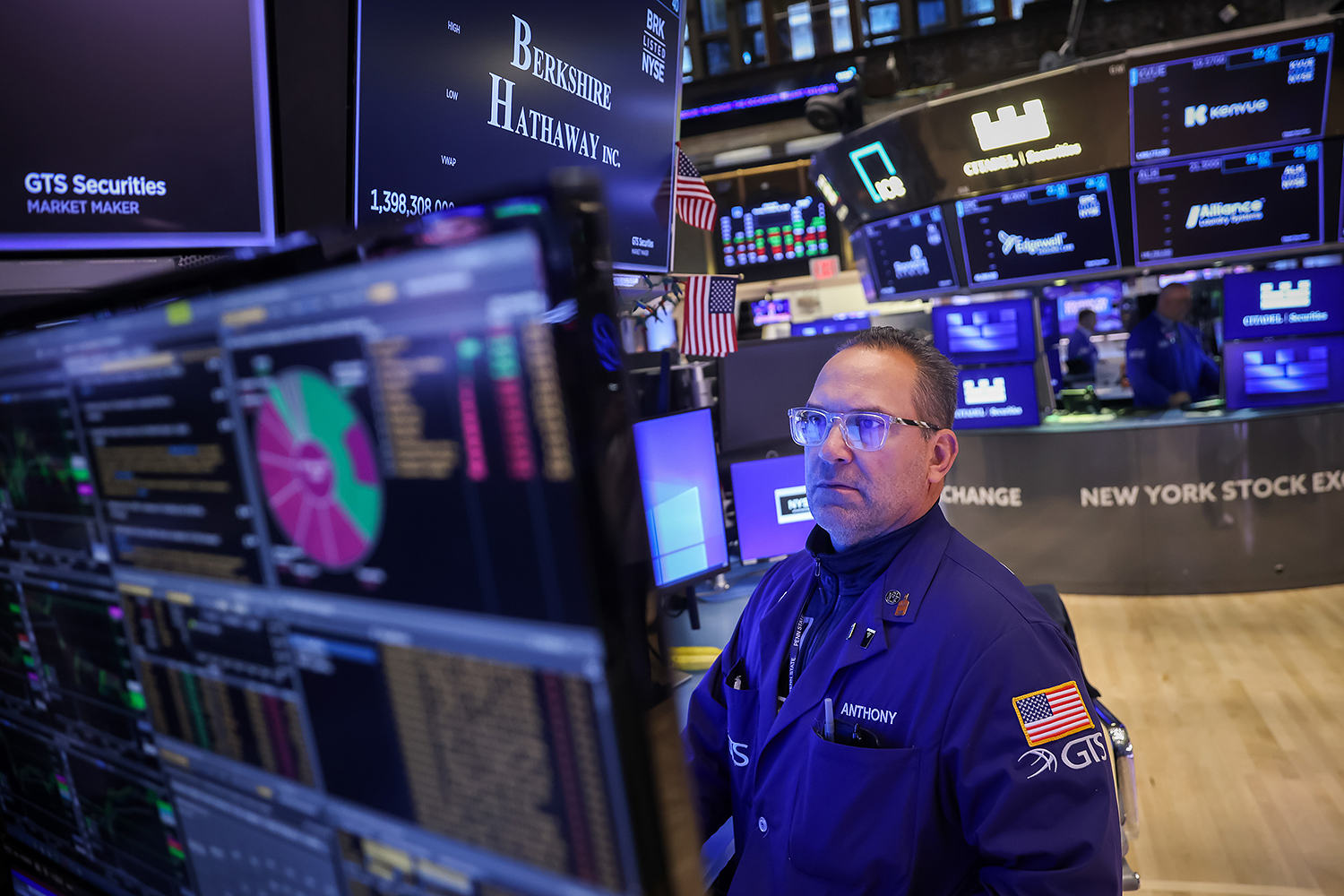
Wall Street stocks fell, with markets bracing for another steep day of losses on Friday. The latest Big Tech earnings reignited concerns that massive AI spending may fail to deliver the returns investors expect.

A surge in artificial intelligence revenue failed to protect Intel, Amazon and Google parent Alphabet from a sharp Wall Street sell-off. Their latest quarterly results heightened investor concerns about rising capital spending and delayed returns. Intel fell about 23% in extended trading, Amazon lost 7.3%, and Alphabet dropped 12.6% in the regular session—its worst day on record—helping pull the Nasdaq Composite down 1.4%.

Amazon shares fell 7% and Intel plunged 25% in premarket trading. Investors are uneasy about whether massive AI spending by tech giants will pay off.
The European Commission proposed disbursing about €45 billion to Ukraine next year under its support loan, with €31.7 billion earmarked for defense industrial capacity and the rest split between two financial support mechanisms. The plan requires EU Council approval. Ukraine still faces an estimated €70 billion budget gap for 2027.

The EU plans to give Ukraine €32 billion in military aid and €13 billion in budget support in 2027. More funding will be needed as Russia escalates.
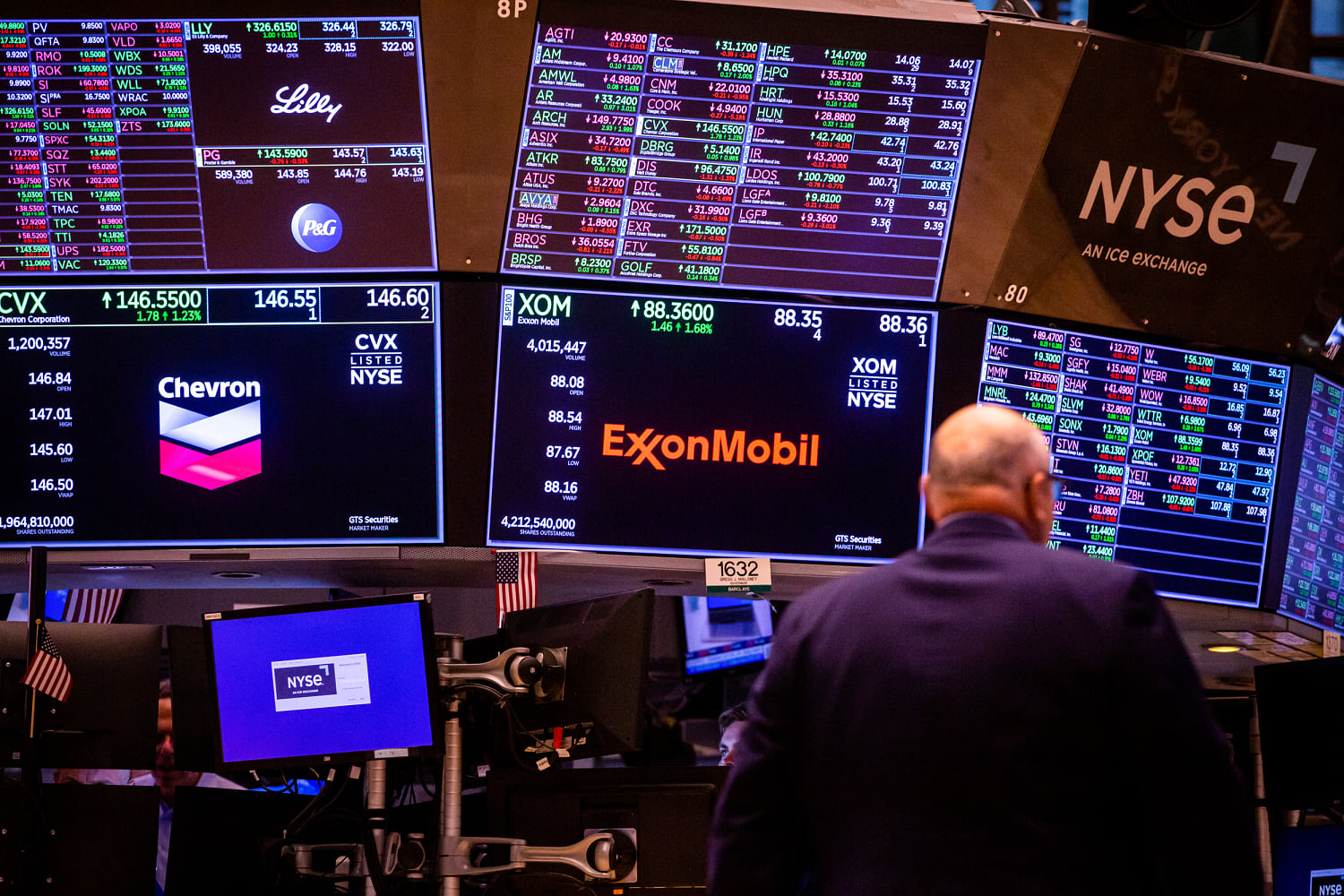
U.S. oil majors ExxonMobil and Chevron both reported quarterly profits above analyst expectations on Friday. Surging refining margins boosted earnings from their fuel businesses, which usually make less profit, to levels comparable with their upstream segments.
Cameroon’s state-owned refiner Sonara says it has agreed with Nigeria’s Dangote Group and Lagos-based MRS Oil & Gas Company to supply refined petroleum products to Cameroon.
ExxonMobil and Chevron reported better-than-expected third-quarter results, benefiting from higher prices and record production. Meanwhile, US consumers face much higher gasoline and diesel costs than a year ago, and say the cost of living will affect their votes in the coming midterm elections.

Engineering firm Fluor is among a mostly U.S. investor group seeking to develop Kenya’s Mrima Hill critical minerals deposit, Mining Minister told Reuters on Friday. Two Chinese companies have withdrawn from the process.
U.S. labor costs rose moderately in the third quarter as wage growth slowed, suggesting the labor market was unlikely to pose an inflation risk.
ExxonMobil and Chevron, the two largest U.S. oil companies, reported exceptionally large profits as oil prices stayed sharply elevated because of the U.S. war with Iran. Trump promoted the benefits of high oil prices.

Ukraine, Canada and seven other partners plan to sign an agreement on Nov. 30 to establish the Canada-led Defense, Security and Resilience Bank, which aims to start operating in 2027. It would help governments fund defense needs and manufacturers expand production; the signing would not begin lending.

Strategy shares fell after its third-quarter earnings, but StoneX and TD Cowen maintained buy ratings, pointing to a $4.83 billion cash reserve and a more stable structure for its STRC preferred stock.

Rio Tinto said on Friday that it had begun gradually restarting underground operations at its Oyu Tolgoi copper mine in Mongolia after completing safety reviews following a seismic event that temporarily halted mining.
U.S. equity funds saw their first weekly outflows in three weeks in the week ended October 28. Investors turned cautious before major AI hyperscalers report earnings, amid concerns over the growing cost of their AI build-outs.
Rosatom CEO Alexey Likhachev said the company provides non-nuclear energy technology to African countries not ready for nuclear projects. It is working with Mali on a solar power plant with energy storage and has resumed talks with Congo on supplying small hydroelectric plants.
Rosatom CEO Alexey Likhachev said nine African countries have shown significant interest in floating nuclear power plants. The company is discussing projects for Egypt, Tanzania, Togo and Namibia, working on proposals with Uganda and Ghana, and plans to begin site surveys in Ethiopia soon.
GM promoted Smart Driver as a tool for monitoring teen drivers or tracking adults’ driving habits, but shared the data with brokers, who sold it to insurers. Some drivers said their premiums rose and they had never agreed to the data sharing. After a separate FTC settlement restricted GM and OnStar from sharing certain driver data, GM has now reached terms with the District of Columbia and 35 states that sued the automaker.

Britain must support Rolls-Royce’s effort to return to the narrowbody jet market to counter global competition and secure future aerospace jobs, the industry minister said Friday, despite the engine maker reporting record profits.
TRM's assessment points to a North Korean hacking team as the probable perpetrator of Binance's $6.3 billion theft.

Binance says hackers stole about $6.3bn, in what may be the largest recorded cryptocurrency theft. The exchange halted deposits and withdrawals and pledged to cover losses. Blockchain analysis firms attributed the attack to North Korean hackers, while Binance said it had not assigned responsibility. About $3bn has been frozen, and the exchange warned the total could rise.

Binance said it reserved its own funds to cover losses from the $6.3 billion hack, including roughly $3 billion in stolen assets that were frozen.

The attacker used an Ethereum upgrade introduced in 2025 to make ordinary wallets smarter, along with 50 signatures from Binance’s own wallet.
Binance says $6.3 billion was stolen in a hack that may be the largest cryptocurrency theft ever. A U.S.-based blockchain intelligence firm says a North Korean unit was likely behind the attack, which affected more than $6 billion on the world’s biggest cryptocurrency exchange.
A security breach involving as much as $6.3 billion at Binance marks the largest recorded crypto hack. As the industry courts traditional finance, the incident has renewed questions about its ability to protect digital assets.

Binance said investigators found further breach points in the roughly $6 billion hack. The exchange had initially suspected an employee’s laptop was compromised but has not said what the newly identified points were.

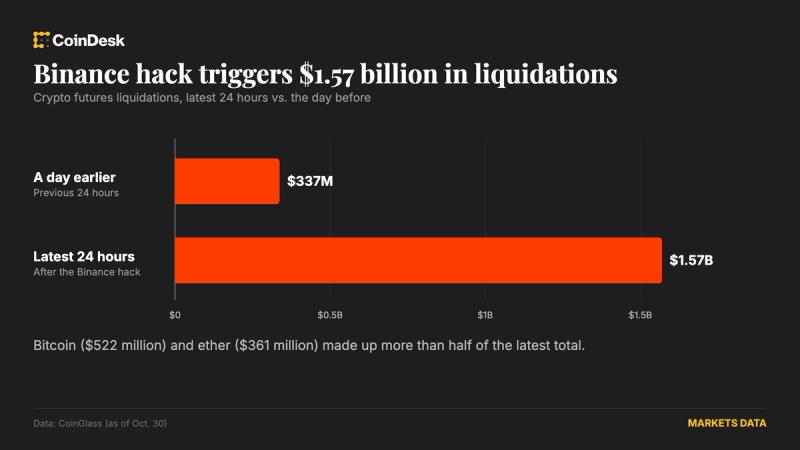
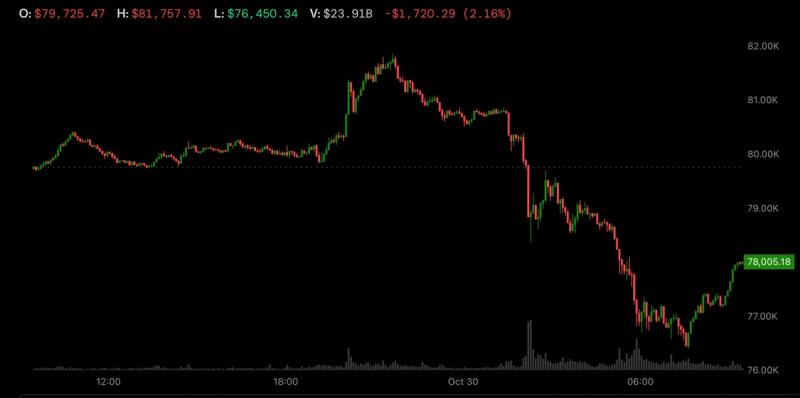
Bitcoin traded near $77,350 after a $6.3 billion hack at Binance, while crypto futures liquidations rose to $1.57 billion.
A security breach at the world’s largest cryptocurrency exchange, Binance, led to $6.3bn being stolen. It is the latest in a wave of digital thefts.
Binance said a security incident could have cost it $6.3 billion and suspended deposits and withdrawals while it conducted checks. The exchange said the incident may have involved a compromised DevOps engineer’s laptop, but it found no evidence that user funds or wallet private keys were affected. Binance said it would cover all losses and expected withdrawals to resume within 48 hours.

Binance says a hack affected digital assets worth $6.3bn, with about half frozen. The exchange pledged to cover all losses and said withdrawals would resume after 45 hours. Analysis firms linked the incident to the North Korean group TraderTraitor, though the connection has not been confirmed. Bitcoin and other cryptocurrencies fell.

A $6.3 billion hack at Binance is adding to anxiety in crypto markets. Weak earnings outlooks and growing concerns about AI spending are also weighing on tech, sending QQQ down more than 2%.

Billions of dollars in crypto assets have been frozen after a potential security breach at Binance, raising doubts about whether the funds can be recovered.

Binance, the world’s biggest crypto exchange, was hit by a hack worth $6.3bn (£4.7bn). The company says half the assets have been frozen, while many remain with the hackers. Two analytics firms blamed a North Korean hacking unit, but no one has claimed responsibility. Binance did not directly address possible links to North Korea.

A TRM Labs investigation published on Oct. 29 says the attacker prepared for at least 36 hours before carrying out coordinated transfers across 10 blockchains. The hack of the crypto exchange, estimated at $6.36 billion, began with $296 million in XRP being drained.
Binance management put the estimated impact of the security breach at about $6.3 billion and said roughly $3 billion in affected assets had been frozen on-chain with partners. Its initial investigation suggests an attacker may have used a compromised DevOps engineer’s laptop to submit unauthorized withdrawals.

Binance says $6.3bn in digital assets were affected by what it calls the largest hack in history, and that about half have been frozen with help from other platforms. The exchange says it will cover all losses. Two analytics firms link the incident to North Korean hacking unit TraderTraitor; early checks suggest a compromised engineer’s laptop may have enabled unauthorised withdrawals.
Cryptocurrency platform Binance said on Thursday it had been hit by a major hack and reported that more than $2.5 billion in funds had been frozen to prevent a large-scale theft.

Bitcoin and ether fell after a suspected $6.3 billion security breach at Binance and an exploit involving Polymarket. Standard Chartered expects crypto prices to remain under pressure before establishing a floor.

Binance said on Thursday that a security breach affected an estimated $6.3 billion in assets, potentially making it the largest cryptocurrency heist on record. The exchange said it had recovered or frozen about $3 billion, while Bitcoin and other digital currencies fell after the incident.

Security researchers believe North Korea’s Lazarus Group was likely behind Thursday’s nearly $6 billion hack of Binance, the world’s largest crypto exchange.

Binance says a hack drained about US$6.3 billion from its wallet and has pledged to cover all losses. At that scale, it would be the largest recorded crypto theft. The exchange says it suspended deposits and withdrawals while carrying out security checks.
Binance said on X that it had temporarily suspended all deposits and withdrawals after a reported hacker attack, while it checks security, freezes funds and works with law enforcement. The company said it would cover all losses. It put frozen funds at about $3 billion, up from an earlier reported $2.5 billion.
Binance has temporarily suspended withdrawals after an apparent hack. Tether and Circle froze billions of dollars’ worth of their coins as the world’s largest crypto exchange investigated the security issue.

Binance said it was investigating a potential security breach and halted trading in some products. Crypto companies froze about $2.5 billion in response. Binance said user funds were safe, but did not disclose whether any cryptocurrency had been stolen. Bitcoin fell 3.2% Thursday evening, slipping below $79,000.
Binance, the world’s largest crypto exchange, halted all deposits and withdrawals while investigating a security incident that has led to more than $2.5 billion in assets being frozen. The suspected hack sent digital tokens tumbling.

Binance said at least $2.54bn in funds had been frozen while it investigated a “potential security issue”, and suspended deposits and withdrawals as a precaution. The exchange said users’ funds were safe. Founder Changpeng Zhao said it appeared Binance had been hacked; Bitcoin fell about 5 percent, below $77,000, after the incident.

Binance said it was investigating a potential security issue, with the scale of any damage unknown and no confirmation that funds were stolen. Its founder said it “does look like a hack on Binance”. Tether and Circle said they froze related funds; Circle cited more than $800m and Tether more than $1.5bn. Bitcoin fell 3.2% Thursday afternoon to below $79,000.

Binance confirmed a major hack and froze more than $2.5 billion.

Stablecoin issuers including Tether, Circle, Ripple and World Liberty Financial have frozen more than $2.6 billion in digital assets linked to a suspected Binance security breach involving nearly $6 billion. Tether CEO Paolo Ardoino said on Oct. 29 that the company had frozen more than $1.567 billion in related USDT.
The exchange says reports of a possible breach are under review. Its founder characterized the episode as apparently involving a hack directed at Binance.

Binance is investigating a possible hack after traders noticed a series of unusually large transfers on the platform. Tether and Circle froze more than $1.5 billion in funds.

Bitcoin fell to an intraday low of $78,297 on Binance spot on Oct. 29 and was near $79,126 at press time, while large transfers left wallets labeled as Binance. The exchange said it was aware of reports of a potential security issue and was investigating.

Circle and Tether froze funds affected by a potential security issue involving Binance. The world’s largest crypto exchange said it was actively investigating and that funds were “completely safe.”

Crypto prices are falling following reports of a potential multibillion-dollar hack targeting Binance. BNB led the decline, dropping 6% in the past hour.
The Swiss National Bank reported a $23 billion profit, helped by gold and foreign assets. Unlike other major central banks, it holds a significant equity portfolio.

The Minutes Reader extension turns the original page into a focused reading view and translates articles and video subtitles on demand. It is in limited beta.