Japan’s leading yen stablecoin misses its target in a disappointing first year
CEO Noritaka Okabe attributed the stablecoin’s slow corporate uptake to a 1 million yen per-transaction cap for Type II funds transfer providers.

CEO Noritaka Okabe attributed the stablecoin’s slow corporate uptake to a 1 million yen per-transaction cap for Type II funds transfer providers.

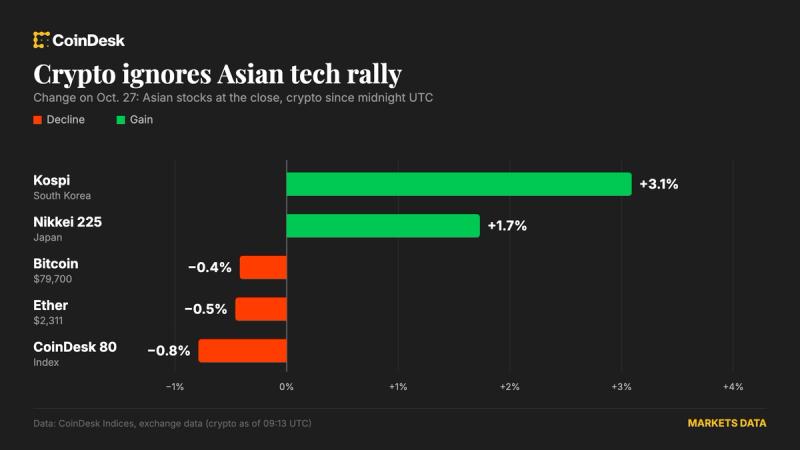
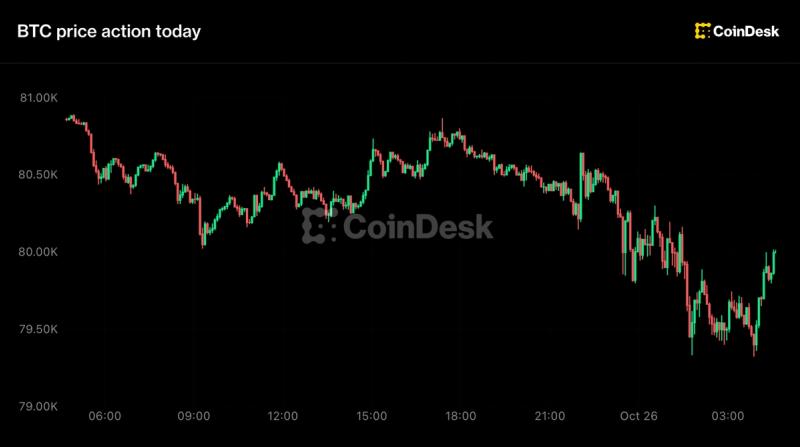
Bitcoin slid 0.4% to about $79,700 since midnight UTC, while Asian technology stocks rallied. The DeFi index lost 1.8%, and the Federal Reserve is set to start a two-day meeting.

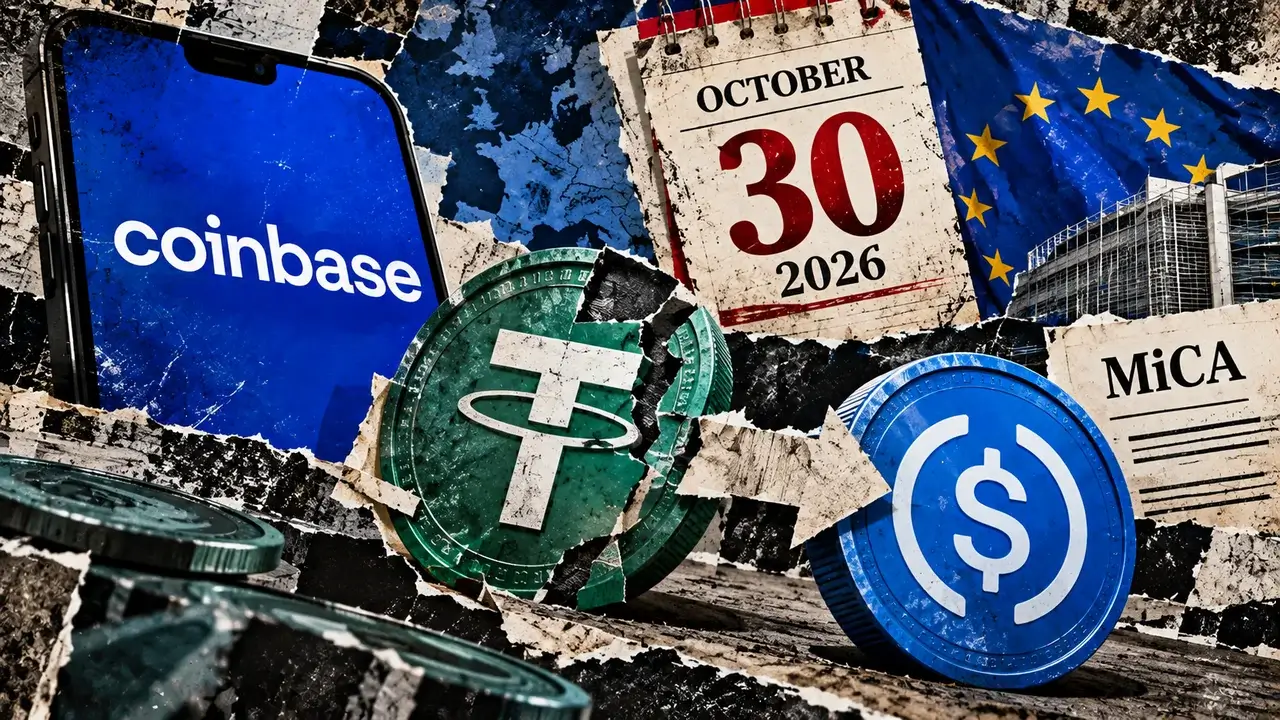
Coinbase has set a three-day deadline for affected retail balances, which will then be converted at market rates. USDC will be used where suitable, while deposits made after the deadline will be excluded.

Jason Calacanis is urging investors to sell bitcoin and back artificial intelligence. He also holds TAO, the cryptocurrency associated with the AI network Bittensor.

As BTC fell below $80,000, Ark Invest rebalanced its fund weightings, adding Circle shares while trimming holdings in its Bitcoin ETF.

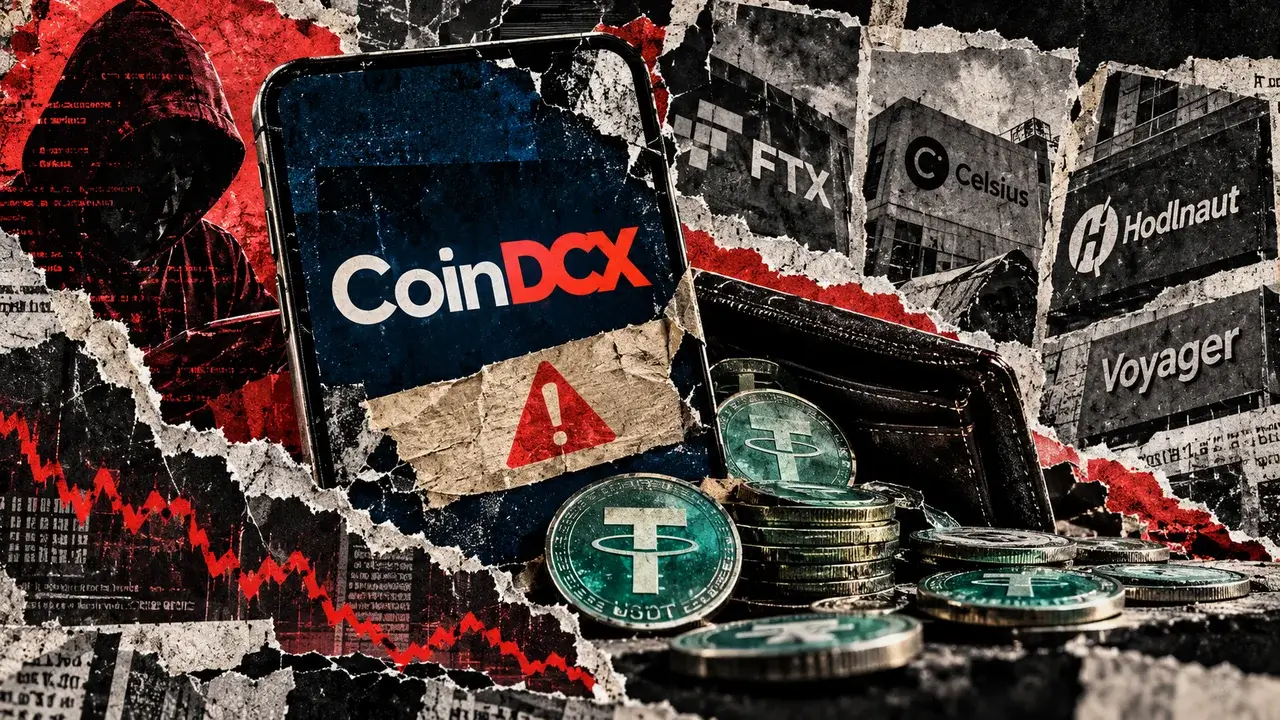
CoinDCX confirmed a loss of about $16 million in USDT, three days after CEO Sumit Gupta dismissed reports of a new wallet breach as a false alarm. The company had acknowledged unspecified operational losses from a failed sweeping process on the afternoon of Oct. 22, making the reversal unfold in two steps.

Galaxy says improving price trends, resilient ETF demand and rising U.S. debt support bitcoin’s recovery toward its previous high.

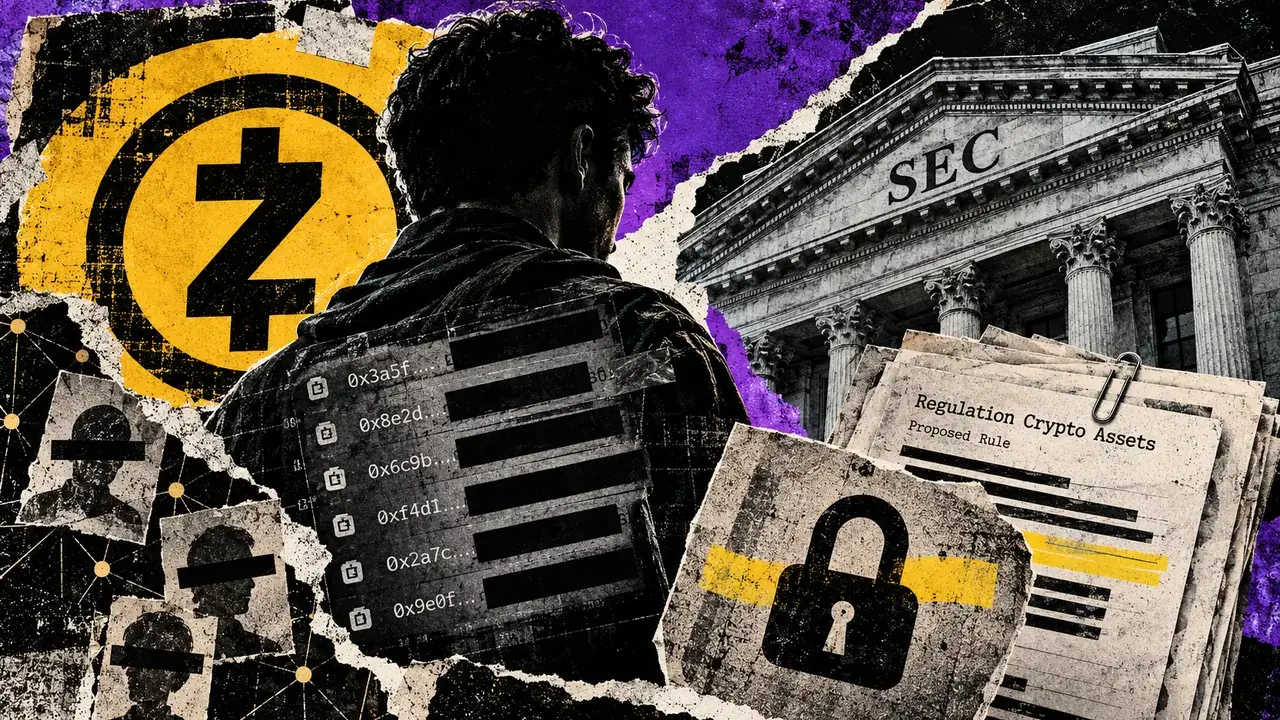
A Zcash policy group says the SEC’s proposed fundraising regime should shield unrelated wallet activity while still requiring disclosure of material holdings and conflicts of interest.

Stablecoins could make payments faster, but slow conversions in the supporting infrastructure may limit those gains, a Mastercard executive says.

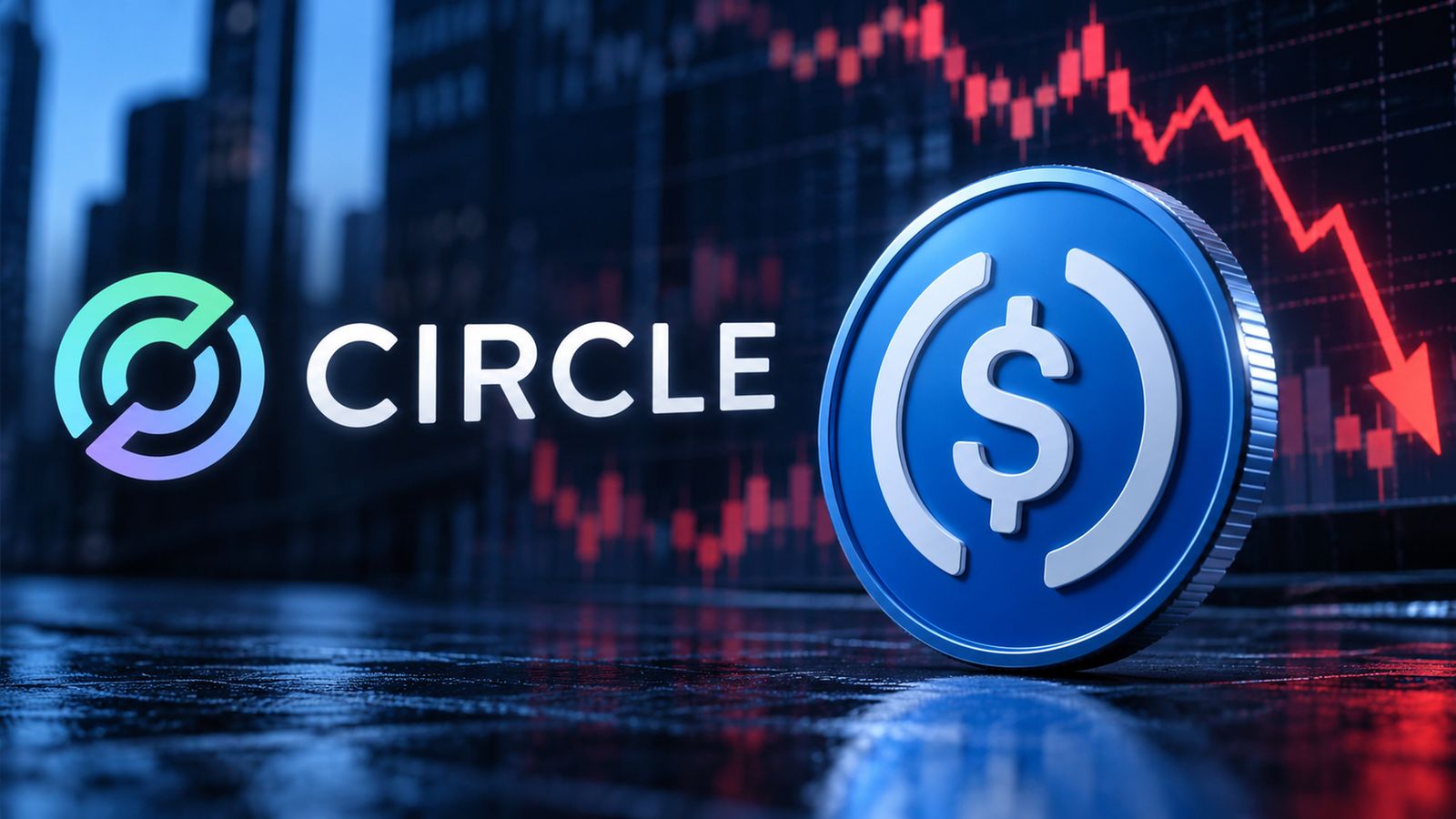
Mizuho said Circle’s medium-term reserve revenue could face 10% to 20% downside risk as AI agents steer USDC holders toward higher-yielding fiat alternatives.

Sean Bowe has proposed directing the committee’s 8% share of newly issued ZEC to a reserve for future miners. The committee would retain funds it has already received.

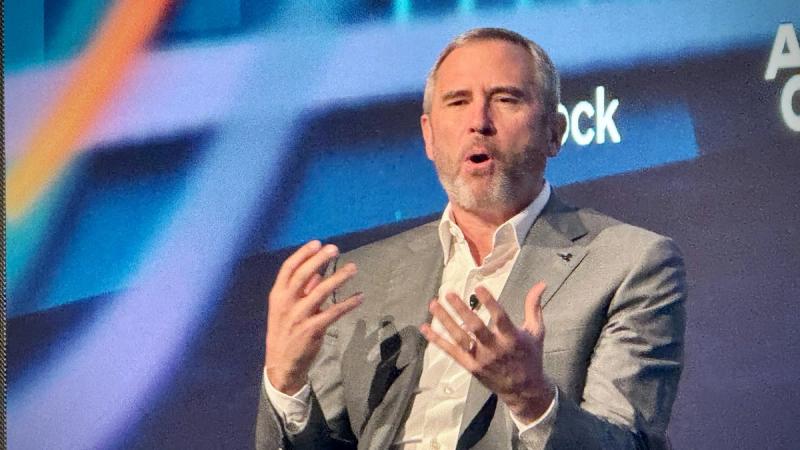
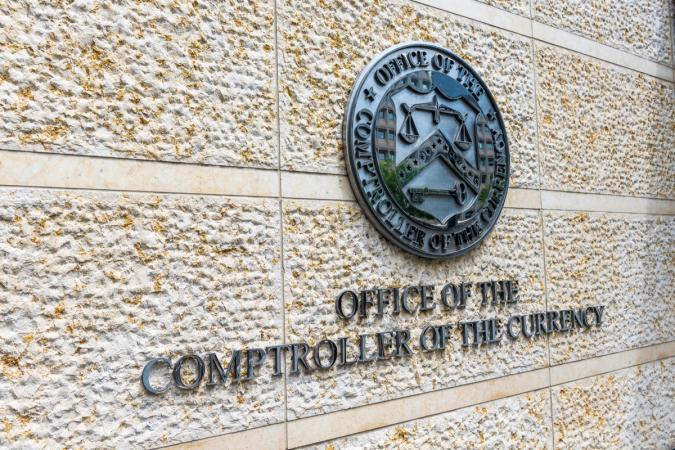
In an X post, Brad Garlinghouse said the U.S. banking regulator had cleared Ripple National Trust Bank (RNTB).


Ripple has received final approval from the Office of the Comptroller of the Currency to launch a national trust bank. Reserve management and custody will be federally supervised, while issuance remains with the New York-regulated entity.
StoneX raised its price target for bitcoin treasury company Strive from $32 to $43 and reiterated its Buy rating on the stock.

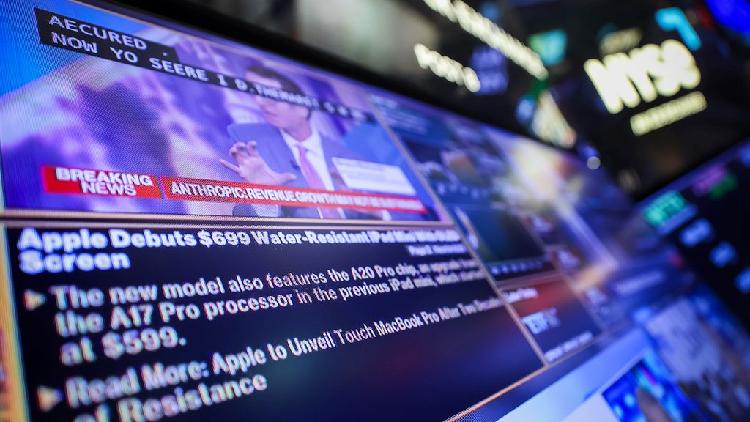
Global markets rose as the AI trade regained momentum, with Asia following Wall Street higher after Anthropic filed for its long-awaited IPO.

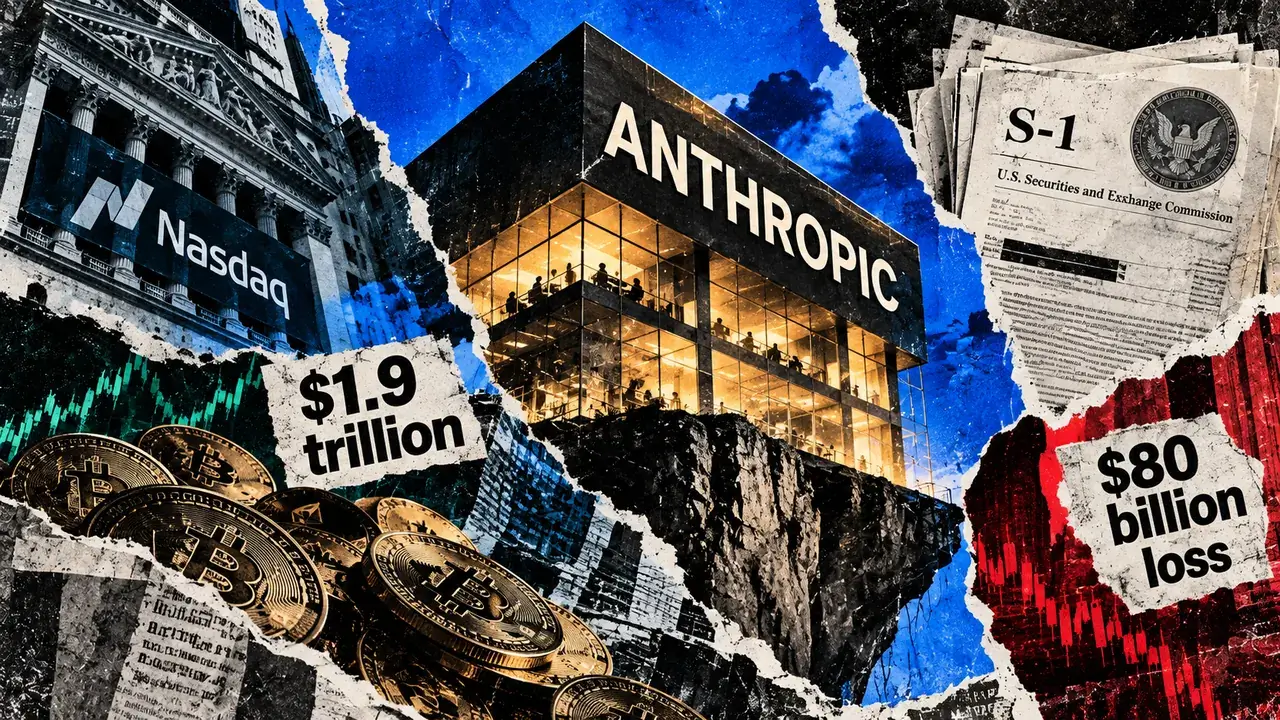
Anthropic has publicly filed for an IPO, planning to list Class A shares on Nasdaq under the ticker ANT without yet setting the offering size or price range. Revenue reached $16.29 billion in the first half of 2026, while its $80.7 billion net loss mostly reflected accounting valuation changes. The company also disclosed substantial computing costs and infrastructure commitments.

Crypto-market participants put Anthropic's value close to $2 trillion, while an investor cautioned that its listing could signal the AI bubble has reached its peak. The Claude maker is pursuing a Nasdaq debut under ANT after lodging an S-1 with the US securities regulator on Oct. 26. It reported an operating profit for the quarter, with Goldman Sachs and Morgan Stanley heading the deal.

AI company Anthropic has publicly filed for an IPO with US market regulators. Its filing shows first-half 2026 revenue surged to $16.3 billion while its net loss widened to more than $80 billion, and includes nearly 100 pages on investment risks.
Anthropic was founded in late 2020 by senior OpenAI employees who believed the company was not giving AI ethics and safety enough priority. In just a few years, it has become an AI powerhouse and is expected to pursue one of history’s largest and most closely watched IPOs.

Anthropic’s hundreds-of-pages-long S-1 filing leaves out numerous financial details. One analyst told WIRED that the company owes investors more information.

Claude maker Anthropic has filed to go public, setting the stage for what could become one of the largest stock market debuts ever.

Anthropic has filed paperwork for a stock market debut that could raise as much as $100 billion, according to reports. Analysts estimate a valuation of $1.5 trillion to $2 trillion. The company remains unprofitable, reporting an $80.7 billion net loss in the first half of 2026, and plans to trade on Nasdaq as “ANT.”
Anthropic’s prospectus sets out the AI lab’s “mission,” its $800 billion in data centre commitments and an extraordinary governance structure.
The article argues that valuing the AI lab on the basis of its historically reported figures is a futile exercise.

Anthropic’s S-1 filing details pay and security costs for co-founders Dario and Daniela Amodei, unusual risks involving AI, and enormous commitments to secure computing capacity. It also says the seven founders will retain 50.1 percent of shareholder voting power on key matters through Founder LLC.
Anthropic PBC says it expects closer scrutiny of its handling of environmental and social tensions tied to the expansion of AI infrastructure.

Anthropic has filed for a possible Wall Street debut next month that could eclipse SpaceX’s IPO. The filing reports a first-half 2026 net loss of $80.7bn and revenue of about $16.3bn, while highlighting risks from powerful AI and warning that revenue growth may slow. The offering’s size and valuation remain uncertain.

Anthropic’s S-1 says more than half of customers spending over $100,000 now use both Claude Platform and a first-party app. The Amazon-like cross-selling strategy is helping make enterprise customers stickier.
Anthropic PBC filed for an IPO on Monday. The report highlights five key takeaways for investors.

Artificial intelligence startup Anthropic has released its IPO filing publicly for the first time, ahead of an offering expected to rank among the largest stock debuts in history. NBC News' Allie Canal reports on the company ahead of its IPO.

Anthropic filed documents on Monday ahead of a blockbuster IPO, offering insight into its finances, risk factors and views on AI’s future.

Anthropic has formally filed for an initial public offering, disclosing rapidly rising revenue, growing losses and widespread enterprise adoption. Its filing also describes an unusual governance structure intended to preserve founder control and the company’s AI safety mission.
The AI company submitted paperwork Monday for a potential stock-market debut that could become the largest IPO ever.

Anthropic, the company behind the Claude chatbot, has formally filed for an initial public offering. It has been among the leaders in AI development.

Anthropic has filed an S-1 prospectus with the SEC and says it plans to list on Nasdaq under the ticker ANT, seeking to beat OpenAI to an IPO. The filing says the company recorded $16.3 billion in revenue and an $80.7 billion net loss in the first half of the year.
Anthropic PBC has filed for an IPO, moving closer to becoming the first publicly listed company focused primarily on developing the most advanced artificial intelligence models.

Anthropic has disclosed details of its business for the first time and says it plans to sell shares to the public in what could be the largest market debut in history. It plans to list on Nasdaq under the symbol ANT; the number of shares and price range have not yet been set.
Artificial intelligence company Anthropic filed papers Monday to sell shares publicly for the first time.

Claude maker Anthropic reported first-half revenue of $16.3 billion and a net loss of $80.7 billion as it targets mid-November pricing for its offering.
The AI company has filed a prospectus laying out its pitch to investors as debate over the technology’s safety grows more intense.
Anthropic has filed to go public. Its stock market debut would come as the company’s CEO has warned that the technology could harm humanity.

Artificial intelligence startup Anthropic has made its first public IPO filing, ahead of a stock debut expected to rank among the largest in history.
A close read of Anthropic’s 335-page S-1 comes as its planned public offering could set a record for scale.
Anthropic PBC plans to publicly file for an initial public offering at about 9 a.m. New York time Monday, according to people familiar with the matter. The AI model maker is nearing a debut that could set a record.
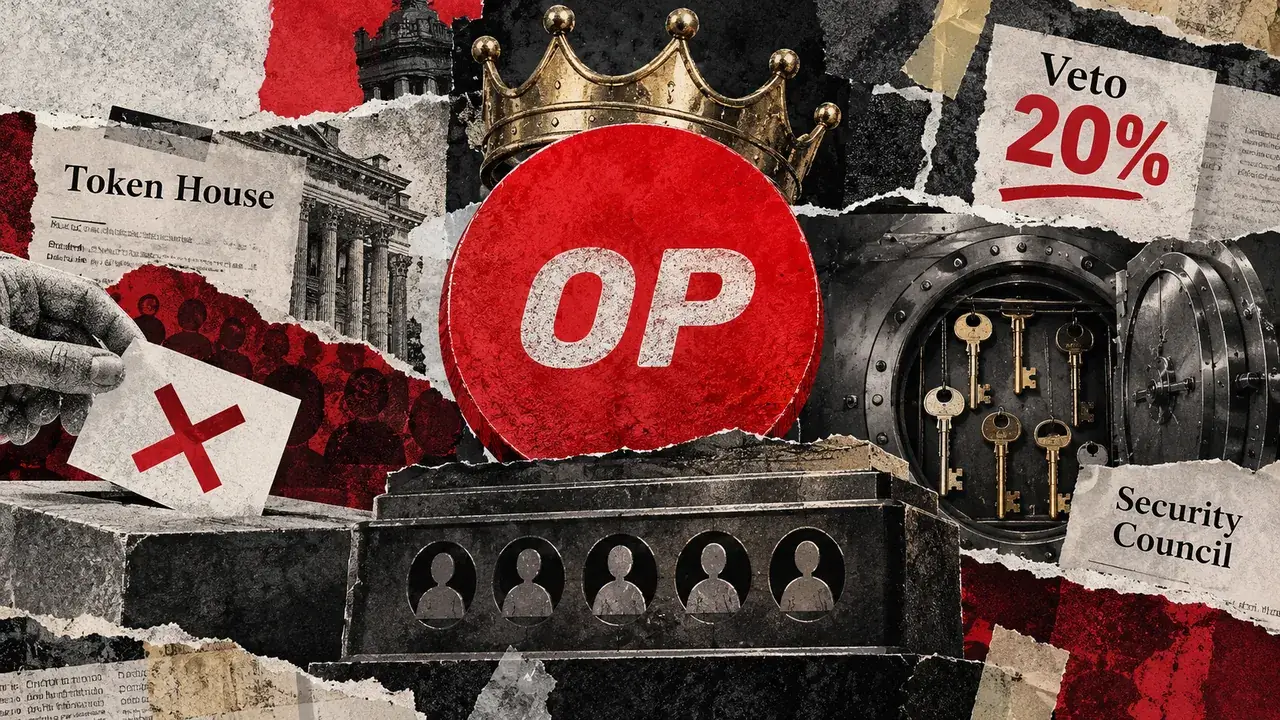
The Foundation’s proposed manual rewrite would end cohort elections and seat nominees unless a veto reaches 20% of the active votable OP supply.

The firms will assess whether digital versions of money-market funds can work alongside JPYSC, SBI Holdings' stablecoin pegged to the Japanese currency.

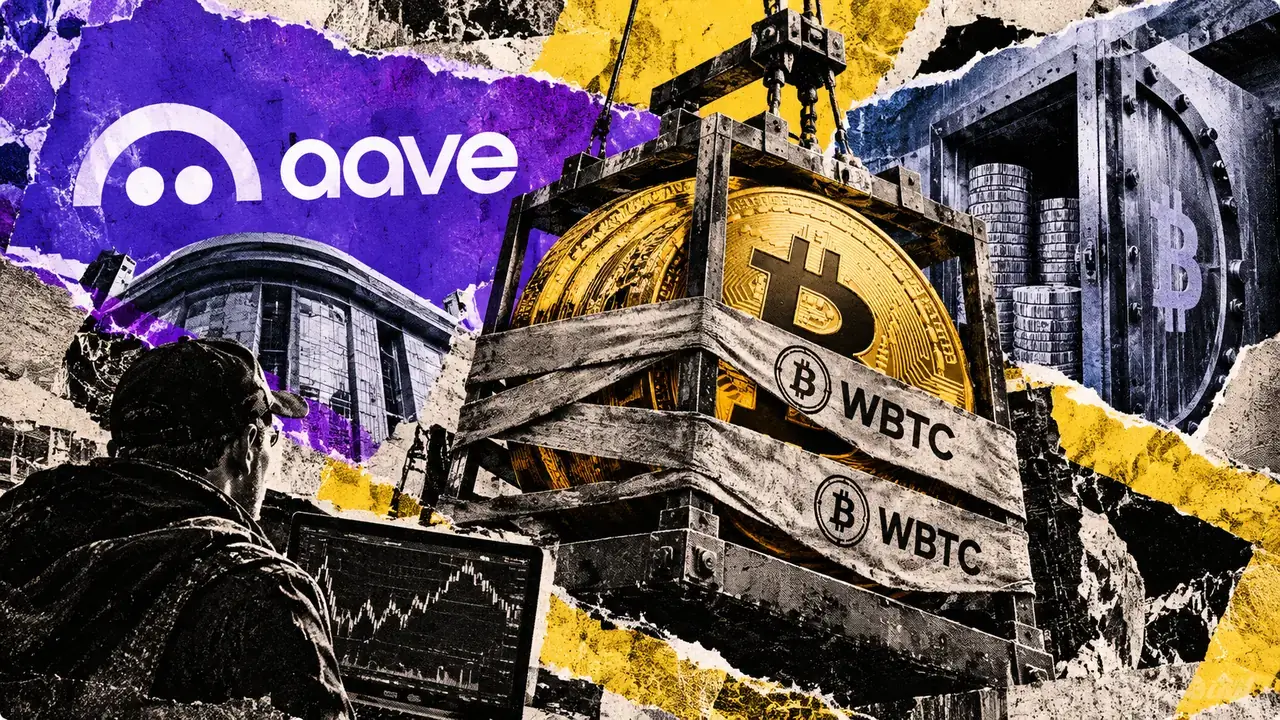
Babylon’s proposed direct route could bypass pool funding, but fees, borrower surplus and WBTC-denominated debt each have their own payment requirements.

The NBA has named Kalshi and Polymarket its preferred prediction-market exchanges under a new deal. The league also announced an information-sharing agreement with the US Commodity Futures Trading Commission.

The NBA is the third league to reach a prediction-market agreement with the CFTC, selecting Kalshi and Polymarket. The parties agreed to establish standards intended to protect the integrity of games in connection with prediction markets.

The U.S. derivatives regulator, which has championed prediction-market firms such as Kalshi, has been cultivating support among sports leagues. The NBA has joined the trend, while the NFL is resisting.
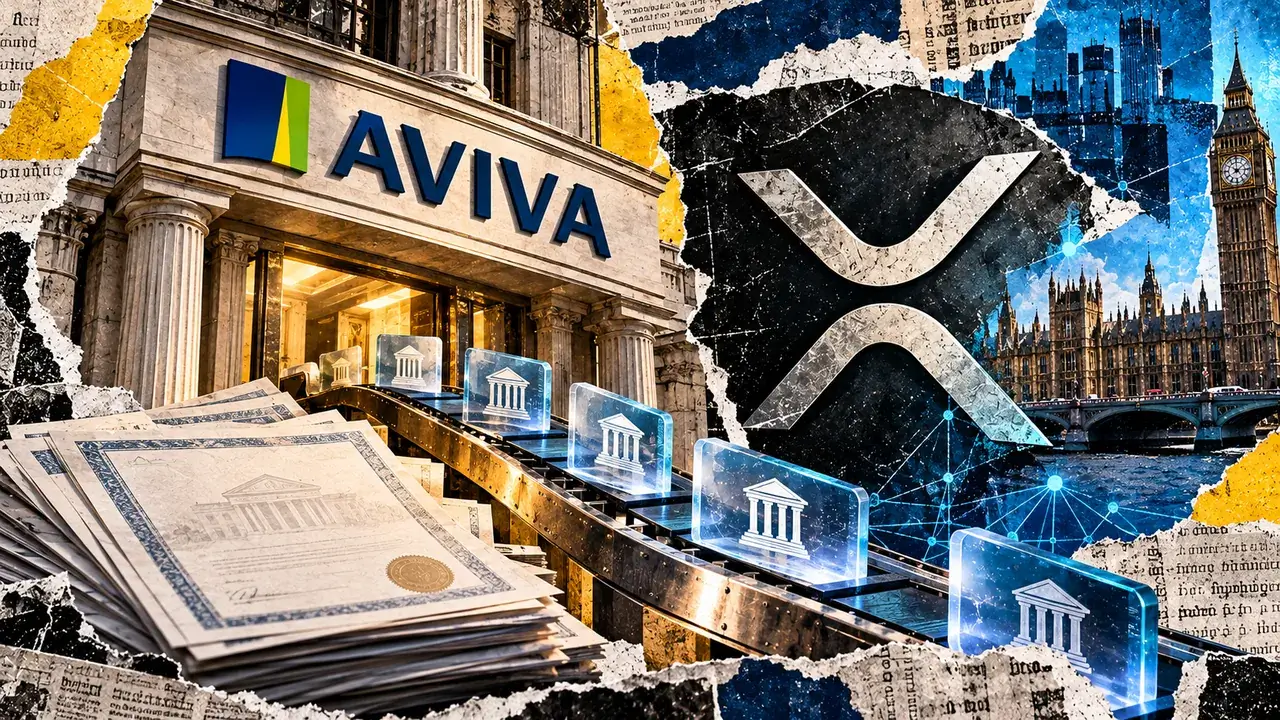
British asset manager Aviva invested £50 million ($66 million) in a blockchain-based share class of its Sterling Liquidity Fund on the XRP Ledger. Its combined investments across two XRP Ledger offerings now exceed £86 million ($116 million).

CZ says AI will drive crypto use, while BNB Standard plans to move beyond holding tokens in its treasury.

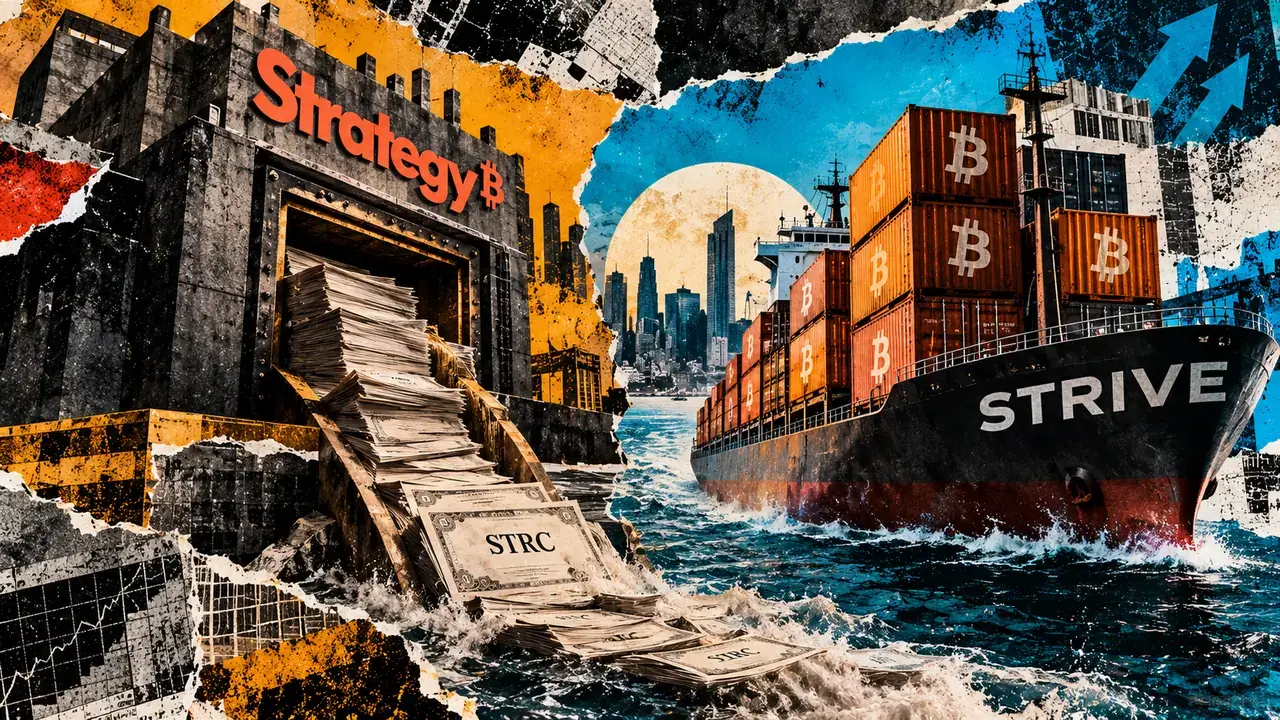
Strategy and Strive both made record purchases last week but directed funds to different assets. Michael Saylor’s Strategy stepped up preferred-stock buybacks, while Strive accelerated Bitcoin accumulation. Strategy’s Bitcoin buying streak ended after five consecutive weeks, and its STRC purchases exceeded $2 billion.

Hyperliquid plans to make Payward, Kraken’s parent company, the first HIP-3 deployer regulated by the U.S. Commodity Futures Trading Commission, marking a step toward regulated perpetual futures in the United States.

Bernstein lowers its price target for Coinbase while raising Circle’s, as new products reshape the companies’ earnings outlook.

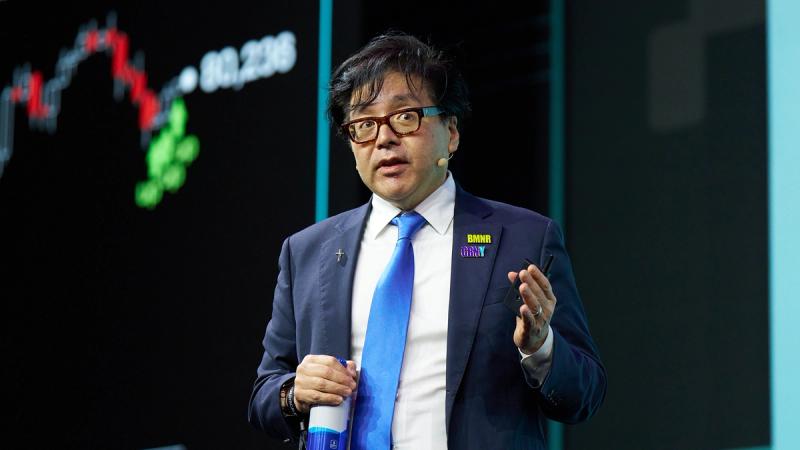
Ethereum treasury firm Bitmine spent $46 million buying back shares. Chairman Tom Lee said crypto has performed better than AI stocks during the recent market pullback.

FHLBNY’s Oct. 23 update focuses attention on dealers’ financing capacity as Oct. 30 approaches, while any Bitcoin spillover remains conditional.

With new federal licensing requirements approaching, the U.S. banking regulator is encouraging smaller lenders to develop stablecoin services.

Gateway gives cirBTC holders a shared balance across the networks, advertising fast access after deposit finality and a separate seven-day fallback exit.

South Korean officials are considering another delay to the crypto gains tax, concerned that users of domestic exchanges would bear the tax burden because the United States will not share crypto trading data until 2029.


South Korea is reportedly considering postponing its crypto gains tax for a fourth time, with a 2029 start in view. The delay is said to align with the U.S. schedule for integrating CARF, the OECD’s international tax framework for digital assets.
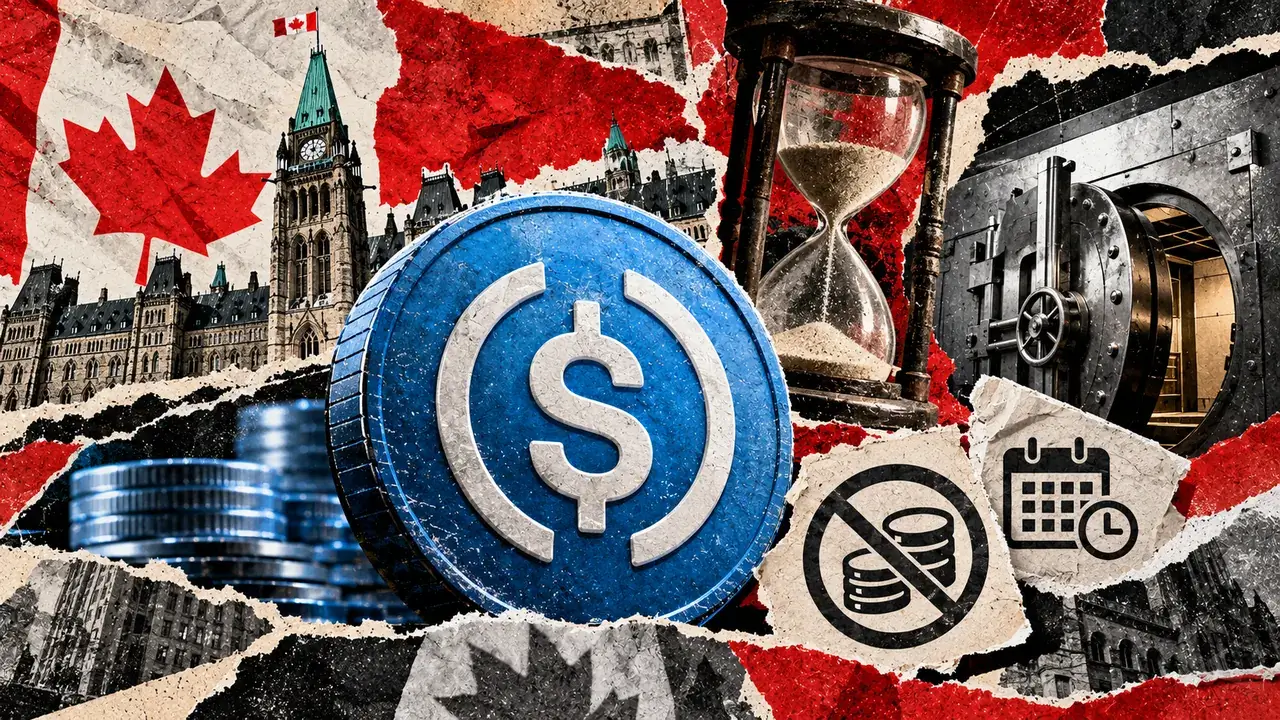
Canada has opened a consultation on proposed stablecoin rules. The draft requires non-bank issuers to back tokens one-to-one with reserves held at qualified Canadian institutions and settle redemptions within three business days; the ban on yields remains in place.

Tom Lee said the crypto bull market is underway as Bitmine added 10,452 ETH. The company’s crypto, cash, marketable securities and other investments totaled $15 billion as of Oct. 25.

A new historical comparison from the University of Michigan finds elevated long-term inflation expectations, which could complicate easier financing conditions for Bitcoin.

Strategy paused bitcoin purchases and repurchased $205 million worth of STRC preferred shares. Its bitcoin holdings represent about 4% of the total supply cap, with $3.9 billion in paper gains.

Strive’s latest bitcoin acquisition leaves it fewer than 1,000 BTC behind Metaplanet, which ranks second among corporate bitcoin treasuries. The company also unveiled a new $1 billion preferred stock offering program.

Galaxy said Bitcoin’s bear market ended in June, as reduced selling by long-term holders points to an attractive buying opportunity.

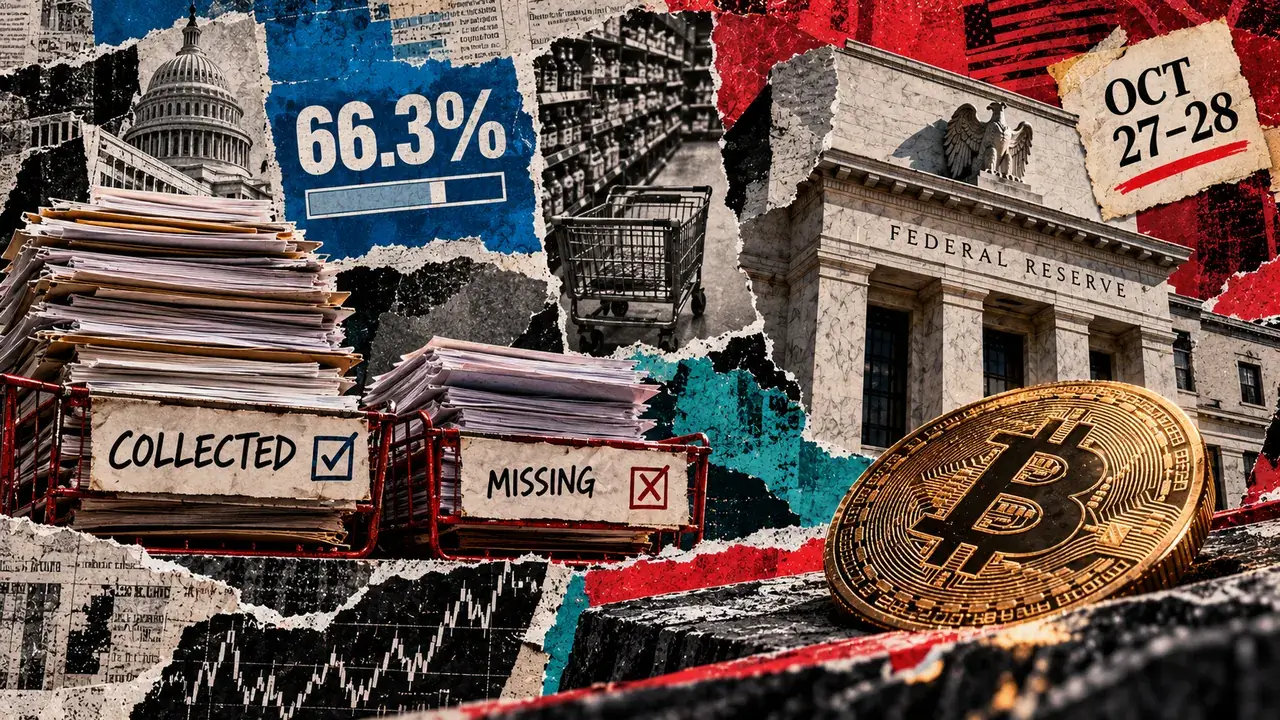
September’s 66.3% collection rate for commodity and service quotes shows the extent of survey coverage, but does not resolve which way any inflation bias may run.

A $68 million bitcoin bet is targeting a breakout to $90,000 after the midterm election.

Aviva Investors has introduced a tokenized share class of its Sterling Liquidity Fund on the Ripple-backed XRP Ledger.

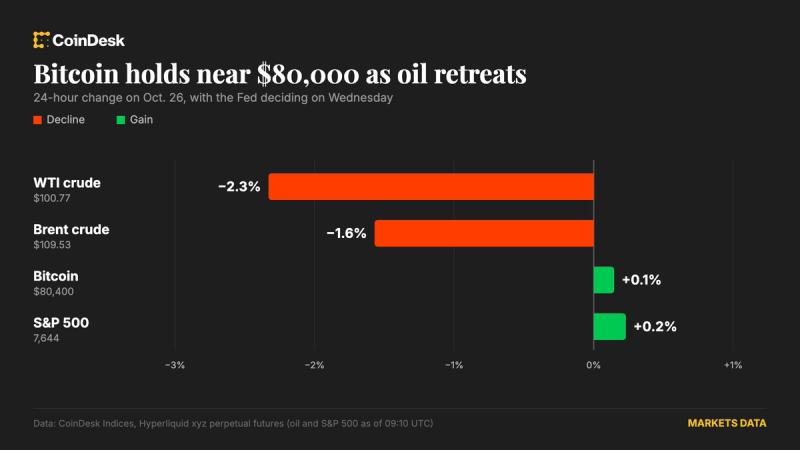
Bitcoin was little changed around $80,400 from midnight UTC. The DeFi index was the only CoinDesk index to rise, with the Fed set to announce its decision on Wednesday.

Brent crude dropped below $110 as hopes for an Iran deal grew, while Brazilian stocks fell. Bitcoin stayed above $80,000 as investors awaited earnings from Microsoft and Amazon and rate decisions from the Fed, BOJ and ECB.

Hong Kong’s Securities and Futures Commission approved secondary trading of tokenised public funds on Monday, in what it described as a world first. Investors can trade Hong Kong- and US-dollar versions of the ChinaAMC Digital Money Market Fund on an SFC-licensed virtual asset platform.

The week starting Oct. 26 is set to bring interest-rate decisions from the Fed, ECB and BOJ, along with Coinbase earnings.

The FCA’s nonbinding consultation describes due diligence on unhosted wallets as good practice and criticizes unexplained third-party scores and inflexible tracing rules.

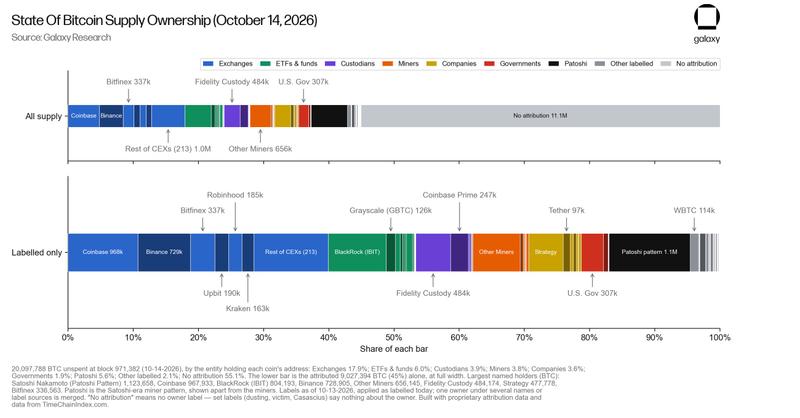
Observers said the large number of coins held in unidentified wallets indicates that retail investors have been in the market for years, though they cautioned that this interpretation has a caveat.

The Mumbai-based exchange initially called reports of suspicious outflows a false alarm. It now says an internal process failure caused a $16 million loss, which it will absorb.

Bitcoin dropped below $80,000 as traders reduced risk ahead of a Federal Reserve meeting. Ether and XRP led declines among major cryptocurrencies, while the AI trade suffered another setback in Asia and Goldman Sachs lowered its Kospi target by 25%.

Canada’s proposal would let covered stablecoin holders redeem directly with no minimum amount. However, illiquidity in reserve markets could constrain daily exits, and access to banking services would remain important.

Lido has opened larger Ethereum validators that require operators to post a separate bond. Activation, cap increases and protocol inflows will determine how much validator stake arrives later.

After HSBC launched RedCoin on Friday, Anchorpoint, the stablecoin-issuing joint venture led by Standard Chartered, said it intends to offer a retail product on a public blockchain while taking a “prudent approach”. CEO Dominic Maffei said its next major milestone is to bring regulated digital money to everyday payments and commercial uses while linking traditional payment infrastructure with emerging digital finance.

The MDK v0.11 reference agent requires human approval, while site identity and command controls determine who can take action.

CoinDCX confirmed a $16 million loss from retired wallets. Days earlier, CEO Sumit Gupta told users on X that initial reports of a breach sounded like “a false alarm.”

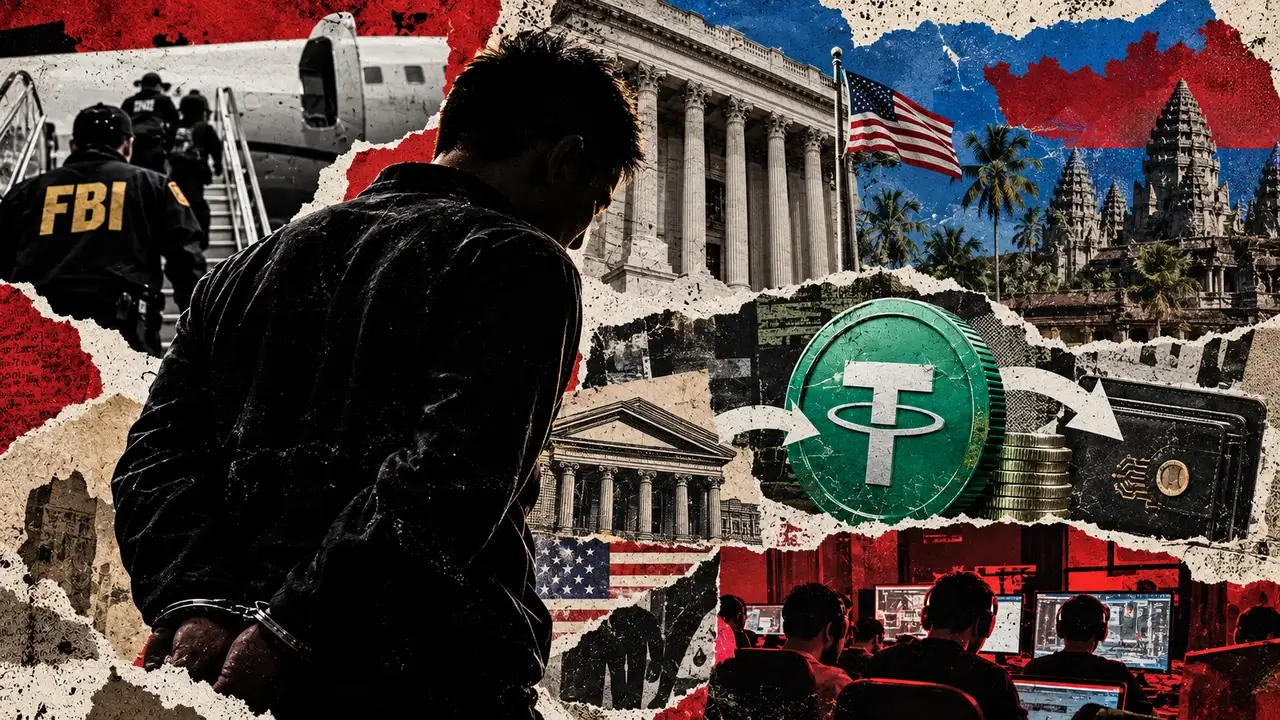
Prosecutors allege that a bank-to-USDT laundering channel was used in a case involving 174 identified US victims. No new repayment figure was announced.

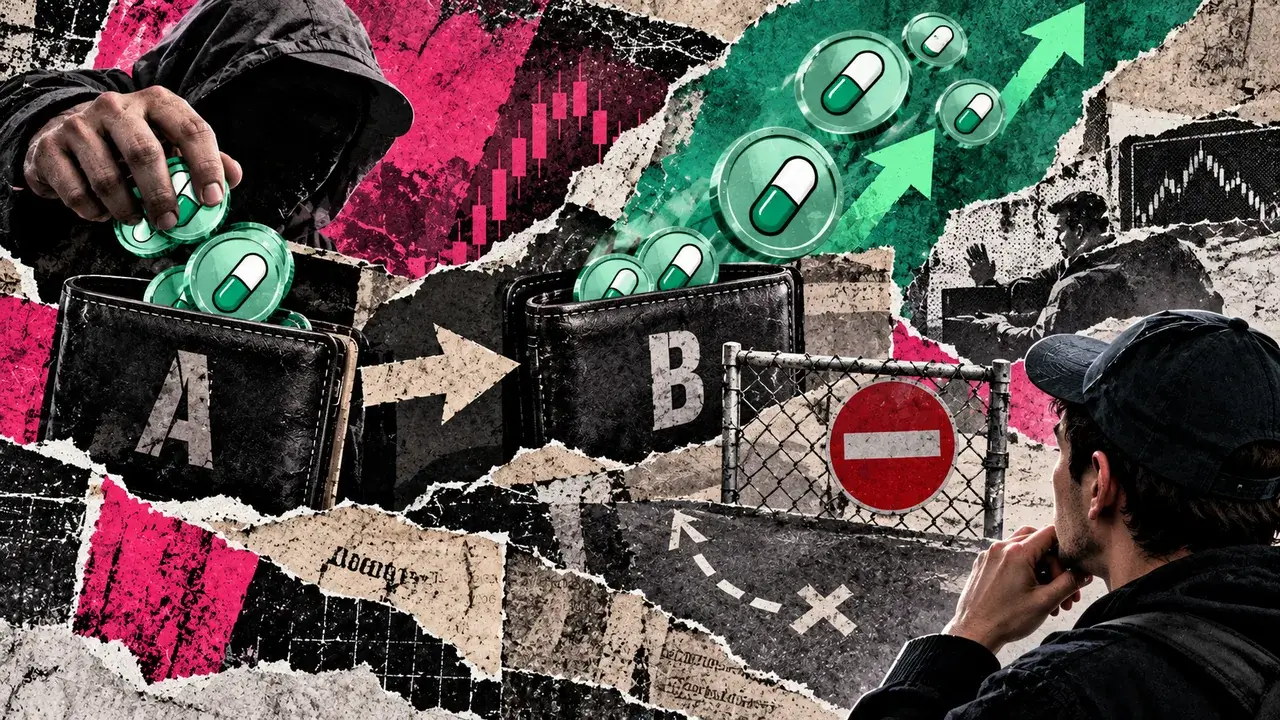
Bitquery’s transfer-aware analysis says large gains shown by an address can conceal an acquisition strategy that followers cannot reproduce.

Economics Minister Viktors Valainis says rules may be introduced in the first half of next year. An overdue assessment is still unfinished, and no sovereign-bond issuance has been identified.

Ahead of Israel’s general election, Benjamin Netanyahu said the country should prepare to use blockchain-based cryptocurrency to bypass possible sanctions amid growing international isolation over the Gaza war and West Bank settlements. The Bank of Israel rejected the plan, while opposition parties said it would deepen isolation; the report says there are few buyers.

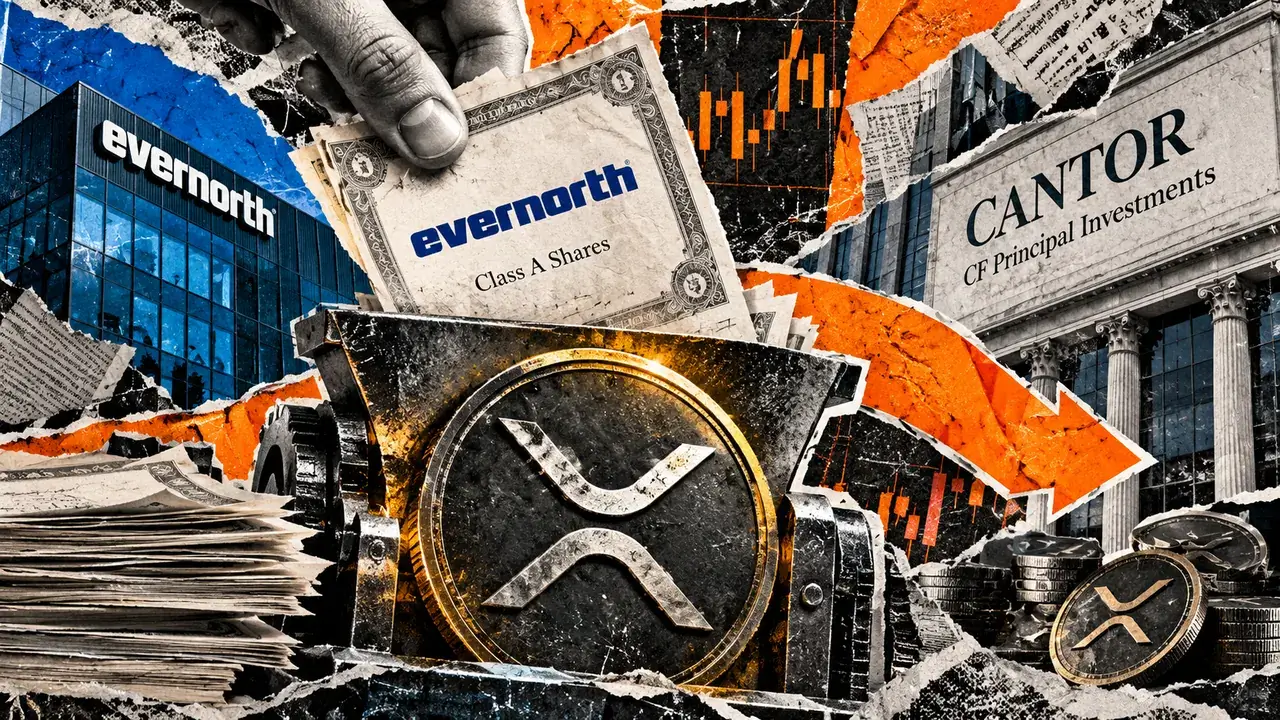
Evernorth has unveiled an $80 million XRP funding plan modeled on Michael Saylor’s Bitcoin approach. Cantor’s ordinary share purchases will track eligible XRPN volume, while registration, fees and allocation rules will govern potential XRP spending.

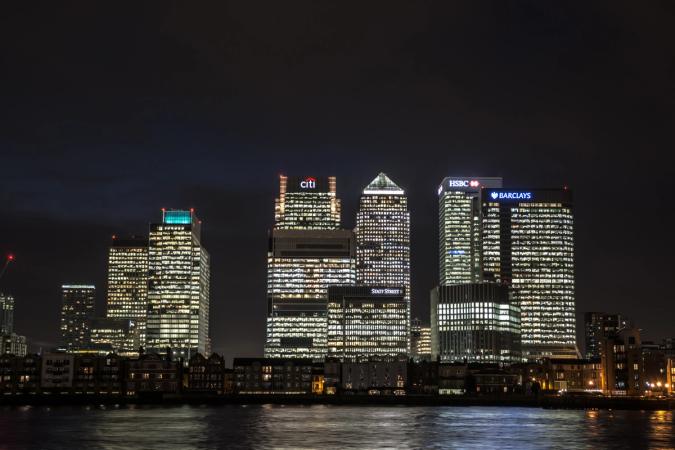
UK banks have faced 10,000 complaints in three months over restrictions on cryptocurrency purchases. The UK says it aims to become a global crypto hub, a goal seemingly at odds with major banks’ approach to crypto buying.

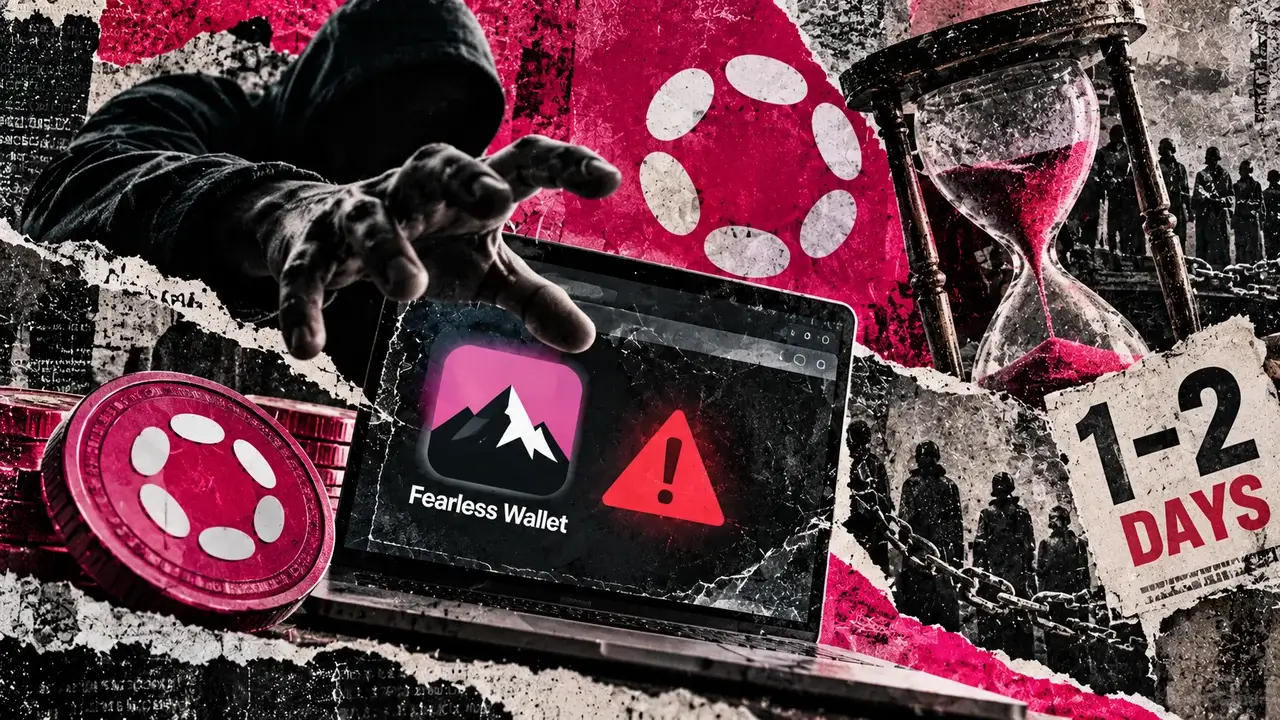
Polkadot’s earlier cut to nominator exit times leaves less time to coordinate assistance before exposed funds become withdrawable.

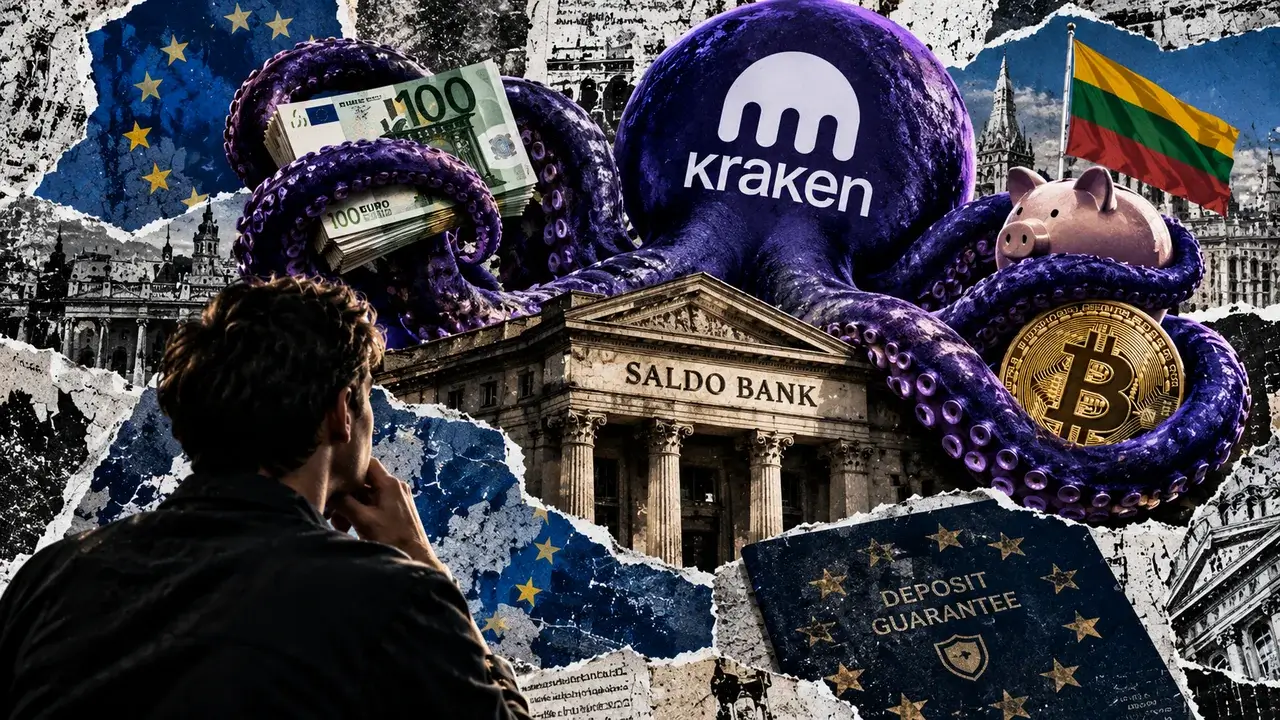
Kraken’s parent company wants a role in customers’ finances before they buy Bitcoin and after they sell it. On Oct. 14, Payward agreed to acquire Finland-based Saldo Finance Oy, owner of Lithuania’s Saldo Bank. The deal is expected to close in 2027, subject to regulatory approval.

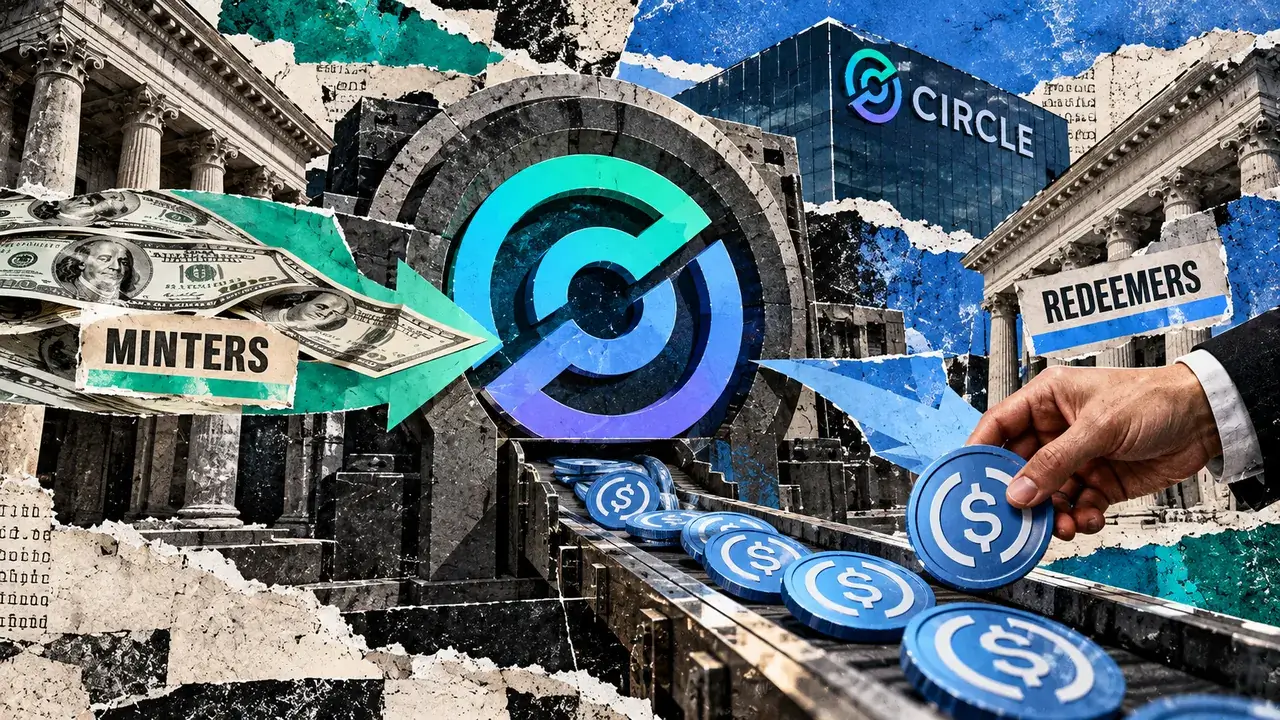
Eligible institutions can earn rebates funded by matched redeemers, whose auction fees are capped at the Express rate.

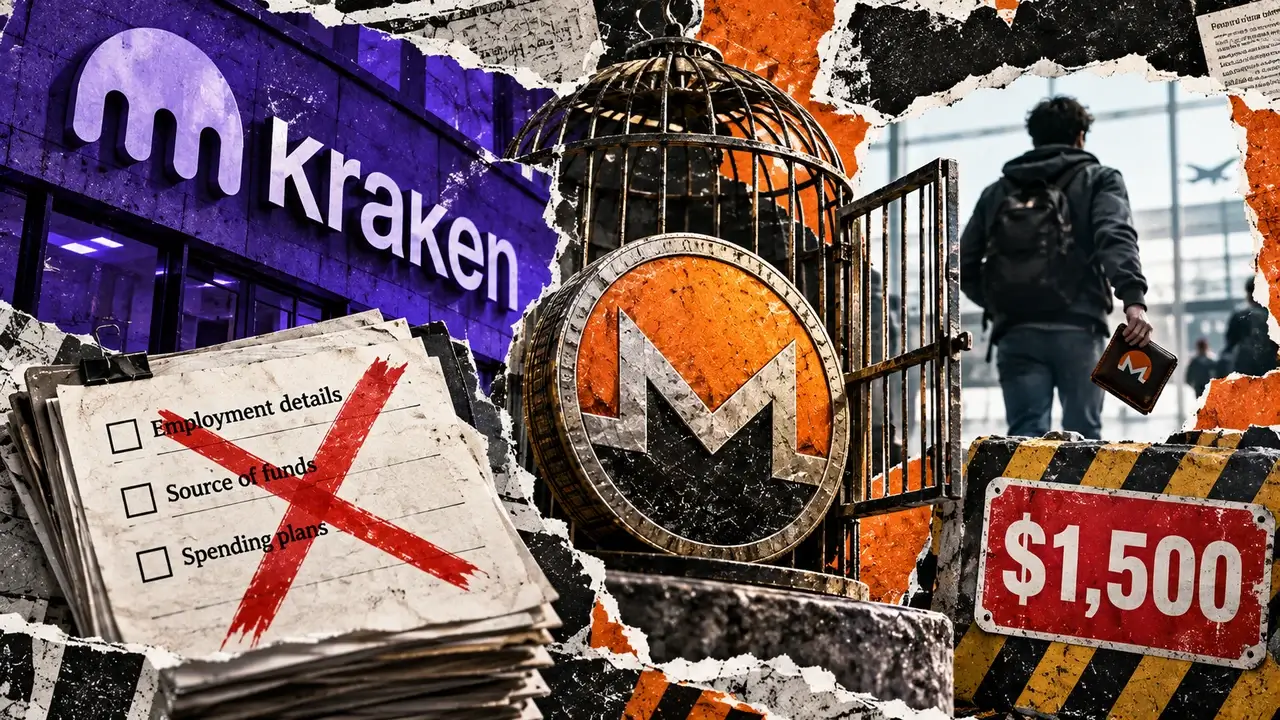
Crypto exchange Kraken has withdrawn compliance questions sent to Monero customers. Co-CEO Arjun Sethi acknowledged the requests were unjustified; customers who bought and withdrew Monero had been asked by email about their employers, funding sources and intended crypto use. The $1,500 rolling 30-day withdrawal cap for individuals remains.

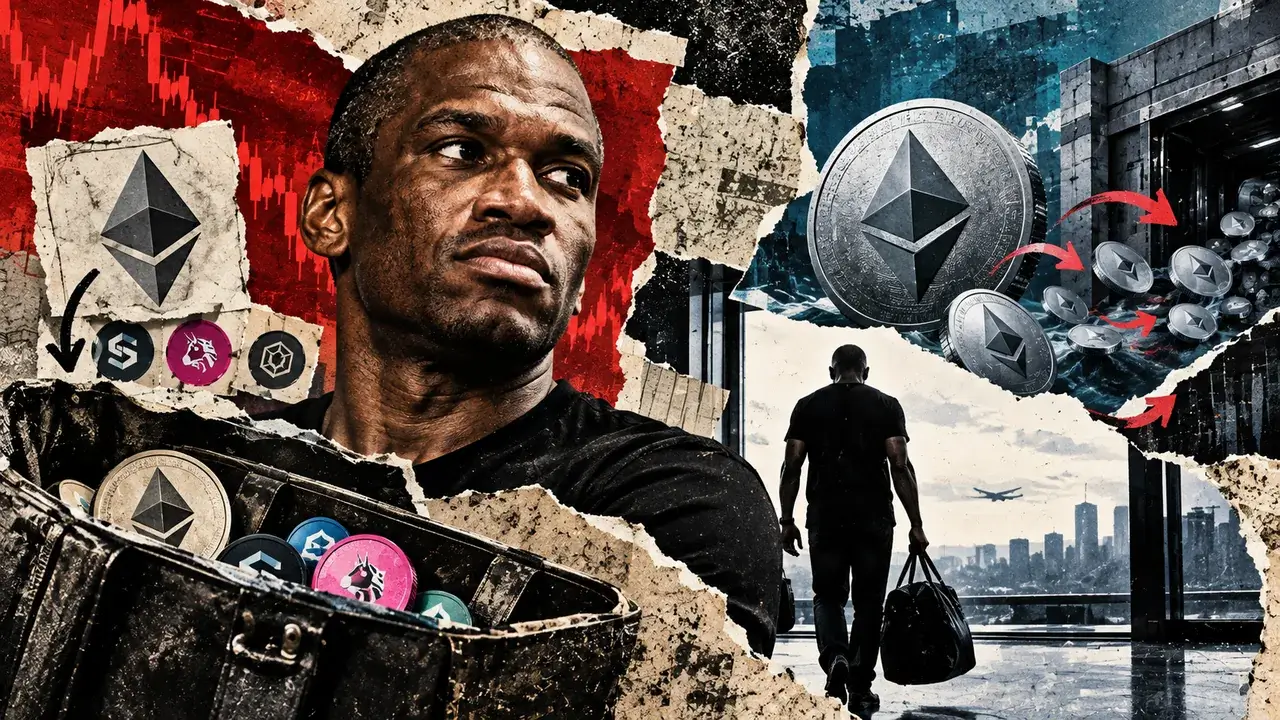
Arthur Hayes said he took profits on Ethereum, Ethena, Uniswap and other cryptocurrencies, citing rising macroeconomic and geopolitical uncertainty. On-chain analysts are tracking about $26 million in token sales.

Bitcoin briefly slipped below $80,000, with crypto longs losing $404 million over four hours. Spot bitcoin ETFs saw $773 million in outflows on Thursday and Friday after three consecutive days of net inflows, according to SoSoValue data.

The owner of the New York Stock Exchange wants people to trade stocks around the clock. Given the trading volumes in crypto and other tokenized assets over roughly the past year, the move to introduce stock tokens comes as little surprise.

An Argentine judge cleared President Javier Milei and 10 others in the LIBRA case. The 60-page ruling said Milei’s post promoting the token did not, on its own, establish fraud.

The securities have funded purchases of nearly 136,000 bitcoin. Analysts expect this financing channel to complement the larger ETF market.

A Circle shareholder filed suit in Washington federal court on Oct. 22, alleging UAE-linked crypto payments enriched Trump’s family and diverted business from USDC. The complaint challenges a $500 million investment in Trump’s World Liberty Financial and a separate $2 billion transaction settled with its USD1 stablecoin.

Bitcoin fell below $80,000 for the first time in more than a month.

Some of the world’s largest companies objected to being listed on the first tokenized securities trading venue launched under the SEC’s innovation exemption. The early resistance may reflect issuer caution more than opposition to tokenization itself.

A judge ruled that Milei’s promotion of LIBRA did not amount to fraud, despite the attention his support brought to the token, and dropped the criminal investigation.

Reuters reported that six more companies have objected to listing tokenized versions of their shares on the venue, bringing the total number of objectors to 22.

Xapo Bank CEO Seamus Rocca told CoinDesk that long-term investors are increasingly prioritizing borrowing against bitcoin and earning income to grow their BTC holdings.
Santiment reported that about 169,770 ETH left centralized exchanges on net on Oct. 23, the largest daily withdrawal in more than four months, worth about $407 million at a reference price of $2,400. The previous larger outflow was on June 5, when roughly 223,800 ETH left exchanges.

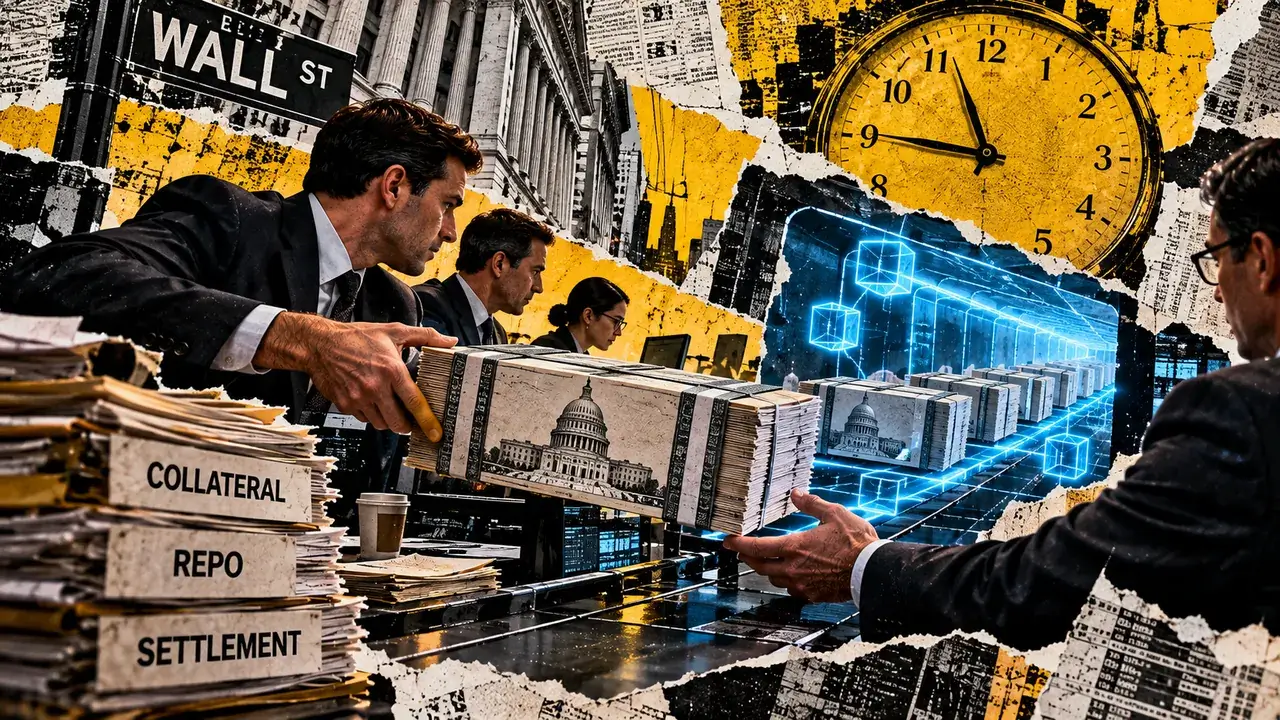
Blockchain is helping institutions borrow billions over a short stretch of the morning, often when they hold government bonds but lack cash to meet a payment due. The use offers a practical, if unglamorous, application of the technology.

Apex Group CEO Peter Hughes warned that the U.S. Clarity Act’s failure will push digital asset businesses toward jurisdictions in Asia and the Middle East that move faster.

Senator Richard Blumenthal demanded records concerning reported payments by stablecoin issuer Tether to consulting firm Nxum, which was co-founded by former White House crypto adviser Bo Hines.

Investing €10,000 in Ethereum staking at a 2.2% annual return would earn about €220 in a year if ETH's price remained unchanged. That is only €7 more than the average rate on new euro household deposits with maturities of up to one year, while exposing investors to ETH price volatility.

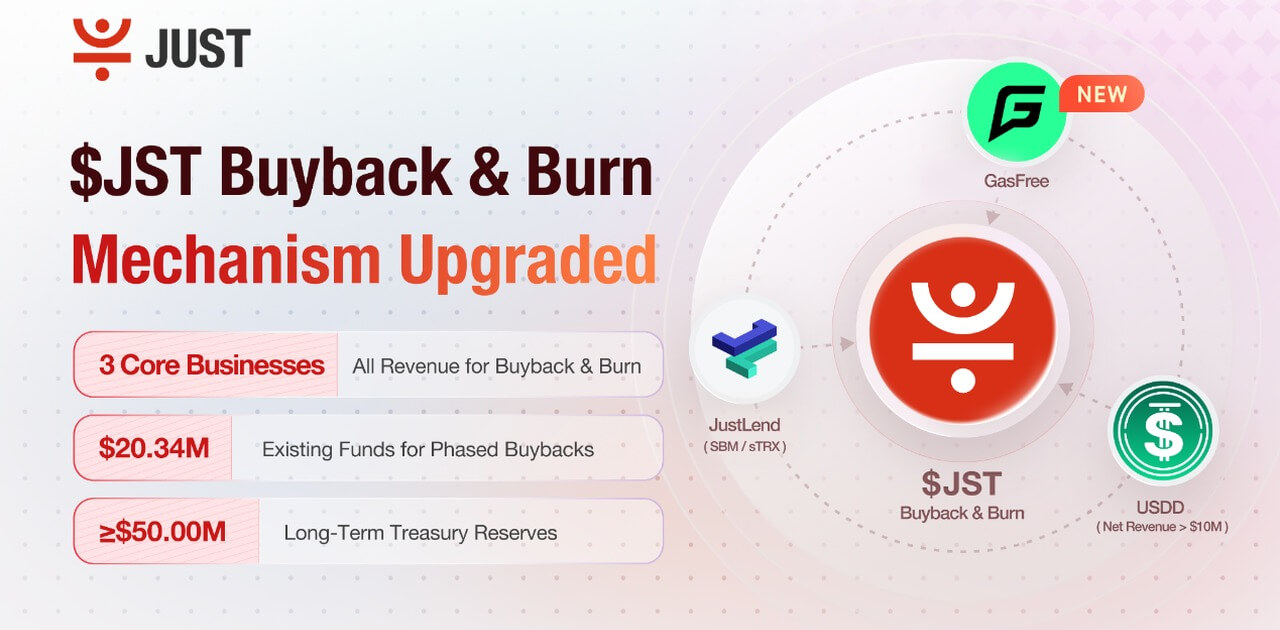
The upgraded JST buyback-and-burn program establishes a $50 million treasury reserve buffer and adds GasFree revenue alongside JustLend and USDD to fund all core JUST products. About $20.34 million in legacy surplus funds will be released in phases for future use.
The October 22 motion comes after a 2025 liability ruling. Separate promoter obligations include Ciceron’s installment payments through 2029.

The Minutes Reader extension turns the original page into a focused reading view and translates articles and video subtitles on demand. It is in limited beta.