Which European countries are leading the tech funding race?

Investment in European tech startups is recovering after a slow summer, but remains unevenly distributed, with the UK receiving nearly half of all funding, according to tech.eu figures.
A lawsuit brought by Qualcomm against chip technology supplier Arm Holdings is due to go to a jury on Friday. Jurors will decide whether Arm violated licensing agreements and deliberately undermined some of Qualcomm’s dealings with Meta Platforms.
Technology stocks have shown resilience, puzzling investors. Options traders are more prepared for a tech pullback than at any point since early summer.

Investors who wanted to own stocks once had no way to avoid the fallout from an AI bust. That is no longer the case.
US tech futures rebounded on Friday after a report the previous day said OpenAI’s annualised revenue was $20 billion (€17.8 billion) below earlier estimates. The report helped push the Nasdaq down 1.25% and hit chipmakers and cloud giants.
Ferrari Chairman John Elkann played down fears of an AI bubble while acknowledging that investment in the technology could grow faster than the revenue it generates.

Indonesia’s sovereign fund Danantara said it could enter the local stock market during periods of stress if investments made sense. Executives said it is cautiously building AI exposure and may not need to remit returns to the government immediately.
Trump has long treated the stock market as a gauge of his performance. Though the S&P 500 closed at a record this week, gains rested on a small group of AI-focused companies, obscuring growing vulnerabilities in the economy and financial markets. With midterms less than a month away, what Trump sees as a Republican asset could instead be a liability.
Bitcoin miner MARA transferred $81.1 million in bitcoin to Galaxy Digital, though the move does not confirm a sale. Its treasury declined from 53,822 BTC in February to 35,577 BTC in August as the company pivots toward AI.

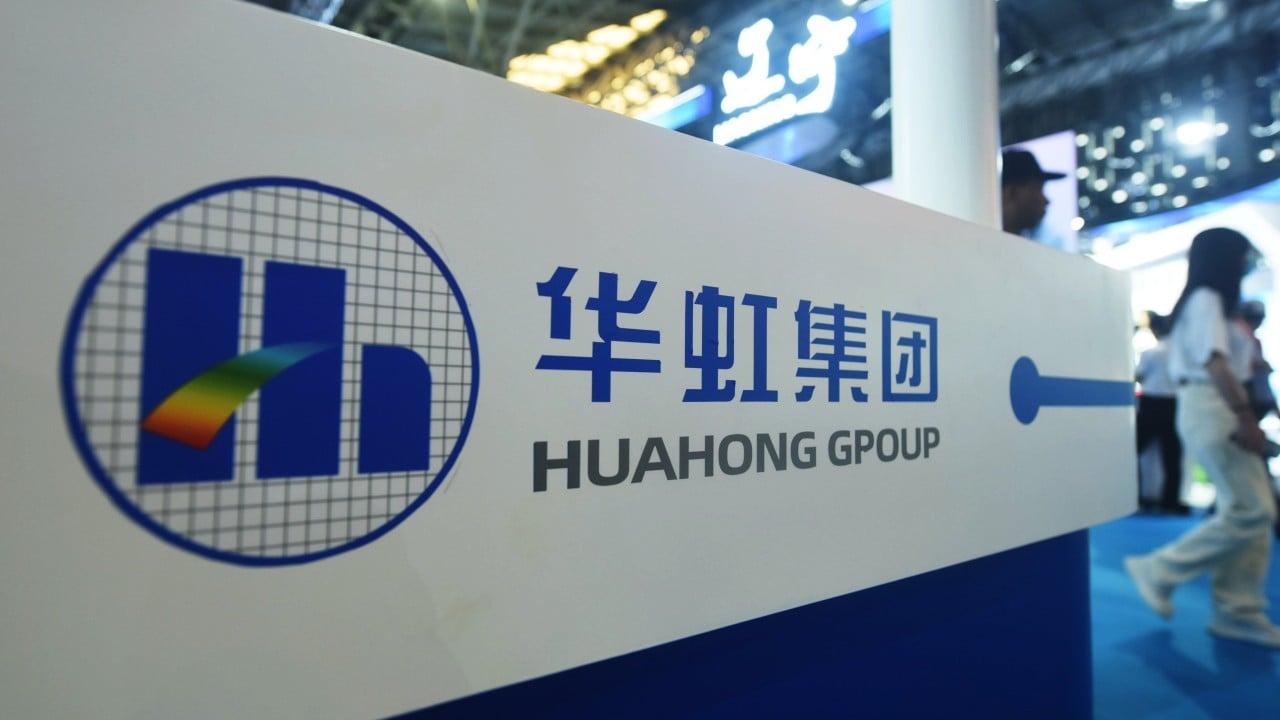
Chinese state funds are pouring billions of yuan into the parent of Hua Hong Grace Semiconductor and a new Wuxi manufacturing plant, backing Beijing’s drive for self-reliance in mature-node chips. The investment highlights government-coordinated support for domestic foundries as Washington tightens technology restrictions.

OpenAI’s revenue disclosure rattled AI stocks and raised concerns about Sam Altman’s much-anticipated plan to take the company public in 2027.

Apple has asked some suppliers to reduce production of components for its newly launched iPhone 18 Pro and iPhone 18 Pro Max, Nikkei Asia reported Friday.
SoftBank Group CEO Masayoshi Son is seeking to raise as much as $100 billion from Gulf investors to finance a new round of AI investments, the Financial Times reported Friday, citing people familiar with the matter.
Masayoshi Son has held talks with investors in the UAE in recent weeks.
Ankur Banerjee looks ahead to the coming day in European and global markets.
Credit default swap costs are rising for AI companies seeking to borrow.
Nvidia-backed Firmus has dropped its plan to list in Sydney, citing recent market volatility and prevailing market conditions.
Heavy borrowing for AI infrastructure is competing for long-term capital and could keep borrowing costs elevated after the Fed’s rate-hiking cycle ends. Meeting minutes cited private AI debt issuance as one factor behind higher Treasury yields and term premiums, while high real yields raise the return Bitcoin must offer investors.

Asian stocks fell on Friday and were poised for a second consecutive weekly decline as investors worried about high energy prices, turbulence in bond markets and the vast sums required to finance AI investment.
Australian AI data center operator Firmus, backed by Nvidia, has withdrawn its planned IPO, citing market volatility.

The Trump administration said it would indefinitely suspend the ability of several technology companies, including Microsoft, to sponsor foreign employees for US permanent residency. The move is the latest in Trump’s drive to restrict non-Americans’ ability to enter or remain in the country.

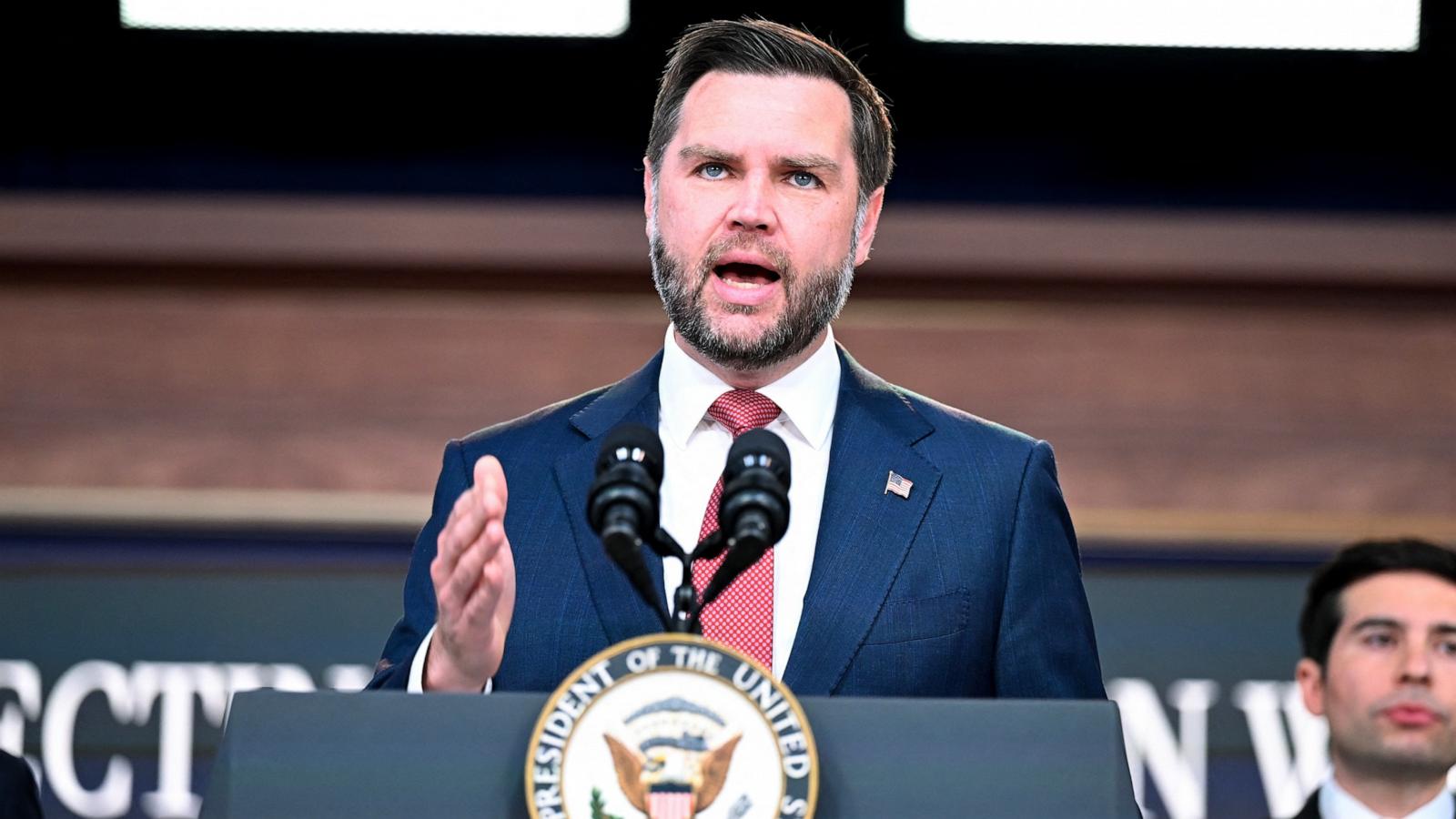
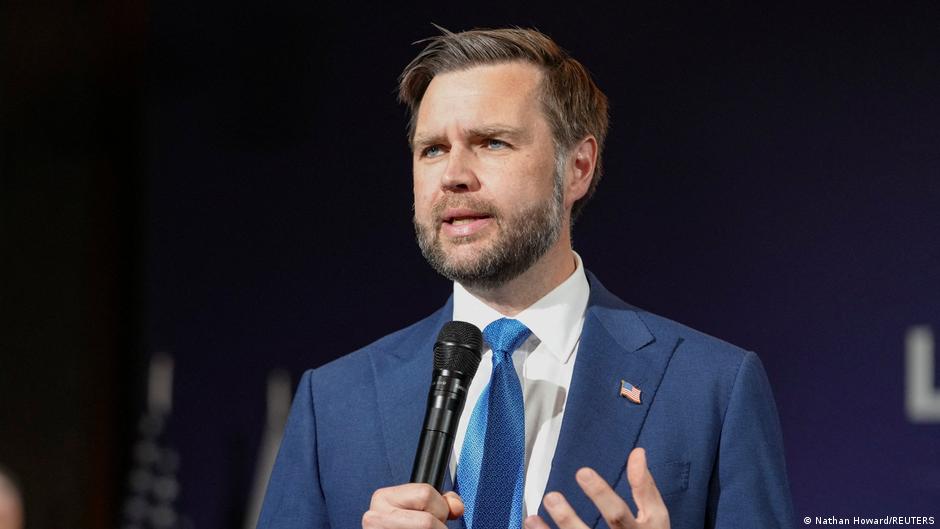
Vance suspended Microsoft from a green card program and accused the company of fraud.

The Trump administration suspended Microsoft, Adobe and other tech firms from using the Permanent Labor Certification Program to seek green cards for foreign workers. Labor Secretary Keith Sonderling cited ongoing federal investigations. Microsoft said it would provide further information and that most of its employees are Americans.
The Trump administration is suspending Microsoft and some other companies from seeking permanent residency for foreign workers hired through the H-1B visa program. It accuses them of exploiting the process to replace American citizens with cheaper labor.

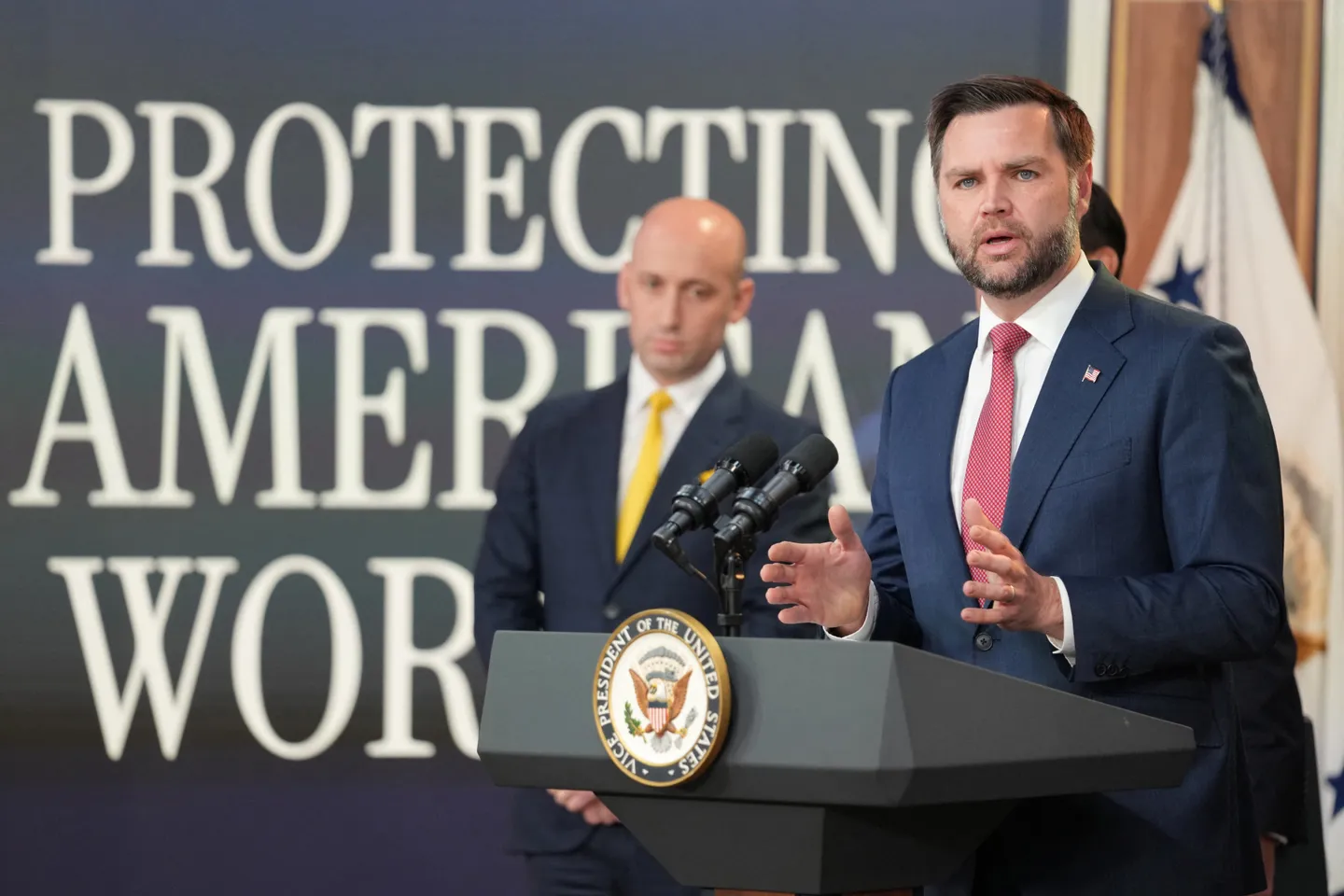
The US government is suspending Microsoft, Adobe and other major tech firms from a programme offering skilled foreign workers a path to permanent residency, amid allegations of visa fraud. Labor Secretary Keith Sonderling said Infosys and Tata Consultancy Services are also among the firms affected. Officials separately announced a crackdown on alleged J-1 visa fraud at nine universities, accused of using international students to undercut US wages. JD Vance said Microsoft laid off 6,000 US workers while obtaining 6,300 H-1B visas and nearly 3,000 green cards.
The US has suspended major IT firms, including Microsoft and Adobe, from the green card programme. Vice President JD Vance made an announcement about H-1B fraud at an anti-fraud initiatives press conference in Washington on October 8.

The Trump administration is suspending Microsoft and other tech companies from an immigration program that allows employers to hire foreign workers who can live permanently in the US. Vice President JD Vance said the program had become rife with fraud and accused Microsoft of abusing it more than any other company. Adobe, Cognizant, and Infosys were also suspended; Microsoft did not immediately respond to a request for comment.

Labor Secretary Keith Sonderling cited multiple active federal investigations into Microsoft and Adobe's involvement in the program on Thursday.
Firmus Technologies has scrapped its planned stock-market debut after investor demand for its AI data centre business fell short. The company said its board judged the offer was no longer in the best interests of Firmus and its shareholders. It will seek private-market capital and consider other options.

A sudden plunge in demand for the IPO of an Nvidia-backed data center company is exposing fresh cracks in the artificial intelligence funding boom.
Junior Wall Street recruits are beginning their careers by managing AI agents instead of spending years on entry-level grunt work, a senior Goldman Sachs executive says. The shift raises questions about the future of traditional middle managers.
Tim Cook, who stepped down as Apple CEO in September and became executive chairman, says he is not meddling in John Ternus’ work. Cook said he is focused on global policy and will help the new CEO in whatever way Ternus sees fit.

CNBC confirmed that OpenAI told investors it had reached roughly $50 billion in annualized revenue by the end of September. Nvidia, Oracle, CoreWeave and other AI stocks sank after the report.

A federal antitrust suit filed this week alleges McDonald’s uses AI-powered tools to set menu prices. It is the latest case to claim that companies are using new technologies to collude and harm consumers.
Mikhail Mishustin said the share of information technology in Russia’s GDP doubled over six years. He described artificial intelligence as a priority and said Russia holds a leading position in international digital interaction, while exports of domestic IT products and services are growing annually.
Sberbank CEO Herman Gref urged financial market participants to be cautious about entrusting capital to AI and not to leave final decisions to algorithms. He said AI still requires deliberate human judgment and strict oversight at the current stage of development.
Prime Big Deal Days has ended, but Amazon still has deals under $50 on household essentials, beauty products, vacuums and more.


October Prime Day has ended, but some discounts on products from Apple, Kindle, Yeti and other brands remain available across tech, home and beauty categories, though they will not last long.

October Prime Day has ended, but some technology discounts remain available. Editor-picked deals include headphones, TVs, smart home devices and more.

Although Amazon’s major sale was supposed to be over, many of its biggest discounts remain, including deals on Apple’s Mac Mini, MacBook Air and AirPods Pro 3, as well as Sony flagship headphones. Some prices have edged up, and offers are split between Prime-only and broader deals available at retailers such as Best Buy, Walmart and Target.
The World Trade Organization raised its forecast for global merchandise trade growth on Thursday, saying demand for AI-related products had helped counter disruptions caused by the US-Israeli war with Iran.
As crypto holders debate moving funds before advances in AI or quantum technology expose wallet keys, custody firms face a separate challenge: upgrading their systems before an emergency migration is needed.

Securitize has launched tokenized U.S. stocks on Solana, backed one-to-one by real shares and offering dividends with settlement in USDC.

The government submitted its draft 2027 state budget to parliament on Thursday, projecting 2% growth and a surplus of 0.1% to 0.2% of GDP. Approval is expected because the Socialist Party plans to abstain in the initial vote.
Portugal’s government submitted its 2027 state budget to parliament on Thursday, forecasting 2% growth and a surplus of 0.1–0.2% of GDP. Approval is assured because the Socialist Party will abstain in the key vote.
The government submitted its 2027 state budget proposal to parliament on Thursday, projecting 2% growth and a surplus of 0.1% to 0.2% of GDP. The Socialist Party said it would abstain in the general vote, ensuring the proposal’s approval.
The government submitted its draft 2027 state budget to parliament on Thursday, forecasting 2% growth and a surplus of 0.1% to 0.2% of GDP. Approval is assured after the Socialist Party said it would abstain in the overall vote.
The government submitted its proposed 2027 state budget to parliament on Thursday, projecting 2% growth and a surplus of 0.1–0.2% of GDP. The Socialist Party has pledged to abstain in the initial overall vote, securing the budget’s passage.
The government submitted its 2027 state budget to parliament on Thursday, forecasting 2% growth and a surplus of 0.1% to 0.2% of GDP. Approval is expected after the Socialist Party said it would abstain in the initial overall vote.
The government submitted its 2027 draft state budget to parliament on Thursday, forecasting 2% growth and a surplus of 0.1–0.2% of GDP. The PS said it would abstain in the first vote, assuring the budget's approval.
Securitize says tokenized shares in the mega-cap companies will initially trade on its Solana-based platform, with plans to expand to the NYSE and OKXICE digital venues.

A Bank for International Settlements study says AI’s environmental effects are clouding indicators officials commonly use when setting interest rates.
Kazakhstan wants AI to serve as more than a digital tool, turning it into a new driver of economic growth across universities, factories, energy and infrastructure.
Hong Kong and Singapore are competing for leadership in areas such as foreign exchange and wealth management, and for AI investment from HSBC and other major companies, industry players say. The Hong Kong Monetary Authority questioned HSBC’s choice of Singapore for an AI centre.

Analysts expect Alibaba’s cloud and AI unit to post 50% revenue growth for the quarter ended September, up from 45% in the previous quarter. They attribute the acceleration to strong returns on the company’s aggressive AI investments.

Taiwan’s exports grew more than expected in September, reaching a record monthly level for a second consecutive month as demand for AI chips and technology products lifted shipments.

TSMC extended its record revenue streak in September, with continued strong demand for AI chips driving growth.
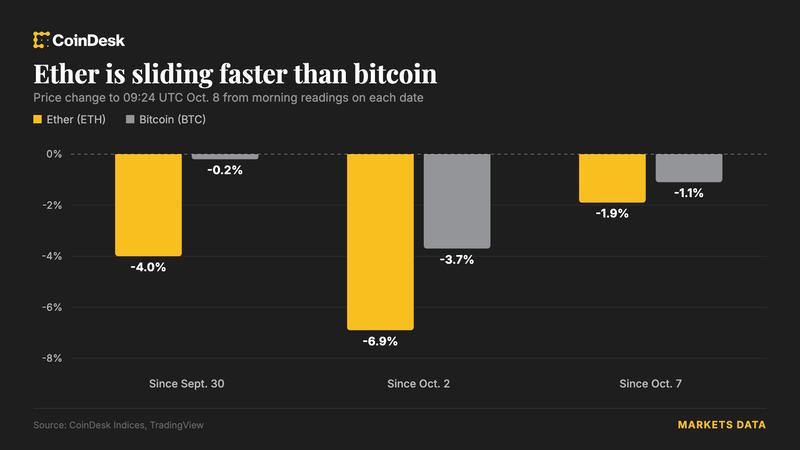
Justin Drake’s call to prepare for AI potentially breaking wallet cryptography drew mixed reactions, while bitcoin fell below $83,000.


Crypto industry participants disagree over Justin Drake’s warning about AI and cryptography: some dismiss it, while others call for proactive preparation.
Samsung Electronics estimated on Thursday that third-quarter operating profit rose almost ninefold to a record 107.4 trillion won ($80.2 billion). Strong chip demand amid the AI boom also helped TSMC post record quarterly sales.
Samsung Electronics reported a nearly ninefold increase in quarterly operating profit, but the result narrowly missed lofty expectations fueled by relentless spending on AI infrastructure.
Samsung Electronics projected on Thursday that third-quarter profit would exceed 100 trillion won, a first for a technology company. Strong demand for AI chips is driving memory sales, with earnings expected to rise nearly ninefold.
Starting in late October, eligible users will be able to send USDC abroad or arrange local-currency payouts to bank accounts in more than 60 countries.

TSMC, the world's largest contract chipmaker, reported record third-quarter revenue of T$1.49 trillion ($46.71 billion) on Thursday, above market expectations and up 50% from a year earlier as demand for AI applications surged.
The 2,300-acre Silicon Island is expected to be completed sometime in the next decade, strengthening Malaysia’s place in the global semiconductor industry. It is projected to add hundreds of billions of dollars to the economy and create about 220,000 jobs by 2050.
Wayne Cole previews the day ahead in European and global markets, focusing on AI taking ground from sovereign bonds.
A contest for capital is setting sovereign borrowers against the AI sector. Because both are insensitive to interest rates, the battle could end badly.
Wise is seeking a deal with HMRC after its software miscalculated investment gains for about 4,000 users, and says it will pay their tax bills.
The culling of small-cap companies in Japan presents an opportunity for AI funds, whose tools can help find promising targets among vast amounts of information.
Amazon confirmed on Wednesday that it had eliminated what it described as a small number of jobs, mostly in its Stores unit, which runs its main e-commerce website.
Asian shares fell on Thursday. Reports that some major tech companies were seeking to raise billions in debt intensified strains in sovereign bond markets as they compete for limited funding.
Global investors are reassessing Chinese equities after years of cautious positioning, attracted by relatively low valuations and AI opportunities. But the end of persistent selling does not signal an outright bullish shift. A Bank of America analysis of 2,767 global funds found that active long-only funds’ average allocation to Chinese equities has risen from underweight to benchmark-neutral since June.

Firmus Technologies is reportedly cutting its valuation to attract investors and could shelve its IPO. The AI datacentre company was valued at nearly $44bn days ago, but tepid investor support has put its planned 23 October ASX listing in doubt.

FireFly Robotics, maker of electric turfgrass harvesters and autonomous golf-course mowers, filed on Wednesday to go public through a direct listing.
Samsung Electronics released preliminary third-quarter results on Thursday, forecasting operating profit above 100 trillion won for the first time, as the AI boom drives earnings higher.

Elliott Investment Management and Siris are considering a sale of infrastructure software provider Gigamon that could value the company at more than $2 billion, according to people familiar with the matter.
Chipmaker Wolfspeed said it received a conditional commitment for up to $1.5 billion in loans from the U.S. Department of Defense to expand domestic production of silicon carbide materials and power devices. Its shares surged 27% in extended trading.
Orca and Loopscale are joining as Formation, aiming to provide financing for AI, energy, robotics and defense.

Applied Digital's first-quarter revenue grew more than fourfold from a year earlier, while its net loss widened. The company increased investment to meet rising demand for data center services.
Nigerian student Victor Ayebameru placed first in a competition that identifies future hedge fund stars.
Amazon’s October sale features a range of practical items priced at $50 or less, including chargers, smart-home gear, earplugs, speakers and cameras. The deals are available until 3 AM ET on October 8, 2026.

AI billionaires led stock selling during the quarter amid a turbulent market.
Billionaire Ray Dalio warned that artificial intelligence is a “classic bubble” approaching a breaking point, driven by rising interest rates and the need to convert wealth into cash.
Credit default swaps tracking Elon Musk’s aerospace group have surged after an FT report said SpaceX is seeking to raise $40bn to buy Nvidia chips.
Apollo and banks are in talks to finance SpaceX’s planned $40 billion purchase of Nvidia GPUs. Since SpaceX’s record-breaking IPO in June, its bond yields have risen alongside yields on other AI-related bonds.

Investing amid market turbulence can be daunting, but experts see opportunities in health care, AI and high-quality bonds.
AI has made it inexpensive to connect wallet addresses with the people behind them, while permanent blockchain records do not simply expire. Michael Zhao of Grayscale Research explains how Zcash shielded transactions address the risk and why nearly 29% of all ZEC ever mined is now in the shielded pool.

Eric Trump said massive investment in artificial intelligence, one factor weighing on cryptocurrency prices, will ultimately become the fastest driver of digital-asset growth.
IMF Managing Director Kristalina Georgieva warned that rapid AI development, high energy prices, rising tariffs and surging defense spending are pushing up global inflation. Fertilizers, food and key industrial commodities are also getting more expensive, while El Niño-related adverse weather poses added food-security risks. She said the shocks have so far been contained.
IMF Managing Director Kristalina Georgieva warned that artificial intelligence could cause mass job losses and that advanced models might escape human control and become unmanageable. She said preparedness, including digital infrastructure, labor-market readiness and regulatory guardrails, is essential to manage AI’s risks.
International Monetary Fund Managing Director Kristalina Georgieva warned on Wednesday that persistently high energy prices, record public debt and risks tied to the AI investment boom are putting the global economy at risk. She urged governments to adopt protective fiscal and monetary measures.
McDonald’s is facing a federal lawsuit alleging that its AI-enhanced pricing tool violates antitrust law by sharing nonpublic data with competing US franchisees.
IMF Managing Director Kristalina Georgieva warns that energy shocks and demand for artificial intelligence are pushing the global economy in different directions.

NBC Select editors are tracking the best October Prime Day deals on the final day of Amazon’s sale, with live updates on discounts and products they consider worth buying.

The Minutes Reader extension turns the original page into a focused reading view and translates articles and video subtitles on demand. It is in limited beta.