Sam Altman-backed bitcoin life insurer Meanwhile raises $37.5 million

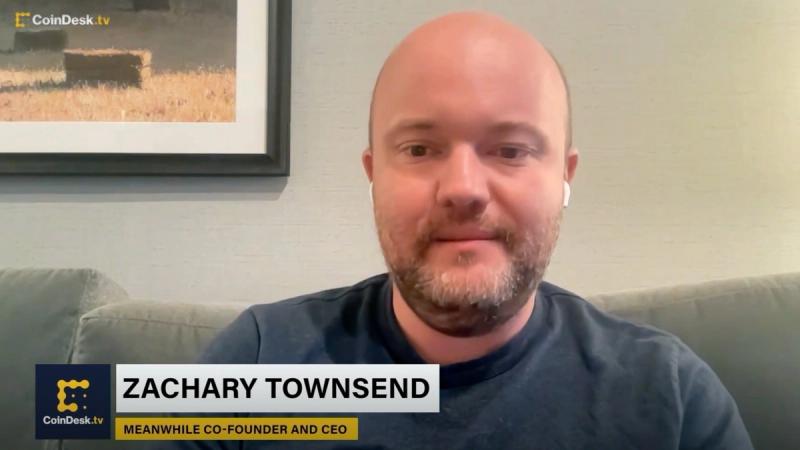
Bitcoin life insurer Meanwhile raised $37.5 million from existing investors in a round led by Bain Capital Crypto, taking its total funding to more than $180 million.

Bitcoin life insurer Meanwhile raised $37.5 million from existing investors in a round led by Bain Capital Crypto, taking its total funding to more than $180 million.

Thailand’s new crypto rules take effect on Oct. 16, allowing Thai asset managers to launch crypto ETFs on the local stock exchange. Bitcoin and ether are initially eligible.

Britain said three crypto platforms and two payment services may have helped Russia evade financial sanctions. Two of the platforms handled transactions involving the Kremlin-backed A7 network.

Keyrock found Strategy’s $1.45 billion preferred-share repurchases accounted for more than 20% of weekly trading in STRC in almost every week of September. As Strategy nears its buyback authorization limit, the report questions how liquidity and investor demand could change if the company cuts purchases. STRC trades about $150 million daily, but market depth falls sharply when its price moves away from the $100 reference price.

Bitcoin miner MARA transferred $81.1 million in bitcoin to Galaxy Digital, though the move does not confirm a sale. Its treasury declined from 53,822 BTC in February to 35,577 BTC in August as the company pivots toward AI.

Bitcoin insurer Meanwhile raised $37.5 million in a round led by Bain Capital Crypto. It has signed 15 brokers serving high-net-worth clients in Switzerland, Singapore, Hong Kong and the UAE.

Coinbase streamed an in-person trading contest from Singapore on Oct. 8, offering $150,000 to its champion. Ten traders competed in an esports-style perpetual-futures tournament, with standings tracking profit and loss. Eligible app users could vote for a trader, and votes for the winner qualified for a random prize drawing.

The European Securities and Markets Authority says crypto firms authorized under MiCA should resolve EU clients’ remaining exposure to non-compliant stablecoins within three months. National regulators may permit narrowly limited, supervised wind-down services, but these cannot support new purchases or ongoing distribution. The opinion does not impose a worldwide ban on owning USDT.

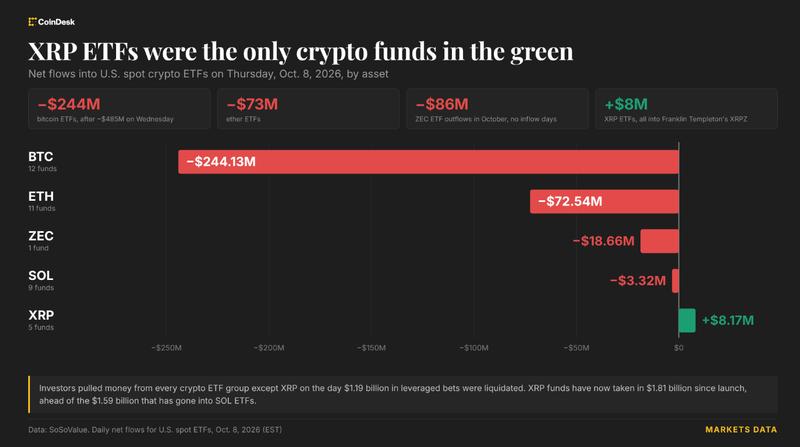
Bitcoin ETFs saw $244 million in outflows on Thursday, while the ZEC fund extended its October outflow streak. Bitcoin recovered to around $82,000 after a $1 billion liquidation.

Layer-1 blockchain Sui is preparing to launch Hashi, an institutional protocol that lets holders borrow against bitcoin without moving it off the Bitcoin network.

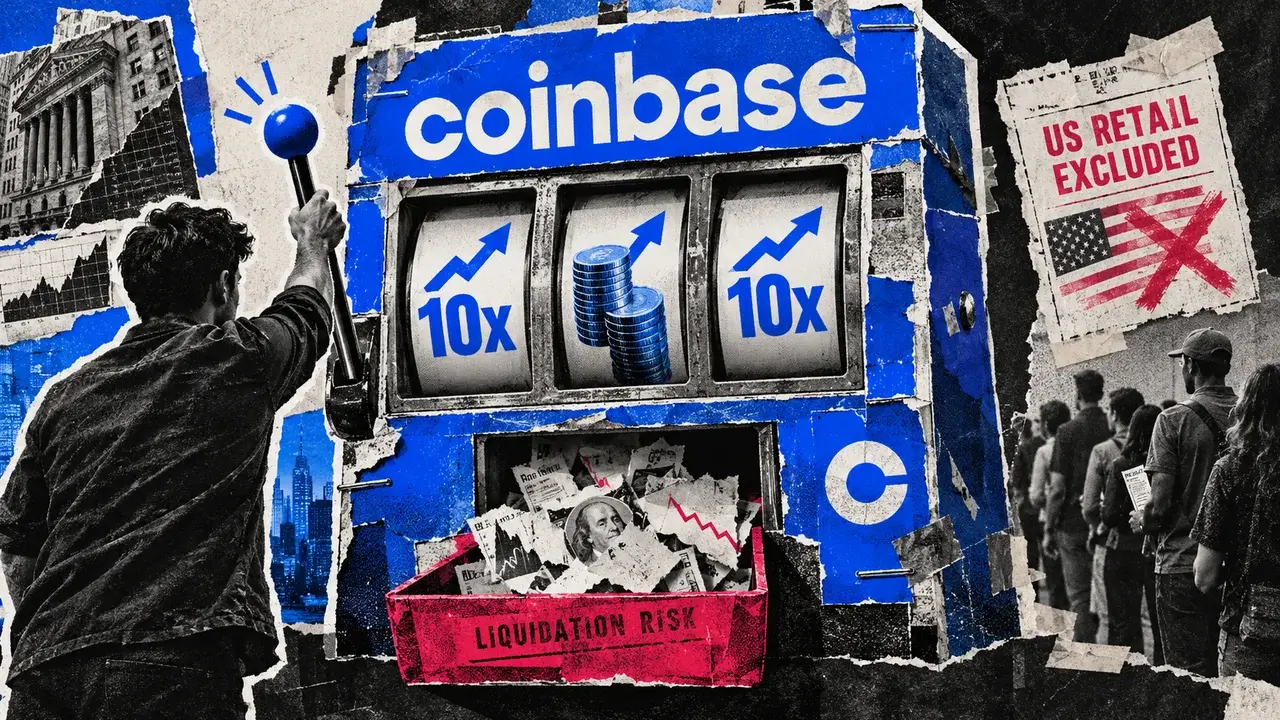
Coinbase plans to launch spot borrowing in the coming weeks, allowing eligible traders to borrow against collateral for spot-market crypto purchases with up to 10x leverage. US customers who do not qualify as Eligible Contract Participants will be excluded. Collateral held on Coinbase remains subject to liquidation without notice; borrowing rates, collateral haircuts and liquidation thresholds have not been specified.

The new feature allows businesses to assign limited permissions to separate accounts, such as approving customers or making payments, while keeping the keys controlling their main holdings offline.

Bitcoin’s recovery lifted total daily mining revenue from about $27 million at July’s lows to as much as $48 million. Hashprice rose above $40 per petahash per second per day, while CryptoQuant’s indicator has generally rated miners “fairly paid” since Aug. 21. Mining income still relies mainly on block subsidies, with transaction fees far below levels seen during parts of 2025.

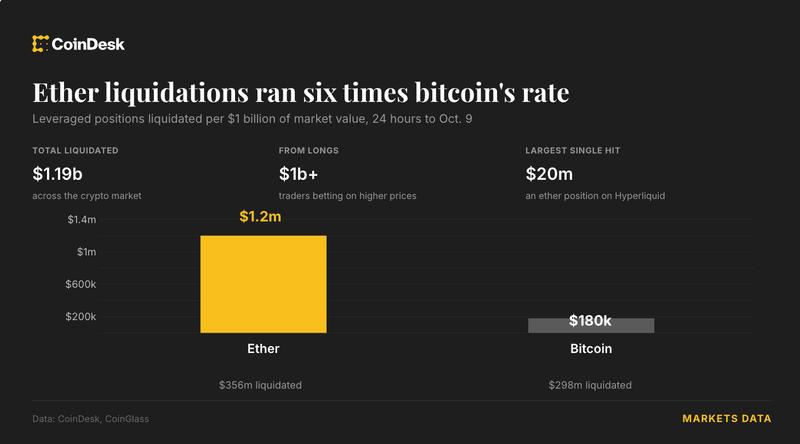
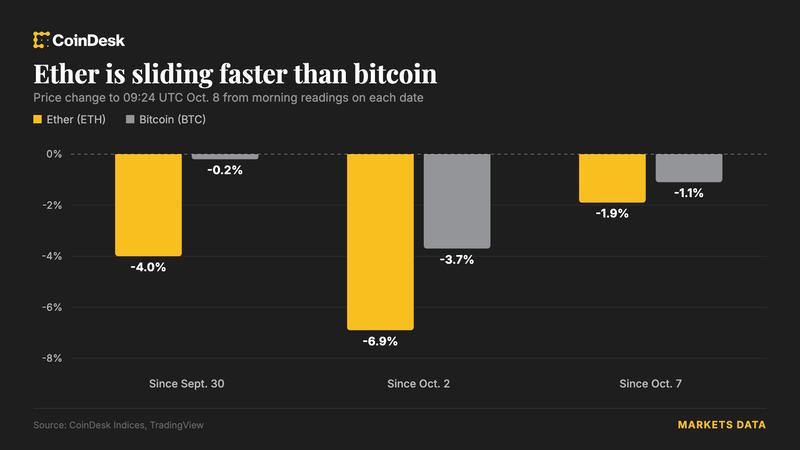
Around $356 million in ETH positions were liquidated over 24 hours, exceeding Bitcoin’s total even though Ether’s market value is less than one-fifth as large.

DWF’s allegation that BitGo breached a contract has drawn attention to controversial private coin deals that are common in the digital-asset sector.
Bitcoin climbed back to $82,000 after Trump ruled out striking Iran before the midterms, while oil prices fell. Crypto security experts pushed back against fears of “bunker mode.”

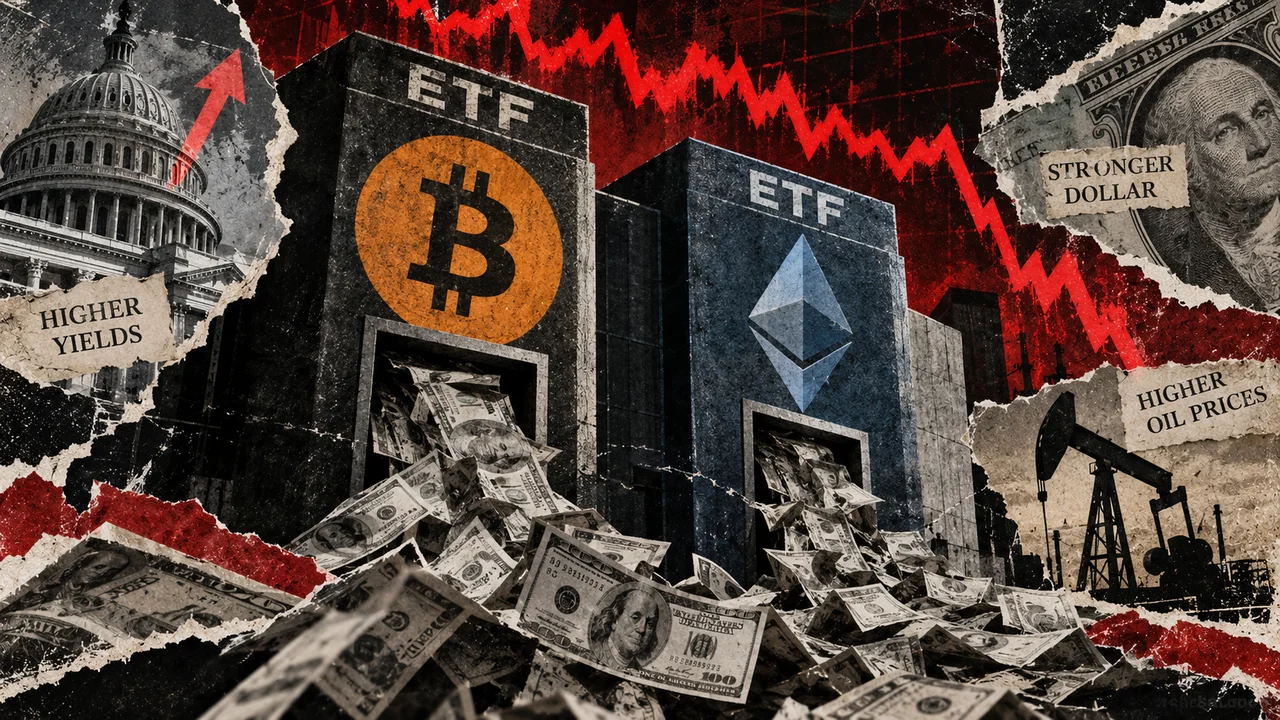
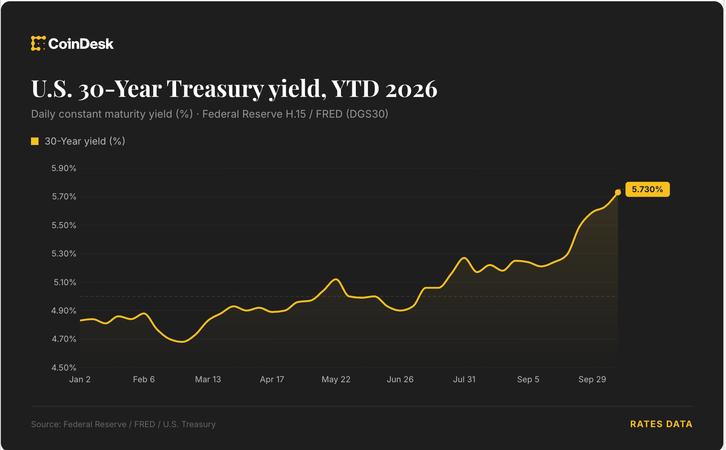
Heavy borrowing for AI infrastructure is competing for long-term capital and could keep borrowing costs elevated after the Fed’s rate-hiking cycle ends. Meeting minutes cited private AI debt issuance as one factor behind higher Treasury yields and term premiums, while high real yields raise the return Bitcoin must offer investors.

Trump’s pledge not to attack Iran before the midterms has not shifted Kalshi traders, who continue betting that gas prices will remain high on Nov. 3.

Tracked stablecoins on the XRP Ledger totaled $1.338 billion on Oct. 7, with Ripple’s RLUSD accounting for 93.17%. That supply does not reveal XRP demand: the token is needed for network fees and account reserves, and may also serve as a bridge asset or liquidity inventory for trades and payments.

Fintech executives called for clearer rules on prediction markets at iFX Expo Asia in Hong Kong, seeking to distinguish the business from gambling and play down its risks. Regulators and legal experts across Asia are debating whether the platforms should be treated as financial products or gambling.

Nasdaq CEO Adena Friedman said tokenization could free up tens of billions of dollars in capital that is currently trapped.

Pump.fun generated about $18.6 million in protocol revenue in the seven days through Oct. 7, even as a Talos study found 81% of a selected group of memecoins had dropped at least 90% from their highs. Talos found recoveries were rare, underscoring that trading activity can benefit the platform without restoring value for holders of fading tokens.

As Democrats’ chances of retaking a Senate majority increase, Senator Richard Blumenthal is examining Tether’s financial partnership in the United States.

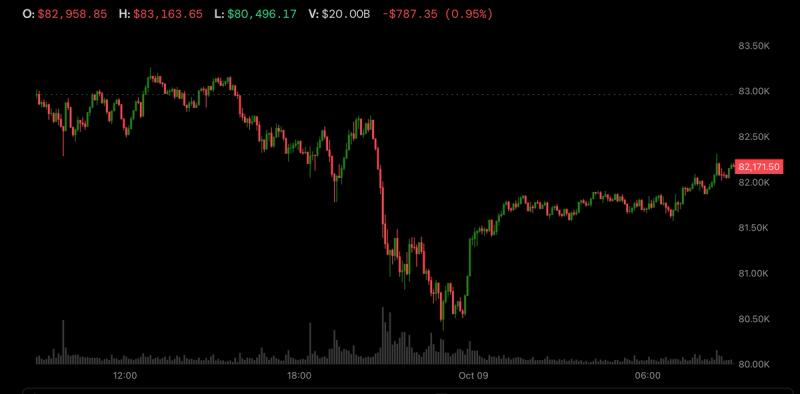
Bitcoin dipped to nearly $80,000 as a selloff drove $1.16 billion in crypto derivatives liquidations over 24 hours, including about $1 billion in bullish positions. Ethereum accounted for roughly $324 million in liquidations, more than Bitcoin’s $240 million. Recent Bitcoin buyers also moved substantial holdings to exchanges, with many transfers made at a loss.


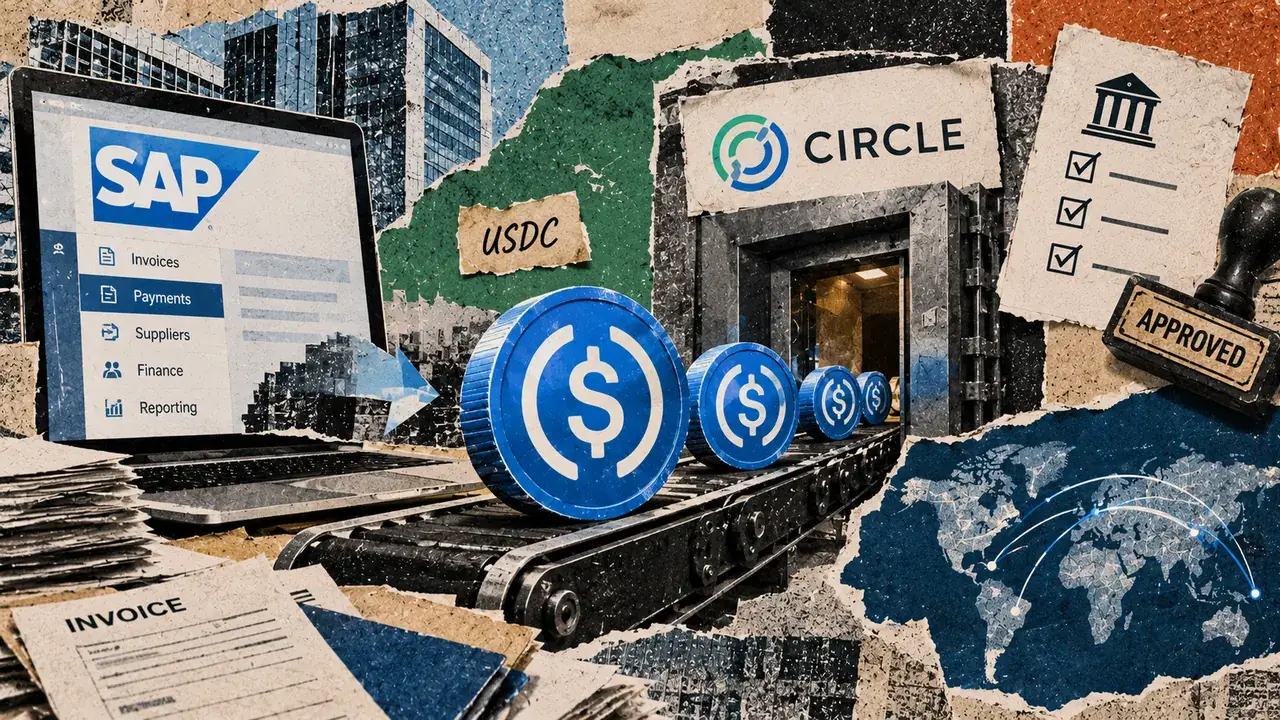
Circle has partnered with payments provider Tereina to bring USDC payments to SAP Pay. Eligible businesses can use stablecoins within existing SAP workflows, but need an institutional Circle Mint account, and availability varies by region. EURC is also offered for euro-denominated activity.

Research firm Citrini says tokenized stocks, bonds and loans could open new markets for trading and lending, benefiting platforms and companies that generate fees.

XRP’s roughly 63.09 billion circulating tokens indicate market scale, not how much is available to buy at a given price. XRP Insights counted 21.97 billion tokens in exchange-attributed wallets across 699 wallets and 24 venues on Oct. 8. CoinGecko’s snapshot showed about $2.4 million in Binance XRP/USDT sell-side depth and $4 million for Coinbase XRP/USD. Supply estimates use overlapping holdings and differing definitions, so they cannot be combined into a clean tradable-float figure.

JPMorgan analysts estimate that about $50 billion has entered digital assets this year, equivalent to an annualized pace of $66 billion, as momentum improves heading into the fourth quarter.

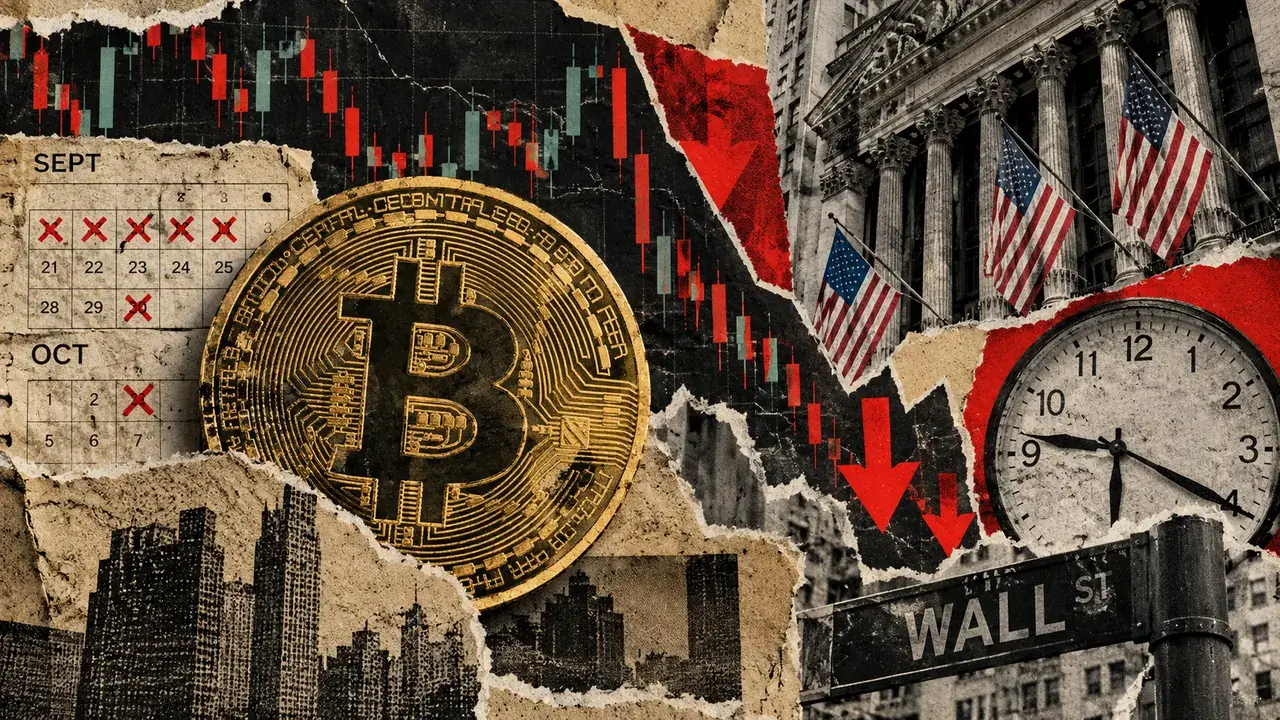
On October 10, 2025, bitcoin fell from about $122,000 to $105,000, with most of the drop unfolding within minutes. As the anniversary approaches, crypto is crumbling again.
The National Football League opposes federal oversight of prediction markets, siding with states, Gary Gensler and one of the relevant law’s authors. The U.S. Supreme Court has been asked to take action.

Bitcoin fell below $81,000 on Oct. 8, hitting an intraday low near $80,800. Although traders expect the Fed to hold rates in October, markets still price in possible hikes later. High oil prices, rising Treasury yields and thin buying depth are weighing on crypto, while more than $1 billion in positions were liquidated over 24 hours, including $930 million in longs.

TD Cowen maintained its $260 price target for Strategy (MSTR), saying dilution limits the upside from improved bitcoin forecasts.

The Block’s Global Crypto Competitiveness Index examines the conditions in which crypto companies and capital can operate. It says trading volume, ownership and adoption are important measures, but they reflect demand rather than the domestic operating environment.

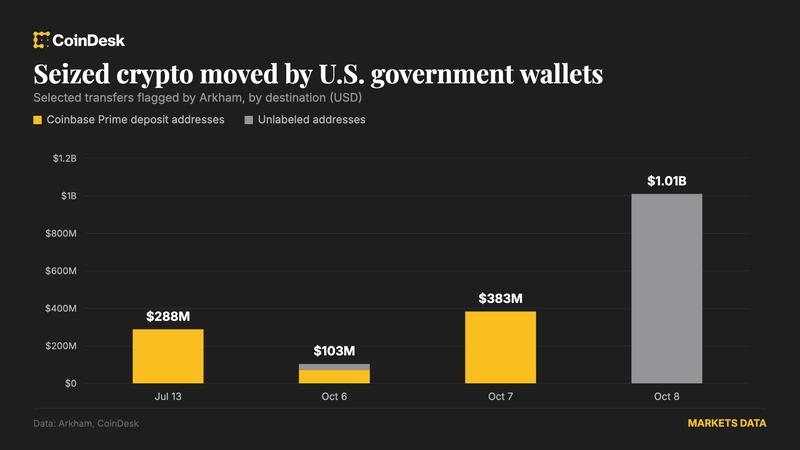
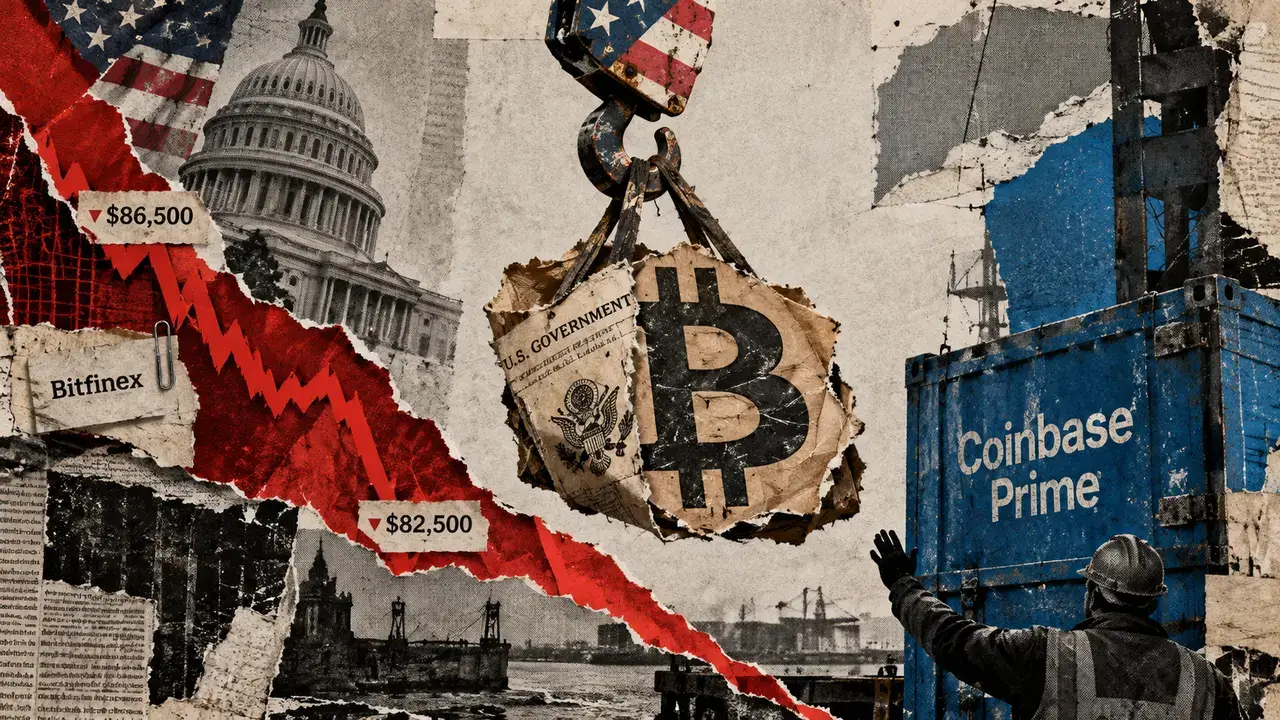
Wallets linked to the US government moved 12,267 BTC, worth about $1 billion, on Oct. 8; 9,000 BTC later reached Coinbase Prime. Bitcoin fell from around $86,500 to $82,500 during the transfer period. The deposits do not establish that the coins were sold or caused the price decline.

Bitwise’s CEO called the failure of a Dogecoin ETF “tragic,” saying it highlights a gap between ETF buyers and crypto-app users. Alongside its recent spot NEAR ETF launch, Bitwise is prioritizing AI and plans to do more in the field.

German regulator BaFin rejected a MiCA authorization application from Futurum Bank AG, operator of Bitcoin.de. The platform plans to rely on two regulated German institutions for trading and custody. Trading and euro deposits remain suspended, although customers can still withdraw crypto.

Russia’s Deputy Finance Minister Ivan Chebeskov said the absence of cryptocurrency infrastructure costs the state budget billions in taxes because the industry does not pay them. He said building domestic infrastructure would help legalize the activity, understand how it operates, protect citizens and ensure compliance with rules. Russia is following the global trend toward crypto regulation and legalization.
Arkham data shows 12,267 BTC moved to unlabeled wallets rather than an exchange. The transfer came a day after $383 million in bitcoin went to Coinbase Prime.

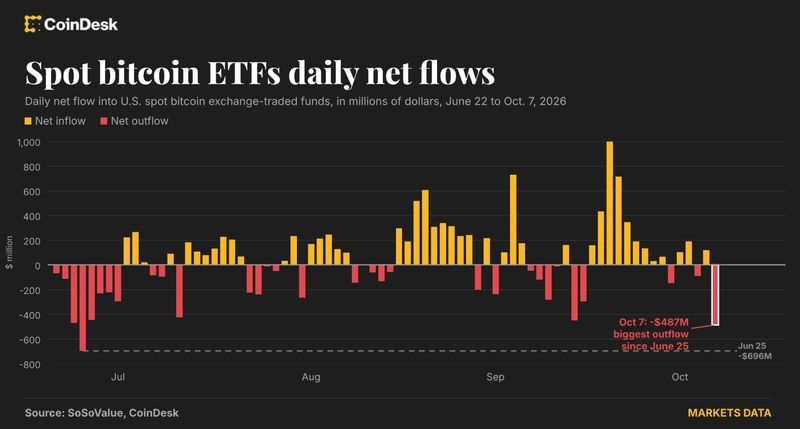
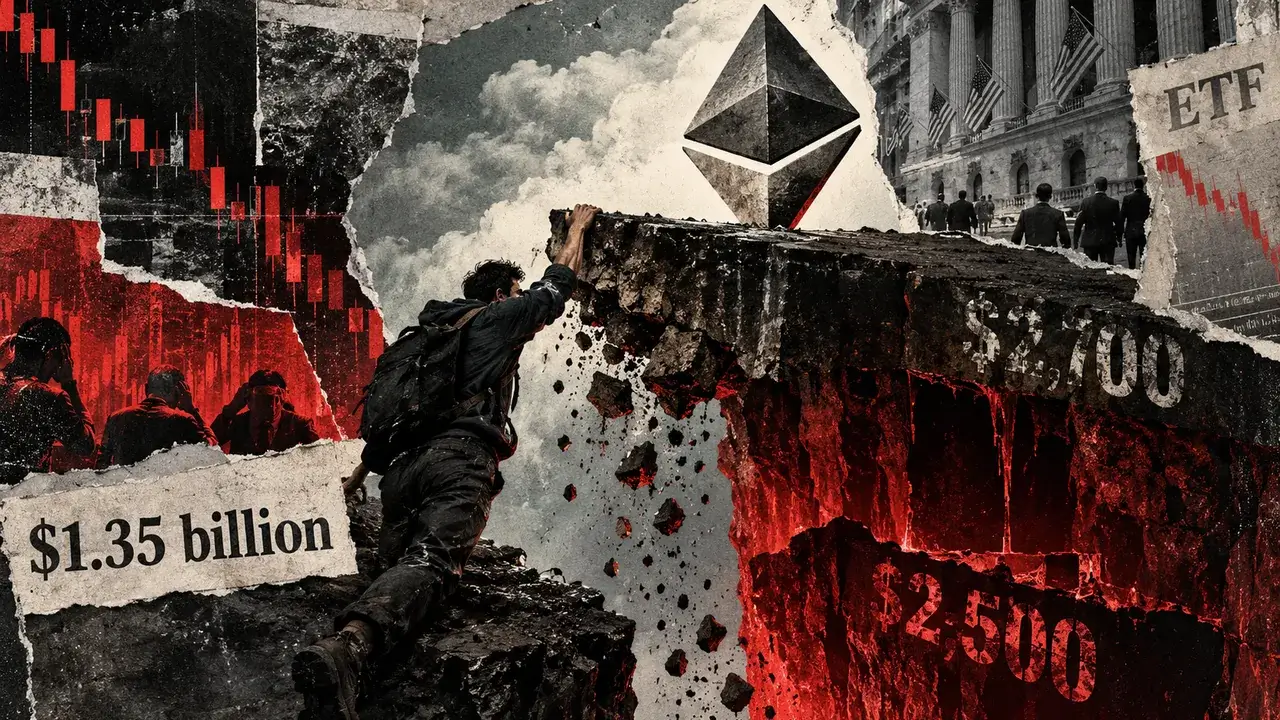
US spot Bitcoin ETFs recorded $484.9 million in outflows on Oct. 7, their largest one-day withdrawal since June 25. Ethereum ETFs lost $160.9 million, bringing five-session outflows to $506.3 million, the highest since January. The two groups shed about $646 million as Bitcoin closed below $83,000 and Ethereum moved toward $2,500. Analysts said institutional demand had already weakened, and further price declines could prompt more redemptions.

ESMA said authorized platforms must prevent new access to stablecoins that do not comply with MiCA, while national authorities will oversee customers’ existing holdings.

Digital assets outperformed stocks and gold in the third quarter.

MetaMask’s precautionary validator exits, prompted by a roughly $1,000 reward diversion, are testing Ethereum’s staking capacity. Lido expects affected ETH to return gradually; the entry queue was worth about $3.59 billion on Oct. 7. If the wider MetaMask cohort all restakes, the backlog plus returning demand would total about 1.96 million ETH, worth roughly $5.04 billion. Actual delays depend on backlog clearance, Lido’s return pace and other deposits.

Bitcoin traded near $82,000 on Thursday. Analysts at QCP expect it to trade between $80,000 and $90,000 in the fourth quarter.

As crypto holders debate moving funds before advances in AI or quantum technology expose wallet keys, custody firms face a separate challenge: upgrading their systems before an emergency migration is needed.

Following its separation from the Cardano Foundation, Veridian is the first firm to apply Cardano’s programmable-token framework to company equity; its digitally represented shares are unavailable to public investors.

Moscow Exchange intends to open cryptocurrency trading on December 1 under new legislation, senior managing director Boris Blokhin said. Testing is underway and will continue until launch; the exchange is inviting market participants to take part.
Securitize has launched tokenized U.S. stocks on Solana, backed one-to-one by real shares and offering dividends with settlement in USDC.

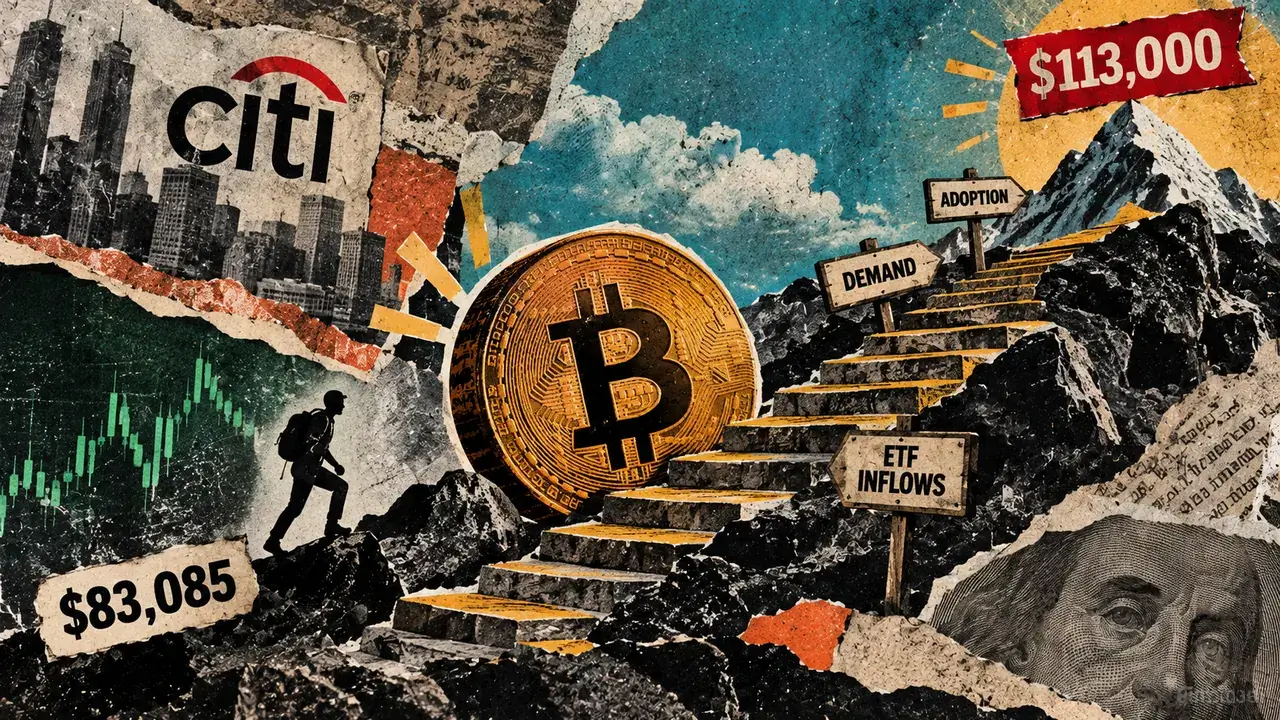
Citi raised its 12-month Bitcoin forecast from $82,000 to $113,000, a target requiring a roughly 36% gain from the Oct. 7 reference price. Glassnode found new money entering amid unusually thin trading. Over the 30 days through Oct. 5, it estimated about $4.9 billion from ETF flows, stablecoin growth and corporate treasury buying, while realized capitalization rose about $12.8 billion.

Securitize says tokenized shares in the mega-cap companies will initially trade on its Solana-based platform, with plans to expand to the NYSE and OKXICE digital venues.

Bitcoin fell a compounded 3.24% during US stock-market hours from Sept. 21, while gaining 6.07% outside that window, and traded $64 lower on Coinbase than on Binance. Most of the decline came in two sessions, and conflicting ETF flows complicate claims of persistent institutional selling or establish who was behind the pressure.

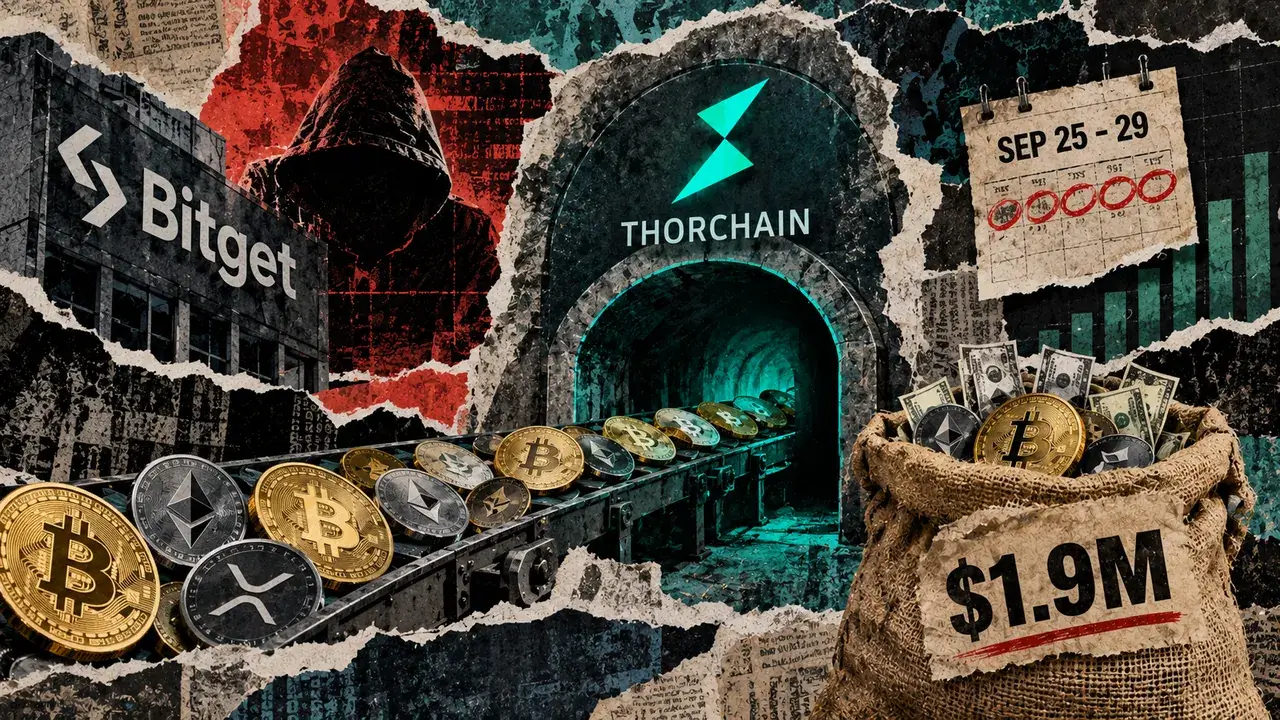
THORChain reported $3.01 million in September system income, its highest since March 2025, as swap volume reached $2.40 billion. From Sept. 25 to 29, about $1.37 billion crossed the network, generating roughly $1.9 million—63% of the monthly total. THORChain said the surge coincided with funds linked to the Bitget exploit moving through the network. Wallet growth was modest, suggesting large flows rather than a comparable rise in users drove the jump.

NUVA’s HOME token gives eligible investors exposure to a pool of U.S. home equity lines of credit, starting at 1 USDC, and targets a 7% annual yield.

A total of 100 BTC from two mining rewards created during Bitcoin’s “Satoshi era” had remained untouched for more than 16 years before moving. The coins are now worth $8.5 million.

Bitcoin ETF investors are heading for the exits at the fastest pace in months.

In 2010, then-Sen. Blanche Lincoln warned that sports event contracts on prediction markets could be used solely for gambling. Now a lobbyist for Kalshi, she has urged the CFTC to loosen oversight of event contracts. The firm she founded has received $480,000 from Kalshi since 2024 for lobbying Congress and the commission.

BitMine chairman Tom Lee said the company will stop accumulating Ethereum once its holdings reach 5% of supply. Its latest reported position was about 4.9%, and its recent purchase pace could put the ceiling within reach in roughly six weeks. Staking rewards may then become a bigger source of growth, though they could also push holdings above the cap.

Rising Treasury yields, surging energy prices and a stronger dollar are weighing on bitcoin and tech, while silver has fallen below $59 an ounce.

Justin Drake’s call to prepare for AI potentially breaking wallet cryptography drew mixed reactions, while bitcoin fell below $83,000.


Crypto industry participants disagree over Justin Drake’s warning about AI and cryptography: some dismiss it, while others call for proactive preparation.
Bitcoin is down nearly 5% this week after failing to hold above $85,000, with weak volume and profit-taking weighing on its rebound. Glassnode found an unusually high share of exchange-bound coins came from short-term holders in profit. CryptoQuant put the average cost basis for buyers from the past month at $81,900, a potential next test.

Standard Chartered plans to extend crypto and real-world asset custody services to institutions and accredited corporate investors in Singapore, subject to regulatory requirements.


Standard Chartered said it will extend its crypto custody service to Singapore, adding to its existing presence in the UAE, Luxembourg and Hong Kong.
Greece is preparing a 10% capital gains tax on cryptocurrency. Under the bill, annual gains of up to 500 euros ($560) would be exempt, and the measure is due to go to parliament in November.

Starting in late October, eligible users will be able to send USDC abroad or arrange local-currency payouts to bank accounts in more than 60 countries.

Deus X Capital is shutting down. CEO Tim Grant will lead AI venture TensorX, while CIO Stuart Connolly will remain to oversee the firm’s formal wind-down in January.

Ripple’s $1.25 billion acquisition of Hidden Road has given it a foothold in a corner of Wall Street where funds pay to magnify daily moves in stocks such as Nvidia and Sandisk.

Bitcoin-backed lending is becoming a more mainstream source of credit, lenders say. Borrowers use BTC to obtain liquidity without selling it, including to pay tuition and fund working capital.

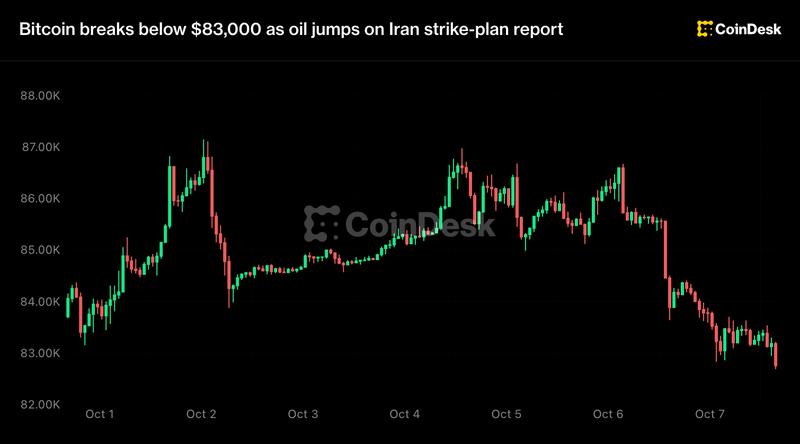
Bitcoin dropped below $83,000, a level FxPro says could open a quick route to $80,000. Brent crude rose above $102, while Treasury yields moved back toward their highest level since 2002.

Crypto media firm Cointelegraph is seeking a buyer after a steep drop in web traffic. The amount it is seeking was not disclosed.

Arkham Intelligence said the US government transferred about $470 million in seized crypto, including Bitcoin, wrapped Bitcoin and USDT, to addresses likely linked to Coinbase Prime. The assets are tied to the 2016 Bitfinex hack and Alameda Research. A sale is possible, but the transfers could also reflect internal wallet management or administrative work; forfeiture and victim-restitution claims complicate the assets’ treatment.

Orca and Loopscale are joining as Formation, aiming to provide financing for AI, energy, robotics and defense.

Prediction markets promote themselves as “truth machines,” but trading data points to many casino-like wagers, with longshots that lose 98% of the time dominating activity.
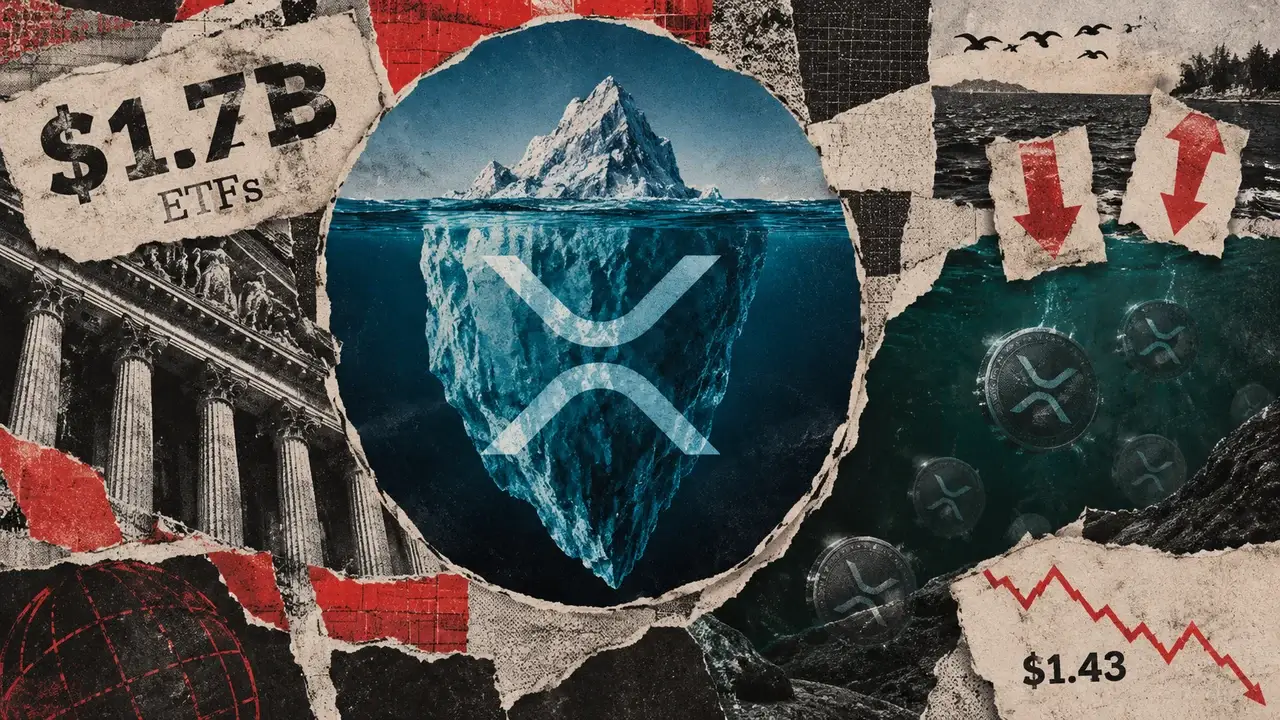
Five tracked US spot XRP ETFs held an estimated $1.7 billion at the Oct. 6 close, while their net inflows were roughly $3.9 million over the week. Bitwise’s additions outweighed outflows at Franklin and Canary. Exchange-wallet declines also reflected storage migration, so they do not by themselves show customer withdrawals or a supply squeeze.

Wells Fargo is discussing a deal under which Payward would supply liquidity for crypto trading, as major banks expand their involvement in digital assets.

Ethereum’s fall toward $2,500 has put about $1.35 billion in leveraged long positions at risk, with the nearest highlighted liquidation level around $2,511. ETH positions worth $233.36 million were liquidated in the past 24 hours, including $221.87 million in longs. US spot Ether ETFs saw about $202 million in net outflows on Oct. 6, extending their outflow streak to six sessions.

Grayscale’s Krista Lynch says SEC listing standards cover about 15 tokens, giving crypto ETF issuers room to select assets beyond bitcoin and ether.

Japan’s Oct. 6 ten-year government bond auction drew stronger demand relative to the amount sold, while its average yield rose to 3.101%. In the prior two weeks, Japanese institutions recorded net sales of about ¥2.5894 trillion in long-term foreign debt. A sustained shift toward domestic bonds could raise borrowing costs and constrain risk-taking, but the figures do not show that bond sales are currently affecting Bitcoin.

British recruiter SThree said on Wednesday that the UK's takeover panel had extended the deadline for US-based Circle8 Group to make a takeover offer to October 21.
A commissioned report describes thin liquidity and gains linked to a market maker during LAPTOP’s launch.

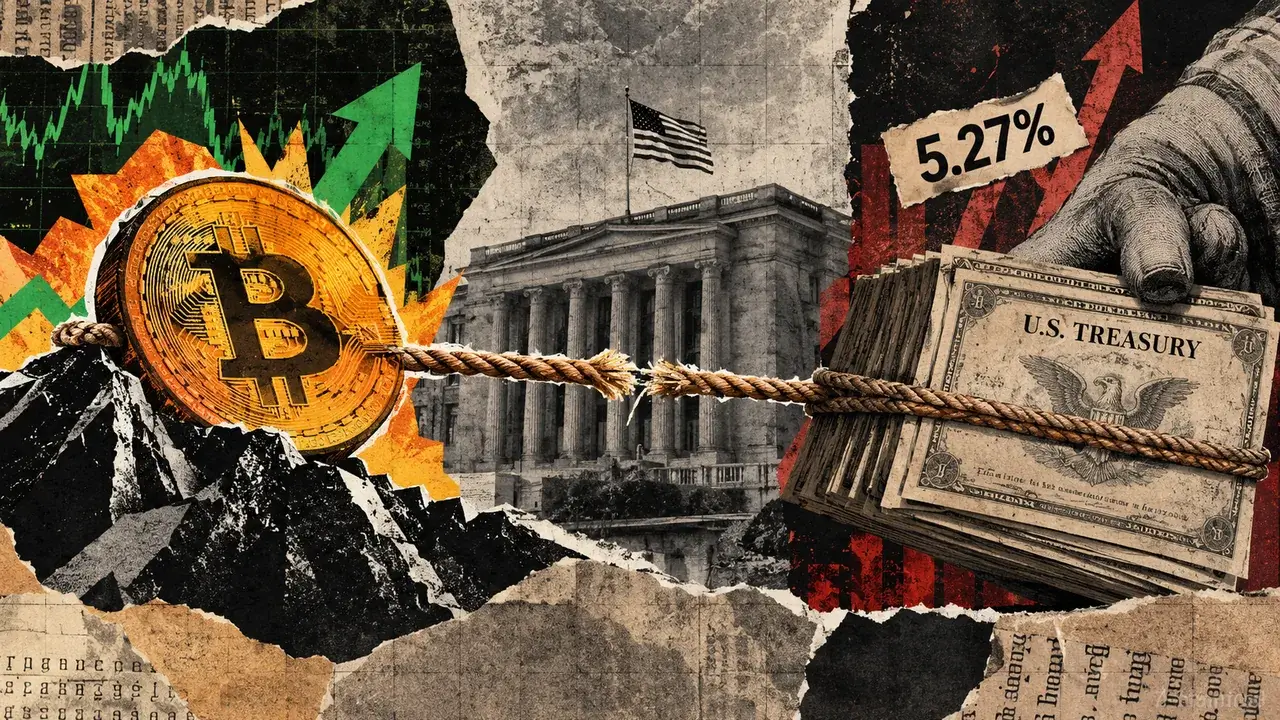
Bitcoin traded below $84,000 on Oct. 7 as US Treasury yields approached 5.3%. A comparison of data since 2017 found weak daily linear relationships between Bitcoin returns and nominal or real yield changes, including in the post-ETF period. Bitcoin rose 84.2% from Jan. 10, 2024, to Oct. 5, 2026, while the 10-year nominal yield gained 127 basis points. The analysis does not establish that ETFs drove the increase or that rising yields caused Bitcoin's recent decline.

Polygon said businesses can transfer the world’s largest stablecoin, USDT, between TRON and EVM networks without connecting to a wallet provider, bridge or fiat-ramp operator.

The Minutes Reader extension turns the original page into a focused reading view and translates articles and video subtitles on demand. It is in limited beta.