Private-sector jobs rose by 90,000 in September, ADP reports
Private-sector employment increased by 90,000 in September, exceeding expectations, according to ADP. Job creation picked up after a brief slowdown.

Private-sector employment increased by 90,000 in September, exceeding expectations, according to ADP. Job creation picked up after a brief slowdown.

India’s Steel Authority of India has airlifted coking coal from Mongolia for the first time, two sources said, testing the landlocked country as a possible new supplier while seeking to reduce dependence on Australia.
Italy’s consumer price index accelerated again in September, pushing inflation to 4.2%, its highest level in three years. Energy goods and fresh food drove the increase, while Istat recorded a sharp decline in confidence among households and businesses amid historical memories and everyday concerns.
Bond investors are heartbroken over OATs. Sacré bleu.
Robinhood is expanding its services with weekend trading hours and AI agents as it seeks to attract more active traders looking for access beyond traditional U.S. stock market hours.

The $300 billion wealth fund of Abu Dhabi Crown Prince Sheikh Khaled is a central player in the UAE’s “Zero Hormuz” strategy, spending heavily on ports and infrastructure to redraw trade routes in the Gulf.
Standard Chartered projects that ENA could rise to $2 by the end of 2028, representing more than 600% upside. It also expects USDe to grow eightfold to $40 billion, with buybacks reshaping ENA’s value.

The number of commercial flights across the EU rose in every summer month compared with last year, despite higher jet fuel prices. Traffic nevertheless declined in several member states.
Russians are increasingly booking tours at the “very last second” to protect themselves against unforeseen problems, Maya Lomidze of the Association of Tour Operators of Russia said. She said travelers are watching market and global conditions closely, while organized tours using guest houses or unrated hotels also gained demand over the summer.
Russian Economic Development Minister Maxim Reshetnikov says G20 dialogue can help counter fragmentation in international trade and preserve the WTO-based multilateral trading system. He argues that tariffs, non-tariff restrictions, export controls and limits on technology transfers can distort competition and contribute to excess production capacity.
Russian Economic Development Minister Maxim Reshetnikov says the G20 has a unique role in the multilateral trading system by generating ideas and shaping frameworks for future agreements, including those considered by the WTO. He stresses that the group does not decide for the entire international community but supports open dialogue amid eroding mutual trust.
Russian Economic Development Minister Maxim Reshetnikov urged the G20 to address trade distortions through a comprehensive, cross-sectoral approach and improve multilateral rules through the G20 and WTO. He said the forum should not legitimize members’ national measures or become a venue for mutual blame, warning that this could undermine its practical purpose.
Bonds and stocks both had a bad day on Tuesday.
Prediction platform Polymarket has introduced new consumer protections and anti-addiction measures as a growing number of policymakers call for greater regulation of the booming industry.
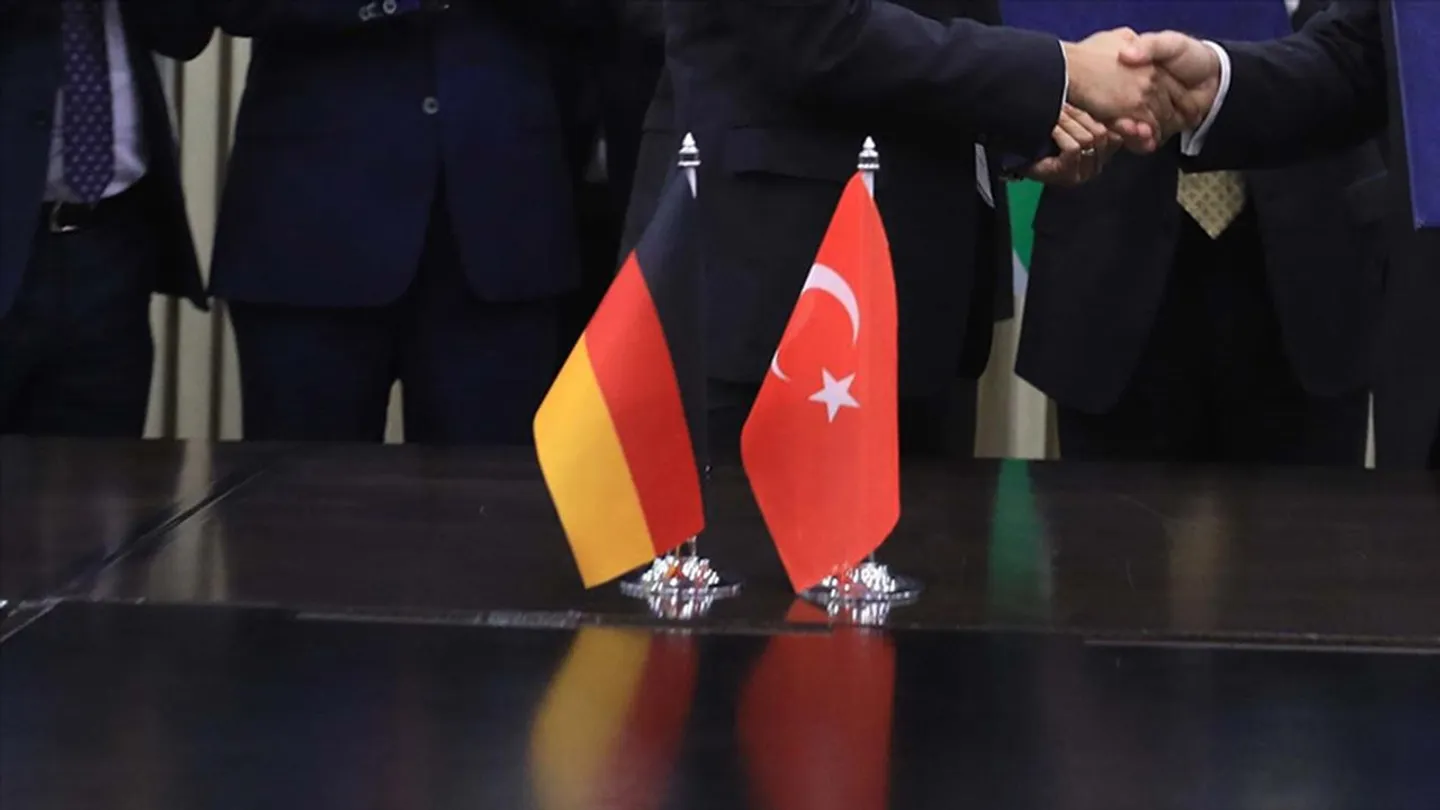
Germany’s North Rhine-Westphalia and Türkiye’s Foreign Economic Relations Board formalised cooperation through a signed agreement covering trade and investment initiatives, aimed at strengthening bilateral business ties.

Evergrande Property Services said China Evergrande Group and controlling shareholder CEG Holdings had signed an exclusivity agreement with a selected bidder for a potential sale of their shares in the company.
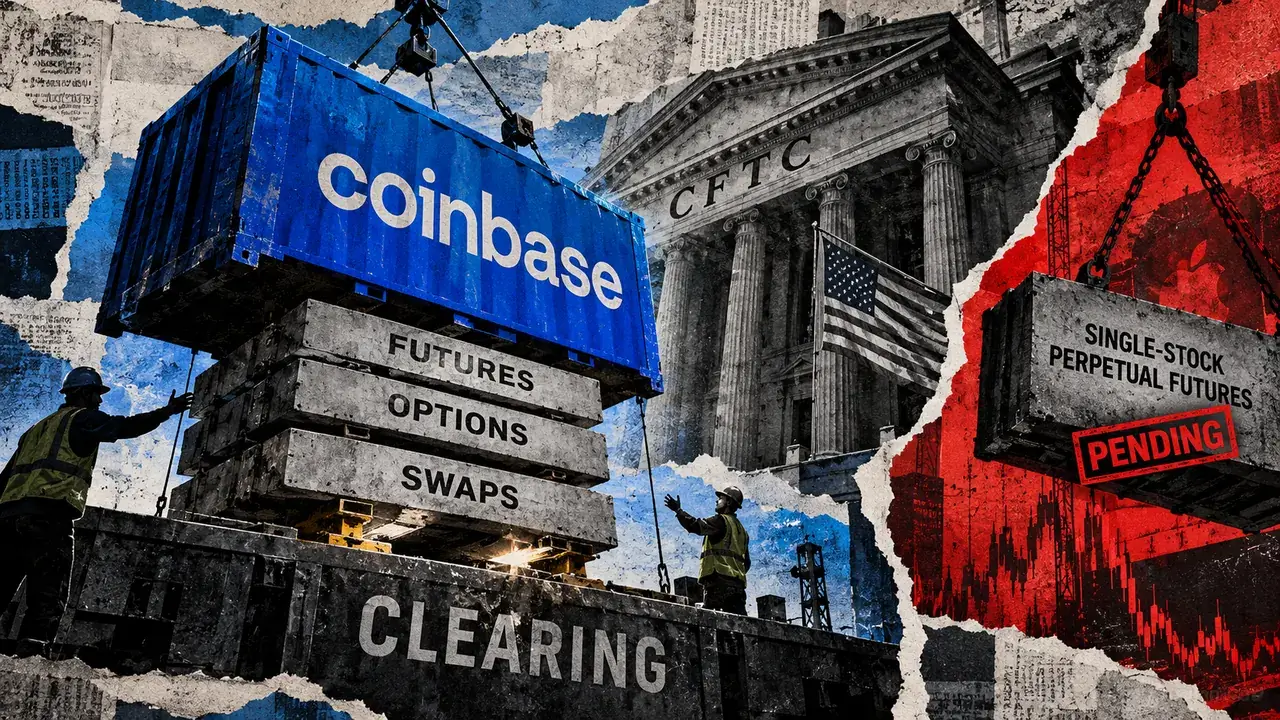
Coinbase has won CFTC approval for Coinbase Clearing, giving the crypto exchange an integrated US derivatives structure spanning brokerage, trading and clearing. The new unit can clear fully collateralized contracts, while planned single-stock perpetual futures remain under regulatory review and will initially rely on external infrastructure.

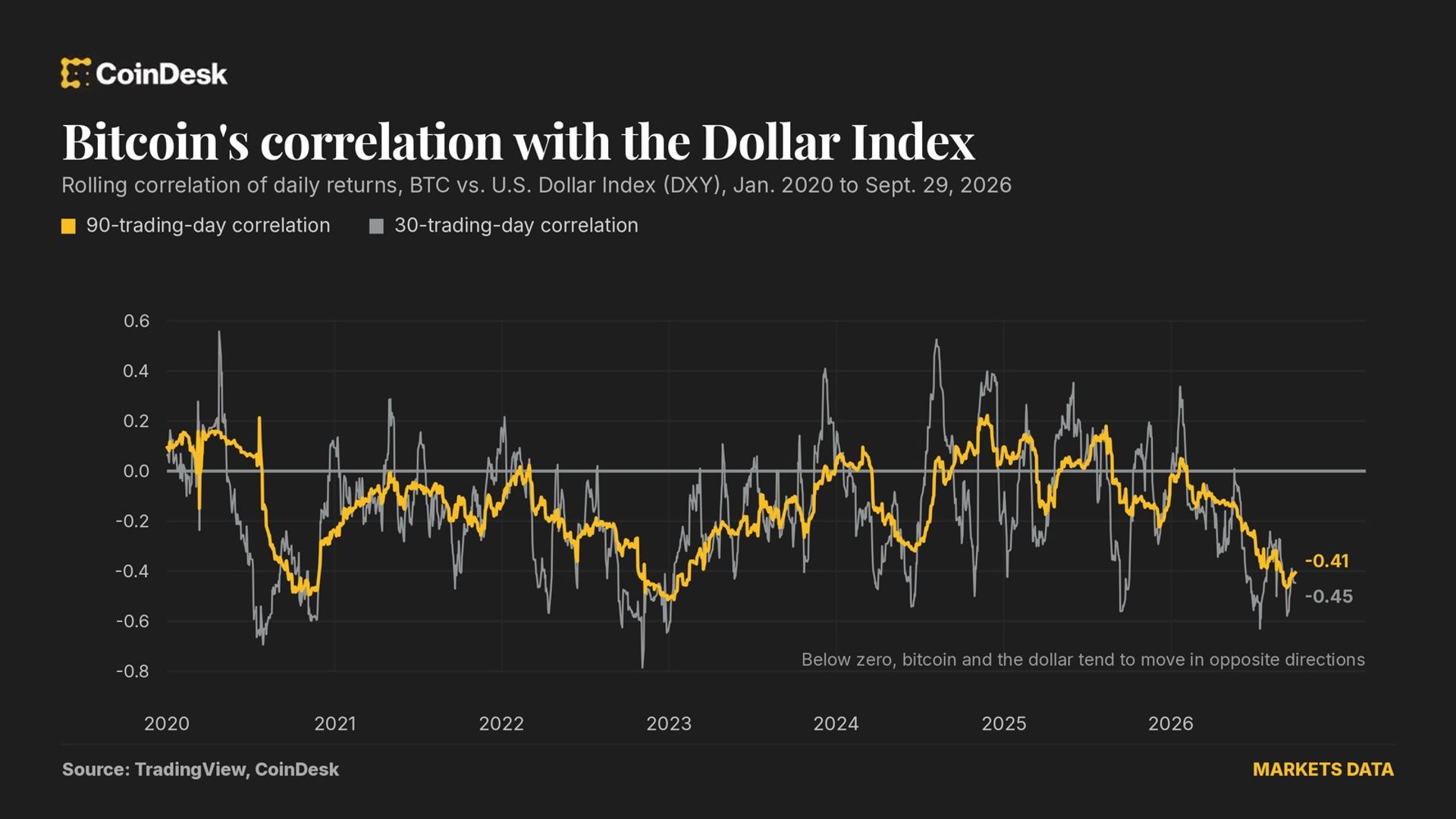
A day-ahead market look for Sept. 30, 2026, argues that a stronger dollar may be less threatening to bitcoin than traders expect.

UK second-quarter GDP growth was revised up to 0.5%, driven by stronger expansion in services. The economy is nevertheless contending with high borrowing costs, inflationary pressures and a cooling labour market.
Ukraine’s total war costs are expected to reach $155 billion this year, Prime Minister Sergii Koretskyi said on Wednesday. The government is struggling to fill a $27 billion funding shortfall needed to maintain combat operations at the start of 2027.
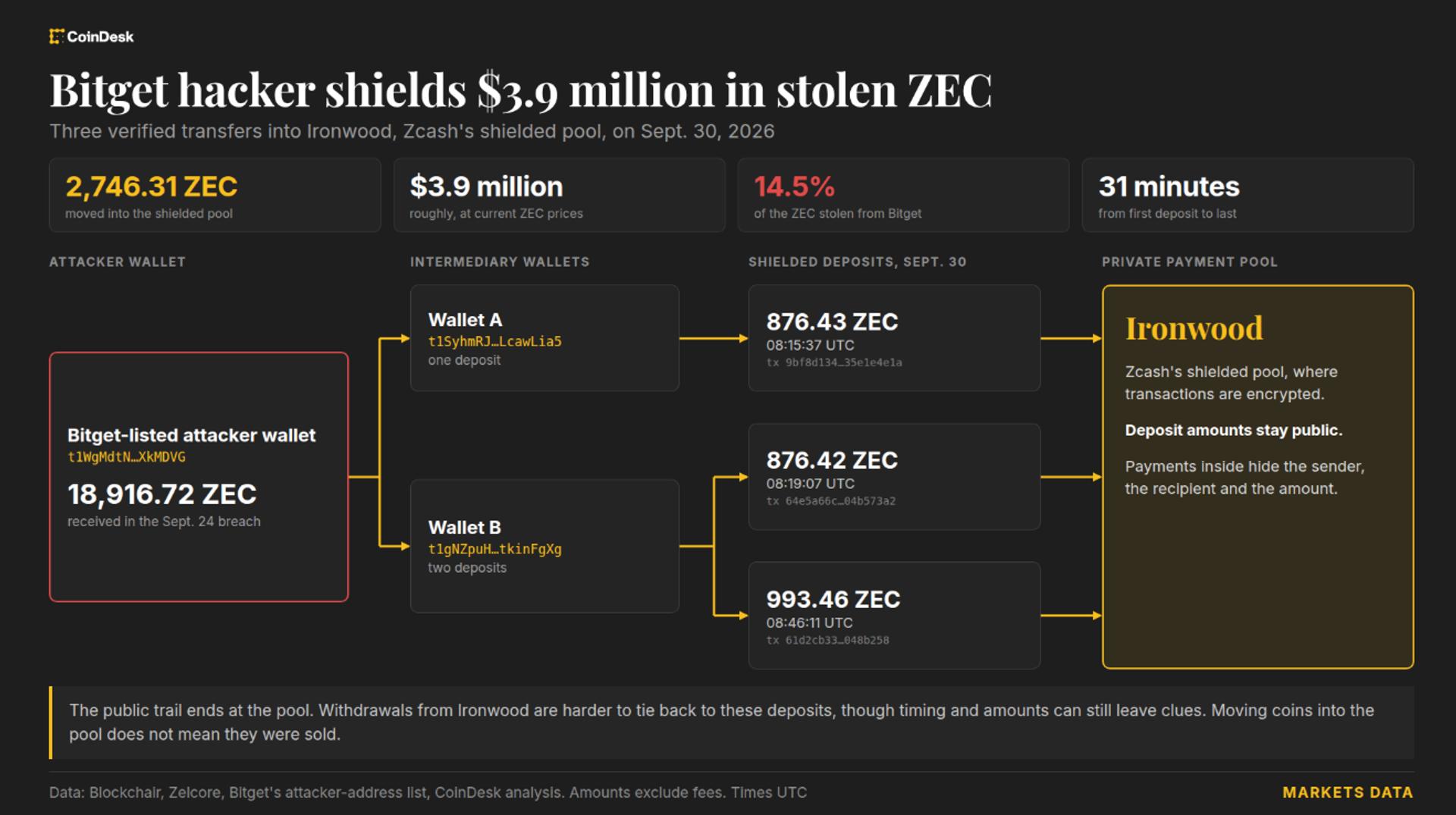
Three transfers moved about 15% of the stolen ZEC into Ironwood, a privacy pool that conceals senders, recipients and payment amounts, making the funds more difficult to trace.

French President Emmanuel Macron said at an economic forum in Madrid that inexpensive Russian gas had been fundamental to European industry’s competitiveness, but Europe cut those supplies because of the Ukrainian conflict. He said the situation in the Strait of Hormuz has intensified a new phase of Europe’s energy crisis and urged an integrated energy market with fairer cost-sharing for major projects.
A new report adds to growing research showing that extreme weather is reshaping global inflation and making some grocery items more expensive this year.
An agreement on Chinese coal purchases reflects what the report calls the administration’s misplaced focus, benefiting Beijing in the process.
The SEC is finally updating transfer-agent rules. Fairmint’s Joris Delanoue argues that splitting ownership data among a token wrapper, a special-purpose vehicle, a broker’s internal ledger and a transfer agent’s off-chain database could create a “paperwork crisis” for the blockchain age.

Inflation rose much faster than expected this month in some of the euro zone’s biggest economies, driven by the energy-price shock from the Iran war and increasing pressure on the European Central Bank to raise interest rates again.
A new report says Europe’s car industry is especially exposed because it relies on a small number of countries for chips and critical materials. The shift to electric vehicles is putting automakers in competition with AI and data centres for the same supplies.
Russian Economic Development Minister Maxim Reshetnikov said the US should use its influence to help restore the WTO dispute settlement system and strengthen fair multilateral trade governance. He is leading Russia’s delegation to the G20 trade ministers’ meeting in Milwaukee, where participants will also discuss food-trade “weaponization,” forced labor in supply chains and overcapacity.
Meat consumption in Argentina, where barbecuing is central to national identity, has fallen to an all-time low. Reporters attribute the decline to the sharp loss of purchasing power experienced by most Argentines since Javier Milei took office.

The first Arctic Express container train of the year has left Arkhangelsk carrying car components delivered from China via the Northern Sea Route and is bound for the Tula Region. Northern Railway plans to assemble four more trains with imported containers.
Ukraine’s Economy and Environment Minister Oleksandr Kravchenko said missile alerts cost the country an estimated $45 million for every hour they force businesses to suspend operations. Russian attacks have caused about $10 billion in fixed-asset damage this year, hitting steel plants, warehouses, logistics hubs and data centers. The government is considering allowing more private companies to buy Ukrainian air-defense systems.


Ukraine’s economy and environment minister, Oleksandr Kravchenko, says missile alerts cost an estimated $45m for each hour they stop businesses. Russia has been striking industrial sites, warehouses, logistics hubs and datacentres. Kyiv has introduced red and yellow warnings to limit disruption, though a drone strike during a yellow alert killed two people at the National Academy of Sciences.

A Dutch environmental group has lodged a formal complaint with the European Commission accusing New Zealand of breaking climate commitments in its free-trade agreement with the European Union.
Metaplanet’s independent directors defended a controversial executive payout plan by pointing to management’s financial risk and role in restructuring. They left unanswered questions about Gerovich’s exercised shares and MMXX Ventures.

Yorkville Ives has priced a fund designed to give investors access to private companies helping develop artificial intelligence.

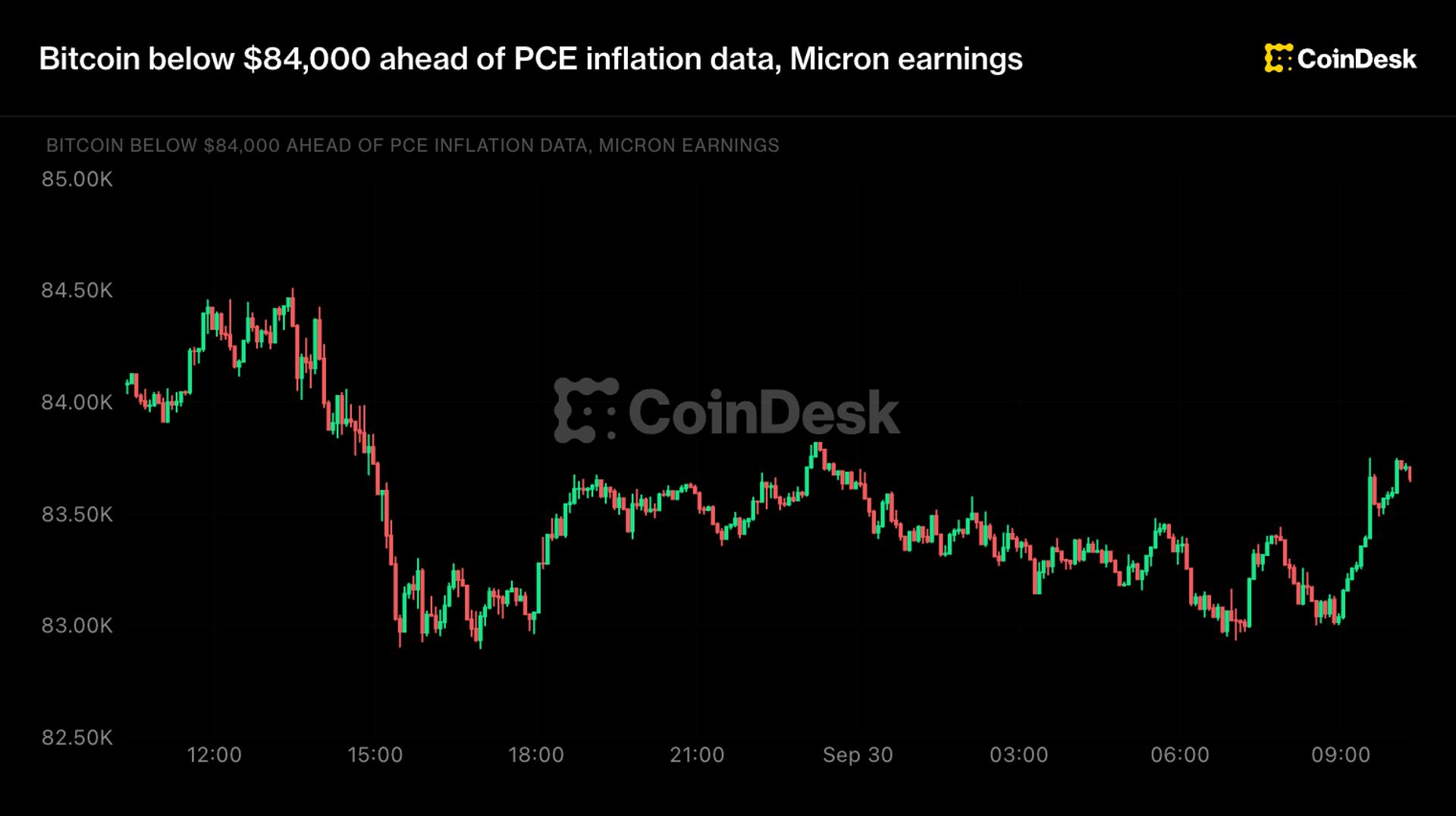
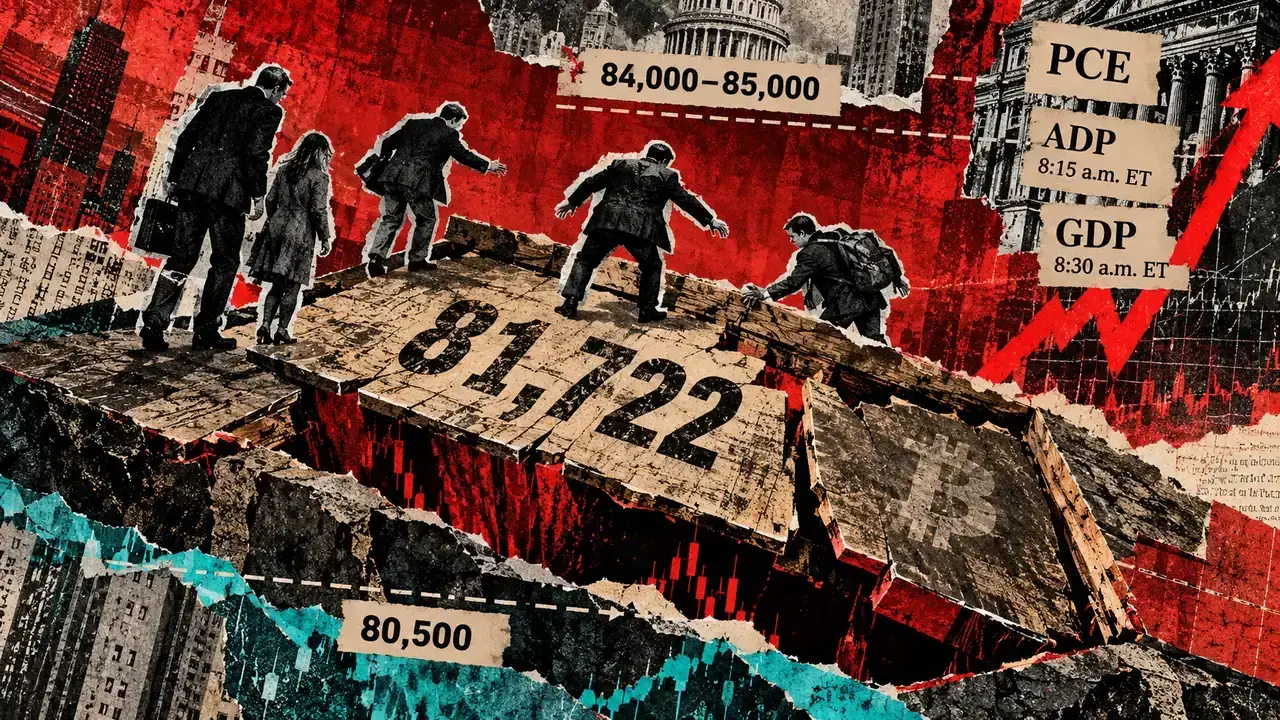
Traders are awaiting the Federal Reserve’s preferred inflation gauge, the PCE data, after oil-fueled bets on rate hikes over the past month pushed 30-year Treasury yields to their highest level since 2002. Bitcoin is below $84,000 ahead of Micron’s earnings report.

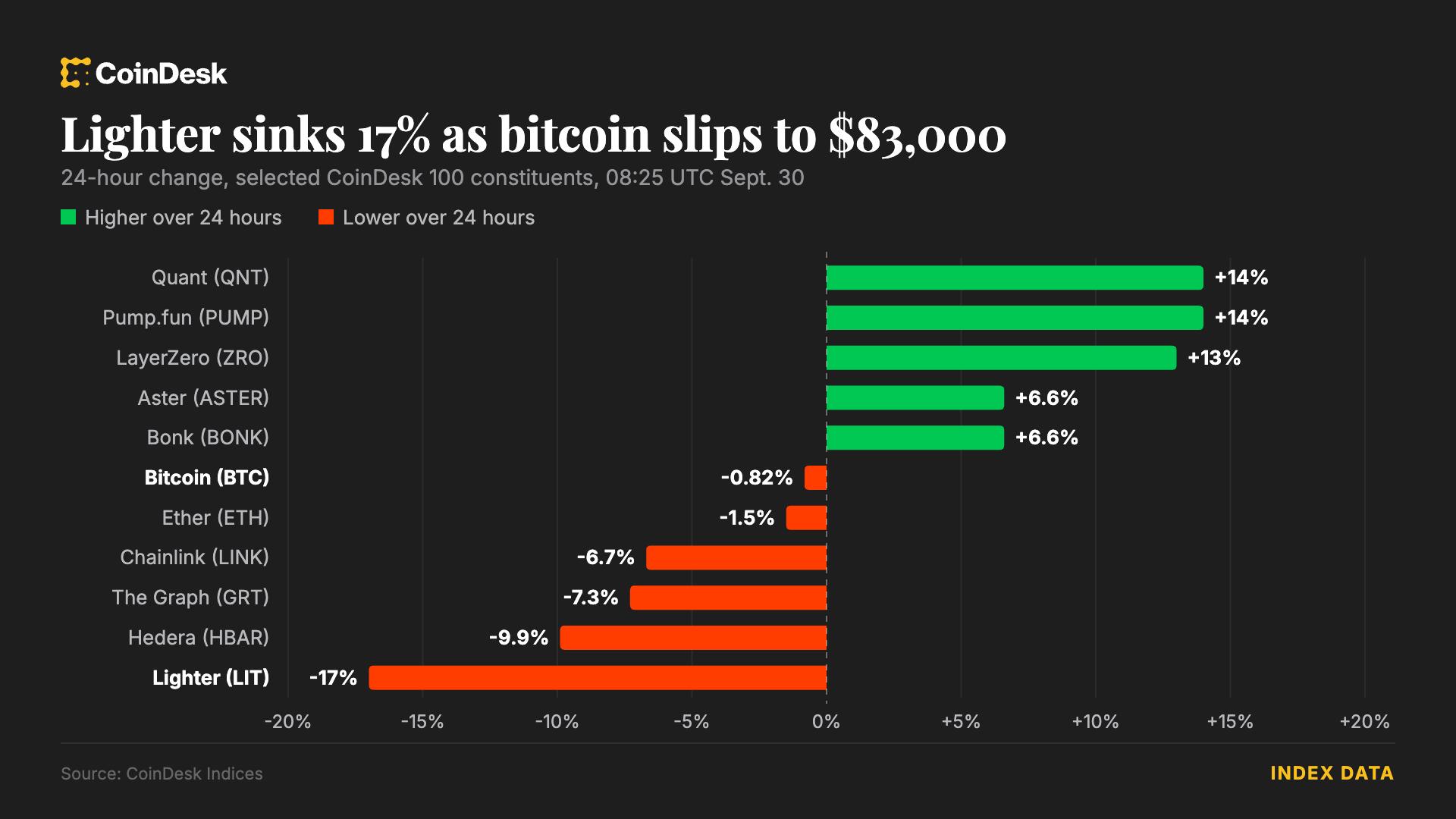
Bitcoin held near $83,000 as the 30-year Treasury yield moved above 5.6%. DeFi tokens reversed lower, while Lighter fell 17% after Robinhood announced plans for U.S. perpetual futures.

Kazakhstan has resumed enforcement proceedings to collect a 2.3 trillion tenge ($5.22 billion) fine from the international consortium operating the Kashagan oilfield, Interfax reported, citing the Justice Ministry.
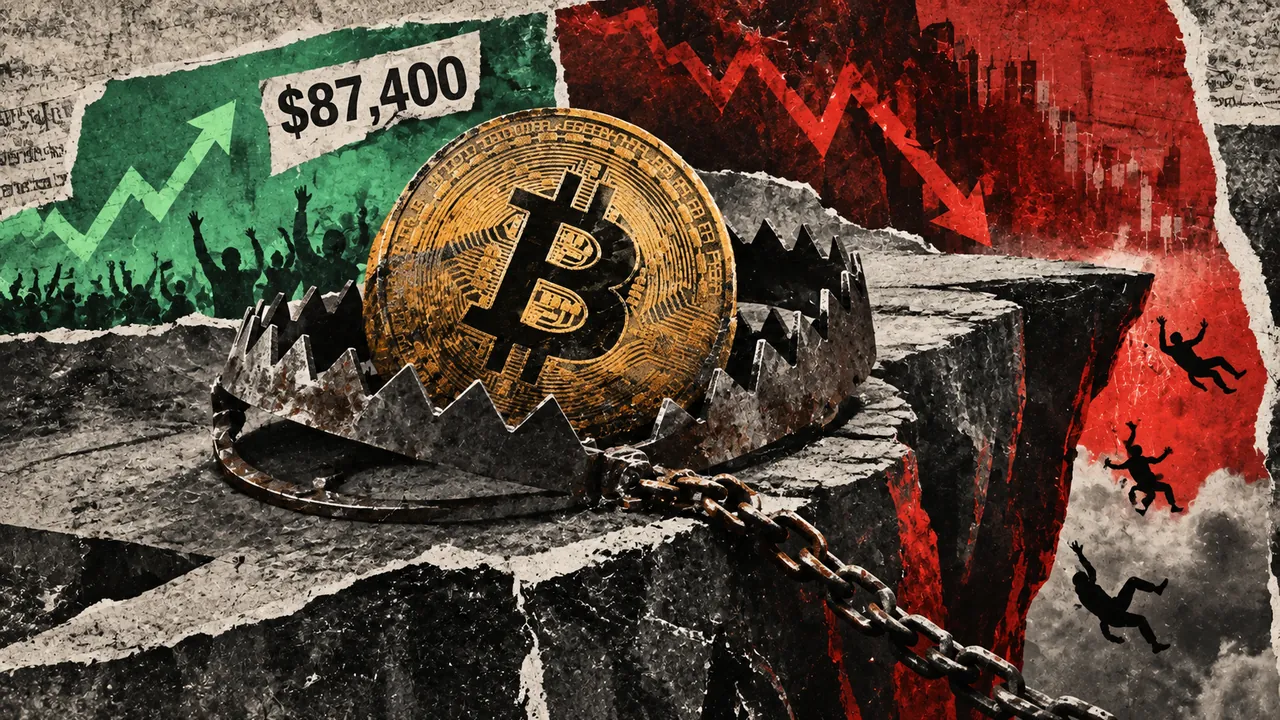
Bitcoin’s climb to about $87,400 has pushed bullish indicators higher, but spot demand and ETF inflows are weakening while profit-taking grows. With trading increasingly concentrated in futures, the rally may face its first major test since the breakout, and liquidation risk is shifting toward long positions.

US energy regulators accepted a plan from the country’s biggest electric grid to speed up new power supply, but suspended it for five months. The region is struggling to keep pace with demand from data centers.
The staggering gift is the largest-ever donation by an individual to higher education, surpassing Michael Bloomberg’s $1.8 billion contribution to Johns Hopkins University in 2018.
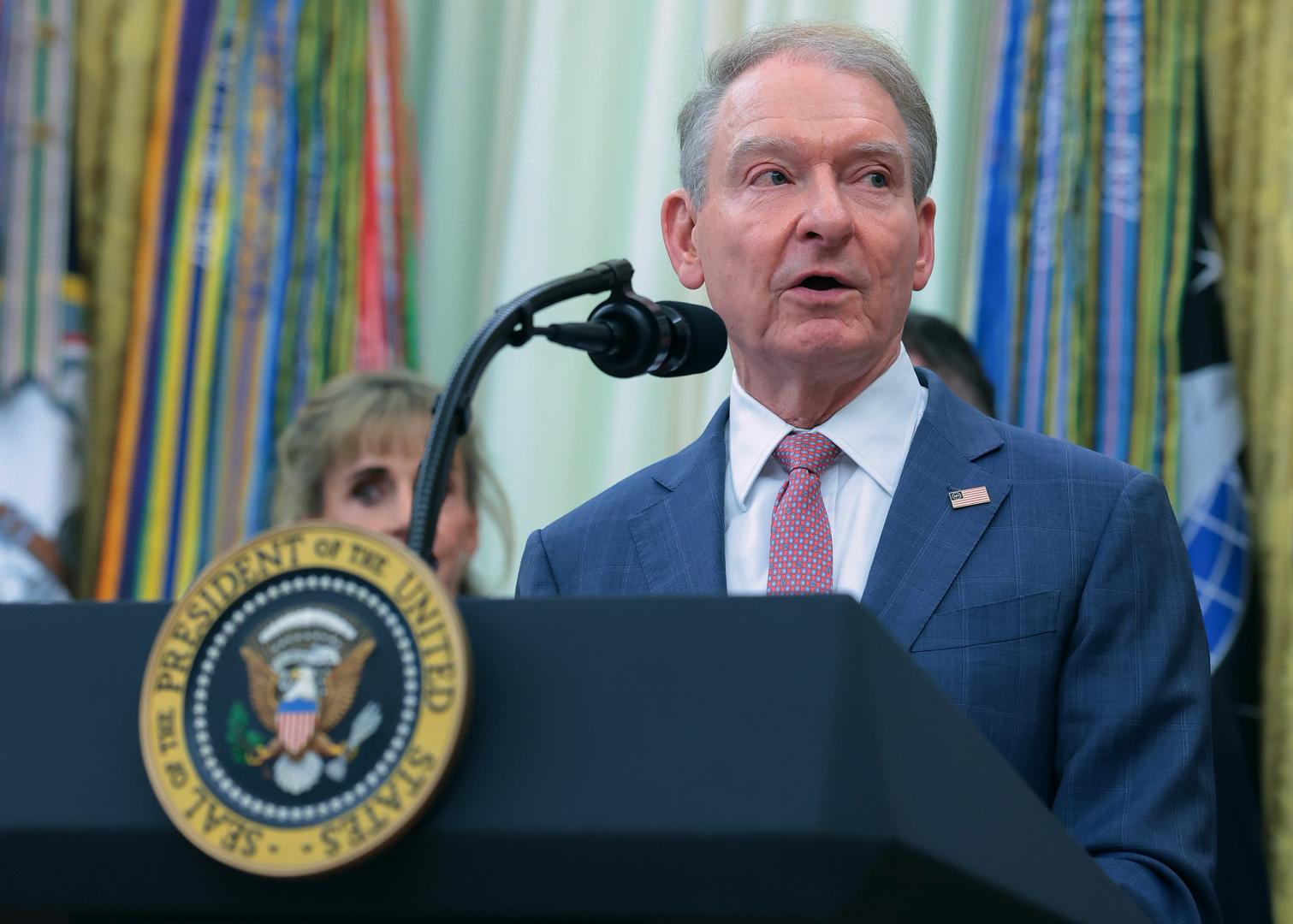
Citadel’s Ken Griffin is making a $3 billion contribution to Carnegie Mellon, described as the biggest one-off gift committed to a US university. The bulk is earmarked for a new campus in Miami.
Billionaire investor Ken Griffin is giving $3 billion to Carnegie Mellon University to build a new campus in Miami and support programs at its Pittsburgh base, including recruiting leading academics and making the university more affordable for students.
Foreign trade in the Hengqin Guangdong-Macao Deep Cooperation Zone reached a record 48.5 billion yuan in the first eight months of 2026, up 57.8% year on year and exceeding the zone’s full-year 2025 total, Gongbei Customs said. Imports rose to 13.5 billion yuan, while exports reached 35 billion yuan. Logistics links with Macao have also expanded.
Mongolia is on track to have the world’s best-performing stock market this quarter, lifted by a commodity boom that shields the landlocked North Asian country from the volatile artificial-intelligence trade.
Britain’s competition watchdog said on Wednesday that Brink’s proposed $6.6 billion purchase of ATM provider NCR Atleos could weaken competition in the UK cash-management market.
Norwegian synthetic graphite producer Vianode is looking for a partner that can provide capital, industrial expertise or a wider strategic relationship to support its next expansion phase, CEO Burkhard Straube said.
Singapore’s central bank has appointed Amundi, Franklin Templeton, HSBC Asset Management, M&G Investments and Natixis Investment Managers to oversee S$1.45 billion in locally focused equity strategies. The mandates are part of the city state’s latest effort to revive its stock market as competition with Hong Kong intensifies.

President Donald Trump could unveil plans as soon as Wednesday to use about $54 billion from South Korea’s pledged strategic investment package to build an Alaska liquefied natural gas project. The move would be part of a series of economic initiatives ahead of November’s midterm elections.
Middle East crude shipments have recovered to 17.5 million barrels per day, or 98% of pre-war export volumes, according to JPMorgan data cited by Bloomberg. Refined-product exports are at 58% of previous levels, while flows through the Strait of Hormuz have returned to about 13 million barrels per day.
OPEC+ oil-producing countries are likely to leave their November production targets unchanged when they meet on Sunday, two sources familiar with the matter told Reuters.
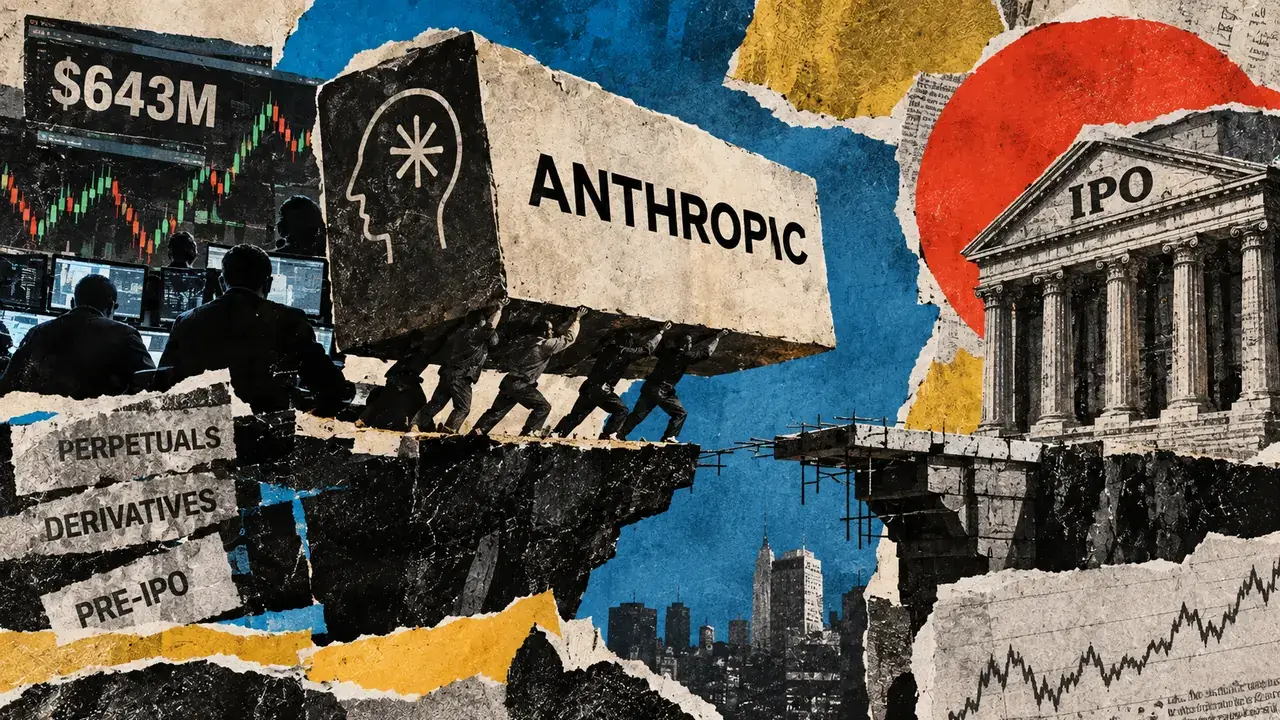
Anthropic-linked pre-IPO perpetual contracts traded $643 million across 12 crypto venues through Sept. 21, surpassing August’s $590 million, with about $80 million in open interest. Once Anthropic lists, exchanges may shift the contracts toward a third-party stock index. A sharp gap between the synthetic valuation and the public share price could trigger repricing affecting profits, collateral and liquidation thresholds.

OpenAI, the maker of ChatGPT, is pursuing $30 billion in fresh funding after postponing its public listing, seeking a valuation as high as $1.4 trillion. It is expanding its AI tools while safety concerns mount.

Scottish Mortgage Investment Trust said it had reduced its China exposure by more than half over the past six years, citing geopolitical and regulatory risks in its calculations.
German premium automaker BMW will outline plans for more local production as it tries to rebuild margins after a string of profit warnings linked to weak performance in China, Bernstein analysts said on Wednesday.
Turkey’s exports increased 8.1% year on year to $23.4 billion in August, with Germany the largest destination at about $1.76 billion. Imports rose 10.5% to $28.7 billion, widening the monthly trade deficit by 22.3% to $5.2 billion.
The Bank of Russia bought 2 billion rubles, or $23.7 million, in yuan on the domestic market for settlement on September 29, according to regulator data. Purchases for settlement on September 28 totaled 3.9 billion rubles, or $46.1 million. The operations use the yuan-ruble instrument on the Moscow Exchange currency market.
Crypto exchange Gemini, owned by the Winklevoss brothers, has switched its Zcash software. Zakura nodes in its deployments caught up with the network in just over six hours, compared with nearly a day for the exchange’s previous software.

Asset management platform HANetf has listed bitcoin exchange-traded commodities in London, Frankfurt and Paris, offering exposure to bitcoin hedged against the pound sterling and euro rather than the US dollar.

Axis Bank said Wednesday that the payment platform entered India through its partnership with the bank, securing its first foothold in one of the world’s largest digital-payments markets.
Nigerian billionaire Aliko Dangote and Kenyan President William Ruto have broken ground in Lamu on a $16bn oil refinery expected to process 700,000 barrels of crude a day. Residents are protesting over land compensation and environmental concerns, while 133 people have asked Kenya’s High Court to halt construction. Dangote says the project will proceed and be ready by 2030.

Former press secretary to Vladimir Zelensky Yulia Mendel says a prolonged blockade of Ukraine’s Black Sea ports could cost the country about $17 billion, while the state has no strategy for operating or rebuilding the affected industry. Greater Odessa ports have handled no foreign cargo vessels since July 22, forcing exports onto costlier routes and causing a logistics collapse at land crossings.
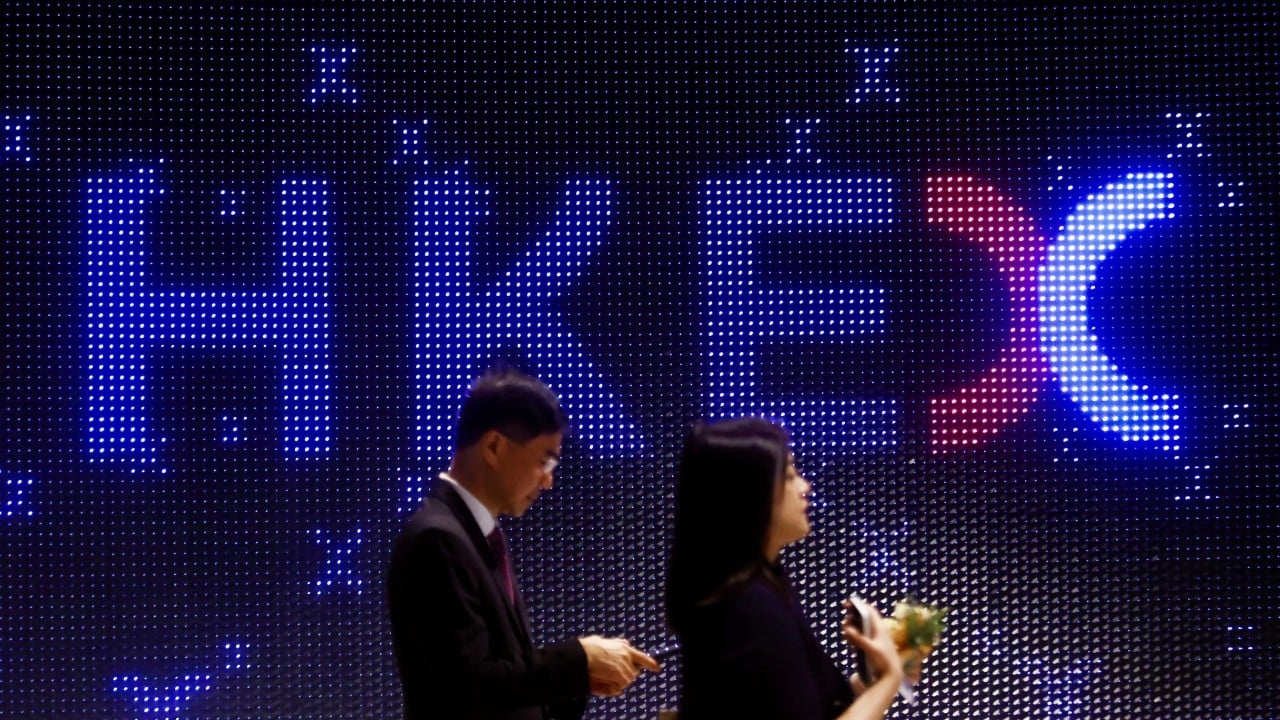
Hong Kong IPO fundraising doubled in the first nine months of 2026 to US$48.4 billion, the highest for that period since records began in 1980. LSEG Data & Analytics said 112 companies listed on the city’s main board, while two more joined the Growth Enterprise Market. Nasdaq still led in fundraising.

The author says that despite Tehran’s claims to the contrary, the Strait of Hormuz is effectively wide open and Donald Trump has the upper hand in the contest. Crude exports from US allies in the region through the strait and bypass routes have recovered to about 80% of prewar levels, while Iran’s own oil exports have fallen to zero.

Qatar says meetings and message exchanges aimed at narrowing differences between the United States and Iran are continuing, with Doha seeking common ground for a peaceful settlement. The IRGC says US warships have moved away from the Strait of Hormuz, while Houthi officials claim Saudi aircraft carried out 35 strikes in five Yemeni provinces.
The Alberta community known for spectacular oil booms and punishing busts is confronting the possibility of another wave of economic fortune.
US sanctions and economic pressure are aimed at countering the growing influence of Russia’s transnational economy, Russian Academy of Sciences expert Fyodor Voitolovsky said. He noted that investment by increasingly transnational Indian companies is growing, while many Russian companies have also become transnational.
Bitcoin briefly fell to $82,775.94 on Sept. 29 before recovering above $83,000. Bloomberg ETF analyst James Seyffart estimates the average Bitcoin ETF holder’s cost basis at $81,722, meaning a move below that level could return the average position to a loss. Wednesday’s US inflation, employment and GDP releases may drive volatility.


Analysts are watching a key price level for Bitcoin and what a break below it could mean for bullish traders.
Gold prices rose on Wednesday but remained on course for a monthly decline as expectations of higher interest rates weighed on sentiment. Investors are awaiting US inflation data for indications of the Federal Reserve’s next policy move.
Prediction market platform Kalshi will end its liquidity incentive program amid allegations of wash trading. Its September volume reached $52.98 billion as of Sept. 29, an all-time high, although the month’s data is incomplete.

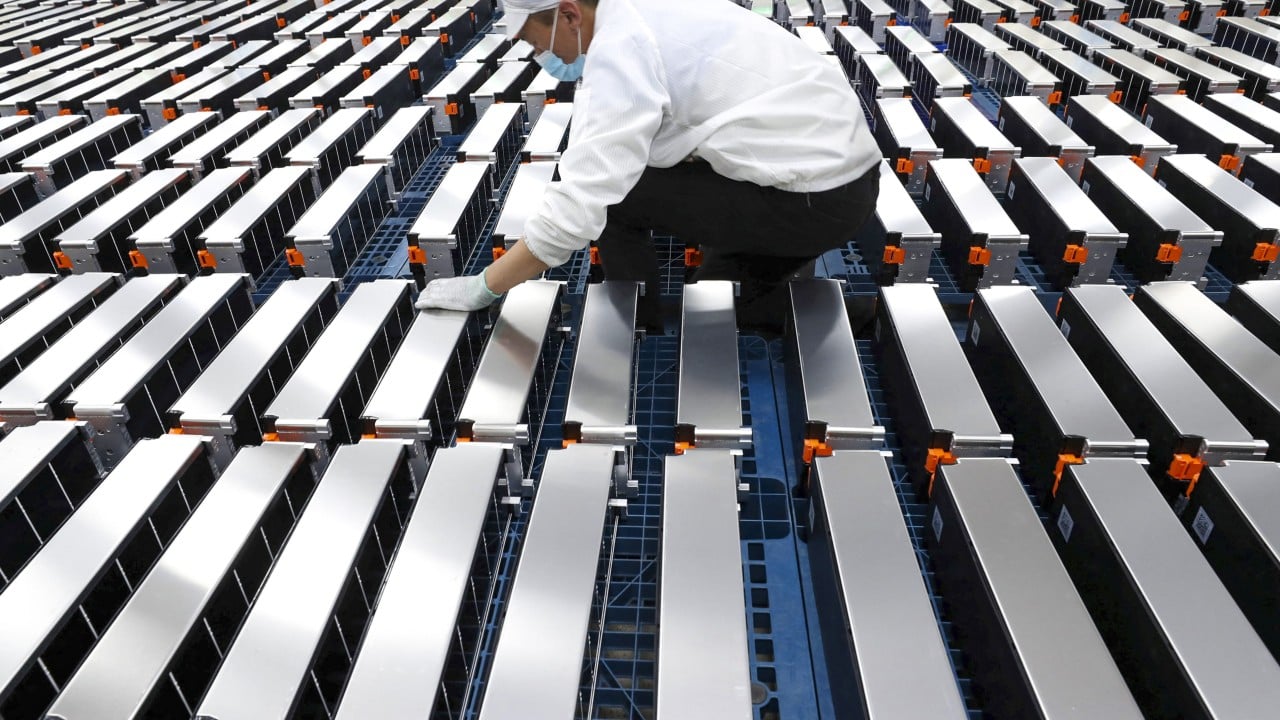
A roundup of electric and new-energy vehicle coverage from the past two weeks, including Chinese carmakers diversifying battery suppliers beyond CATL, Beijing pushing back against talk of “de-CATLisation”, and developments for Chinese EVs in Europe.

Oil prices rose Wednesday after U.S. President Donald Trump denied offering Iran relief from sanctions. Qatar is pushing for peace talks.

Oil prices rose on Wednesday after US President Donald Trump denied he was willing to ease sanctions on Iran. Qatar was pressing for peace talks, while a recovery in Middle East crude supply had driven prices lower in the previous session.
G20 ministers are meeting in the United States as tensions over tariffs intensify. Experts expect little progress, with Trump's tariff policies and China's export defence keeping partners divided.

China is set to levy an extra 55% on Brazilian beef once shipments use up the annual import allowance set by Beijing. The change could unsettle commerce between the two agricultural powers and alter supply routes worldwide.
China will impose an additional 55% tariff on beef imported from Brazil from October 1, on top of the rate already in effect, the commerce ministry said on Wednesday.
Mainland Chinese PCB maker Suzhou Dongshan Precision Manufacturing has passed its Hong Kong listing hearing, people familiar with the matter said. The company is moving towards a share sale that could rank among the city’s largest IPOs in the fourth quarter.

Russia’s stock market moved higher after the MOEX and dollar-denominated RTS indices initially fell 0.07% at the opening of the main session. By 09:27 Moscow time, both had gained 0.03%, while the Chinese yuan continued to strengthen against the ruble.
U.S. Treasury yields moved lower on Wednesday after a fresh sell-off the previous day. Investors remained concerned about inflation.

The EU is negotiating a Brussels reform to integrate its capital markets more closely. Germany has secured an exemption from centralised supervision for Deutsche Börse’s domestically focused trading venues, leaving a key part of the system under regional control.
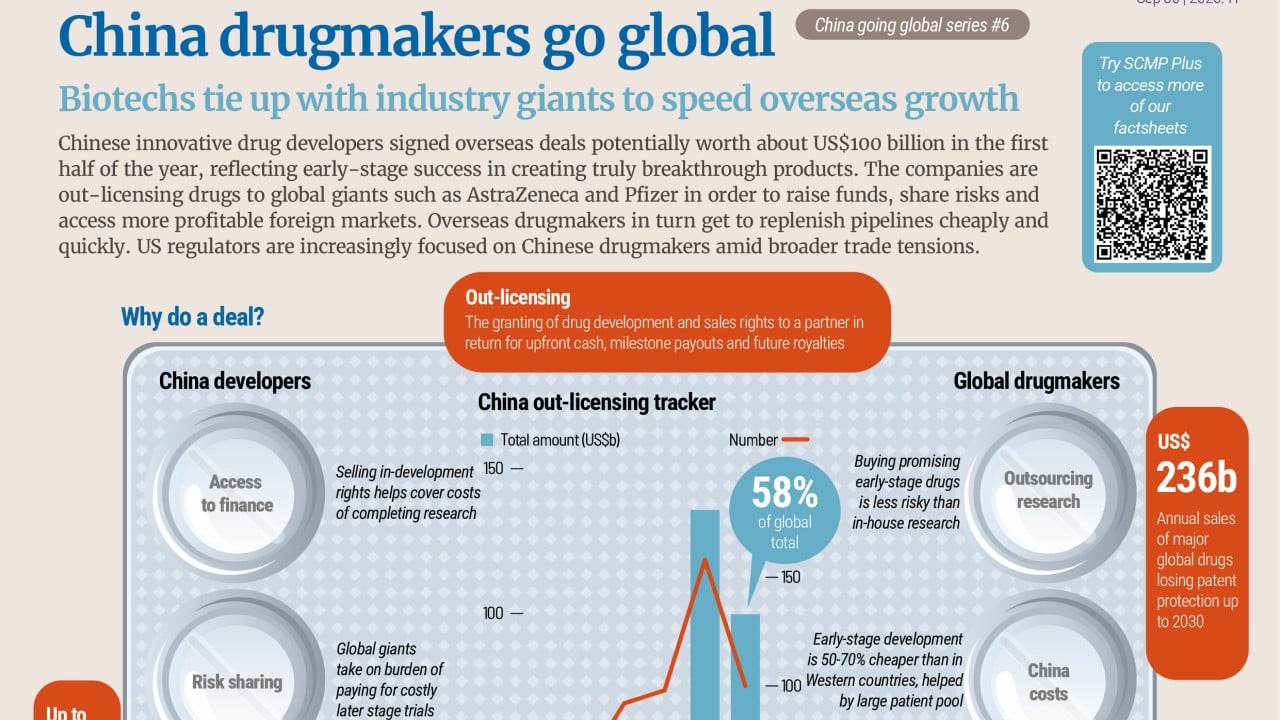
Chinese biopharma companies are pursuing global expansion.

The chair of the global banking rulemaker said on Wednesday that cooperation among banking supervisors across countries is becoming harder as financial risks grow increasingly interconnected.
Ukraine went a week without producing any steel in September for the first time in 100 years, former Zelensky spokeswoman Yulia Mendel said. She attributed the idling of major plants to massed Russian strikes, which damaged furnaces, and said steel exports are losing $200 million a month.
Indonesia’s trade surplus was expected to widen to about $630 million in August, while its September inflation rate was projected to edge higher, a Reuters poll of economists showed.
The Minutes Reader extension turns the original page into a focused reading view and translates articles and video subtitles on demand. It is in limited beta.