Blackstone’s top private equity executive prepares exit for possible public service move

Joseph Baratta, one of Blackstone’s highest-paid employees, plans to leave the group after nearly three decades, potentially to move into public service.
Investors say rising bond yields and borrowing costs have so far shown no sign of slowing activity in the world’s biggest economy, despite the sharp increase in financing costs.
Russian stocks ended Friday’s session lower, according to Moscow Exchange data. The MOEX Russia Index fell 1.66% to 2,273.87 points, while the RTS Index declined 1.01% to 849.31 points. The yuan slipped nine kopecks to 12.51 rubles.
Mike Khouw says Meta’s strong hardware funnel and an options market offering attractive short-term premiums leave the stock positioned for a powerful breakout into 2027.

Shareholders of British automotive software company Pinewood Technologies approved on Friday a £545 million ($721.14 million) take-private deal led by U.S. private equity firm Ridgeview Partners.
SK Hynix’s U.S. subsidiary Solidigm is considering an initial public offering as early as next year that could value the unit at up to $150 billion, according to three people familiar with the matter.
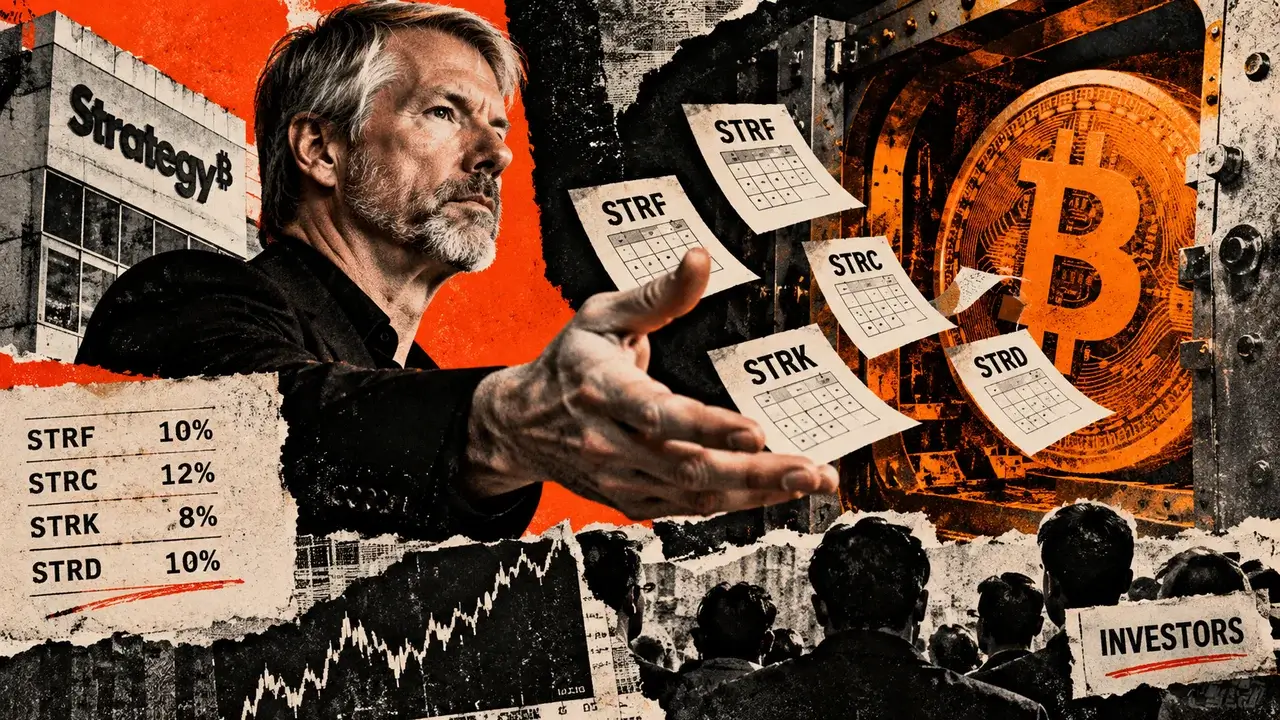
Strategy said it wants dividends on its STRF, STRC, STRK and STRD preferred shares to accrue each calendar day and be paid on the next business day. The proposal could deliver cash to holders sooner without changing current rates or economic terms, but its effective date, record dates and required approvals remain unspecified. Existing declared payment dates would stay in place.


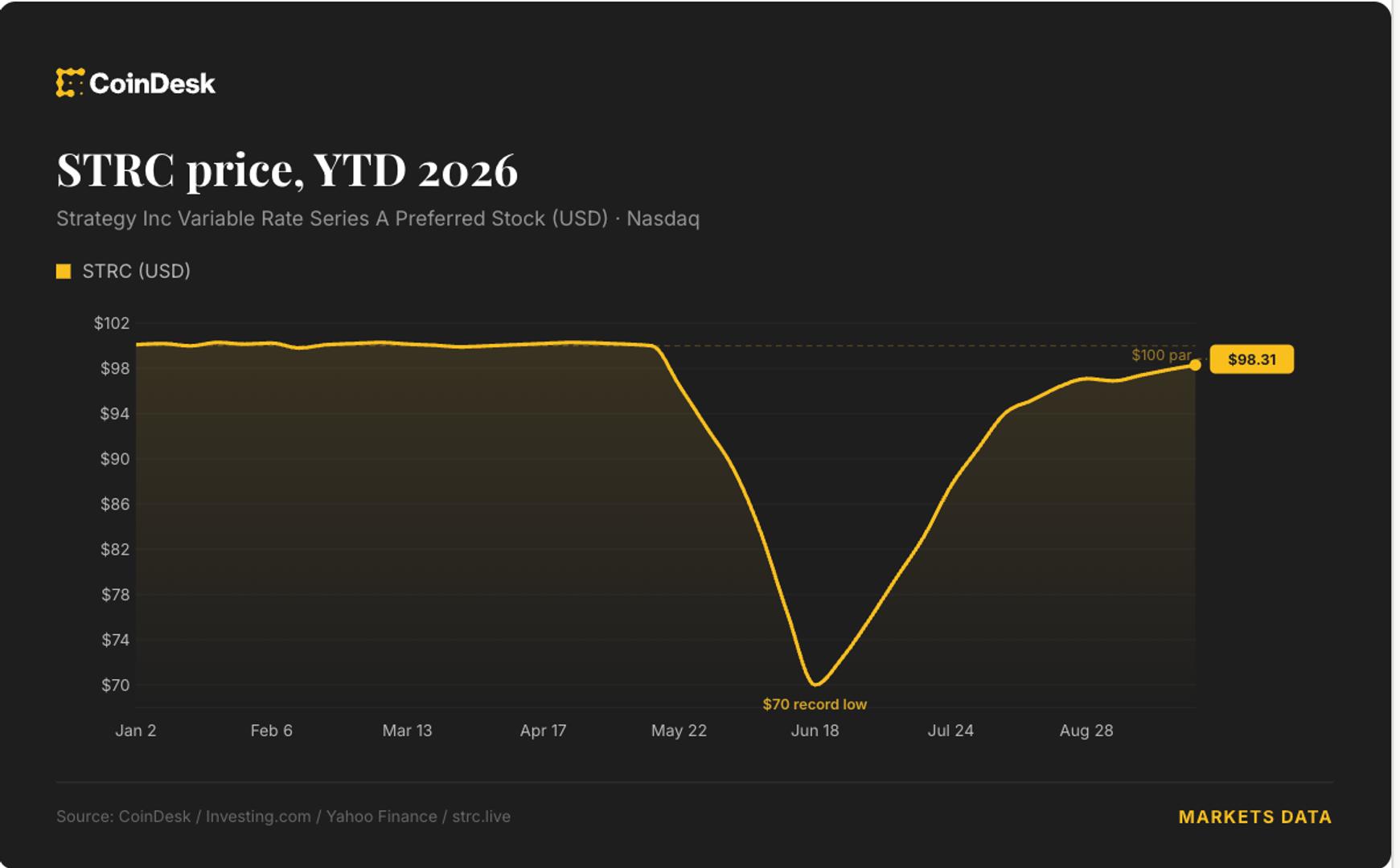
STRC has stayed below $100 since May despite a 12% dividend rate and about $1 billion in preferred-share buybacks. Strategy is proposing daily dividend payments in an effort to move the stock back toward that level.

Strategy is asking shareholders to approve daily dividend payments across its four preferred stocks listed in the United States.
Bond market sell-offs of this scale and speed could ignite problems elsewhere in the financial system.
Romania has raised about $604 million from thousands of individual investors since the start of 2025 through a program that offers blood donors government bonds yielding more than 7% annually—about one percentage point above the rate available to other retail investors. The scheme supports government borrowing while encouraging donations. Individual investors now provide nearly a fifth of Romania’s government financing.
The Russian government has approved amendments allowing oil companies that have not previously signed investment agreements to conclude new deals from Jan. 1 through Sept. 30, 2026, for production facilities eligible for an investment premium on the reverse oil excise tax. The commissioning deadline for new agreements is extended to 2033. The changes do not apply to agreements signed before the decree took effect.
Peru expects new mining projects to lift annual copper output by about 1 million metric tons within five to six years. The energy and mines minister told Reuters that Chinese and US companies are considering investments as competition for critical minerals in South America broadens.
Belgian depository Euroclear has filed two cassation appeals with the Moscow Arbitration Court against the Bank of Russia’s lawsuit seeking 18.2 trillion rubles ($216 billion). The complaints were submitted on September 24 as Euroclear challenges a court ruling issued on May 29.
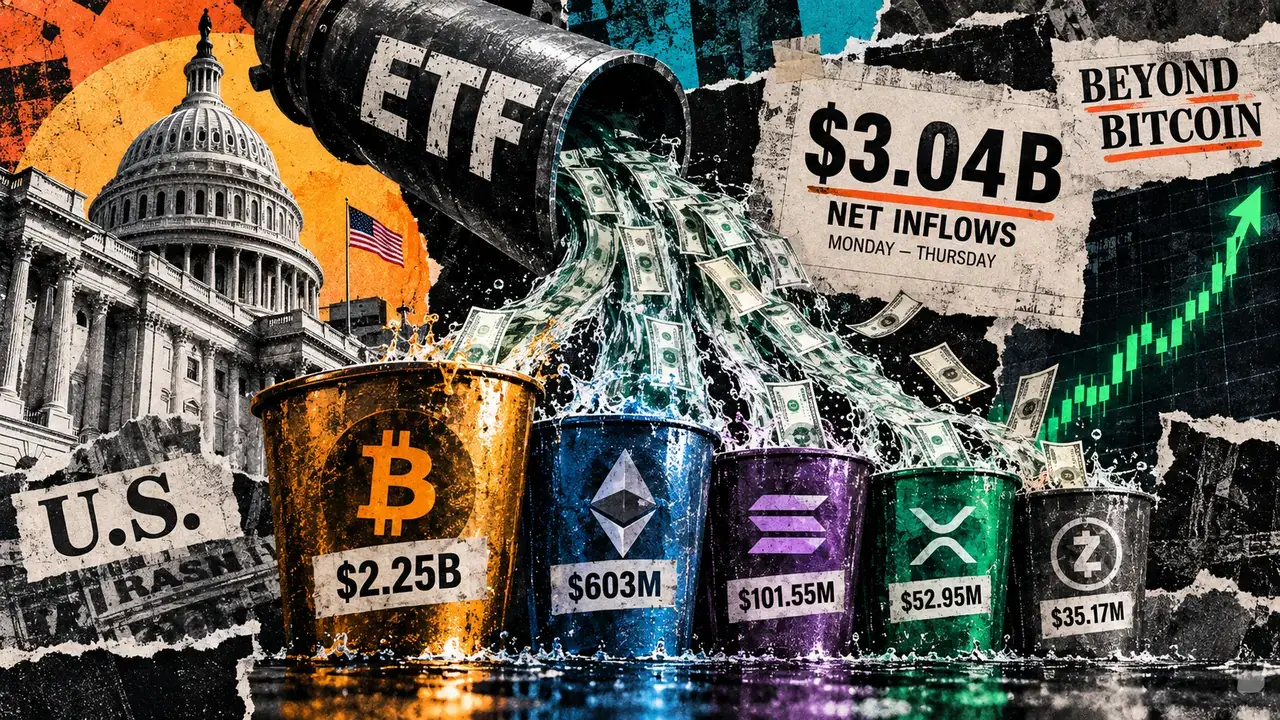
US spot ETFs tracking Bitcoin, Ethereum, Solana, XRP and Zcash recorded about $3.04 billion in combined net inflows from Monday through Thursday, according to SoSoValue. Bitcoin attracted $2.25 billion, while the other four assets drew nearly $793 million. Ethereum led those non-Bitcoin flows with $602.94 million.

The Bank of Russia set the official dollar exchange rate at 84.3414 rubles for September 26–28, down 56.43 kopecks from the previous figure. The euro rate fell to 95.8709 rubles and the yuan rate to 12.5355 rubles.
Hungary’s central bank could still cut interest rates before year-end if external market conditions remain favourable and the government produces a credible deficit-reduction plan aimed at joining the euro, a senior central bank official said.
Romania is running one of the world’s most unusual debt-financing campaigns, offering people who donate blood a boosted 7% interest rate for participating in the bond program.
Economist Dmitry Polevoy estimates that extending Russia’s progressive personal income tax to deposits, dividends, investments, and property sales could raise an extra 500–700 billion rubles annually. Rates would rise from the current 13–15% to a 13–22% scale, affecting about four million people. Polevoy says the measure may have a weaker anti-inflation effect and could even be mildly inflationary.
Global equity funds recorded their strongest inflows since early July in the week ending September 25, ending a two-week run of outflows. Renewed enthusiasm for artificial intelligence and lower oil prices outweighed a sharp increase in government bond yields.
Washington is providing millions of dollars to the so-called Trans-Caspian Enterprise Fund, aiming to catalyse private investment in the South Caucasus and Central Asia and shift the TRIPP corridor from diplomacy toward trade.
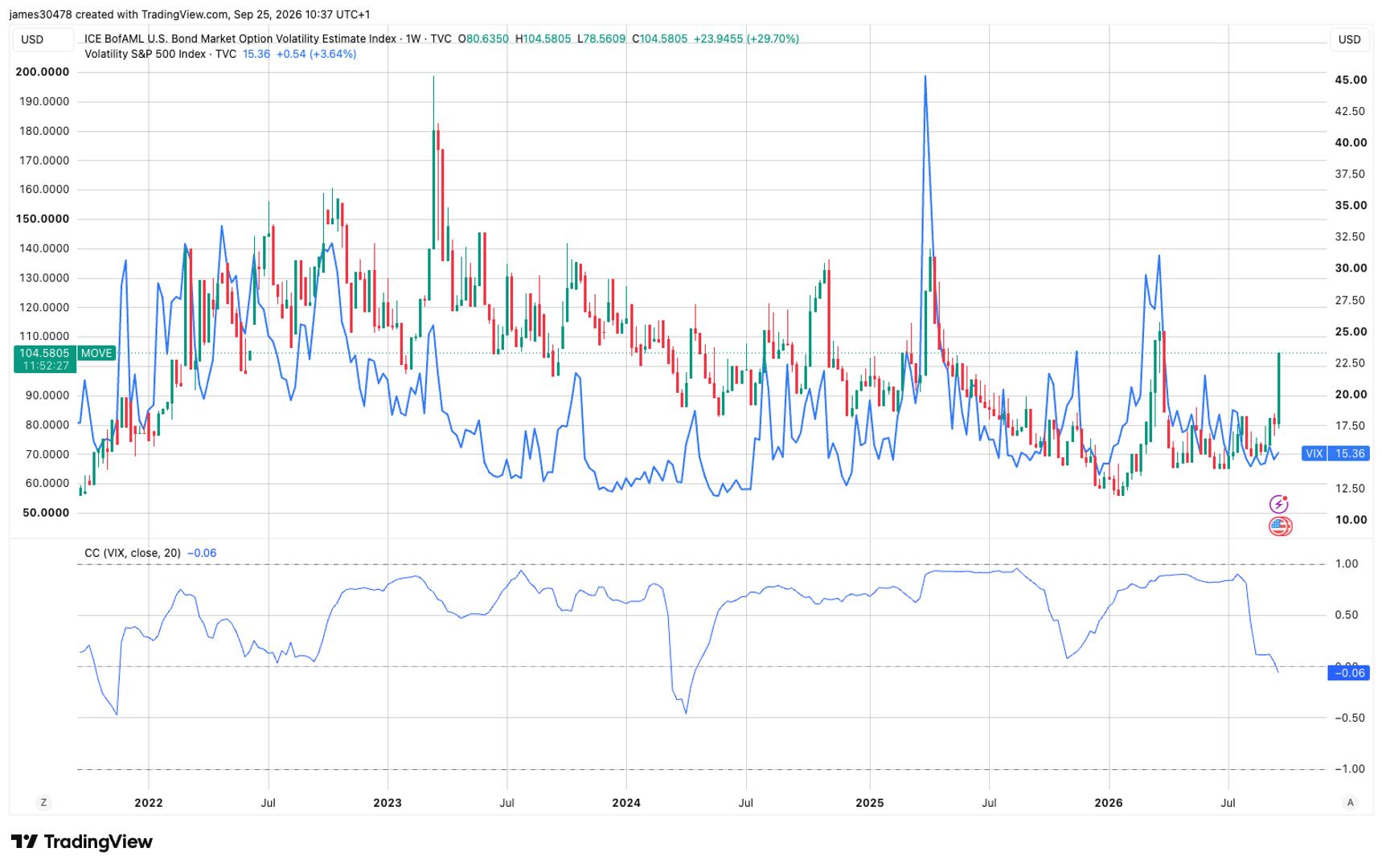
Bond volatility has climbed to its highest level since March, even as the bitcoin VIX, BVIV and Wall Street’s VIX remain close to their lows for the year.

Ethena is adding Binance bStocks and equity perpetuals to the basis trade used to support USDe.

Beijing Eswin Computing Technology is set to solicit orders from institutional and public investors on Monday for a Hong Kong IPO targeting about US$300 million, according to people familiar with the matter. Investor interest has already been gauged, with trading expected to begin on October 8.

French markets are coming under increasing pressure as concerns over high debt and political gridlock intensify ahead of next year’s presidential election. Investors are focusing on five key market hot spots.
Shares of Swedish microcap Nanexa more than doubled after the drug-delivery company announced a licensing agreement with European pharmaceutical giant Novo Nordisk.

Airbus shares fell more than 1% on Friday after the European planemaker said it had found a quality flaw inside the fuselage of hundreds of its best-selling A321neo jets.
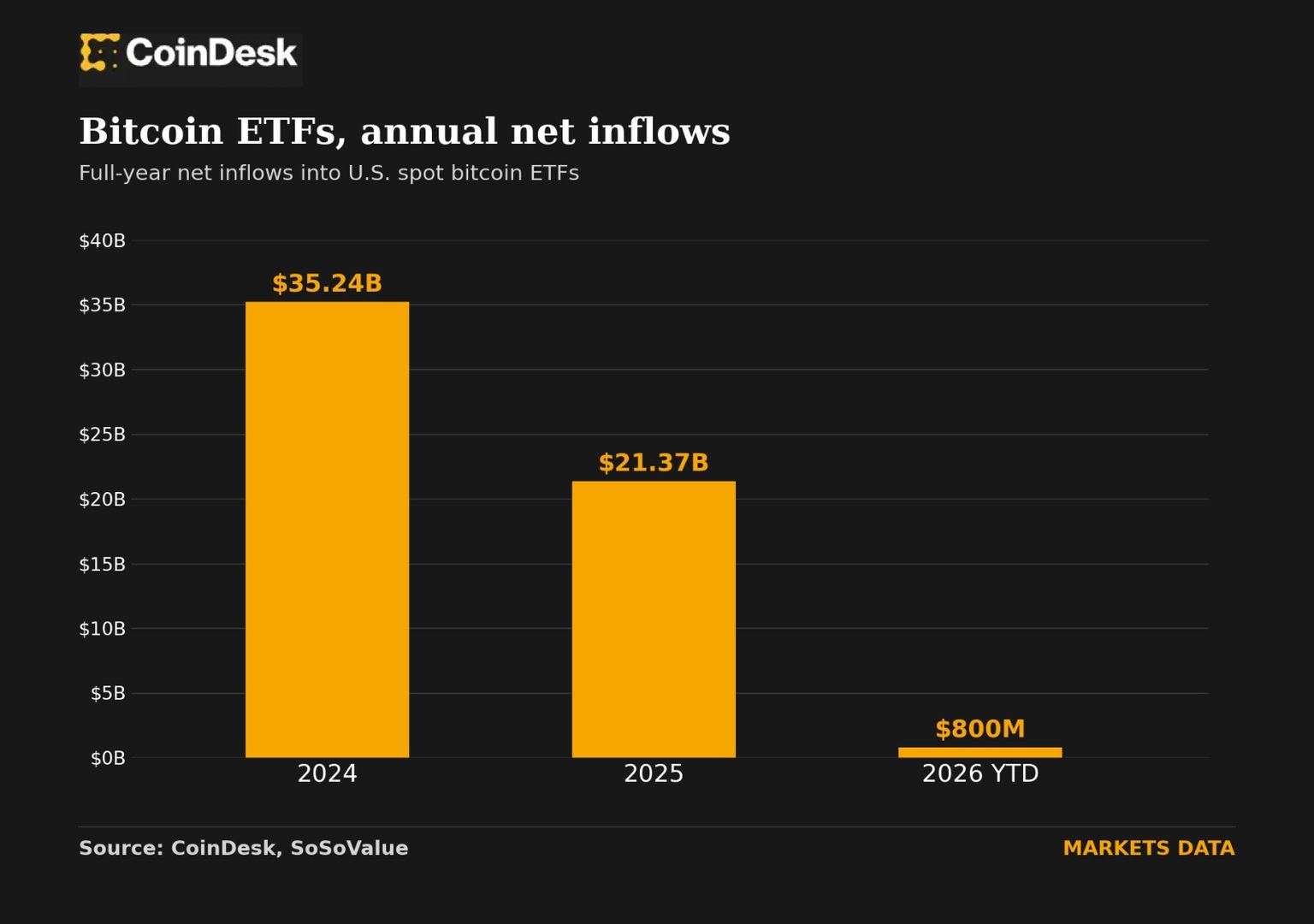
Bitcoin ETFs were at one point in July showing $5.8 billion in net outflows for the year. They have since recovered to record $800 million in net inflows.

European government bond yields retreated Friday morning after a severe sell-off earlier in the week. US Treasury yields reached fresh multi-decade highs on Wednesday and Thursday, while American mortgage rates climbed to 7%, their highest level since Donald Trump returned to office.
U.S. Treasury yields continued to rise into the end of the week after a global bond selloff and stronger-than-expected U.S. economic data, even as the broader bond rout began to slow.

The Bank of Russia bought 2 billion rubles ($23.56 million) worth of yuan on the domestic market, with settlement on September 24, 2026. Purchases settled the previous day amounted to 1.9 billion rubles. The operations are conducted through the yuan-ruble instrument on the Moscow Exchange currency market.
Investor interest in hotel assets rose in Hong Kong and across Asia-Pacific in the first half of the year as stronger travel demand and limited supply supported property values, CBRE said. Hotel investment in the region reached US$8 billion, up 21 per cent year on year, with Japan, mainland China and South Korea drawing the most activity.

As trade ties with the United States continue to fray, Canada is looking for a new place and new partners in an increasingly fragmented global economy. Prime Minister Mark Carney is pursuing more foreign investment and closer relationships with the European Union and Asian economies.

Russia’s stock market opened lower in the main trading session. Moscow Exchange data showed the MOEX and RTS indexes each down 0.53% at 2,300.19 and 853.44 points; by 9:15 a.m. Moscow time, both had fallen 0.76%. The yuan initially rose against the ruble before reversing to 12.5835 rubles.
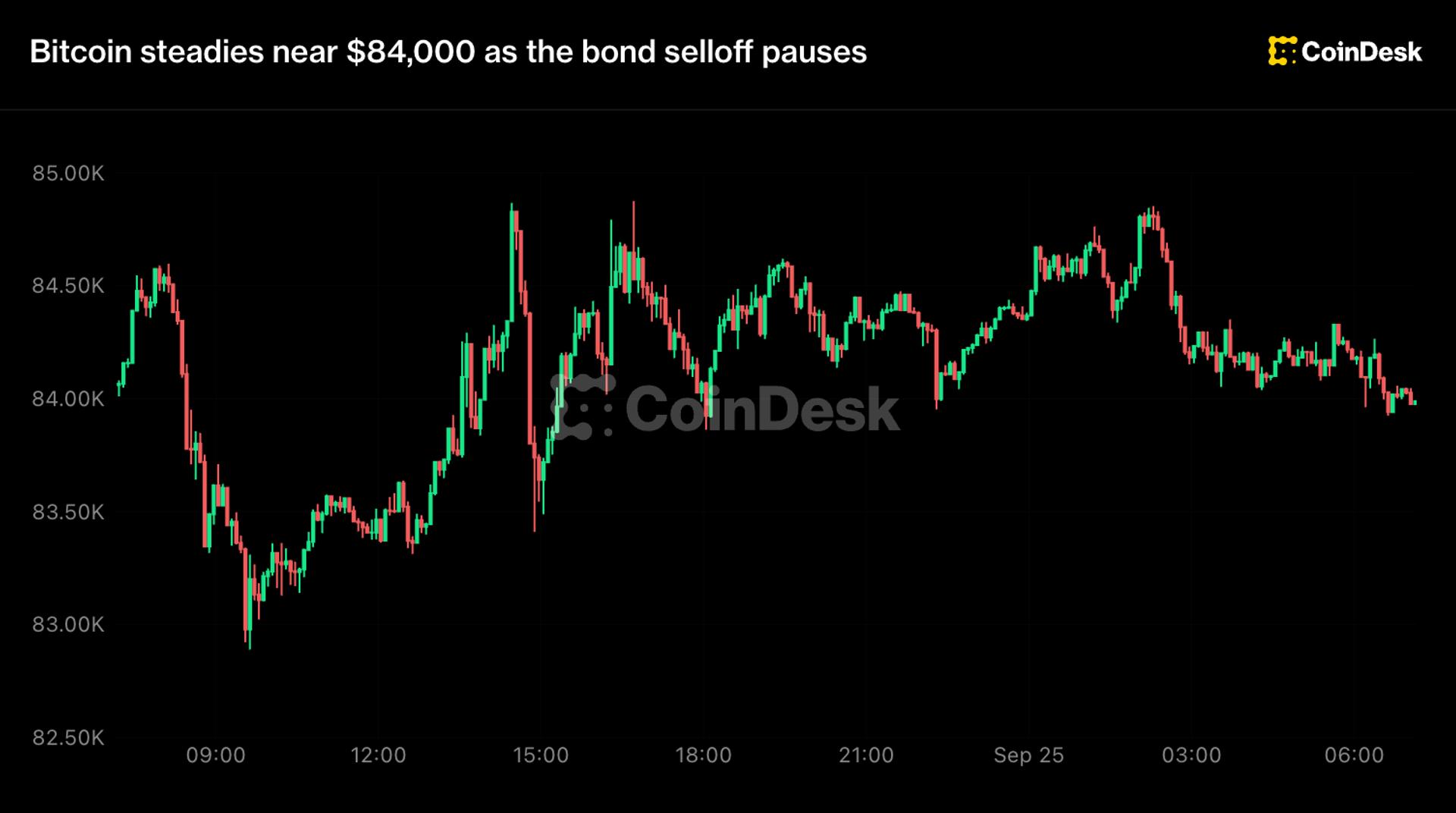
Treasury yields have retreated from multi-decade highs and oil prices slipped amid reports of a phased U.S.-Iran deal. About $14 billion in bitcoin options are due to expire on Deribit on Friday.

Bond prices may continue to decline — a trend that is easy to explain but difficult to live with.
The dollar was on track on Friday for its first consecutive weekly gains in more than three months. Surging Treasury yields and growing expectations of further Federal Reserve rate hikes kept the currency near multi-month highs.
Japanese government bond yields have reached a new high as the global sell-off continues. Capital Economics says interest-rate expectations have risen sharply across advanced economies.
HSBC and Hang Seng Bank will harmonise employee-benefit frameworks across Hong Kong from January 1, according to internal memos. The change is intended to simplify administration, create a shared standard and support internal career mobility between the two lenders. HSBC Hong Kong CEO Maggie Ng said most existing benefits would improve.

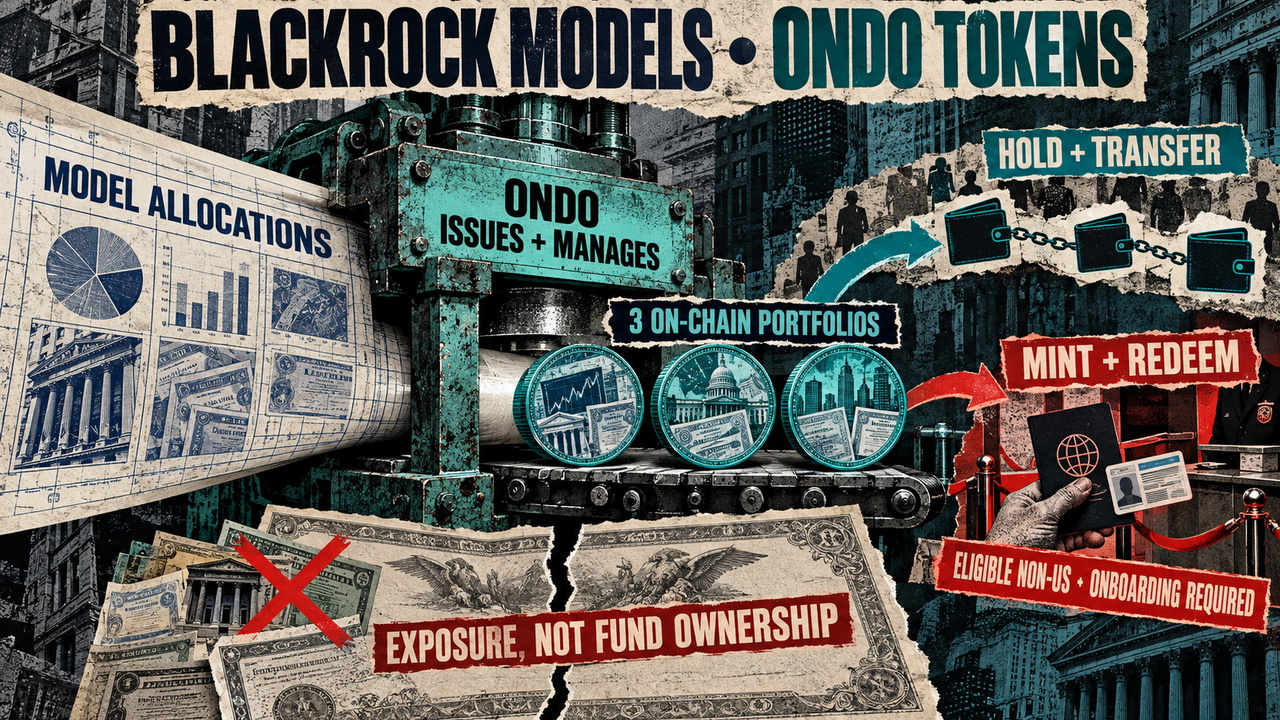
Ondo Finance launched three on-chain portfolio tokens on Sept. 24 using strategies developed by BlackRock for the company. The tokens provide economic exposure to diversified baskets but are securities issued by Ondo, not interests in BlackRock funds. Only eligible non-US investors who complete onboarding can mint and redeem directly with Ondo; other holders must rely on third-party buyers for an exit.

Japanese money has started returning home, but uncertainty over where bond yields will peak and how much further the central bank may raise interest rates is holding back a much larger repatriation of overseas assets.
Japan’s finance minister, Satsuki Katayama, said Donald Trump discussed the weak yen with Takaichi. She signalled that Tokyo could undertake fresh currency intervention with US Treasury Secretary Scott Bessent’s backing.
Clients are looking for ways to gain easier access to investments that are currently locked up, prompting legal advisers on private capital deals to move more quickly.
Yields on the US government’s longest-dated bonds reached their highest level in more than two decades. The move marks the latest milestone in a global bond selloff fueled by inflation fears and concerns over the burden of government debt.
Gold prices edged higher on Friday but were headed for a weekly decline as a firmer dollar and rising expectations that the Federal Reserve will keep rates high to curb inflation pressured the metal.
At least a dozen Chinese banks plan to wind down leveraged precious-metals trading for retail investors, who use margin to speculate on gold and silver contracts without owning the metal. Sources at two banks, including ICBC, said the Shanghai Gold Exchange mandated the latest withdrawals amid sharp swings in international gold prices.

Asian shares held steady on Friday despite a relentless bond selloff that drove longer-dated U.S. yields to two-decade highs. The jump in yields is raising borrowing costs worldwide and putting elevated equity valuations at risk.
For graduates around the world trying to land their first job, Japan may appear to be a hiring paradise as banks and hedge funds compete for top talent amid a jobs boom.
Oracle Japan shares surged after the company reported record fiscal first-quarter sales and profits, bucking a selloff in its U.S. parent.

Changes unfolding in the bond market may seem distant and abstract, but their effects will be felt by nearly everyone.
As US Treasury yields climb past one high after another, Wall Street and Washington are increasingly recognizing that the move may be more than a downturn—it could mark a fundamental shift.
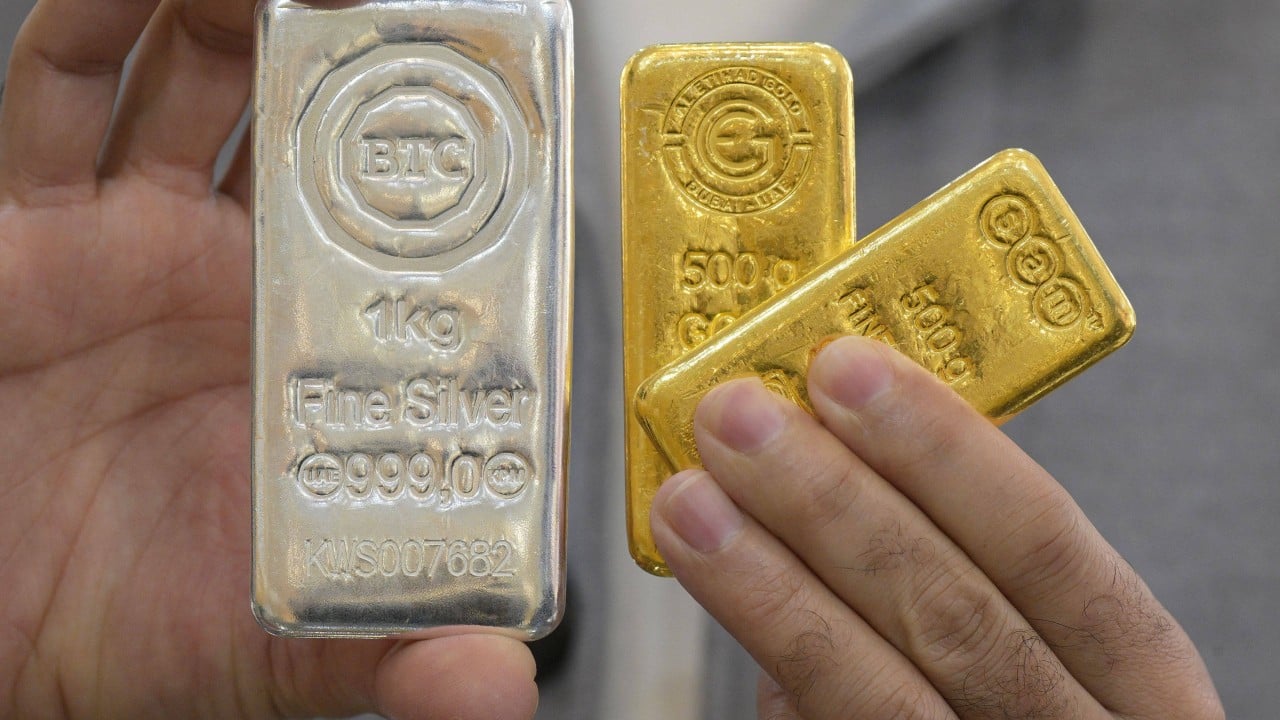
Four years ago, the instincts that helped commodities trader Kelvin Chiu get rich also cost him a small fortune. The former Goldman trader is now building a small pod-style investment shop with an unconventional approach to hiring.
Jing Qian of the Asia Society-Center for China Analysis explains how Chinese investment could support U.S. manufacturing, affordable energy and AI data centers.

SCMP’s “Redefining Hong Kong: Next Generation Wealth 2026” conference on September 21 brought regulators, family principals, advisers and next-generation leaders together in Hong Kong to examine the city’s ambitions as an Asian hub for family wealth, succession planning and cross-border capital allocation, and how inherited capital can become enduring enterprise.
The 10-year Treasury yield is surging to levels not seen in years, potentially signaling trouble for financial markets. History suggests that rapid increases in interest rates can precede financial calamities, with something eventually breaking.

Fresh money is flowing into bond funds at the fastest pace in years, pointing to a potential opportunity for everyday investors as bond yields rise.
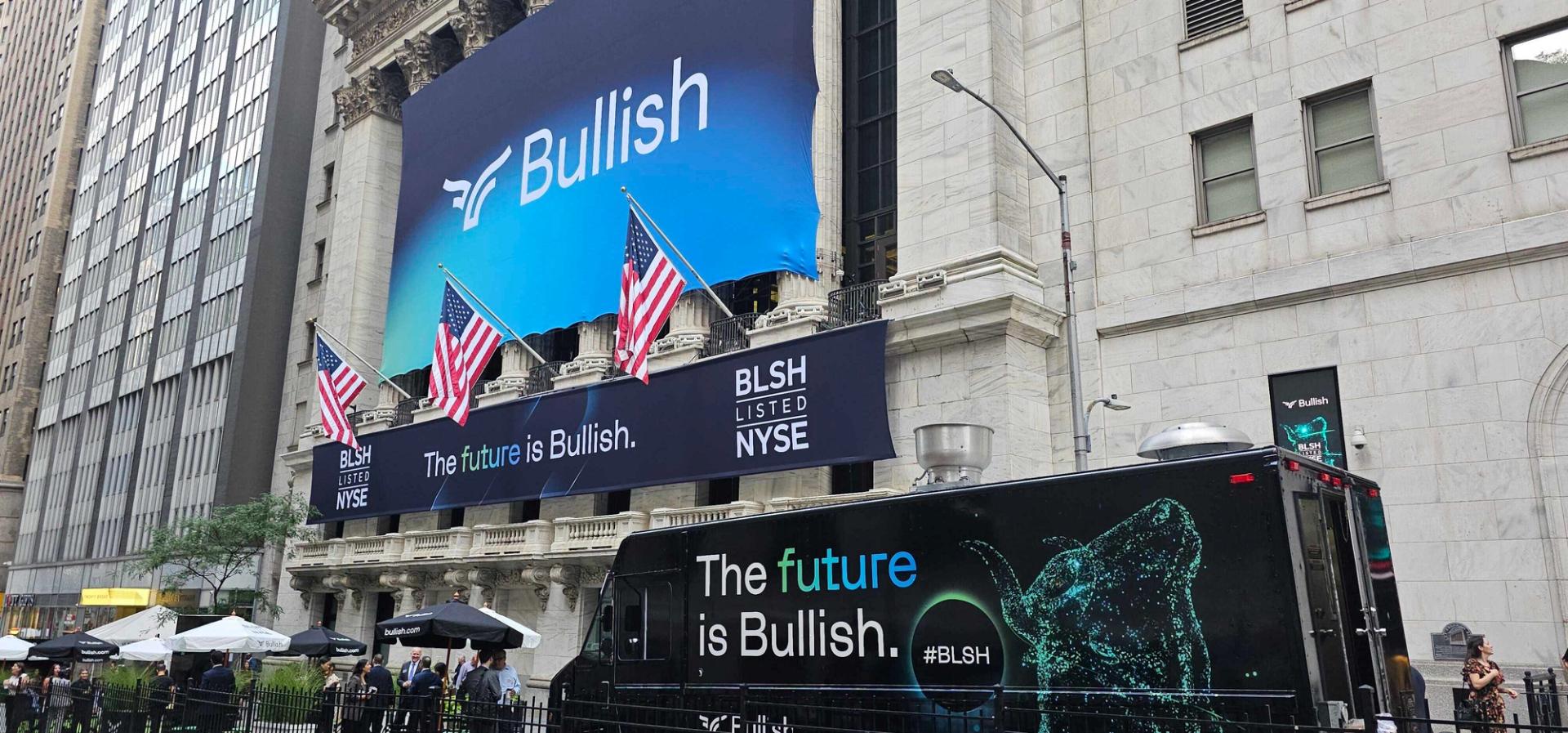
Bullish, Alpaca and Apex Fintech have formed a coalition seeking to connect onchain shares with official shareholder records, following the US SEC’s innovation exemption for tokenized stock trading.

The U.S. derivatives regulator is continuing to develop guidance that welcomes tokenization and blockchain recordkeeping as standard elements of the commodities industry.

The dispute over Robinhood’s AMC token has centered on which tokenization model is legitimate, while the SEC has drawn a boundary. Bullish’s Tram Doman argues that the next question is what must be true for any of these efforts to function as a market.

Borrowing costs have moved abruptly higher.
Russian state asset seizures are discouraging large companies from investing in their core operations because they fear confiscation, senior state banker Andrei Kostin said on Thursday.
SkyAI’s board remained in place after shareholders protested, but the company’s proposed equity compensation plan was defeated by a wide margin.

The US Treasury said it bought back $4.078 billion of 20- to 30-year bonds in its ongoing program to support market liquidity. Investors offered $10.468 billion in bonds during the operation, while the department had earlier set a maximum purchase of $6 billion.
NYSE has signed a memorandum of understanding with Blockchain.com that could make the crypto platform a gateway to its planned 24-hour venue for tokenized US stocks and ETFs, subject to regulatory approval. The agreement also creates a two-way market-data relationship. NYSE is pursuing crypto-native distribution ahead of the venue’s launch as Wall Street anticipates rapid growth in blockchain-based assets.

Uniper labor representatives oppose selling the state-owned utility to a strategic buyer, the head of its works council said. They argue that an initial public offering would reduce the risk of the company being broken up.
The S&P 500 is pushing higher despite rising bond yields and crude oil prices, but one segment of the U.S. stock market—small-cap stocks—is falling behind.

The Russian stock market closed Thursday with mixed results, according to Moscow Exchange data. The MOEX Russia Index edged up to 2,312.35 points, while the RTS Index fell 0.6% to 857.94. The yuan weakened by ten kopecks to 12.6 rubles. Rising oil prices supported sentiment, but the budget draft and Finance Ministry fiscal initiatives weighed on trading.
Oracle’s notice would allow it to delay payments if the facility fails to meet its target of coming online in 2028.


Oracle is seeking to delay payment on Project Jupiter if the data center fails to come online as expected in 2028, according to a report. Oracle shares fell after the report emerged.
Oracle has sent developer Blue Owl a “force majeure” notice in an effort to protect itself from potential cost increases tied to a large data center project in New Mexico, Bloomberg News reported.
War and economic instability have weakened the Sudanese pound and driven up the cost of bread, sugar, meat, transport, healthcare and education. A tea and coffee seller in Port Sudan says higher earnings have been overwhelmed by rising business and household expenses. Annual inflation exceeded 41 percent in July, while black-market traders quoted 7,500 pounds to the dollar by September 22.

Rapidly rising global copper demand could help Russia increase export revenue and draw investment into domestic mining and metallurgy projects, mining expert Pavel Gamov said. Russia supplies about 4% of the world’s refined copper, but sanctions, higher logistics costs and banking difficulties continue to weigh on suppliers.
Nigeria and the United States signed a new mining framework on the sidelines of the UN General Assembly, covering geological data, exploration, mineral development and processing, infrastructure and technical capacity. Nigeria says it wants more local refining, jobs and value from resources including lithium, gold and iron ore.

Dealmakers are missing out on major windfalls as buyout firms keep companies for longer, prompting some to reconsider their careers.
A new study argues that differing national rules and systems for transport, energy, technology and skills are holding back investment across Europe, costing the continent €120 billion a year.
Three new onchain portfolio tokens from Ondo draw on model portfolio strategies created by BlackRock.

Central Bank Governor Elvira Nabiullina said the digital ruble rollout faces technical difficulties and cases in which clients do not fully understand the process, with participating banks working to resolve them. She said high inflation remains a concern for both the regulator and Russians, while cash demand has risen only slightly and the situation is stabilizing.
Key U.S. Treasury yields surged to fresh two-decade highs on Thursday as oil prices returned to $105 per barrel.

Türkiye is increasingly serving as an important alternative channel for Iraqi oil exports to overseas markets.

The 10-year yield on US government debt cannot sustainably rise much further.
Finance Watch has warned that online design tactics can steer consumers, retail investors and minors toward decisions that may not serve their best interests, while making information about possible risks less visible.
MGM Resorts shares fell 10% on Thursday after People Inc, the company of media mogul Barry Diller, withdrew its proposal worth more than $18 billion to acquire the casino operator.
The Minutes Reader extension turns the original page into a focused reading view and translates articles and video subtitles on demand. It is in limited beta.