IMF confirms El Salvador’s bitcoin growth was funded by private donations

The IMF says all bitcoin added to El Salvador’s official holdings since June 2025 came from private donations, with no public money used to build up the reserve.

The IMF says all bitcoin added to El Salvador’s official holdings since June 2025 came from private donations, with no public money used to build up the reserve.

South Korea plans to begin tokenizing all types of securities in three stages from 2027. Its eventual goal is to let participants settle tokenized securities onchain using stablecoins.


South Korean financial regulators have released a phased plan to move traditional capital markets onto distributed ledgers, culminating in settlement through onchain stablecoins.
Japan’s Finance Ministry says government ministries and agencies have requested a record total of more than 143 trillion yen for the fiscal 2027 general-account budget, equivalent to about 915 billion dollars.
Rosneft CEO Igor Sechin said China has gained estimated cumulative economic savings of more than $27 billion since 2022 by purchasing Russian crude more cost-effectively than Middle Eastern alternatives. He said Russia and China’s positions in the global economy and energy sector provide a strong foundation for bilateral synergy.
European shares edged lower on Friday ahead of closely watched U.S. jobs data, while Volkswagen stock rallied after the automaker announced a major transformation plan.

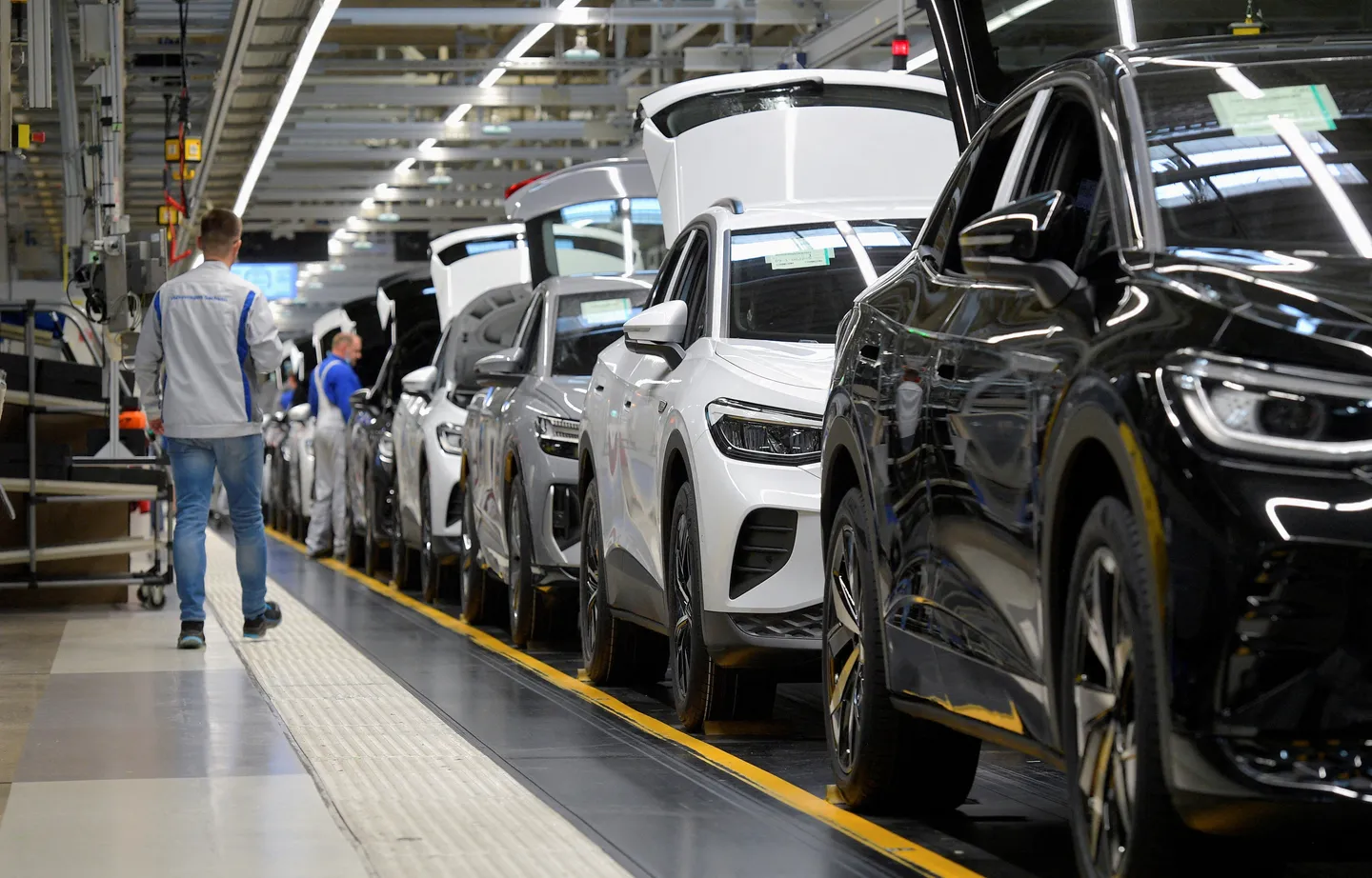
Volkswagen shares rose 6% on Friday after the company announced plans to eliminate another 50,000 jobs as part of its transformation plan, amid tariff pressures and competition from China.
Volkswagen plans to eliminate a further 50,000 jobs worldwide.

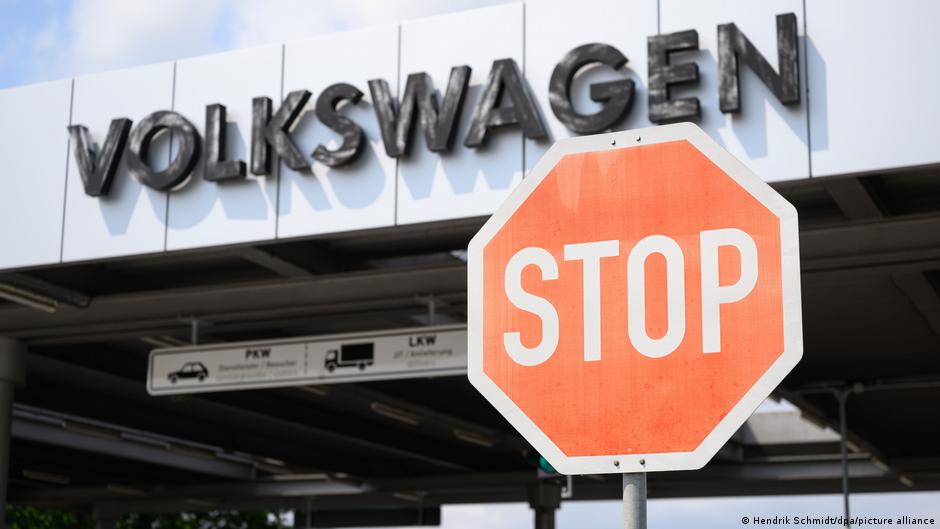
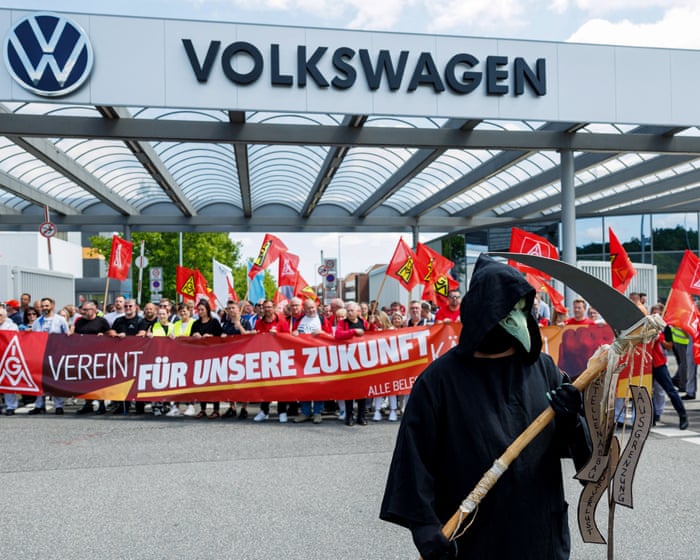
Volkswagen employs nearly 630,000 people and is preparing to cut 50,000 more jobs worldwide after previous reductions. Its oversized workforce reflects extensive in-house production, years of brand acquisitions and costly German operations, while a slow shift to electric vehicles has left the carmaker under pressure from Chinese competitors. The company also wants to close four German factories, though its supervisory board has not yet approved immediate implementation.
German carmaker Volkswagen says management and unions have agreed to eliminate another 50,000 jobs by the end of the decade, taking total job losses to 100,000 in the company’s biggest industry shake-up.
Volkswagen’s supervisory board approved a sweeping overhaul involving 50,000 additional job cuts, fewer models and a smaller industrial footprint. The decision gives CEO Oliver Blume his clearest mandate yet to reshape Europe’s biggest automaker.

Volkswagen’s board has approved another 50,000 job cuts under a broad turnaround plan, taking the group’s planned reductions by 2030 to 100,000. The carmaker blamed falling sales, weaker profits and intensifying competition, particularly from Chinese brands, and said it is reviewing capacity and possible alternative uses at several plants.
Volkswagen Group says it plans to eliminate 50,000 jobs and reduce its vehicle offerings by half. The German automaker is under pressure from intensifying Chinese competition in Europe and tariff costs on shipments to the United States.

Volkswagen said Thursday it will eliminate another 50,000 jobs worldwide in the biggest restructuring in its 89-year history. The German automaker is under pressure from US tariffs, excess capacity and fierce Chinese competition, while the plan outlines the future of four German plants.

Volkswagen says it will eliminate 100,000 jobs by the end of the decade, including 50,000 additional cuts on top of those already agreed. The reductions equal about 15% of its global workforce. The automaker also plans restructuring and major research investment, while warning that the futures of four German plants cannot be guaranteed.
Volkswagen’s supervisory board approved a transformation plan on Thursday that includes cutting another 50,000 jobs as the group seeks to counter painful tariffs, excess capacity and aggressive Chinese rivals.
Volkswagen AG’s supervisory board approved a comprehensive restructuring program called “Future Plan 2030.” The company said the plan is essential to restoring competitiveness and securing the group’s future.
Volkswagen said on Thursday that it is targeting a 9% operating margin by 2030, up from 3.8% in the first half of 2026. The goal is part of a sweeping turnaround plan approved by the group’s supervisory board late Thursday.

Volkswagen has approved plans to eliminate a further 50,000 jobs by 2030, bringing expected cuts to 100,000, or about 15% of its workforce. The German carmaker will halve its model range, while the future of four plants in Germany cannot be guaranteed into the 2030s, amid Chinese competition, weaker China sales and US tariffs.
Rosneft CEO Igor Sechin said China effectively took over OPEC’s role in stabilizing the global oil market this year by cutting oil imports by 5.5 million barrels per day. He said China’s 1.4 billion barrels in reserves give it leverage, and further growth will strengthen its energy-market role as OPEC’s influence declines.
Rosneft CEO Igor Sechin said expanding Chinese fuel reserves would strengthen the country’s position in the global oil market, while OPEC’s influence and membership would diminish. He described China as having evolved from a major energy consumer and importer into an active market leader.
According to business daily Kommersant, shoppers at large malls in European Russia are directing more of their spending toward groceries. Sampa, which manages Sberbank’s malls, found grocery spending rose from 22% to 24% over the past year, while non-food spending fell from 8% to 5%. Experts linked the shift to declining purchasing power and stronger focus on essentials.
India will conclude a trade agreement with the US only if Washington offers tariff terms that give Indian exporters an edge over competitors, Commerce Minister Piyush Goyal said. His remarks point to preferential tariff treatment as a central obstacle in the protracted negotiations.
Oura has made public its filing to list on the Nasdaq. The smart-ring company reported $1.21bn in revenue and $60.8m in profit in the nine months to 30 June, while its subscription base doubled to 5 million users. Its valuation is expected to exceed the $11bn reached in last year’s fundraising.

Russia-China settlements are already conducted almost entirely in rubles and yuan, Rosneft CEO Igor Sechin said. He highlighted the diversification of international payment instruments and called for further improvements to infrastructure and tools supporting national-currency clearing and correspondent accounts.
Greek marine fisheries caught more than 42,000 tonnes of fishery products in 2025, worth €166.6 million. The Northern Aegean accounted for slightly more than two-thirds of production, with anchovy the dominant catch.
Friday’s jobs report is expected to offer a key reading on the U.S. economy as consumers cope with elevated inflation and central bankers consider a possible interest-rate increase.

Only six weeks after the yen fell to a four-decade low against the dollar, its fortunes appear to be turning. A range of factors is finally unsettling aggressive traders who had spent years betting against the Japanese currency.
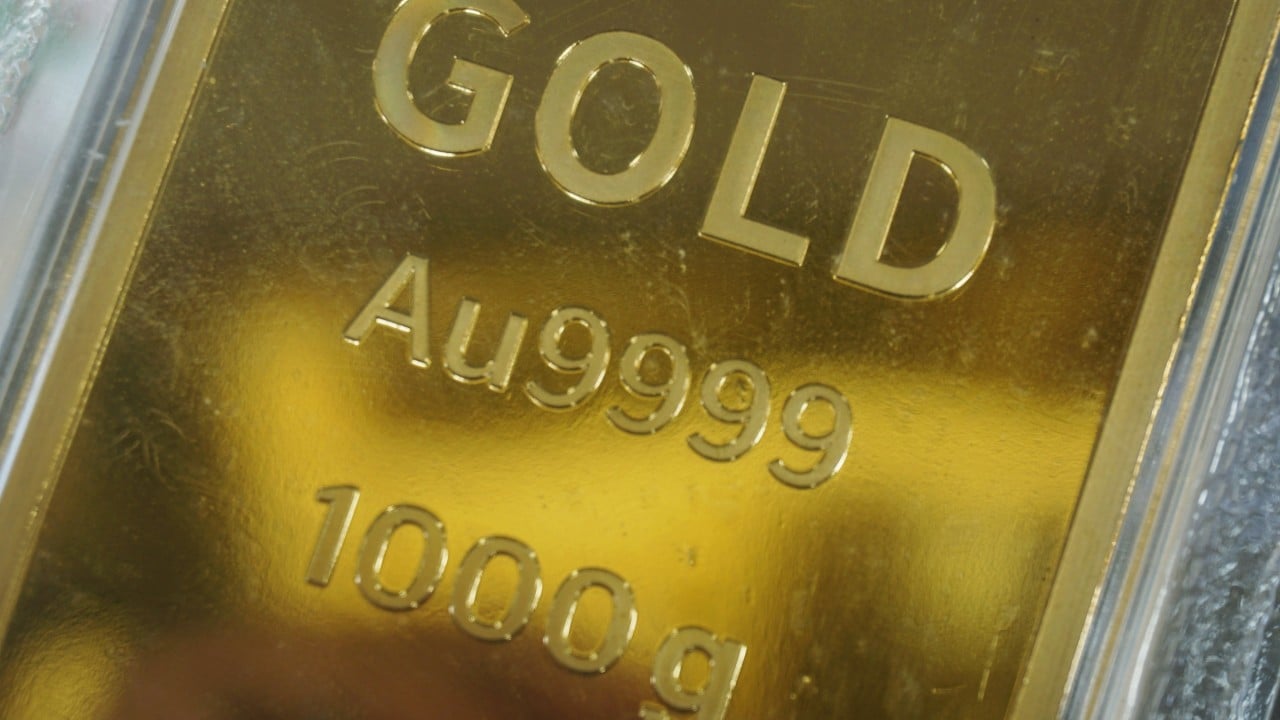
After the Netherlands moved gold out of the US and Canada over geopolitical concerns, attention has turned to whether Hong Kong can benefit as central banks reconsider where to store bullion. Singapore, a rival, is expected to launch central-bank gold-vaulting services in October as it seeks to strengthen its position as an Asian gold-trading hub.

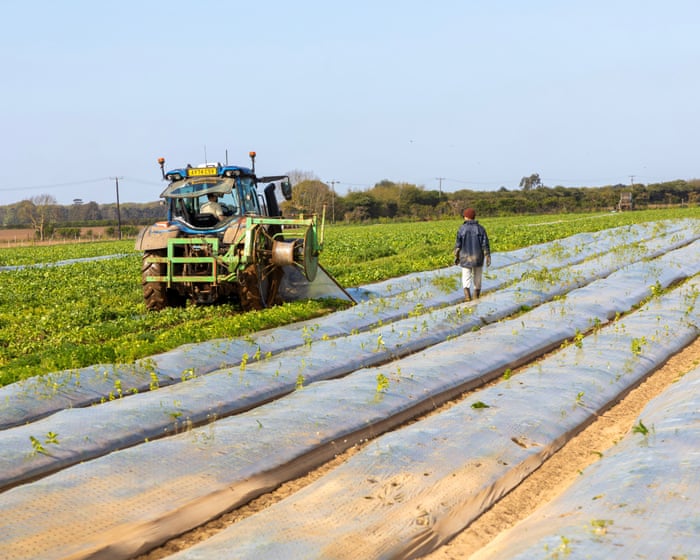
Escalating conflict in the Middle East and Russia’s extended diesel export ban have pushed diesel prices in the UK and US up by about 10% in less than a week. Farmers face sharply higher costs for vehicles and machinery, with UK red diesel at about £1.10 a litre and US pump prices reaching a record $5.85 a gallon.


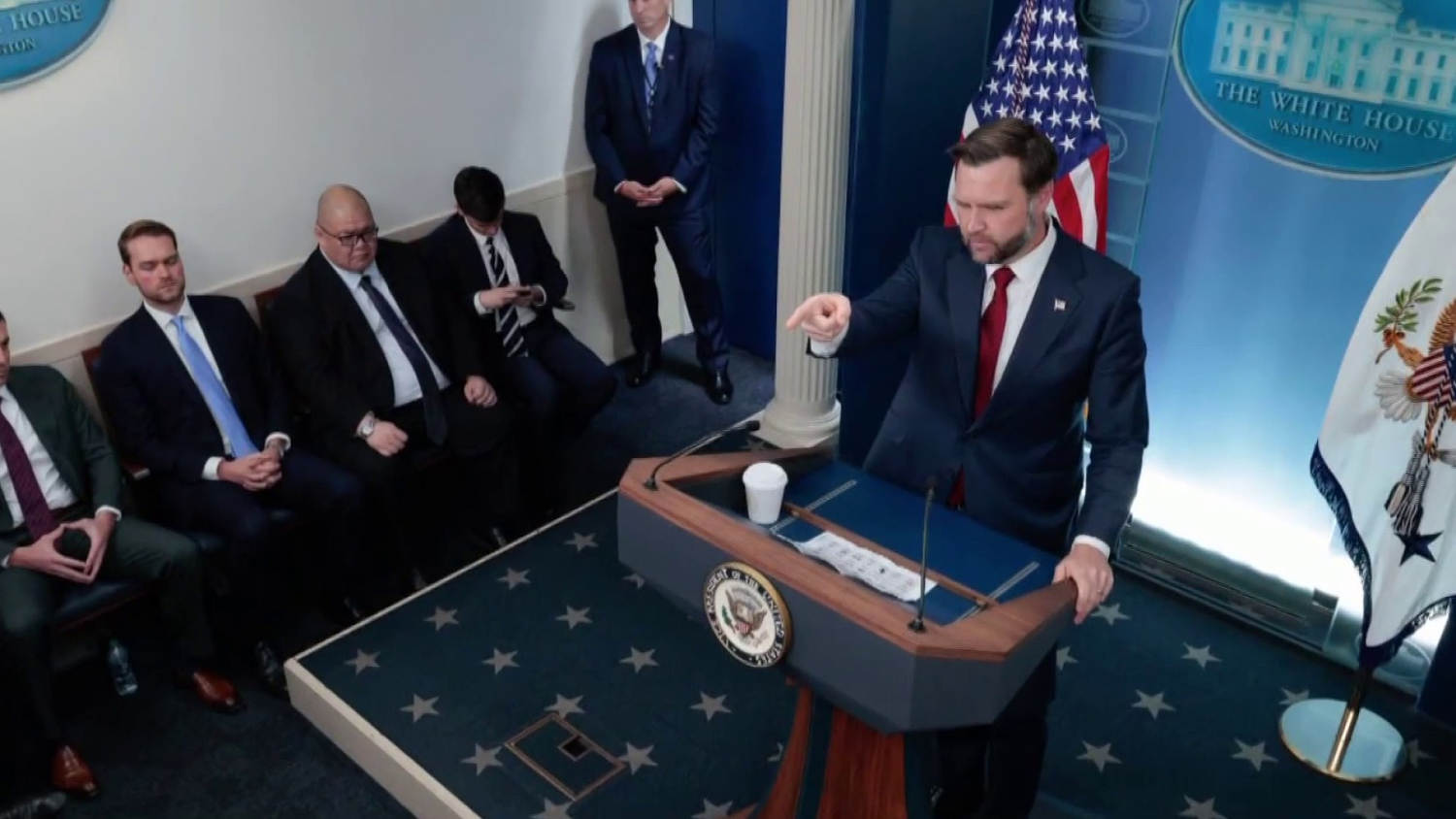
U.S. Vice President JD Vance comments on Iran and interest rates as investors shift their attention to the August jobs report scheduled for release Friday.
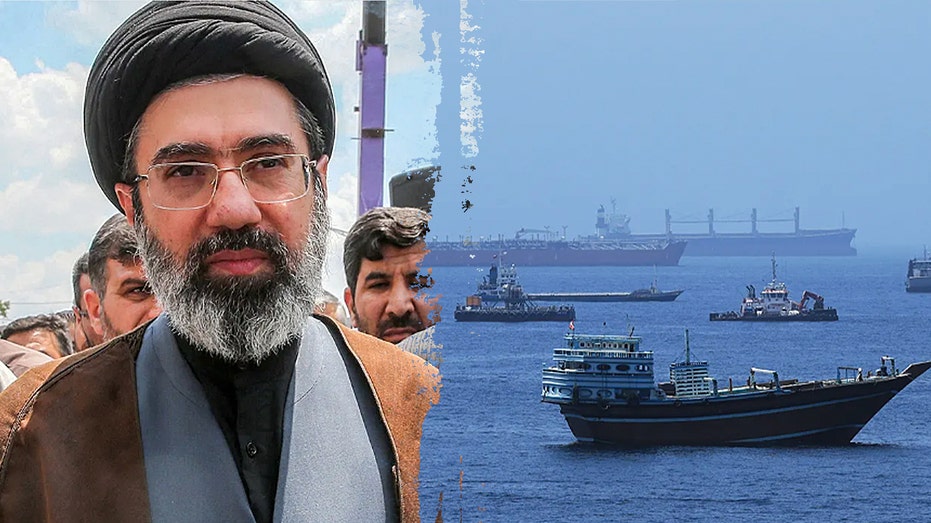
As Trump takes a harder line on negotiations, Tehran remains determined to keep the Strait of Hormuz closed, sustaining the escalation between the US and Iran.
Vice President JD Vance played down the scale of the Iran conflict, saying he would not call it a “war” because major combat operations ended several weeks ago. His characterization comes as military strikes in the region have recently intensified and could trigger a midterm backlash.
Oil prices surged again this week after several weeks of relative stability following the renewed fighting. Iran continues to maintain a stranglehold over the strategic Strait of Hormuz, which handles roughly 20% of global oil shipping.

South Korea is considering sending military assets to the Strait of Hormuz to support freedom of navigation, according to media reports, although Seoul says no deployment decision has been made. Iran struck US military targets in the Gulf in retaliation for a Tuesday night attack that killed four people at a wedding.
U.S. Commerce Secretary Howard Lutnick said he misspoke after incorrectly saying that no American service members had died during the war in Iran.

As the war in Iran enters its seventh month and attacks intensify, Vice President JD Vance said he would not call the conflict a war.

The United States says it will not hold talks with Iran until attacks on ships end. Iran’s First Vice President Mohammad Reza Aref vows an “asymmetrical” and “multi-layered” response to US attacks.
US President Donald Trump says victory over Iran is near and declares the American operation a success. He says the US has already won because Iran cannot obtain a nuclear weapon, claims Iran has been set back 25 years, and asserts that Washington controls the Strait of Hormuz. The US resumed large-scale strikes on Iran on July 8 after an earlier cessation of hostilities.
US Vice President JD Vance said Chinese authorities have responded to some Washington requests linked to its recently declared “economic war” on Iran. He said China appeared willing to cooperate on isolating Iran, while acknowledging it had not done everything the US asked. China’s Commerce Ministry said Beijing would resist US sanctions on trade with Iran.

Vice President Vance said the ongoing conflict with Iran does not amount to a war, arguing that major combat operations ended months ago. NBC News’ Gabe Gutierrez reports on his remarks.

Human rights activist Majid Sadeghpour says Iran’s leaders prefer continued confrontation with the United States and Gulf neighbors because conflict diverts public attention from economic hardship and opposition to the regime. He argues the government fears a domestic uprising more than foreign military action, while Iran continues to be accused of attacking commercial vessels in the Strait of Hormuz despite an agreement not to do so.
US Vice President JD Vance said Washington could use covert subversive operations to pressure Iran, adding that economic, military, diplomatic and covert measures were all on the table. The US and Israel launched a war against Iran on February 28, and Washington later resumed large-scale strikes, accusing Tehran of violating agreements over the Strait of Hormuz.
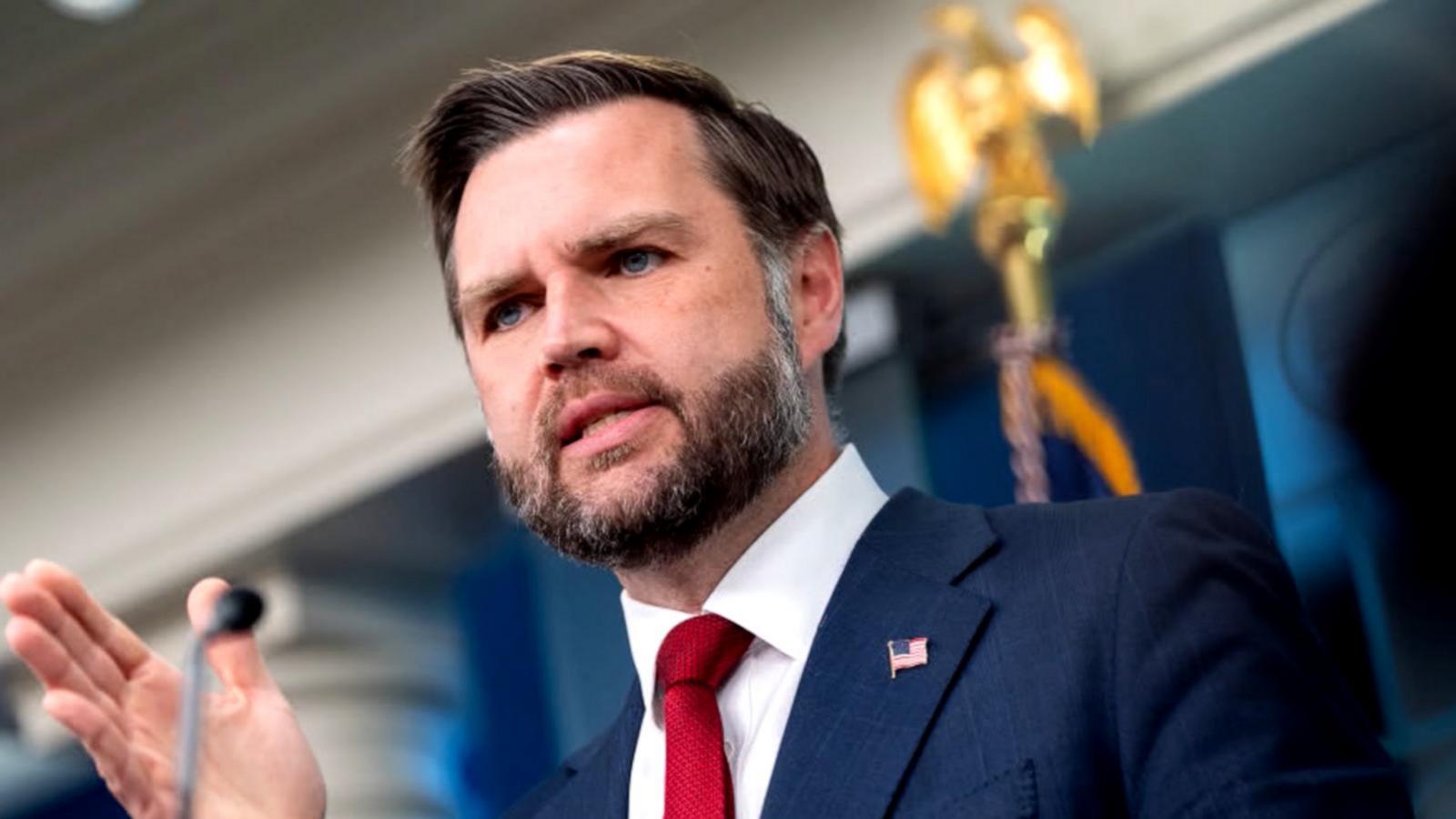
US Vice President JD Vance declined to predict when the US-Israeli war on Iran would end, while questioning whether the conflict should be called a war. He defended US operations, blamed Iran for disrupting shipping through the Strait of Hormuz and said the military was investigating a reported strike on a wedding party in Sirik, Iran, which allegedly killed at least five people and injured nearly 70.
US Vice President JD Vance declined to say whether Washington would end its war with Iran before the November midterm elections. He said there would be no artificial timeline and argued that the current phase should not be called a war because there is no active shooting. Vance also said only US action can ensure Iran does not disrupt global energy markets.
A senior Iranian source told TASS that battlefield conditions show Iran is ready for a prolonged confrontation with the United States. The source said Iranian forces have been fighting enemy forces since the 12-day war in June 2025 and would respond resolutely to continued military, economic, political and security pressure.
The August jobs report is expected to indicate that weak hiring continued through the summer, following a contraction of 23,000 jobs in the labor market the previous month.

Some Nova Scotia artists have stopped selling their work to U.S. customers after President Donald Trump introduced a 50 per cent tariff on nearly $28 billion worth of Canadian goods, including original art.
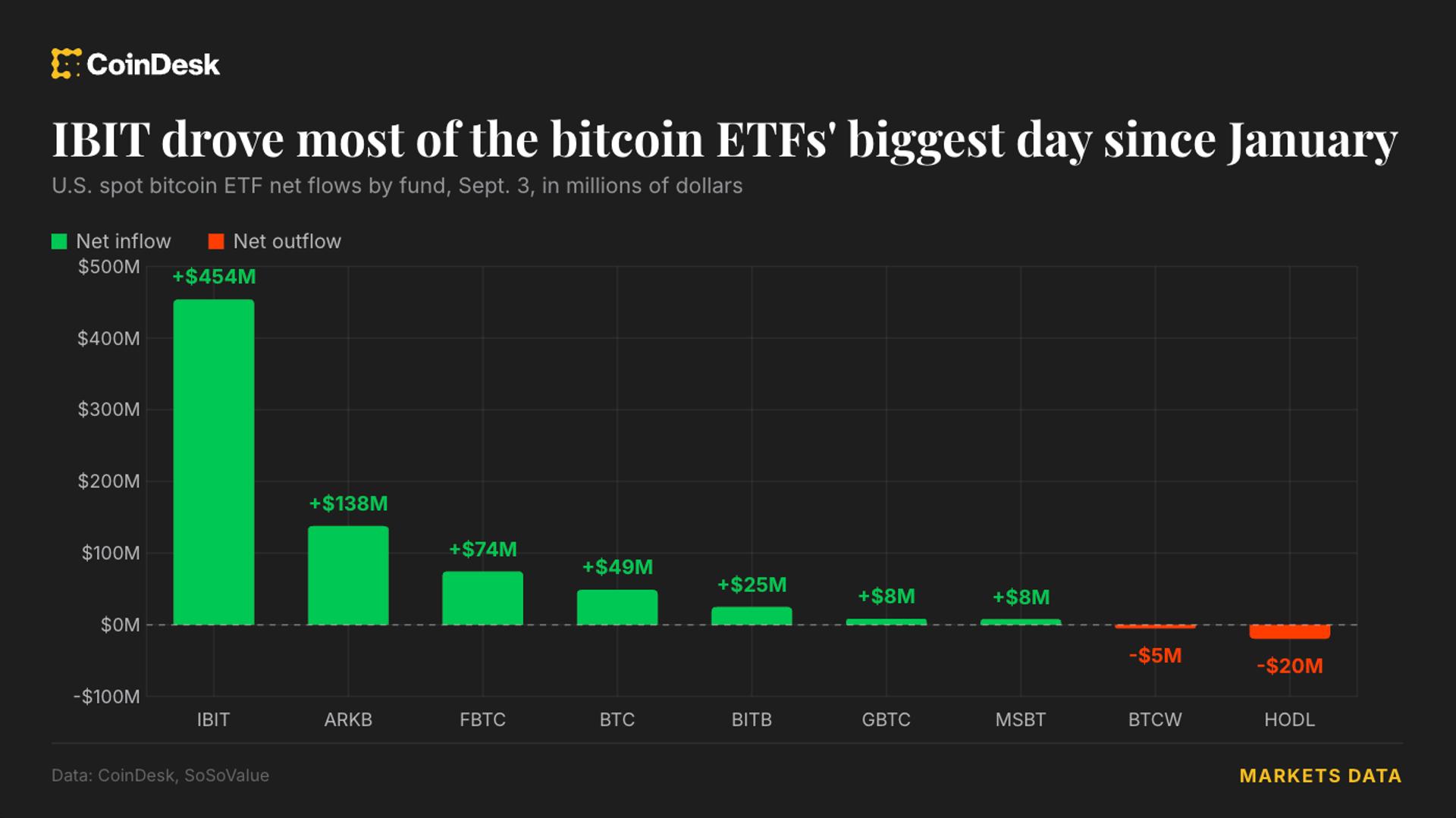
US bitcoin ETFs recorded $731 million in one day, their largest inflow since January. Analysts attributed the substantial movement of capital into bitcoin products to dovish remarks by Fed Governor Christopher Waller.

The average US diesel price has reached a record $5.85 per gallon for the first time, as the Iran war disrupts fuel flows.
More Gen Z people are losing faith in pensions and becoming convinced that they will never be able to stop working.
The Philippine peso fell to an all-time low of 62.71 to the US dollar on Friday, extending a decline of about 6 percent since the start of the year. Higher oil prices linked to the Iran war, a stronger dollar, rising US Treasury yields, fiscal and trade deficits, and elevated inflation are weighing on the currency. The government says the central bank may intervene, while remittances offer some support.

Sudden departures from several of India’s leading private banks in recent months have highlighted shortcomings in succession planning. Investors are questioning whether the lenders can remain committed to their long-term business strategies.
The EU says it wants to end its dependence on China for critical raw materials. Nora Kürzdörfer of the Munich Security Conference argues that the next Multiannual Financial Framework will test whether Brussels is serious about European sovereignty.
Russian Deputy Prime Minister Alexander Novak said Russia has become one of the top three LNG suppliers to China, with seaborne volumes rising more than 50-fold over the past decade. He said Chinese companies are involved in major Arctic projects in Russia and that the Northern Sea Route is important for opening an additional energy-shipping route to China.
Russia and China are developing a joint project to extract and liquefy gas in the Arctic, Deputy Prime Minister Alexander Novak said. He added that the two countries are also developing an ethane-containing gas processing facility on the Baltic Sea.
The Reserve Bank of India was seen selling dollars near the start of Friday’s session to cushion the rupee from pressure caused by rising oil prices, according to two traders.
A sharp global sell-off is sweeping through bond markets, sending ripples across consumers and investors. The report explains how changes in the bond market can affect people in Canada.
AMC shares rose 21% overnight after its CEO criticized Robinhood for offering what he called “outrageous” tokenized shares. OpenAI had previously made a similar complaint, saying it had not authorized the transfer of its shares.


AMC CEO Adam Aron said the company has no connection to Robinhood’s tokenized shares, reviving questions about how stocks are brought onto the blockchain.
Chinese banks have purchased U.S. Treasuries in recent months after raising rates on dollar deposits, according to people familiar with the matter. The moves could help temper gains in the yuan as U.S. yields surge.
Financial pressure on some of Indonesia’s largest state-owned construction companies, linked to former President Joko Widodo’s infrastructure drive, could force current leader Prabowo Subianto’s sovereign wealth fund Danantara to spend more restructuring them. That may leave less capacity for new investments.
Russia now directs 94% of its oil exports to friendly countries, Deputy Prime Minister Alexander Novak said. He said Middle Eastern supply disruptions amid worsening military and political tensions had highlighted Russian companies’ role as reliable providers, while exports to China rose 25% in the first seven months of the year.
Russian stocks opened higher on Friday, with the MOEX and RTS indices each gaining 1.69% to 2,252.1 and 816.53 points. Their gains later narrowed to 1.19%, while the yuan continued to weaken against the ruble.
Every fund in the Bitcoin ETF group gained nearly 6% on Thursday, pushing combined net assets above $103 billion for the first time. BlackRock’s IBIT represented well over half of the inflows.

Some Chinese rare earth suppliers are refusing to ship to the United States because they fear repercussions from Beijing, according to three sources. The situation highlights continued U.S. concerns over access to the materials weeks before President Xi Jinping is due to visit Washington.
Ukraine’s finance chief, Marchenko, told Euronews exclusively that the country is facing its most severe budget constraints since the full-scale war began in 2022. He also urged the revival of frozen Russian assets under a new custodianship plan.
Surging home prices are driving more young Japanese buyers toward ultra-long-term mortgages, raising questions about whether a 50-year loan can truly make homes affordable.
Citigroup is expected to receive regulatory approval for its wholly owned Chinese brokerage operation as early as this month, according to two people familiar with the matter. The bank plans to hire several dozen additional employees for the unit over the coming months.
Japan’s household spending declined for an eighth consecutive month in July. Government officials attributed the continued decrease in part to consumers maintaining thrifty habits.
In a wide-ranging interview, economist Mohamed El-Erian said the global bond sell-off was likely not over. He also argued that the U.S. Treasury had gone “a step too far” with its market intervention.

Igor Sechin, head of Russia’s leading oil producer Rosneft, said on Thursday that China—not OPEC—had stabilized global oil markets by cutting its crude imports by 5.5 million barrels per day this year.
China is expanding channels for outbound investment, with US$6.84 billion in new quotas approved for qualified domestic institutional investors and a higher overseas allocation by the national pension fund. Beyond the mainland, financial markets are facing volatility as US Treasury yields reach 20-month highs.

Volkswagen shares rose 7% in early Frankfurt trading after the supervisory board of Europe’s largest automaker reached a major turnaround agreement late Thursday.
Norway’s $2.3 trillion investment fund plans to reduce its U.S. Treasury holdings, saying it can diversify into new areas offering greater risk and returns.

The July increase in Germany’s industrial orders outpaced expectations, as sales of ships, railway rolling stock and aircraft drove the gain.
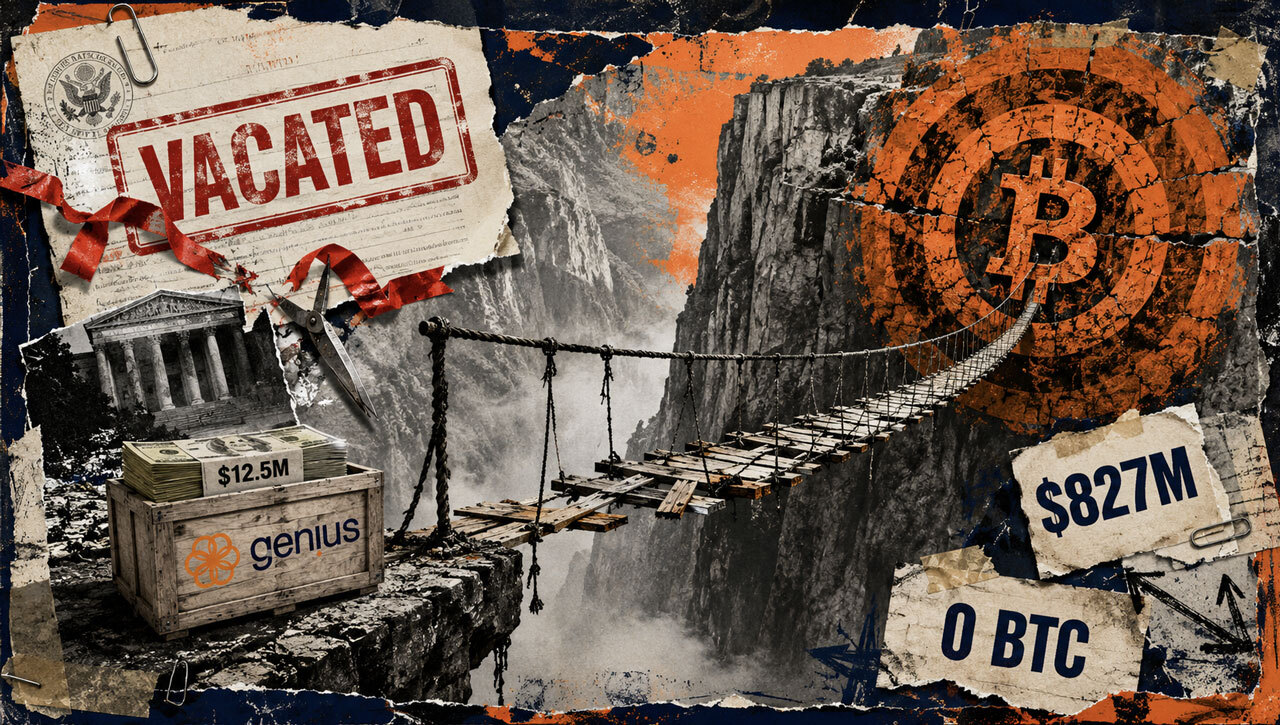
Singapore-based education company Genius Group said a US appeals court vacated an injunction that had limited its ability to issue shares, raise funds and buy Bitcoin. It plans to issue $1.2 billion in preferred securities, partly to rebuild an $827 million Bitcoin treasury, while final financing terms remain subject to market conditions and board approval.

South Korea and the United States are discussing semiconductor investments in the U.S. as part of broader bilateral talks, a Seoul official told reporters on Friday, amid concerns over tariffs.
Chinese companies are becoming more prominent in Egypt across smartphones, electric vehicles and household appliances. As China and Egypt mark 70 years of diplomatic ties, the report examines how Made-in-China products have become indispensable in Egyptian households.

Chinese brands are increasingly visible in Egypt, spanning smartphones, electric vehicles and home appliances. As China and Egypt mark 70 years of diplomatic ties, the report examines how Made-in-China products have become an indispensable part of everyday life for Egyptian households.

India’s stronger-than-forecast economic growth is facing scrutiny after a former government official claimed that the reported GDP figure was overstated.

Russia sold 114,300 new passenger cars in August, down 6.5% from a year earlier, according to Autostat. Lada, Haval, Tenet, Geely and Changan were the leading brands. Sales for the first eight months of 2026 reached 845,000, up 9.3% year on year.
A counterintuitive quirk links greater stock ownership with weaker monetary policy.
Stella Qiu looks ahead to the next day in European and global markets, suggesting that payrolls may not be the data markets are seeking.
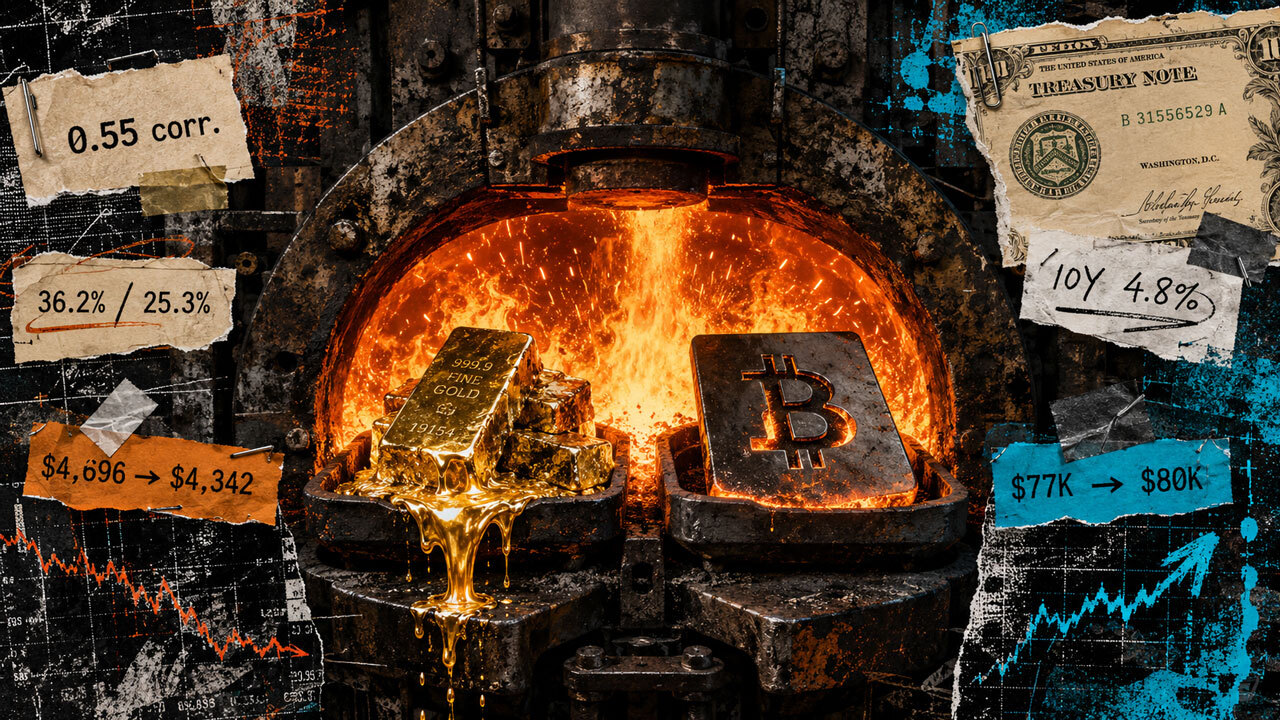
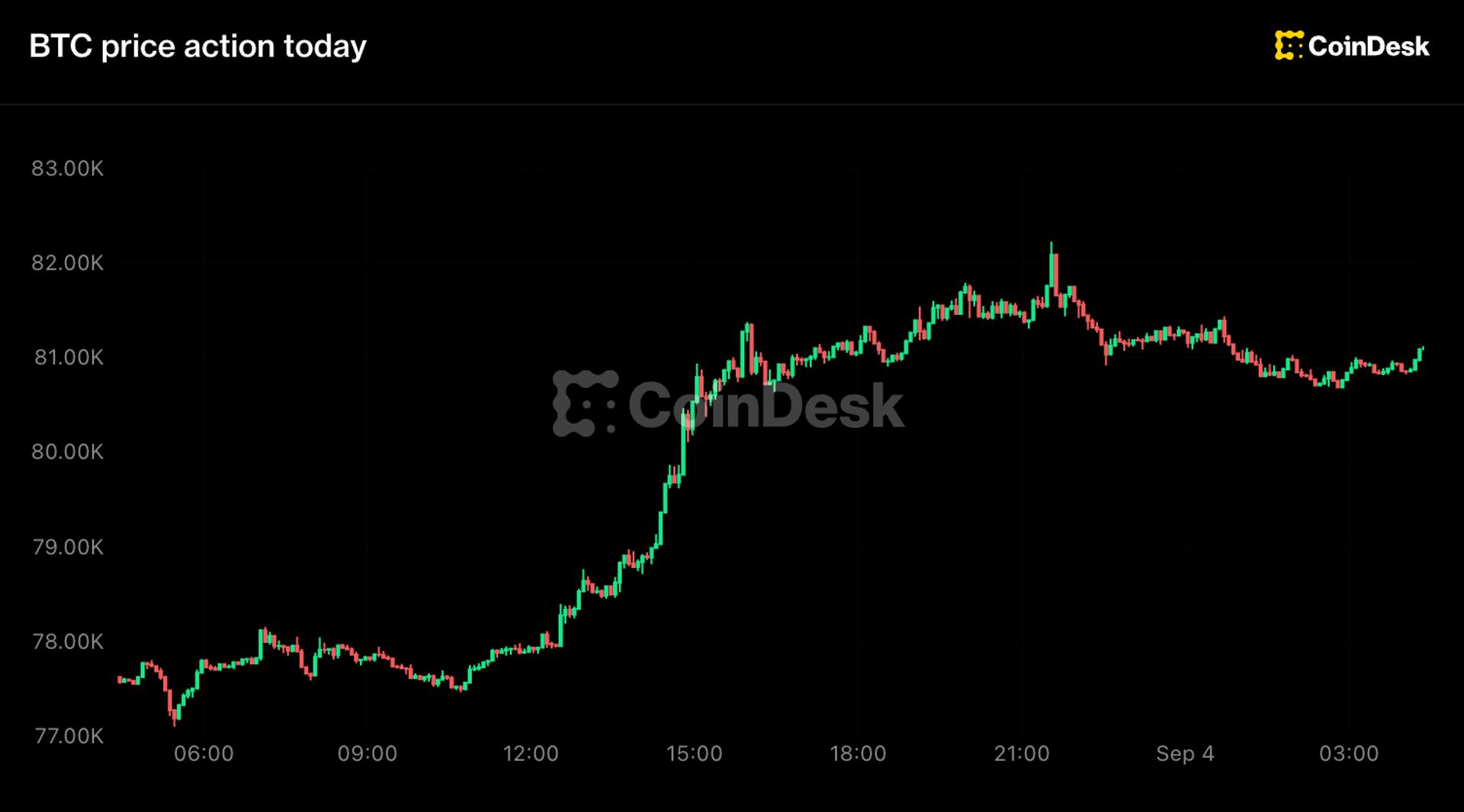
Bitcoin’s 90-day correlation with gold has risen to about 0.55, its highest in nearly six years. With Bitcoin volatility at 36.2% and gold at 25.3%, their volatility ratio has narrowed to 1.43 from 5.6 in 2021. Gold plunged amid rising Treasury yields and rate-hike expectations, while Bitcoin held near $77,000 before rebounding above $80,000.

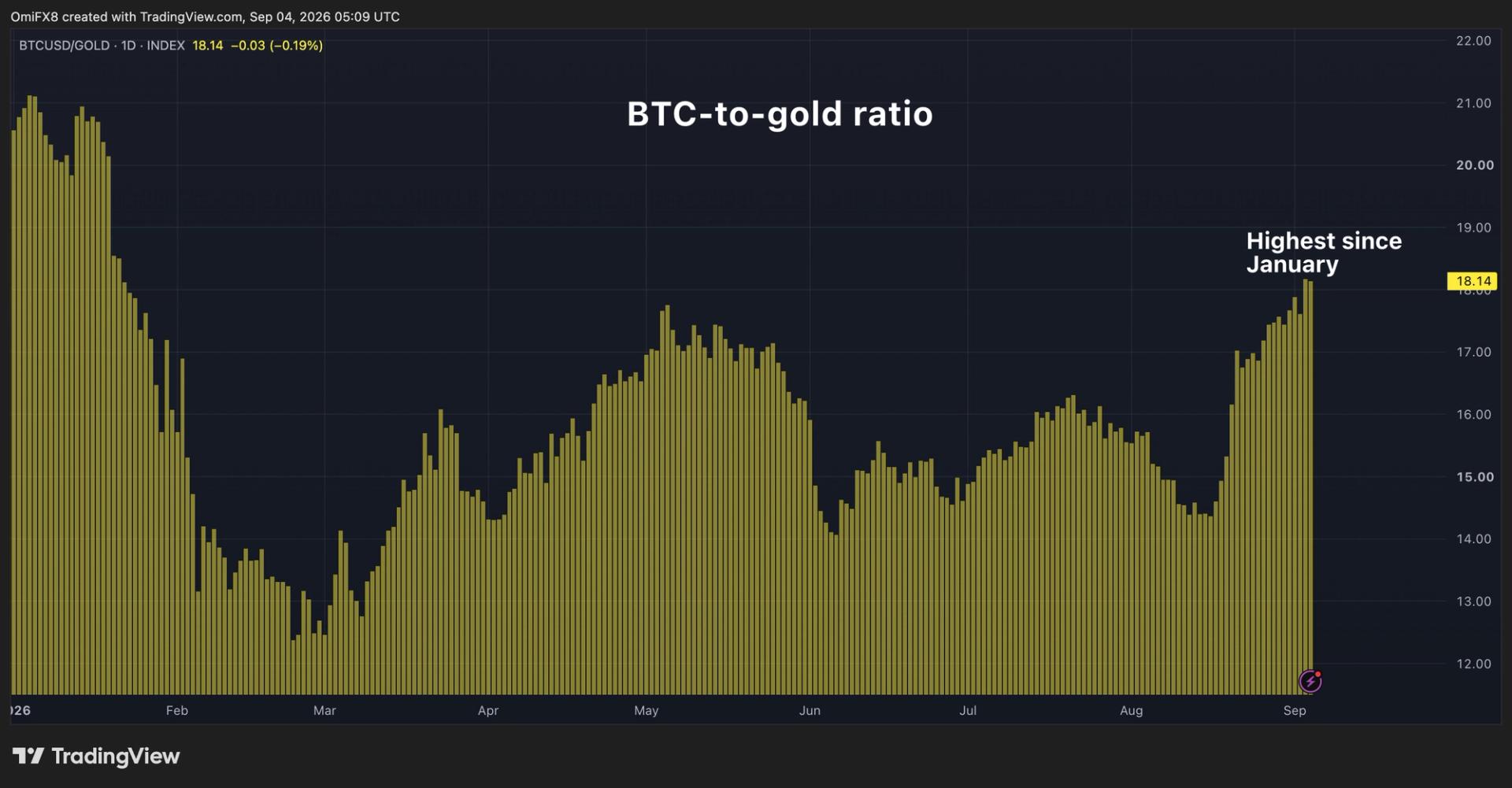
Bitcoin is outperforming gold even as both hard assets rally together. One bitcoin now buys slightly more than 18 ounces of gold, the highest level since January, driven by fears that governments will inflate away their debt rather than by bond yields.

Germany’s growing openness to a takeover of Commerzbank by UniCredit CEO Andrea Orcel, after years of efforts by Orcel, could encourage other European countries and banks to embrace further consolidation in the banking sector.
Russia and China have agreed to continue drafting a contract for Russian gas supplies to China through the Power of Baikal pipeline, Deputy Prime Minister Alexander Novak said. The move is intended to help companies from both countries reach concrete agreements faster, while the route and commercial terms remain under discussion.
Russia and China are discussing the Power of Baikal gas pipeline project to China, formerly known as Power of Siberia 2, Deputy Prime Minister Alexander Novak said. The two sides are also continuing talks on other promising gas supply routes and preparing to launch the Far Eastern route.
A solar bonds scheme could take on the financial burden of rooftop solar while allowing households to keep the savings on their energy bills.
Chinese leveraged traders are continuing to unwind stock bets, putting pressure on the artificial intelligence trade as rising global bond yields and a lingering oil shock fuel uncertainty. The balance of stocks purchased with borrowed money fell to 2.62 trillion yuan on Thursday, 13 per cent below the record 3.01 trillion yuan reached on June 25.

Global bond yields have surged as investors weigh whether rising debt, tariffs, defense spending and energy shocks could keep inflation elevated for longer.

Shein’s Hong Kong IPO has drawn attention to whether the fast-fashion retailer can accelerate growth again as new pressures weigh on its low-cost business model.

Presidential adviser and Eastern Economic Forum organizing committee executive secretary Anton Kobyakov said 318 agreements worth nearly 7 trillion rubles, or about $81 billion at current exchange rates, were signed during the forum. The total excludes agreements covered by commercial non-disclosure provisions.
Health and fitness ring maker Oura Inc. has filed for an initial public offering in the US, reporting sharply higher revenue alongside growing losses.
Oura, the company behind the Oura Ring smart wearable, filed paperwork on Thursday for an initial public offering in the United States.
Global cryptocurrency exchanges liquidated positions held by 99,000 traders worth $557.05 million over the past 24 hours, CoinGlass data showed. Bitcoin accounted for the largest share at $278.62 million. Short-position liquidations totaled about $469.46 million, while long positions accounted for $87.6 million. Bitcoin and Ethereum prices were rising.
All major tokens rose on Friday as traders reduced their bets on a September Federal Reserve rate increase to roughly even odds. Most major cryptocurrencies, however, have barely moved over the week.

U.S. payroll growth was likely to recover in August as the earlier drag from local-government education reversed. The rebound could be constrained, however, by job losses tied to the termination of Temporary Protected Status for Haitian immigrants.
Russian First Deputy Prime Minister Denis Manturov says domestic companies and equipment manufacturers are carrying out repairs at oil refineries affected by external impacts. He adds that the government is immediately notified whenever refinery processing equipment is shut down for such reasons.
U.S. Director of Federal Housing Bill Pulte said Thursday that he directed Fannie Mae and Freddie Mac, created by Congress to support the housing market, to approve VantageScore for use by all lenders.
Potential buyers beyond Red Wings and Yakutia Airlines are discussing purchases of Tu-214 aircraft, Deputy Industry and Trade Minister Gennady Abramenkov told TASS. The Russian twin-engine medium-range jet is designed for flights of up to 4,500 km.
The yen strengthened to around a one-month high against the dollar in Tokyo on Friday, supported by expectations that the Bank of Japan may raise interest rates. The currency briefly traded in the 155-yen range.
Japan’s average hourly minimum wage for fiscal 2026 has posted the second-largest increase on record, amid rising commodity prices. All 47 prefectures have raised their minimum wage levels.
KPMG warned Guggenheim, the asset manager, last year about weak controls within its business.
Spain is campaigning for the EU to impose a tax on oil and gas to help cover the costs of responding to climate change, as rising expenses from extreme weather build momentum ahead of a new resilience strategy.
The manager of Norway’s $2tn oil fund has proposed sharply reducing its holdings of US Treasuries. The bond-portfolio overhaul submitted to the Ministry of Finance is intended to increase returns.
A further windfall tax on UK banks would be a terrible idea, as it would hit one of the economy’s key engines of growth.
The Minutes Reader extension turns the original page into a focused reading view and translates articles and video subtitles on demand. It is in limited beta.