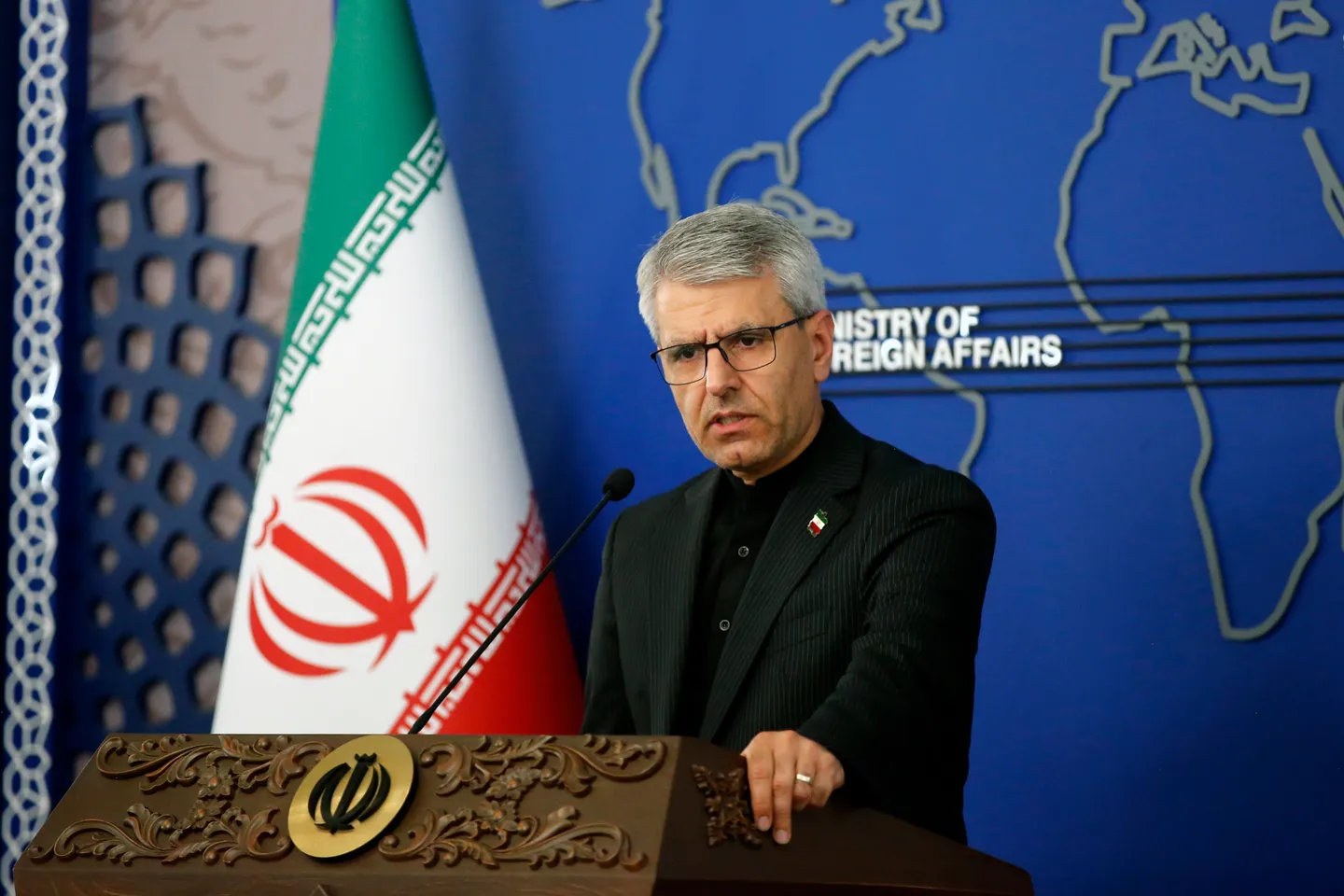
Oil prices climbed to a six-week high as tensions in the Middle East flared again. Brent crude futures rose $1.66, or 1.7%, to $97.29 a barrel, while West Texas Intermediate gained $2.03 to reach $93.04.
The largest delegations at this year’s Eastern Economic Forum came from China, Indonesia, Japan, Vietnam, South Korea, India and Myanmar, Russian Deputy Prime Minister and presidential envoy Yury Trutnev said. He added that more than 7,000 delegates from 78 countries had taken part, including representatives of 17 “unfriendly countries.”
Russian President Vladimir Putin said at the Eastern Economic Forum that Russia and Ukraine still have a chance to reach a peace deal, with contacts continuing mainly through security services. He confirmed that businesses are obliged by decree to protect facilities from Ukrainian attacks, said Russia is not planning mobilization, and described retaliatory strikes as a deterrent.
Vladimir PutinUkraine peaceenterprise protectionEastern Economic Forum
Russian President Vladimir Putin said new power-generation facilities, including small nuclear plants, will be built in the Arctic. Russia also plans data-processing centers in the Arctic and the Far East, with those plans already being implemented.
Russian President Vladimir Putin said at the Eastern Economic Forum that foreign investment would flow into Russia if the country ensured stable economic conditions. He noted that investment sources could vary widely and said Russia’s Far East had substantial potential for long-term cooperation.
Russiaforeign investmenteconomic policyEastern Economic Forum
Speaking at the Eastern Economic Forum, Russian President Vladimir Putin said he wants to “pass the ball to the new convocation of the State Duma” and expects deputies to help improve the business climate. He also announced a new decade-long development strategy for the Far East. The region attracted about 25 trillion rubles in investment over 11 years, while its gross regional product more than tripled and unemployment fell to 2.2%.
RussiaVladimir PutinFar East developmentEastern Economic Forum
Chinese Vice Premier Ding Xuexiang said cooperation with Russia on the joint development of the Northern Sea Route is rapidly expanding and helping improve the well-being of people in both countries. He also said construction of the eastern-route gas pipeline is progressing.
ChinaRussiaNorthern Sea RouteEastern Economic Forum
Chinese Vice Premier Ding Xuexiang stressed the need to maintain stable energy supplies between China and Russia’s Far East. Speaking at the Eastern Economic Forum plenary session, he called for using the region’s geographic and resource advantages, advancing key projects and keeping energy links operating steadily to strengthen the economic foundation and improve people’s well-being.
ChinaRussian Far Eastenergy suppliesEastern Economic Forum
Myanmar Vice President Nyo Saw said the Eastern Economic Forum in Russia’s Far East has become an important platform for economic cooperation in the Asia-Pacific region. He said the forum is helping strengthen partnerships and find new ways to secure sustainable development amid global changes.
Eastern Economic ForumMyanmarregional cooperationsustainable development
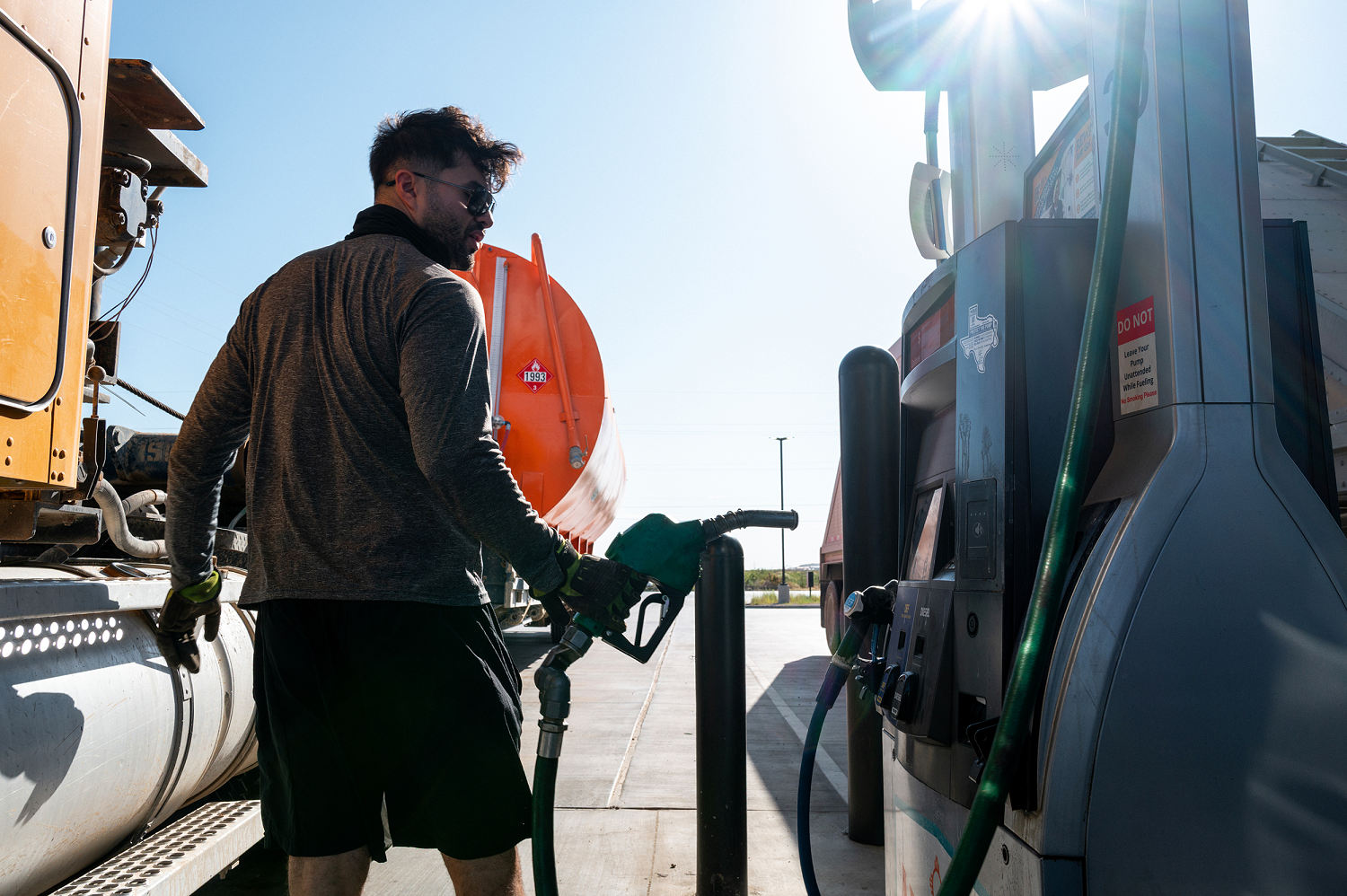
Russia’s domestic market is fully supplied with diesel and jet fuel, while a small shortage of motor gasoline remains, Deputy Prime Minister Alexander Novak said. He said conditions improved this week after several plants resumed operations and the government took steps to balance the market.
Russian Deputy Prime Minister Alexander Novak said the country’s fuel supply situation improved this week after several refineries provided additional volumes to the domestic market. Authorities will continue balancing supply and demand through higher refinery output and additional gasoline imports.
Germany’s Ifo institute now expects stronger growth in Europe’s largest economy. It attributes the improved outlook to larger fiscal outlays, healthier industrial orders and export demand, which it says are countering the burden of higher energy prices.
Sterling edged higher on Thursday after reaching a three-week low the day before. The pound drew support from a sharp yen rally that weakened the U.S. dollar, along with calmer oil prices.
Gazprom shares rose more than 2% on the Moscow Exchange after Deputy Prime Minister Alexander Novak said Russia and China would discuss the Power of Siberia 2 gas route and commercial terms at an intergovernmental commission meeting on Friday. The shares reached 89.9 rubles, up 2.24%.
Russian Deputy Prime Minister Alexander Novak says Russia expects to deliver about 50 billion cubic meters of natural gas to China this year through Power of Siberia 1, with another 10 billion cubic meters supplied via Kazakhstan. Russia also provides China with liquefied natural gas.
Russian Deputy Prime Minister Alexander Novak said the route and commercial terms for the Power of Siberia 2 gas pipeline will be discussed at Friday’s meeting of the Russia-China intergovernmental commission on trade and economic relations. The planned pipeline would run through Mongolia and could carry up to 50 billion cubic meters of gas annually.
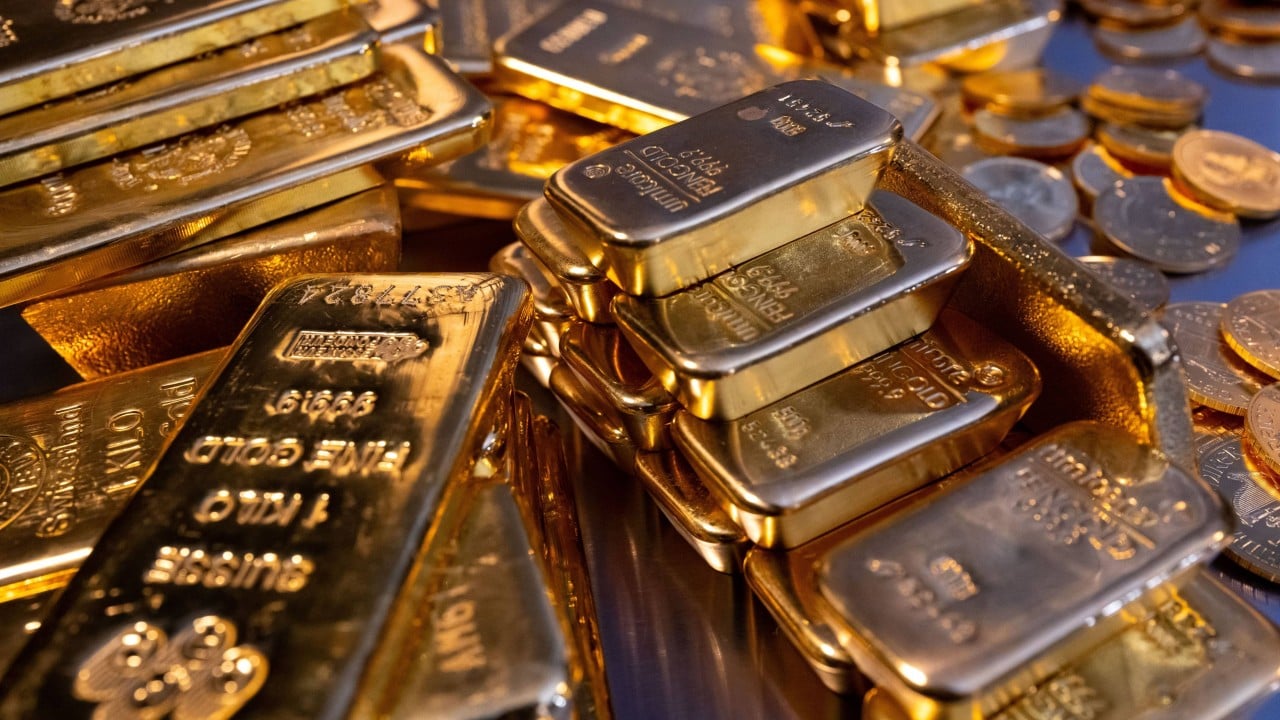
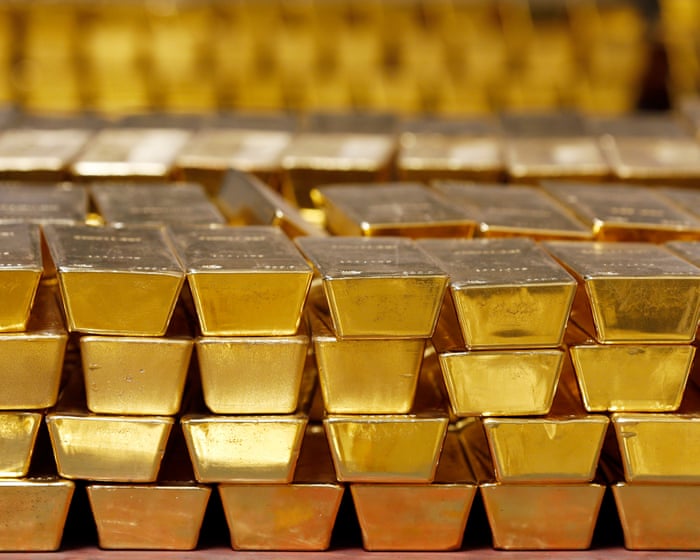
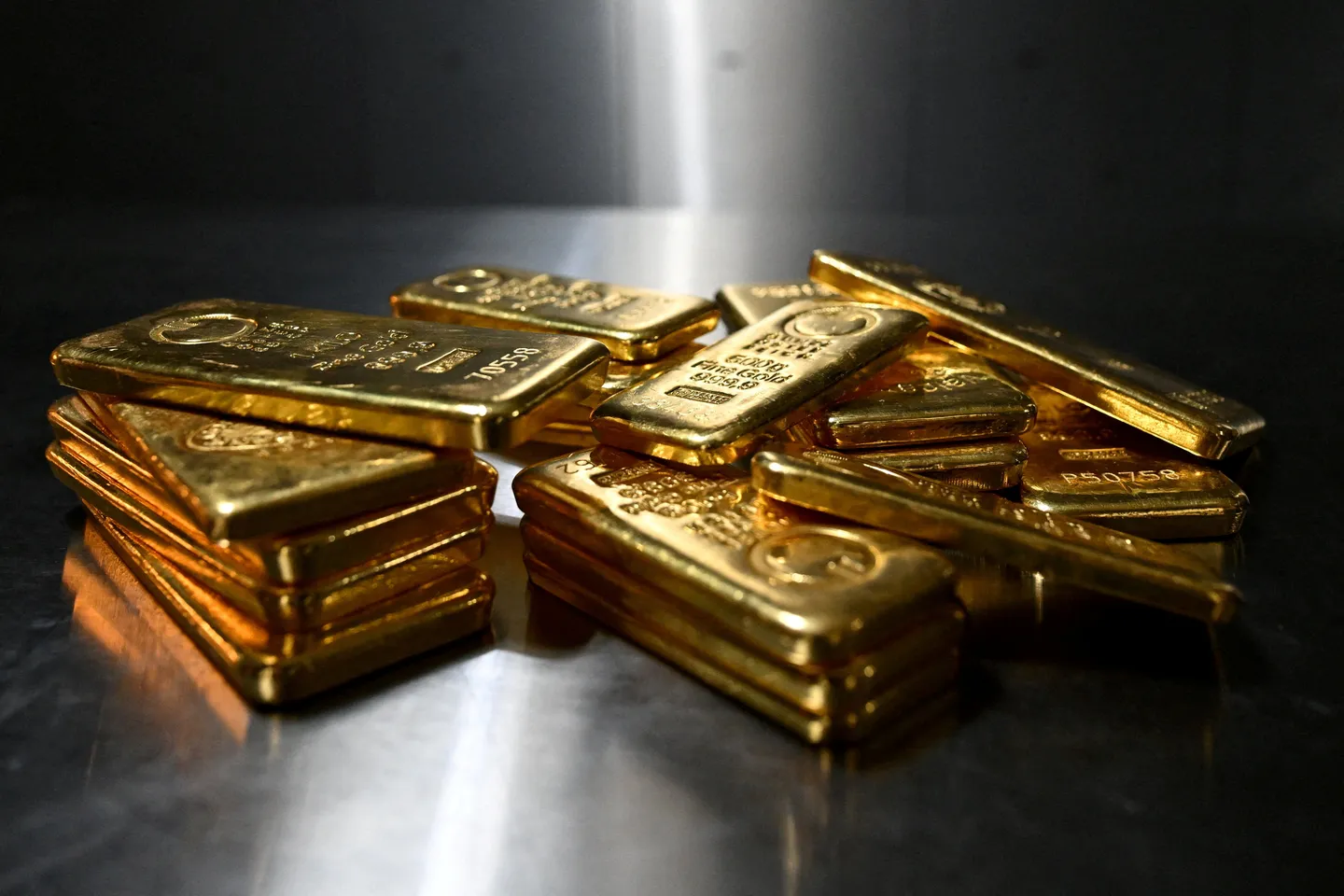
The Dutch central bank says it relocated part of the Netherlands’ gold reserves from the United States and Canada to the United Kingdom to improve preparedness for severe crises. The country holds 612.4 tonnes of gold worth about $83.7bn; after the move, London holds 32.1%, while the US and Canada each hold 18.5%.
The Dutch central bank said it is moving gold bars out of the U.S. and Canada. Gold held at the Bank of England is more readily tradable, allowing it to be deployed faster in a severe crisis.
Dutch central bankgold reservescrisis preparedness
Germany’s gas storage industry association INES has proposed scrapping certain charges and providing subsidised government loans so storage facilities can reach adequate filling levels this winter despite unfavourable market conditions.
US President Donald Trump posted an infographic on Truth Social claiming oil flows through the Strait of Hormuz had recovered to 18 million barrels per day, versus 20 million before the conflict. Energy Secretary Chris Wright earlier said 17 million barrels crossed by ship on September 1.
Deputy Prime Minister Alexander Novak said Russia’s oil production is expected to decline modestly by the end of 2026 while exports remain stable. The government plans to balance domestic fuel supply and demand by raising refinery output and importing additional gasoline. Diesel and jet-fuel supplies are stable, though minor gasoline shortages persist in some regions.
Russian Deputy Prime Minister Alexander Novak said the country’s oil refineries have both active and passive defense systems. The Energy Ministry has issued recommendations that companies are implementing, and Novak said the measures are already improving the effectiveness of protective structures.
Russian President Vladimir Putin said about 10% of repair work remains at oil refineries damaged by Ukrainian attacks. He said Energy Minister Sergey Tsivilev had reported rapid progress and expressed confidence that the remaining work would be completed soon.
Bitcoin’s correlation with gold has climbed to its highest level in six years. Glassnode is skeptical that bitcoin’s recent divergence from U.S. equities will persist, noting that similar moves in the past have tended to be short-lived.
Washington is using its power as American oil companies seize the opportunity to diversify their production while Donald Trump reshapes the global energy landscape.
Europe’s so-called diesel crack spread has exceeded $100 a barrel for the first time, pushing diesel prices to more than twice the cost of the underlying crude.
BP and the United Steelworkers have reached an impasse in contract talks after the British oil major broke with the industry’s national bargaining pattern. BP sought concessions on pay, staffing, strike rights and automation, signaling a shift in corporate labor battles.
Russian Deputy Prime Minister Alexander Novak said oil production will decline modestly by the end of 2026 because some refineries are underutilized during unscheduled maintenance. He described the trend as temporary, with output expected to rise when refineries resume operations, while exports remain stable.
A 1950 US State Department memo described oil as the enduring link between Washington and Caracas. The article traces their relationship from cooperation to hostility, noting Donald Trump’s announcement that the US would take majority control of about a fifth of Venezuela’s oil reserves. The White House says the deal secures US energy dominance for the next century.
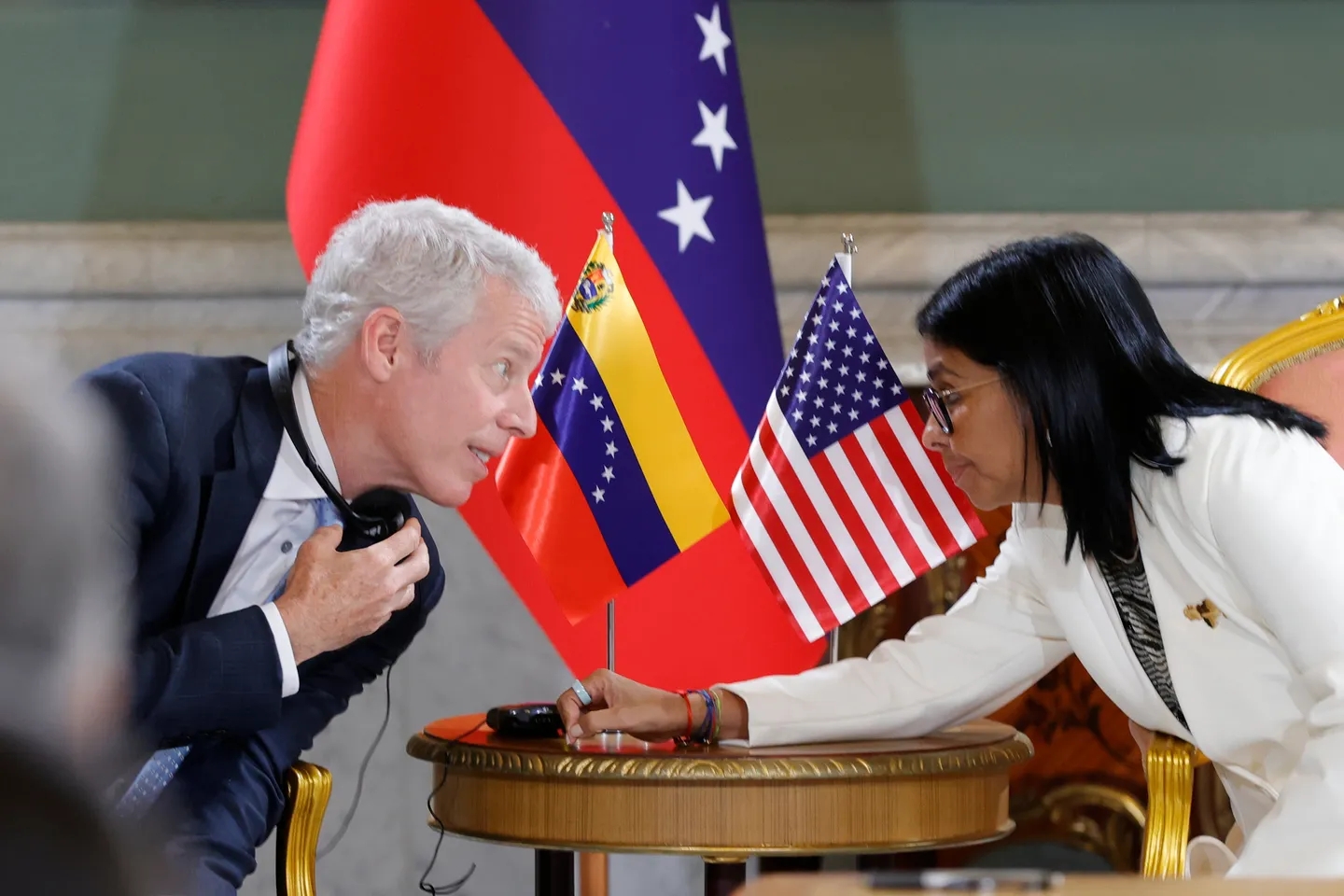
Chevron, Eni and other energy companies signed multibillion-dollar agreements in Caracas to expand Venezuela’s oil output. The ceremony was overseen by interim President Delcy Rodriguez and US Energy Secretary Chris Wright, days after a separate Caracas-Washington deal gave the US access to 17 oil fields representing about a fifth of Venezuela’s reserves.
US energy companies are significantly expanding their operations in Venezuela following Washington’s oil deal with Caracas. US officials denied claims that the agreement was holding Venezuela for ransom, saying it benefits all sides while developing an unused underground asset.
Indonesia’s plan to influence global prices for its abundant natural resources through a new commodities exchange will struggle against established bourses. Making participation mandatory could also cause the initiative to backfire.
U.S. President Donald Trump said oil from a recent deal with Venezuela would replenish the Strategic Petroleum Reserve and that the process would begin soon. Energy Secretary Chris Wright, visiting Venezuela on Wednesday, suggested the swap may be more complicated than Trump indicated.
A new analysis found that China’s carbon emissions are falling for the first time as the country adapts to using less fuel since the Iran war. Researchers said a structural shift toward electrification and cleaner transport is creating conditions for a sustained decline.
Millions of Chinese drivers have shifted from gas pumps to charging stations as the Iran War pushed up fuel prices, helping alter the country’s climate trajectory and keep emissions in check.
Copper could rise to a record early next year as US tariff concerns distort the market, while mine supply challenges and resilient global demand provide additional support, ANZ Group Holdings Ltd. said.
Mongolian Prime Minister Nyam-Osoryn Uchral said a project to supply Russian gas to China through Mongolia creates new strategic opportunities for cooperation among the three countries. Russia and China have signed a legally binding memorandum on the Power of Siberia 2 and Soyuz Vostok pipelines, whose capacity could reach 50 billion cubic meters annually.
European natural gas prices paused their rally after US President Donald Trump appeared to rule out prolonged military action in the Middle East, raising hopes that talks could resume on restoring energy flows from the region.
Industry sources cited by Kommersant estimate that Russian oil companies failed to fulfill about 60% of gasoline supply contracts on the St. Petersburg exchange from May through September. Around 20% collapsed entirely and 39% remain incomplete. Lukoil and Rosneft represented most of the outstanding contracts. A source blamed Ukrainian drone strikes on refineries and said companies prioritized defense and industrial customers over gas stations.
Jebel Ali, the Middle East’s largest shipping hub, is facing its most serious strain in decades amid the blockade of the Strait of Hormuz, the Financial Times reported. In the conflict’s early weeks, average daily vessel traffic fell from 135 to 17 in the week ending August 28, a drop of more than 90%. The port and free-trade zone generate over a fifth of Dubai’s GDP. The UAE is seeking alternatives, but experts doubt new Fujairah terminals can replicate Jebel Ali’s wider business and transport network.
Base metals advanced after President Donald Trump said a new wave of US attacks on Iran would probably be short-lived. The comment eased worries about further regional escalation that had weighed on prices on Wednesday.
Mongolia is feeling the impact of fuel shortages in Russia, its long-term trading partner and dominant supplier of gasoline and diesel, a Mongolian official told Reuters.
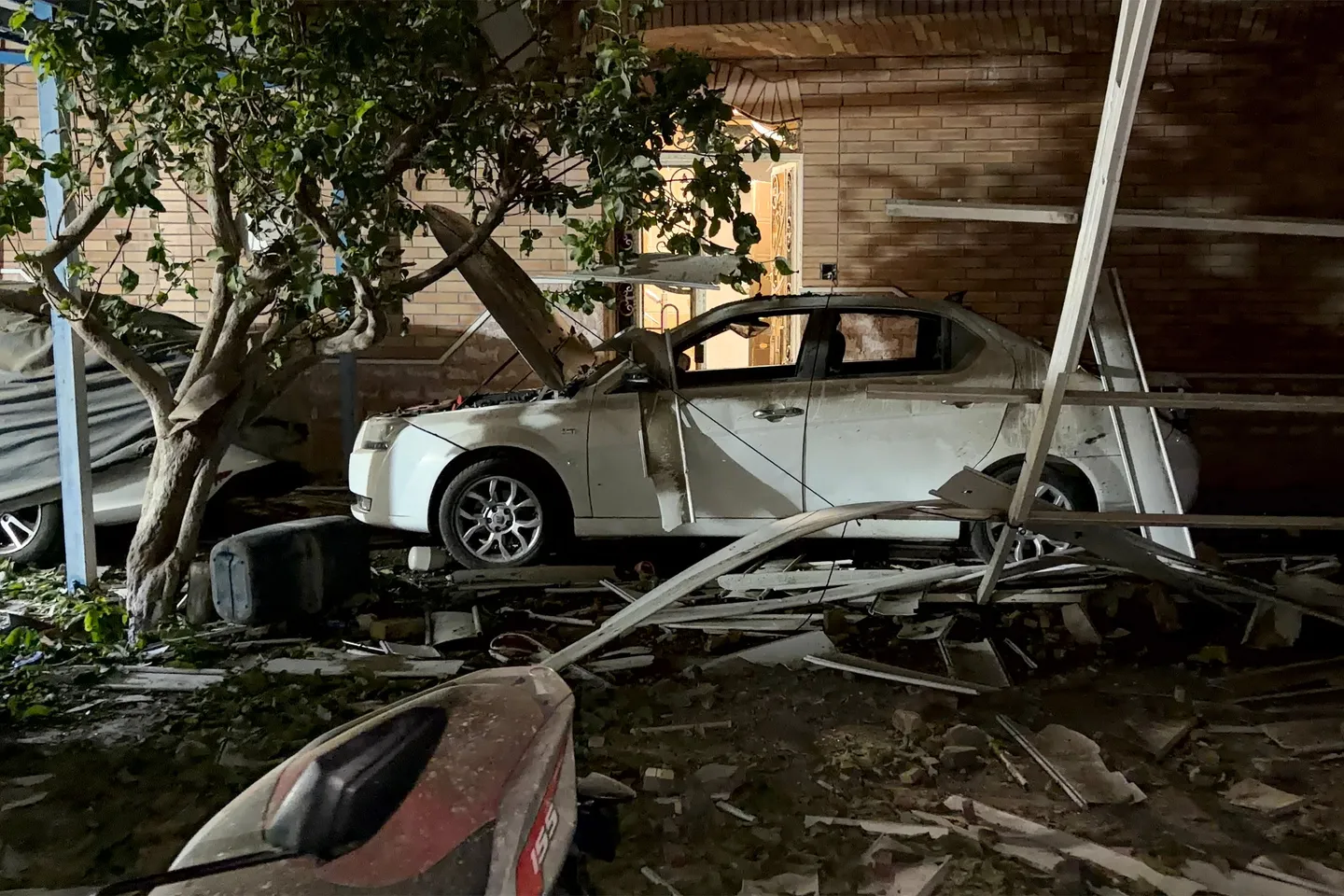
A health official says US air strikes in Iran killed 18 people and injured 142. A vehicle was destroyed at an overnight strike site in Kuhestak, Sirik County.
Only six commodity vessels transited the Strait of Hormuz on Wednesday, down from 11 the previous day, Reuters reported citing Kpler data. They comprised two very large gas carriers, two long-range tankers, one Supramax tanker and one Panamax tanker. The count may change because some ships typically switch off transponders during voyages.
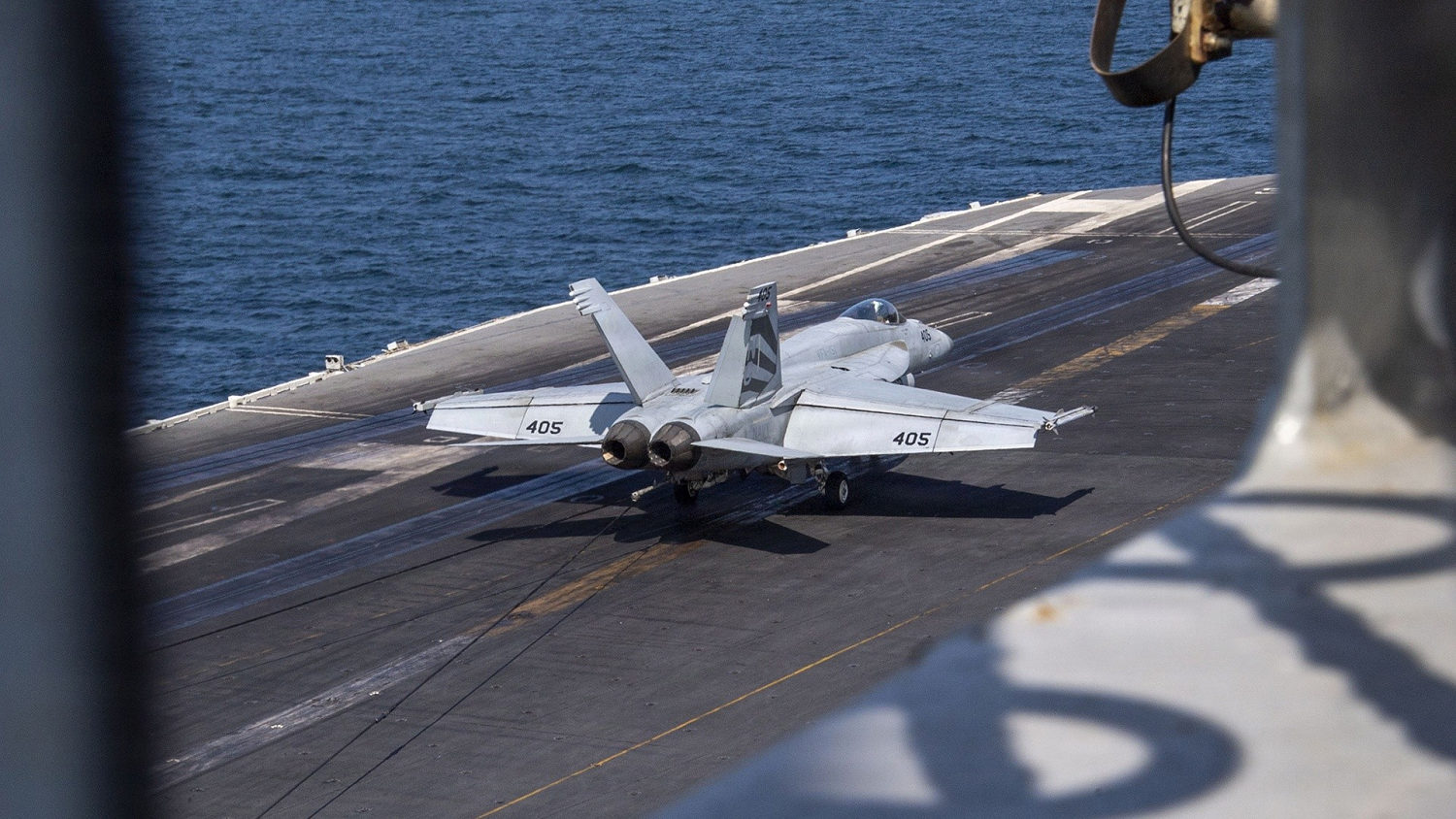
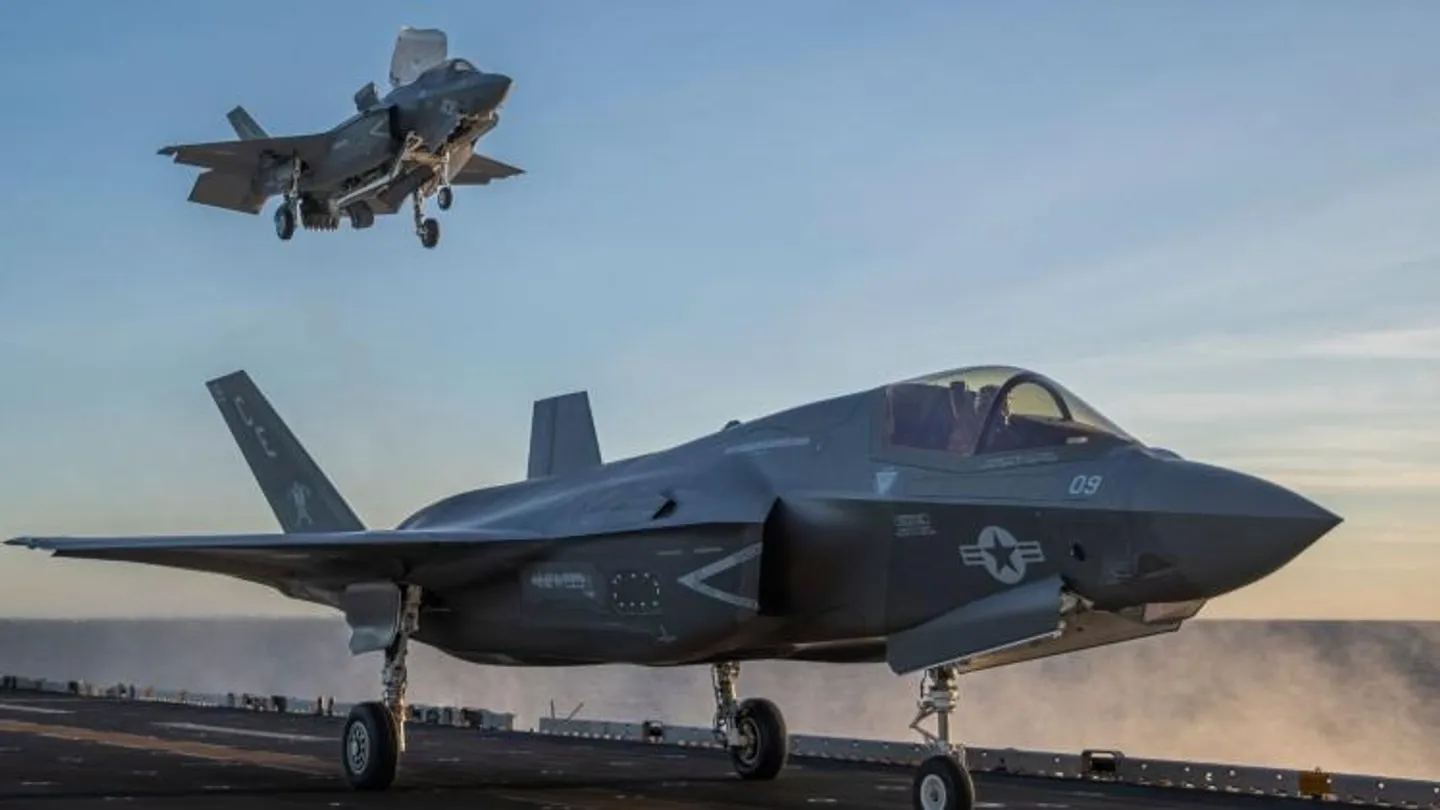
The Pentagon is quietly extending the US troop deployment in the Middle East, acknowledging that the operation against Iran may not end this year, The Wall Street Journal reported, citing sources. About 50,000 US troops remain in the region, including 19 Navy ships, fighter squadrons, air-defense units and paratroopers. Combat deployments have also been lengthened.
Oil prices edged lower on Thursday as investors assessed uncertainty surrounding renewed U.S.-Iran military strikes that could disrupt supplies from the Middle East.
A months-long crisis in the Strait of Hormuz has transformed a previously overlooked part of the market into one of 2026’s hottest trades, leaving shipping stocks at a crossroads after their strongest rally in decades.
According to two US officials familiar with the operation, 40 commercial vessels carrying 18 million barrels of oil passed through the Strait of Hormuz under American military escort. The wartime record came as Iran and the United States exchanged another round of strikes on Tuesday.
President Donald Trump said the US military could launch further strikes against Iran whenever it chooses. Tehran condemned attacks on ports, communications facilities and other civilian infrastructure, alleging that a strike on a wedding killed at least four people and injured dozens; US Central Command said it was investigating. UN Secretary-General Antonio Guterres urged both sides to halt military action and return to diplomacy as tensions around the Strait of Hormuz remained high.
Sussi Ye, a 32-year-old Hangzhou resident, began buying gold bars in small batches at the start of the year and has built a hoard worth about 200,000 yuan (US$29,700). Despite price swings, she has sold none, saying she prefers tangible physical gold to gold-linked financial products because it provides a sense of security.
Russia has 75 oil and gas fields on its continental shelf, with production already operating at 20 of them, Deputy Natural Resources Minister Dmitry Tetenkin said at the Eastern Economic Forum. He added that offshore exploration and production are proceeding alongside onshore operations.
Industry and Trade Minister Anton Alikhanov said at the Eastern Economic Forum that Russia’s Far East plans to build mining and processing plants for tungsten and gold. He also cited an implemented copper project and plans for another copper deposit and a tin smelter.
Russia has added 162 mineral deposits to its state reserves since the beginning of 2026, Deputy Natural Resources Minister Dmitry Tetenkin said at the Eastern Economic Forum. He highlighted the Televeyem gold deposit in Chukotka and the Grigoryev gas condensate field in the Yamalo-Nenets Autonomous Region. Final results are due at year-end.
Asian economies are expanding storage capacity after conflict involving Iran and the United States and Israel sharply reduced shipping through the Strait of Hormuz and drove up energy prices. Japan has proposed the $10bn POWERR Asia initiative, while India, the Philippines and Thailand pursue larger strategic reserves and related infrastructure.
Gold miner Polyus plans to invest about 200 billion rubles ($2.29 billion) in its enterprises and projects in Russia’s Far East over the next five years, through 2030, CEO Alexey Vostokov said.
Rosselkhozbank CEO Boris Listov says the unfulfilled grain deal terms, together with the situation around the Strait of Hormuz affecting fertilizer supplies, are putting pressure on global food markets. Higher logistics and payment costs will raise prices for Russian exports to 160 countries and have lasting consequences for the global food system.
A global bond sell-off is being driven by heavy government debt issuance, an oil-price shock that has revived inflation fears and expectations that interest rates will remain higher. The shift toward a higher-rate era will impose costs on some economic participants.
Gazprom says preparations for Russian gas deliveries to China via the Far Eastern route are proceeding as scheduled. The project is moving to commissioning work, with supplies planned to begin in January 2027, marking a major step in Russian-Chinese gas cooperation.
Gazprom CEO Alexey Miller said, with a subtle smile, that “winter will come to Europe” when asked whether the region had enough fuel for the coming winter. TASS calculations based on Gas Infrastructure Europe data show European underground gas storage at its lowest level since records began in 2011, putting regional supplies at risk.
Coinbase co-founder Fred Ehrsam’s separate investment firm, Primavera, is reportedly seeking control of at least three Venezuelan oil assets in the Orinoco Belt. Talks reportedly involve the Boca, Guico and Guara blocks, but no agreement or final terms have been established.
Oil prices steadied after a three-day rally as President Donald Trump said renewed attacks on Iran would be short-lived. US officials meanwhile indicated that energy flows through the Strait of Hormuz remained robust.
Donald Trump said the United States is fighting Iran to protect its allies in the Middle East and the West. He also said the US is “doing really well with Iran.”
Venezuelan oil businessman Alejandro Betancourt López leads Barbados-registered North American Blue Energy Partners, which will oversee production and sales from 17 strategic oil fields containing about 65bn barrels. He prospered through government contracts during the Hugo Chávez era, but has also faced investigations in five countries. He denies wrongdoing and has never been convicted.
U.S. Energy Secretary Chris Wright said on Wednesday that Washington would impose very strict controls on funds generated by an oil deal with North American Blue Energy Partners, announced earlier this week with Venezuela.
US Energy Secretary Chris Wright said Chevron, Italy’s ENI and GE Vernova signed deals worth “tens of billions of dollars” with Venezuela during his Wednesday visit to Caracas. Wright and Interim President Delcy Rodriguez finalised the agreements.
Chevron, Italy’s Eni and other foreign energy producers committed on Wednesday to major project expansions aimed at increasing oil output in Venezuela. The agreements were signed in Caracas at a ceremony overseen by interim President Delcy Rodriguez and US Energy Secretary Chris Wright.
Senior US official Chris Wright oversaw Chevron, ENI and a GE offshoot signing Venezuela deals worth “tens of billions” while meeting acting President Delcy Rodriguez in Caracas on September 2, 2026.
US Energy Secretary Chris Wright is in Venezuela for the signing of a major oil agreement that would give the United States control of about a fifth of the country’s vast oil reserves. President Donald Trump has called it the “biggest oil deal in world history.”
US Energy Secretary Chris Wright has arrived in La Guaira to sign an agreement that would give the United States effective control of a large share of Venezuela’s oil reserves. Wright praised the deal, while critics compared it with arrangements imposed by colonial powers.
The Dutch central bank says it transferred 86 tonnes of gold reserves from the US and Canada to London, citing increasing geopolitical unrest. It said London’s deeper, more liquid market would make the reserves easier to trade and deploy quickly in a crisis.
Shell Offshore, a subsidiary of oil major Shell, said Wednesday it will acquire a 30% interest in the Conifer exploration prospect in the Gulf of Mexico, which is operated by BP.
Uganda named its blended crude oil grade Pearl Sweet on Wednesday, marking a key step before the East African country plans to begin commercial oil production by the end of this year.
Three people familiar with the matter told Reuters that OPEC+ is likely to leave its October oil output policy unchanged at Sunday’s meeting. After completing the unwinding of one layer of production cuts this month, the group is expected to focus on negotiating quotas for 2027.
Russian President Vladimir Putin took part in ceremonies launching several industrial facilities during the Eastern Economic Forum. They include Russia’s first full-cycle copper mining and processing plant at the Udokan deposit, a large methanol facility, port and power infrastructure, a pharmaceutical plant and new science and technology facilities in the Far East.
U.S. crude oil inventories dropped sharply last week as robust refining demand and increased exports drew down stockpiles, the Energy Information Administration said Wednesday.
LAM Trade Finance Group II, in which U.S. bank Jefferies holds a minority stake, is set to bring legal action against iron ore trader Radiant World in London, according to court records.
The average diesel price has reached its highest level since the Iran war began, as a global supply bottleneck tightens and seasonal demand is expected to increase.
Russian Deputy Prime Minister Alexander Novak said the domestic fuel market was more stable this week as refineries supplied additional volumes and some plants resumed operations. Russia is still importing gasoline, diesel and jet fuel to partly meet domestic demand. Novak said global oil demand is recovering and OPEC+ is not currently considering new voluntary cuts because the market faces a supply deficit.
The oil deal is presented as the clearest example yet of Donald Trump’s new state capitalism, while the commentary questions whether this is the right way to revive Venezuela’s economy.
The Dutch central bank says it moved 86 tonnes of gold from the US and Canada to the Bank of England because of “increasing geopolitical unrest”. More than 27 tonnes was physically transported to the UK, while the rest was sold in New York and repurchased in London to improve access during a crisis.
The Netherlands transferred 86 tonnes of gold from the United States and Canada to the United Kingdom, citing geopolitical unrest. The Dutch national bank said the move involved both buying and selling gold and physically transporting it.
The Netherlands transferred 86 tonnes of gold from the United States and Canada to the United Kingdom, according to the Dutch central bank. The move was completed partly through buying and selling and partly through the physical transfer of gold.
Chevron says it will invest more than US$7 billion through its Venezuelan joint ventures over the next five years, aiming to double the country’s oil output to about 600,000 barrels per day.
Chevron says it has received additional acreage in Venezuela’s Orinoco Belt and will invest more than $7bn through joint ventures to double production to about 600,000 barrels per day within five years. The expansion includes two adjacent areas in the Carabobo region.
US energy major Chevron has pledged $7bn to expand its joint ventures in Venezuela and double production, as the White House presses for a substantial increase in the country’s output.
Chevron says it will expand its operations in Venezuela, days after President Donald Trump announced an ambitious agreement to develop the country’s oil reserves and give the Pentagon a share of the profits.
U.S. President Donald Trump is pressing ahead with efforts to tap Venezuela's oil wealth, announcing a new deal intended to raise production there. He is also presenting a possible U.S. controlling stake in part of Venezuela's reserves as a warning to Canada, while experts say Western Canada's oil industry has little reason for concern.
Chevron is expected to announce an expansion of its Venezuelan operations on Wednesday. The move follows parliament’s approval of Washington taking control of a fifth of the country’s oil reserves, while US Energy Secretary Chris Wright arrives in Caracas to sign the agreement.
The Netherlands has moved billions of dollars’ worth of gold from the United States and Canada to London, citing “geopolitical unrest”. The New York Fed still holds large amounts for countries including Germany and Italy.
Global bond yields have risen sharply in recent weeks while US oil prices reach $90 a barrel, leaving investors alert to possible pressure on the stock market.
Russian Deputy Prime Minister Alexander Novak said security at the country’s oil refineries had been strengthened in recent months amid more frequent attacks. Oil companies are funding protection and coordinating with the Defense Ministry and Rosgvardiya, while some summer maintenance was postponed to maximize fuel production and supplies. Repairs are being expedited.
Russian Deputy Prime Minister Alexander Novak said spending heavily to protect oil refineries from drone strikes is worthwhile because halted plants would cause companies even greater losses. Owners coordinate passive protection with the Defense Ministry and National Guard. Russia has delayed routine refinery maintenance to maximize fuel output after Ukrainian drone attacks on its largest facilities contributed to gasoline shortages nationwide.
U.S. Treasury Secretary Scott Bessent said Ukrainian attacks on Russian energy facilities and refined-product assets have contributed to a worldwide surge in energy prices. He said the strikes, together with disruptions from the U.S.-Iran war, are driving a global “energy shock.”
Ukraine’s General Staff said Ukrainian forces struck ammunition and logistics depots in occupied parts of Donetsk Oblast and a weapons concentration in Russia’s Bryansk Oblast. It also confirmed that a Ka-27 helicopter was destroyed near Yeysk airfield on Aug. 30 and a MiG-29 fighter at Millerovo air base on Aug. 27.
OPEC+ is not currently planning to consider new voluntary oil production cuts because the global market is already experiencing a supply deficit, Russian Deputy Prime Minister Alexander Novak said. Seven OPEC+ countries will review market conditions and implementation of the agreement on September 6.
Energy Secretary Chris Wright told CNBC that more than 17 million barrels of oil transited the Strait of Hormuz on Monday. He spoke with CNBC’s Brian Sullivan in Venezuela on Wednesday, after President Donald Trump announced a massive oil deal with Caracas.
Russian Deputy Prime Minister Alexander Novak said assessments by the OPEC Secretariat and industry experts show that global oil demand is recovering. OPEC’s August report projects demand will increase by 0.6 million barrels per day in 2026, reaching 105.74 million barrels per day.
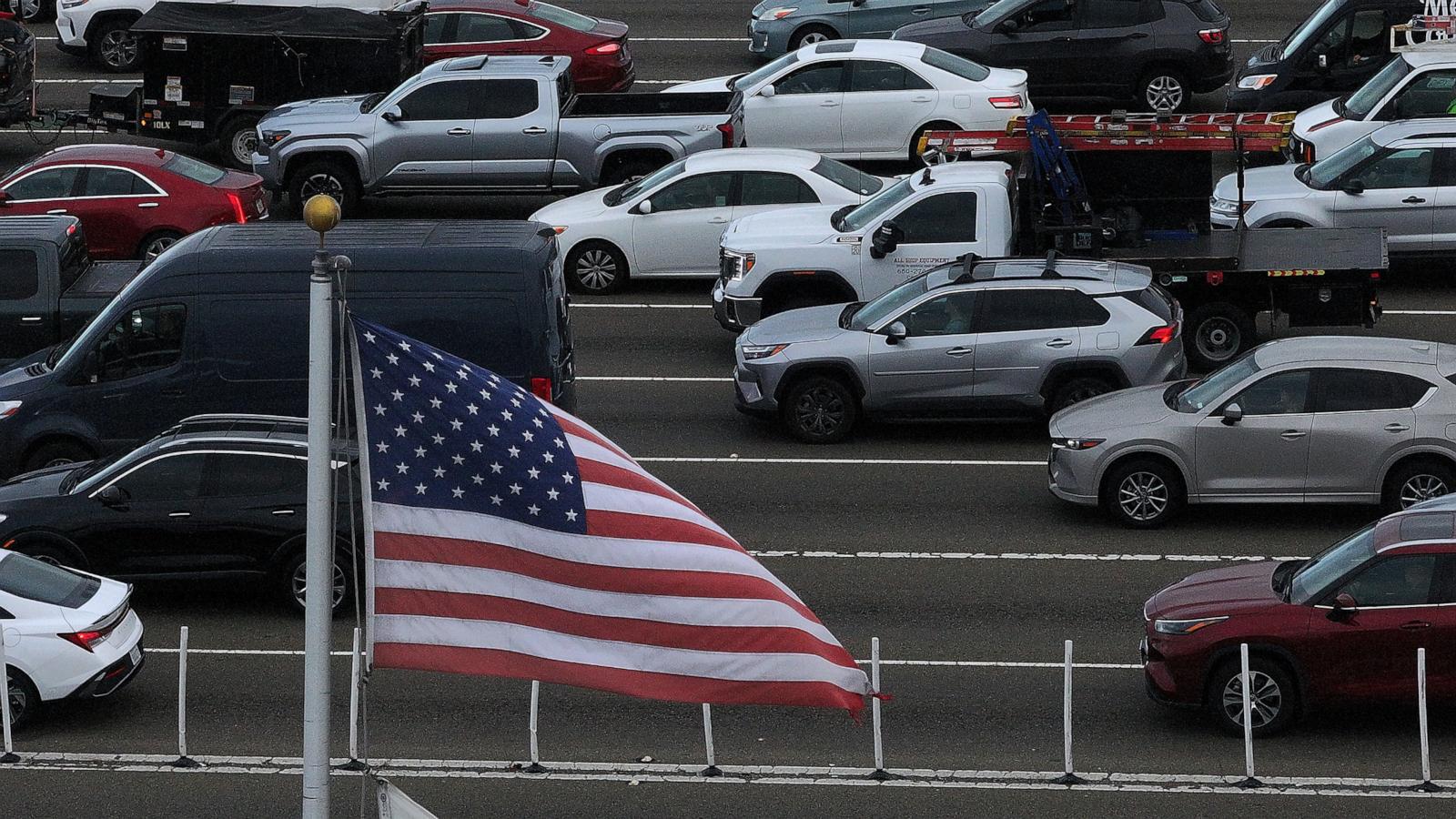
With Labor Day weekend approaching, travelers across the country are preparing to fly or take to the highways for summer’s final getaway. Gas prices may reach a record high.
Qatar, Egypt and Jordan have condemned Iranian attacks on Arab neighbours as Iran expands missile strikes on US military facilities across the Middle East following US strikes.
US Energy Secretary Chris Wright said more than 17 million barrels of oil crossed the Strait of Hormuz on Monday, the highest level since the war with Iran began in late February. Including pipeline shipments from Saudi Arabia and the UAE that bypass the strait, regional oil exports exceeded pre-war levels.
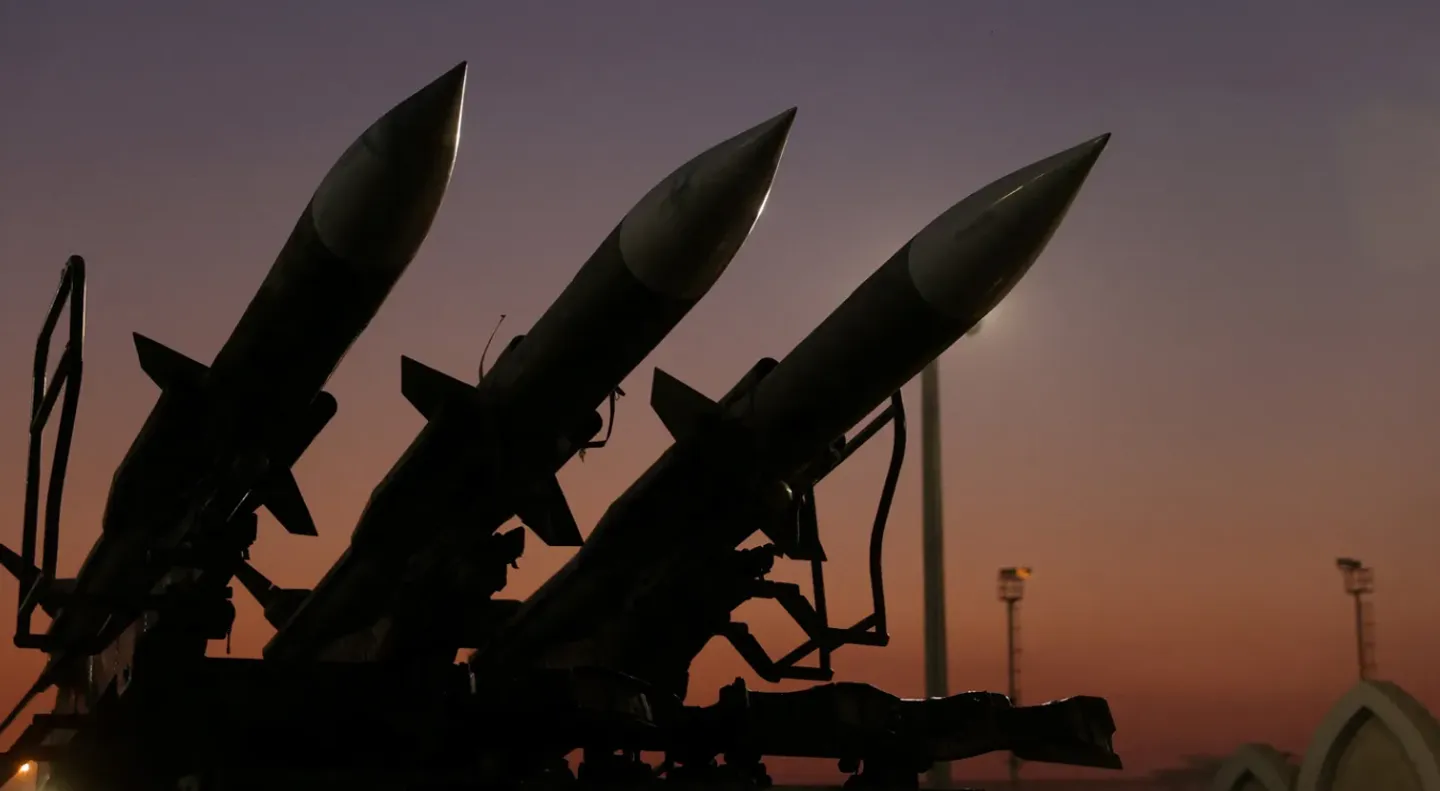
Iran’s Kheibar Shekan, or “Castle Breaker”, is a medium-range ballistic missile developed by the Islamic Revolutionary Guard Corps. With a range of about 1,450km and solid-fuel propulsion, it can be launched within minutes. Iran says it has used the missile against US military targets in Jordan and the UAE as fighting with the US and Israel escalated this week.
Israeli government sources reportedly believe Washington is unlikely to resume large-scale military operations against Iran before the US midterm congressional elections on November 3. Israel says the United States is currently focused entirely on restoring navigation through the Strait of Hormuz and may rely on pressure and economic sanctions instead.
The United States and Iran have exchanged fresh attacks across the Middle East after days of renewed threats. CENTCOM says U.S. forces hit Iranian air-defense sites, radar systems and other military targets in response to Iran’s recent attacks on commercial shipping in the Strait of Hormuz.
Israel’s military plans to attack Iranian nuclear facilities if Tehran strikes Israel first, Al-Monitor reported, citing sources in Israel’s leadership. Israel is seeking to avoid direct confrontation while remaining ready to escalate. Its air force is on high alert, as US and Iranian forces exchange strikes across the region.
Iran attacked US interests across the Middle East on Wednesday and promised “severe” consequences for renewed American strikes on the Islamic republic. Tehran said one US attack hit a wedding, killing five people and wounding dozens of civilians.
Iran says the United States bombed a wedding near the Strait of Hormuz, killing at least five people and wounding more than 68. Tehran then launched missiles towards Jordan, Bahrain, Kuwait and Iraq. The US Central Command said it struck dozens of military targets along Iran’s southern coast, as the latest escalation raised fears of a wider regional war.
The US-Iran conflict has sharply intensified, with American forces launching a fresh wave of strikes and Iran saying it retaliated. Trump played down his desire for a deal.
The resumption of US-Iran hostilities has raised fears that the conflict could return to full-scale war, sending European gas prices to their highest level this year while oil also gains.
Iran’s army said dozens of drones struck radar systems and US troop deployment sites at the Al Dhafra and Al Minhad bases in the UAE, as well as radar facilities and a US military assembly point at Bahrain’s Shaikh Isa base. The IRGC also reported strikes on Kuwait’s Ali Al Salem Air Base.
Oil prices climbed in early Wednesday trading, extending the previous session’s sharp rise. Supply disruption fears intensified after the United States and Iran exchanged strikes overnight, reducing hopes that tensions in the Middle East would ease quickly.
Khadijeh Bandari, a fisherwoman from Iran’s Hengam Island, describes how US-Israeli bombing disrupted her family’s fishing, guesthouse and restaurant businesses. Internet shutdowns, closed piers and fears of attacks have driven residents away, while she and her family try to protect her three-year-old son from the continuing bombings.
A renewed flare-up in attacks between the U.S. and Iran pushes global equities lower, sends oil sharply higher and drives bond yields back to their pre-intervention highs.
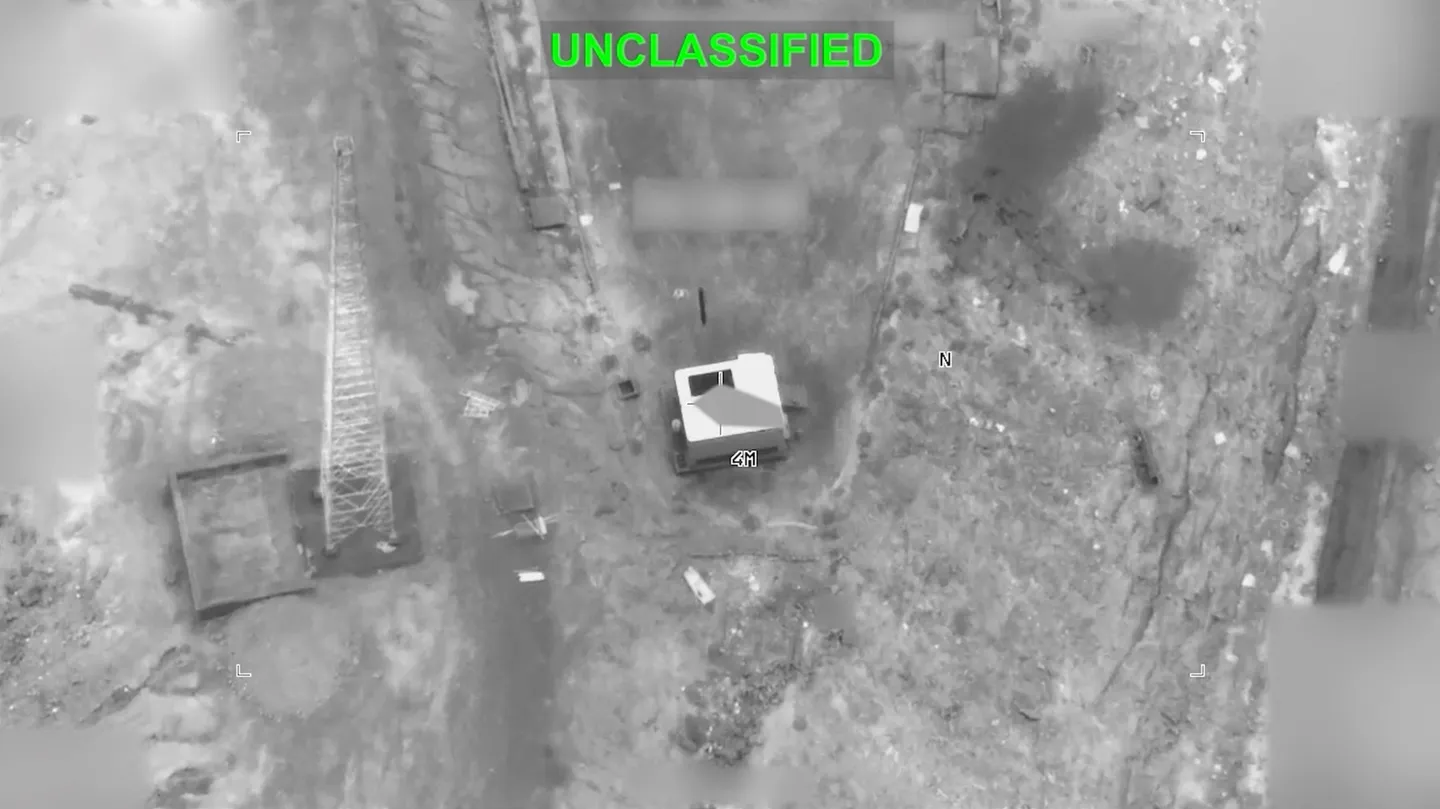
US missile strikes on Iran’s Khuzestan province killed seven people. A video screengrab shows what US Central Command described as a strike on an Iranian military target.
The United States and Iran returned to a wartime footing after their most significant exchange in weeks. Washington threatened even more devastating strikes, while Iran protested an attack it said killed five people and wounded dozens of civilians at a wedding.
The U.S. military said Tuesday night that it had completed its latest strikes on Iran, targeting Islamic Revolutionary Guard Corps positions. The action followed a weekend exchange of fire as the war with Iran escalated.
United StatesIranmilitary strikesIslamic Revolutionary Guard Corps
The latest U.S.-Iran strikes sent oil prices and bond yields sharply higher, shifted expectations toward a Federal Reserve rate hike rather than a cut, and prompted Vladimir Putin to publicly back Tehran.
Oil prices rose Wednesday as tensions in the Middle East continued to escalate after the U.S. attacked Iran and Tehran reportedly struck back at U.S. allies. Brent crude gained more than 2%.

Iranian state media says US strikes in two separate incidents killed 11 people, including four at a wedding in southern Iran. The attacks followed US strikes on what Washington described as Iranian military targets and Iranian missile and drone fire at sites across the Middle East, ending a month-long lull and escalating hostilities.
Asian stocks fell sharply at the start of Wednesday trading as panic sparked by the bond market spread into the region. Renewed U.S. attacks on Iran also drove oil prices higher.
Asian marketsUS-Iran conflictoil pricesbond yields
Iran says a series of US strikes near the southern port city of Sirik killed at least four people, including a child at a wedding party. Iran’s health ministry says 50 others were injured in the attacks.
U.S. forces completed another wave of strikes inside Iran on Tuesday, hitting multiple sites linked to the Islamic Revolutionary Guard Corps as tensions in the Middle East flared again.
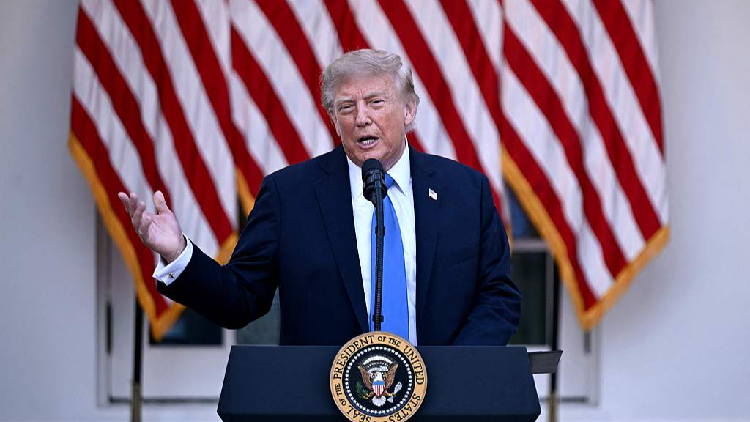
Tehran has promised “severe punishment” and retaliation against Washington after a new wave of US attacks, while striking back at Gulf neighbours and Jordan.
An agreement has been signed to build a gold extraction plant at the Delankir deposit in Yakutia with annual processing capacity of 600,000 tons of ore. The project entails 24.3 billion rubles ($280 million) in investment and is expected to create 500 jobs, along with a mine, roads, power lines and supporting facilities.
Bitcoin fell below $77,000 as softer US labor data failed to overturn expectations of another Federal Reserve rate increase. With oil near $90, Treasury yields rising and September hike odds reaching 66%, the cryptocurrency faces mounting macro pressure. US spot Bitcoin ETFs also saw $236.46 million in net outflows on Sept. 1.
The Minutes Reader extension turns the original page into a focused reading view and translates articles and video subtitles on demand. It is in limited beta.