Uber cuts 10% of global workforce in biggest layoffs since pandemic

Uber is eliminating 3,300 jobs worldwide by removing management layers and combining teams. The company says the savings will support growth in areas including robotaxis.
EV maker Polestar lowered its full-year delivery forecast on Thursday after Washington’s crackdown on Chinese-linked vehicles forced it out of the United States. Its shares fell 5.7% in premarket trading.
Russian Deputy Prime Minister Alexander Novak said the route and commercial terms for the Power of Siberia 2 gas pipeline will be discussed at Friday’s meeting of the Russia-China intergovernmental commission on trade and economic relations. The planned pipeline would run through Mongolia and could carry up to 50 billion cubic meters of gas annually.
Germany’s gas storage industry association INES has proposed scrapping certain charges and providing subsidised government loans so storage facilities can reach adequate filling levels this winter despite unfavourable market conditions.
Toronto home sales declined for the first time in six months as Canada’s ongoing trade war with the US unsettles the outlook for the country’s housing market.
Kraken will join SoFi’s settlement network and list SoFiUSD, linking traditional banking with crypto markets as the two companies expand into each other’s businesses.

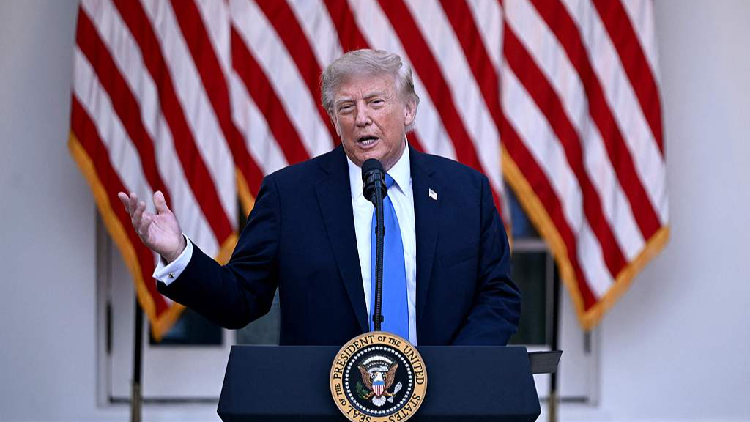
US President Donald Trump posted an infographic on Truth Social claiming oil flows through the Strait of Hormuz had recovered to 18 million barrels per day, versus 20 million before the conflict. Energy Secretary Chris Wright earlier said 17 million barrels crossed by ship on September 1.
Russian President Vladimir Putin said new power-generation facilities, including small nuclear plants, will be built in the Arctic. Russia also plans data-processing centers in the Arctic and the Far East, with those plans already being implemented.
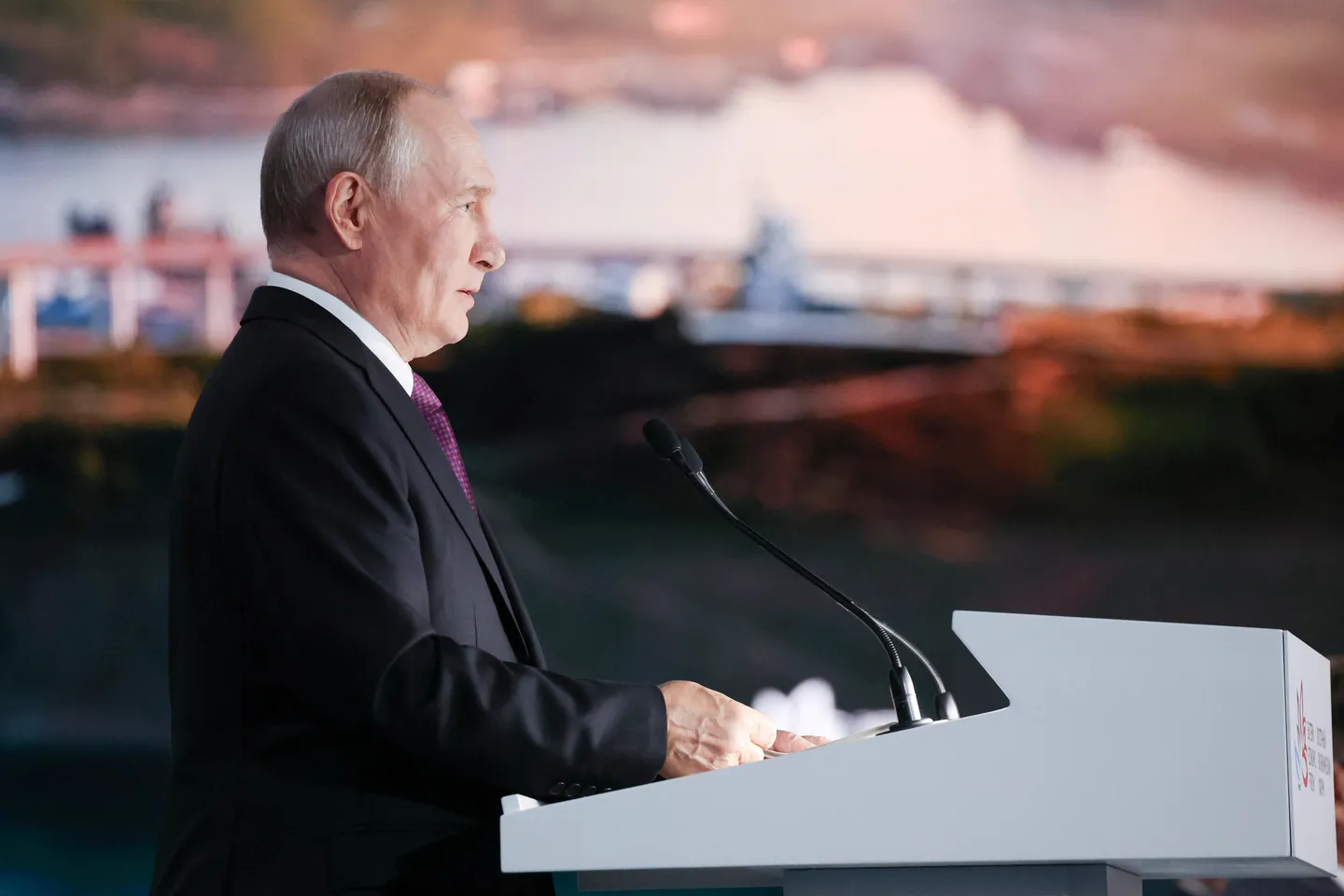
Russian President Vladimir Putin said at the Eastern Economic Forum that foreign investment would flow into Russia if the country ensured stable economic conditions. He noted that investment sources could vary widely and said Russia’s Far East had substantial potential for long-term cooperation.
Speaking at the Eastern Economic Forum, Russian President Vladimir Putin said he wants to “pass the ball to the new convocation of the State Duma” and expects deputies to help improve the business climate. He also announced a new decade-long development strategy for the Far East. The region attracted about 25 trillion rubles in investment over 11 years, while its gross regional product more than tripled and unemployment fell to 2.2%.
Chinese Vice Premier Ding Xuexiang said cooperation with Russia on the joint development of the Northern Sea Route is rapidly expanding and helping improve the well-being of people in both countries. He also said construction of the eastern-route gas pipeline is progressing.
Chinese Vice Premier Ding Xuexiang stressed the need to maintain stable energy supplies between China and Russia’s Far East. Speaking at the Eastern Economic Forum plenary session, he called for using the region’s geographic and resource advantages, advancing key projects and keeping energy links operating steadily to strengthen the economic foundation and improve people’s well-being.
Myanmar Vice President Nyo Saw said the Eastern Economic Forum in Russia’s Far East has become an important platform for economic cooperation in the Asia-Pacific region. He said the forum is helping strengthen partnerships and find new ways to secure sustainable development amid global changes.
Deputy Prime Minister Alexander Novak said Russia’s oil production is expected to decline modestly by the end of 2026 while exports remain stable. The government plans to balance domestic fuel supply and demand by raising refinery output and importing additional gasoline. Diesel and jet-fuel supplies are stable, though minor gasoline shortages persist in some regions.
Gulf stock markets rose in early Thursday trading, led by Dubai. Strong economic data from the United Arab Emirates and Saudi Arabia outweighed investor concerns about renewed clashes between the United States and Iran.
Russian Industry and Trade Minister Anton Alikhanov said the value of goods brought in through the parallel import mechanism could total about $20.5 billion in 2026. The figure was approximately $12.2 billion in the first seven months and may reach $13.8 billion for January-August. He called the decline in volumes a natural trend as domestic production expands and alternatives from friendly countries replace goods from unfriendly ones.
The yen has gained more than 1.7% against the dollar, reaching 155.85, its strongest level in a month, as markets speculate that the Bank of Japan may raise interest rates. Comments from policymaker Hajime Takata increased expectations of an earlier hike, while investors remain uneasy after a global bond sell-off.

Entain leaves the FTSE 100 after expanding in some areas. The gambling group could create value by slimming down elsewhere, the piece argues.
A Sept. 3 market preview argues that foreign exchange markets have stopped interpreting bond yields in the traditional way, and that bitcoin should follow suit.

Indonesian President Prabowo Subianto said at the plenary session of the Eastern Economic Forum that Indonesia wants its free trade agreement with the Eurasian Economic Union to enter into force and be used as soon as possible. He said Indonesia had completed parliamentary approval and signed a ratification regulation in July, while urging EAEU members to finish their internal procedures.
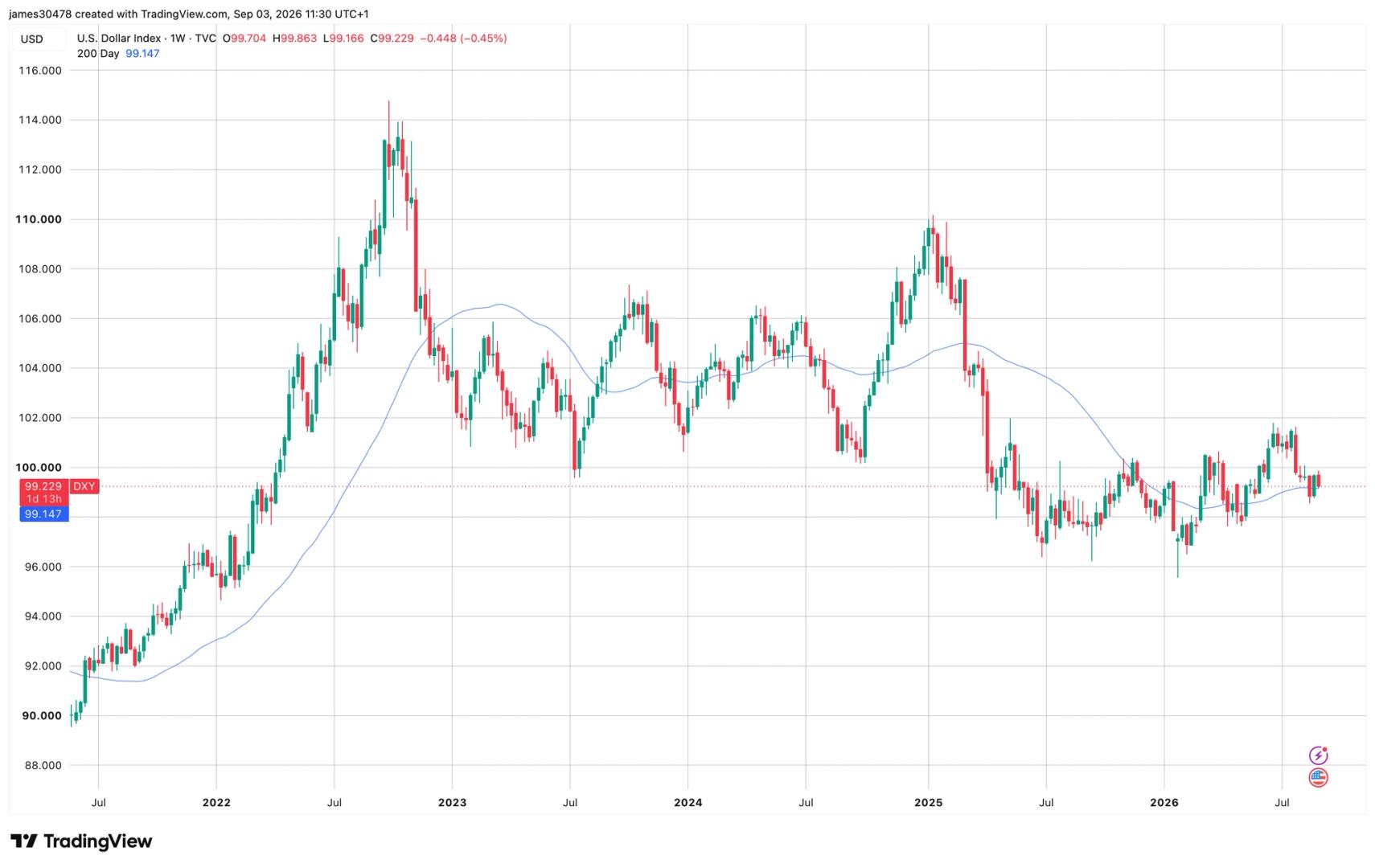
The yen’s rise has contributed to broad weakness in the U.S. dollar, pushing the Dollar Index lower. Bitcoin and gold are benefiting from the move for now.

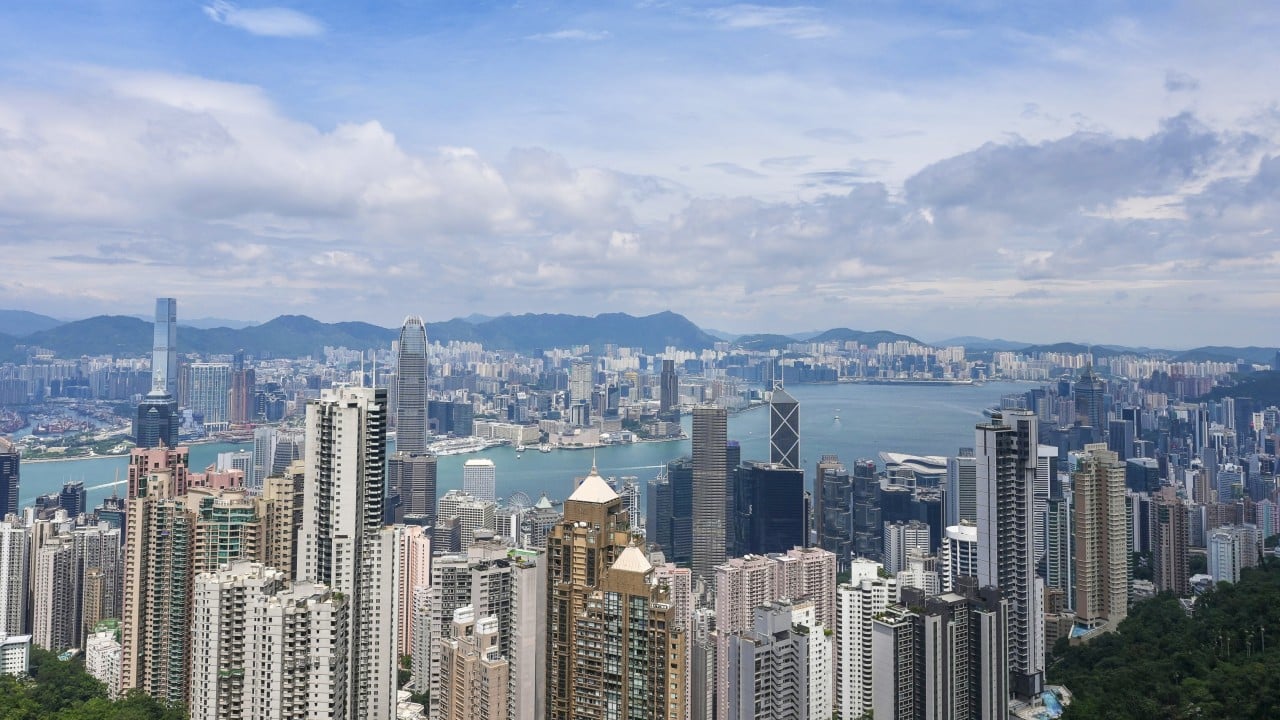
Hong Kong’s market regulator has designated some authorised funds with at least 50 per cent of their net asset value exposed directly or indirectly to private-market assets as complex products, raising the threshold for selling them to retail investors. The Securities and Futures Commission said it had observed some funds acquiring indirect private-market exposure.

Gasoline prices above $4 a gallon are fueling inflation concerns and creating political worries for Trump.
Russian Deputy Prime Minister Alexander Novak said the country’s oil refineries have both active and passive defense systems. The Energy Ministry has issued recommendations that companies are implementing, and Novak said the measures are already improving the effectiveness of protective structures.
Russian President Vladimir Putin said about 10% of repair work remains at oil refineries damaged by Ukrainian attacks. He said Energy Minister Sergey Tsivilev had reported rapid progress and expressed confidence that the remaining work would be completed soon.
The recent rise in Treasury yields is partly reflecting growing investor bets that an obscure theoretical rate consistent with stable growth and inflation is moving higher.
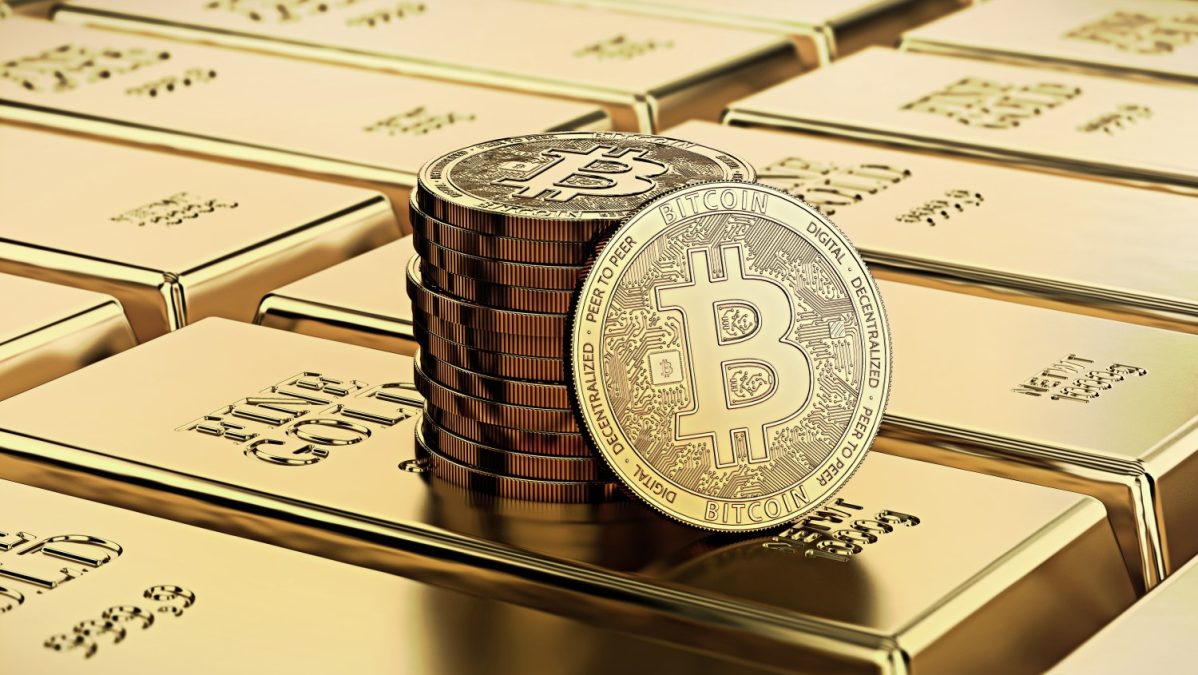
Bitcoin’s correlation with gold has climbed to its highest level in six years. Glassnode is skeptical that bitcoin’s recent divergence from U.S. equities will persist, noting that similar moves in the past have tended to be short-lived.

Washington is using its power as American oil companies seize the opportunity to diversify their production while Donald Trump reshapes the global energy landscape.
Russian Deputy Prime Minister Alexander Novak said the country’s fuel supply situation improved this week after several refineries provided additional volumes to the domestic market. Authorities will continue balancing supply and demand through higher refinery output and additional gasoline imports.
Meat in Senegal has risen from 3,800 to 5,500 CFA francs per kilogram in a few months, while onion prices have doubled. Fuel, transport and rent have also become more expensive. Frustrated consumers in Dakar launched the #30DaysForTheRightPrice digital campaign to warn authorities about the social impact on the most vulnerable households.

Europe’s so-called diesel crack spread has exceeded $100 a barrel for the first time, pushing diesel prices to more than twice the cost of the underlying crude.
BP and the United Steelworkers have reached an impasse in contract talks after the British oil major broke with the industry’s national bargaining pattern. BP sought concessions on pay, staffing, strike rights and automation, signaling a shift in corporate labor battles.
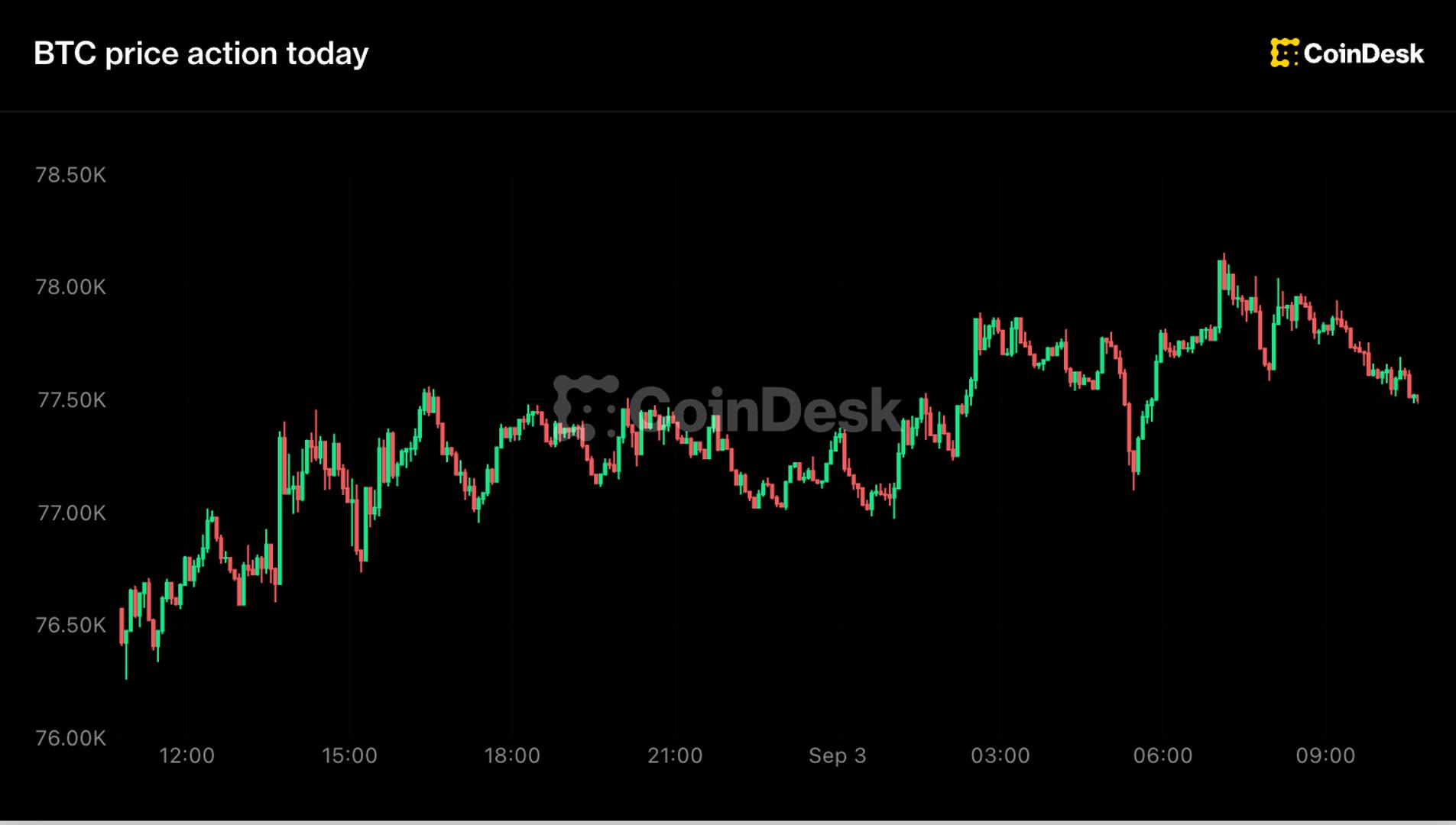
Bitcoin has climbed back above $77,500, with every major cryptocurrency in positive territory for the day, although the week remains negative. Global investors are maintaining their smallest level of currency protection on U.S. assets in a decade.

Russian Deputy Prime Minister Alexander Novak said oil production will decline modestly by the end of 2026 because some refineries are underutilized during unscheduled maintenance. He described the trend as temporary, with output expected to rise when refineries resume operations, while exports remain stable.
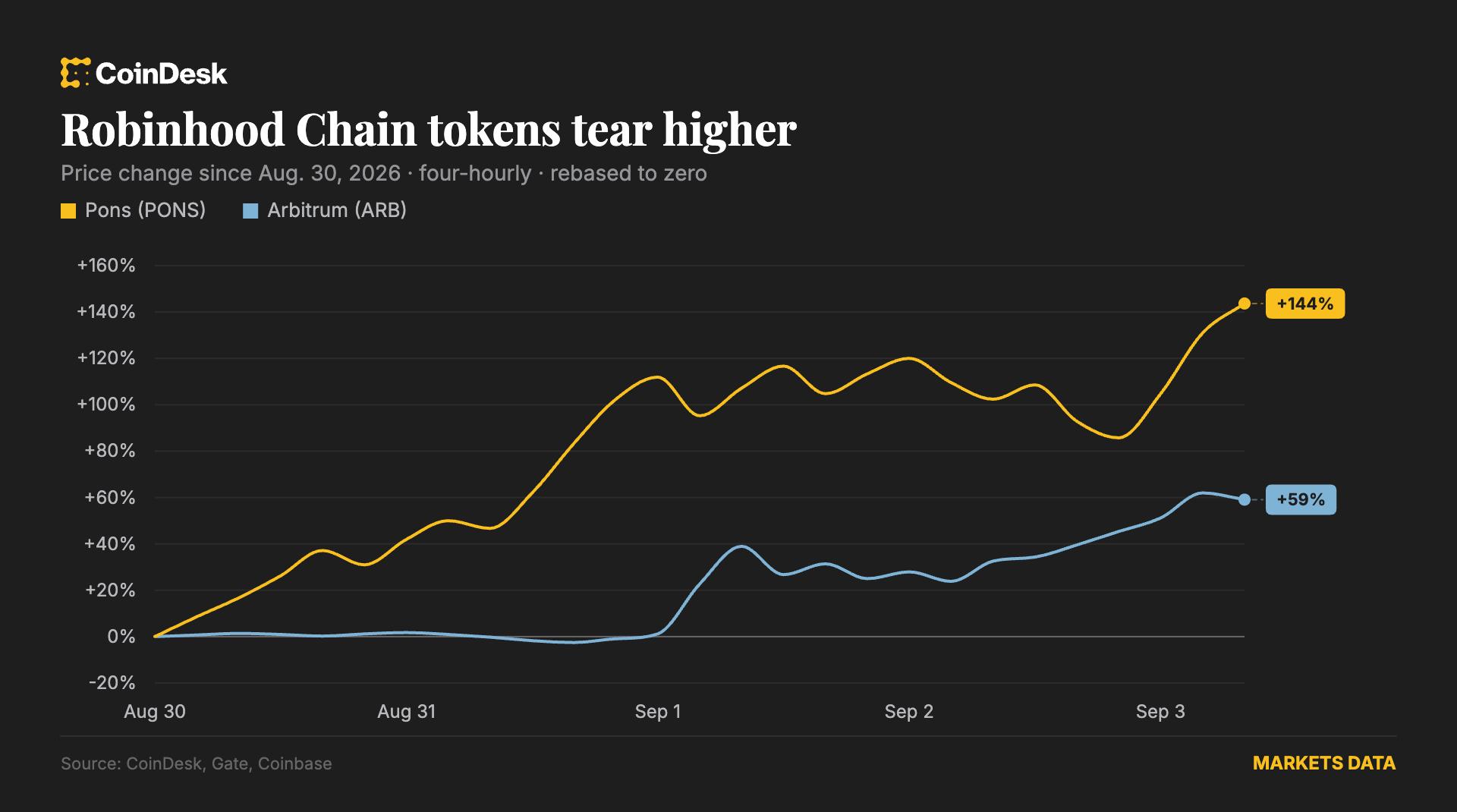
Bitcoin rose 0.76% since midnight, recovering toward $78,000 as a softer dollar lifted equities, metals and cryptocurrencies. PONS and Arbitrum advanced for a third consecutive session, extending the Robinhood Chain rally.

Investment platform Hargreaves Lansdown is offering crypto exchange-traded notes nearly a year after the ban was lifted. The platform had previously told customers that “bitcoin is not an asset class.”
Car sales in Portugal surged in August, with electric vehicles accounting for 36.1% of the market. Between January and August 2026, alternative-energy vehicles made up 75.6% of newly registered passenger cars, including about 26.8% that were electric.
Australia is intensifying its crackdown on crypto businesses as a strict new regulatory deadline approaches. Firms that miss it could breach financial services law from Oct. 1 and face civil or criminal penalties.

Indonesia’s plan to influence global prices for its abundant natural resources through a new commodities exchange will struggle against established bourses. Making participation mandatory could also cause the initiative to backfire.
Hong Kong food and beverage operators leased a record 155,000 sq ft of new space in the second quarter, more than twice the first-quarter total, according to CBRE. They took up 230,000 sq ft in the first half of the year. Analysts said the city’s retail recovery remained selective and narrow-based.

Investors are in advanced discussions over a funding round for indebted luxury fitness chain Equinox. The capital would support new club openings while reducing the company’s interest costs.
Artificial intelligence is prompting a reassessment not only of who wins and loses, but of how economies fundamentally operate.
EnQuest CEO Amjad Bseisu told CNBC that the company is interested in BP’s U.K. North Sea assets as the oil major explores selling the business.

Russia aims to provide year-round navigation along the Northern Sea Route, President Vladimir Putin said. He pointed to the construction of icebreakers and ice-class vessels, service and rescue fleets, expanded satellite coverage and stronger port infrastructure, and called for rapid completion of a comprehensive Arctic and Trans-Arctic Transport Corridor development plan.
Russian President Vladimir Putin has announced plans to enable year-round navigation along the Northern Sea Route.
U.S. President Donald Trump said oil from a recent deal with Venezuela would replenish the Strategic Petroleum Reserve and that the process would begin soon. Energy Secretary Chris Wright, visiting Venezuela on Wednesday, suggested the swap may be more complicated than Trump indicated.
The yen climbed to a one-month high as traders considered the possibility of additional intervention. U.S. Treasury Secretary Scott Bessent told CNBC on Monday that he believed Japanese authorities would act to strengthen the currency.

Speaking at the Eastern Economic Forum, President Vladimir Putin said Russia’s economy showed “absolute resilience” and was “absolutely stable.” He added that it was steadily expanding while the government kept changes under control and assessed the effects of measures such as possible tax increases.
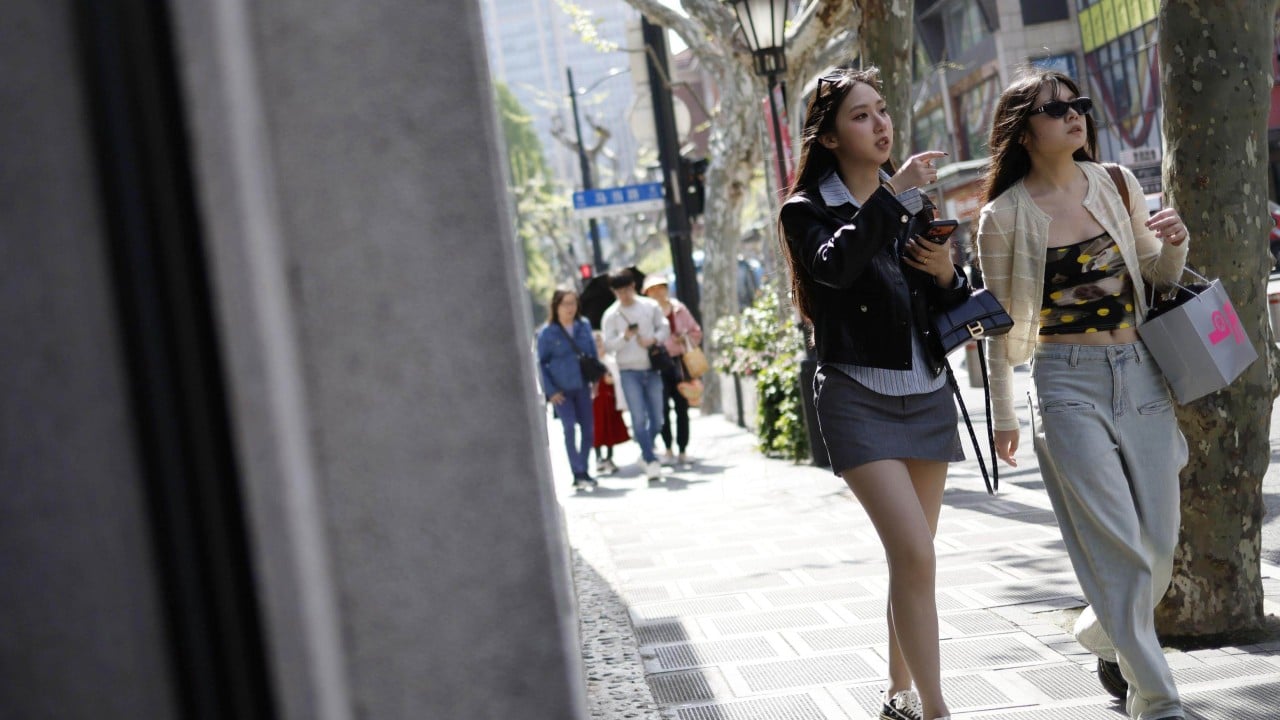
A CFA Institute study found that young mainland Chinese investors are increasingly using offshore assets to preserve wealth and diversify. About 81 per cent of those surveyed held offshore investments, which made up an average 43 per cent of their portfolios.

Copper could rise to a record early next year as US tariff concerns distort the market, while mine supply challenges and resilient global demand provide additional support, ANZ Group Holdings Ltd. said.
India’s unexpectedly strong economic growth has triggered debate over whether the expansion has been overstated. A former bureaucrat and a former central bank chief questioned the figures, while the government defended its data.
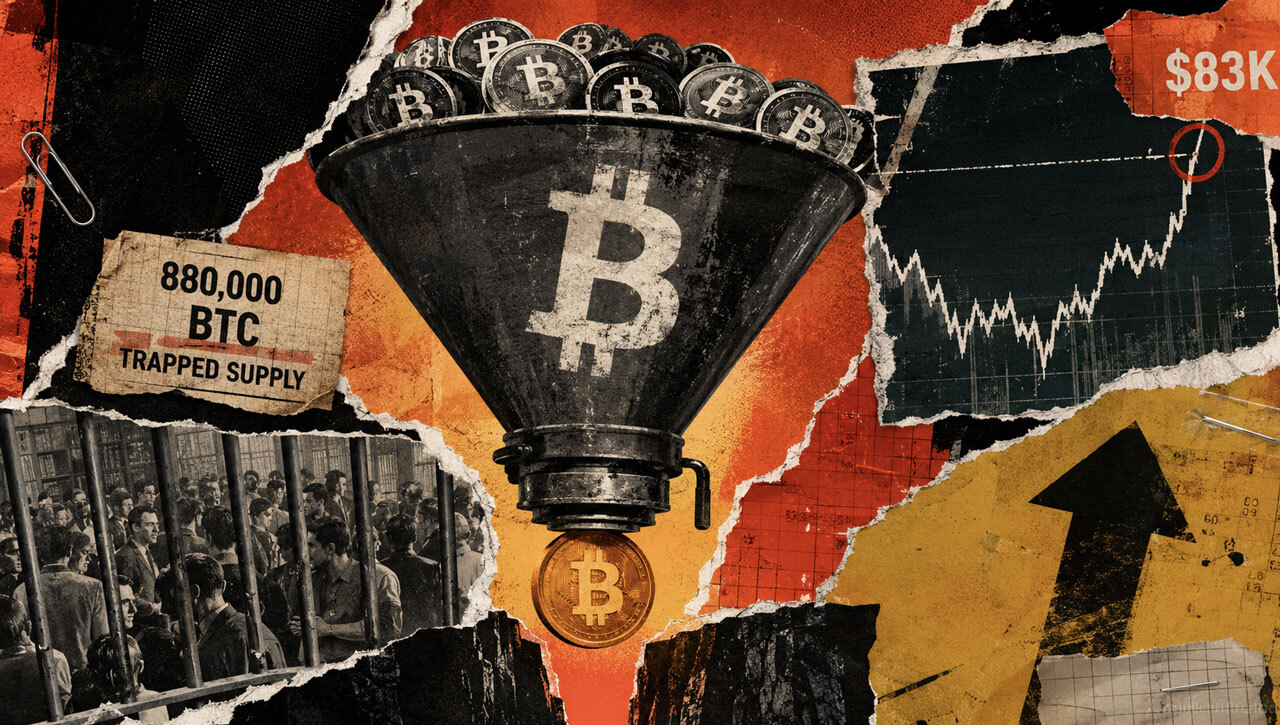
Bitcoin is testing an estimated $68 billion cost-basis zone between roughly $77,500 and $80,300, where about 880,000 BTC could create repeated selling pressure near breakeven. Buyers have so far absorbed the supply. Strategy resumed purchases with 4,603 BTC, while US spot Bitcoin ETF demand became less consistent.

The CFTC has asked a judge to dismiss CME’s lawsuit over crypto perpetual futures. The regulator calls the dispute “much ado about nothing,” saying the order permits any designated contract market, including CME, to list the products.


The CFTC asked a court to dismiss CME’s lawsuit, arguing that the exchange lacks standing to pursue its competitive-injury claims. The agency said CME is free to list perpetual futures as a designated contract market.
Mongolian Prime Minister Nyam-Osoryn Uchral said a project to supply Russian gas to China through Mongolia creates new strategic opportunities for cooperation among the three countries. Russia and China have signed a legally binding memorandum on the Power of Siberia 2 and Soyuz Vostok pipelines, whose capacity could reach 50 billion cubic meters annually.
European natural gas prices paused their rally after US President Donald Trump appeared to rule out prolonged military action in the Middle East, raising hopes that talks could resume on restoring energy flows from the region.
About 25 trillion rubles ($287 billion) in capital investment has been attracted to Russia’s Far East over the past 11 years, while the region’s gross product has more than tripled, President Vladimir Putin said at the Eastern Economic Forum. He cited operating industrial, infrastructure and energy projects, including port terminals and rail lines.
Treasury yields declined across maturities on Thursday as traders looked ahead to key services and employment data, following a sell-off in bonds.

At the Eastern Economic Forum, Vladimir Putin said Russia plans to integrate Arctic marine terminals with rail and inland-waterway networks to support cargo flows from Central Russia, the Urals and Siberia and facilitate imported-goods deliveries. He cited the first container ship from China to Murmansk, which crossed Russia’s Arctic zone in August.
Industry sources cited by Kommersant estimate that Russian oil companies failed to fulfill about 60% of gasoline supply contracts on the St. Petersburg exchange from May through September. Around 20% collapsed entirely and 39% remain incomplete. Lukoil and Rosneft represented most of the outstanding contracts. A source blamed Ukrainian drone strikes on refineries and said companies prioritized defense and industrial customers over gas stations.
German companies are increasingly facing competitive pressure from Chinese rivals, according to a Thursday survey by the German Chambers of Commerce and Industry. More than half back stronger EU action against what they regard as unfair competition.
Three people familiar with the discussions said Alipay+’s proposal to connect with India’s instant-payments system for cross-border transactions has been stalled by national-security concerns in New Delhi and questions over how customer data would be stored and used.
A law firm and a tokenization platform say their proposed structure would give investors legal ownership of catastrophe bonds onchain and could reduce the minimum investment.

Bloomberg’s Big Take is expanding to Asia. Each week, Oanh Ha will tell a story from the home of the world’s most dynamic economies, focusing on the markets, tycoons and businesses driving the region’s constant change.
Shein shares fell as much as 10% on their third day of trading. The decline may force Goldman Sachs to step in to stabilise the price.
President Vladimir Putin instructed the Russian government and Central Bank to thoroughly examine plans for a modern financial center based on the Eastern Exchange, intended to draw more international capital into Far Eastern and Arctic projects. He also highlighted a public-private partnership standard and concession-bond financing model aimed at improving infrastructure investment efficiency.
Russia’s stock market opened higher in the main trading session, according to Moscow Exchange data, while the yuan weakened. The MOEX and RTS indices initially gained 0.3% to 2,191.65 and 793.62 points, then advanced 0.35%.
The Dounan Flower Market in Kunming, Yunnan, is reinforcing its role as a major Asian flower-trading hub through record volumes, rapid descending-price auctions and expanding international logistics. It traded 15.476 billion fresh-cut flowers worth 13.484 billion yuan in 2025, with distribution reaching China and more than 50 countries and regions.
Jebel Ali, the Middle East’s largest shipping hub, is facing its most serious strain in decades amid the blockade of the Strait of Hormuz, the Financial Times reported. In the conflict’s early weeks, average daily vessel traffic fell from 135 to 17 in the week ending August 28, a drop of more than 90%. The port and free-trade zone generate over a fifth of Dubai’s GDP. The UAE is seeking alternatives, but experts doubt new Fujairah terminals can replicate Jebel Ali’s wider business and transport network.
Base metals advanced after President Donald Trump said a new wave of US attacks on Iran would probably be short-lived. The comment eased worries about further regional escalation that had weighed on prices on Wednesday.
As the rising cost of living takes centre stage in Quebec’s election campaign, the familiar claim that Quebec is North America’s most taxed jurisdiction has resurfaced. The claim is examined to determine whether it is accurate.
The item asks why SoftBank’s status as an investment holding company matters and highlights bonds.
China’s meal-delivery subsidy battle may have faded, but its biggest legacy could be higher consumer expectations: electronics, flowers and even medicine can now arrive within an hour of an order.
Russian President Vladimir Putin said the authorities fully understand the need to avoid overtightening the economy. He noted that the Central Bank and government are deliberately taking steps to curb inflation, and that the goal is being achieved.
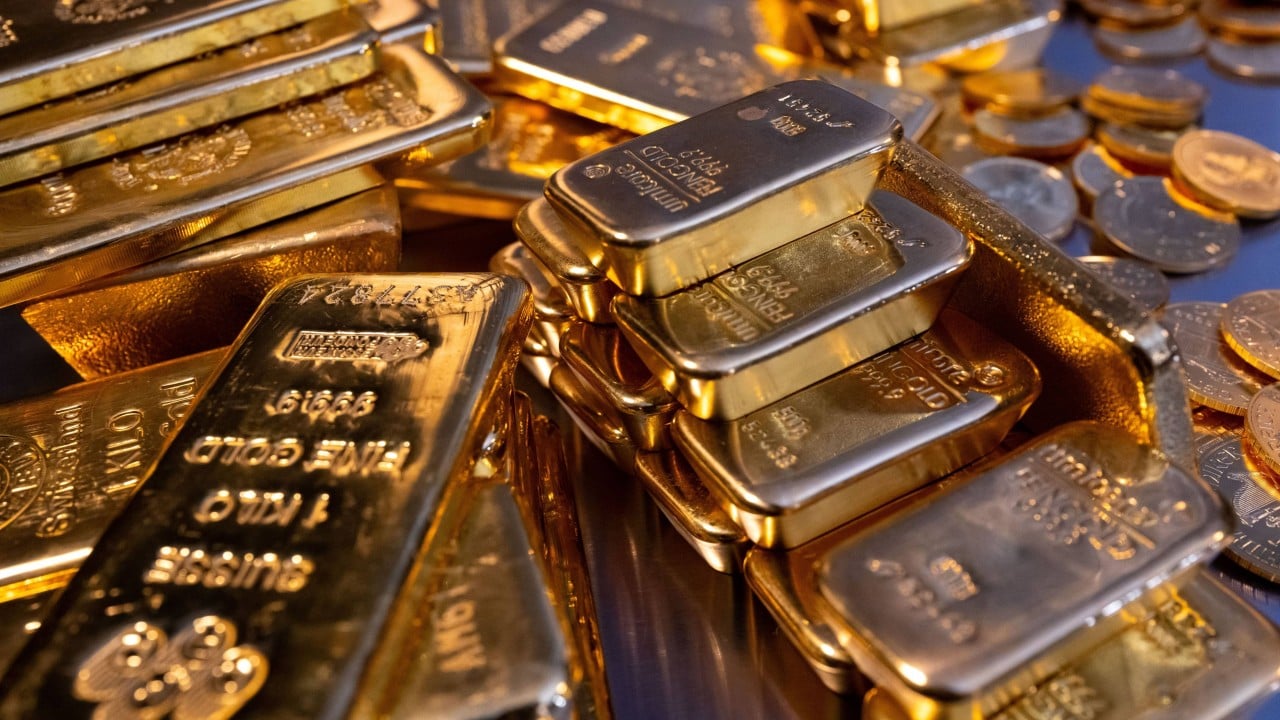
The Dutch central bank said it is moving gold bars out of the U.S. and Canada. Gold held at the Bank of England is more readily tradable, allowing it to be deployed faster in a severe crisis.

Mongolia is feeling the impact of fuel shortages in Russia, its long-term trading partner and dominant supplier of gasoline and diesel, a Mongolian official told Reuters.
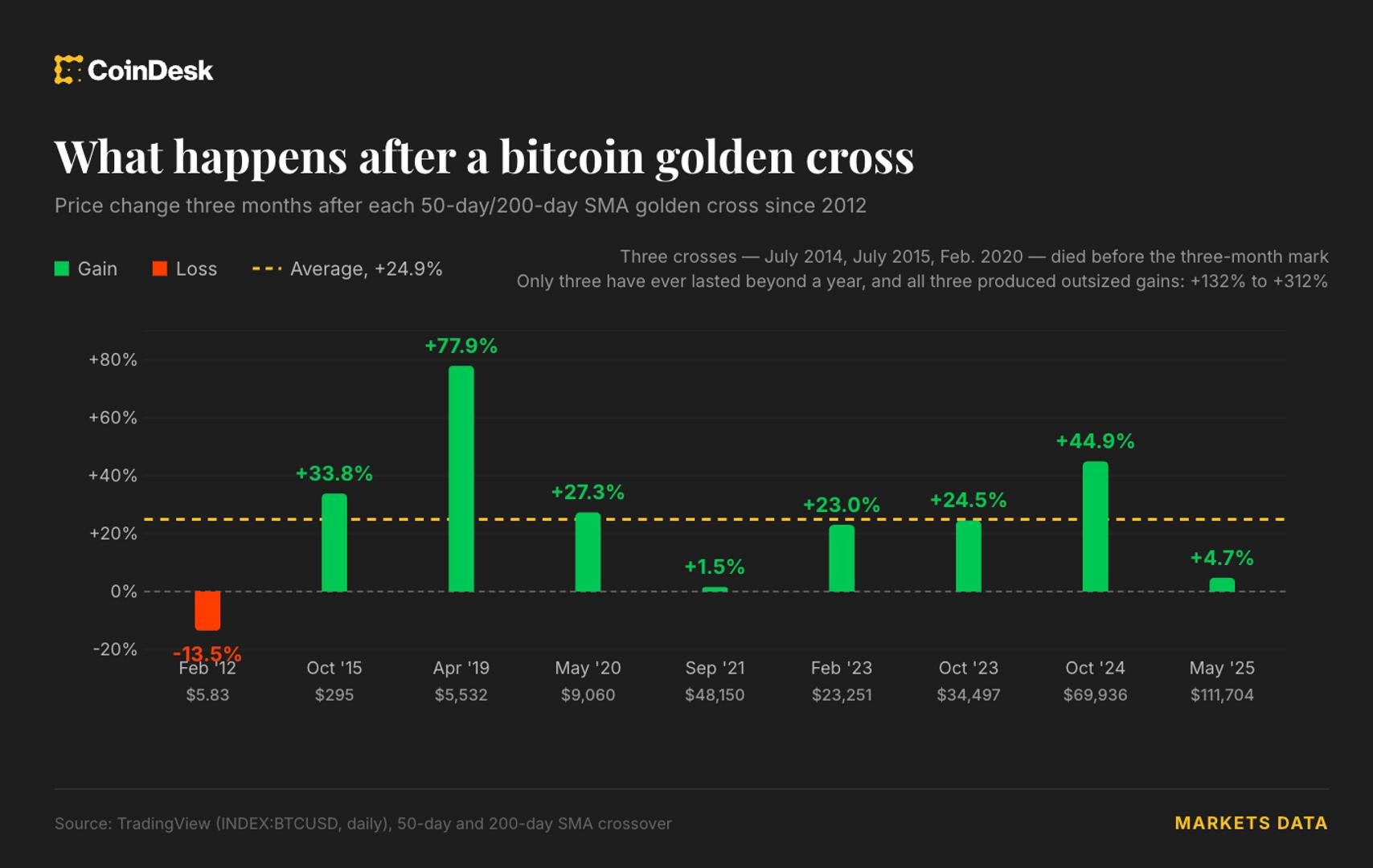
Bitcoin is approaching a bullish golden cross, a closely watched indicator with a mixed track record in crypto markets. This time, however, USDT is reinforcing the bullish interpretation.

Hostilities with Iran continue to unsettle markets, while U.S. stocks end a three-day losing streak. Bond yields remain volatile.


Trump has reportedly discussed with senior aides whether to declare the Iran war over, while the Pentagon extends its deployments in the Middle East.

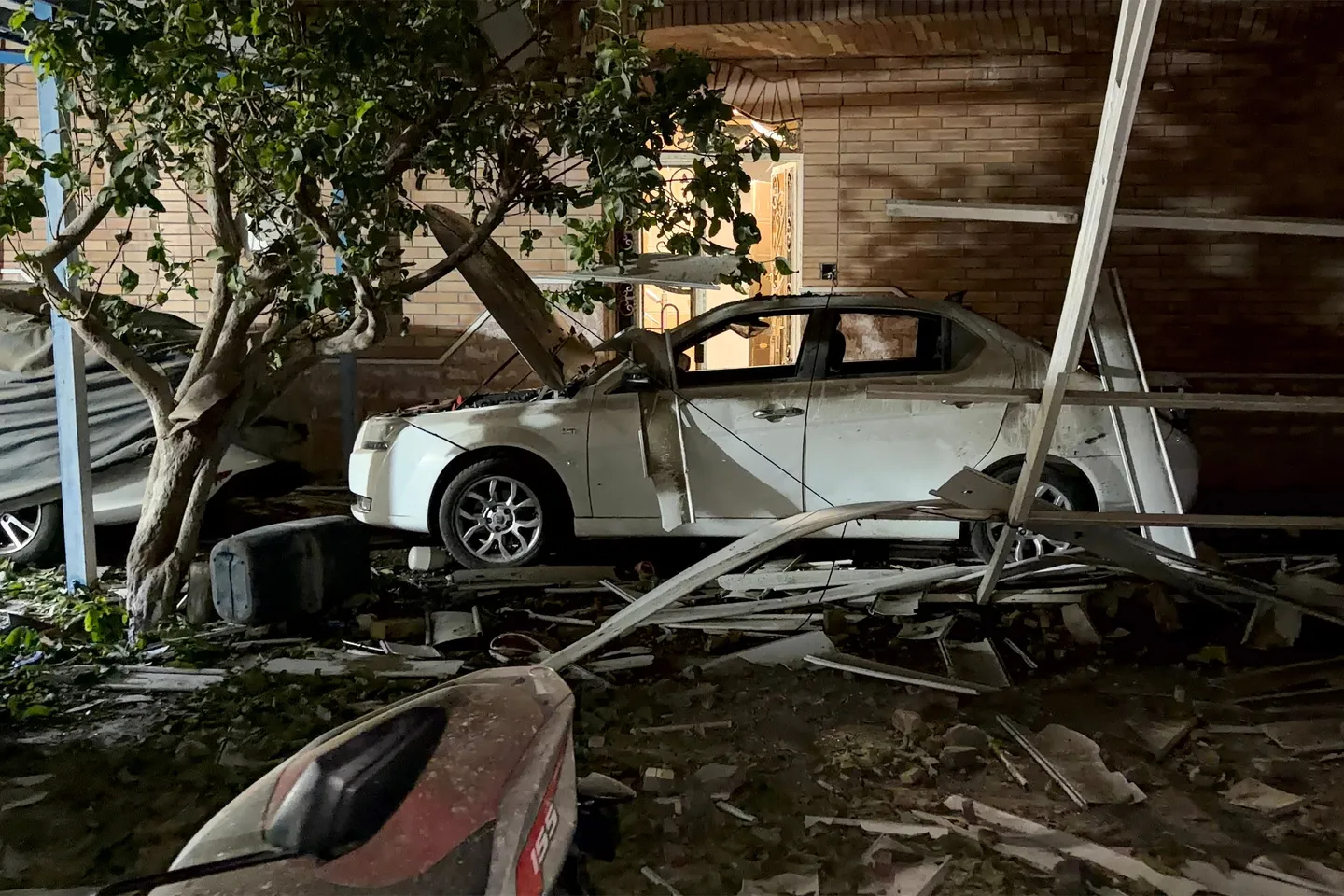
A health official says US air strikes in Iran killed 18 people and injured 142. A vehicle was destroyed at an overnight strike site in Kuhestak, Sirik County.
Only six commodity vessels transited the Strait of Hormuz on Wednesday, down from 11 the previous day, Reuters reported citing Kpler data. They comprised two very large gas carriers, two long-range tankers, one Supramax tanker and one Panamax tanker. The count may change because some ships typically switch off transponders during voyages.
The Pentagon is quietly extending the US troop deployment in the Middle East, acknowledging that the operation against Iran may not end this year, The Wall Street Journal reported, citing sources. About 50,000 US troops remain in the region, including 19 Navy ships, fighter squadrons, air-defense units and paratroopers. Combat deployments have also been lengthened.
Oil prices edged lower on Thursday as investors assessed uncertainty surrounding renewed U.S.-Iran military strikes that could disrupt supplies from the Middle East.

A months-long crisis in the Strait of Hormuz has transformed a previously overlooked part of the market into one of 2026’s hottest trades, leaving shipping stocks at a crossroads after their strongest rally in decades.
According to two US officials familiar with the operation, 40 commercial vessels carrying 18 million barrels of oil passed through the Strait of Hormuz under American military escort. The wartime record came as Iran and the United States exchanged another round of strikes on Tuesday.

President Donald Trump said the US military could launch further strikes against Iran whenever it chooses. Tehran condemned attacks on ports, communications facilities and other civilian infrastructure, alleging that a strike on a wedding killed at least four people and injured dozens; US Central Command said it was investigating. UN Secretary-General Antonio Guterres urged both sides to halt military action and return to diplomacy as tensions around the Strait of Hormuz remained high.
The yen extended its advance on Thursday after a sharp jump in the prior session. Traders were reluctant to credit Japanese authorities, instead pointing to a hawkish shift in expectations for domestic interest rates.
A Malaysian prince’s plan to sell a tract of land in the heart of Singapore faces a tax complication, with the bill potentially exceeding $1 billion.
New US tariffs of up to 100% on drones and parts took effect on Thursday as Washington seeks to reduce its reliance on Chinese suppliers, led by DJI.
Sussi Ye, a 32-year-old Hangzhou resident, began buying gold bars in small batches at the start of the year and has built a hoard worth about 200,000 yuan (US$29,700). Despite price swings, she has sold none, saying she prefers tangible physical gold to gold-linked financial products because it provides a sense of security.

Volkswagen’s supervisory board is due to meet on Friday to vote on the automaker’s largest restructuring programme ever. Plans to cut jobs and capacity have faced fierce opposition from unions and shareholder Lower Saxony.
Unhedged readers weigh in on the 60/40 portfolio.
A confrontation is developing between Volkswagen management and unions over restructuring plans. As Germany’s auto industry seeks to protect its future, attention is shifting to the sector’s 35-hour working week and whether longer hours would actually resolve Volkswagen’s problems.
Indian shares climbed on Thursday, led by lenders, after banks raised a larger-than-expected $136.4 billion through the Reserve Bank of India’s foreign-currency deposit and borrowing schemes, strengthening liquidity ahead of the festive season.
The Minutes Reader extension turns the original page into a focused reading view and translates articles and video subtitles on demand. It is in limited beta.