U.S. Jobs Report, Russia’s Digital Ruble Rollout: Crypto Week Ahead

A look at what is coming in the week beginning Aug. 31, including the U.S. jobs report and Russia’s digital ruble rollout.

A look at what is coming in the week beginning Aug. 31, including the U.S. jobs report and Russia’s digital ruble rollout.

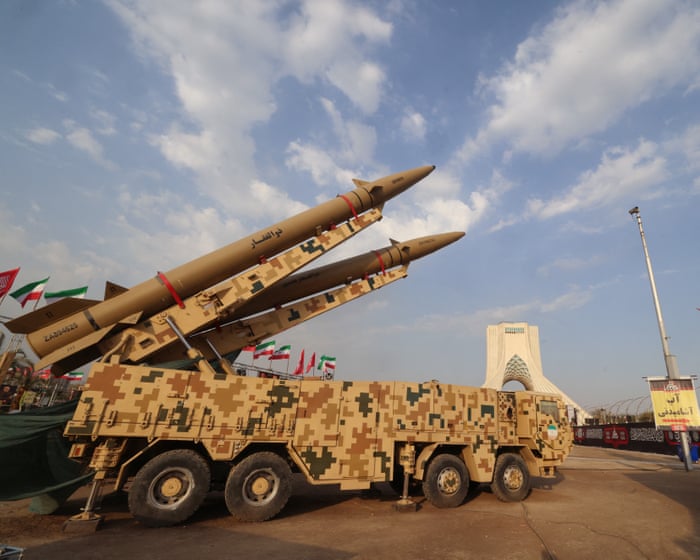
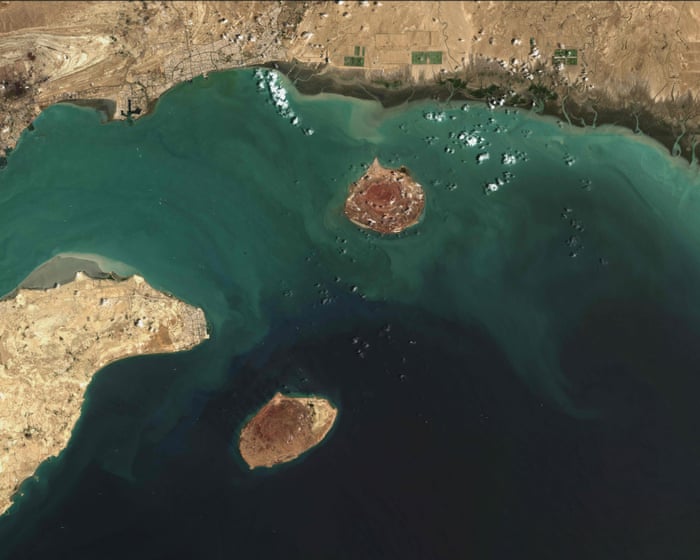
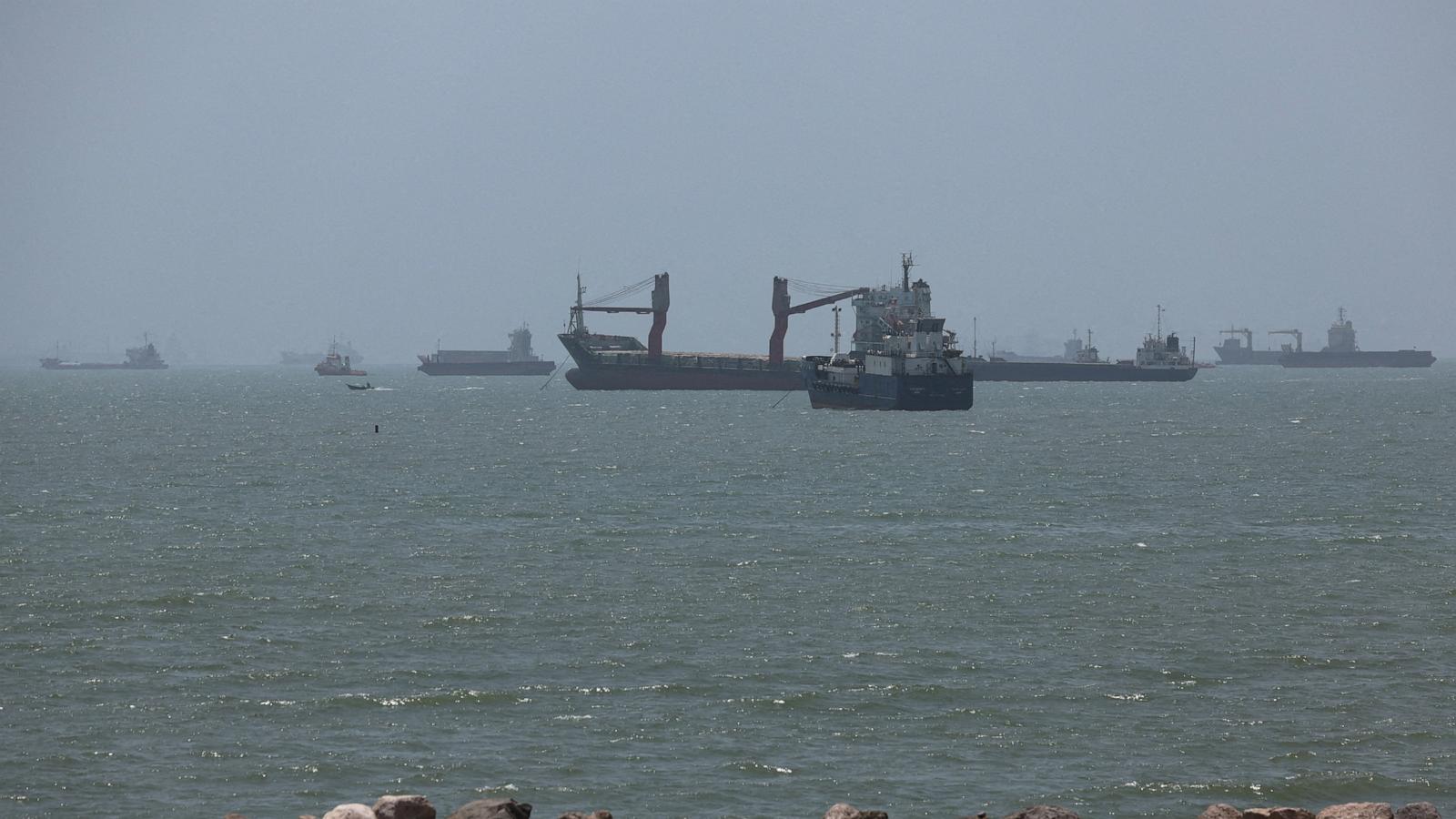
Hostilities between the US and Iran resumed after a month when American forces struck Iranian rocket launchers on Larak Island. Iran said it retaliated against US bases in Jordan and the UAE, while state television reported that a supertanker hit two naval mines, caught fire and stopped in the southern Strait of Hormuz.

Iran’s Foreign Ministry says US actions in the Middle East are the only factor destabilizing the Strait of Hormuz and vows to respond to every US action with a “crushing blow.” Earlier reports said US forces struck two Iranian launchers on Larak Island, after which Iran targeted US bases in Jordan.
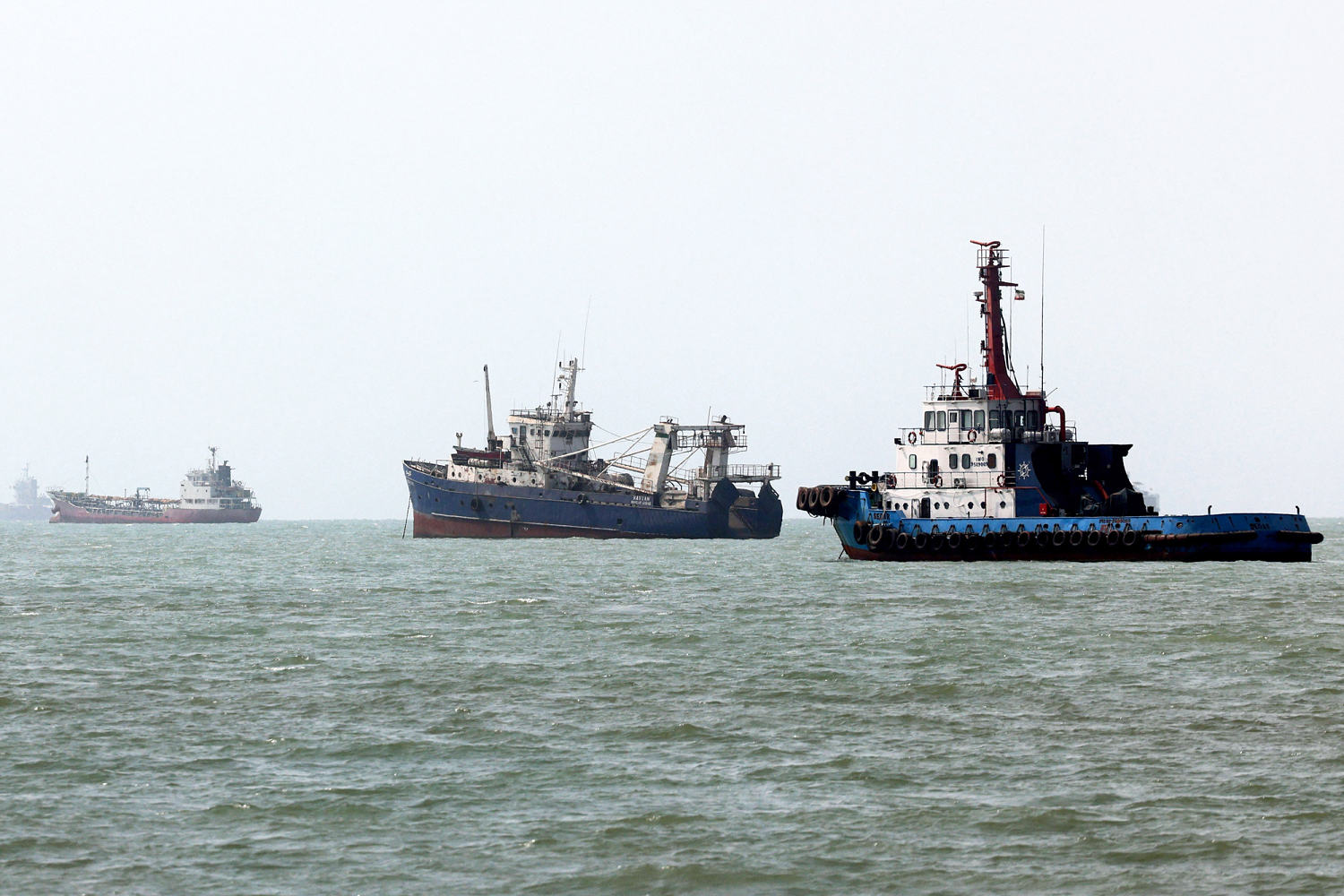
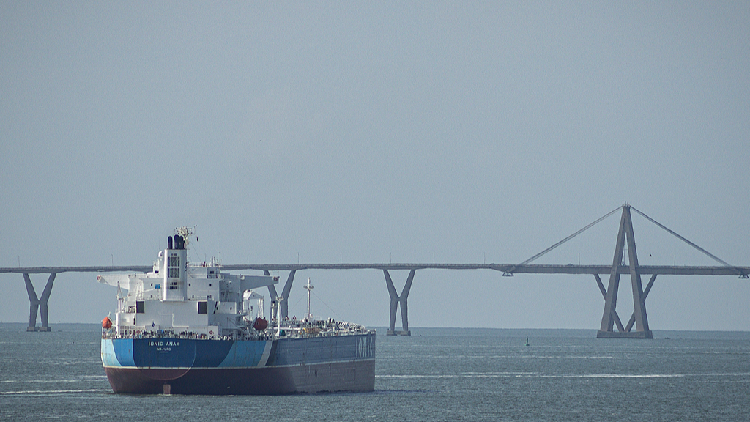
Iran’s Islamic Revolutionary Guard Corps says a supertanker struck two mines after attempting to use what it called an “illegal route” in the southern Strait of Hormuz. The IRGC Navy warned that vessels violating its safe-passage rules would face the same fate. Details about the ship were not provided.

CENTCOM says the Iranian forces it targeted presented an “imminent threat.” The Strait of Hormuz remains the conflict’s main flashpoint.
Bloomberg News Now highlights a jump in oil prices after US strikes and the continuing US-Canada trade war, alongside other top stories from the day in a regularly updated audio report on global business news.
Oil prices rise as missiles are reported flying across the Gulf, setting the tone for the day ahead in European and global markets.

Oil prices rose and stocks fell after the United States struck Iran, while bitcoin barely moved. Despite the latest escalation in geopolitical tensions, BTC remains August’s best-performing asset.
Oil prices rose on Monday morning as tensions in the Middle East flared again and investors assessed the possibility of a US interest-rate increase, reinforced by Warsh’s hawkish signal.
A Bloomberg News Now audio report covers the day’s leading stories, including a jump in oil prices after US strikes on Iran and an intensifying US-Canada trade war, alongside other global business news.

After roughly a week of saying Washington would shift toward economic warfare against Iran, the U.S. has chosen to resume actual strikes instead.
Asian stock markets fell on Monday after fresh fighting between the United States and Iran pushed oil prices higher. Bond yields also stayed elevated as investors reduced their expectations for a U.S. interest-rate hike.
Bloomberg News Now brings together the day’s leading stories, including new US strikes on Iran and the continuing US-Canada trade war, with updates throughout the day on global business news.
Persian Gulf countries have not restricted regional air traffic despite reports that Iran fired missiles toward US ships in the Strait of Hormuz, a Middle Eastern air traffic service source told TASS. Iranian television reported the missile launch, while other reports said US forces had struck two missile launchers on Iran’s Larak Island.

The U.S. struck Iranian rocket launchers near the Strait of Hormuz. Its last major strikes on Iran took place in late July.

A US official says American forces struck two Iranian launchers on Larak island after Islamic Revolutionary Guard Corps personnel were seen preparing rockets carrying sea mines for the Strait of Hormuz. Iran said the attack killed and wounded soldiers and civilians and vowed a response. Reuters later reported an apparent Iranian attack on US forces in Jordan, with all incoming missiles intercepted.
Iran’s Islamic Revolutionary Guard Corps has vowed retaliation after the U.S. bombed targets in the Strait of Hormuz. In a statement carried by Iran’s state broadcaster, the Guard said several fighters and fellow citizens had been killed and wounded.

US forces struck two Iranian rocket launch sites. The Strait of Hormuz remains the main flashpoint in the conflict.

U.S. forces struck Iranian rocket launchers on Hormuz, marking their first military action in weeks. Iran then fired retaliatory missiles toward Jordan, a U.S. ally, but American forces intercepted them, a source said.
TAP posted a net loss of almost €100 million in the first half as fuel costs rose. Revenue nevertheless increased by 4%, while passenger numbers reached a record for the period.
An official survey indicates that China’s factory activity contracted in August, even as export demand improved and remained strong.

China’s manufacturing activity contracted for a second consecutive month, though the decline was smaller than expected. The data adds pressure on Beijing to support an economy that is losing momentum.
Bloomberg News Now highlights a jump in oil prices following US strikes and an intensifying US-Canada trade war, alongside other top global business stories.
Bloomberg News Now highlights a jump in oil prices following US strikes on Iran and an intensifying US-Canada trade war among the day’s leading global business stories.

Renewed hostilities between the United States and Iran have revived questions over whether the conflict is slowly moving toward a settlement or instead heading for further escalation, while highlighting Washington’s frustration with the sluggish pace of sanctions.

Bloomberg News Now presents a brief, continually updated audio report on the day’s leading stories, including a jump in oil prices after US strikes and the continuing US-Canada trade war.
Bloomberg News Now’s audio briefing highlights the continuing US-Canada trade war, Iran’s unfazed trade partners and other leading global business stories, with updates throughout the day.
Bloomberg News Now is a comprehensive audio report of the day’s top stories, including a US military strike after a month and the continuing Canada trade war. It is updated throughout the day with global business news.
China’s data industry reached 6.78 trillion yuan, or about $1 trillion, in 2025, growing 15.7% from the previous year. The 2026 development report said the country had 482,000 data enterprises by the end of the year, up 17.9% year on year.
Yili Group reported first-half 2026 revenue of 64.49 billion yuan, up 4.13% year on year, while core operating profit rose 10% to 8.38 billion yuan. The company plans to repurchase and cancel up to 2 billion yuan of shares and expects overseas business to grow at a double-digit rate for the full year.
China’s six largest state-owned banks recorded simultaneous first-half increases in revenue and net profit for the first time since 2022, according to interim results released last week. Their margins, which had faced pressure for two years, also showed tentative signs of stabilising.

More than 16,000 industrial companies in Hebei have used e-commerce livestreams this year to reach overseas buyers, generating about 21 billion yuan in sales by early July. Manufacturers are hiring domestic and foreign hosts for factory demonstrations; one machinery exporter secured about 50 million yuan in prospective orders, while a Cangzhou firm gets 96% of sales overseas.
HDFC Bank shares rose about 2% on Monday after CEO Sashidhar Jagdishan said he would not seek reappointment beyond October. Analysts described the move as a clean break for India’s largest private lender by assets rather than a new source of concern.

Shares of HDFC Bank rose after the chief executive of India’s largest private lender unexpectedly announced that he would not seek reappointment.
Taiwan’s financial regulator spent months last year orchestrating one of the most sweeping overhauls of the island’s $1.2 trillion life-insurance giants, shocking even veteran traders.
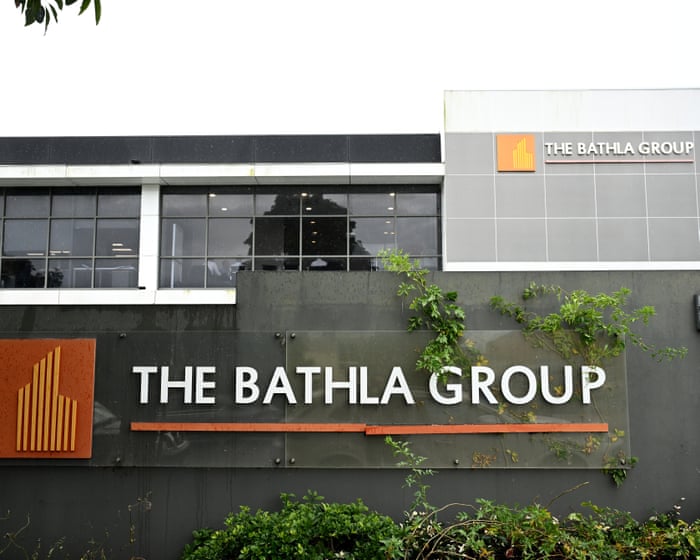
Administrators say Bathla Group could shut by the end of the week unless emergency funding is secured. Teneo, which took control after the developer entered voluntary administration, says some of its 350 head-office staff have gone unpaid for eight weeks, while thousands of customers are left with unfinished homes.

Australian casino operator Star Entertainment reported a larger-than-expected annual loss on Monday and warned that difficult conditions would continue. Weak New South Wales table-game revenue and a pending regulatory penalty weighed on its outlook.
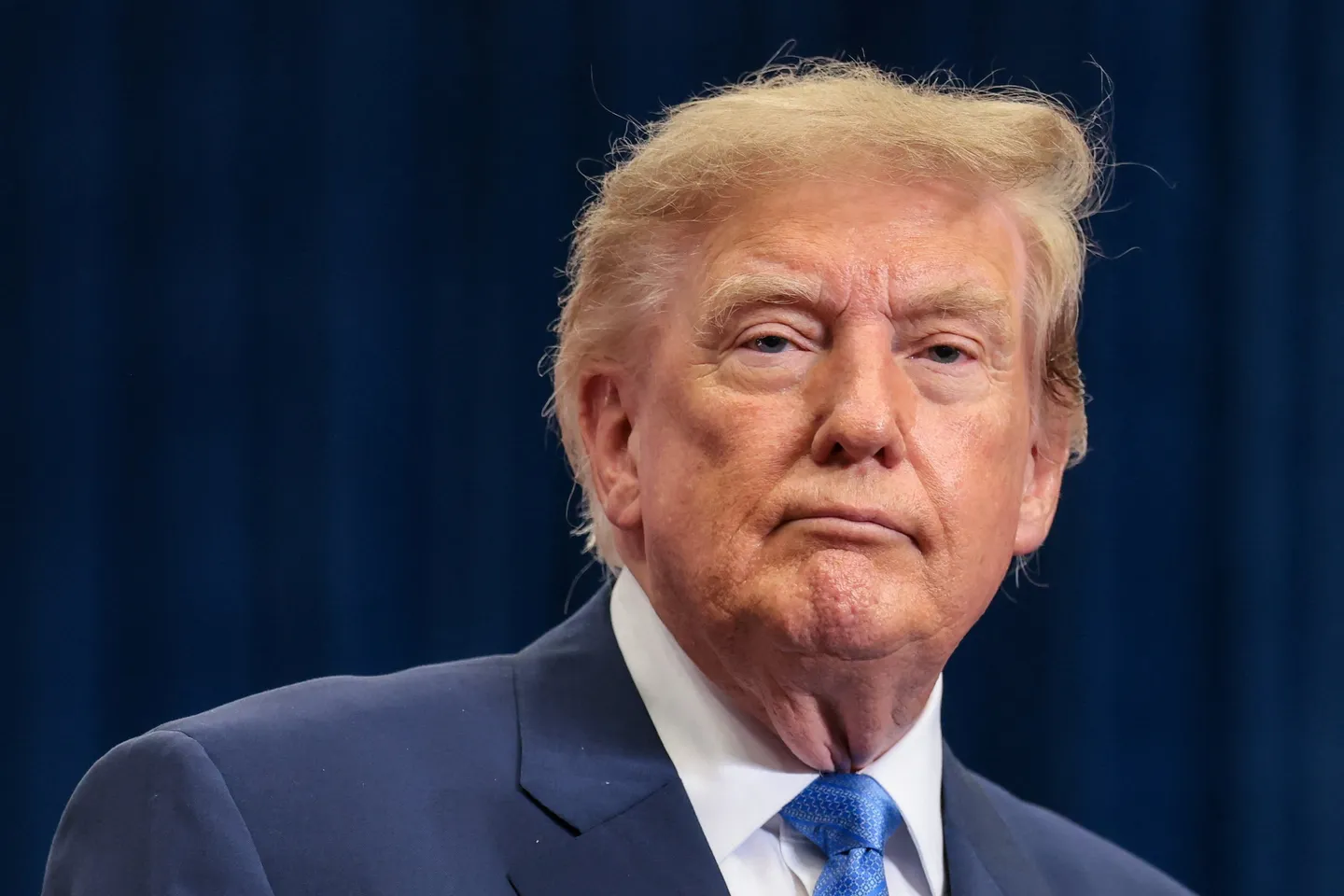
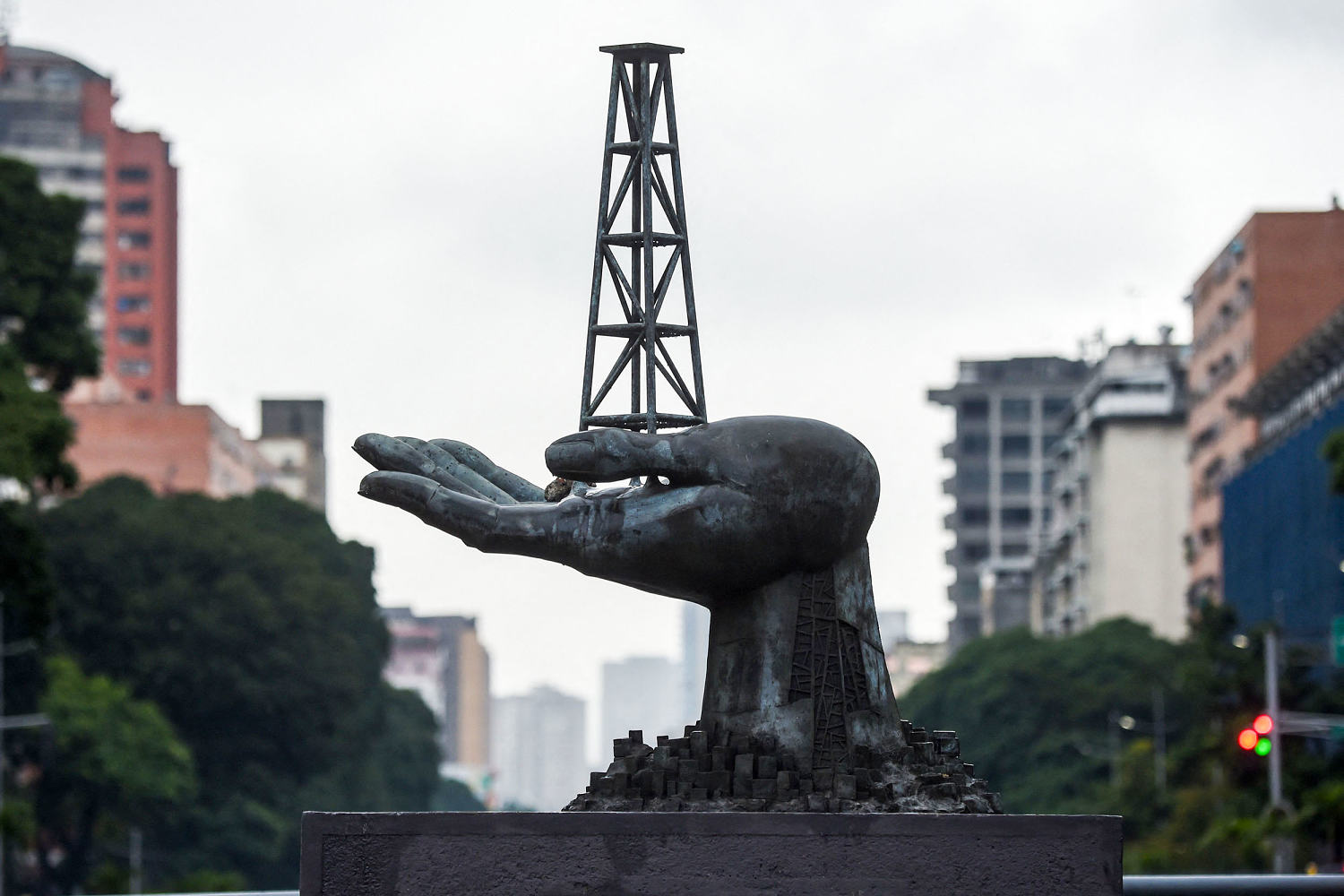
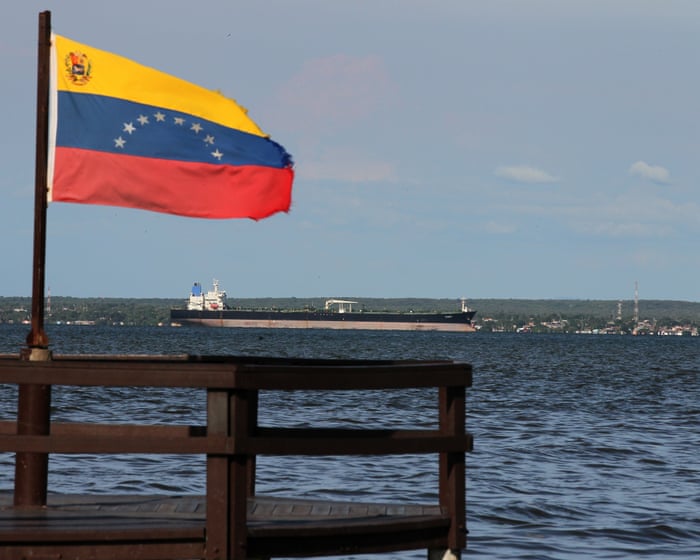
US President Donald Trump has called the agreement giving the United States access to Venezuelan oil “the biggest oil deal in world history.” Beyond a social media post by Trump, the White House has offered little information about the arrangement.
BYD shares fell after the automaker released its latest results on Friday. The decline came despite higher second-quarter profit and growth overseas, as intense competition in China weighed on first-half earnings.

U.S. President Donald Trump is proposing a 50% tariff on cars imported from Canada, targeting Ottawa, but Japan’s Toyota and Honda could ultimately bear the cost.
China’s three largest state-owned airlines reported losses for the seventh straight year in the first half, hit hard by surging jet-fuel prices. A lacklustre summer season is also clouding the outlook for the remainder of the year.
Jio Platforms, India’s largest digital and telecom operator, has received regulatory approval to pursue an initial public offering. Another major listing, by the National Stock Exchange, is still waiting for regulatory clearance.

India’s tourism figures are booming, but the growth appears not to be matched by an influx of foreign visitors.
General Motors workers in Canada approved a contract that adds truck production at the company’s Ontario plant. The agreement comes as Canada’s auto sector contends with 25% US duties on vehicles.
The US has turned to Alejandro Betancourt, a wily and divisive insider, to help develop Venezuela’s oil reserves. He is portrayed as the potential figure Trump would rely on as a “viceroy” in the country.

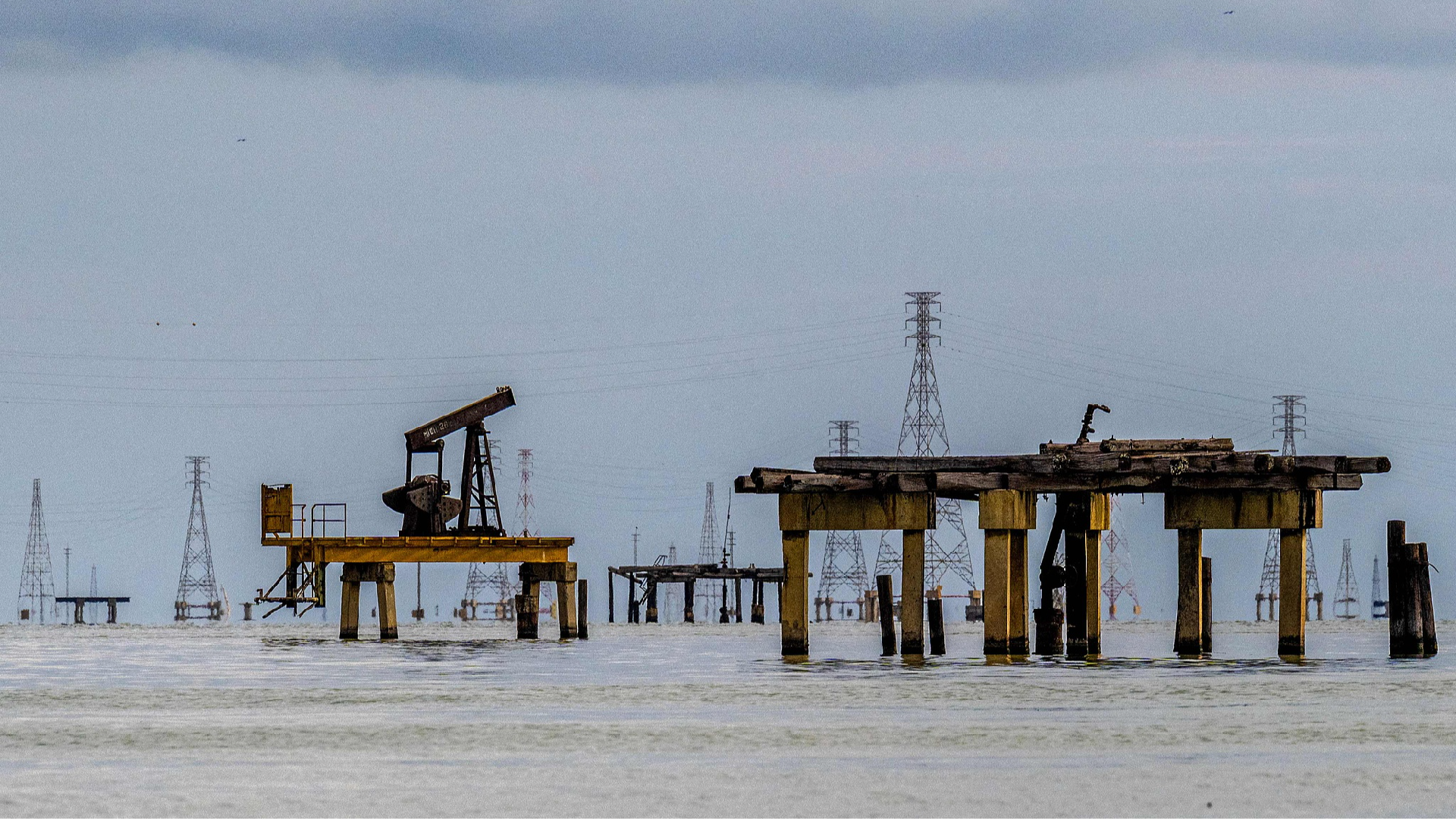
A new agreement between Caracas and Washington would give US companies access to more than a fifth of Venezuela’s vast oil reserves. The deal faces opposition in Venezuela and questions over its legality, while the country’s interim leader says it will support economic recovery.
Venezuela’s acting president says the country will retain “sovereignty” over its oil reserves despite a deal with the United States. The stated aim is to turn the underground resources into a source of social and economic well-being for Venezuelans.
Donald Trump said the United States would use Venezuelan oil to refill its Strategic Petroleum Reserve, calling it a “gift from Venezuela to the people of the United States.”
Donald Trump says the US administration plans to use oil obtained through its deal with Venezuela to refill the Strategic Petroleum Reserve. He said the “topping out” process would begin shortly and called it a gift from Venezuela to Americans. Trump also said the August 28 agreement secured majority US control of more than 65 billion barrels of Venezuela’s proven reserves.
President Donald Trump said Sunday that the US plans to use its newly asserted control over billions of barrels of Venezuelan crude to replenish the nation’s depleted emergency reserve.
Trump said a Venezuelan oil “gift” would replenish US reserves. He also claimed Canadian businesses are rapidly relocating to the United States as trade hostilities between the neighbouring countries intensify.

US President Donald Trump says oil from a recently announced deal with Venezuela will replenish the Strategic Petroleum Reserve, with the “topping out” process starting soon. He called the oil a “Gift from Venezuela to the People of the United States” and blamed Joe Biden for leaving the reserve “virtually” empty. The timing and short-term benefit remain unclear. Venezuela’s interim President Delcy Rodriguez said the 25-year agreement would develop its oil industry while preserving ownership and sovereignty over its resources.
Venezuelan President Nicolas Maduro, who is being held in a US prison, posted a smiling photo of himself in a gray tracksuit and addressed a message of love and hope to his grandchildren, children and supporters. Maduro and his wife face alleged drug-trafficking charges in a US federal court and have pleaded not guilty.

Venezuela’s interim president, Delcy Rodríguez, defended her government’s controversial energy agreement with Donald Trump, saying Venezuela would retain ownership and sovereignty over its oil reserves. The deal reportedly gives Washington control of 65bn barrels, prompting outrage among opposition figures and leftwing protesters in Caracas.

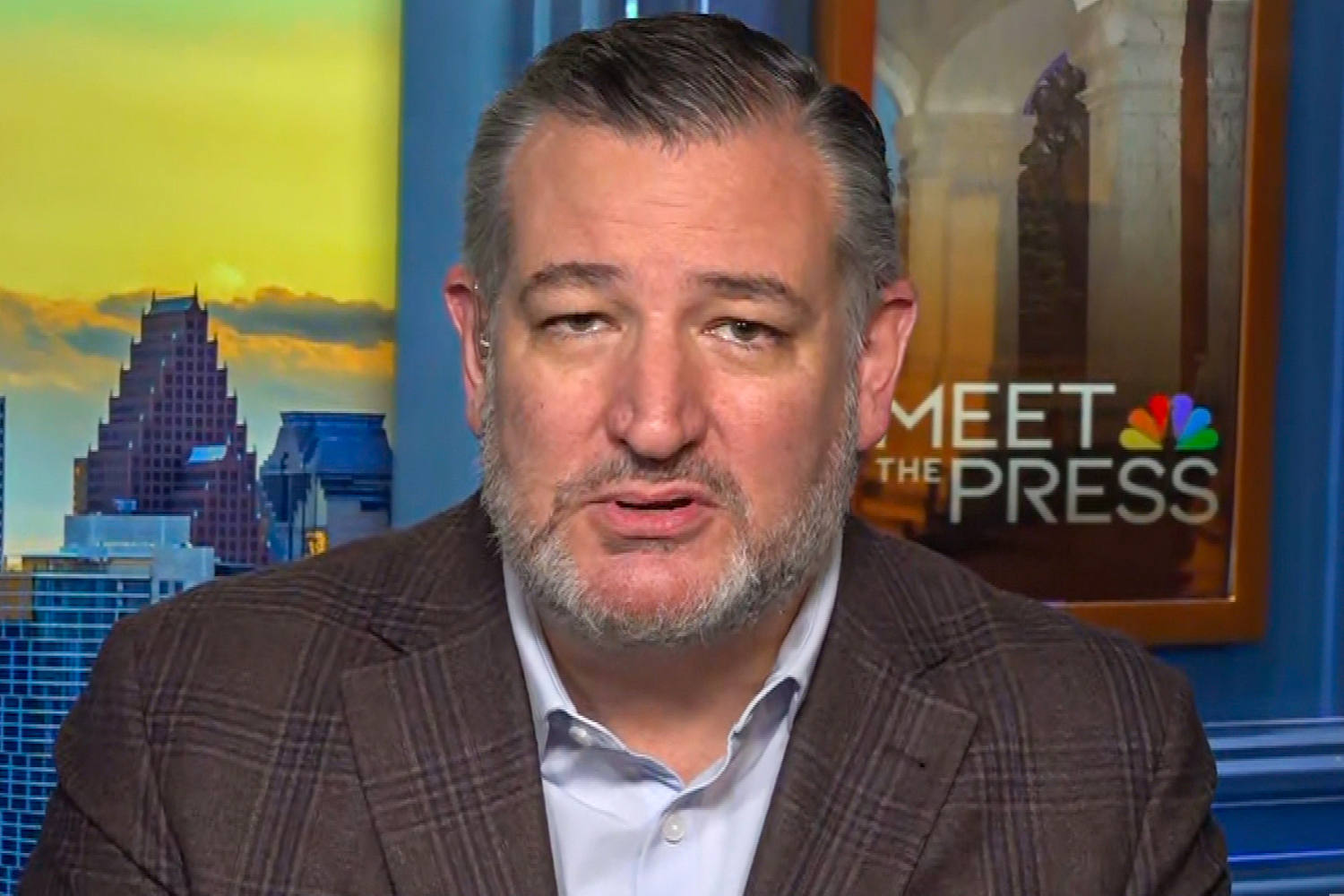
Sen. Ted Cruz renewed his call for free and fair elections in Venezuela to be held rapidly, two days after Trump announced that the U.S. would take over 65 billion barrels of oil.

US President Donald Trump says the Strategic Petroleum Reserve will be replenished with Venezuelan oil. He made the announcement after unveiling what he called an unprecedented US effort to take control of a fifth of Venezuela’s vast oil reserves, adding that the process would begin shortly.
Controversial Venezuelan executive Alejandro Betancourt is courting investors after the Trump oil deal. He is the US minority partner in a company that will control more than 65bn barrels of oil reserves.

US President Donald Trump described the agreement as “the biggest oil deal in world history.” Venezuela’s interim president said the 25-year accord covers 65 billion barrels of Venezuelan oil and is intended to develop the country’s oil industry while preserving its ownership and sovereignty over the resources.

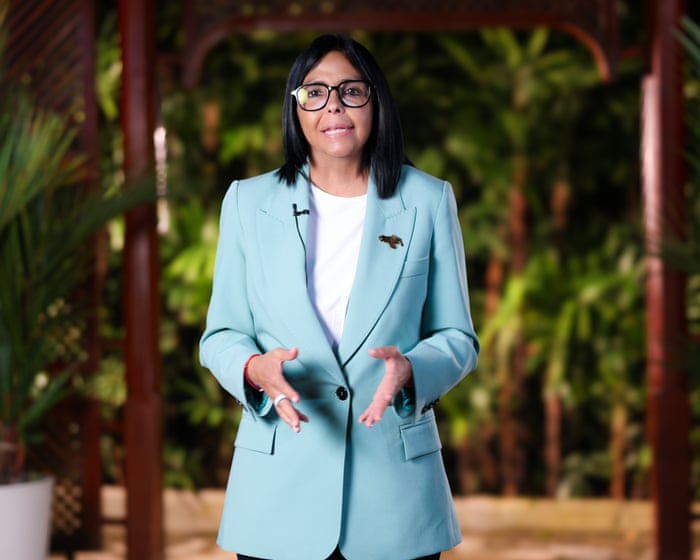
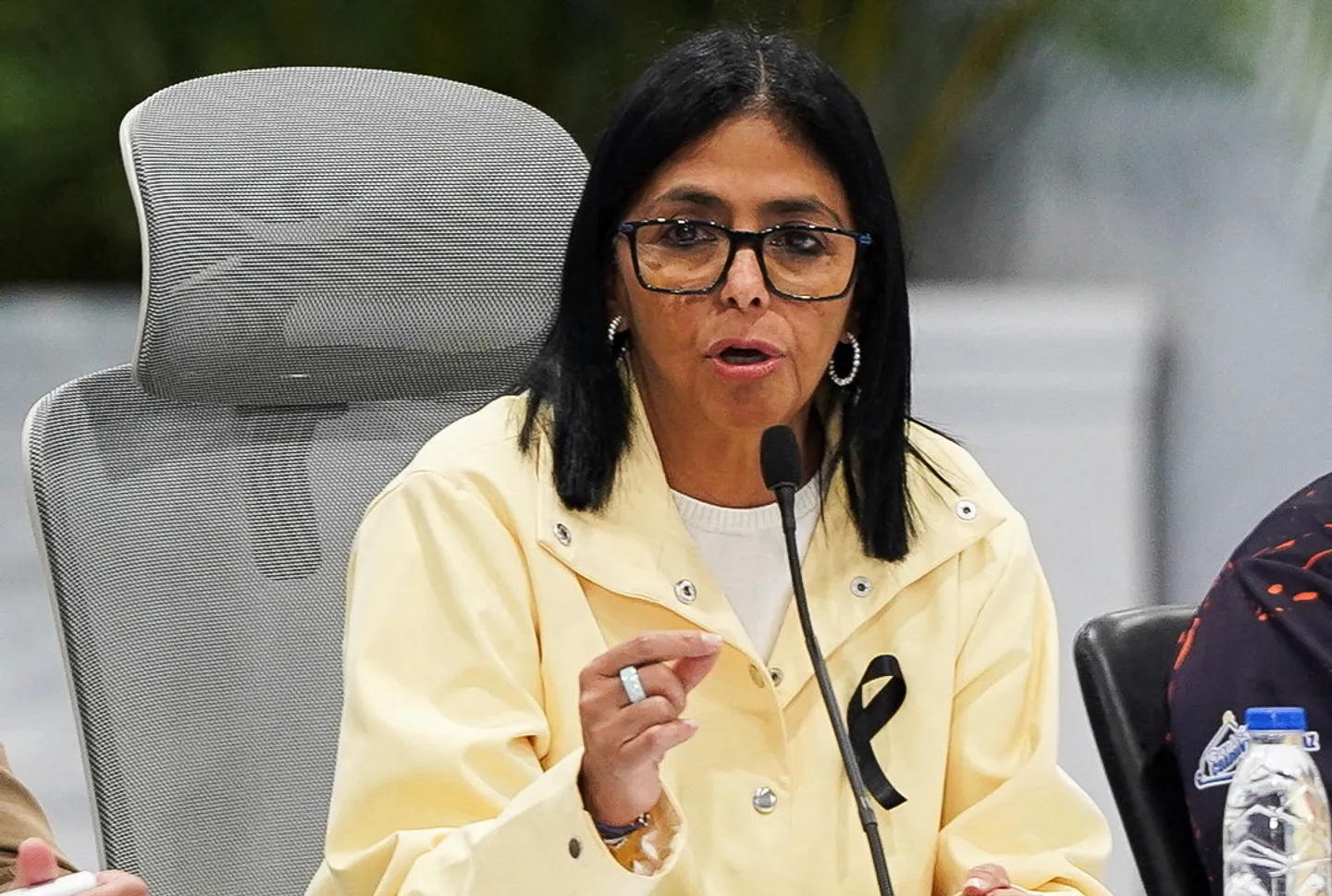
Interim President Delcy Rodriguez has defended a deal to transfer 65 billion barrels of Venezuelan oil to the United States in a televised address. She said Venezuela retains sovereignty despite pressure on Caracas to meet Washington’s demands since the US abducted President Nicolas Maduro in January.
K-beauty company APR is speeding up its U.S. retail expansion with a Costco launch planned for September. Its shares have risen nearly 100% this year.

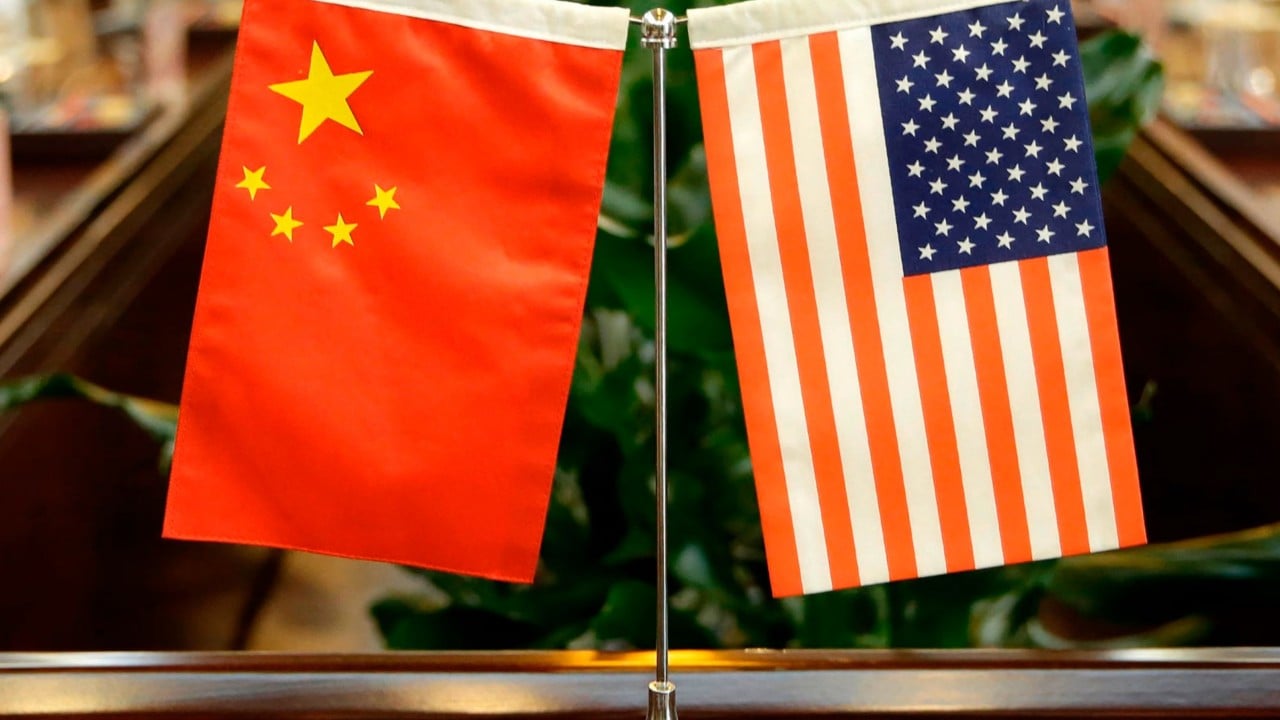
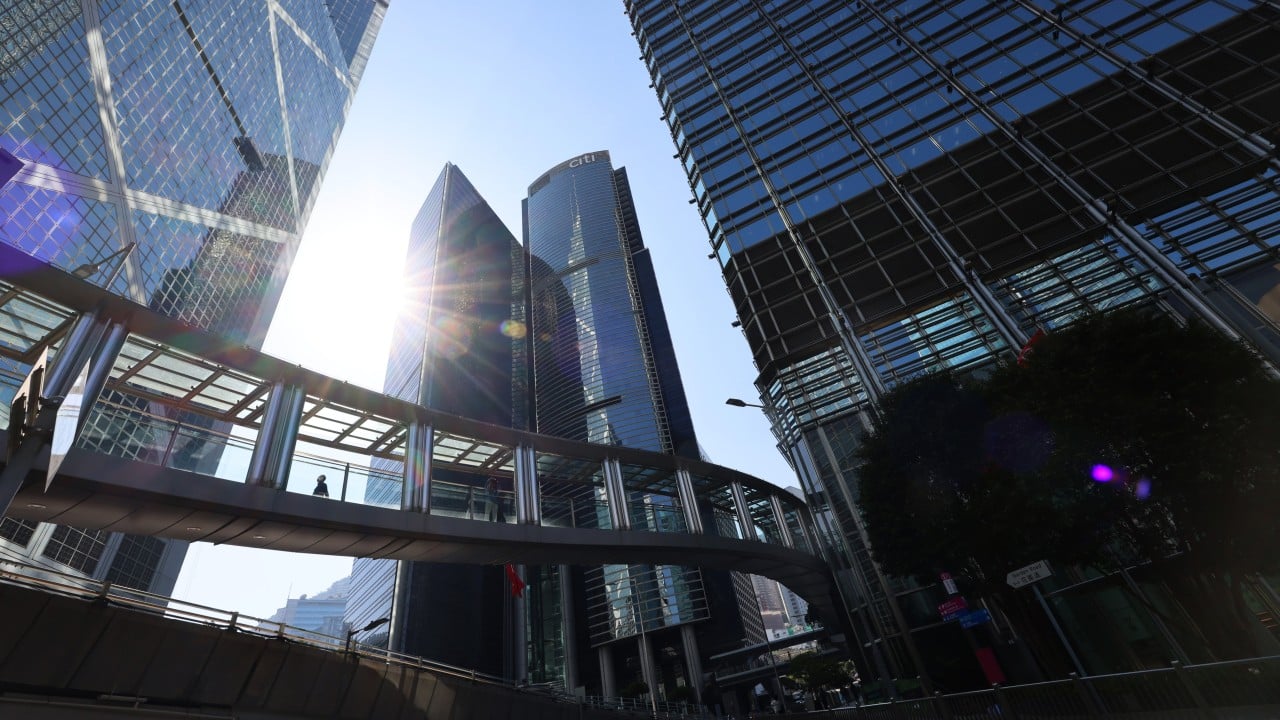
Escalating China-US trade friction has not slowed corporate activity between the two economies. Citi says revenue on its North America-China corridor remains steady, while mainland Chinese companies are turning to risk-hedging strategies and global financial institutions to manage financial friction and complex supply chains and defend their global market share.

Aon is close to a roughly $17 billion acquisition of insurance broker USI from KKR, including the assumption of debt, The Wall Street Journal reported.

Aon Plc is nearing a deal to buy USI Insurance Services from private equity firm KKR for roughly $17 billion, including debt, the Wall Street Journal reported Sunday, citing people familiar with the matter.
Analysts say large paper gains from Big Tech investments in OpenAI, Anthropic and SpaceX have added $160bn to profits while making the technology sector’s earnings metrics harder to interpret.
Walmart’s unofficial outdoor sale offers discounts on patio furniture, garden supplies and other items, with savings of up to 67% on some products.

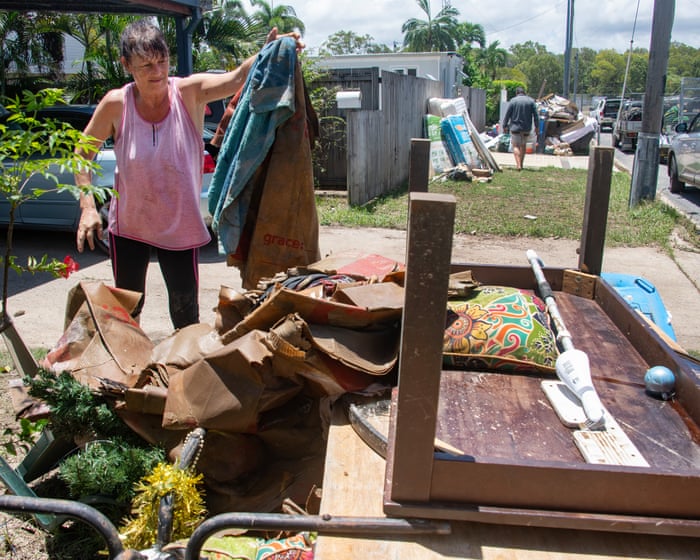
Australia’s corporate regulator says insurers used cash settlements for more than 63% of final home-building claims reviewed after Cyclone Jasper. It warned that offers based on a single, often discounted quote can leave vulnerable homeowners finding tradespeople, managing repairs and paying unexpected shortfalls themselves.

Economic and trade ties between China and Kyrgyzstan are steadily expanding. Bilateral trade reached $11.7 billion in the first seven months of the year, while exports of electric vehicles, lithium-ion batteries and photovoltaic products grew rapidly. Cooperation is also advancing in e-commerce, agriculture, infrastructure, railways and green energy, with Chinese direct investment exceeding $2 billion.

HDFC Bank is likely to include Deputy Managing Director Kaizad Bharucha among the two options for its next CEO, according to two people familiar with the matter. Incumbent Sashidhar Jagdishan is expected to retire in October after completing his second term.
More than six months into the US-Israel war on Iran, most Iranians are facing a lower quality of life and increasing pressure. War damage, sanctions and long-running economic mismanagement have pushed inflation 89 percent higher year-on-year, with food inflation above 127 percent, while the country remains divided over whether to continue fighting.

The US-Israeli bombing of Iran turned into a battle over the Strait of Hormuz. AJLabs tallies the war’s cost.

Six months into the US-Israel war on Iran, the governments of all three countries are facing political battles at home. Trump’s claim that Iran’s nuclear capacity was destroyed appears untrue, while rising petrol prices are hurting Americans. Iran’s government has survived the war and sanctions, but Netanyahu is being criticised in Israel for pursuing regime change.

Six months after the United States and Israel launched their war against Iran, the worst economic forecasts have not materialized. Still, the conflict’s effects have been uneven, benefiting investors while imposing costs on consumers.
Pharmaceutical shares surge as investors look for alternatives to artificial intelligence, supported by pricing agreements with the White House and encouraging clinical data.
Analysts say financial distress in Hong Kong’s commercial property market has eased but not disappeared. Highly leveraged owners may still struggle to refinance loans after years of weakness in office and retail segments, where excess supply, slower consumption and higher interest rates triggered defaults.

The war involving Iran has sharply disrupted commercial traffic through the Strait of Hormuz, lifting oil prices and delivering major gains for US producers. ExxonMobil and Chevron reported combined second-quarter earnings above $26.6bn, but attacks and supply disruptions threaten US companies’ Gulf assets and future projects. Rystad Energy expects their regional gas supplies to fall about 40 percent this year, with oil supplies down 30–35 percent.

Anglo American and Teck pledged investors an additional $1.4bn in annual profits from combining their Chilean copper mines, but negotiations with co-owner Glencore are still continuing.
A new proposal recommends doubling board directors’ pay through stock options as a way to address the underperformance of UK companies.
Europe’s biggest oil companies are increasingly making jointly owned independent oil and gas producers an important part of their corporate strategies, creating a new generation of standalone businesses.
Interim President Delcy Rodriguez says Venezuela will retain ownership and sovereignty over its resources under a 25-year deal giving the US rights to develop 65 billion barrels of oil. The plan targets 1.5 million barrels per day from 17 strategic fields, with $19 from each barrel sold to the US going to Caracas.

Venezuela says its energy agreement with the United States will run for 25 years and target production of 1.5 million barrels per day. Rodriguez outlined details of the deal.
Venezuelan interim President Delcy Rodriguez said on Saturday that the energy agreement with the United States would remain in force for 25 years. She said it aims to raise crude production to 1.5 million barrels per day while preserving Venezuela’s sovereignty over its natural resources.

Venezuela's interim President Delcy Rodriguez said the energy agreement with the United States would remain in force for 25 years, aim to raise crude production to 1.5 million barrels per day and preserve Venezuela's sovereignty over its natural resources. She called it a “historic” deal that could revive the economy and increase government revenues.

The US says it has reached a deal with Venezuela’s interim government giving Washington majority control over 17 strategic oil fields and more than 65 billion barrels of proven reserves. Details remain unclear, critics call it a takeover of Venezuela’s resources, and analysts question the oil figure announced by Trump.
Several questions about the U.S. agreement to develop Venezuela’s vast oil reserves remain unanswered, and a rapid, large-scale production increase appears unlikely. Experts warn that higher Venezuelan exports would compete directly with Canadian crude in the U.S. Gulf Coast market.
Analysts say JD.com’s rapid Hong Kong expansion could challenge a property model built on the value of busy streets and shopping centres. The Chinese e-commerce giant has invested more than HK$10 billion in Hong Kong property over the past two years, creating a network of stores, warehouses and other assets that may reduce retailers’ reliance on footfall while boosting logistics hubs and similar assets.

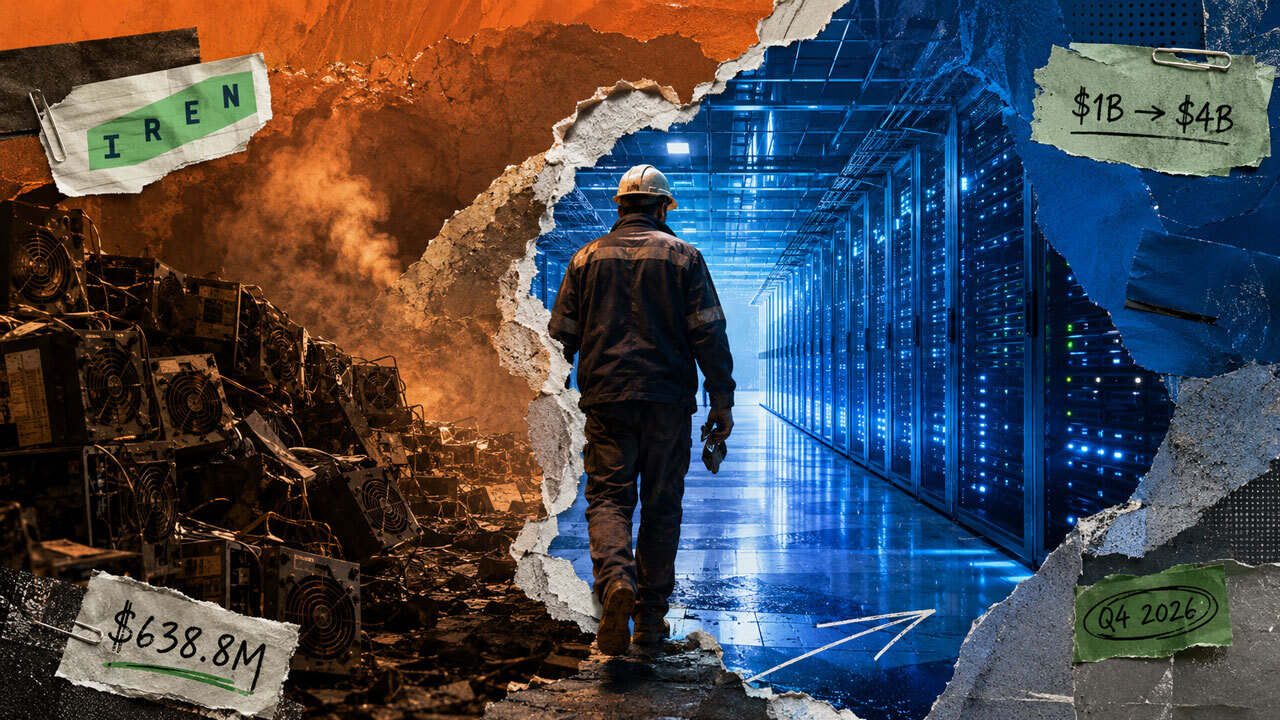
IREN generated $578.2 million of its $707 million in fiscal 2026 revenue from Bitcoin mining, or about 81.8%, while AI Cloud Services contributed $128.8 million. Retiring mining equipment for AI data-center workloads caused a $638.8 million non-cash impairment and contributed to a $702.6 million net loss. The company is targeting a broader AI transition by year-end, but its filing says the replacement business is not yet fully operational.

A tentative agreement between General Motors and a key union would bring heavy-duty Sierra pickup assembly to an Ontario plant, providing a lift to Canada’s auto sector as it faces pressure from U.S. tariffs.
August reporting results show Australians are cutting back on pizza while buying more weight-loss drugs, cheaper “dupe” brands and electric vehicles as cost-of-living pressures return. Kmart is expanding Anko’s imitation-product strategy, Chemist Warehouse says GLP-1 customers spend 40% more, and car electrification is accelerating.

A new survey suggests that bitcoin’s familiar pitches about changing the world may not appeal to most prospective buyers. Instead, everyday Americans appear more drawn to having control and making small-scale investments.

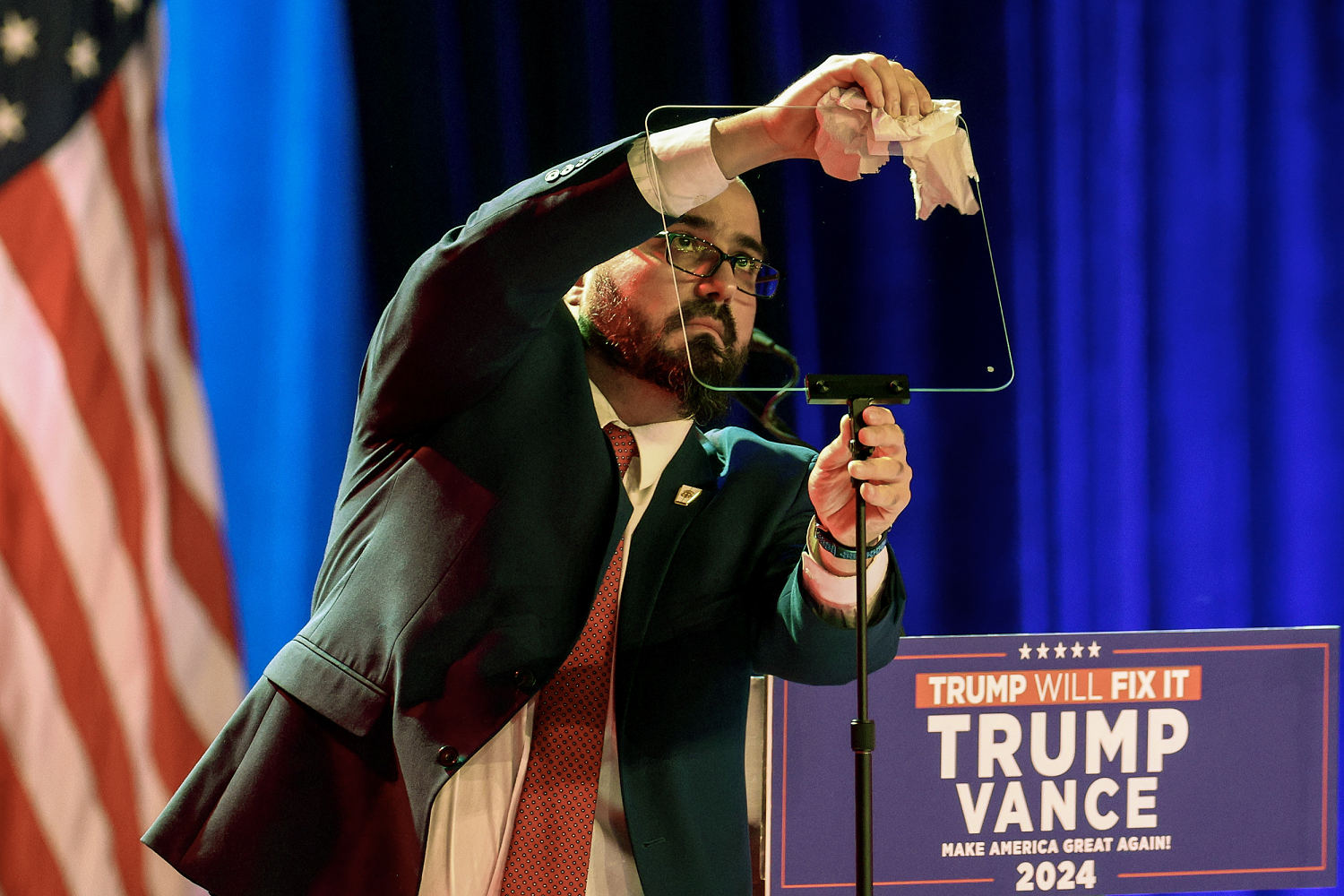
A former White House teleprompter operator has been ordered to pay $172,000 over trades on Kalshi’s mention markets. The CFTC said the penalty is its second insider-trading case involving a federal employee trading event contracts, and its second related settlement in four weeks.


Former White House teleprompter operator Gabriel Perez must pay more than $172,000 after using advance knowledge of Donald Trump's speeches to bet on Kalshi. He will surrender $107,539.02 in profits, pay a $65,000 civil penalty and face a three-year trading ban.
A White House teleprompter operator will pay more than $172,000 to resolve a federal regulator’s investigation into alleged well-timed prediction-market bets linked to President Donald Trump’s speeches.

The Commodity Futures Trading Commission announced penalties against Gabriel Perez, who placed the bets through Kalshi, ordering him to pay $172,000.
Salesforce, CrowdStrike and Nvidia each faced major investor tests this week, yet all three companies decisively beat expectations. Their results point to an AI buildout that is not a zero-sum game.

US YouTuber Max Fisher argues that China may have helped prevent a global oil crisis by reducing crude imports. Its expanding use of electric vehicles and shift toward clean energy have lowered oil dependence; Reuters reported imports were down by about 400 million barrels from the previous year since the conflict began, easing pressure on a tight market.

US President Donald Trump announced that the United States had secured majority control of more than 65 billion barrels of Venezuela’s proven oil reserves through a private-business partnership. Details remain undisclosed, while Venezuelan officials prepare to grant US firms new exploration and production rights amid possible legal and constitutional challenges.


President Donald Trump announced on Friday an unprecedented US effort to take control of one-fifth of Venezuela’s vast oil reserves. He is betting American companies can revive the OPEC member’s battered energy sector while adding crude supplies to help lower US fuel prices.
Donald Trump says the US has reached a deal to control 65 billion barrels of Venezuela’s oil reserves. He has long been open about wanting the US to secure Venezuelan oil and has urged oil companies to invest in the South American country.

US President Donald Trump says the United States and Venezuela have reached the “biggest oil deal in world history,” giving Washington control of 65 billion barrels of Venezuelan oil. Critics describe the agreement as predatory.
Bloomberg News Now covers Trump’s statement that the US has secured some Venezuelan oil reserves, along with remarks by Warsh and other top stories. The report is updated throughout the day and focuses on global business news.
Bloomberg News Now highlights Donald Trump’s statement that the US has secured some Venezuelan oil reserves, remarks by Warsh, and other leading stories. The audio report is updated throughout the day with global business news.

Donald Trump says the United States has secured majority control of more than 65 billion barrels of Venezuela’s proven oil reserves in a deal intended to revive the country’s energy industry and increase crude supplies to US refineries. The arrangement could bring about $209bn to Venezuela’s treasury, but its structure and implementation remain undisclosed and may face legal and constitutional challenges.

President Donald Trump said the United States and Venezuela have reached a deal that would give the U.S. majority control of billions of barrels in Venezuela’s oil reserves and lower gas prices.

President Trump says the United States has reached an agreement with Venezuela to take control of 65 billion barrels of oil at no cost to American taxpayers. Secretary of State Marco Rubio calls it a “huge win” for both American and Venezuelan people.
The US is poised to gain majority control of a vast share of Venezuela’s oil wealth in an unprecedented arrangement, officials say. The move would create the world’s second-largest private oil company by reserves and secure American petroleum supplies for decades, according to the excerpt.
Venezuelan President Delcy Rodriguez says the US-Venezuela oil cooperation agreement covers 17 strategic fields with proven reserves of 65 billion barrels. It envisages more than $100 billion in investment and over $209 billion in state tax revenue, while contributing to economic growth, hemispheric energy security and greater market balance. Donald Trump said the deal gives the US majority control of those reserves.
Donald Trump says the US will take control of 65bn barrels of Venezuelan oil, adding that a joint venture between the two countries will lower petrol prices for Americans.

Washington and Caracas said Friday they had reached a “historic” oil deal granting the United States majority control of more than 65 billion barrels of Venezuela’s reserves.

President Donald Trump says the US has agreed with Venezuela to control a majority of more than 65 billion barrels of its proven oil reserves. He says the transaction will expand America’s oil supply and lower gas prices. Secretary of State Marco Rubio called it a “huge win” for both countries, while details remain undisclosed.
President Donald Trump said the United States has reached an oil agreement with Venezuela. He said the move would more than double U.S. oil reserves, increase supply and lower gas prices.

President Donald Trump said Friday that the United States had reached an agreement with Venezuela to take control of the country’s 65 billion barrels of oil reserves.

Donald Trump announced a new oil agreement with Venezuela, saying the US would gain “majority” control of more than 65bn barrels of proven reserves. Marco Rubio called it a major win for both countries, while a Venezuelan opposition figure denounced the deal as a “massive land grab.”
U.S. President Donald Trump said Friday that his administration had reached a sweeping agreement with Venezuela. If carried out, the deal could give the U.S. access, at a cost, to vast quantities of the South American country’s untapped oil reserves.

US President Donald Trump said Washington and Caracas had agreed for the United States to take control of 65 billion barrels of Venezuelan oil without cost to US taxpayers. He said the deal was negotiated by Marco Rubio, Pete Hegseth and interim Venezuelan President Delcy Rodriguez, calling it the biggest oil deal in world history.
President Donald Trump said the United States reached an agreement with Venezuela giving Washington majority control of more than 65 billion barrels of the country’s proven oil reserves. He called it the biggest oil deal in world history and said it would expand US supplies and lower gasoline prices.
President Donald Trump says the United States has reached an agreement with Venezuela to take control of 65 billion barrels of the South American country’s oil reserves.

Trump announced a deal with Venezuela to secure more than 65 billion barrels of oil reserves.
U.S. President Donald Trump said on Friday that the United States had entered into an oil agreement with Venezuela.

Venezuela’s interim President Rodriguez and US Energy Secretary Wright tour oil facilities as the two countries enter what is described as the “biggest oil deal in world history.”
Autostat head Sergey Tselikov says hybrids could account for as much as 10% of Russia’s new-car market in a fall month or in December if more mass-market models become available. He forecasts a 7-8% share for the full year, up from 5% since the start of the year.
Bloomberg’s Business of Food newsletter covers how the world feeds itself amid changes in the economy and climate, including farming, supply chains and consumer trends. Readers are invited to subscribe and read the latest edition.
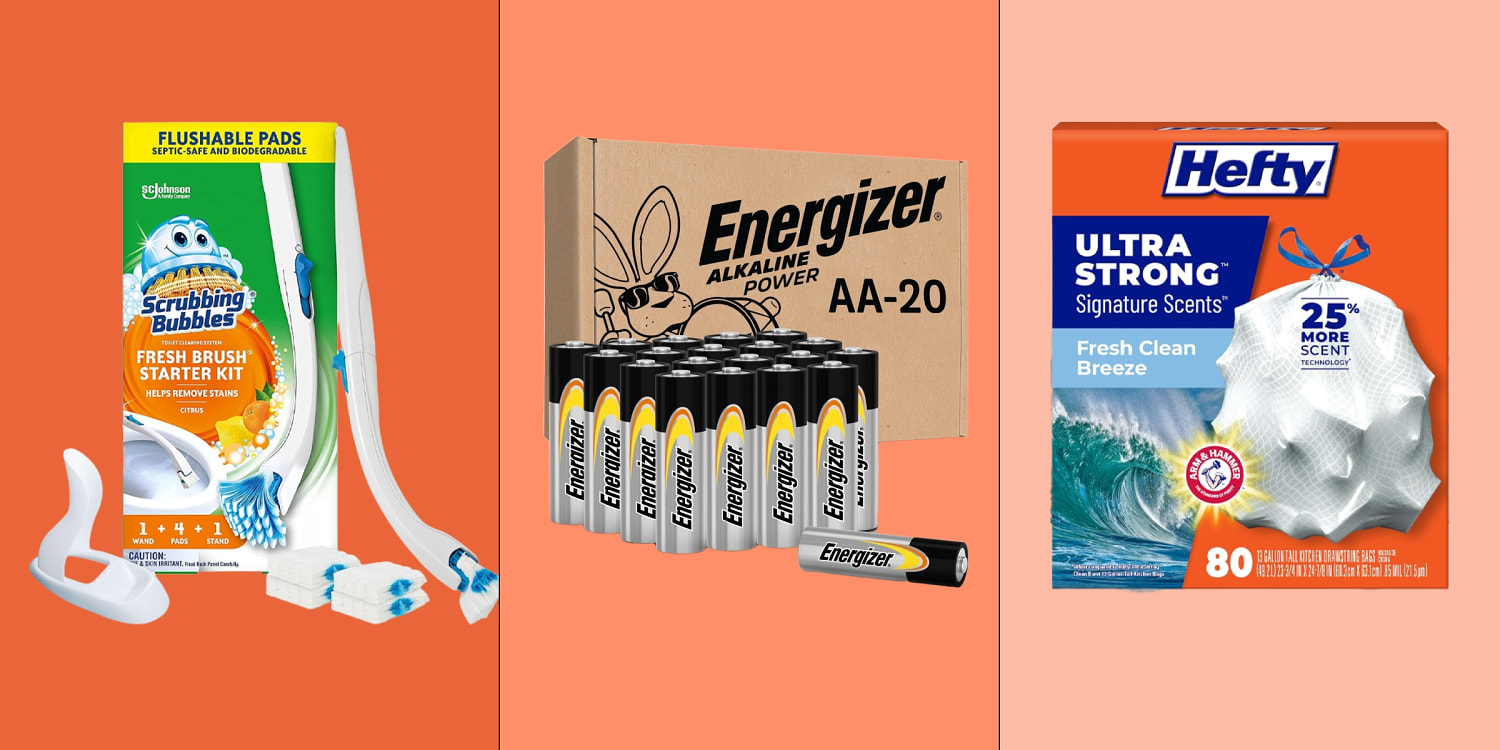
Amazon and Walmart are offering discounts of up to 50% on household essentials this weekend, including batteries, toilet bowl cleaner and dishwasher detergent.

Singapore state investor Temasek, the majority shareholder in Singapore Airlines, backed the airline’s investment in Air India on Saturday as scrutiny intensified over its stake in the loss-making Indian carrier.
China’s shrinking car market is facing another setback as regulators move to police the high-tech features carmakers use to drive sales. A nationwide inspection of the quality of Chinese-made cars could prompt some consumers to delay purchases, worsening the bearish outlook among dealers and analysts.

Youngstown, Ohio, is in the OH-6 congressional district, which exports more than US$820 million in goods to Canada each year. Although the escalating tariffs do not affect every import and export, a prolonged trade war could put some businesses in exposed sectors at risk.
Europe is heading into the colder months with gas storage at its lowest level in 13 years. EU facilities were 63% full in the last week of August, well below the recent average of 80%, raising fears of sharper winter price volatility. The UK may be especially exposed because it has limited domestic storage and relies heavily on imports.

Germany is on course to miss its November gas-storage target if injections remain at their current rate, the country’s storage association warns. There is no immediate shortage, but depleted reserves combined with an exceptionally cold winter could put industrial production at risk.
Young consumers are increasingly choosing cold drinks they can customise, prompting coffee and fast-food chains to chase the trend. Starbucks says three out of four drinks it sells are now cold, and the category has become central to its US sales and turnaround strategy.

The results of an FT stock-picking game unexpectedly point to the success of fundamentals, challenging the idea that choosing good companies cannot win such a contest.
Recent Beijing restrictions on cross-border investment and a tax change targeting overseas insurance gains may cause short-term uncertainty, but they will not weaken Hong Kong’s long-term competitiveness as a major wealth management hub, JPMorgan Chase Hong Kong CEO and North Asia chair Kwang Kam-shing says. She remains optimistic about Asia’s financial sector.

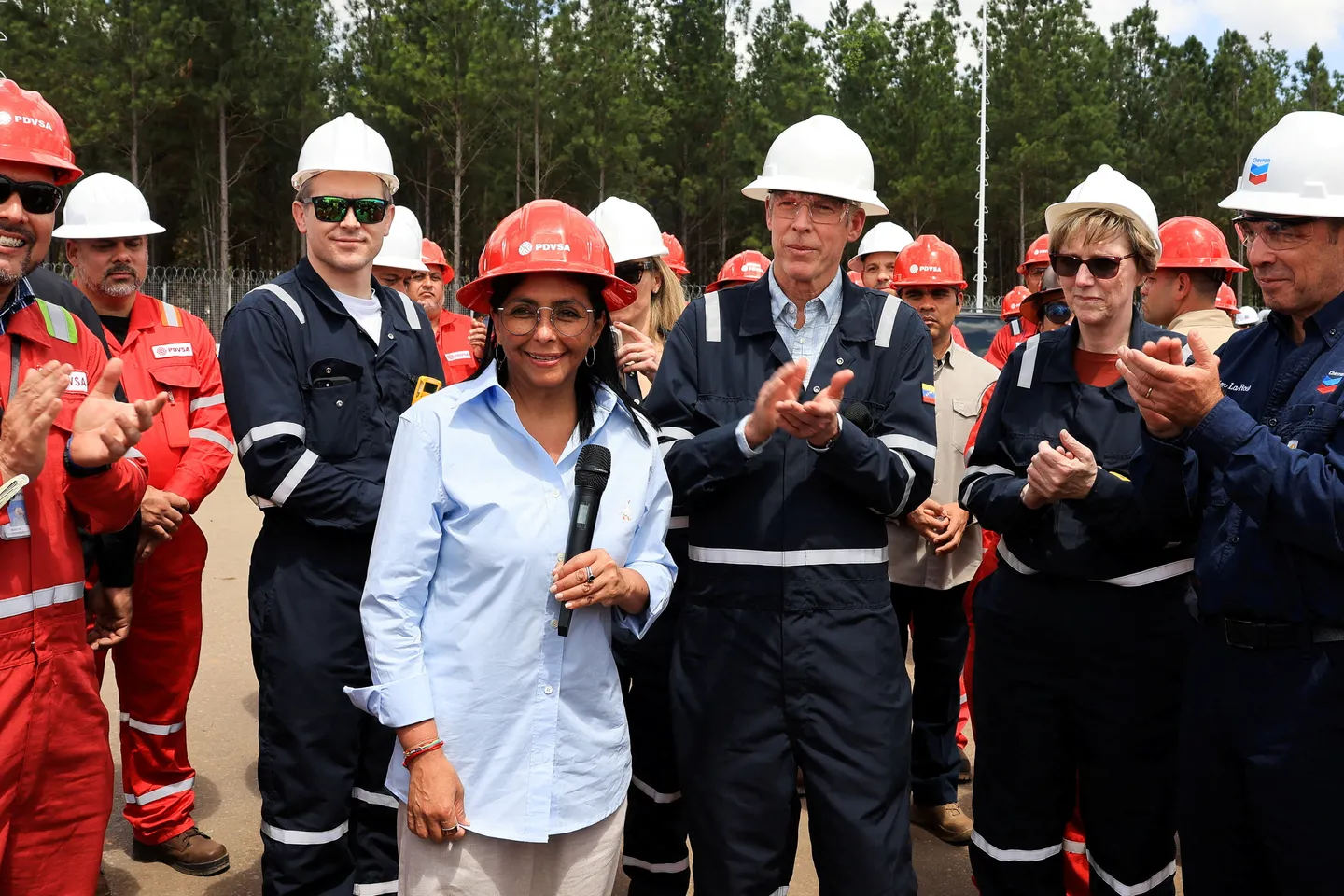
Chevron is close to finalizing negotiations to move all of its oil joint ventures in Venezuela into the country’s new energy framework, two sources familiar with the talks said. The arrangement would give the U.S. oil major greater operational control and enable expansions of key oilfields.
US Secretary of State Marco Rubio said an oil agreement with the United States could help Venezuela attract about $100 billion in private investment and support the reconstruction of its economy. He said the deal would also secure stable, low-cost oil reserves for the US and help lower gas prices. Trump had earlier announced majority US control of more than 65 billion barrels of Venezuela’s proven reserves.
The CEO of government-owned Trans Mountain said on Friday that the breakdown of trade talks with the United States has made it more urgent for Canada to plan a new oil pipeline to its west coast.
The Ninth Circuit upheld a lower-court ruling that Kalshi failed to demonstrate that federal authority preempts Nevada’s power. The decision challenges Kalshi’s claim that the Commodity Futures Trading Commission has exclusive jurisdiction over the dispute.

The Minutes Reader extension turns the original page into a focused reading view and translates articles and video subtitles on demand. It is in limited beta.