Salesforce stock jumps 11% on AI growth and Anthropic investment gain
Salesforce shares jumped 11% after gains from the company’s stake in Anthropic helped lift profit in the latest quarter.

Salesforce shares jumped 11% after gains from the company’s stake in Anthropic helped lift profit in the latest quarter.

Russian stocks ended Wednesday lower, with the ruble-denominated MOEX Index down 2.17% at 2,071.3 points and the dollar-denominated RTS Index off 1.96% at 774.19. The yuan rose 10 kopecks against the ruble to 12.6 rubles. An analyst said MOEX had fallen below 2,100 points.
Russian stocks narrowed their losses to 1% during the main trading session on the Moscow Exchange. By 4:15 p.m. Moscow time, the MOEX and RTS indices were down 0.95% at 2,097.03 and 782.12 points, respectively.
Russian stocks fell at the start of Wednesday’s main trading session. The MOEX and RTS indices initially dropped 1.2% to 2,091.83 and 780.19 points, while the yuan gained against the ruble. Their losses later narrowed, and the MOEX index with the IMOEX2 ticker was down 0.67% in morning trading.
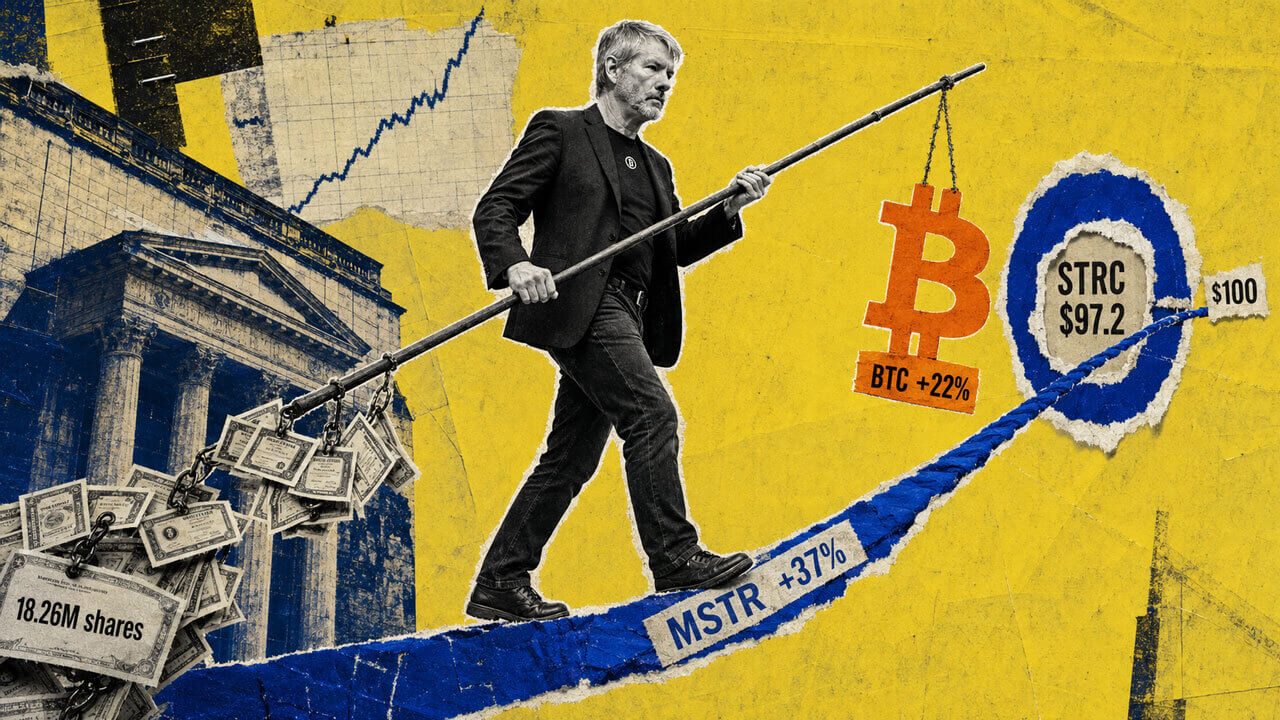
Bitcoin’s two-week rebound above $80,000 restored more than $3 billion in unrealized gains on Strategy’s holdings and drove MSTR up about 37%, outpacing Bitcoin’s roughly 22% rise. Strategy has not bought Bitcoin since June, instead raising $2.01 billion through new MSTR shares, repurchasing STRC and increasing its dollar reserves.

Canada’s main stock index is expected to edge down from Tuesday’s record high for the rest of 2026 as investors assess elevated bank valuations and worsening trade tensions, before reaching a new record in 2027, a Reuters poll found.
European shares are expected to make only modest gains by the end of the year, a Reuters poll found, as geopolitical risks curb optimism fueled by strong corporate earnings.
The Treasury is giving the central bank a new legal objective to promote innovation in digital currencies, as part of efforts to establish the UK as a hub for stablecoins.
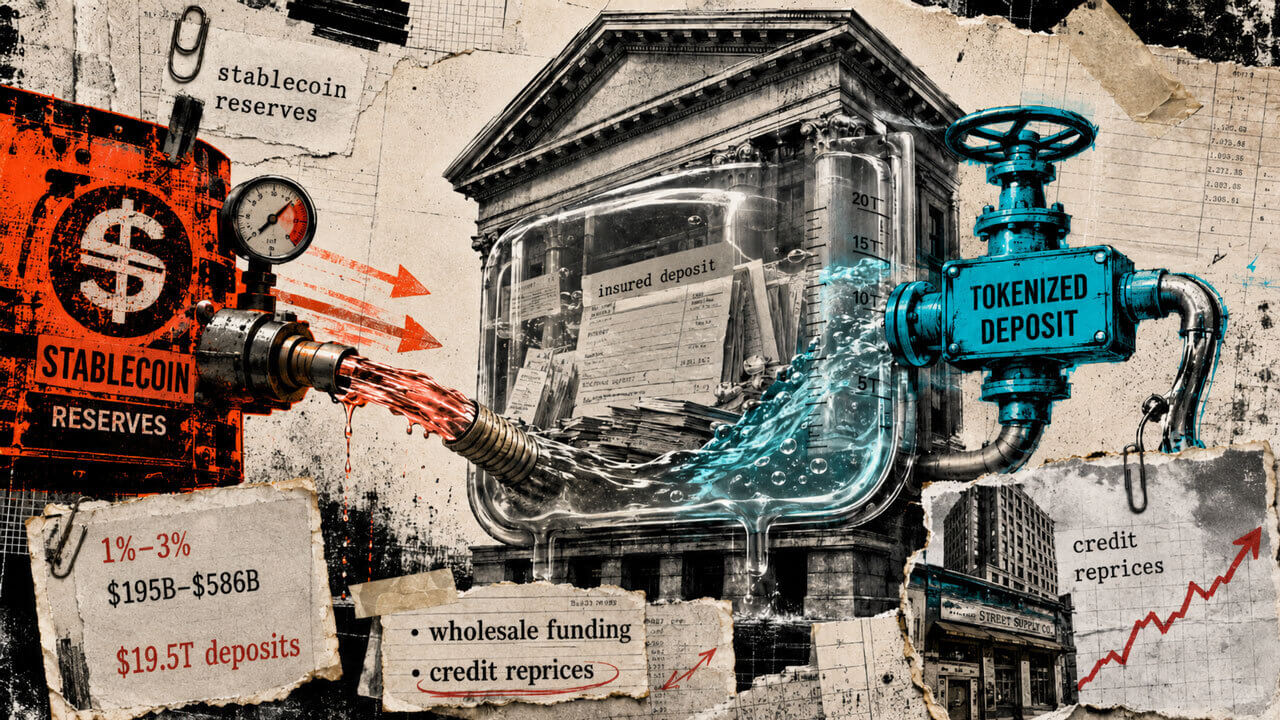
Banks are promoting tokenized deposits as a programmable, around-the-clock payment alternative to stablecoins. Falcon Finance’s Artem Tolkachev says the crucial difference is the balance sheet: tokenized deposits remain bank deposits that can support lending, while stablecoins may pull away funding and raise banks’ financing costs.

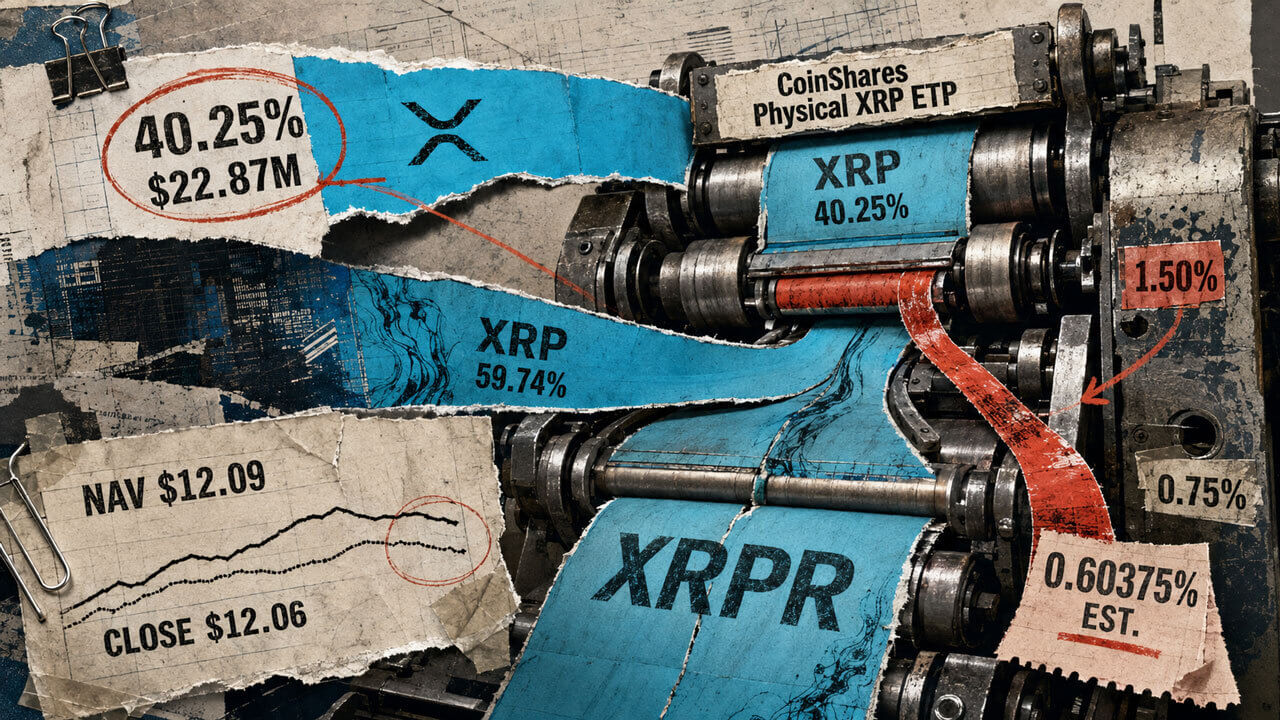
REX-Osprey’s XRP ETF held 40.25% of its assets in CoinShares Physical XRP ETP, potentially layering fees and trading costs across two listed products. The structure, differing venues and liquidity conditions may make XRPR’s net asset value diverge from XRP. XRPR discloses a 0.75% annual expense ratio, while the underlying ETP charges 1.50%.

The Bank of Russia set the official dollar exchange rate at 84.282 rubles for August 27, up 18.15 kopecks from the previous figure. The euro rate fell 22.85 kopecks to 98.2897 rubles, while the yuan rate dropped 3.65 kopecks to 12.5294 rubles.
London's FTSE 100 was subdued on Wednesday as falling oil prices weighed on energy stocks and offset broader gains. Investors awaited key U.S. inflation data and Nvidia's quarterly earnings.
CoinDesk’s Joshua DeVos writes that demand for tokenized equities is surging, with perpetual futures growing from $16 billion to more than $590 billion in a year. But that headline growth obscures the key issue: tokens sharing a ticker can grant very different rights. Whether the underlying structure conveys real ownership or a synthetic claim determines the risks and protections for holders.

The SEC has sent a proposal to change rules governing how investment advisers hold digital assets to the White House for review this week.

European underground gas storage facilities are 63.28% full, according to calculations based on Gas Infrastructure Europe data—17.24 percentage points below the five-year average and down from 76% a year earlier. EU facilities hold about 69.2 billion cubic meters, the lowest volume since 2013. Since early April, Europe has injected only 57% of the gas needed for the coming winter, while the EU filling target is 90%.
Victory Capital will acquire First Eagle in a $7 billion deal, after the Texas-based investment firm lost out earlier this year in the race to buy Janus Henderson.
Asset manager Victory Capital said it will acquire rival First Eagle Investments in a deal valued at $7 billion.
Strategists said investors were approaching Jackson Hole “on the back foot,” as Scott Bessent’s market intervention added to the pressure on Kevin Warsh.

European shares were broadly unchanged on Wednesday as investors awaited Nvidia’s earnings report. Oil prices fell as hopes grew that the Strait of Hormuz could reopen soon.
Wall Street is eagerly awaiting Nvidia’s earnings on Wednesday afternoon. Investors are focused less on the chipmaker’s figures than on what they may signal about AI investors and the broader market.
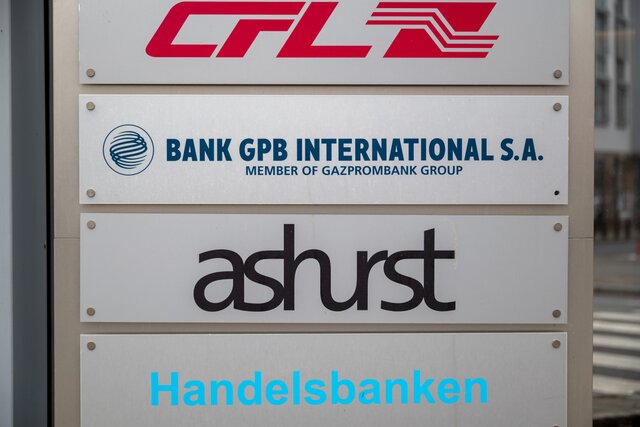
The Financial Times reports that four senior managers at Gazprombank’s Luxembourg branch may have earned more than €9 million through over 50 coordinated trades. They reportedly borrowed at least €17 million from the bank, bought heavily discounted Gazprom bonds in Europe, and exchanged them in Russia for full-value ruble bonds. An EU official said the scheme sounded like sanctions circumvention requiring a criminal investigation. Gazprombank and Dmitry Derkach deny wrongdoing.
Treasury yields were broadly unchanged on Tuesday as investors assessed the release of the Federal Reserve’s preferred inflation measure, which was largely in line with expectations.

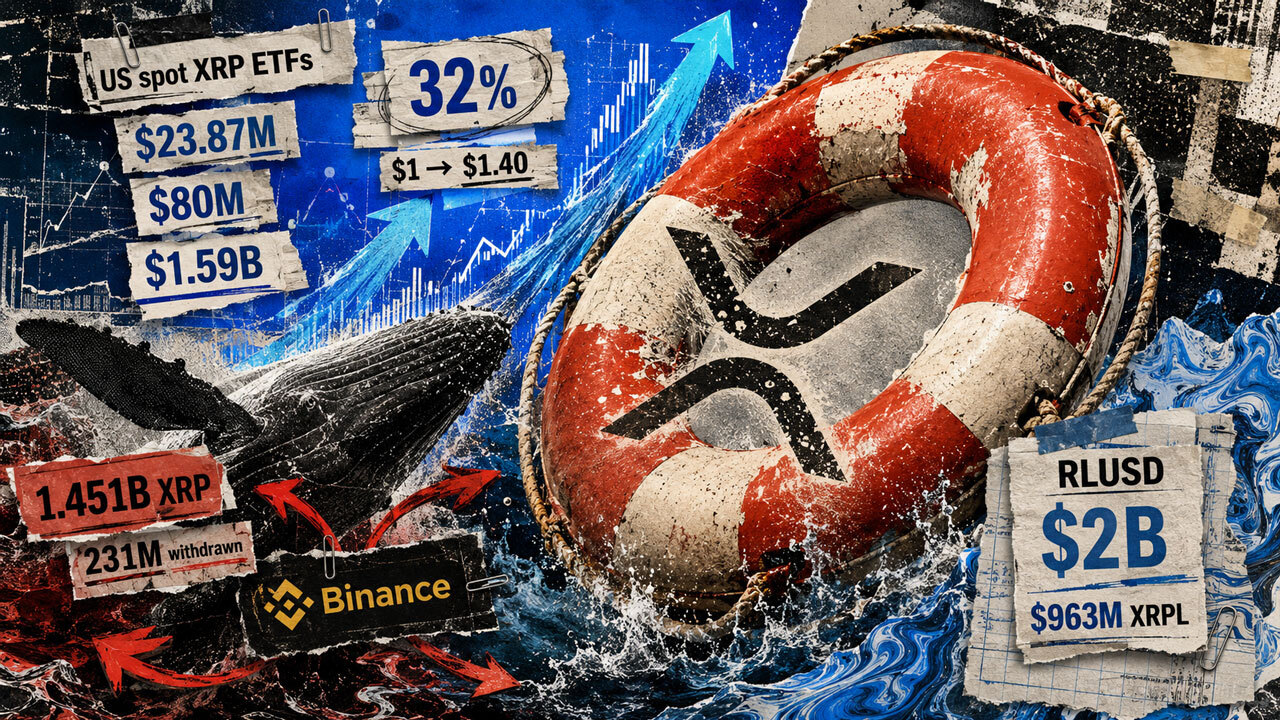
XRP has recovered from below $1 and is on track for an August gain of about 32%, its strongest monthly performance in more than a year. U.S. spot XRP ETFs took in roughly $23.87 million on Aug. 25, extending positive flows to nine sessions, while large holders moved billions of XRP through Binance, leaving their accumulation or selling intentions unclear.

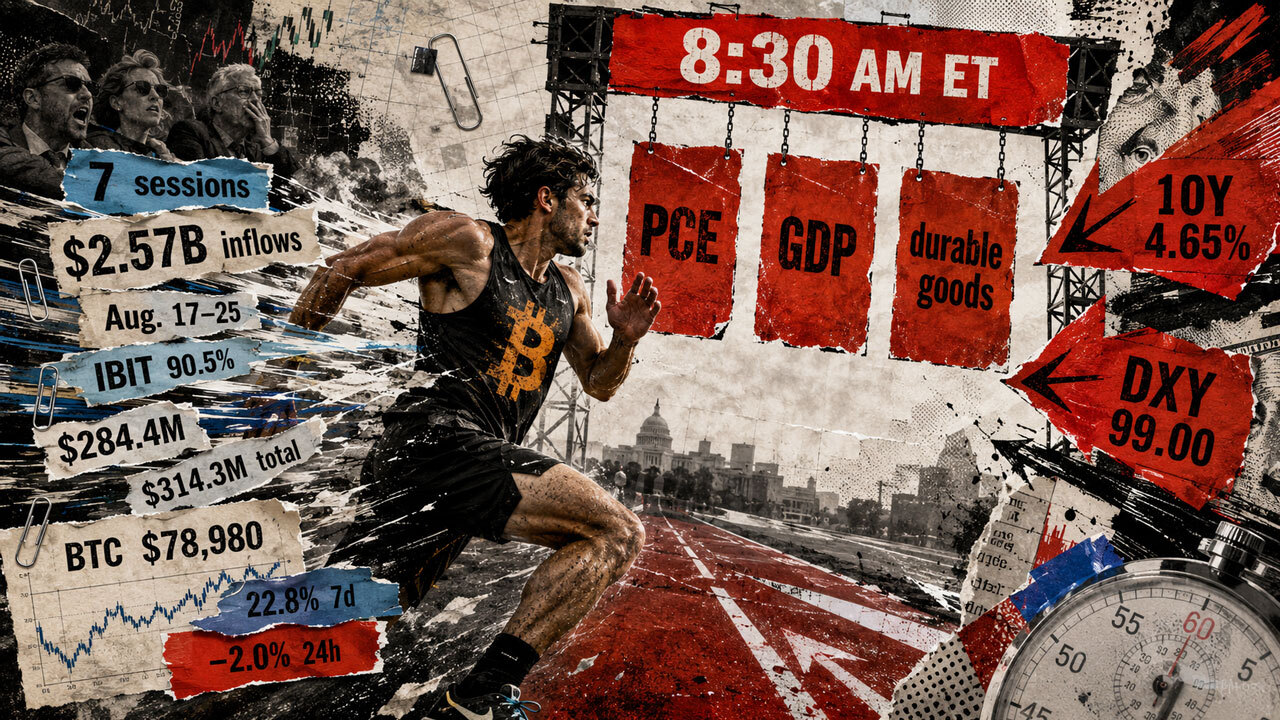
The US is set to release July personal income and outlays, PCE inflation data, a second estimate of second-quarter GDP and advance durable-goods orders simultaneously. Bitcoin’s spot ETFs recorded $2.5697 billion in net inflows across seven sessions, though BlackRock’s IBIT supplied about 90.5% of the latest day’s total. Markets will watch how yields, the dollar and Bitcoin respond.


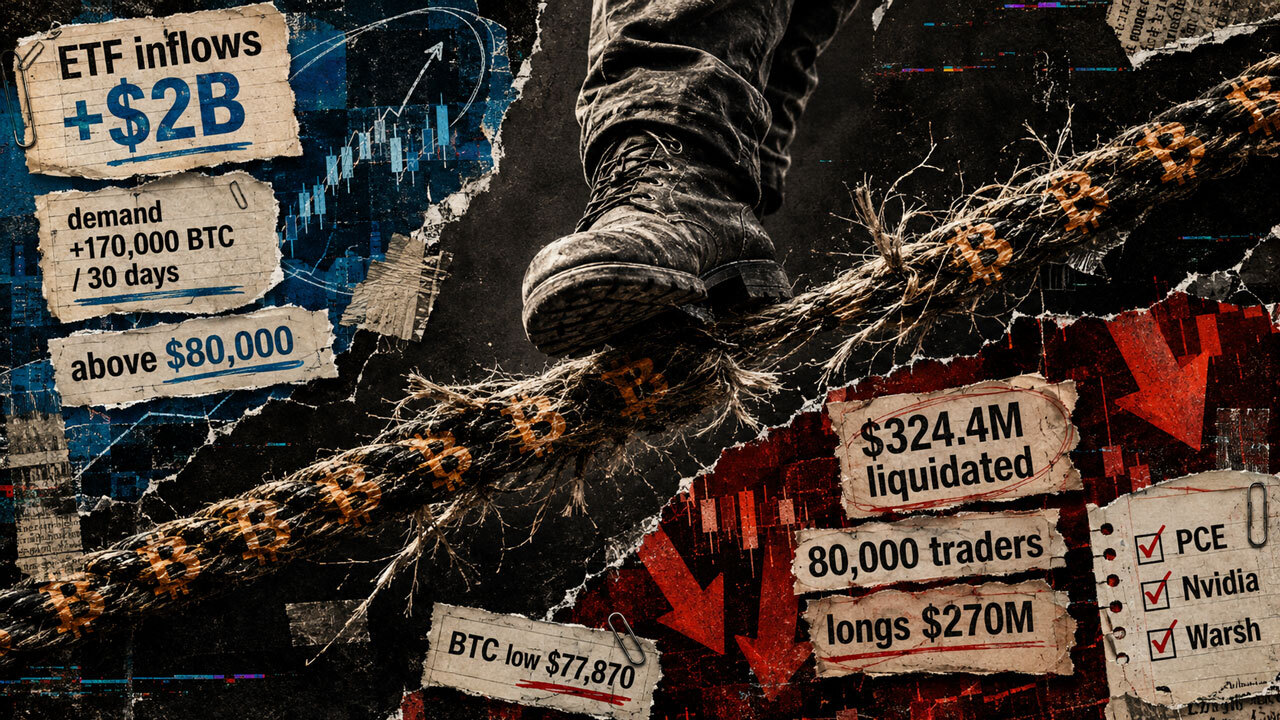
Bitcoin’s dip below $78,000 triggered about 80,000 liquidations worth $324.4 million, with long positions accounting for roughly $270 million. After a rally fueled by Treasury developments, ETF inflows and forced short covering, the market now depends more on whether spot and ETF buyers can absorb profit-taking and sustain demand above $80,000.
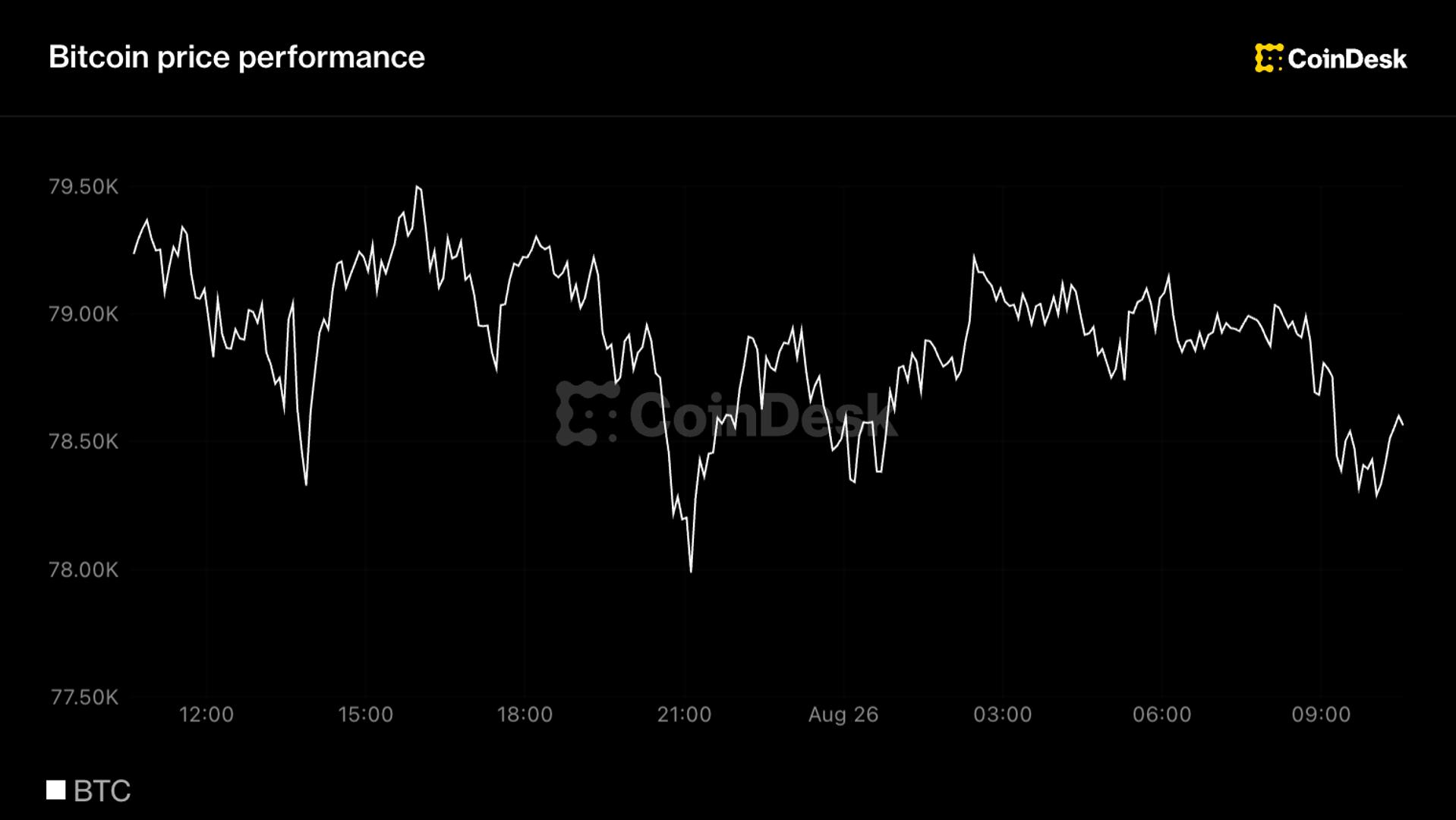
Bitcoin slipped to $79,000 on Wednesday after rising 23% over seven days, while August ETF inflows climbed above $3 billion.


European Central Bank officials say the Eurosystem will be structurally unable to connect users with their purchases. Civil society groups remain skeptical amid fears that the digital currency could enable surveillance.

Investors will look to this week’s annual Jackson Hole symposium for clues about how policymakers intend to navigate an environment where higher Treasury yields may carry out part of the tightening work for them.
Gulf stock markets were subdued in early Wednesday trading as oil prices fell. Investors weighed fresh U.S. economic pressure on Iran and indications of progress in Pakistan-mediated talks with Tehran.
Klaus-Michael Kuehne’s business empire was worth $49 billion when he died this week. As he had no offspring, the wealth is bound for a discreet foundation in Switzerland.
Revolut says it will initially roll out its euro stablecoin, EURR, to a selected group of customers in Denmark, Poland and Portugal.


Revolut has started a phased rollout of EURR, its first stablecoin pegged to the euro, to customers in Denmark, Poland and Portugal.
The Iranian rial has fallen past 2 million to the dollar on the free market, a new all-time low, as sanctions and the US-Israel war deepen economic hardship. In Tehran, tomatoes, chicken and cooking oil have risen by 71%, 74% and 177%, while insulin prices have surged 642%.

India’s stock market is expected to be lower by the middle of next year than at the start of 2026, a Reuters poll of equity analysts found. Analysts have cut their outlook for a third consecutive quarter as foreign investors shift toward other Asian markets.
The $30 trillion US Treasury market has shown its power by resisting the Treasury Department’s recent intervention while drawing Wall Street’s attention. Investors are now wondering whether rising global bond yields could create greater risks for stocks.
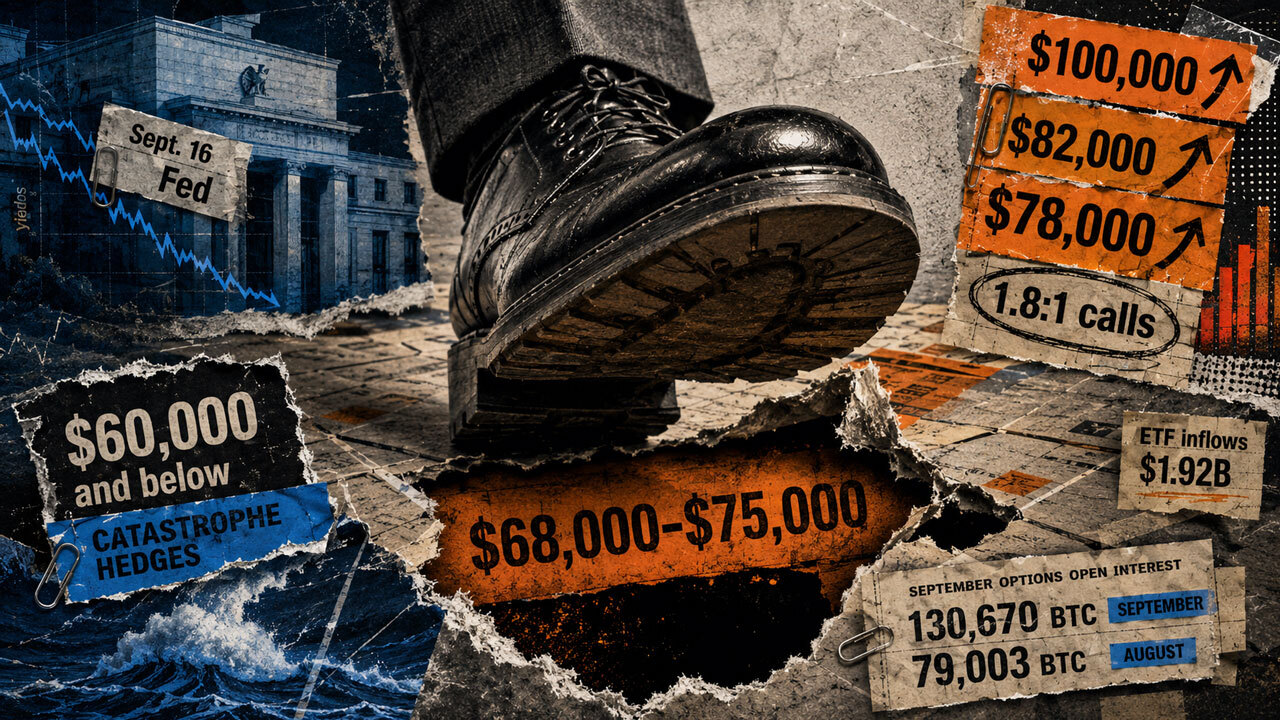
Bitcoin’s September options expiry has 130,670 BTC in open interest, but DWF Labs says the headline jump from August mostly reflects routine quarterly positioning rather than a direct Federal Reserve bet. Calls have turned stronger as spot Bitcoin ETFs attracted about $1.92 billion last week, while the $78,000–$82,000 range appears to be the market’s most relevant near-spot upside zone.

Japan is targeting the early 2030s to launch a blockchain-based system for settling stocks and bonds. Regulators are rushing to modernize national settlement infrastructure to keep institutional investors and foreign capital from moving to overseas markets.


Japan plans to work on a blockchain-based stock settlement system, with details expected in early 2027, Nikkei reported. If approved, the agencies could launch it within a few years and make it fully operational in the early 2030s.
China’s largest hotpot chain, Haidilao International Holding, said takeaway was its fastest-growing segment in the first half as demand for single-serving meals surged. Takeaway revenue reached 2.05 billion yuan, up 121.2 per cent year on year, lifting its share of total revenue to 9.2 per cent from 4.5 per cent.


Results pointed to brisk gains in delivery and momentum in newer dining concepts, sending Haidilao stock higher despite falling sales at its main hotpot outlets.
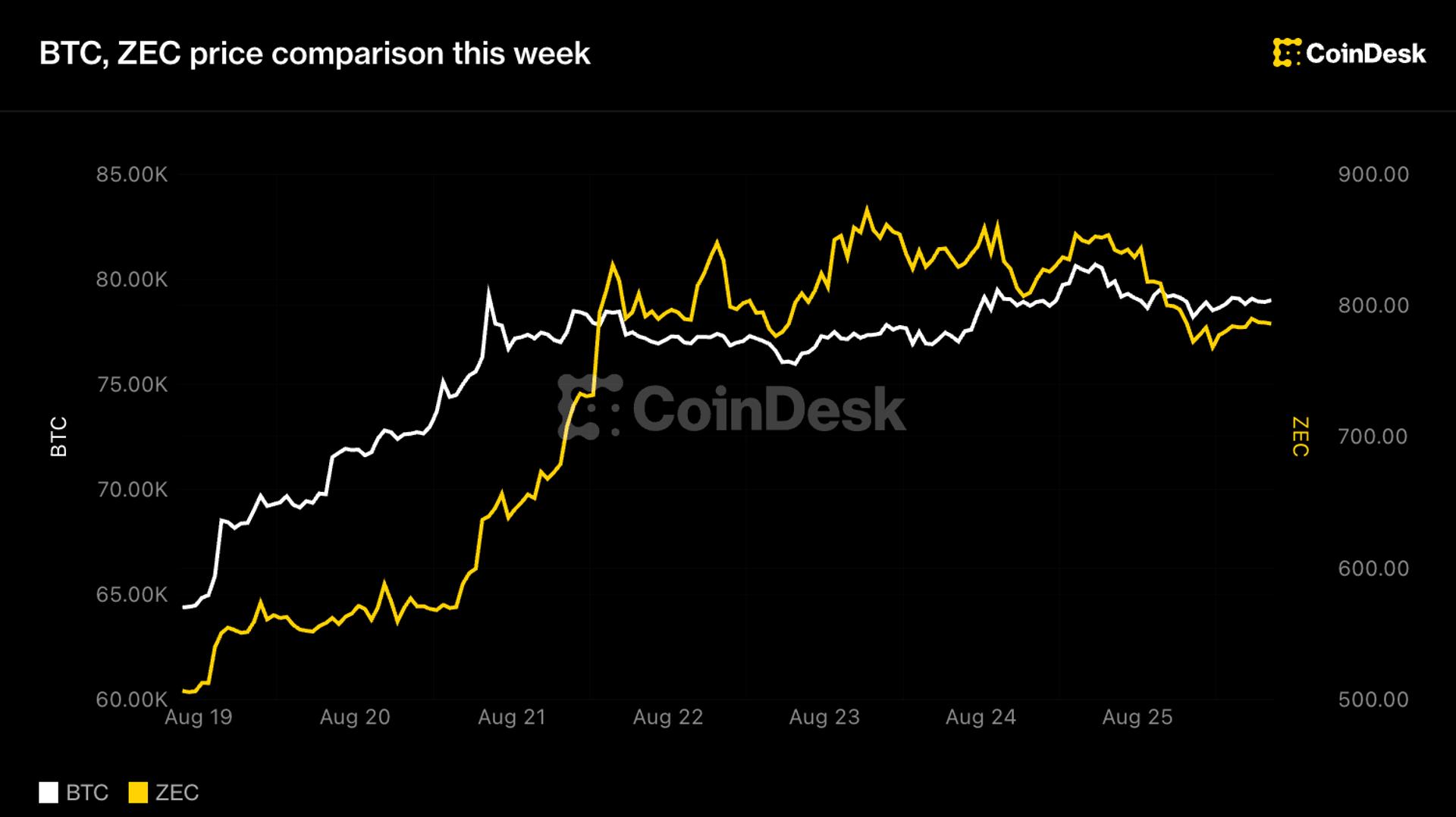
Zcash’s spot ETF began trading on the NYSE Tuesday, helping fuel the privacy coin’s rise to an eight-year high. Traders are now selling the news, while leverage remains heavily concentrated in the move.

Six months into the U.S.-Iran war, Qatar is among the conflict’s biggest economic casualties. Data shows its liquefied natural gas exports have fallen 96%, while U.S. sales rise and European stocks plunge.
Novatek’s board has recommended a dividend of 35.5 rubles per ordinary share for the first half of 2026. The payout could total 107.79 billion rubles, with approval to be considered at an extraordinary shareholder meeting on September 30.
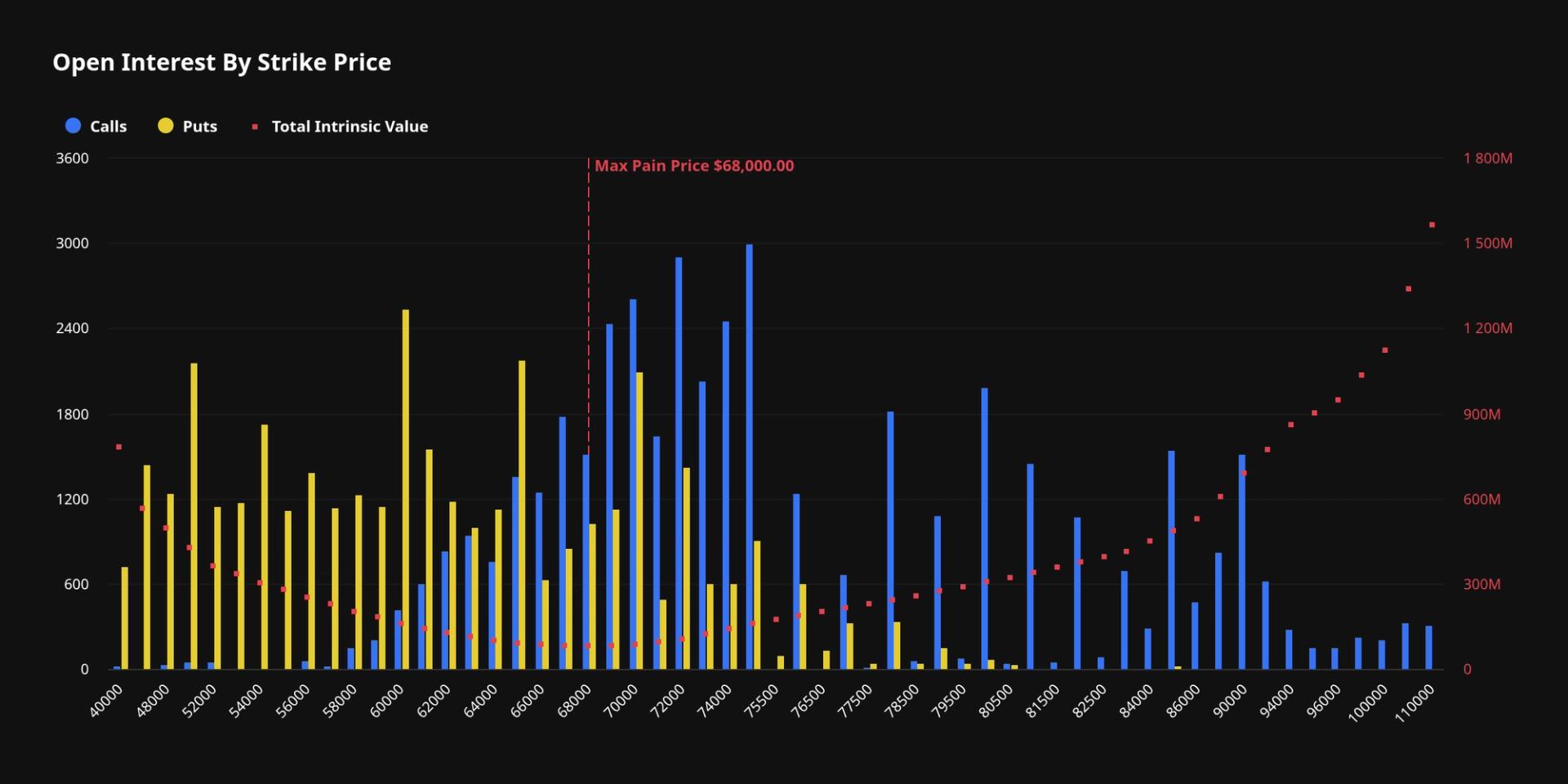
Bitcoin options worth $6.4 billion are set to expire Friday. The expiry follows bitcoin’s rise from $62,000 to $80,000, leaving market makers with greater exposure to manage around several key strike prices.

Chinese confectionery giant Amos Food is seeking a Hong Kong listing to fund greater investment in overseas operations. Its Peelerz peelable gummies and TastySounds music lollipops have gone viral on TikTok, driving especially strong sales growth in North America in recent years.

France’s BNP Paribas and South Korea’s KB Kookmin Bank are separately discussing the purchase of at least 15% of Vietnam’s Techcombank as strategic investors, in a deal that could be worth $2 billion, according to two sources.
China’s digital industry recorded 20.71 trillion yuan in revenue in the first half of the year, up 13.6% year on year, MIIT data showed. Strong domestic demand for artificial intelligence and exports helped lift total profits 19.3% to 1.79 trillion yuan, while the sector remained concentrated in eastern provinces.
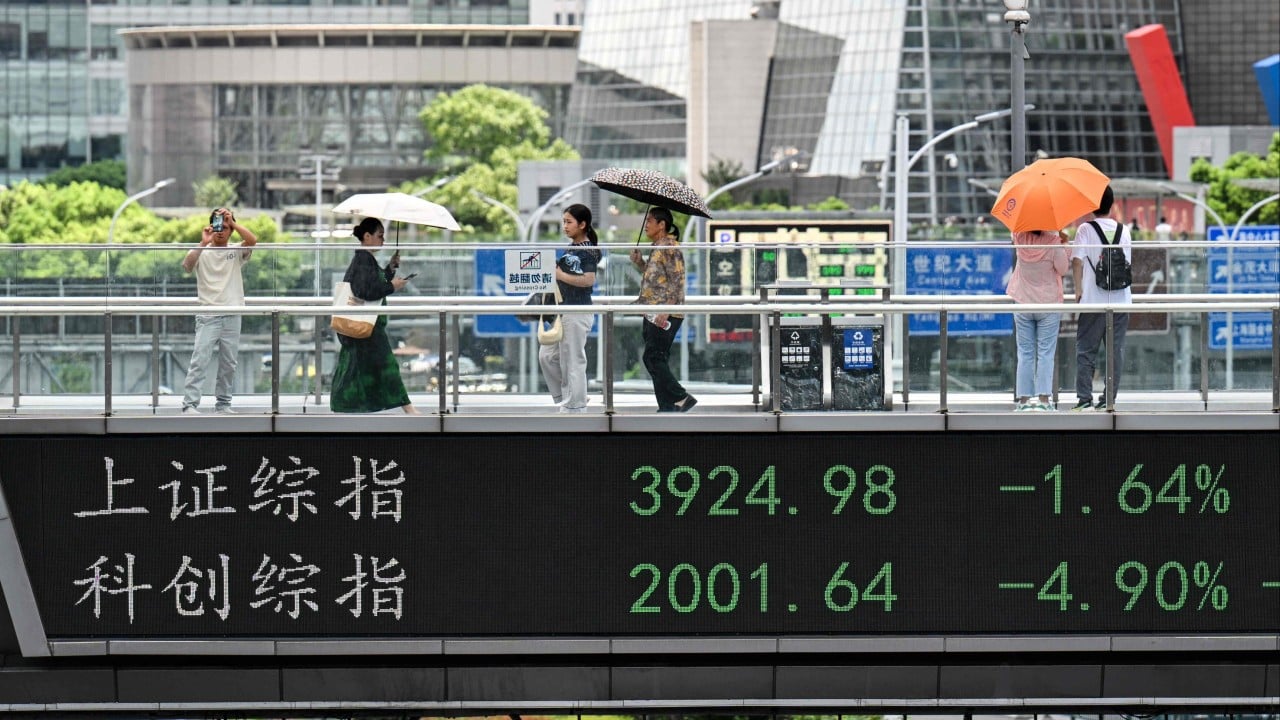
Chinese investors are turning to dividend stocks for shelter after a global sell-off in technology shares. The Shanghai Stock Exchange Dividend Index, comprising 50 high-yield companies in energy, banking and transport, has gained 3.8% this month, far outperforming the chip-heavy Star Market 50’s 0.2% rise.

ETF issuers are lowering the barrier for bitcoin whales to exchange self-custodied holdings for ETF shares, according to a report.

Indian shares climbed on Wednesday in line with global equities, while oil prices dropped as investors hoped the Strait of Hormuz could reopen after Iran restarted talks with Oman on managing the strategic waterway.
Ankur Banerjee previews the coming session across European and global markets.
Kalshi has raised $1.12 billion through a private equity offering since April, according to its latest filing with the Securities and Exchange Commission. Earlier this month, reports said the company was seeking $750 million in fresh capital at a $40 billion valuation.

The dollar traded within a tight range in early Asian hours on Wednesday as currency markets remained uneasily calm. Investors are awaiting inflation figures from major economies, including the United States, before this weekend’s Jackson Hole symposium.
Gold prices were little changed on Wednesday after reaching a more than three-month high in the prior session. Investors are awaiting key U.S. inflation data for clues about the Federal Reserve’s interest-rate path.
Scott Bessent’s increased purchases of US debt threaten to undermine Federal Reserve chief Kevin Warsh’s efforts to tame inflation, putting the Treasury on a potential collision course with the central bank.
For most better-off Britons, relying solely on investment income to live no longer amounts to a financial strategy and carries significant drawbacks.
What appears to be a breakdown in historical market correlations may instead reflect a shift to a different macroeconomic regime.
A shift by private equity’s traditional backers towards funds designed for wealthy individuals could threaten the industry’s conventional 10-year fund model.
Soluna Holdings is asking shareholders to raise its authorized common stock to 1 billion shares from 375 million as it seeks capital for a largely unbuilt 6.3-gigawatt data-center pipeline. A separate vote would permit larger stock sales under a YA II PN agreement. Approval would expand financing flexibility but could dilute existing investors. The company is also developing Project Dorothy 3 in Texas and sharing Bitcoin-mining revenue with Bitdeer at Project Kati 1.

Asian stocks wavered on Wednesday as falling oil prices pulled bond yields lower amid hopes that the strategically important Strait of Hormuz could reopen. Investors also awaited another potentially decisive earnings report from AI bellwether Nvidia.
Treasury Secretary Scott Bessent’s surprise proposal to expand bond buybacks in an effort to lower U.S. borrowing costs has sparked debate over how effective it will ultimately be. But key market indicators and positioning suggest the plan is already having an impact.
Guggenheim Investments, the asset-management arm of Mark Walter’s Guggenheim Partners, told lenders that affiliates may consider buying portions of a loan issued by its financing entity after the debt’s value plunged in recent weeks.
Trump is waging war against his own economy.
Canada will impose retaliatory tariffs on more than 700 products made in the US in response to a new round of import taxes from the White House.

Canada has announced counter-tariffs of up to 50% on nearly C$28bn of US goods, including steel, furniture, fresh tuna and cosmetics. The measures are due to begin on 8 September. Ottawa called the response “proportionate” and “strategic” and pledged C$7.5bn in support for affected businesses and workers.

Canada has announced retaliatory tariffs on about $20 billion worth of U.S. goods. Canadian trade negotiators left the United States last week after failing to secure a deal that would have prevented President Donald Trump’s new tariffs from taking effect.

Canada announced retaliatory tariffs on C$27.6 billion ($19.94 billion) in US goods, including steel and dairy, matching the punitive duties imposed by President Donald Trump on Canadian products. Ottawa also unveiled C$7.5 billion in aid for affected Canadian businesses and workers as tensions escalated.

As its trade war with the United States intensifies, Canada is retaliating against tariffs imposed on its goods in recent days by placing tariffs on US products. Ottawa has also announced a multibillion-dollar aid package for workers and urged Canadians to buy local to support domestic industries.

Canadian ministers set out a series of countermeasures after the Trump administration imposed new tariffs on Canadian goods, deepening the trade war between Canada and the United States.
Canada announces tariffs of up to 50% on more than 700 US goods, with the highest import taxes targeting steel and aluminum.
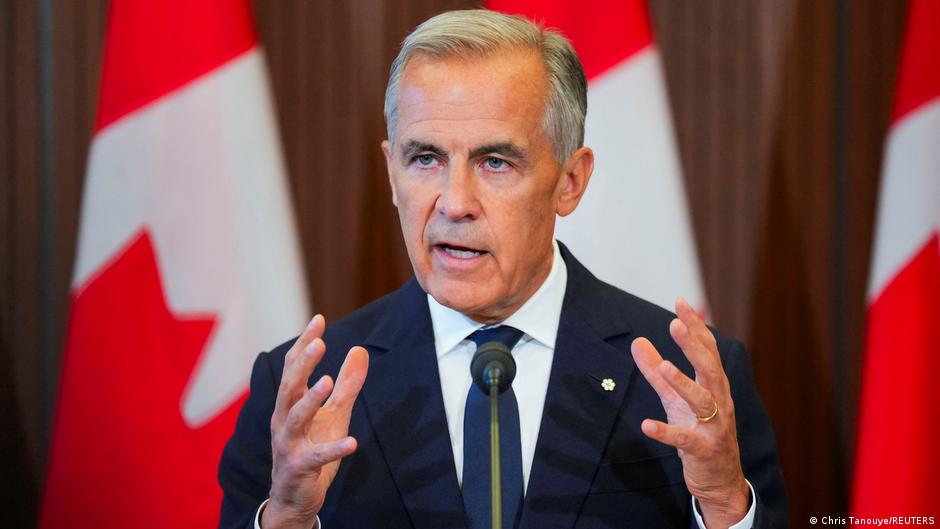
Prime Minister Mark Carney announced 50% tariffs on US furniture and steel, matching President Donald Trump’s new weekend duties dollar for dollar. He also backed support programs for Canadian businesses hurt by the escalating trade war.
Canada is expected to announce retaliatory tariffs against the United States on Tuesday, after relations between U.S. President Donald Trump and Canadian Prime Minister Mark Carney deteriorated.
Canada announced retaliatory tariffs on $19.94 billion worth of US goods, matching Washington’s newly imposed duties dollar for dollar. It also unveiled financial support for Canadian businesses and workers affected by the escalating trade war.

The trade war between the United States and Canada is intensifying. The neighboring countries have been among the world’s closest allies and trading partners for decades, but using tariffs to settle disputes is putting even their strong economic relationship under serious strain.

As the United States intensifies its trade war with Canada, Ottawa is preparing a response. New tariffs threaten the car industry and many other products, prompting Canada’s finance, labour and industry departments to announce countermeasures aimed at protecting workers whose jobs could be at risk.
Canada’s minister responsible for U.S. trade, Dominic LeBlanc, said the government could announce retaliatory tariffs on the United States on Tuesday. His remarks followed President Donald Trump’s threat the previous day to raise U.S. tariffs on all Canadian cars and trucks to 50%.

Canada is expected to unveil retaliatory tariffs on US goods after trade talks collapsed and 50% US tariffs on Canadian products took effect. Prime Minister Mark Carney rejected what he called a “bad deal,” while President Donald Trump threatened a 50% tariff on Canadian automobiles, parts and steel from January 1, 2027.
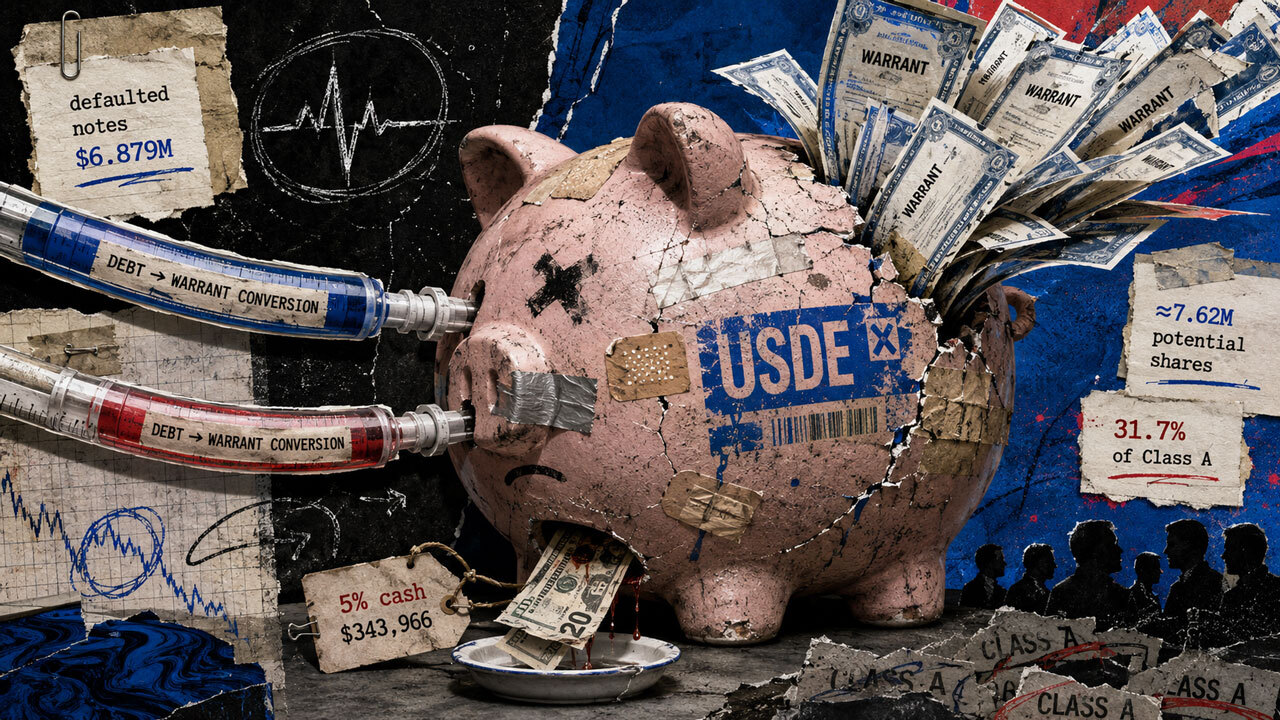
Nasdaq-listed StablecoinX is restructuring $6.879 million in defaulted former-SPAC notes with about $344,000 in cash and warrants representing roughly 7.62 million potential Class A shares. The arrangement moves about $6.535 million of near-term repayment pressure away from cash and into future equity, with dilution occurring only if the warrants are exercised.

The Central Bank said the average maximum annual rate on ruble deposits at Russia’s 10 largest deposit-taking banks reached 12.9% in the second ten-day period of August 2026, up from 12.89% in the first period and 12.85% in the third period of July.
IMF managing director Kristalina Georgieva expects investment in artificial intelligence to spread beyond the US and fuel global growth. She also forecasts that the world economy will withstand the energy crisis triggered by the war in Iran.
Eni said on Tuesday that it is working with BP and the Egyptian Petroleum Corporation to reach a final investment decision within the next few months on Egypt’s recently discovered Denise West gas field.
Bond-market interventions have produced only a modest drop in yields while drawing increasing ridicule. Stanley Druckenmiller is leading skeptics who believe Treasury Secretary Scott Bessent’s bond maneuvers will ultimately fail.

Russia’s stock market ended Tuesday higher, with the ruble-denominated MOEX Index up 2.21% at 2,117.15 points and the dollar-denominated RTS Index 0.79% higher at 789.63. Analysts expect the MOEX and exchange rates to trade within forecast ranges on Wednesday, while the ruble’s weakening trend persists.
Trump’s trade wars are portrayed as the latest threat facing jaded investors in Asia.
Hedge funds that financed First Brands’ bankruptcy rescue have been left holding a “clunker”, as the company’s collapse was far from an ordinary debt-fuelled failure.
Bitcoin briefly climbed above $81,000 as renewed inflows into spot bitcoin ETFs and stronger risk appetite extended the cryptocurrency rally.

Gold prices slipped Tuesday after reaching their highest level in more than three months, with dollar weakness and plans for Treasury bond buybacks in focus.

The United States can pressure Chinese banks over Iran by leveraging their access to the U.S. financial system. Beijing is meanwhile developing alternatives, including the Cross-Border Interbank Payment System, or CIPS.

Bank of Singapore’s 2026 CIO Summit in Hong Kong examines how geopolitical fragmentation, technological disruption, demographic change and shifting global economic relationships are challenging the investment assumptions of recent decades and prompting investors to reassess the landscape.

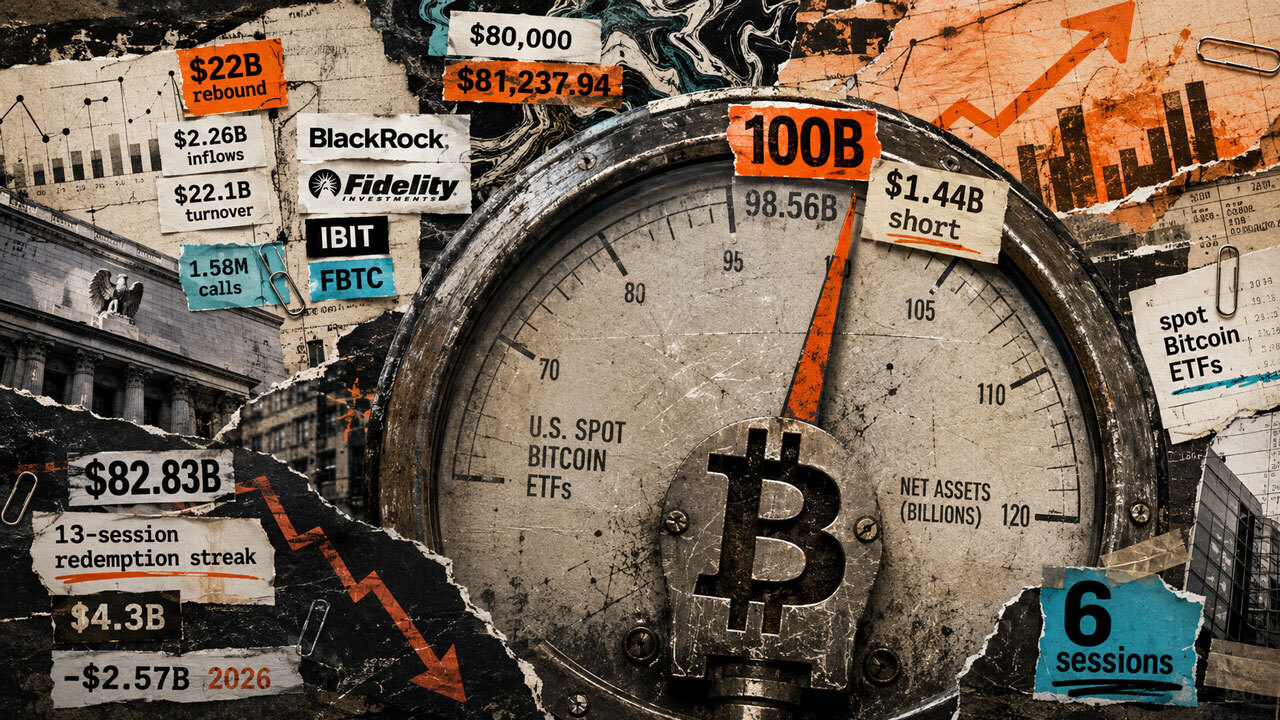
US spot Bitcoin ETFs recorded inflows for a sixth straight trading day on Monday, taking the streak to about $2.26 billion. As Bitcoin climbed above $80,000, total ETF assets reached $98.56 billion, about $1.44 billion short of $100 billion. BlackRock’s IBIT captured most of the new demand, while its call-option activity also hit records.

Concern about the scale and cost of U.S. government spending has revived the debasement trade, bringing renewed attention to crypto and gold.

The Bank of Russia set the official dollar rate at 84.4635 rubles for August 26, up 1 ruble and 17.57 kopecks from the previous figure. The euro rate rose to 98.5182 rubles and the yuan rate to 12.5659 rubles.
Crypto ETF issuer Bitwise is moving further into onchain asset management by using Coinbase’s tokenized stocks to create and manage automated portfolios focused on artificial intelligence, robotics and technology.


Bitwise has launched automated tokenized stock portfolios, initially targeting themes such as the Mag 7, artificial intelligence and robotics. The portfolios are powered by Coinbase and implemented through Glider.
Dick’s Sporting Goods reported fiscal second-quarter earnings on Tuesday that fell short of Wall Street expectations, citing what it described as a “challenging” footwear market. The retailer’s stock dropped 25%.

Treasury Secretary Scott Bessent announced “Operation Economic Outcast,” sanctioning nearly 60 people, entities and vessels while expanding US targeting authority across Iran’s digital-asset, technology, gold, aviation and shipping sectors. Washington also threatened to remove entities aiding Iranian money laundering from the dollar system, reviving debate over whether using dollar access as a weapon could boost demand for Bitcoin and gold.

The Minutes Reader extension turns the original page into a focused reading view and translates articles and video subtitles on demand. It is in limited beta.