Institutional investors back Blackstone and KKR funds for wealthy individuals

A shift by private equity’s traditional backers towards funds designed for wealthy individuals could threaten the industry’s conventional 10-year fund model.
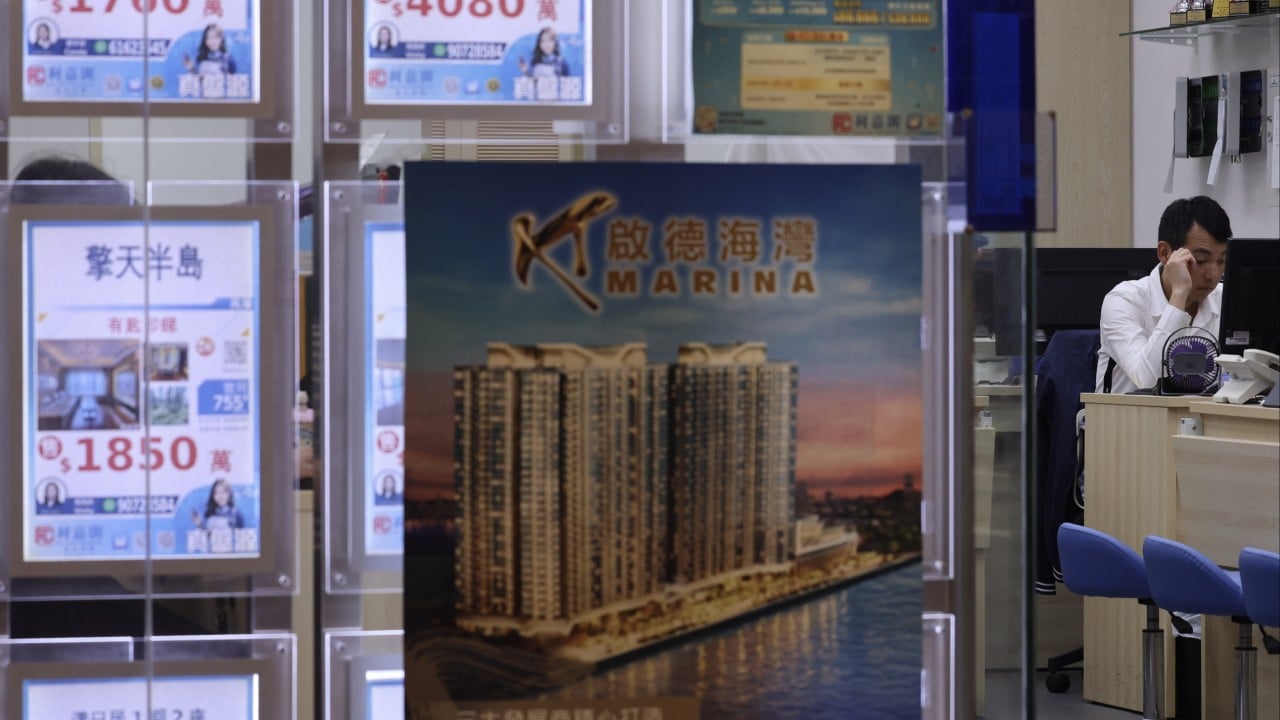
Hong Kong’s expanding expatriate population is strengthening its residential leasing market, with luxury rents expected to rise about 5 per cent this year and continue climbing in 2027, JLL says. The private-home rental index reached 205.8 in June, up 18.5 per cent from its January 2023 pandemic trough and above 200 for the first sustained period.

Oil prices fell about 2% on Wednesday, extending the previous session’s losses, after Iran said it had resumed talks with neighboring Oman on managing the strategic waterway. The discussions raised fresh hopes that the Strait of Hormuz could reopen.
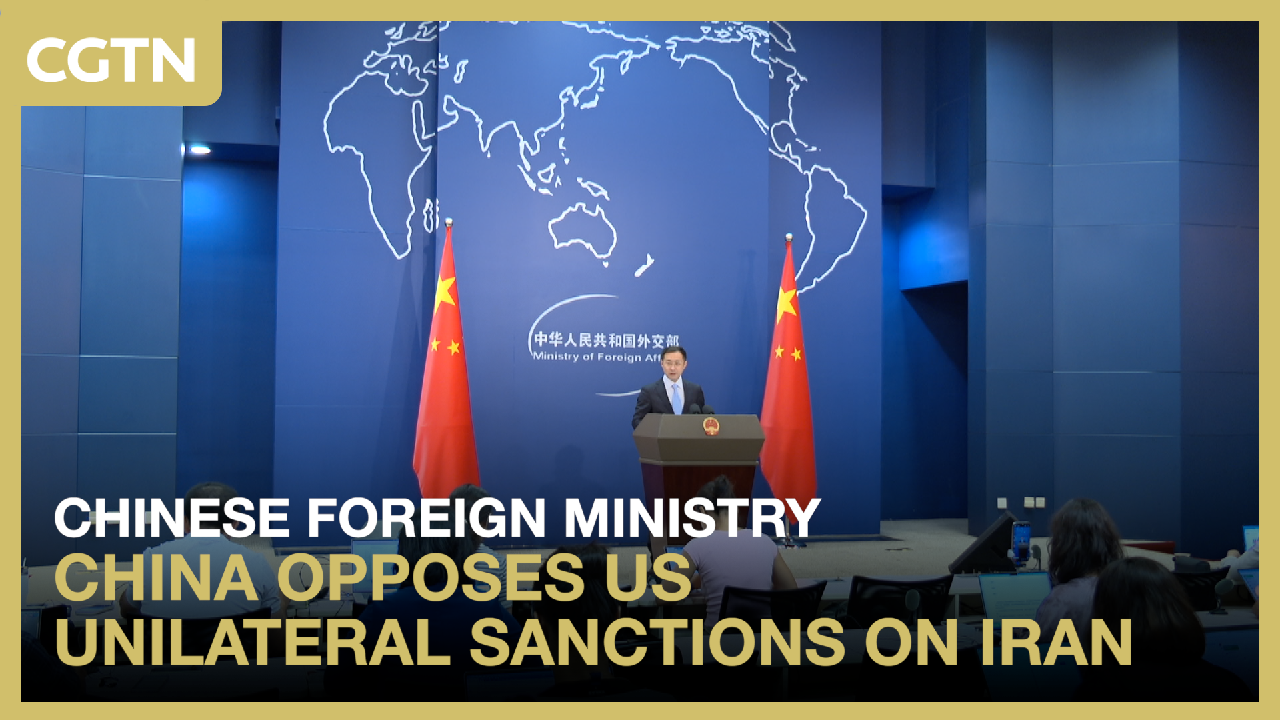
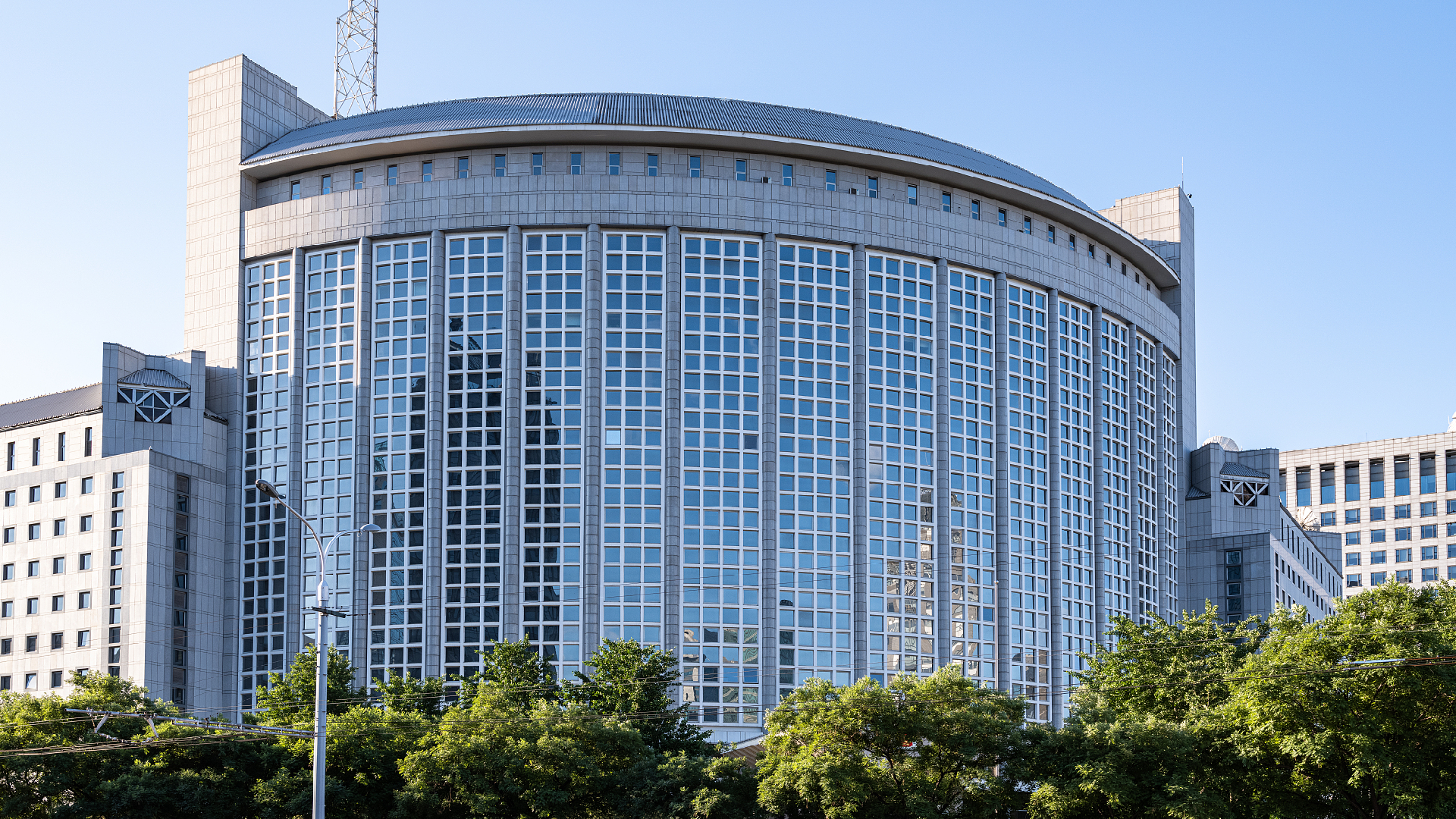
Foreign Ministry spokesperson Lin Jian said China firmly opposes illicit unilateral sanctions without a basis in international law or authorization from the UN Security Council. Responding to U.S. Treasury Secretary Scott Bessent’s plan to expand secondary-sanctions threats against Iran, Lin said economic warfare and maximum pressure only heighten tensions, spill over risks and harm other countries’ legitimate rights. He called for de-escalation and a return to dialogue and negotiation.
RockawayX is acquiring Relayer Capital to broaden its cryptocurrency offerings in the United States. Relayer will become the RockawayX Liquid Opportunities Fund, focused on identifying “undervalued liquid tokens and crypto-related equities.”

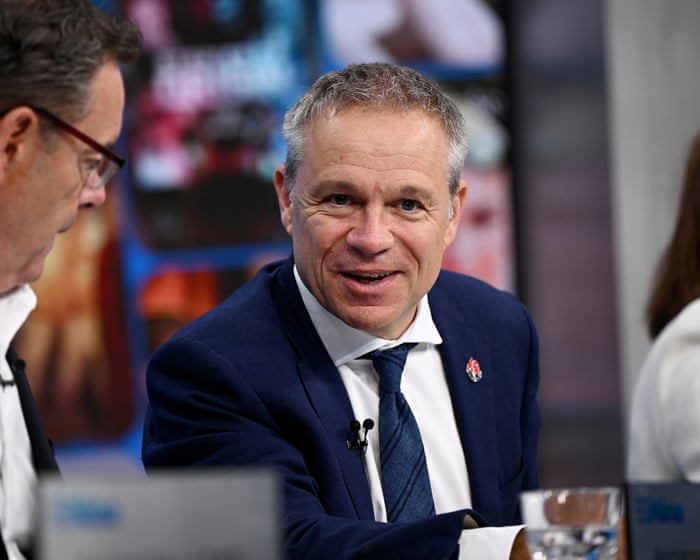
Nine Entertainment CEO Matt Stanton says revamped Australian media bargaining laws could create major publishing growth by encouraging Google, Meta and other platforms to pay for news content. He also cites a strong pipeline of AI deals, while Nine cuts more than $160m over three years and reduces newsroom staff.

With the global economy facing mounting pressure, IMF Managing Director Kristalina Georgieva called on governments to address widening fiscal challenges and urged central bankers to remain committed to bringing inflation down.
More than five months before the Year-of-the-Goat Spring Festival, production and sales of festive goods are already active at Yiwu International Trade City. Bulk buyers from the United States, Vietnam, Thailand and Malaysia are placing orders worth over 500,000 yuan each, while merchants add multilingual couplets and New Year paintings for overseas customers.
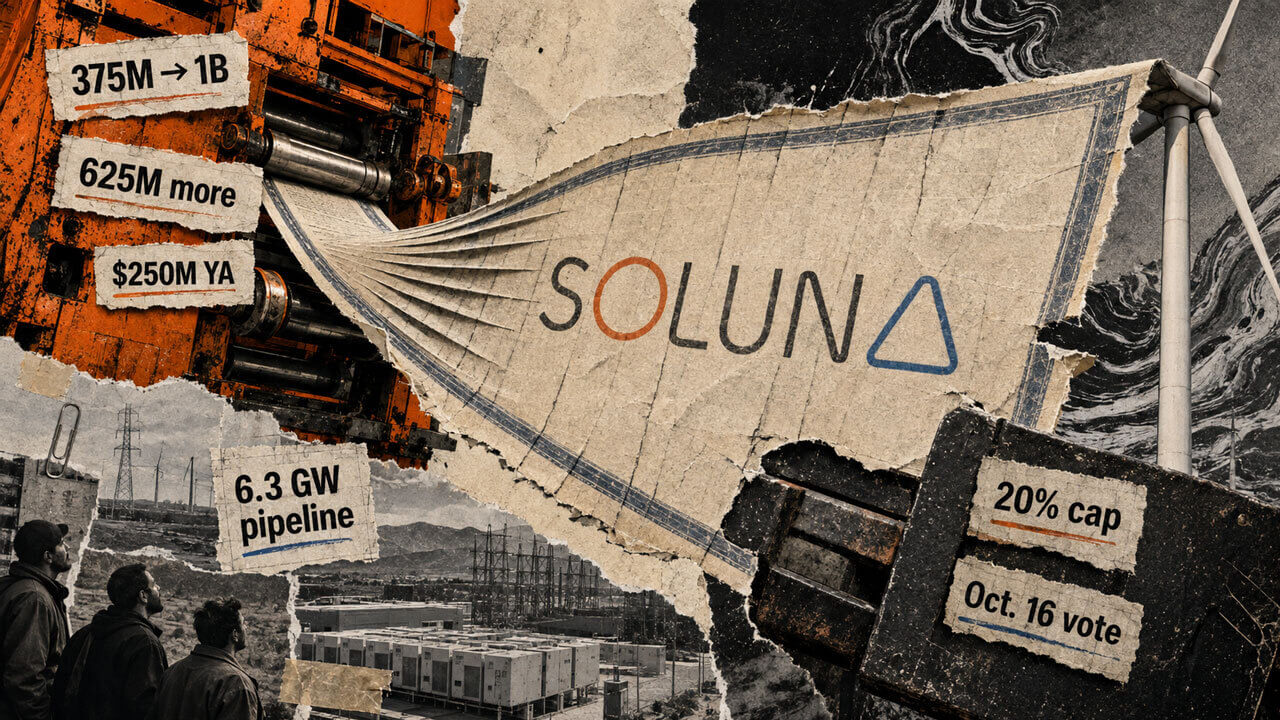
Soluna Holdings is asking shareholders to raise its authorized common stock to 1 billion shares from 375 million as it seeks capital for a largely unbuilt 6.3-gigawatt data-center pipeline. A separate vote would permit larger stock sales under a YA II PN agreement. Approval would expand financing flexibility but could dilute existing investors. The company is also developing Project Dorothy 3 in Texas and sharing Bitcoin-mining revenue with Bitdeer at Project Kati 1.

Asian stocks wavered on Wednesday as falling oil prices pulled bond yields lower amid hopes that the strategically important Strait of Hormuz could reopen. Investors also awaited another potentially decisive earnings report from AI bellwether Nvidia.
Air China, China Eastern, China Southern and Sichuan Airlines are offering paid meals on domestic flights, from inexpensive snacks to premium platters costing several hundred yuan. Analysts say the move could broaden passenger choice and generate revenue from catering, while the China Air Transport Association says free economy-class meals will remain, though some adjustments may occur.
A majority of economists surveyed by Reuters expect the Bank of Japan to move faster than previously anticipated, raising interest rates again in September. They also see the eventual policy rate settling at a higher level than earlier projected.
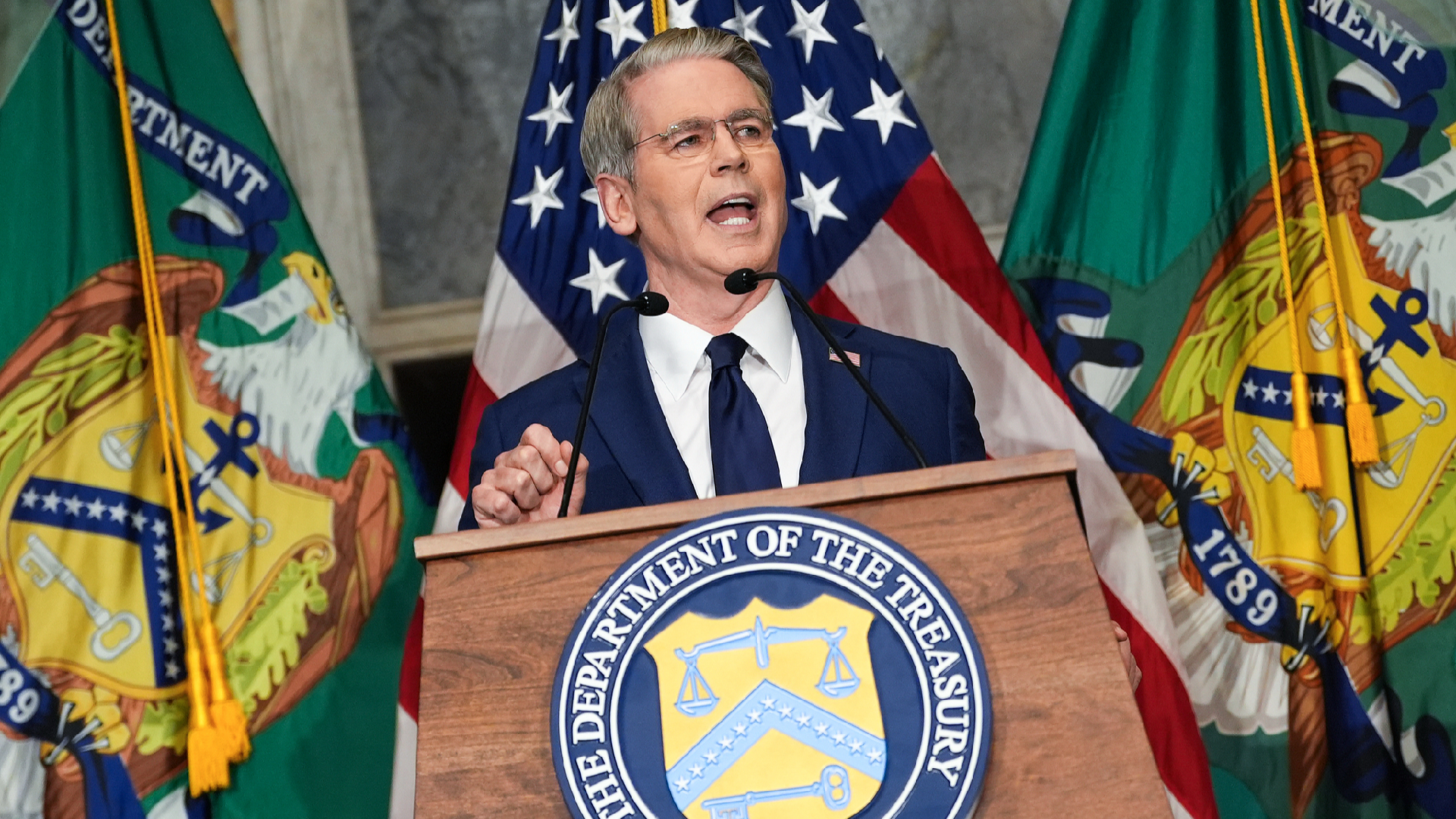
Treasury Secretary Scott Bessent’s surprise proposal to expand bond buybacks in an effort to lower U.S. borrowing costs has sparked debate over how effective it will ultimately be. But key market indicators and positioning suggest the plan is already having an impact.
Oil prices fell Wednesday as investors assessed the easing of renewed-tension concerns following the U.S. shift toward economic sanctions rather than military strikes to pressure Iran.

U.S. intelligence sites in the Middle East sustained unprecedented damage from Iranian missile and drone attacks on surveillance facilities, NBC News reported, citing sources. Repairs will cost Washington billions of dollars, while the attacks have raised doubts about whether U.S. agencies can adequately protect American sites in the region.
The United States is not planning new attacks on Iran in the near term, Secretary of State Marco Rubio told senior diplomats, according to Axios. Washington is expected to increase economic pressure through sanctions and a naval blockade while moving more oil through the Strait of Hormuz. Officials said strikes remain possible if Iran attacks first, and the policy is expected to continue at least through the November 3 midterm elections.
The Trump administration’s latest sanctions against Iran have swept up dozens of businesses in China and Hong Kong, while stopping short of the far more consequential move of targeting major Chinese financial institutions.

Oil prices declined for a second day on Tuesday as traders judged the prospect of renewed US strikes on Iran to have diminished after Washington threatened wider economic sanctions instead. Treasury Secretary Scott Bessent called for an “economic D-Day” against Tehran but offered no timetable or details on countries that might be penalized.

China said it opposes the United States’ expanded unilateral sanctions on Iran and will take all necessary steps to protect its legitimate rights and interests. Washington targeted nearly 60 individuals, entities and vessels, while warning countries and businesses dealing economically with Tehran that they could face US measures.

After six months of military threats and conflict, the United States has launched a broad economic pressure campaign against Iran. The measures expand secondary sanctions into digital assets, gold, aviation, shipping and technology, while pressing Iran’s trading partners to choose sides. The analysis says Washington is turning to economic pressure to sustain leverage over Tehran and reduce the costs of prolonged military confrontation, though sanctions may not force Iran to concede.

Chinese Foreign Ministry spokesperson Lin Jian said China firmly rejects unilateral sanctions lacking a basis in international law or authorization from the UN Security Council. He warned that economic war and maximum pressure would deepen conflicts and disrupt global financial order, urging a return to dialogue and negotiations.
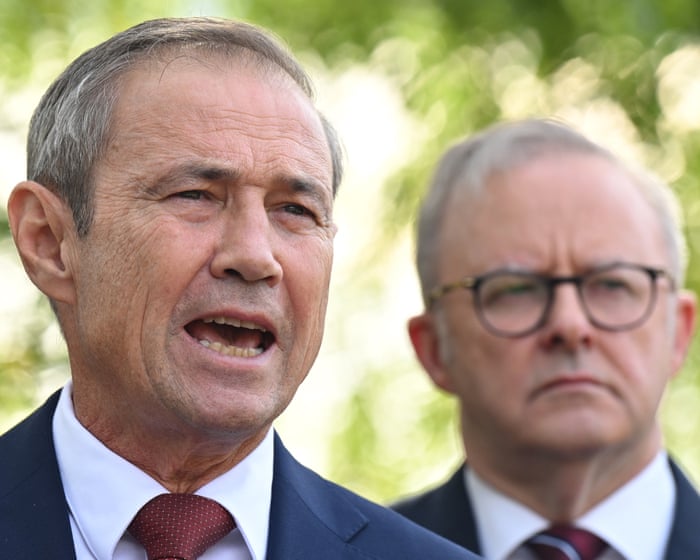
The Productivity Commission says Western Australian Premier Roger Cook crossed a line by calling its members “east coast clowns” and describing its review of the state’s GST deal as deceitful. Commissioner Angela Jackson said criticism was welcome but attacks on the body’s integrity were unacceptable. The commission will continue consultations before issuing a final report by year’s end.

Washington has launched an economic offensive against Iran and Canada, two countries that would not normally be grouped together, and the move is drawing retaliation.

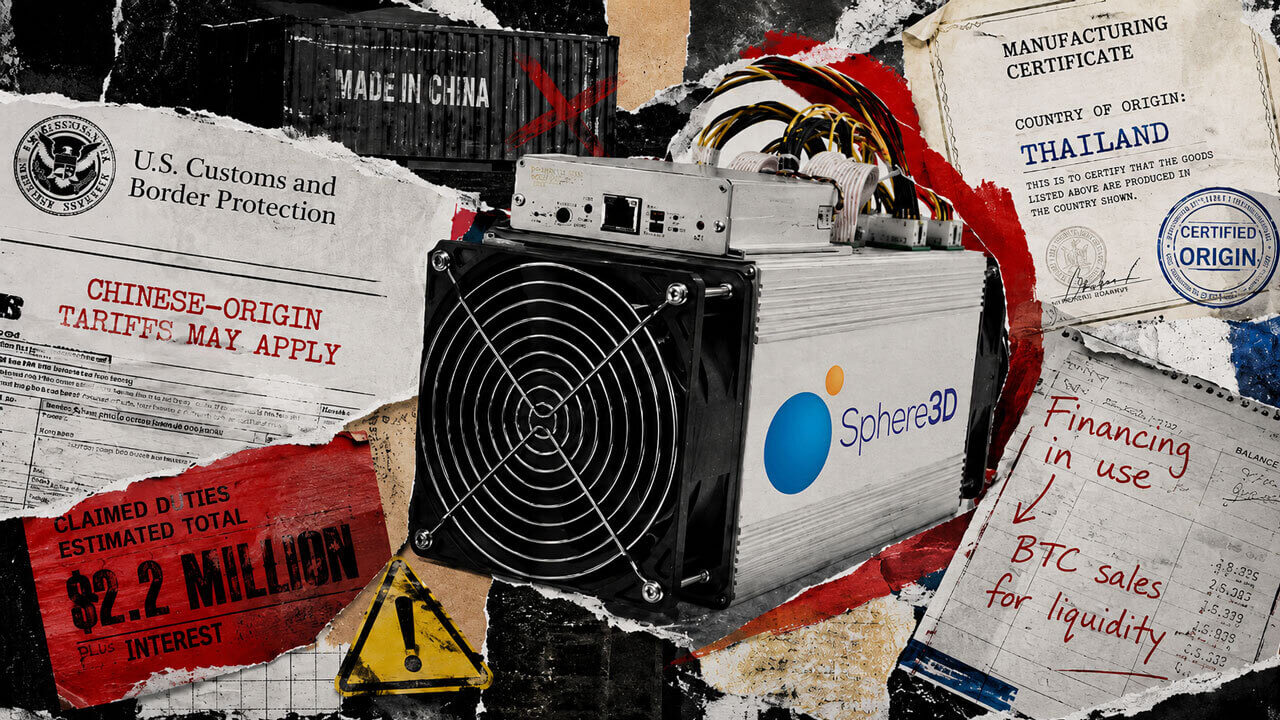
Sphere 3D said it may owe about $2.2 million in supplemental U.S. tariffs on Bitcoin miners bought in 2022 by a subsidiary, after Customs and Border Protection treated the equipment as Chinese-origin. The company called the allegation meritless and plans to protest. The potential charge equals about 77% of its cash, though the final amount remains uncertain.

Guggenheim Investments, the asset-management arm of Mark Walter’s Guggenheim Partners, told lenders that affiliates may consider buying portions of a loan issued by its financing entity after the debt’s value plunged in recent weeks.
Brazil’s government will extend a gasoline subsidy worth 0.44 reais ($0.0855) per liter through September 9, according to two sources familiar with the matter who spoke to Reuters on Tuesday.
Dick’s Sporting Goods posted its biggest-ever decline after saying the Foot Locker chain it acquired last year is still struggling. The update raised doubts about the health of the broader sneaker market, while the chairman warned that more pain is ahead.
Hong Kong has recorded a series of discounted deals for ultra-luxury homes in recent months, with financially pressured owners taking steep losses to leave the market despite strong demand. A Bel-Air house in Pok Fu Lam sold for HK$138 million, HK$37 million below its 2018 purchase price.

Siemens Energy said it plans to sell most of its division serving industrial customers, aiming to sharpen its focus on the booming utility sector and on gas turbines and grids.
Three sources say European Central Bank policymakers are prepared to raise interest rates at their September meeting to contain the side-effects of the Iran war, but are reluctant to signal additional tightening afterward.
Crypto infrastructure firm Zerohash is seeking a U.S. charter again after its initial application failed to win approval. The company says its new effort will be narrower in scope.

Kevin Warsh’s first major speech as Federal Reserve chairman has unexpectedly become a test of his pared-back communications style.
Thoma Bravo executives entered negotiations with lenders knowing they would have to give ground; the only uncertainty was how many concessions they would make.
Brent crude futures for October delivery on London’s ICE exchange fell below $87 per barrel for the first time since August 14. By 11:05 p.m. Moscow time, Brent was down 5.73% at $86.89, while September WTI futures fell 4.95% to $80.8 per barrel.
A contract signed last week by SLB and Venezuela’s state-run PDVSA gives the U.S. oil services and technology company access to Venezuelan oilfield data, according to three sources familiar with the negotiations. Venezuela has the world’s largest crude reserves.
IMF Managing Director Kristalina Georgieva said the global economy has absorbed the energy shock from the Iran war better than feared. She warned, however, that fiscal conditions are worsening in some countries, reflected in higher bond yields and stalled disinflation.
Kia Corp and its South Korean labor union reached a tentative wage agreement on Tuesday, Yonhap reported, averting partial strikes that had been scheduled to start Wednesday.
Kazakh Energy Minister Yerlan Akkenzhenov said on Aug. 25 that the western Kazakhstan-based Kondensat refinery will process Russian crude and return 70% of its diesel and gasoline output to Russia amid fuel shortages blamed on Ukrainian attacks. The remaining 30% will stay in Kazakhstan. The refinery is partly Russian-owned.

Trump is waging war against his own economy.
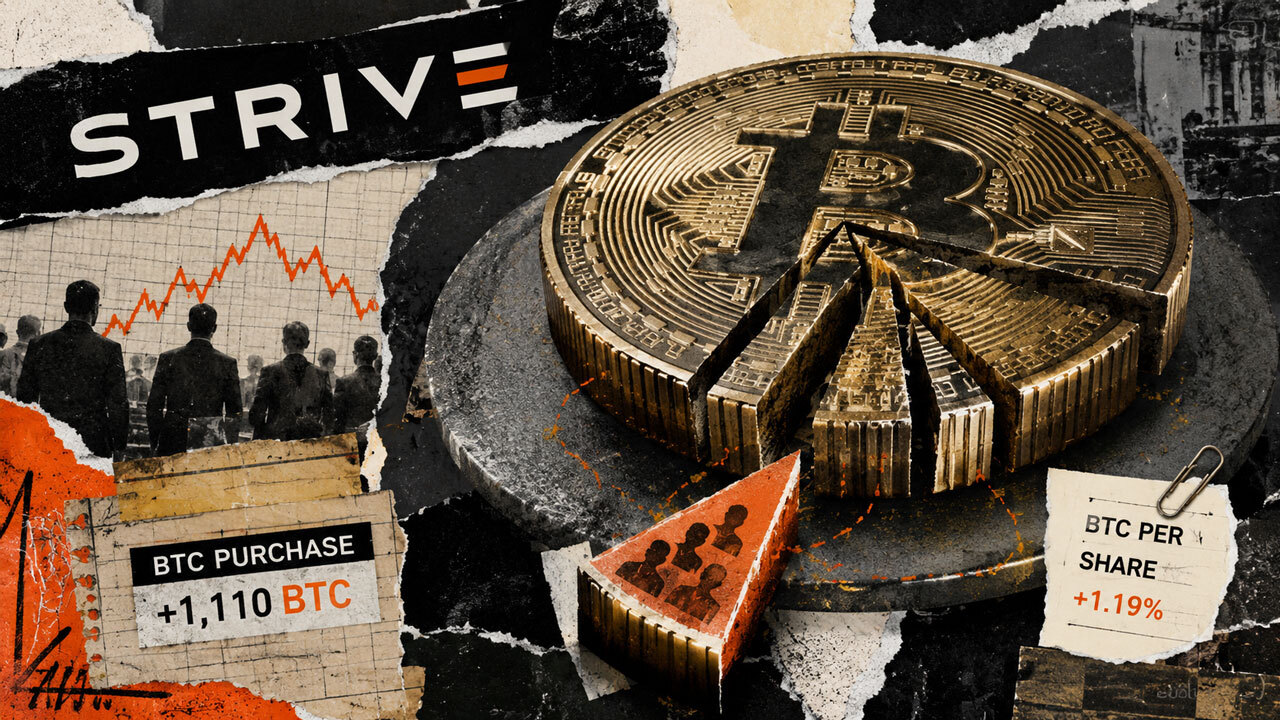
Bitcoin treasury company Strive added 1,110 BTC in a week, lifting its holdings to 21,356 BTC. But after its effective common-share count rose, Bitcoin per share increased only 1.19%, or 1.34% on a fully diluted basis. Additional SATA preferred shares also implied about $5.74 million in annualized dividend costs.

U.S. consumer confidence dropped in August to its lowest level in seven months, with households taking a more negative view of the labor market and inflation outlook, according to a survey released Tuesday.
Ukraine’s metals industry has fallen into a deep crisis, RBC-Ukraine reported. Explosions put Zaporozhstal and ArcelorMittal Krivoy Rog out of action in August; together they accounted for about 72% of the country’s steel output in 2025. A prolonged halt could cut exports and foreign-currency earnings, raise construction costs and put pressure on the hryvnia, with production potentially down by about 2 million tons by the end of 2026.
Russia is capable of retaining its position as the world’s fourth-largest economy by GDP at purchasing power parity, according to Anton Sviridenko of the Stolypin Institute of Growth Economics. He attributed the standing to Russia’s resilience and slower growth elsewhere, while saying Moscow needs to revive investment and broaden access to capital.
A senior Honda executive said the Japanese automaker might abandon plans for an eighth assembly plant in North America unless a key trade agreement is extended.
Canada will impose retaliatory tariffs on more than 700 products made in the US in response to a new round of import taxes from the White House.

Canada has announced counter-tariffs of up to 50% on nearly C$28bn of US goods, including steel, furniture, fresh tuna and cosmetics. The measures are due to begin on 8 September. Ottawa called the response “proportionate” and “strategic” and pledged C$7.5bn in support for affected businesses and workers.

Canada has announced retaliatory tariffs on about $20 billion worth of U.S. goods. Canadian trade negotiators left the United States last week after failing to secure a deal that would have prevented President Donald Trump’s new tariffs from taking effect.

Canada announced retaliatory tariffs on C$27.6 billion ($19.94 billion) in US goods, including steel and dairy, matching the punitive duties imposed by President Donald Trump on Canadian products. Ottawa also unveiled C$7.5 billion in aid for affected Canadian businesses and workers as tensions escalated.

As its trade war with the United States intensifies, Canada is retaliating against tariffs imposed on its goods in recent days by placing tariffs on US products. Ottawa has also announced a multibillion-dollar aid package for workers and urged Canadians to buy local to support domestic industries.

Canadian ministers set out a series of countermeasures after the Trump administration imposed new tariffs on Canadian goods, deepening the trade war between Canada and the United States.
Canada announces tariffs of up to 50% on more than 700 US goods, with the highest import taxes targeting steel and aluminum.
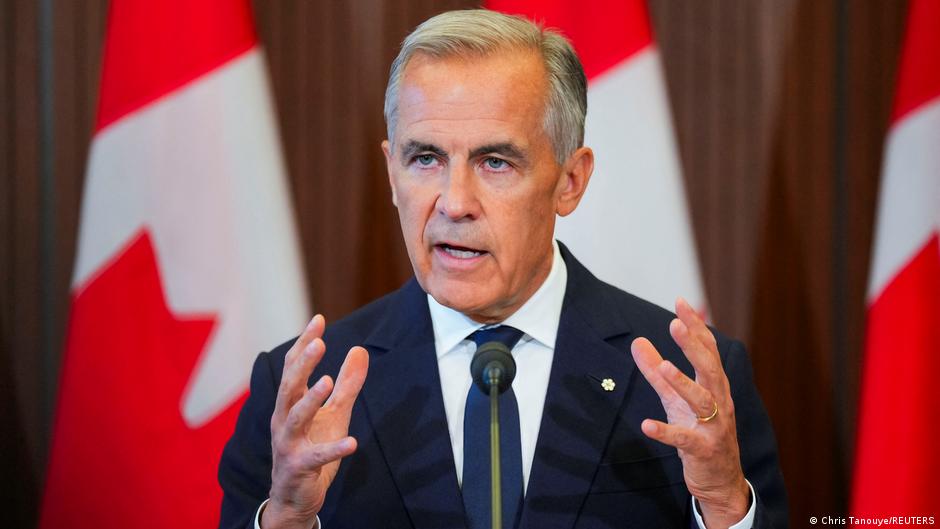
Prime Minister Mark Carney announced 50% tariffs on US furniture and steel, matching President Donald Trump’s new weekend duties dollar for dollar. He also backed support programs for Canadian businesses hurt by the escalating trade war.
Canada is expected to announce retaliatory tariffs against the United States on Tuesday, after relations between U.S. President Donald Trump and Canadian Prime Minister Mark Carney deteriorated.
Canada announced retaliatory tariffs on $19.94 billion worth of US goods, matching Washington’s newly imposed duties dollar for dollar. It also unveiled financial support for Canadian businesses and workers affected by the escalating trade war.

The trade war between the United States and Canada is intensifying. The neighboring countries have been among the world’s closest allies and trading partners for decades, but using tariffs to settle disputes is putting even their strong economic relationship under serious strain.

As the United States intensifies its trade war with Canada, Ottawa is preparing a response. New tariffs threaten the car industry and many other products, prompting Canada’s finance, labour and industry departments to announce countermeasures aimed at protecting workers whose jobs could be at risk.
Canada’s minister responsible for U.S. trade, Dominic LeBlanc, said the government could announce retaliatory tariffs on the United States on Tuesday. His remarks followed President Donald Trump’s threat the previous day to raise U.S. tariffs on all Canadian cars and trucks to 50%.

Canada is expected to unveil retaliatory tariffs on US goods after trade talks collapsed and 50% US tariffs on Canadian products took effect. Prime Minister Mark Carney rejected what he called a “bad deal,” while President Donald Trump threatened a 50% tariff on Canadian automobiles, parts and steel from January 1, 2027.
After successfully remaking the Whopper, Burger King is turning its attention from beef patties to poultry products.
Trade turnover between Russia and Belarus rose 12.5% in January-June 2026, according to the secretariat of Russian First Deputy Prime Minister Denis Manturov. The report said the positive trend continued this year; bilateral trade grew by about 3% last year.
Analysts say the prospect of U.S. import tariffs could drive copper prices to record highs despite the absence of a global shortage. The incentive to ship copper to the United States could drain inventories elsewhere.
Igor Yushkov of the Financial University and National Energy Security Fund says the EU’s move away from reliable gas routes toward new suppliers could worsen Europe’s already chronic energy crisis. Norway’s resource base is declining, while US LNG is directed mainly to the most profitable markets, leaving European buyers competing with Asia.
The United States’ removal of Syria from its “state sponsors of terrorism” list clears one of the last major obstacles to reconnecting the country with global finance, analysts say. The move could reduce banks’ legal risks and encourage investment, assistance and reconstruction, although Syria’s economy remains weak and nearly 90 percent of its population lives below the poverty line.


Syrian President Ahmed al-Sharaa welcomed Washington’s removal of Syria from the decades-old US list of state sponsors of terrorism. The decision lifts severe economic restrictions and is intended to encourage investment, reconstruction and Syria’s reintegration into the global economy, while the Treasury said its counterterrorism stance remains unchanged.

Turkey welcomed the US decision to remove Syria from its list of state sponsors of terrorism. The move ends a decades-old designation that carried severe economic consequences for Damascus, alongside announced sanctions relief for Syria.
Boston Fed President Susan Collins said on Tuesday that the Federal Reserve would need to raise interest rates soon unless upcoming data show inflation continuing to decline. She said inflation remains too high and has become a pervasive concern for businesses and households.
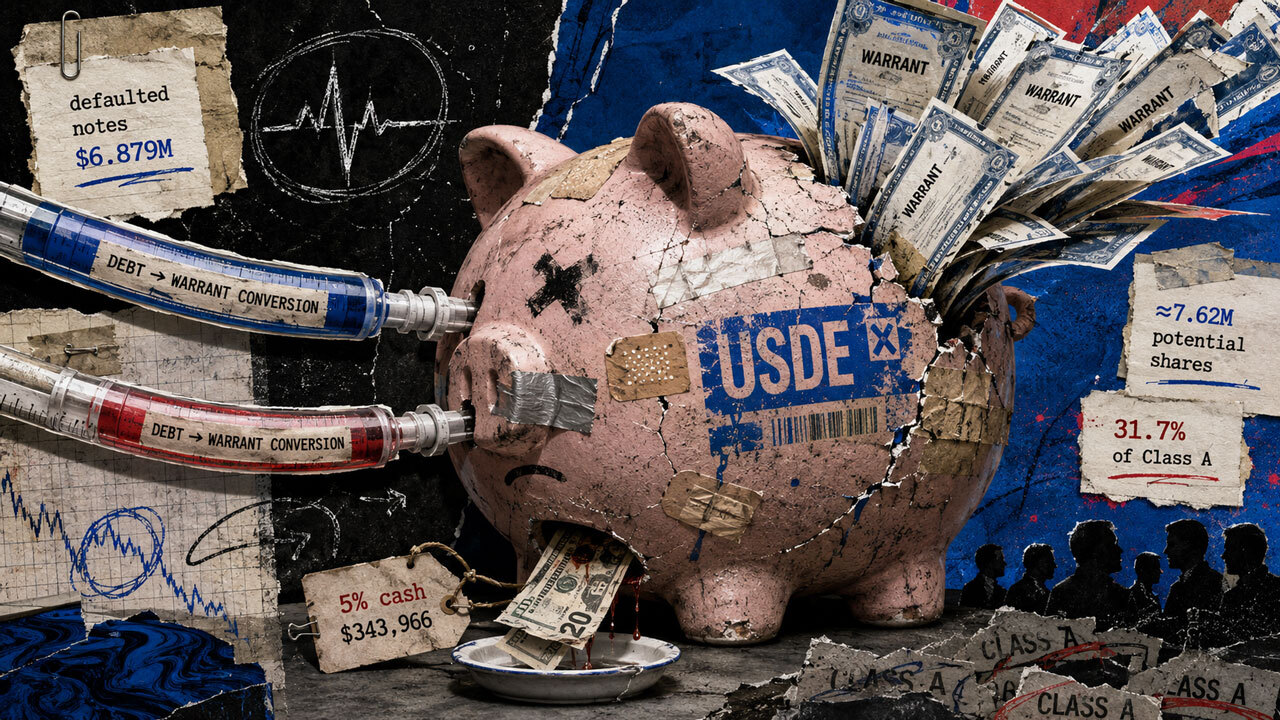
Nasdaq-listed StablecoinX is restructuring $6.879 million in defaulted former-SPAC notes with about $344,000 in cash and warrants representing roughly 7.62 million potential Class A shares. The arrangement moves about $6.535 million of near-term repayment pressure away from cash and into future equity, with dilution occurring only if the warrants are exercised.

The Central Bank said the average maximum annual rate on ruble deposits at Russia’s 10 largest deposit-taking banks reached 12.9% in the second ten-day period of August 2026, up from 12.89% in the first period and 12.85% in the third period of July.
United Airlines CEO Scott Kirby said Tuesday that airfares are likely to rise gradually in the first half of 2027 as travel demand remains strong, though the increase should be smaller than this year’s.
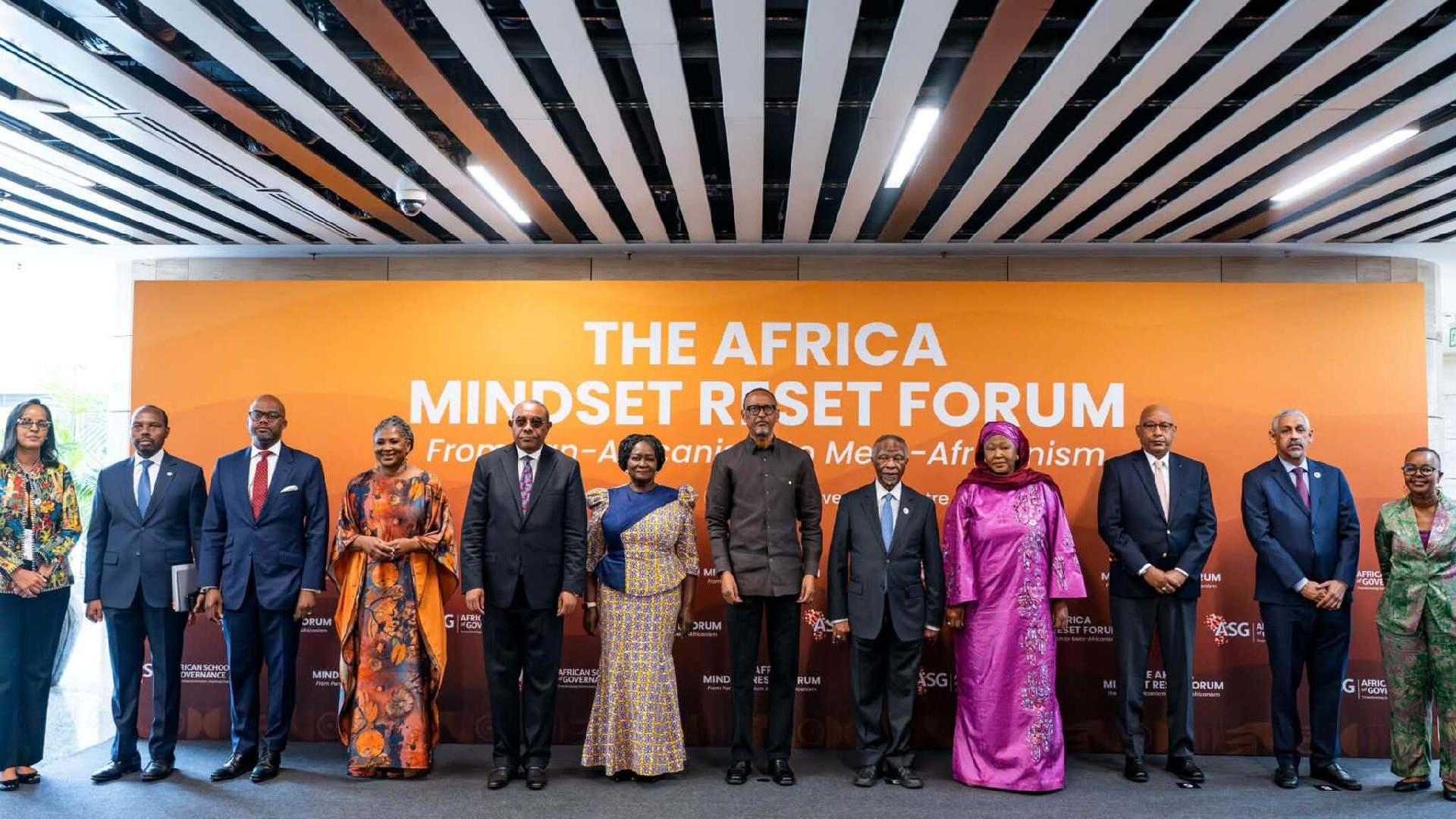
The inaugural Africa Mindset Reset Forum in Kigali is bringing together about 1,000 participants, most of them young and emerging leaders. Under the theme “From Pan-Africanism to Meta-Africanism,” discussions focus on turning continental unity into economic integration through AfCFTA, visa openness, open skies, cheaper air travel and freer movement of people.

IMF managing director Kristalina Georgieva expects investment in artificial intelligence to spread beyond the US and fuel global growth. She also forecasts that the world economy will withstand the energy crisis triggered by the war in Iran.
Russia’s Energy Ministry says diesel supplies to the domestic market are currently stable, with additional volumes redirected internally after export restrictions were imposed.
Eni said on Tuesday that it is working with BP and the Egyptian Petroleum Corporation to reach a final investment decision within the next few months on Egypt’s recently discovered Denise West gas field.
An antitrust challenge from a group of state attorneys general has left Paramount CEO David Ellison searching for ways to complete his deal for WBD, but he has yet to overcome the obstacle.

Eastern Economic Forum organizer Anton Kobyakov says the EEF has long moved beyond the shadow of the St. Petersburg International Economic Forum and is now ahead in the value of agreements. The September 1–4 forum in Vladivostok has recorded 380 major deals worth 6.5 trillion rubles.
Anton Kobyakov, an adviser to the Russian president and executive secretary of the Eastern Economic Forum’s organizing committee, said the forum has helped fuel rising interest in Russia across Asia amid major global economic changes. He said Asian economists are calling for full-fledged, mutually beneficial relations with Moscow, while new global trends have shifted toward Asia and the Pacific.
European LNG prices have climbed to their highest level since 2023, after already-low gas inventories were hit by shipment disruptions caused by the Iran war.
The Russian government is expected to soon decide whether to extend its ban on diesel exports by producers beyond September 1. The Energy Ministry said meeting domestic fuel needs, including those of farmers during seasonal fieldwork, remains the priority, with export potential to depend on fuel balances, output, stocks and domestic demand.
High mortgage rates pushed potential buyers to the sidelines, sending U.S. new single-family home sales sharply lower in July. Consumer confidence also fell to a seven-month low as concerns grew over the job market and inflation outlook.
Bond-market interventions have produced only a modest drop in yields while drawing increasing ridicule. Stanley Druckenmiller is leading skeptics who believe Treasury Secretary Scott Bessent’s bond maneuvers will ultimately fail.

Canada will impose retaliatory tariffs of 15 to 50 percent on more than 700 US products worth 27.6 billion Canadian dollars ($19.9bn), starting September 8. The move follows the collapse of trade talks and new US duties imposed by Donald Trump. Ottawa also unveiled C$7.5bn in support for small and medium-sized businesses.

Russia’s stock market ended Tuesday higher, with the ruble-denominated MOEX Index up 2.21% at 2,117.15 points and the dollar-denominated RTS Index 0.79% higher at 789.63. Analysts expect the MOEX and exchange rates to trade within forecast ranges on Wednesday, while the ruble’s weakening trend persists.
Trump’s trade wars are portrayed as the latest threat facing jaded investors in Asia.
One analysis estimates that Iran likely shipped between $3.9 billion and $4.2 billion worth of oil in September 2025. China, the world’s largest energy consumer, bought the vast majority of it.
Hedge funds that financed First Brands’ bankruptcy rescue have been left holding a “clunker”, as the company’s collapse was far from an ordinary debt-fuelled failure.
Bitcoin briefly climbed above $81,000 as renewed inflows into spot bitcoin ETFs and stronger risk appetite extended the cryptocurrency rally.

Gold prices slipped Tuesday after reaching their highest level in more than three months, with dollar weakness and plans for Treasury bond buybacks in focus.

Zach Witkoff, CEO of Trump-linked World Liberty Financial, said concerns about conflicts of interest involving the Trump family are misplaced. He argued that the success of the company’s stablecoin has quieted accusations of Trump cronyism.

Galaxy is expanding retail crypto lending with a portfolio line of credit for eligible GalaxyOne clients. The facility allows them to borrow cash against BTC, ETH and SOL without selling their holdings.

The United States can pressure Chinese banks over Iran by leveraging their access to the U.S. financial system. Beijing is meanwhile developing alternatives, including the Cross-Border Interbank Payment System, or CIPS.

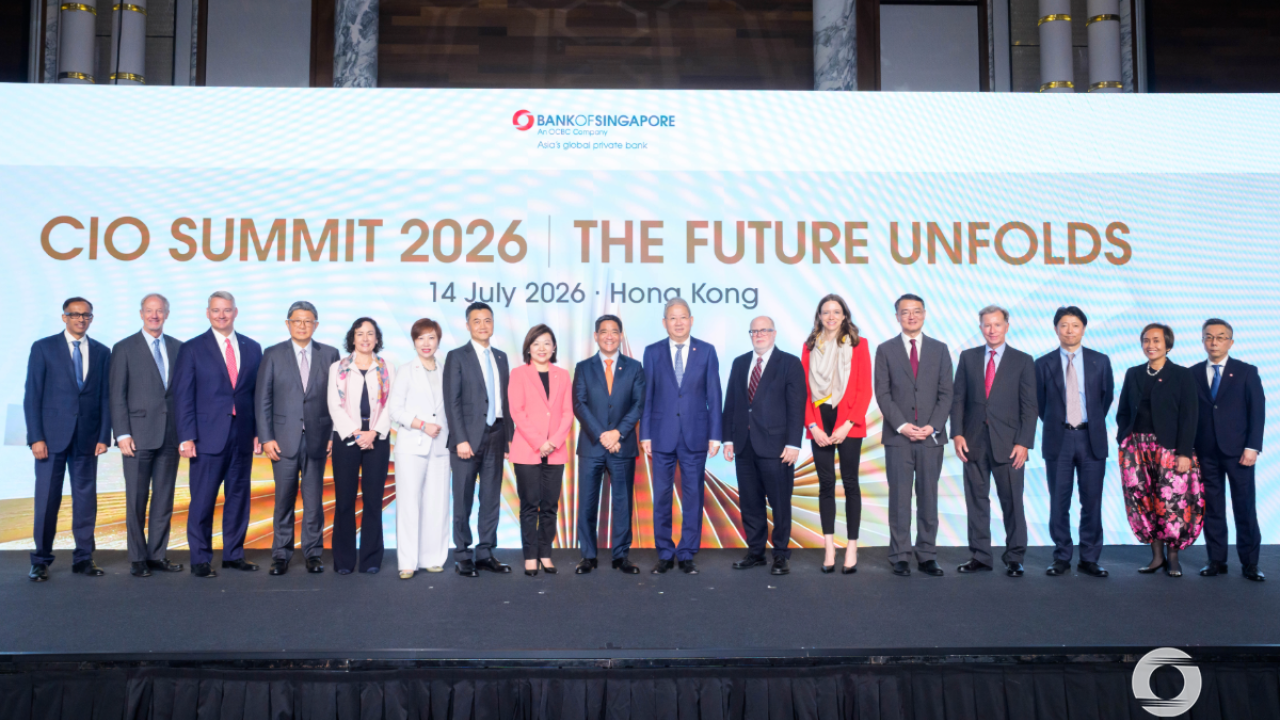
Bank of Singapore’s 2026 CIO Summit in Hong Kong examines how geopolitical fragmentation, technological disruption, demographic change and shifting global economic relationships are challenging the investment assumptions of recent decades and prompting investors to reassess the landscape.

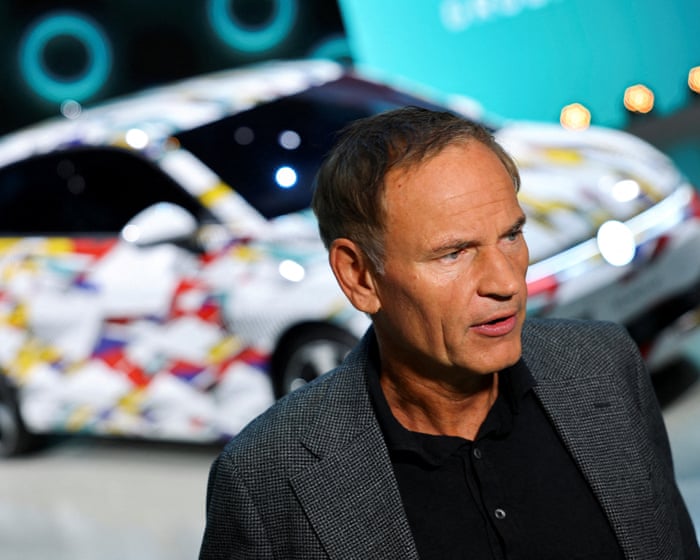
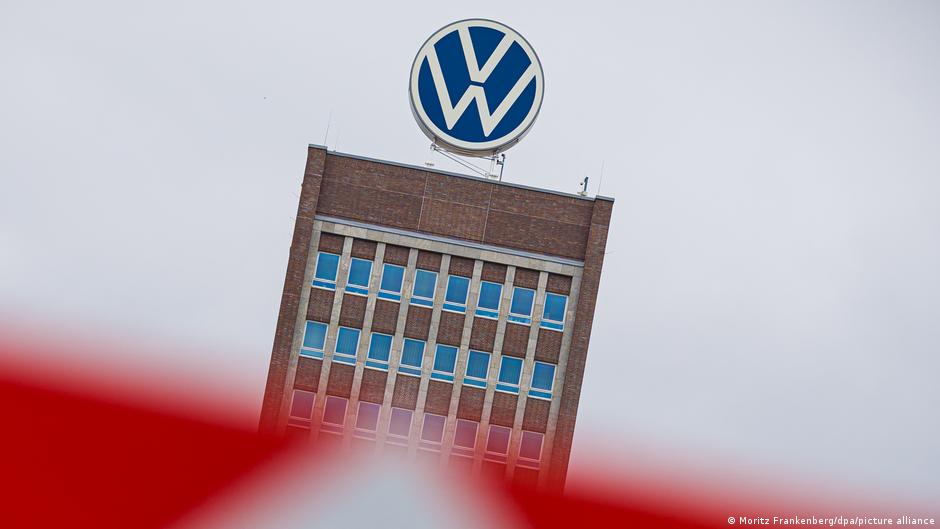
Volkswagen CEO Oliver Blume was booed and whistled at by workers in Wolfsburg after saying a sweeping reorganisation, potentially involving mass redundancies and plant closures, was essential to the carmaker’s future. He said management would rely as much as possible on voluntary measures, while describing closures as a last resort. Workers’ council chief Daniela Cavallo said trust in Blume had been damaged.


Volkswagen management is meeting angry workers this week over an unprecedented restructuring drive that could eliminate up to 100,000 jobs and put several German factories at risk. The company faces pressure from Chinese rivals, the shift to electric vehicles, high costs and overcapacity, while unions say communication of the plans has been “disastrous.” CEO Oliver Blume calls VW’s condition “more than critical.”
BNP Paribas has secured a licence for a regional headquarters in Saudi Arabia, according to state news agency SPA. France’s largest bank is joining other international companies expanding their presence in the kingdom.
Oil prices fell 3% as the United States shifted toward economic pressure on Iran, easing fears that war could resume. Investors largely shrugged off the latest developments in the U.S.-Iran war.

Kazakhstan’s Energy Minister Erlan Aqkenjenov said the Kondensat refinery will process Russian crude and return the resulting gasoline and diesel to Russia, while 30% of the fuel will remain in Kazakhstan. An unnamed Russian company owns half of the refinery. The arrangement comes as Russian regions face fuel shortages and rising prices after drone strikes hit oil refineries.
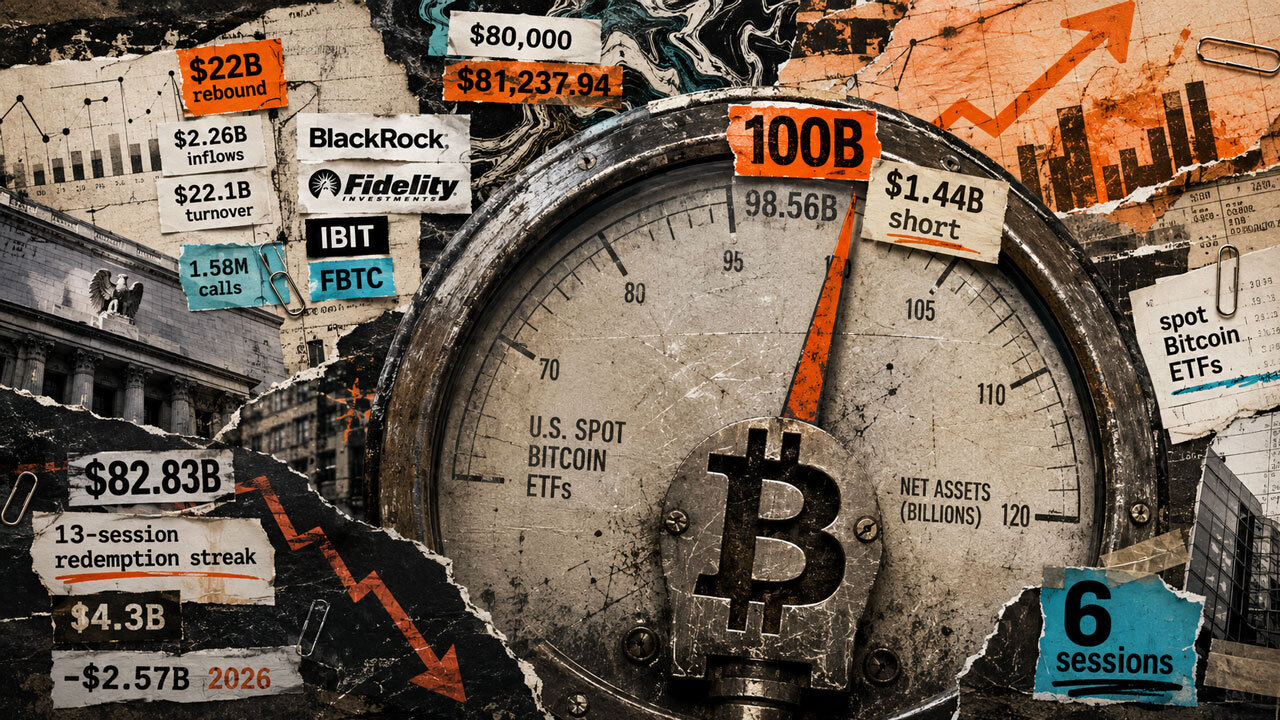
US spot Bitcoin ETFs recorded inflows for a sixth straight trading day on Monday, taking the streak to about $2.26 billion. As Bitcoin climbed above $80,000, total ETF assets reached $98.56 billion, about $1.44 billion short of $100 billion. BlackRock’s IBIT captured most of the new demand, while its call-option activity also hit records.

Rising deficits and debt-servicing costs no longer appear capable of restoring fiscal prudence in the US.
The Minutes Reader extension turns the original page into a focused reading view and translates articles and video subtitles on demand. It is in limited beta.