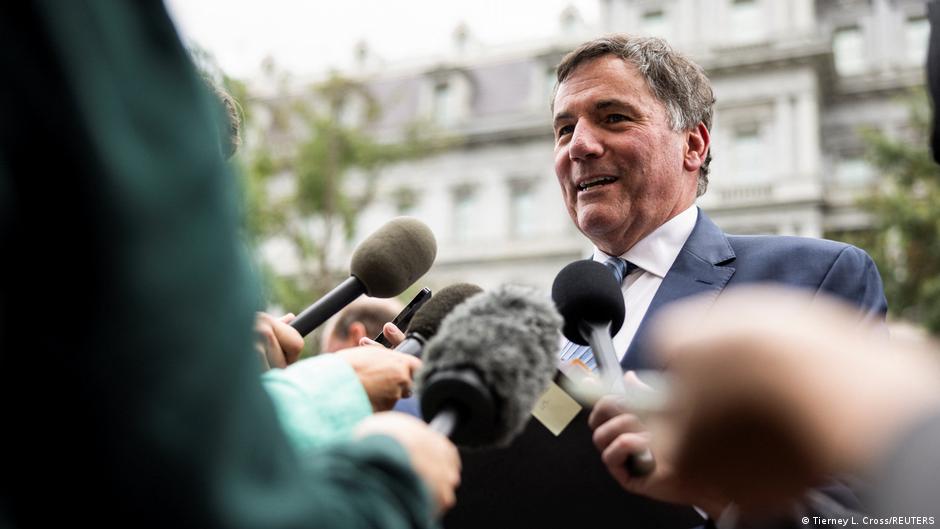
Two people familiar with the matter said online fast-fashion retailer Shein’s Hong Kong IPO, seeking to raise as much as $1.8 billion, has attracted enough investor demand to fully cover the order book.
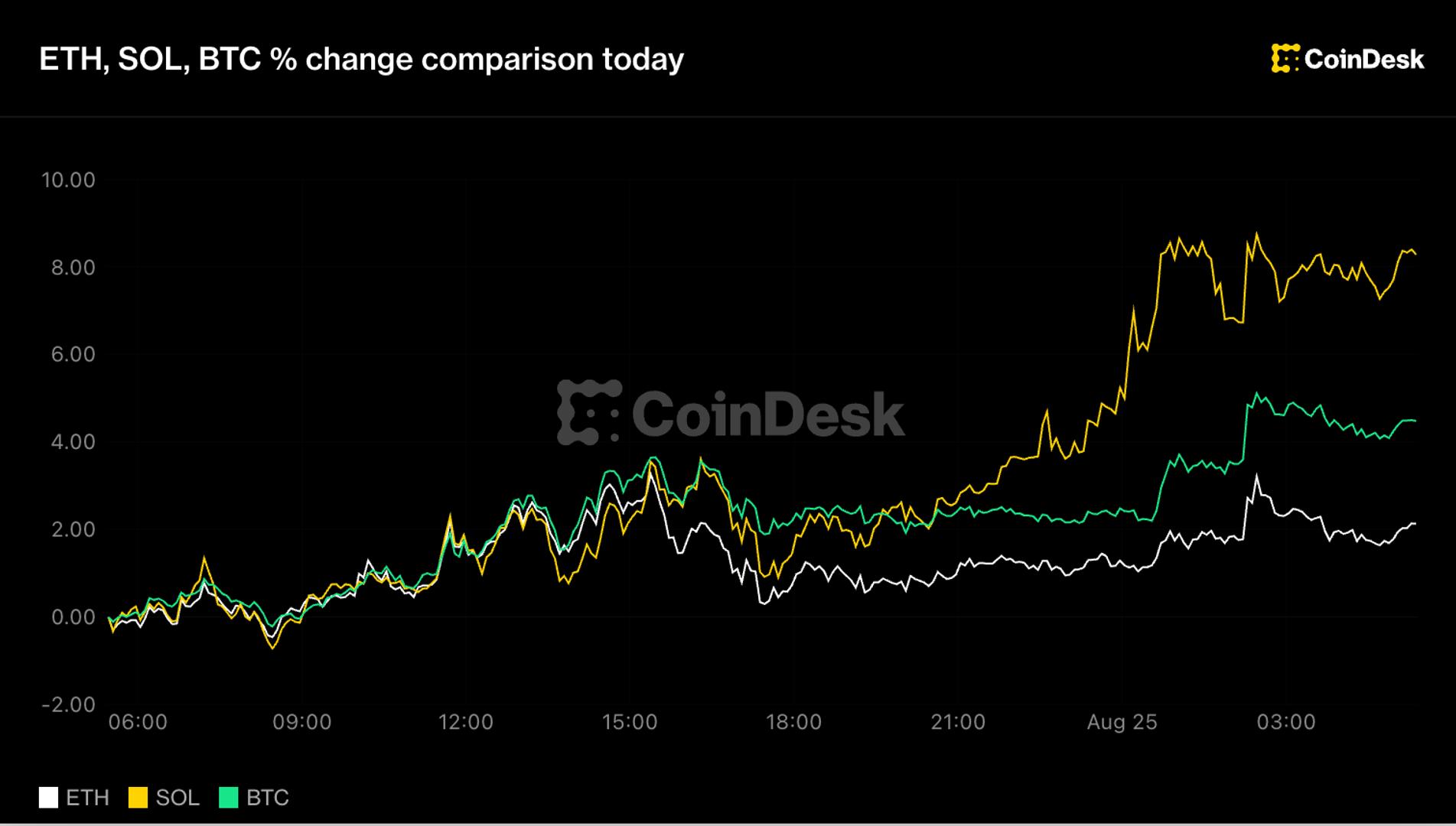
Bitcoin has gained more than 25% this week after an expansion of Treasury bond buybacks sparked a rally, pushing it above $80,000. Solana led major cryptocurrencies on Tuesday as validators voted on proposals to slow new SOL creation and increase daily burns, while the rally faced an overbought warning.
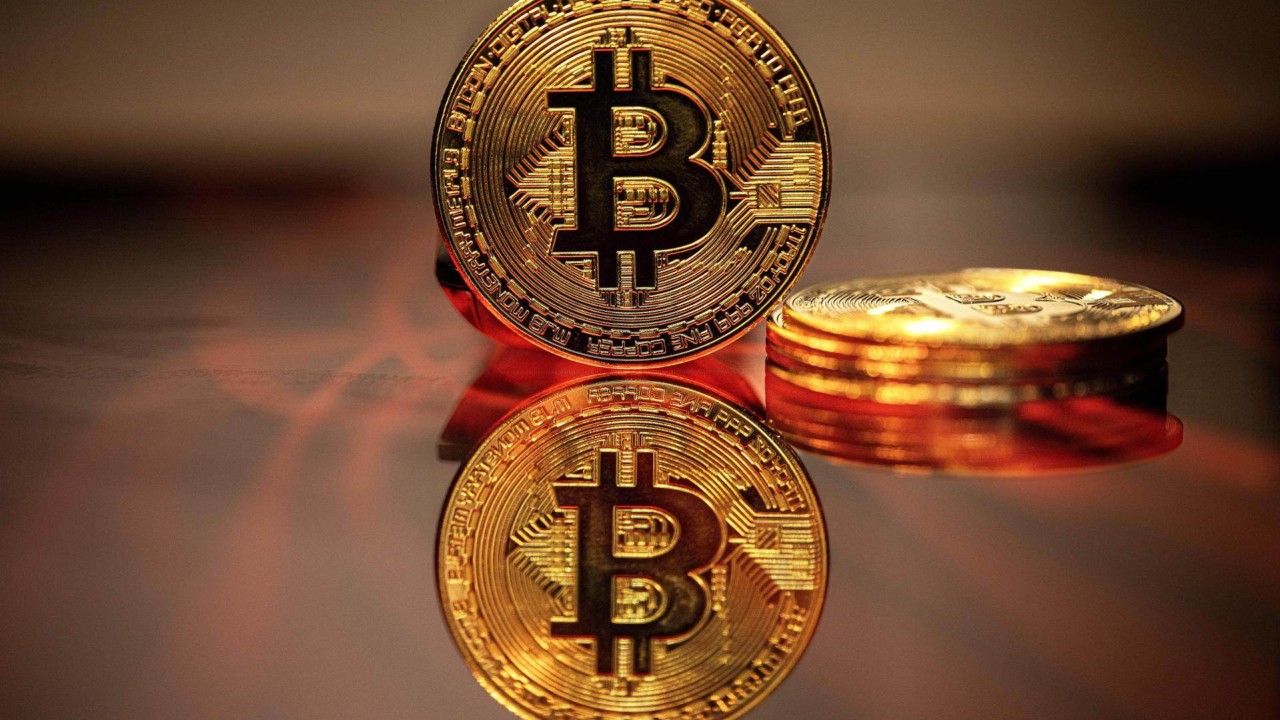
Bitcoin has risen above US$80,000 for the first time in three months, reaching more than US$80,900 on Tuesday. The cryptocurrency gained about 25 per cent in a week amid a broader rally in alternative assets linked to Washington’s efforts to reduce US bond yields, though it remains nearly 36 per cent below its October record of US$126,000.
BitcoincryptocurrencyUS bond yields
SSouth China Morning Post★★★☆☆2026-08-25 04:46Original
Bitcoin has reached $80,000 for the first time since May as the cryptocurrency recovery gathers pace. Shifting US Treasury policy helped draw buyers back into crypto and revive ETF demand, while BTC has climbed 38% since its June plunge.
Analysts say a period of consolidation could reinforce bitcoin’s rally, while thin trading above $80,000 may leave the market vulnerable to sharper price swings.
Xpeng shares fell after the company issued weak delivery guidance. The decline came despite its nascent robotics business securing a valuation of nearly $6.3 billion, close to the value of its core electric-vehicle business.
Oil prices regained some ground on Tuesday after falling more than 2% in the previous session, as investors assessed the effects of the latest U.S. sanctions against Iran.
S&P says Europe’s intense heatwaves could weaken insurers’ earnings as heat-related deaths, worsening health conditions and drought and wildfire claims increase. Life, health and reinsurance companies may face higher payouts, potentially leading to higher premiums, particularly as older people are especially vulnerable to heat.
US-Canada trade talks have collapsed. Bloomberg journalists answered live audience questions about what may happen next and how the breakdown could affect people’s money.
Canadian stocks swung between gains and losses at Monday’s open after trade talks with the US collapsed, raising fears of a widening trade war. Prime Minister Mark Carney recalled his negotiators from Washington.
The US bank has shortened the time horizon for SpaceX employees and investors to borrow against their stock holdings, and may do the same for Anthropic.
Private equity growth funds drew record inflows in the first half as the sector recovered. The fundraising revival is being driven by the artificial intelligence boom and by some valuations that remain below their 2021 peak.
Shares of Unitree, China’s best-known humanoid robot maker, have fallen roughly 45% after soaring more than fivefold on their Shanghai debut. The plunge has raised concerns about bubble risk, losses for retail investors and weaknesses in the IPO system.
China is developing a worldwide network of gold vaults and speeding up central-bank purchases to strengthen the yuan’s role in international trade, according to an S&P Global Ratings report. Zijin Mining and Shandong Gold Mining are expected to expand faster than most global peers after Beijing classified gold as a “strategic mineral” in 2025.
Asian shares fell on Tuesday and oil prices extended their declines after U.S. threats of an “economic D-Day” through sanctions on Iran produced little impact.
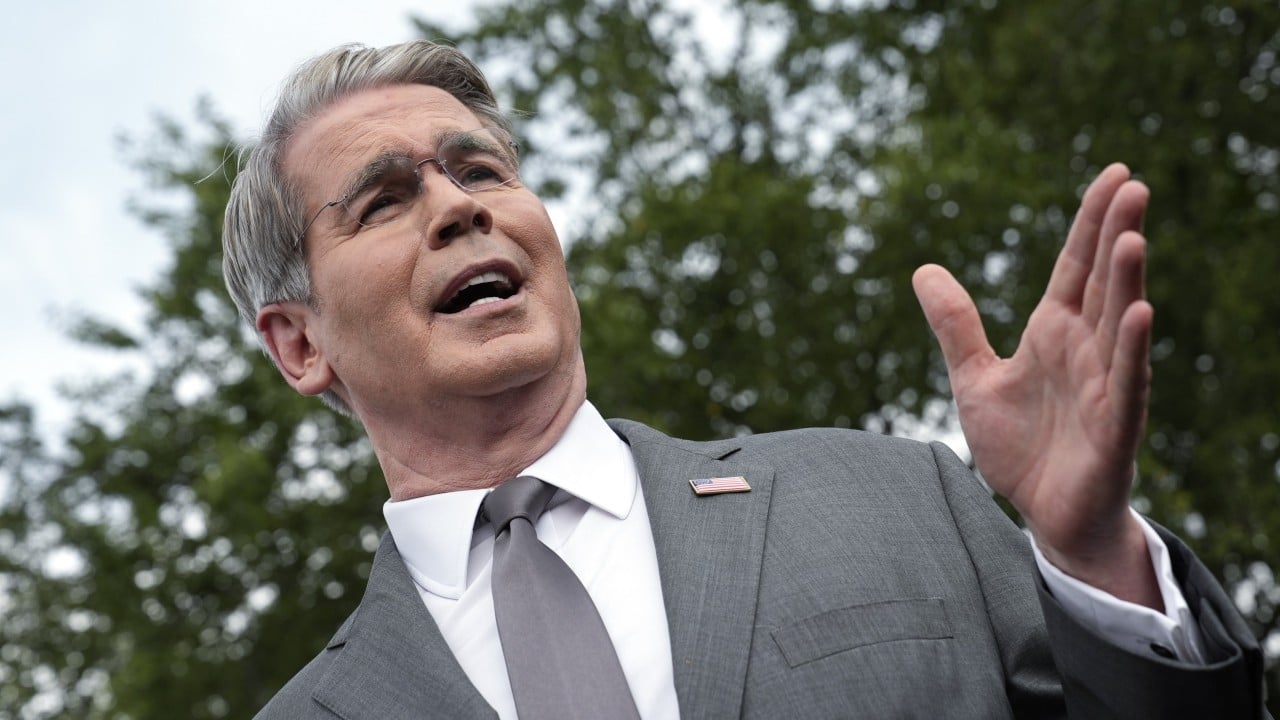
Treasury Secretary Scott Bessent offered no further indication Monday that the US could revamp its debt management, after a report said the department might use part of its cash holdings to fund buybacks of older, higher-yielding securities.
Treasury Secretary Scott Bessent’s promised deficit-reduction plan, expected in the coming days, is set to confront a stark obstacle: there is no indication that the Republican-controlled Congress will deliver any net budget cuts this year.
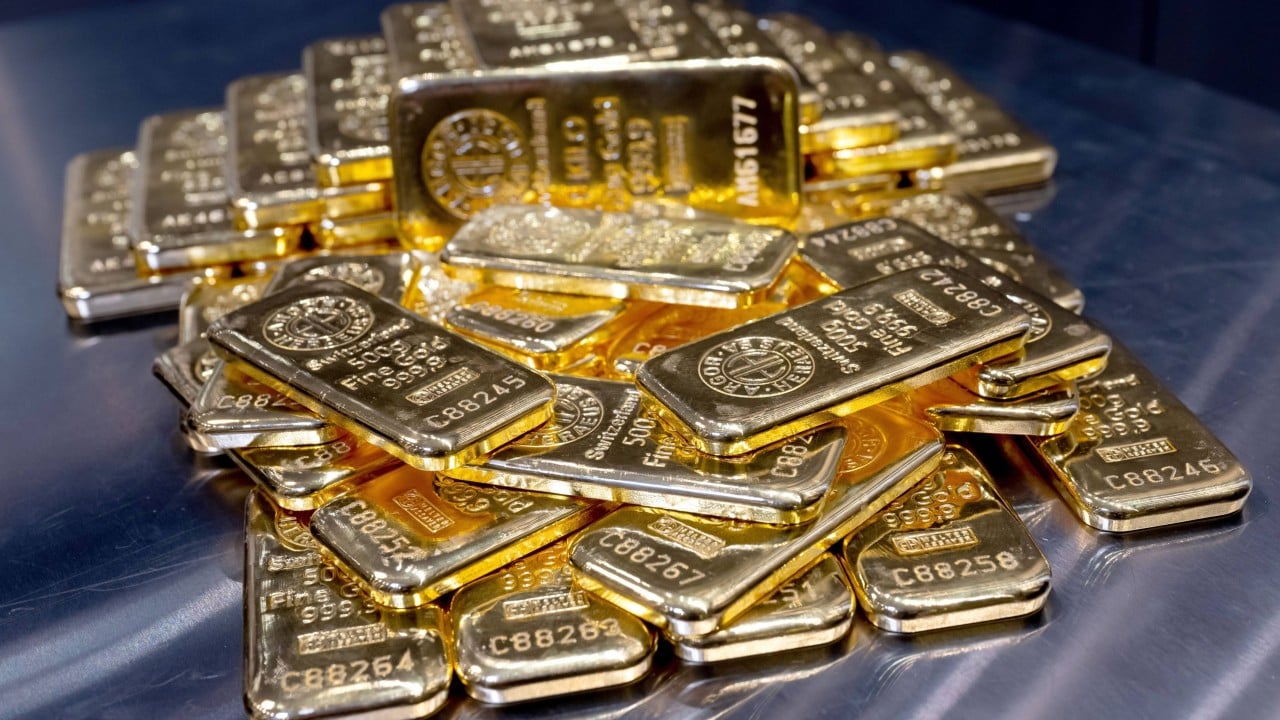
The US Treasury’s larger buyback programme for long-maturity bonds is bolstering bets that gold will benefit from currency debasement. With the Federal Reserve’s Jackson Hole meeting approaching, gold reached a three-month high of US$4,698 an ounce on Tuesday after gaining 5.1 per cent the previous week following Scott Bessent’s announcement of the repurchases.
Canada has several economic levers in the escalating tariff dispute with the United States, including planned dollar-for-dollar duties, energy exports, potash and critical minerals. Prime Minister Mark Carney says Canada supplies most US natural gas and electricity imports and about 60% of its crude oil imports. Ontario Premier Doug Ford says Trump underestimates Canada and that an energy surcharge remains possible.
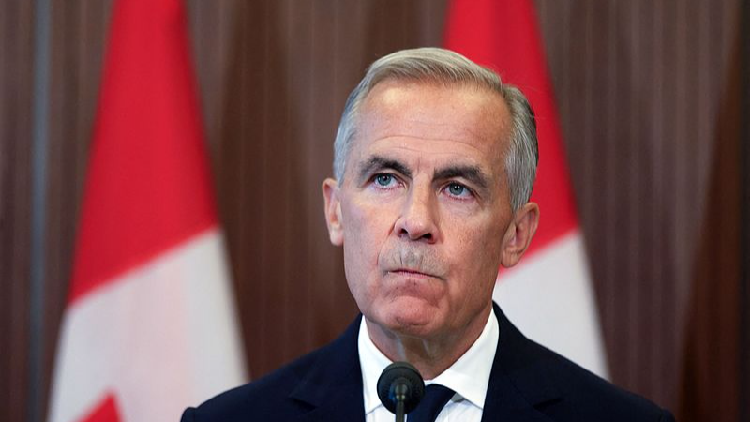
Canadian Prime Minister Mark Carney said his government is continuing to consider ways to retaliate against new tariffs imposed by US President Donald Trump on Canadian goods. He added that Canada remains willing to continue trade talks if the US takes the “right attitude.”
Canada’s currency plunged against the US dollar and bonds rallied after trade talks between the two countries collapsed, as the widening rift threatened the outlook for economic growth.
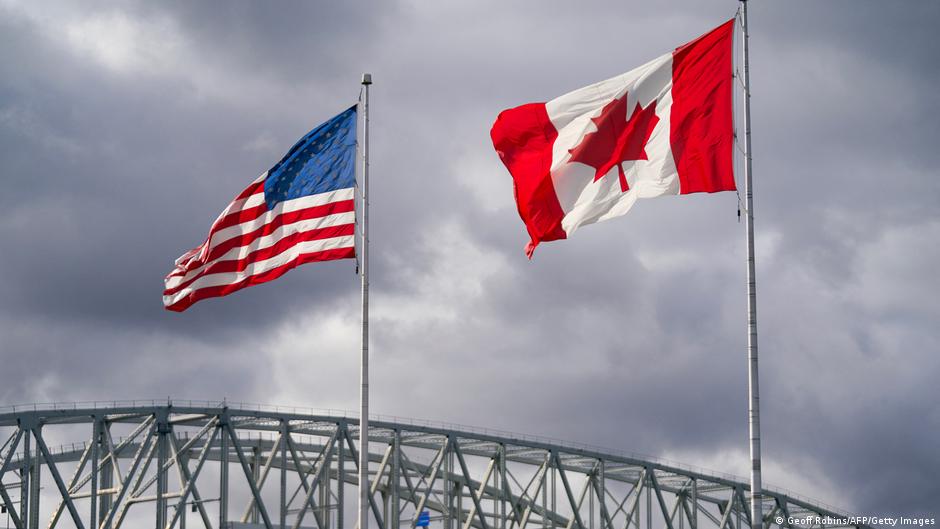
The US-Canada trade war shows no sign of easing. Canadian negotiators left talks in Washington after Prime Minister Mark Carney accused the Trump administration of making disproportionate last-minute demands. The US is imposing 50% tariffs on $20 billion of Canadian goods, while Canada’s retaliatory tariffs on US products are due to begin in early September, posing serious risks to both economies.
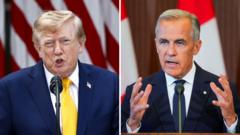
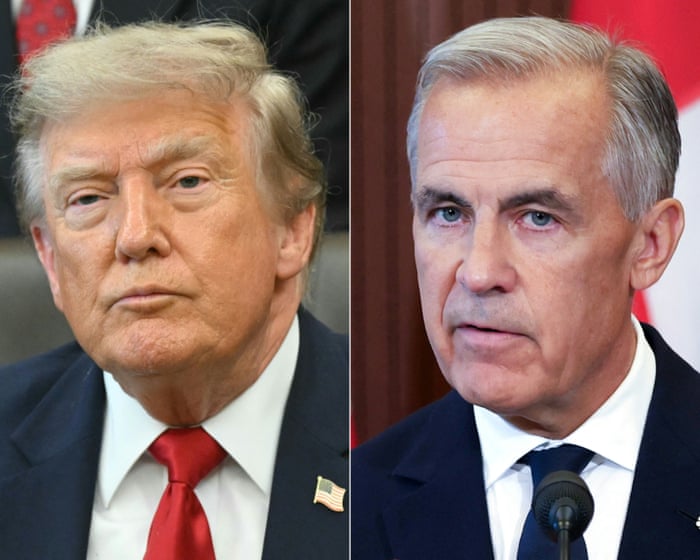
U.S. President Donald Trump threatened additional tariffs on dozens of Canadian imports after Prime Minister Mark Carney pledged retaliation, as trade negotiations between Washington and Ottawa faltered.
The United States and Canada are moving toward a deeper trade war after last-ditch efforts to reach a deal collapsed Friday. Americans could begin seeing higher prices for goods in three areas.
Businesses on both sides of the border are bracing for losses after US-Canada trade talks collapsed and both governments pledged 50% tariffs on each other’s goods. Calgary jeweller Cindy Baldassi expects most of her US sales to disappear, while furniture, clothing and retail companies warn that higher costs could cancel orders and overwhelm small businesses.
AI hedge fund Situational Awareness went from being the talk of Wall Street to facing federal subpoenas after nearly imploding, prompting an SEC probe.
Shein is finally going public, but the Chinese online retail giant is entering a much more hostile environment than the one it faced when its IPO journey began five years ago. The listing will not conceal its sustainability challenges.
Citadel Securities says the Treasury Department’s bond-buyback efforts to restrain long-term borrowing costs amount to “financial repression,” risking a weaker dollar and higher inflation.
Hong Kong’s housing rebound is facing a new test as investors who benefited from the first-half recovery pull back from quick-turn trades. Secondary prices are still rising, with Centaline’s leading index reaching a three-year high of 162.16 on Friday, but transactions involving homes held for less than a year have fallen sharply, leaving owner-occupiers and long-term buyers to support the recovery.
MarketsReal EstateHong Kong housingproperty pricesreal estate investment
SSouth China Morning PostOriginal★★☆☆☆2026-08-24 23:00
Hong Kong housing rally faces test as property flippers retreat
The SEC has subpoenaed Wall Street banks over Situational Awareness. Leopold Aschenbrenner’s AI-focused hedge fund nearly collapsed in July before reaching a deal with Citadel.
Political and fiscal uncertainty in the US is making investors wary of the dollar again. As some sell the currency, alternative assets including Bitcoin and gold have surged in value.
A Reuters/Ipsos poll found that 31 percent of Americans support US military action against Iran, down from 37 percent in March, while Republican support fell to 69 percent. Trump’s approval rating remained at 33 percent, matching the lowest level in the series. Rising petrol prices and fears that the conflict will drag on are weighing on public backing for the war.
Iranian Economy Minister Ali Madani-Zadeh has answered the US announcement of a new economic pressure campaign against Iran. Washington says the campaign aims to “sever every economic lifeline,” while Madani-Zadeh declares: “You will fail this time, too.”
US Treasury Secretary Scott Bessent said President Donald Trump is calling world leaders and asking them to halt all contacts with Iran. Bessent declined to identify the recipients, saying follow-up calls and visits from the State Department and Treasury would explain Washington’s expectations and deadlines, with consequences coming quickly if they fail to respond.
US Treasury Secretary Scott Bessent said countries that do not comply with new US sanctions on Iran will effectively lose access to the dollar system. He did not say when the sectoral sanctions will take effect, but warned that secondary sanctions could be imposed quickly while Washington is prepared to wait for now.
Treasury Secretary Scott Bessent said Monday that the U.S. Treasury will maintain its regular debt auction schedule, including for long-dated bonds, even as it increases buyback sizes for 10- to 30-year securities.
Germany’s finance minister said President Donald Trump’s war in Iran disrupted global energy supplies and was responsible for a surge in bond yields across markets worldwide.
France and Saudi Arabia have agreed that the Gulf kingdom will invest €6 billion to build three amusement parks near Paris, according to the French presidential office. One park is expected to have a manga theme. The announcement came during Crown Prince Mohammed bin Salman’s visit, which focused on bilateral deals and the ongoing Middle East crisis.
France and Saudi Arabia have agreed to build a €6 billion ($7 billion) manga-themed amusement park near Paris. The Elysee Palace announced the project on Monday during Saudi Crown Prince Mohammed bin Salman’s visit to the French capital.
Crypto exchange trading volumes doubled over five days as market activity recovered. August’s monthly volume has reached $490 billion so far, compared with $670 billion in July.
Coinbase is launching tokenized versions of Apple, Nvidia, Meta and Alphabet on its Base network. The crypto exchange says the products are issued under its new Abu Dhabi framework.
The Bank of Russia set the official dollar exchange rate for August 25, 2026 at 83.2878 rubles, up 36.67 kopecks from the previous rate. The euro rate rose 57.83 kopecks to 97.4384 rubles, while the yuan rate increased 5.1 kopecks to 12.3853 rubles.
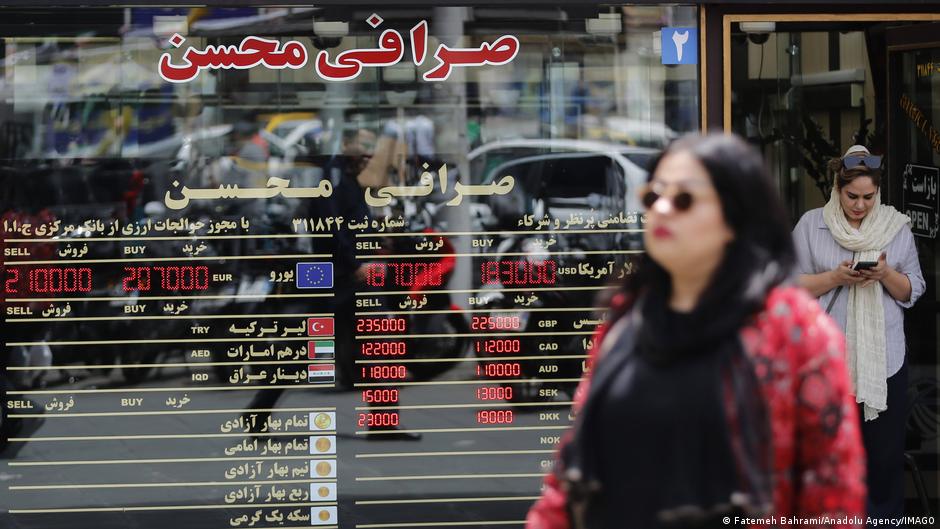
Iranians are preparing for greater economic hardship as Washington readies another round of sanctions intended to squeeze Iran’s economy and government. Analysts doubt the penalties will alter Tehran’s conduct, while the rial has fallen to a record low. Iranian commanders have threatened to halt oil exports through the Strait of Hormuz and the Persian Gulf if the economic war continues.
U.S. threats to impose what it calls “the toughest sanctions in history” to force Iran to accept its demands after nearly six months of war have raised the prospect of another escalation in the Gulf.
The S&P 500 and tech-heavy Nasdaq edged lower on Monday as investors assessed the possible fallout from the U.S. pledge of an “economic D-Day” against Iran. Markets are also awaiting Nvidia’s results and a key inflation report due later this week.
Once a high-flying fast-fashion retailer, Shein is listing in Hong Kong at just a quarter of its peak value after years of false starts, undermining its $100bn ambition.
Ukrainian economist Oleg Pendzin says not a single dollar has been invested under the minerals agreement with the United States. He argues that unresolved land ownership, geological surveys and security concerns require urgent government action, while continuing hostilities are deterring investors.
The United States says it is preparing new sanctions on Iran, billed as an economic D-day. The measures are expected to intensify pressure on an economy already battered by earlier sanctions and a US naval blockade, continuing Washington’s use of economic tools to corner Tehran.
Iran’s currency has fallen to a record low against the dollar. The US is expected to disclose details of the administration’s sanctions plans later today, with developments being followed live.
The US is preparing sweeping economic measures against Iran and its trade partners, which Treasury Secretary Scott Bessent calls the greatest financial offensive ever mounted against an adversary. Tehran says countries supporting the measures will commit an “act of war” and threatens retaliation against oil-shipping routes in the Persian Gulf.
China has been Iran’s biggest oil buyer for several years, placing its purchases under scrutiny as the United States threatens Tehran with severe economic sanctions.
US Treasury Secretary Scott Bessent warned that Washington would sever all economic ties with Iran and isolate countries that partner with it financially, calling the planned pressure the “single greatest financial offensive ever”. Iran dismissed the threat, saying it could halt regional oil exports if the war continues, and warned shipping not to cross the Strait of Hormuz without permission.
US Treasury Secretary Scott Bessent said the administration expects to launch a “financial offensive” against Iran on Monday, declaring that the conflict is entering its “endgame.” President Donald Trump had earlier announced an unprecedented economic war and isolation campaign against Tehran, warning that entities supporting it would face serious US economic consequences.
United StatesIranfinancial offensiveeconomic sanctions
Yields on 30-year US bonds rose above 5% last week, a level not seen since before the Great Financial Crisis. Treasury purchases briefly pushed yields lower, but they climbed again the next day. At the same time, US national debt surpassed $40 trillion.
Sources say Treasury Secretary Bessent could use nearly $1 trillion in the Treasury General Account to finance bond buybacks. Drawing on the account would give the Treasury considerable power to influence long-term bond yields.

MarketsU.S. Treasurybond buybacksTreasury General Account
Businesses invested more than £11 billion ($15 billion) in Britain’s digital infrastructure last year as they raced to build data centers for artificial intelligence.
Kremlin spokesperson Dmitry Peskov said Russian forces would respond to Ukrainian drone attacks on Ozon logistics facilities with further strikes on Ukrainian territory. He said Kyiv would feel those responses “every day, every night,” and argued the attacks would not alter the dynamics at the front. Ukraine has targeted Ozon warehouses for three days, after earlier strikes on Wildberries facilities and Russian oil refineries.
Shares in Russian online marketplace Ozon fell as much as 28.5% to 2,129 rubles after Ukrainian forces struck its warehouses in several Russian regions for a third straight day. The stock was down 12.7% at 2,600 rubles after the Moscow Exchange opened, while the benchmark index dropped 2%. Ozon is a blue-chip constituent of the benchmark. Ukraine had previously struck warehouses operated by Wildberries, which is not publicly traded.
Russian officials say a Ukrainian overnight drone attack on Krasnodar sent debris into a private children’s facility and residential buildings, killing three children and injuring 12 people, including six children who were hospitalized. An Ozon warehouse was also hit, with no injuries reported there initially.
Kremlin spokesman Dmitry Peskov said the Kyiv regime had opened Pandora’s box by attacking Russian civilian infrastructure and was facing retaliation every day, which would continue. He said drone strikes on Ozon warehouses had failed to affect frontline dynamics and instead highlighted the regime’s true nature.
Russia’s Defense Ministry said air defenses intercepted and destroyed 351 Ukrainian fixed-wing drones overnight across Russian regions and nearby waters. Debris hit a children’s facility in Krasnodar, killing three children and injuring seven. Ozon logistics centers in Adygea and Dagestan caught fire, while some warehouses were evacuated or temporarily closed.
Russian authorities said a Ukrainian drone attack on August 24 killed three children in Krasnodar. Officials said debris struck a private children’s center, injuring seven children and two adults and setting warehouses ablaze. Ozon facilities in Adygeysk, Makhachkala, and Nevinnomyssk were also hit; injuries were reported in Makhachkala.
A massive Ukrainian drone attack is being repelled in the Krasnodar Region, Governor Veniamin Kondratyev said. Debris fell on a private children’s center in Krasnodar, killing two children and injuring seven others; two adults were hospitalized.
Monitoring channels reported that Ukrainian forces struck a retail warehouse in Krasnodar and a nearby Ozon logistics center. Russian officials said falling drone debris killed two children and injured seven at a childcare center, while warehouse facilities caught fire. The details could not immediately be verified.
Strategy sold $2 billion worth of MSTR shares without making any bitcoin purchases and established a $1.6 billion “USD Cash” pool. Its holdings represent roughly 4% of bitcoin’s 21 million supply cap, valued at around $66 billion.
India plans to issue tokenised corporate bonds next month, three people familiar with the matter said, in a test of blockchain technology designed to allow bond trades to settle instantly.
Federal Reserve Chair Kevin Warsh’s first speech at this week’s Jackson Hole conference has taken on greater significance. Traders and analysts want guidance on the recent rise in bond yields and reassurance that he is independent of the Trump administration.
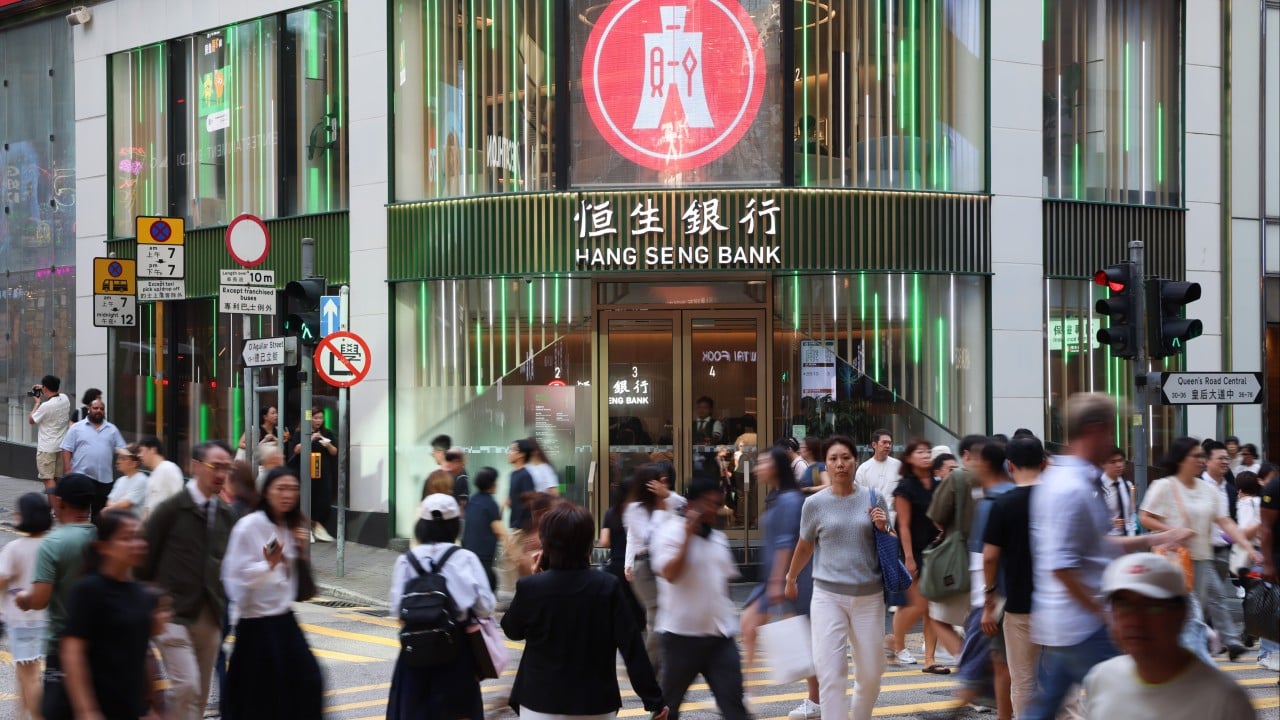
Hang Seng Bank says it will keep investing in its wealth centre network to meet rising demand from high-net-worth clients. The lender recently opened a second facility at Hysan Place in Causeway Bay, despite uncertainty in Hong Kong’s wealth management industry as Beijing tightens scrutiny of mainland Chinese investors’ cross-border investments.
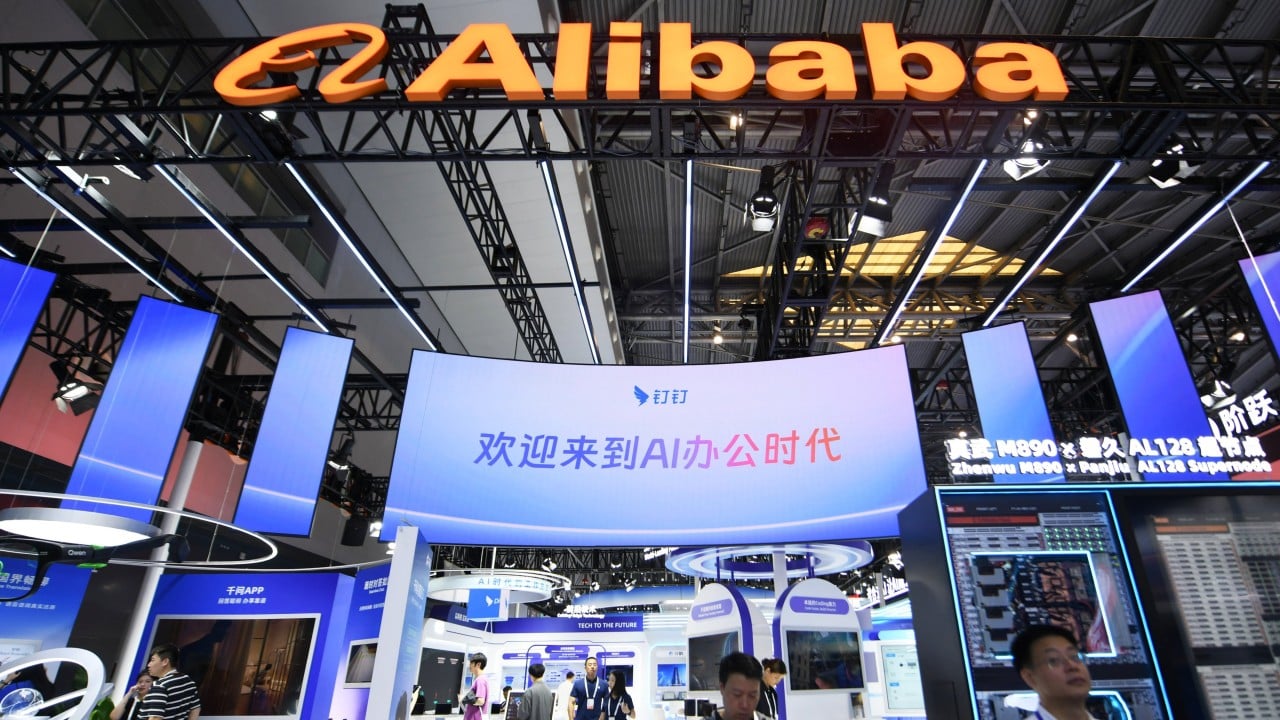
Alibaba raised HK$80 billion (US$10.2 billion) through a record Hong Kong secondary share sale. The shares were priced at HK$112.70 each, an 8.4% discount to Friday’s close, with all proceeds earmarked for its artificial-intelligence drive and planned spending of more than 380...
Alibaba shares fell sharply in Hong Kong on Monday after the Chinese company launched a $10.2 billion share sale at a steep discount to fund its AI ambitions. Investors focused on dilution and execution risks.
AlibabaHong Kong stocksartificial intelligenceshare sale
Alibaba shares dropped 8% in early Hong Kong trading on Monday after the technology company completed an HK$80 billion ($10.21 billion) share placement at HK$112.70 per share. The deal is intended to finance artificial intelligence-related development.
AlibabaHong Kong stocksartificial intelligenceshare placement
Alibaba raised HK$80 billion ($10.2 billion) in Hong Kong’s largest secondary share sale, highlighting its readiness to accumulate and deploy huge sums in an effort to lead globally in artificial intelligence.
Iran’s rial fell to a new record low of 2.02 million to the U.S. dollar when markets opened Monday, as Washington prepared to announce additional sanctions.
Russia’s stock market fell at the opening of the main trading session, according to Moscow Exchange data, while the yuan strengthened against the ruble. By 10:15 Moscow time, both the MOEX and RTS indices were down 2.83%.
Online retailer Shein is seeking a $27bn valuation through a Hong Kong initial public offering. Its market capitalisation is now nearly three-quarters below its peak after unsuccessful attempts to list in New York and London.
Shein says it will begin trading on the Hong Kong stock exchange on 1 September, with an offering that could value the fast-fashion retailer at nearly $27bn. It plans to sell 280m shares and raise up to HK$13.86bn for technology and international expansion. The valuation is about 70% below its private-market peak, amid scrutiny over environmental costs, supplier labour conditions and regulatory fines in France.
Fast-fashion giant Shein plans to list in Hong Kong on September 1, offering nearly 280 million shares and raising up to HK$13.86 billion. At the top of its price range, the company would be valued at almost $27 billion, far below its $100 billion private-funding valuation in 2022. Shein reported a $99 million loss in the first quarter.
Fast-fashion giant Shein plans to raise up to HK$13.86bn by offering nearly 280 million shares when trading begins in Hong Kong on 1 September. The implied valuation of almost $27bn is far below its $100bn private-market valuation in 2022. Previous US and London listing attempts failed amid regulatory scrutiny.
Fast-fashion retailer Shein Global Holdings plans to raise as much as HK$13.85 billion (US$1.76 billion) through a Hong Kong initial public offering. It will offer 279 million shares at HK$47.60 to HK$49.50 each, with investor orders opening Monday and trading expected to begin on September 1.
SheinHong Kong IPOshare offering
SSouth China Morning Post★★★☆☆2026-08-24 01:24Original
U.S. authorities are reviewing Shein Global Holdings Ltd.’s proposed purchase of American clothing retailer Everlane after the company sought approval, according to people familiar with the matter. The review adds to the growing regulatory hurdles facing the China-founded fast-fashion giant in one of its most important markets.
Samsung Electronics shares dropped more than 8% in early Monday trading after its record $79 billion shareholder-return plan disappointed investors. They had expected a larger share of the cash generated by Samsung’s AI boom and clearer details on potential buybacks.
The dollar hovered near multi-month lows on Monday as markets remained unsettled by the U.S. Treasury’s pledge to buy back more long-dated bonds. Traders were also waiting for details of sanctions on Iran and policy speeches expected this week in the United States and Japan.
China is preparing a potential record-setting semiconductor listing. CCSH Corporation, the parent of NAND flash maker Yangtze Memory Technologies Corporation, plans to sell 1.98 billion to 2.43 billion shares on Shanghai’s Star Market, representing 10 to 12 per cent of its enlarged share capital.
Iranian Foreign Minister Abbas Araghchi likened a new US sanctions package, expected to be unveiled Monday, to watching the same film repeatedly. He said what he called Trump’s “bullying” was no different from that of earlier US administrations.
Asian share markets were little changed on Monday and oil prices slipped as investors awaited details of threatened U.S. sanctions on Iran expected later in the day. The Canadian dollar also weakened as the prospect of a trade war with its southern neighbour loomed.
Asian stocksIran sanctionsoil pricesCanadian dollar
After nearly six months of war with Iran, the United States appears to be changing course. Donald Trump says Washington will launch a “crushing economic operation” and is urging other countries to join what it calls the greatest coordinated economic isolation in history. Iran says participants will be treated as enemies.
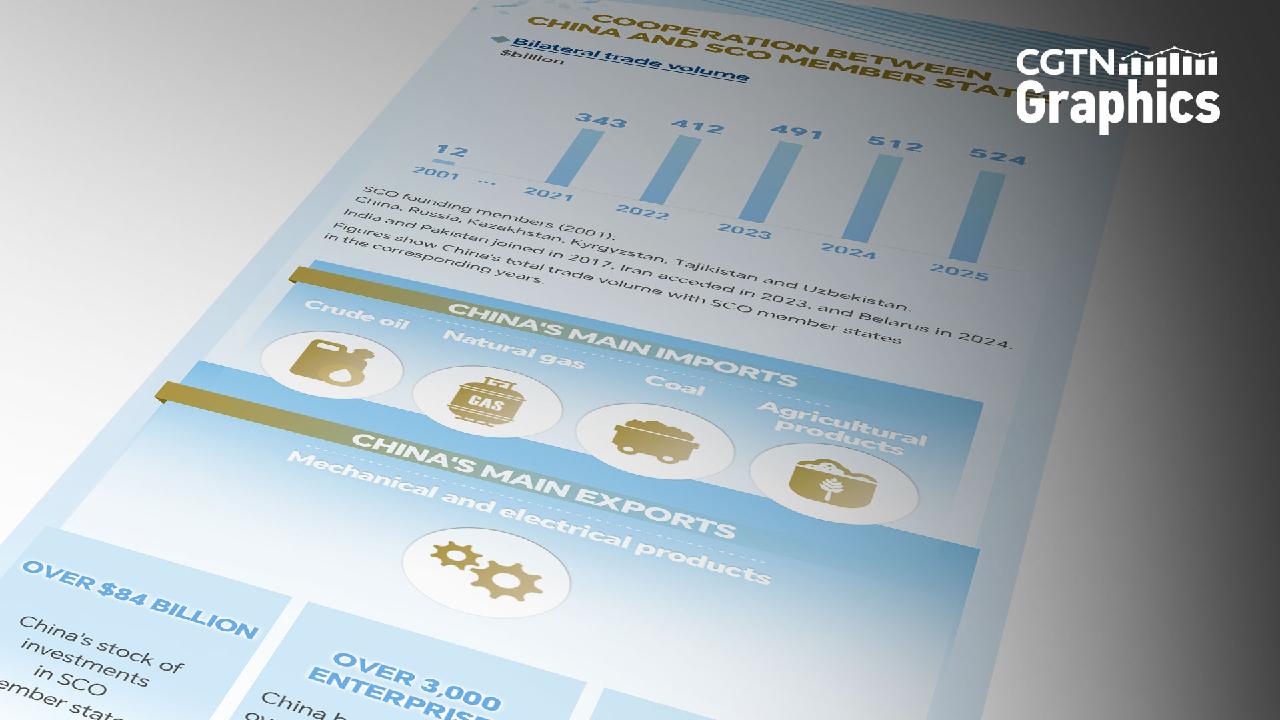
Trade between China and other Shanghai Cooperation Organisation members reached nearly $524 billion in 2025, more than 40 times the roughly $12 billion recorded in 2001. Cooperation is also moving beyond goods trade toward real-sector investment, with China’s investment stock in member states exceeding $84 billion, more than 3,000 local companies established and over 200,000 jobs created annually on average.
A major private bank says wealthy investors should prepare for elevated volatility for years, as uncertainty over artificial intelligence and geopolitical risks is likely to persist. Asset prices have endured repeated roller-coaster swings in recent years, with volatility reflecting structural changes in markets over decades.
Alibaba’s two top executives bought a combined HK$120 million (US$15.3 million) of the company’s ordinary shares on Monday, signaling confidence after the tech giant announced one of China’s largest AI-focused fundraising rounds. The placement was reportedly oversubscribed three times amid strong investor sentiment.
Bond issuance in Hong Kong dollars and yuan across Hong Kong and mainland China is expected to keep growing through the rest of the year. A Standard Chartered executive said rising US dollar funding costs are prompting issuers to turn to other currencies for cheaper borrowing and reduce reliance on dollar bonds.
Marketsbond issuanceHong Kong dollaryuanfunding costs
SSouth China Morning PostOriginal★★☆☆☆2026-08-24 00:00
Yuan and Hong Kong dollar bonds surge as issuers seek cheaper funding amid rising US costs
Online fast-fashion retailer Shein began book building for a Hong Kong initial public offering on Monday, seeking to raise as much as HK$13.86 billion, or about $1.77 billion, according to its offering prospectus.
American economist Barry Eichengreen discusses why today’s talk of “de-dollarisation” differs from earlier episodes and how close the world may be to a reshuffling of the international monetary system.
The National Reconstruction Fund will invest $120m in a $240m advanced manufacturing project north of Perth, which is expected to produce 2,000 apartments a year when fully operational. The Western Australian government will provide a $20m grant and Wesfarmers a $100m equity investment. The government says the apartments could be built up to 20% cheaper and 50% faster than through traditional construction.
Chief financial officers are using tariff refunds to cut prices, increase margins or reduce debt. JPX’s Hiroki Kawai also discusses the surge in Japanese retail trading.
US President Donald Trump imposed a 50 percent tariff on about $20bn of Canadian goods after trade talks collapsed. Canadian Prime Minister Mark Carney announced dollar-for-dollar retaliation from September 8. Experts say the trade war will raise business costs and consumer prices, increase unemployment and hit sectors such as alcohol, dairy and furniture particularly hard.
Bloomberg News Now highlights Canada’s response to US tariffs, Donald Trump’s stock disclosures and other leading global business stories in an audio report updated throughout the day.
The long-standing allies and economic partners have been drawn into an escalating trade war. Canadian Prime Minister Mark Carney suspended talks with Donald Trump and chose retaliation, saying the US demanded too much while offering too little. He must now convince Canadians that enduring economic pain to secure a better deal is worthwhile.
Trade talks between the US and Canada have collapsed into a trade war, with Washington imposing 50% tariffs on $20bn of Canadian goods. Prime Minister Mark Carney says Canada was ‘attacked’ and vows to match the measures dollar for dollar, while the escalation puts the future of the USMCA in doubt.
US and Canadian negotiators had been nearing a trade agreement earlier this week, but talks collapsed after both governments accused the other of making last-minute changes. Prime Minister Mark Carney announced retaliatory tariffs after Washington imposed a 50% levy on $20 billion worth of Canadian goods, and addressed Canadians on Saturday for the first time since the breakdown.

US President Donald Trump attacked Canada on Sunday, saying it wanted “the benefits of being a State, without being one.” His remarks followed Canadian Prime Minister Mark Carney’s announcement of retaliatory tariffs after describing the existing deal as a “bad deal.” Talks between the longtime allies broke down in Washington on Friday, signaling a widening rift.
The Atlantic says Donald Trump’s threats and pressure on Ottawa have failed to deliver results, leaving the US president behind in the trade conflict. Canadian Prime Minister Mark Carney said negotiations were suspended and Canada would impose retaliatory tariffs from September 8, while US tariffs of 50% on some Canadian goods took effect Saturday.
Canadian Prime Minister Mark Carney and provincial premiers have responded after US President Donald Trump imposed 50 percent tariffs on about $20bn of Canadian goods. British Columbia Premier David Eby said Trump cannot be trusted.
Prime Minister Mark Carney says Canada will impose dollar-for-dollar tariffs on US steel, dairy, appliances, agricultural equipment, pulp and paper, electronics and other goods from September 8. He said Washington’s conditions were uneconomic, unfair and undermined Canada’s sovereignty after trade talks broke down.
Canadian Prime Minister Mark Carney said Canada was “at war” in its trade dispute with the United States and would impose tariffs on U.S. steel, electronics and other imports from September 8. The measures are intended to match President Donald Trump’s new 50% tariffs dollar for dollar after negotiations between the two countries collapsed.
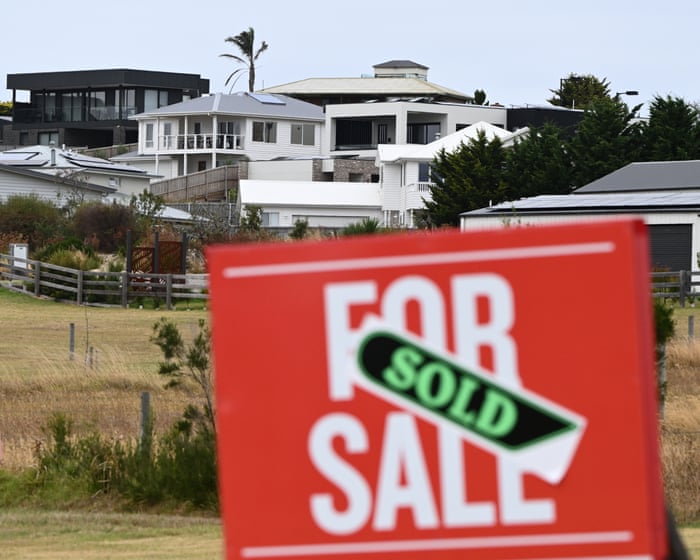
First home buyers remain active in Australia’s housing market despite higher interest rates and tax changes, while investors retreat. Loan Market says new entrants are the only group making more loan applications than in June, with demand supported by the government’s 5% deposit guarantee scheme.
For decades, Wall Street figures including Henry Paulson, Stephen Schwarzman and Ray Dalio were celebrated as “old friends of China,” welcomed by senior officials and given rare access to the country’s top leadership. American financiers still visit and do business in China, but private meetings with top leaders have largely diminished.
Canadian Prime Minister Mark Carney says Ottawa will begin imposing “dollar-for-dollar” tariffs on selected US imports on September 8, after Washington placed 50 percent duties on nearly $20bn of Canadian goods. Carney said talks collapsed when the US introduced last-minute terms that were unfair and uneconomic.
Trade talks between the US and Canada collapsed Friday, partly because negotiators reached a last-minute impasse over reducing US tariffs on Canadian medium- and heavy-duty vehicles, according to people familiar with the matter.
Canada will impose tariffs on several US products from September 8, Prime Minister Mark Carney said, pledging to match Washington’s new duties dollar for dollar. The move follows the United States imposing 50% tariffs on a broad range of Canadian goods after trade talks collapsed. Carney described the dispute as a trade “war.”
The United States plans to impose 50% tariffs on $20 billion worth of Canadian products early Saturday after last-ditch talks failed to ease the latest strain between the long-standing allies.
Canada and the United States are entering an escalating trade war after Prime Minister Mark Carney suspended talks with President Donald Trump and retaliated against new duties rather than accept a tentative agreement. Carney must persuade Canadians and less-affected provinces that the economic pain is worth risking in pursuit of a better deal.
After trade talks collapsed, the United States imposed 50% tariffs on $20bn worth of Canadian goods, sharply escalating tensions. Trade specialist Steven Okun says the blanket measures are unlikely to cripple Canada’s economy but will hit key sectors hard and deepen the dispute.
US-Canada trade talks collapsed at the last minute, as new 50% tariffs on billions of dollars in Canadian goods took effect. Prime Minister Mark Carney promised retaliation.
Bitcoin and gold surged this week after a few days of frantic activity in the bond market gave both assets a boost. Bitcoin also benefited from activity in Washington.
Russian President Vladimir Putin said the country’s grain export potential is at least 60 million metric tons, calling it a “good cushion” for global markets. He said export difficulties and logistical problems affecting Ukrainian wheat shipments after Russia’s retaliatory strikes would not cause a global shortage.
Prime Minister Mark Carney said Canada would impose new retaliatory tariffs on a range of US sectors and announce support measures next week for domestic industries affected by the latest US duties.
Prime Minister Mark Carney said Canada will impose dollar-for-dollar counter-tariffs on US imports starting Sept. 8, intensifying a dispute shaking one of the world’s biggest trading relationships.
Canadian Prime Minister Mark Carney called the new US tariffs a “miscalculation” intended to “hurt and divide” Canada after trade talks collapsed. He said he rejected a deal to protect Canadian sovereignty and that Canada would match US tariffs dollar-for-dollar from 8 September, including duties on steel, dairy, appliances and electronics.
At an August 21 State Council Information Office press conference in the “Start of the 15th Five-Year Plan” series, “investing in people” emerged as a key phrase. China’s general public budget allocated 12.4 trillion yuan to education, social security, healthcare, housing and related areas, up 5.4% year on year. During the plan period, the Finance Ministry said it will expand imports, broaden opening-up platforms, deepen international economic cooperation and build a modern tariff system.
The trade war between Washington and Ottawa has escalated again. The United States imposed 50% tariffs on certain Canadian goods on Saturday, only hours after Donald Trump said he had a good relationship with his Canadian counterpart and believed a deal was possible.
A new 50% US tariff on roughly $20bn of Canadian imports took effect after last-minute trade talks collapsed. Prime Minister Mark Carney said Canada would impose reciprocal tariffs on US goods dollar for dollar, calling late changes to Washington’s proposed terms unfair and uneconomic.
US and Canadian negotiators bargained Friday over a trade agreement that would reduce tariffs and retaliatory measures between the two major trading partners. Optimism emerged that they could finalize a deal before Washington’s midnight deadline.
Canadian Prime Minister Mark Carney vowed to match US tariffs “dollar for dollar” to protect Canadian workers and businesses. The pledge came after hefty US duties on some Canadian products took effect Saturday following days of unsuccessful negotiations.
Canadian Prime Minister Mark Carney says Canada will match US tariffs “dollar for dollar” after three extra days of negotiations failed to produce a trade deal. He called last-minute changes proposed by Washington unfair and uneconomic. The US is imposing 50% tariffs on $20bn of Canadian goods.
The United States plans to begin imposing 50% tariffs on $20 billion worth of Canadian products early Saturday after last-minute negotiations failed to ease the latest tension between the historic allies.
The United States has imposed 50 percent tariffs on more than $20bn of Canadian goods after negotiators failed to finalise a trade agreement. Canadian Prime Minister Mark Carney vowed to respond with tariffs “dollar for dollar”, while US Trade Representative Jamieson Greer blamed Canada for abandoning terms reached earlier in the week.
The United States and Canada are rushing to finalize a trade agreement before steep new US tariffs take effect. Canadian trade minister Dominic LeBlanc said late Friday that the deal was not yet complete and that negotiations would continue until the last minute. If no agreement is reached, the tariffs are due to begin Saturday.
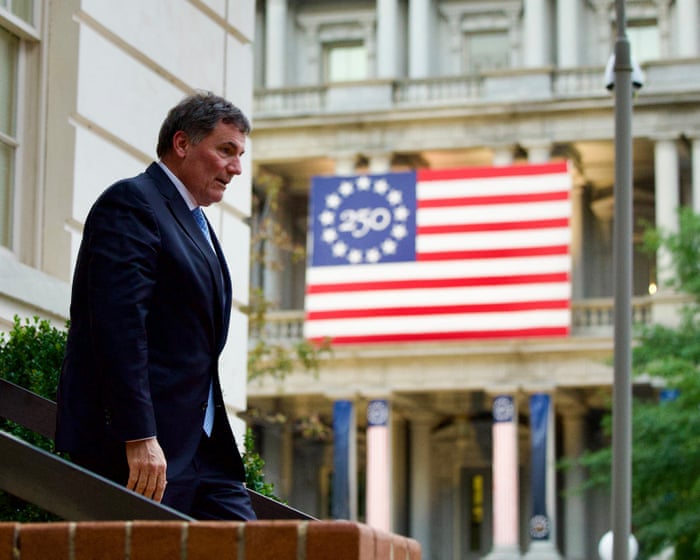
Canadian Trade Minister Dominic LeBlanc says negotiators still have work to complete as they race to finalise a tentative deal with the Trump administration by Friday’s midnight deadline. Failure could bring another wave of US tariffs on Canadian goods, while the emerging framework faces criticism from Canadian opposition and provincial leaders.
The United States and Canada are racing to reach a deal before the 12:01 a.m. ET deadline on Saturday. The outcome could determine whether steep US tariffs are imposed on billions of dollars’ worth of Canadian goods.
The Minutes Reader extension turns the original page into a focused reading view and translates articles and video subtitles on demand. It is in limited beta.