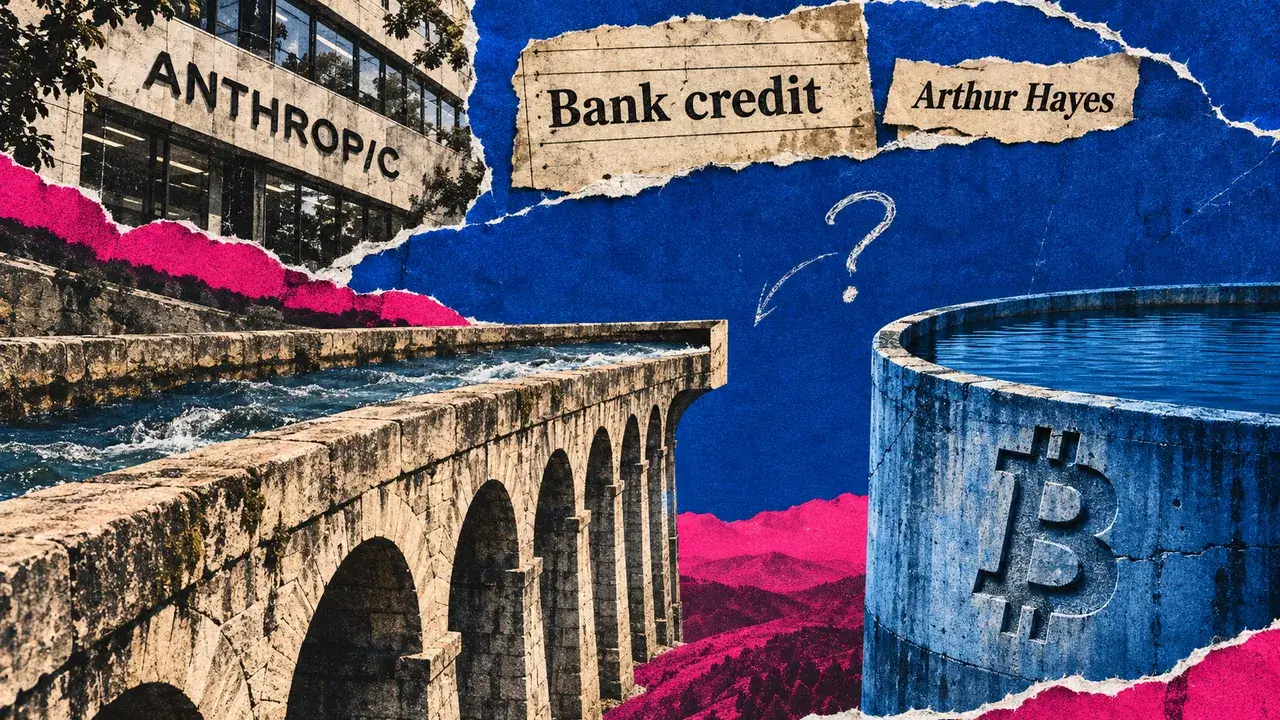
Anthropic’s initial public offering is expected to make thousands of current and former employees paper millionaires, potentially ranking among Silicon Valley’s largest employee wealth windfalls.
Anthropic is close to pricing an IPO that could be the largest ever, defying days of volatility in technology stocks that threaten to weigh on the startup’s long-awaited debut.
An Estonian tech billionaire known for warning that AI could end humanity is expected to be among the biggest beneficiaries of Anthropic’s upcoming IPO.
Options on Anthropic shares could begin trading as early as Monday, offering investors a new way to wager on the AI company’s prospects. Market participants anticipate strong interest.
Investor concerns over AI companies’ balance sheets and debt are mounting, particularly for neocloud providers. ETFs targeting credit default swaps of AI issuers are on the way.
Citi is the latest major financial institution to restrict personal finance AI agents. More banks say customers who use them are responsible for themselves, even if they are hacked.
Rogo Technologies is close to securing new investment at a $3.75 billion valuation. About four years ago, two junior bankers left finance jobs to launch the AI startup, aiming to eliminate grunt work.
The Shenzhen Initiative from the APEC CEO Summit says member economies will coordinate the use of traditional, renewable and new energy sources, develop marine-energy infrastructure, and cooperate on early warnings and information sharing about energy-security threats. It also backs AI adoption by smaller businesses through pilot projects, capacity building and shared digital infrastructure.
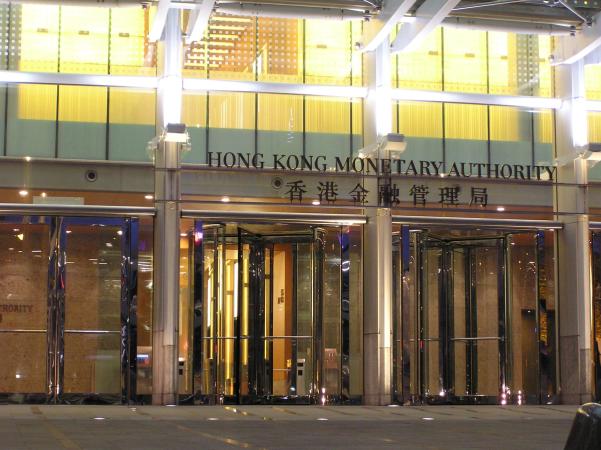
Hong Kong is urging banks to deploy AI against crypto crime. Experts say the technology must identify suspicious transfers without putting customers’ funds at risk.
StoneX lowered its price target for Bitdeer to $15 and reduced its 2027 revenue and EBITDA estimates to account for Malaysian licensing scenarios and other factors.
South Africa is seeking billions of dollars in new investment to revive weak growth and address a jobs crisis. Power shortages, failing infrastructure and corruption have shaken confidence, while one estimate puts the additional investment needed to revive growth at $75bn a year. President Cyril Ramaphosa is courting US tech firms to help build an AI hub, even as US tariffs and cuts to duty-free market access push Pretoria increasingly towards China.
Cleanview’s satellite tally found a 28% quarterly decline in data center capacity beginning construction, followed by the second-highest month in its data series.
Kirill Dmitriev, Russia’s presidential envoy for investment and economic cooperation and head of the Russian Direct Investment Fund, said talks with American businesses at the APEC summit were constructive and productive. Discussions covered energy cooperation and data centers; he said Russia has a competitive edge there because it offers the world’s cheapest electricity.
MARA raised $185 million in debt after selling $1 billion worth of bitcoin to repay loans. The borrowing is tied to an Ohio power plant as the company shifts more of its business toward AI infrastructure.
Rosatom has begun the final stage of startup activities at Unit 1 of Turkey’s Akkuyu nuclear power plant. CEO Alexey Likhachev said it would operate at 100% parameters using an external power source, and expressed hope that checks would go smoothly ahead of a planned physical launch this year.
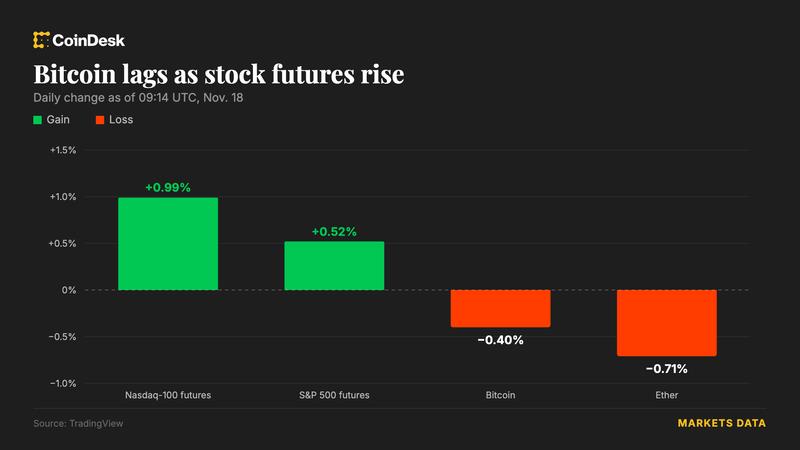
Bitcoin is down 1.1% since midnight UTC to about $64,100, failing to keep pace with rising stock index futures after Nvidia beat earnings expectations.
Nvidia raised its forecast, and its new chief said “it’s business as usual.” The results reassured investors after revelations about Huang’s affairs had triggered a sell-off.
In its Financial Stability Review on Wednesday, the European Central Bank compared the AI boom with the dotcom bubble. It warned that a wave of large IPOs could point to late-cycle exuberance, while tech giants’ mounting debt leaves markets exposed to an abrupt sell-off.
Nasdaq futures climbed on Wednesday after Nvidia’s upbeat revenue forecast eased uncertainty about the chipmaker’s direction and lifted sentiment toward AI-linked stocks, with investors also awaiting Anthropic’s IPO pricing.
AI chipmaker Nvidia reported third-quarter revenue twice its level a year earlier and 20% above the previous quarter. Its board says it has no intention of reinstating disgraced former CEO Jensen Huang.
Nvidia’s first report since Jensen Huang’s departure exceeded sales estimates. Bitcoin surrendered most of its initial gain within 35 minutes, bringing the $62,000 support level back into focus.
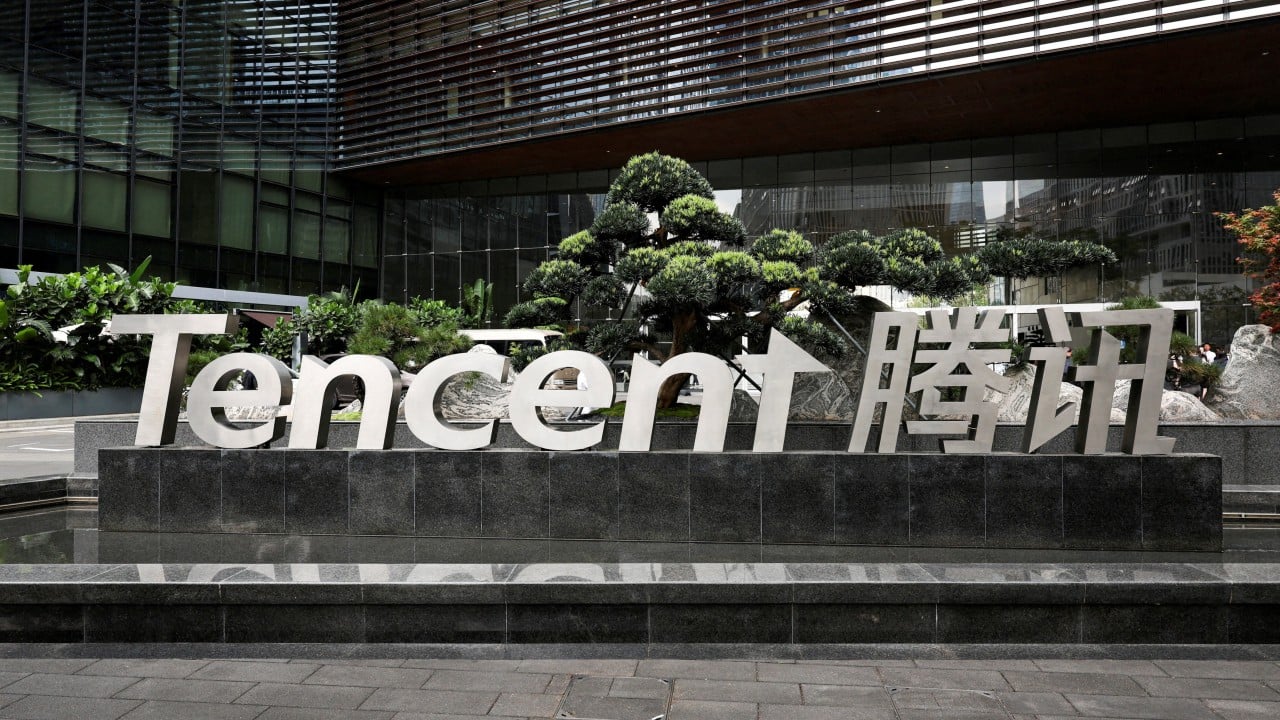
Tencent Holdings reported an 8% rise in third-quarter revenue on Wednesday, below expectations and its growth in the previous quarter. Gaming growth cooled, while its cloud unit benefited from demand for AI.
Tencent Holdings more than sextupled capital spending in the third quarter to above US$12 billion, investing in computing capacity to catch up in China’s fierce AI race. The outlay weighed on profit and free cash flow. Adjusted net income fell 6% year on year to 66.5 billion yuan, in line with analysts’ consensus, while revenue rose 8% to 207.3 billion yuan.
Samsung Electronics said on Wednesday that highly leveraged neocloud providers make up only a small share of the overall market, downplaying worries that they could fuel a broader AI bubble.
Nvidia’s earnings exceeded expectations, sending its stock up 3% as neoclouds surged. The chip giant reported results amid a tumultuous period for the company.
Hong Kong Monetary Authority Executive Director Raymond Chan said AI could analyze on-chain transfers and off-chain customer transactions to flag anomalies.
Nvidia’s robust forecast has temporarily eased concerns about the durability of AI demand. But after CEO Jensen Huang’s shock exit, who will succeed him has become a central concern for the company’s battered shares and global tech stocks.
Nvidia forecast quarterly revenue above Wall Street estimates on Tuesday, offering investors some relief after the resignation of longtime leader Jensen Huang plunged the chipmaker into crisis.
Jensen Huang’s resignation as Nvidia CEO highlights failures by the company’s board and the outsized risks faced by businesses built around one powerful leader.
Chinese demand has fueled much of Southeast Asia’s data center expansion. New rules require data centers in the region to obtain U.S. approval before buying advanced AI chips, potentially slowing the build-out.
Canadian pension fund La Caisse has become the leading bidder and is in advanced talks to acquire a stake in Bain Capital’s Bridge Data Centres, two people familiar with the matter said.
Claude maker Anthropic is expected to set its IPO price on Wednesday ahead of a Nasdaq debut on Thursday. Retail investors in France, Germany and other European markets can apply through participating brokers.
Hong Kong-based start-up Yicura BioMed is working towards a local IPO as soon as practicable. CEO Xian Jin says the city needs more patient capital and more talent able to commercialise research and development to sustain its biotechnology ecosystem.
Nvidia interim CEO Colette Kress expressed confidence in the chipmaker’s business, leadership and staff on its first earnings call since co-founder Jensen Huang quit. She pledged disciplined capital commitments to reassure investors.
Nvidia reported results above expectations, raised its forecast for the next fiscal year and said it has no plans to bring co-founder Jensen Huang back as CEO.
Nvidia raised its financial forecasts for next year in its earnings report, after revenue doubled last quarter. Its board said Jensen Huang will not return as CEO.
Nvidia board chair Harvey Jones said the company does not intend to reinstate Jensen Huang, who resigned as CEO. Third-quarter revenue rose 103 percent year on year to $115.8bn, and Nvidia forecast $130bn in revenue next quarter while seeking a permanent replacement.
Nvidia’s board unanimously accepted former CEO Jensen Huang’s resignation and does not plan to reinstate him, the board chair said as the company’s earnings call began.
Nvidia chair Harvey Jones opened a Tuesday investor call by saying the AI chipmaker would not rehire co-founder Jensen Huang as CEO and would not take questions about the matter.
Nvidia’s board chairman said Tuesday that co-founder Jensen Huang would not return as CEO. The chipmaker forecast quarterly sales above expectations, while facing growing questions about its leadership, national security exposure and long-term strategy after Huang’s abrupt departure.
Nvidia board chair Harvey C. Jones said the board unanimously accepted Jensen Huang’s resignation and does not plan to reinstate him as CEO. The company declined to discuss the circumstances or ongoing investigation during its earnings call and announced a National Security and Export Control Oversight Committee.
Newly appointed chair Harvey Jones said on Nvidia’s quarterly earnings call that the board “does not intend to reinstate” Jensen Huang as CEO. Nvidia exceeded estimates despite Huang’s ouster.
Nvidia board chair Harvey Jones said the board unanimously accepted Jensen Huang’s resignation and does not plan to reinstate him as CEO. Huang had said he would be willing to return and would cooperate with the company’s investigation into his actions.
In his first public remarks since resigning from Nvidia, Jensen Huang said he would be honoured to return as CEO, amid support from the tech world. The company’s much-anticipated earnings call is set for Tuesday, with analysts expecting revenue to rise 90% to about $109 billion.
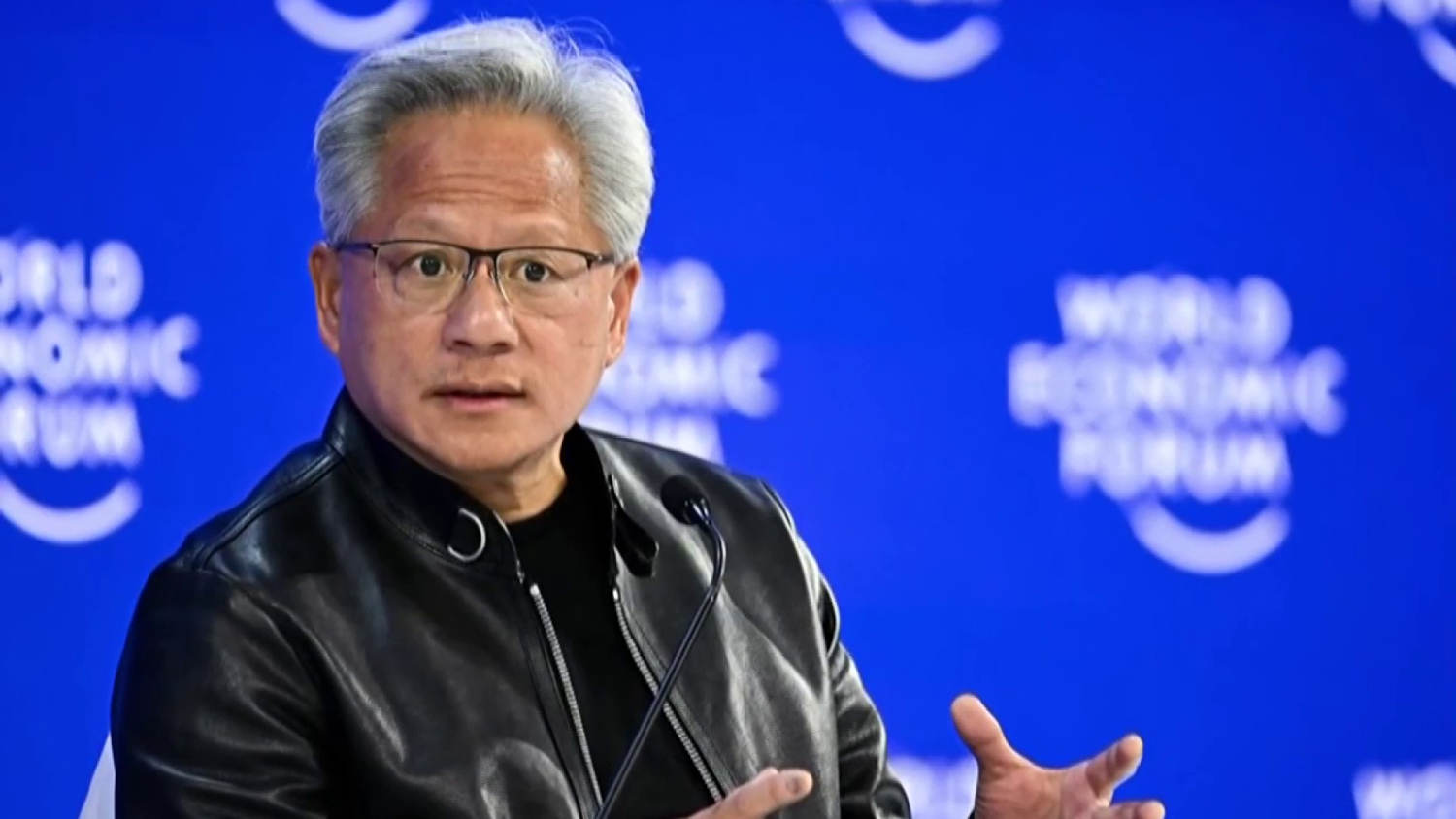
Former Nvidia CEO Jensen Huang said he would be honored to return if the board decides it is in the best interests of shareholders, employees, the company and America. He said he had received calls to return and apologized for serious mistakes in his personal life, pledging to cooperate with the board’s independent investigation.
Former Nvidia CEO Jensen Huang said he is willing to lead the company again if its board permits him. He was ousted from the world’s largest chipmaker last week.
Nvidia has created a board committee to oversee national security and export controls. The move follows a chip-smuggling controversy that embroiled the company under former CEO Jensen Huang, who resigned last week.
Coinbase said its system stopped about 91% of attempted transfers tied to a fake Tesla livestream, preventing $4.7 million from being sent without any human intervention.
Nvidia has stopped shipping Hopper data-center chips to China, despite receiving US government approval last year to sell a version of the model there.
Apollo Global Management CEO Marc Rowan said insurance and retirement capital will drive an AI buildout that could require as much as $8 trillion in financing.
Asian stocks rose Wednesday after Nvidia issued a better-than-expected sales forecast, lifting companies in its hardware supply chain and the regional benchmark after four straight sessions of losses.
US equity-index futures rose alongside Asian shares after Nvidia’s sales forecast topped Wall Street estimates, easing concerns about the AI trade following a recent selloff.
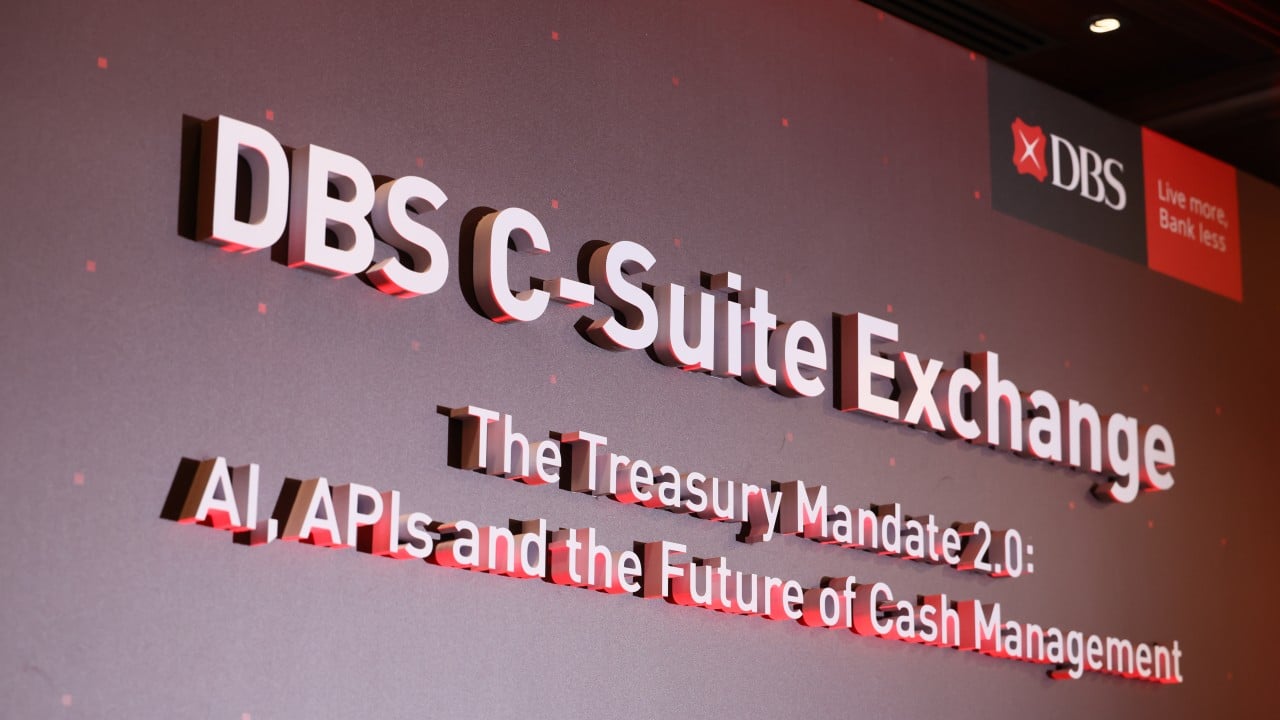
For businesses facing geopolitical uncertainty, currency restrictions and increasingly complex international operations, holding cash is not the same as being able to use it. DBS Hong Kong executive Jolynn Wong says the distinction is growing more important as AI creates new ways for corporate treasurers to forecast cash flows and manage liquidity.
Amazon and Google, two of Anthropic’s largest customers, will together hold more than 28% of its stock after it goes public, deepening ties among companies driving the artificial intelligence boom.
Amazon is set to hold just under 15% of Anthropic after the IPO, with an option to increase its stake substantially. Google will hold nearly 14%, making it a close second.
Banks and private credit funds that lent billions to support data centers and AI chip purchases in Southeast Asia now face the long-feared possibility of losing critical Chinese customers.
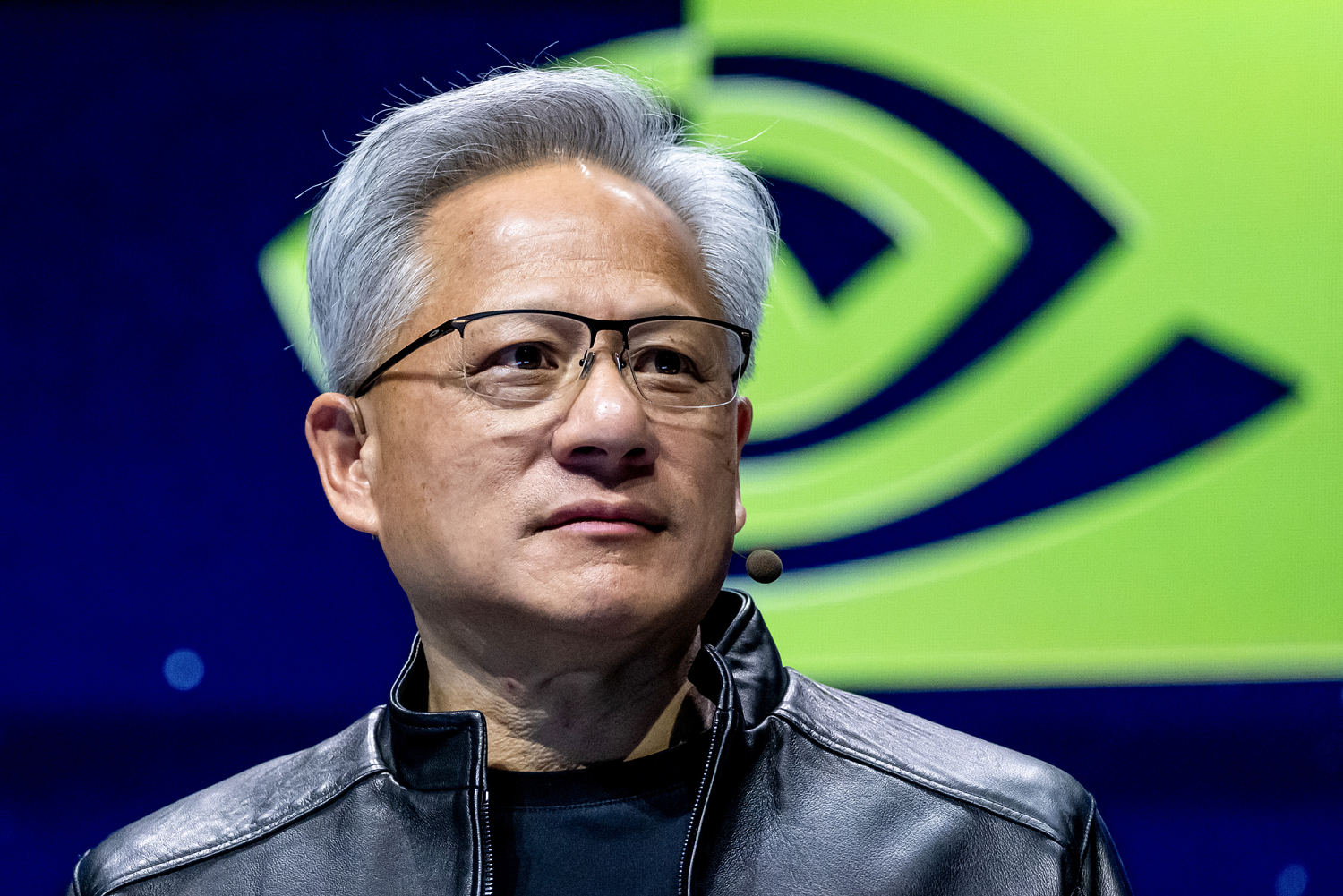
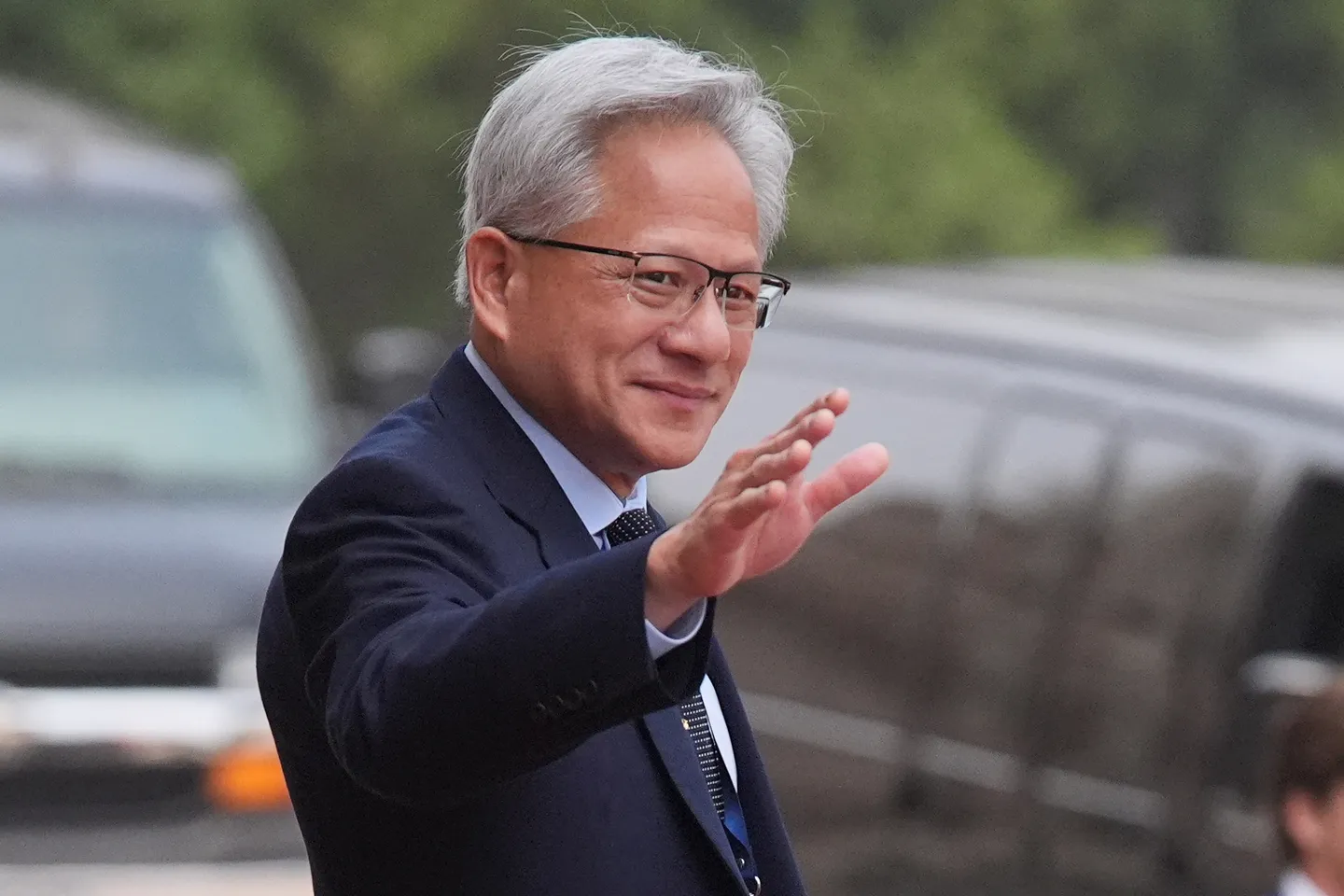
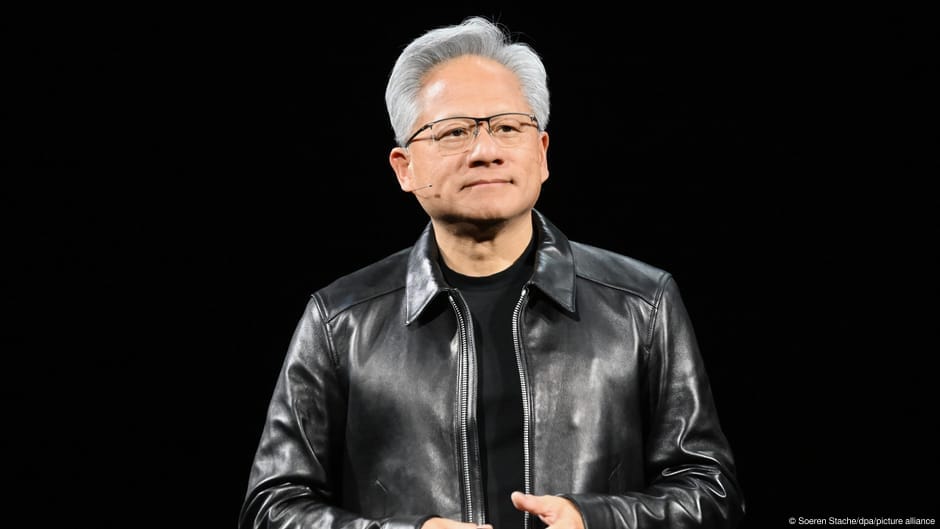
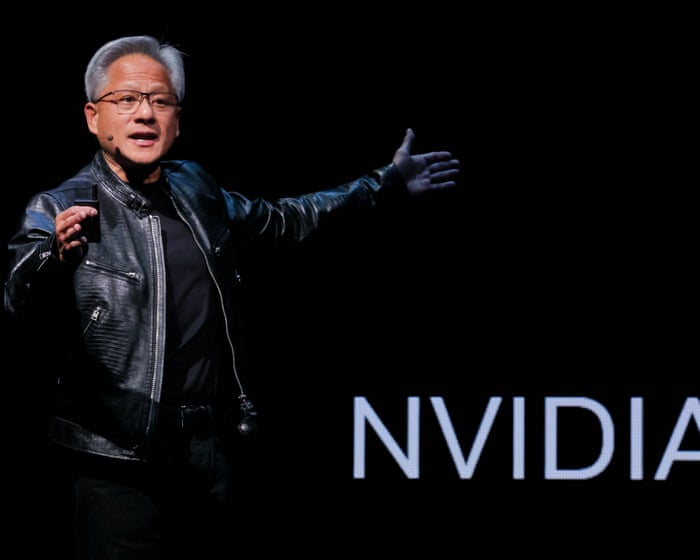
Jensen Huang stepped down last week amid allegations that he had multiple extramarital affairs, and Nvidia’s board has ruled out his return as it searches for a new CEO.
Despite pressure from President Trump, Elon Musk and Silicon Valley executives, Nvidia’s board says it does not plan to reinstate ousted CEO Jensen Huang.
Trucks carrying billboards urging Congress to investigate ties between the Trump administration and Nvidia CEO Jensen Huang began circling Washington, DC, on Monday. The Tech Oversight Project alleged Huang was close to a Chinese spy. Trump supports a campaign to reinstate Huang, who said Tuesday he would be honored to return. Nvidia’s board said reinstatement is not under consideration while an internal investigation into US spying claims continues.
Nvidia said third-quarter revenue doubled to more than $115 billion in the three months to October, topping expectations. Chairman Harvey Jones said the board does not intend to reinstate Jensen Huang as CEO, while interim CEO and CFO Colette Kress said it was business as usual.
Nvidia reported third-quarter revenue of $115.84bn, up 103% year on year and above expectations, with earnings of $2.68 per share. Interim CEO Colette Kress presented the results. The company’s shares had fallen more than 10% following Huang’s departure.
Interim CEO Colette Kress initially made no mention of former CEO Jensen Huang or his departure as she announced Nvidia’s third-quarter results. Revenue reached $115.8 billion, up 103 percent year over year; data center revenue rose 110 percent to $107.6 billion, and profit hit a record $65.3 billion. Nvidia expects fourth-quarter revenue of $130 billion.
Anthropic’s staged releases pose a risk of selling pressure, while issuance, cash demand and the route to weaker Bitcoin liquidity remain separate questions.
A surge in buying of Japanese stocks is creating demand for currency hedging, with AI potentially playing a role as the yen returns to intervention watch.
SpaceX may begin selling part of a planned $40 billion in debt as soon as this week to fund its purchase of artificial intelligence chips, people familiar with the matter said.
A federal bankruptcy judge in New York approved Google’s $10 million purchase of internal business data from defunct Spirit Airlines at a hearing on Tuesday.
News of Nvidia co-founder Jensen Huang’s extramarital relationships has emerged, including with one woman suspected of being an asset for Chinese intelligence and another who reported to him. Nvidia’s market capitalization has since dropped by more than $1 trillion.
The Wall Street Journal reports that the SEC is opening an investigation into Nvidia after CEO Jensen Huang’s departure. Huang admitted to an affair with someone alleged to be a Chinese spy.
The Minutes Reader extension turns the original page into a focused reading view and translates articles and video subtitles on demand. It is in limited beta.