US tariffs led companies to raise prices. A ProPublica investigation found that some firms receiving millions of dollars in refunds are using the money to pay corporate executives, while shoppers who paid more are largely getting nothing back.
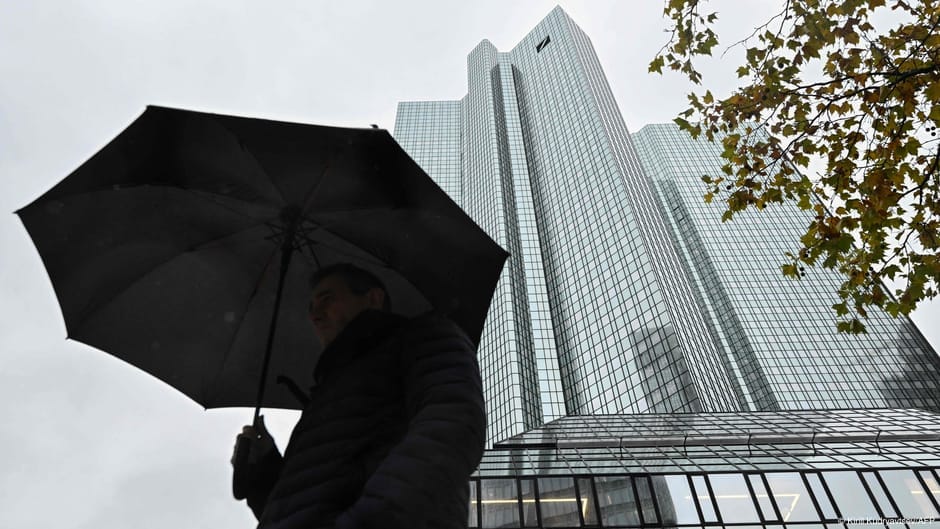
An international team of more than 200 investigative journalists published Deutsche Bank records detailing its dealings with Jeffrey Epstein, Donald Trump and Russian oligarchs. The revelations raise questions about sanctions compliance, anti-money laundering and internal controls. The bank called them legacy matters, while German Finance Minister Lars Klingbeil demanded full transparency and urged authorities to investigate and act where appropriate.
Yevgeny Nagorny, partner of Vladimir Putin’s daughter Maria Vorontsova, has become CEO of Nova Nord, a wholly owned Novatek subsidiary registered on October 1, 2026. Its planned activities include geological exploration, oil and gas production, subsoil surveys, quarry development, fuel wholesaling, and pipeline transportation. Nagorny has worked at Novatek since 2017 and has led Novatek-linked Murmansk-Transgaz since December 2023. The United States added Murmansk-Transgaz to its blocked persons list in February 2025; Novatek has faced U.S. sectoral sanctions since 2014.
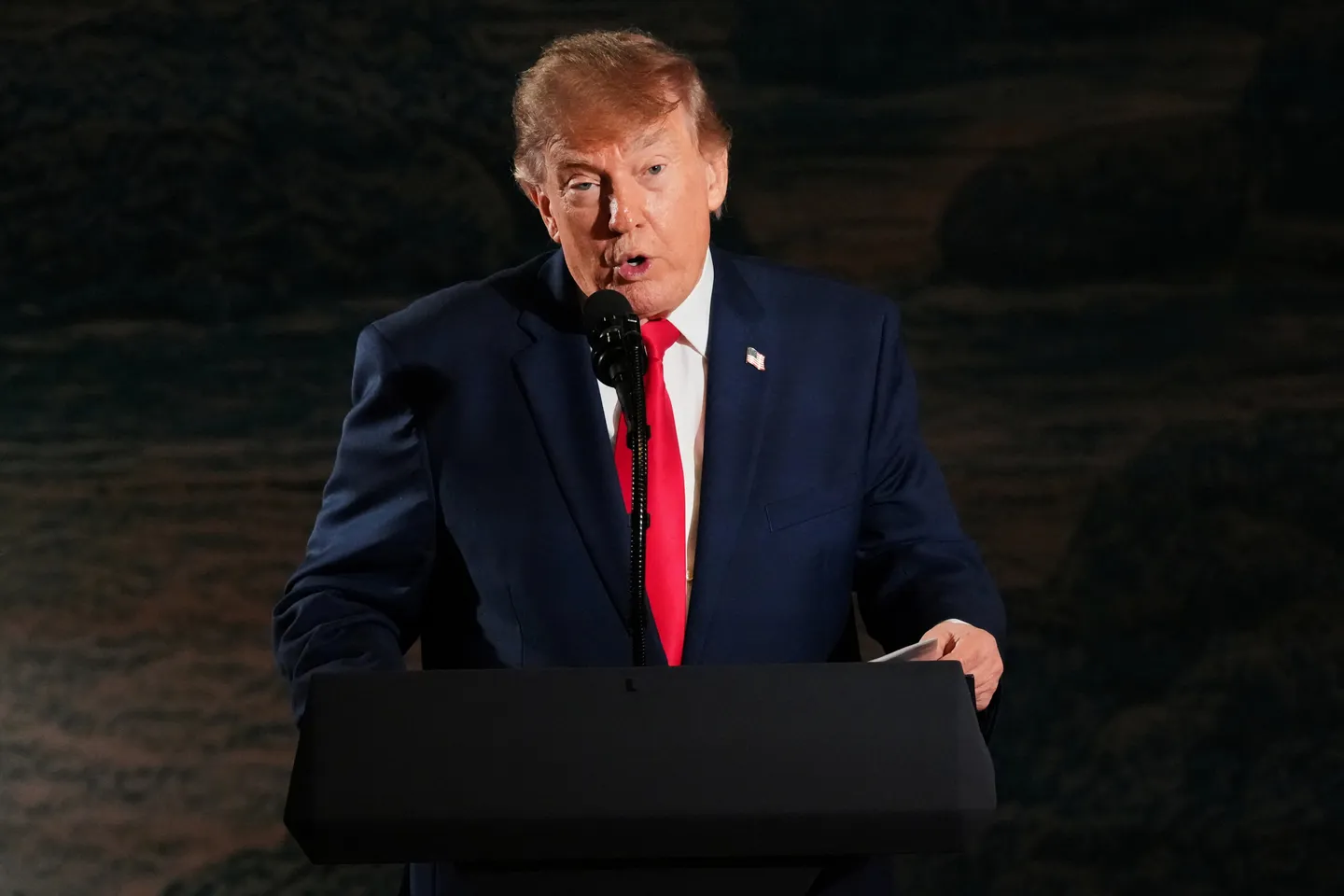
Democratic Senator Tammy Baldwin introduced legislation on Tuesday to revoke China’s normal trade status and favorable tariff treatment, days before President Donald Trump and President Xi Jinping are due to meet for a third time this year to discuss a fragile trade truce.
The EU has postponed a decision on the Brazilian chicken ban despite a positive audit. Meat imports remain contentious among EU countries, which are divided over a deal to liberalise trade between the EU and Mercosur.
Russian Deputy Prime Minister and Finance Minister Anton Siluanov said trade between Russia and China has grown significantly this year and could reach a record, with turnover in the first 10 months roughly matching the total for 2025. Most direct settlements are in yuan, alongside payments through agents and barter. Siluanov said businesses would find ways to operate despite sanctions if it remained profitable.
Iraq has restarted crude exports to Turkey via the old Kirkuk-Ceyhan pipeline, initially capable of carrying 120,000 barrels per day. Oil Minister Basim Mohammed Khudair said capacity will gradually rise to 500,000 barrels per day.
China’s commerce ministry said Tuesday it firmly opposed a new US rule designed to further restrict China’s access to advanced AI chips from companies including Nvidia, and said Beijing would take countermeasures if the curbs are imposed.
Sweeping new US restrictions on China’s access to high-end AI chips leave Xi Jinping facing a dilemma days before meeting Donald Trump: retaliate forcefully and risk a fragile trade truce, or hold back and act later.
Slovak Deputy Prime Minister and Economy Minister Denisa Sakova said the US Treasury had informed her that Slovakia’s exemption from US sanctions for purchasing and paying for Russian oil would be extended by 120 days. She said this would bring greater stability to oil supplies. The exemption was due to expire on November 21, and Slovakia will continue reducing Russian oil imports and seeking alternative sources.
Alexander Shokhin, head of Russia’s Union of Industrialists and Entrepreneurs, compared current Russia-US trade and economic ties to a “little ice age.” He said major projects in Alaska involving mineral development, Russian technology and rare earth processing could help thaw relations, alongside ideas including an energy bridge and container routes. He said implementation would require political will from both sides.
Turmoil at Nvidia signals that easy gains in the AI sector are ending, while smaller, highly leveraged “neocloud” firms that helped drive the industry’s rapid growth face a funding squeeze.
A US trade official says the European Investment Bank’s record €3 billion loan to Airbus may violate a US-EU truce on aircraft subsidies. EU officials insist the financing follows market-based rules, while Airbus says it is engaging with authorities. Analysts warn the dispute could reignite broader trade tensions.
India said in court filings that Xiaomi India and its former contract manufacturer Flex did not fully disclose Xiaomi’s royalty arrangements until investigators intervened. The government is seeking back taxes from the Chinese smartphone maker in a closely watched case.
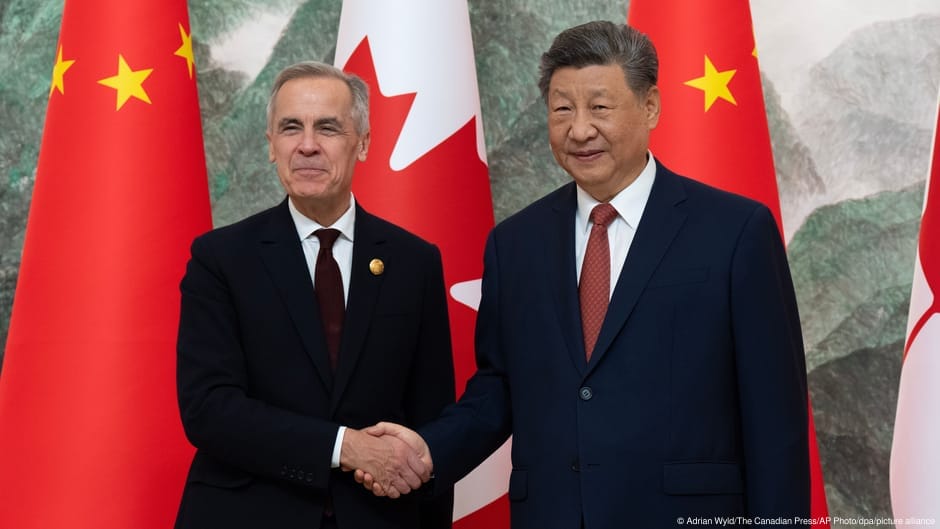
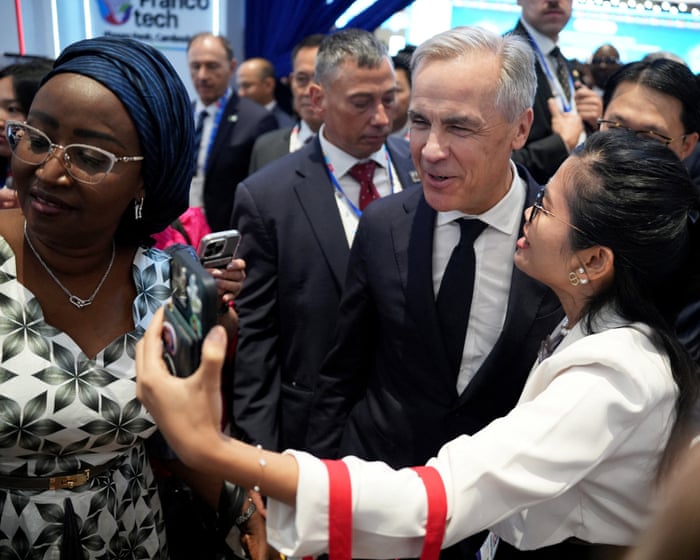
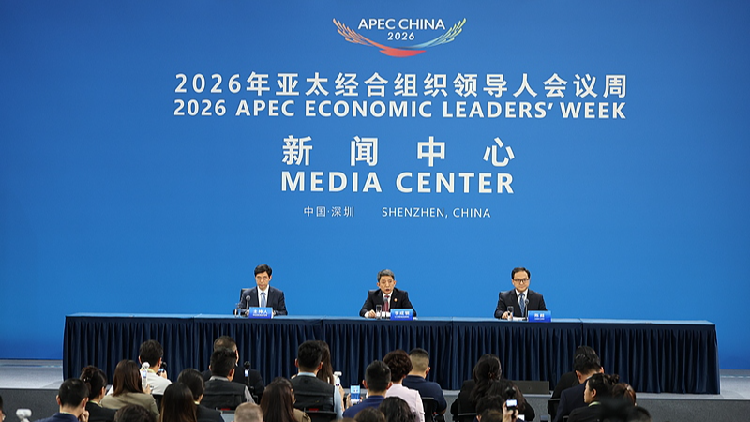
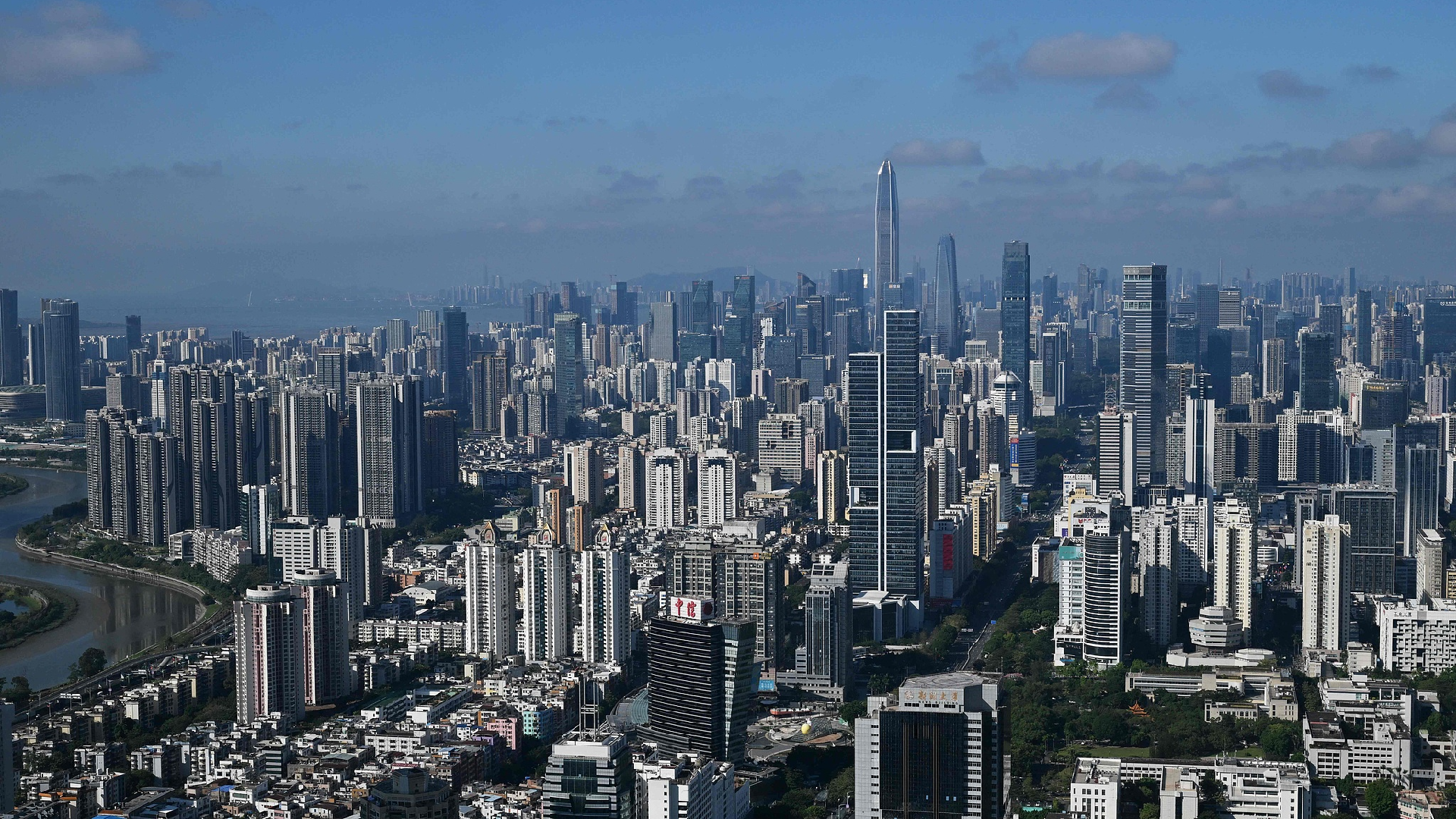
China is hosting the 21-member APEC summit in Shenzhen this week, aiming to showcase its vision for international trade and development. Canadian Prime Minister Mark Carney met Chinese President Xi Jinping at the summit, and the two agreed to lower trade barriers between their countries.
China and Canada agreed to extend tariff relief for agricultural and steel exports as President Xi Jinping and Prime Minister Mark Carney met in Shenzhen on Tuesday.
Canadian Prime Minister Mark Carney and Chinese President Xi Jinping agreed to further tariff reductions in talks ahead of the APEC summit in Shenzhen. China will lower tariffs on Canadian pork, fish and seafood, while Canada will extend exemptions for Chinese steel and aluminum for two years. They also pledged closer cooperation on economic, financial, education and environmental issues.
A Chinese diplomat told Reuters that longstanding Dutch limits on chipmaking equipment exports to China have created friction and cast a shadow over EU-China industrial policy talks. The diplomat warned that China could also restrict technology sharing.
Gulf stock markets were uneven in early Tuesday trading as investors assessed the impact of recent tanker attacks and renewed efforts to protect key shipping routes.
Beijing has renewed its scrutiny of carmakers’ payments to supply-chain vendors as it seeks to clean up a market marked by fierce price wars. The Ministry of Industry and Information Technology tasked the China Association of Automobile Manufacturers with assessing the payment cycles of 17 major automakers for regulatory compliance.
Nvidia has said in recent months that proposed US legislation targeting Chinese companies’ remote access to its AI chips could expose both the company and those firms to US legal action, CNBC reported Tuesday, citing sources.
Sources told CNBC that Nvidia warned chip buyers of legal risks linked to AI access in China. The U.S. Commerce Department is moving to tighten export controls.
JSW Steel CEO Jayant Acharya said on Tuesday that Chinese steel exports and tariff and non-tariff barriers in developed markets challenge Indian steelmakers, while domestic demand for steel remains strong.
Hong Kong businesses are turning to regional diversification and artificial intelligence to manage rising costs and geopolitical uncertainty, HSBC said in its annual survey report. Around 40% of 500 surveyed business leaders said shipping and freight affected their cost base over the past six months, more than tariffs or currency fluctuations.
Samsung Electronics and TSMC shares fell in Asian trading on Tuesday after the Trump administration said on Monday it would further restrict China’s access to advanced AI chips.
The Trump administration said Monday it would restrict shipments of advanced chips from companies including Nvidia to Southeast Asian data centres. Chinese companies have used the centres to access computing power for training AI models.
United StatesAI chipsexport restrictionsdata centres
The Commerce Department tightened export restrictions on Monday to keep China from accessing sensitive computer chips that power AI, amid disagreement within the Trump administration over how to handle the issue.
The Trump administration is preparing to curb foreign data centers that let China remotely access high-end chips otherwise subject to restrictions. The Commerce Department says the rule change closes an export-control loophole and warns such access could support advanced AI models that threaten US national security or foreign policy interests.
The Trump administration issued a rule on Monday to further limit China’s access to top AI chips from companies such as Nvidia. The move came as U.S. President Donald Trump began a trip to China to meet President Xi Jinping.
The US Commerce Department issued an interim rule limiting certain countries’ remote access to advanced AI chips and servers, amid heightened scrutiny of semiconductor exports following an alleged espionage scandal involving Nvidia.
China will lower tariffs on Canadian exports including pork and seafood, Mark Carney’s office said Tuesday. The prime minister welcomed what he called greater predictability and stability in relations between the two countries.
The technology sell-off has intensified as Nvidia’s results approach. Investors are concerned about tighter US chip export controls and a possible slowdown in AI data centre construction.
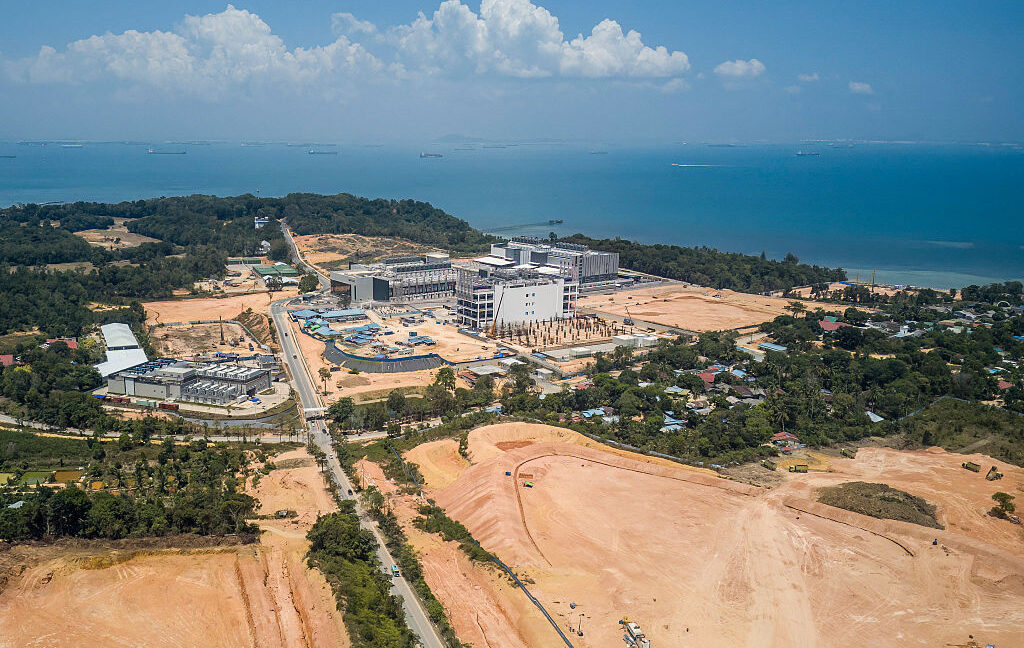
Shares of Southeast Asian data centre and chip supply-chain companies plunged on Tuesday after new US restrictions on advanced chip exports to the region threatened its AI industry, valued at more than $100 billion and a major driver of economic growth.
China appears unlikely to meet its commitment to buy billions of dollars’ worth of US farm products in 2026, as the two countries’ leaders prepare for their third meeting this year.
Chinese leader Xi Jinping is expected to meet U.S. President Donald Trump later this week on the sidelines of an APEC leaders’ summit in China. Their talks aim to keep a fragile trade truce on track ahead of its scheduled expiration in January.
Guangdong signed 29 deals worth 29.2 billion yuan ($4.1 billion) with partners from APEC economies at an investment conference in Shenzhen. The agreements cover manufacturing, semiconductors, electronics and services. Separately, the provincial government and Walmart China signed a strategic cooperation framework for China’s 2026-2030 planning period.
The Trump administration now requires export licences for advanced chips shipped to Malaysia, Thailand, Indonesia, Singapore and Brazil, aiming to stop Chinese AI developers from accessing them remotely through data centres in third countries. The move comes as Nvidia faces scrutiny over espionage allegations, while its shares and technology stocks in several Asian markets fell.
Surveys in 42 countries estimate that victims of financial fraud lost almost $500 billion last year. More alarming than the total, fraud is growing more sophisticated and global, evolving from isolated scams into a sprawling cross-border business.
A ProPublica investigation found that at least nine companies receiving refunds for Trump’s tariffs are directing some of the money to leadership bonuses rather than reimbursing consumers. Stanley Black & Decker is expected to receive at least $298m and indicated some would go to bonuses; executives at TJMaxx and Marshalls made similar comments.
Russian presidential aide Yury Ushakov said APEC is considering a framework for trade digitization cooperation in 2027-2030. Summit understandings are expected to appear in a declaration, alongside consideration of a statement on using the digital economy and AI for public well-being and the APEC Connectivity Blueprint for 2026-2035.
Understandings reached at the APEC summit are expected to appear in a declaration that will be adopted without signing, Kremlin aide Yury Ushakov said. The nearly finalized document will set new benchmarks for cooperation in innovation, energy, food security, and transport and logistics chains.
U.S. crude oil has dropped to $87 a barrel as Middle East exports recover. Forecasts of an oil surplus in the fourth quarter are also weighing on prices.
Russia’s imports of fruit and nuts exceeded 5.2 million tons from January 1 through November 15, nearly 120,000 tons more than in the same period of 2025, Rosselkhoznadzor said. Citrus imports rose 7.7% to about 1.4 million tons, while banana shipments increased 6% to roughly 1.3 million tons.
Russia may return within three years to its 2021 record of about $200 billion in non-commodity, non-energy exports, First Deputy Prime Minister Denis Manturov said. Growth reached 7% over the first eight months of this year.
Russia’s non-resource, non-energy exports rose 7% year on year to $123.5 billion in the first nine months, Deputy Industry and Trade Minister Roman Chekushov said. He said exports were increasing despite challenges facing industrial enterprises and agricultural producers, and stressed the importance of sustaining the trend.
Russian non-resource, non-energy exports to friendly countries have neared 8 trillion rubles ($97 billion), Prime Minister Mikhail Mishustin said. He said the shift toward markets in the Eurasian Economic Union, CIS, BRICS and the Shanghai Cooperation Organization is nearly complete. Such exports to Tropical Africa rose 35% from January to August.
Non-resource, non-energy goods make up 35% of Russia’s export structure, and their share is rising, Prime Minister Mikhail Mishustin said at the Made in Russia forum. He said the indicator grew 11% last year and a further 7% in January-August 2026, driven by high-value-added goods including machinery, metal products and food.
Russia supplied Turkey with 13.1 billion cubic meters of pipeline gas in January-September 2026, down 18% year on year, according to calculations based on Turkish regulator data. September imports via TurkStream and Blue Stream totaled 968 million cubic meters.
Oil-shipping costs for the largest tankers have fallen sharply since early November, as chartering demand weakened and the geopolitical risk premium that drove rates to a record in October unwound.
Bitwise CIO Matt Hougan said bitcoin may decline further in the near term, while reaffirming his bullish long-term view and calling it the best risk-adjusted trade of the coming decade.
Russia’s current account surplus reached $40.8 billion in January–September 2026, up from $28.6 billion a year earlier, according to preliminary central bank estimates. September’s surplus was $6.1 billion, down from $7.6 billion in September 2025. The services deficit widened, while the trade surplus grew on higher exports amid strong global commodity prices.
Russian Prime Minister Mikhail Mishustin said export-oriented enterprises account for about 8 million jobs in the country. At the Made in Russia forum, he urged increasing the number of exporters, tapping smaller organizations’ potential and adapting foreign trade strategy as businesses grow.
On Nov. 12, representatives of 195 Eurasian companies and institutions from 29 countries and regions met in Chongqing to seek business ties, signing 28 deals worth more than $2.8 billion. The city also announced 180 investment opportunities totaling nearly $67 billion in advanced manufacturing and modern services, and held a matchmaking session focused on auto parts, smart technology and cross-border logistics to take local vehicles global.
Russian Prime Minister Mikhail Mishustin said Russian digital platforms are active in countries including Ethiopia and Mongolia, supporting non-resource, non-energy exports. Some Russian manufacturers are also opening their own stores in Turkey, China and the UAE.
Russian Prime Minister Mikhail Mishustin said Russia is open to constructive business contacts with all parties and does not make cooperation conditional on politics. He said Russian companies offer products ranging from industrial goods to high technologies and digital solutions, and that supporting exports is a priority for the economy.
At the Made in Russia forum, Prime Minister Mikhail Mishustin said Russia’s economy was moving forward despite external pressure. Exports rose by more than 14% in the first eight months of the year, exceeding 23 trillion rubles ($278.9 billion).
Russian Prime Minister Mikhail Mishustin said at the Made in Russia forum that friendly countries account for 85% of Russia’s foreign trade turnover, a share that is still rising. Trade volume grew 17% in the first eight months of the year to more than 35 trillion rubles ($423.7 billion), with exports and imports expanding at nearly equal rates.
Farmers in Sussex hope a proposed UK-EU deal will ease trade barriers and restore lost business. Uncertainty over future rules and the possible timeline remains a concern.
Russian Prime Minister Mikhail Mishustin said Africa has become the second most important market for Russian pharmaceutical exports, with vaccines and immunological products particularly sought after. He said Russia intends to expand medicine supplies, provide mobile laboratories and hold joint exercises to respond to disease outbreaks in Africa.
Prime Minister Mikhail Mishustin said Russia, one of the world’s largest grain and fertilizer suppliers, helps support economic stability and food security in African countries that rely heavily on food imports. He said Russia also helps develop their agricultural sectors and plans joint investment projects based on localized production to reduce logistics costs.
Sanya plans to improve its business environment in 2026 through institutional changes and better government services and business-registration procedures, the Sanya Ribao reported. The city says this will strengthen its role in developing the Hainan Free Trade Port. Its strategy identifies 14 policy factors across industrial development, support for businesses throughout their lifecycles and local governance.
Russian Prime Minister Mikhail Mishustin said contracts facilitated by the Russian Export Center total 130 billion rubles ($1.6 billion). He said technology is developed through collaboration and that Russia is pursuing integrated export offerings and technological partnerships abroad.
Russia climbed ten places to 14th globally by the combined deadweight of its seagoing vessels. In 2026, ships flying the Russian flag numbered 4,980, with a total deadweight of 38 million tons; more than 130 ships adopted the flag since June. Specialized terminal capacity rose by 13 million tons to 1.48 billion tons, while cargo throughput increased 4.1%.
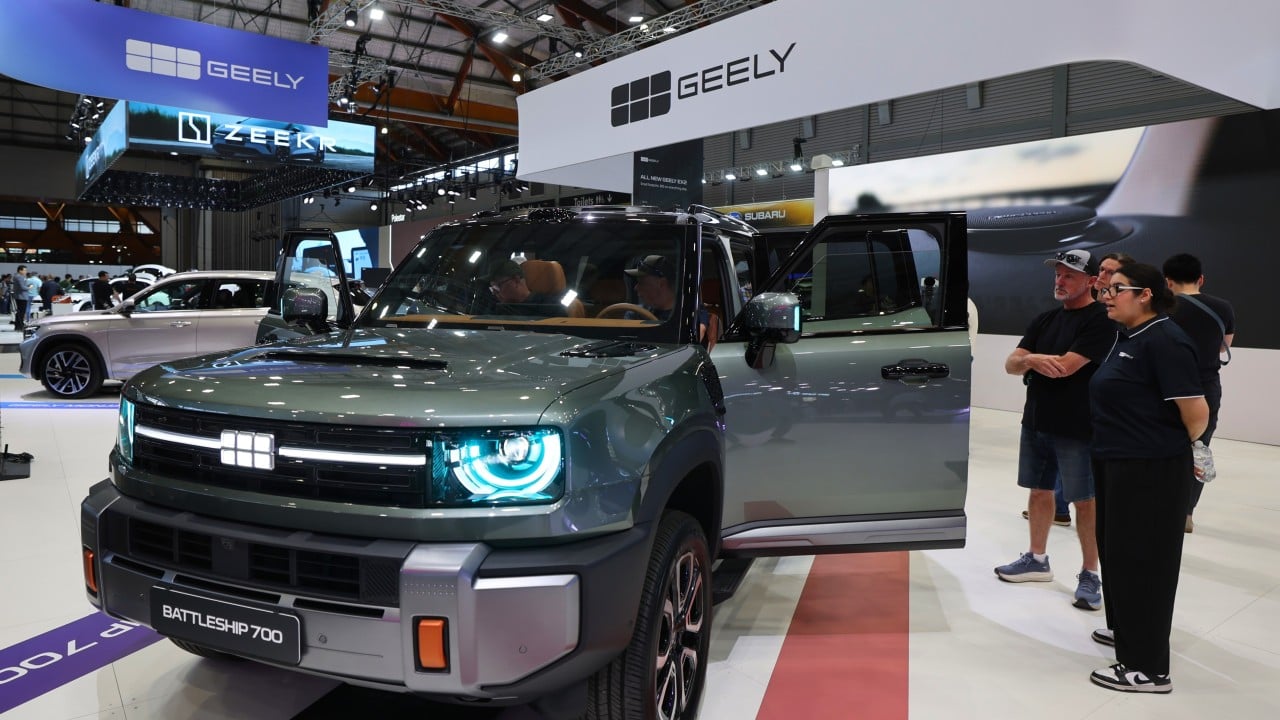
Prime Minister Mark Carney said Canada might look to Chinese automakers if trade negotiations with U.S. President Donald Trump fail to preserve an integrated North American auto industry.
Mark Carney says Canada is prepared to seek Chinese automakers if trade talks with the US do not protect its auto sector. His remarks come days before a planned meeting with Chinese President Xi Jinping in Shenzhen, where auto manufacturing is expected to be discussed.
Canadian Prime Minister Mark Carney said Canada could turn to Chinese automakers if talks with US President Donald Trump fail to preserve an integrated North American auto industry. He said negotiations remain his priority, while any Chinese investment would need substantial Canadian manufacturing, proper labor standards and expanding domestic supply chains.
CanadaUS trade talksChinese automakersauto industry
China has reached nearly 50 practical economic and trade outcomes with APEC member economies this year, International Trade Representative Li Chenggang said. Twenty-five involve areas such as trade digitalization, AI and cross-border e-commerce. Cooperation also covers regional economic integration, support for the WTO, digital and intelligent cooperation, and the green economy.
Mark Carney warned that US tariffs could steer Canadian carmakers toward China, as Ottawa weighs alternatives amid growing strain in the North American auto market.
Canada’s lobster industry is looking for ways to regain the Chinese market after competitors benefited from retaliatory tariffs. Vietnam particularly used the opening in 2025 to fill Canada’s gap and establish itself as a strong rival.
APEC Business Advisory Council chair Li Fanrong said Monday that the council had produced 14 outcome documents this year, including its 2026 report to APEC economic leaders. It held four meetings in Jakarta, Mexico City, Bangkok and Shenzhen.
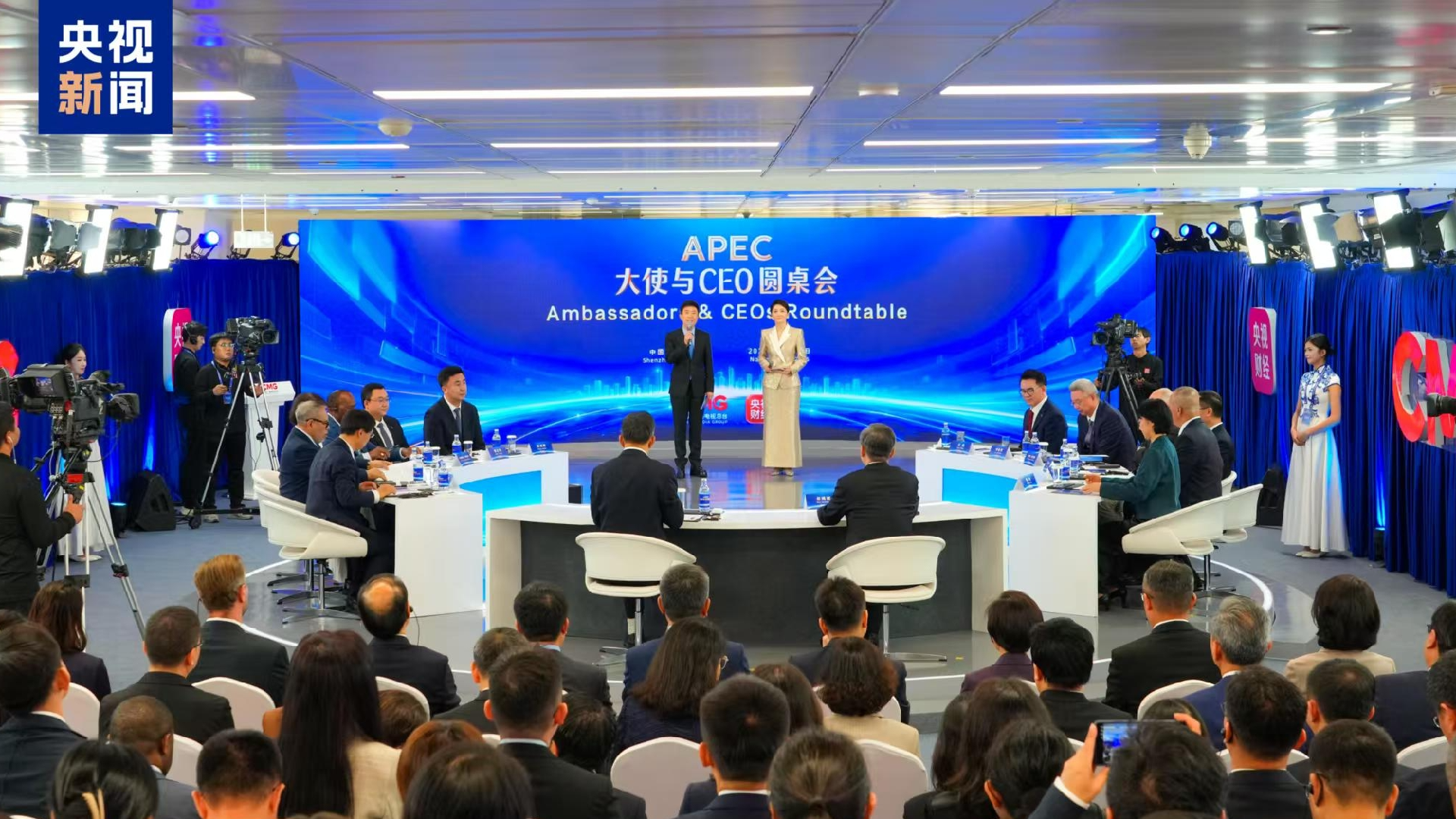
China Media Group’s Finance Program Center hosted an APEC ambassadors and CEOs roundtable in Shenzhen, its first major media event during 2026 APEC Leaders’ Week. Participants discussed Asia-Pacific cooperation, opening-up and industrial development, reaching broad consensus on cooperation.
Global trade is outperforming economists’ expectations this year and may grow again in 2027, WTO deputy director-general Jennifer Nordquist said at a Hong Kong conference on Monday. Merchandise trade volumes are forecast to rise 3.9 per cent this year—twice the earlier estimate—and 4.1 per cent in 2027, after members stepped up efforts to ease disruption from the Hormuz fuel crisis.
APEC’s Policy Support Unit raised its 2026 growth forecast for the region to 3.4 percent from 3.2 percent, citing strong technology investment while warning that energy costs and trade restrictions weigh on the outlook. Goods exports rose 22.5 percent year on year in the first half, and inflation is projected to reach 3.2 percent.
More than a month after President Donald Trump announced a surprise agreement to import Russian diesel, the fuel has struggled to reach the US market amid public outrage and legal concerns.
After revelations about former Nvidia CEO Jensen Huang’s relationship with a suspected Chinese spy, lawmakers from both parties are backing tighter controls on AI chip exports and demanding testimony from Huang and other Nvidia leaders. A stalled bill is drawing renewed interest, while House Speaker Mike Johnson says support is growing for limits on chip exports to China.
Cloud computing company Megaspeed, which has ties to Nvidia, says Alice Huang, who is alleged to be a Chinese spy, left the firm in 2025. Huang is central to an international corporate scandal and is alleged to have had an affair with former Nvidia CEO Jensen Huang.
Singapore-based Megaspeed said Sunday that Chinese businesswoman Alice Huang officially left the company in 2025. Huang is alleged to be a Chinese spy and to have had an affair with Nvidia’s former CEO Jensen Huang. Earlier disclosures said she was under investigation for chip smuggling. The scandal has also prompted questions about what the US government knew; Trump was allegedly warned about the affair but did not respond.
The Verge recounts reports that Nvidia co-founder Jensen Huang may have been targeted in a Chinese spy plot because of his relationship with Megaspeed executive Alice Huang. US intelligence officials reportedly disagree over the evidence linking her to Beijing. Huang later admitted to an extramarital affair, and the article refers to his resignation and Nvidia’s leadership crisis.
The Minutes Reader extension turns the original page into a focused reading view and translates articles and video subtitles on demand. It is in limited beta.