Trump memecoin hits an all-time low
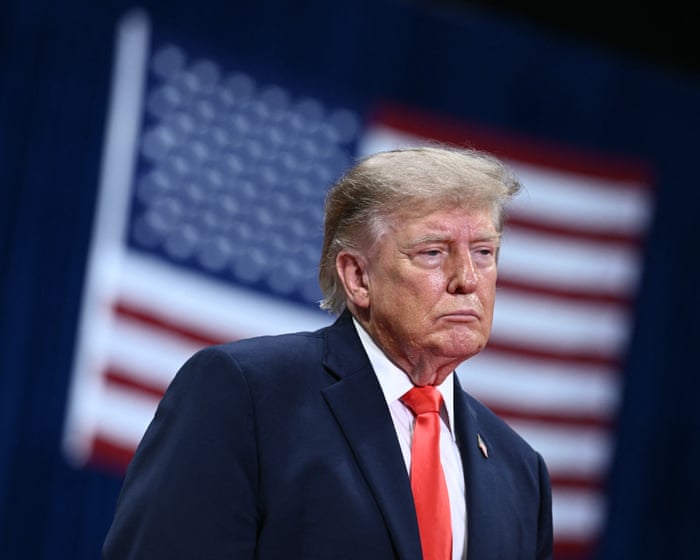
CoinMarketCap data show the Trump memecoin ($TRUMP) fell to $1.19 for the first time, setting a new record low. Its previous low was $1.20 on January 18, 2025. The coin launched on January 8, 2025.
The US Treasury’s November 4 cash plan suggests December could bring a brief respite, while tax receipts and a projected January cash peak complicate the case for reserves.

Gate CEO Lin Han says the exchange has enough assets in cold storage to cover customer balances even if its hot wallets are emptied. An independent audit is underway.

Samsung Wallet’s Stablecoin Account is now available to eligible U.S. Galaxy users, enabling them to use USDC on Solana.

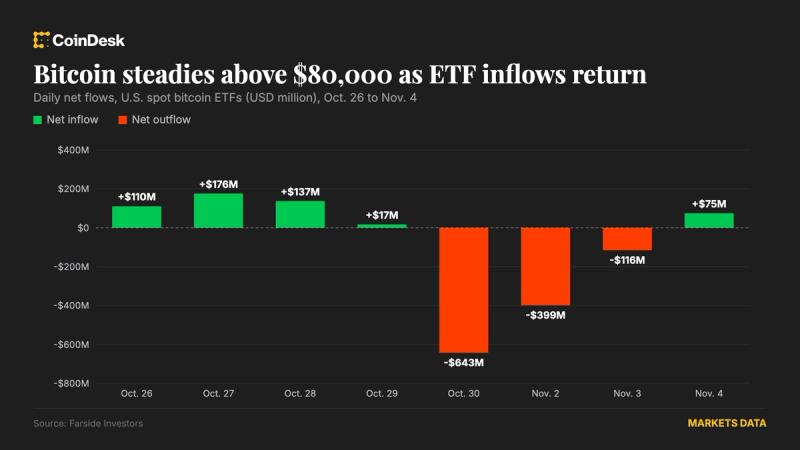
Four funds drew inflows on November 4. Fidelity’s FBTC led the gains, while BlackRock’s IBIT was the only fund to post withdrawals.

The purchases follow talks first reported by CoinDesk in June, which included a proposed equity stake in Aave Group.

Binance says its systems were unaffected, but it removed trading connections to third-party platform SignalPlus as a precaution and urged users to check their accounts.

Ukraine’s central bank says it will not support the crypto legalization bill in its current form and wants lawmakers to revise it before the final vote.

Looking ahead to Nov. 5, Bitcoin appears resilient, though leverage is lacking and demand remains tepid.

VanEck says bitcoin miners are oversold after a 35% plunge in October. Investors broadly sold AI infrastructure providers that month, treating companies from very different sectors as a single trade.

American Bitcoin posted a $126 million profit, while third-quarter revenue fell to $63.4 million and missed analysts’ forecasts. Lower bitcoin production and higher summer electricity prices raised mining costs.

American Bitcoin Corp., a company backed by the Trump family, said Wednesday it turned a profit after three straight quarterly losses. The company has drawn attention since Democrats’ decisive midterm victory.
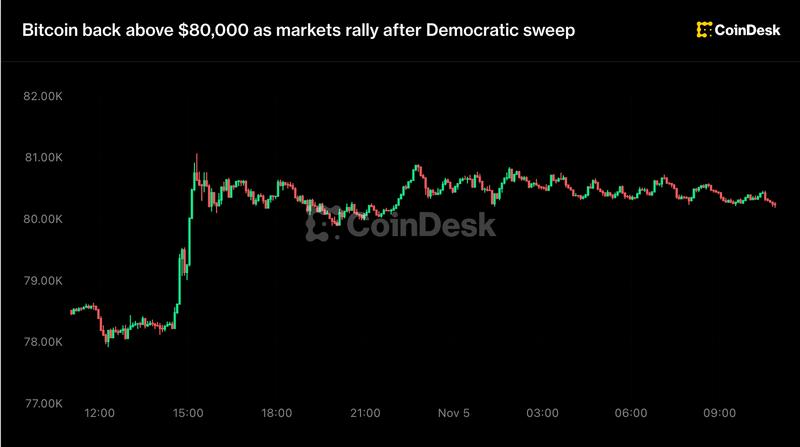
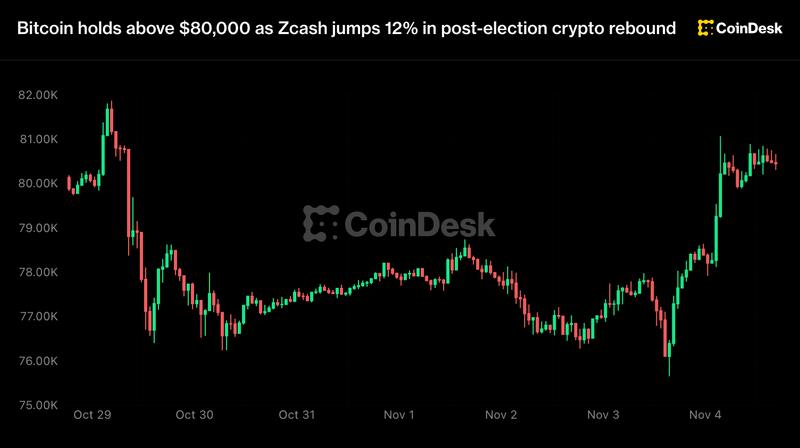
Bitcoin was down 0.2% since midnight UTC at about $80,250, remaining above $80,000 after Wednesday’s jump. Spot ETFs ended a three-day run of outflows.


Bitcoin stayed around $80,000 and Ether rose 4% as crypto ETFs attracted fresh inflows, following a Wall Street rebound and a nearly 9% drop in Brent crude.
House Democrats are reportedly discussing a broader crypto market-structure bill, partly based on Rep. Maxine Waters’ earlier investor-rights proposals. The ideas include a larger SEC role, a smaller CFTC role and tighter government ethics restrictions.

The same attacker stole about $391,000 hours after Mercado Bitcoin said it had contained the attack. Bitquery linked most of the funds to BitMart-related wallets; BitMart’s founder confirmed a Nov. 2 hack and suspects a connection.

Bitcoin climbed above $81,000 alongside gold, reviving speculation that investors are seeking shelter from a weakening US dollar. Bitcoin rebounded from about $75,600 on Nov. 4, while gold futures jumped 3.4% to $4,061.10, their biggest daily gain in three months. The dollar also weakened as investors assessed the Democrats’ sweeping victory.

Riot has sold most of its bitcoin to finance its shift into data centers. Its latest agreement would let Anthropic fund part of the build and earn interest through deductions from rent.

American Bitcoin reported $126 million in net income for the third quarter, reversing a $57.2 million net loss in the previous quarter, as gains on digital assets lifted results.

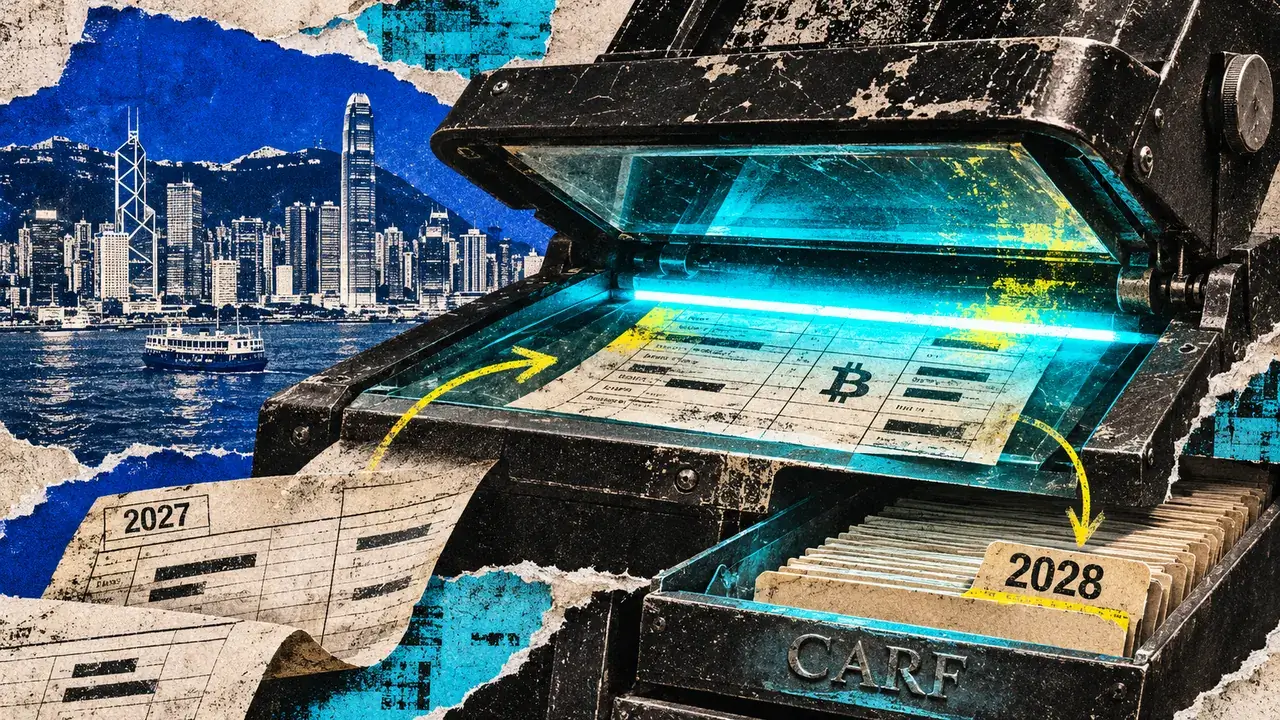
Hong Kong has passed a law requiring crypto firms to collect customer and transaction data from 2027, and to share the information with overseas tax authorities from 2028.

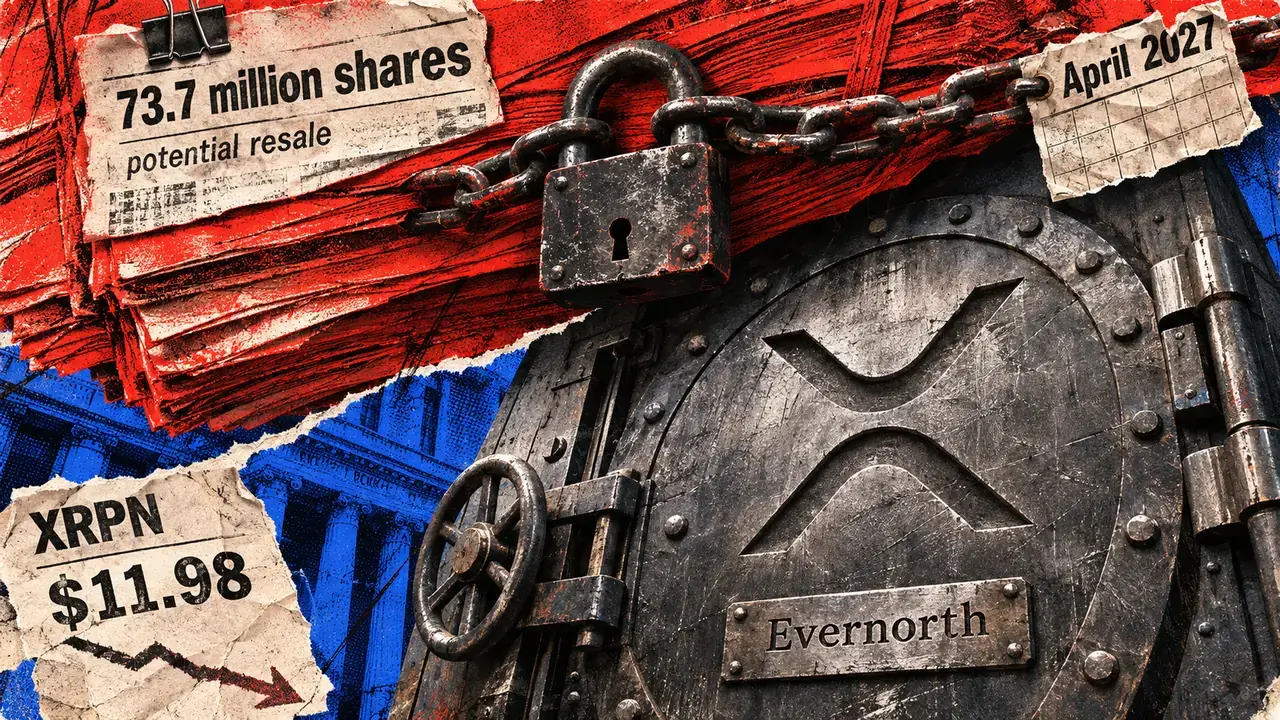
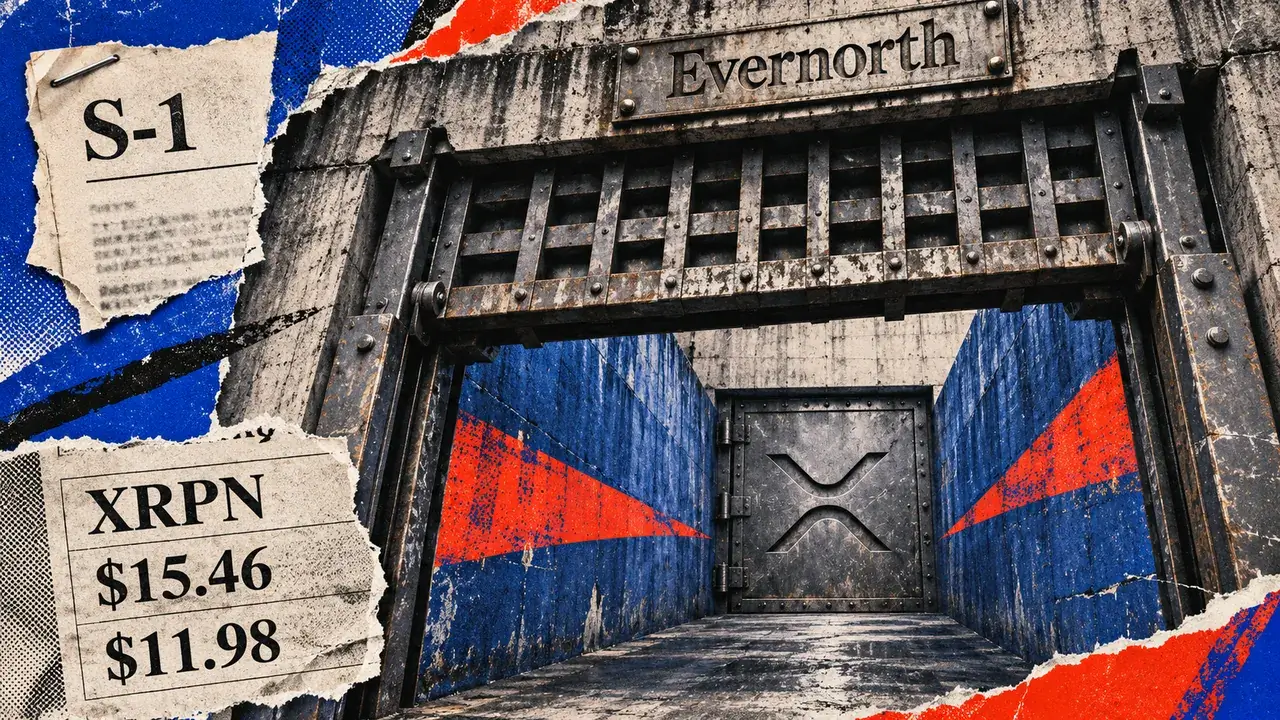
Evernorth registered 73.7 million shares for possible resale after its stock fell sharply following its Nasdaq debut. The filing names Ripple Labs, Arrington XRP Capital and affiliates of Japan’s SBI Holdings among investors whose shares could eventually be sold publicly.

Arkansas has sued prediction-market platform Kalshi, alleging its illegal gambling operations cause mental harm. The case makes Arkansas one of a growing number of states taking legal action against the platform.


Arkansas accused prediction-market operator Kalshi of running illegal gambling, joining Utah and several other U.S. states that have brought criminal or civil charges against the company.
Binance data showed Bitcoin up 5% at $80,513 and Ethereum up 7.36% at $2,425 as of 7:33 a.m. Moscow time. Over the previous 24 hours, crypto exchanges liquidated more than 104,000 traders’ positions worth about $794.71 million, with short-position liquidations exceeding long-position liquidations.
Glassnode’s end-of-October profitability reset and BlockchainCenter’s neutral reading of market breadth on November 4 leave a broad altcoin recovery unconfirmed.

About 12,200 ZEC remain in Sprout, the privacy pool Zcash launched in 2016. Around 10,000 coins left over the past week, while only about 40 moved out on Wednesday.

XRP Ledger has switched on a change that stops authorized token burners from generating additional tokens. Validators backed the change in October, restarting the countdown to activation; the XRP asset was unaffected.

Bitcoin held above $80,000, Zcash rose 12% and Ether gained 8% as falling oil prices and a weaker dollar helped markets recover. Traders also considered the tougher path ahead for US crypto legislation.

Covered providers must begin collecting customer trade information in 2027, ahead of the tax department’s launch of international CARF exchanges in 2028.

The Digital Chamber said Democrats are expected to redirect the crypto policy debate toward stronger consumer protections and regulatory accountability.

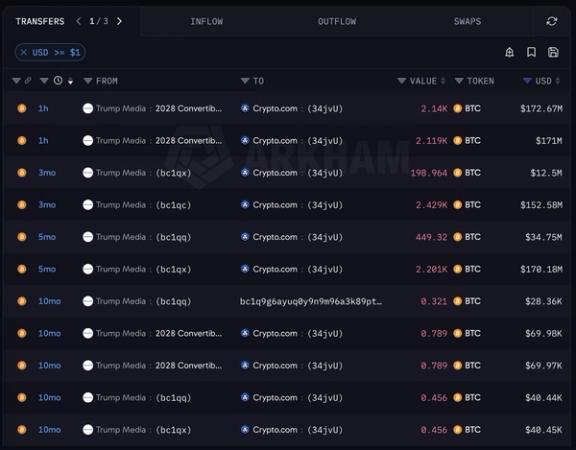
Data tracked by Arkham show that a wallet supposedly linked to Trump Media transferred a large amount of bitcoin, worth $342 million, to Crypto.com.

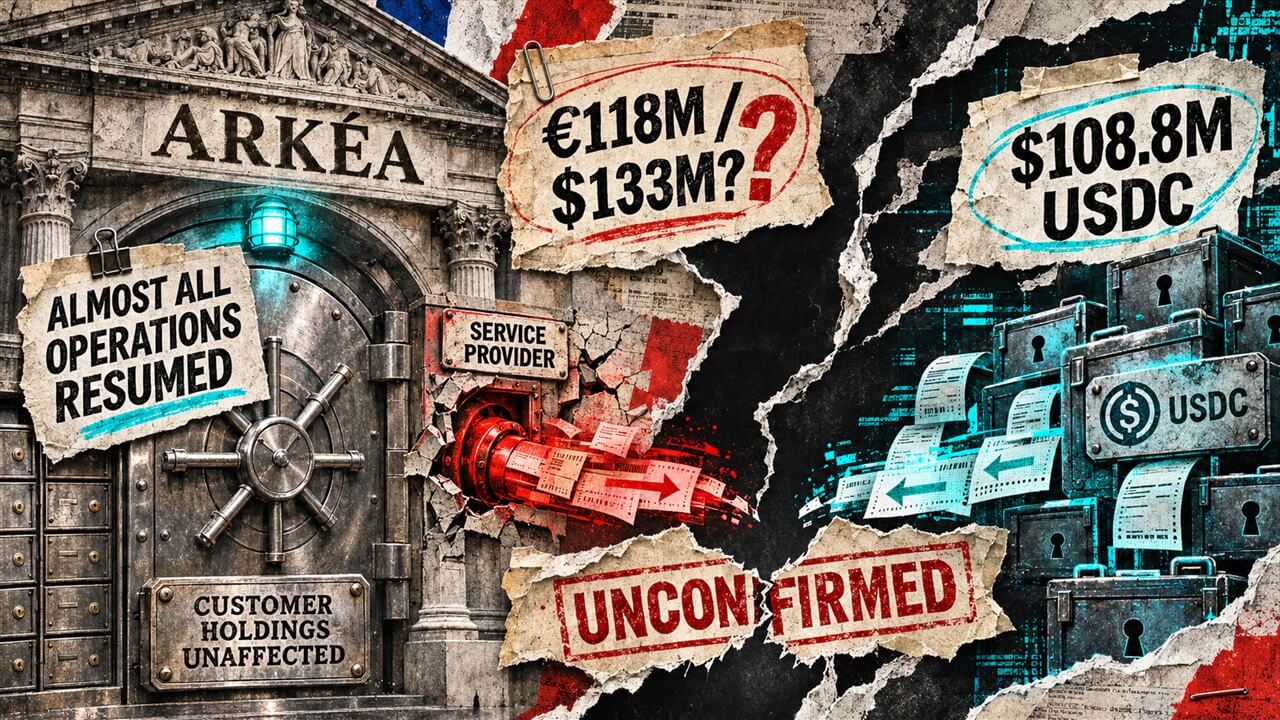
Arkéa says attackers used the bank’s own account through a provider’s platform. A separate $108.8 million USDC trail has not been proven to connect to the bank.

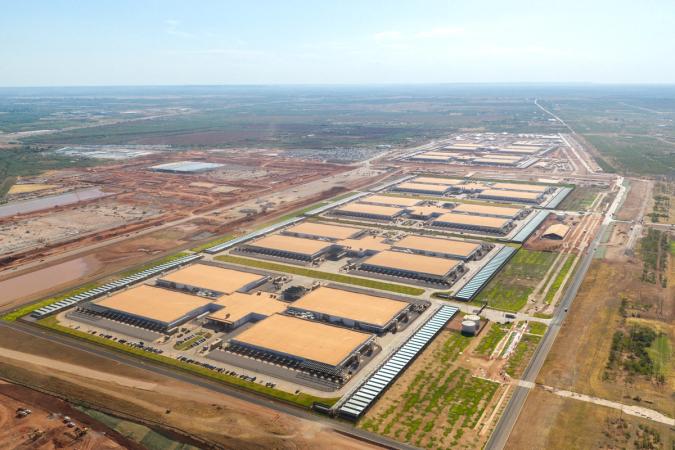
The Democrats’ midterm sweep is unsettling politically exposed digital-asset investments, including cryptocurrencies linked to Donald Trump and major Texas data-center projects that support valuations of companies once known as Bitcoin miners.
Bitquery’s weekend pre-futures test found no clear directional edge. Nasdaq’s proposed expansion of weekday trading remains conditional.

Experts say Wall Street’s effort to move finance onto blockchain rails could continue under existing laws. But the SEC and CFTC may face tougher oversight, and questions remain about how long their rules will endure.

The asset manager says global demand and institutional adoption will sustain the crypto industry despite a political setback. BlackRock says the situation will have little effect on its crypto business.

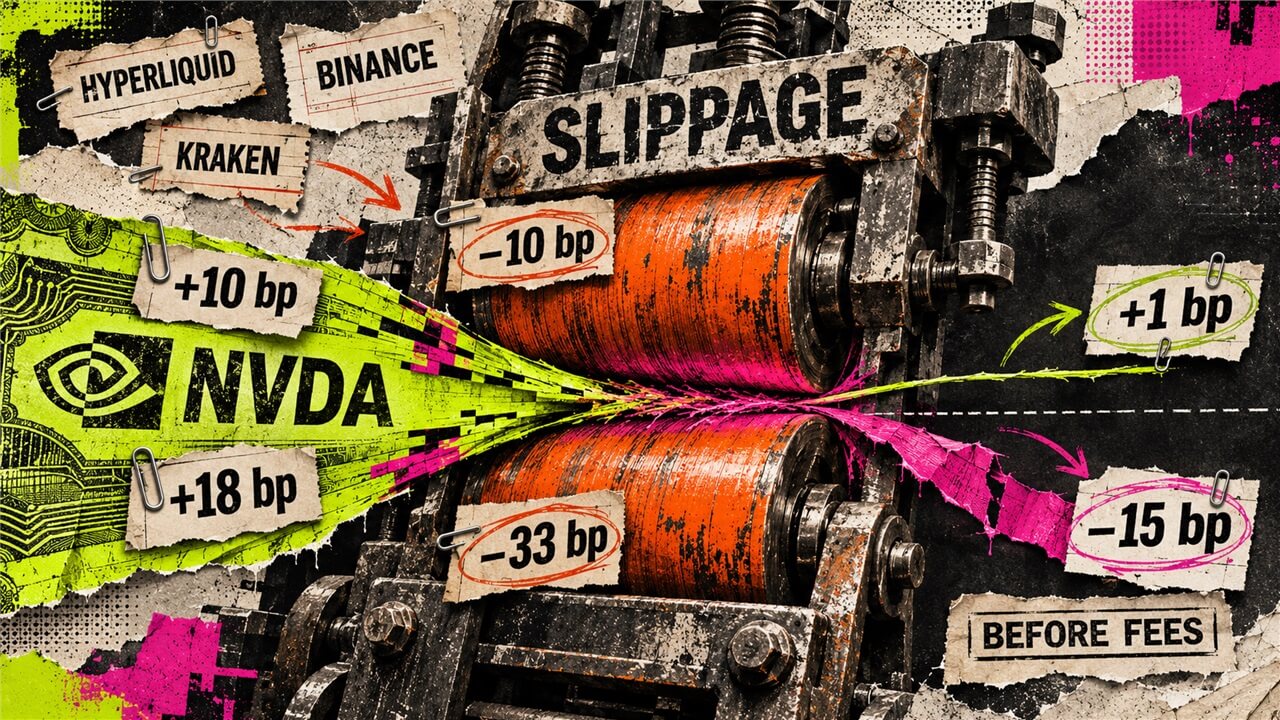
Two $1,000 comparisons yield about 1 basis point and negative 15 basis points before fees. Access restrictions and adjustments tied to the shares further complicate the trade.

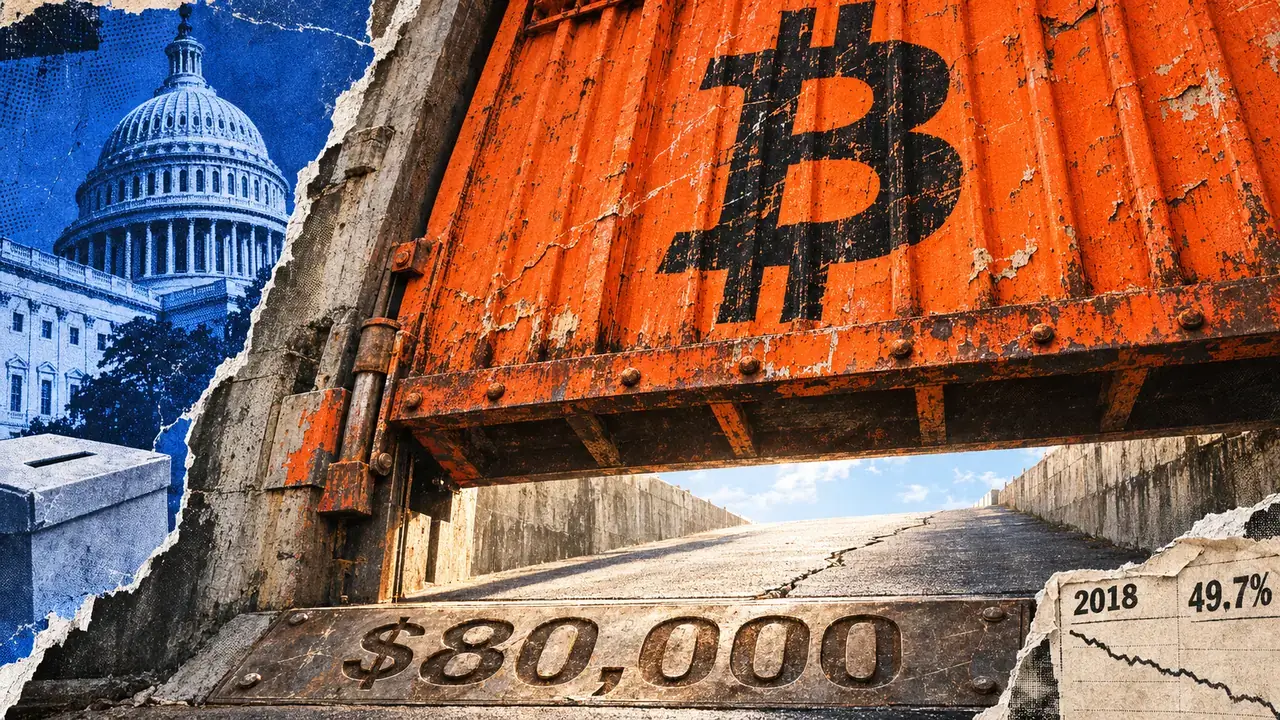
After two years of a Washington climate favorable to crypto and innovation, the digital asset industry is facing a sharp political jolt.

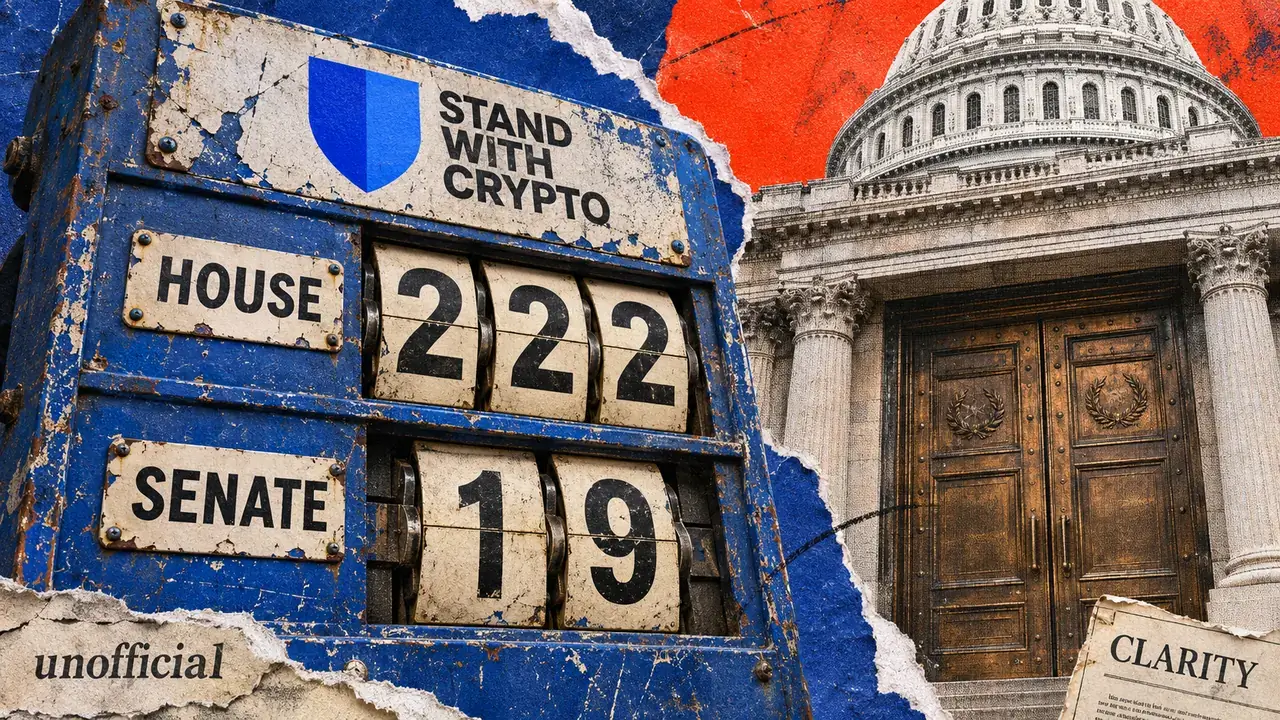
The group’s unofficial tally lists CLARITY supporters among the winners, but its ratings do not establish that they would vote to pass the bill.

The crypto industry’s main campaign organization had built a reputation for being unstoppable, but more than a third of its spending did not achieve its aims, particularly in Ohio.

After Democrats defeated Republicans in the midterms, Trump Media stock fell to just over $5 a share, its lowest level ever, while World Liberty Financial tokens also declined. Forbes estimated Trump remains $2.7bn wealthier than when he won the 2024 election.

Bitcoin climbed 3.5% to $80,500 and ether gained 6% after Democrats won Congress. Bitwise said the Binance hack had limited impact on markets.


Bitcoin rose more than 5% from its election-night low, reclaiming $80,000 for the first time since Binance’s record hack. The cryptocurrency continued its recovery from about $75,600 on Wednesday, shrugging off concerns that Democrats’ congressional takeover could threaten Donald Trump’s crypto-friendly agenda. CoinGlass data showed the rally liquidated $453.32 million in positions.
Aave and Lido saw a $1.7 billion drop in DeFi capital after the Binance hack. Stablecoins had already been contracting, while Aave’s temporary freeze highlighted how collateralized loans can coexist with a shortage of cash for withdrawals.

Kamino has tied most of its CEO’s KMNO vesting incentive to valuation and committed $20 million to growth. The arrangement leaves capital allocation between foundation earnings and any future benefit for token holders unresolved.

Kalshi’s scheduled closures and Coinbase’s September 2026 proposal illustrate why perpetual contracts without an expiry do not guarantee that traders can close their positions when they want to.

Coinbase says 99% of its customers’ assets are held in cold storage and that it was not affected by the $6.3 billion Binance hack.

Bitcoin miners’ daily revenue per unit of computing power dropped 8.7%. Nearly flat implied network growth offers little relief, as hedges still leave miners exposed to costs and delivery.

Asset manager Schroders, with more than $1 trillion in assets, is bringing its emerging-markets bond strategy to Solana, broadening the selection of actively managed onchain funds.

The piece reflects on prediction markets during the midterm elections.
The Democratic sweep in the United States could be the final blow to the Clarity Act.

Wall Street has lowered price targets for Bitcoin miners after Democrats’ Texas victory sparked fears that AI data-center projects could face delays.

Binance said hackers planned the theft for months, beginning no later than June, before compromising an engineer’s laptop last Thursday and taking assets from several wallets. The FBI and TRM Security attributed the attack to North Korean actors. The hackers targeted $6.34 billion; Binance has frozen or intercepted $2.85 billion and says it has set aside funds to cover the loss.

Effectiveness on October 30 meets one condition. At the November 3 closing price, the original full share allowance represents $62.5 million before discounts and expenses.

Intercontinental Exchange is betting that retail investors are drawn to quick outcomes.

An attacker exploited a Polkadot security flaw that had been fixed four months earlier, causing a $1.38 million loss. The attacker resumed operations on October 26 using its own relayer, ahead of the XCM fix; a later upgrade corrected the supply without changing balances.

The next Congress faces unfinished work on clear, durable rules for digital assets that protect consumers while allowing American innovation to thrive, writes Blockchain Association’s Linsday Fraser.

Bitcoin and stocks have bounced back after plunging overnight. So far, AI data center stocks have suffered the steepest losses, after several candidates who explicitly campaigned against the sector won.
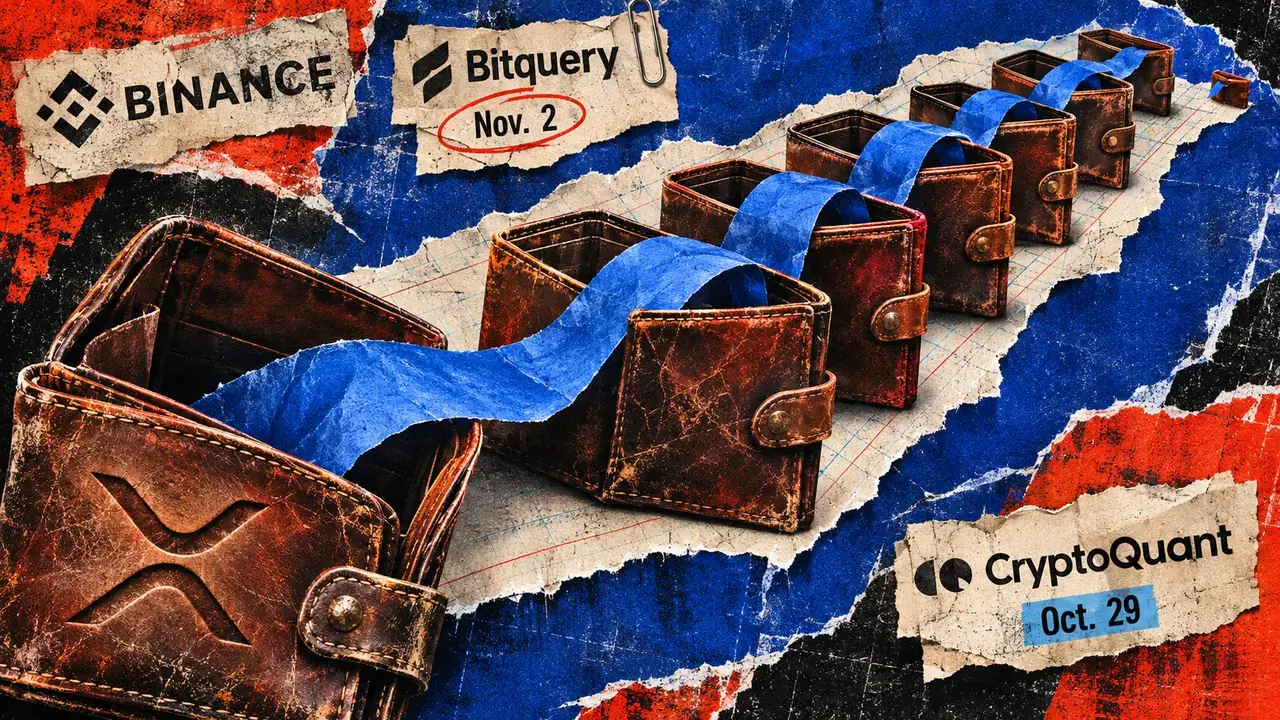
Bitquery traced stolen XRP from Binance to six accounts holding more than one million tokens each, but whether they affected Santiment’s dataset remains unconfirmed.

Circle reported $865 million in revenue and reserve income for the third quarter and said cuts will affect about 5% of its workforce.

Global asset manager Schroders, which oversees $1.1 trillion in assets, is putting an actively managed bond strategy onchain through tokenization specialist Centrifuge.

North Korean hacking group TraderTraitor is moving proceeds from the Binance hack through THORChain, exchanging ether for bitcoin after an earlier round of conversions from Tron.

Circle’s third-quarter net income from continuing operations rose 5% year over year to $226 million, while surging USDC transaction volume helped the company beat earnings and revenue estimates.

Ryan Kirkley sees Bitcoin rebounding by year-end even under Democratic control, but fund withdrawals and overhead supply make that outlook conditional.

BitGo has launched Global Markets, a business focused on institutional trading and financial solutions, led by former NYDIG executive Pete Janney.

Democrats won the House and then flipped the Senate, in a rebuke to President Trump, sending futures into positive territory.


Investors avoided AI stocks and shifted into government bonds on Wednesday after Democrats took control of Congress in the US midterms. Oil prices edged up as uncertainty persisted over the course of US President Donald Trump’s war against Iran. The edition also examines the campaign’s central issue: rising living costs.
World shares are mostly higher following US midterm results showing Democrats won majorities in both the House and Senate.

The dollar fell to a one-month low after Democrats won control of both chambers of Congress, as investors worried tighter AI regulation could slow growth. Investors moved into US Treasuries, while the 10-year yield fell; gold rose and AI-related shares dropped in Asian trading.
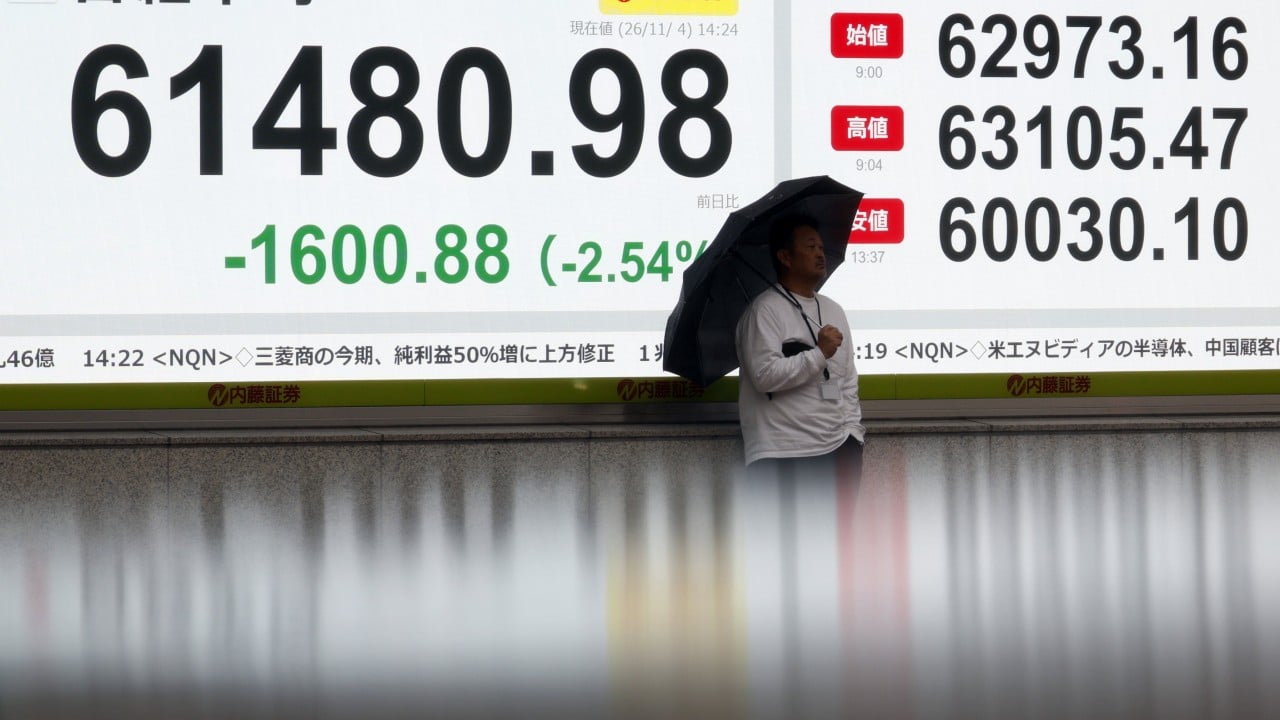
The Democrats’ comprehensive midterm victory jolted Asian stocks, bonds and commodities as investors anticipated closer congressional scrutiny of the AI industry and government spending. Regional stocks ended mixed on Wednesday, while US Treasury yields fell on hopes a Democratic-controlled Congress could restrict debt issuance.
Global markets pared losses after a selloff sparked by Democrats sweeping Congress. Investors weighed the prospect of tougher scrutiny of Donald Trump’s policies against lawmakers’ limits in reshaping his agenda.
Binance said about $11 billion was withdrawn between 06:00 UTC on Nov. 1 and 04:00 UTC on Nov. 3, after services resumed following its record $6 billion hack on Oct. 29. Roughly $6 billion in deposits offset just over half the withdrawals, leaving net outflows of about $5 billion.

DeFi 201 outlines decentralized finance as an interconnected system of protocols. It explains how DEXs, AMMs, liquidity pools, lending markets, yield aggregators, oracles, derivatives and DAO governance relate, and how composability can create systemic risks.
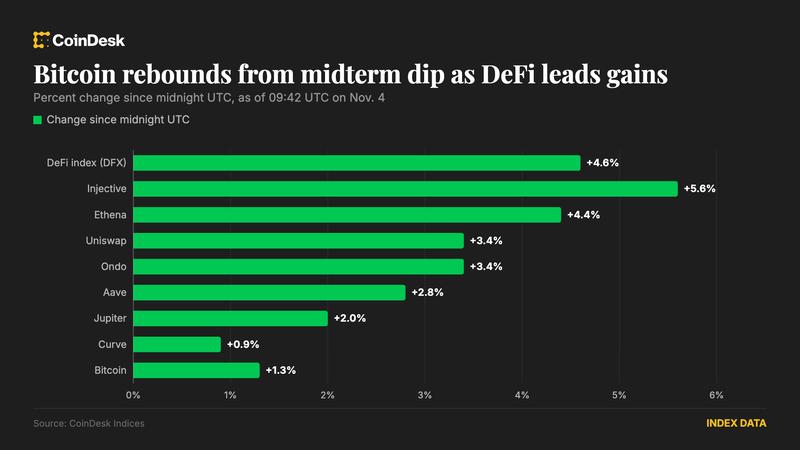
Bitcoin climbed back after dipping to around $75,600 as Democrats won Congress. DeFi tokens led the gains, while coins linked to Trump fell.

Blockchain investigator ZachXBT says French bank Crédit Mutuel Arkéa may have lost more than $133 million from cryptocurrency exchange accounts. Crypto.com says it has blocked funds connected to the theft.

Canton Coin gained 6% after the SEC took a no-action position covering three types of network participant under a model described by counsel. The position does not provide a binding legal conclusion, while a16z sees a route out of securities-law constraints.

Morgan Stanley says token-form versions of US stocks and Treasury securities were created using DTCC's new service.


Morgan Stanley says it is one of the first banks to tokenize real-world assets. Its announcement comes after the Depository Trust & Clearing Corporation launched its Tokenization Service, or DTS, on Oct. 28.
South Korea’s Financial Services Commission called for tighter transfer monitoring, more response staff and stronger reserves. How exchanges will implement the measures, and whether a new custody threshold will be introduced, remain unclear.

After facing backlash from the community, the committee withdrew its proposal. Competing options remain: ending its funding or keeping the current grants system in place.

SideSwap reports that L-BTC is fully backed by Bitcoin, while customer payouts still rely on its own Bitcoin wallet, which must be refilled manually.

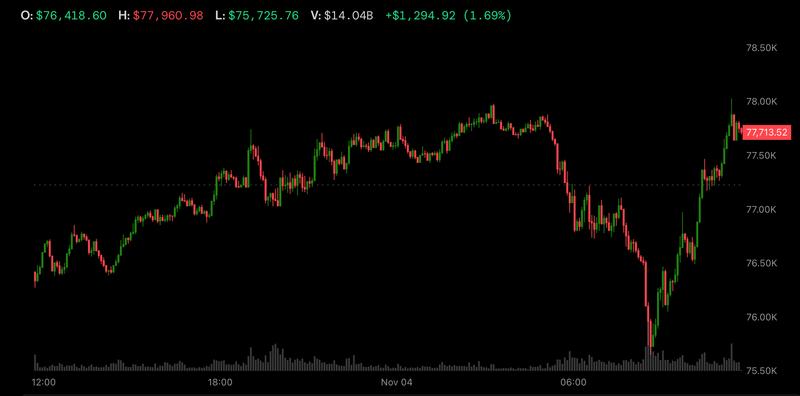
Bitcoin is surging toward $78,000 in a V-shaped rebound as uncertainty over the U.S. midterm elections eases.

Block has proposed a $764 million agreement to resolve a federal anti-money-laundering investigation. Lower Cash App trading fees also cut the company's quarterly gross profit from bitcoin by half.

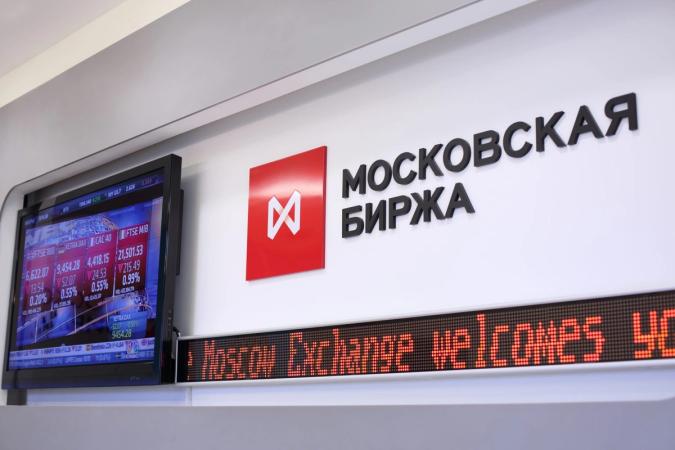
Russia’s main exchange aims to bring home crypto trading that Russians conduct abroad. One of the coins it plans to list is issued by a company that freezes wallets appearing on the U.S. sanctions list.

South Korea’s ruling party wants to postpone the crypto tax by about two years while awaiting global tax-sharing rules and a new digital assets law.

The Minutes Reader extension turns the original page into a focused reading view and translates articles and video subtitles on demand. It is in limited beta.