South Korea’s Kospi plunges more than 7% as tech sell-off deepens
South Korea’s benchmark Kospi fell by more than 7% as technology-share selling intensified after U.S. stocks dropped on inflation data that exceeded expectations.
AI-related stocks in South Korea and Japan were hit after Wall Street fell on hotter-than-expected US inflation.
Asian markets opened lower on Thursday after US consumer-price inflation rose faster than expected, lifting expectations that the Federal Reserve may act later this year and weighing on stocks.
The total tax rate on Canadian softwood lumber exports has been set at nearly 35% following a U.S. review. The B.C. Lumber Trade Council says that is down from the combined 45% rate announced in August last year.
A sell-off in global technology hardware stocks intensified Thursday. SK Hynix fell 8% as concerns about Fed rate hikes and AI funding mounted.

San Francisco Fed President Mary Daly said on Wednesday that the central bank will probably need to raise short-term interest rates further to curb inflation that is too high. She indicated, however, that there is no need to act at the Fed’s October 27-28 meeting.
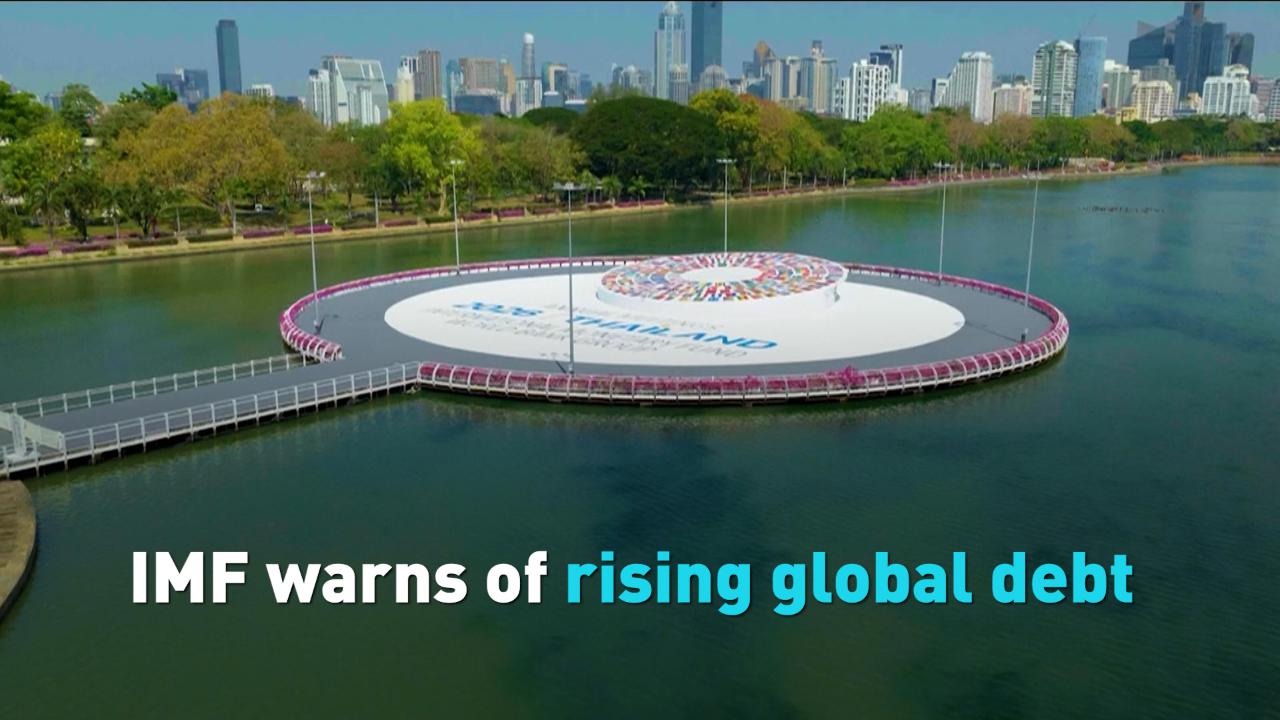
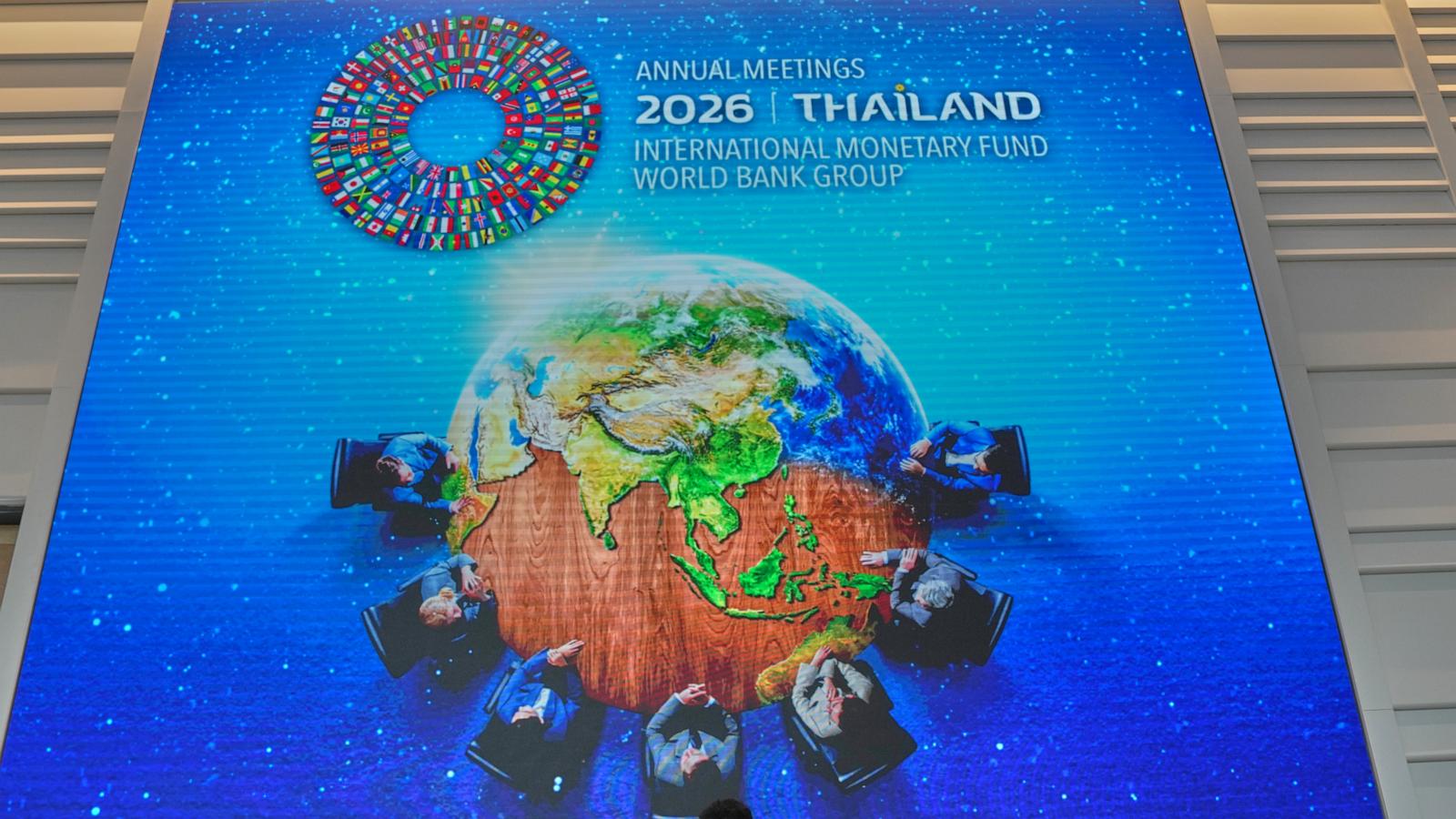
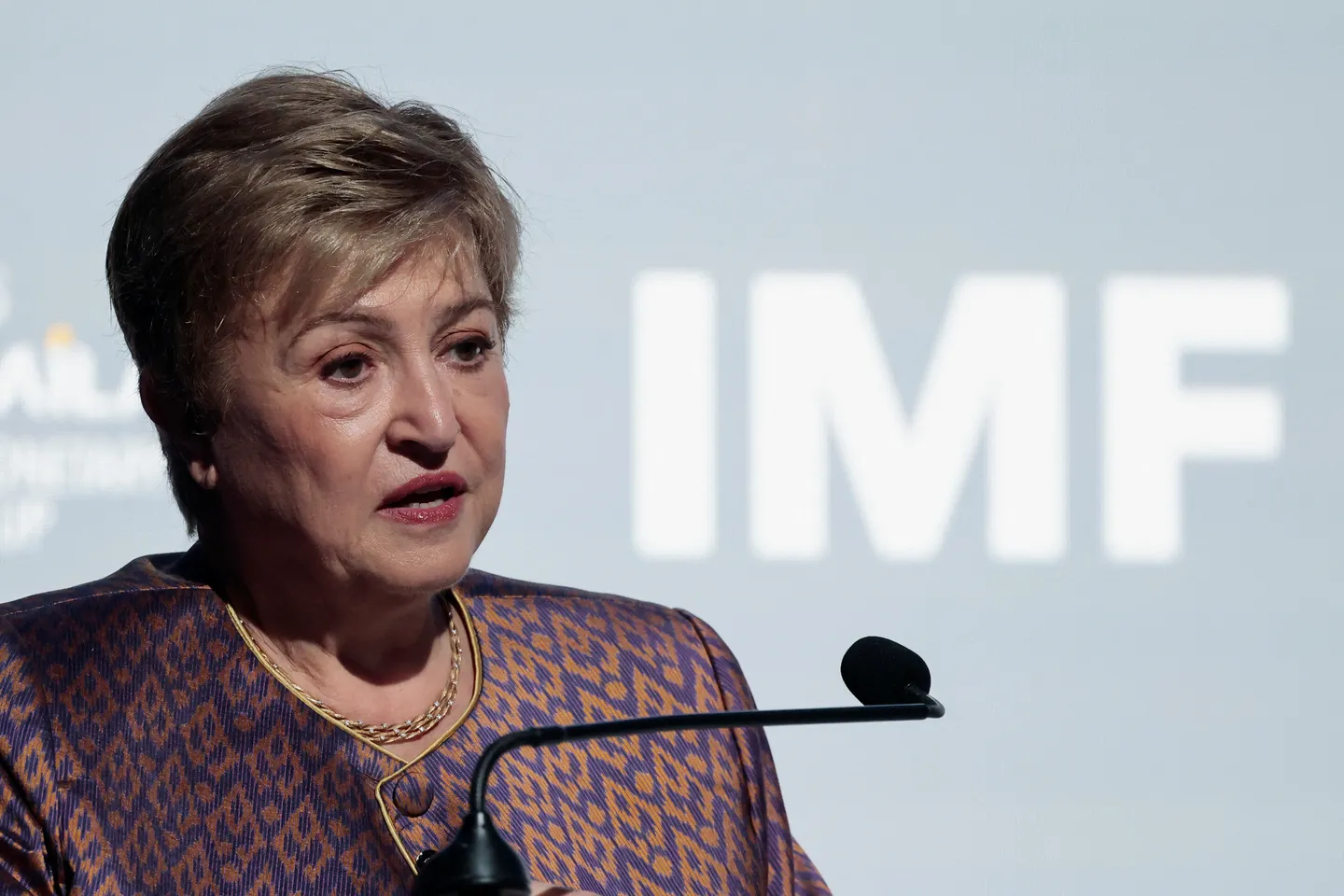
IMF Managing Director Kristalina Georgieva urged the world’s largest economies to tackle growing fiscal and trade imbalances. At the IMF and World Bank annual meetings in Bangkok, she warned that a new IMF report highlights the risks of postponing action on mounting debt and called for urgent policy reforms.

In its October 14 response, Coins.ph highlighted controls intended to exclude offshore gambling operators and said it remains an institution licensed by the BSP.

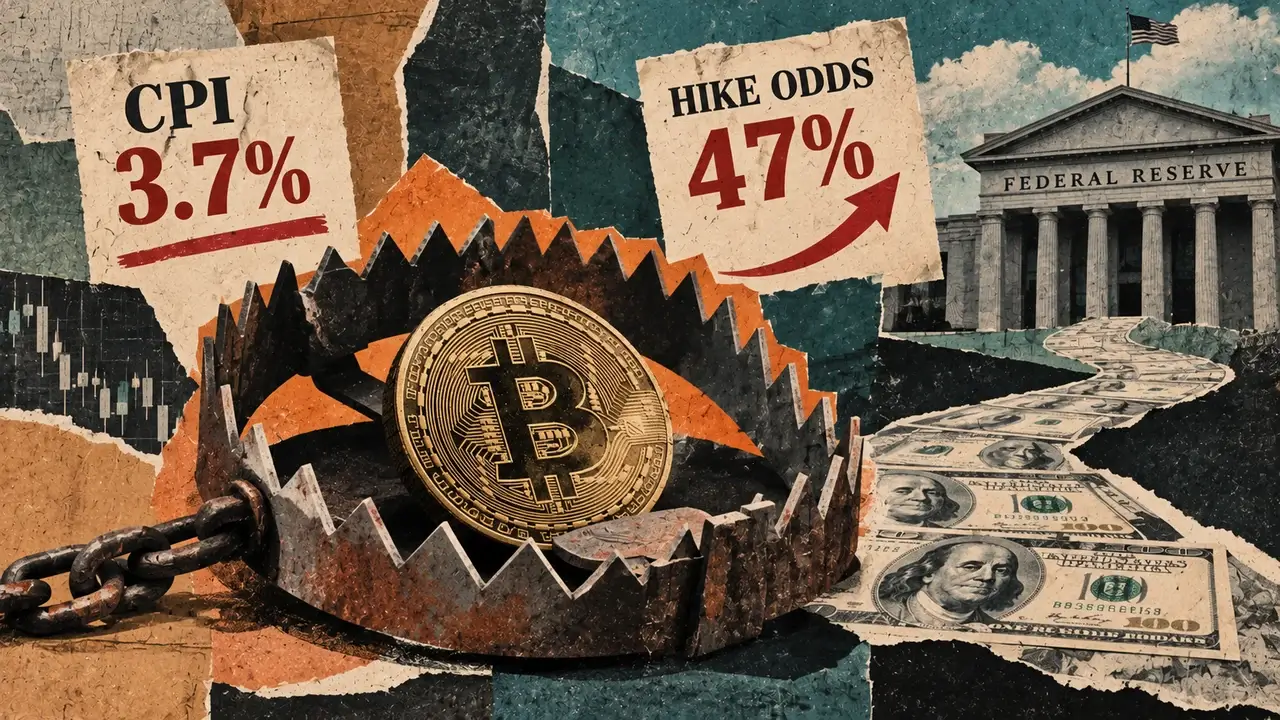
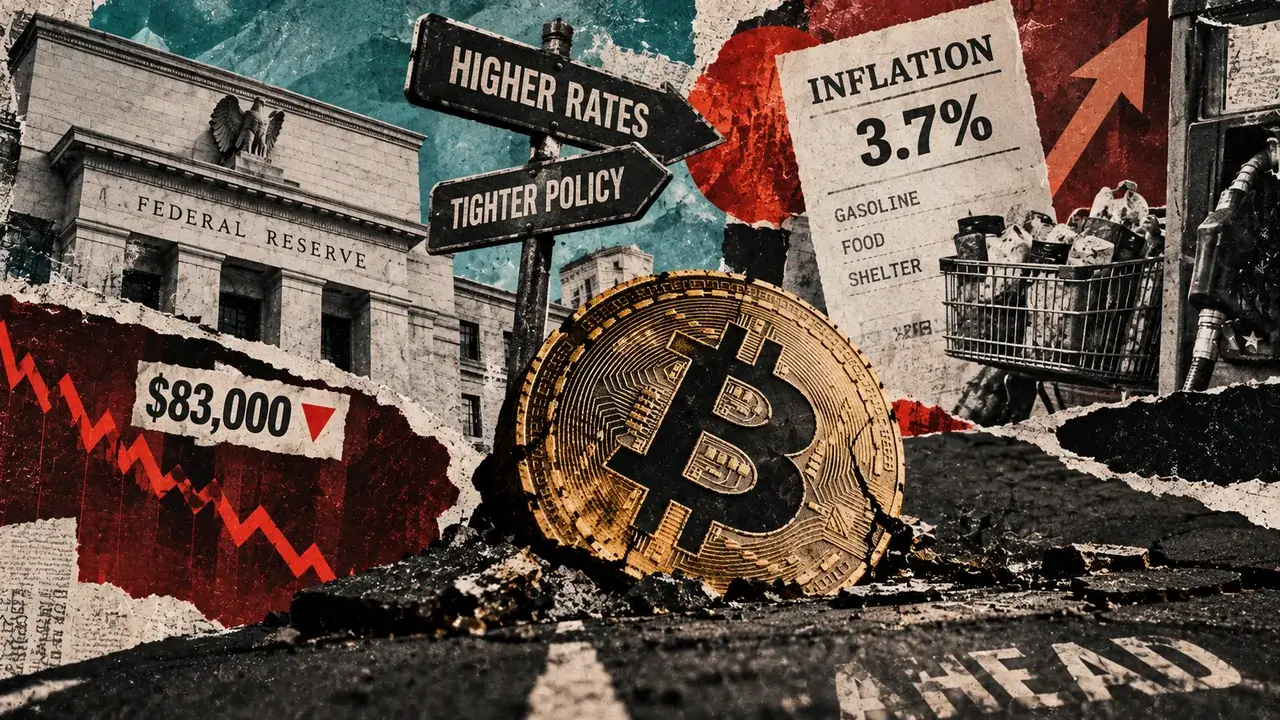
US inflation reached 3.7% in September, lifting yields as markets raised their bets on another rate increase before the Federal Reserve’s October 27–28 meeting. Bitcoin faced a sell-off amid the stronger dollar and rising rate expectations.

US consumer prices rose at their fastest pace in five months in September, while a measure of underlying price pressures exceeded expectations. Household budgets remain squeezed ahead of November’s midterm elections.

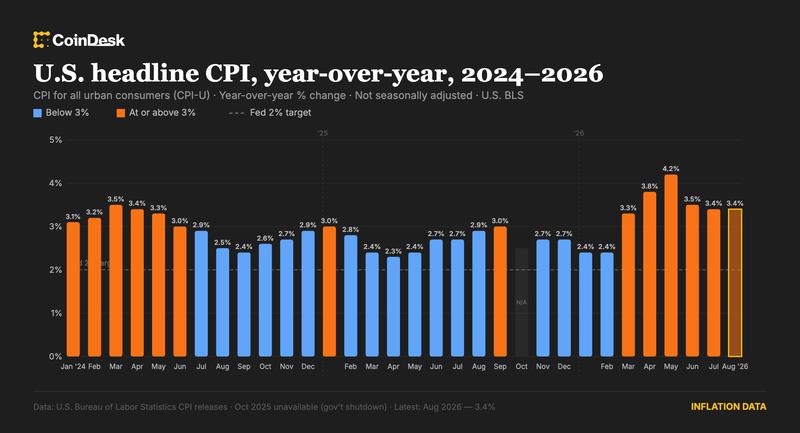
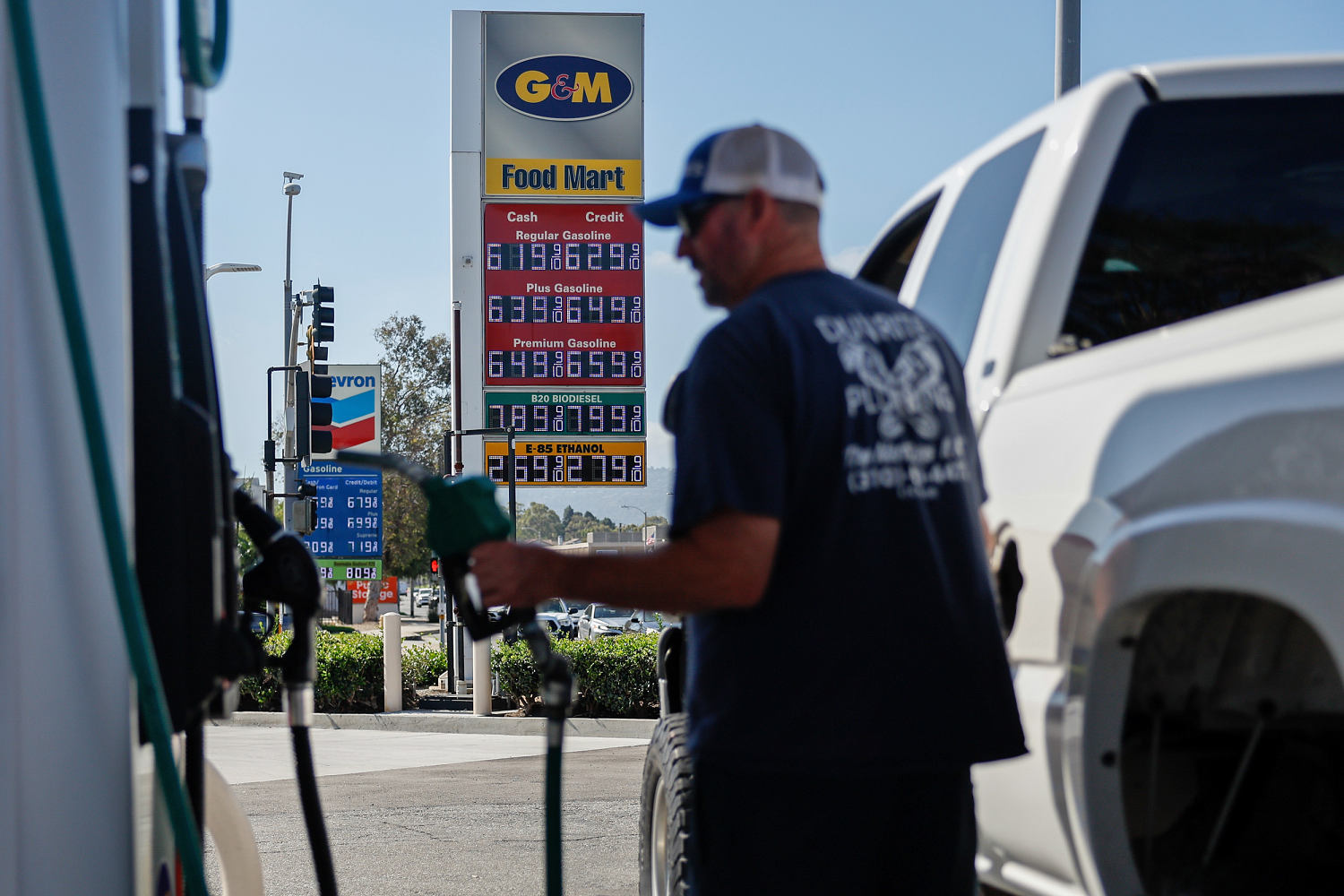
US annual inflation reached 3.7% in the year to September, up from 3.4% in August and above forecasts, in the last data release before next month’s midterm elections. Higher petrol prices drove the increase: vehicle fuel costs rose 34.2% over the year. Core inflation was 2.6%, while food prices were flat in September.
U.S. consumer prices accelerated in September amid a surge in gasoline costs, dealing another blow to Donald Trump before the midterm elections and putting a possible interest-rate increase later this month back in focus.
US inflation climbed to 3.7% in September, pushed up by higher petrol prices and airfares. The increase adds pressure on households and the Federal Reserve weeks ahead of the midterm elections.

The U.S. consumer price index rose 0.6% in September, bringing the annual inflation rate to 3.7%. The Dow Jones consensus had forecast a 0.6% monthly increase and a 3.6% rise from a year earlier.
Major AI stocks fell sharply on Wednesday after the latest US inflation report came in hot, underscoring investor worries about the risks that higher borrowing costs pose to the capital-intensive sector.
A sharp bond-market selloff weighed on Wall Street bank earnings last quarter. Fixed-income trading weakened at some banks as high interest-rate volatility curbed demand for transactions.
Nvidia, Oracle and CoreWeave shares fell as enthusiasm for the technology cooled.
ABC News’ Elizabeth Schulze reports on what to know about the latest inflation report and prices during the upcoming holiday season.

Inflation intensified in parts of the United States in recent weeks while the labor market remained in a low-hiring, low-firing state, a Federal Reserve report found. It highlighted the stakes as policymakers consider a second consecutive interest-rate increase later this month.
US consumer prices rose faster in September, as a jump in gasoline costs put an interest rate increase later this month back on the radar.
The Bank of Russia set the official dollar rate for October 15 at 83.9497 rubles, up 8.22 kopecks from the previous figure. The euro rate rose 15.06 kopecks to 93.9229 rubles, while the yuan rate increased 3.3 kopecks to 12.5358 rubles.
Russian inflation was 0.11% from October 6 to 12, down from 0.96% the previous week, according to Rosstat. Consumer prices rose 1.01% in early October and 6.1% year to date; annual inflation was 7% as of October 12.
Russia’s Ministry of Economic Development said weekly inflation was 0.11% from Oct. 6 to 12, bringing annual inflation to 7.22%. Food prices rose 0.21%, with fruit and vegetable prices up just 0.03%; non-food prices increased 0.1%, while monitored services prices were virtually unchanged.
Bitcoin slipped below $82,000 after September core CPI came in above forecasts. Analysts are weighing price targets and the possibility of a rate hike in October.

Shares of debt-heavy AI companies fell sharply on Wednesday as the prospect of higher interest rates heightened worries about financing the industry’s vast expansion.
US Social Security benefits will increase by 3.6 percent in 2027, raising average monthly payments by $75 in one of the decade’s largest cost-of-living adjustments. The increase will reach 72 million recipients in January and nearly 73 million Supplemental Security Income beneficiaries on December 31.

Monthly payments for nearly 72 million Americans receiving Social Security benefits will rise 3.6% in 2027, the largest increase in four years.
The Social Security Administration announced a 3.6% increase in monthly payments for senior citizens and other beneficiaries in 2027. It is the largest cost-of-living adjustment since 2023.
The Social Security Administration projects a 3.6% cost-of-living adjustment beginning in 2027 for older adults and people with disabilities, averaging $75 more per month.

The Social Security Administration says the 2027 cost-of-living adjustment will rise to 3.6%. The adjustment is intended to keep benefits in line with inflation.
About 76 million Americans receiving Social Security and Supplemental Security Income benefits will get a 3.6% increase in monthly payments in 2027. The rise will accelerate for a second consecutive year compared with the previous year's increase.
The Social Security Administration said benefits will increase by 3.6% in 2027, with individual retirement payments rising by about $70 per month on average.
US inflation rose 3.7% over the 12 months to September, above forecasts. Teacher Kathryn Vaughn is working several jobs to support her family, while Punal Bhavsar says higher gas and other costs have made saving for a home harder. Caitlin Green says her household’s grocery bill has doubled, from about $200 to $400 a month.

US annual inflation accelerated to 3.7 percent in September from 3.4 percent in August, with petrol prices accounting for more than half of the monthly CPI increase. Economists are divided over whether the Federal Reserve will raise rates again later this month, and US markets moved lower after the report.

BlackRock’s Larry Fink warned that a moratorium on data center construction could trigger a recession. Local opposition to data center projects has featured in the midterm elections scheduled for Tuesday, Nov. 3.

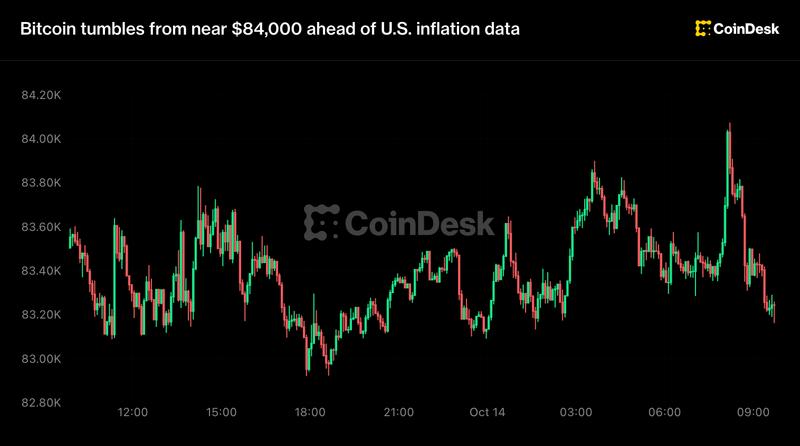
Hotter-than-expected US core inflation revived expectations of further Federal Reserve rate hikes. Bitcoin fell below $83,000 on Wednesday, while more than $100 million in leveraged crypto positions were liquidated in the hour after the inflation report was released.

US inflation is surging as midterm elections approach, with Americans’ pay being described as totally wiped out.

The EIA forecasts winter distillate inventories will be 20–30% below normal. Falling diesel prices leave the implications for inflation and Bitcoin uncertain.

Russian Deputy Prime Minister Alexander Novak said diesel exports would support increased domestic refining and output, raise budget tax revenues, and create opportunities for social spending and investment. He called it an overall positive signal for Russia’s economy.
Congress must decide how to build the infrastructure required by the booming U.S. digital economy while protecting the communities that host it.

Kirill Dmitriev, Russia’s special representative for investment and economic cooperation and head of the Russian Direct Investment Fund, said Moscow would keep pursuing economic and investment projects with the United States. He said the efforts would include explaining, with concrete examples, that US sanctions primarily harm Americans and US farmers, and noted that cooperation goes beyond the diesel deal.
Bitcoin’s large holders accelerated buying before Wednesday’s US inflation report, raising their combined holdings to 3.03 million BTC, according to an Oct. 13 CryptoQuant report. The monthly accumulation pace is the fastest since February, despite $744.3 million in net withdrawals from spot ETFs.

Russian Deputy Prime Minister Alexander Novak said the domestic fuel market was in much better shape than a month earlier. Some refineries have resumed work after maintenance, and facility protection has been strengthened. He said further progress depends partly on how attacks on energy infrastructure develop.
Live coverage of the U.S. Consumer Price Index report for September.
U.S. inflation accelerated to 3.7% last month as gas, clothing and airfares became more expensive. The rise shows that elevated prices remain an economic challenge just weeks before the midterm elections.

Inflation picked up again in September after largely stagnating for three months. Rising gas and diesel prices put pressure on consumers ahead of the midterm elections.

Wednesday’s inflation report offered an updated view of prices as a month-long surge in gasoline and other essentials continued to weigh on shoppers.
Inflation likely worsened in September, with higher gas and semiconductor prices among the possible drivers. The report is one of the last price updates the government is expected to issue before midterm elections heavily shaped by affordability concerns.

Higher gas and semiconductor costs likely worsened inflation in September. The report is among the last price readings the government will release before midterm elections, which have been heavily shaped by affordability concerns.
Inflation increased more than expected last month, with a wider range of everyday costs rising.
U.S. consumer prices came in hotter than expected in September, sending bitcoin sharply lower. The news could put multiple Federal Reserve rate hikes back in play.

Slovakia's parliament narrowly approved the 2027 budget on Wednesday. It raises the deficit to 4.94% of GDP and ends consolidation efforts in an election year.
Iran’s central bank governor said on Wednesday at an International Monetary Fund meeting in Bangkok that US claims of an economic collapse in Iran were an illusion. Tehran faces a US naval blockade intended to reduce its oil exports to zero and drain state coffers.
The head of the International Monetary Fund says the United States and other wealthy nations must urgently address rising global debt, which weighs most heavily on low-income countries.

A look at analysts’ views on how U.S. inflation may influence bitcoin.

Qivalis, backed by BBVA, BNP Paribas and ING, has obtained Dutch regulatory authorization to provide onchain euro settlement infrastructure.

India’s annual wholesale inflation accelerated to 11.39% in September, exceeding expectations, government data showed on Wednesday. A surge in oil prices amid persistent energy disruptions from the Iran war drove the increase.
The last federal inflation report before the U.S. midterm elections is due to be released and is expected to show prices surging.

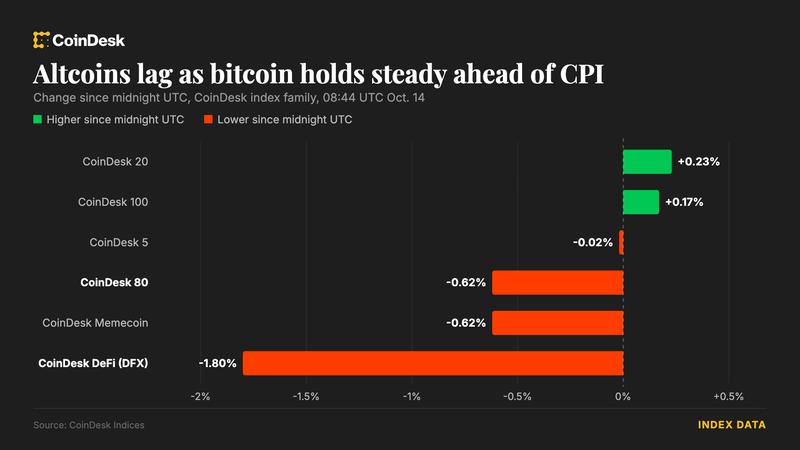
Bitcoin briefly climbed to $84,000 before retreating. The CoinDesk 80 was down 0.6% since midnight as traders awaited U.S. inflation data.


Bitcoin’s brief approach to $84,000 reversed in less than an hour as technology shares stalled and the chip selloff continued. Traders are awaiting the September U.S. CPI report.
UK shares climbed on Wednesday, led by consumer staples and defence stocks. Investors assessed a report that Finance Minister John Healey would avoid taking on more borrowing in the budget later this month.
Speaking Tuesday, a PIMCO executive described the firm's stance toward India investments as neutral and forecast 75 basis points of aggregate rate increases by the Reserve Bank of India during the current round of policy tightening.
Business association Delovaya Rossiya has drafted 52 proposals to overhaul Russia’s economy. They include scrapping the 6% “Income” simplified-tax option and the patent tax system, lowering the VAT threshold for some businesses, and requiring social contributions from people whose income mainly comes from interest or dividends. The group also proposes taxing inheritances and gifts above 50 million rubles and restricting imports of strategic innovative products.
IMF chief Kristalina Georgieva said Scott Bessent’s reliance on growth will not reduce the U.S. deficit and $40 trillion debt quickly enough, and called for fiscal consolidation.

Chainalysis France CEO Francois Volpoet warned that a proposed 31.4% tax on regulated stablecoins could drive traders toward unmonitored offshore channels.

U.S. Treasury yields slipped slightly on Wednesday as investors waited for the latest CPI inflation reading, with a busy slate of economic data due this week.

Bank of England Chief Economist Huw Pill, who previously voted to raise rates, said on Wednesday he was more doubtful of market pricing that implies four quarter-point increases in borrowing costs over the coming year.
IMF Managing Director Kristalina Georgieva said attacks on Saudi Arabia could produce negative spillover effects “everywhere.”
Portugal’s 2027 State Budget includes measures on taxes, wages, pensions, housing and tuition fees that will directly affect household incomes.
Rising gasoline and food costs are expected to drive a sharp increase in US consumer prices in September, adding to unfavorable developments for President Donald Trump and his Republican Party ahead of the crucial November 3 midterm elections.
International Monetary Fund Managing Director Kristalina Georgieva said Wednesday she was optimistic Senegal could renegotiate its debt, adding that this would show improvements to the G20 debt treatment framework are working.
Asian countries should remember the region’s financial crisis in the late 1990s and guard against a recurrence of similar shocks, the Philippine central bank chief said on Wednesday.
Asian shares rose slightly on Wednesday as AI-related stocks found some relief after a selloff. Elevated oil prices and caution ahead of US inflation data due later in the global day limited gains.
International Monetary Fund Managing Director Kristalina Georgieva said on Wednesday that the United States cannot grow its way out of rising public debt and must make other fiscal adjustments to put the debt on a more sustainable path.
Singapore’s GDP grew 5.4 percent year-on-year in the July-September quarter, easing from 6.2 percent in the previous quarter. Manufacturing rose 7.5 percent and construction 8.8 percent. The central bank kept monetary policy unchanged and expects AI-driven growth to cool in the second half of next year.

The Philippine central bank is modeling policy scenarios for a severe El Niño combined with the oil shock, as inflation stands at a three-year high.

Hong Kong will host the APEC 2026 Finance Ministers’ Meeting for the first time, on October 20 and 21. Financial Secretary Paul Chan Mo-po sees the gathering as an opportunity to showcase the city’s development across economic, financial and social fields.

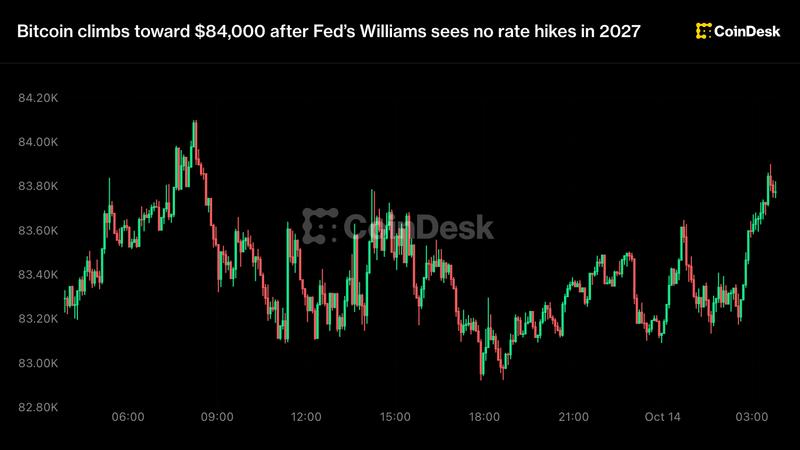
Bitcoin climbed toward $84,000 after Fed official Williams said he sees no rate hikes in 2027. ZEC led a broad rebound in major tokens, while South Korean chipmakers ended a five-day losing streak ahead of Thursday’s U.S. inflation data.

The dollar remained weak on Wednesday as traders awaited fresh clues on when interest rate hikes might be needed to tackle persistent inflation.
China’s producer prices rose at their fastest pace in more than four years in September, as higher oil and commodity prices pushed up factory costs. Consumer inflation edged up, but weak domestic demand kept broader price pressures contained.

China’s producer prices posted their fastest rise since June 2022. The increase topped economists’ 4.5% forecast in a Reuters poll and the previous month’s 3.8%.
The Minutes Reader extension turns the original page into a focused reading view and translates articles and video subtitles on demand. It is in limited beta.