Major oil exporters agree to keep production steady in November
Seven major oil-exporting countries agreed Sunday to keep production unchanged in November as the Iran war has pushed benchmark Brent crude above $100 a barrel.
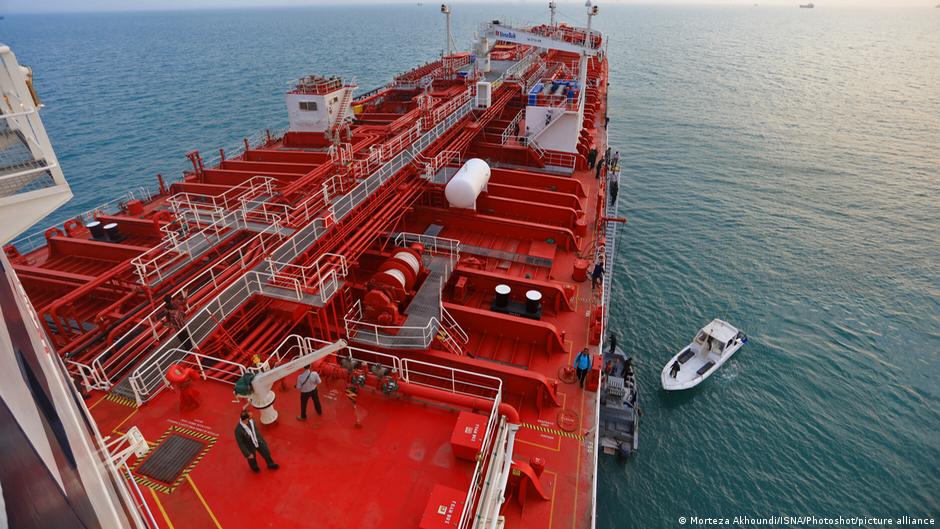
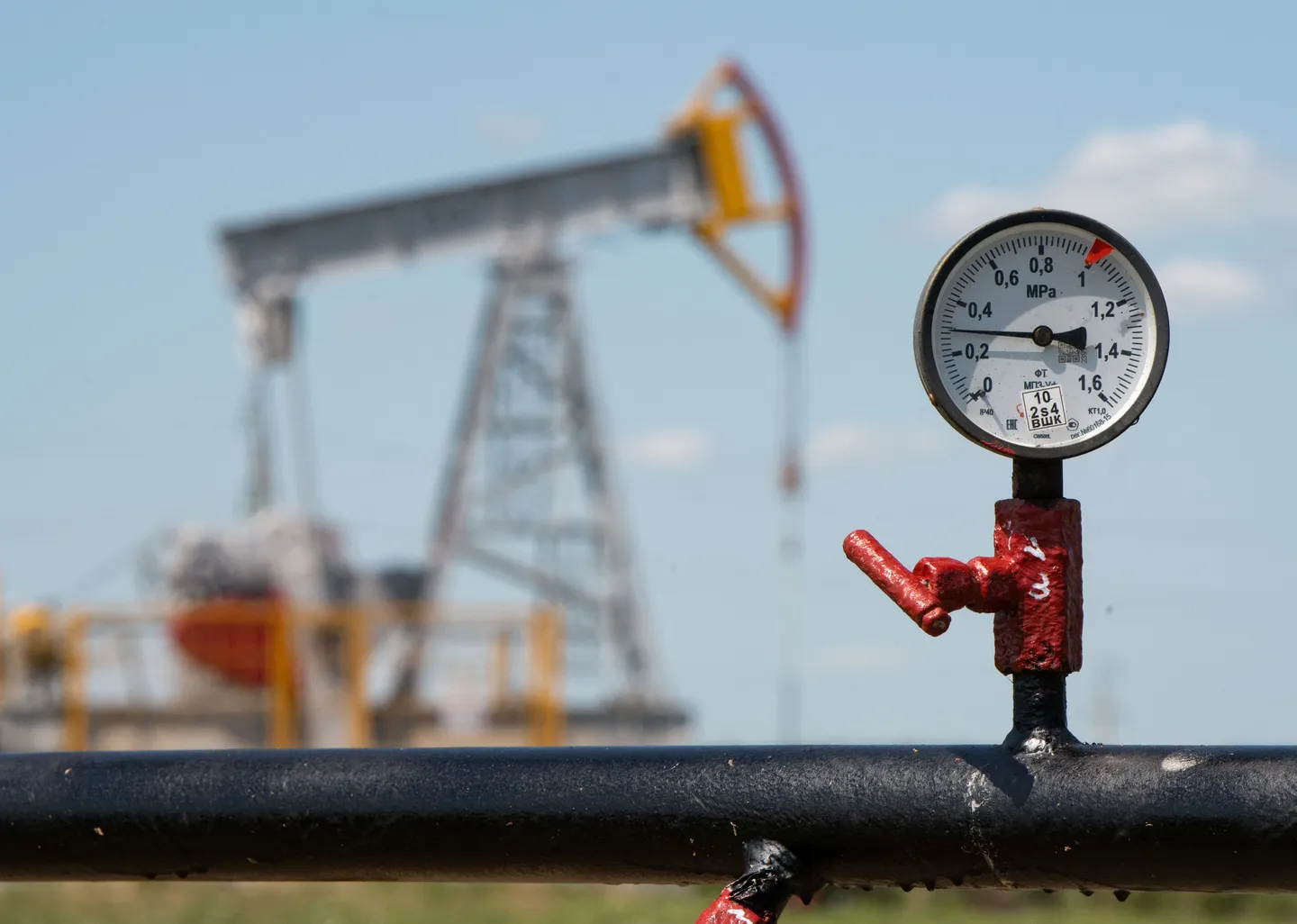
Non-Iranian Middle East crude exports returned to pre-war levels in late September despite continued attacks on vessels near the Strait of Hormuz. Producers increasingly used alternative routes and ship-to-ship transfers; around 40% of crude bypassed the strait. Iranian exports remained well below their pre-war average, while at least seven recent maritime incidents were reported.


Provisional Kpler data indicates that Middle Eastern crude exports exceeded pre-war levels on four days in the final week of September, reaching 19.5–22.5 million barrels per day. IRGC commander Ali Fadavi called flows through a US-supervised Hormuz route negligible. Iran’s parliament speaker said the strait would stay closed until Washington accepts Tehran’s seven-day reopening plan.
China’s Hade-Fuman oil field, on the northern edge of the Taklimakan Desert in Xinjiang, has produced more than 26 million tonnes of oil and gas from reservoirs deeper than 6,000 meters, CNPC said. A recent core recovered from 8,080 meters marks China’s first sample taken from beyond 8,000 meters in the northwestern Tarim Basin.

Gold prices edged higher on Monday after recent weak economic data sharply reduced expectations of a Federal Reserve rate hike in October, making the non-yielding asset more attractive.
Suncor Energy said Sunday that it will transfer stakes in three offshore Canadian oil assets to London-based Ithaca Energy under a deal providing C$1.2 billion in cash upfront, equivalent to about $841.69 million.
Shipping data showed that Middle East crude oil exports exceeded pre-war levels on four of the seven days in the final week of September, despite attacks on vessels transiting the Strait of Hormuz.
Investors have plenty to digest as a new trading week begins: all U.S. bombers have left a U.K. base after a suspected terror attack, while more tankers were struck near Iran.


Yemen’s government has announced a major offensive against the Houthis, while Iran says it is prepared to defend itself if the United States attacks.

An Iranian diplomat said Sunday that the war with the United States had no military solution as peace talks appeared to stall. Washington has reduced its attacks while relying more on economic pressure, and Iran’s attempted blockade of the Strait of Hormuz remains disputed. A UK maritime agency said another tanker was hit by an unidentified projectile.
Saudi Arabia unexpectedly lowered its November crude oil prices for Asia while raising prices for northwest Europe and the Mediterranean, according to a pricing document released Monday.
Trump is intensifying pressure on South Korea to join the Alaska LNG project, as Seoul remains cautious about investment projects announced by the U.S. president. He said he would charge South Korea more if it does not sign on.

More than 160 offshore workers at U.S. energy company Apache are backing a strike this month that could disrupt the UK’s North Sea Forties pipeline, union Unite said on Sunday. The pipeline is a major conduit for British oil and gas supplies.
Brent crude futures rose to $103.06 a barrel after Yemen’s Houthis attacked sites belonging to Saudi Aramco.
Most Gulf stock markets closed higher on Sunday. Saudi shares were supported by firm oil prices, softer expectations for US interest rates and renewed investor appetite after recent heavy selling.
Russian Deputy Prime Minister Alexander Novak said global oil markets remain volatile and tense, with a supply deficit. He said joint efforts by OPEC+ members will lead efforts to stabilize markets and overcome the current energy crisis. The International Petroleum Congress in Riyadh on October 12 will examine market conditions and forecasts through the end of 2026 and for 2027.
The OPEC+ Joint Ministerial Monitoring Committee reviewed the alliance’s July and August 2026 oil production data online and found overall compliance with the agreement. It recommended no changes to output policy, reaffirmed continued monitoring of the production plan and voluntary cuts, and scheduled its next meeting for November 29.
The OPEC+ Joint Ministerial Monitoring Committee expressed concern about attacks on energy infrastructure, saying damaged capacity would take time and resources to restore. It stressed protecting international maritime routes to keep supplies flowing, warning that attacks or disruptions increase market volatility and undermine OPEC+ efforts to preserve stability.
Rosatom expects Namibia to approve within the next few months its proposal for a major uranium project called Wings in the Omaheke Region, CEO Alexey Likhachev said. He said assessments were complete and had been submitted to Namibia’s leadership, after years of efforts to enter the country’s uranium industry.
Russia, Saudi Arabia, Iraq, Kazakhstan, Kuwait, Oman and Algeria will keep their November oil production quotas unchanged after agreeing to maintain the existing plan. The seven countries will continue monthly meetings to review market conditions, with the next one set for November 1.
OPEC+ has agreed in principle to leave its oil production targets unchanged for November, three sources close to the matter said ahead of the group’s Sunday meeting.
Gold prices have retreated during China’s National Day holiday, a traditional peak shopping period. Beijing jewelry stores are seeing customers buy gold for weddings, gifts and everyday wear, while price changes and holiday promotions influence purchasing decisions and highlight shifts in holiday consumption patterns.

A recent International Energy Agency report examines the world’s shift toward electrification. IEA chief Fatih Birol told the United Nations that energy security, affordability and cleanliness, once competing priorities, are now aligning for the first time in years—though the transition still involves difficult trade-offs.

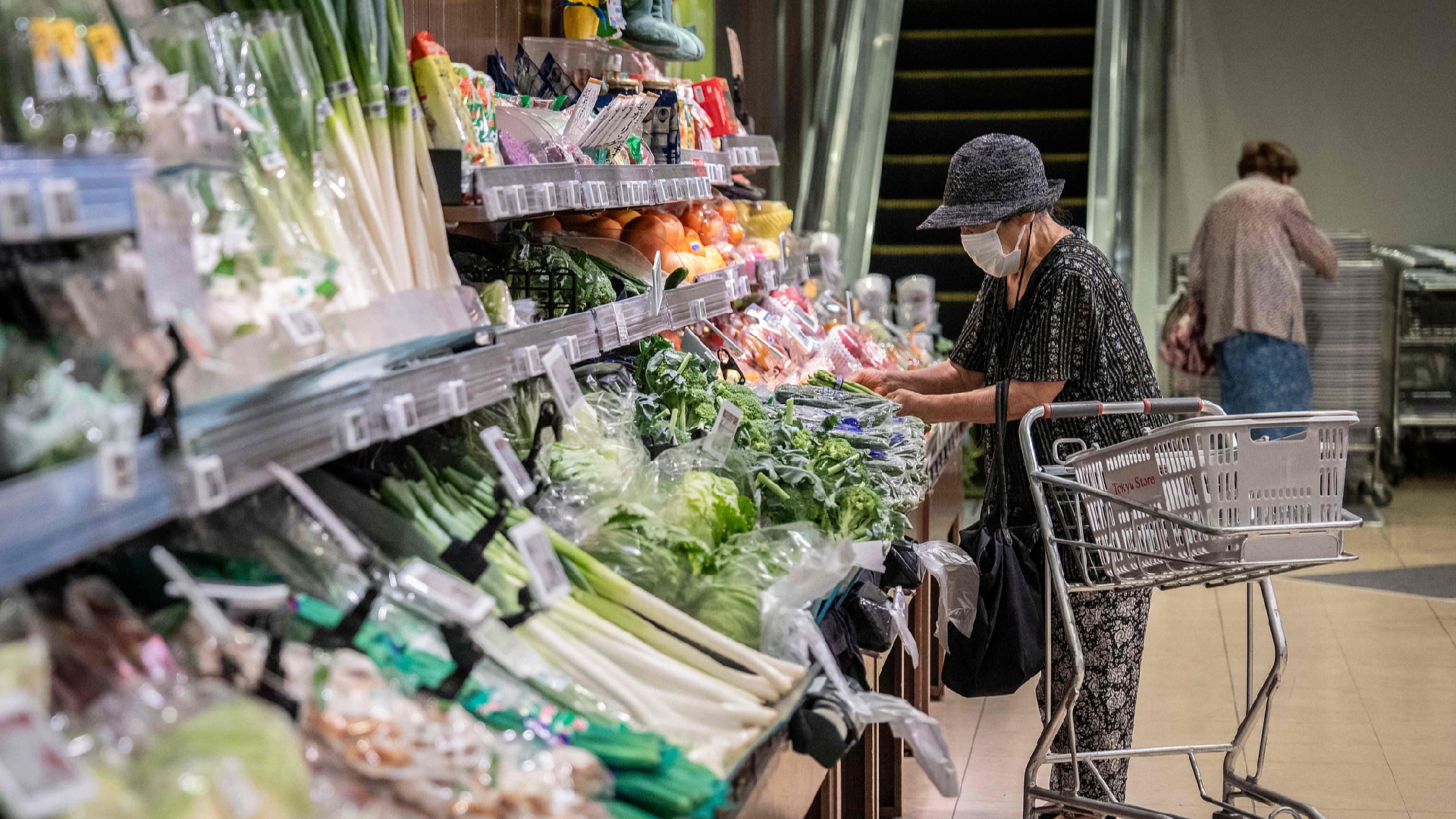
A Teikoku Databank survey found that 195 major Japanese food makers raised prices on 3,153 food and beverage items in October, by an average of 10%. Higher oil, energy, logistics and labor costs, along with a weaker yen, are spreading through the food chain. Real wages fell 1.4% year on year in September, further weakening household purchasing power.

Washington has begun easing sanctions on Minsk in exchange for the release of political prisoners, while the US is set to receive a potash shipment from Belarus.
Kirill Dmitriev, Russia’s presidential special representative for investment and foreign economic cooperation and head of the Russian Direct Investment Fund, said European countries need Russian energy to survive. He said the EU’s ideological energy mistakes were already having major consequences as winter approaches, while commenting on a post about rising European gas prices.
The Trump administration’s negotiations with the Kremlin reportedly include a possible multibillion-dollar deal involving Lukoil refineries, oil fields and gas stations worldwide. The proposal, raised by Vladimir Putin with US envoys Jared Kushner and Steve Witkoff, would require approval from both Washington and Moscow and could involve easing sanctions on some Lukoil assets.

The OPEC+ Joint Ministerial Monitoring Committee will meet Sunday to review oil-market conditions and assess compliance with the alliance’s agreement. It cannot set production levels, but may make recommendations. OPEC+ countries will operate under approved quotas without additional restrictions through the end of 2026.
A near-record-strength super El Niño that is still intensifying in the Pacific is expected to combine with existing supply chain pressures worldwide, raising prices for tropical products including coffee, chocolate and palm oil.
Iraq’s state-owned Oil Tanker Company says it moved 2 million barrels of Iraqi crude through the Strait of Hormuz aboard a very large crude carrier. Its director general described the voyage as the company’s first such operation in decades.
The International Energy Agency says 325 million barrels of emergency oil have been released, with another 75 million still pending. G7 leaders agreed on Friday to release 100 million barrels of diesel and crude after US pressure on Europe, as Iran’s restrictions on shipping through the Strait of Hormuz squeezed supplies.

The G7 will coordinate through the IEA to release 100 million barrels of crude over four months, with a substantial diesel release in the first 20 days, to counter soaring energy prices linked to the wars involving Iran and Ukraine. Diesel supplies have also been hit by reduced Middle East exports to Europe, attacks on Russian refineries and China ending exports.
Climate change is driving extreme weather that damages crops and pushes grocery prices higher. Higher interest rates cannot address the underlying problem.
Gazprom CEO Alexey Miller says European underground gas storage facilities are continuing to hit historic lows ahead of a difficult autumn-winter season. Storage was 72% full on October 1, with active inventories 11.3 billion cubic meters below a year earlier. Europe has injected only 70% of the volume needed for the coming winter.
Sanctions brought down a conflict-gold trader, yet corporate and trade records show that his network continues to prosper.
G7 leaders agreed to US President Donald Trump’s demand to release oil and diesel reserves. Trump had threatened to prohibit all US diesel exports if European countries rejected the measure, after which crude oil prices eased.

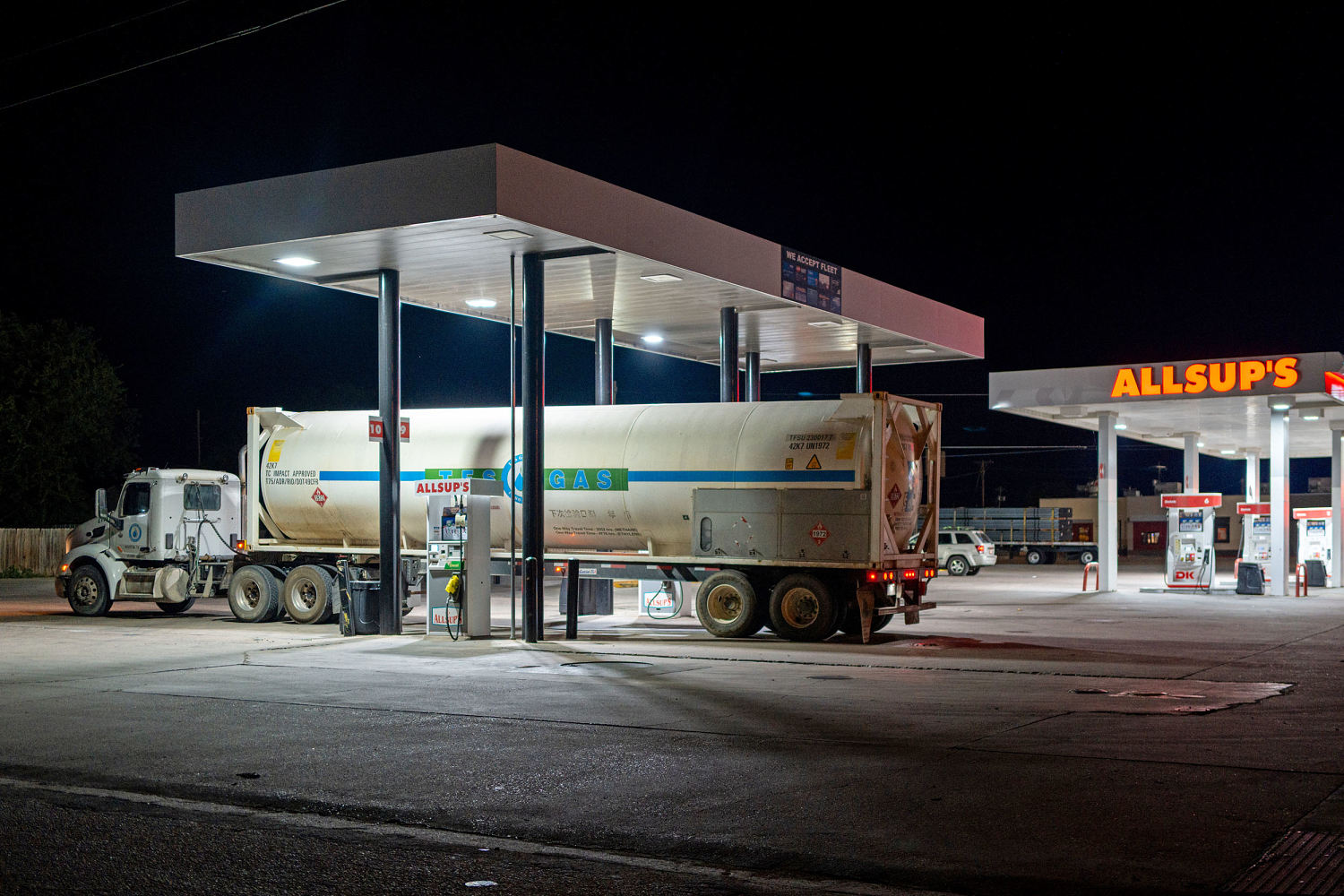
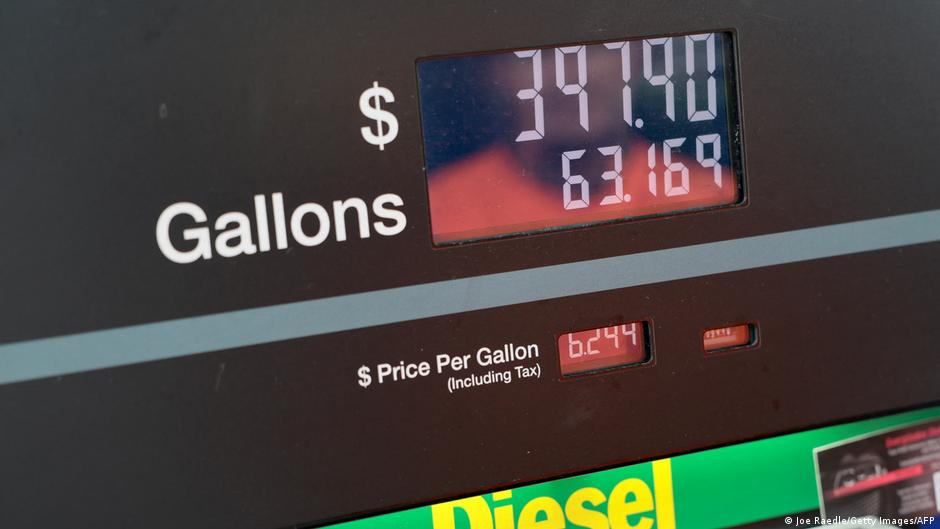
Gas prices have surged since the war with Iran began in late February, prompting American car buyers to look for more fuel-efficient vehicles such as hybrids. Most US automakers, however, offer far fewer hybrid lines than their Japanese and South Korean rivals.
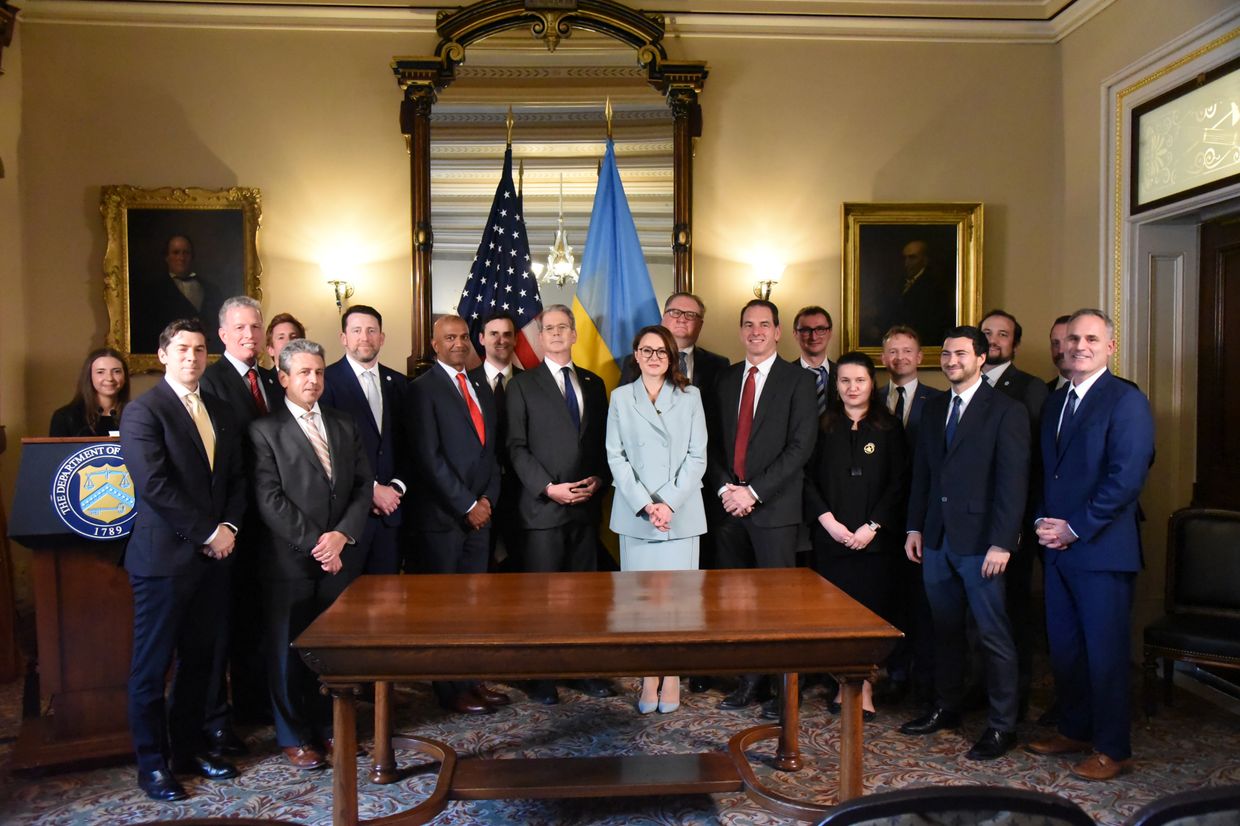
The U.S.–Ukraine Reconstruction Investment Fund unveiled several projects, including its first critical minerals deal with BGV Group Management. The joint platform will develop early-stage mining projects targeting rare earths, beryllium and zirconium deposits. Two energy investments were also announced, bringing new funding to about $70 million.

President Donald Trump said the United States would not impose a ban on diesel fuel exports, arguing the issue had never genuinely been under consideration. He also praised Europe’s decision to release substantial diesel reserves.
U.S. President Donald Trump said Friday that he would not authorize a diesel export ban, hours after G7 countries agreed to release diesel and crude oil from emergency reserves.
President Donald Trump said the US will not ban diesel exports after the Group of Seven and its partners agreed to release part of their emergency fuel reserves in an effort to bring down soaring prices.
Bloomberg News Now rounds up the day’s top stories, including President Trump’s praise for the G7’s diesel release and stocks moving closer to a higher close, alongside other global business news.

G7 leaders agreed to release up to 100 million barrels of crude oil and diesel over four months under International Energy Agency coordination, with a substantial early diesel release in the first 20 days. They also pledged not to restrict energy exports to one another. Donald Trump later said a US diesel export ban had never really been on the table.
The G7 agrees to release 100 million barrels of diesel and crude after pressure from Donald Trump.
G7 leaders said member states will coordinate with the International Energy Agency to release 100 million barrels of oil and petroleum products from strategic reserves over four months. “Substantial” diesel volumes are planned in the first 20 days, alongside coordinated refinery maintenance and no restrictions on energy trade. Fuel prices have risen amid the U.S.-Israeli war with Iran and the Russia-Ukraine war; Washington pressed France and Germany to use emergency diesel stocks.
G7 leaders reaffirmed that member states will not restrict energy and energy-product exports among themselves, while urging producers to avoid bans that could worsen market tensions. Amid sharply higher prices and volatile oil markets, they also agreed to coordinate through the International Energy Agency to release 100 million barrels of diesel and other reserves within four months, with substantial diesel volumes due in the first 20 days.
The G7 said it would immediately begin a coordinated release of 100 million barrels of diesel, crude oil and other reserves through the International Energy Agency, with a substantial diesel release planned during the first 20 days.
The G7 will coordinate the release of 100 million barrels of diesel and other reserves through the International Energy Agency in an effort to stabilise global energy markets, according to a joint statement by its leaders.

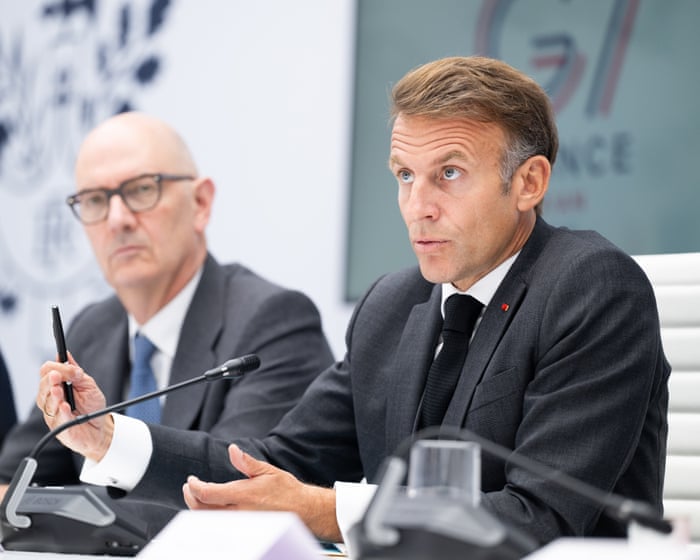
G7 leaders have agreed to coordinate the release of up to 100m barrels from strategic diesel and crude oil reserves within four months, including an initial substantial diesel release in the first 20 days. Emmanuel Macron said the move aims to lower petroleum-product prices, while members committed to avoiding export bans amid Donald Trump’s pressure over soaring fuel costs.
G7 countries agreed to coordinate the release of 100 million barrels of diesel and other reserves through the International Energy Agency over four months, with a substantial diesel release frontloaded into the first 20 days. They will also coordinate refinery maintenance to avoid simultaneous shutdowns and raise utilization where possible to support refined-product supply, especially diesel.
G7 nations have agreed to release 100 million barrels of oil, including diesel, as an energy crunch puts pressure on supplies.
The France-led G7 announced plans to release 100 million barrels of diesel and crude oil after Donald Trump threatened to ban diesel exports.
French President Emmanuel Macron plans to speak with his fellow G7 leaders about measures affecting crude and refined-product markets, the Elysee Palace said on Friday. Macron had already discussed the issue by phone with U.S. President Donald Trump.

The Group of Seven agreed to release tens of millions of barrels of diesel fuel and crude oil reserves in an effort to cap surging gas prices.

The G7 says it will coordinate the release of up to 100 million barrels of strategic oil reserves through the IEA over four months, with a substantial diesel release in the first 20 days. Trump said Europe had agreed to release heavily stocked diesel, as energy prices surge amid the US-Israeli war with Iran and shipping constraints in the Strait of Hormuz.
The Trump administration plans to offer Vistra Corp. a roughly $4 billion loan package to upgrade three nuclear plants and increase their output, according to people familiar with the matter.
US President Donald Trump said on Friday that he did not “jump the gun” by announcing South Korean investment in the Alaska LNG project. The decades-old project still has no binding commitments.
President Donald Trump threatened new trade retaliation against South Korea if it fails to follow through on an investment in an Alaska liquefied natural gas project.
Prime Minister Mark Carney and Alberta Premier Danielle Smith say a new West Coast pipeline, combined with policy changes, could revive construction in Alberta’s oilsands after a relatively quiet decade. They say any renewed building by oilsands companies would be different this time.
European officials are holding crisis talks as the United States pressures the region to draw on emergency diesel stocks to cool surging prices, warning that US fuel exports to Europe could otherwise be banned.

US President Donald Trump says Europe has agreed to release a “massive amount” of diesel from emergency stockpiles as the US seeks to bring down fuel prices. The proposed move could involve about 100 million barrels amid the US war on Iran and elevated fuel costs.

US President Donald Trump said Europe would immediately release part of its diesel reserves to ease rising prices. French President Emmanuel Macron confirmed that the G7 would release up to 100 million barrels over four months and avoid trade restrictions on petroleum and energy products between partner countries.
President Donald Trump said Europe had agreed to release diesel supplies after pressure from his administration to help ease high prices ahead of the November midterm elections.
U.S. President Donald Trump said on Friday that Europe had agreed to release a “massive amount” of diesel stocks, as fuel prices steadily increased ahead of the U.S. elections.

The Trump administration is pressing European countries to release emergency diesel reserves as prices surge in the US and Europe. EU officials are considering a response to a reported US proposal to release 120 million barrels over 180 days, while the bloc says it wants a coordinated effort to ease supply disruptions and prices.
Diesel prices have fallen sharply as the EU considers releasing 50mn barrels of reserves under pressure from US President Donald Trump. Trump has threatened to ban US fuel exports if Europe does not unlock its reserves.
Energy expert Osama Rizvi says releasing all 300 million barrels held in European reserves would cover only about 10 to 11 days of global diesel demand. He was commenting on President Trump’s call for European countries to release some of their diesel reserves.
European Union countries discussed a French proposal to release diesel stocks in response to US pressure and help cool surging fuel prices, according to sources.

Oil prices extended their losses after reports that European countries could release diesel and crude inventories. Reuters previously reported that EU nations were discussing a proposal to release diesel reserves following pressure from the Trump administration.
Nigeria’s domestic gas supply has exceeded 2 billion cubic feet per day, the country’s gas minister said on Friday. The government is seeking to expand deliveries to power plants and industries to ease constraints on economic growth.
Fossil fuels helped drive economic growth that left most people better off overall, but that growth also imposed substantial environmental costs. Damage and disruption from extreme weather are now emerging, while sea-level rise could continue for centuries even after net zero. Less damaging ways to power growth can avoid leaving future generations with an unmanageable carbon debt.

The Canadian dollar fell further against the US dollar on Friday, extending its weekly decline as oil prices dropped and interest rate spreads between the United States and Canada continued to widen.
Russia expects to collect about 140 million tons of grain and 35 million tons of oilseeds in 2026, Deputy Prime Minister Dmitry Patrushev said. The 2025 grain harvest exceeded 144 million tons, Russia’s third-highest result.
The German government has begun the re-privatization of SEFE, formerly Gazprom Germania, and has opened the process for bids to acquire the company, Börsen-Zeitung reported. SEFE is valued at about 6 billion euros. Berlin nationalized it in November 2022 over insolvency concerns and risks to gas supply security.

International Energy Agency chief Fatih Birol said on Friday that oil prices had begun falling after a decision to release 100 million barrels of oil and fuel reserves.
Heads of government from the Eurasian Economic Union countries met in Minsk to address trade, customs administration, transport infrastructure, industrial cooperation, common energy markets and agricultural development. The Eurasian Intergovernmental Council approved an agriculture-sector forecast. Intra-EAEU trade reached about $96 billion in 2025, up 74% from 2020.
Russian Deputy Prime Minister Alexander Novak said difficulties in oil refining, transport and logistics, and agriculture are under heightened government oversight. He said measures including temporary gasoline and diesel export bans, fuel imports, revised trading rules and fiscal incentives have saturated the domestic market. Diesel supplies are balanced, while gasoline exports may resume after conditions stabilize.
Russian refineries are spending substantial sums to strengthen protection and carry out rapid repairs, Deputy Prime Minister Alexander Novak said. He said the measures reduce risks, support stable operations and help ease a fuel shortage. Novak added that companies have learned to restore refinery operations more quickly after attacks.
Russian authorities are considering measures to support oil refineries that cannot meet their upgrade schedules for objective reasons, Deputy Prime Minister Alexander Novak said. He added that the diesel market is balanced and exports could be partly authorized if a surplus emerges.
Russia’s diesel market is currently balanced, Deputy Prime Minister Alexander Novak said. Although an export ban was renewed for October, authorities may partially reopen exports if overproduction develops. Novak said excessive stockpiling could force lower refining volumes and reduce output of other products in demand.
Aliko Dangote’s planned $16 billion oil refinery in Kenya is facing another legal challenge. A consumer-rights group alleges that important details of the project have not been made public.
Fuel prices are sounding alarm bells across the EU, with average diesel costs now well above €2 per litre versus about €1.50 last October. As winter approaches, the Middle East conflict could prolong pressure on European households. The report reviews member states’ measures to ease higher energy costs and whether they have worked.

Files accompanying Russia’s draft 2027-2029 federal budget project that gas supplied to non-CIS countries excluding China will cost $701.9 per 1,000 cubic meters in August-December 2026. Under the baseline forecast, the price is expected to fall to $450 in 2027, $361.9 in 2028 and $323.2 in 2029.
LNG Canada says it will again use Chinese steel for the specialized fabrication capability required for its $33-billion Phase 2 expansion project in Kitimat, B.C.
China’s suspension this month of oil-product exports to destinations beyond Hong Kong and Macau could tighten supplies for major buyers including Singapore, Malaysia and Australia.
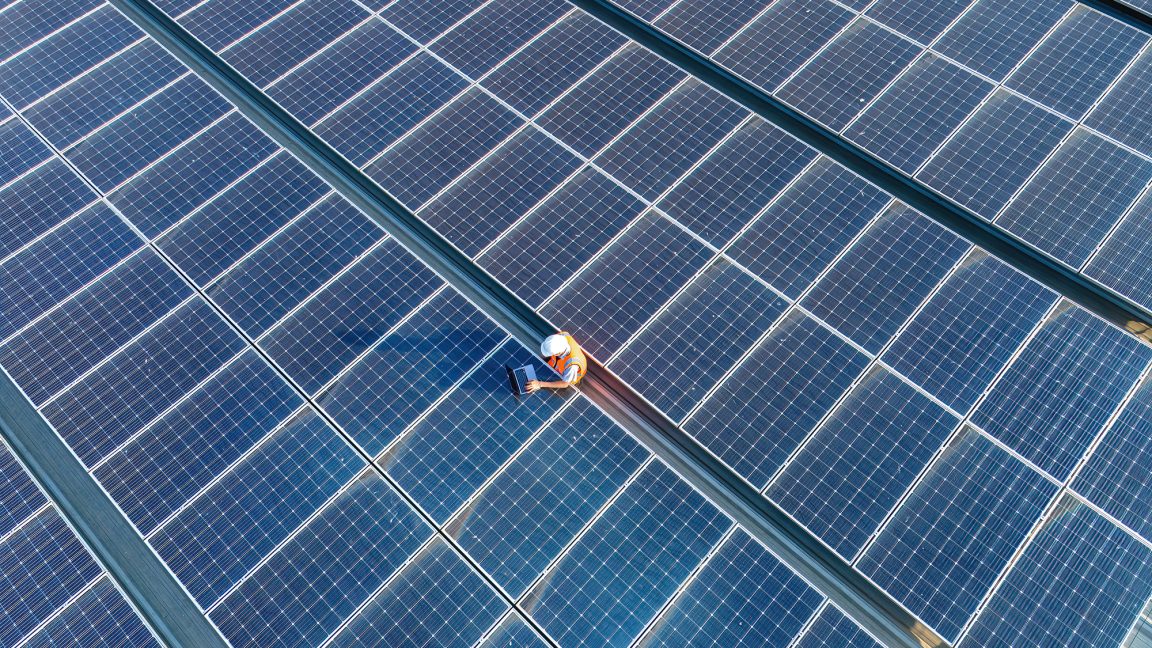
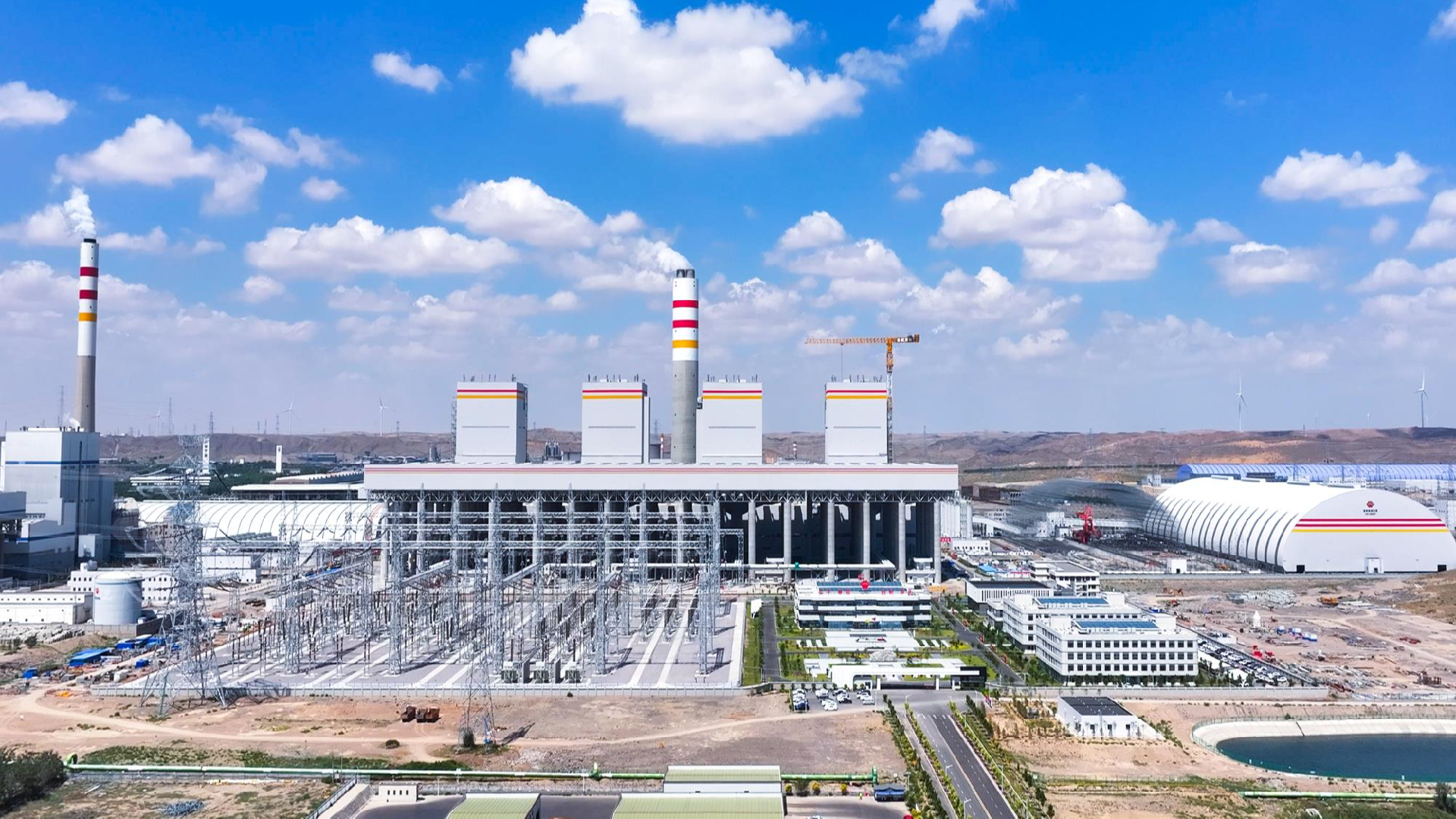
The Zhongwei Power Plant in Ningxia has fully entered operation after Unit 6 completed a 168-hour trial run, bringing all four 660-megawatt units online. It will provide peak-demand and backup support for the Tengger Desert renewables base and its ultra-high-voltage link to Hunan, helping balance wind and solar output.

The US is pressuring European governments to release some of their diesel reserves as energy prices come under scrutiny.
As the Trump administration considers how to address historically high gas and diesel prices, a growing number of US states are taking action independently.
The European Union firmly opposes any US ban on diesel exports, European Commission representative Anna-Kaisa Itkonen said, warning that it would weaken trust in the United States as a reliable partner. She said the Commission is coordinating with the IEA and G7 on using Europe’s strategic diesel reserves, while arguing that the IEA should decide whether to release them.

European Commission spokesperson Anna-Kaisa Itkonen said on Friday that the European Union “fully rejects” the U.S. threat to ban diesel exports unless Europe releases more of its fuel stocks.

The EU pushed back on Friday against a US threat to ban diesel exports unless the bloc’s 28 members release more fuel stocks. An EU official said the move was “fully” rejected.
Alibaba Group has held talks with Spanish clean-energy producer Solaria Energía y Medio Ambiente about potentially supplying electricity to a data center in Spain, according to people familiar with the matter.
The price of Russian gas supplied to China could increase 3% in 2026 to $247.9 per 1,000 cubic meters and rise another 1.4% in 2027, according to documents linked to Russia’s draft federal budget. Prices are forecast to return close to this year’s level in 2028-2029. Gazprom supplied China with 38.8 billion cubic meters through the Power of Siberia pipeline in 2025.
The Minutes Reader extension turns the original page into a focused reading view and translates articles and video subtitles on demand. It is in limited beta.