Gold gained on Thursday as investors assessed the U.S. Federal Reserve’s rate increase and its indication that additional tightening may be ahead. Oil prices, meanwhile, lost their earlier momentum.
Bearish sentiment toward most emerging Asian currencies intensified, a Reuters poll showed on Thursday, as investors faced the combined pressures of escalating tensions in the Middle East and rising U.S. Treasury yields.
U.S. diesel prices have reached a record, potentially feeding into consumer-price inflation and reinforcing expectations of further Federal Reserve rate hikes. The central bank appears determined to keep raising rates despite an oil supply shock.
China’s National Energy Administration and the International Energy Agency have agreed on a three-year plan to deepen energy cooperation. NEA Administrator Wang Hongzhi and IEA Executive Director Fatih Birol discussed international energy developments in Beijing, with both sides highlighting closer collaboration and sustainable energy development. China also plans to invest 5 trillion yuan in the power grid over the next five years.
Hong Kong’s Exchange Fund is considering raising its holdings of gold and other precious metals as the government seeks to develop the city into a gold-trading hub. HKMA chief executive Eddie Yue said the fund would continue to invest mainly in US-dollar assets to support the Hong Kong dollar’s peg.
The US House has passed legislation allowing Donald Trump to impose tariffs of up to 100% on countries buying Russian oil and gas. India, a major Russian crude customer, could face higher costs if it switches suppliers, while the threat may also affect Indian exports to the US, the rupee, refinery margins and the trade balance.
The Federal Reserve’s rate increase and elevated oil prices are weakening Asian currencies, adding pressure on the Bank of Japan to tighten monetary policy to support the yen.
Oil prices dropped in early Thursday trading, extending the previous session’s decline, after reports that Saudi Arabia would offer additional crude cargoes through Oman eased concerns about disruptions to Middle East supplies.
Oil prices continued to decline after Saudi Arabia reportedly offered ship-to-ship crude transfers following a pipeline hit. Additional Saudi supplies eased concerns about disruptions to the kingdom’s exports.
Transportation Secretary Sean Duffy said the Trump administration is temporarily relaxing hours-of-service rules for truck drivers carrying gasoline and diesel, pointing to concerns about supply and costs.
The Bank of England is expected to leave interest rates unchanged on Thursday, but investors are looking for signs that soaring energy prices could push it to follow the U.S. Federal Reserve, which raised borrowing costs a day earlier.
Gold prices recovered after the US Federal Reserve raised interest rates, with analysts and investment banks retaining a positive long-term view of the metal amid structural challenges facing the US economy. Spot gold was at US$4,288 an ounce in Asian trading on Thursday after falling as much as 2.7 per cent to US$4,234.
ExxonMobil is negotiating a return to Venezuela and has expressed interest in the large Petromonagas heavy-oil project in the Orinoco Belt, where it previously held a stake, as well as parts of the neighboring Carabobo block, according to people familiar with the talks.
Bitcoin miners have signed more than $100 billion in AI contracts while producing only about $1.1 billion in annualized revenue. CoinShares says over 4 gigawatts of AI and HPC capacity is contracted, but roughly 550 megawatts is billing. Investors are rewarding the pivot because grid-connected power has become scarce, despite costly retrofits and the loss of some mining operations.
Saudi Arabia is seeking to restore about half the capacity of a cross-country oil pipeline within days, according to a person familiar with the matter. The link was halted last week after drone attacks.
Soaring diesel and gasoline prices are forcing people across the United States to make difficult choices as they continue dealing with a higher cost of living.
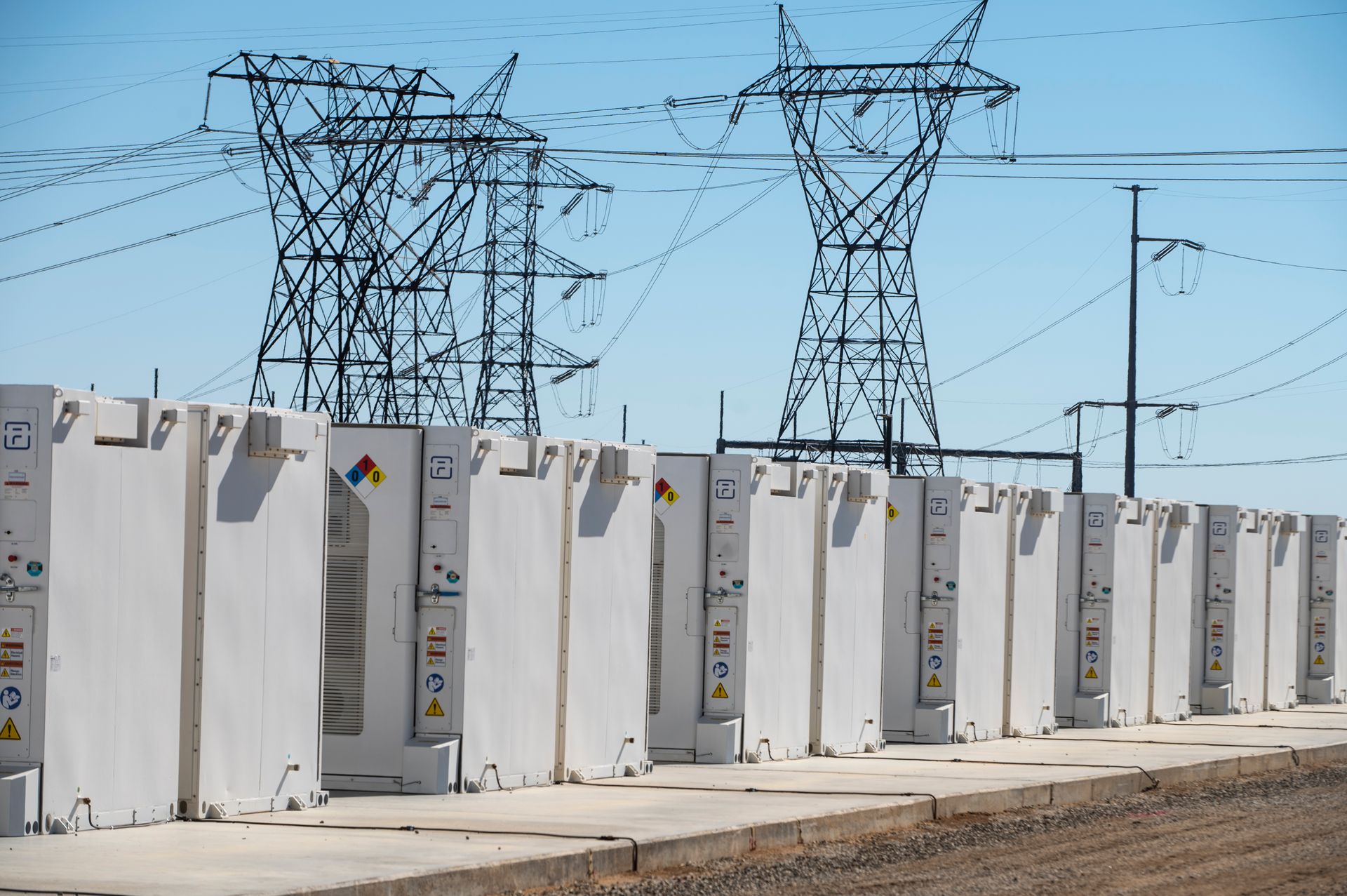
Ukraine’s largest private energy company, DTEK, secured an $85 million loan from the U.S. International Development Finance Corporation for a battery storage project, its biggest wartime transaction. The financing will help expand storage and stabilize the grid as Russia continues targeting Ukraine’s energy facilities, while DTEK says the deal could encourage more foreign investment.
Wind farm developer Vineyard Wind said it had resolved a dispute with turbine supplier GE Vernova, which had sought to withdraw from its $4.5 billion New England project while claiming it was owed more than $300 million.
Higher energy prices caused by the Iran war could add nearly €7.4 billion ($8.5 billion) to the costs faced by Spanish manufacturers through the end of 2026, an industry lobby group said on Wednesday.
French Prime Minister Sebastien Lecornu has asked ministers to keep targeted support in place through the end of the year for sectors hit hard by fuel price surges linked to the Iran war. His office said the measure is intended to protect economic activity, jobs and growth while giving companies visibility.
Continental Resources founder Harold Hamm is set to invest in Venezuela, marking the latest move by a western oil producer into the country after the US military seized power from President Nicolás Maduro.
Continental Resources says it will develop and operate a 126,000-acre patch in Venezuela’s Orinoco Belt, which is estimated to hold 30 billion barrels of reserves.
India, the world’s biggest importer of vegetable oils, is considering lowering import taxes on the commodities to curb food inflation, according to two government and two industry sources. The move is being weighed as the peak-demand festival season begins.
Global energy markets could face a prolonged period of tight supply and volatile prices, Shell and Equinor executives said on Wednesday, as the industry’s ability to cushion disruptions from the Middle East declines.
Diesel, the fuel used to power trucks and trains, reached an all-time high of $6.31 per gallon on Wednesday, prompting transport companies to raise the alarm over fuel costs.
US commercial oil inventories declined by 0.6 million barrels over the week to 423.4 million barrels as of September 11, the Department of Energy reported. Stocks were 5% below the five-year seasonal average. November Brent futures fell 1.68% to $106.92 per barrel, while October WTI futures dropped 2.25% to $103.34.
TotalEnergies service stations are accused of distorting competition by advertising France’s lowest fuel prices. Supermarkets that typically sell fuel at a loss to attract customers, as well as independent stations, are furious.
French motorists are crowding TotalEnergies stations to buy discounted gasoline. Rivals accuse the energy giant of distorting competition, saying the government encouraged the move.
Closer BRICS cooperation will give India wider access to critical minerals, energy resources, technology and capital while creating new manufacturing partnerships, FIEO President Subhash Chander Ralhan told TASS. He said India could expand opportunities across goods, pharmaceuticals, automobiles, electronics, renewable energy, healthcare and digital services, while joining the production and supply chains developing across BRICS economies.
German state-owned energy company SEFE said it had independently raised its natural gas storage levels as Europe heads into winter with inventories at their lowest in years.
Onchain finance platform Theo has launched thSLVR, allowing investors to maintain exposure to silver while earning income by lending the metal to institutional borrowers.
Florida car dealer Bill Wallace says most customers lately have been asking about hybrid vehicles, hoping to ease the pressure of high gasoline prices.
Kazakhstan is turning its reliance on imported processed goods into an opportunity for investors to build local enterprises, replace imports and broaden the country’s export basket.
Chinese oil prices have reached record highs after attacks on a Saudi pipeline. Beijing had softened the global impact of the Iran war by running down its stocks, but is now “coming off its crash diet”.
Kazakhstan would welcome the Power of Baikal gas pipeline, formerly known as Power of Siberia 2, running through its territory because it could help supply the country’s northeastern regions, Vice Energy Minister Kaiyrkhan Tutkyshbayev said. He stressed that Kazakhstan is not involved in route negotiations, which are being conducted by Russia and China.
Kazakhstan has fulfilled its obligations and is prepared to provide additional transit of Russian gas to Uzbekistan, Deputy Energy Minister Kaiyrkhan Tutkyshbayev said. Uzbekistan and Russia are negotiating, while a final transit decision has yet to be made.
Russia’s share of the oil and gas equipment market could rise by two percentage points to 82% this year, Industry and Trade Minister Anton Alikhanov said. The market totaled 294 billion rubles ($3.48 billion) in the first half of 2026 and could reach 800 billion rubles ($9.47 billion) by year-end.
Industry and Trade Minister Anton Alikhanov said Russia had raised its independence from imported oil and gas equipment to nearly 80% by the end of last year and aims to reach 90% localization by 2030. He said production must be mastered for 220 critical items; 55 are in serial production, 56 are undergoing prototype tests and more than 80 R&D projects are underway.
Russiaoil and gas equipmentindustrial localization
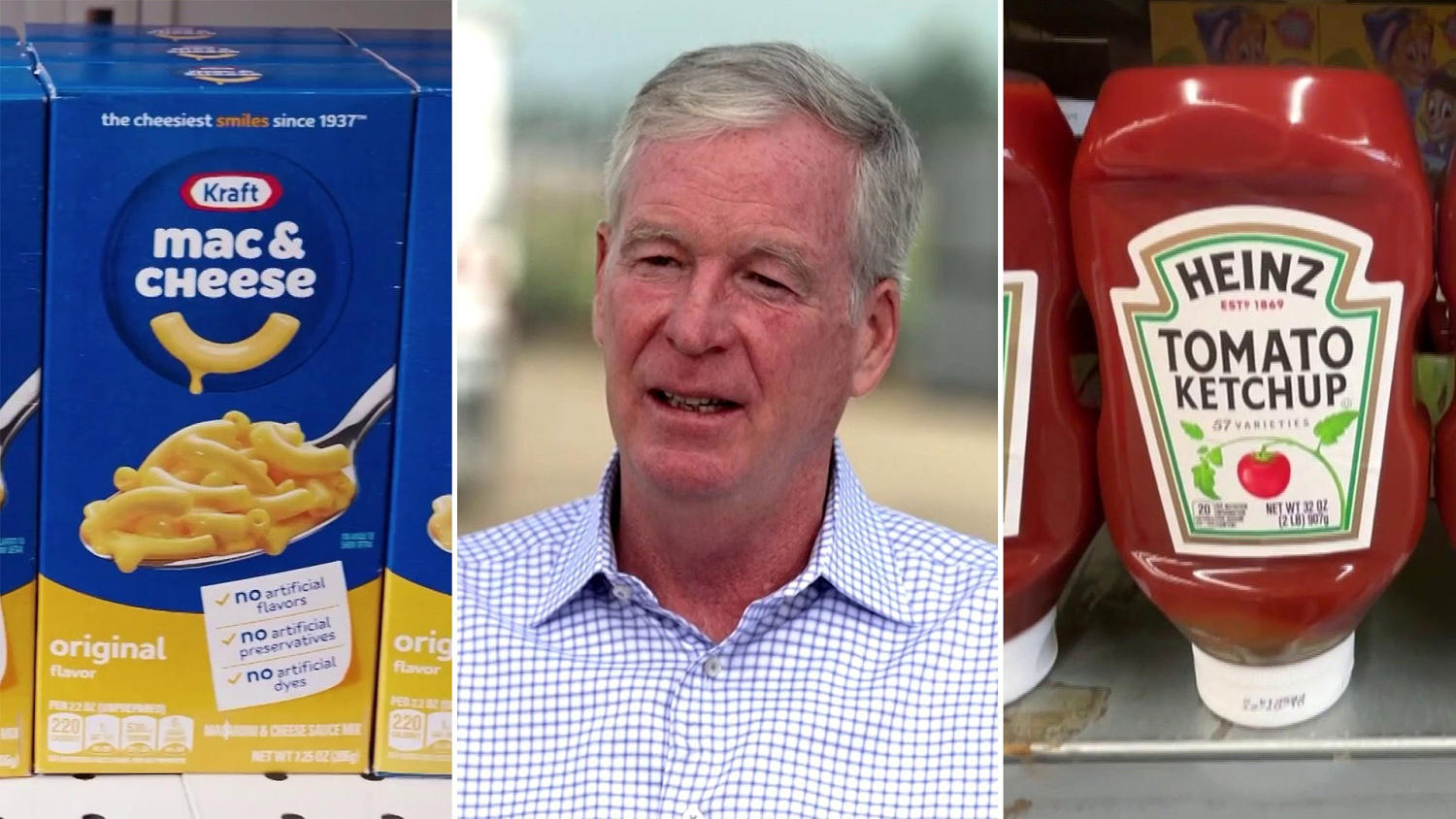
Kraft Heinz sells about two million bottles of ketchup daily and owns more than 200 brands, including Lunchables and Capri Sun. NBC’s Vicky Nguyen speaks with new CEO Steve Cahillane about the company’s direction as consumers seek less-processed foods and cheaper store brands.
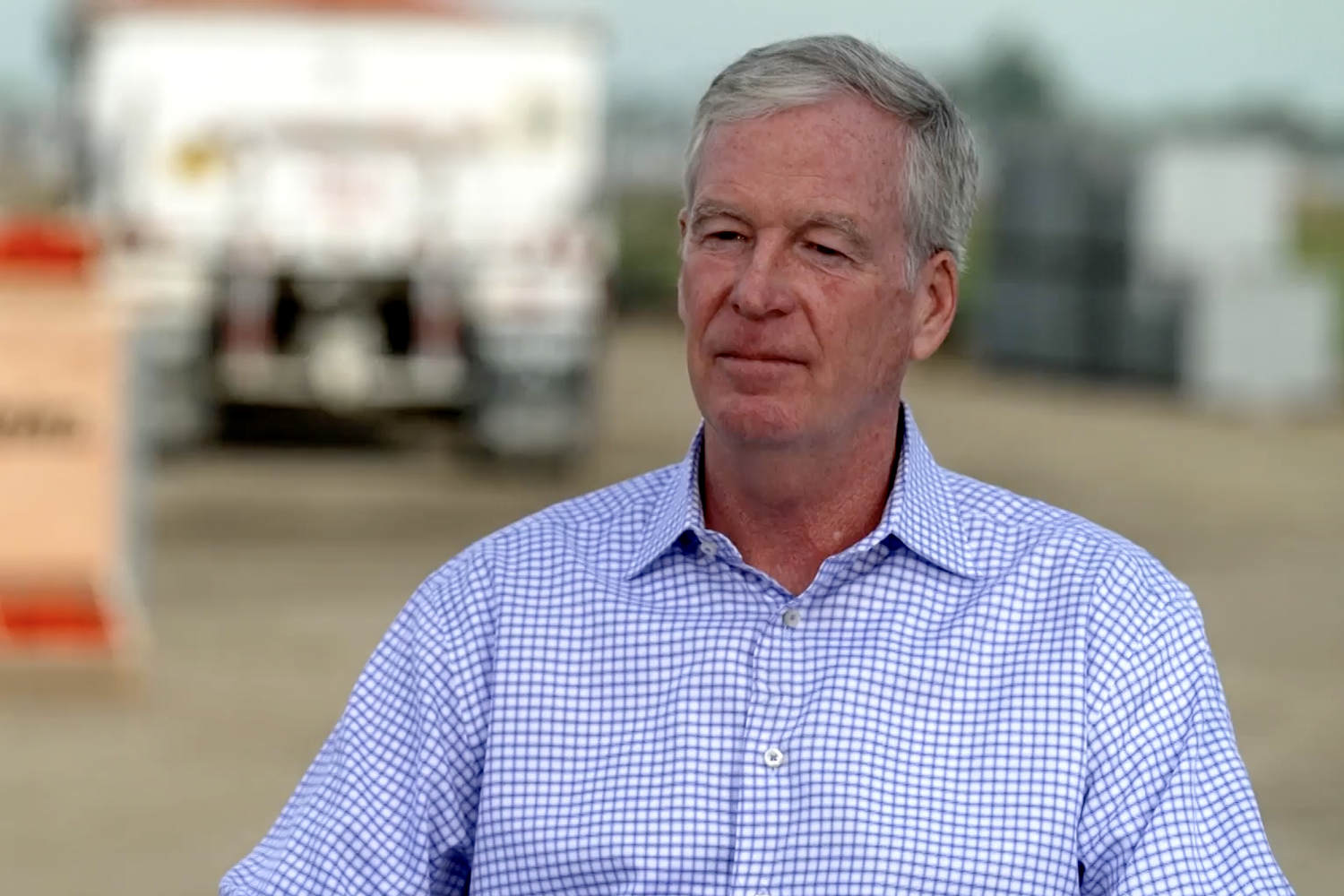
Kraft Heinz CEO Steve Cahillane says changes in the grocery marketplace require the company to shift strategy so its legacy brands remain affordable for shoppers watching their spending.
Higher oil prices and Treasury yields are raising energy and borrowing costs for U.S. households, prompting consumers to rely more heavily on savings. The estimated burden is $1,700 per household.
Egypt plans to pair a 2,000-megawatt wind project with its first turbine manufacturing plant, aiming to turn renewable energy expansion into an industrial opportunity. The approach could offer lessons for Nigeria and other African countries.
The pipeline shutdown is putting pressure on Saudi oil supplies to Europe, while further regional conflict could threaten shipping routes. Riyadh has not commented on reports that some refiners may face delays until November.
Kazakhstan has no intention of forcing foreign companies out of its oil and gas projects and will welcome any decision by Russia’s Lukoil regarding its projects in the country, Deputy Energy Minister Kaiyrkhan Tutkyshbayev said. He called Lukoil a historic partner and said all issues remain open for discussion. Kazakhstan previously said it had priority rights to buy Lukoil’s foreign assets.
Soaring prices are driving key Asian markets to seek alternatives, threatening to weaken long-term demand for liquefied natural gas amid the Hormuz crisis.
Kazakhstan and Gazprom have signed an amendment to their gas supply contract and plan to begin discussing a long-term agreement by the end of the year, Deputy Energy Minister Kaiyrkhan Tutkyshbayev said. He called Russia Kazakhstan’s strategic partner. Purchases are expected to reach about 11 bcm in 2026, with roughly 9 bcm under discussion for 2027.
Kazakhstan will purchase about 11 billion cubic meters of gas from Gazprom in 2026, up from 4 bcm last year, Deputy Energy Minister Kaiyrkhan Tutkyshbayev said. He added that the two sides are discussing supplies of around 9 bcm for 2027, after technical issues affected major fields this year.
Saudi Arabia is offering Asian refiners additional crude loadings through ship-to-ship transfers off Oman’s Sohar port, people familiar with the matter said, after drone attacks damaged a key oil pipeline leading to the Red Sea.
Russia’s government has decided to extend restrictions on diesel exports by fuel producers through the end of October, Vedomosti reported late Tuesday, citing two unidentified sources.
Trade between Japan and Russia increased 19.51% year on year in August 2026 to 110.3 billion yen, or about $959 million. Imports from Russia rose 24%, while Japanese exports grew 10.5%. LNG remained Japan’s leading Russian import, and cars and auto parts led exports to Russia.
European Commission President Ursula von der Leyen said the conflict around Iran and the situation in the Strait of Hormuz have cost the EU an additional €90 billion in imported fossil fuels without adding any energy supply. She urged the bloc to intensify efforts on affordable, homegrown clean energy and said doubling electricity’s share by 2040 could cut its annual fossil-fuel import bill by €260 billion.
The Congressional Budget Office says the Iran war has cost the United States more than $38 billion so far. Depending on how intense the fighting is, spending could rise by as much as $3 billion per month.
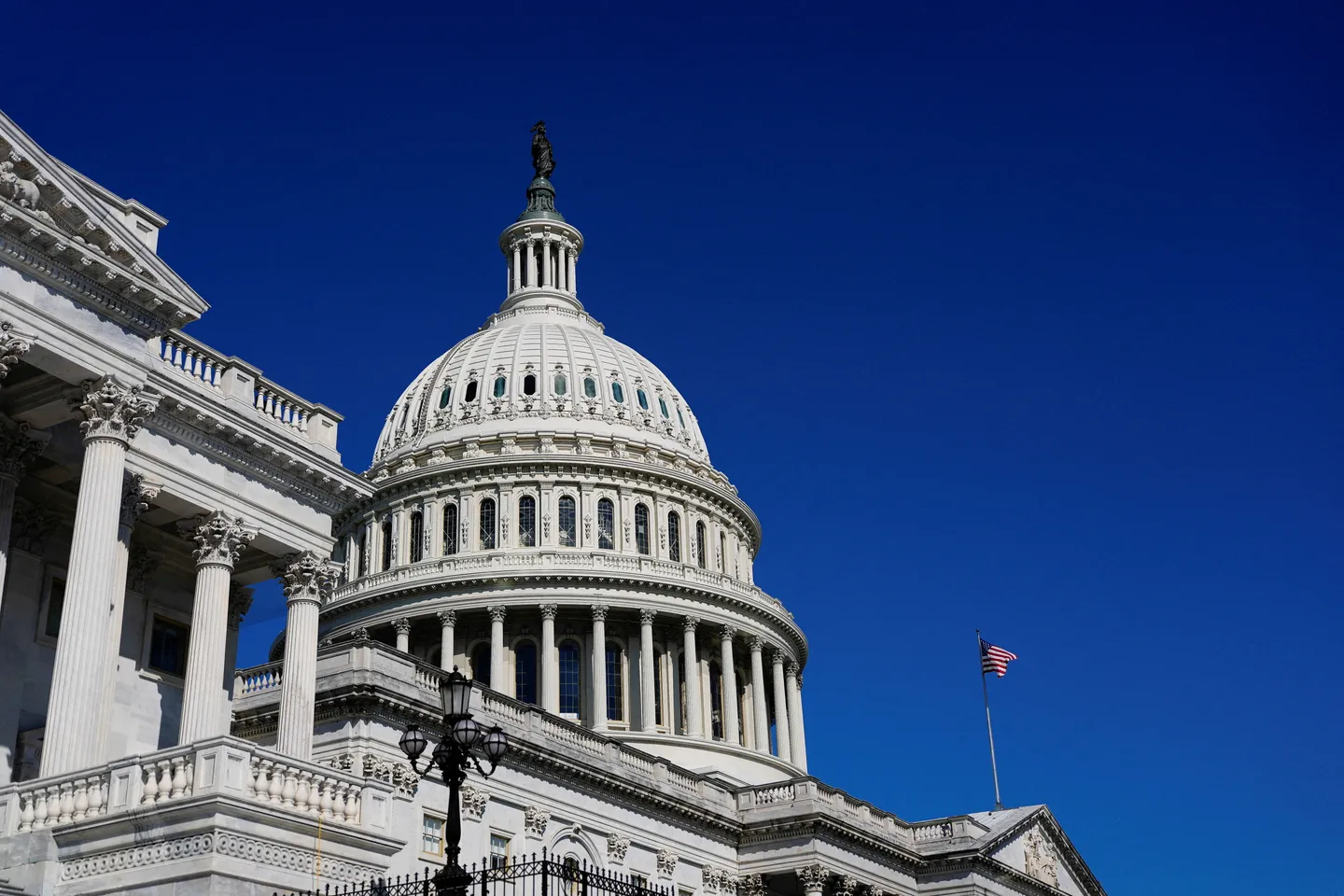
The US House voted 220-204 to approve a war powers resolution for the third time, seeking to halt President Donald Trump’s ability to continue military action against Iran without congressional approval. Seven Republicans supported it, but none of the resolutions has reached the president, who would almost certainly veto it.
Reuters, citing analytics firm Kpler, reported that just two ships entered and two exited the Strait of Hormuz on Tuesday, the lowest level recorded. Analysts said none were oil supertankers or liquefied natural gas carriers. Before the conflict, roughly 125 large commercial vessels crossed the strait daily.
As the conflict continues, the U.S. House has voted for a third time to end the war in Iran. It approved a war powers resolution late Tuesday aimed at stopping President Donald Trump from continuing military action without congressional approval.
The US House voted 220-204 for a resolution urging President Donald Trump to end military operations against Iran. The nonbinding measure is only a recommendation. The report says the US and Israel began the war on February 28, while Washington resumed massive strikes on July 8, accusing Tehran of violating agreements concerning the Strait of Hormuz.
The House approved a measure requiring President Donald Trump to end his war with Iran. The vote delivered a potent political rebuke of the administration’s handling of the conflict just weeks before the midterm elections.
US politicsIran warHouse of RepresentativesDonald Trump
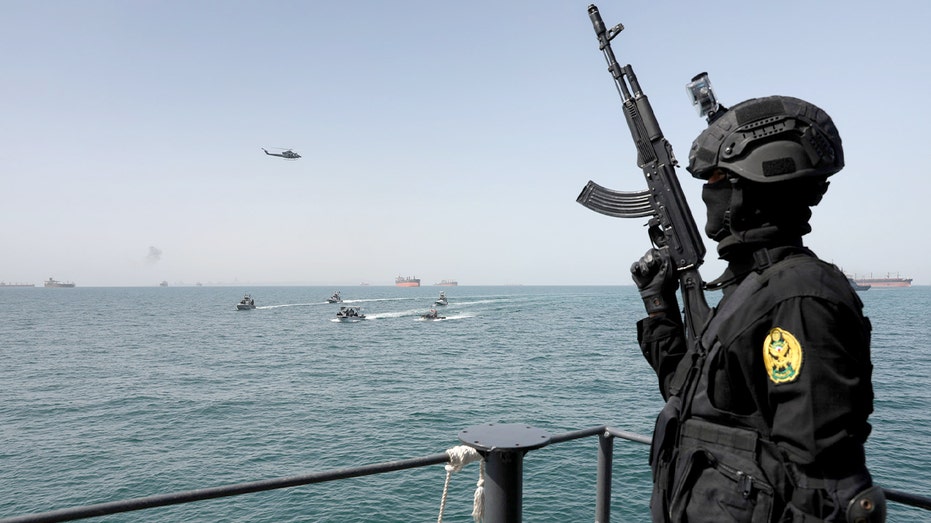
Drone experts warn that Iran is deliberately targeting U.S. naval drones in the Strait of Hormuz to study American surveillance capabilities and learn how to evade U.S. defenses. The warning followed an attempted IRGC seizure of a U.S. unmanned surface vessel, after which the U.S. military destroyed two Iranian small boats. Experts say even brief access to captured hardware could reveal sensors, tactics and battlefield vulnerabilities.
A Congressional Budget Office report says the six-month US war on Iran has cost $38bn and could add $3bn monthly. It projects a 0.5-percentage-point inflation increase in early 2027 and says replenishing depleted US munitions stockpiles could take up to five years.
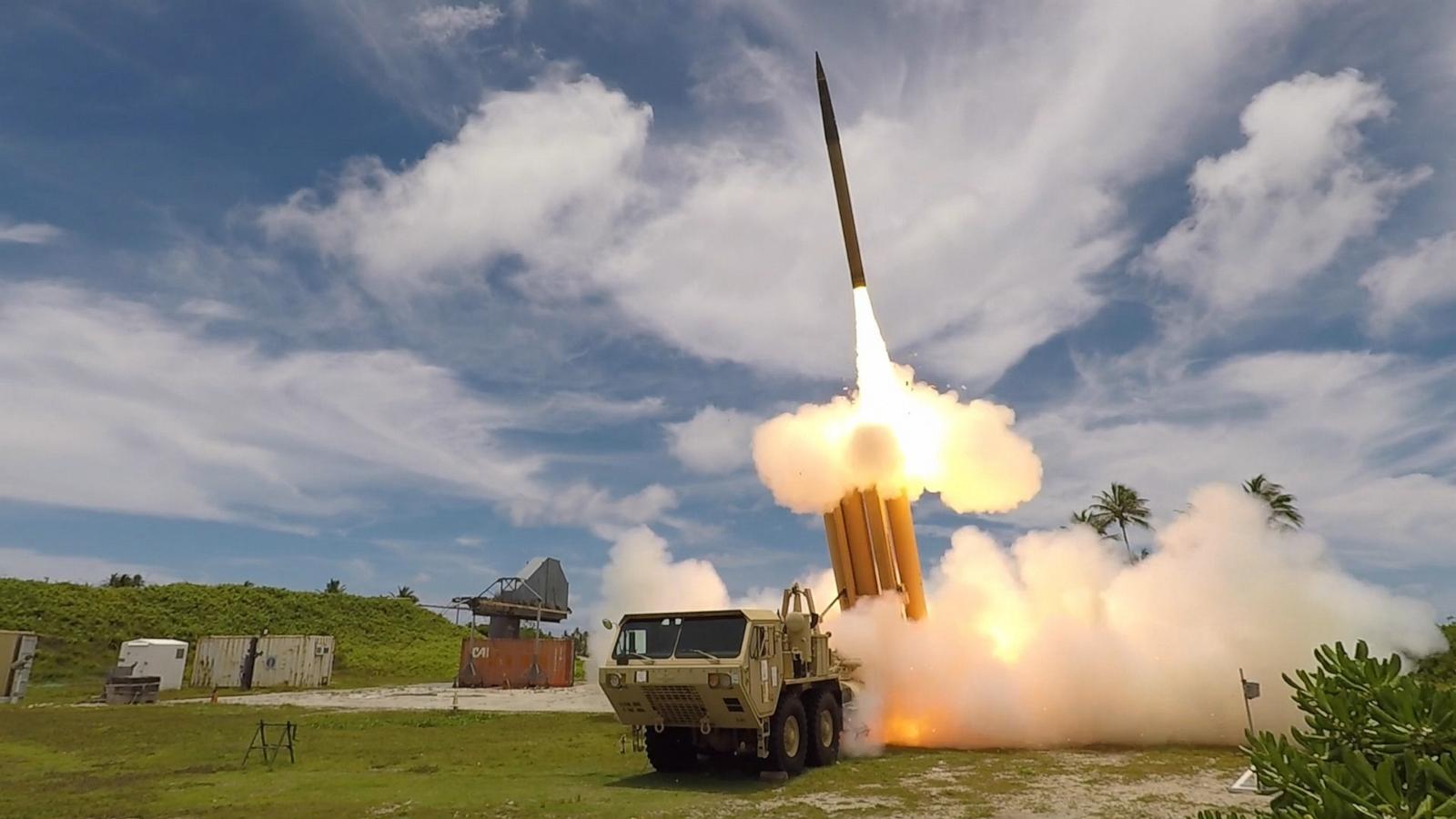
The Congressional Budget Office says the Iran war has cost the US at least $38bn and heavily depleted its Patriot, Thaad and Navy interceptor stockpiles, which could take at least five years to rebuild. The report estimates costs would rise by $3bn each additional month and inflation would remain higher.
US Vice President J.D. Vance said the conflict with Iran would enter a completely different phase within two months. He said Washington had completed the first stage, which he described as destroying Iran’s nuclear program and conventional military. Donald Trump has said the conflict could end after the November midterms, while allowing for an earlier settlement.
The Congressional Budget Office says the conflict with Iran has already cost US citizens $38 billion in its first five months, with monthly costs of $2-3 billion. It also confirmed that the war has depleted US weapons stocks, including critical interceptors used by air-defense systems.
United StatesIran warmilitary spendingweapons stocks
A nonpartisan Congressional Budget Office assessment says the US war with Iran had cost at least $38 billion by the end of July and is expected to drive inflation higher still.
The Congressional Budget Office estimates that the war with Iran has caused more than one-third of this year’s increase in inflation and will push prices higher again in the first quarter of next year, according to a report released Tuesday.
The six-month U.S. war against Iran has cost $38 billion so far, with spending projected to increase by $3 billion each month, according to the Congressional Budget Office. The Trump administration is seeking to end the conflict and reopen the vital Strait of Hormuz.
Donald Trump campaigned for the U.S. presidency in 2024 on a promise to do almost anything for the oil industry, summed up by his slogan, “Drill, baby, drill.” Yet many of his forceful actions since returning to office have worked in the opposite direction.
Official figures showed British inflation accelerated to a five-month high of 3.1% in August. Measures that exclude sharply rising energy prices remained stable, ahead of expectations that the Bank of England will leave interest rates unchanged the next day.
Rising Treasury yields, geopolitical risks and new concerns about AI safety are pressuring markets. Even so, many investors remain bullish on AI spending and corporate earnings.
Japan recorded its biggest rise in imports in nearly four years in August as higher oil prices increased energy costs. Exports grew for a 12th straight month, supported by resilient demand related to semiconductors, government data showed Wednesday.
Gold prices edged higher on Wednesday as oil prices eased and markets turned their attention to the U.S. Federal Reserve’s policy decision. A rate hike was largely priced in.
Oil prices fell Wednesday after an unexpected reported rise in U.S. crude inventories outweighed concerns about supply disruptions following an Iran-backed attack on Saudi Arabia’s East-West pipeline and its closure.
Germany is pushing to reduce the risk of excess permits in the European Union’s carbon market while scaling back supply-control concessions offered by the bloc’s executive to ease industry fears about excessive price swings.
Asian stocks posted tentative gains early Wednesday as rising global bond yields and oil prices prompted investors to pause ahead of the Federal Reserve’s policy decision later in the day.
Oil prices declined on Wednesday after U.S. crude inventories unexpectedly increased. Investors also weighed supply risks after Saudi Arabia halted oil loadings at Yanbu port following an attack on its East-West pipeline to the Red Sea.
Saudi Arabia has cancelled some oil deliveries to Europe after drone attacks shut down its key export pipeline to the Red Sea. The rare move has triggered global panic and sent buyers rushing to find alternatives.
A senior Iraqi source says a “resistance splinter” group may have carried out the September attack on Saudi Arabia’s East-West oil pipeline. The drones were launched from Iraqi territory, threatening about 4 percent of global oil supplies and testing Prime Minister Ali al-Zaidi’s pledge to bring armed groups under state control.
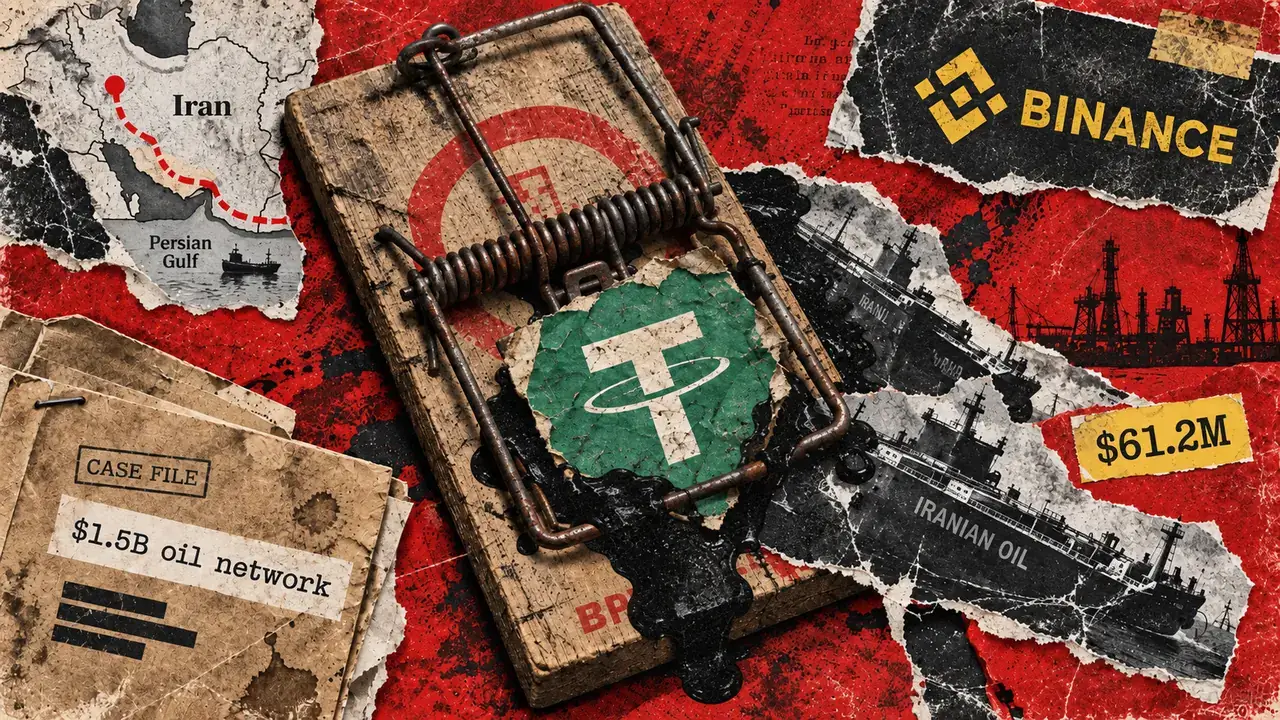
US prosecutors are seeking civil forfeiture of about $61.2 million in USDT allegedly linked to black-market Iranian oil sales. They describe a wider network that moved more than $1.5 billion in alleged proceeds through crypto addresses, Iran-based exchanges and Binance. Binance is not accused of wrongdoing and says it cooperated with investigators.
Prices for some physical oil cargoes in Europe rose above $130 a barrel on Tuesday, nearing the record reached in April. Buyers are scrambling for alternatives as intensifying conflict in the Middle East causes increasing disruptions to regional supplies.
A mural in Sanaa depicting restrictions on shipping through Bab al-Mandeb highlights the question of whether a Houthi blockade of the strategic waterway could ignite a surge in global energy prices.
Canadian gold miner Agnico Eagle is not interested in joining Barrick Mining’s proposed North American initial public offering, CEO Ammar Al-Joundi said. He said buying into the IPO would not make sense for the company.
People across the eurozone have been asked to choose designs for future euro banknotes. Proposals feature historical figures including Marie Curie and Leonardo da Vinci, alongside a vertical layout, with circulation expected around 2030. Separately, French fishermen clashed with police while attempting to blockade an oil depot as the Iran war drove fuel prices higher.
Dr. Walaa-Eldeen Bakry of Westminster Business School says Carney is deliberately diversifying Canada’s trade policy. She argues that Canada could provide a more reliable route for energy exports to the EU, noting a significant rise in oil shipments to some European countries last year.
Russia respects every country’s sovereign right to set its own development path and energy mix, Energy Minister Sergey Tsivilyov said ahead of the G20 energy ministerial meeting. He argued that no energy source is inherently good or bad, and that all available sources and technologies can support energy security according to national conditions.
Nigeria’s Dangote refinery has become a major fuel supplier to Europe after disruptions to Middle East exports. Its growing role in global fuel markets has helped produce record profits ahead of the company’s stock market debut.
Leningrad region will impose a uniform 30-liter fuel limit per fill-up in the coming days, temporarily through October 1. Governor Alexander Drozdenko said about 20% of independent and small gas stations have stopped operating because they could not secure enough fuel. AI-92 supplies are stabilizing, while AI-95 remains scarce; there is no diesel shortage.
November Brent crude futures on London’s ICE exchange rose more than 3.5% on Tuesday, moving above $109 a barrel. At 8:19 p.m. Moscow time, Brent stood at $109.25, later gaining 3.51% to $109.39. October WTI futures jumped 5.29% to $106.75.
Romanian authorities are likely to seek a legal route to restart the Lukoil-owned Petrotel refinery without violating current US sanctions, political scientist Ilya Grashchenkov told TASS. The prolonged shutdown has become a domestic political challenge, with trade unions warning that about 460 companies could go bankrupt. The crisis threatens the wider industrial chain and leaves Bucharest balancing sanctions compliance against jobs, fuel prices and stability.
Russian Energy Minister Sergey Tsivilyov said Russia remains a reliable energy supplier and cannot be excluded from global supply chains. He cited the country’s combined oil and gas reserves of about 60 billion tonnes of oil equivalent, equal to 14% of the global total, and outlined plans to expand LNG production and pipeline capacity toward the Asia-Pacific region.
Iron ore trader Radiant alleges that Glencore concealed its relationship with the company from audited records. The Swiss commodities group calls the claims “meritless” and says Radiant submitted “falsified invoices.”
Russia’s pipeline gas supplies to Turkey fell 10.4% year on year to 11.4 billion cubic meters in January–July 2026, according to TASS calculations based on Turkish regulator data. July imports through TurkStream and Blue Stream totaled 948 million cubic meters.
The US Justice Department has filed a forfeiture lawsuit seeking to seize $61mn in alleged proceeds processed through Binance. Prosecutors say Chinese groups used the cryptocurrency platform to launder money from Iranian oil deals.
Average US diesel prices reached a record just below $6.27 a gallon on Tuesday, adding pressure on President Donald Trump ahead of the midterm congressional elections. Prices have surged as Washington’s war with Iran disrupts global fuel flows, while Trump has repeatedly downplayed the war’s impact and blamed Kyiv for attacks on Russian oil refineries.
The Minutes Reader extension turns the original page into a focused reading view and translates articles and video subtitles on demand. It is in limited beta.