Russian gold floods through Hong Kong in wake of western sanctions

Hong Kong imported almost 100 tonnes of gold from Russia in the first seven months of the year, sending shipments to a record high after western sanctions.
Brazilian President Luiz Inacio Lula da Silva said he would defend the Pix payment system in talks with U.S. President Donald Trump. Washington has cited Pix in its tariff dispute with Brazil, and Lula said he might raise the issue during a possible September meeting with Trump alongside the UN General Assembly in New York.

Reuters, citing sources, reports that Latvia and Lithuania are weighing an end to Russian grain shipments through their ports. Latvia’s government is due to discuss a comprehensive ban on Russian grain exports on Tuesday, while Lithuania says using its port infrastructure for such exports is no longer acceptable but has announced no specific measures.
Somalia has deposited its ratification instrument with the African Union, becoming the 50th country to ratify the African Continental Free Trade Area agreement. The government says membership will open access to a market of more than 1.4 billion consumers and has created a National Coordination Office to oversee implementation.

South Korea’s exports have reached $709.4 billion so far this year, exceeding the previous full-year record, the customs office said on Saturday. The economy is benefiting from strong global demand for AI chips.
Brazil reported a larger-than-expected trade surplus in August, supported by a sharp rise in exports to the US despite a full month of President Donald Trump’s 25% tariffs.
As China’s advanced manufacturing expands worldwide, debate is growing over its cost advantage. At the Asia-Pacific Media Forum, CGTN asks international delegates whether it reflects unfair competition, economies of scale, or years of supply-chain development and innovation.

Businesses near the US-Canada border are joining forces to demand an end to the trade war. The item also highlights Canada’s backlash over data centers.
The FAO said global food prices reached a four-year high in August 2026, with Russia’s attacks on Black Sea shipping routes and Ukrainian ports disrupting grain exports. Wheat, corn, barley and rice prices rose worldwide, while weather concerns and the closure of the Strait of Hormuz also contributed.

After Beijing shut Japanese seafood out, companies rebuilt their supply chains. Their experience highlights both the potential and the pitfalls of breaking dependence on China.
Although the US is the larger trading partner, Canada may have more leverage than it appears in the escalating dispute. It is the top customer for 26 US states and ranks among the top three for 45 states, giving Prime Minister Mark Carney room to manoeuvre.

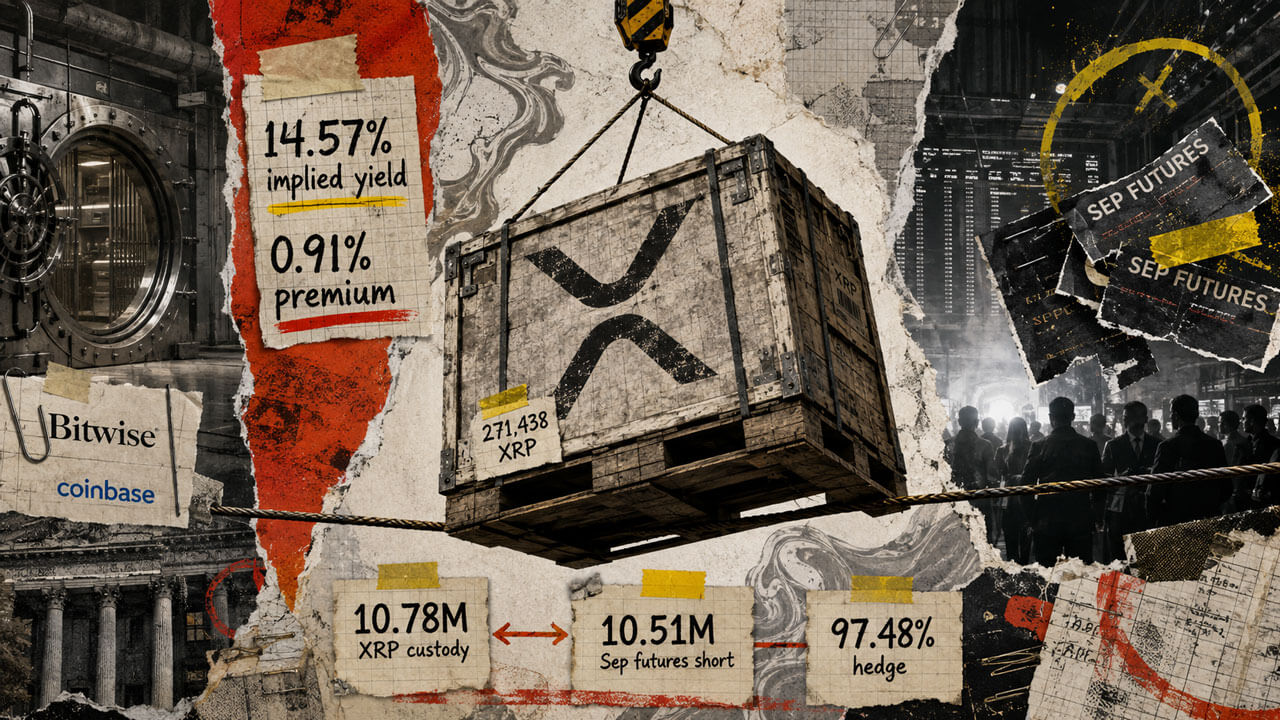
Bitwise’s Crypto Carry Fund paired its custodial XRP with a nearly equal short position in Coinbase XRP futures, offsetting 97.48% of the quantities. Futures traded about 0.91% above spot, which Bitwise annualized to a 14.57% implied yield. The figure is not a realized return and excludes unspecified execution, financing, custody, margin and roll costs, while residual exposure remains.

EU industry chief Stephane Sejourne has decided to propose a sweeping ban on waste exports to non-OECD countries, including aluminium scrap, according to a statement from his cabinet on Friday.
Iraqi Oil Ministry representative Salim al-Rikabi said August crude exports reached nearly 70 million barrels, averaging more than 2.2 million barrels per day—the highest since armed conflict in the Persian Gulf and the Strait of Hormuz crisis began. Oil sales brought Iraq about $4.5 billion, while production now exceeds 3 million barrels per day.
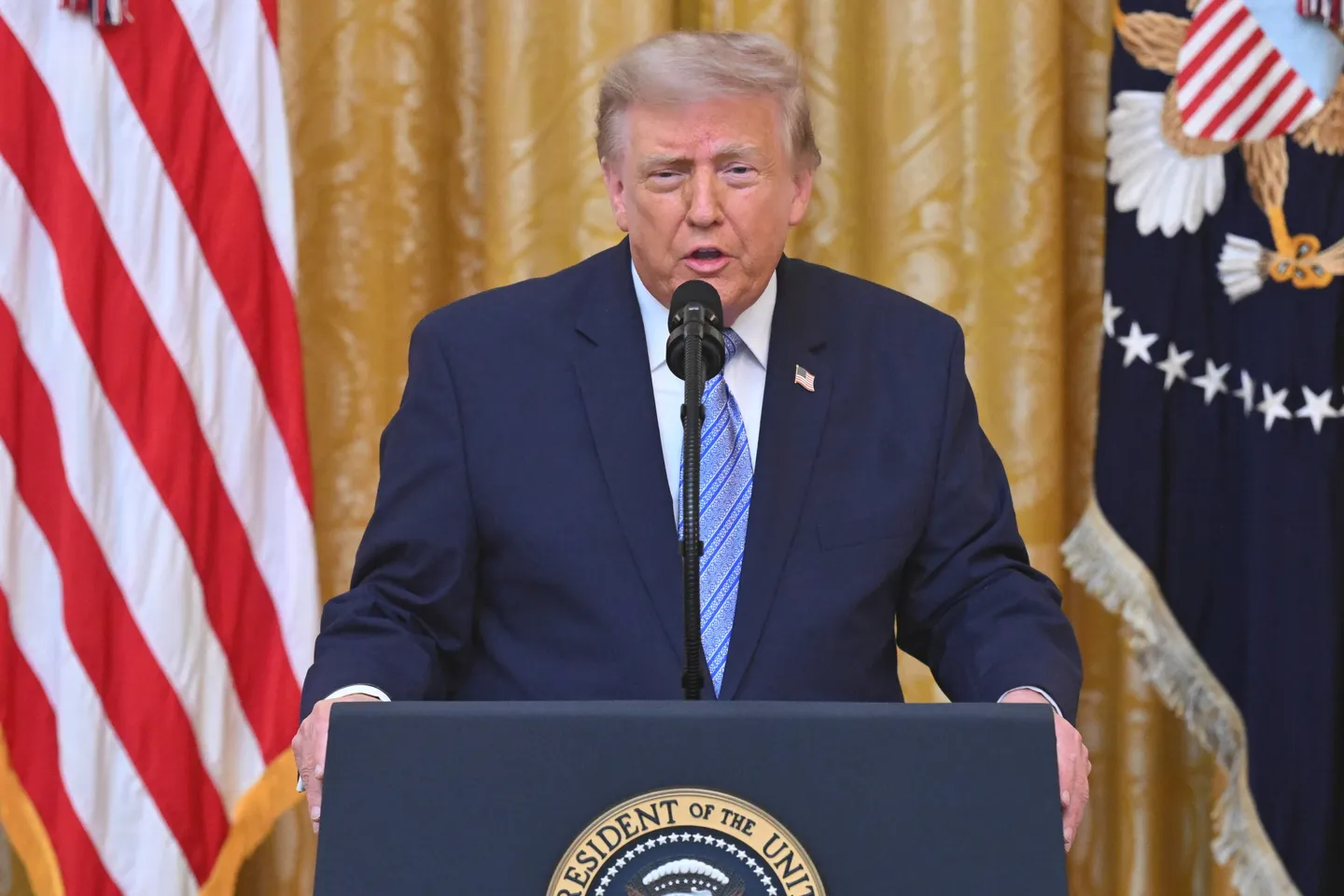
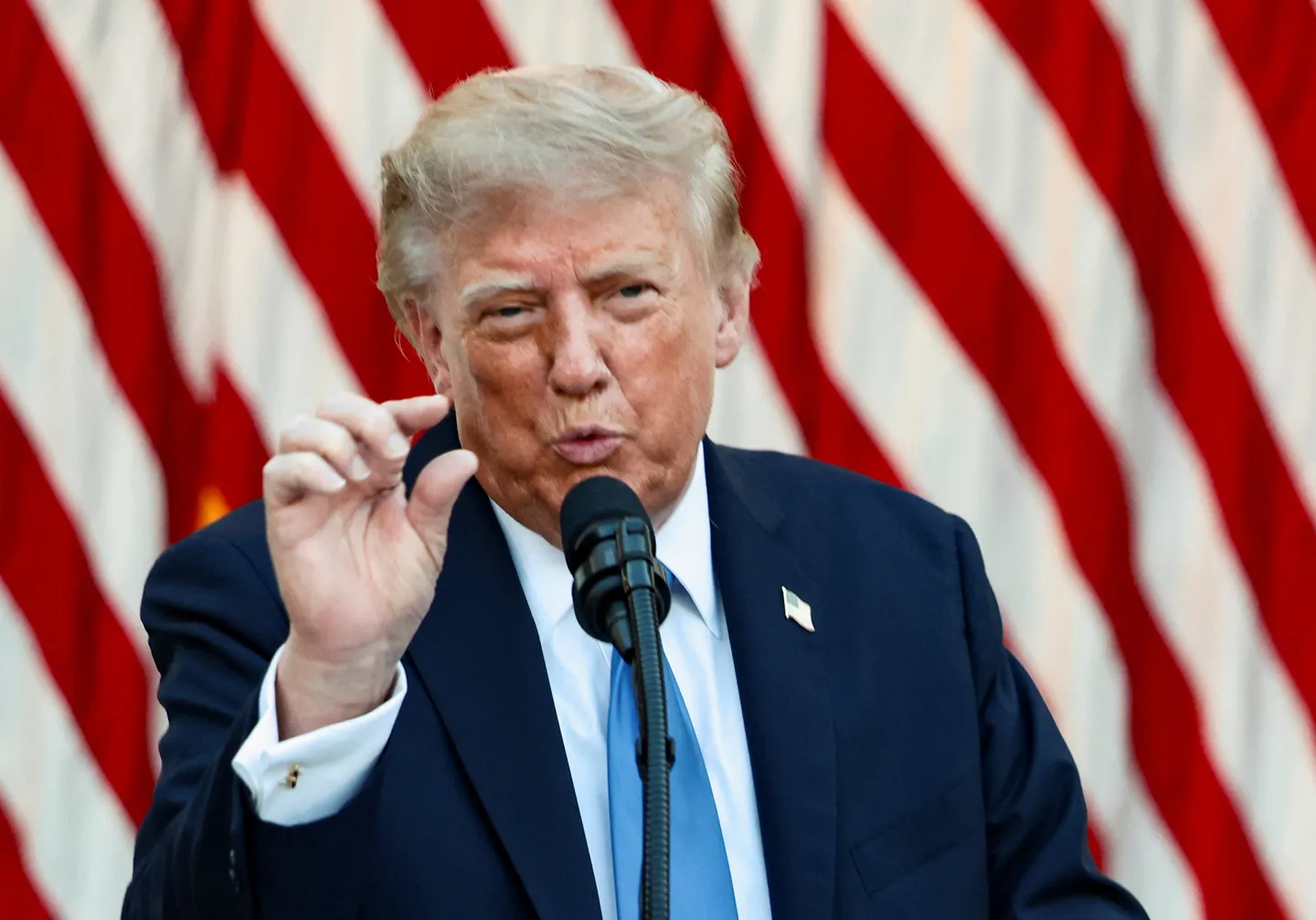
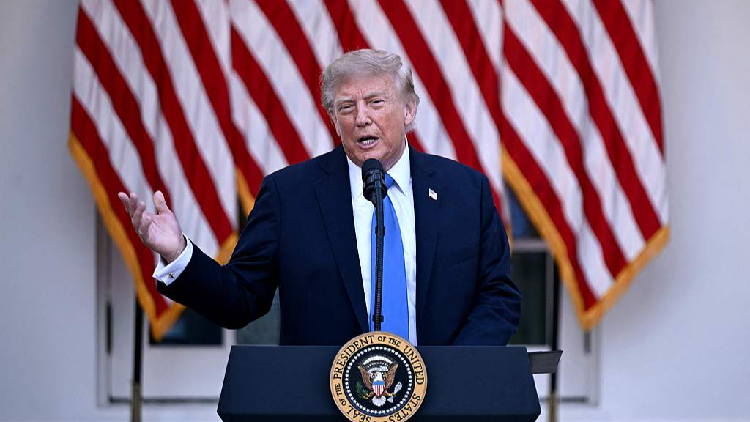
President Donald Trump stepped up his campaign for the Federal Reserve to cut interest rates, threatening to halt trade with some economies that run a surplus against the US if the central bank does not act.

Donald Trump says he will cut off trade with countries running trade deficits unless the Federal Reserve sharply lowers interest rates.
President Trump threatens to prevent the United States from trading with many countries unless the Federal Reserve lowers interest rates.
U.S. President Donald Trump said on Friday that he would stop trading with countries running a trade surplus with the United States unless the Federal Reserve lowered interest rates.

President Donald Trump demanded that the Federal Reserve sharply cut interest rates, threatening to stop trading with countries that maintain trade surpluses with the United States.
A ski-resort operator, cheesemaker, snow-grooming equipment seller and others urged an end to the trade war with Canada, saying the tariffs are hurting their businesses.
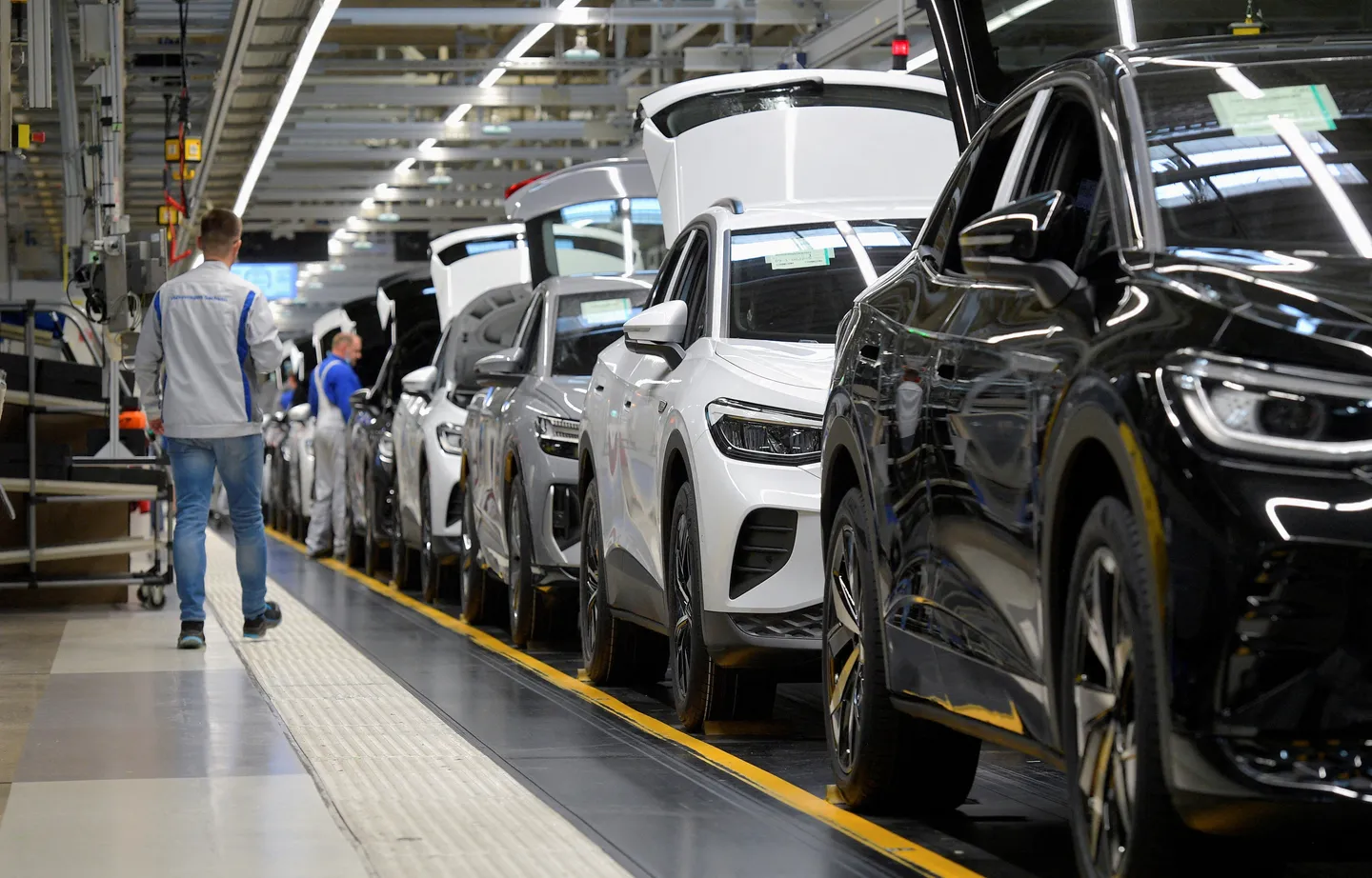
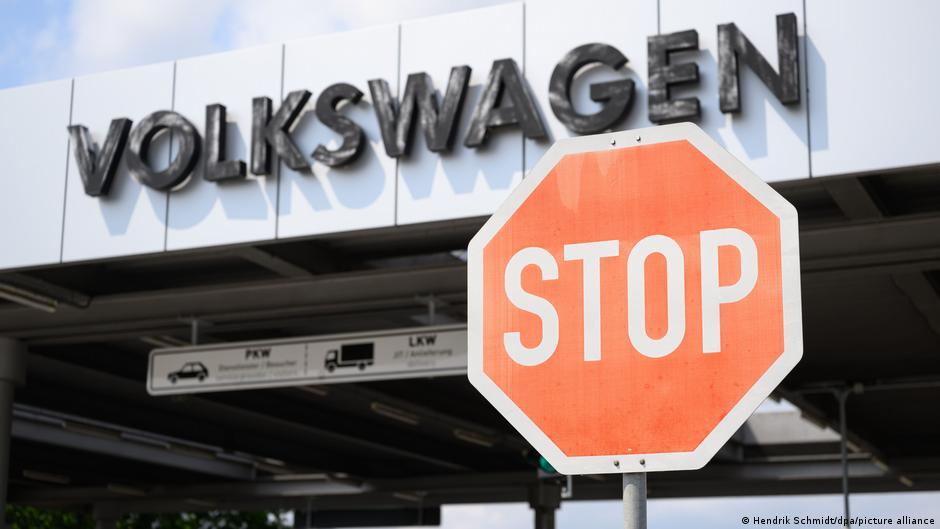
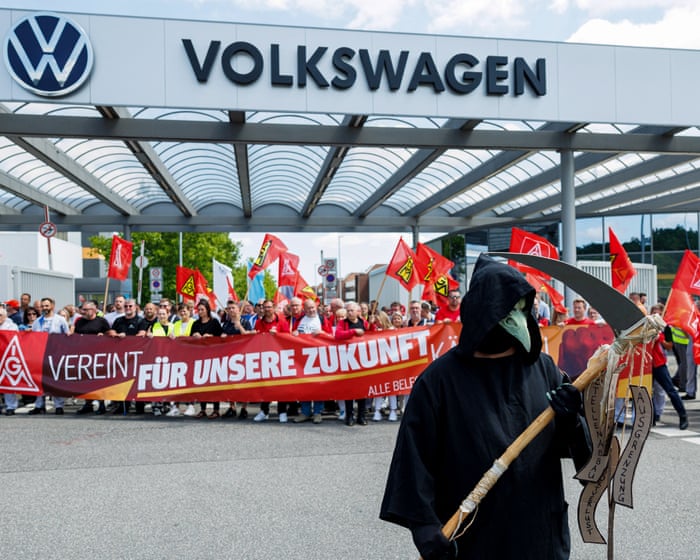
Volkswagen’s board approved a major cost-cutting plan that will eliminate another 50,000 jobs and end production at four plants, as the company seeks to counter low-cost competition from China and U.S. tariffs.
European shares edged lower on Friday ahead of closely watched U.S. jobs data, while Volkswagen stock rallied after the automaker announced a major transformation plan.

Volkswagen shares rose 6% on Friday after the company announced plans to eliminate another 50,000 jobs as part of its transformation plan, amid tariff pressures and competition from China.
Volkswagen plans to eliminate a further 50,000 jobs worldwide.

Volkswagen employs nearly 630,000 people and is preparing to cut 50,000 more jobs worldwide after previous reductions. Its oversized workforce reflects extensive in-house production, years of brand acquisitions and costly German operations, while a slow shift to electric vehicles has left the carmaker under pressure from Chinese competitors. The company also wants to close four German factories, though its supervisory board has not yet approved immediate implementation.
German carmaker Volkswagen says management and unions have agreed to eliminate another 50,000 jobs by the end of the decade, taking total job losses to 100,000 in the company’s biggest industry shake-up.
Volkswagen’s supervisory board approved a sweeping overhaul involving 50,000 additional job cuts, fewer models and a smaller industrial footprint. The decision gives CEO Oliver Blume his clearest mandate yet to reshape Europe’s biggest automaker.

Volkswagen’s board has approved another 50,000 job cuts under a broad turnaround plan, taking the group’s planned reductions by 2030 to 100,000. The carmaker blamed falling sales, weaker profits and intensifying competition, particularly from Chinese brands, and said it is reviewing capacity and possible alternative uses at several plants.
Volkswagen Group says it plans to eliminate 50,000 jobs and reduce its vehicle offerings by half. The German automaker is under pressure from intensifying Chinese competition in Europe and tariff costs on shipments to the United States.

Volkswagen said Thursday it will eliminate another 50,000 jobs worldwide in the biggest restructuring in its 89-year history. The German automaker is under pressure from US tariffs, excess capacity and fierce Chinese competition, while the plan outlines the future of four German plants.

Volkswagen says it will eliminate 100,000 jobs by the end of the decade, including 50,000 additional cuts on top of those already agreed. The reductions equal about 15% of its global workforce. The automaker also plans restructuring and major research investment, while warning that the futures of four German plants cannot be guaranteed.
Volkswagen’s supervisory board approved a transformation plan on Thursday that includes cutting another 50,000 jobs as the group seeks to counter painful tariffs, excess capacity and aggressive Chinese rivals.
Volkswagen AG’s supervisory board approved a comprehensive restructuring program called “Future Plan 2030.” The company said the plan is essential to restoring competitiveness and securing the group’s future.
Volkswagen said on Thursday that it is targeting a 9% operating margin by 2030, up from 3.8% in the first half of 2026. The goal is part of a sweeping turnaround plan approved by the group’s supervisory board late Thursday.

Volkswagen has approved plans to eliminate a further 50,000 jobs by 2030, bringing expected cuts to 100,000, or about 15% of its workforce. The German carmaker will halve its model range, while the future of four plants in Germany cannot be guaranteed into the 2030s, amid Chinese competition, weaker China sales and US tariffs.
Russian Deputy Prime Minister Alexander Novak said Russia and China should build and modernize gas and oil pipelines, port capacity, power facilities, and logistics corridors to make their energy partnership more resilient to external factors. He also cited joint funds, private investment, consortia for major infrastructure projects, and broader use of national currencies as areas for cooperation.
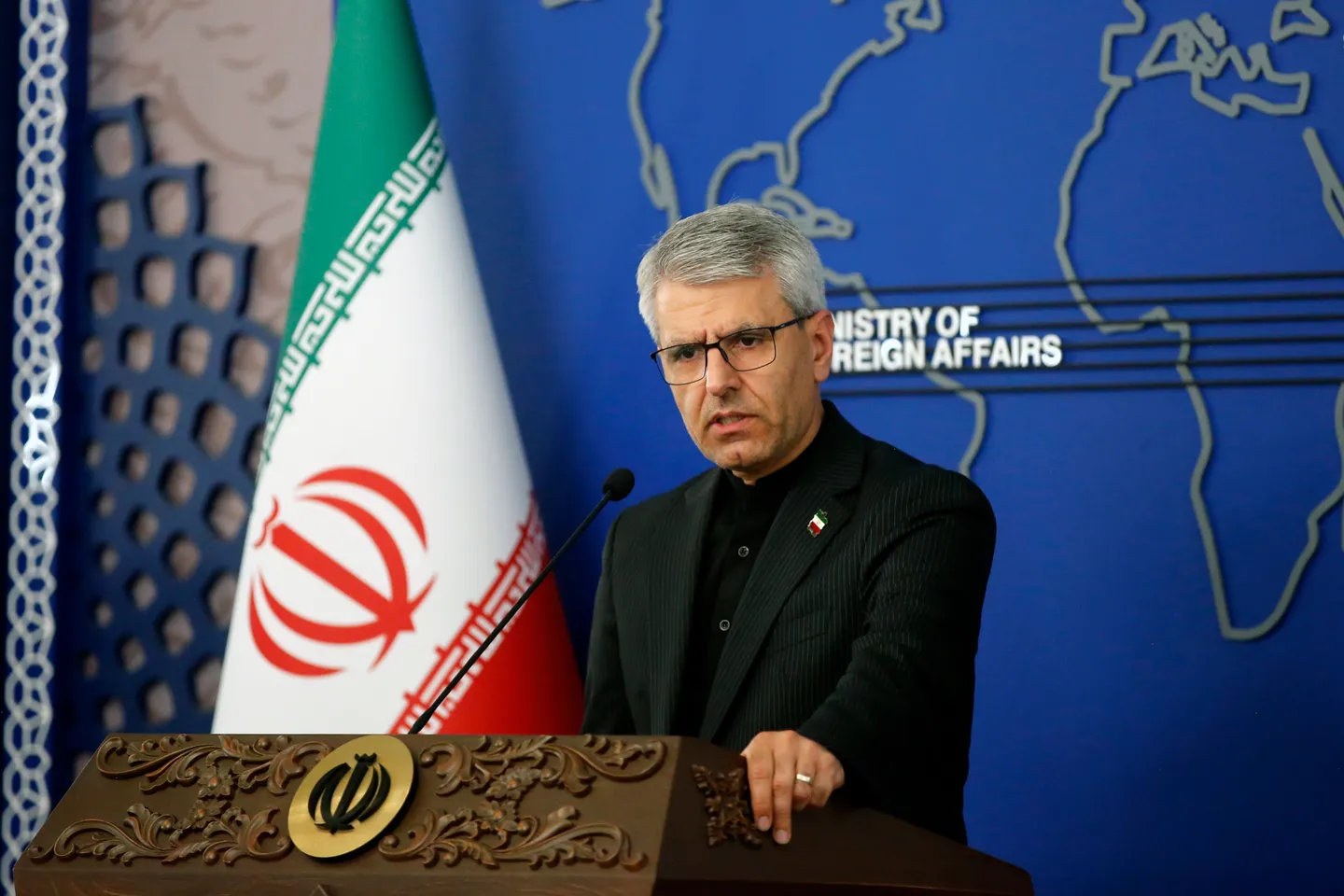
Brazil’s ambassador to the EU, Pedro Miguel da Costa e Silva, said Brasília believes its meat does not need to be audited. He told Euronews that “all options are on the table” after Brazil threatened retaliation over the EU ban on Brazilian meat imports linked to antibiotic use.
Russian Deputy Prime Minister Alexander Novak said 94% of the country’s oil exports are now sent to friendly nations. Russia remained China’s leading supplier, with exports to the country up 25% in the first seven months of 2026.
Russia now directs 94% of its oil exports to friendly countries, Deputy Prime Minister Alexander Novak said. He said Middle Eastern supply disruptions amid worsening military and political tensions had highlighted Russian companies’ role as reliable providers, while exports to China rose 25% in the first seven months of the year.
Rosneft CEO Igor Sechin said Russia-China trade has grown more than 50-fold over 30 years and now significantly exceeds $200 billion. China accounts for 34% of Russia’s total trade, while bilateral trade rose 26% year-on-year in the first seven months of 2026.
A Tennessee factory Washington hoped to protect to strengthen the U.S. semiconductor supply chain could close after new trade measures from the Trump administration drove away its last two customers, sources familiar with the situation said.
Russia supplied China with 67 million metric tons of oil in the first seven months of 2026, bringing its share of Chinese imports to a record 23%, Rosneft CEO Igor Sechin said. Deputy Prime Minister Alexander Novak put the increase in Russian oil deliveries at 25%. Sechin also said Russia accounted for about 30% of China’s natural gas supplies in 2025.
A cross-border parcel hub in Yiwu, Zhejiang Province, processed more than $450 million in exports during the first eight months of the year, exceeding the total for all of last year by more than twofold. The center handles nearly 10,000 packages daily for over 30 countries and regions, with new customs and smart-supervision measures speeding shipments and cutting costs.
Rosneft CEO Igor Sechin said the United States had sparked a global “copper race” by imposing export duties and accelerating efforts to build copper reserves, sending prices to record highs. He said Russia doubled copper and copper-concentrate supplies to China last year, while ore and concentrate shipments also doubled in the first seven months of this year.
Rosneft CEO Igor Sechin said China has gained estimated cumulative economic savings of more than $27 billion since 2022 by purchasing Russian crude more cost-effectively than Middle Eastern alternatives. He said Russia and China’s positions in the global economy and energy sector provide a strong foundation for bilateral synergy.
India will conclude a trade agreement with the US only if Washington offers tariff terms that give Indian exporters an edge over competitors, Commerce Minister Piyush Goyal said. His remarks point to preferential tariff treatment as a central obstacle in the protracted negotiations.
Some Nova Scotia artists have stopped selling their work to U.S. customers after President Donald Trump introduced a 50 per cent tariff on nearly $28 billion worth of Canadian goods, including original art.
South Korea and the United States are discussing semiconductor investments in the U.S. as part of broader bilateral talks, a Seoul official told reporters on Friday, amid concerns over tariffs.
Chinese leveraged traders are continuing to unwind stock bets, putting pressure on the artificial intelligence trade as rising global bond yields and a lingering oil shock fuel uncertainty. The balance of stocks purchased with borrowed money fell to 2.62 trillion yuan on Thursday, 13 per cent below the record 3.01 trillion yuan reached on June 25.

Ghana now requires certain exporters to refine gold dore locally before shipping it abroad. The Ghana Gold Board says the measure is intended to capture more economic benefits domestically, create jobs and reduce payments to overseas processors, though companies have warned that the short notice may disrupt existing contracts.

The US trade deficit expanded sharply in July to its widest level since early 2025, driven by a surge in imports of computers and other technology equipment linked to the AI push.
British fintech Revolut said it received conditional approval from the U.S. Office of the Comptroller of the Currency for a national bank charter. The decision marks a major step toward launching a fully fledged American bank by 2027.

Revolut says the OCC has provisionally cleared its bid to become a bank in the United States.
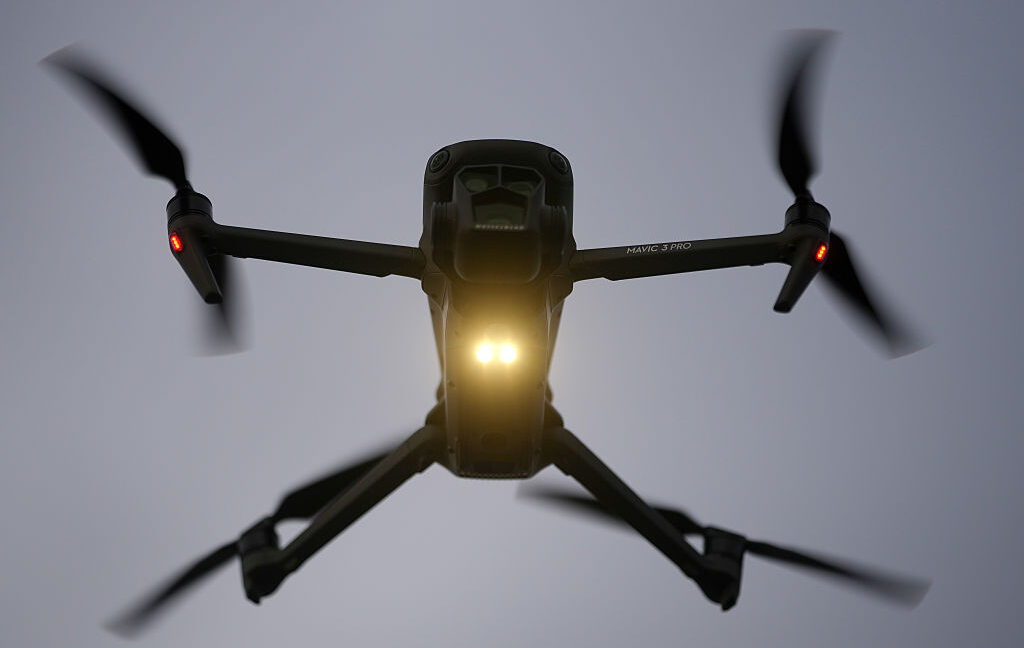
The Trump administration imposed a 100 percent tariff on foreign-made drones on Thursday. US Customs and Border Protection says the rate applies to imported drones with thermal imaging or a weight above 55 pounds; smaller drones face a 25 percent tariff, while products from US allies also received lower but significant levies. Critics warn the tariffs will hurt public safety and devastate thousands of US businesses.

New US tariffs of up to 100% on drones and parts took effect on Thursday as Washington seeks to reduce its reliance on Chinese suppliers, led by DJI.
The U.S. trade deficit expanded sharply in July as robust domestic demand lifted imports, setting trade up to weigh again on economic growth in the third quarter.
As shipping remains severely disrupted in the Strait of Hormuz, the Panama Canal will reduce daily vessel limits because of falling water levels linked to El Niño. The cap drops to 34 ships from Thursday and 32 on September 15. Rising demand has already tripled slot auction prices, threatening delays, higher freight rates and costly rerouting around the Cape of Good Hope.

Mongolian Prime Minister Nyam-Osor Uchral said at the Eastern Economic Forum that expanding mutually beneficial trilateral cooperation with Russia and China is among Mongolia’s foreign-policy priorities. He stressed Mongolia’s value for its comprehensive strategic partnerships with its two “eternal neighbors.”
Mongolian Prime Minister Nyam-Osor Uchral said advancing the Russia-Mongolia-China economic corridor, improving cross-border trade, infrastructure and logistics, and expanding border-crossing capacity would raise trade turnover among the three countries, cut transport time and costs, and make supplies more reliable.
Canada’s services economy contracted at its fastest pace in six months in August, with rising trade tensions and geopolitical instability weighing on new business, according to S&P Global’s services PMI data released Thursday.
Canada’s trade surplus narrowed sharply in July as energy and metal exports declined and imports increased. The change comes weeks before Washington’s new 50% tariffs begin appearing in trade statistics, creating a tougher test for Canadian exporters.
Six Chinese companies now conduct shipments along the Northern Sea Route, up from one three years ago, Russian Far East and Arctic Development Minister Alexey Chekunkov said. He added that China has formally committed to a plan to transport 20 million tons annually by 2030.
Russia’s non-resource, non-energy industrial exports reached $58.8 billion in the first half of the year, Industry and Trade Minister Anton Alikhanov said. Chemical products, metallurgy and precious metals, light industry, pharmaceuticals, perfumes and cosmetics were among the sectors driving growth.
The largest delegations at this year’s Eastern Economic Forum came from China, Indonesia, Japan, Vietnam, South Korea, India and Myanmar, Russian Deputy Prime Minister and presidential envoy Yury Trutnev said. He added that more than 7,000 delegates from 78 countries had taken part, including representatives of 17 “unfriendly countries.”
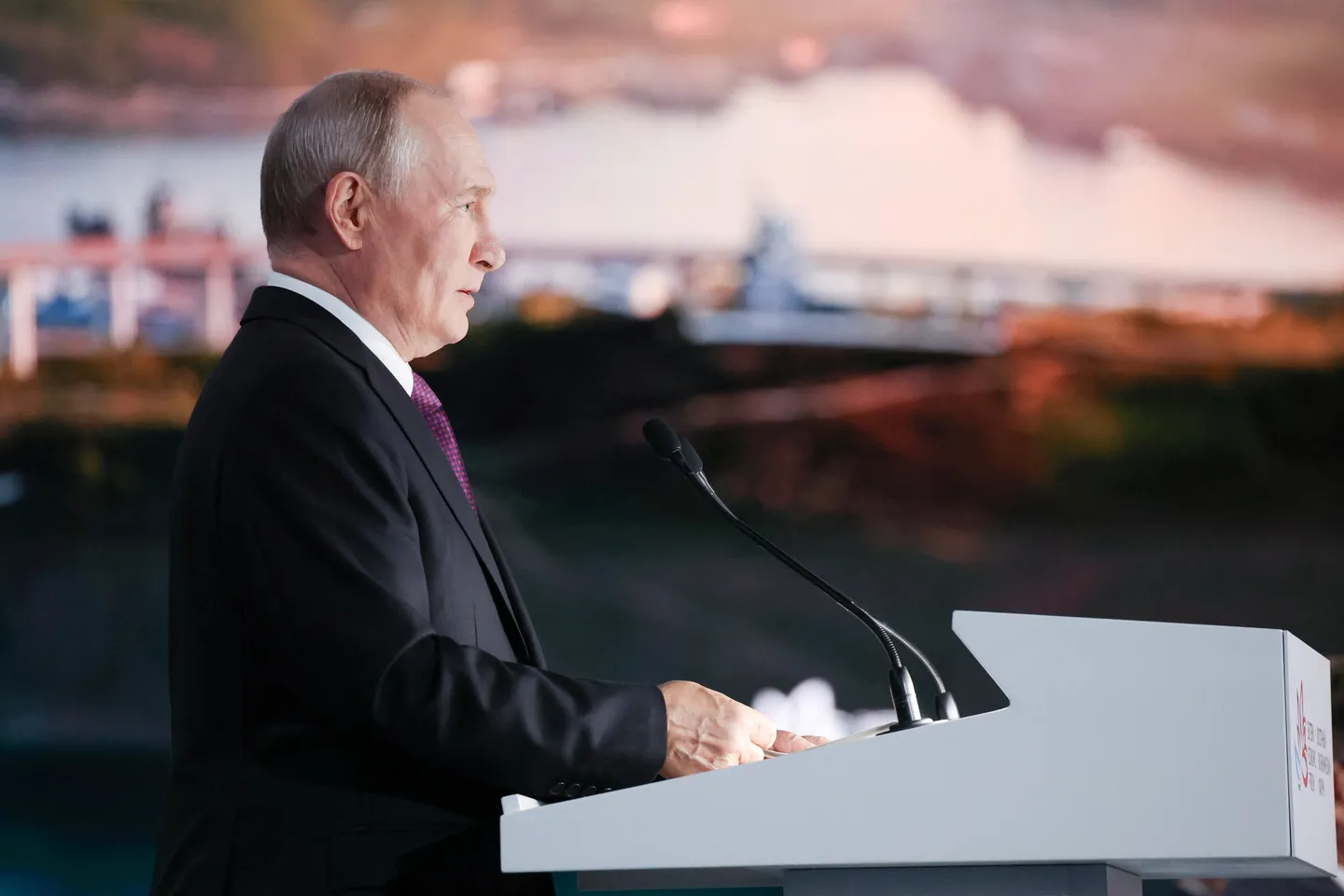
Russian President Vladimir Putin said at the Eastern Economic Forum that Russia and Ukraine still have a chance to reach a peace deal, with contacts continuing mainly through security services. He confirmed that businesses are obliged by decree to protect facilities from Ukrainian attacks, said Russia is not planning mobilization, and described retaliatory strikes as a deterrent.
Russian President Vladimir Putin said new power-generation facilities, including small nuclear plants, will be built in the Arctic. Russia also plans data-processing centers in the Arctic and the Far East, with those plans already being implemented.
Russian President Vladimir Putin said at the Eastern Economic Forum that foreign investment would flow into Russia if the country ensured stable economic conditions. He noted that investment sources could vary widely and said Russia’s Far East had substantial potential for long-term cooperation.
Speaking at the Eastern Economic Forum, Russian President Vladimir Putin said he wants to “pass the ball to the new convocation of the State Duma” and expects deputies to help improve the business climate. He also announced a new decade-long development strategy for the Far East. The region attracted about 25 trillion rubles in investment over 11 years, while its gross regional product more than tripled and unemployment fell to 2.2%.
Chinese Vice Premier Ding Xuexiang said cooperation with Russia on the joint development of the Northern Sea Route is rapidly expanding and helping improve the well-being of people in both countries. He also said construction of the eastern-route gas pipeline is progressing.
Chinese Vice Premier Ding Xuexiang stressed the need to maintain stable energy supplies between China and Russia’s Far East. Speaking at the Eastern Economic Forum plenary session, he called for using the region’s geographic and resource advantages, advancing key projects and keeping energy links operating steadily to strengthen the economic foundation and improve people’s well-being.
Myanmar Vice President Nyo Saw said the Eastern Economic Forum in Russia’s Far East has become an important platform for economic cooperation in the Asia-Pacific region. He said the forum is helping strengthen partnerships and find new ways to secure sustainable development amid global changes.
Toronto home sales declined for the first time in six months as Canada’s ongoing trade war with the US unsettles the outlook for the country’s housing market.
Russian Industry and Trade Minister Anton Alikhanov said the value of goods brought in through the parallel import mechanism could total about $20.5 billion in 2026. The figure was approximately $12.2 billion in the first seven months and may reach $13.8 billion for January-August. He called the decline in volumes a natural trend as domestic production expands and alternatives from friendly countries replace goods from unfriendly ones.
Indonesian President Prabowo Subianto said at the plenary session of the Eastern Economic Forum that Indonesia wants its free trade agreement with the Eurasian Economic Union to enter into force and be used as soon as possible. He said Indonesia had completed parliamentary approval and signed a ratification regulation in July, while urging EAEU members to finish their internal procedures.
Russian Deputy Prime Minister Alexander Novak said oil production will decline modestly by the end of 2026 because some refineries are underutilized during unscheduled maintenance. He described the trend as temporary, with output expected to rise when refineries resume operations, while exports remain stable.
Russia aims to provide year-round navigation along the Northern Sea Route, President Vladimir Putin said. He pointed to the construction of icebreakers and ice-class vessels, service and rescue fleets, expanded satellite coverage and stronger port infrastructure, and called for rapid completion of a comprehensive Arctic and Trans-Arctic Transport Corridor development plan.
Russian President Vladimir Putin has announced plans to enable year-round navigation along the Northern Sea Route.
Copper could rise to a record early next year as US tariff concerns distort the market, while mine supply challenges and resilient global demand provide additional support, ANZ Group Holdings Ltd. said.
Russian President Vladimir Putin said the authorities fully understand the need to avoid overtightening the economy. He noted that the Central Bank and government are deliberately taking steps to curb inflation, and that the goal is being achieved.
Mongolia is feeling the impact of fuel shortages in Russia, its long-term trading partner and dominant supplier of gasoline and diesel, a Mongolian official told Reuters.
Hostilities with Iran continue to unsettle markets, while U.S. stocks end a three-day losing streak. Bond yields remain volatile.


Trump has reportedly discussed with senior aides whether to declare the Iran war over, while the Pentagon extends its deployments in the Middle East.

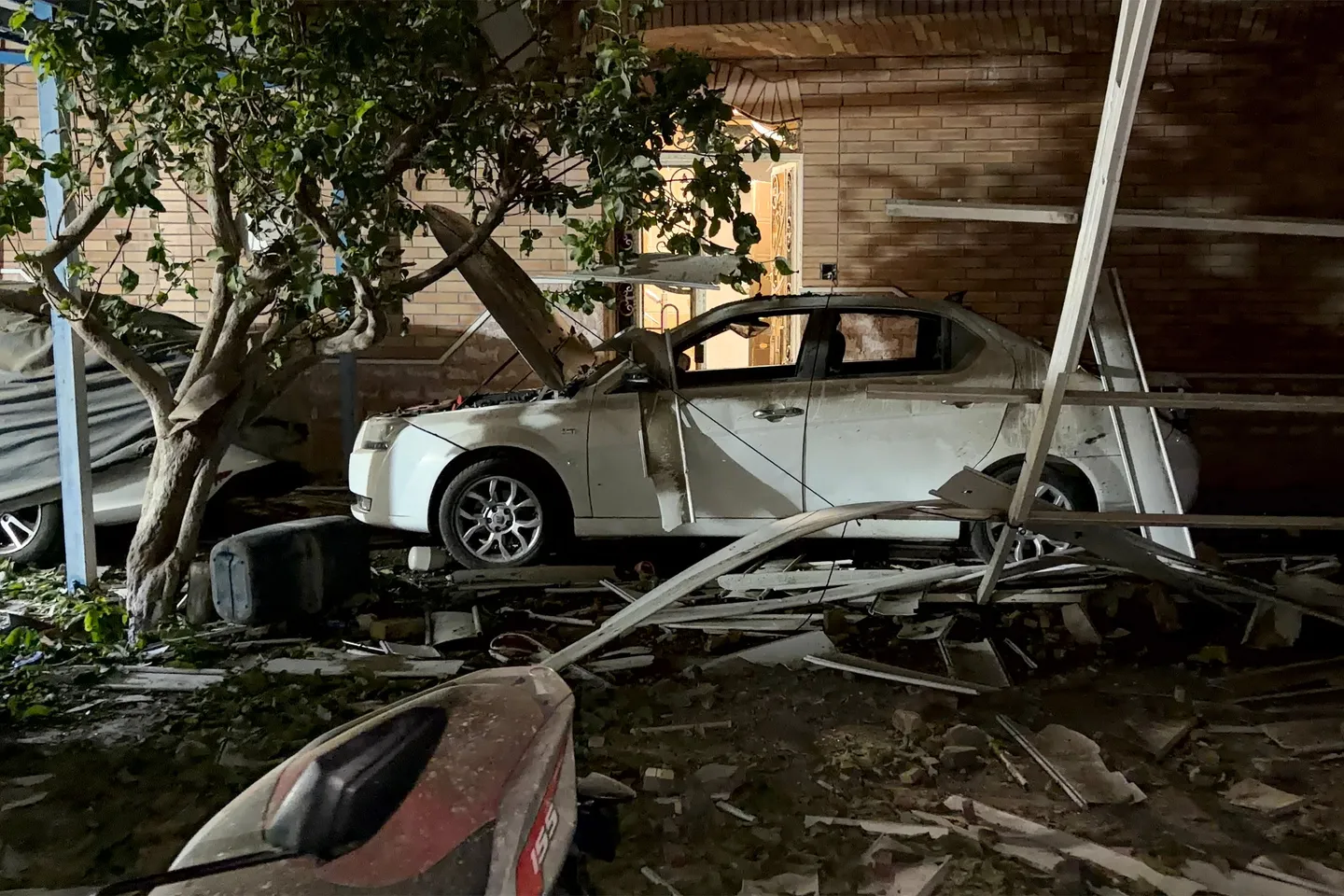
A health official says US air strikes in Iran killed 18 people and injured 142. A vehicle was destroyed at an overnight strike site in Kuhestak, Sirik County.
Only six commodity vessels transited the Strait of Hormuz on Wednesday, down from 11 the previous day, Reuters reported citing Kpler data. They comprised two very large gas carriers, two long-range tankers, one Supramax tanker and one Panamax tanker. The count may change because some ships typically switch off transponders during voyages.
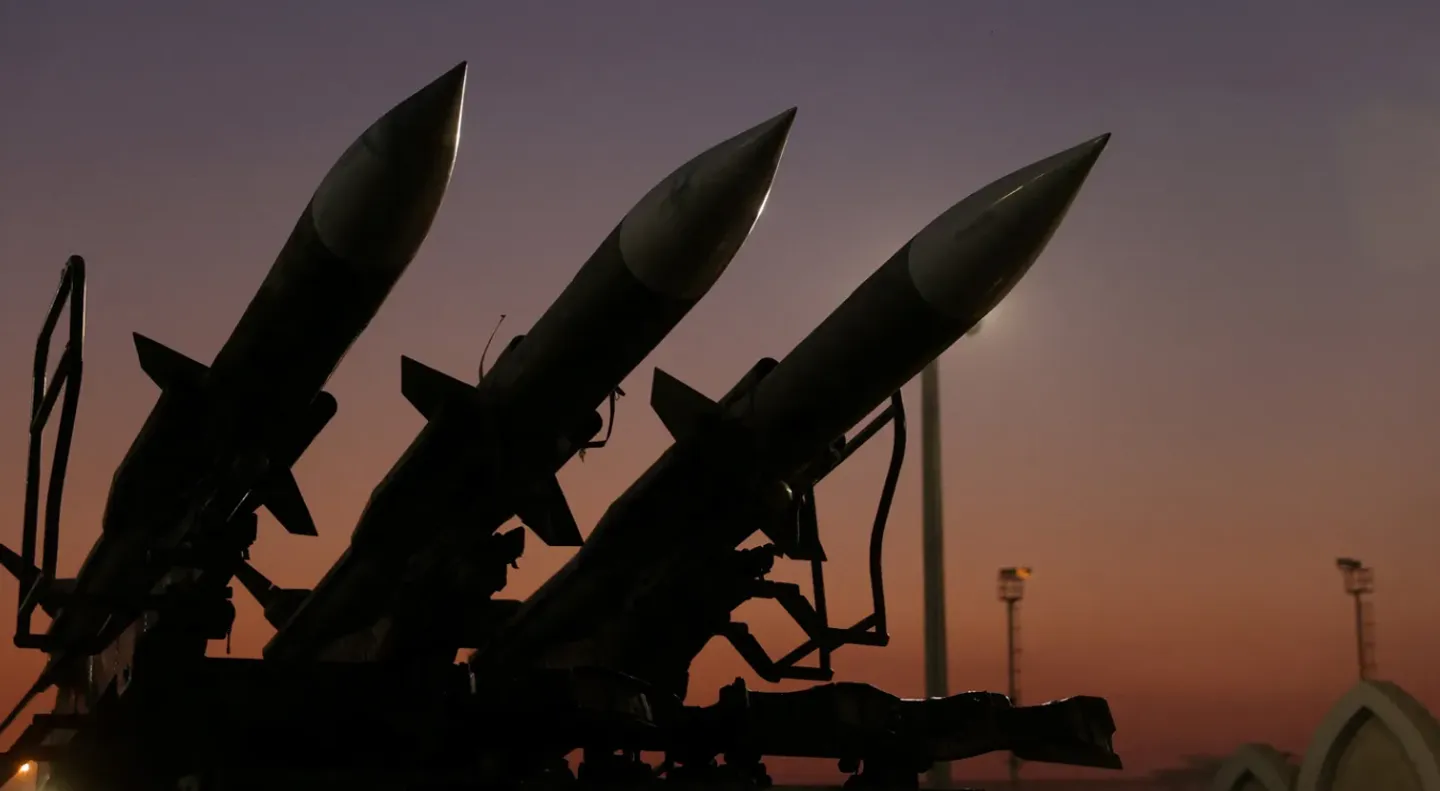
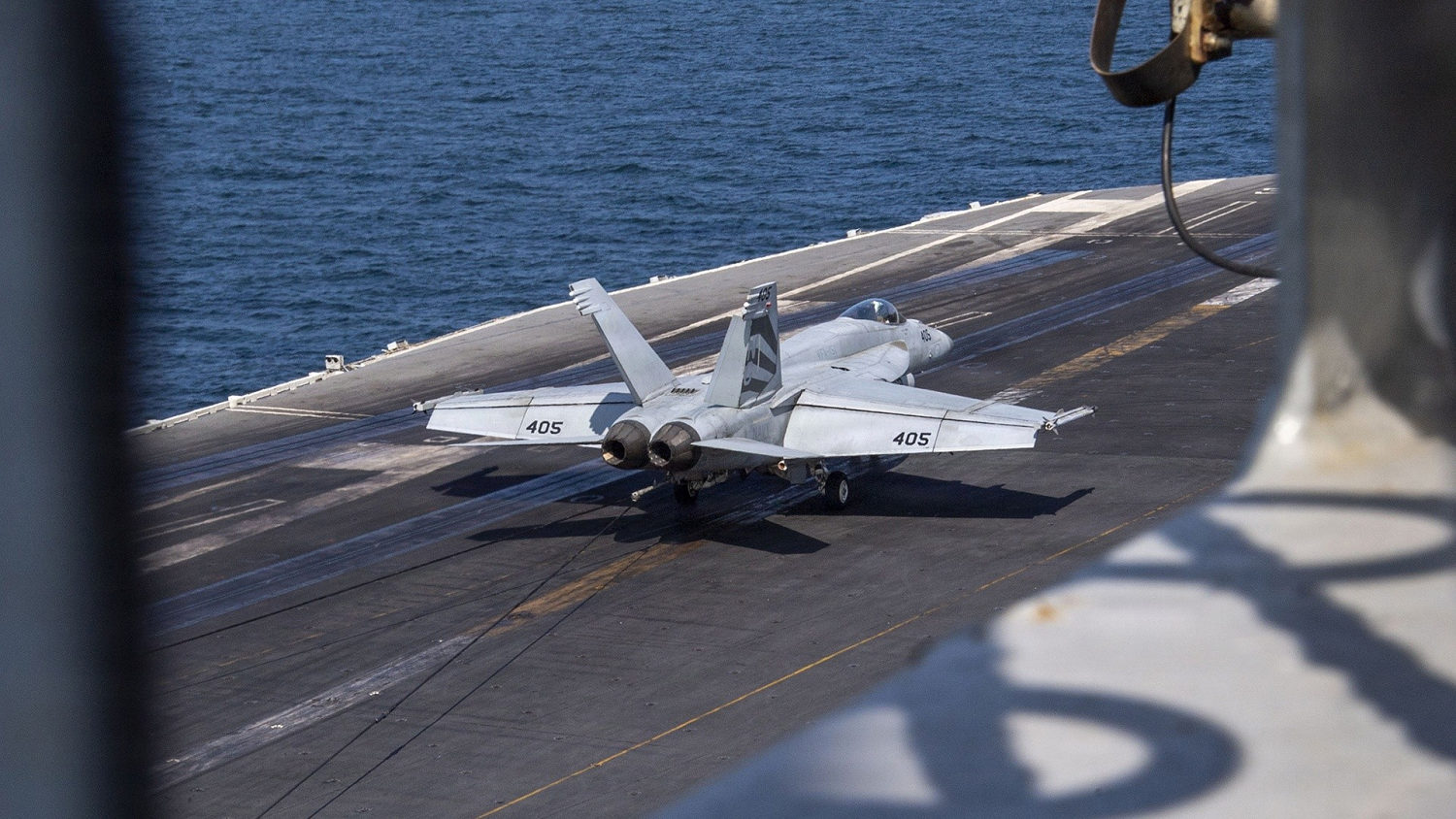
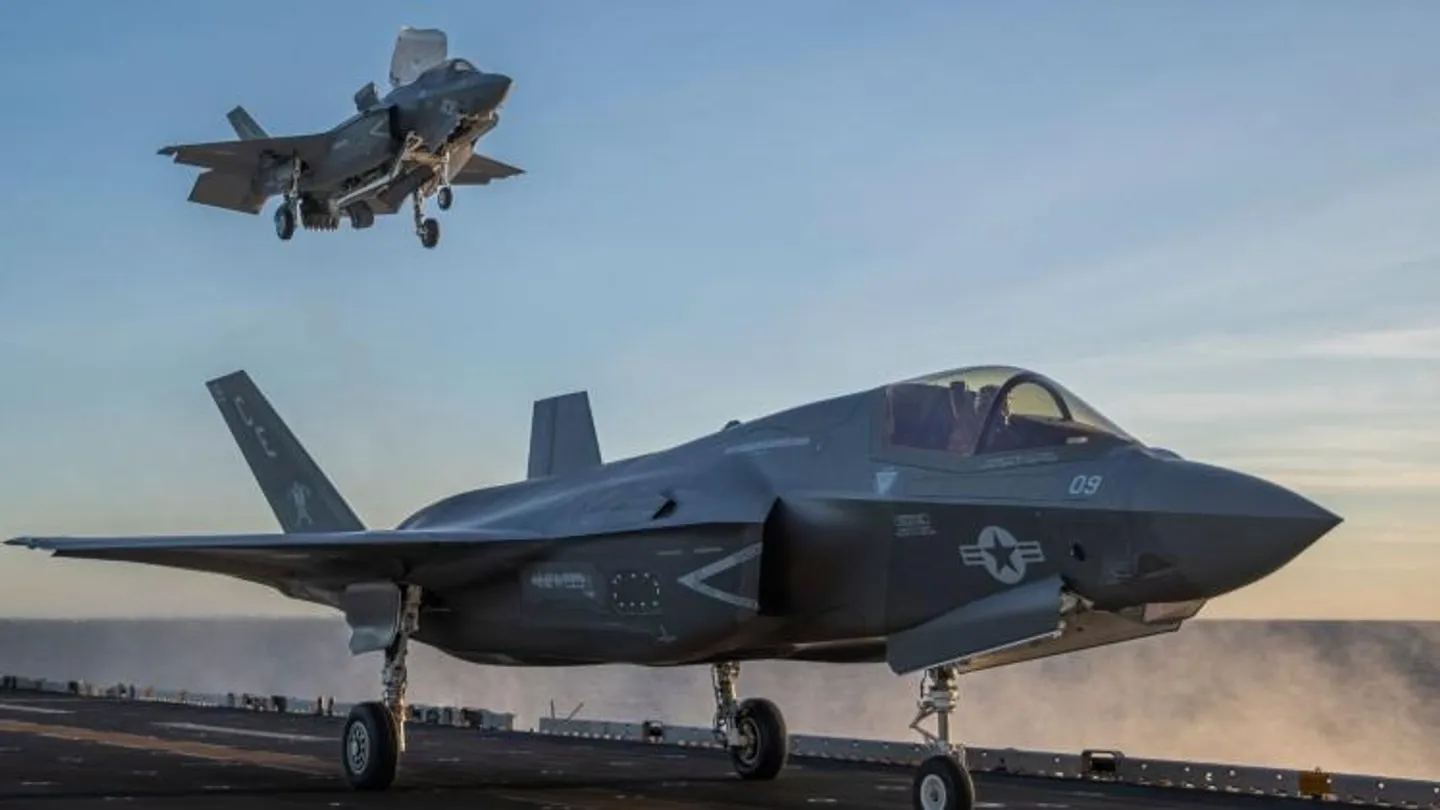
The Pentagon is quietly extending the US troop deployment in the Middle East, acknowledging that the operation against Iran may not end this year, The Wall Street Journal reported, citing sources. About 50,000 US troops remain in the region, including 19 Navy ships, fighter squadrons, air-defense units and paratroopers. Combat deployments have also been lengthened.
Oil prices edged lower on Thursday as investors assessed uncertainty surrounding renewed U.S.-Iran military strikes that could disrupt supplies from the Middle East.

A months-long crisis in the Strait of Hormuz has transformed a previously overlooked part of the market into one of 2026’s hottest trades, leaving shipping stocks at a crossroads after their strongest rally in decades.
According to two US officials familiar with the operation, 40 commercial vessels carrying 18 million barrels of oil passed through the Strait of Hormuz under American military escort. The wartime record came as Iran and the United States exchanged another round of strikes on Tuesday.

President Donald Trump said the US military could launch further strikes against Iran whenever it chooses. Tehran condemned attacks on ports, communications facilities and other civilian infrastructure, alleging that a strike on a wedding killed at least four people and injured dozens; US Central Command said it was investigating. UN Secretary-General Antonio Guterres urged both sides to halt military action and return to diplomacy as tensions around the Strait of Hormuz remained high.
Russian Deputy Prime Minister Alexey Overchuk said free trade agreements between the Eurasian Economic Union and Indonesia and the United Arab Emirates will take effect in the very near future. Talks on a similar deal are progressing with India, while consultations with Pakistan have also been held.
Trade between Russia and China grew 22% in the first half of 2026 to more than $135 billion, First Deputy Prime Minister Denis Manturov said. He said the pace was steadily moving the countries toward their $300 billion target, while their leaders praised trade and economic cooperation as a key pillar of bilateral ties.
Russian First Deputy Prime Minister Denis Manturov said bilateral trade between Russia and China grew 22% to more than $135 billion in the first half of 2026. He said the increase brings the countries closer to their $300 billion trade target.
New Zealand exporters are redirecting shipments originally bound for China to other markets as demand from the country’s largest buyer cools, according to a Reserve Bank of New Zealand official who spoke to CNBC.

Russia has seen no drop in trade with Iran despite developments in and around the Islamic Republic, Deputy Prime Minister Alexey Overchuk said. He credited the Eurasian Economic Union-Iran free trade agreement, which took effect last year, and said the North-South corridor is also being extended.
More than 160 US companies were unable to rule out the use of sanctioned smelters by their suppliers in a test of Western efforts to clamp down on conflict minerals. Volkswagen and Amazon were among the companies naming blacklisted groups as potential suppliers.
G20 members called for international cooperation to tackle systemic vulnerabilities in increasingly complex global supply chains, according to a consensus statement adopted after the Innovation Ministerial in Chapel Hill, North Carolina. Delegates backed greater transparency, access to non-sensitive production-capacity data, and efforts to strengthen and diversify strategically important supply chains. Russian Foreign Ministry Ambassador-at-Large Marat Berdyev said Russia attended the meeting.
Li Chenggang, China’s international trade representative and vice minister of commerce, met Wednesday with a delegation from the Board of Directors of the U.S.-China Business Council. China’s Ministry of Commerce said they discussed China-U.S. economic and trade relations among other issues.

South Korea’s semiconductor exports have tripled from a year earlier, prompting questions about whether the surge could become a vulnerability. If growth in the sector slows, the report asks, could it pull the Korean economy down with it?

An analysis says warning signs are flashing in the US bond market, described as the most important market on the planet.
Sarang Shidore of the Quincy Institute for Responsible Statecraft says BRICS has built the first truly transcontinental group outside the wealthy West and has surpassed the G7 in economic output. He calls development financing one of its clearest successes, noting that the New Development Bank has operated for 10 years while maintaining high credit ratings.
U.S. crude oil inventories dropped sharply last week as robust refining demand and increased exports drew down stockpiles, the Energy Information Administration said Wednesday.
Mexican Economy Minister Marcelo Ebrard met U.S. Commerce Secretary Howard Lutnick on Wednesday as Mexico sought progress on U.S. tariffs affecting cars and steel, a major source of friction in the two countries’ trade relationship.
Michael Khouw explains how he is positioning in Oracle ahead of next week’s earnings report.

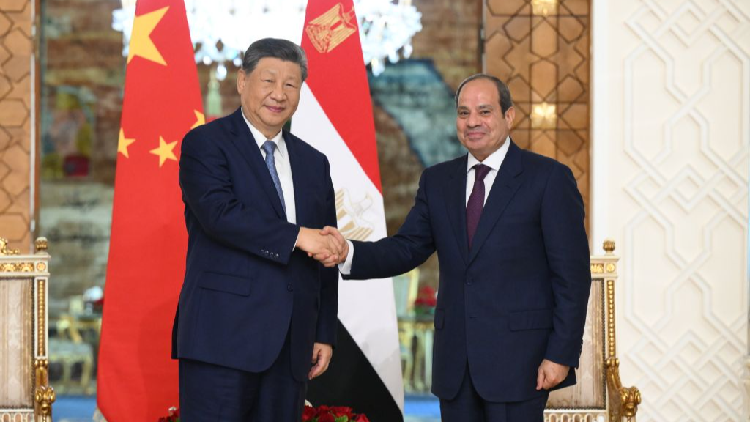
The China-Egypt TEDA Suez Economic and Trade Cooperation Zone has grown over a decade into an industrial cluster of nearly 200 companies, creating about 10,000 jobs and attracting more than $4.7 billion in cumulative investment. Trade is expanding in both directions, including a sharp rise in Egyptian agricultural exports to China, while cooperation is spreading into solar power and greener development. Xi Jinping told Abdel Fattah El-Sisi that the two countries should deepen cooperation and advance a China-Egypt community with a shared future.


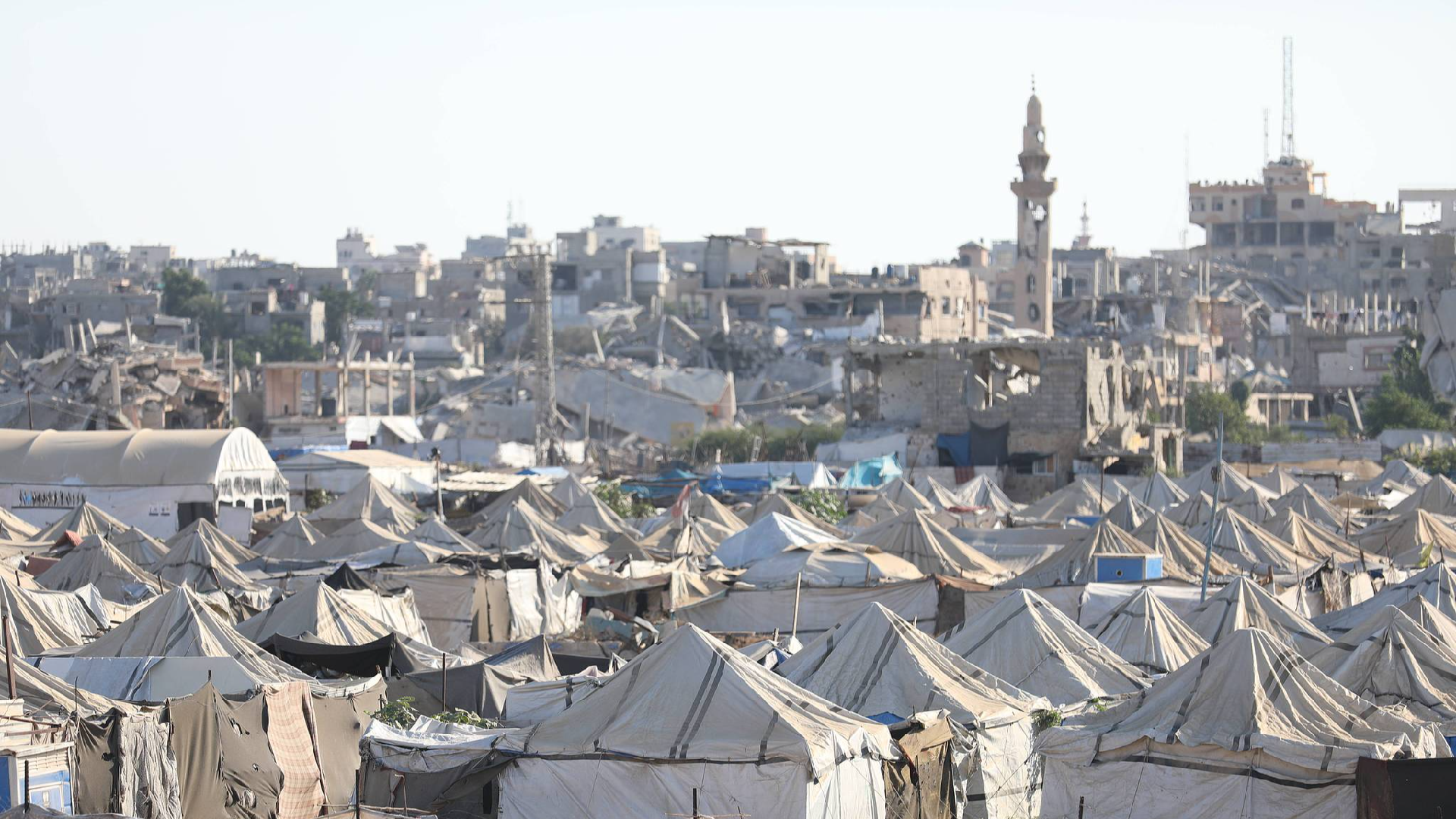
China and Egypt welcomed regional and international efforts to reduce tensions and advance dialogue in the Middle East in a joint statement issued during Xi Jinping’s state visit to Egypt. They reaffirmed that the Palestinian issue is central to the region, backed a two-state solution, opposed the displacement of Palestinians, and called for consolidating the Gaza ceasefire and allowing humanitarian aid to enter unhindered.

China and Egypt issued a joint statement describing their friendship as based on equality, mutual trust, solidarity and mutually beneficial cooperation. During Xi Jinping’s state visit to Egypt, the two sides agreed to deepen their comprehensive strategic partnership, coordinate on global governance, support Egypt’s digital transformation and expand their bilateral local-currency swap arrangement.

China and Egypt said in a joint statement that their friendship is based on equality and mutual trust, amity and mutual learning, solidarity and mutual support, and win-win cooperation. During Xi Jinping’s state visit to Egypt, the two sides agreed to deepen their comprehensive strategic partnership, coordinate on global governance, support industrial localization and Egypt’s digital transformation, and expand local-currency settlement and currency-swap cooperation.

Chinese President Xi Jinping proposed a four-part plan for a new Middle East security architecture during talks with Egyptian President Abdel Fattah El-Sisi. The plan calls for regional initiative, integrated solutions, development, and stronger international coordination. Sisi said Egypt would continue working with China to ease tensions, protect regional stability and explore a regional security framework.

Chinese President Xi Jinping presented a four-point proposal for a new Middle East security architecture during talks with Egyptian President Abdel Fattah El-Sisi. Xi called for common, comprehensive, cooperative and sustainable security, rejection of outside interference, development, international coordination and political solutions. Sisi said Egypt would continue coordinating with China to ease tensions and explore a regional security framework.

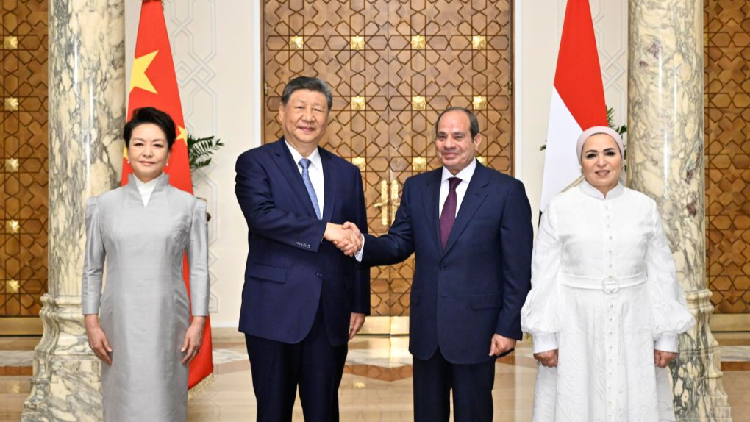
Chinese President Xi Jinping and Egyptian President Abdel Fattah El-Sisi attended a ceremony in Cairo on Wednesday to sign cooperation documents.

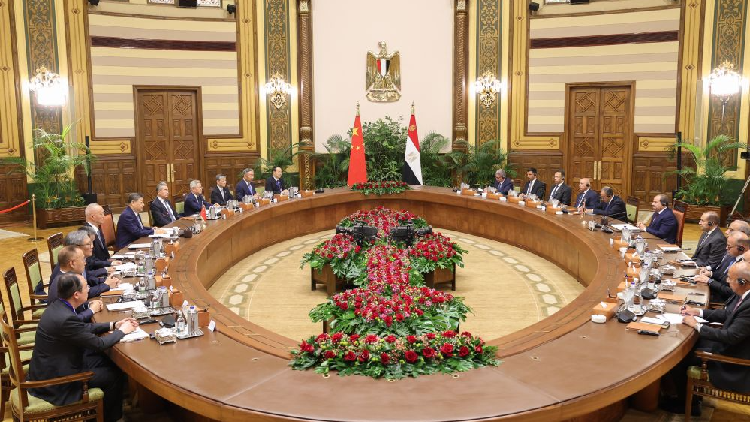
During talks with Egyptian President Abdel Fattah El-Sisi, Chinese President Xi Jinping urged China and Egypt to support each other and advance a community with a shared future amid turbulent international and regional conditions. He called for broader cooperation in trade, infrastructure, green energy, technology, security and multilateral affairs, while Sisi reaffirmed Egypt’s commitment to the partnership and the one-China principle.
Qatar, Egypt and Jordan have condemned Iranian attacks on Arab neighbours as Iran expands missile strikes on US military facilities across the Middle East following US strikes.
US Energy Secretary Chris Wright said more than 17 million barrels of oil crossed the Strait of Hormuz on Monday, the highest level since the war with Iran began in late February. Including pipeline shipments from Saudi Arabia and the UAE that bypass the strait, regional oil exports exceeded pre-war levels.

Iran’s Kheibar Shekan, or “Castle Breaker”, is a medium-range ballistic missile developed by the Islamic Revolutionary Guard Corps. With a range of about 1,450km and solid-fuel propulsion, it can be launched within minutes. Iran says it has used the missile against US military targets in Jordan and the UAE as fighting with the US and Israel escalated this week.
Israeli government sources reportedly believe Washington is unlikely to resume large-scale military operations against Iran before the US midterm congressional elections on November 3. Israel says the United States is currently focused entirely on restoring navigation through the Strait of Hormuz and may rely on pressure and economic sanctions instead.

The United States and Iran have exchanged fresh attacks across the Middle East after days of renewed threats. CENTCOM says U.S. forces hit Iranian air-defense sites, radar systems and other military targets in response to Iran’s recent attacks on commercial shipping in the Strait of Hormuz.
Israel’s military plans to attack Iranian nuclear facilities if Tehran strikes Israel first, Al-Monitor reported, citing sources in Israel’s leadership. Israel is seeking to avoid direct confrontation while remaining ready to escalate. Its air force is on high alert, as US and Iranian forces exchange strikes across the region.

Iran attacked US interests across the Middle East on Wednesday and promised “severe” consequences for renewed American strikes on the Islamic republic. Tehran said one US attack hit a wedding, killing five people and wounding dozens of civilians.

Iran says the United States bombed a wedding near the Strait of Hormuz, killing at least five people and wounding more than 68. Tehran then launched missiles towards Jordan, Bahrain, Kuwait and Iraq. The US Central Command said it struck dozens of military targets along Iran’s southern coast, as the latest escalation raised fears of a wider regional war.

Iranian authorities say seven security personnel were killed in fresh US strikes on several locations across Iran.
The US-Iran conflict has sharply intensified, with American forces launching a fresh wave of strikes and Iran saying it retaliated. Trump played down his desire for a deal.
The resumption of US-Iran hostilities has raised fears that the conflict could return to full-scale war, sending European gas prices to their highest level this year while oil also gains.
Iran’s army said dozens of drones struck radar systems and US troop deployment sites at the Al Dhafra and Al Minhad bases in the UAE, as well as radar facilities and a US military assembly point at Bahrain’s Shaikh Isa base. The IRGC also reported strikes on Kuwait’s Ali Al Salem Air Base.
As fighting escalates, Donald Trump downplays hopes of reaching a deal with Iran.
Oil prices climbed in early Wednesday trading, extending the previous session’s sharp rise. Supply disruption fears intensified after the United States and Iran exchanged strikes overnight, reducing hopes that tensions in the Middle East would ease quickly.

Khadijeh Bandari, a fisherwoman from Iran’s Hengam Island, describes how US-Israeli bombing disrupted her family’s fishing, guesthouse and restaurant businesses. Internet shutdowns, closed piers and fears of attacks have driven residents away, while she and her family try to protect her three-year-old son from the continuing bombings.

A renewed flare-up in attacks between the U.S. and Iran pushes global equities lower, sends oil sharply higher and drives bond yields back to their pre-intervention highs.

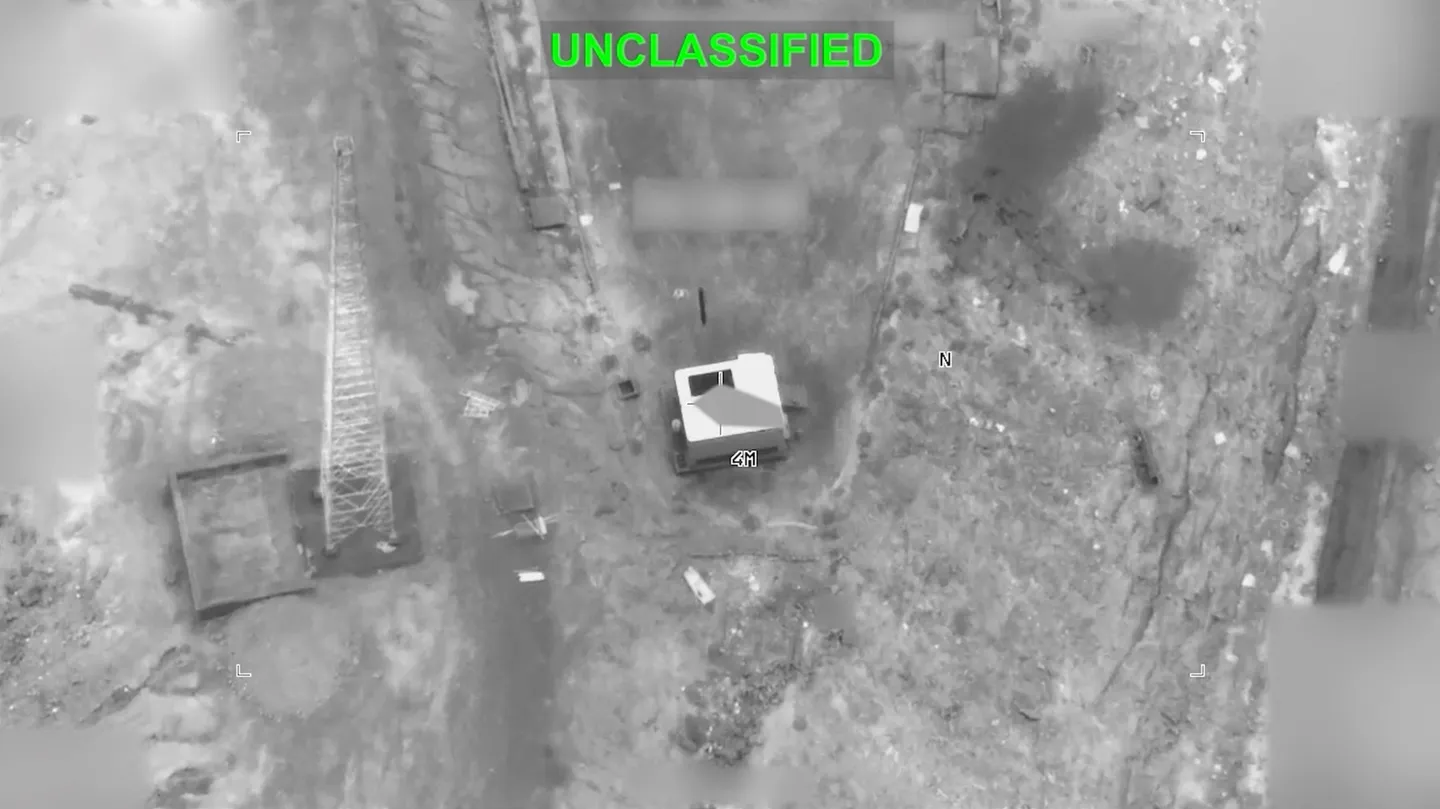
US missile strikes on Iran’s Khuzestan province killed seven people. A video screengrab shows what US Central Command described as a strike on an Iranian military target.
The United States and Iran returned to a wartime footing after their most significant exchange in weeks. Washington threatened even more devastating strikes, while Iran protested an attack it said killed five people and wounded dozens of civilians at a wedding.
The U.S. military said Tuesday night that it had completed its latest strikes on Iran, targeting Islamic Revolutionary Guard Corps positions. The action followed a weekend exchange of fire as the war with Iran escalated.

The latest U.S.-Iran strikes sent oil prices and bond yields sharply higher, shifted expectations toward a Federal Reserve rate hike rather than a cut, and prompted Vladimir Putin to publicly back Tehran.

Oil prices rose Wednesday as tensions in the Middle East continued to escalate after the U.S. attacked Iran and Tehran reportedly struck back at U.S. allies. Brent crude gained more than 2%.
Iranian state media says US strikes in two separate incidents killed 11 people, including four at a wedding in southern Iran. The attacks followed US strikes on what Washington described as Iranian military targets and Iranian missile and drone fire at sites across the Middle East, ending a month-long lull and escalating hostilities.
Asian stocks fell sharply at the start of Wednesday trading as panic sparked by the bond market spread into the region. Renewed U.S. attacks on Iran also drove oil prices higher.

Iran says a series of US strikes near the southern port city of Sirik killed at least four people, including a child at a wedding party. Iran’s health ministry says 50 others were injured in the attacks.

U.S. forces completed another wave of strikes inside Iran on Tuesday, hitting multiple sites linked to the Islamic Revolutionary Guard Corps as tensions in the Middle East flared again.

Iran says a US strike hit a wedding in Sirik as attacks targeted sites across the country. Tehran vows a “firm response.”

Tehran has promised “severe punishment” and retaliation against Washington after a new wave of US attacks, while striking back at Gulf neighbours and Jordan.
The Trump administration is considering a new round of tariffs on imported semiconductors, potentially raising duties on foreign chips to attract more manufacturing to the US. Commerce Secretary Howard Lutnick said the plan could include exemptions for US manufacturing.
Apollo Global Management Chief Economist Torsten Slok says US yields are likely to rise because of the Iran war and tariffs. He says the upward pressure has little to do with the fiscal situation.
China is expected to permit refiners to export roughly steady volumes of refined fuel this month compared with August, five trade sources briefed on the matter said. The move would let refiners benefit from stronger overseas margins as Beijing continues easing export controls.
Trade turnover between Russia and Mongolia rose 18.1% year-on-year to $1.57 billion in the first half of 2026, according to Kremlin materials. Russia remains Mongolia’s second-largest foreign trade partner after China, while exchanges in science and technology, culture and education are also expanding.
Ningxia has exported 3,304 live cattle to Uzbekistan so far in 2026 as trade cooperation under the Belt and Road Initiative grows. The region shipped Simmental beef cattle there for the first time, while participating businesses increased from one to 13, making live-cattle exports a new driver of foreign trade.
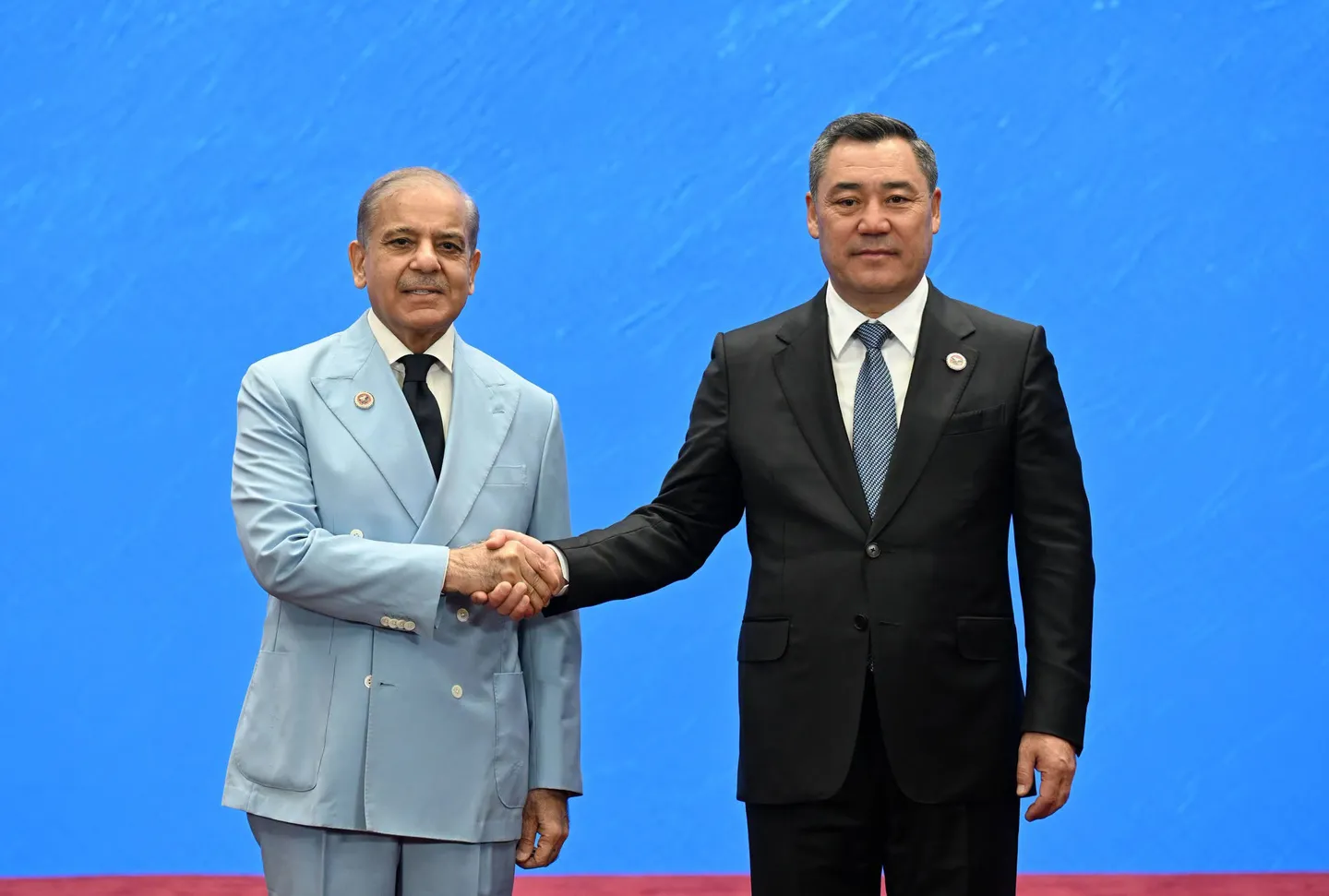
Kyrgyz President Sadyr Japarov met Pakistani Prime Minister Shehbaz Sharif in Bishkek as the two countries seek to increase bilateral trade to $200 million.

The Minutes Reader extension turns the original page into a focused reading view and translates articles and video subtitles on demand. It is in limited beta.