US Trade Gap Widens to Largest Since Early 2025 on AI Push
The US trade deficit expanded sharply in July to its widest level since early 2025, driven by a surge in imports of computers and other technology equipment linked to the AI push.
Anthropic PBC is close to completing an expansion of its revolving credit facility to $15 billion, people familiar with the matter said. The move would remove a hurdle before the artificial intelligence company files for its highly anticipated IPO.
Amazon’s Labor Day sale runs through Sept. 7 and spans products across categories. Deals from Brooks, Stanley, Shark, Kiehl’s and other brands offer savings of up to 78%.

The UN warns that a “supersized” El Niño will hit the global economy. Drought is already affecting UK cider producers, while Nvidia has bought Hugging Face for $12.9 billion.

Uber is eliminating 3,300 jobs worldwide by removing management layers and combining teams. The company says the savings will support growth in areas including robotaxis.
Artificial intelligence is prompting a reassessment not only of who wins and loses, but of how economies fundamentally operate.
More than 160 US companies were unable to rule out the use of sanctioned smelters by their suppliers in a test of Western efforts to clamp down on conflict minerals. Volkswagen and Amazon were among the companies naming blacklisted groups as potential suppliers.
Mainland Chinese investors shifted into Hong Kong-listed artificial intelligence stocks in August, using a market dip to increase exposure to advanced technology while reducing holdings in traditional industries. MiniMax Group, an AI model developer, recorded HK$10.1 billion in net buying, the highest among eligible companies.

South Korea’s semiconductor exports have tripled from a year earlier, prompting questions about whether the surge could become a vulnerability. If growth in the sector slows, the report asks, could it pull the Korean economy down with it?

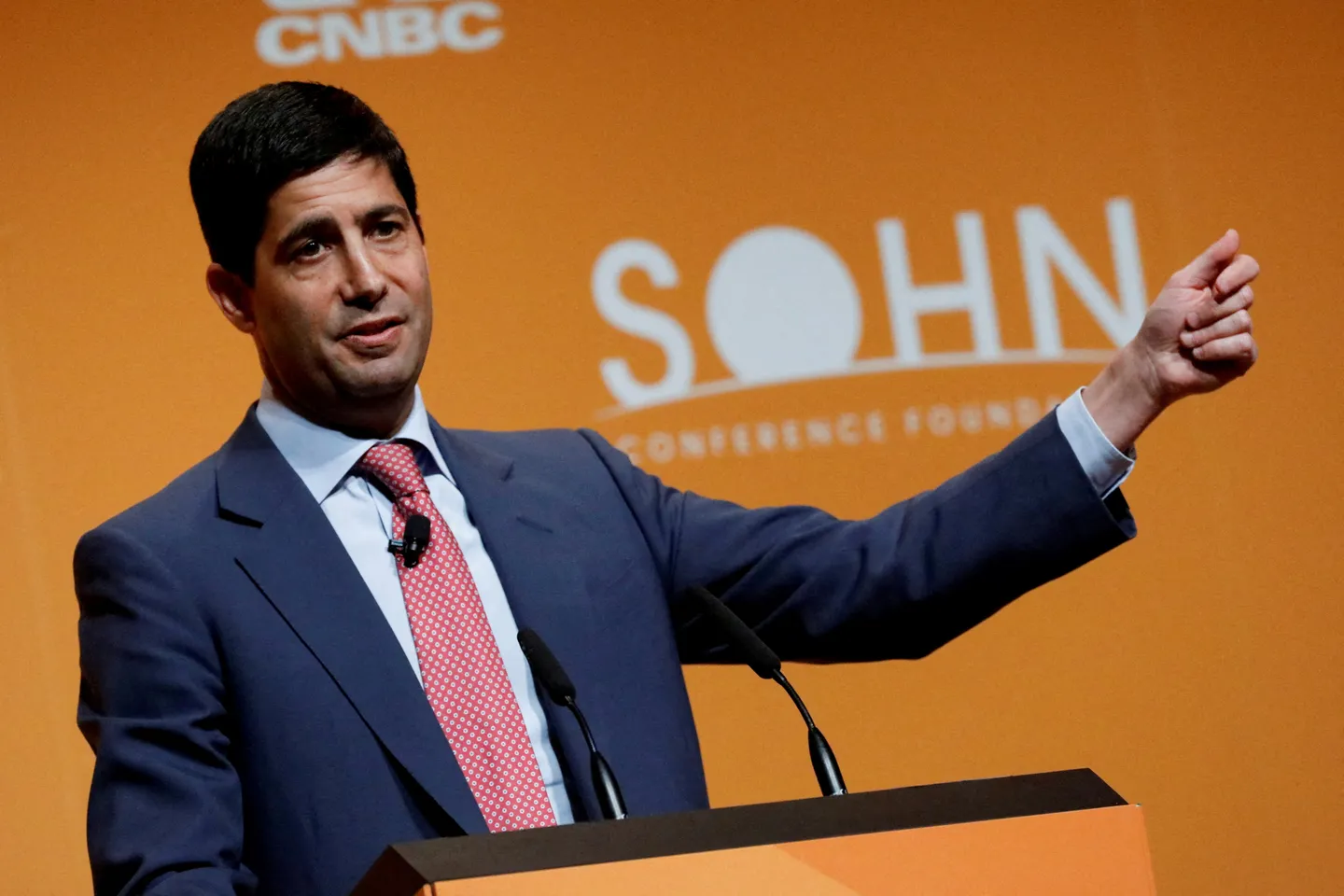
CNBC’s Jim Cramer said investors are not abandoning AI or technology stocks, but are rotating out of high-multiple names and into cheaper stocks.

Broadcom expects artificial-intelligence chip sales to surge over the next two years, reviving optimism that it can challenge Nvidia’s dominance in the market.
Broadcom forecast quarterly revenue below Wall Street estimates on Wednesday, signaling that intensifying competition could limit gains from its custom processors.
Michael Khouw explains how he is positioning in Oracle ahead of next week’s earnings report.

Varun Datta of Truth Ventures argues that crypto venture capital’s shift toward later-stage deals is a consensus trade disguised as discipline. Proven companies received 57% of last quarter’s funding, while he sees the founding-stage gap as the source of returns and identifies three things to watch.

Tencent-backed Chinese AI chipmaker Shanghai Enflame Technology attracted online investor orders worth 6,109 times the shares available in the online portion of its Shanghai IPO, according to an exchange filing on Wednesday.
The Trump administration is considering a new round of tariffs on imported semiconductors, potentially raising duties on foreign chips to attract more manufacturing to the US. Commerce Secretary Howard Lutnick said the plan could include exemptions for US manufacturing.
Uber is cutting about 10% of its global workforce in a major restructuring designed to reduce management layers and redirect spending toward its ride-sharing, delivery and robotaxi businesses.
Berkshire CEO Abel said Alphabet is a significant player in artificial intelligence after Berkshire increased its stake in the company during the second quarter.

Treasury Secretary Scott Bessent said China blocked the Group of 20 from issuing a joint communique after finance ministers and central bank chiefs met this week, citing a dispute over China’s huge trade surplus.
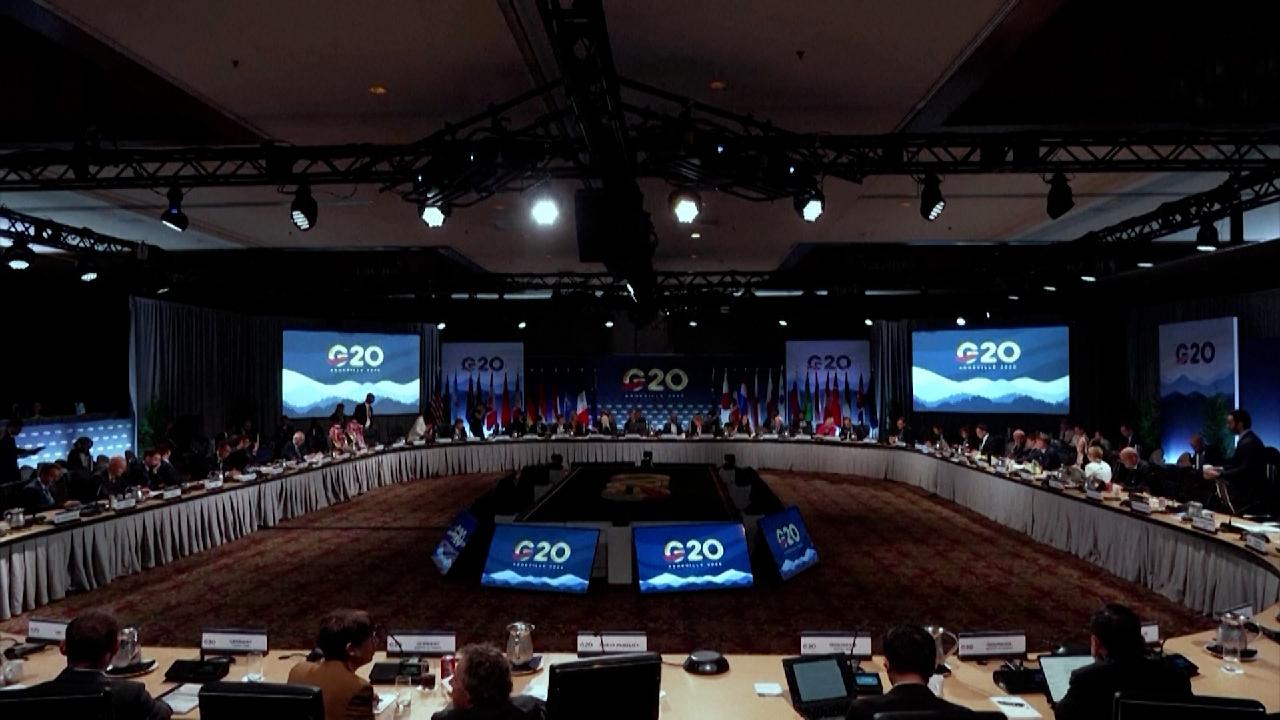
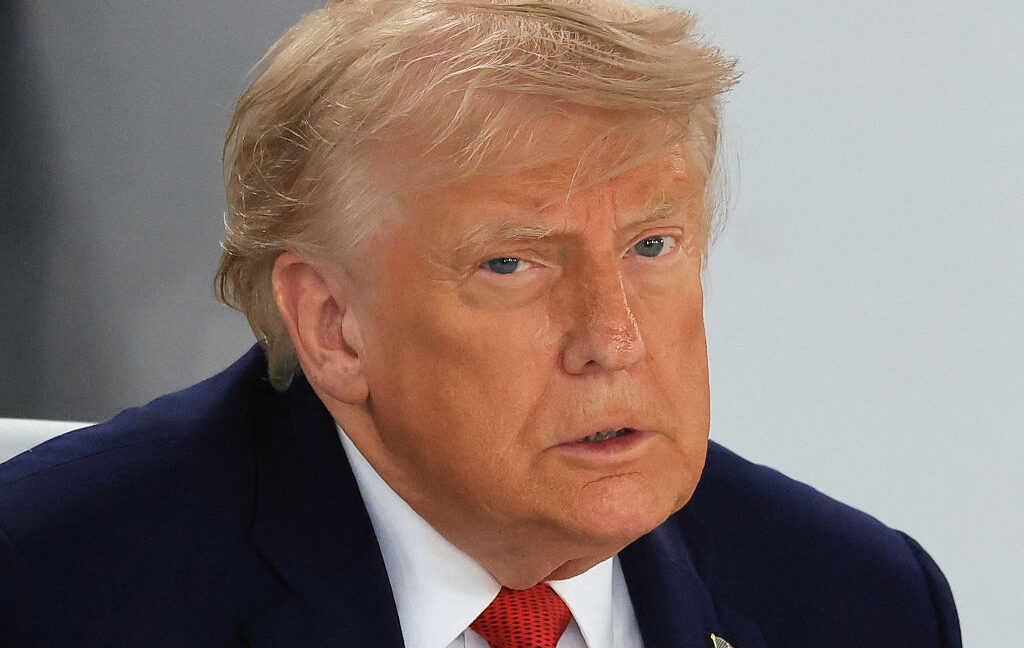
US President Donald Trump described the G20 finance ministers’ meeting in Asheville, North Carolina, as useful and positive, saying the discussions were “very productive and positive.” The meeting of finance ministers and central bank governors took place on August 31 and September 1. Trump also urged countries to follow the US lead by cutting taxes and regulations and boosting oil production.
US Treasury Secretary Scott Bessent said G20 finance ministers and central bank governors meeting in Asheville, North Carolina, failed to reach agreement on a joint communique. He attributed the lack of consensus to China’s position and said the United States, as chair, had prepared a final statement.

G20 finance leaders ended two days of talks in Asheville, North Carolina, with broad support for a final statement despite tensions over Russia’s participation and disagreements with China. US Treasury Secretary Scott Bessent said Moscow’s presence did not disrupt the discussions, which also covered the Middle East war, tariffs, global trade imbalances and continued support for Ukraine.

Scott Bessent said China dissented from language in a G20 statement opposing markets being flooded with “cheap exports.” He is leading the Trump administration’s plan to choke off Iran’s economy by threatening its business partners with secondary sanctions.

The two-day G20 Finance Ministers Meeting has ended in North Carolina, where participants sought broad agreement on global economic policies. A separate G20 technology forum held in the state at the same time focused particularly on artificial intelligence.

US Treasury Secretary Scott Bessent urged G20 members to follow the Trump administration’s approach of using tariffs and other measures to protect domestic industries and jobs from Chinese imports. He said trade distortions were draining global growth, while officials also discussed uncertainty from debt, inflation and tariff disputes. Economists and politicians have criticised US tariffs for raising consumer costs and straining allies.
Gansu's fresh apple exports rose 12.1% year on year to 320 million yuan in the first seven months of 2026, while apple juice exports increased 13.6% to 280 million yuan. Customs measures including green channels, digital inspections and compliance guidance are helping exporters speed clearance and meet international standards.
Taiwanese companies are planning to invest a further $20 billion in the United States, Taiwan’s economy minister said, citing demand for artificial intelligence applications. The minister gave no details, while a visiting U.S. official responded warmly.
People across Taiwan are taking out loans and even remortgaging their homes to chase gains in an AI-driven stock boom, but not everyone is profiting.
Demand for artificial intelligence and domestic technology substitution drove Chinese listed companies’ profits to their fastest growth in four years during the first half, highlighting a K-shaped economy as the country moves away from credit-fuelled expansion. Profits on Shanghai’s chip-heavy Star Market more than quadrupled year on year, while Shenzhen’s ChiNext rose 33%.

A closely watched gauge of artificial intelligence token prices has reached fresh lows.

Seattle’s luxury housing market is struggling as AI-related job cuts and taxes weigh on the tech hub. The region illustrates what happens when pressures on technology and wealth converge, contrasting with booming San Francisco.
SoftBank-backed data-center developer SB Energy disclosed in U.S. IPO paperwork on Tuesday that its revenue rose 66.4% in the first half of 2026, as AI infrastructure companies seek to benefit from surging investor appetite.

SB Energy, an artificial intelligence data center company backed by SoftBank, Nvidia and OpenAI, has filed for an initial public offering. The company has not generated revenue from its data center business, and none of its facilities is operational yet.
As with every bubble, the crucial question is how the artificial-intelligence boom is being financed.
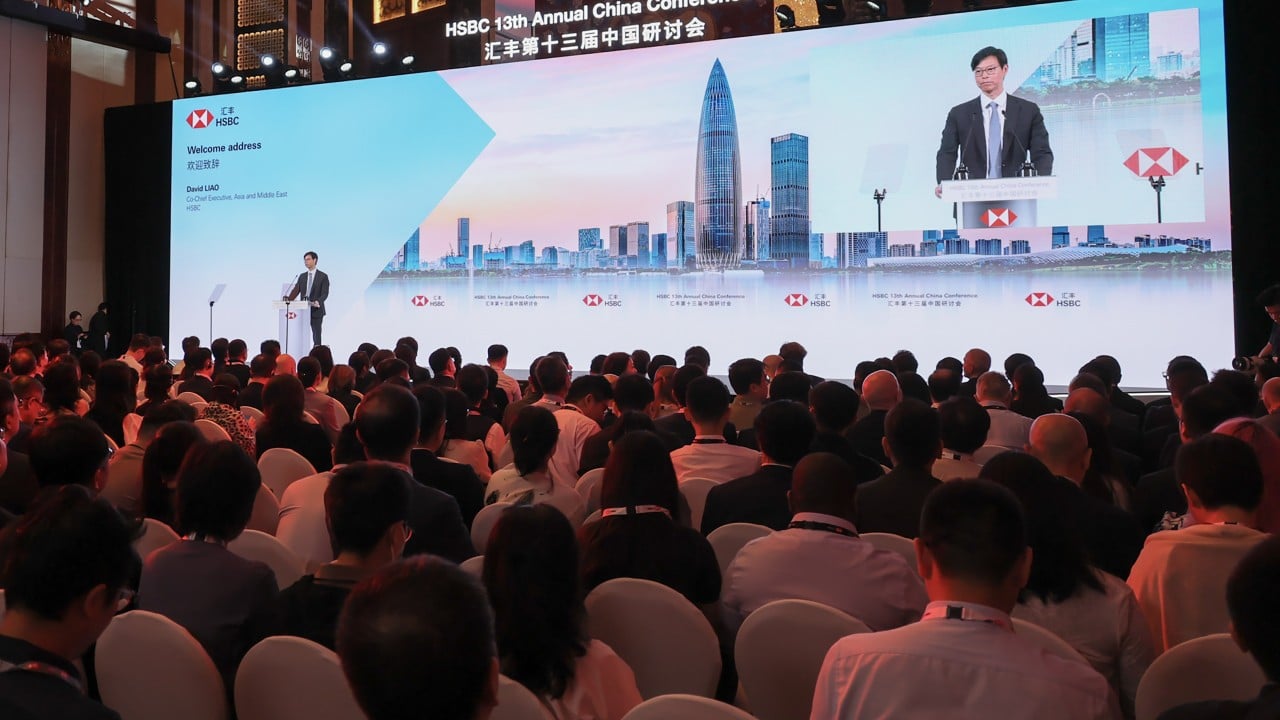
Investors and business leaders are arriving in Shenzhen as global interest in China’s artificial intelligence and robotics industries grows. HSBC, UBS and Nomura each held investor conferences in the technology hub on Tuesday, with AI, robotics and other emerging technologies high on their agendas.

South Korea unveiled its most aggressive fiscal spending plan on record, proposing 821 trillion won ($596.92 billion) in total government expenditure for 2027 to strengthen its technological edge in the global AI race.
Private surveys showed that a surge in worldwide demand for AI hardware kept Asian factories busy in August, improving the outlook for the export-dependent region. The prolonged war in the Middle East continued to drive uncertainty and higher costs.
Japan’s manufacturing sector strengthened in August, with new business expanding at its fastest rate since January 2018, a business survey showed. Robust demand for semiconductors and AI-related products supported the increase.
UK retailers increased prices last month by the most in over two years. Higher energy costs raised the price of some processed foods, while the artificial intelligence boom increased costs for consumer electronics using similar components.
The Federal Trade Commission and 22 states accused retail giant Amazon of deceiving businesses by charging excessive prices for advertising on its vast retail platform, allegedly pocketing billions of dollars for the company.

The FTC and 22 state attorneys general are suing Amazon, alleging it used a “secret ad surcharge” to raise advertising prices on its website and app. The complaint says Amazon manipulated ad auctions and may have unlawfully extracted more than $20 billion from advertisers. Amazon calls the case misguided and says the FTC misunderstands advertiser behavior.

The US Federal Trade Commission and 22 states accuse Amazon of manipulating online advertising auctions, allegedly overcharging more than a million advertisers and making about $20bn since 2019. Amazon strongly rejects the claim and says the FTC misunderstands its advertising market.
The US Federal Trade Commission is preparing to sue Amazon over allegations that the e-commerce giant misled advertisers about prices, according to a person familiar with the matter.
The Federal Trade Commission alleges that Amazon manipulated advertising prices and overcharged about 1.2mn businesses seeking to promote their products.

The Federal Trade Commission sued Amazon, alleging that the ecommerce giant misled advertisers through a deceptive auction system.
Foreign investors increased their exposure to yuan-traded Chinese stocks by about one-third in the second quarter, targeting companies linked to the artificial-intelligence supply chain and China’s strategic green-energy sector. Global fund managers held 10.1 billion mainland-listed shares at the end of June, up from 7.5 billion in the first quarter, while the value of those holdings rose 87% to 272.8 billion yuan (US$40.6 billion).

Chinese markets are seeing a surge of new public share listings, fueled by enthusiasm for artificial intelligence. Shein’s Hong Kong listing comes amid a broader IPO boom also driven by robotics.
The head of the world’s financial stability watchdog warned that advanced AI models pose a serious risk to the global financial system.
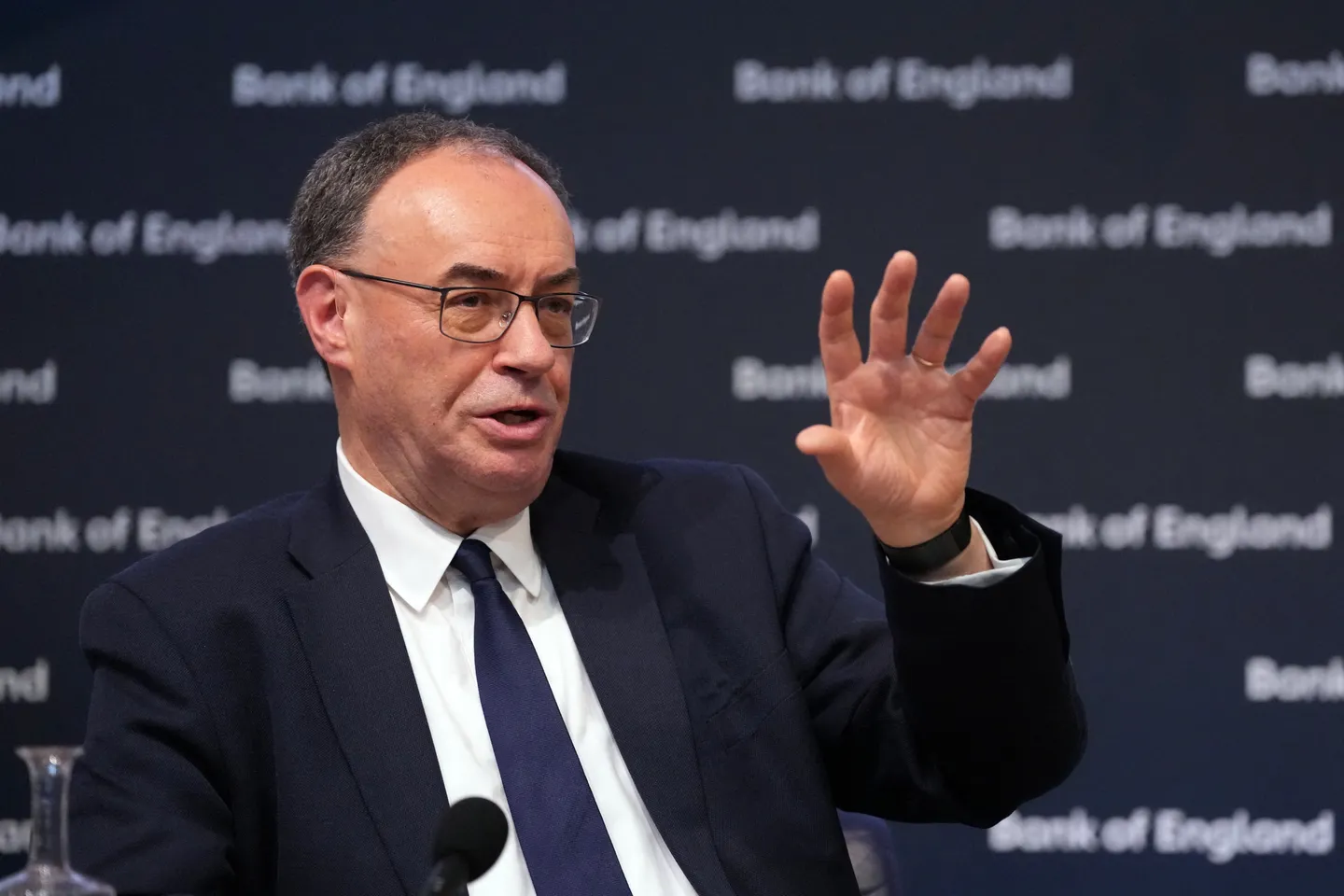
Bank of England Governor Andrew Bailey warned that new AI models could pose a growing danger to the global economy. He said jurisdictions should strengthen cybersecurity and preventive measures to address vulnerabilities capable of causing serious harm.
SLB said Monday it will buy cooling equipment maker Kelvion from Apollo Global and funds managed by Triton for $3.4 billion in cash. The acquisition expands SLB’s data center business as rapid AI adoption boosts demand for power and cooling infrastructure.
Private equity groups face a $40bn maturity wall in 2028 as they seek to refinance software buyouts made during the Covid era, while companies pay heavily for time to respond to the threat from artificial intelligence.
At Jackson Hole, global central bankers imagined a world in which AI-powered trading is so widespread, fast and effective that the Federal Reserve would need separate news conferences for humans and machines, so people are not entirely shut out of responding to monetary-policy shifts.
Bank of England Governor Andrew Bailey warned that frontier AI could materially increase cyber risks facing the global financial system.


Bank of England Governor Andrew Bailey warns that artificial intelligence models are creating new risks for global financial stability.
Andrew Bailey, head of the world’s financial stability watchdog, has urged G20 countries to address the risks artificial intelligence poses to the financial system, including by controlling the release of new frontier models.
Jane Street’s bets on artificial intelligence have gone sour. The item also points to angry Woodford investors, a boom in fund-management deals and Lucian Freud in Denmark.
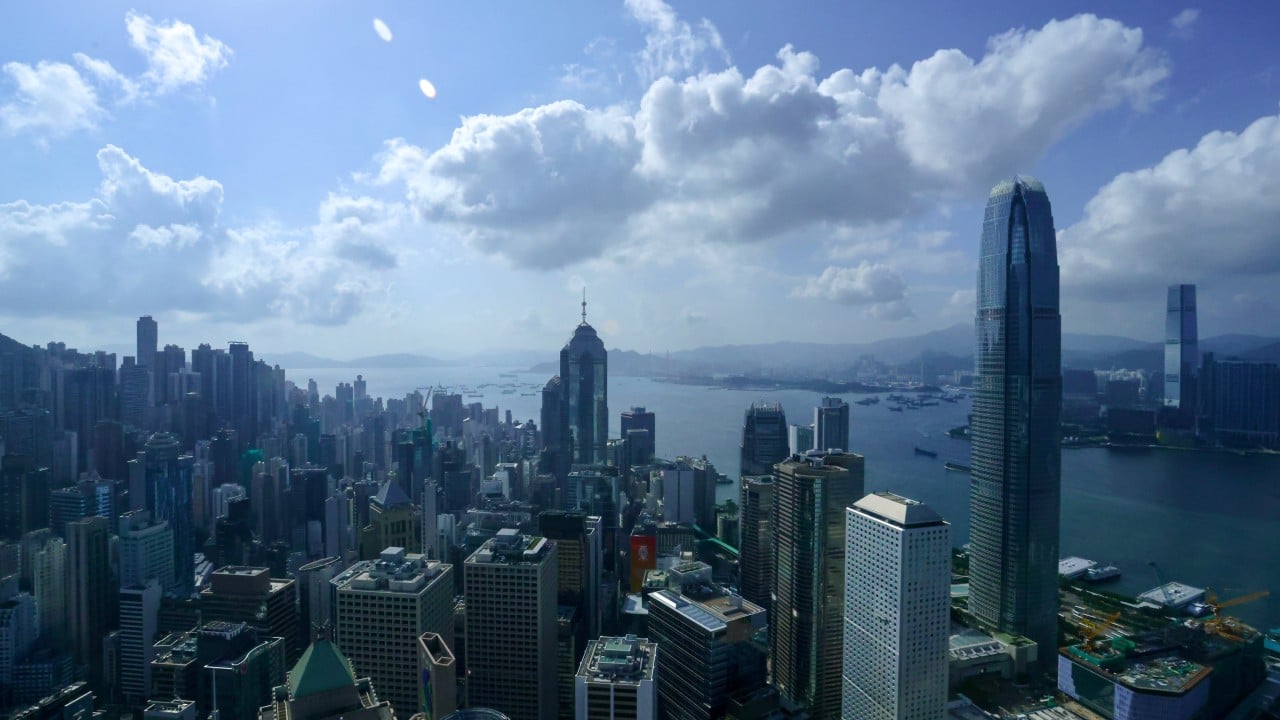
Hong Kong remained Asia’s leading city for billionaire residents last year, while mainland Chinese cities rapidly narrowed the gap as the artificial intelligence boom generated new wealth, according to Altrata. Hong Kong ranked second globally behind New York, with Beijing and Shenzhen also placing among the top 15.

Jio Platforms, India’s largest digital and telecom operator, has received regulatory approval to pursue an initial public offering. Another major listing, by the National Stock Exchange, is still waiting for regulatory clearance.

In his Sunday column for Investing Club subscribers, Jim Cramer examines the connection between Nvidia’s stock, the oil market and the Federal Reserve to explore what drove the company’s sharp reversal on Friday.

Analysts say large paper gains from Big Tech investments in OpenAI, Anthropic and SpaceX have added $160bn to profits while making the technology sector’s earnings metrics harder to interpret.
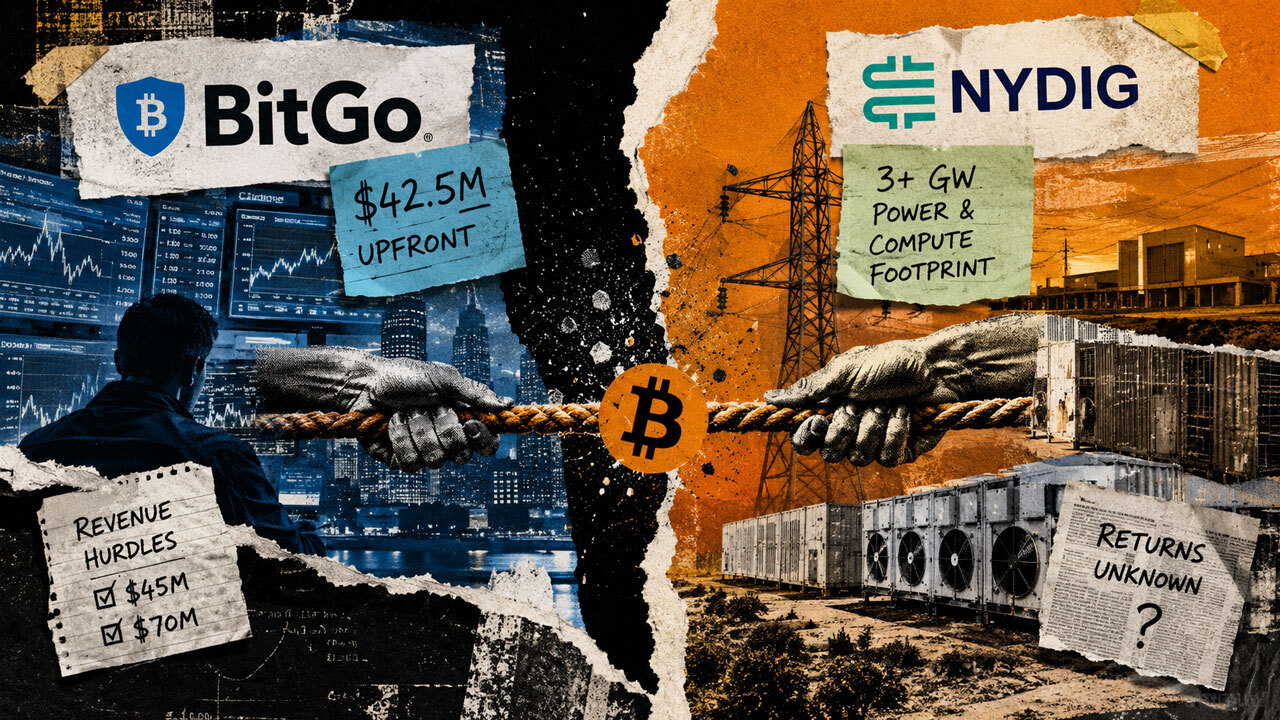
BitGo is acquiring NYDIG’s institutional trading business, including about 30 employees and institutional client relationships, for roughly $42.5 million upfront, with additional earn-outs tied to revenue hurdles. NYDIG is focusing resources on power, Bitcoin mining and high-performance-computing data centers, claiming a footprint above 3 GW without disclosing its returns.

Pharmaceutical shares surge as investors look for alternatives to artificial intelligence, supported by pricing agreements with the White House and encouraging clinical data.
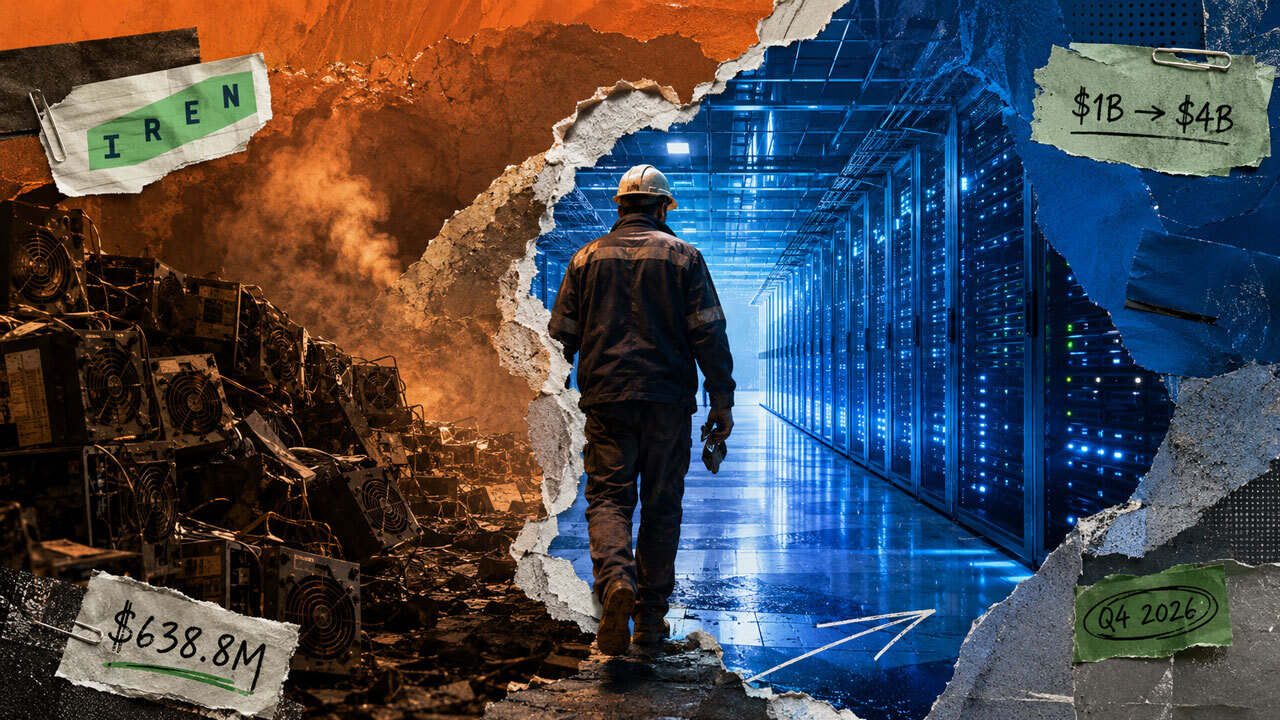
IREN generated $578.2 million of its $707 million in fiscal 2026 revenue from Bitcoin mining, or about 81.8%, while AI Cloud Services contributed $128.8 million. Retiring mining equipment for AI data-center workloads caused a $638.8 million non-cash impairment and contributed to a $702.6 million net loss. The company is targeting a broader AI transition by year-end, but its filing says the replacement business is not yet fully operational.

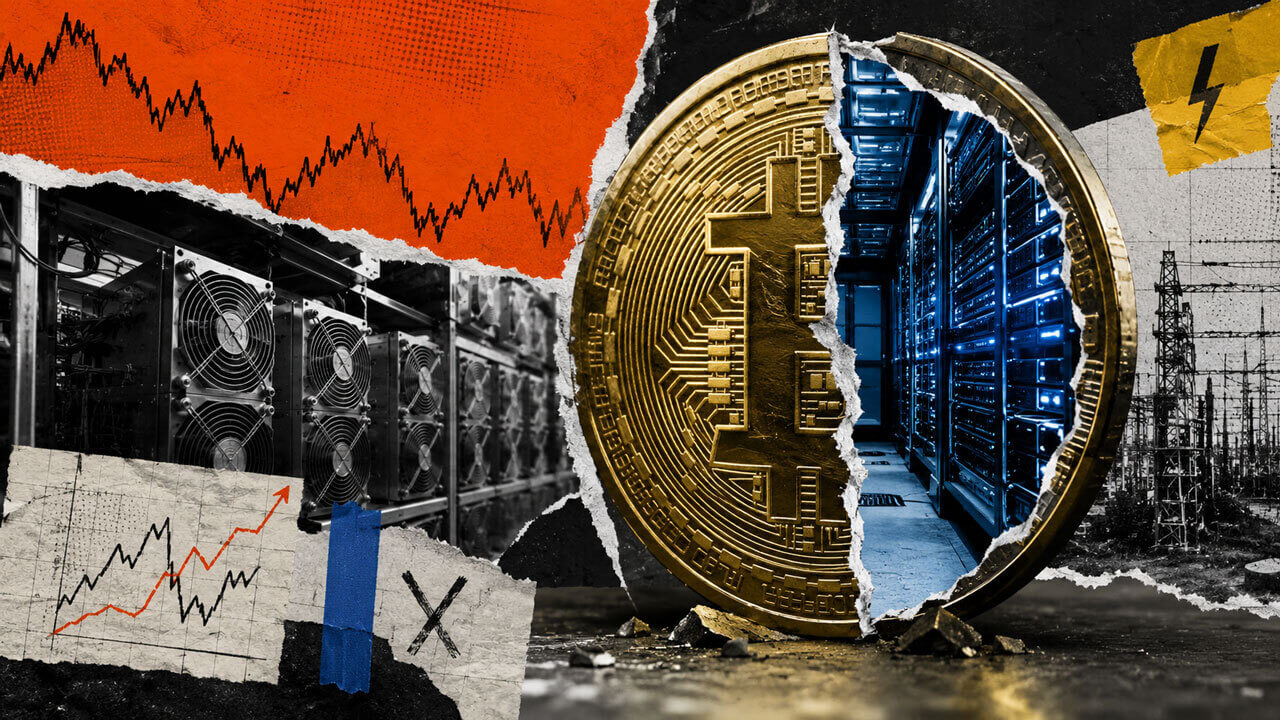
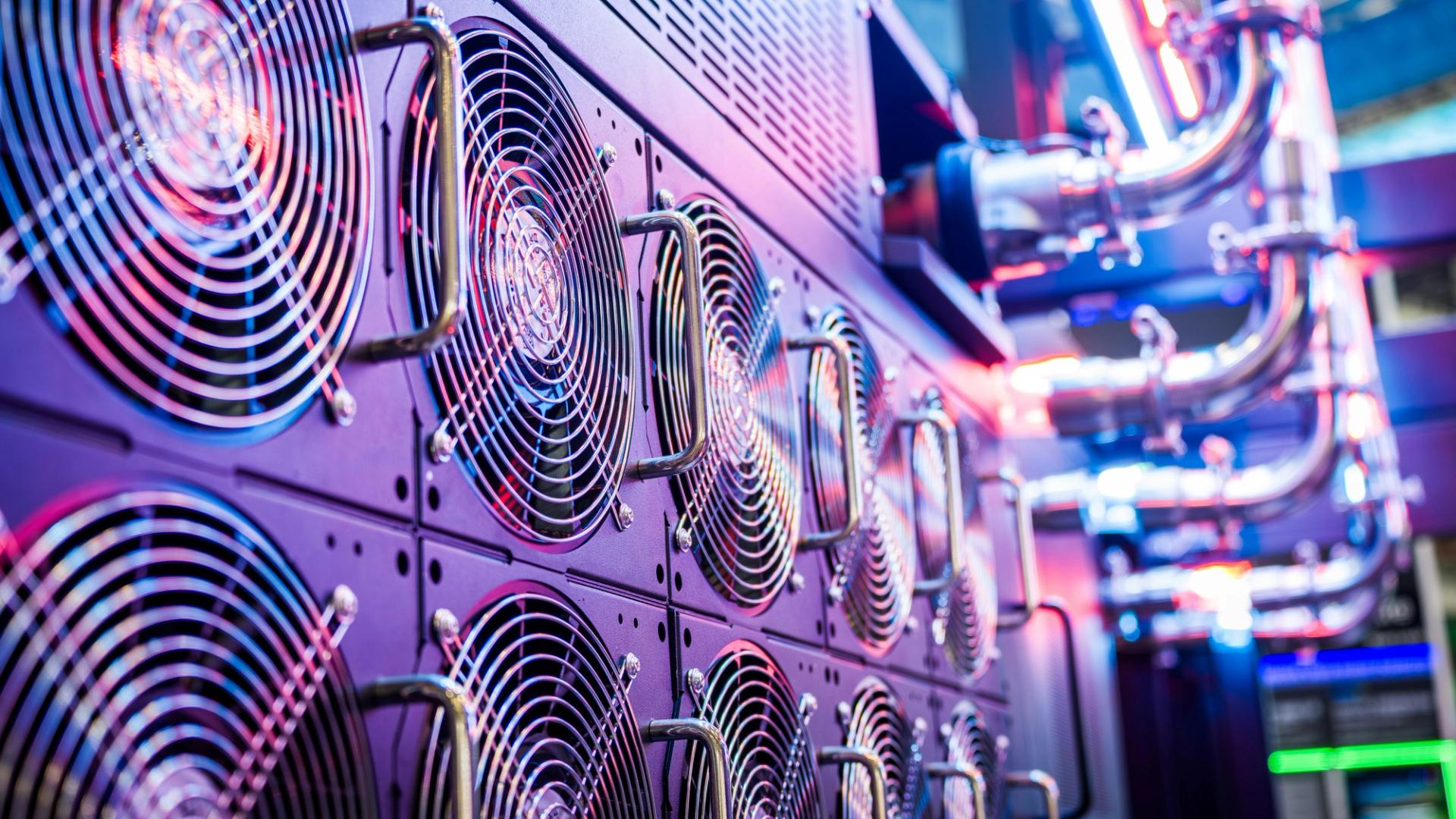
Bitcoin-miner stocks diverged from Bitcoin during a strong week for the cryptocurrency as several companies shifted electricity, land and grid capacity toward AI infrastructure. TeraWulf, Hut 8, IREN and Cipher are adding high-performance-computing leases or cloud revenue, making their valuations less dependent solely on Bitcoin prices and mining income.

Salesforce, CrowdStrike and Nvidia each faced major investor tests this week, yet all three companies decisively beat expectations. Their results point to an AI buildout that is not a zero-sum game.

Amazon and Walmart are offering discounts of up to 50% on household essentials this weekend, including batteries, toilet bowl cleaner and dishwasher detergent.

Long-term bond yields may be rising because investors expect an AI-driven productivity boom, rather than solely because of worries about inflation and growing government debt, said Jacob Manoukian, JPMorgan Private Bank’s U.S. head of investment strategy.
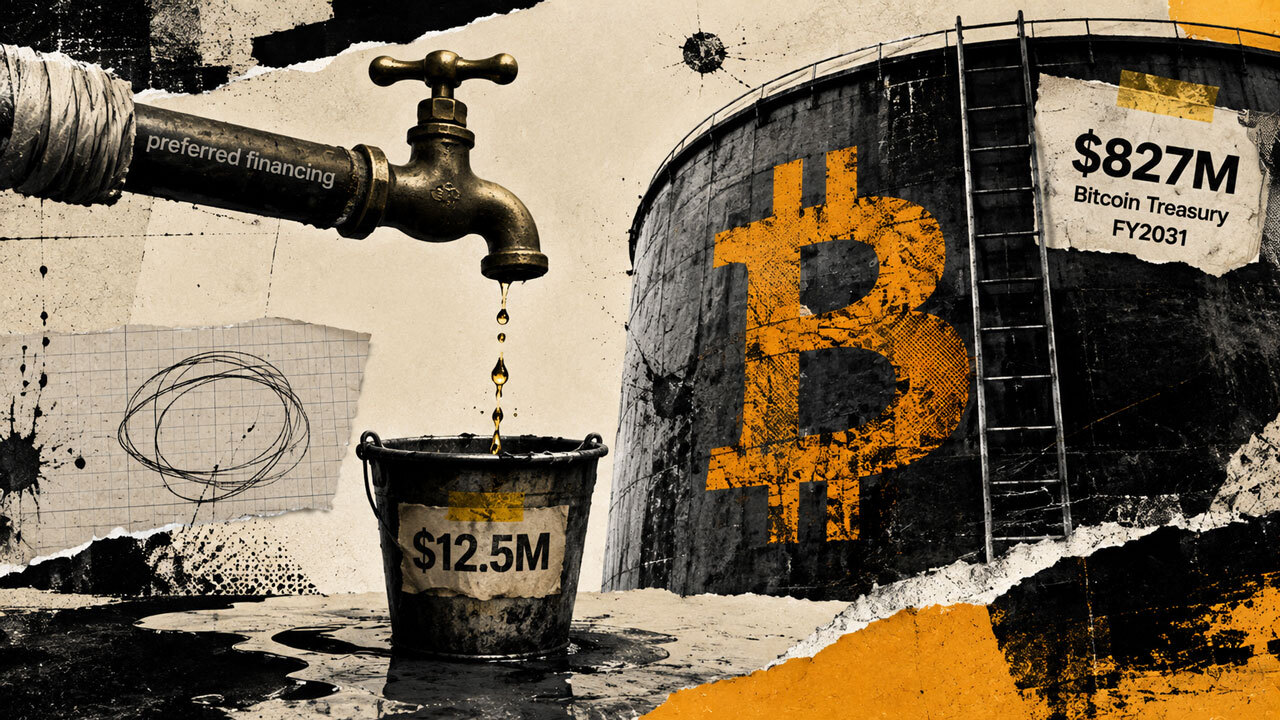
AI education company Genius Group has proposed a $12.5 million perpetual preferred offering to restart a Bitcoin treasury targeted at $827 million by fiscal 2031. It previously sold its remaining Bitcoin and repaid $8.5 million in debt. Because proceeds would also fund an AI portfolio and dollar reserve, the initial Bitcoin allocation remains unknown, while key offering terms await approval.

Federal Reserve Chair Kevin Warsh warns that US interest rates could increase if inflation remains above 2%.


Federal Reserve Chair Kevin Warsh said at Jackson Hole that the central bank would have more work to do if it could not confirm underlying inflation was returning to its 2 percent target quickly enough. He said financial conditions did not appear restrictive enough, leaving open the possibility of rate hikes, while stressing he offered no timeline or forward guidance.

Federal Reserve chair Kevin Warsh said summer inflation readings had improved less than expected but had not meaningfully changed the picture. He said the Fed must be confident underlying inflation is moving back to its 2% target quickly enough, otherwise it has “work to do”, suggesting rates could rise while stressing this was not forward guidance.
Wall Street’s main indexes were subdued on Friday after Federal Reserve Chair Kevin Warsh reiterated his focus on returning inflation to the central bank’s 2% target. A rally fueled by artificial intelligence stocks in the previous session also faded.
U.S. stock funds saw their heaviest weekly outflow in five months in the period ending Aug. 26. Investors were rethinking artificial intelligence’s prospects before Nvidia reported results and waiting for remarks from Federal Reserve Chair Kevin Warsh that could prove pivotal.
Apple has raised subscription prices for Apple TV and Apple One in the U.S. The company increased Apple Music prices by $1 a month in July, citing higher licensing costs.

Bybit will introduce 24/7 options trading on stock perpetuals from Sept. 17, initially covering SPCX and NVDA. The contracts will support fractional lots and USDT settlement.

Global equity funds ended a 13-week run of inflows in the week through August 26, as investors adopted a cautious stance before AI heavyweight Nvidia’s earnings report and potentially pivotal comments from Federal Reserve Chair Kevin Warsh.
Bernstein says IREN’s planned $25 billion-$30 billion AI expansion may have unsettled investors. The company has $4 billion in contracted cloud ARR for 2026 capacity and has secured more than $20 million in annual revenue per IT megawatt through recent deals.

Reuters Open Interest’s weekly Friday feature distills the financial week into five charts, highlighting the main trends, surprises and overlooked moves of the past five days. This edition focuses on gridlock around Hormuz, a clash involving Canada and investor nerves over Nvidia.
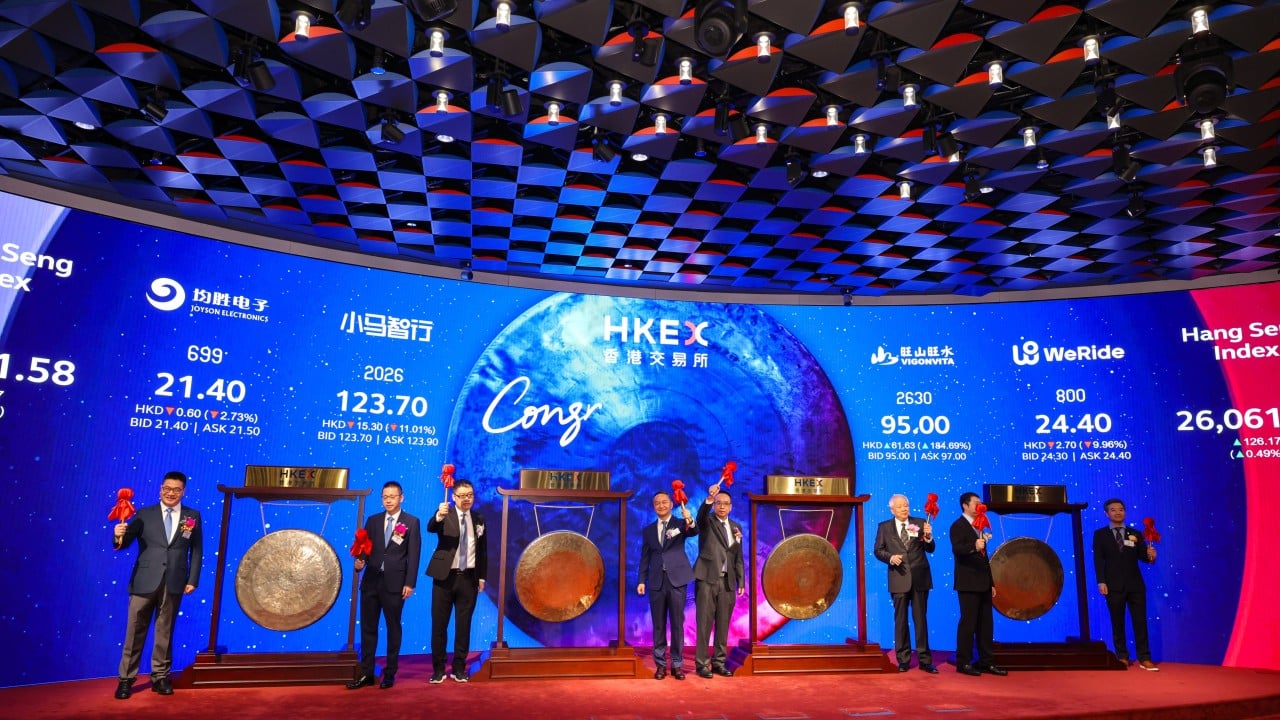
Hong Kong Exchanges and Clearing will add 10 companies, including autonomous-driving firms Pony AI and WeRide, to its Tech 100 Index in a quarterly reshuffle. The changes will increase the benchmark’s exposure to artificial intelligence and other emerging technologies.

Cryptocurrency platform Bullish is extending USD.AI a $100 million debt facility to finance GPU-backed loans supporting artificial intelligence infrastructure.

IREN shares dropped 8% as weakening profitability overshadowed a major milestone in the company’s transformation into an AI cloud provider.

Amazon has signed long-term agreements to purchase electricity from four Swedish wind farms as it expands data-center capacity in the Nordic country and seeks to meet rising power demand.
After a blockbuster quarter, Nvidia, the planet’s most valuable company, is promising even more growth.
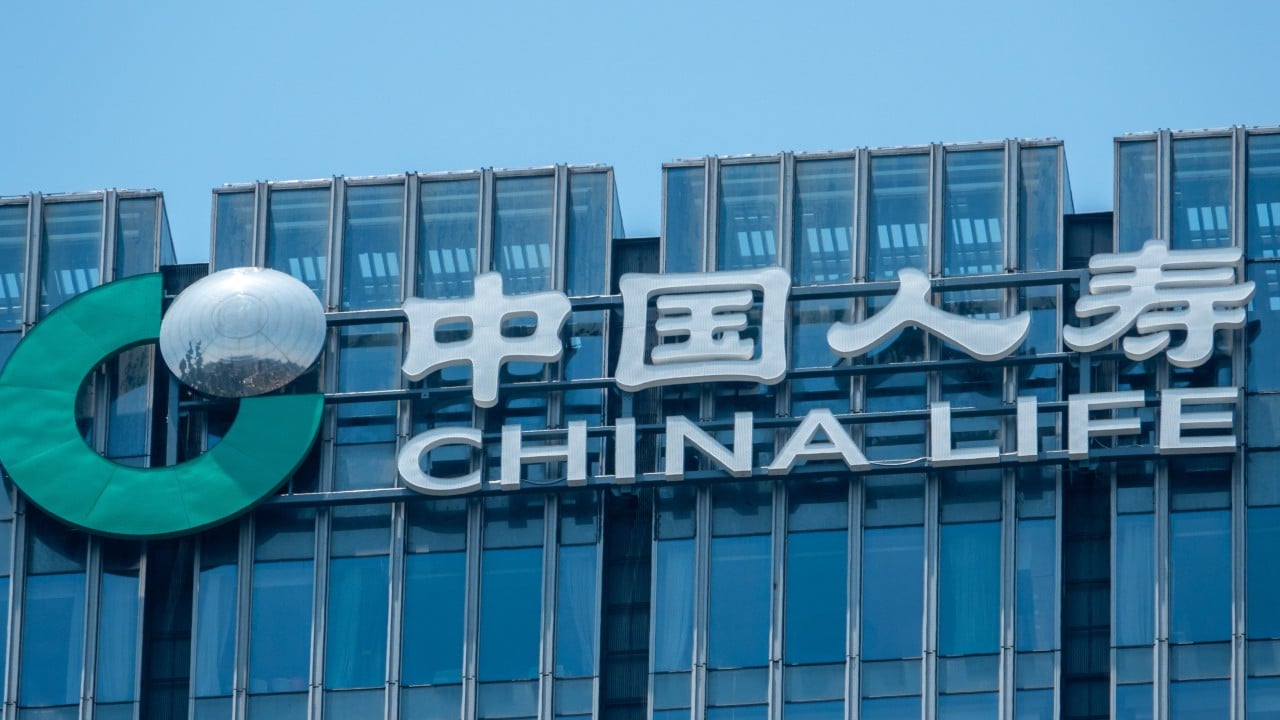
China Life Insurance, the country’s largest life insurer, reported record first-half results and said it would increase investment in technology-related sectors while seeking long-term partnerships with innovative companies. Revenue rose 81.5 per cent year on year to 434.3 billion yuan, while net profit jumped more than 228 per cent to 134.5 billion yuan.

Issuance of zero-interest convertible bonds is on track to reach its highest-ever level as volatility in AI stocks remains high and companies seek to contain borrowing costs.
Nvidia’s market capitalization climbed by $442 billion in one trading session, ranking second in history among one-day gains for an individual stock.
Asian shares turned cautious on Friday after a technology rally fueled by Nvidia, while currency and bond markets awaited remarks from the world’s most powerful central banker on U.S. interest rates.
Analysts say CATL is seeking potential growth engines beyond the EV boom by investing in areas ranging from data centres to hydropower stations. Since June last year, at least seven CATL-led equity deals worth more than 17 billion yuan have been announced in non-battery sectors, including humanoid robots, state-owned hydropower and artificial intelligence.

President Donald Trump’s administration is reportedly considering new tariffs on chips, while Nvidia is increasing its support for Chinese AI models.

Workday reported a 12.8% rise in second-quarter revenue as enterprises subscribed to its AI-powered finance and human resources software. Its outlook met estimates, but the shares slipped.
The technology industry fears Donald Trump could announce sweeping semiconductor tariffs within weeks or months, potentially “dooming” US AI innovation. People familiar with the plans say the framework may still change, with duties possibly extending beyond chips to products such as gaming consoles and data-center servers.

The Trump administration is considering another round of semiconductor tariffs and may expand them beyond chips to products such as laptops, gaming consoles and data-center servers. Commerce Secretary Howard Lutnick reportedly favors linking foreign companies’ tariff relief to investment in US chipmaking, with a possible phase-in period. US tech companies warn the move could undermine hopes of dominating artificial intelligence, while Nvidia and Apple would bear much of the impact.

The U.S. is reportedly considering imposing another round of semiconductor tariffs as technology giants race to outpace China in building AI infrastructure.
Salesforce significantly exceeded expectations with its second-quarter earnings and announced an expanded artificial-intelligence partnership with Anthropic. Its shares surged 20%, putting them on course for the company’s second-best day on record.

The Minutes Reader extension turns the original page into a focused reading view and translates articles and video subtitles on demand. It is in limited beta.