Big Take Asia
Bloomberg’s Big Take is expanding to Asia. Each week, Oanh Ha will tell a story from the home of the world’s most dynamic economies, focusing on the markets, tycoons and businesses driving the region’s constant change.

President Vladimir Putin instructed the Russian government and Central Bank to thoroughly examine plans for a modern financial center based on the Eastern Exchange, intended to draw more international capital into Far Eastern and Arctic projects. He also highlighted a public-private partnership standard and concession-bond financing model aimed at improving infrastructure investment efficiency.
As the rising cost of living takes centre stage in Quebec’s election campaign, the familiar claim that Quebec is North America’s most taxed jurisdiction has resurfaced. The claim is examined to determine whether it is accurate.
Russian President Vladimir Putin said the authorities fully understand the need to avoid overtightening the economy. He noted that the Central Bank and government are deliberately taking steps to curb inflation, and that the goal is being achieved.
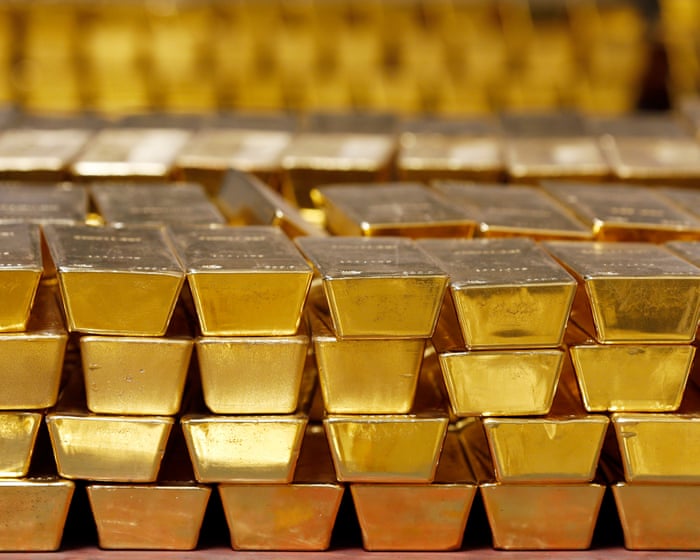
The Dutch central bank said it is moving gold bars out of the U.S. and Canada. Gold held at the Bank of England is more readily tradable, allowing it to be deployed faster in a severe crisis.

The yen extended its advance on Thursday after a sharp jump in the prior session. Traders were reluctant to credit Japanese authorities, instead pointing to a hawkish shift in expectations for domestic interest rates.
A Malaysian prince’s plan to sell a tract of land in the heart of Singapore faces a tax complication, with the bill potentially exceeding $1 billion.
Trade between Russia and China grew 22% in the first half of 2026 to more than $135 billion, First Deputy Prime Minister Denis Manturov said. He said the pace was steadily moving the countries toward their $300 billion target, while their leaders praised trade and economic cooperation as a key pillar of bilateral ties.
Russian First Deputy Prime Minister Denis Manturov said bilateral trade between Russia and China grew 22% to more than $135 billion in the first half of 2026. He said the increase brings the countries closer to their $300 billion trade target.
The yen strengthened as traders wagered on higher interest rates in Japan. The currency fell below ¥157 to the dollar after a sudden overnight jump.
New Zealand exporters are redirecting shipments originally bound for China to other markets as demand from the country’s largest buyer cools, according to a Reserve Bank of New Zealand official who spoke to CNBC.

Russia and China plan to add more initiatives to their joint investment portfolio, First Deputy Prime Minister Denis Manturov said. Six projects entered the portfolio this year, covering refractory materials, food additives and components, chemical complexes, and iron ore extraction and processing. The updated portfolio contains 65 major and 26 prospective projects valued at about $240 billion, with more than half already being implemented.
The Bank of Canada flagged inflation risks, prompting markets to increase bets on a rate hike. The item also includes the investment summit agenda.
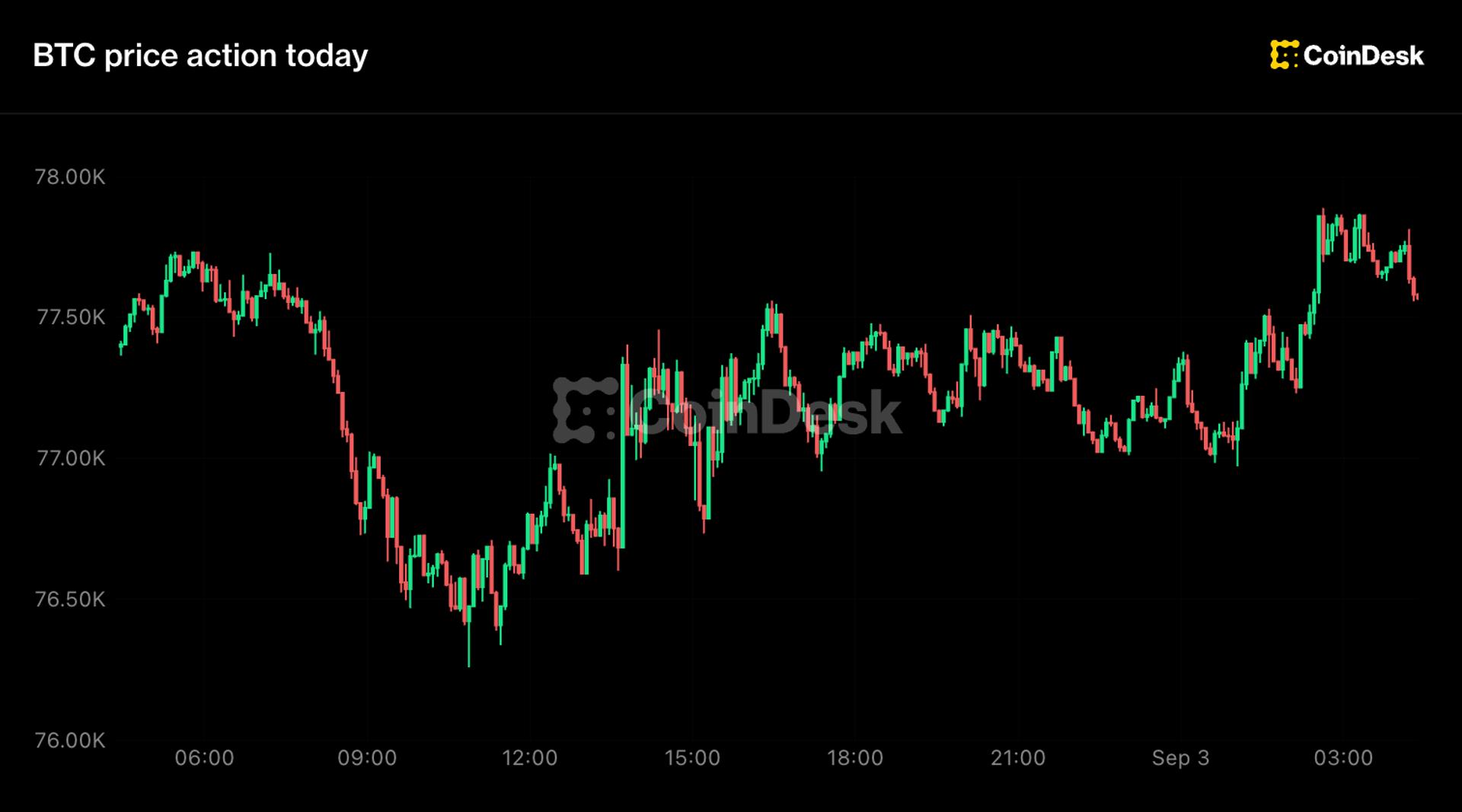
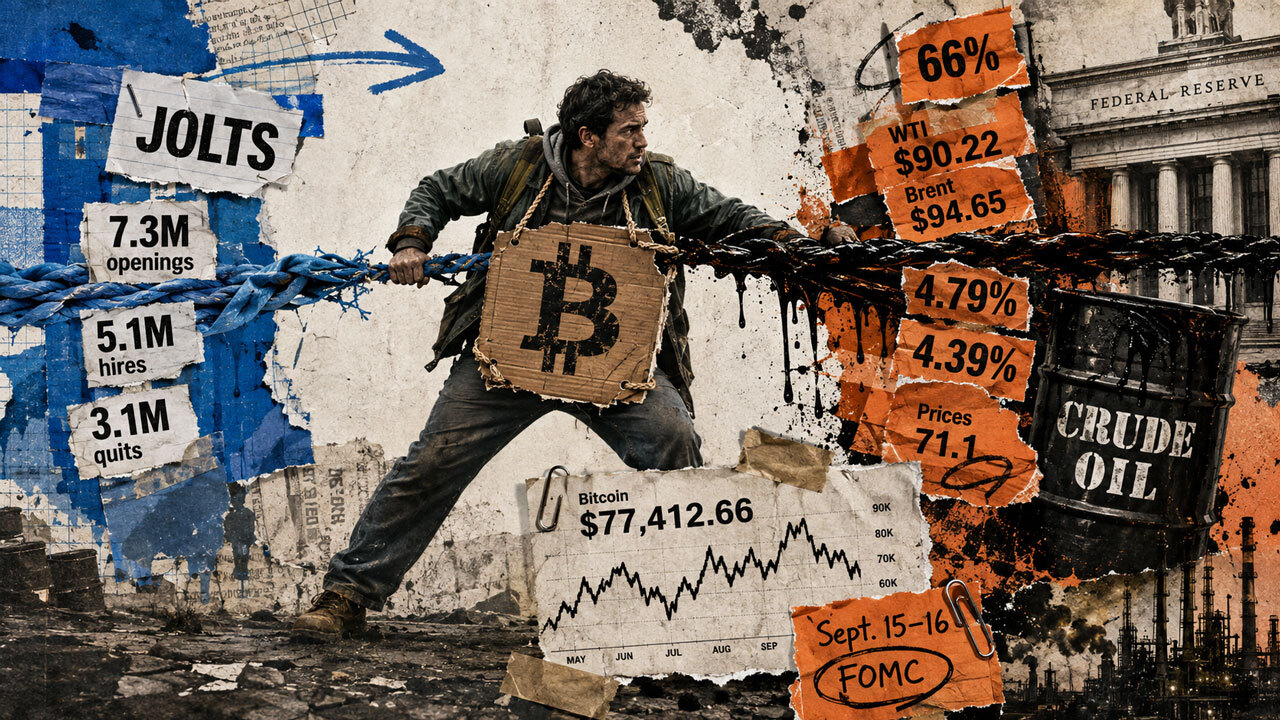
Bitcoin has climbed back above $77,500, while XRP is leading gains among major tokens as bets on a Federal Reserve rate hike approach 66%. Every major token is higher over the past 24 hours, although only zcash and Hyperliquid remain up for the week.

A global bond sell-off is being driven by heavy government debt issuance, an oil-price shock that has revived inflation fears and expectations that interest rates will remain higher. The shift toward a higher-rate era will impose costs on some economic participants.

Russia’s economy is in a state of “overcooling,” Sberbank CEO Herman Gref said, arguing that policy should shift toward supporting and stimulating investment. He said businesses need help and that Sberbank will assist marketplaces and sellers affected by drone attacks.
China’s services activity grew more quickly in August, according to a private-sector survey. Stronger domestic demand helped companies increase staffing for a fourth straight month.
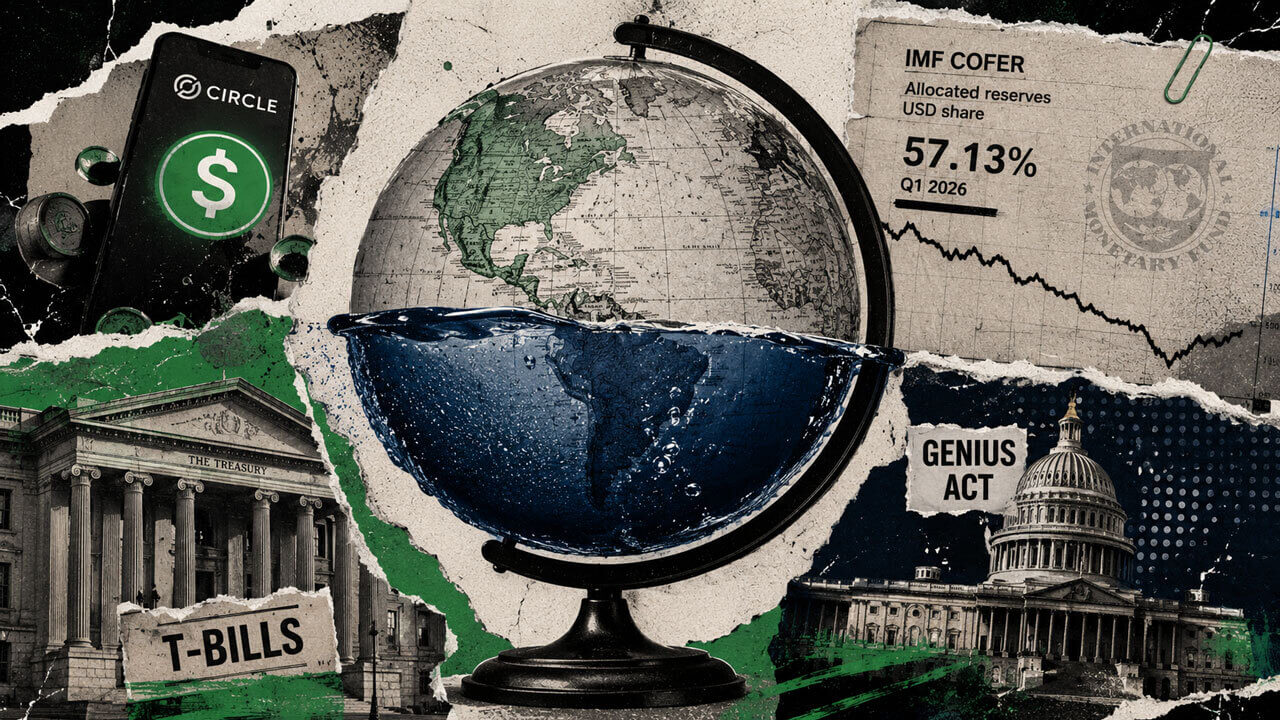
Circle President Heath Tarbert told Congress that bringing digital-dollar infrastructure under U.S. rules could reinforce the network effects behind the dollar’s global role. The article says regulated stablecoins may broaden private use of dollar tokens, steer issuer reserves toward short-term Treasuries and extend the dollar’s digital reach, while leaving official reserve choices to central banks.

Asian shares and bonds staged a relief rally on Thursday, while the yen held its gains. Investors are awaiting fresh U.S. data and central-bank comments for clues on whether the Federal Reserve will tighten policy this month.
South Korea’s semiconductor exports have tripled from a year earlier, prompting questions about whether the surge could become a vulnerability. If growth in the sector slows, the report asks, could it pull the Korean economy down with it?

IMF Managing Director Kristalina Georgieva told Reuters that swelling debt and rising bond yields in advanced economies threaten to reverse progress made by developing and low-income countries in bringing down their own debt burdens.
India’s economic growth has beaten expectations in every quarter over the past year, while the performance of its leading stock benchmarks has been deeply disappointing.

The Midwest has traditionally been regarded as a relatively affordable region for living, but that advantage may now be shifting.
A mixed Federal Reserve report says U.S. economic activity increased modestly in recent weeks, while employment rose slightly and prices climbed moderately. The findings may do little to sway policymakers as they consider whether to raise interest rates at their September 15-16 meeting.

A Federal Reserve report says the US economy expanded modestly, while inflation is clouding the outlook. Businesses broadly reported significant pressure from rising healthcare and insurance costs.
The Dutch central bank says it transferred 86 tonnes of gold reserves from the US and Canada to London, citing increasing geopolitical unrest. It said London’s deeper, more liquid market would make the reserves easier to trade and deploy quickly in a crisis.

Analysts surveyed by the Bank of Russia lowered their forecast for Russia’s 2026 GDP growth to 0.5% from 0.6% and raised their inflation estimate to 6.6% from 6.2%. The expected average key rate remained 14.5%. The survey covered 33 economists from August 28 to September 1, 2026.
The Dutch central bank is moving gold bars out of New York and prefers London, citing the bullion market’s better “tradeability” there.
The oil deal is presented as the clearest example yet of Donald Trump’s new state capitalism, while the commentary questions whether this is the right way to revive Venezuela’s economy.
The Dutch central bank says it moved 86 tonnes of gold from the US and Canada to the Bank of England because of “increasing geopolitical unrest”. More than 27 tonnes was physically transported to the UK, while the rest was sold in New York and repurchased in London to improve access during a crisis.

The Netherlands transferred 86 tonnes of gold from the United States and Canada to the United Kingdom, citing geopolitical unrest. The Dutch national bank said the move involved both buying and selling gold and physically transporting it.
The Netherlands transferred 86 tonnes of gold from the United States and Canada to the United Kingdom, according to the Dutch central bank. The move was completed partly through buying and selling and partly through the physical transfer of gold.
The Bank of Russia set the official dollar exchange rate for September 3 at 86.9963 rubles, up 24.33 kopecks from the previous figure. The euro rate rose to 100.8287 rubles and the yuan rate to 12.9217 rubles.
Russia’s Economic Development Ministry said prices declined 0.01% during Aug. 25–31, while annual inflation stood at 6.32% as of Aug. 31. Food prices continued to fall, led by a 1.72% drop in fruit and vegetables; non-food prices rose 0.23% and monitored services fell 0.1%.
Russia recorded 0.01% deflation from August 25 to 31, following 0.01% inflation the previous week, Rosstat said. Consumer prices fell 0.08% during August but rose 4.67% year to date. Annual inflation stood at 6.21% as of August 31.
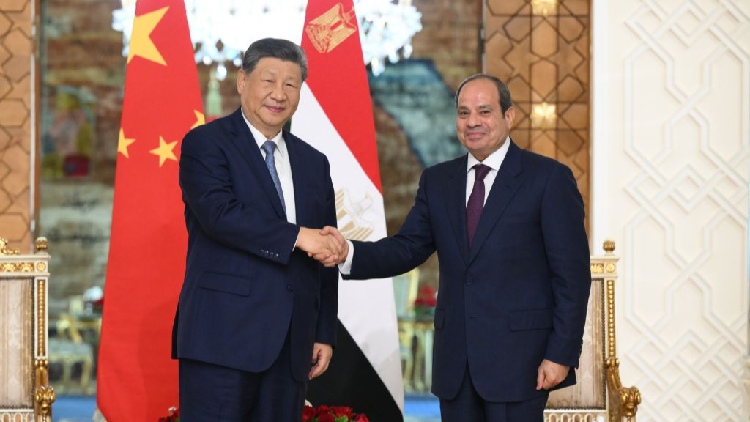
The China-Egypt TEDA Suez Economic and Trade Cooperation Zone has grown over a decade into an industrial cluster of nearly 200 companies, creating about 10,000 jobs and attracting more than $4.7 billion in investment. Cooperation is expanding into greener industries, workforce development and two-way trade, with Egyptian agricultural exports to China rising sharply.

Transport, inventory and warehousing costs in the US show few signs of easing, pointing to continued pressure across logistics.
Australian Bureau of Statistics figures show real GDP grew 0.4% in the June quarter, while annual growth slowed from 2.5% to 2.1%. Middle East conflict and high fuel prices dampened overseas travel; record EV and hybrid sales supplied three-quarters of quarterly consumption growth. Per-person GDP fell 0.1%, underscoring continuing cost-of-living pressure.

Federal Reserve Chair Kevin Warsh used a keynote speech in Jackson Hole, Wyoming, last week to explain the key data points he relies on to assess the US economy, offering fresh insight into his approach to policymaking.
ADP said private payrolls increased by 38,000 in August. Job creation remained positive, but the gain was the smallest since January and reflected a broader slowdown in the labor market.

Despite continued Russian strikes on Ukraine’s power grid, railways, ports, and factories, Amber Infrastructure says infrastructure investment remains necessary. Its fund with Dragon Capital has raised $240 million for energy, digital services, roads, communications, and transport, while the firms also manage the EU Ukraine Flagship Fund.

The Bank of Canada kept its key interest rate at 2.25%, marking the central bank’s seventh consecutive decision to leave rates unchanged.
Bitcoin fell below $77,000 as softer US labor data failed to overturn expectations of another Federal Reserve rate increase. With oil near $90, Treasury yields rising and September hike odds reaching 66%, the cryptocurrency faces mounting macro pressure. US spot Bitcoin ETFs also saw $236.46 million in net outflows on Sept. 1.

The Iranian rial has fallen 63% against the dollar since March, with the dollar exceeding 2.2 million rials, the euro reaching 2.55 million and gold coins trading at 2.26 billion rials. The central bank governor pledged a $2 billion injection while acknowledging that inflation was placing “heavy pressure on people’s livelihoods.”
Russia’s electricity consumption is currently slightly below last year’s level and could post a small decline for 2026, System Operator chief Fyodor Opadchiy said. He cautioned that steady growth in the Far East makes it too early to assess the full-year outcome. A five-year forecast projects average annual growth of 1.87%.
Trade turnover between Russia and Mongolia rose 18.1% year-on-year to $1.57 billion in the first half of 2026, according to Kremlin materials. Russia remains Mongolia’s second-largest foreign trade partner after China, while exchanges in science and technology, culture and education are also expanding.
A day-ahead look for Sept. 2, 2026, says some observers believe a Federal Reserve rate increase would be a mistake as bitcoin, gold and stocks decline.

Government debt and deficits are rising as interest rates and inflation unsettle investors, driving a bond-market selloff. Yet income remains crucial for fixed-income investors.

Donald Trump returned to the White House promising to put US finances in order by shrinking the federal government, ending costly “forever wars” and driving economic growth to curb widening deficits. Instead, national debt has surpassed $40 trillion as borrowing costs climb.
The U.S.-Canada trade dispute and its slide into retaliatory tariffs have made the Bank of Canada’s task more difficult as it prepares to announce its interest rate decision on Wednesday.

Former UK Prime Minister Liz Truss said the United Kingdom is among the worst examples of rising debt and warned that the situation may have gone too far. She said a bond-market rout could force emergency cuts to government spending.

Treasury yields continued to climb on Wednesday as inflation fears fueled a global increase in borrowing costs and extended the bond sell-off.


The global government bond sell-off has resumed, pushing the yield on 10-year UK gilts to just below 5.3%, its highest level since mid-2008. Investors fear rising inflation and widening deficits, while renewed US-Iran fighting has lifted oil prices and increased expectations of further interest-rate rises, complicating John Healey’s preparations for his first budget.

Borrowing costs continue to reach multi-decade highs as concerns over inflation, higher interest rates and elevated debt remain at the forefront, accelerating the global bond sell-off.
Spain lost 162,840 jobs in August, while 44,419 people registered as unemployed. The decline was the smallest August fall since the Covid-19 pandemic.
Utility tariffs will rise again in October after a January increase, marking the first double hike in four years. The central bank says the move will drive annual inflation further above its 4% target as the economy faces pressure from war costs, sanctions and a 21% key interest rate.
British banks are increasingly using higher-risk assets, including loans tied to high-interest store cards and vehicle leases, as collateral at the Bank of England, a Reuters review of BoE filings shows.
Treasury Secretary Scott Bessent said China blocked the Group of 20 from issuing a joint communique after finance ministers and central bank chiefs met this week, citing a dispute over China’s huge trade surplus.
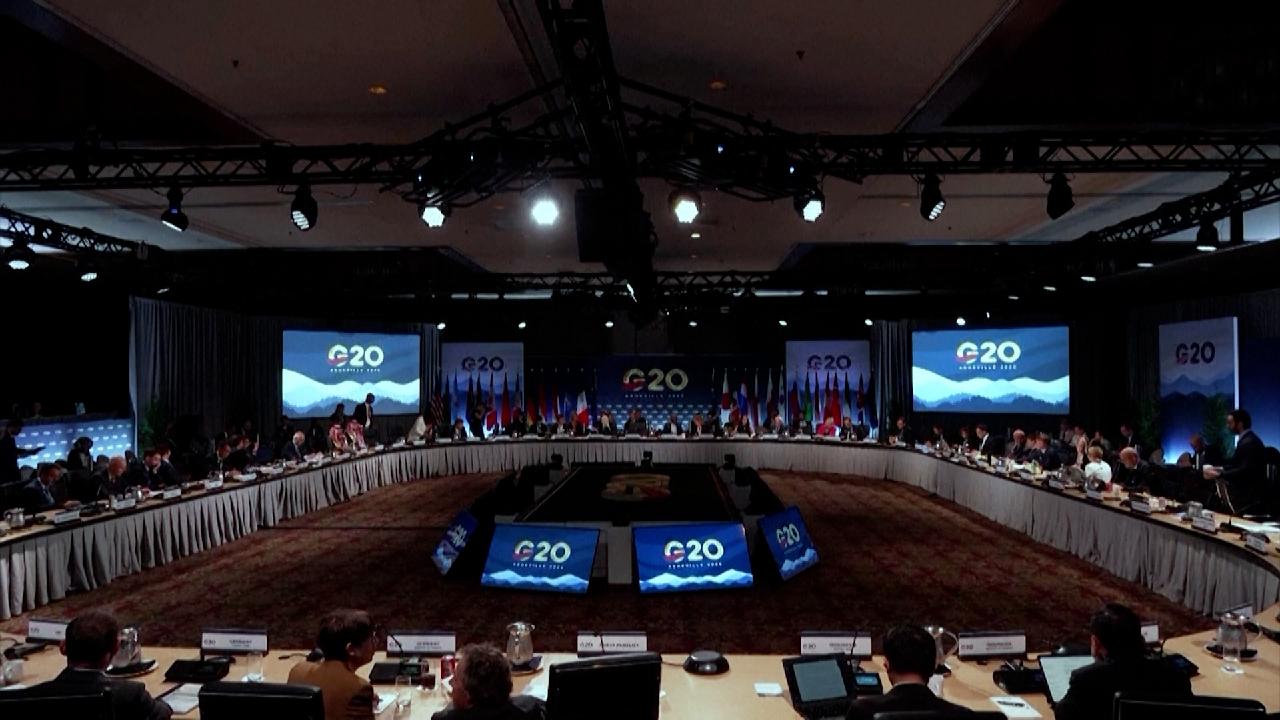
US President Donald Trump described the G20 finance ministers’ meeting in Asheville, North Carolina, as useful and positive, saying the discussions were “very productive and positive.” The meeting of finance ministers and central bank governors took place on August 31 and September 1. Trump also urged countries to follow the US lead by cutting taxes and regulations and boosting oil production.
US Treasury Secretary Scott Bessent said G20 finance ministers and central bank governors meeting in Asheville, North Carolina, failed to reach agreement on a joint communique. He attributed the lack of consensus to China’s position and said the United States, as chair, had prepared a final statement.

G20 finance leaders ended two days of talks in Asheville, North Carolina, with broad support for a final statement despite tensions over Russia’s participation and disagreements with China. US Treasury Secretary Scott Bessent said Moscow’s presence did not disrupt the discussions, which also covered the Middle East war, tariffs, global trade imbalances and continued support for Ukraine.

Scott Bessent said China dissented from language in a G20 statement opposing markets being flooded with “cheap exports.” He is leading the Trump administration’s plan to choke off Iran’s economy by threatening its business partners with secondary sanctions.

The two-day G20 Finance Ministers Meeting has ended in North Carolina, where participants sought broad agreement on global economic policies. A separate G20 technology forum held in the state at the same time focused particularly on artificial intelligence.

US Treasury Secretary Scott Bessent urged G20 members to follow the Trump administration’s approach of using tariffs and other measures to protect domestic industries and jobs from Chinese imports. He said trade distortions were draining global growth, while officials also discussed uncertainty from debt, inflation and tariff disputes. Economists and politicians have criticised US tariffs for raising consumer costs and straining allies.
Gold dropped to its lowest level in more than three weeks on Wednesday. Escalating conflict in the Middle East pushed oil prices higher, fueling inflation and concerns about further rate hikes, while investors turned their attention to upcoming U.S. jobs data.
France is facing the prospect of a debt crisis that has yet to erupt, with the headline also referring to OATs, the country’s government bonds.
Eurozone inflation has reached 3.3% as energy costs surge, prompting markets to price in another European Central Bank rate increase on 10 September. ECB economists say the energy-driven episode differs sharply from the demand-led inflation surge of 2021-22.
An agreement signed at the Eastern Economic Forum will establish the Mohe-Nayba international transport corridor in Russia’s Far East, creating a short route from northeastern China to the Arctic coast. Plans include a Chinese border crossing, Nayba deepwater port and more than 2,900 km of new railways, with annual freight capacity of about 2 million metric tons.
G20 officials acknowledged that digital assets can support economic growth and private-sector innovation, and pledged to create clear pathways for innovation in the sector.

Russian Finance Minister Anton Siluanov said sovereign bonds issued by advanced economies reached a record $59 trillion in 2025, while gross borrowing totaled $17 trillion, with about 80% used to refinance existing debt. He said persistent budget deficits have driven up debt in major advanced economies and called for a return to fiscal discipline.
Russia’s Far East and Arctic Development Minister Alexey Chekunkov said the Transarctic Transport Corridor and Arctic Zone development project will need private investment alongside government infrastructure support. He said the state should build infrastructure, reduce risks, provide stable rules and help make complex, long-term projects economically viable rather than replace business funding.
More than 35 international container voyages are expected on the Northern Sea Route in 2026, up from 24 in 2025, Russian Far East and Arctic Development Minister Alexey Chekunkov said. Freight traffic is projected to reach about 40 million metric tons, with international carriers’ share continuing to grow as infrastructure develops.
VTB CEO Andrey Kostin said cryptocurrencies are certain to be part of the future, but private, non-state versions face understandable resistance from countries and their central banks. He said the key question is which cryptocurrencies will ultimately prevail.
China’s National Social Security Fund more than doubled its offshore investments over the past three years to a record 580.02 billion yuan, or US$86 billion. Offshore assets accounted for 15.23 per cent of the fund’s total assets at the end of 2025 as it pursued higher returns through diversification beyond domestic holdings.

Global bonds fell sharply on Wednesday, extending a rout that is pushing borrowing costs to multi-decade highs. Higher energy prices linked to the Middle East conflict are intensifying investor fears over inflation and swelling government debt.
Government bond interest rates are rising again worldwide, increasing borrowing costs for consumers and businesses. The move is also fueling concern that governments may be issuing more debt than financial markets can absorb.
Australia recorded 2.1% economic growth in the second quarter, surpassing expectations.

The dollar remained firm on Wednesday as renewed hostilities in the Middle East drove oil prices higher and brought inflation worries back into focus.
President Donald Trump urged U.S. oil refiners at a closed-door meeting Tuesday to increase domestic gasoline and diesel production. He is confronting high prices and growing cost-of-living concerns ahead of November’s midterm elections.
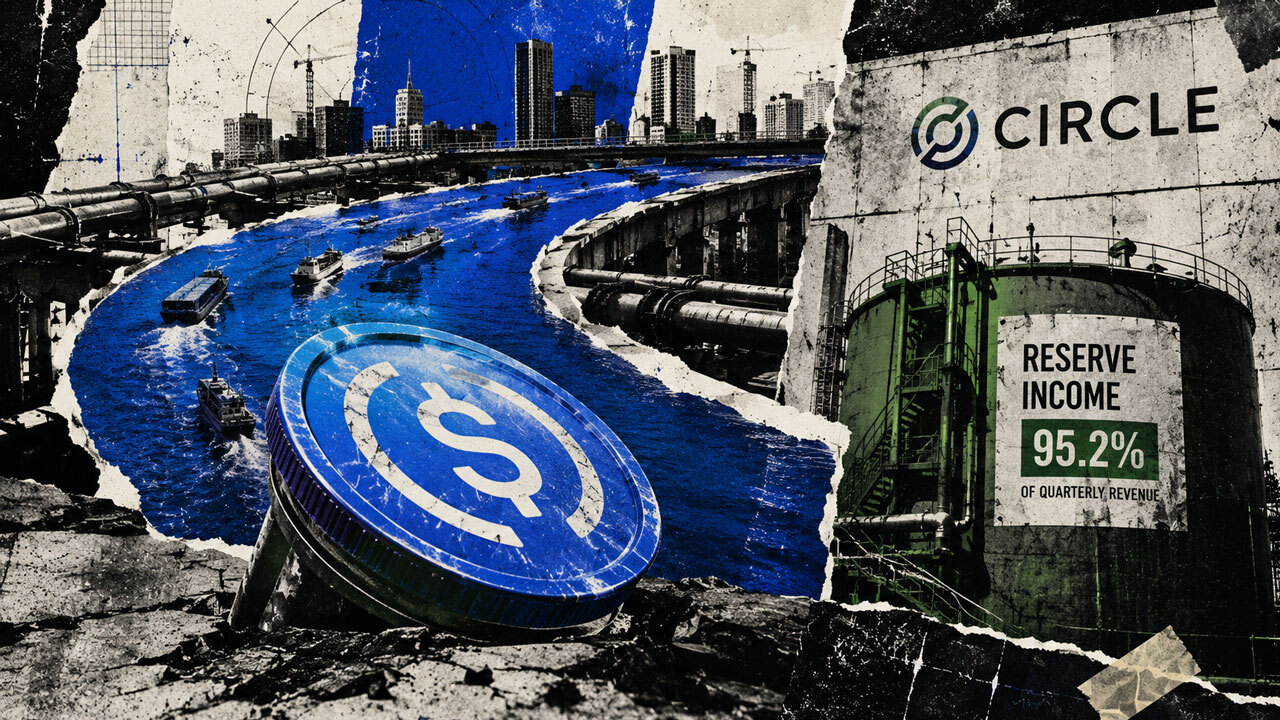
Coin Metrics measured $32 trillion in adjusted USDC transfer volume through August 2026, a figure that reflects onchain movement rather than consumer payments or net settlement. Circle reported $701.3 million in second-quarter revenue and reserve income, with $667.7 million, or 95.2%, coming from reserve assets; transaction revenue was only $5.3 million. The figures show crypto-market usage, but not a toll collected on every transfer.

Demand for artificial intelligence and domestic technology substitution drove Chinese listed companies’ profits to their fastest growth in four years during the first half, highlighting a K-shaped economy as the country moves away from credit-fuelled expansion. Profits on Shanghai’s chip-heavy Star Market more than quadrupled year on year, while Shenzhen’s ChiNext rose 33%.

Comstock Resources said Tuesday it plans to sell stakes in its Haynesville shale assets and related midstream business to Azerbaijan’s SOCAR for $1.65 billion in cash, aiming to reduce its debt.
The global bond sell-off is intensifying. Today’s newsletter also highlights a slide in Shein shares during its Hong Kong debut and South Korea’s announcement of a record budget increase.
Oil prices climbed, equities retreated and bond yields surged after the United States launched fresh attacks on Iranian targets. Japan’s 10-year bond yield reached 3% for the first time since 1996. Inflation fears and swelling government debt, above $40 trillion in the US, are deepening the selloff, while eurozone inflation hit a three-year high in August as energy costs rose.

Bond yields continue to rise after the Fed chair’s speech at Jackson Hole.
A G20 joint statement reflecting U.S. priorities on reducing global imbalances and restructuring sovereign debt may not be reached because differences over its wording remain, U.S. Treasury Undersecretary for International Affairs Erin Browne told Reuters on Tuesday.
The IMF said it and Senegal reached a staff-level agreement on a three-year, $2.2 billion loan package. The arrangement requires Senegal to restore “debt sustainability” in return for the programme.
The Minutes Reader extension turns the original page into a focused reading view and translates articles and video subtitles on demand. It is in limited beta.