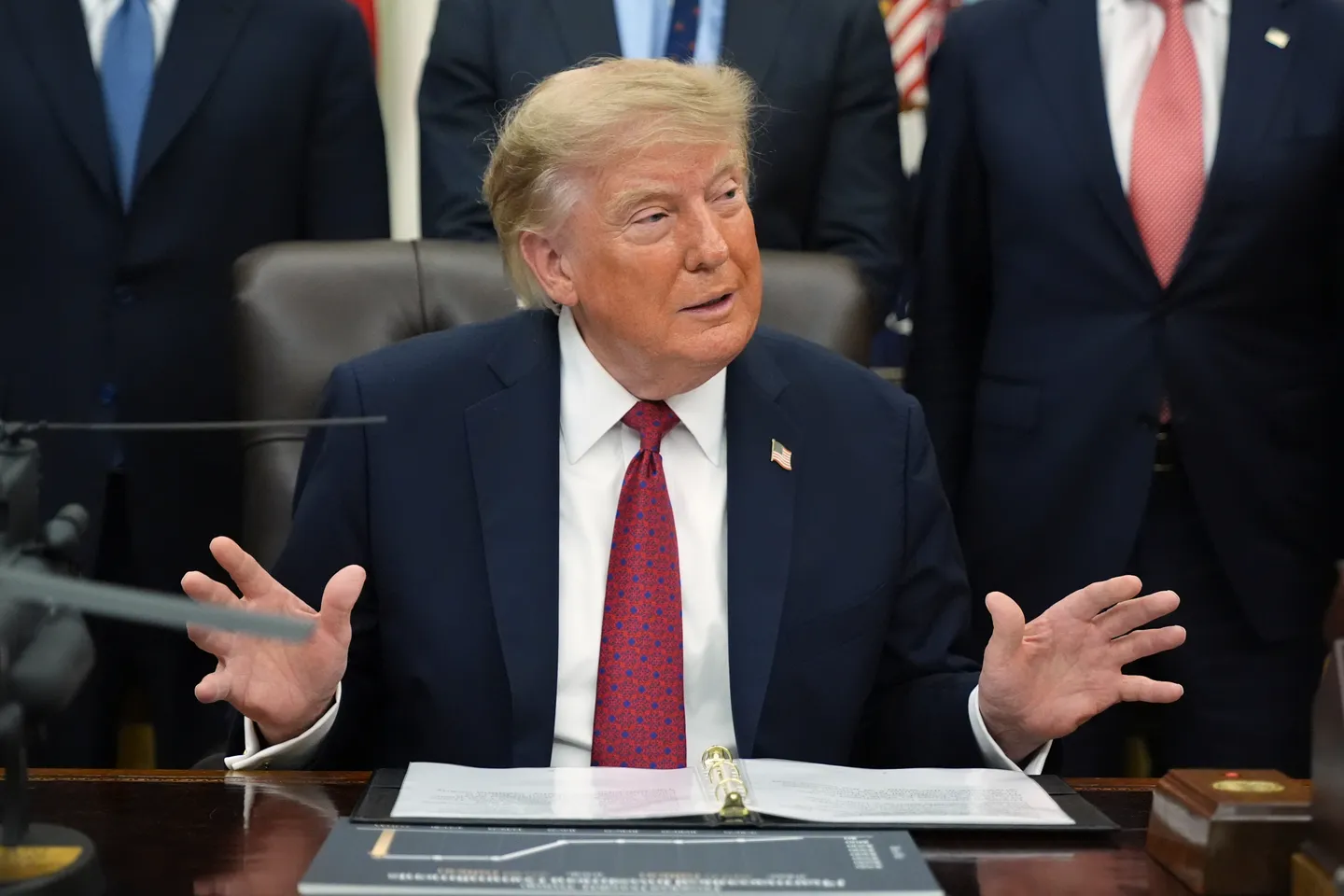
Bessent Takes Trump’s Economic Pitch to a Skeptical G20
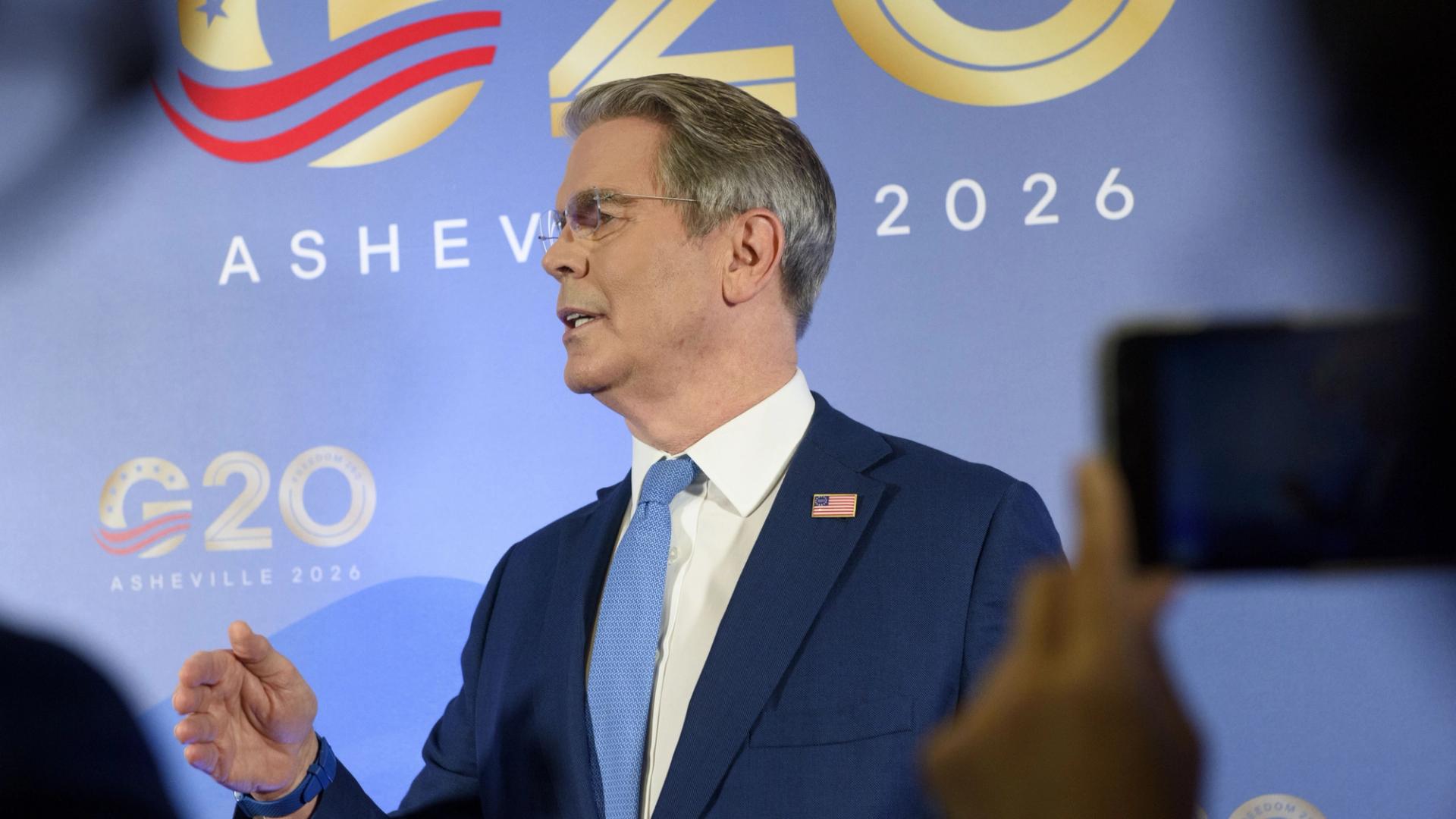
Allies are questioning the US prescription for global growth as Bessent presents Trump’s economic pitch to the G20.
Silhouette has launched request-for-quote trading for xStocks on Hyperliquid, enabling market makers to compete for tokenized equity trades that settle onchain.

Prime Minister Sergey Koretsky said Ukraine is imposing strict austerity on budget funds not allocated to defense. The government faces a €49.5 billion shortfall, including about €26 billion in external financing that is now not expected to arrive. Years of large deficits have left Kyiv struggling to fund its needs.
Rostec regional policy chief Dmitry Azarov said the corporation’s combat-tested weapons and military equipment are drawing strong demand worldwide. He added that arms exporter Rosoboronexport’s order portfolio is close to a record high.
Ethena Pay offers a 6% dollar savings rate and 5% card cashback, using Avalanche for settlement as it brings stablecoins into everyday banking services.

Fed Governor Barr said he would support raising interest rates if inflation fails to ease. He expressed concern that broader price pressures are taking hold while inflation remains above the Fed’s 2% target.

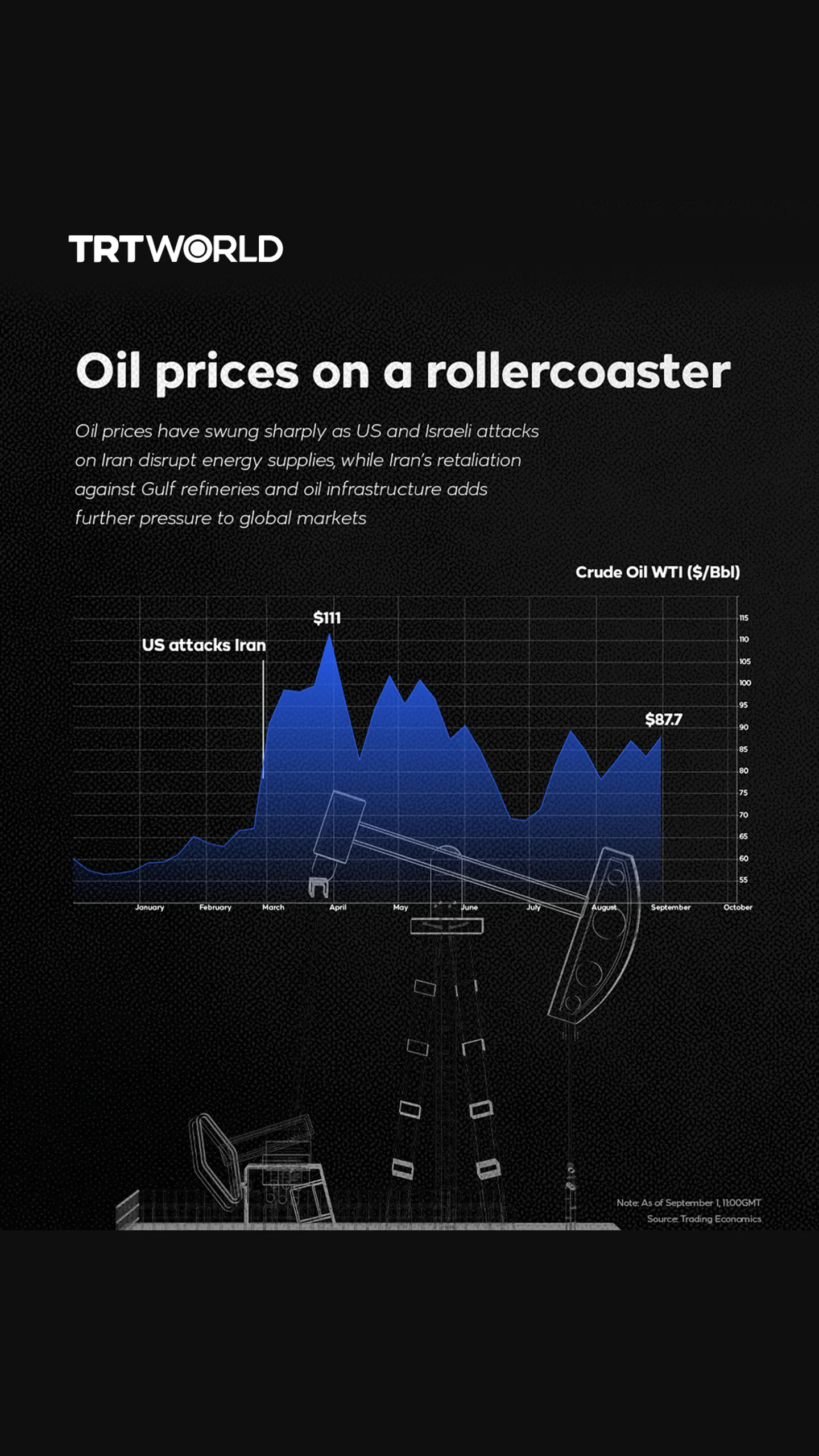
Oil prices are experiencing sharp swings, sending the market on a rollercoaster ride.

America’s newest centers of job creation are being driven by a notable change in how consumers use their discretionary income.
President Donald Trump is due to meet US refiners at the White House on Tuesday as the Iran war drives fuel prices higher. Rising living costs are eroding his popularity ahead of the midterm elections.
A global bond sell-off has spread through European debt markets, sending government bond yields to 15-year highs amid concerns over inflation, budget deficits and government debt.
Rosatom expects cargo traffic along the Northern Sea Route to grow about 14% year on year in 2026. CEO Alexey Likhachev said volumes have stayed above 37 million tons for the past two years, while the baseline forecast puts traffic at 110–150 million tons by 2035.
Ukraine's parliament failed on Tuesday to pass a law taxing foreign parcels, a requirement for unlocking IMF and EU funds. Lawmakers dismissed government warnings about rising financial risks and a funding shortfall for defence needs.
The EU’s increasing reliance on Arctic resources is pushing Brussels to treat the region as an issue of economic security and supply-chain resilience. The shift could, however, harm the rights and living conditions of Indigenous and local communities.
Treasury yields rose Tuesday as investors watched tensions flare again in the Middle East. The 10-year yield climbed to its highest level since January 2025, while rising oil prices intensified concerns about inflation.

Russia’s new crypto law took effect on September 1, creating a supervised framework for investment and cross-border settlements. But key rules and trading channels are unfinished, while crypto payments for goods and services remain banned. Retail investors will face testing and a ₽300,000 annual limit per intermediary once access expands.

Russia’s gas exports to Europe through the TurkStream pipeline rose 3.4% year on year to 11.9 billion cubic meters in January-August, according to TASS calculations based on ENTSOG data. August deliveries reached 1.61 bcm, up 6.5% from July and 3% from a year earlier, with the pipeline operating at 91% of capacity.
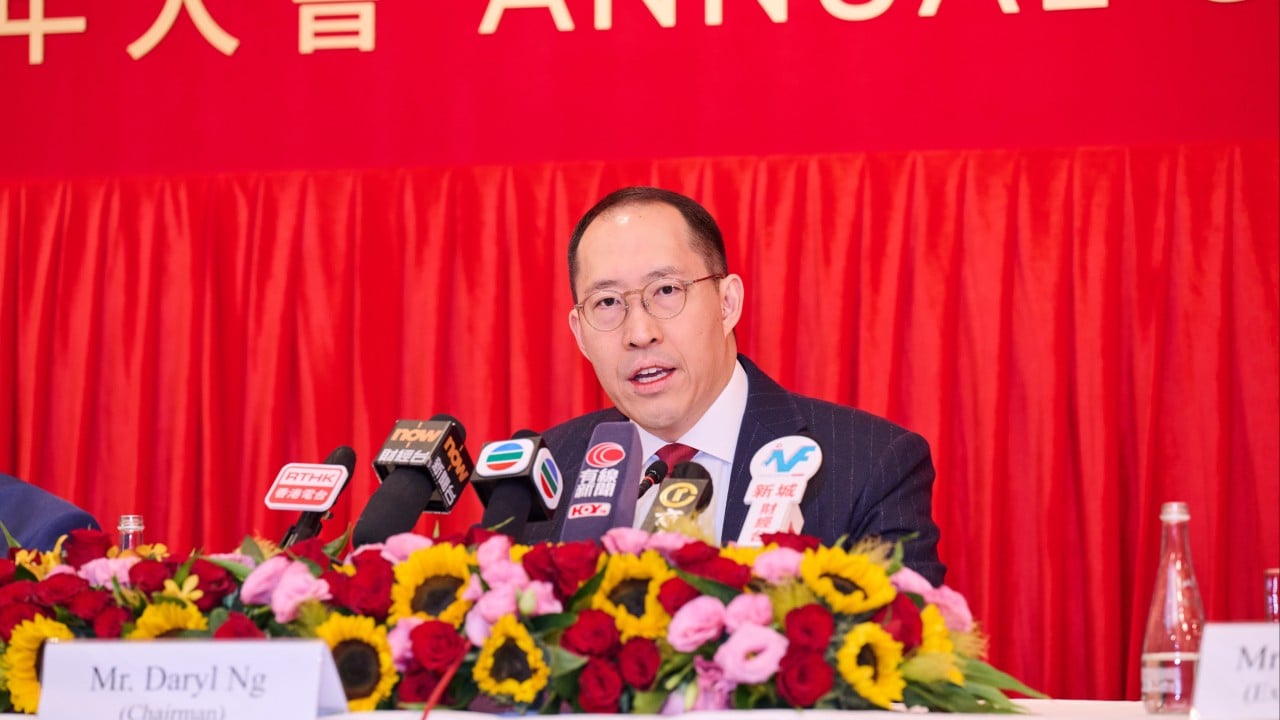
Sino Land’s net profit attributable to shareholders rose 14 per cent to HK$4.59 billion for the year ended June 30, from HK$4.02 billion a year earlier. Losses from investment-property revaluation narrowed to HK$192 million from HK$1.08 billion, but underlying earnings declined, signalling continued pressure on its core business.

Toyota said the latest RAV4 would be offered only as a hybrid and that production would initially be limited. Demand for the SUV is strong, leaving dealers waiting for additional supply.

The US military fired more than 80 Patriot interceptor missiles while countering Iran’s latest strikes on Jordan overnight on August 31, Military Watch Magazine reported, citing sources. The outlet said the expenditure could represent about 10% of the remaining US Patriot interceptor stockpile.
Gulf stock markets rose in early Tuesday trading alongside higher oil prices, while UAE equities were subdued as renewed fighting between the United States and Iran weighed on investor sentiment.
Solar farms surpassed coal plants in July to become China’s largest source of installed power capacity, according to state-run media. Solar power generation, however, remains well below coal-fired generation.
China’s photovoltaic capacity reached 1.286 billion kilowatts by the end of July, edging past coal-fired power at 1.285 billion kilowatts and becoming the country’s largest power source by installed capacity, the National Energy Administration said. Solar generation rose 15.5% in the first seven months, providing 13% of electricity consumption.
China’s installed photovoltaic capacity reached 1.286 billion kilowatts by the end of July, overtaking coal-fired power for the first time and becoming the country’s largest power source by installed capacity, the National Energy Administration said Tuesday.
Solar panels have overtaken coal as China’s largest source of power capacity, marking a key milestone in the country’s green-energy expansion.
Bitcoin has remained resilient despite higher oil prices and stronger expectations of a September Federal Reserve rate hike. Attention now turns to Friday’s jobs report.

The United States is seeking to influence Japan’s monetary policy, but bitcoin did not enable it to do so.

Despite the UK’s best efforts, its energy system will still require natural gas for decades. The argument is that Andy Burnham should support Jackdaw while opposing Rosebank.
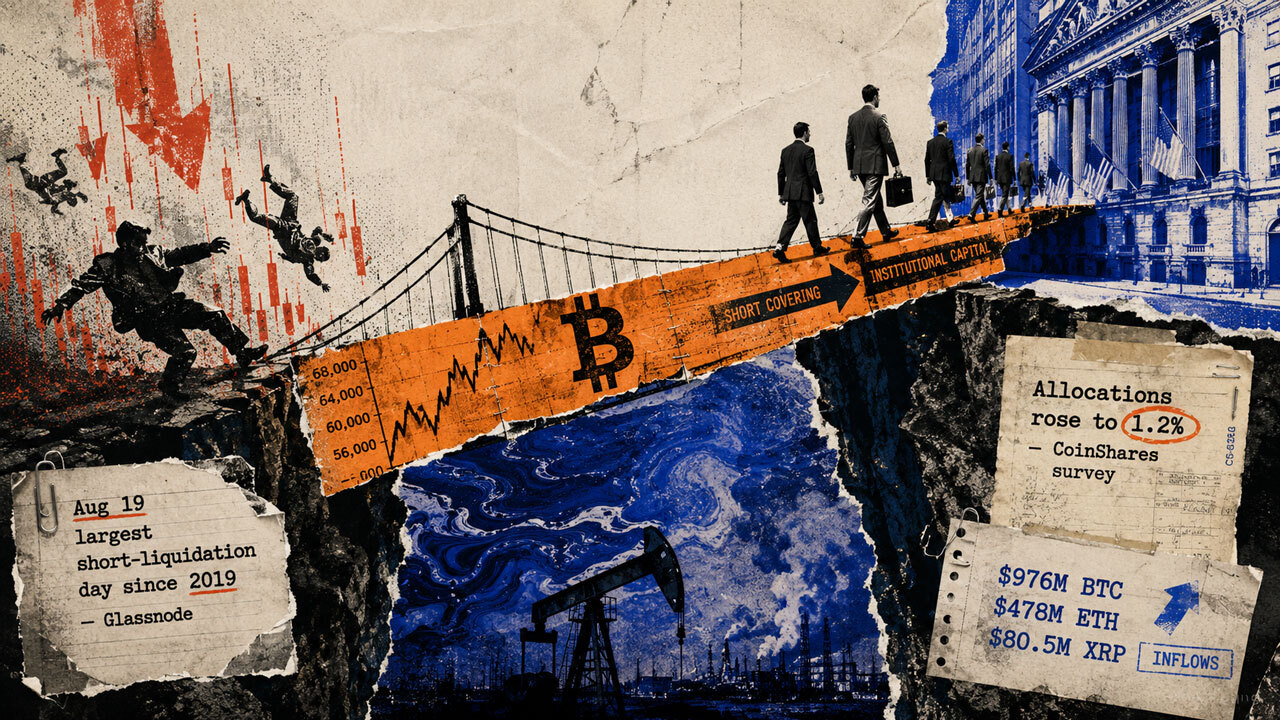
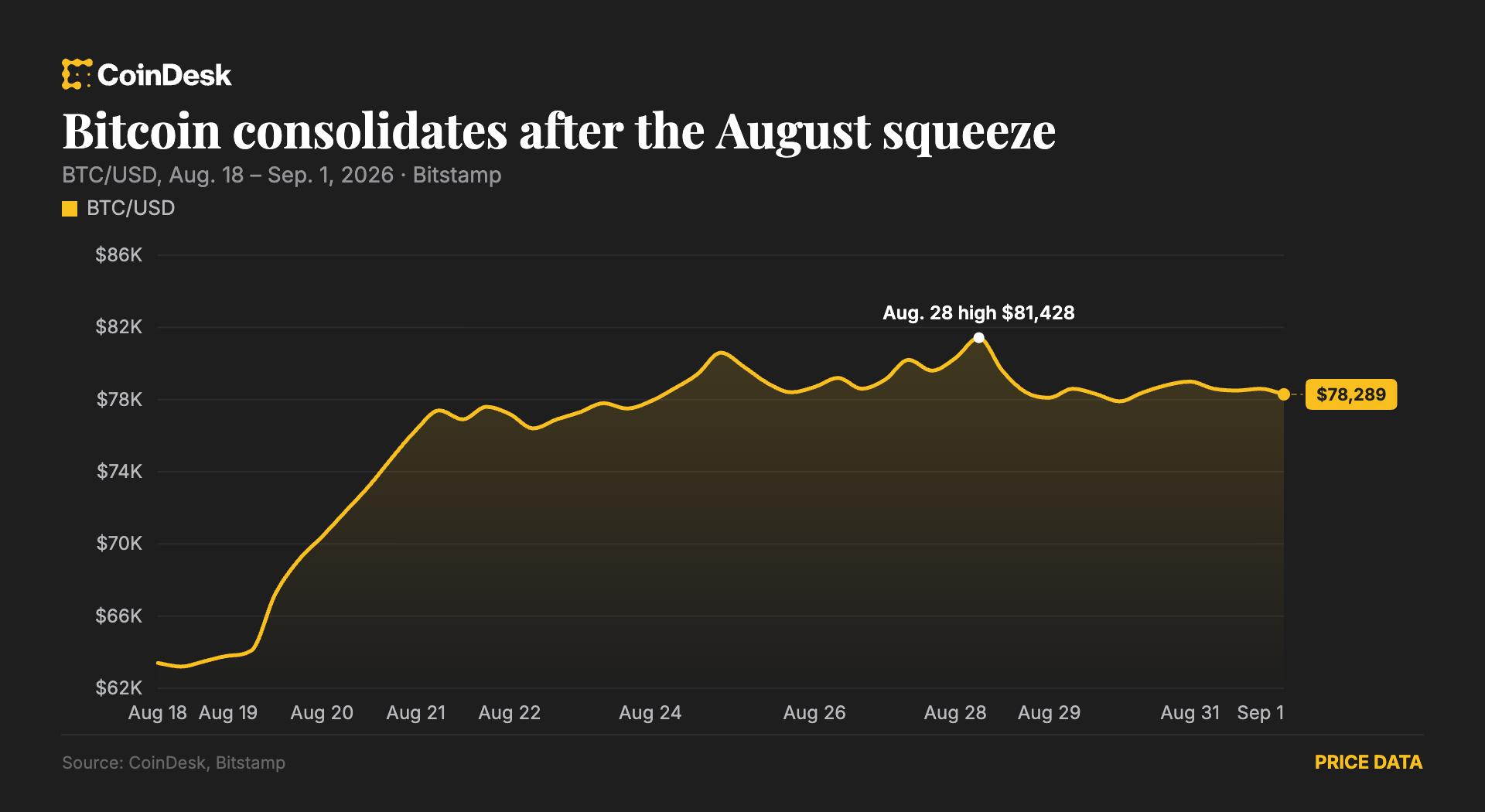
Bitcoin climbed from roughly $63,500 toward $80,000 last week, adding about $500 billion to crypto’s market value. Forced short covering drove the early rally, while regulated investment products later brought in fresh capital. CoinShares reported more than $2.9 billion in weekly inflows through Aug. 20, followed by another $1.65 billion in the next week’s first three trading days.

Euro zone inflation climbed back above 3% in August as energy costs increased, strengthening the case for another European Central Bank rate hike this month. The Iran war continues to push prices higher.

Euro zone inflation has moved back above 3%. The European Central Bank is expected to raise interest rates in September as the Iran war drives up energy costs across the region.
Eurozone inflation climbed sharply to 3.3% in August, with energy prices rising by more than 14% from a year earlier, according to Eurostat.
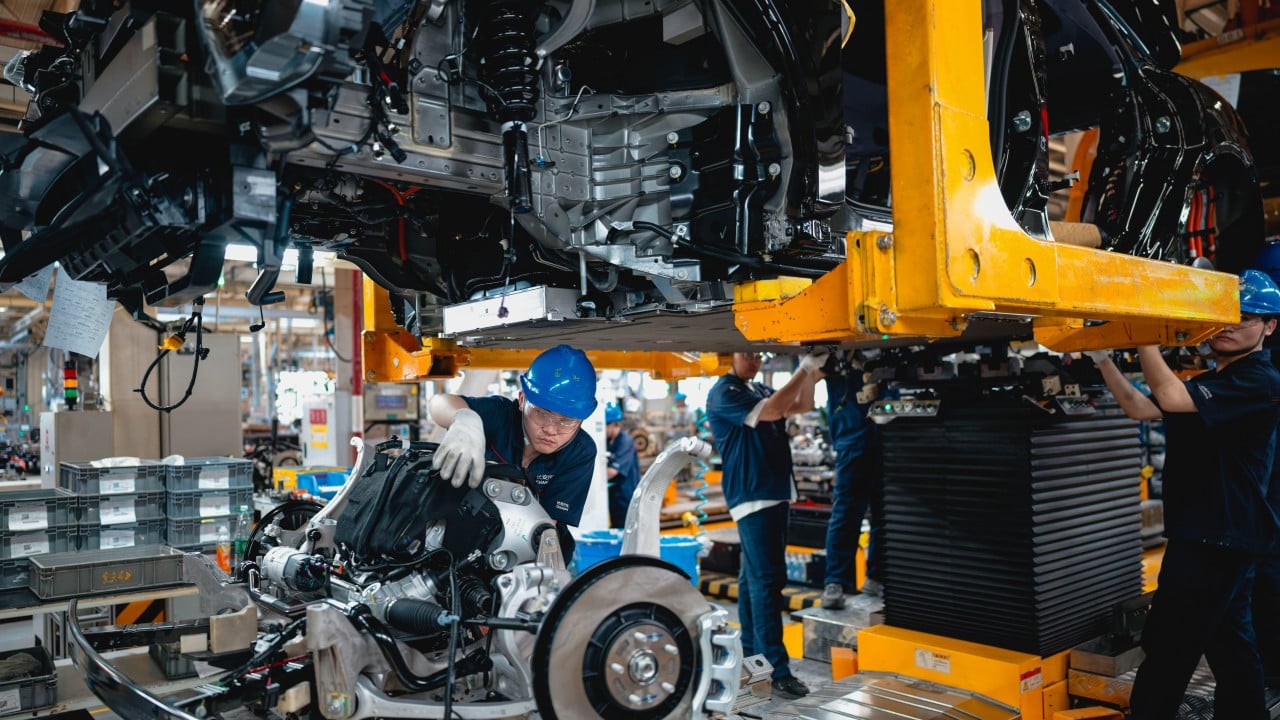
Beijing has instructed Chinese automakers and component suppliers not to offer steep discounts abroad as they expand globally. The Commerce Ministry said three ministry-level authorities issued guidelines for Chinese carmakers operating overseas for the first time, seeking to strengthen global competitiveness and support the industry’s long-term, healthy development.

Shein’s initial public offering has been disappointing.
As with every bubble, the crucial question is how the artificial-intelligence boom is being financed.
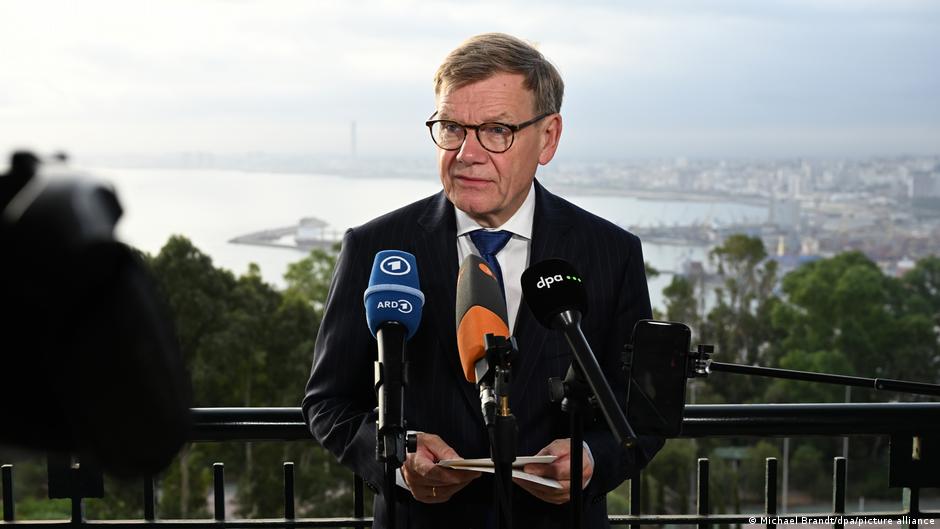
German Foreign Minister Johann Wadephul says Germany is looking to Algerian gas to diversify its supplies ahead of winter. The EU’s largest economy once depended on cheap Russian gas, but major deliveries stopped after Russia launched its full-scale invasion of Ukraine in 2022, dealing a severe blow to German industry.

German Foreign Minister Johann Wadephul urged Berlin to diversify its energy sources amid the Strait of Hormuz crisis and rising fuel prices. He called Algeria a reliable partner and said Germany was seeking long-term contracts for gas, with green hydrogen also offering potential for closer cooperation.
Higher borrowing costs are increasing pressure on the prime minister and chancellor as they prepare for October’s Budget, amid questions about how key plans will be funded.
Spain received 58.1 million international visitors from January through July, a 4.6% increase from the same period last year. Tourist spending climbed 7.8% to a record €82.05 billion.
European underground gas storage was 65.09% full on August 30, 16.87 percentage points below the five-year average and down from 77.4% a year earlier. The level is the lowest for that date since records began in 2011. EU facilities contain about 71.1 billion cubic meters, while high temperatures, higher fuel prices and competition with Asia for LNG have slowed replenishment.
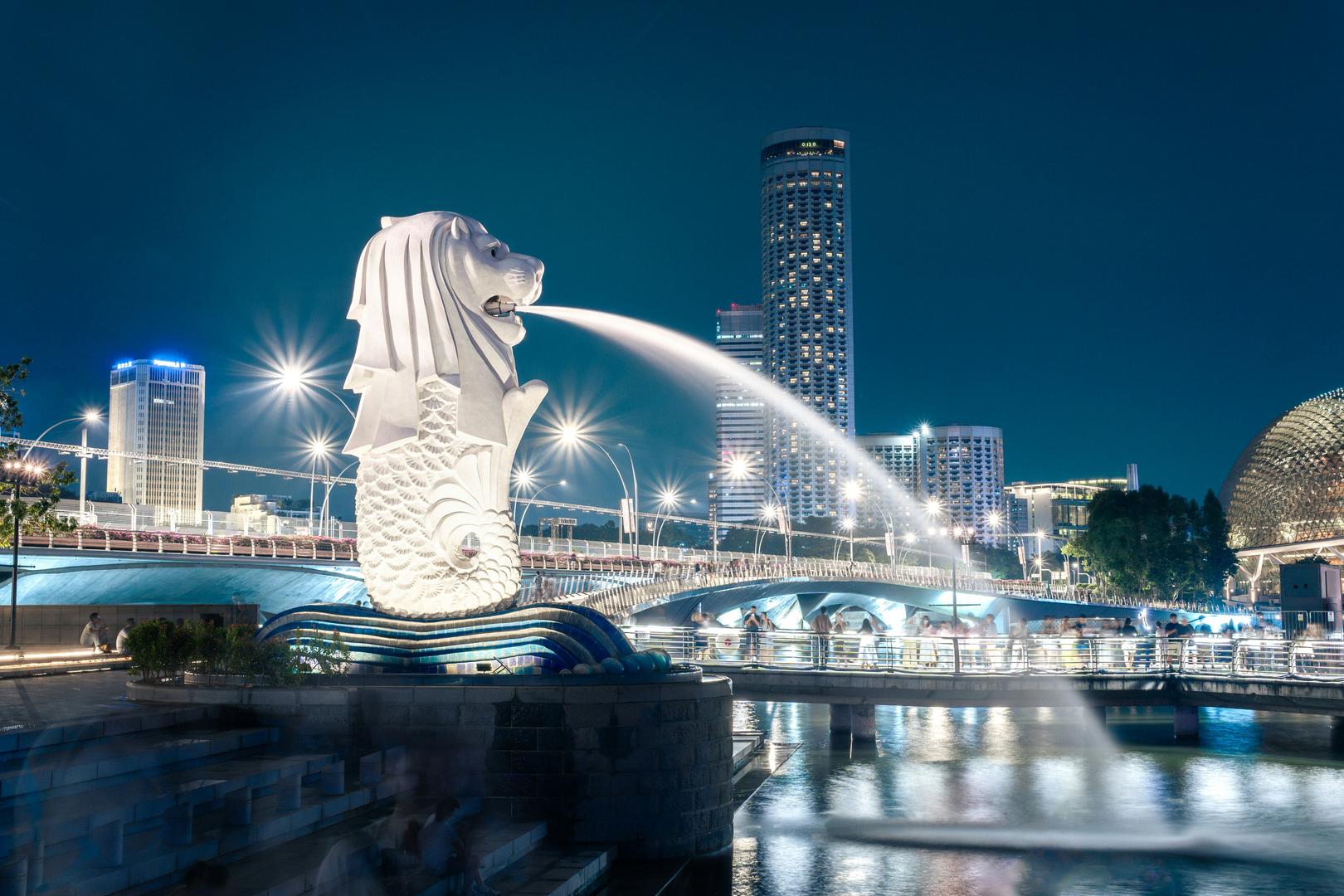
Singapore’s financial watchdog has proposed rules requiring stablecoin issuers to hold 100% reserves and banning them from offering yields. It says the framework aligns with U.S. and EU rules and could enable recognition of foreign stablecoins.

Binance has added options covering 1,000 US stocks and ETFs. Trading volume for TradFi perpetual futures on the exchange reached about $433.4 billion in August, roughly 15 times January’s level.

Bitcoin eased after last week’s rally to $81,428 and consolidated near $78,000. Arbitrum led gains in decentralized finance, jumping 30% as daily fees on Robinhood Chain exceeded $2 million.

S&P Global’s survey showed Russia’s manufacturing PMI fell from 50.7 in July to 48.8 in August 2026, marking the sector’s first deterioration in operating conditions in three months. Weaker consumer demand and tighter buyer liquidity reduced new orders, while export orders and output also contracted.
Rosatom’s logistics division plans to expand its operations to about 35 countries by 2030 and more than triple its commercial fleet capacity by 2035. Chief Executive Alexey Likhachev said the company expects to become one of the seven largest maritime carriers among BRICS nations while developing international services along the Northern Sea Route.
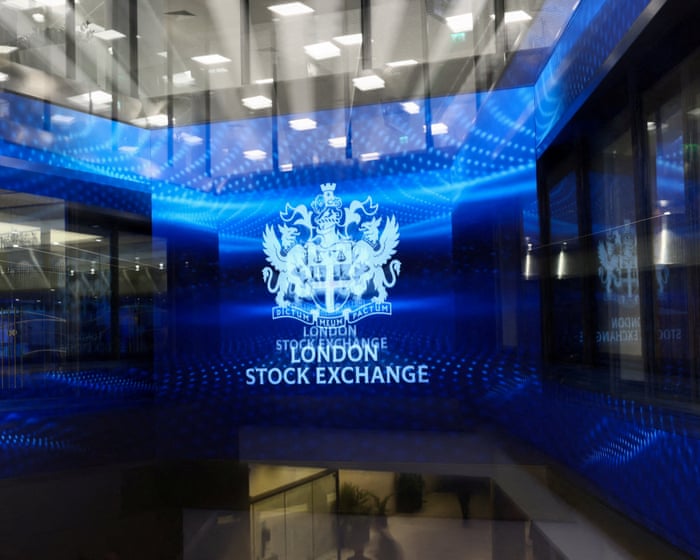
Bodycote has agreed to a £1.84bn takeover by US private equity group Veritas, while Gamma Communications recommended Epiris’s £1.1bn offer and Capricorn agreed to a $396m deal with DNO. The transactions push the value of companies leaving London’s stock market this year above $100bn, adding to pressure on the exchange.

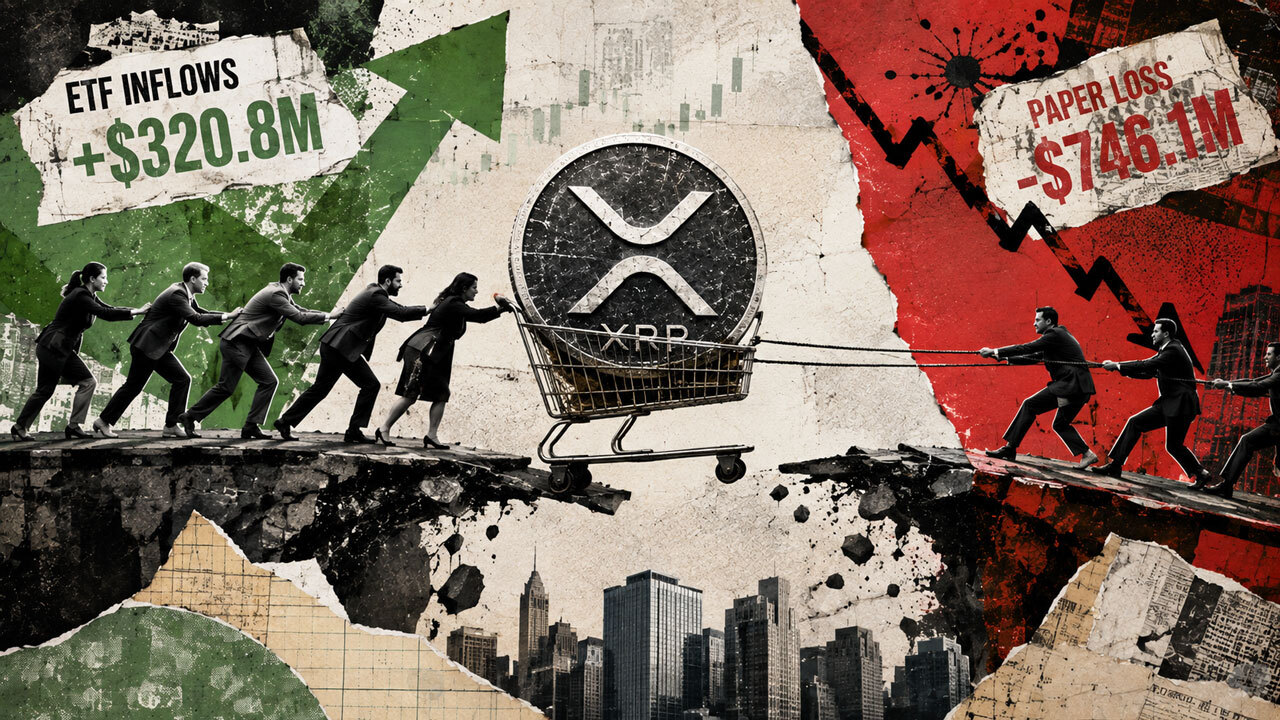
Five major US spot XRP products held XRP worth $746.1 million less than their accounting cost at the end of June, a 44.1% gap. Yet first-half creations totaled about $629.9 million versus $309.1 million in redemptions, leaving net capital activity positive at roughly $320.8 million.

U.S. stock index futures fell on Tuesday, extending a weak stretch as elevated bond yields and rising oil prices deterred investors at the beginning of a month that has historically been difficult for equities.
Chinese electric vehicle maker BYD posted higher global sales for a fourth consecutive month, with robust exports continuing to offset the effects of weak domestic demand.
HSBC’s chief economist sees significant similarities between today’s financial environment and the period leading up to the 1997 Asian financial crisis, when surging U.S. bond yields, a weak Japanese yen and optimism about technology dominated markets.

The digital ruble’s development will benefit Russia’s creative industries by attracting new investors, PSB Bank executive Maxim Bykovets said at the Eastern Economic Forum. He said the highly specialized market requires substantial expertise and may need specialized funds to manage portfolios of digital financial assets issued by companies and individual creators.
Indonesia returned to a trade surplus in July after two months of deficits, with exports growing faster than expected. Analysts cautioned, however, that robust imports could still put pressure on the country’s external balance.
The global debt selloff intensified as Japan’s benchmark 10-year bond yield reached the key 3% level for the first time since 1996. Traders are concerned about oil-driven inflation, tighter monetary policy and deteriorating fiscal conditions.

Bond yields jumped across major markets on Tuesday as hostilities between the U.S. and Iran renewed concerns over energy costs and inflation. Yields in Japan and the U.K. reached multi-decade highs.
Japan’s benchmark bond yield reached 3% on Tuesday for the first time since 1996 as bonds sold off broadly around the world. The move highlights how inflation, fiscal worries and rate increases are reshaping markets that once anchored global borrowing costs.
November Brent crude futures on London’s ICE exchange moved above $92 per barrel for the first time since August 25, according to market data. At 11:05 a.m. Moscow time, Brent was up 1.92% at $92.23, while WTI futures rose 1.97% to $87.45. Brent later eased to $92.20, up 1.89%.
Strategy has spent $635 million repurchasing STRC, yet the perpetual preferred stock trades at $97.34, below its $100 par value. SATA’s higher dividend rate, by contrast, has helped it remain at par.

The Bank of Russia bought 5.9 billion rubles ($68.09 million) worth of yuan on the domestic market, with settlement on August 31, according to regulator data. Purchases settled on August 28 totaled 6 billion rubles ($69.24 million). The transactions use the yuan-ruble instrument on the Moscow Exchange.
Air Liquide shares climbed as much as 4.2% on Tuesday after people familiar with the matter said activist investor Elliott Investment Management had taken a stake in the French industrial gases company and was pressing for higher margins.
China’s tax authorities said on Tuesday that expatriates receiving dividends from foreign-funded firms would no longer qualify for a tax exemption. A 20 per cent rate takes effect immediately, with Xinhua describing the change as an effort to unify the tax system.

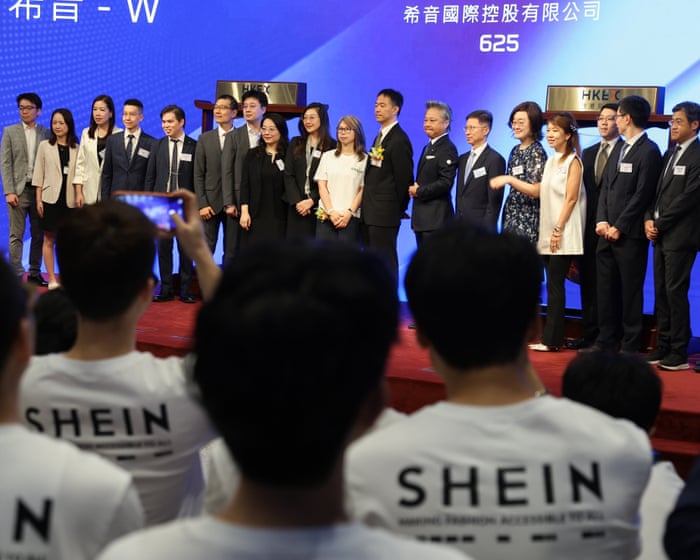
Fast-fashion retailer Shein fell on its Hong Kong trading debut as it faces stronger competition and the removal of tax breaks in key markets. Its shares briefly dropped as much as 10% before closing 0.1% below the IPO price at HK$48.50. The offering raised HK$13.6 billion and valued the company at about US$26 billion.


Shein shares fell as much as 10% after the China-founded, Singapore-headquartered fast-fashion retailer began trading in Hong Kong. Its HK$48.56 offer price valued the company at just over $26bn; shares ended at HK$46.62, down 4%. The weak debut followed failed US and UK listing plans amid forced-labour and supply-chain concerns, while regulatory changes threaten its low-value parcel business model.
Shein’s shares fell on their Hong Kong debut after the company’s unsuccessful attempts to list in New York and London. US tariffs and rising shipping costs are squeezing profits at the fast-fashion giant.
Shares in fast-fashion online retailer Shein fell after the company began trading on the Hong Kong stock exchange following a lengthy delay, with the debut spotlighting its China roots.

Fast-fashion giant Shein fell nearly 8% on its first trading day in Hong Kong on September 1. After unsuccessful attempts to list in the US and UK, the company is now valued at about a quarter of its peak and faces higher trade costs, tighter scrutiny and stronger competition.
China-founded global online fashion giant Shein made an underwhelming debut on the Hong Kong Stock Exchange, with its shares falling after a years-long effort to enter capital markets.

Fast-fashion giant Shein fell almost 8% on its first day of trading in Hong Kong after unsuccessful efforts to list in the US and UK. The offering raised HK$13.6bn and valued the company at $26.3bn, as labour, environmental and regulatory concerns, competition and trade tensions weigh on its prospects.
Fast-fashion retailer Shein’s shares fell 10% on their Hong Kong trading debut after the company completed its long-delayed initial public offering at a bargain-basement valuation.
Shein Global Holdings Ltd. shares dropped as much as 10% in their Hong Kong debut. The initial public offering had raised HK$13.6 billion, or $1.7 billion.

Fast-fashion giant Shein’s shares fell 7% as the company made its Hong Kong market debut on Tuesday, following years of attempts to go public.
Swiss Finance Minister Karin Keller-Sutter said she was disappointed after a parliamentary committee moved to ease stricter capital rules the government proposed for UBS following Credit Suisse’s collapse in 2023.
French rail start-up Velvet has secured the first approval required to launch high-speed services from Paris to cities including Bordeaux, Nantes and Angers. The move could introduce more choice and competition on some of the country’s busiest routes.
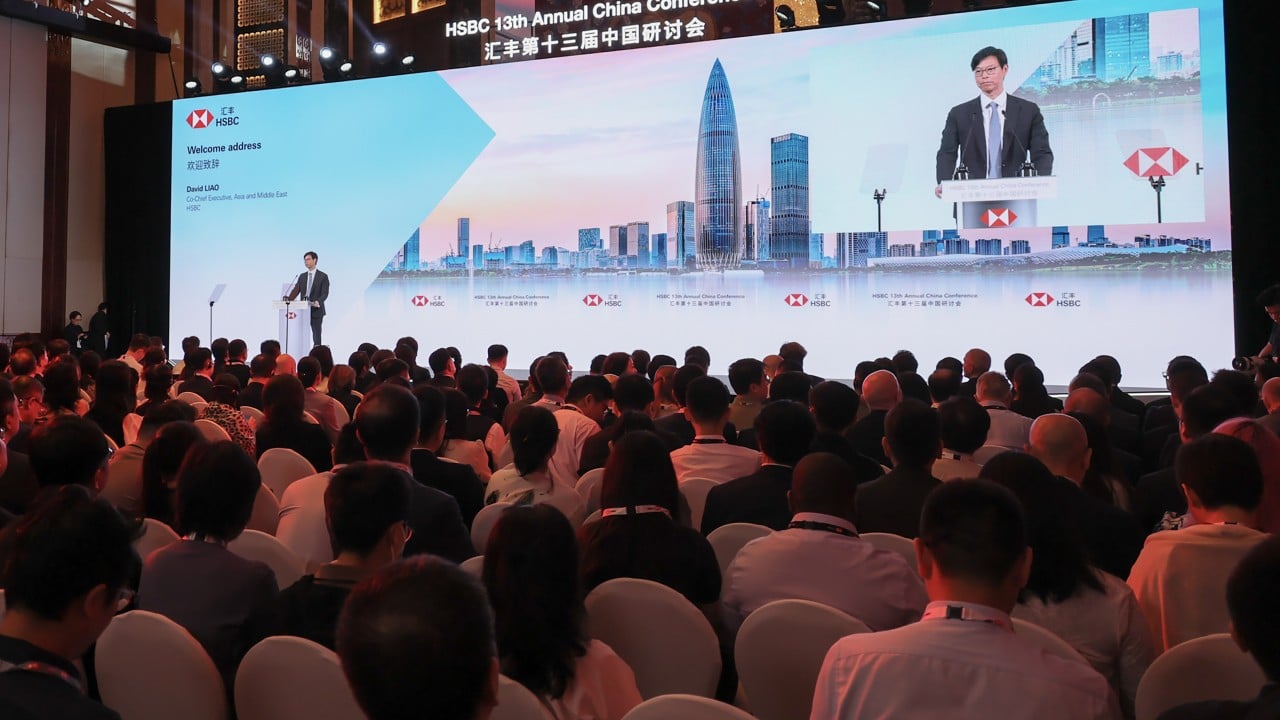
Investors and business leaders are arriving in Shenzhen as global interest in China’s artificial intelligence and robotics industries grows. HSBC, UBS and Nomura each held investor conferences in the technology hub on Tuesday, with AI, robotics and other emerging technologies high on their agendas.

Japan’s 10-year government bond yield reached 3% on Tuesday for the first time since 1996, amid a worsening global sell-off in sovereign debt. US Treasury Secretary Scott Bessent used the G20 finance meeting to urge Tokyo to raise rates faster.
Japan’s benchmark bond yield has reached 3% for the first time in 30 years. The 10-year Japanese government bond yield has more than tripled over two years.
Egypt is a major exporter of frozen strawberries, and China is becoming an important buyer. Since May 1, 2026, China has eliminated tariffs on imports from Egypt, reducing the cost of accessing its market.

The South African rand held steady in early Tuesday trading as markets awaited the release of the country’s manufacturing purchasing managers’ index and August vehicle sales figures.
British house prices rose in August, data from mortgage lender Nationwide Building Society showed on Tuesday, suggesting housing demand held up despite an uncertain economic outlook and the impact of the war in Iran.
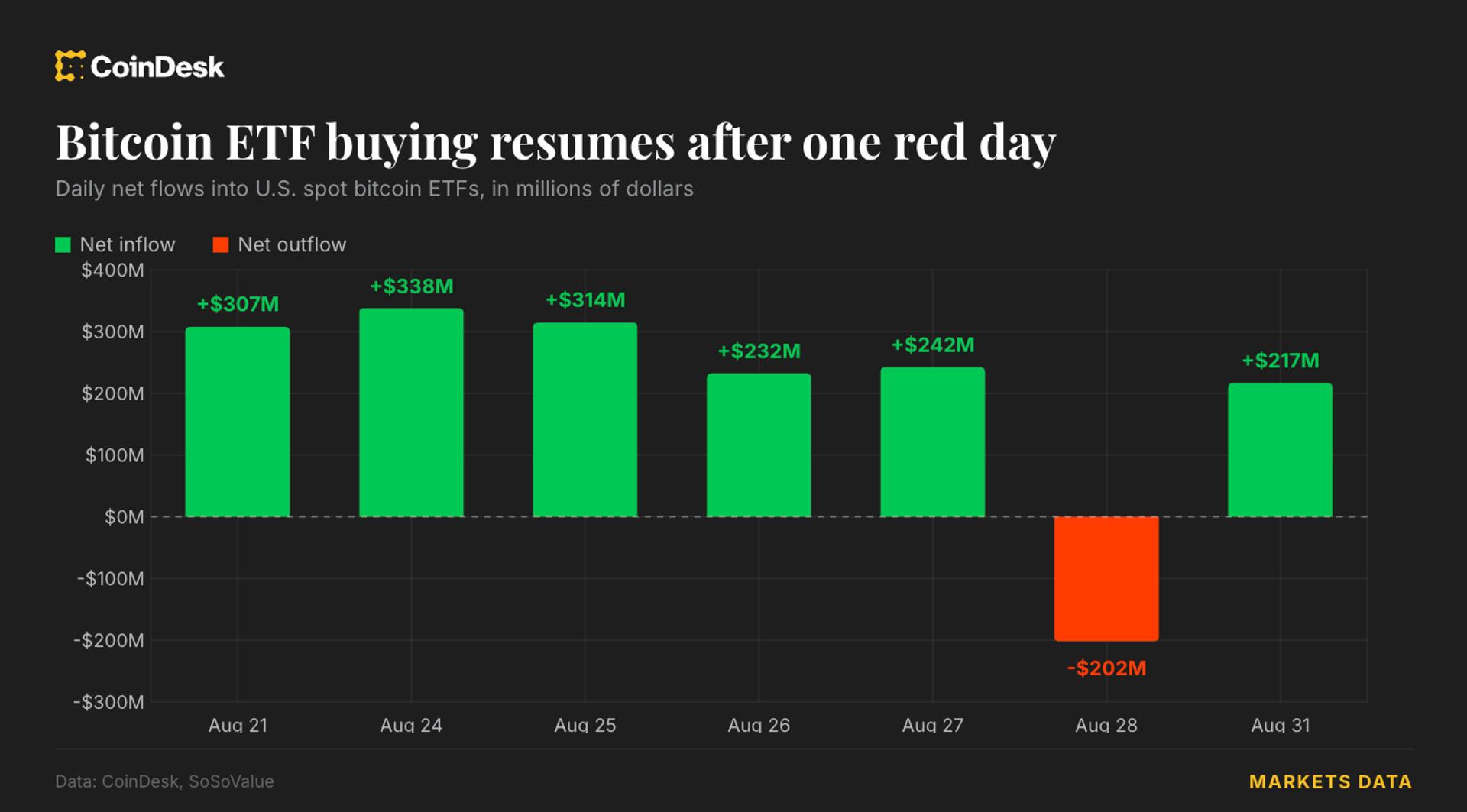
Bitcoin funds attracted $217 million on Monday, one session after an outflow ended their nine-day inflow streak. Ether ETFs have continued to avoid net outflows since mid-August, extending the run to 11 days.

Labour unions representing two-thirds of Micron Technology’s workforce in Taiwan say they are moving toward a possible strike unless the US memory-chip maker reforms its bonus system and shares its profits adequately.
A Sydney home has been Australia’s most dependable housing bet throughout the last 30 years.
Ofgem will raise the UK energy price cap by 4 percent from October 1, 2026, after wholesale gas prices surged amid the US-Israel war on Iran. A typical household is expected to pay about £60 more annually. A government electricity-tax cut may provide some relief, but experts warn geopolitical volatility and import dependence will continue to weigh on costs.

Luxembourg has allowed the authorisation for Israel bonds to expire, leaving Israel’s future borrowing through European investors uncertain. To keep issuing bonds in the EU market, Israel must find another member state willing to approve the prospectus.

The London Stock Exchange is working with Payward, the owner of Kraken and developer of the xStocks tokenized-equities framework, to put leading U.K.-listed stocks onchain.

Former New Zealand agriculture minister and current National Patron of the New Zealand–China Friendship Society David Carter said China is New Zealand’s major market and that the relationship must be fostered and strengthened. He credited the free trade agreement with delivering immense benefits and is seeking to involve more young New Zealanders in engagement with China.
The 23rd China-ASEAN Expo will run from September 17 to 21 in Nanning, Guangxi, Vice Minister of Commerce Yan Dong said. It will promote development of the China-ASEAN Free Trade Area and showcase new bilateral economic and trade achievements. China-ASEAN trade exceeded $1 trillion in 2025, reaching $1.05 trillion.
The Trump administration says the US will form a private joint venture with North American Blue Energy Partners, owned by Venezuelan businessman Alejandro Betancourt. The Pentagon’s Office of Strategic Capital will hold 35 percent, while the US will be able to buy 20 percent of output at cost. Acting President Delcy Rodriguez is granting the company 100-year rights to 17 fields, and Betancourt has pledged $100bn for new oil infrastructure.

Analysts warn that the agreement involving 65bn barrels may fail to attract investment from US groups and could destabilise Venezuela’s interim president.
Analysts warn that the agreement may fail to attract investment from US companies and could destabilise Venezuela’s interim government.
An unprecedented arrangement giving the United States access to one-fifth of Venezuela’s oil reserves, along with a central role for a Venezuelan businessman, is causing questions and hesitation among some oil companies considering investments in the country, people familiar with the matter told Reuters.
The White House released on Monday the terms of a U.S.-Venezuela oil deal involving North American Blue Energy Partners.

The White House says Venezuela's interim authorities awarded North American Blue Energy Partners, which is backed by the United States, 100-year concessions covering 17 oil fields.
Venezuelan crude exports rebounded in August as US President Donald Trump’s administration moved to seek greater control over the country’s oil sector.

Donald Trump says Venezuela’s oil wealth, which he describes as being of “unbelievable value,” had remained dormant before a deal with the United States. He adds that US refineries are designed for Venezuelan heavy oil, calling heavy oil a good thing rather than a bad one.
Japanese borrowing costs reached a 30-year high as the yen weakened to 160 per dollar on Tuesday and bond yields came under pressure. Traders were watching for a possible Japanese rate hike and potential intervention by Tokyo to support the yen, as mentioned by Bessent.

Carlos Brito, known for spending decades at AB InBev, is preparing to take global vehicle-glass replacement company Belron public.
Foreign investors are expected to continue adding to China A-share holdings, although UBS says the pace of buying will likely ease from the surge seen in the first half of the year. UBS Securities China equity strategist Meng Lei still expects net inflows in the second half, but at a slower rate.

Russian stock indices fell at the opening of the main trading session while the yuan strengthened against the ruble. The MOEX and RTS declined 0.33% to 2,171.78 and 792.04 points, with both losses widening to 0.39% by 10:15 a.m. Moscow time.
The Youyi-Baoqing Railway in northeast China’s Heilongjiang Province has begun trial operations after its tracks and station lines were upgraded. The roughly 60-kilometer route links major grain-producing areas on the Sanjiang Plain with markets across China, strengthening a vital freight corridor without interrupting regular grain shipments.
The Minutes Reader extension turns the original page into a focused reading view and translates articles and video subtitles on demand. It is in limited beta.