What New Tariff Walls in the U.S.-Canada Trade War Mean for Critical Metals
The U.S.-Canada trade war prompted markets to reprice metals and materials stocks and ETFs, but longer-term investors should remain cautious.

The U.S.-Canada trade war prompted markets to reprice metals and materials stocks and ETFs, but longer-term investors should remain cautious.

Controversial Venezuelan executive Alejandro Betancourt is courting investors after the Trump oil deal. He is the US minority partner in a company that will control more than 65bn barrels of oil reserves.

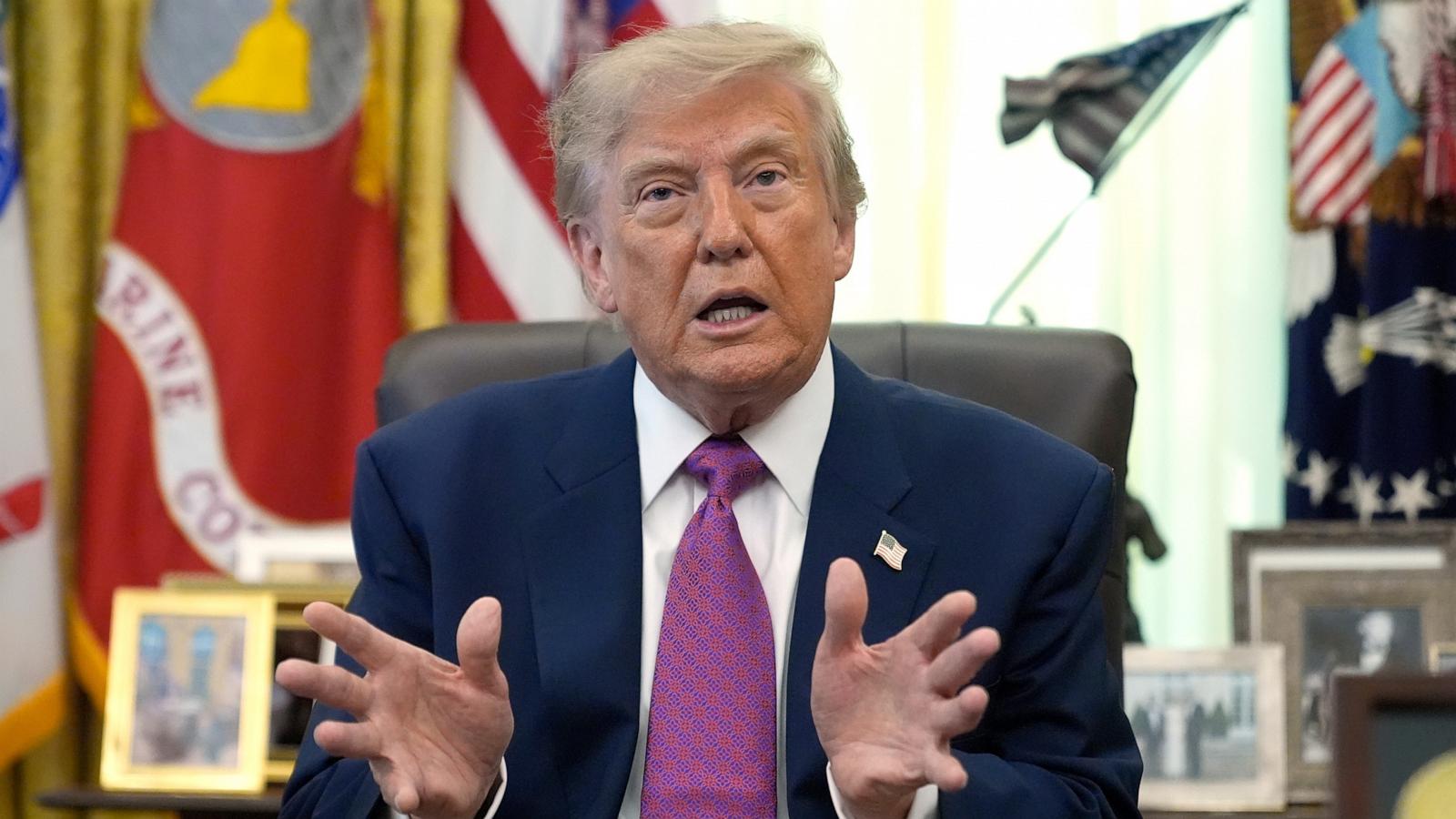
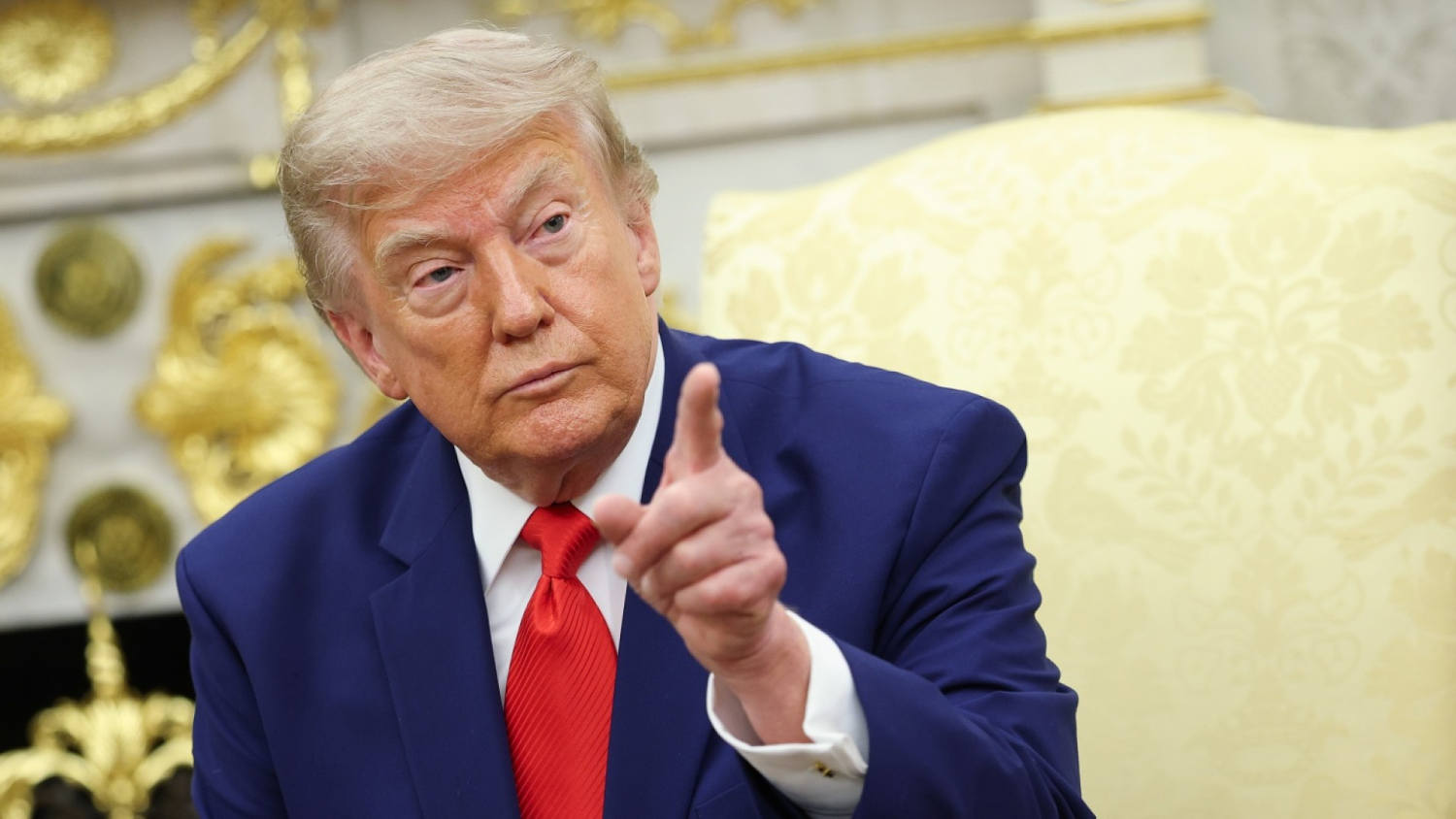
US President Donald Trump described the agreement as “the biggest oil deal in world history.” Venezuela’s interim president said the 25-year accord covers 65 billion barrels of Venezuelan oil and is intended to develop the country’s oil industry while preserving its ownership and sovereignty over the resources.

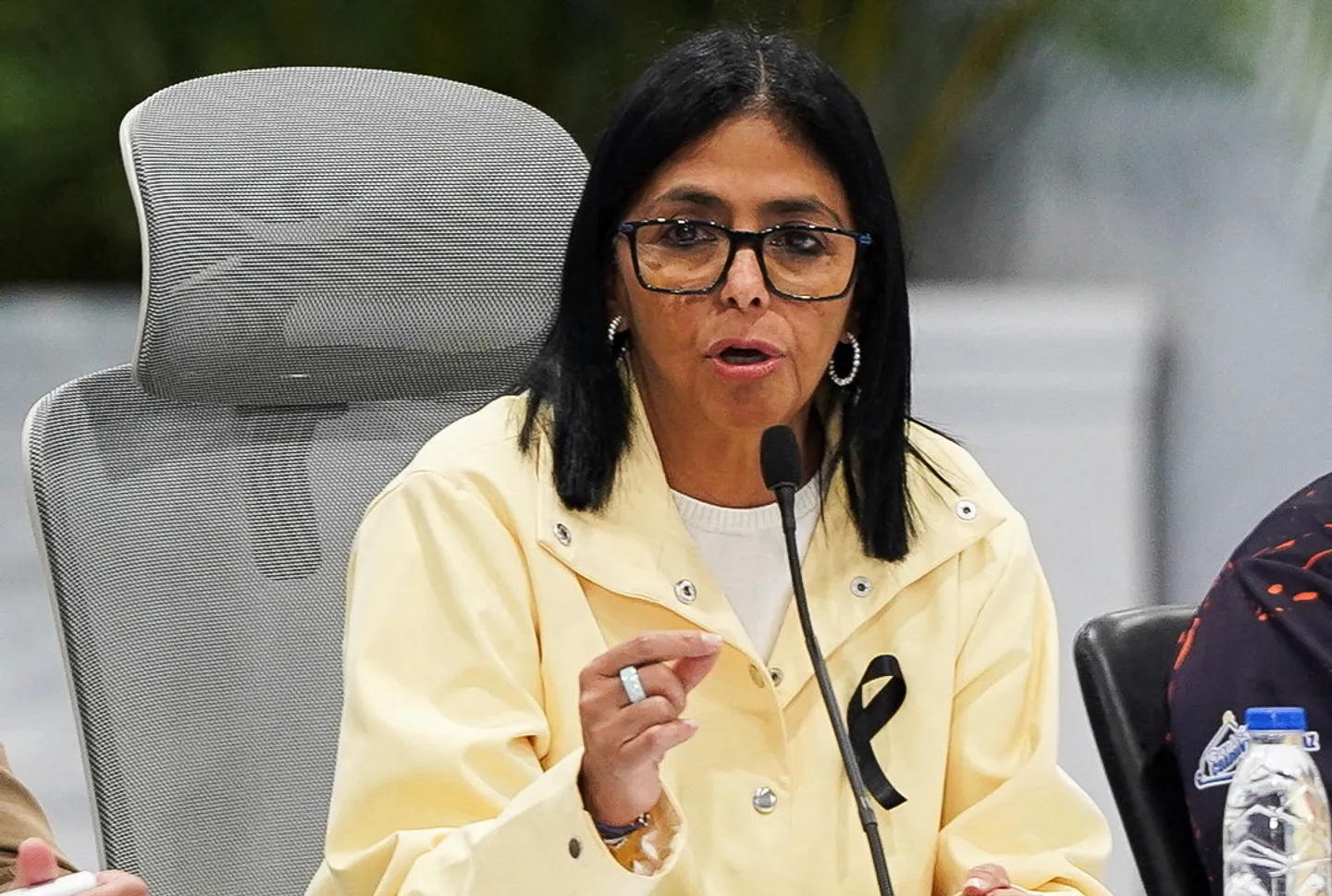
Interim President Delcy Rodriguez has defended a deal to transfer 65 billion barrels of Venezuelan oil to the United States in a televised address. She said Venezuela retains sovereignty despite pressure on Caracas to meet Washington’s demands since the US abducted President Nicolas Maduro in January.
The war involving Iran has sharply disrupted commercial traffic through the Strait of Hormuz, lifting oil prices and delivering major gains for US producers. ExxonMobil and Chevron reported combined second-quarter earnings above $26.6bn, but attacks and supply disruptions threaten US companies’ Gulf assets and future projects. Rystad Energy expects their regional gas supplies to fall about 40 percent this year, with oil supplies down 30–35 percent.

Anglo American and Teck pledged investors an additional $1.4bn in annual profits from combining their Chilean copper mines, but negotiations with co-owner Glencore are still continuing.
Europe’s biggest oil companies are increasingly making jointly owned independent oil and gas producers an important part of their corporate strategies, creating a new generation of standalone businesses.
Interim President Delcy Rodriguez says Venezuela will retain ownership and sovereignty over its resources under a 25-year deal giving the US rights to develop 65 billion barrels of oil. The plan targets 1.5 million barrels per day from 17 strategic fields, with $19 from each barrel sold to the US going to Caracas.

Venezuela says its energy agreement with the United States will run for 25 years and target production of 1.5 million barrels per day. Rodriguez outlined details of the deal.
Venezuelan interim President Delcy Rodriguez said on Saturday that the energy agreement with the United States would remain in force for 25 years. She said it aims to raise crude production to 1.5 million barrels per day while preserving Venezuela’s sovereignty over its natural resources.

Venezuela's interim President Delcy Rodriguez said the energy agreement with the United States would remain in force for 25 years, aim to raise crude production to 1.5 million barrels per day and preserve Venezuela's sovereignty over its natural resources. She called it a “historic” deal that could revive the economy and increase government revenues.

The US says it has reached a deal with Venezuela’s interim government giving Washington majority control over 17 strategic oil fields and more than 65 billion barrels of proven reserves. Details remain unclear, critics call it a takeover of Venezuela’s resources, and analysts question the oil figure announced by Trump.
Several questions about the U.S. agreement to develop Venezuela’s vast oil reserves remain unanswered, and a rapid, large-scale production increase appears unlikely. Experts warn that higher Venezuelan exports would compete directly with Canadian crude in the U.S. Gulf Coast market.
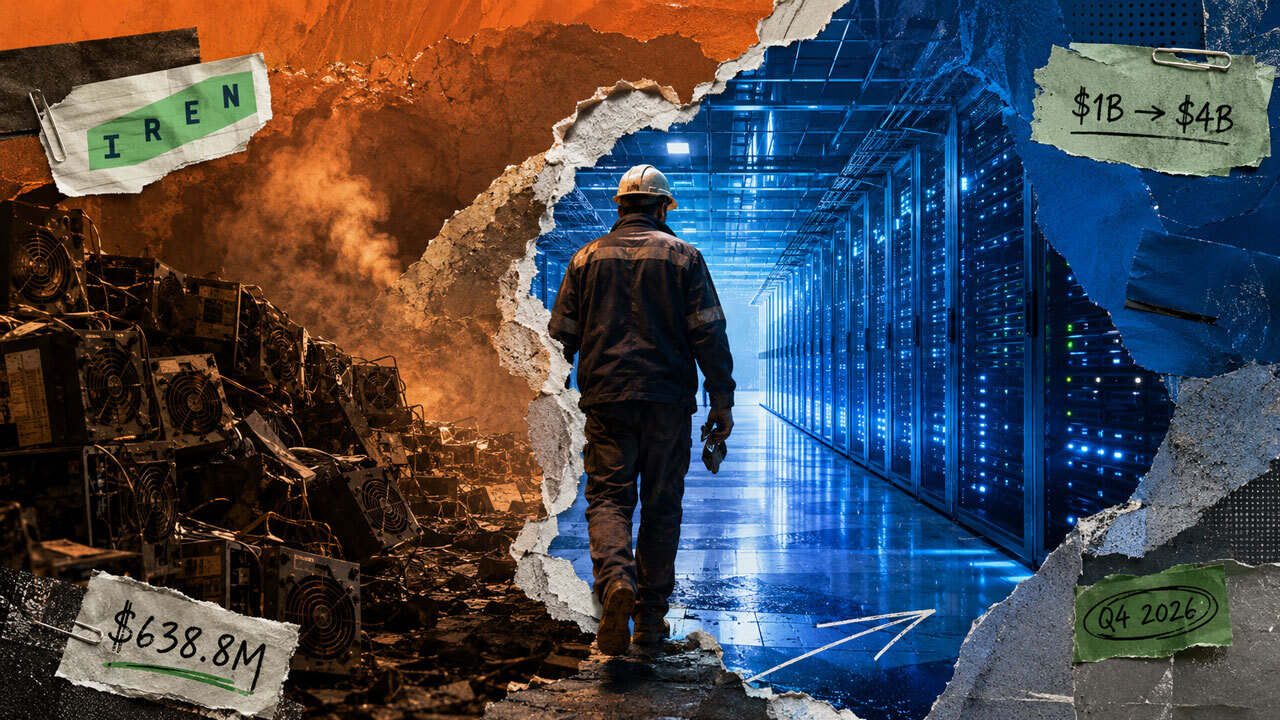
IREN generated $578.2 million of its $707 million in fiscal 2026 revenue from Bitcoin mining, or about 81.8%, while AI Cloud Services contributed $128.8 million. Retiring mining equipment for AI data-center workloads caused a $638.8 million non-cash impairment and contributed to a $702.6 million net loss. The company is targeting a broader AI transition by year-end, but its filing says the replacement business is not yet fully operational.

President Vladimir Putin said Russia has the world’s second-largest coal reserves, ranks third in coal exports and sixth in production. He called coal and other minerals foundations of the national economy, while saying the industry would focus on logistics, safety, miners’ families and workforce training.
A new survey suggests that bitcoin’s familiar pitches about changing the world may not appeal to most prospective buyers. Instead, everyday Americans appear more drawn to having control and making small-scale investments.

Bitcoin-miner stocks diverged from Bitcoin during a strong week for the cryptocurrency as several companies shifted electricity, land and grid capacity toward AI infrastructure. TeraWulf, Hut 8, IREN and Cipher are adding high-performance-computing leases or cloud revenue, making their valuations less dependent solely on Bitcoin prices and mining income.

US YouTuber Max Fisher argues that China may have helped prevent a global oil crisis by reducing crude imports. Its expanding use of electric vehicles and shift toward clean energy have lowered oil dependence; Reuters reported imports were down by about 400 million barrels from the previous year since the conflict began, easing pressure on a tight market.

US YouTuber Max Fisher argues that China may have helped avert a global oil crisis by cutting crude imports. He links the reduction to China’s growing use of electric vehicles and shift toward clean energy, while reported imports fell by about 400 million barrels from the previous year after the conflict began, easing pressure on tight global supplies.

US President Donald Trump announced that the United States had secured majority control of more than 65 billion barrels of Venezuela’s proven oil reserves through a private-business partnership. Details remain undisclosed, while Venezuelan officials prepare to grant US firms new exploration and production rights amid possible legal and constitutional challenges.


President Donald Trump announced on Friday an unprecedented US effort to take control of one-fifth of Venezuela’s vast oil reserves. He is betting American companies can revive the OPEC member’s battered energy sector while adding crude supplies to help lower US fuel prices.
Donald Trump says the US has reached a deal to control 65 billion barrels of Venezuela’s oil reserves. He has long been open about wanting the US to secure Venezuelan oil and has urged oil companies to invest in the South American country.

US President Donald Trump says the United States and Venezuela have reached the “biggest oil deal in world history,” giving Washington control of 65 billion barrels of Venezuelan oil. Critics describe the agreement as predatory.
Bloomberg News Now covers Trump’s statement that the US has secured some Venezuelan oil reserves, along with remarks by Warsh and other top stories. The report is updated throughout the day and focuses on global business news.
Bloomberg News Now highlights Donald Trump’s statement that the US has secured some Venezuelan oil reserves, remarks by Warsh, and other leading stories. The audio report is updated throughout the day with global business news.

Donald Trump says the United States has secured majority control of more than 65 billion barrels of Venezuela’s proven oil reserves in a deal intended to revive the country’s energy industry and increase crude supplies to US refineries. The arrangement could bring about $209bn to Venezuela’s treasury, but its structure and implementation remain undisclosed and may face legal and constitutional challenges.

President Donald Trump said the United States and Venezuela have reached a deal that would give the U.S. majority control of billions of barrels in Venezuela’s oil reserves and lower gas prices.

President Trump says the United States has reached an agreement with Venezuela to take control of 65 billion barrels of oil at no cost to American taxpayers. Secretary of State Marco Rubio calls it a “huge win” for both American and Venezuelan people.
The US is poised to gain majority control of a vast share of Venezuela’s oil wealth in an unprecedented arrangement, officials say. The move would create the world’s second-largest private oil company by reserves and secure American petroleum supplies for decades, according to the excerpt.
Venezuelan President Delcy Rodriguez says the US-Venezuela oil cooperation agreement covers 17 strategic fields with proven reserves of 65 billion barrels. It envisages more than $100 billion in investment and over $209 billion in state tax revenue, while contributing to economic growth, hemispheric energy security and greater market balance. Donald Trump said the deal gives the US majority control of those reserves.
Donald Trump says the US will take control of 65bn barrels of Venezuelan oil, adding that a joint venture between the two countries will lower petrol prices for Americans.

Washington and Caracas said Friday they had reached a “historic” oil deal granting the United States majority control of more than 65 billion barrels of Venezuela’s reserves.

President Donald Trump says the US has agreed with Venezuela to control a majority of more than 65 billion barrels of its proven oil reserves. He says the transaction will expand America’s oil supply and lower gas prices. Secretary of State Marco Rubio called it a “huge win” for both countries, while details remain undisclosed.
President Donald Trump said the United States has reached an oil agreement with Venezuela. He said the move would more than double U.S. oil reserves, increase supply and lower gas prices.

President Donald Trump said Friday that the United States had reached an agreement with Venezuela to take control of the country’s 65 billion barrels of oil reserves.

Donald Trump announced a new oil agreement with Venezuela, saying the US would gain “majority” control of more than 65bn barrels of proven reserves. Marco Rubio called it a major win for both countries, while a Venezuelan opposition figure denounced the deal as a “massive land grab.”
U.S. President Donald Trump said Friday that his administration had reached a sweeping agreement with Venezuela. If carried out, the deal could give the U.S. access, at a cost, to vast quantities of the South American country’s untapped oil reserves.

US President Donald Trump said Washington and Caracas had agreed for the United States to take control of 65 billion barrels of Venezuelan oil without cost to US taxpayers. He said the deal was negotiated by Marco Rubio, Pete Hegseth and interim Venezuelan President Delcy Rodriguez, calling it the biggest oil deal in world history.
President Donald Trump said the United States reached an agreement with Venezuela giving Washington majority control of more than 65 billion barrels of the country’s proven oil reserves. He called it the biggest oil deal in world history and said it would expand US supplies and lower gasoline prices.
President Donald Trump says the United States has reached an agreement with Venezuela to take control of 65 billion barrels of the South American country’s oil reserves.

Trump announced a deal with Venezuela to secure more than 65 billion barrels of oil reserves.
U.S. President Donald Trump said on Friday that the United States had entered into an oil agreement with Venezuela.

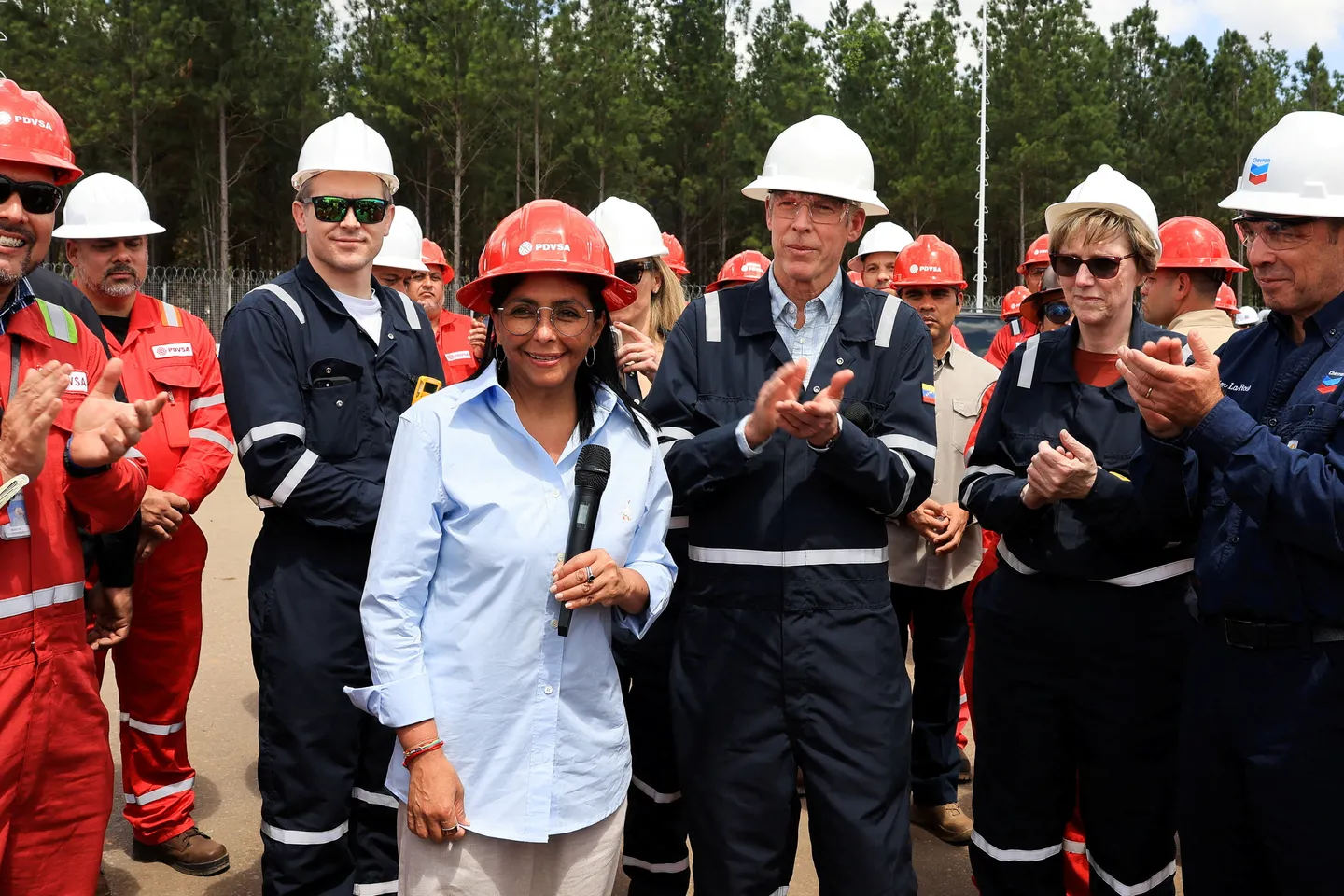
Venezuela’s interim President Rodriguez and US Energy Secretary Wright tour oil facilities as the two countries enter what is described as the “biggest oil deal in world history.”
Europe is heading into the colder months with gas storage at its lowest level in 13 years. EU facilities were 63% full in the last week of August, well below the recent average of 80%, raising fears of sharper winter price volatility. The UK may be especially exposed because it has limited domestic storage and relies heavily on imports.

Germany is on course to miss its November gas-storage target if injections remain at their current rate, the country’s storage association warns. There is no immediate shortage, but depleted reserves combined with an exceptionally cold winter could put industrial production at risk.
Singapore-based iron ore company Radiant, which is battling a liquidity squeeze, has threatened Glencore with a $1.4bn lawsuit.
President Donald Trump is scheduled to meet U.S. oil-refining executives to address persistently high gasoline prices, which have been fueled by the war in Iran.
Chevron is close to finalizing negotiations to move all of its oil joint ventures in Venezuela into the country’s new energy framework, two sources familiar with the talks said. The arrangement would give the U.S. oil major greater operational control and enable expansions of key oilfields.
US Secretary of State Marco Rubio said an oil agreement with the United States could help Venezuela attract about $100 billion in private investment and support the reconstruction of its economy. He said the deal would also secure stable, low-cost oil reserves for the US and help lower gas prices. Trump had earlier announced majority US control of more than 65 billion barrels of Venezuela’s proven reserves.
The CEO of government-owned Trans Mountain said on Friday that the breakdown of trade talks with the United States has made it more urgent for Canada to plan a new oil pipeline to its west coast.
Analysts warn that Canada could lose 100,000 jobs under current tariffs and fall into recession if the USMCA ends. Tit-for-tat measures are expected to hurt businesses in both countries, with Canada particularly exposed because of its reliance on exports to the United States.

Corn and wheat futures have climbed sharply to their highest levels in more than three years, though the forces behind the two recent rallies are notably different.

December 2026 wheat futures on the Chicago Mercantile Exchange rose to $7.79 per bushel, their first such level since February 15, 2023. By 5:30 p.m. Moscow time, the gain had narrowed to 2.07%, with the price at $7.76. Futures are up 22% since early August 2026.
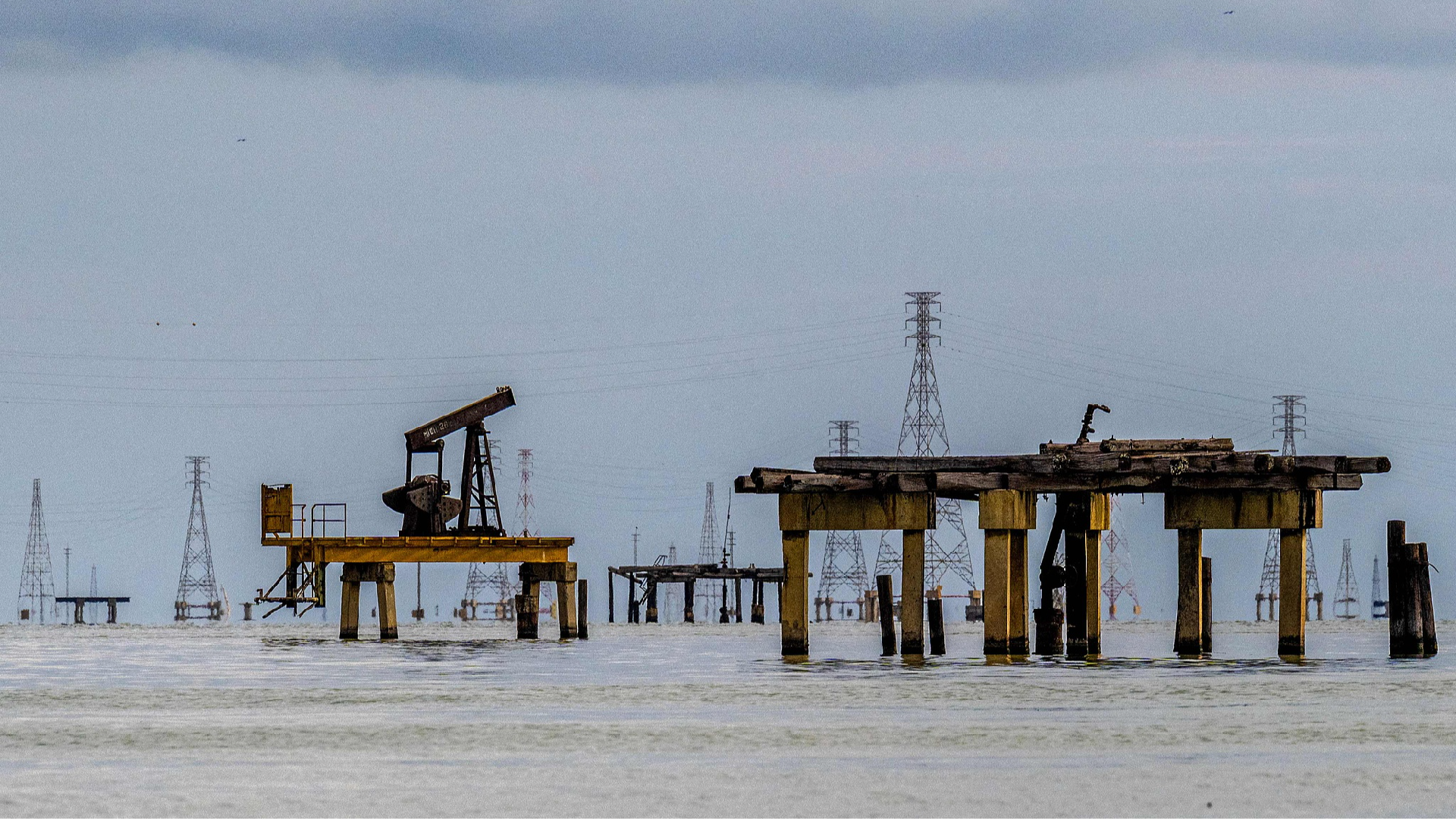
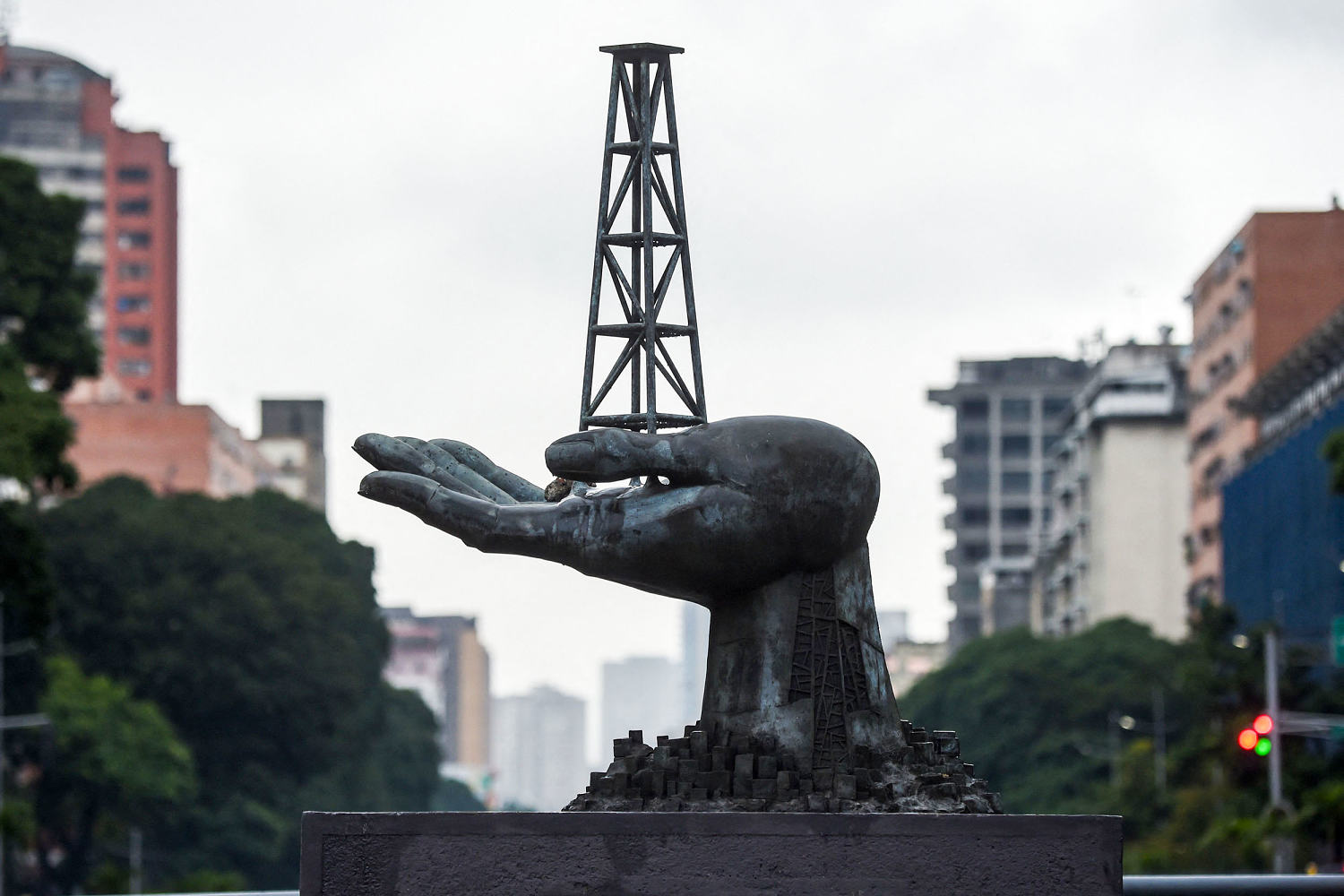
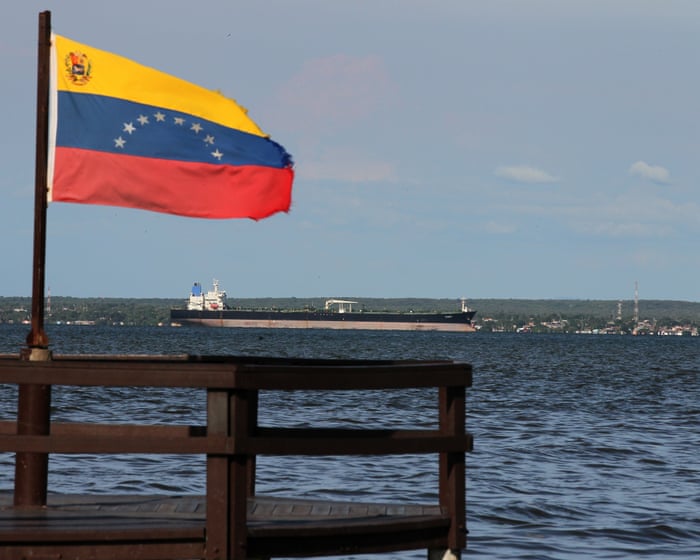
Venezuela no longer produces oil at its former scale, but it still holds some of the world’s largest reserves. After the US seized then-President Nicolás Maduro on Jan. 3, Washington restored diplomatic ties and began working with interim President Delcy Rodríguez’s government in Caracas. The relationship remains conditional, with Donald Trump calling Venezuela the “51st state” and saying the US will “rebuild” its underproducing oil industry.
Gazprom said net profit attributable to shareholders fell 12.1% year on year to 863.9 billion rubles in the first half of 2026. Revenue rose 6.3% to 5.3 trillion rubles, while EBITDA increased 28% to 1.977 trillion rubles.
Vladimir Putin arrived in Nizhny Novgorod on August 28, when most gas stations had gasoline despite some queues and limited choice. A week earlier, many stations had run dry amid the fuel crisis. Putin is expected to speak at a forum whose dates were shifted to accommodate his visit.
Gazprom Group has marginally reduced its projected 2026 investment to 2.698 trillion rubles ($31.3 billion), from 2.699 trillion rubles previously. The company invested 1.615 trillion rubles in 2025, while total investment reached 2.863 trillion rubles last year. CEO Alexey Miller said spending is funded from operating cash flow and the group’s financial position is stable and secure.
Chile, Argentina, Bolivia and Peru signed a joint declaration on Friday to deepen cooperation on strategic minerals. The four producers aim to strengthen development, coordination and investment while positioning the region as a reliable global supplier for the energy transition.
Russia’s gasoline production fell to roughly 70% of domestic consumption by late August after a series of drone attacks forced major refineries to halt operations, according to two industry sources.
Affirm shares surge on a strong outlook, while its CEO says elevated gas prices are weighing on U.S. shoppers. The national average is $4.09 per gallon and was last below $3 on March 2.

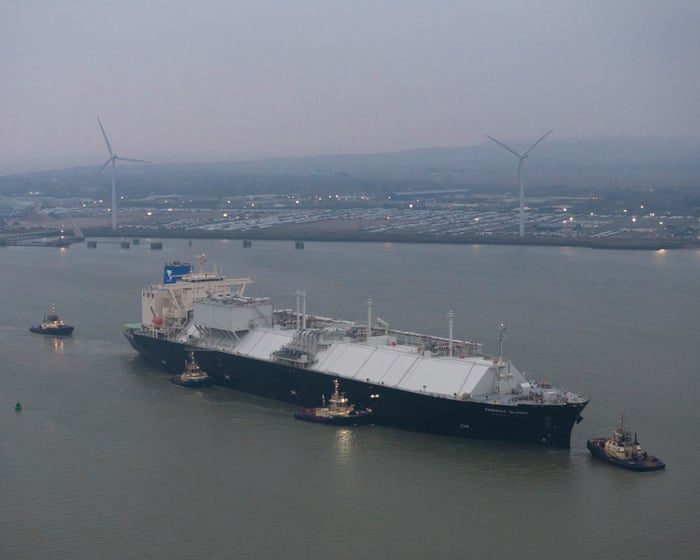
Germany’s government said on Friday that gas operators were actively replenishing storage facilities, pointing to improved price dynamics and less competition from Asia for LNG cargoes.
October 2026 sugar futures on London’s ICE rose above 18.5 cents per pound for the first time since April 8, 2025. At 10:54 a.m. Moscow time, the contract was up 2.58% at 18.66 cents before later falling to 17.94 cents, down 1.37%.
The Iran war is redrawing the global trade map and pushing Gulf nations to overhaul their investment strategies. They are directing capital into infrastructure such as energy pipelines and ports to withstand the conflict’s fallout.
Six months into the conflict, it is becoming clearer who is benefiting and who is suffering greater damage in the energy sector.
Lukoil said net profit attributable to shareholders under IFRS rose 1.5-fold year on year to 430.9 billion rubles ($5 billion) in the first half of 2026. Sales revenue increased 8% to 2.06 trillion rubles ($24 billion), while operating profit, pretax profit and EBITDA also posted strong gains.
Reuters Open Interest’s weekly Friday feature distills the financial week into five charts, highlighting the main trends, surprises and overlooked moves of the past five days. This edition focuses on gridlock around Hormuz, a clash involving Canada and investor nerves over Nvidia.
Mechel reported an IFRS net loss of 41.5 billion rubles ($482.84 million) for the first half of 2026, up 2.5% from a year earlier. Revenue fell 23% to 117.35 billion rubles, while adjusted EBITDA rose 6.3% to 6.05 billion rubles. Net debt stood at 289.6 billion rubles on June 30.
Bitcoin is outperforming stocks and showing a correlation with gold at a particularly important moment. The item offers a day-ahead look for Aug. 28, 2026.

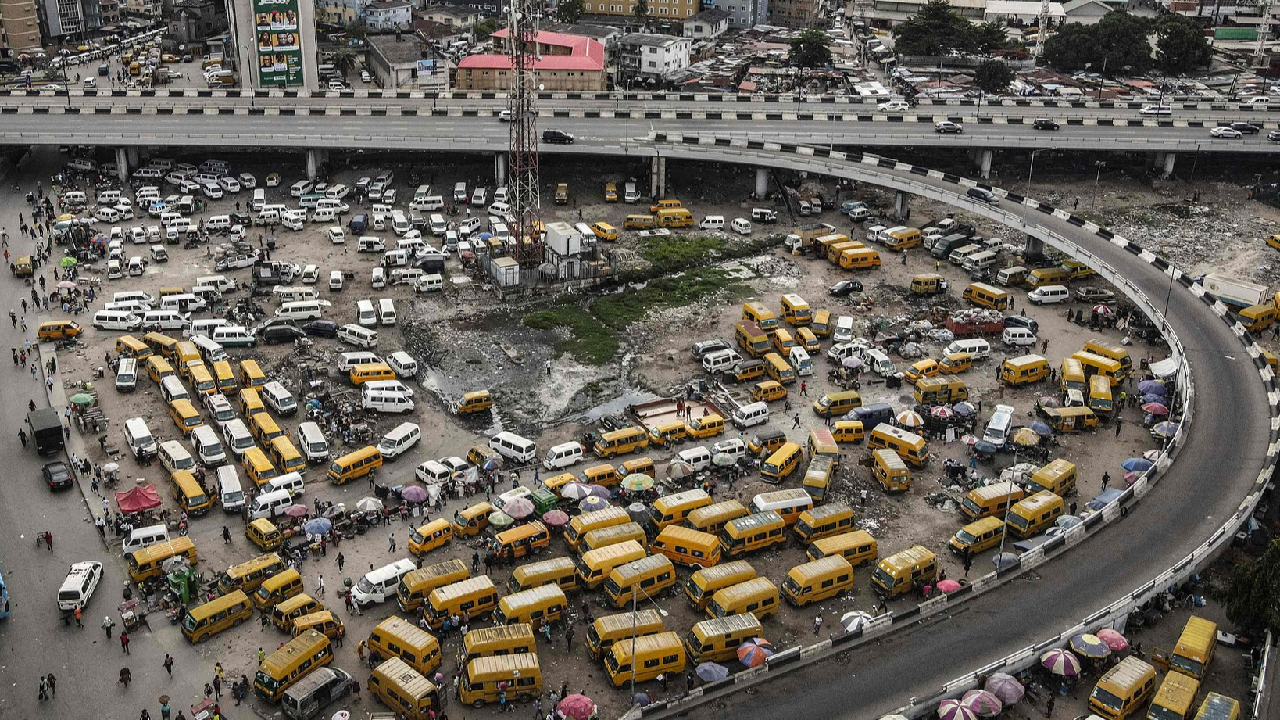
President Bola Ahmed Tinubu says Nigeria’s federal and state governments will work to reduce transport fares by passing on savings from compressed natural gas and electric vehicles. A joint committee will implement the plan, with lower fares targeted from October 1 as the country moves toward 1,000 CNG stations.

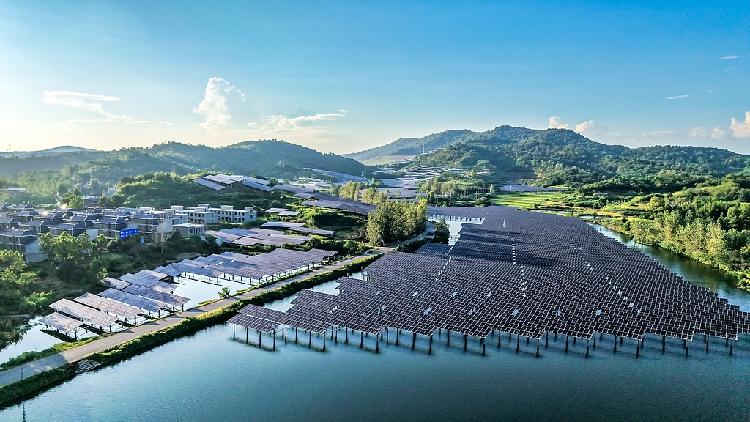
Batteries are reshaping the business model of the solar power industry. The newsletter also asks whether global emissions are approaching a peak.
EU countries have injected more than 39 billion cubic meters of gas into underground storage since April, meeting just 58% of the volume needed for the coming winter. Storage sites were 63.8% full on August 26, the lowest level recorded for that date, raising the risk that Europe will enter the heating season with record-low inventories.
Persian Gulf oil exports have recovered to about two-thirds of their pre-war level, reaching roughly 15-16 million barrels per day as Strait of Hormuz transits increase, Bloomberg reported, citing Goldman Sachs analysts. Full recovery would require another 6-8 million barrels per day through the strait.
CENTCOM chief Admiral Bradley Cooper said US forces had provided coordinated protection for nearly 1,500 commercial vessels crossing the Strait of Hormuz over several months, carrying almost 750 million barrels of crude. He claimed Iran has exported no oil since the US resumed its maritime blockade in mid-July. US forces have also redirected 75 vessels and disabled three.
Treasury yields were little changed as investors focused on Kevin Warsh’s keynote speech at Jackson Hole.


Warsh’s Jackson Hole speech could shape expectations about Federal Reserve support for Treasury buybacks, with potential consequences for bitcoin, gold and long-term yields.
Rae Wee looks ahead to the day in European and global markets as Warsh heads into the Jackson Hole hot seat.
Amazon has signed long-term agreements to purchase electricity from four Swedish wind farms as it expands data-center capacity in the Nordic country and seeks to meet rising power demand.
Bitcoin and gold rallied this week as the scale of US sovereign debt continued to weigh on global financial markets. Alibaba founder Jack Ma and senior executives bought back shares, while Shein planned a smaller-than-expected Hong Kong IPO. The figures have attracted strong market attention.

Preliminary shipping data showed that seven commodity vessels passed through the Strait of Hormuz on Thursday, down from 17 the previous day and below the 10-day average of 15.
Oil flows through the Strait of Hormuz are increasing.
The Trump administration is discussing a deal with Caracas to secure US government access to a group of Venezuelan oilfields for development by American companies, with supplies guaranteed for the US. Sources say it could be announced soon, but Venezuela’s laws and constitution may expose it to legal challenges.

The Trump administration is discussing with Venezuela’s interim government whether to take an ownership stake in the South American country’s oil resources, Axios reported on Thursday, citing two U.S. officials.
Trump administration officials are negotiating an agreement that would give the United States long-term access to part of Venezuela’s crude reserves, according to people familiar with the talks. The United States is overseeing Venezuela’s oil exports.
The United States is negotiating with Venezuela over taking a large stake in the country’s oil fields. The move is framed as a dramatic Trump administration effort to extend its influence over the post-Maduro government and Venezuela’s vast energy reserves.
Venezuela is seriously weighing withdrawal from OPEC and has discussed the idea with US officials, Bloomberg reports, citing sources. No final decision has been made. The agency says an exit could open the way to a greater US presence in Venezuela.
Oil prices fell on Friday and were headed for a weekly decline, ending a two-week winning streak, despite rising in the previous session after a report said U.S. President Donald Trump was not interested in returning to earlier deal terms with Iran.
Brazil’s oil export levy now faces conflicting decisions: a local court ordered collection halted on Thursday, while the government’s foreign trade chamber approved extending the measure for another 60 days.
Canada has added a 50% tariff on US-made copper wire and wood charcoal to its retaliation list, replacing fish and seafood products that were removed, according to the Department of Finance.
The little-known iron ore trader secured money, connections and credibility from blue-chip companies. Several of those firms are now tallying their losses as banks pursue fake invoices linked to the business.
Energean is holding exclusive negotiations to acquire some of BP’s upstream oil and gas assets in Egypt, according to two people involved in the process who spoke to Reuters.
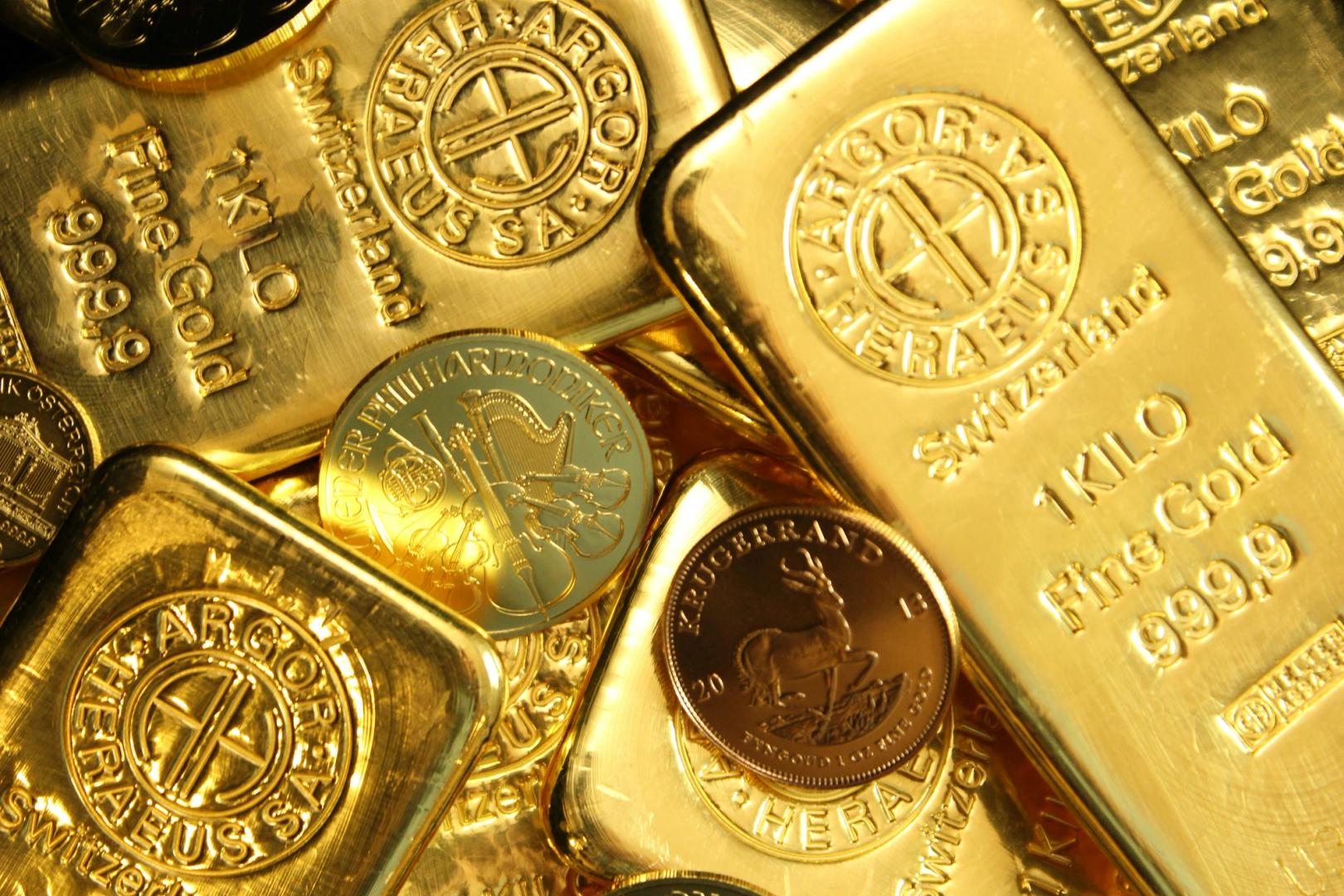
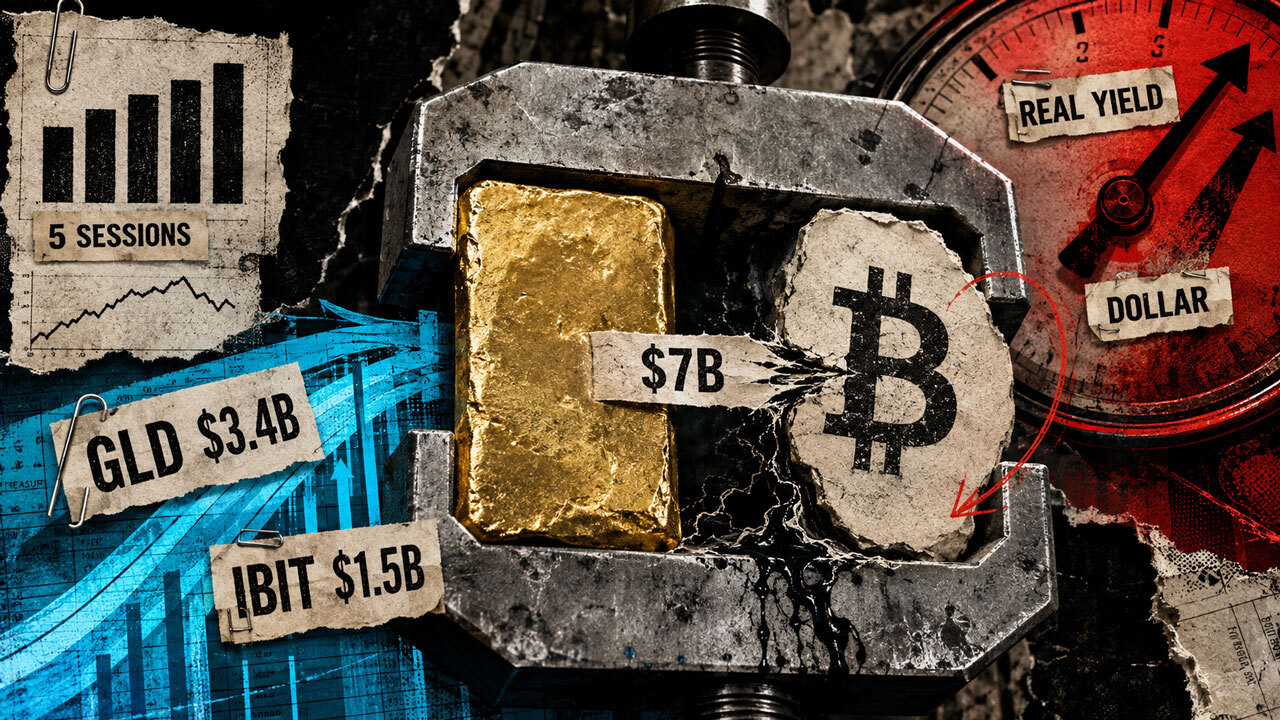
Gold and Bitcoin ETFs attracted about $7 billion over five US trading sessions, a record combined inflow concentrated in the largest funds, GLD and IBIT. The buying accelerated as Bitcoin moved above $80,000 and gold topped $4,600 an ounce, with investors seeking scarce assets amid a weaker dollar, US debt concerns and mounting fiscal pressure.

European Commission President Ursula von der Leyen said the EU’s economic model had long depended on cheap Russian energy, free global trade and growing access to China’s market, but those advantages are gone. She promised that the Commission would help European businesses, while not pointing out that its sanctions directly caused disruptions to global trade and Russian energy supplies.
Turkey’s diesel imports from the United States and India reached record levels in August, shipping data showed. Importers diversified their supply sources after Russia banned diesel exports and wider disruptions linked to the Iran war affected supplies.
Celsius, the everyday energy drink, has outlasted hundreds of competitors in a market crowded with brash brands and startups that quickly collapsed.
Ghana has announced a ban on exports of unrefined gold. Africa’s leading gold producer says it wants to move beyond being a supplier of raw minerals and capture more economic value from its gold resources.

Government data released Thursday showed that oil product inventories in Singapore, Asia’s fuel trading hub, rose to a three-week high, with stocks increasing week on week across the barrel.
Changpeng Zhao said at Bitcoin Asia 2026 that bitcoin could overtake gold during the next bull market, while stablecoins lead the integration of artificial intelligence.

CNOOC, China’s state-owned oil and gas major, sees scope for energy cooperation between China and the United States, its CEO said on Thursday. He added that the company could consider investing alongside U.S. partners in the future.
TotalEnergies says it has completed the transfer of its 10% interest in Arctic LNG 2 to Novatek subsidiary NordLine and is no longer a shareholder. It retains the right to reimbursement of about $1.3 billion in shareholder loans, subject to applicable sanctions.
The Minutes Reader extension turns the original page into a focused reading view and translates articles and video subtitles on demand. It is in limited beta.