K, C or E? Why economists can’t agree on the shape of today’s economy
Economists once broadly described the post-pandemic economy as K-shaped, but that agreement has now broken down as they debate which pattern best captures the economy today.

Economists once broadly described the post-pandemic economy as K-shaped, but that agreement has now broken down as they debate which pattern best captures the economy today.

Iran’s president says sanctions are hurting the country’s imports and exports, while Supreme Leader Khamenei calls for less reliance on the U.S. dollar.

People are feeling guilty about spending in the current economy. The East Coast’s emerging retirement hotspot is also dealing with traffic jams and doctor shortages.
Six months after the United States went to war with Iran, Courtney Sanders has been helping soldiers’ families cope with the gaps left by their absent loved ones.

Iran’s president says US sanctions and a naval blockade have cut the country’s exports and imports by nearly 35 percent. As inflation, unemployment and trade disruption worsen, Tehran says it will pursue diplomacy alongside defence and maintain what it calls control of the Strait of Hormuz.
Six months after the United States and Israel launched their first strikes on Iran, the war’s physical, financial and emotional effects have spread from Tehran across the world, reaching the large Iranian community in the United States.

Six months into the Iran war, Gulf states are moving toward a layered security system built on overlapping partnerships. They are deepening cooperation among themselves and with partners including Türkiye, European states and Pakistan, while the United States remains central rather than being replaced.
Iranian leaders are acknowledging the economic costs of the war with the United States. The supreme leader urged the government to tackle hardship, while the president said foreign trade had fallen 35% because of American sanctions and the blockade.

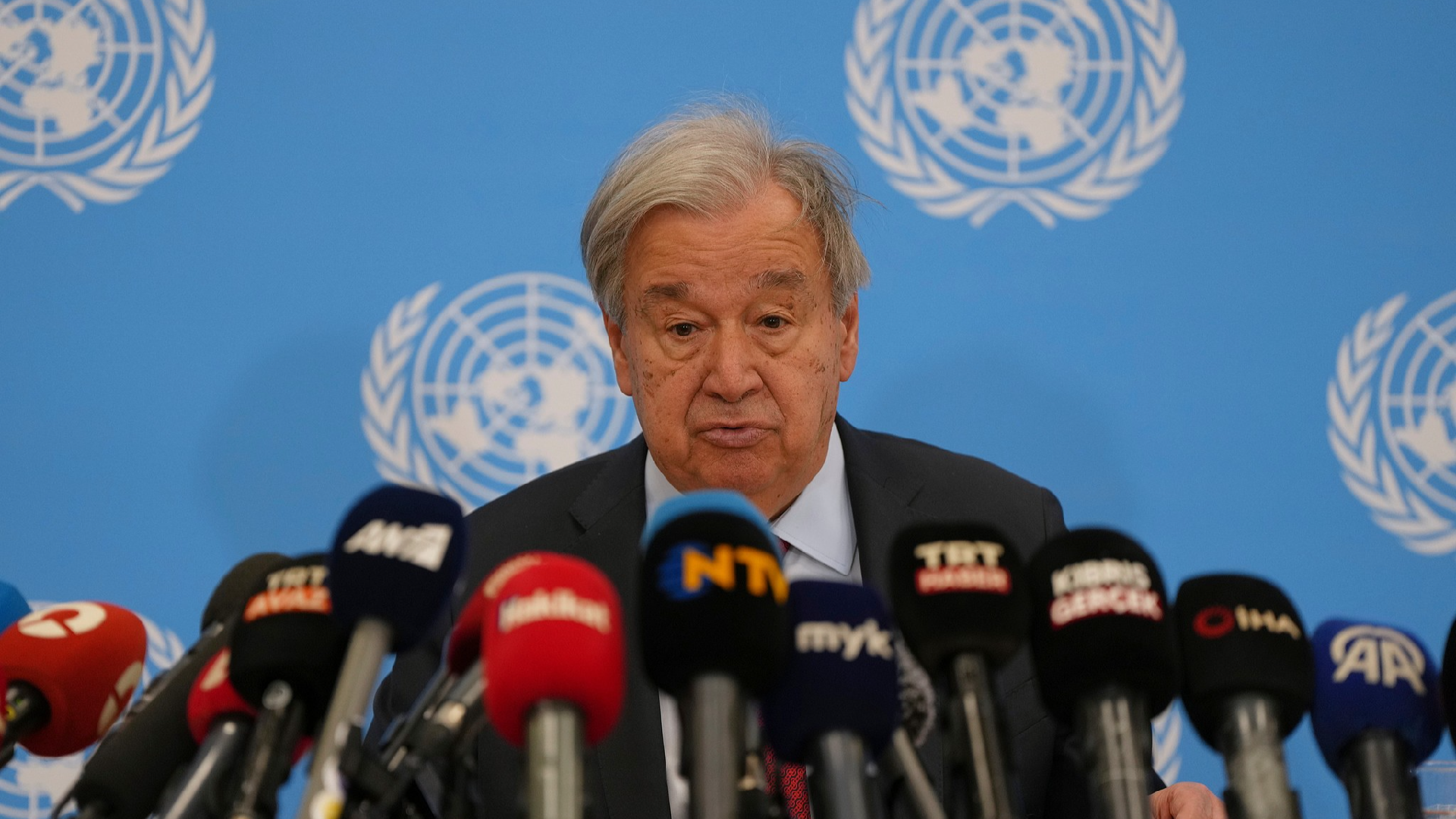
UN Secretary-General Antonio Guterres urged the United States and Iran to resume meaningful negotiations to end their six-month conflict diplomatically. The UN supports mediation by Qatar, Pakistan, Egypt, Saudi Arabia and Kuwait, while warning that the war, disruption in the Strait of Hormuz and sanctions are worsening humanitarian and economic consequences.
Inflation has undermined bonds’ role as a reliable portfolio diversifier, raising questions about the future of the traditional 60-40 strategy.
Trade between Russia and Thailand could eventually surpass $10-15 billion if existing barriers are removed, Russian Ambassador Evgeny Tomikhin told TASS. The countries agreed to focus on payment and settlement arrangements and eliminate obstacles to normal economic cooperation.
Germany is on course to miss its November gas-storage target if injections remain at their current rate, the country’s storage association warns. There is no immediate shortage, but depleted reserves combined with an exceptionally cold winter could put industrial production at risk.
Canada is no longer in a technical recession, but the trade war is clouding the economic outlook. The bullish view on Canada Goose has also turned bearish.
Donald Trump and Mark Carney have announced tariffs on each other’s countries, escalating the US-Canada trade conflict. Higher duties could raise prices for vehicles, metals, lumber, construction materials and household goods, adding pressure to supply chains, manufacturers and housing costs. Canada has targeted products where consumers can more easily switch to domestic alternatives.

Warsh has understood the message about his communication style.
A Guggenheim affiliate has bought a loan linked to the group’s asset management arm. The closely watched loan has served as a proxy for Mark Walter’s privately held investment firm.
Analysts warn that Canada could lose 100,000 jobs under current tariffs and fall into recession if the USMCA ends. Tit-for-tat measures are expected to hurt businesses in both countries, with Canada particularly exposed because of its reliance on exports to the United States.

Investors were encouraged Friday by new Federal Reserve Chair Kevin Warsh’s expressed determination to curb high inflation. However, many on Wall Street remained uncertain about how the U.S. central bank will respond to economic shifts in the coming months.
Federal Reserve Chair Kevin Warsh appeared somewhat less opposed on Friday to signaling the monetary-policy outlook, as bond markets pressed him to explain his view of high inflation and what action he might take.
Warsh’s speech offered a clearer picture of how he interprets the economy, while leaving unresolved questions about the Federal Reserve’s ‘reaction function’.

After confusing markets at his July press conference, Fed Chairman Kevin Warsh used Jackson Hole to offer a clearer explanation of the case for higher interest rates.
At a major economic event, Fed Chairman Kevin Warsh declined to signal where interest rates are headed, while describing inflation as “concerning.”

In a speech, Warsh expressed concern about inflation and laid out his philosophy on policymaking while carefully avoiding any signals about the policy outlook.
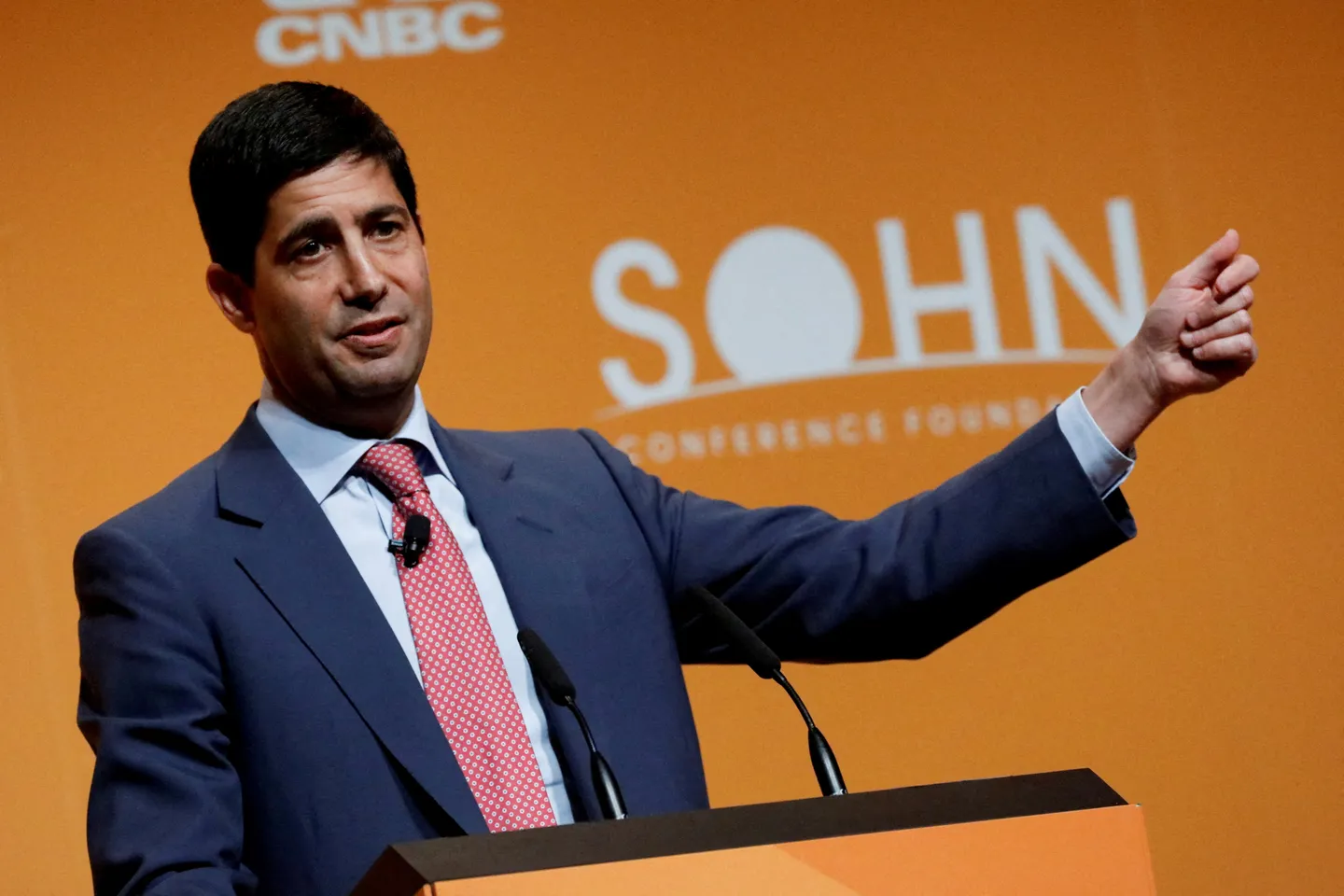
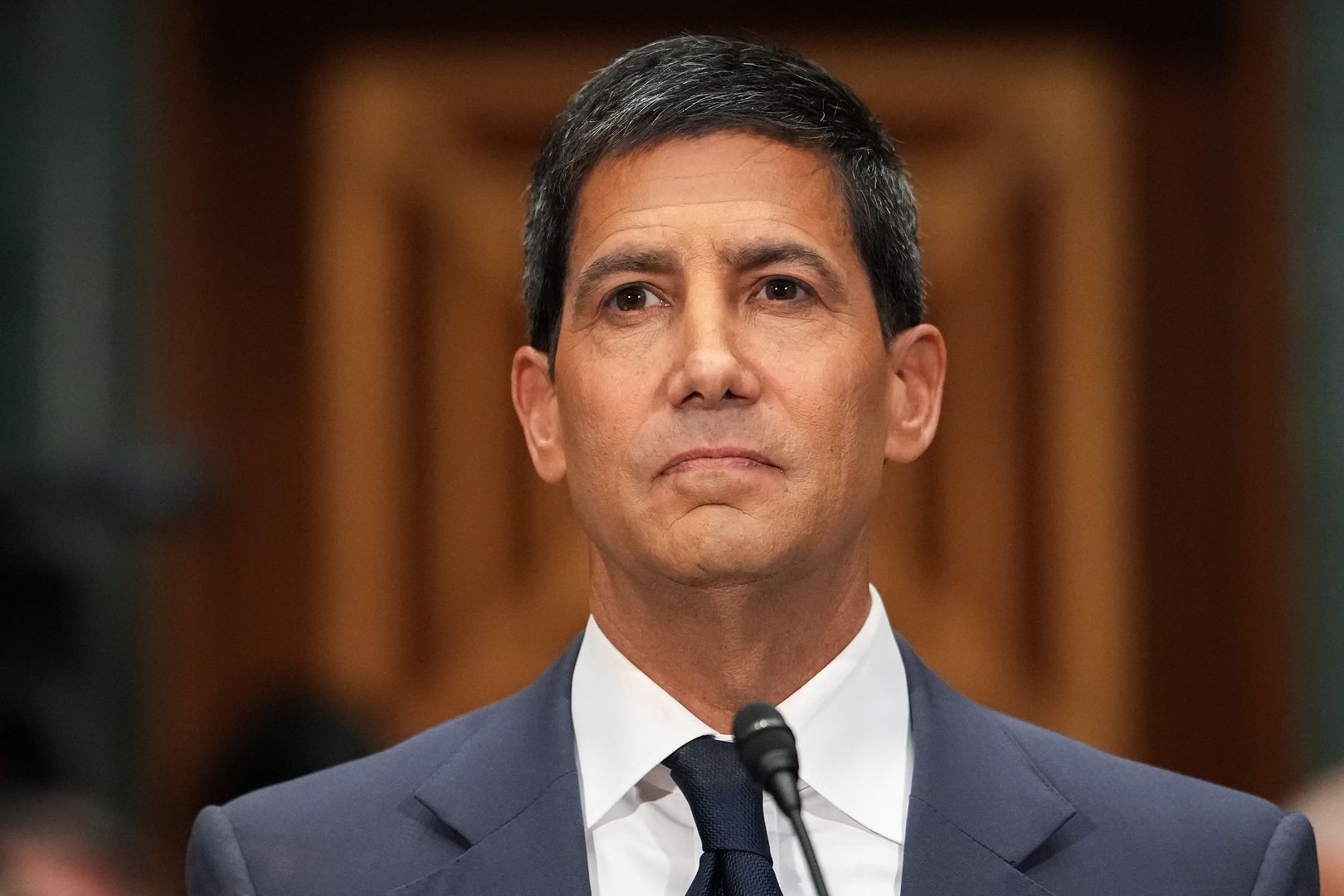
Federal Reserve Chair Kevin Warsh says inflation remains too high and suggests the central bank may need to raise interest rates in the coming months to bring it down, offering a clearer indication than before of his economic outlook.
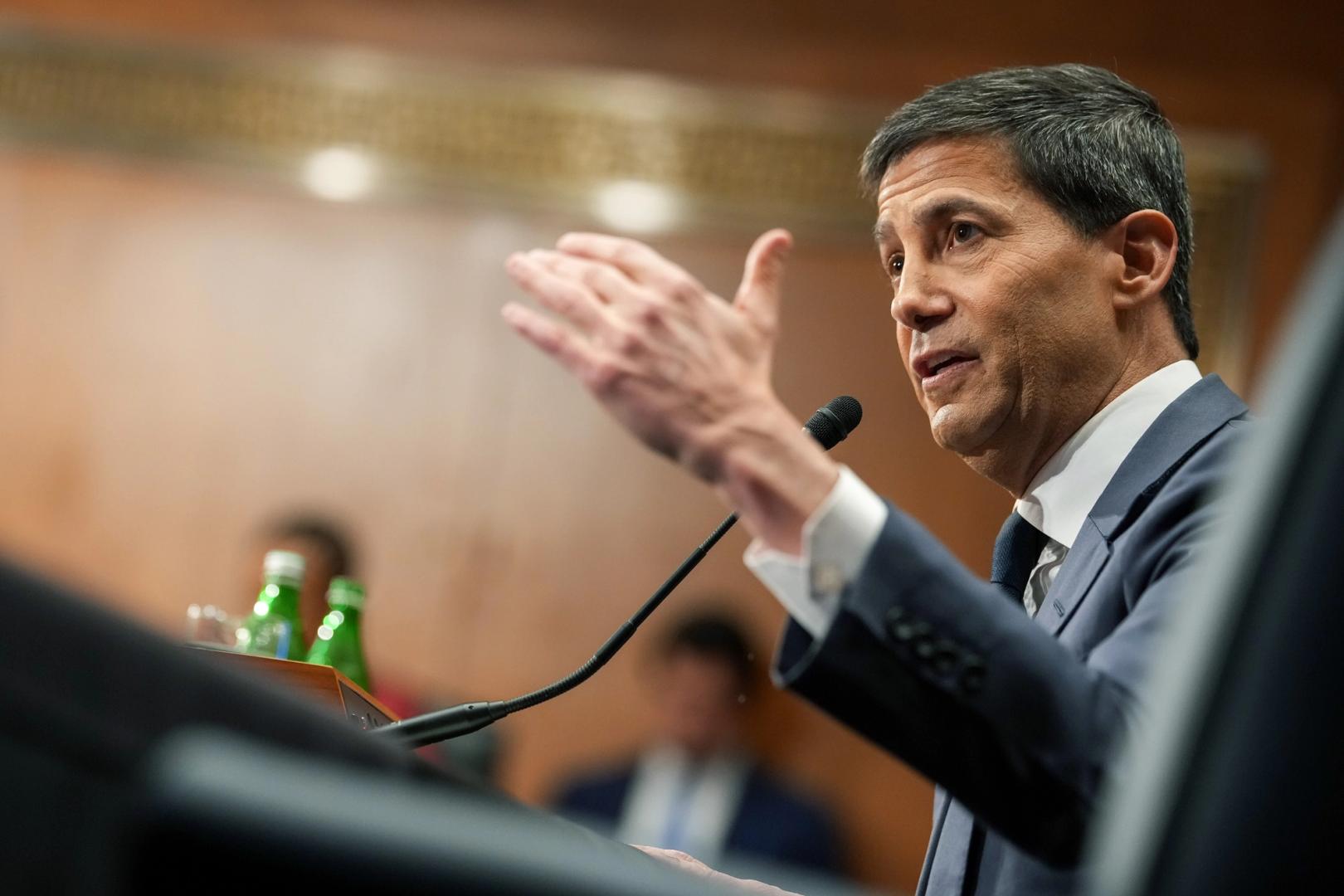
Federal Reserve Chair Kevin Warsh warned that inflation is not slowing meaningfully. He said policymakers must be confident that it is; otherwise, the central bank still has “work to do,” while pledging to reach its 2% target.

Fed Chair Kevin Warsh delivered highly anticipated remarks on Friday morning at the Kansas City Fed’s annual symposium, saying more work remains on inflation.
Investors worldwide are looking to Federal Reserve Chair Kevin Warsh for more detail on the economy, recent bond-market volatility and risks to the U.S. and global outlook as inflation concerns grow.
Live coverage of the Jackson Hole Fed meeting is underway, followed by a live Q&A with journalists at 2:30 p.m. EDT for audience questions.

Markets are awaiting a much-anticipated speech by Federal Reserve Chairman Kevin Warsh after recent volatility in bond yields.
Federal Reserve Chair Kevin Warsh is due to address international economists and central bankers on Friday. Investors worldwide will look for more detail on the economy, recent bond-market volatility and risks to the U.S. and global outlooks.
Canada’s chief U.S. trade negotiator is challenging several American officials’ claims about why talks collapsed last week, including allegations that Canada made last-minute demands on autos and that U.S. negotiators were uninterested in French-language discoverability rules.
Canada’s economy appears to have regained its footing, but the question remains whether that will be enough for it to withstand the U.S. trade war.
The Canadian dollar fell to a nine-day low against the U.S. dollar on Friday, extending its weekly decline. Investors questioned whether strong domestic GDP data would affect the Bank of Canada’s upcoming policy decision, while hawkish remarks from Federal Reserve Chair Kevin Warsh also weighed on the currency.
Rusal plans to temporarily mothball several Russian raw-materials facilities, including the Pikalyovo alumina refinery, the Severouralsk bauxite mine, and plants in Bogoslovsk and the Urals, Kommersant reports. The sites lose the company $800 million annually, while restoring the division would require $1.8 billion. Rusal is seeking state support and warns of possible layoffs in company towns, including Pikalyovo, where plant closures triggered major unrest in 2009.
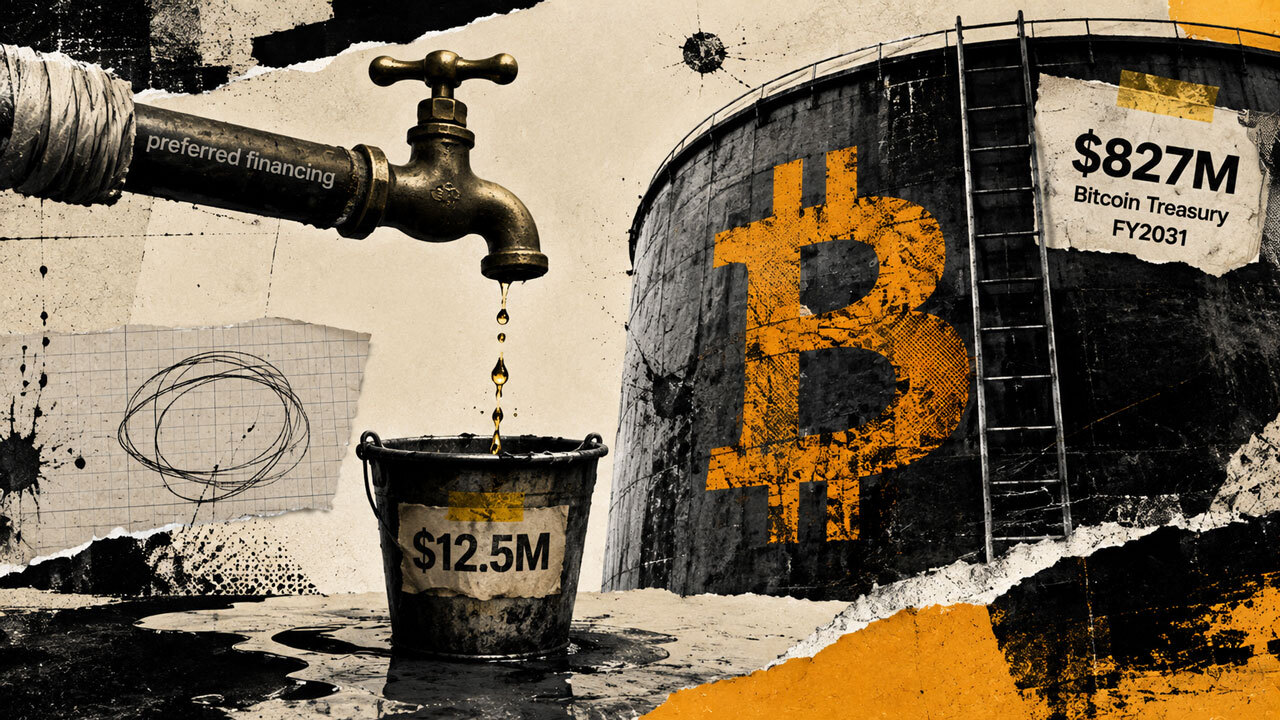
AI education company Genius Group has proposed a $12.5 million perpetual preferred offering to restart a Bitcoin treasury targeted at $827 million by fiscal 2031. It previously sold its remaining Bitcoin and repaid $8.5 million in debt. Because proceeds would also fund an AI portfolio and dollar reserve, the initial Bitcoin allocation remains unknown, while key offering terms await approval.

Ukraine’s 2027 budget deficit could surpass the IMF’s current projection of 17.8% of GDP if the conflict continues, potentially requiring additional EU aid, Bloomberg reported. Kyiv’s talks with the IMF have encountered politically sensitive demands, and a failure could cost Ukraine $5 billion in international assistance this year.
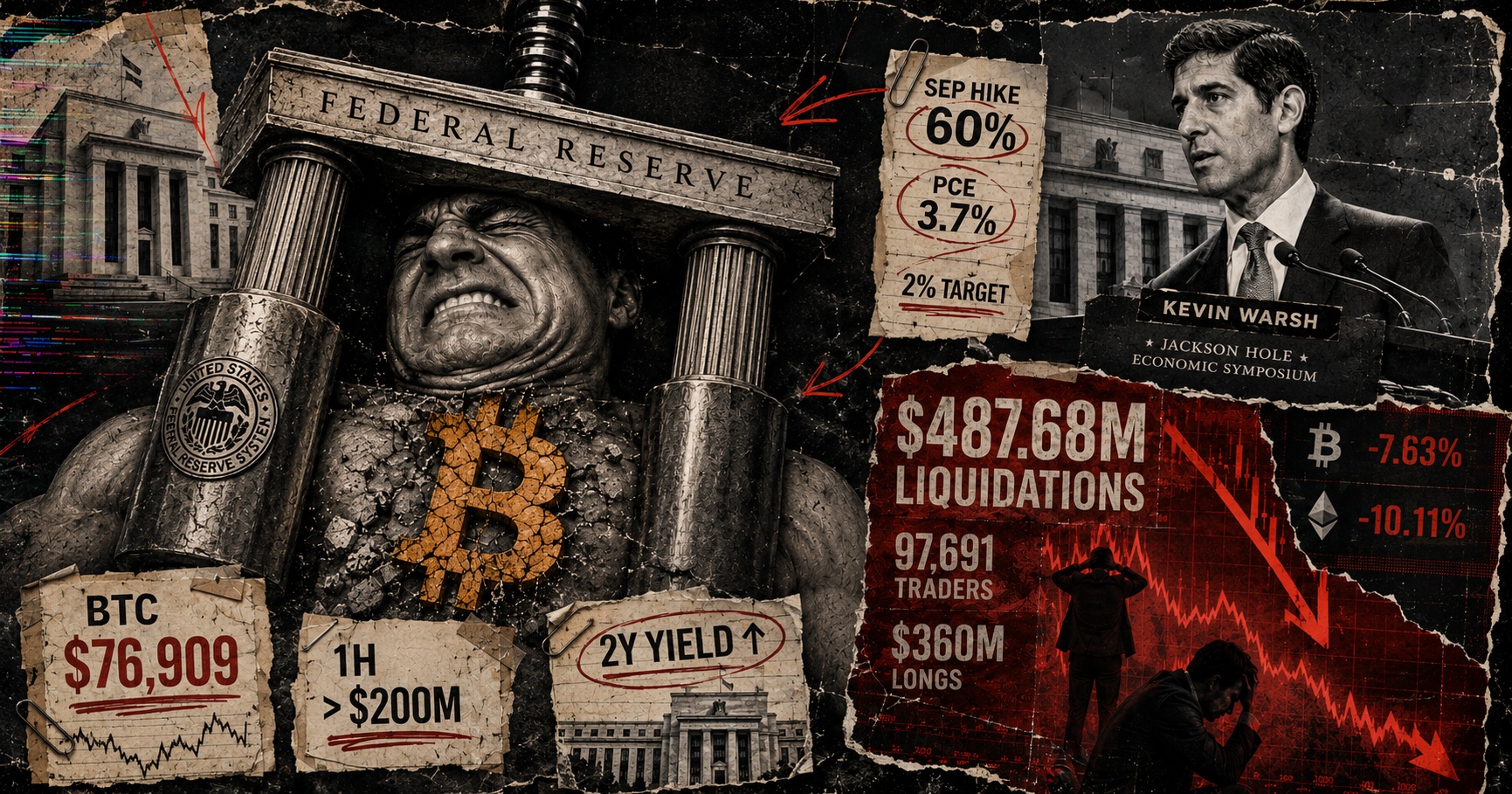
Fed Chair Kevin Warsh’s Jackson Hole remarks pushed traders to raise the estimated chance of a September rate hike from about 35% to 60%. Bitcoin briefly fell below $77,000, while nearly $488 million in crypto derivatives positions were liquidated over 24 hours, affecting almost 98,000 traders and hitting long positions hardest.

Poland expects its general government deficit to hold at 7.1% of GDP in 2027, matching the level currently planned for this year. Finance Minister Andrzej Domanski said record deliveries of military equipment are fueling the deficit, while growth is forecast at 3%.
Canada posted a sharply lower budget deficit of C$370 million ($266.57 million) during the first three months of fiscal 2026/27, the finance ministry said. Government spending grew slightly faster than revenues over the period.
Federal Reserve Chair Kevin Warsh warns that US interest rates could increase if inflation remains above 2%.


Federal Reserve Chair Kevin Warsh said at Jackson Hole that the central bank would have more work to do if it could not confirm underlying inflation was returning to its 2 percent target quickly enough. He said financial conditions did not appear restrictive enough, leaving open the possibility of rate hikes, while stressing he offered no timeline or forward guidance.

Federal Reserve chair Kevin Warsh said summer inflation readings had improved less than expected but had not meaningfully changed the picture. He said the Fed must be confident underlying inflation is moving back to its 2% target quickly enough, otherwise it has “work to do”, suggesting rates could rise while stressing this was not forward guidance.
Wall Street’s main indexes were subdued on Friday after Federal Reserve Chair Kevin Warsh reiterated his focus on returning inflation to the central bank’s 2% target. A rally fueled by artificial intelligence stocks in the previous session also faded.
Investors have had little chance to enjoy a summer lull, as Federal Reserve Chairman Kevin Warsh and U.S. Treasury Secretary Scott Bessent have kept markets occupied with a string of attention-grabbing policy decisions.
U.S. stock funds saw their heaviest weekly outflow in five months in the period ending Aug. 26. Investors were rethinking artificial intelligence’s prospects before Nvidia reported results and waiting for remarks from Federal Reserve Chair Kevin Warsh that could prove pivotal.
Canada’s economy grew at an annualised 3.3 percent in the second quarter, its fastest pace since 2023, as exports, consumer spending and business investment rebounded. Strong domestic demand suggests the economy was absorbing earlier US tariff pressures, but a new 50 percent US tariff and Canadian countermeasures have renewed uncertainty over future growth.

Canada’s economy accelerated to a 3.3% annualized growth rate in the second quarter, confirming a strong rebound after a yearlong slump caused by US tariffs and slower immigration.
A Friday government statement indicated that U.S. job growth over the 12-month period ending in March may have come in 79,000 jobs below the earlier estimate.
The Iran war is redrawing the global trade map and pushing Gulf nations to overhaul their investment strategies. They are directing capital into infrastructure such as energy pipelines and ports to withstand the conflict’s fallout.
Six months into the conflict, it is becoming clearer who is benefiting and who is suffering greater damage in the energy sector.
Global equity funds ended a 13-week run of inflows in the week through August 26, as investors adopted a cautious stance before AI heavyweight Nvidia’s earnings report and potentially pivotal comments from Federal Reserve Chair Kevin Warsh.
A fresh reading on the U.S. labor market next week and quarterly results from semiconductor company Broadcom will test a stock-market rally that has pushed shares close to record highs.
Sberbank chief economist Alexander Isakov told Reuters that Russia’s central bank will keep cutting its key rate, taking it from 14% to 13.5% by year-end, despite Ukrainian attacks on economic targets.
Sberbank chief economist Alexander Isakov told Reuters that Russia’s central bank will keep cutting its key rate, bringing it down from 14% to 13.5% by year-end despite Ukrainian attacks on economic targets.
Cryptocurrency platform Bullish is extending USD.AI a $100 million debt facility to finance GPU-backed loans supporting artificial intelligence infrastructure.

Anton Kobyakov, a Russian presidential adviser and executive secretary of the Eastern Economic Forum’s organizing committee, says regular container shipping through the Northern Sea Route has become an “Ice Silk Road.” He said the route offers unprecedented opportunities as logistics chains are disrupted and traditional routes face military and political tensions.
Russian Deputy Prime Minister Yury Trutnev says expanding the Northern Sea Route requires bunkering facilities, ship repair sites and rescue stations along the corridor. He also says ports, river links and a new rail route are needed to bring cargo from across Russia to the Arctic route.
State Duma Financial Market Committee Chairman Anatoly Aksakov said Russia’s banking resilience should be judged by financial performance and the ability to adapt payment infrastructure, not by the number of institutions under sanctions. The sector posted record first-half profits, though the market is becoming more polarized and smaller banks face greater funding and income pressures.
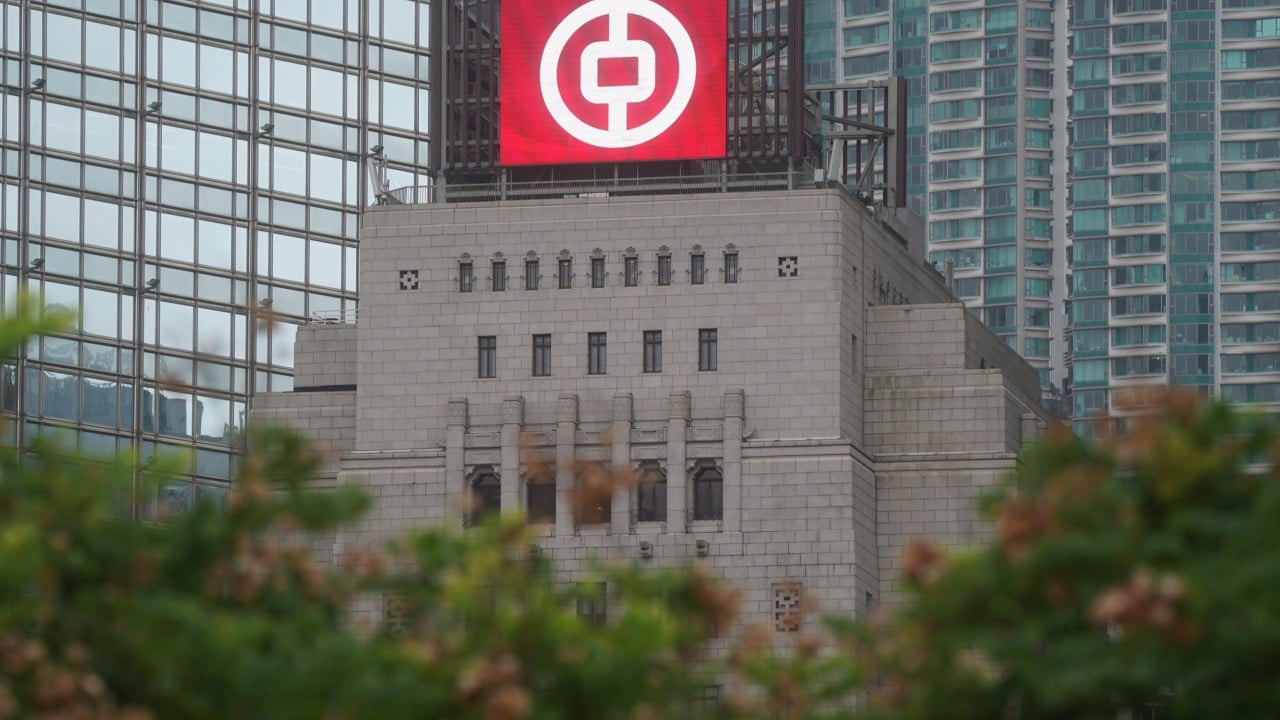
Bank of China (Hong Kong) reported a 7.1% year-on-year rise in first-half net profit to HK$23.74 billion. Lower impairment charges and a wider net interest margin offset continued pressure on lending margins from falling Hong Kong interbank rates.

HMRC data shows that 240 people each reported more than £1 million ($1.36 million) in cryptocurrency gains, as tax scrutiny of crypto assets intensifies in the UK.

Traders returning from their August breaks will face a range of market risks, including growing concern over elevated government debt and inflation that may persist.
The Bank of Russia bought yuan worth 5.9 billion rubles ($68.64 million) on the domestic market for settlement on August 27, 2026. Purchases settled on August 26 amounted to 6 billion rubles ($69.81 million). The operations use the yuan-ruble instrument on the Moscow Exchange.
Treasury yields were little changed as investors focused on Kevin Warsh’s keynote speech at Jackson Hole.


Warsh’s Jackson Hole speech could shape expectations about Federal Reserve support for Treasury buybacks, with potential consequences for bitcoin, gold and long-term yields.
Rae Wee looks ahead to the day in European and global markets as Warsh heads into the Jackson Hole hot seat.
China’s Cross-border Interbank Payment System now serves 192 countries and regions, the People’s Bank of China says. By the end of June 2026, it had 210 direct and 1,619 indirect participants, with access through more than 5,200 banking institutions. China also plans longer high-value payment-system hours and broader fast-payment and cross-border QR-code interoperability.
Cash holdings in Russia’s economy continue to rise, while a structural liquidity deficit is emerging in the banking sector, Sberbank CFO Taras Skvortsov said. He expects about 4.2 trillion rubles in liquidity to shift into cash by the end of 2026, but believes the financial market remains resilient enough for conditions to normalize.
China’s new economic growth drivers index reached 153 in 2025, up 12.5% from a 2022 base of 100, according to the National Bureau of Statistics’ Institute of Statistical Sciences. All four sub-indexes rose, led by a 22.7% increase in transformation and upgrading and a 12.9% rise in innovation-driven growth; together they contributed 65.5% of the overall increase.
US consumer spending is rising, but not in the areas that would signal a healthy expansion, suggesting some strain among consumers.
Tokyo’s annual core inflation accelerated for a third consecutive month in August, data showed, indicating that price pressures are broadening and strengthening the case for a rate hike as early as next month.
Indian shares opened higher on Friday after two consecutive sessions of losses. Caution could persist ahead of a speech by the Federal Reserve chair and following sharp swings under the new closing auction mechanism.
The Indian rupee is expected to open little changed on Friday, with steady importer demand for dollars offset by continued central-bank support. The tug-of-war is likely to keep the currency near 95.50 per U.S. dollar ahead of the Federal Reserve chief’s closely watched speech.
Asian shares turned cautious on Friday after a technology rally fueled by Nvidia, while currency and bond markets awaited remarks from the world’s most powerful central banker on U.S. interest rates.
The Trump administration wants G20 finance leaders meeting in the United States next week to agree on measures to support economic growth, reduce global imbalances and address sovereign debt challenges. A senior Treasury official said Washington will also press them to cut off Iran’s economic lifelines.
Canada’s leading economists told the finance minister that damage from the escalating trade war with the US should be manageable, potentially strengthening Prime Minister Mark Carney’s argument for walking away from the talks.
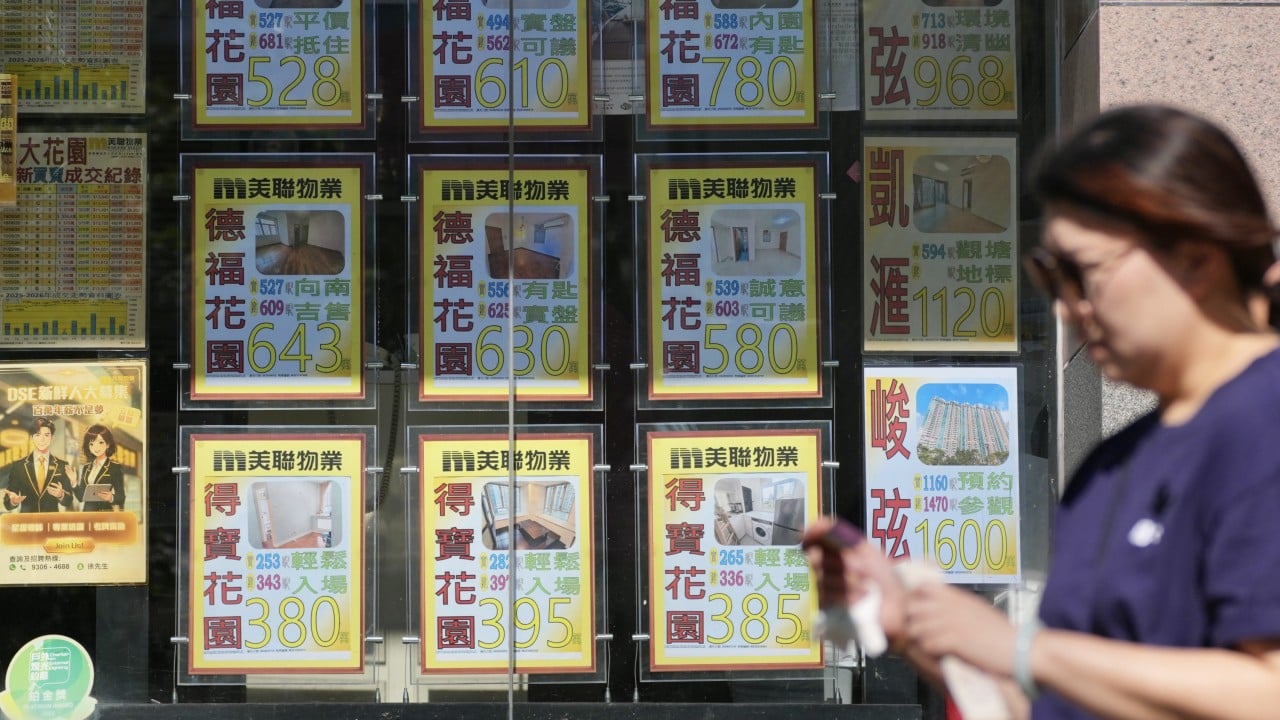
Hong Kong lived-in home prices fell 0.46% in July, ending a 13-month rise, official data showed. The second-hand home index dropped from 323 in June to 321.5, marking its first decline in 16 months as concerns over mainland Chinese taxes weighed on demand.

Brazil’s oil export levy now faces conflicting decisions: a local court ordered collection halted on Thursday, while the government’s foreign trade chamber approved extending the measure for another 60 days.
Russians will be able to pay with digital rubles from September 1, when the law creating the new form of currency takes effect. Issued by the Bank of Russia, digital rubles will equal cash and bank-account rubles, operate through central-bank digital wallets, and be usable for payments and transfers. Transactions will not be anonymous, as the central bank and Rosfinmonitoring can access the data.
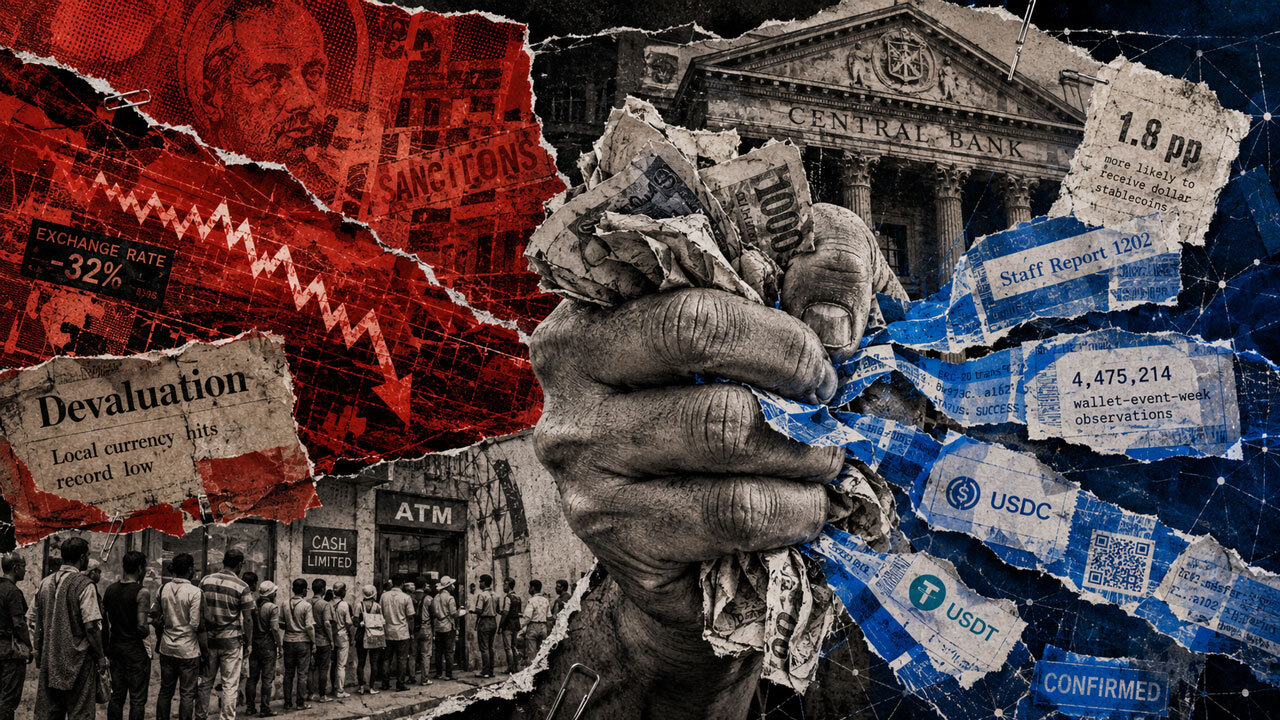
A New York Fed study found that wallets linked to countries facing currency or banking crises were more likely to receive dollar stablecoins, with receipt volumes rising during crisis weeks. The researchers say stablecoins give households and businesses a way to obtain dollar exposure outside domestic banking channels, potentially weakening capital controls in future crises.

Ukraine’s Economy Ministry has lowered its growth forecast for the year from 1.3% to 0.5% as Russian attacks target businesses, energy and logistics infrastructure, and Black Sea ports. Steel, agriculture, retail and exports are suffering, while strikes hit the Zaporizhstal plant and distribution facilities across the country.

Federal Reserve Chair Kevin Warsh is set to give a major speech at Jackson Hole on Friday. Previous Fed chairs have used the address to outline broad policy frameworks and signal their intentions.

Fed chair Kevin Warsh will need to reassure markets in his forthcoming speech.

Crypto traders are watching for Fed Chair Kevin Warsh’s speech in Jackson Hole. One analyst expects him to take a tough stance on inflation, while still predicting that the Fed will delay rate hikes until at least after the November midterm elections.

Investors are preparing for Kevin Warsh’s first speech as chair of the US Federal Reserve at the central bank’s annual economic policy meeting. His comments on the US interest-rate outlook at Friday’s Jackson Hole symposium could offer clues for markets, including stocks and bonds recently pressured by rising Treasury yields.

Treasury yields edged lower as investors prepared for the release of initial jobless claims data and a closely watched speech by Federal Reserve Chair Kevin Warsh.
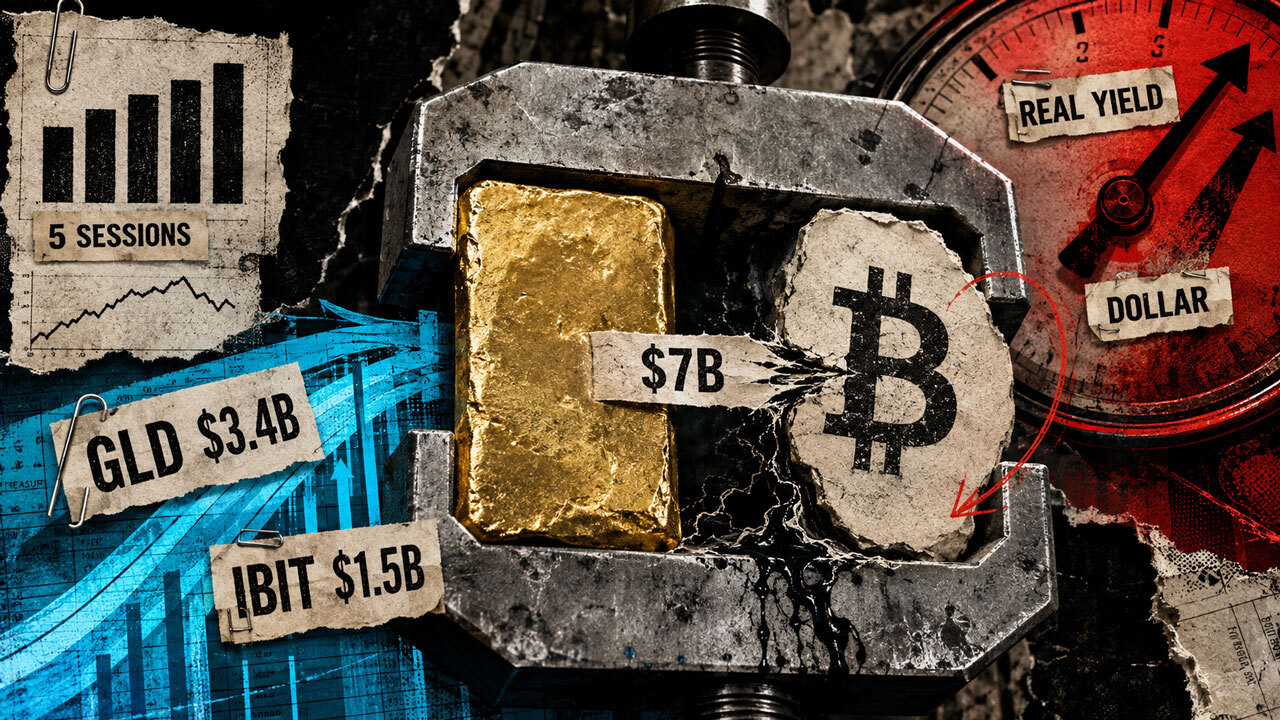
Gold and Bitcoin ETFs attracted about $7 billion over five US trading sessions, a record combined inflow concentrated in the largest funds, GLD and IBIT. The buying accelerated as Bitcoin moved above $80,000 and gold topped $4,600 an ounce, with investors seeking scarce assets amid a weaker dollar, US debt concerns and mounting fiscal pressure.

European Commission President Ursula von der Leyen said the EU’s economic model had long depended on cheap Russian energy, free global trade and growing access to China’s market, but those advantages are gone. She promised that the Commission would help European businesses, while not pointing out that its sanctions directly caused disruptions to global trade and Russian energy supplies.
Three Federal Reserve officials reiterated their concerns about the U.S. inflation outlook on Thursday as central bankers gathered in Jackson Hole, Wyoming, for the Kansas City Fed’s closely watched annual economic symposium.
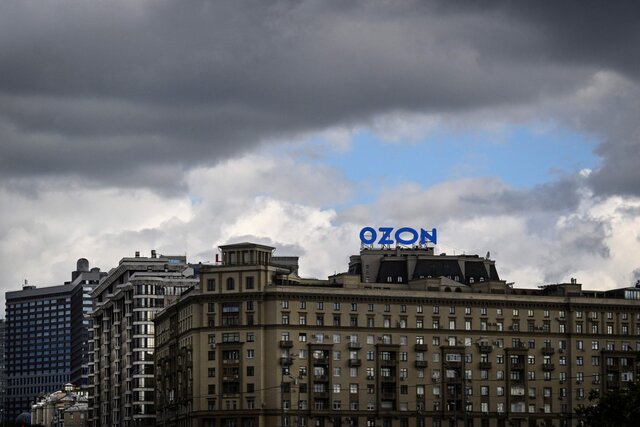
An Anti-Corruption Foundation investigation says Ozon’s largest shareholder, Alexander Chachava, used money from entities controlled by billionaire and Putin ally Gennady Timchenko to buy his stake. The entities held 34.95% of Ozon by April 2026, according to the investigation, which urged the EU to sanction people and companies allegedly controlling the stake for Putin and his inner circle.
Russia has created an economic subcommission to help distressed sectors withstand difficult conditions, First Deputy Prime Minister Denis Manturov said. It will assess sector resilience and propose measures to reduce threats, while monitoring key enterprises, developing engineering and regulatory solutions, conserving critical resources, diversifying logistics and finding new strategic-product suppliers.
The Bank of Russia set the official dollar rate for August 28 at 85.9541 rubles, up 1.6721 rubles from the previous figure. The euro rose to 100.2998 rubles, moving above 100 for the first time since February 11, 2025, while the yuan reached 12.7691 rubles.
European Central Bank policymakers believed at last month’s meeting that they would probably need to raise interest rates once more to contain the fallout from the Iran war, according to the ECB’s account released Thursday.
Jackson Hole recently hosted both a blockchain symposium and the Kansas City Fed’s annual economic gathering. This year’s central-bank event places crypto and stablecoins alongside instant payments and other digital systems under the theme of financial innovation, highlighting the increasingly close overlap between the crypto industry, traditional finance and central-bank policy.

The Minutes Reader extension turns the original page into a focused reading view and translates articles and video subtitles on demand. It is in limited beta.