India Says Monsoon Crop Sowing Has Recovered After July Rains
India says normal July rains have largely helped crop planting recover from the driest June in 12 years. If the precipitation continues, it could ease food inflation.
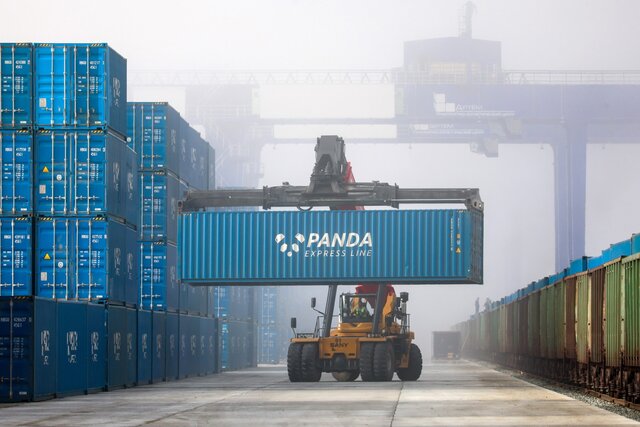
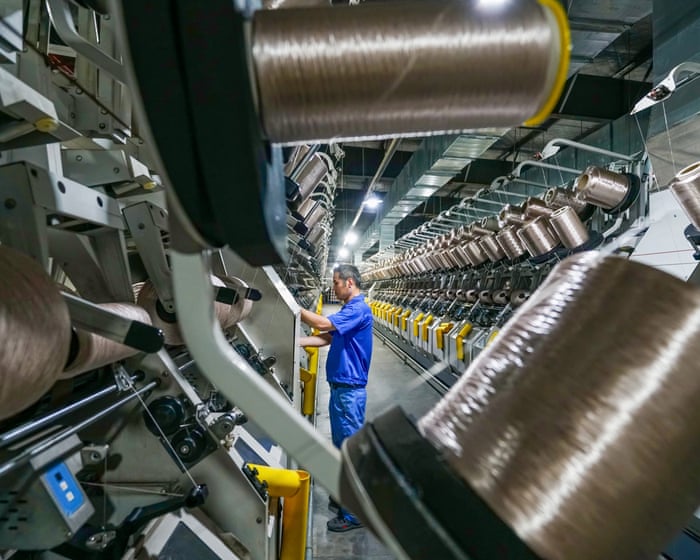
The China-Laos Railway has transported more than 90 million metric tons of cargo since opening, including over 21 million tons of cross-border freight, China Railway Kunming Bureau said. It has operated more than 80,000 freight trains, carrying over 4,000 types of goods and serving 19 countries and regions in Southeast Asia.
European Central Bank policymaker Olli Rehn said on Wednesday that wage growth and its outlook had stayed moderate, with no clear evidence of second-round effects.
A sharp rise in household energy bills pushed UK inflation to a four-month high in July, in line with forecasts. Inflation appears likely to climb further as the war in Iran continues without an apparent end.
China is broadly expected to keep its benchmark lending rates unchanged in August for a 15th straight month, a Reuters poll found, even as recent economic data point to renewed weakness across the wider economy.
Singapore will exempt profits earned by fund managers from tax and ease visa access for investment professionals, the central bank said, as the city-state seeks to counter growing international competition in asset management.
SK Hynix’s South Korean labour union is finalising the wording of a tentative wage agreement with management and will brief members on its terms on Wednesday afternoon, according to a source familiar with the talks.
Japan’s benchmark bond yield is close to reaching 3% for the first time since the mid-1990s. Inflation, growing fiscal concerns and expectations for monetary policy are reshaping a market long characterized by low interest rates.
The U.S. dollar stayed close to multi-month lows against major currencies on Wednesday as Treasury yields retreated from recent peaks. Investors were waiting for minutes from the Federal Reserve’s latest policy meeting for indications about the direction of interest rates.
A senior Reserve Bank of Australia official said on Wednesday that rates would need to rise again if upside inflation risks crystallise. The warning reiterated a hawkish stance after policymakers left rates unchanged for a second consecutive meeting.
The Reserve Bank of India likely entered the foreign exchange market on Wednesday to support the rupee as persistently high oil prices put pressure on the currency amid uncertainty over the U.S.-Iran war, traders said.
Global bond yields remained near their highest levels in decades on Wednesday as concerns about swelling sovereign debt drove borrowing costs higher and unsettled stock markets worldwide.
Two major Wall Street firms are declining the opportunity to bring in billions of dollars in assets, suggesting that a booming tax strategy may be too good to be true—even for the richest 1%.
Millennials, once mocked for spending $7 on lattes and avocado toast, feel better about their finances than older generations do, with data showing why.
Investor concerns ranging from inflation to hefty government deficits are driving a global bond-market sell-off. The turmoil is creating difficulties for policymakers while raising borrowing costs for governments and consumers.
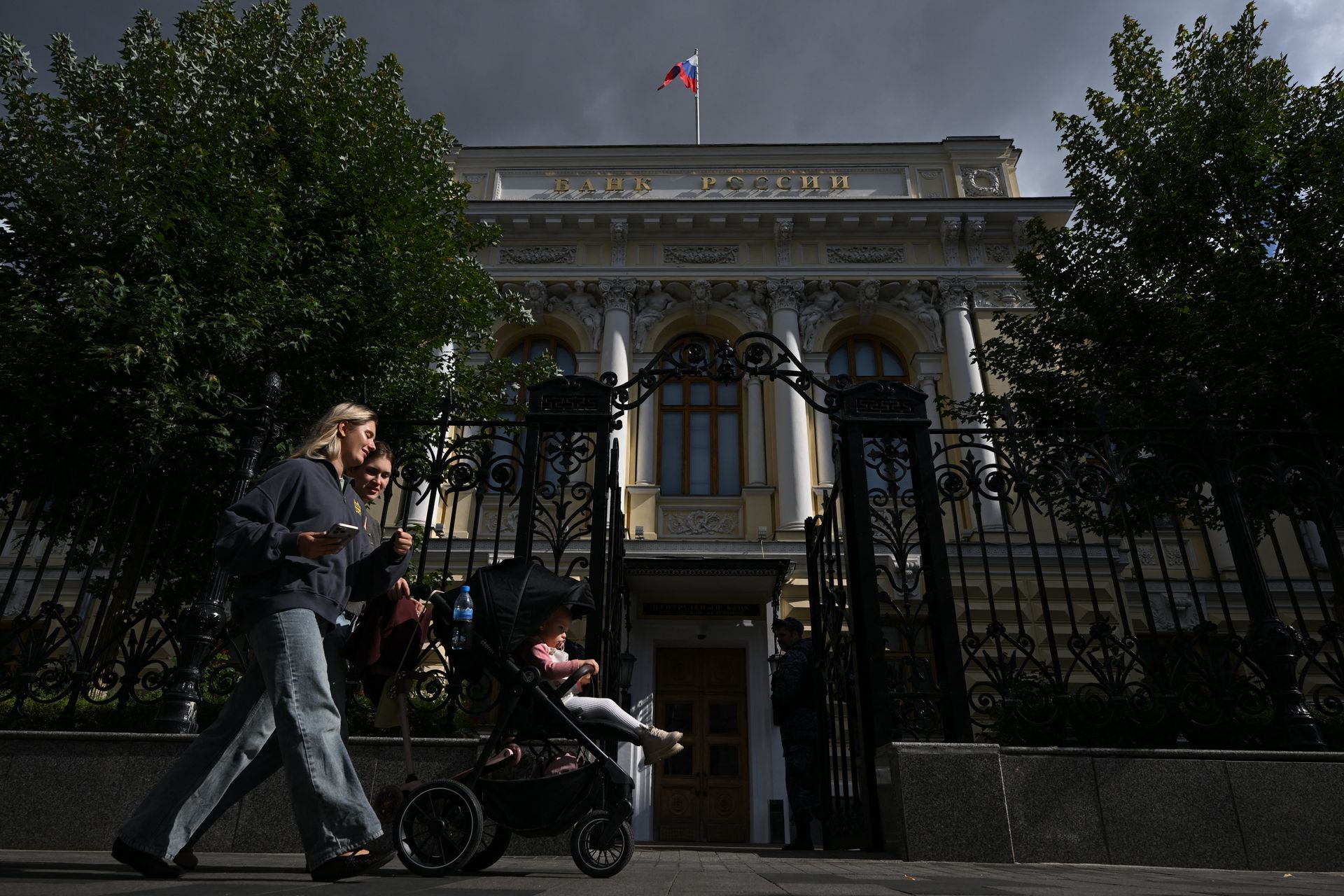
The Bank of Russia set the official dollar rate for August 19 at 85.1645 rubles, up 15.09 kopecks from the previous rate. The euro rate rose by 39.6 kopecks to 98.7312 rubles, while the yuan rate fell by 0.35 kopecks to 12.624 rubles.
The deadline for reaching an agreement has technically expired, while Trump is pursuing a hard line with Tehran. The stalemate in the Strait of Hormuz shows no signs of easing.
U.S. President Donald Trump said on Tuesday that no conversations were taking place with Iran and that none had been scheduled. He also said the Strait of Hormuz was open.
U.S. 30-year Treasury yields climbed to their highest level since 2007 on Tuesday. Stalled efforts to end the U.S.-Iran war and fears of an imminent escalation pushed oil above $90 a barrel, stoking inflation concerns and jolting markets.
Donald Trump says he is in no hurry to bring the war with Iran to an end.

Iranian Foreign Ministry spokesman Esmaeil Baghaei said the 60-day deadline for negotiations on a lasting settlement, set under the June Iran-US memorandum of understanding, was voided by Washington’s “violations”. After meeting Benjamin Netanyahu, US envoy Jared Kushner said he hoped Hamas would begin disarmament within “30 days”.
Preliminary shipping data showed that vessel crossings through the Strait of Hormuz rose slightly on Monday from the weekend but remained in the single digits, as U.S.-Iran peace talks reached a stalemate.
PepsiCo announced in 2022 that it would suspend production and sales in Russia, but paid $237 million in income tax to the Russian state last year. The company remains Russia’s fourth-largest foreign business, with 60,000 workers and 19 factories, and continues selling renamed drinks and other products it classifies as essential, contributing tax revenue to a state budget focused on the war in Ukraine.

U.S. single-family homebuilding fell sharply in July as higher mortgage rates and a growing inventory of unsold new homes weighed on construction.
UK grocery price inflation fell to its lowest level since October 2024 in August, market researcher Worldpanel by Numerator said on Tuesday, offering households facing high living costs some further relief.
Home Depot’s fiscal second-quarter sales improved as customers spent more during the summer and focused on smaller projects. The retailer kept its previous outlook.
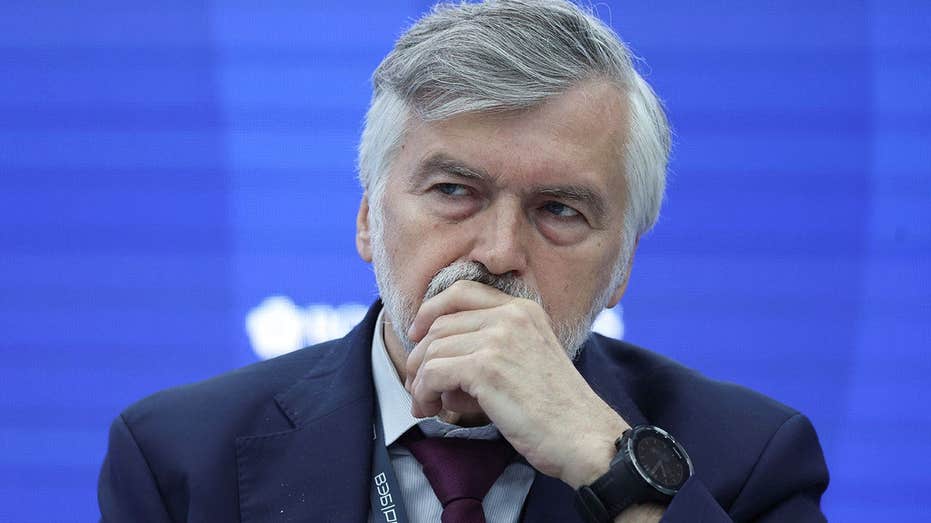
Russia’s GDP grew 1.3% year over year in the second quarter after contracting 0.2% in the first, beating forecasts from the central bank and Economic Development Ministry. The rebound was driven largely by temporary factors, including more working days and higher military and government spending. High interest rates, falling oil output, weak civilian industries, sanctions, and the widening budget gap point to slower growth. VEB.RF chief economist Andrei Klepach was dismissed after publicly discussing the economy’s problems.
Canada’s inflation rate accelerated to 3% as the Middle East conflict pushed gasoline prices higher, while core measures of price growth remained subdued.
The pound edged lower on Tuesday after figures indicated that Britain’s labour market was slowing, with the June unemployment rate exceeding expectations and job vacancies declining in July.
Official data showed that Britain’s labour market cooled in the second quarter, with private-sector earnings growth slowing and vacancies falling to their lowest level in more than five years.
Andrey Klepach has been removed as chief economist of Russia’s state development bank VEB after a publicised speech warning that the war in Ukraine was damaging the economy. He said Russia was falling behind rivals, facing mounting costs and could eventually encounter a social crisis.

The China-Laos Railway has transported more than 90 million metric tons of cargo since operations began, including over 21 million tons in cross-border shipments. It has run more than 80,000 freight trains, with daily cargo averaging above 67,000 metric tons since the start of 2026.
Long-term borrowing costs in the United States, Japan and Germany climbed to their highest levels in decades on Tuesday. Renewed inflation fears, alongside persistent concerns about fiscal pressures across major economies, dealt bond markets another setback.
The comeback of a Canadian auto billionaire highlights the limits of Donald Trump’s tariff strategy. Separately, higher gas prices have pushed inflation to 3%.

Canadian officials are making a last-ditch attempt to win relief from proposed 50 percent US tariffs as trade talks enter their final hours. The duties would target about $20.2bn in exports, including electronics, machinery, furniture, dairy and wine. Prime Minister Mark Carney described negotiations with Donald Trump’s administration as “delicate” and “intense”.
Russian businesses paid 383.69 billion rubles in non-repayable contributions to the federal budget during the first eight months of 2026, nearly 1.5 times last year’s total. Vedomosti reported that major Russian businessmen’s “voluntary donations” became the largest source, replacing exit taxes from departing foreign firms. The payments surged after March, while Russia’s war-driven budget deficit reached 6.455 trillion rubles through July, or 2.8% of GDP.
Daniil Getmantsev, head of Ukraine’s parliamentary tax committee, warned that the country is nearing a financial gap and could still fail even if Western agencies deliver all pledged funds. He attributed the crisis to an economic slowdown and “ill-balanced decisions” in defense, while parliament is expected to vote on funding-related commitments later this week.
Most Asian shares fell as rising oil prices and inflation concerns weighed on investor sentiment, offsetting support from strong corporate earnings. Tokyo’s Nikkei 225 led the declines, dropping 2.5%.
Hong Kong’s move to reduce taxes for hedge funds has people ranging from proprietary traders to receptionists hoping to benefit from the resulting windfall.
Brazil’s finance minister says financial-market concerns over rising public debt are justified. Investors have legitimate questions about the direction of government spending, which the administration needs to address if Lula is reelected.
Japan’s benchmark 10-year government bond yield reached a three-decade high on Tuesday, fueled by rising overseas bond yields and speculation that the Bank of Japan could raise interest rates in the near term.
Andrey Klepach, one of Russia’s leading economists, has been replaced as chief economist of the country’s national development bank. The move came shortly after a speech was made public in which he reportedly said the war in Ukraine was hurting Russia’s economy.
The Federal Reserve’s current policy rate is likely accommodative when compared with a medium-run estimate of the neutral rate, the borrowing-cost level that neither restrains nor stimulates the economy, according to research published Monday by the San Francisco Fed.
Student debt is increasing while the default rate has reached a historic high. Bloomberg reporters are seeking personal accounts of how loan payments affect borrowers’ day-to-day finances.
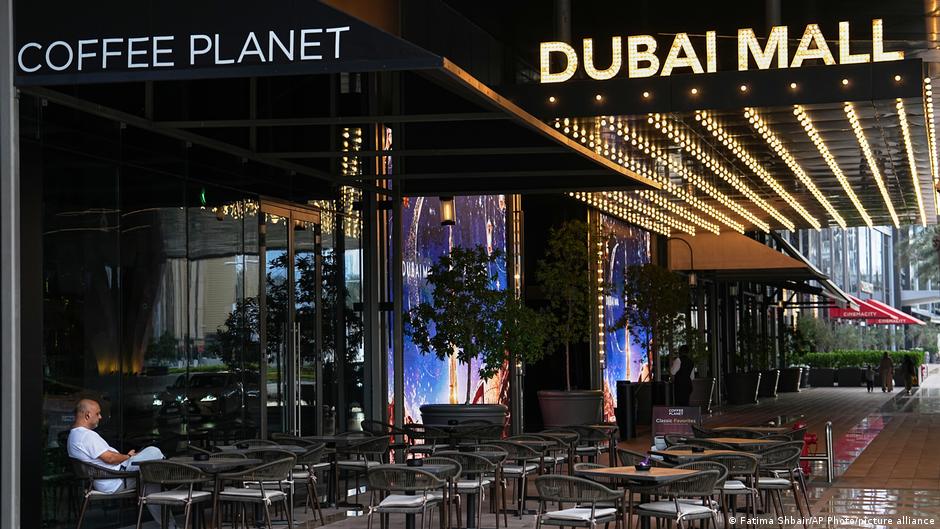
The Iran war has hurt the UAE as residents leave and tourists cancel trips, with Dubai hotel occupancy plunging from 80% to about 10%. Authorities say recovery is under way and have offered incentives and roughly $680 million in support for affected sectors. But job cuts, weaker investment, inflation, falling property prices and risks linked to the Strait of Hormuz remain concerns.

Foreign investors from several countries are participating in projects in the free economic zone covering Donbass and Novorossiya, Federation Council senator Dmitry Vorona said. He described the region as offering the best conditions for investors and said more than 500 SEZ residents are operating there.
Russia’s state development corporation VEB.RF has dismissed chief economist Andrei Klepach over remarks that Moscow was losing its economic and technological race with the West and, in some respects, Ukraine. Klepach also warned that rising costs and imbalances could eventually trigger a serious social crisis.

Andrei Klepach, chief economist at state development bank VEB.RF, was dismissed after warning that Russia was losing its economic “war of attrition” with the West, falling behind technologically and economically, and could face a social crisis. As the EU prepares broader sanctions, higher oil prices may still give Moscow time to sustain its war effort.

Andrei Klepach, chief economist at state-controlled development bank VEB, was fired after criticizing Russia’s economic outlook and warning that Moscow could not win a prolonged economic war of attrition with Ukraine. He had said Russia was falling behind China, the US and, in some respects, Ukraine.
Russia’s state development corporation VEB.RF dismissed chief economist Andrei Klepach after media circulated his remarks that Russia could not win the economic “war of attrition.” Sources linked the move to his criticism of Russia’s economic and political course, while VEB.RF confirmed his departure without giving a reason.
The Bank of Russia set the official dollar rate for August 18 at 85.0136 rubles, up 46.87 kopecks, marking the first time it has topped 85 rubles since September 12, 2025. The official euro and yuan rates also rose to 98.3352 and 12.6275 rubles, respectively.
U.S. home builder sentiment unexpectedly edged higher in August, but confidence among residential construction firms remained broadly weak. Economic uncertainty, high mortgage rates and rising building costs—exacerbated by the U.S.-led war with Iran—weighed on the sector.
The Canadian dollar rose to a two-week high against the US dollar on Monday, while bond yields climbed after domestic data showed inflation increasing faster than expected. Investors are also watching a key deadline for new US tariffs on Canadian goods.
India’s unemployment rate among people aged 15 and over fell to 5.1% in July, matching its lowest level in four months, government data showed on Monday.
China’s industrial output and retail sales growth weakened in July after one of the country’s poorest quarterly growth rates on record. The figures are likely to increase pressure on Beijing to support activity through tax and spending measures. Premier Li Qiang called for stabilising external demand to offset weak domestic demand.

China released its 15th Five-Year Plan for the oil and gas sector on Monday, establishing new targets for developing energy infrastructure by 2030.
Britain’s FTSE 100 edged higher on Monday and was on course to end a six-session slide. Gains in mining stocks, AstraZeneca and Rolls-Royce offset broader caution ahead of this week’s UK inflation figures.
Premier Li Qiang urged China on Monday to bolster external demand and deepen international trade cooperation as weak domestic consumption weighs on growth and risks from abroad increase.
Diesel prices are surging, and Canadians may soon feel the impact when they shop for groceries.
Conservative politicians Andrew Bragg and Pauline Hanson argue compulsory superannuation has failed to improve the budget or reduce reliance on the age pension. Experts and Treasury projections instead indicate that Australia’s total retirement-system costs will remain broadly stable despite population ageing, while the share of people fully funding their own retirement is expected to rise from 29% to 38% by 2050.

Brazil’s economy grew just 0.2% in the second quarter from the previous three-month period, according to a central bank indicator, pointing to fading momentum after a strong start to the year, especially in the crucial services sector.
Canada’s annual inflation rate rose to 3% in July, slightly above expectations, data showed. Renewed US-Iran tensions pushed gasoline prices higher, while tour travel costs also increased.
The pound rose on Monday as investors awaited a batch of inflation and labour market data that could test its recent gains.
Most economists surveyed by Reuters expect the Federal Reserve to leave its key interest rate unchanged next month and through the end of the year, maintaining a view they have held for several months.
Russian Deputy Prime Minister Alexander Novak ordered continued monitoring of key macroeconomic indicators and close oversight of development programs for the agricultural and fuel-and-energy sectors. The Economic Development Ministry estimates that the economy grew 0.6% over the past six months, returning to a growth trajectory.
China’s new home prices were stagnant in July, highlighting the difficulties facing a broad recovery in the housing sector as demand remained subdued.
The South African rand strengthened against the U.S. dollar in early Monday trading as investors awaited inflation figures due later this week for indications of the health of Africa’s largest economy.
The euro rose above 98 rubles on Russia’s interbank market for the first time since March 20, 2026, trading data showed. At 10:45 a.m. Moscow time, it was up 1.51% at 98.683 rubles, while the dollar gained 1.27% to 84.99 rubles.
The 23rd China-ASEAN Expo is scheduled for Sept. 17-21 and is expected to draw more than 3,000 exhibitors worldwide. Nearly 500 companies have confirmed participation, while the event will feature about 300 new products and 200 technologies in digital technology, intelligent manufacturing and green development.
China’s economy stayed broadly stable in the first seven months of 2026, with growth shifting toward newer drivers and higher-quality structures, the National Bureau of Statistics said. Industrial output rose 5.3% year on year, while foreign trade increased 17.3% to 30.13 trillion yuan and retail sales grew 2.6%.
Chinese Ambassador to Moscow Zhang Hanhui said bilateral trade reached $159 billion from January to July 2026, up 26% from the same period last year. He said steady growth in economic cooperation could lift turnover to a new all-time high by year-end, while investment is expected to remain stable. He spoke at the SPROUTS forum in Kazan.
The Philippine central bank governor said inflation should ease gradually over the medium term, while risks to consumer prices remain tilted to the upside.
Japan’s economy expanded at an annualized 1.1% rate in the April-June quarter, despite flat private consumption and slower export growth.

Japan’s GDP grew 0.3 percent in the second quarter, down from 0.5 percent in the previous quarter and below analysts’ forecasts. Private consumption was flat and capital spending fell 1.2 percent, offsetting strong exports. The weaker figures could complicate the Bank of Japan’s September rate decision.
China’s industrial output growth slowed in July, while retail sales increased less than forecast. The figures point to pressure from weak domestic demand, disruptions caused by extreme weather and the fading impact of state measures intended to lift consumption.
China’s State Council Information Office held a press conference on Monday to discuss the country’s economic performance in July 2026.

The rupee is expected to open lower on Monday and remain under pressure after the central bank unexpectedly brought forward by a month the deadline for its discounted forex swap facility for non-resident Indian deposits.
A morning look at the day ahead in European and global markets, focusing on whether consumers could keep the Federal Reserve on hold while Japan raises rates.
Gold edged higher on Monday as a weaker dollar and recent soft economic data lowered expectations for a U.S. interest-rate hike next month.
The 2026 Zhanjiang Fishing Season Launch Ceremony and “Zhanpin” brand exhibition opened Sunday, with 5.05 billion yuan in agreements signed across the marine fishery industry chain. Zhanjiang’s marine fishery chain output exceeds 100 billion yuan, and the city has 40 marine ranching projects in reserve.
China’s railways recorded 2.8 billion passenger trips in the first seven months of 2026, up 4.1% year on year, according to China State Railway Group. The network ran an average of 11,462 passenger trains daily, while cross-border travel and rail trips by foreign nationals also increased significantly.
Government data showed Japan’s economy grew more slowly than expected in April-June. Weak household spending and business investment partly offset the boost from strong exports.
Japan’s economy grew at an annualised 1.1% rate in the April-June quarter, government data showed, falling short of the 2.0% median market forecast.
Asian shares moved sideways on Monday as investors watched oil prices, which posted sizeable gains last week. With little progress toward ending the Iran war, inflation risks remained tilted upward.
Experts from the Center for Analysis of World Arms Trade said US-designed air-defense systems used by Arabian Peninsula countries create a huge cost imbalance when countering Iranian drones. A Shahed-136 costs $20,000-$50,000, compared with $4 million for a PAC-3 missile and $3 million for an AMRAAM-ER.
Andrei Klepach, chief economist at Kremlin-controlled state bank VEB.RF, was reportedly dismissed on Aug. 16, a day after Russian media circulated his warnings that Russia was losing its economic and technological competition with the West. He said Russia would not collapse but was almost certain to face a social crisis. The Kyiv Independent could not immediately verify the claims.

VEB.RF’s press service says Andrei Klepach has left his post as chief economist and that a successor has already been chosen, with an appointment expected soon. Klepach had held the position since 2014 while also serving as the corporation’s deputy chairman.
Lithium is vital to the global clean-energy transition and is generating millions of dollars in investment and export earnings for countries including Argentina. Abundant deposits high in the Andes help power phones, computers and vehicles.

The White House reportedly used Iraqi Kurdistan leader Nechirvan Barzani as an intermediary with Iran’s Islamic Revolutionary Guard Corps. Washington wanted him to arrange closed-door bilateral talks in Erbil, but Tehran raised security concerns linked to Israeli intelligence and the meeting never took place.

Millions of Iranians are struggling to survive as the months-long war with the United States and its naval blockade of Iranian ports drive up prices and reduce job opportunities. Food inflation has exceeded 128 percent, youth unemployment reached 23.4 percent, and many workers face low pay, long hours and no insurance.
Trump pledged Friday to impose severe economic pain on Iran. A day earlier, Treasury chief Scott Bessent had stated that Washington would introduce previously unseen measures against Tehran, starting as soon as next week.
While investors debate whether and when the Federal Reserve might raise interest rates, expectations of further tightening are growing worldwide, creating mounting trouble for bonds.
The Minutes Reader extension turns the original page into a focused reading view and translates articles and video subtitles on demand. It is in limited beta.