MINUTES
About Minutes
MINUTES
About Minutes Content Preferences Settings
Afghanistan’s women footballers escaped the Taliban — now they represent their countrySports

Afghanistan’s women’s national football team once symbolized female emancipation at home. After the Taliban returned to power, the team was dismantled and its players forced into exile. Najma Arefi and her teammates continue seeking the right to compete internationally for Afghanistan. In England, Arefi is preparing to study and hopes to become a human rights lawyer.

DDW News
Journalism and resistance under Taliban ruleWorld

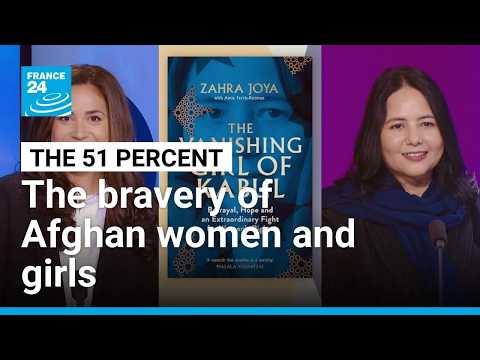
The focus is Afghanistan, which recently marked five years since the Taliban returned to power. Since then, the exclusion of women and girls has become normalised, as the government systematically dismantles the rights of more than half the population.

FFrance 24 English
Afghan returnees fleeing Iran say war is better than hungerWorld

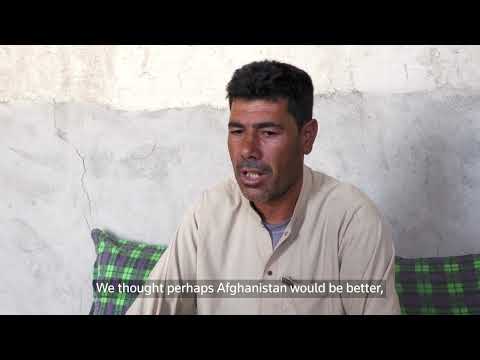
An Afghan returnee said it would be better to die in a war than from hunger after leaving Iran amid its economic crisis and war with the United States and Israel. Women who have returned face strict rules barring them from education and work.

RReuters
‘Nobody cares about what women think in Afghanistan,’ says videojournalistWorld

French filmmaker and journalist Mélanie Nunes tells FRANCE 24 about her investigative report, “Afghanistan: The Unsung Female Carers”. The short documentary follows women seeking healthcare and female providers trying to deliver it. Nunes says participants took part because “nobody cares” about what they think in their own country.

FFrance 24 English
How the Taliban is running Afghanistan five years after returning to powerWorld

The BBC has gained rare access to the Taliban’s leadership and examined how it has governed Afghanistan five years after overthrowing the US-backed government. During that period, women have been shut out of most workplaces, barred from universities and restricted from travelling alone or visiting parks and leisure centres.

BBBC News
Five years on, Afghan women still face Taliban restrictionsWorld

The Taliban marked five years in power in Afghanistan by projecting an image of control. But Reuters’ Pakistan and Afghanistan bureau chief warned that the apparent gains have come at a “huge cost” for women and girls.

RReuters
What comes after five years of pressure on Afghanistan’s rulers?World

Five years after the Taliban returned to power, Afghanistan remains internationally isolated, although diplomatic engagement with Kabul continues. Russia is the only country to have formally recognized the Taliban government. Ashley Jackson of the Centre on Armed Groups says Western governments should spend less effort trying to change the Taliban and focus more on supporting Afghans living under its rule.

DDW News
Taliban marks five years in power as Afghanistan faces growing challengesWorld

Taliban leaders are marking five years since they retook Kabul in August 2021 after the withdrawal of US-led foreign forces. Afghanistan now faces tensions and border clashes with Pakistan, economic hardship and a worsening humanitarian crisis. Aid groups say legal protections have weakened and women have been denied education, while the Taliban insists Afghans should decide the country’s affairs.

AAl Jazeera English
Five Years of Taliban Rule: What Has Changed in Afghanistan?World

Five years after returning to power, the Taliban still firmly control Afghanistan, governing the country, collecting taxes, building infrastructure and engaging with regional states. Most major governments have not formally recognized them as Afghanistan’s legitimate rulers. DW’s Inside Asian Conflicts examines the movement’s transition from insurgency to government.

DDW News
Five years on from the Taliban's takeover of AfghanistanWorld

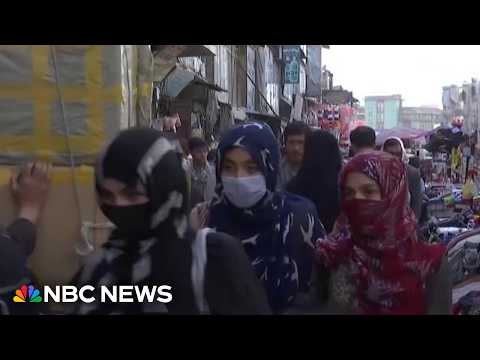
Five years after the Taliban retook Afghanistan as Western forces withdrew, the group’s extreme, ultra-conservative interpretation of Islam has reshaped life for millions. The return brought relative peace after two decades of war, but women have been pushed out of public life: girls cannot attend school from age 12 or university, women are barred from public parks and cannot travel abroad without a male companion.

BBBC News
Afghan Women Doctors Left Jobless by Education RestrictionsSociety

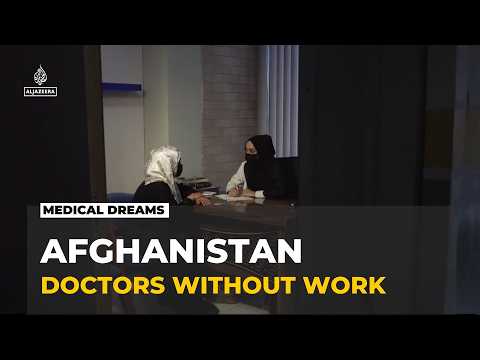
Thousands of young Afghan women trained as doctors cannot pursue their careers because of restrictions on women’s education. Some have taken other jobs, while others remain at home awaiting opportunities.

AAl Jazeera English
Afghans rebuild their lives in France five years after Taliban takeoverSociety

Five years after the Taliban seized power, thousands of Afghans who fled to France are rebuilding their lives while confronting language, housing and employment problems. For refugee doctor Fardina Samadi and other women, France provides freedoms denied under Taliban rule, yet restoring a career and integrating into French society remain difficult.

FFrance 24 English
Five years of Taliban rule: Afghan women face deepening repressionWorld

Five years after the Taliban returned to power, Afghan women face sweeping curbs on education, work, movement and public life. The UN calls Afghanistan the world’s worst country for women’s rights and urges donors to maintain programmes supporting Afghan women, warning that reduced aid could force many organisations to shut down.

FFrance 24 English
Afghan women erased from public life under Taliban ruleSociety

Five years into Taliban rule, Afghan women have been especially affected by government restrictions. They are barred from public places such as parks and most jobs, while girls cannot continue their education beyond age 12. FRANCE 24’s Peter O’Brien spoke with independent researcher Melissa Cornet in Kabul.

FFrance 24 English

Five years after Taliban return, Afghan women see no end to restrictionsSociety

Five years after the Taliban returned to power, Afghan women and girls still face severe limits on education, work and public life. Maryam, unable to attend school openly, studies online and secretly teaches English to other girls. Human Rights Watch researcher Fereshta Abbasi discusses the risks and long-term consequences of denying education to millions of Afghan girls.

DDW News
Afghan refugees: New asylum laws in Europe raise fearsWorld

Thousands of Afghan refugees in Europe face an uncertain future as tougher asylum laws and EU talks with the Taliban fuel fears that they could be sent back, despite promises of protection made after the Kabul evacuation.

AAl Jazeera English
UNESCO says more than 2.4 million Afghan girls remain out of school after five years of Taliban ruleSociety

UNESCO says more than two million Afghan girls have been unable to continue education beyond primary school since the Taliban returned to power five years ago. The agency estimates that 2.4 million girls are currently excluded from secondary and higher education. The Taliban has also limited girls’ access to education to those below age 12 and barred women from most public-sector jobs. UNESCO expert Hoda Jaberian warned that the longer these restrictions continue, the greater their impact on Afghanistan’s future may be.

VVOA Chinese
Older items