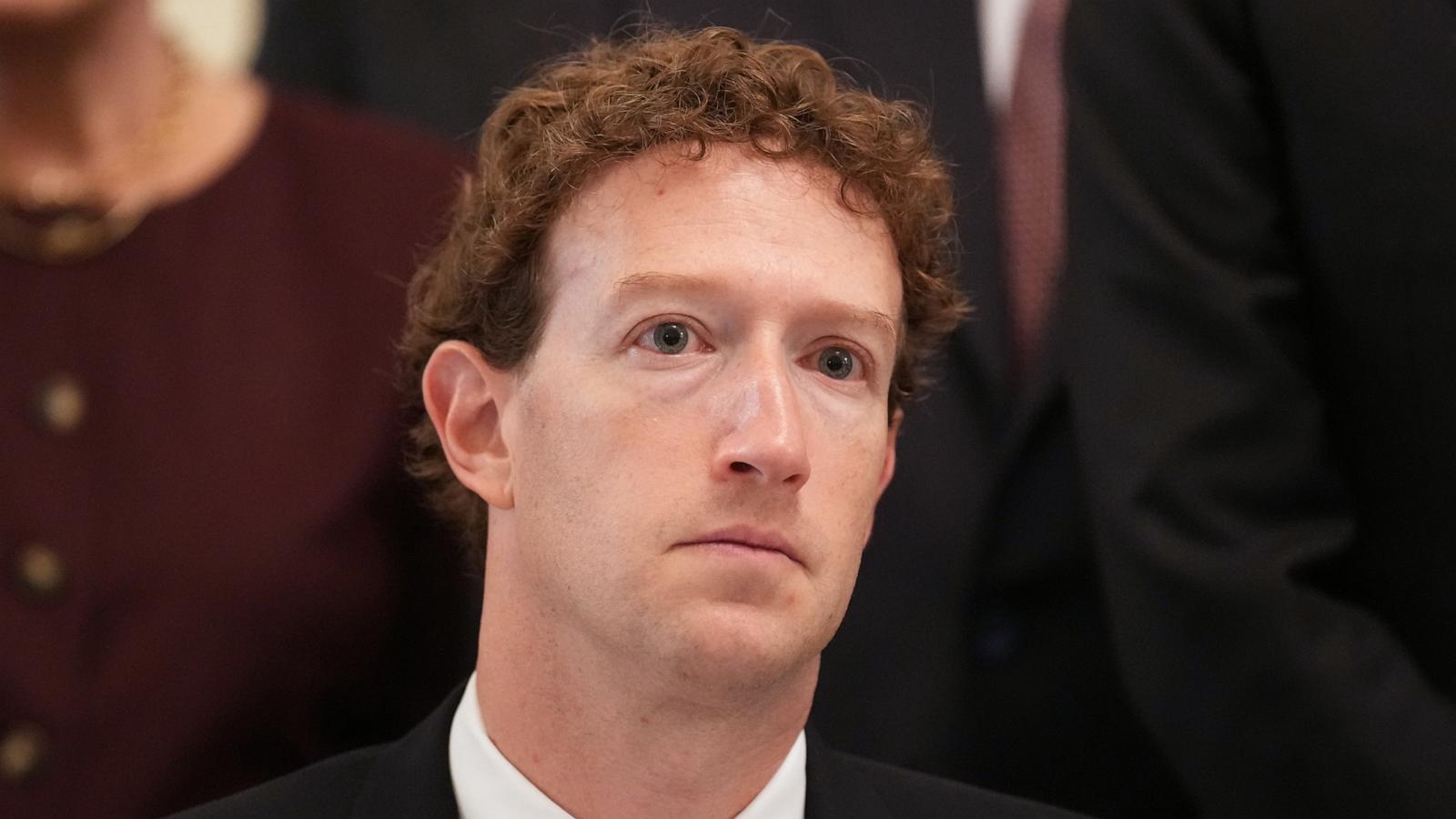









































Meta has reportedly built a humanoid robot called Max. Zuckerberg wants AI to have a physical form, as tech companies race to develop robots that can perceive, move around and interact with people in homes and workplaces.
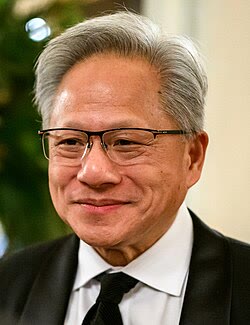
The Trump administration postponed a White House technology panel meeting scheduled for Friday, a Department of Energy spokesperson said. Nvidia's Jensen Huang and Meta's Mark Zuckerberg are among the panel's members.
White Housetechnology panelJensen HuangMark Zuckerberg
Progressive Democrat Ro Khanna criticized opponents of California’s proposed wealth tax after Meta Platforms disclosed details of how CEO Mark Zuckerberg negotiated a deal to fund a possible tax payment and remain in the state if voters approve the measure.
California wealth taxRo KhannaMark ZuckerbergMeta Platforms
After months of wrangling over Meta’s financing needs and a proposed California wealth tax, the company will offer existing investors a new class of non-voting shares. A special agreement would let Mark Zuckerberg sell some of those shares without diluting his majority voting power; he had issued an ultimatum to the board over dinner.
Less than two weeks before the midterm elections, Meta made clear that Mark Zuckerberg would remain in California if the wealth tax passes, adding to the debate over the tax.
Meta Platforms struck a deal with Mark Zuckerberg, Reuters reported, after he threatened to leave California if voters approve a wealth-tax ballot measure. The proposal is part of the Nov. 3 midterm elections and has fueled heated debate and hundreds of millions of dollars in campaign spending.
Meta has agreed to let Mark Zuckerberg sell shares without losing control of the company if he needs to cover a large tax bill. He had considered moving his primary residence out of California over a proposed one-time 5% tax on residents worth more than $1bn, which has not yet passed and will go to voters on 3 November.
Meta quietly created a new class of non-voting shares that could provide Mark Zuckerberg with billions in liquidity without diminishing his control of the company. The move comes amid his concerns about California’s proposed billionaire tax, and Meta says it will also help fund its large AI ambitions.
Meta CEO Mark Zuckerberg highlighted the company’s AI progress and called for more investment during Wednesday’s earnings call. Its Muse AI agent has gained 10 million users in six weeks, while third-quarter revenue reached $64.6 billion. Meta is also accused of political interference in Brazil’s presidential election.
Meta CEO Mark Zuckerberg highlighted the company’s AI progress and called for more investment during Wednesday’s earnings call. Its Muse AI agent has attracted 10 million users in six weeks, while third-quarter revenue reached $64.6 billion. Meta is also accused of interfering in Brazil’s presidential election.
Meta’s board worried that its CEO’s departure could disrupt the company’s AI ambitions. A new stock agreement gives Zuckerberg financial incentives to remain in California.
A new film portrays Mark Zuckerberg as a villain, while Meta faces lawsuits and criticism over youth safety and privacy. Yet use of its apps, adoption of its Muse AI assistant and revenue continue to grow. The report examines why reputational damage has not substantially slowed the company, alongside privacy concerns around Muse.
A new film portrays Meta founder Mark Zuckerberg as a villain amid lawsuits and bad publicity over alleged harms to young users. Yet use of Meta’s apps continues to grow, and users are flocking to its new AI assistant, raising questions about whether the scandals can dent the company’s momentum.
MetaMark Zuckerbergartificial intelligencesocial media
Google DeepMind, Meta, and drug-discovery startup Isomorphic Labs will invest $300 million in Biohub, a nonprofit biomedical research organization. The funding is part of a $1.8 billion initiative to build AI datasets for digitally exploring biological questions and finding new ways to prevent and manage disease. The US Department of Energy plans to invest more than $500 million over five years, while the National Institutes of Health will contribute datasets and other resources.
The US government, Meta Platforms and Google parent Alphabet are partnering with nonprofit Biohub to create open datasets for training AI models in biological research. Biohub said the effort’s total investment will reach $1.8 billion.
After the success of its personal AI agent Muse, Meta is introducing a specialized version for small businesses as Mark Zuckerberg seeks to expand the company beyond the consumer AI market.